Where to Go in Japan Based on Your Travel Style
Thinking about traveling to Japan but feeling overwhelmed by all the options? We totally get it—this country has so much to offer!
In fact, on our first trip to Japan, we really struggled to choose between buzzing mega cities, but the truth is that the “best” trip really depends on your travel style. So after traveling the country extensively, we’re here to help you plan the trip that you’ll enjoy the most. We’ve got suggested itineraries for all types of travelers based on areas of interest and what makes geographic sense.
Whether you’re chasing nightlife, history, nature, or just want to eat your way across the country, we’ve got you covered with tons of suggested itineraries. Let’s get into it!
1. Big-City Lovers & Nightlife Seekers

- Tokyo: Japan’s huge capital city is ultra-modern and endlessly fascinating. From the scramble crossing in Shibuya to the neon-soaked streets of Shinjuku and the tech heaven of Akihabara, Tokyo never sleeps, and we never get tired of exploring it!
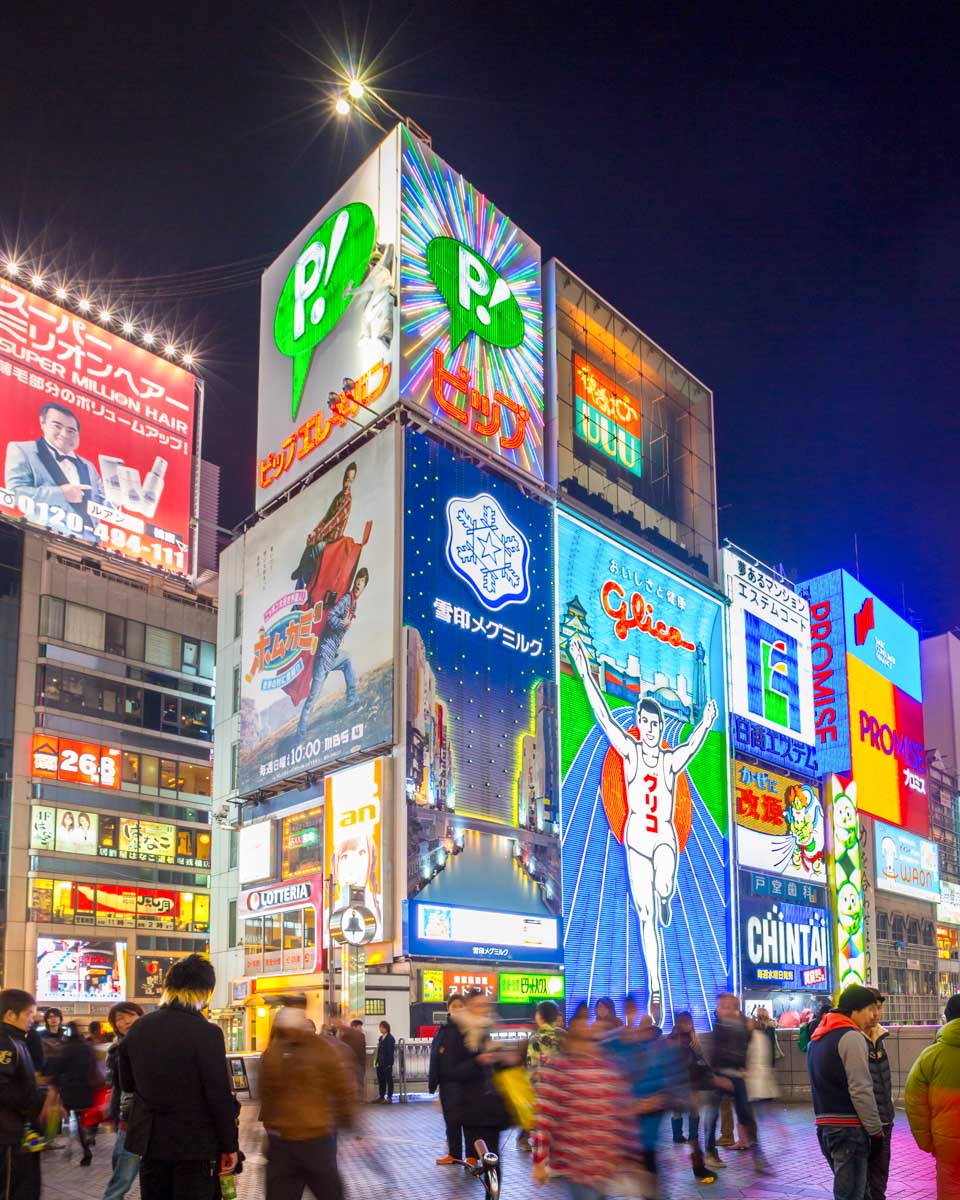
- Osaka: The Nation’s Kitchen is the place to go for varied street food and energetic nightlife. We love getting lost in iconic neighborhoods like Dotonbori and Namba, and we always enjoy the city’s more laid-back and friendly vibe.
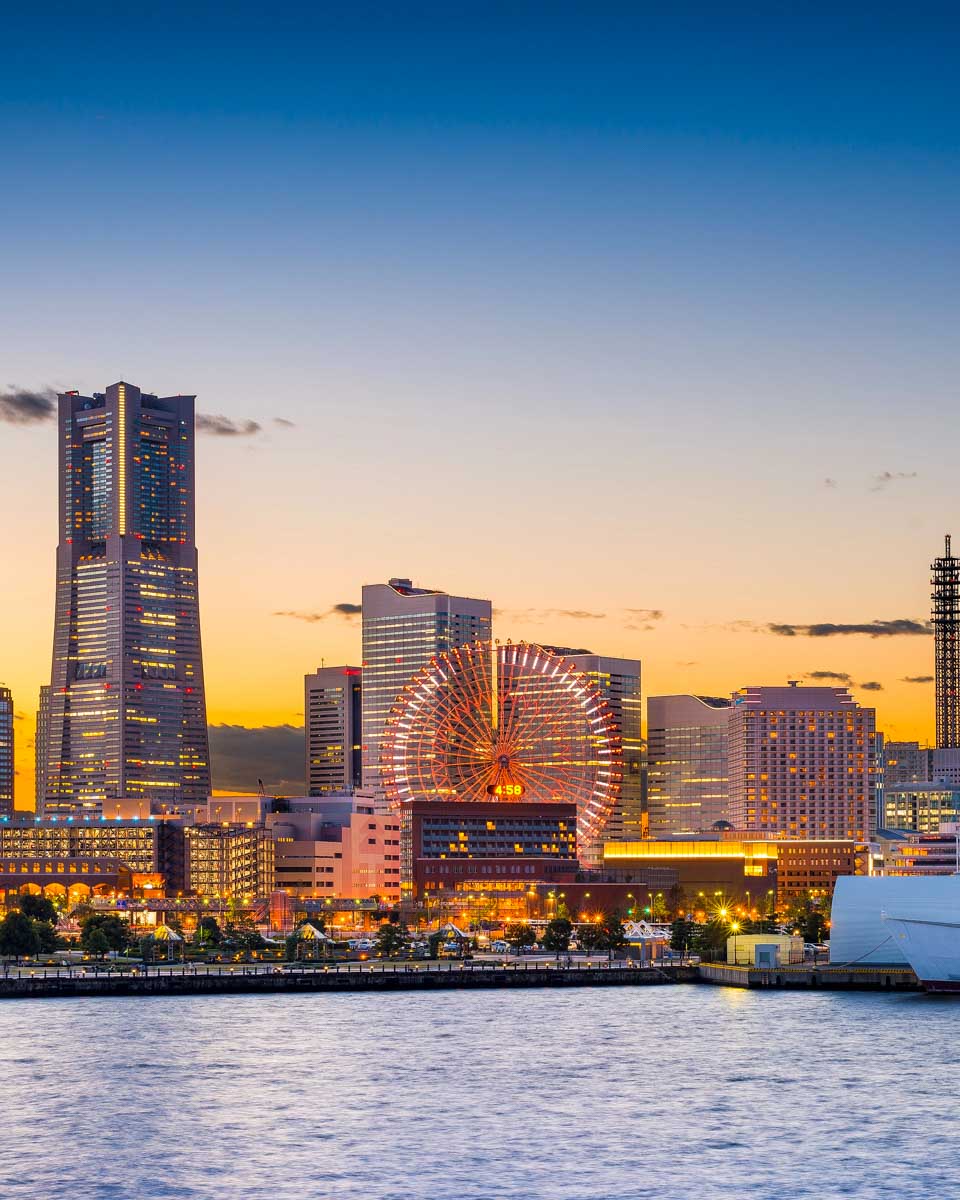
- Yokohama: Japan’s second-largest city is just 30 minutes from Tokyo, so it makes perfect sense for a day trip! It’s fun to enjoy the harbor area and explore Chinatown, and don’t forget about the quirky museums.

If you love exploring big cities, then boy, are you in for a treat with Japan. From hopping between tiny bars in Tokyo’s Golden Gai to street food and karaoke in Osaka, we’ve had so many fun nights out in the country’s big, buzzing metropolises.
And there’s some world-class shopping in Japan’s largest cities, too. In Tokyo, be sure to check out the fashion boutiques in Harajuku, which are renowned for their quirky streetwear and kawaii (cute) styles. Shibuya’s huge department stores are also a must, while in Osaka, you can’t miss the chance to explore Umeda’s massive malls.
Japan’s cities also offer a ton of very unique cultural experiences, but we’re talking pop culture rather than ancient heritage. You can’t visit Japan without checking out at least one themed cafe, and there are lots of retro arcades and unique pop-up events to enjoy.
One of our favorite things to do in any city, though, is to take it all in from a viewpoint, and Tokyo and Osaka have plenty of those between them, including Tokyo Skytree, Tokyo Tower, and the Umeda Sky Building.
Suggested City-Lover Itinerary: Spend 4–5 days in Tokyo, enjoying its unique neighborhoods and nightlife, and take a day trip to Yokohama and maybe Kamakura or Nikko. Then head to Osaka for 3 days to dive into Dotonbori and Namba, plus a day trip to Nara or Kobe.
Related Read: If you want to explore beyond the cities, our renting a car in Japan guide breaks down everything you should know before hitting the road.
2. Culture & History Buffs


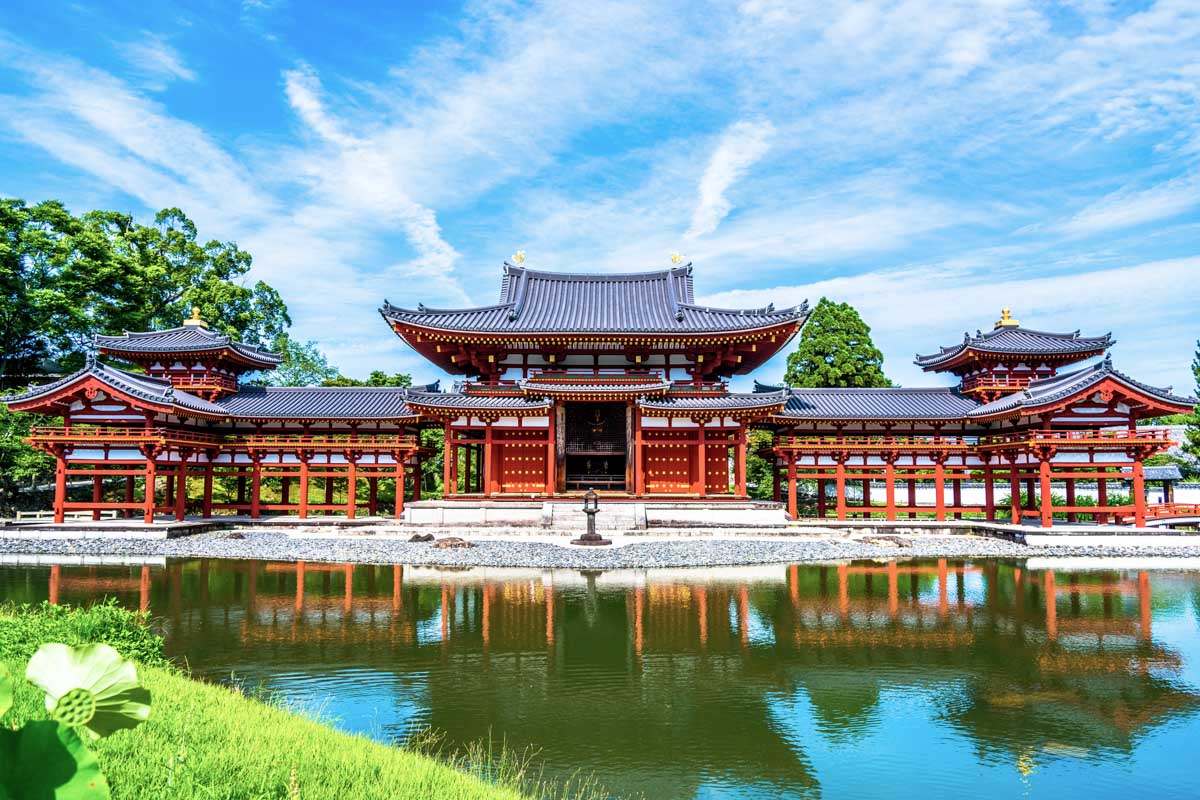
- Kyoto: Japan’s cultural heart is filled with temples, shrines, and tea houses. It’s home to Gion, the iconic geisha districts, and some of the most charming traditional streets in the entire country.
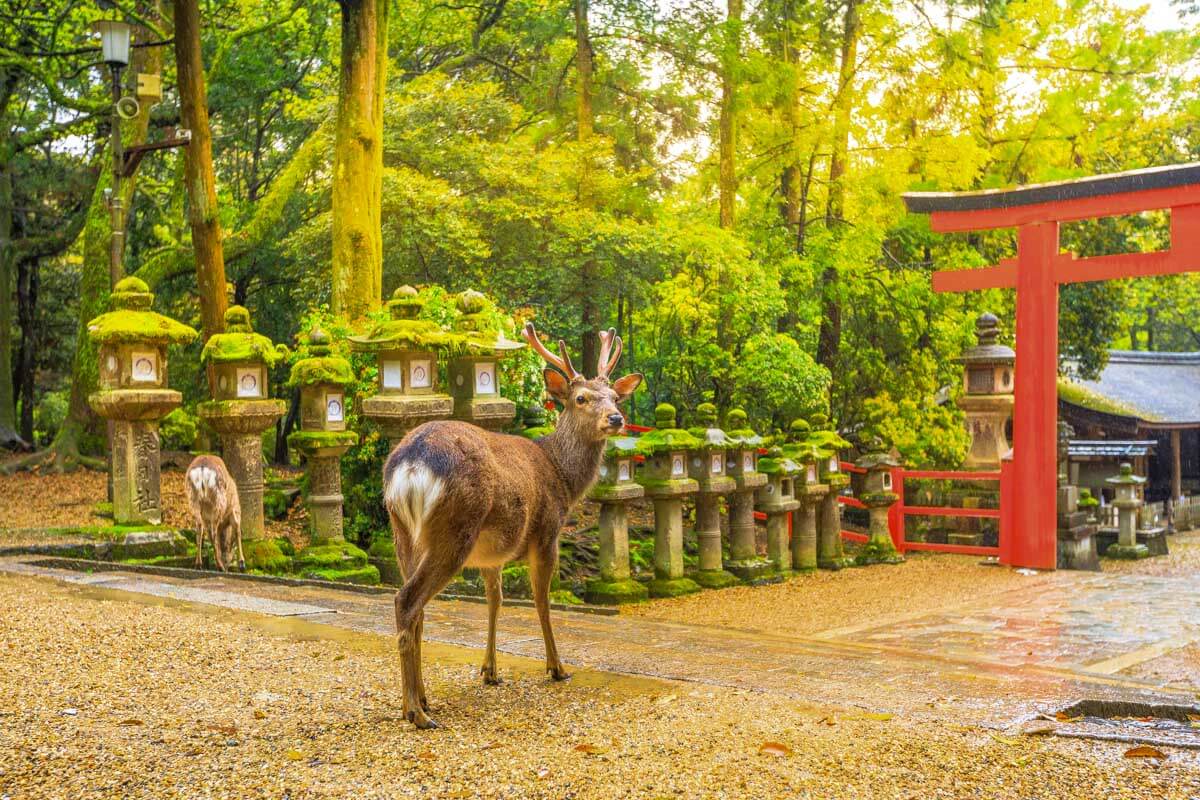
- Nara: The ancient capital is home to the famous giant Buddha and a peaceful deer park where the deer actually bow to you! It’s super traditional and a total delight to visit.
- Hiroshima & Miyajima: At the Peace Memorial Park, you can learn about the atomic bomb that ended WWII and commemorate the victims of the attack. Then, for a bit of levity, head to Miyajima Island to see yet more deer and admire the floating torii gate.
- Kanazawa: This charming city is known for beautifully preserved Edo-era districts, samurai homes, and ornate shrines. Kanazawa Castle and Kenrokuen Gardens are also both must-visits here!
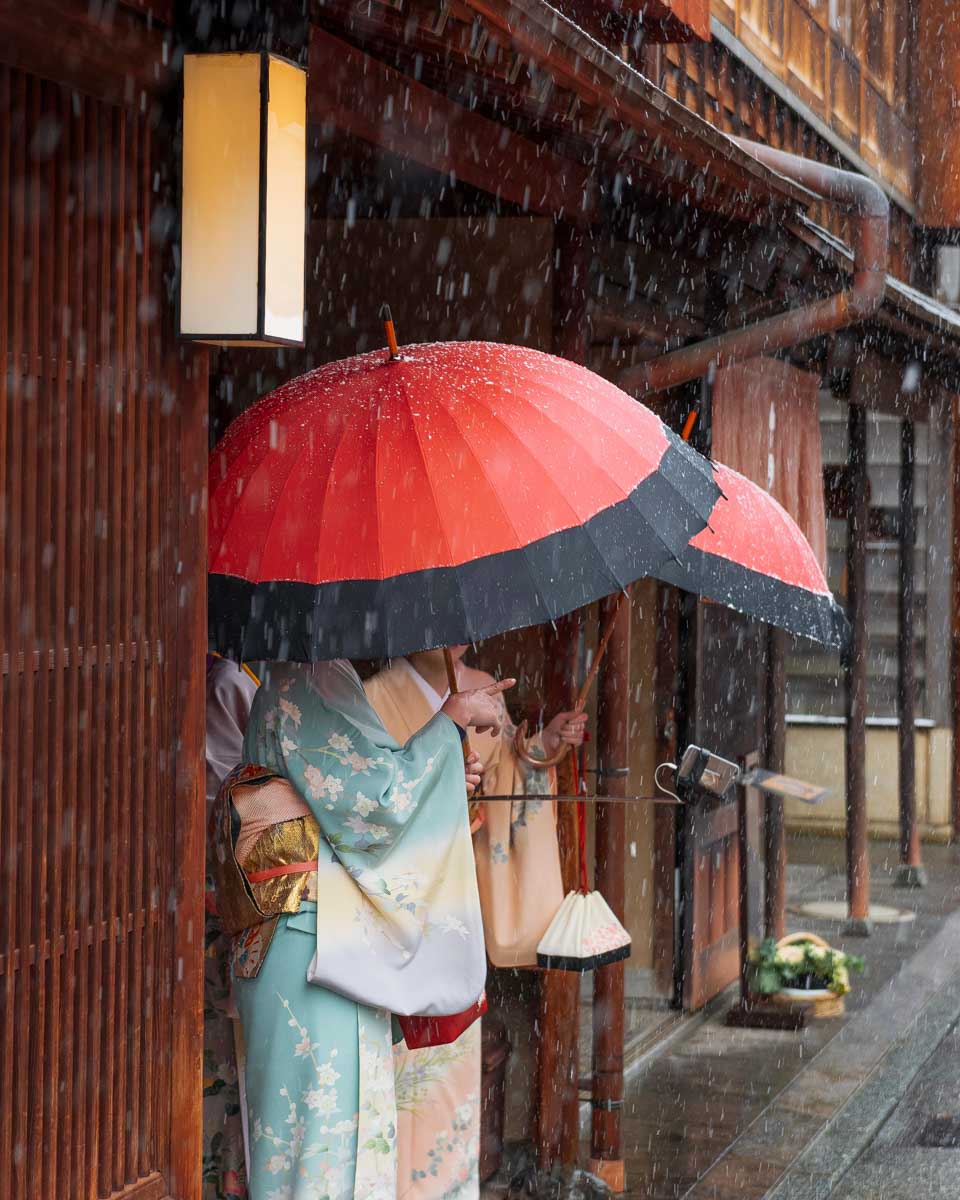

If you’re the kind of traveler who loves slow and meaningful exploration, we think that these destinations are absolute gems. Visiting Kyoto is an opportunity to step back into the Japan of old and experience the deliberate elegance of tea ceremonies and learn about the intricacies of geisha culture. Walking through the hundreds of vermilion gates at the Fushimi Inari shrine is also an unmissable experience.
From Kyoto, it’s easy to take a day trip to Nara as it’s less than an hour away. Feeding the deer crackers and seeing them bow never fails to delight us, and Todai-ji Temple houses one of the largest bronze Buddha statues in the world!
Of course, Hiroshima is a powerful and important stop. The Peace Memorial Museum is incredibly moving, and pairing it with a half or full day on Miyajima helps offset some of the heaviness with its beauty. Then, Kanazawa rounds things out with samurai history and preserved neighborhoods—we couldn’t believe how untouched they felt!
Suggested Cultural & History Itinerary: Spend 3-4 days in Kyoto with a day trip to Nara, then head to Hiroshima for 2 days with a half or full day on Miyajima.
3. Foodies

- Osaka: Often called “Japan’s Kitchen”, Osaka is the ultimate city to eat your way through! Takoyaki, okonomiyaki, and kushikatsu are everywhere, especially around Dotonbori and Shinsekai, and we never get tired of trying new stalls each time we visit.
- Tokyo: If you want variety, Tokyo has it in spades. From ramen alleys and izakaya hubs to high-end sushi counters and the lively Tsukiji Outer Market, you could eat somewhere new for months and still barely scratch the surface!
- Kyoto: This is where Japan’s traditional food culture really shines. We love exploring Nishiki Market and eating matcha treats in Gion, and this is also a fantastic place to try a refined kaiseki dinner.
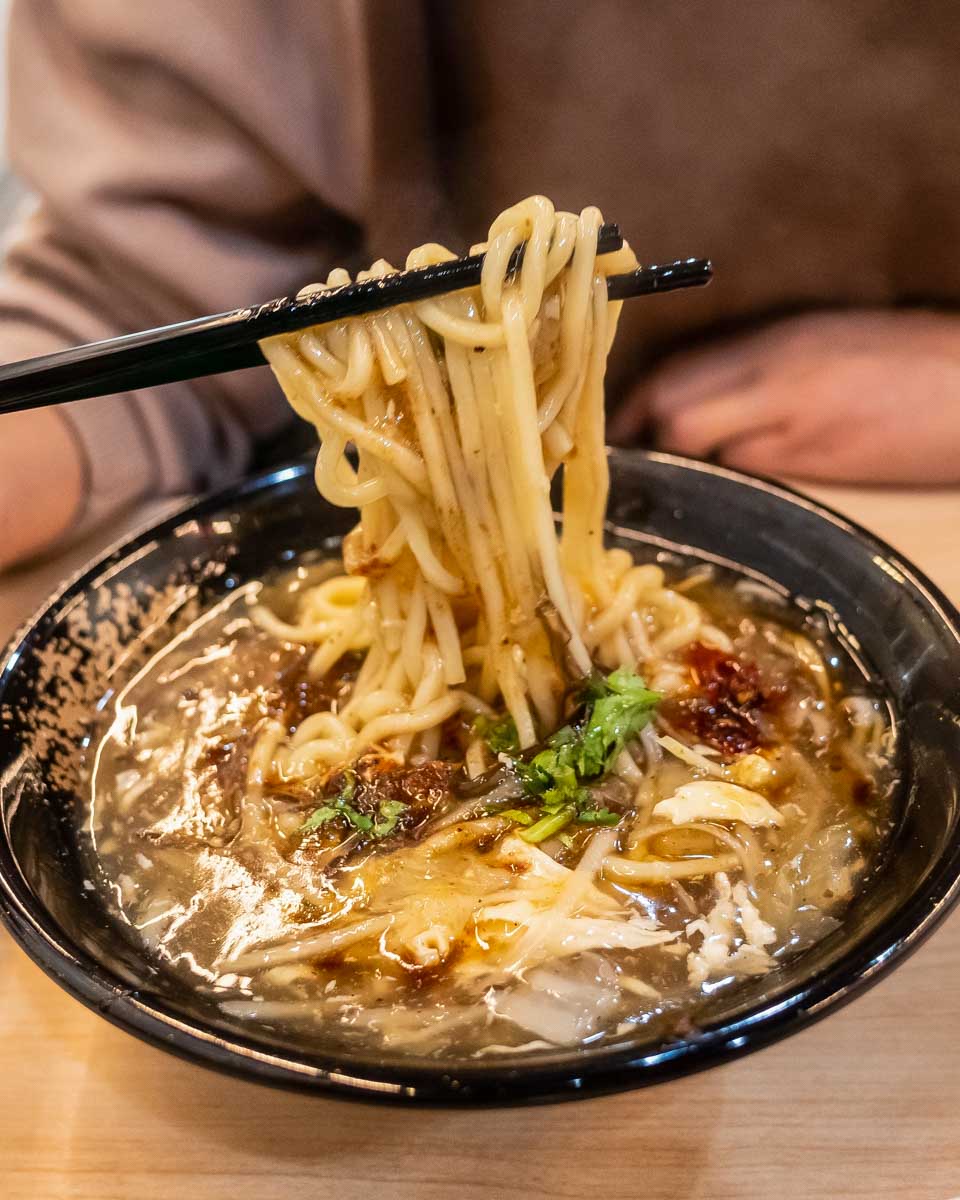
- Fukuoka: Where better to eat ramen than the country’s “Ramen Capital”? The yatai (food carts) come alive at night, so don’t miss the chance to try Hakata ramen, which to me feels like a hug in a bowl.
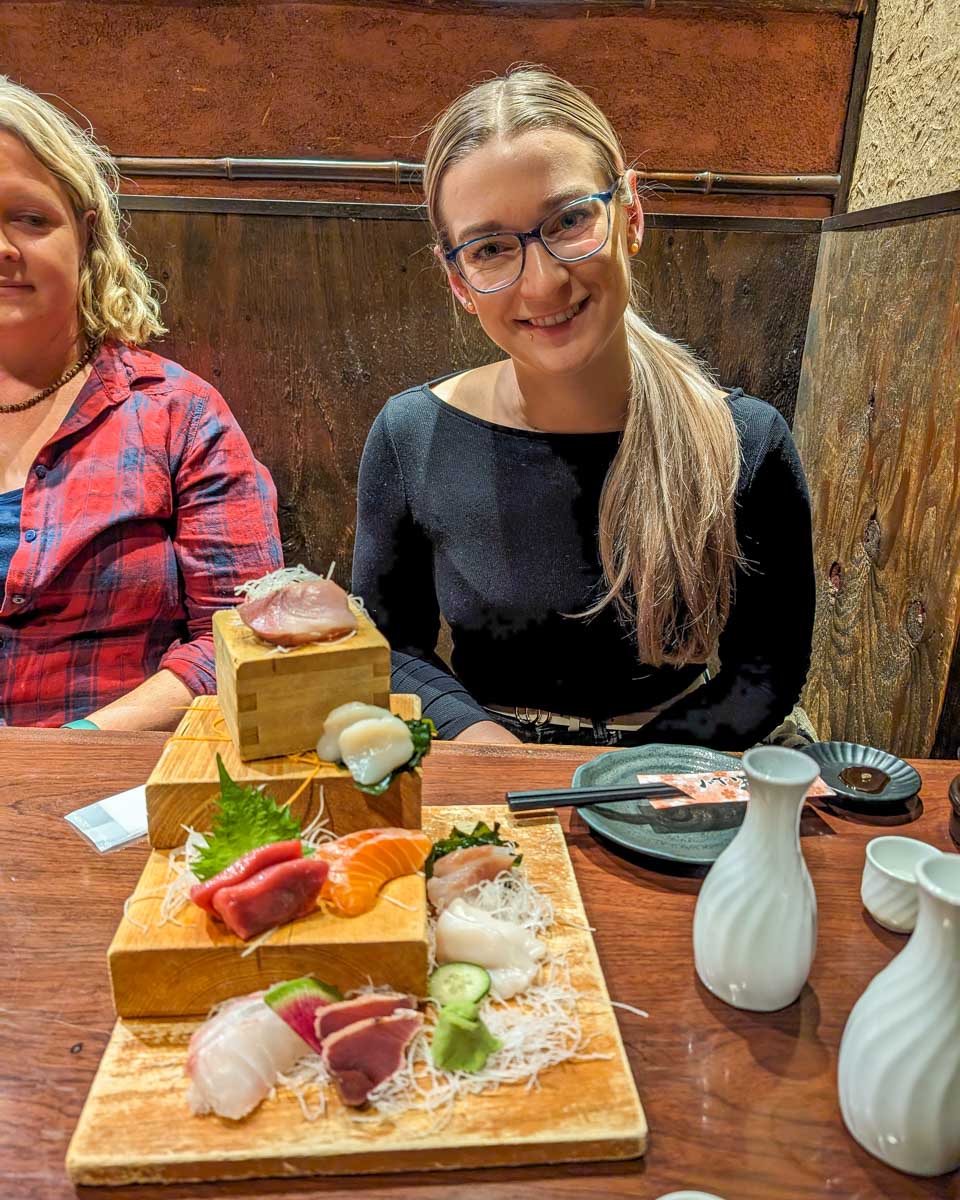

If you plan your trips around what you’re going to eat next, then Japan will feel like paradise. We always recommend joining a food tour in Tokyo or Kyoto because it’s the easiest way to try local specialties and discover spots you might not find on your own.
Markets are a huge part of Japan’s food culture too, and we always stop by Kuromon Market in Osaka, Tsukiji Outer Market in Tokyo, and Nishiki Market in Kyoto for fresh sushi and dango. It’s basically snacks on snacks!
Meanwhile, in Kyoto, you’ll be able to enjoy some of the country’s best traditional dishes. This city does tofu dishes really well, and it’s a hotspot for wagashi shops. You can always find some really pretty seasonal sweets here, and it’s also a great place to treat yourself to a kaiseki dinner.
Last but not least, in terms of street food, the famous yatai in Fukuoka are hard to beat. They’re perfect for late-night ramen runs, with a side of yakitori for good measure!
Suggested Foodie Itinerary: Spend 3 days in Tokyo to check out the markets, take a food tour, and enjoy some ramen and yakitori. Then, head to Osaka for 2-3 days to eat your way through Dotonbori and Kuromon Market. Add 2 days in Kyoto for Nishiki Market, matcha sweets, and a traditional kaiseki dinner. Finally, if you have time, you can add two more days in Fukuoka to experience the yatai stalls and world-famous Hakata ramen.
Related Read: Before you lock in your plans, be sure to read our guide on 21 mistakes to avoid when planning a trip to Japan.
Japan Rail Pass!
The Easiest Way to Travel Japan By Train
If you’re planning to explore Japan, the Japan Rail Pass (JR Pass) is hands down the easiest and most affordable way to get around. It’s a special 7, 14, or 21 day pass for foreign visitors that gives you unlimited rides on Japan’s famous JR trains, including the high-speed shinkansen (bullet trains)!
Why We Love the JR Pass
Pro Tip: If you’re only exploring one region of Japan, consider a Regional Pass instead (like the Kansai, Hokkaido, or Kyushu Pass). They’re cheaper and perfect for smaller trips!
Where to Get Your Pass
We personally recommend buying your pass online in advance through JRPass.com — they’re an official reseller with fast worldwide delivery and English support, making the whole process super simple. They even offer handy add-ons like pocket WIFI and meet & greet services! Still not sure if the JR Pass is right for you? Check out our Ultimate Guide to the Japan Rail Pass for a full breakdown of costs, inclusions, and when it’s worth it!
4. Onsen & Relaxation Lovers
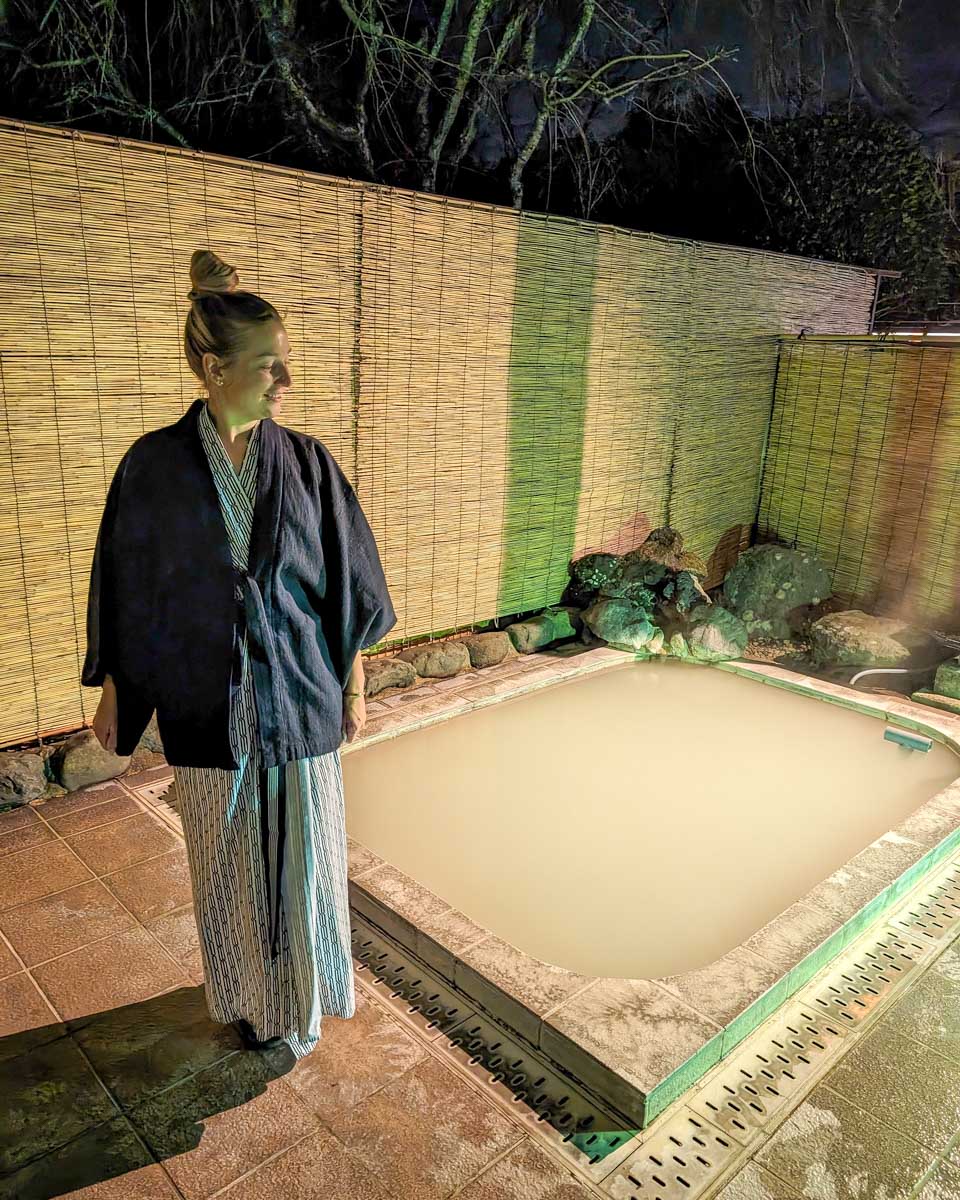
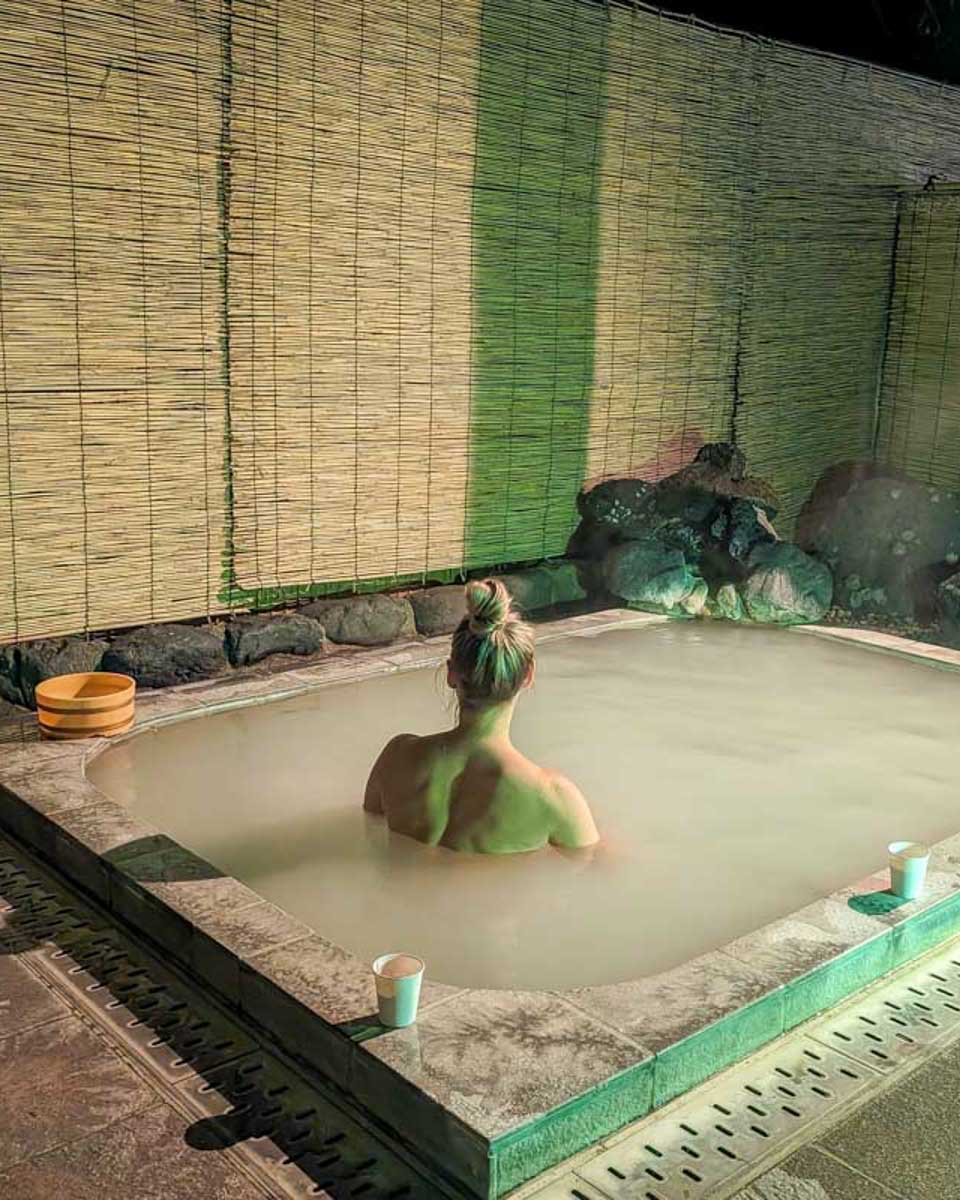
- Hakone: One of the most famous onsen getaways near Tokyo, and a firm favorite for its Fuji views and Lake Ashi cruises. Plus, it’s the perfect place to experience a peaceful ryokan stay!
- Kusatsu or Kinosaki: These are two classic hot spring towns where you can wander between public baths and soak as much as you want! Kusatsu is known for its dramatic Yubatake hot water fields, while Kinosaki is all about bath-hopping in a yukata (linen kimono).
- Kusatsu or Kinosaki: These are two classic hot spring towns where you can wander between public baths and soak as much as you want! Kusatsu is known for its dramatic Yubatake hot water fields, while Kinosaki is all about bath-hopping in a yukata (linen kimono).
- Beppu or Kurokawa (Kyushu): These hot spring towns offer an atmospheric, rural vibe and offer unique experiences like sand baths and mud baths. Oh, and don’t forget about Beppu’s colorful “hells”!

If your dream Japan trip involves soaking in hot water and wearing a yukata, onsen towns are the way to go. Hakone is the best place to start, as it’s easy to get to from Tokyo. Oh, and did I mention it offers amazing Fuji views?
For this reason, riding the ropeway is a must, and we also highly recommend a cruise on Lake Ashi. We recommend staying in a traditional ryokan and enjoying a kaiseki dinner while you’re here, too, as this is a big part of staying in a hot spring town. You can read our guide to the best ryokans in Hakone here!
Then, Kinosaki and Kusatsu are perfect if you love the idea of bath-hopping around town with an onsen pass. Best of all, you can stay in your yukata as you walk around town from one onsen to the next—all the locals do it!
Finally, Beppu and Kurokawa are ideal if you want something a little more atmospheric and off the beaten path. Beppu is famous for its “hells”, which are unique hot spring experiences like sand baths and steaming pools. Kurokawa has a more rustic vibe with lots of charming ryokans.
Suggested Relaxation Itinerary:
After visiting Tokyo, head to Hakone for 2-3 days. Then, travel to Kusatsu for 2-3 days of classic hot spring vibes and a full reset.
5. Nature Lovers, Hikers & Photographers
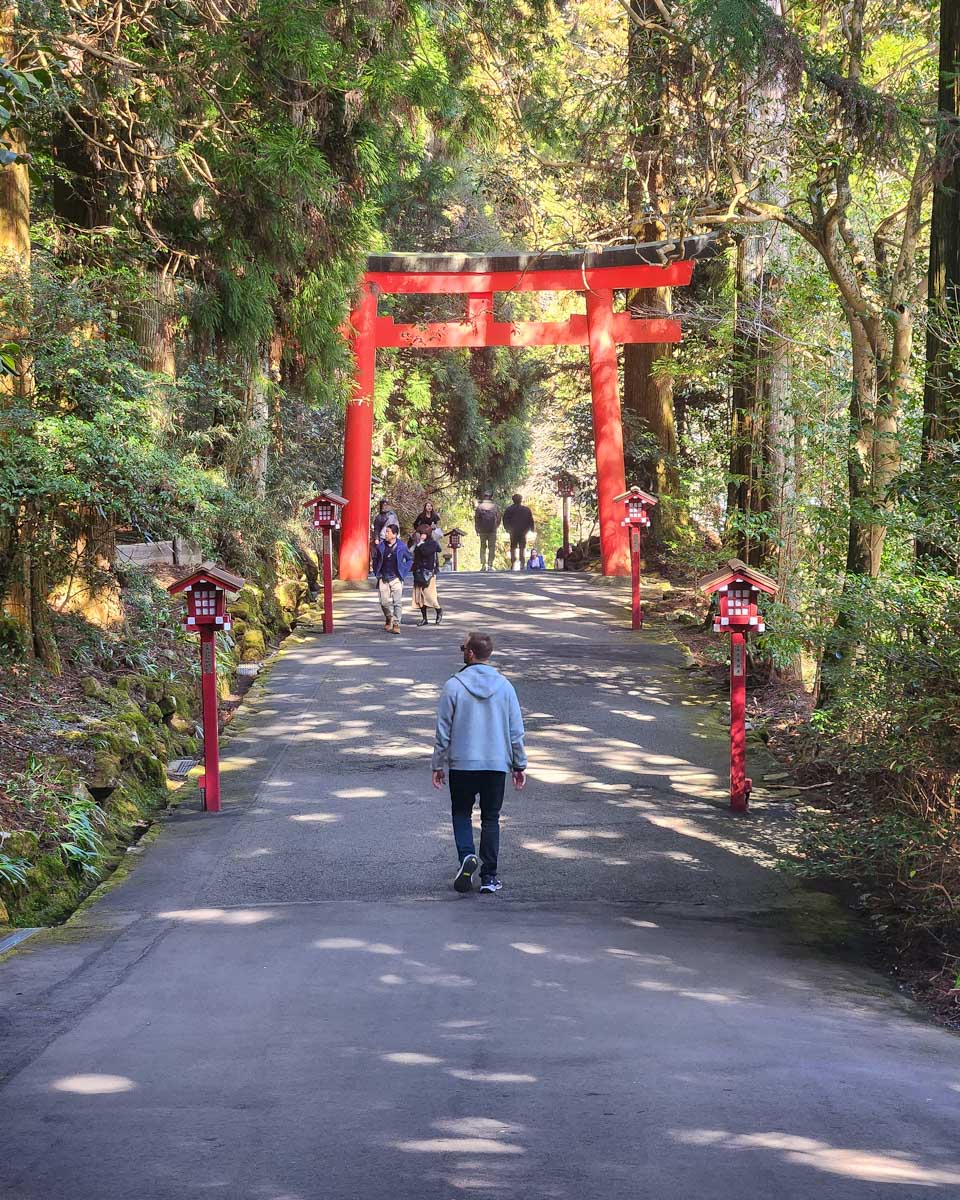
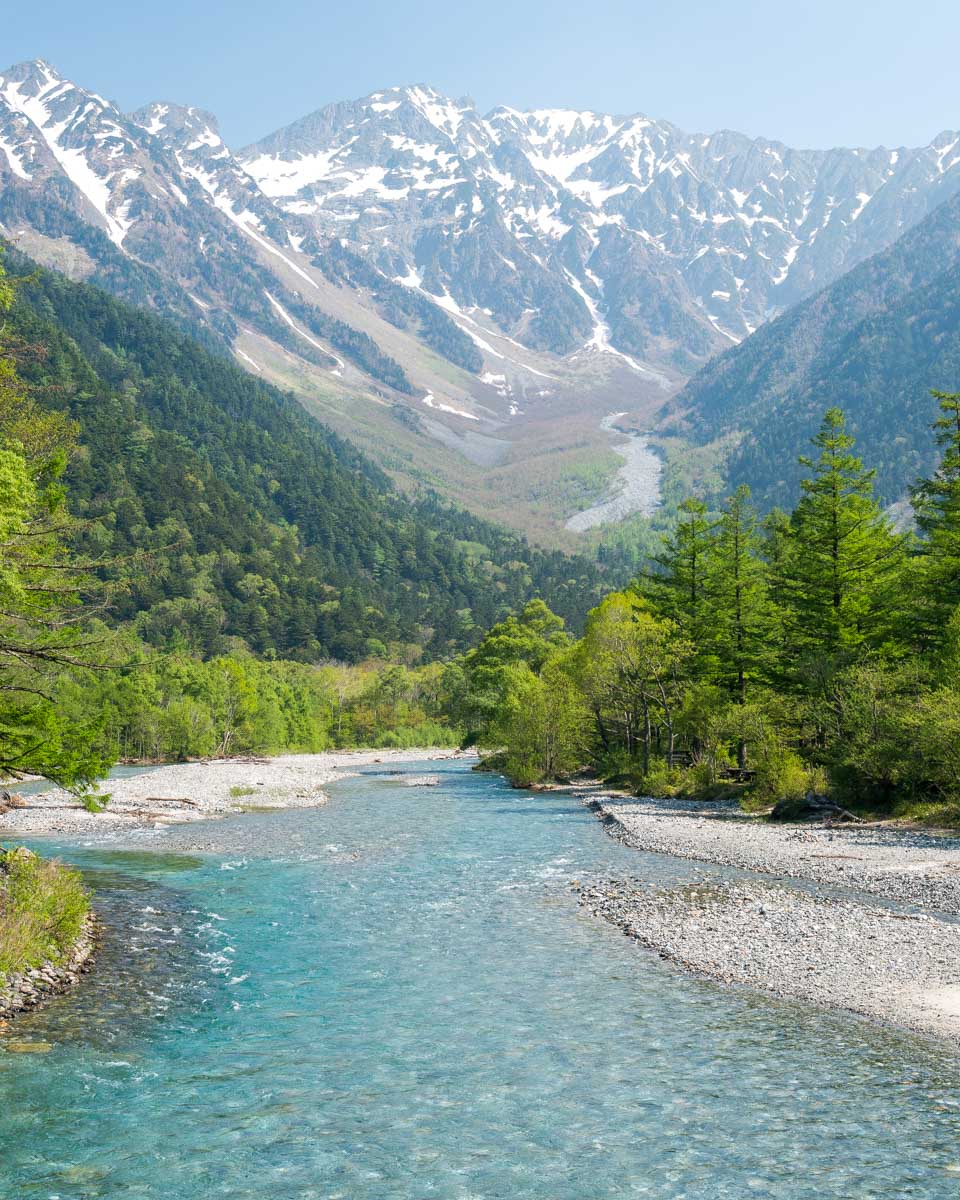
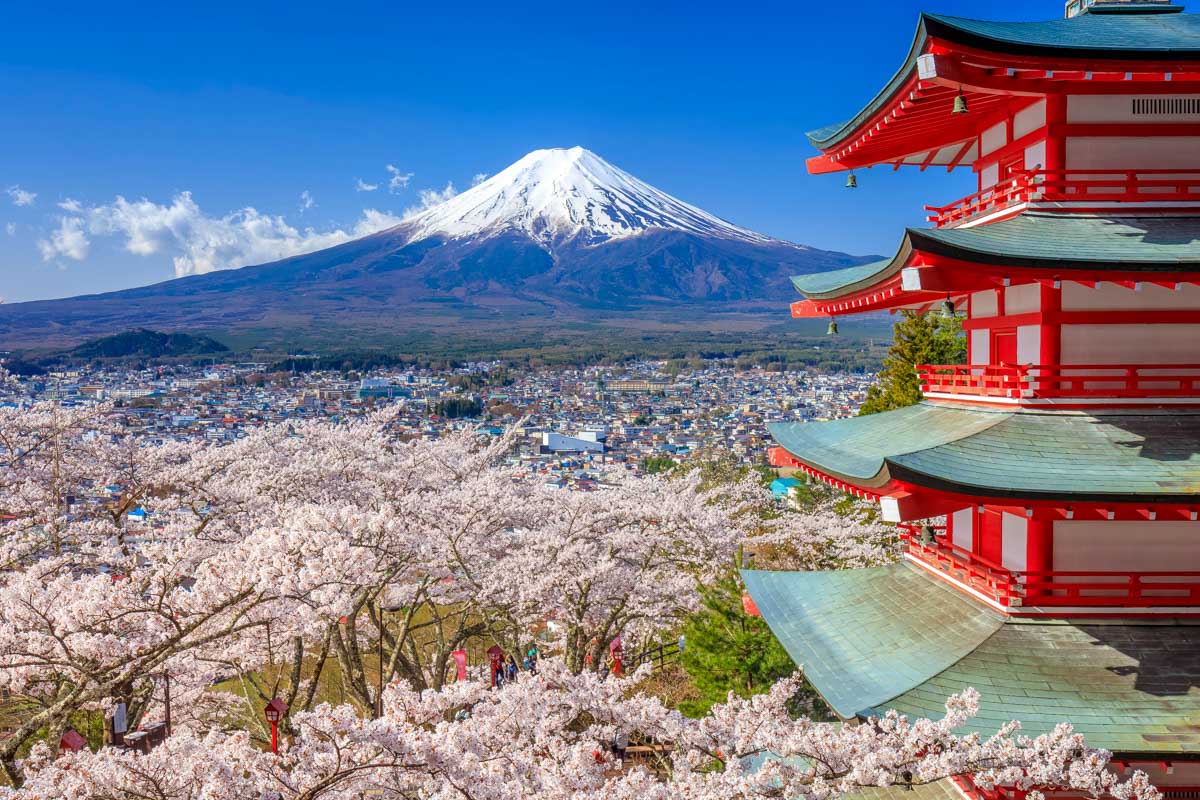
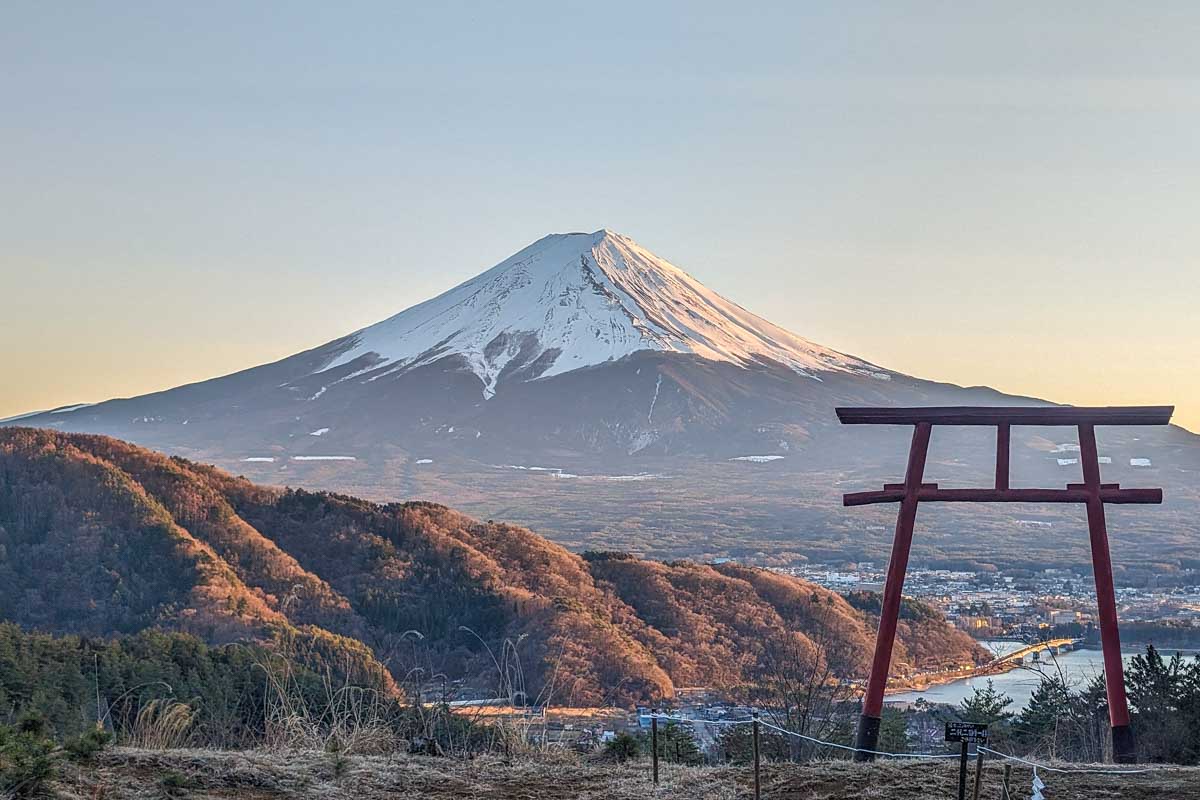
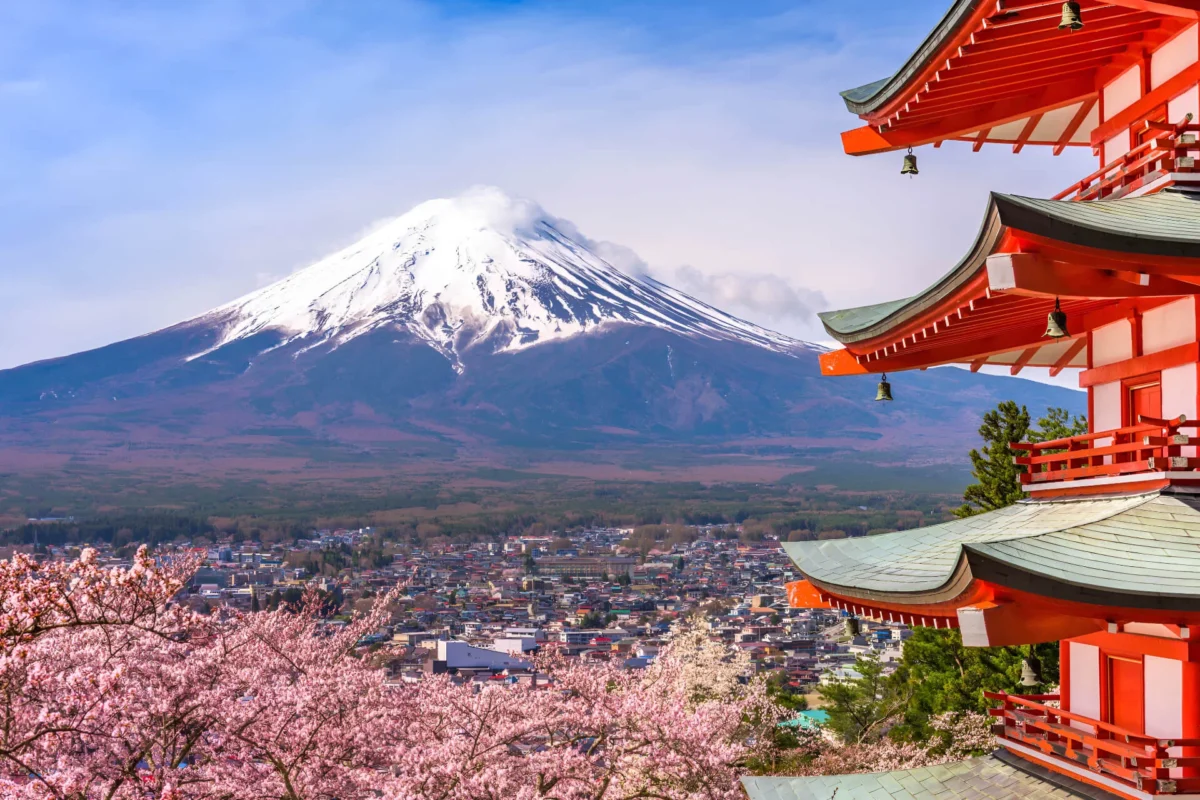
- Fuji Five Lakes / Hakone: This is where you get those classic Mt. Fuji views you see all over Instagram! The lakes are calm, the trails are gentle, and the views are first-class.
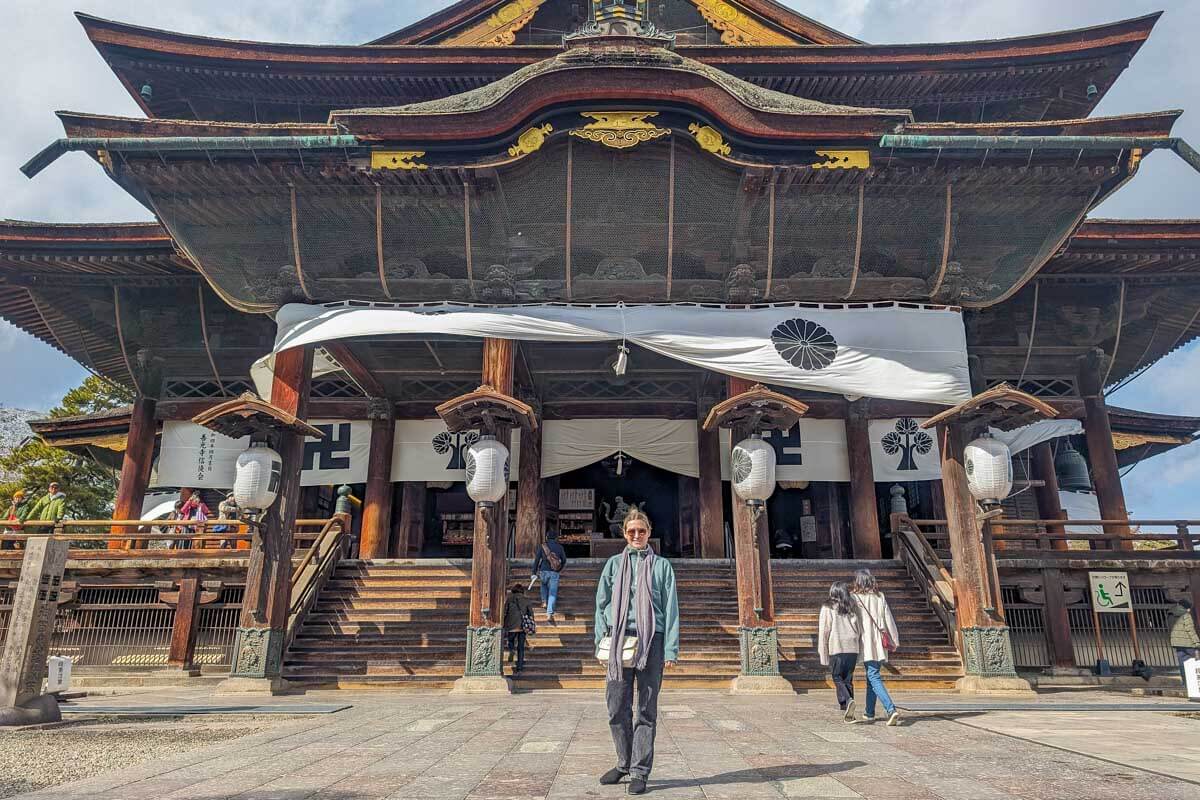
- Japanese Alps (Nagano, Takayama, Kamikochi) – If you want alpine scenery, this is the spot. Kamikochi has rivers so clear you can see the stones at the bottom, while Nagano and Takayama are small, traditional towns that can’t fail to charm you.
- Yakushima or rural Kyushu – With dense forests and waterfalls everywhere, there’s something magical about Yakushima—it even inspired a Studio Ghibli movie! Meanwhile, in Kyushu, you can visit the crater of Mt Aso, which is an active volcano.
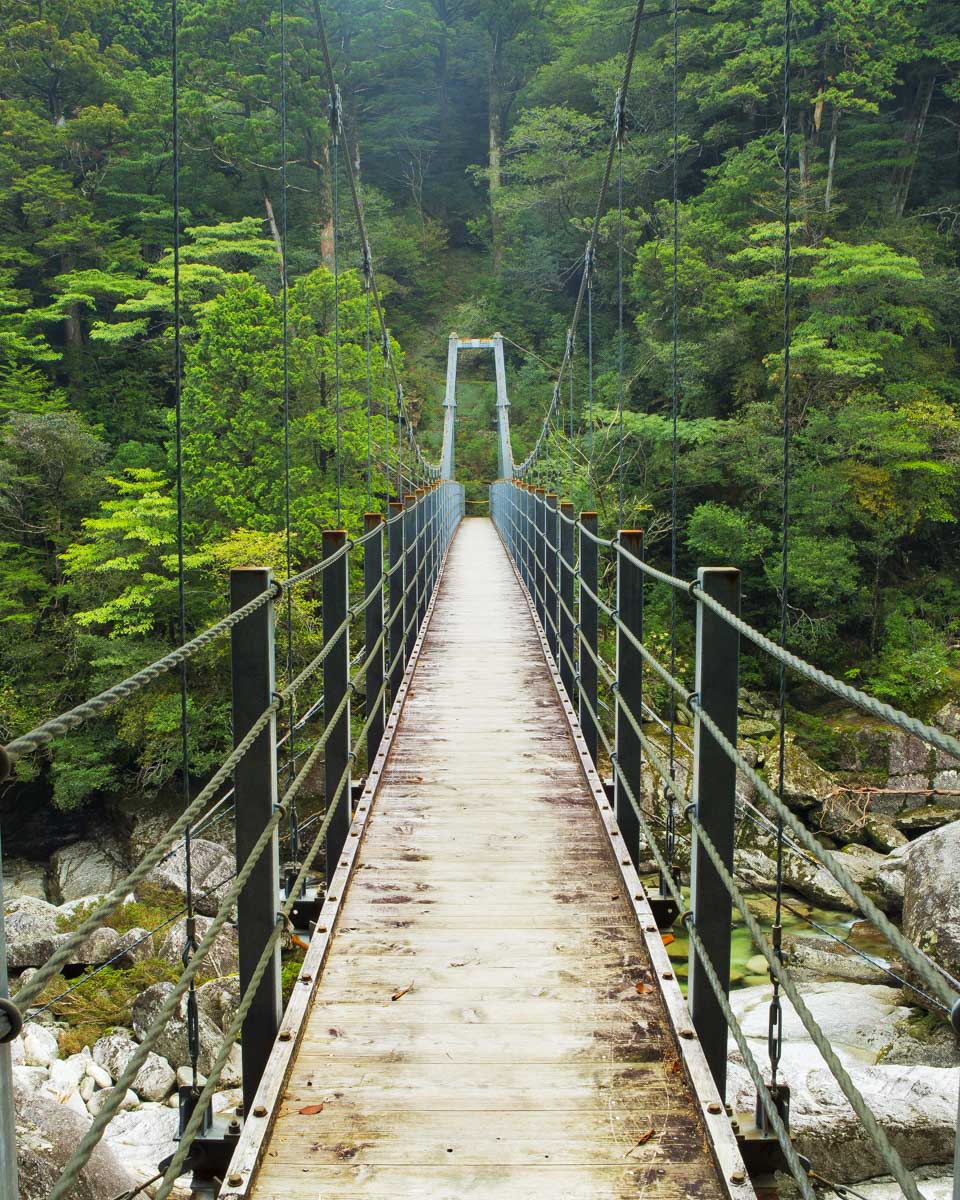

If you’d rather trade big cities for mountain air and wide-open views, then Japan has some seriously beautiful regions to explore! Hakone is super easy to add onto any Tokyo itinerary, so you don’t even need to travel far for amazing Fuji views.
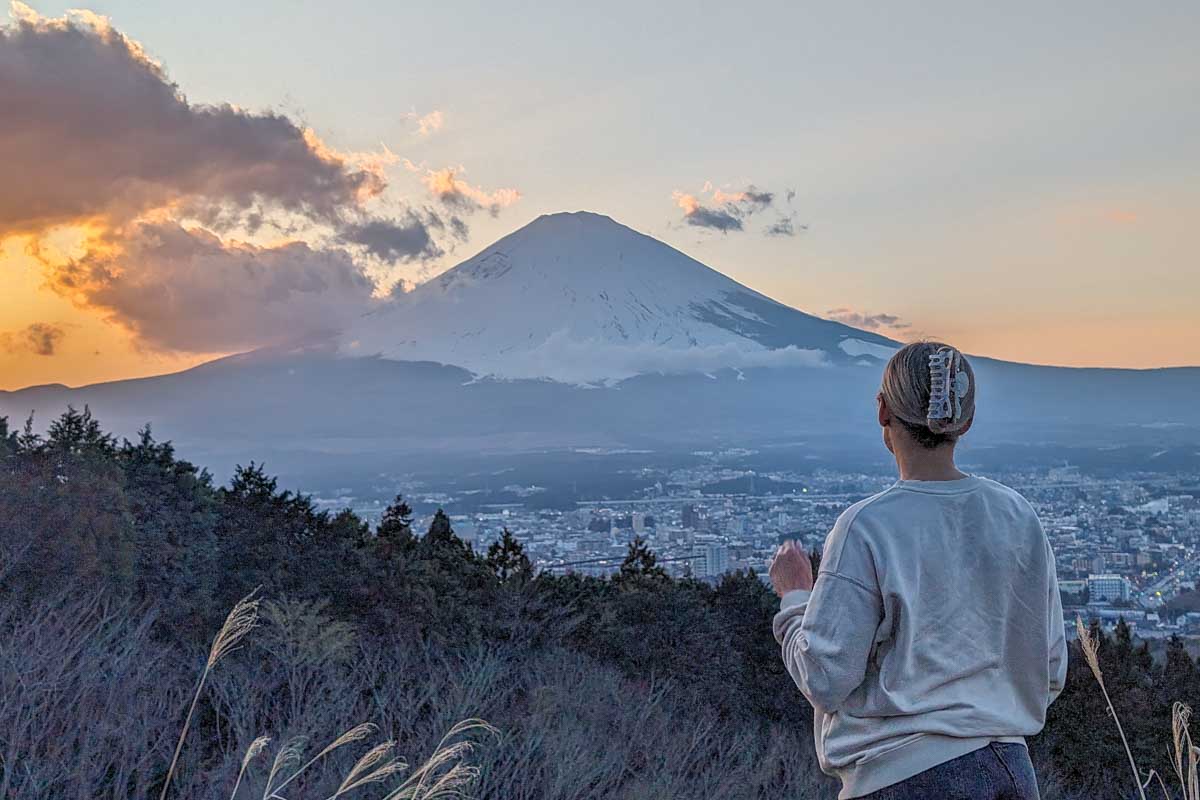
However, the Fuji Five Lakes is one of our favorite places to photograph Mt. Fuji, especially at sunrise and sunset when the sky turns pink and the reflection on the water looks unreal. We’ve even got a guide to the very best viewpoints for you here!
Then, the Japanese Alps are perfect if you want proper hiking. Kamikochi has well-marked trails and scenery that changes every few minutes, and the Nakasendo Trail is great if you want something more relaxed with little post towns along the way. And if you’re into more dramatic landscapes, rural Kyushu has volcanic craters, steaming vents, and amazing viewpoints that most tourists never get to see! It’s the perfect destination for those who like to get off the beaten track.
Suggested Scenic Itinerary:
After Tokyo, spend 2 days in Hakone and 2 days exploring the Fuji Five Lakes area. After that, spend 3-4 days in Nagano or Takayama and use either city as a base for hiking and mountain exploration.
Related Read: For even more inspiration, explore our guide to the 17 best places to visit in Japan and why each one deserves a spot on your itinerary.
6. Winter Adventurers


- Sapporo: This lively city is THE place to go in winter, especially during the epic Snow Festival in February. Plus, it offers easy access to ski resorts all winter long.
- Niseko: Niseko is famous for its deep, dry powder, and it’s Japan’s ultimate ski destination, although visitors can also enjoy snowshoeing the trails and relaxing in luxury onsen hotels!
- Hakuba: This part of the Japanese Alps is ideal for travelers looking for variety. It has ski runs for all levels as well as super scenic winter hiking trails, so we think it makes a great addition to your itinerary if you’re making your way back towards Tokyo.


If you love snow and winter sports, Japan is perfect between December and February. In Sapporo, we love exploring the Snow Festival, then warming up with hearty bowls of miso ramen and maybe stopping into a few local craft beer bars along the way!
There are several resorts around Sapporo, but Niseko is the ultimate ski destination. There are four main resort areas to choose from, and we’ve got a full guide here! Personally, we love staying in Niseko Village, although Hirafu is the place to be for a fun après-ski scene.
Since lots of travelers fly in and out of Japan via Tokyo, we definitely recommend checking out Hakuba on your way back to the capital if you’ve got time. It’s a fantastic place for backcountry skiing and winter hiking, and it’s also just an hour from Nagano, so you can go and visit the famous snow monkeys.
Suggested Winter Adventure Itinerary:
Start with 2–3 days in Sapporo for city sights, warming food, and the Snow Festival if you’re visiting in February. Then head to Niseko for 3-4 days of skiing and relaxing onsen soaks. If your route does take you back toward Tokyo, add 2-3 days in Hakuba to round out your snowy adventure and include a day trip to Nagano to see the snow monkeys, as it’s only an hour away.
7. Beaches, Islands & Tropical Vibes
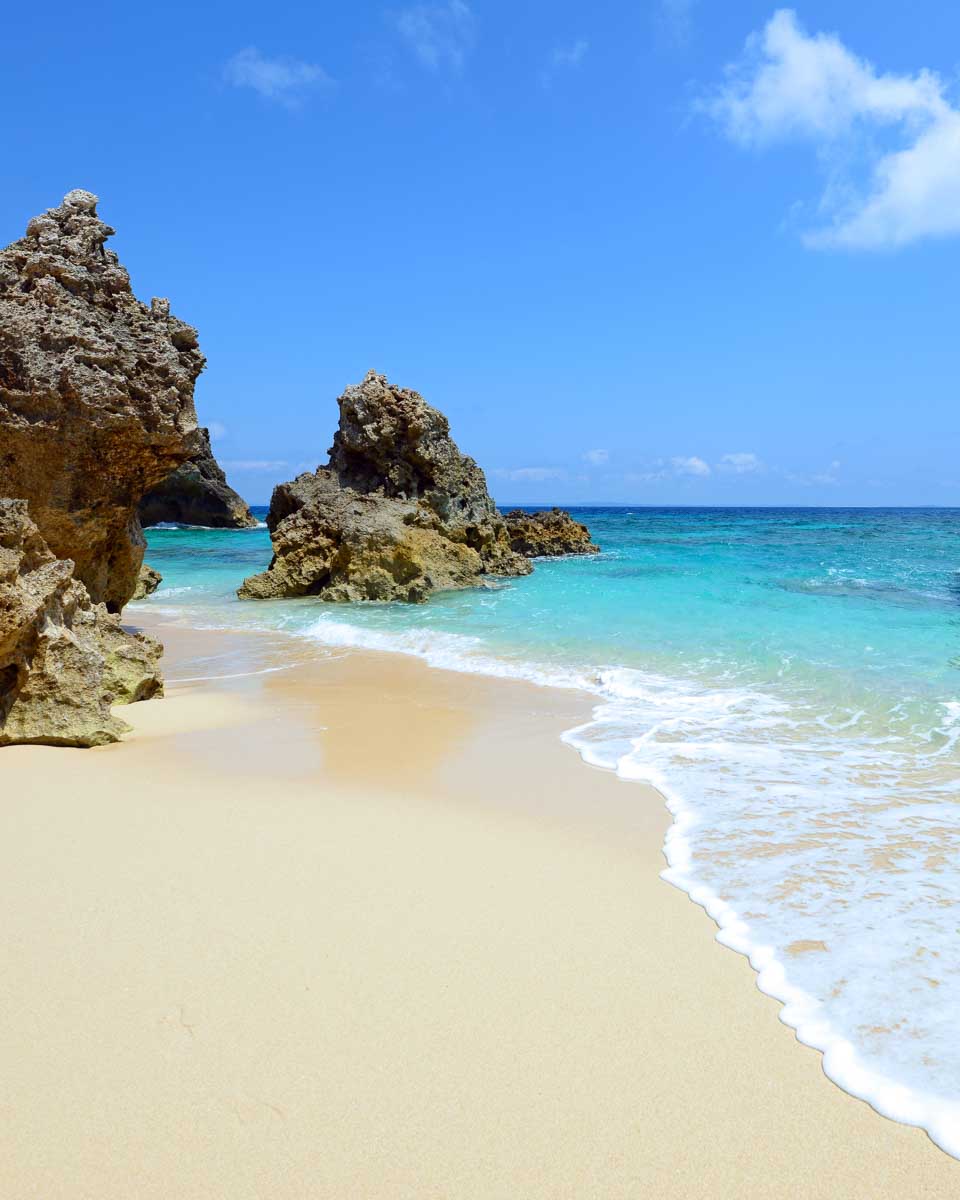

- Okinawa Main Island: Okinawa has a totally different vibe from the rest of Japan thanks to its indigenous Ryukyu culture. It boasts gorgeous beaches and fascinating castle ruins, and it has a very unique feel that varies a lot from the mainland.
- Ishigaki & Miyako Islands – These islands feel more remote and laid-back than Okinawa, with crystal-clear waters that are perfect for snorkeling and diving, as well as lounging on the sand. They offer a true tropical escape!

If you’re chasing sun and sand, the Okinawa region is where you want to be between June and August. We love spending our days hopping between beaches in Okinawa, and it’s a great place to try out paddleboarding or take a boat trip. Food is a big part of the experience, too, as Okinawan cuisine has a lot of flavors you won’t find elsewhere in Japan.
There’s also plenty of history to soak up here. On Okinawa Main Island, you can visit Shuri Castle and Futenma Temple if you want to mix up your beach days with some regional history. The island has a very distinct past, and we find it very interesting to learn about.
Suggested Tropical Itinerary: Spend 3-4 days on Okinawa Main Island to enjoy beaches, local food, and historical sites. Then head to Ishigaki or Miyako for 4–5 days to relax, snorkel or dive, and enjoy the remote island atmosphere.
Related Read: To make getting from place to place simple, take a look at our guide on how to get around Japan here.
8. Anime, Gaming & Pop-Culture Fans


- Tokyo: Tokyo is a true playground for anyone obsessed with anime, gaming, and pop culture! Akihabara is the ultimate stop for electronics and anime collectibles, while Ikebukuro has a female-focused otaku scene. And of course, Shibuya and Harajuku mix pop culture with fashion, with tons of unique streetwear stores and themed cafes.
- Osaka: Nipponbashi’s Den Den Town is Osaka’s answer to Akihabara. It’s THE place to shop for quirky tech gadgets and pop culture merchandise.

If you’re primarily visiting Japan to dive headfirst into its anime and pop culture scene, then Tokyo and Osaka should be the main focus of your trip. In these cities, you can spend hours exploring anime and manga shops and checking out the array of retro and modern arcades.
Oh, and don’t forget to grab a bite at one of the many themed cafes! You’ve got pet-focused cafes which range from cats and Shiba Inu dogs to owls, capybaras, and micropigs. Beyond that, there are also a ton of niche pop culture cafes around that focus on particular characters, like Ghibli’s Totoro or Nintendo’s Kirby.
For bigger experiences, there are theme attractions like Sanrio Puroland, Namja Town in Ikebukuro, and the Studio Ghibli Museum. Osaka is also home to Universal Studios in Japan, where you can find Super Nintendo World and the Studio Stars area, which does a lot of seasonal anime collaborations.
Since we didn’t know a ton about Japanese pop culture before we visited, we actually took pop culture tours in Osaka and Tokyo, where we got to learn more and visit filming locations from famous movies and TV shows, and there are self-guided routes available too. It’s a really fun way to explore the cities while still staying immersed in your favorite fandoms!
Suggested Pop-Culture Itinerary: Spend 4-5 days in Tokyo exploring Akihabara, Ikebukuro, Shibuya, and Harajuku, which should allow you to visit lots of anime shops, themed cafes, gaming arcades, and filming locations. Then head to Osaka for 2–3 days to explore Den Den Town and maybe even visit Universal Studios.
9. First-Time Visitors Who Want “A Bit of Everything”


- Tokyo: Japan’s capital is one of the most varied and interesting cities in the world! You’ll see a more historic side of the country by visiting areas like traditional Asakusa and retro Yanaka Ginza, while you can also dive into modern pop culture hubs like Harajuku and Akihabara.
- Kyoto: Kyoto is a very well-preserved historic city where you can step back into old Japan by visiting temples and shrines, as well as participating in cultural rituals like kaiseki dinners and tea ceremonies. And don’t miss the chance to stroll through Gion, Kyoto’s famous Geisha district!
- Osaka: This city is Japan’s ultimate foodie destination, and it’s also renowned for its lively nightlife! Dotonbori and Namba are two must-visit neighborhoods, and snacking your way through the Kuromon Market is a must.
- Hiroshima & Miyajima: Hiroshima’s Peace Memorial Park is a sobering dose of history, and nearby Miyajima is one of Japan’s most iconic spots thanks to its floating torii gate.
- Hakone: Hakone is an amazing place to unwind and soak up the scenery. It offers amazing Fuji views, which you can enjoy from the famous ropeway, on a relaxing lake cruise, or from an onsen at a traditional ryokan! Visiting Hakone is a great way to balance out the busy cities with some nature, and it’s easy to get to from Tokyo.


If you’re visiting Japan for the first time and want a little bit of everything—big-city neighborhoods, traditional culture, great food, and a scenic escape—there’s an easy route that covers the highlights. Start in Tokyo, where each district feels like its own mini-city. You can wander the market stalls of Ameya-Yokocho, explore Harajuku’s side streets, or browse the shops and cafés around Shibuya and Asakusa. It’s a place where simply walking around becomes part of the fun.
Kyoto offers a quieter contrast with its temples, shrines, and historic lanes. Gion’s wooden teahouses, the pathways at Fushimi Inari, and Kyoto’s tea culture give you a meaningful look into Japan’s traditions without needing a packed itinerary.
From there, Osaka brings the focus to food. Street snacks like takoyaki and okonomiyaki are everywhere, and this Osaka food tour is a great way to try even more local dishes. Plus, neighborhoods like Dotonbori make it easy to spend an evening eating your way through the city.
To wrap things up, choose either Hiroshima’s Peace Park for a powerful historical experience or Hakone for hot springs and the best views of Mt. Fuji. This route gives you a balanced introduction to Japan—and helps you figure out what you want to explore more deeply on your next trip.
Suggested 2-Week “Bit of Everything” Itinerary: start in Tokyo for city life and markets, head to Kyoto for temples and tea culture, then Osaka for food and nightlife, Hiroshima + Miyajima for history, and finish in Hakone for onsens and Mt. Fuji views. If you want to get as broad an experience as possible in Japan, this detailed 2-week itinerary will give you a taste of everything the country has to offer!
Related Read: For help deciding when to plan your trip, check out our guide to the best time to visit Japan here!
Renting a Car in Japan

Japan’s trains are great, but if you want to explore rural areas, scenic routes, or off-the-beaten path hidden gems, renting a car offers unmatched flexibility. Driving in Japan is generally safe, with well-maintained roads and clear signage, though there are some unique rules and customs to be aware of.
We always book with Discover Cars and can’t recommend them enough. It’s super easy to compare multiple provider prices, check company ratings, filter for the type of vehicle you want, and add affordable full coverage insurance. If you want a full breakdown, check out our Discover Cars review here.
Tips for Renting a Car in Japan
What You Need to Rent a Car in Japan
Ready to hit the road? Discover the freedom of exploring the Japan on your own terms!
Airalo e-sim
Up To 15% Off With Code “DTRAVEL10”
What’s an eSIM?
An eSIM is a digital version of a SIM card. Instead of buying a little plastic chip and swapping it into your phone, you just download it. It connects your phone to a local network in whatever country you’re visiting — no stores, no waiting, and no fiddling with tiny cards.
In simple terms, it’s the easiest way to get data and stay connected while traveling.
We’ve tested a bunch of eSIMs in North America, and after a few frustrating experiences, we’ve found our favorite — Airalo. It’s fast, reliable, and incredibly easy to use. You can set it up in minutes (even my mom managed it solo on her first try!), and the prices are some of the best out there.
Bonus: We’ve got an exclusive 15% discount for our readers. Use the codes:
Thanks for reading!

Japan has a way of pulling you in, and choosing where to go is part of the adventure. From Tokyo’s lively neighborhoods and Kyoto’s traditions to Osaka’s food scene and day trips to places like Hiroshima or Hakone, this overview gives you a balanced starting point. Follow these suggestions and you’ll experience Japan’s variety while still leaving room to discover your own favorites.
If you’re looking for more guidance as you map out your plan, our Japan travel itinerary guides include everything from where to stay and what to eat to detailed city itineraries and cultural tips that make planning easier. Or here are a few related blogs to help inspire your trip—happy travels!
The Ultimate Guide to the Japan Rail Pass
33 BEST Things to do in Japan – Your Ultimate Japan Bucket List
Is Japan Expensive? Cost of Traveling to Japan
16 Japan Travel Etiquette Mistakes to Avoid
The Services We Recommend
From hotels to guided tours, we only recommend services we know and trust. Here are our recommended partners so you can explore Japan with confidence.