15 Must-Try Foods in Japan (And Where to Eat Them!)
Thinking about traveling to Japan and already dreaming about all of the food? You’re not alone!
Japan is a true foodie paradise, and each region has its own unique specialties. Seasonal specialties are also huge, so the same dishes can actually taste completely different depending on where and when you visit.
And with everything from delicious street snacks to Michelin-starred meals on offer, we know firsthand that the variety can feel overwhelming at first. That’s why, after eating our way through Japan, we’ve put together this guide to 15 must-try foods in Japan and the best places to enjoy them!
About Food in Japan
What’s amazing about food in Japan is that you can enjoy tasty street snacks one minute and world-class fine dining the next! Excellent meals are available at virtually every price point, so you don’t need to be a luxury traveler to enjoy lots of delicious food here.
One of the most notable things about Japanese cuisine is the fact that seasonality plays such a huge role. The concept of shun is all about celebrating ingredients at the peak of their freshness, so food in Japan is always closely tied to the season.
But I think what I love the most about food in Japan is the range of different experiences you can have! There’s something quite novel about grabbing a bento box from a convenience store, but I also think that enjoying a traditional kaiseki dinner is something that everyone should try once. Izakaya hopping is always a blast, and you’re sure to come across restaurants within their own unique setups. For example, Ichiran is a popular chain of ramen restaurants that uses vending machines rather than waiters!
Must-Try Foods in Japan
1. Ramen
What Is It?
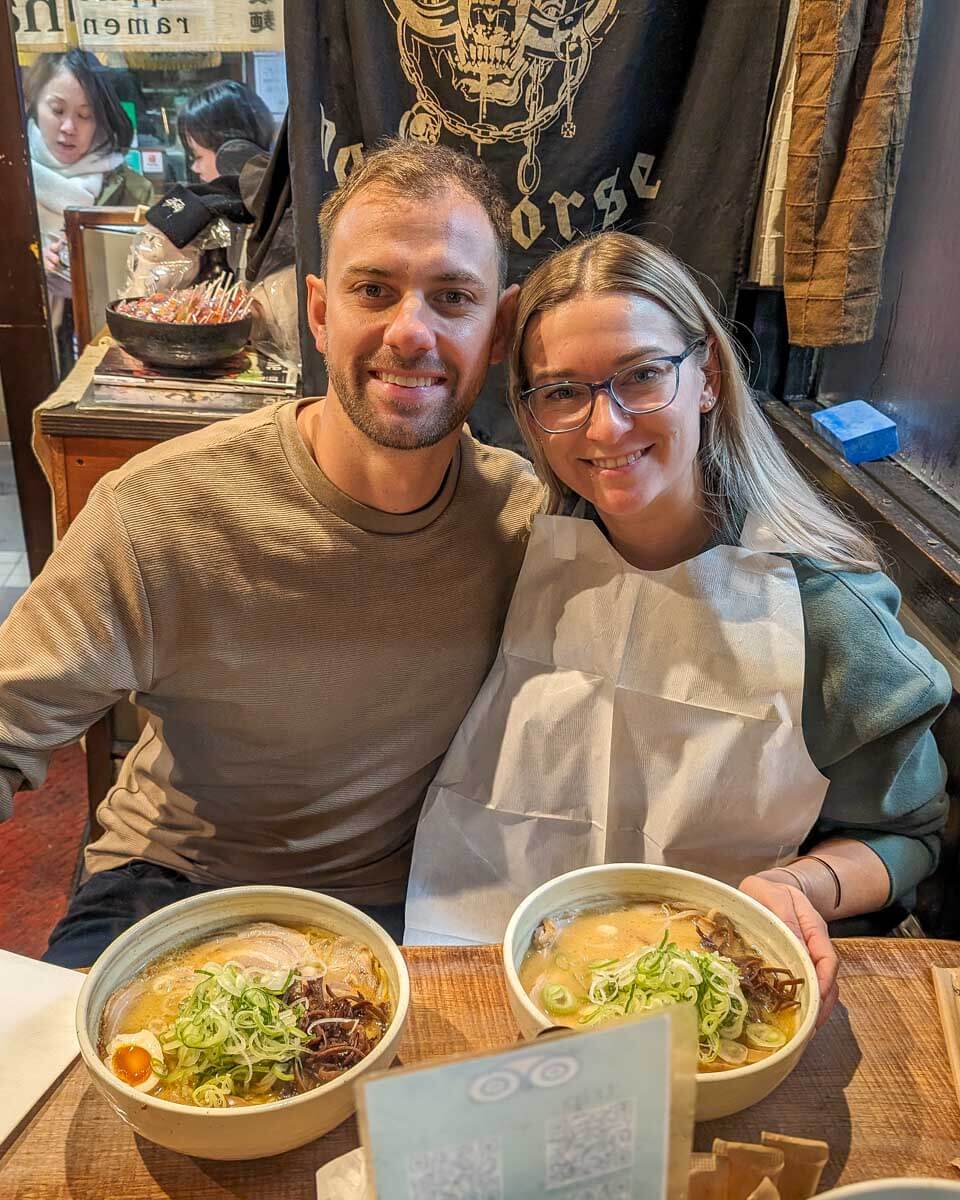
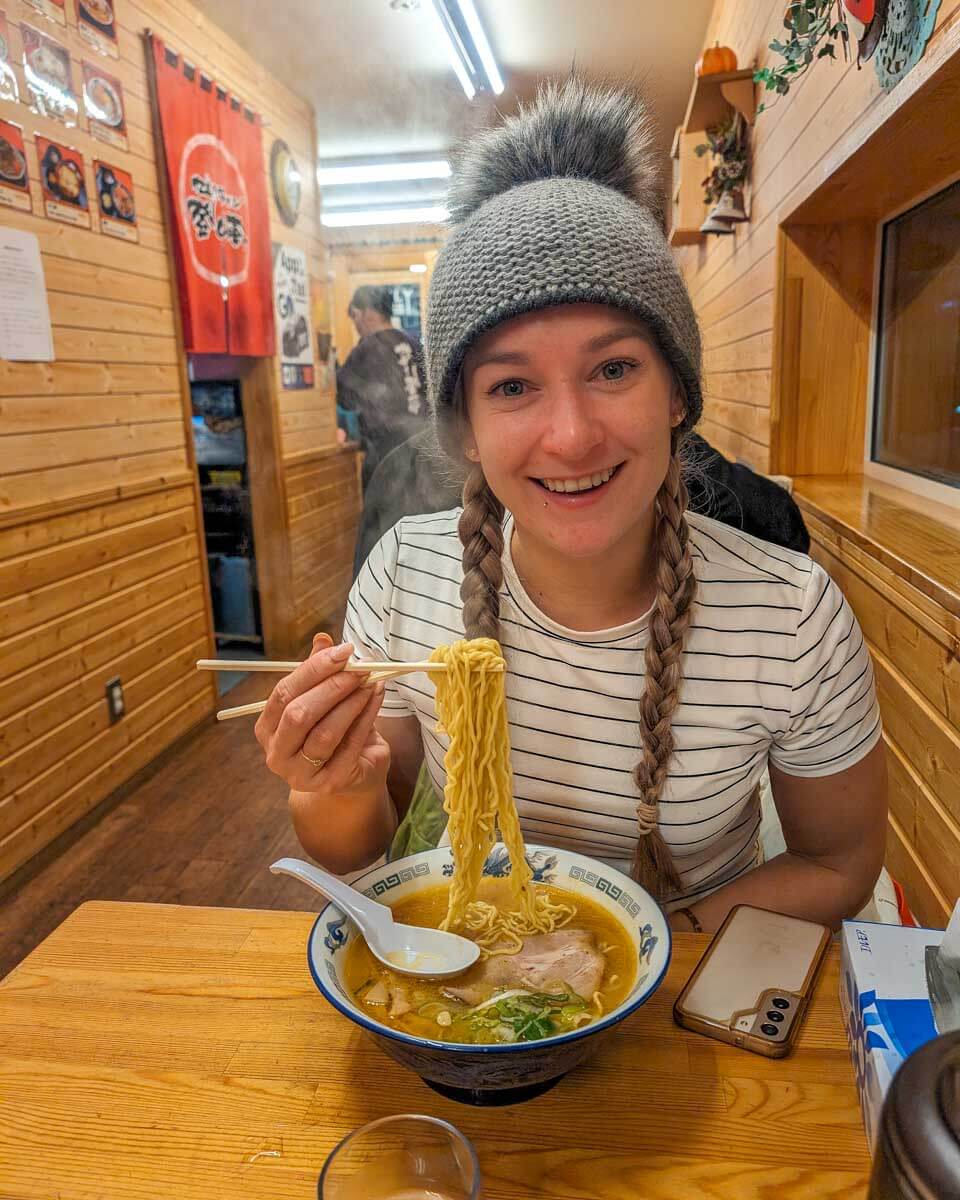
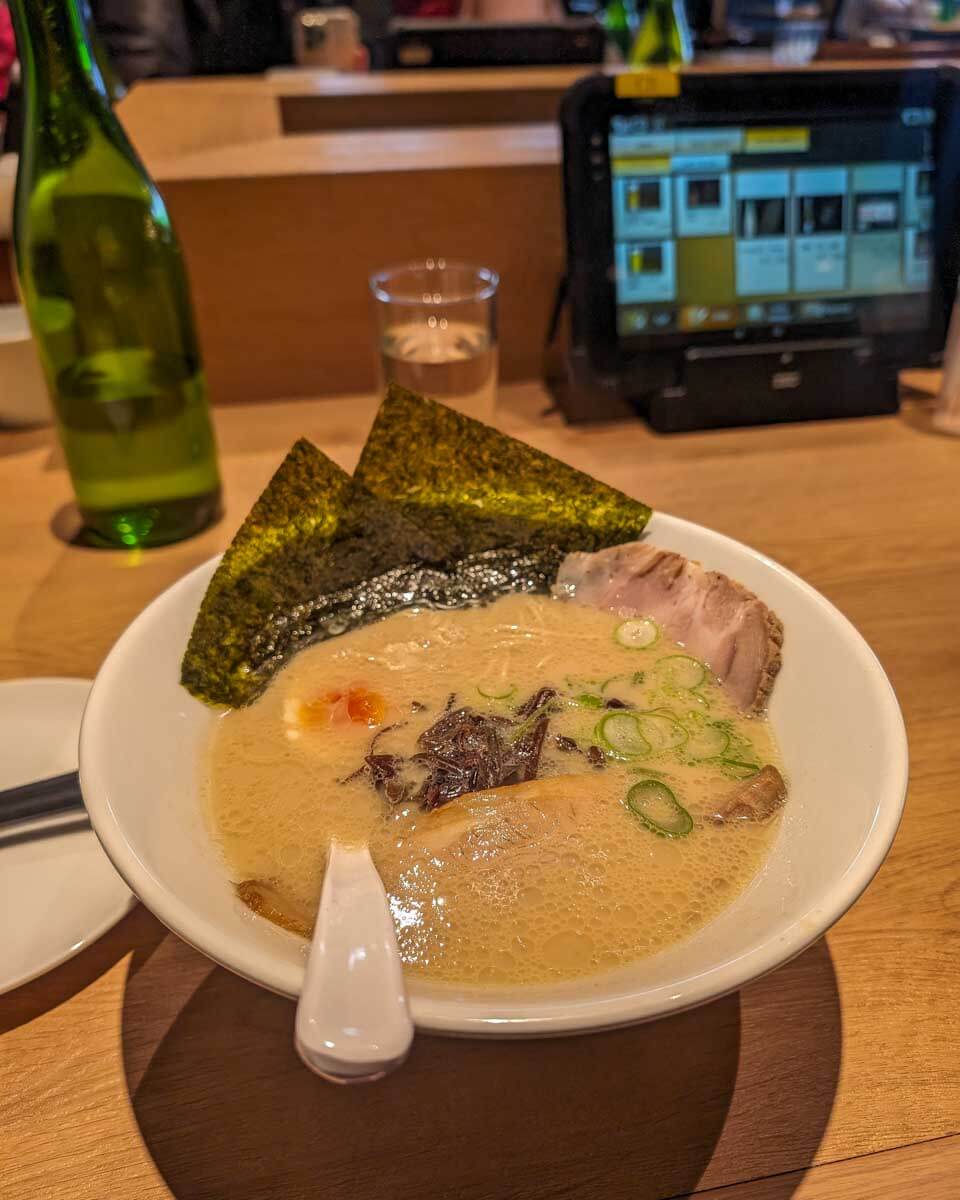
You can’t visit Japan without eating ramen! The chances are that you’ve eaten ramen before, as it’s one of Japan’s most famous cultural exports, but nothing beats slurping down a bowl in the place where it all began. After all, the ramen here is the real deal, and it’s so much better than the watered-down versions you find elsewhere in the world.
And each region of Japan offers its own version of ramen! For example, Fukuoka is famous for tonkotsu ramen, while Tokyo has lighter soy and salt-based broths. Meanwhile, in Sapporo, they make miso ramen with butter and corn.
I also love eating ramen because going to a tiny ramen restaurant and eating alongside locals is a whole cultural experience in itself. Plus, it’s so easy to find on your trip, and it can be very affordable, as a bowl typically costs between ¥800 and ¥1,200 (roughly $5 to $7.50 USD).
Where to Try It
- Tokyo – The capital is home to some of Japan’s most famous ramen shops. You can find pretty much every type of ramen here, but the city is best known for shoyu (soy-based) and shio (salt-based) ramen broths.
- Fukuoka – This is the birthplace of tonkotsu ramen, which is actually my favorite kind! This style has a rich, creamy broth that is made from simmered pork bones.
- Sapporo – Sapporo is best known for miso ramen, which is served topped with local butter and corn.
- Kitakata – This small city in the Fukushima prefecture is known as the ramen capital of Japan. Its signature ramen features soy broth and thick, flat noodles.
2. Sushi
What Is It?
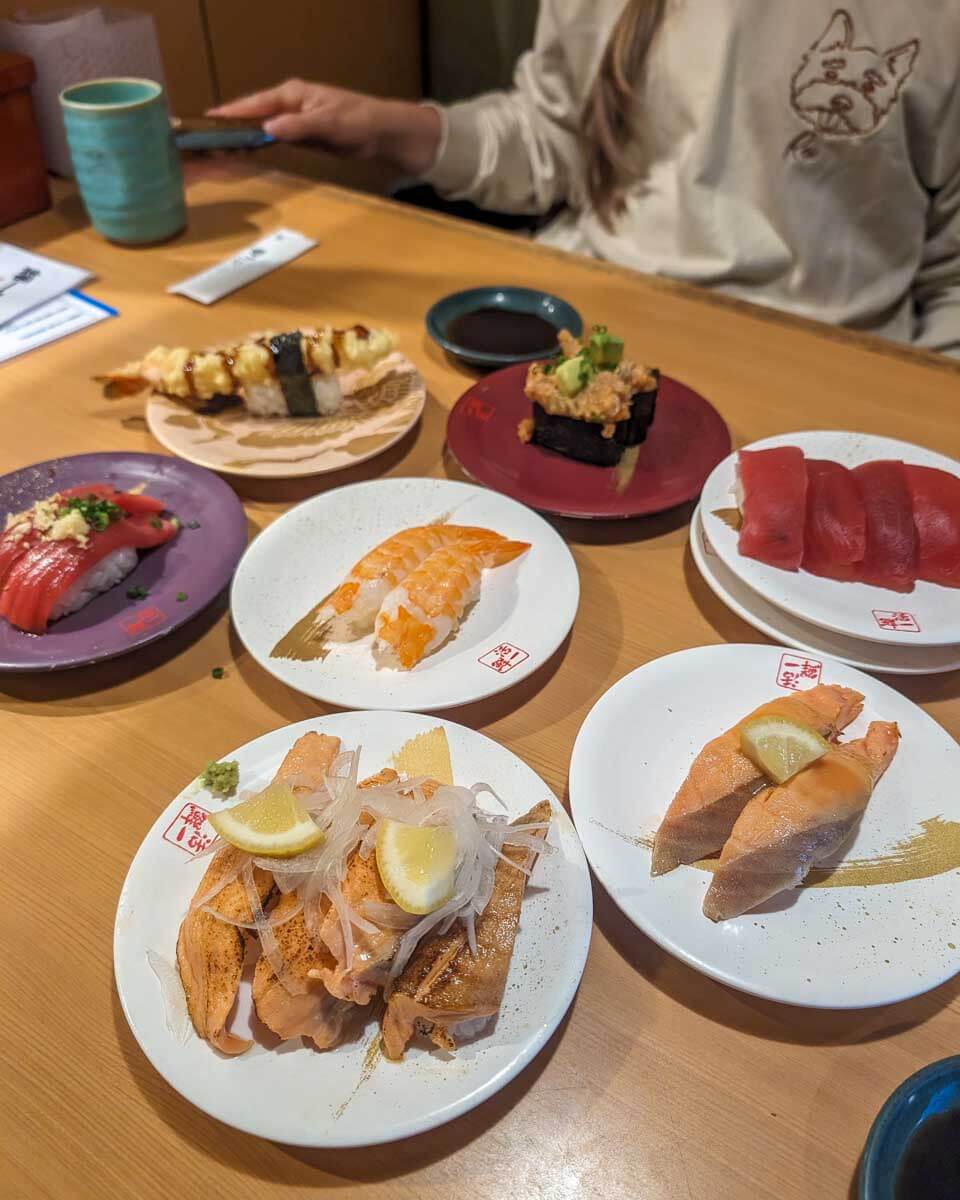
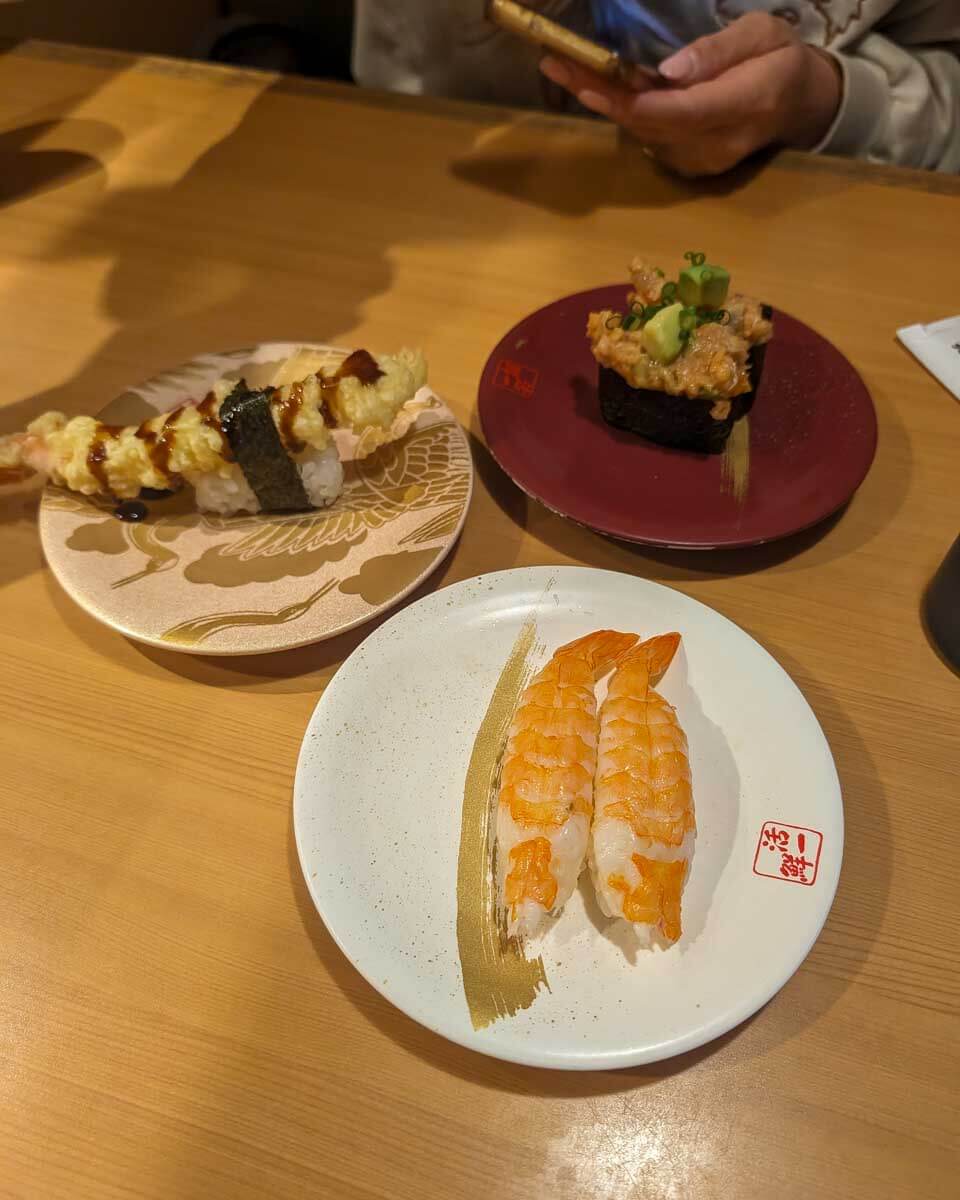
Sushi is probably Japan’s most iconic food, so as far as we’re concerned, eating it is non-negotiable while you’re in the country. In case you haven’t tried it before, sushi is vinegared rice that’s either rolled or layered, and then served with fresh fish, seaweed, and vegetables.
Sushi comes in many different shapes and sizes, from maki rolls to nigiri, which is sliced fish on a small bed of rice. And as you would expect, sushi varies quite a lot across Japan. For example, Kyushu is known for using lots of spicy roe, while the Kansai region is all about pressed sushi.
And not only does the food itself offer a lot of variety, but there are also many different ways to enjoy sushi in Japan! Conveyor belt sushi restaurants are iconic, and they’re a fun and affordable way to try lots of different rolls. You can also enjoy an omakase experience, which is basically letting the chef guide your meal. This is more of a splurge, but it’s one of the best ways to taste the freshest, highest-quality fish and really see the skill that goes into sushi.
Where to Try It
- Tokyo – Tokyo is not just the political capital of Japan, it’s also the sushi capital of the world! We think it’s the best place to visit an omakase counter, and the city’s fish markets are also amazing places to try sushi. We had some incredible sashimi at Tsukiji Outer Market!
- Osaka – Unsurprisingly, the Nation’s Kitchen is an amazing place to find fresh and affordable sushi.
- Sapporo/Hokkaido – If you visit this part of Japan, you HAVE to try ezo-mae sushi. This features locally caught seafood from Hokkaido that’s usually served on the very same day it’s caught, so it doesn’t get any fresher than this. A lot of sushi here features king crab, sea urchin, scallops, and salmon roe.
3. Tempura


What Is It?
Tempura may look simple, but getting that perfect, lightly crispy texture takes a lot of skill to get right! Tempura is essentially lightly battered seafood or vegetables, and it should always be crisp and delicate without feeling greasy.
Traditionally, tempura is served with grated daikon, a dipping sauce, or sometimes flavored salts. The style can also vary quite a bit depending on where in the country you are – are you sensing a theme here?
In Tokyo, the classic Edo style is the most common type of tempura, which uses sesame oil. Meanwhile, in Kyoto, you’ll come across Kansai-style tempura, where the batter is made without eggs and lighter vegetable oils instead of sesame oil, resulting in a paler color.
You can enjoy tempura as part of an omakase experience, which is where diners leave it all up to the chef! However, it’s also a common street snack, and there are plenty of tempura restaurants around.
Where to Try It
- Tokyo – Tempura in Tokyo was popularized as a street snack in the 16th century, so we think that the capital is a great place to grab some street tempura. However, there are also lots of historic tempura restaurants here, and you’ve got Kondo, a tempura spot that boasts two Michelin stars!
- Kyoto – In true Kyoto style, tempura here can be a very refined experience! It’s a great place to try the lighter, Kansai-style tempura, which puts a big focus on seasonal vegetables.
- Kanazawa – Kanazawa is famous for its fresh seafood that comes from the Sea of Japan, including snow crab and yellowtail. As a result, the seafood tempura here is top-notch!
4. Japanese Curry
What Is It?
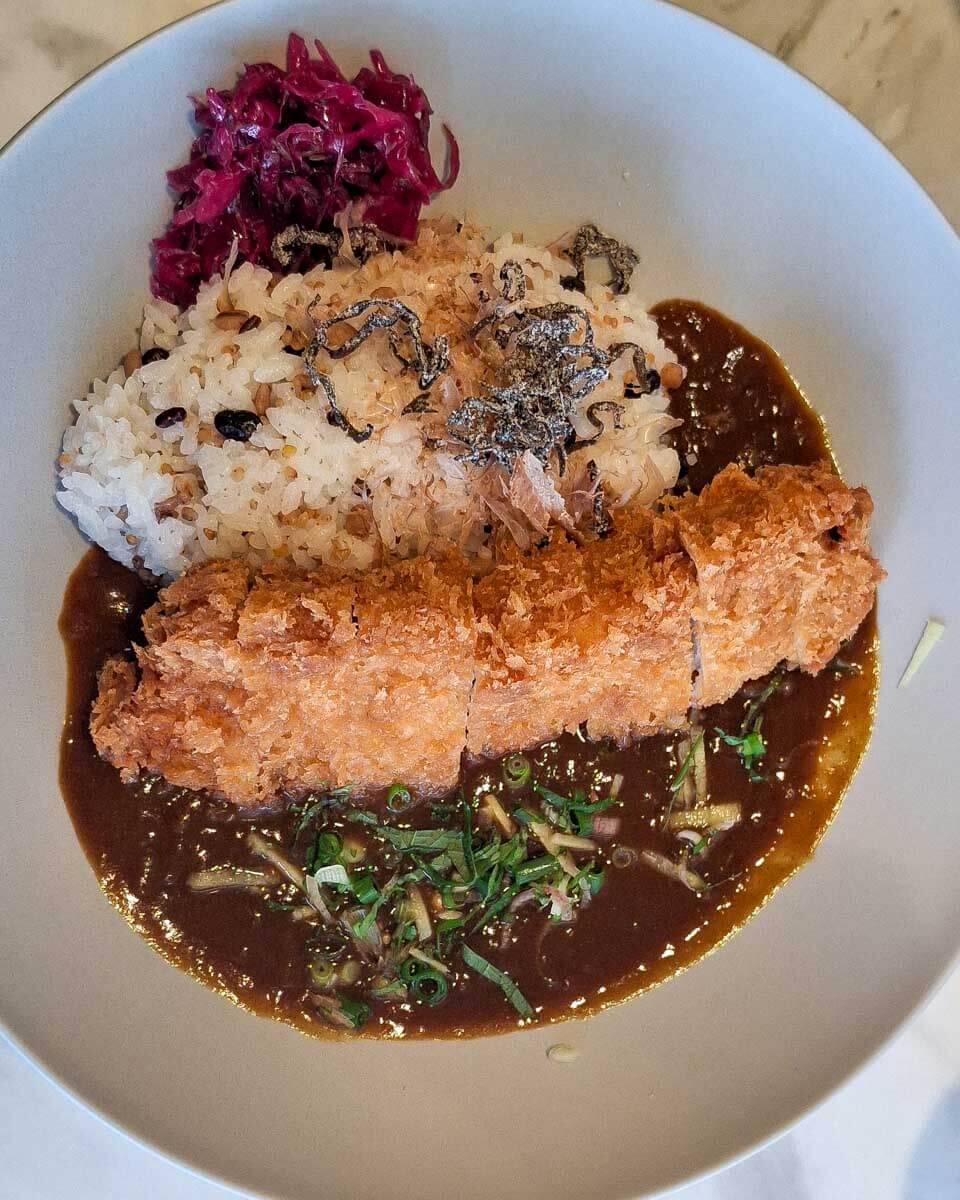
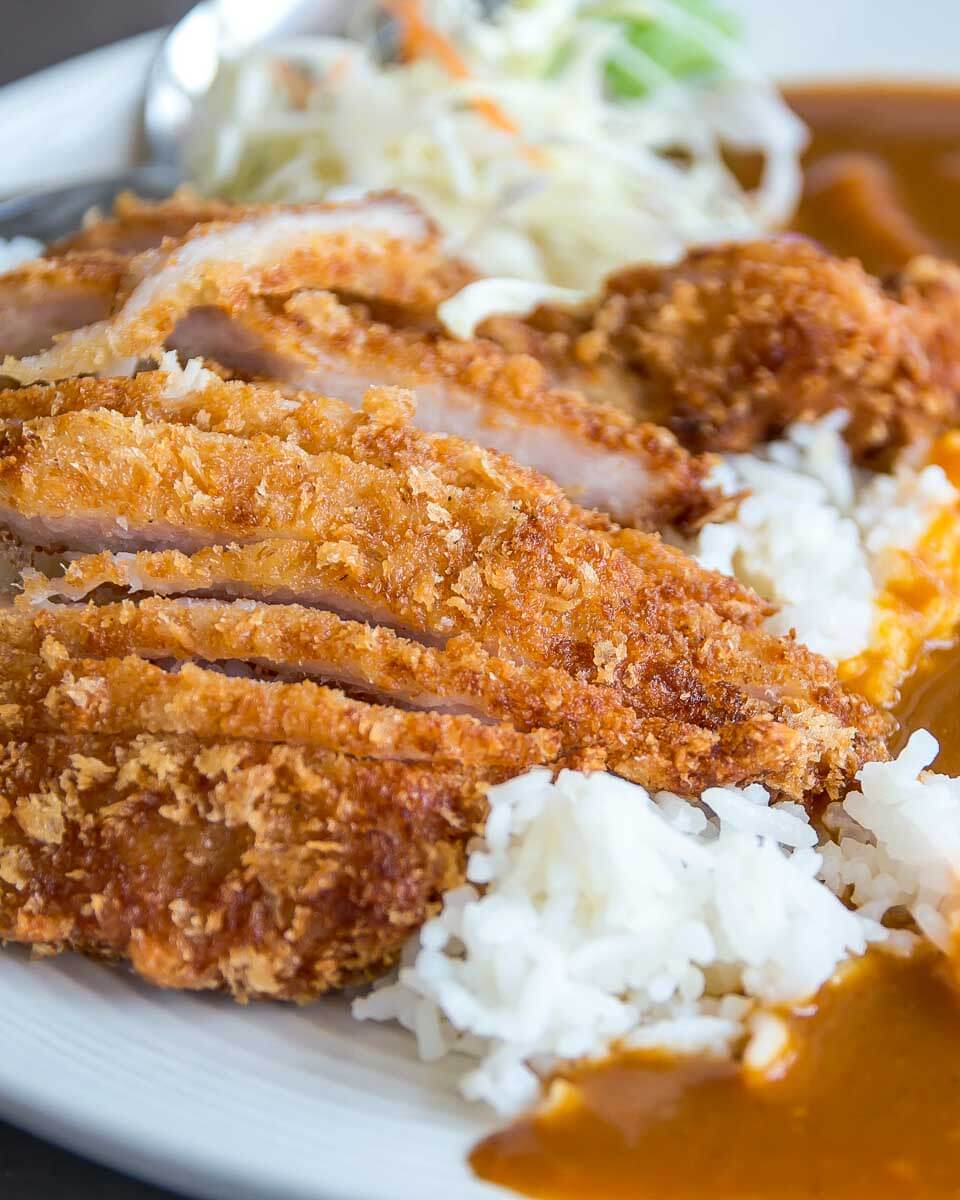
Japanese curry is a bit like a warm hug. It’s nothing like a spicy Indian curry – it’s thicker, sweeter, and a lot milder! It’s usually served over a bed of fluffy rice and can come topped with everything from tender beef to a crispy pork or chicken cutlet, aka katsu curry.
And like most of Japan’s best dishes, there’s a lot of regional variety with curry. In Kanazawa, black curry is a must-try. It’s traditionally served on a stainless steel plate, which definitely adds to the whole experience. Meanwhile, up north in Hokkaido, you’ll find soup curry, which is much thinner but is loaded with chunky vegetables.
Another good curry dish to try is Ōfū Karē, which means “European-style curry”. It may sound strange, since curry isn’t European, but this style is said to have been developed in Tokyo’s French restaurants and cafes. It’s known for its deep, rich flavor, caramelized onions, and roux.
Where to Try It
- Tokyo – As you’d expect, Tokyo has a wide variety of curry shops, and you can find lots of different styles here. CoCo Ichibanya is a popular Japanese chain restaurant that specializes in curry rice
- Osaka – Osaka is the place to eat hearty katsu curry. It’s also a good place to try Aigake, which is a dish that involves two different curries served side-by-side on the same plate, often separated by a serving of rice.
- Kanazawa – Kanazawa curry is a thick, dark curry that has a rich and slightly spicy flavor. It’s usually served with crispy, deep-fried pork and a side of shredded cabbage.
5. Okonomiyaki
What Is It?
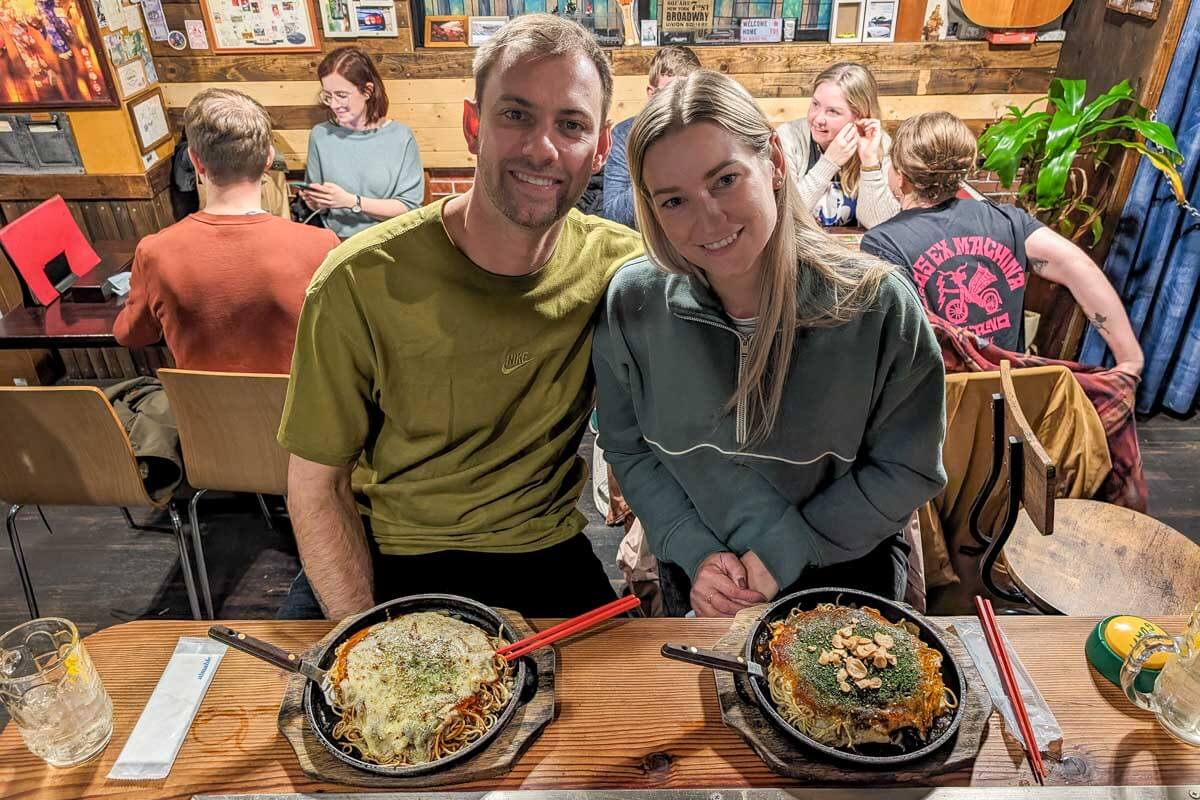
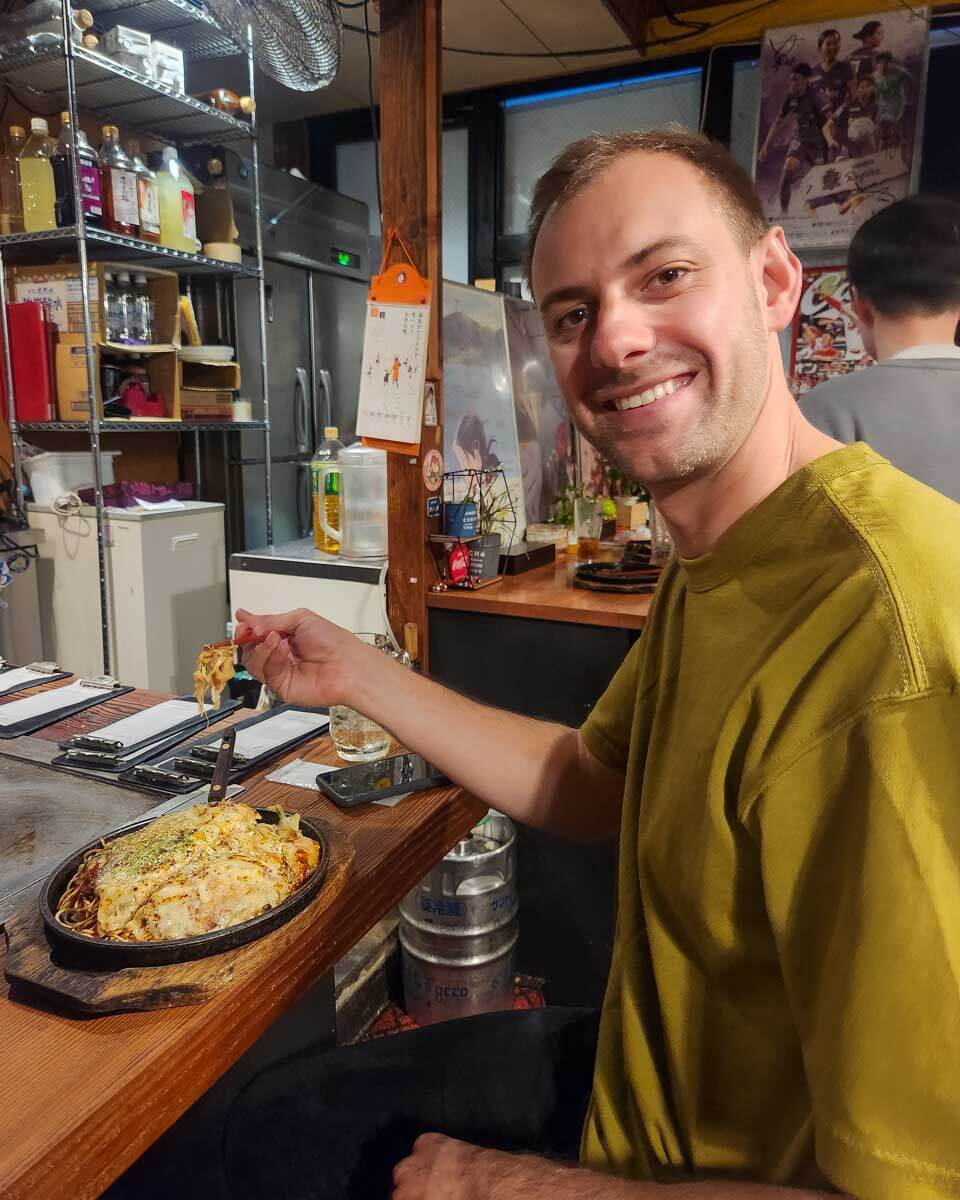
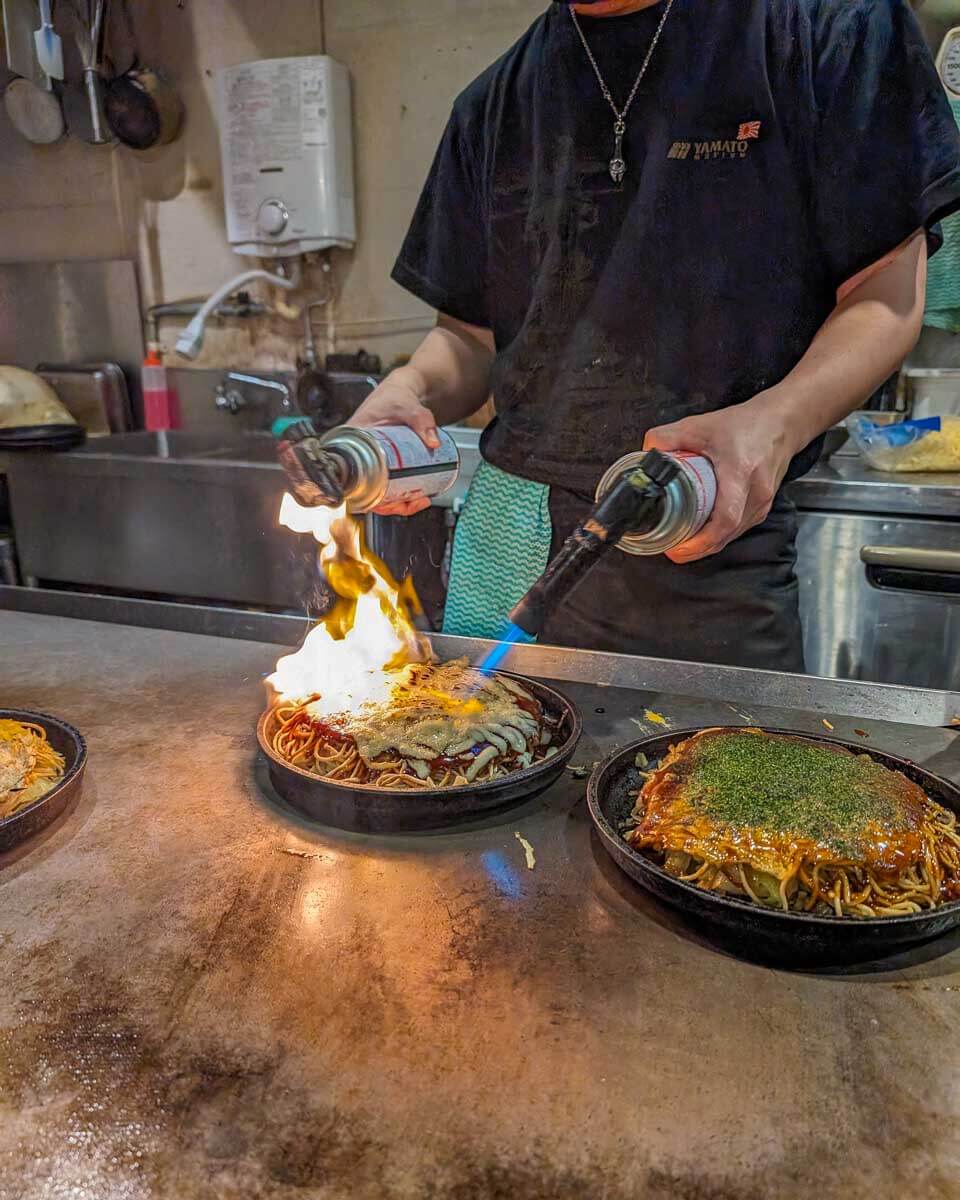
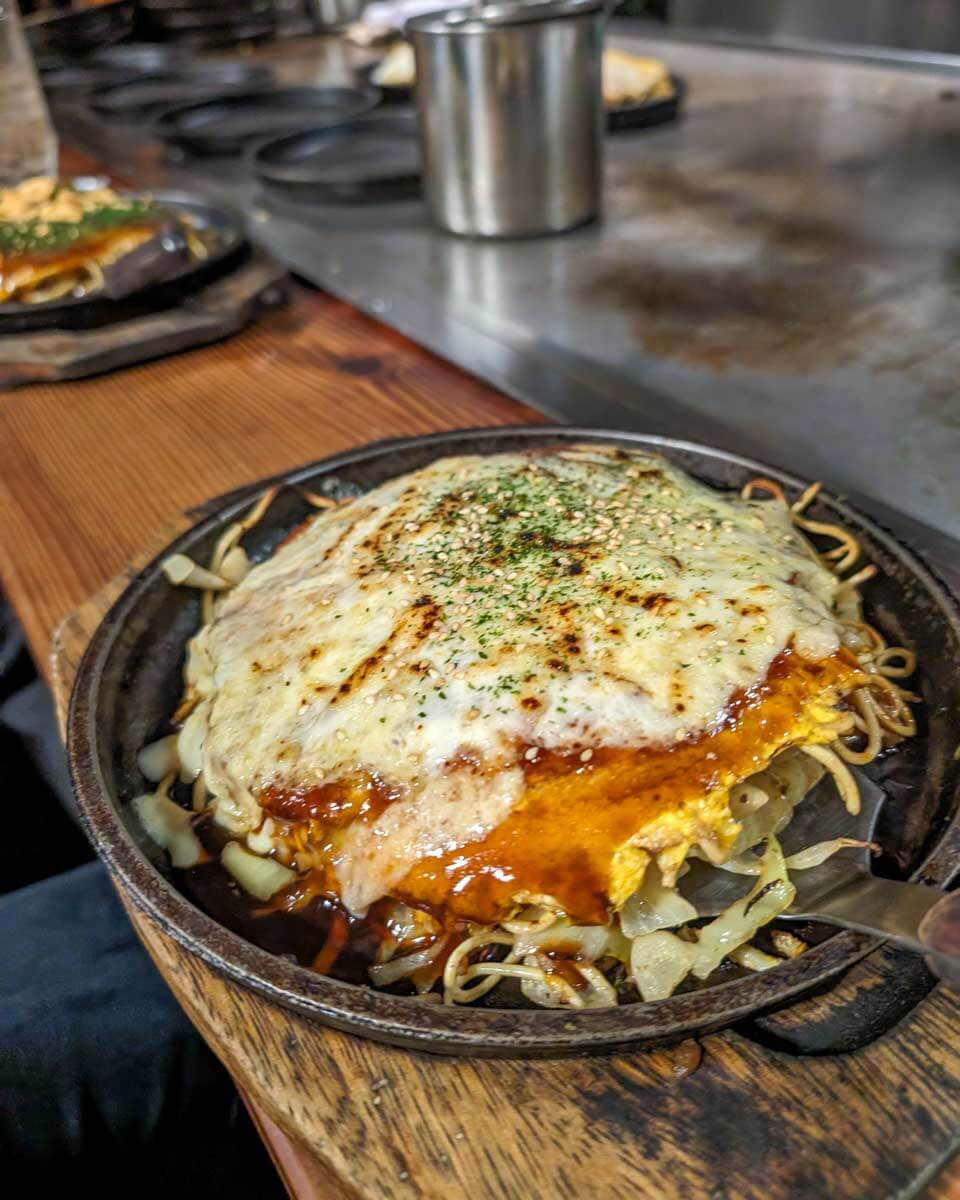
Okonomiyaki is a savory shredded cabbage pancake, and while I didn’t think that that sounded all that appetizing at first, it’s actually really delicious! It’s cooked on a flat griddle, and then you can add anything you like, although the most popular toppings include pork, seafood, cheese, or vegetables. Then, it’s finished off with okonomiyaki sauce, mayonnaise, and bonito flakes, which are made of dried and smoked skipjack tuna.
There are two main styles of okonomiyaki. You’ve got Osaka’s version, which is the most famous. This is where everything is mixed together before cooking, so that the end result is hearty and uniform in texture. However, Hiroshima’s version is built with layers and often has a serving of yakisoba noodles added in, which produces a taller and more filling pancake.
With okonomiyaki, the experience itself is half the fun! A lot of restaurants have a griddle built right into the table, so you can watch your okonomiyaki cook in front of you or even flip it yourself.
Where to Try It
- Osaka – Well, duh! The birthplace of okonomiyaki is home to countless authentic shops.
- Hiroshima – I loved trying okonomiyaki in Hiroshima and discovering for myself how different it is from Osaka’s version. You’ve got to grab one while you’re here and see which type you prefer!
- Kyoto – In true Kyoto style, this city offers a refined take on okonomiyaki, which is usually cooked on a teppan rather than a traditional griddle.
6. Takoyaki


What Is It?
Takoyaki is one of Japan’s most beloved street foods! They are small, round balls of batter that are filled with minced octopus, pickled ginger, and green onion.
This street treat was first created in the Osaka area at a time when Japan was suffering from rice shortages, and people began getting creative with ingredients. A food vendor called Tomekichi Endo came up with takoyaki, and it became wildly popular. You can still go and visit his shop, Aizuya, to this day! However, they’re sold all over Osaka, so you won’t struggle to find some.
You’ll find takoyaki stalls at street markets and festivals all over Japan. Watching vendors flip the balls at high speed is half the fun!
Best of all, takoyaki is still one of the most affordable snacks you can buy in Japan. It’s worth trying takoyaki from different stalls, as some offer fun twists on the classic version. We’ve tried takoyaki with cheese and spicy mayo, and you can even get extra-crispy versions. The only thing I’ll say is that they’re always served piping hot, so take care on your first bite.
Where to Try It
- Osaka – This is the takoyaki capital of Japan! The Dotonbori area, in particular, is just brimming with these deep-fried octopus balls.
- Kyoto – Takoyaki is a popular snack at Kyoto’s morning markets and temple festivals.
- Tokyo – You’ll often find takoyaki at Tokyo’s night markets, and they’re the perfect bar snack for when you go izakaya-hopping.
Japan Rail Pass!
The Easiest Way to Travel Japan By Train
If you’re planning to explore Japan, the Japan Rail Pass (JR Pass) is hands down the easiest and most affordable way to get around. It’s a special 7, 14, or 21 day pass for foreign visitors that gives you unlimited rides on Japan’s famous JR trains, including the high-speed shinkansen (bullet trains)!
Why We Love the JR Pass
Pro Tip: If you’re only exploring one region of Japan, consider a Regional Pass instead (like the Kansai, Hokkaido, or Kyushu Pass). They’re cheaper and perfect for smaller trips!
Where to Get Your Pass
We personally recommend buying your pass online in advance through JRPass.com — they’re an official reseller with fast worldwide delivery and English support, making the whole process super simple. They even offer handy add-ons like pocket WIFI and meet & greet services! Still not sure if the JR Pass is right for you? Check out our Ultimate Guide to the Japan Rail Pass for a full breakdown of costs, inclusions, and when it’s worth it!
7. Yakitori

What Is It?
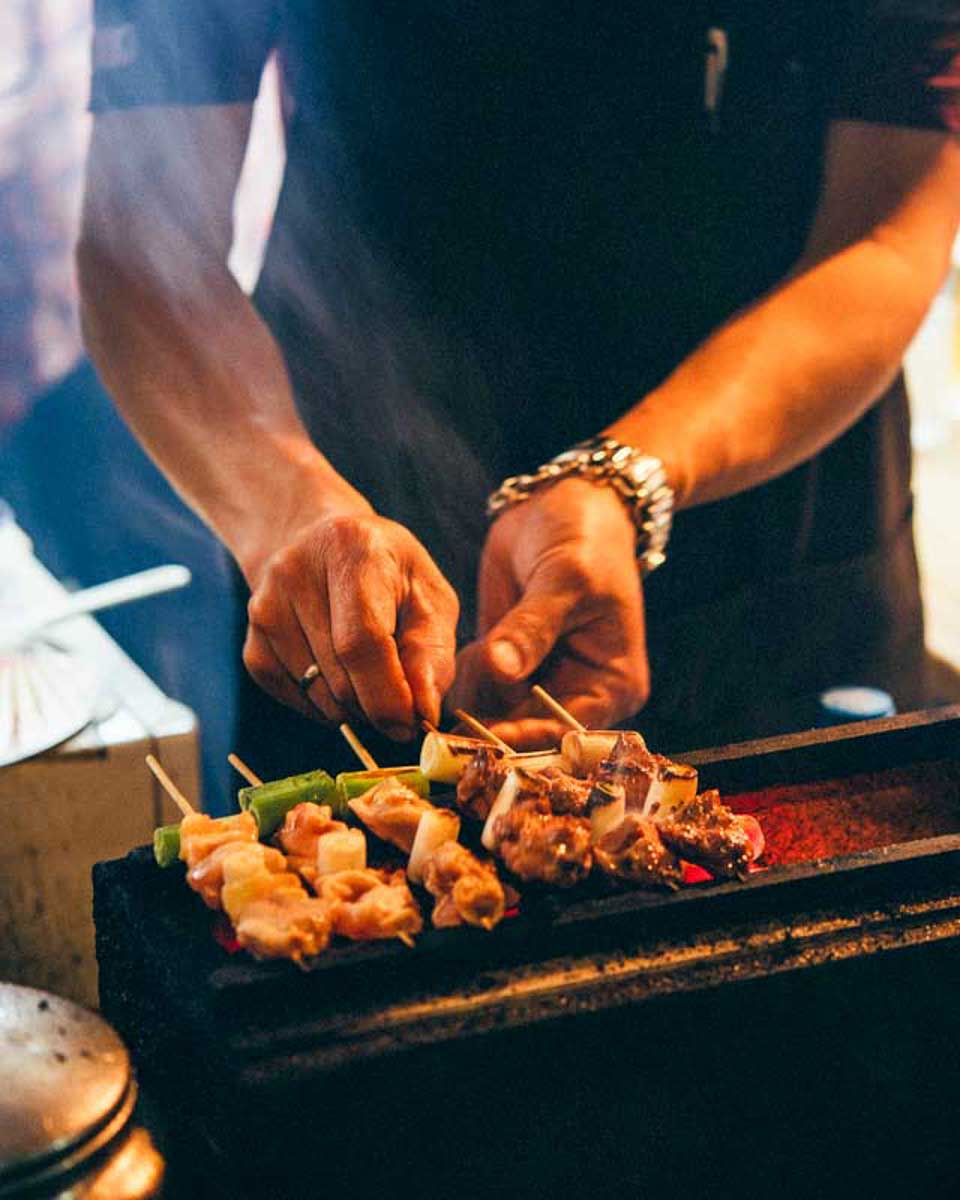
Yakitori is grilled chicken on skewers, and it’s one of Japan’s simplest but most satisfying dishes. It’s usually cooked over charcoal to give it a nice, smoky flavor, and you can order a variety of cuts. I don’t just mean thighs and wings, either – you can also get skin, liver, and hearts! Then, it’s seasoned with either salt or tare, which is a slightly sweet, soy-based sauce.
Yes, yakitori is good, but a big part of enjoying it is actually the settings! It’s a classic izakaya dish, and it’s often cooked to order, right in front of you. If we head out to an izakaya in the evening, we often order a mix of different skewers and see which ones we like the best. You can also sometimes get yakitori that substitutes pork, seafood, or vegetables for chicken if you prefer.
Where to Try It
- Tokyo – Tokyo is famous for its yakitori alleys, so where better to try this izakaya staple? You’ll find a ton of tiny spots along Omoide Yokocho, aka Tokyo’s “Memory Lane”, or head to one of the many yakitori bars along Yurakucho Alley, an atmospheric pedestrian street that sits beneath train tracks.
- Nagoya – Nagoya is known for its hearty skewers, which are often served in rich tare sauces.
- Fukuoka – This city has an excellent izakaya culture, and we love the yakitori here because they’re smoky and full of flavor. Yum!
8. Soba & Udon


What Is It?
Soba and udon are two of Japan’s most beloved noodle dishes, and trying both is pretty much essential while you’re here! Soba is made from buckwheat and has a nutty flavor with a slightly firmer bite. Then, udon is the complete opposite. It’s thick and chewy, and it makes great comfort food.
Both soba and udon are served in lots of different ways. I love yaki udon, but zaru soba with shredded seaweed is a very refreshing dish to try if you’re here during the warm summer months.
You’ll see soba and udon across the country, but each region has its own style. Nagano is famous for its hand-cut soba because a lot of buckwheat is grown in this area. Meanwhile, Kagawa is known for Sanuki udon, which is celebrated for its spring texture. But you don’t have to travel to either of these prefectures to try soba and udon, as you’ll find them all over Japan.
Where to Try It
- Nagano – This is basically the soba capital of Japan, so enjoying some of these noodles is a must if you travel to this part of the country.
- Tokyo – You can get both udon and soba in Tokyo, but in particular, there are lots of historic soba shops where you can enjoy yummy noodle dishes made with long-standing recipes. Kake soba (hot noodle soup) is worth trying, and kitsune soba is a must if you’re a fan of tofu.
- Kagawa – Kagawa is renowned for Sanuki udon, which is considered to be the best in Japan! These are usually served very simply, either in dashi broth or a cold soy sauce dressing with spring onions.
9. Wagashi & Mochi
What Is It?
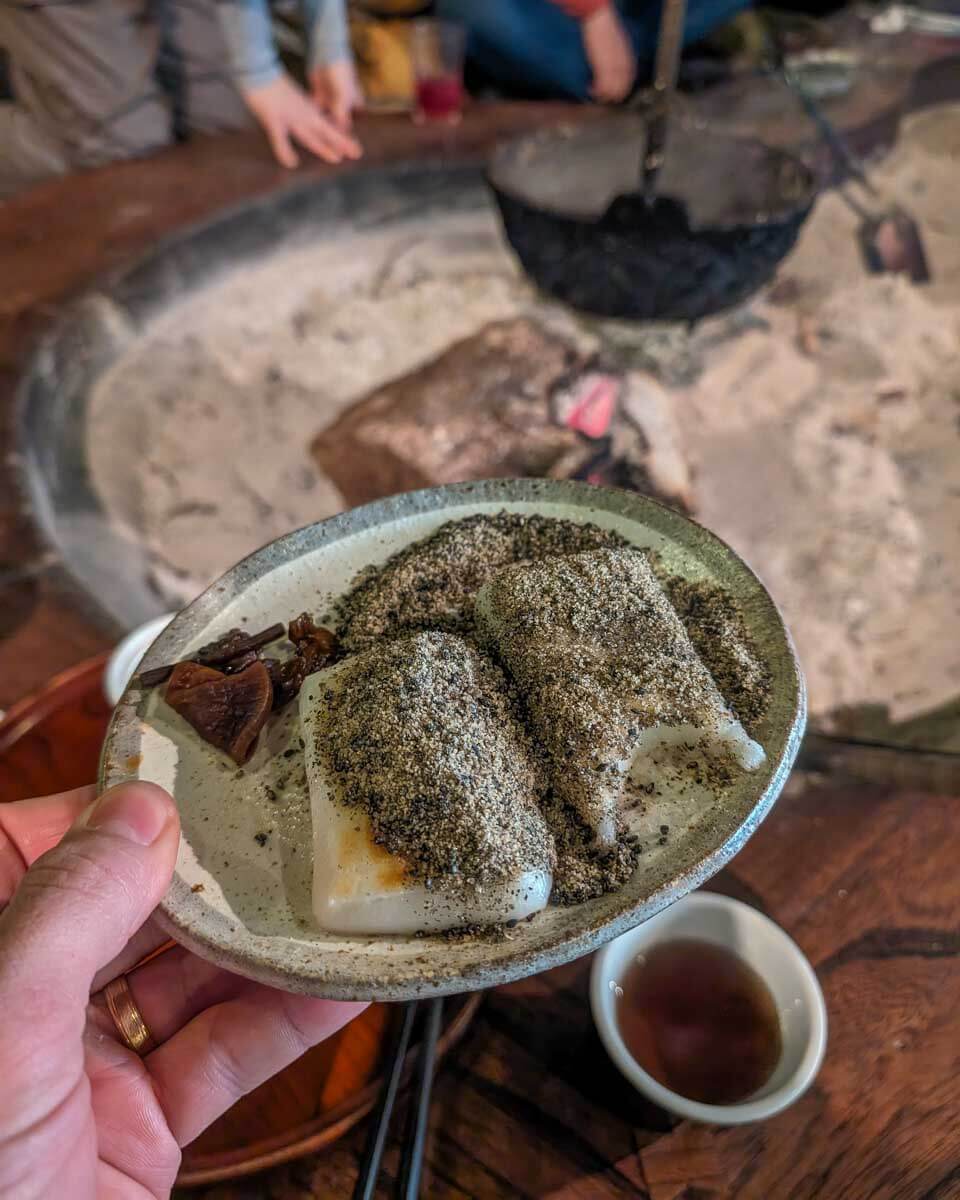
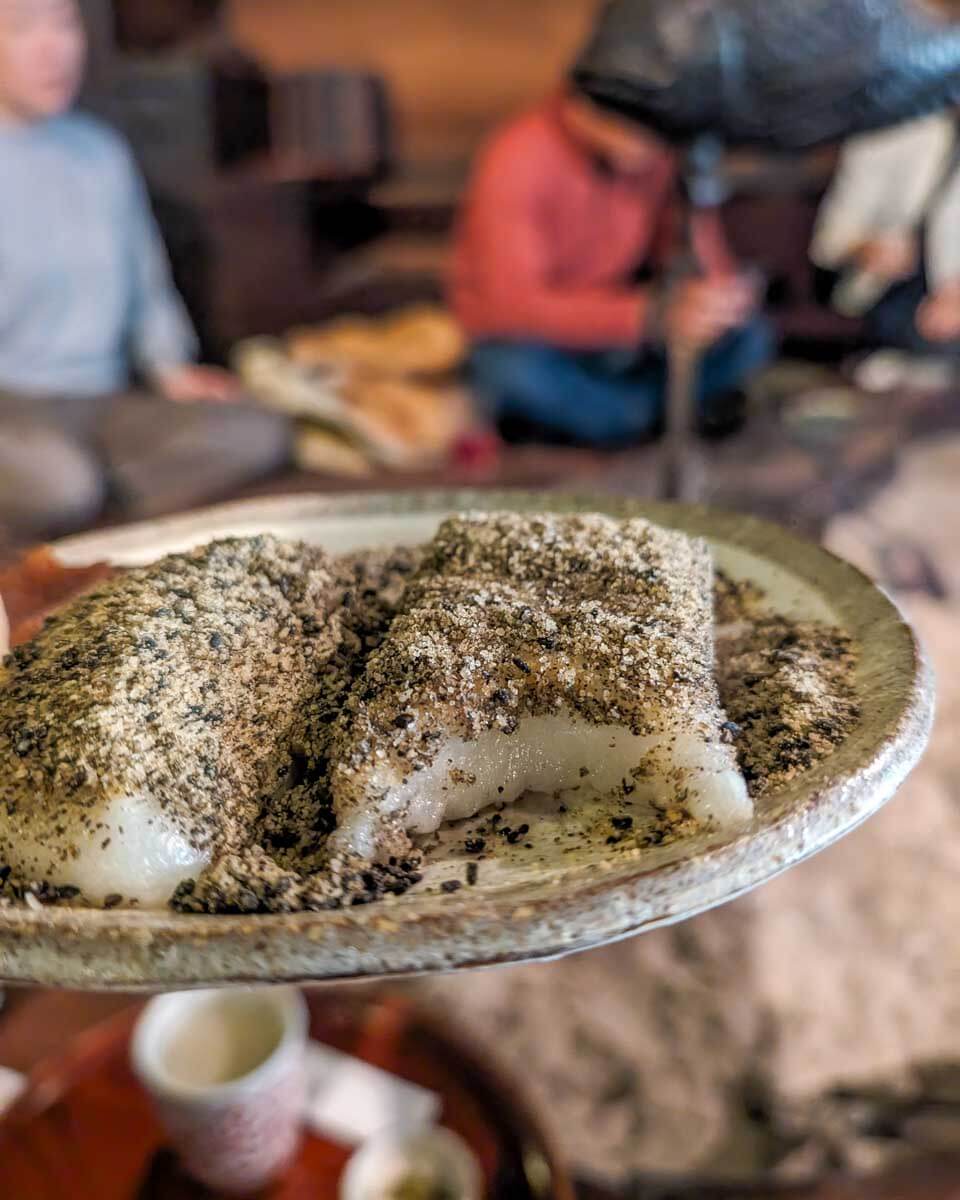
Wagashi are traditional Japanese sweets. At first, they look quite simple, but they actually take a lot of skill to make. They’re made from plant-based ingredients like rice flour, red bean paste, and agar.
Mochi is the most famous type of wagashi! These soft and stretchy sweets are often filled with sweet red bean paste and sometimes flavored with matcha powder or fruit puree. Another fairly well-known type of wagashi is doriyaki, a sweet red bean pancake. You can also get seasonal wagashi that change throughout the year, so you can get sakura mochi during spring and mizu yokan (sweet chestnut jelly) in summer.
Wagashi are often enjoyed during tea ceremonies, because their sweetness pairs well with the bitterness of matcha. However, you don’t have to participate in a tea ceremony to try them because you’ll see them all the time at convenience stores and markets.
What we love about trying different types of wagashi is the fact that these treats are so different from Western desserts. They’re usually less sweet with more subtle flavors, and we love sampling all of the seasonal variations at different times of year.
Where to Try It
- Kyoto – Kyoto is one of the best places in Japan to try a tea ceremony, and wagashi is a big part of this! And with such a strong tea culture here, there are also lots of historic wagashi shops dotted around.
- Nara – Nara is famous for its tradition of mochitsuki, aka mochi pounding, and this is really something you have to witness for yourself! Head to the famous Nakatanidou mochi shop to watch the “mochi men” in action.
- Tokyo – As you’d expect, the capital is home to some super creative sweet shops. Toraya is a prestigious wagashi brand that dates back to the 16th century, and you can try out some of their crazy confections at their Midtown location.
10. Gyoza
What Is It?
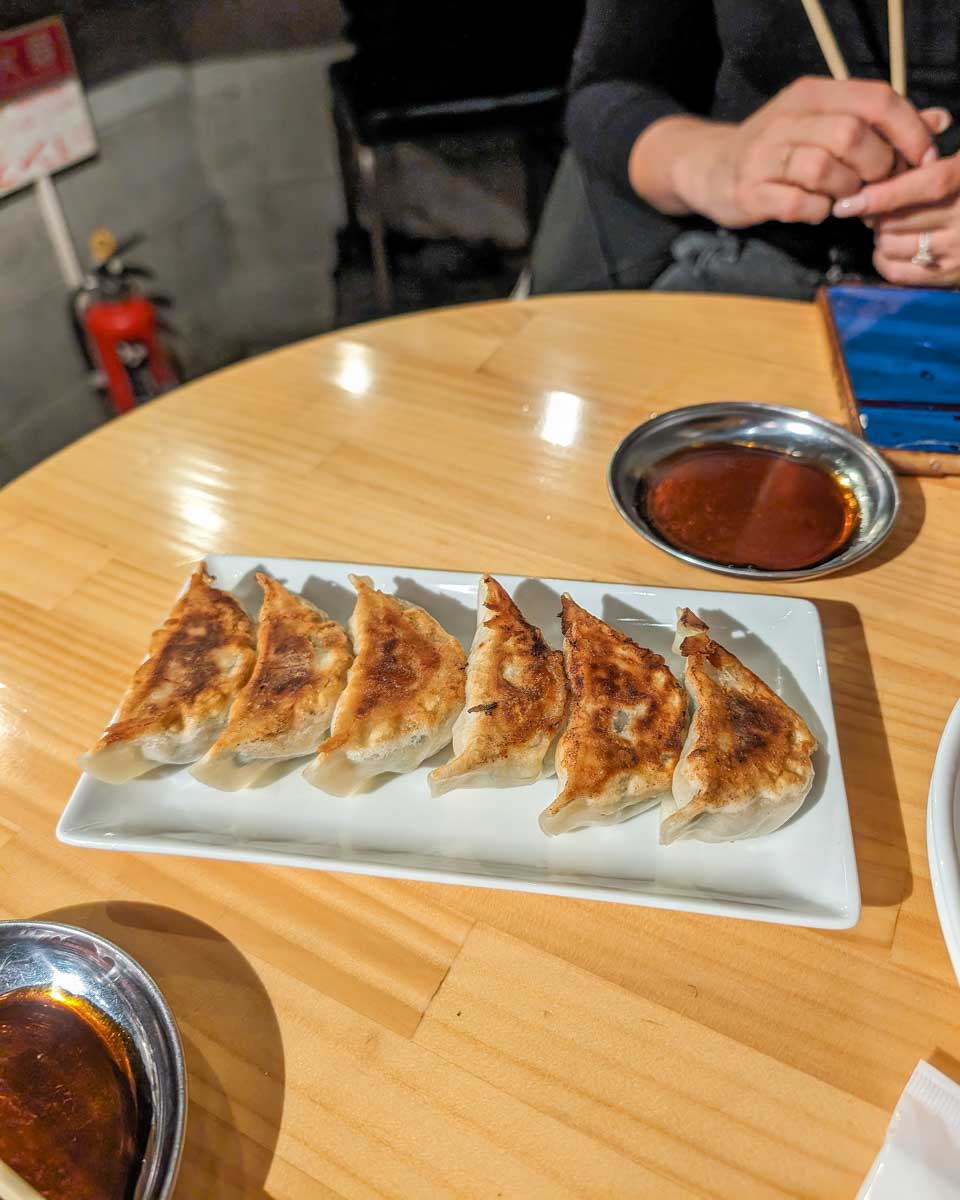
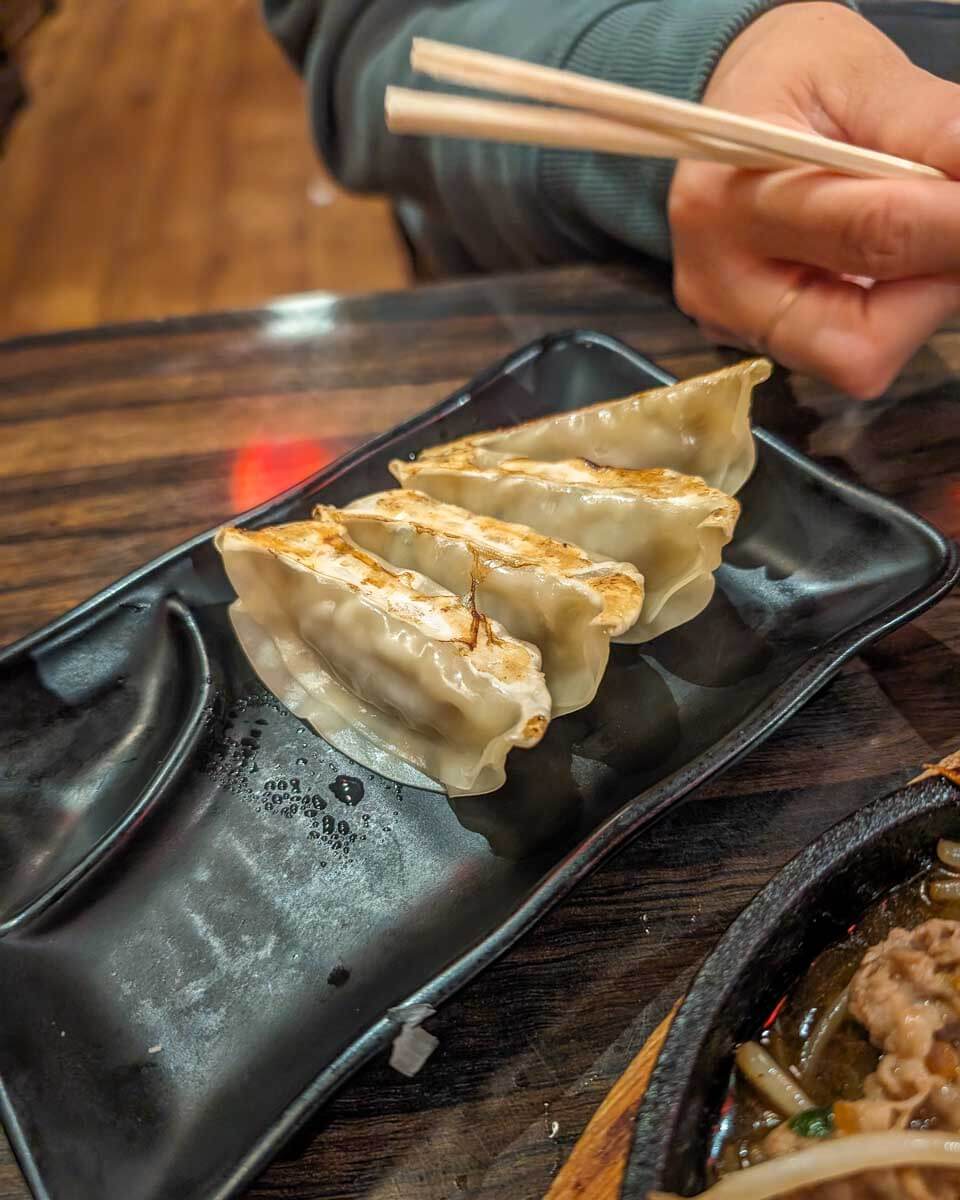
Gyoza are Japan’s take on pan-fried dumplings, and they’re so delicious – in fact, we got a bit addicted to them! They’re usually filled with a mix of pork, cabbage, garlic, and ginger, then folded into thin wrappers that crisp up beautifully in the pan. I’m getting hungry just thinking about them!
You usually get your gyoza with a simple dipping sauce on the side, made from soy and vinegar, plus a splash of chilli oil. If you’ve been to China, you’ve probably eaten jiaozi, which are somewhat similar, but Japanese gyoza are lighter and thinner. They’re also bite-sized, so it’s very easy to keep ordering. I bet you’ll end up saying the words “just one more plate!” at some point during your trip to Japan.
Gyoza are served as a side at most ramen shops, but there are also lots of dedicated gyoza counters around. Lots of locals grab them as a quick meal, because they’re comforting and filling but not too heavy. Plus, they’re cheap and fast, and you can get them pretty much everywhere. It’s definitely worth going to a restaurant that specializes in nothing but dumplings at least once, though!
Where to Try It
- Utsunomiya – This city is Japan’s “gyoza capital,” and you’ll find hundreds of specialty shops here. There’s even a big gyoza festival every November!
- Tokyo – Unsurprisingly, Tokyo has excellent gyoza everywhere you go! You can easily find gyoza in the hundreds of ramen shops and dedicated counters dotted around the city.
- Osaka – Japan’s ultimate foodie city is famous for its street food scene, so it comes as no surprise that it’s one of the best places to try lots of different types of gyoza. There are lots of specialty gyoza restaurants, too.
11. Wagyu
What Is It?
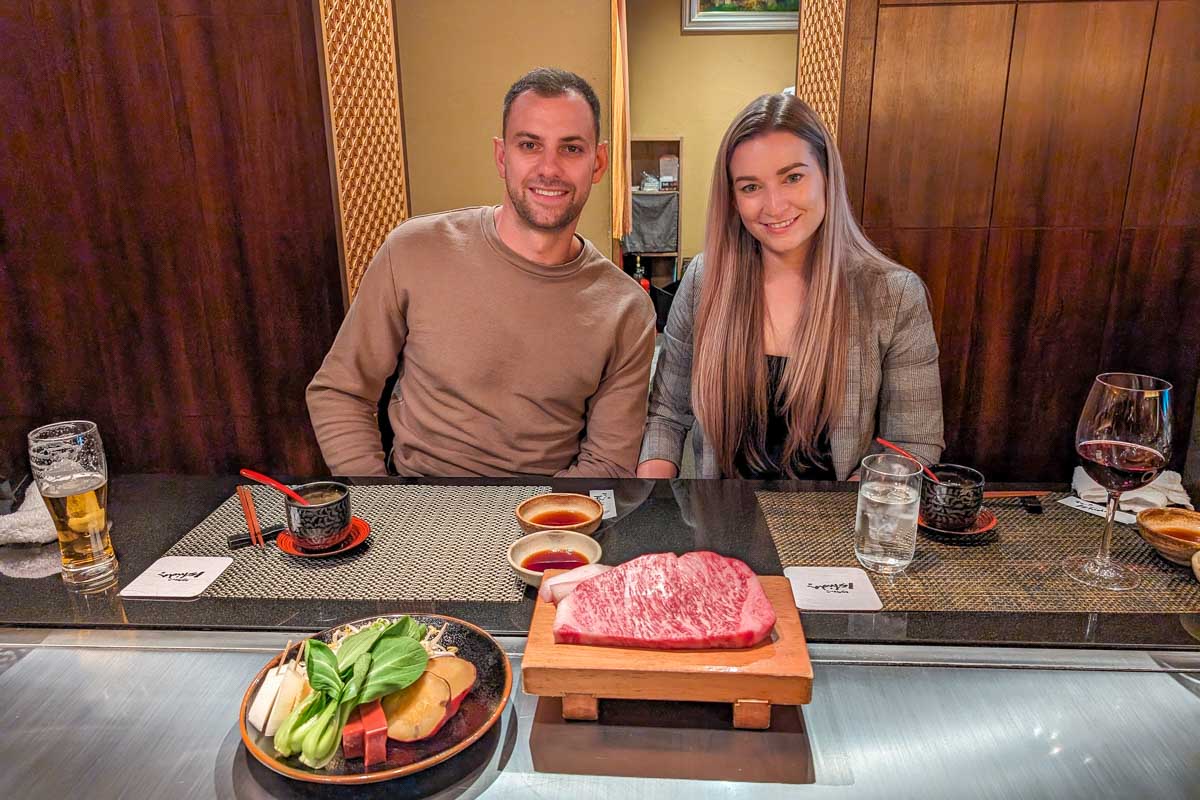
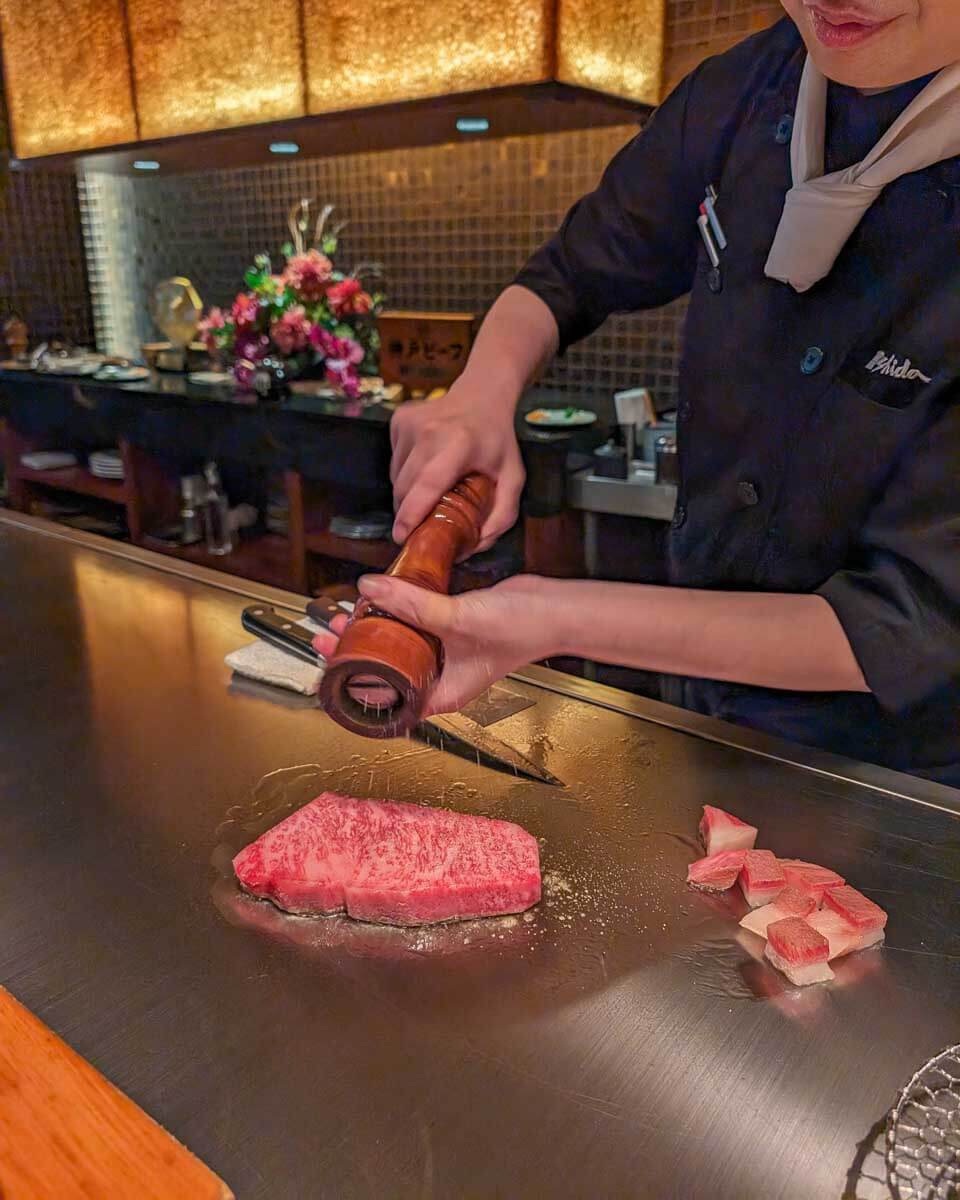
Wagyu is Japan’s iconic, top-quality beef. It’s super famous, and it really does live up to the hype!
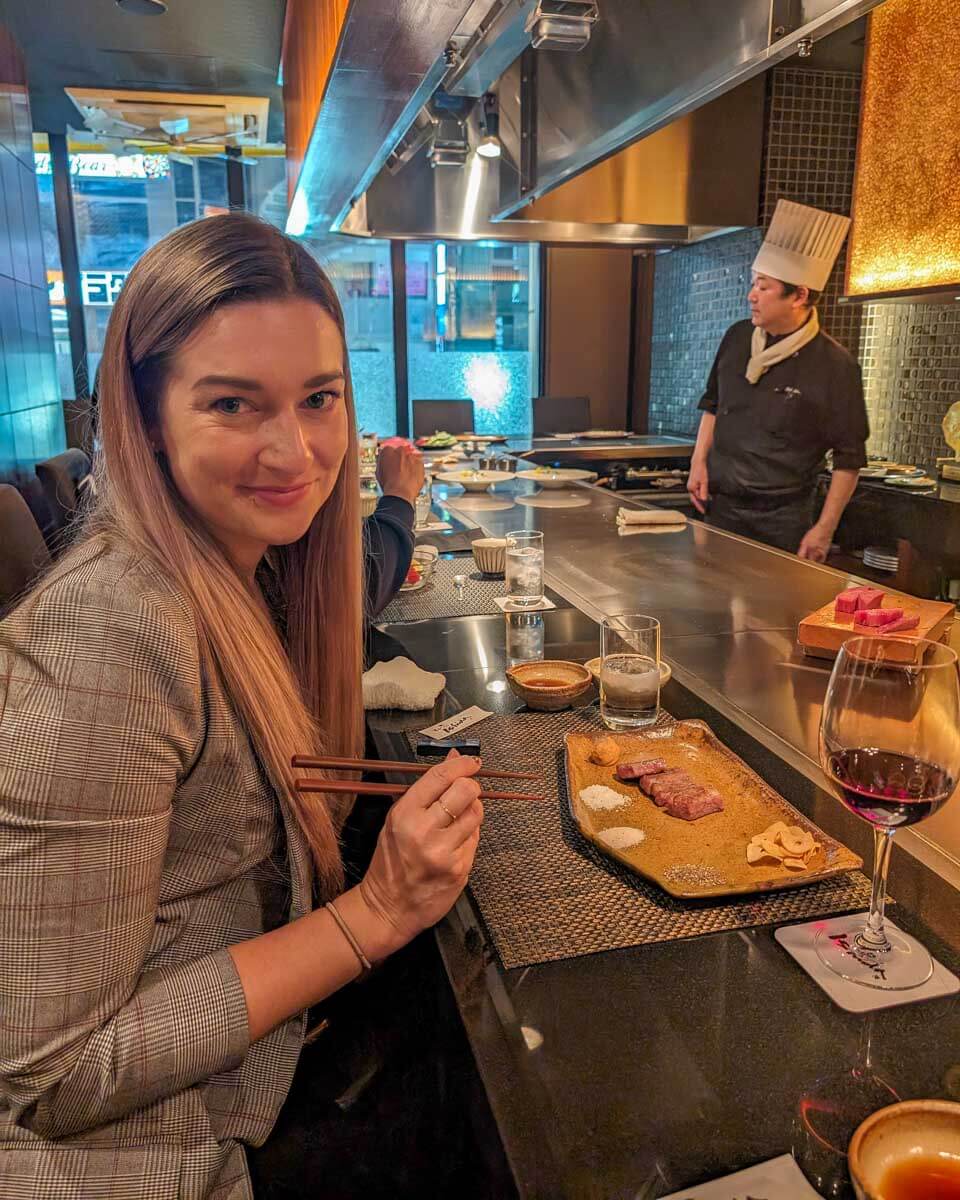
What makes wagyu special is the intense marbling that runs through the meat. This marbled fat melts as it cooks and gives it a buttery, melt-in-your-mouth texture. Wagyu is famously rich and flavorful, and you actually don’t need to eat a lot of it to feel satisfied.
There are several famous varieties of wagyu. I think Kobe beef might be the most famous, but Matsusaka and Omi are also very reputable varieties. In fact, I think that Matsusaka is my favorite because it’s so tender. But to be honest, whichever type of wagyu you try, you’re still going to be eating some of the highest-grade beef in the world.
Wagyu can be served in all kinds of ways. Steak is the obvious choice, but yakiniku (grilled at the table) is a fun way to taste different cuts. You can also try it simmered in sukiyaki with a sweet broth, or swished briefly in hot water for shabu-shabu. Wagyu is definitely one of the priciest foods you’ll try in Japan, but it’s also one of the most memorable!
Where to Try It
- Kobe – Where better to try Kobe beef than Kobe itself?
- Tokyo – Naturally, Japan’s most cosmopolitan city is home to a wide variety of upscale steakhouses and yakiniku restaurants!
- Osaka – Osaka is our favorite place to try teppanyaki wagyu, and there are some excellent grilled wagyu spots around, too.
12. Donburi

What Is It?
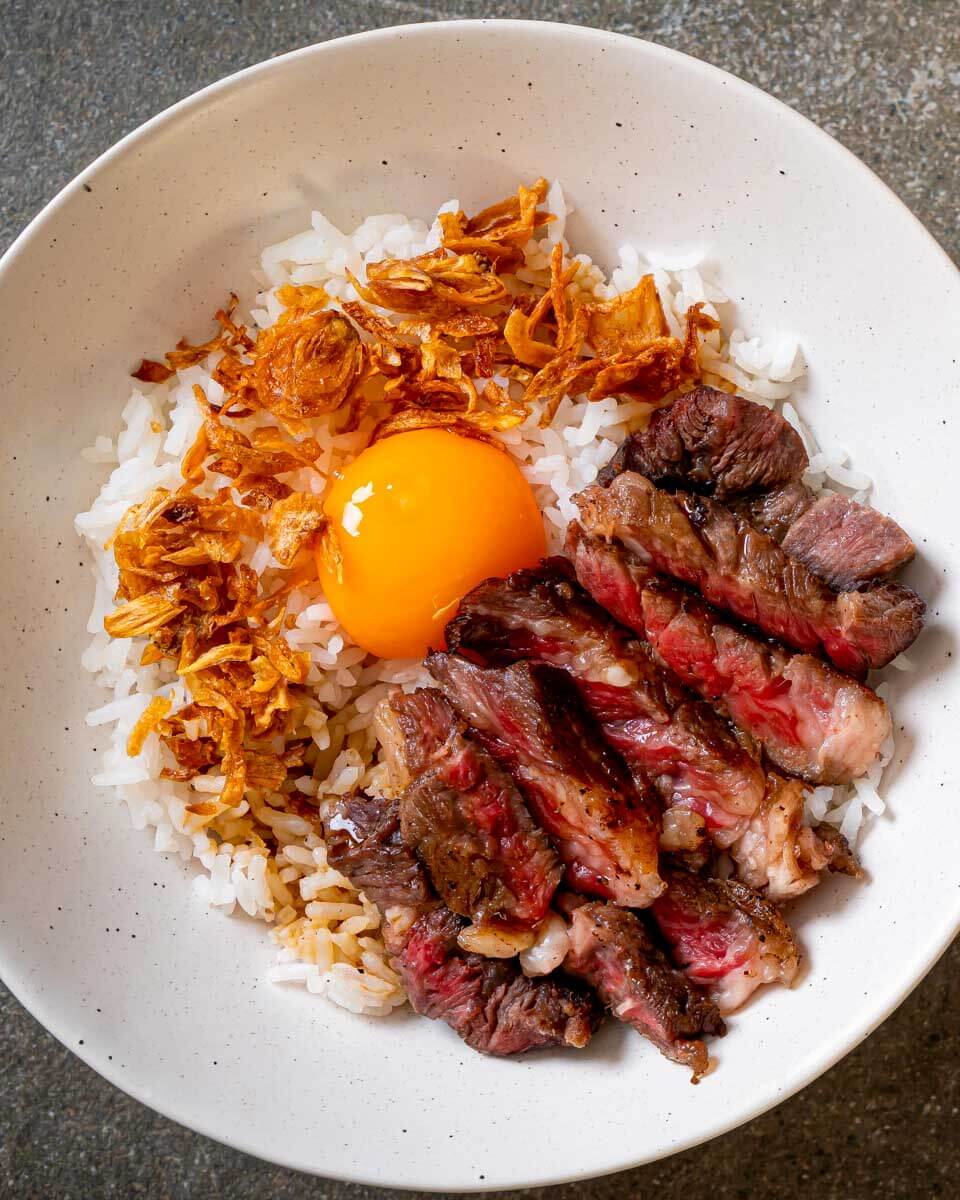
I think “simple but satisfying” is the best way to describe donburi! It’s a bowl of steamed rice topped with simmered meat, fish, or vegetables, so lots of different combinations are possible!
Some of the most popular types of donburi include gyudon, which involves simmered beef and onions, or katsdon, which is served with a crispy pork cutlet and drizzled egg. As a seafood lover, kaisendon is my personal favorite as it comes loaded with the good stuff!
Donburi is a complete meal in itself, and it’s usually quick and affordable to grab a bowl. They’re the perfect thing to eat on a busy day of sightseeing.
What’s fun about donburi is how much it varies across Japan. Each region puts its own twist on this classic dish. In Nagoya, you can get some really yummy miso katsudon, while Hokkaido is known for its super fresh sashimi bowls. Donburi is a go-to everyday food for many Japanese locals, so you can find it pretty much everywhere, from tiny counters and train stations to markets and more casual restaurants.
If you want something filling, tasty, and fast, you honestly can’t go wrong with a good donburi bowl!
Where to Try It
- Tokyo – You’ll find every possible style of donburi in the capital, from cheap and cheerful chain shops to dedicated counters that serve just one specialty.
- Hokkaido – Hokkaido’s ultra-fresh seafood is legendary, so we consider it the ultimate place to try fresh seafood kaisendon.
- Nagoya – The miso katsudon here is a real must-try. The rice is topped with a katsu pork cutlet that’s smothered in red miso sauce, often with a side of pickled cabbage.
13. Onigiri


What Is It?
Onigiri is one of Japan’s most iconic snacks, and although it’s pretty far down this list, it’s actually one of my favorites. It’s a rice ball, usually shaped into a triangle, and you can get lots of different yummy fillings, including tuna mayo, flaked salmon, or umeboshi (pickled plum). It usually comes wrapped in a sheet of nori (dried seaweed), which keeps everything together.
Outside of Japan, people sometimes mistake onigiri for a type of sushi, but it’s its own distinct food. Plain steamed rice is typically used to make onigiri, while sushi rice is prepared with vinegar.
The great thing about onigiri is that it’s a really convenient snack! You can grab them at most konbini (convenience stores), and you don’t need any cutlery to eat them, thanks to the nori wrapping. You’ll often see locals enjoying onigiri on the go or at picnics, since they’re cheap and easy to eat. They’re actually pretty filling too – I sometimes eat two for lunch.
What Is It?
- Tokyo – As well as the usual convenience store classics, Tokyo also has a lot of specialty onigiri shops. These serve gourmet versions of onigiri that are made with unique, creative fillings.
- Kyoto – In true Kyoto style, onigiri tends to be very traditional and made with high-quality rice.
- Convenience stores nationwide – Honestly, convenience stores are the ultimate place to get onigiri, especially for a real local experience. Konbini onigiri are also cheap and really fresh!
14. Melonpan

What Is It?
Melonpan is a sweet Japanese bread that’s impossible to resist! Despite its name, it doesn’t actually taste like melon. Well, not normally anyway – some modern versions do now have melon-flavored fillings!
What first drew us to melonpan was its appearance. It usually has a cracked pattern on the surface that resembles the rind of a melon, although to me it looks more like a turtle shell! But it gets even better when you bite into it, because beneath the crispy, cookie-like crust, it’s actually very soft and fluffy.
Melonpan is everywhere in Japan. You can find it in bakeries, convenience stores, and street markets, so it’s easy to grab some on the go. I like to get it from a bakery, as some spots jazz it up by adding chocolate or a creamy custard filling.
Part of the charm of melonpan is also its nostalgia value. It’s been around since the 1910s, and it’s a popular childhood sweet treat in Japan. Basically, it’s a must-try while you’re here!
Where to Try It
- Tokyo – The Asakusa area in particular is famous for its fresh melonpan stalls. It’s easy to spot the best ones because they have long lines in front of them!
- Osaka – In Osaka, you’ll find lots of trendy bakeries serving creative versions of melonpan, often in cute seasonal shapes!
- Kobe – Kobe isn’t just famous for its beef. The city is also celebrated for its high-quality butter melonpan. It’s much more indulgent than the regular version.
15. Tonkatsu

What Is It?
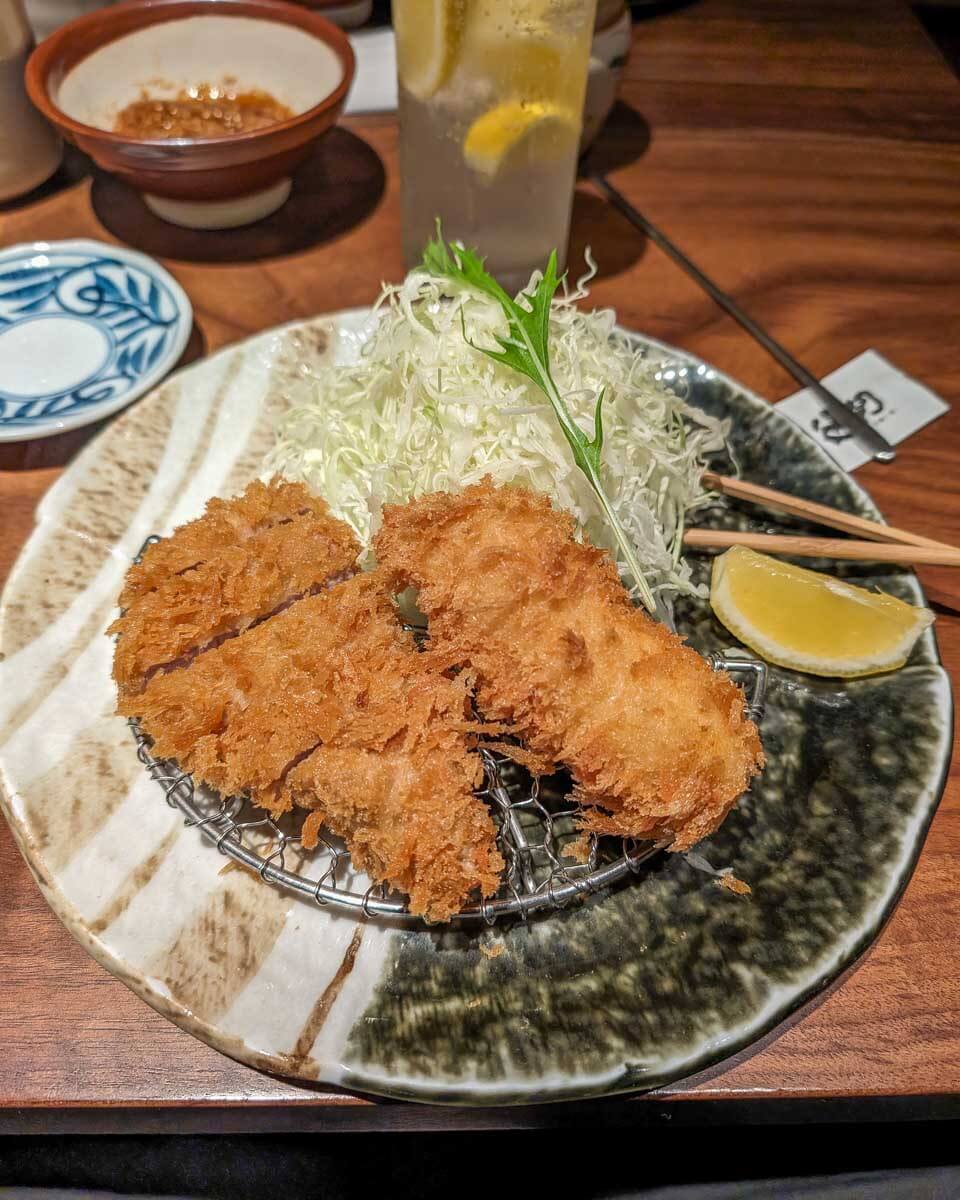
Tonkatsu is the ultimate Japanese food for pork lovers to try! It’s a breaded, deep-fried pork cutlet that’s crispy on the outside and juicy on the inside. It’s typically served with shredded cabbage, a bowl of rice, and miso soup as part of a teishoku (set meal).
There are a few different cuts of tonkatsu you should know about. Rosu-katsu comes from pork loin and has a nice marbling, which makes it very flavorful. Hire-katsu, on the other hand, comes from the leaner fillet and is lighter but still tender. Tonkatsu is almost always paired with a thick, tangy sauce, and some places also serve it with mustard or lemon for a little extra kick.
What’s great about tonkatsu is that you don’t have to go to a super fancy restaurant to enjoy it at its best. A lot of restaurants actually specialize in perfecting breading and frying tonkatsu, so you can find an amazing cutlet at the most casual of spots!
Where to Try It
- Tokyo – Tokyo is home to some of the most famous tonkatsu institutions in Japan. Narikura is a simple spot, but it’s actually one of the city’s most iconic tonkatsu restaurants.
- Nagoya – As we mentioned earlier, Nagoya is known for its miso katsu. It’s best enjoyed as part of a donburi bowl!
- Osaka – As Japan’s foodie hub, you’d better believe that Osaka is home to some amazing tonkatsu restaurants. Whether you want a casual spot or an upscale restaurant, you won’t struggle to find top-quality tonkatsu here.
Food Tours in Japan


We really think it’s worth taking at least one food tour in Japan so that you can get to know the food culture properly. For one thing, it’s so much fun to have a local show you all of the best spots, and this way you get to eat at places you might otherwise miss. It’s a great way to visit restaurants without English menus and signage, and your guide will order for you so you don’t have to worry about making mistakes. We also think it’s so valuable to have someone to teach you proper dining etiquette, and encourage you to try lots of different local dishes!
Tokyo
This is our favorite food tour in Tokyo because we got to visit the iconic outer Tsukiji Fish Market and try so much incredible seafood, as well as wagyu beef! We also loved seeing locals buying ingredients like octopus tentacles, and it was so much fun to watch chefs perform their craft right in front of us. For more inspiration, we’ve actually rounded up the best food tours in Tokyo here!
Osaka
We absolutely loved this Osaka food tour because we got to visit 5 different eateries and try 13 different dishes! Osaka is known as “the Nation’s Kitchen,” and this tour really showed us why it has that reputation. We loved visiting hidden eateries that only locals know about, and we tried the most delicious kitsune udon, as well as Osaka’s iconic takoyaki.
Kyoto
If you’re heading to Kyoto, do yourself a favor and book this top-rated food and sake tour! We got to explore the iconic Gion district, which is world famous for its geisha culture, and taste 6 different types of sake. It was part food tour, part fun night out, and we’re not at all surprised that it has well over a thousand 5-star reviews. You can read our full review in our guide to the best food tours in Kyoto!
Tips for Eating in Japan
Etiquette basics
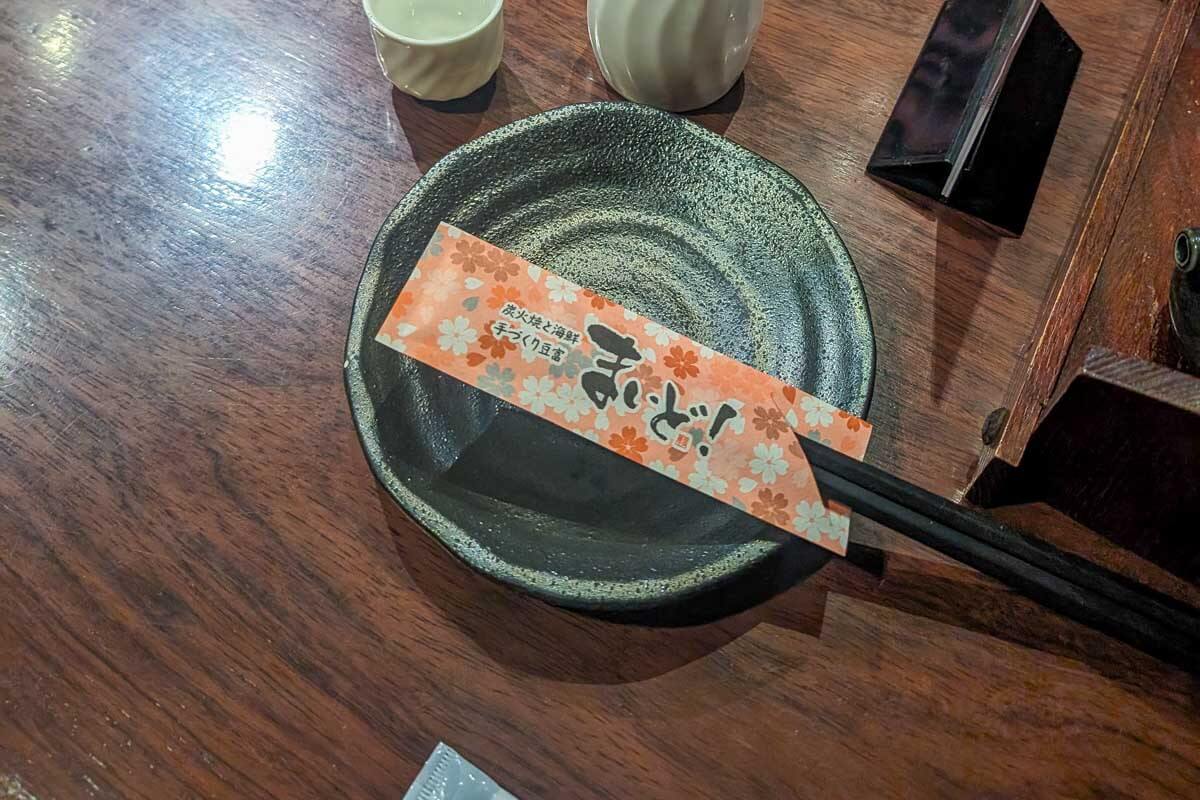
Food rules might look quite different in Japan compared to your home country. For example, it’s totally normal to slurp noodles here, which might be considered rude in other countries, but sticking chopsticks upright in your food is a big no-no, as that’s actually a funeral custom here!
Lines are part of the experience
See queues as a good thing! A lot of popular ramen shops and local eateries have lines outside, but they tend to move quickly, and it’s a surefire signal that the food is worth the wait.
Make reservations for premium dining
Premium dining experiences in Japan, including kaiseki meals, sushi counters, and omakase restaurants, typically require advance bookings. This is especially true during peak seasons, and during sakura season, you’ll need to book top spots up to 3 months in advance.
Cash vs. card
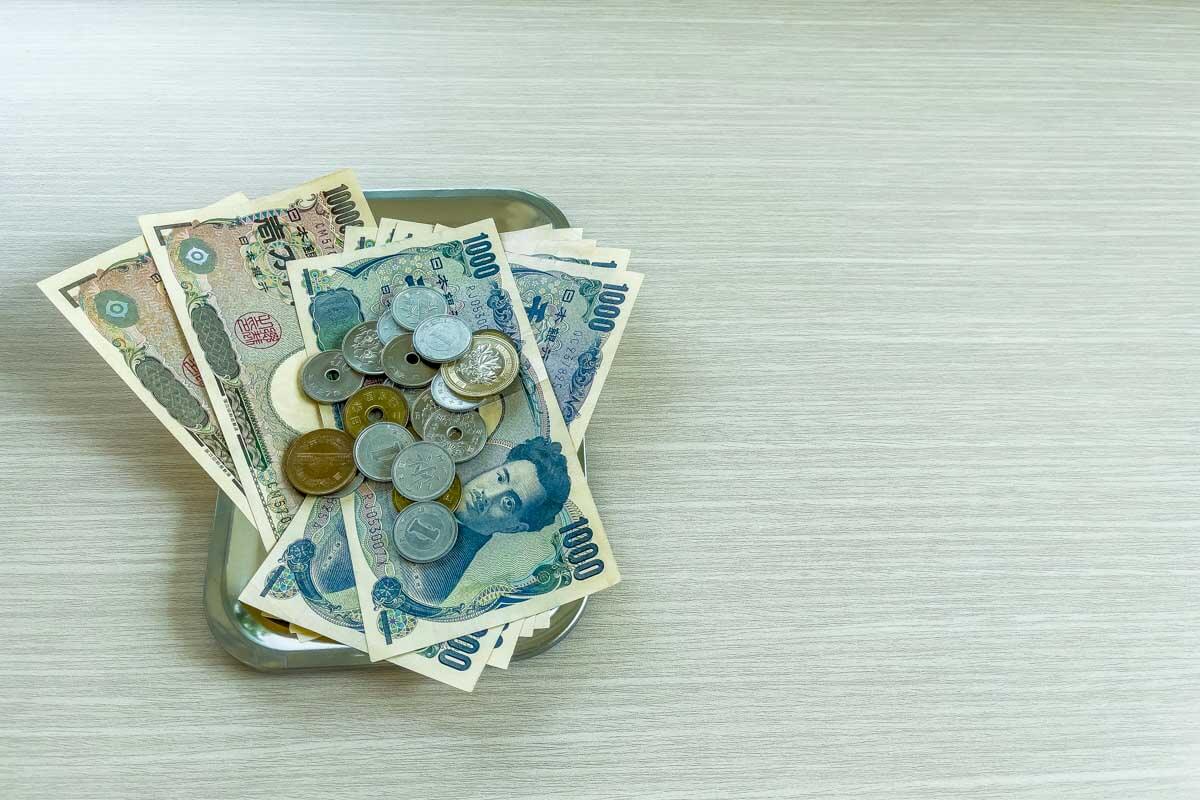
Cash is king in Japan! While large restaurants accept cards, a lot of smaller shops and counters are still cash-only. This is also true for markets and family-run cafes and bakeries.
Convenience stores are surprisingly delicious
Don’t make the mistake of assuming convenience store food is subpar! Stores like 7-Eleven, Lawson, and FamilyMart offer yummy meals and snacks that are both fresh and affordable. I highly recommend trying their donburi and onigiri!
Try regional specialties
One of the best things about traveling around Japan is trying all of the regional specialties! Every destination has its own must-eat dishes, like Hokkaido seafood and Hiroshima’s unique take on okonomiyaki.
Vending-machine ordering is common
Often, casual restaurants and ramen spots use ticket machines for ordering. It’s actually very easy and efficient, even if you don’t speak or read Japanese!
No tipping
Japan doesn’t have a tipping culture. Paying the bill is all that’s expected of you in a restaurant, with no gratuities required. It’s not offensive to leave a tip, per se, but it would be an odd thing to do because it’s just not expected here.
Renting a Car in Japan

Japan’s trains are great, but if you want to explore rural areas, scenic routes, or off-the-beaten path hidden gems, renting a car offers unmatched flexibility. Driving in Japan is generally safe, with well-maintained roads and clear signage, though there are some unique rules and customs to be aware of.
We always book with Discover Cars and can’t recommend them enough. It’s super easy to compare multiple provider prices, check company ratings, filter for the type of vehicle you want, and add affordable full coverage insurance. If you want a full breakdown, check out our Discover Cars review here.
Tips for Renting a Car in Japan
What You Need to Rent a Car in Japan
Ready to hit the road? Discover the freedom of exploring the Japan on your own terms!
Airalo e-sim
Up To 15% Off With Code “DTRAVEL10”
What’s an eSIM?
An eSIM is a digital version of a SIM card. Instead of buying a little plastic chip and swapping it into your phone, you just download it. It connects your phone to a local network in whatever country you’re visiting — no stores, no waiting, and no fiddling with tiny cards.
In simple terms, it’s the easiest way to get data and stay connected while traveling.
We’ve tested a bunch of eSIMs in North America, and after a few frustrating experiences, we’ve found our favorite — Airalo. It’s fast, reliable, and incredibly easy to use. You can set it up in minutes (even my mom managed it solo on her first try!), and the prices are some of the best out there.
Bonus: We’ve got an exclusive 15% discount for our readers. Use the codes:
Thanks for reading!
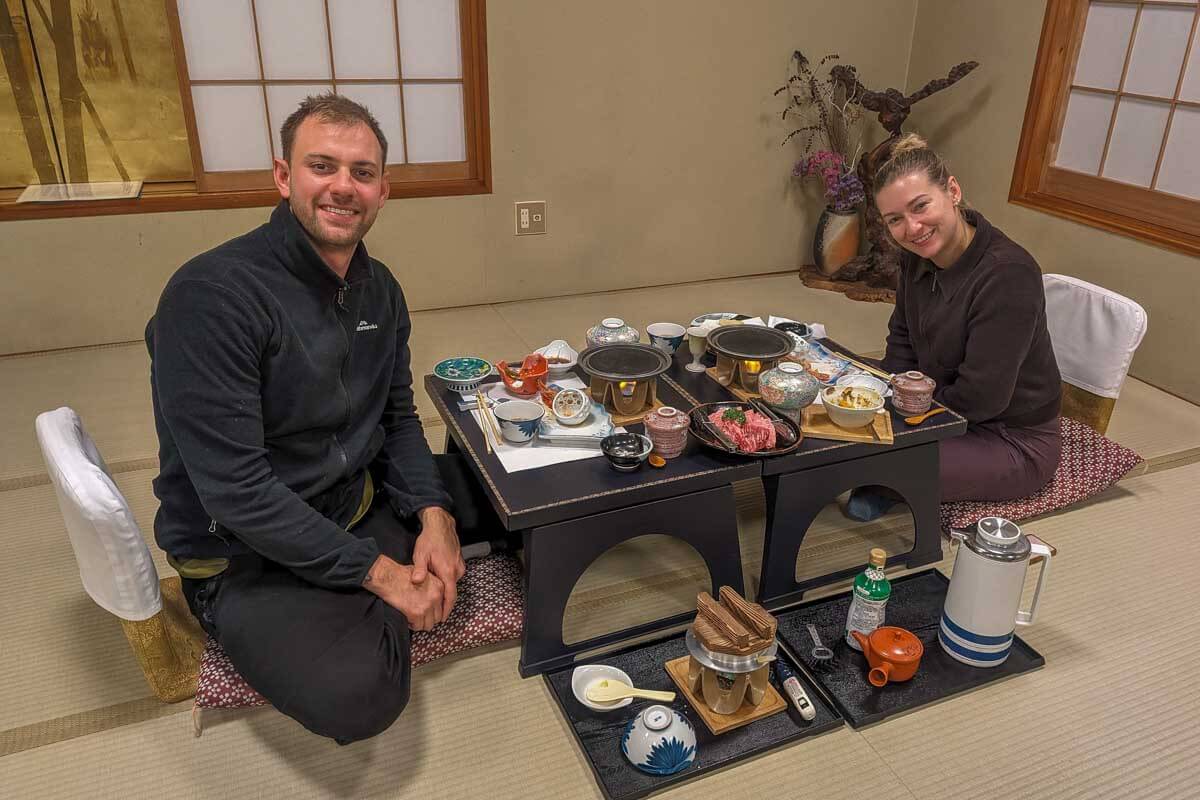
Honestly, one of our favorite parts of traveling in Japan is eating! This country is world-famous for its cuisine, and you’ll soon discover why. Even if you’ve had Japanese food in your home country, it’s even better when you’re there.
Before you take off, check out our other Japan blogs! We absolutely love exploring Japan, and we also love helping fellow travelers plan a memorable trip. So check out these related blogs to assist with your travel planning and to inspire your next adventure – cheers!
Is Japan Expensive? Cost of Traveling to Japan
Where to Go in Japan Based on Your Travel Style
The Services We Recommend
From hotels to guided tours, we only recommend services we know and trust. Here are our recommended partners so you can explore Japan with confidence.
Book Hotels
With Booking.com