

The Ultimate Guide to the Japan Rail Pass
Planning a trip to Japan and wondering if the JR Pass is worth it? You’re not alone.
The Japan Rail Pass is one of the most talked-about travel deals for visitors, and for good reason. It gives you access to Japan’s famous trains, including the lightning-fast Shinkansen bullet trains, plus a range of buses and even a ferry or two. For many travelers, it’s the key to exploring multiple cities quickly, easily, and often for less money than buying individual tickets.
That said, it isn’t the right choice for everyone. After having used it for ourselves, we’re here to break down exactly how the pass works, what it covers, and whether it’s the best fit for your trip.
What is the Japan Rail Pass?
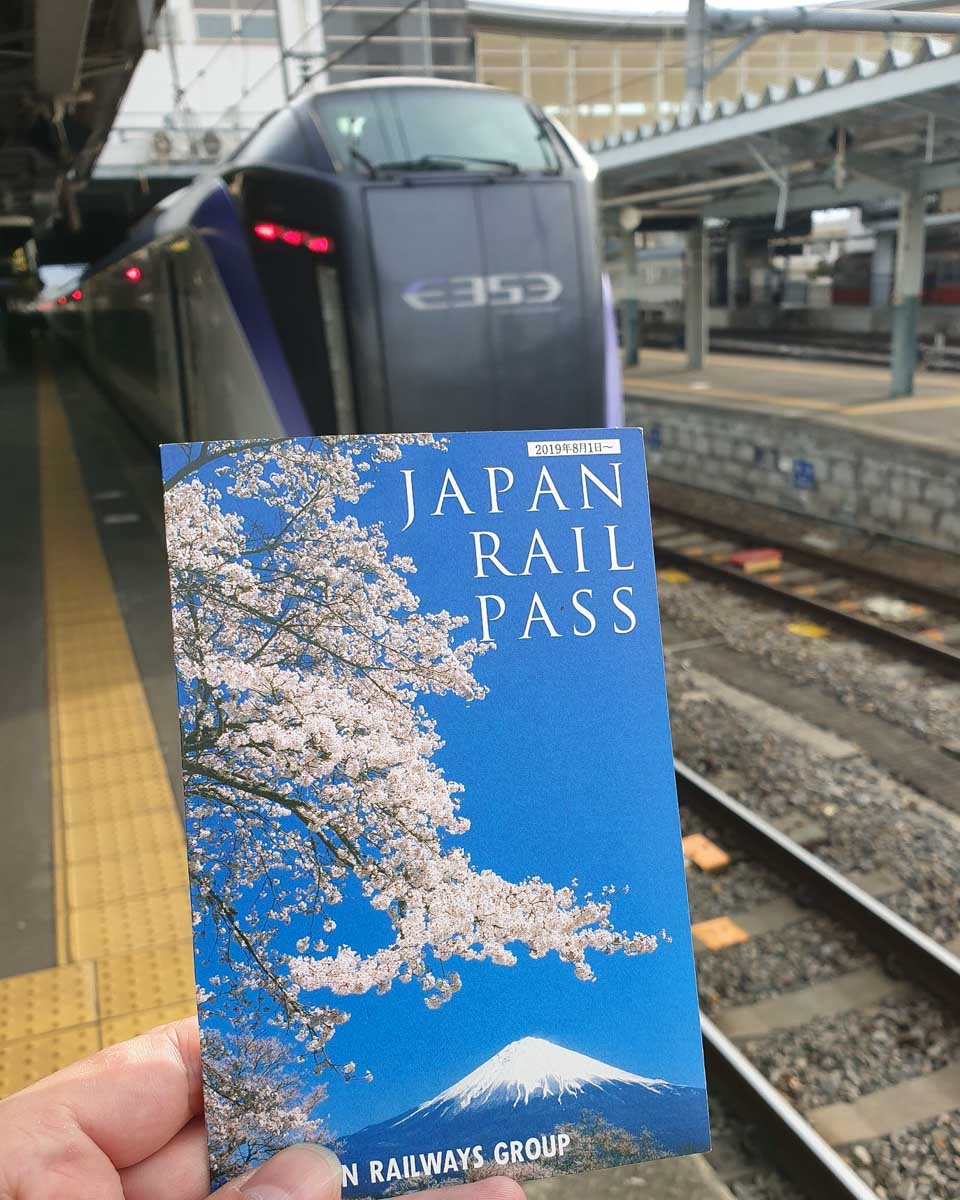

The Japan Rail Pass, often called the JR Pass, is a special nationwide train pass designed to give foreign tourists unlimited access to JR train rides all over the country. The pass is valid for 7, 14, or 21 consecutive days and provides unlimited rides on JR trains, select JR-operated buses, and even the JR Miyajima ferry. It’s one of the most convenient ways to explore Japan, especially if you’re going to be traveling to several different cities instead of focusing on one region.
So, who are Japan Railways? Well, JR is actually a group of regional companies that work together to operate much of the country’s extensive rail network. This includes the world-famous Shinkansen bullet trains as well as local commuter lines and regional routes. JR doesn’t operate absolutely everything, though, so not all journeys will be covered.
We think that unlimited Shinkansen travel is the biggest perk of the pass. These trains are not only punctual and comfortable, but they’re also super fast, which makes cross-country travel an absolute breeze. Plus, they tend to be expensive, so if you’re going to be using them a lot, the JR pass can save you a significant chunk of change. Travel on the two fastest services does cost a bit extra, but we’ll dive more into that below.
Ultimately, whether the pass saves you money depends on your route – and that’s what we’re here to help you work out. But as a general rule, it’s an excellent value if you’re planning on making multiple long-distance journeys.
How Much Does the JR Pass Cost?


The price of the Japan Rail Pass depends on two factors: how long you want it for, and which class you choose. The JR Pass is available for 7, 14, or 21 days, and you can go for either an Ordinary or a Green Class pass.
The Ordinary Pass is the standard option, and to be honest, it’s more than enough for most travelers! It’s essentially economy class, but economy class in Japan is a lot better than in most parts of the world. You’ll get clean, modern trains with comfortable reclining seats.
But if you’re after extra comfort, the Green Class Pass is Japan’s equivalent of first class. Green Cars have fewer seats per row, which means more legroom and wider seats. Depending on the line, you might even get small perks like hot towels, slippers, or personal reading lights!
The prices for the Ordinary Pass are:
- 7 days = 50,000 JPY (~$340 USD)
- 14 days = 80,000 JPY (~$540 USD)
- 21 days = 100,000 JPY (~$675 USD)
The Green Class Pass prices are:
- 7 days = 70,000 JPY (~$475 USD)
- 14 days = 110,000 JPY (~$745 USD)
- 21 days = 140,000 JPY (~$950 USD)
The upfront cost of the pass may feel steep, but it can pay off quickly. For example, a single round trip between Tokyo and Kyoto almost covers the cost of an Ordinary 7-day pass!
It’s worth noting that passes for children aged 6-11 are half price, and children under 6 travel for free. This makes the JR pass a great choice for families.
Where Can You Use the JR Pass?
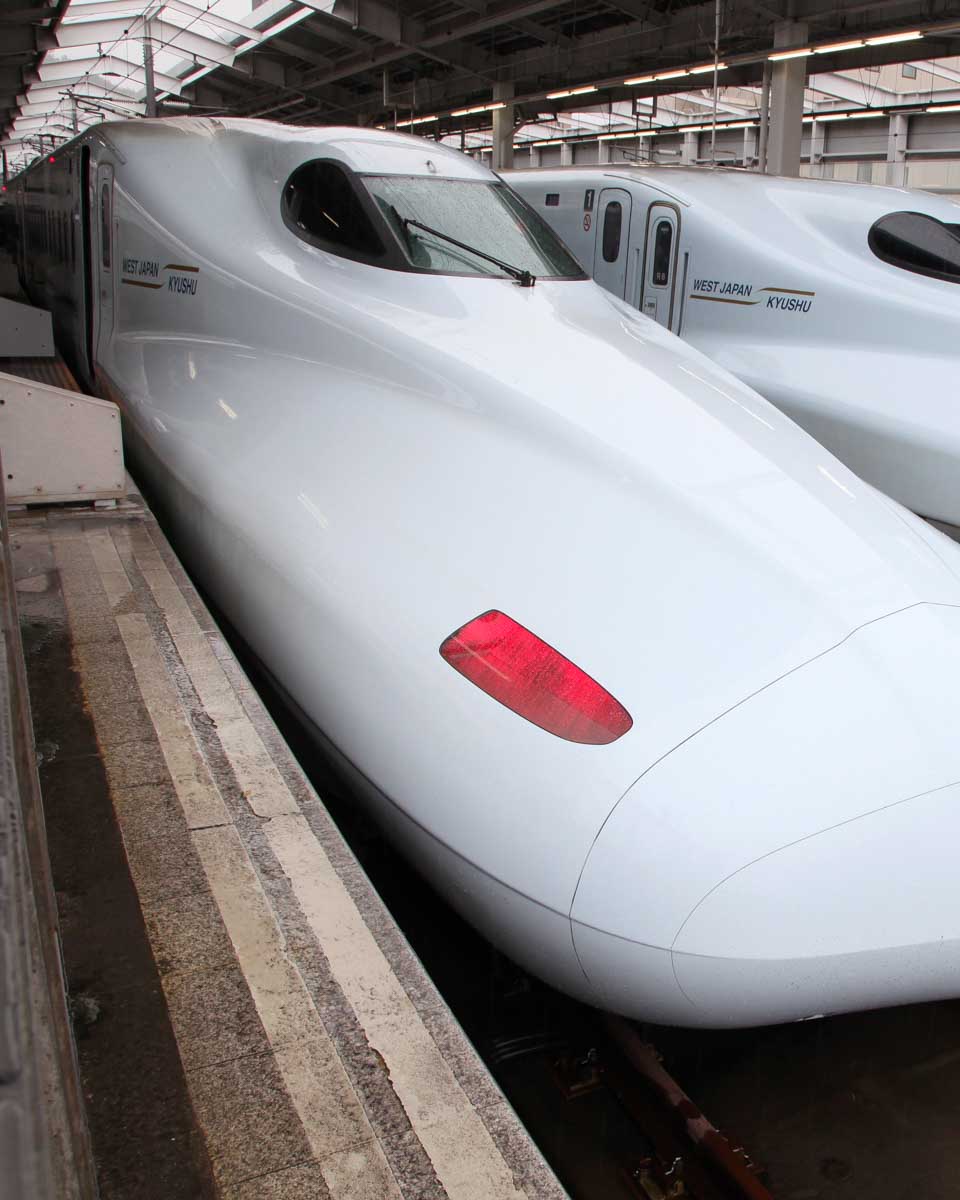
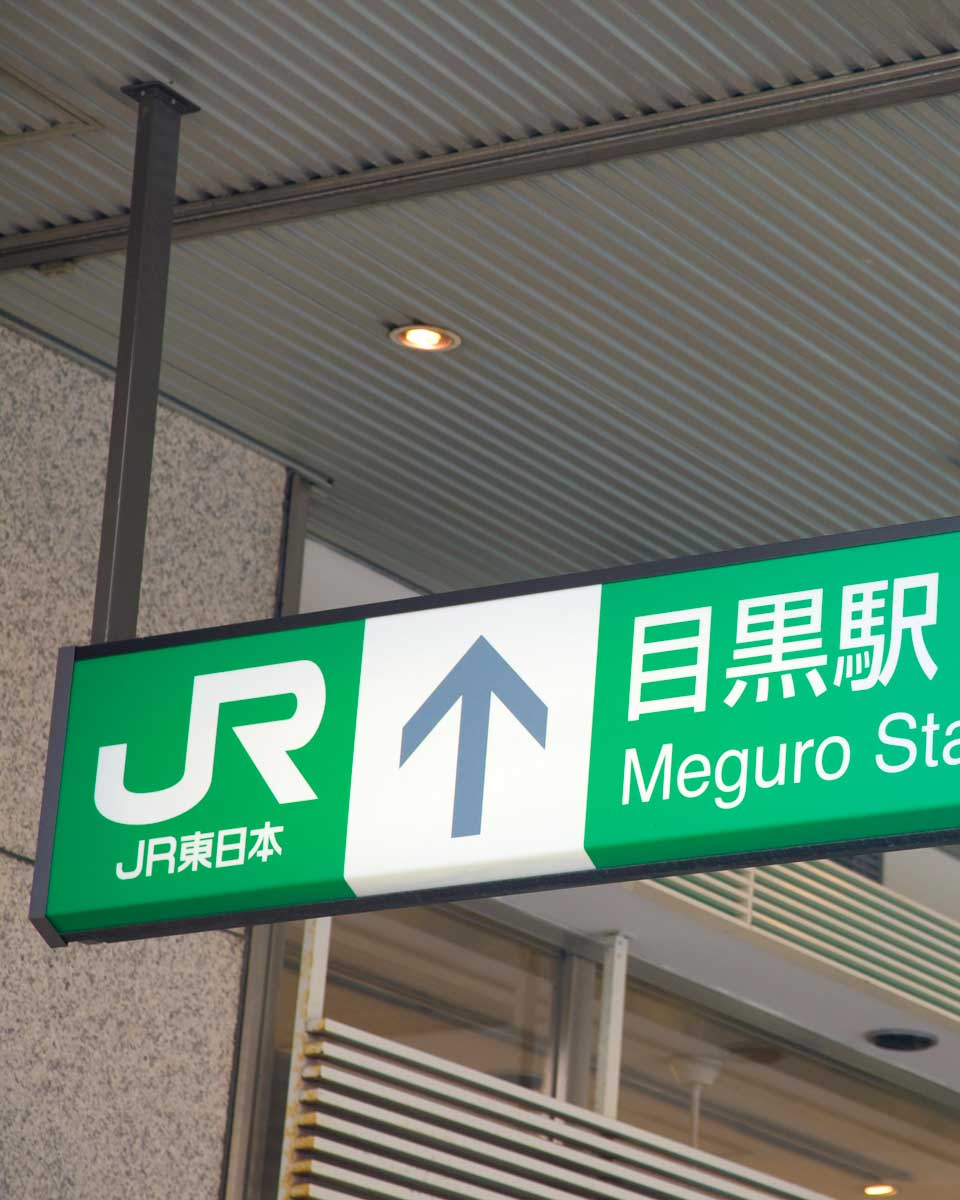
One of the biggest advantages of the Japan Rail Pass is its nationwide coverage. It’s valid on the six main Japan Railway companies:
- JR East
- JR West
- JR Central
- JR Kyushu
- JR Hokkaido
- JR Shikoku
This means that you can criss-cross all over the country without worrying about separate tickets for each region. It certainly made our lives a lot easier when using the pass!
The pass covers most Shinkansen (bullet trains), including the Hikari, Sakura, and Kodama services. The fastest Shinkansen services, the Nozomi and Mizuho trains, are partially covered by the pass, but you’ll still need to buy a supplementary ticket. This typically costs 4,000 – 6,500 JPY (roughly $25 – $45 USD) extra. But even without those, the covered services are incredibly fast and efficient, so it’s not the end of the world.
The JR Pass doesn’t cover every local bus route, but it does work on several bus lines:
- JR Hokkaido Bus
- JR Bus Tohoku
- JR Bus Kanto
- JR Tokai Bus
- West Japan JR Bus
- Chugoku JR Bus
- JR Shikoku Bus
- JR Kyushu Bus
The pass also includes the Tokyo Monorail, which connects Haneda Airport to the city center, so that’s super useful. And if you travel to Hiroshima, it covers the JR Miyajima Ferry. This means you can ride the train from Hiroshima to Miyajimaguchi and then catch the ferry to Itsukushima Island to see the famous floating torii gate – it’s one of Japan’s biggest must-sees!
What’s Not Covered By the JR Pass?
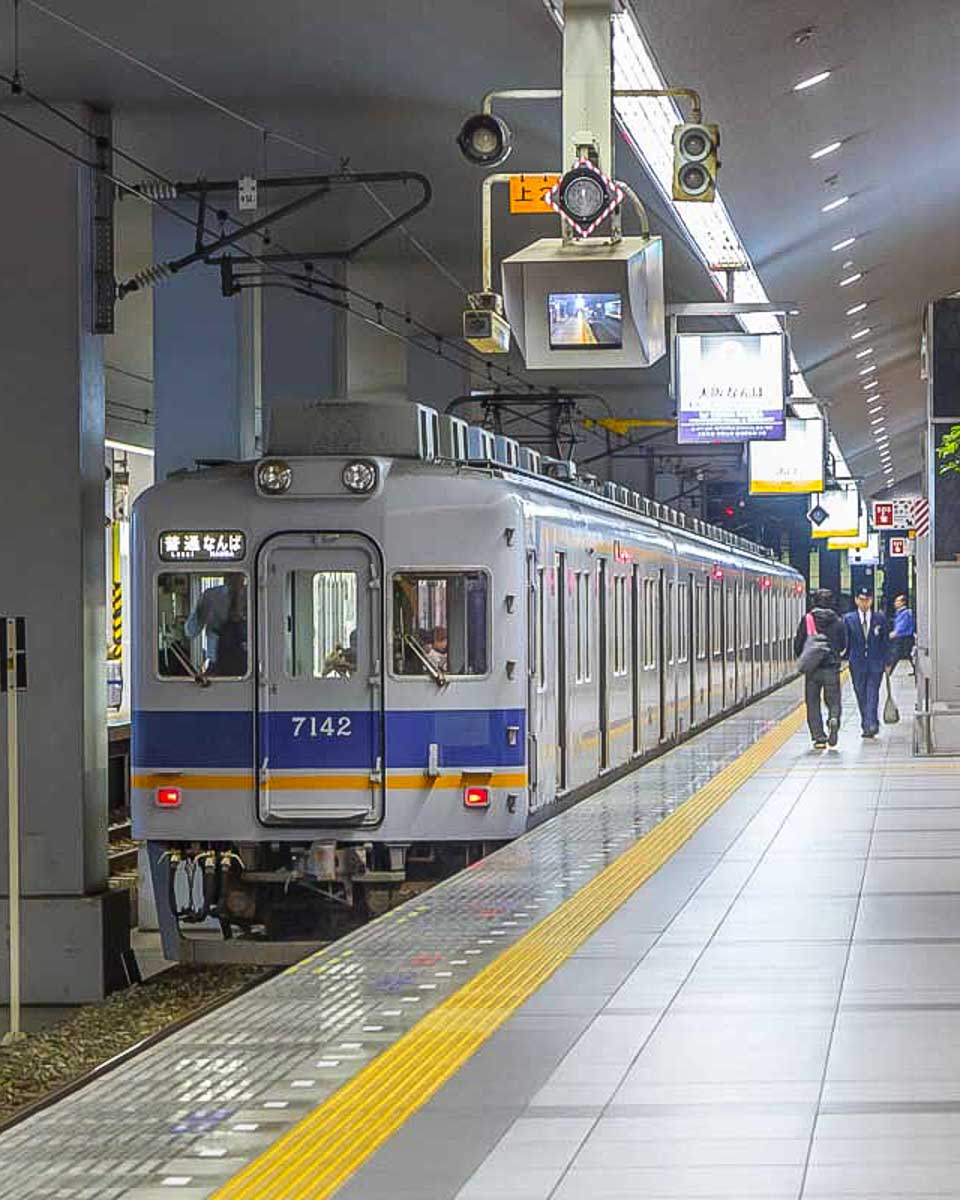
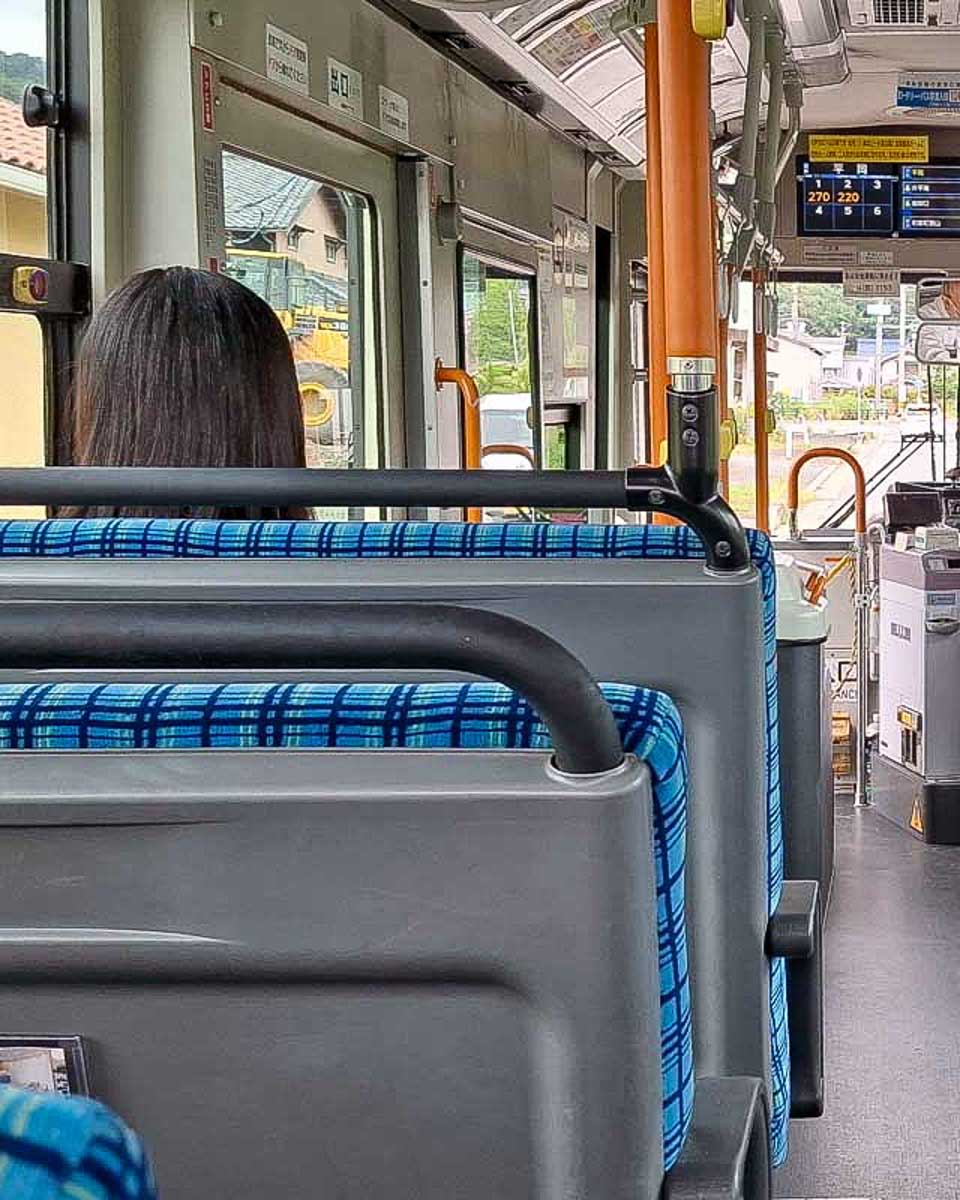
The JR Pass is incredibly versatile, but it doesn’t cover every form of transport in Japan. City subways and metro lines are not included, and neither are non-JR local buses or highway express buses.
And while JR covers a lot of the country’s rail network, not every line is owned by JR and is therefore not included. Sometimes, different JR lines are connected by private railways, and so you’ll need to fork out for a ticket to bridge the gap. These extra fares are usually small, but they can still add up.
It’s also important to know that the fastest Shinkansen trains, Nozomi and Mizuho, aren’t included. Well, not fully! If you want to take them, you won’t have to fork out for the full fee, but you’ll need to buy a special ticket in addition to your pass, which usually costs between 4,000 and 6,500 JPY ($25 – $45 USD) depending on distance. However, Nozomi and Mizuho are basically just faster services because they make fewer stops, and you can still easily get around by bullet train without using them if you don’t want to pay extra.
Our top tip would be to use the Japan Travel by Navitime app to plan your trip. It allows you to search for routes covered by the pass and filter out those that aren’t. This makes it so much easier to plan your trip and helps you avoid surprise fees.
Who Should Buy the JR Pass?


We think the nationwide Japan Rail Pass is ideal if you plan to travel to multiple cities across Japan in a short amount of time. This is especially true if your itinerary includes long-distance routes like Tokyo to Kyoto, Hiroshima, or Fukuoka. It’s perfect if you want to be able to get around the country fairly quickly, and we loved not having to think about ticket costs and reservations all the time – although during busy periods it’s still worth reserving your seat in advance.
That said, the JR Pass isn’t always the best choice for everyone. If you’re traveling around Japan slowly, the pass will likely cost more than your tickets. The same applies if you’re just visiting one city, such as Tokyo, Osaka, or Kyoto, because you can’t use the pass on the metro lines. And if you’re going to be exploring a more rural area in depth, renting a car will give you a lot more freedom and flexibility than relying on trains and buses.
Here’s the general rule that we follow: if you plan to make two or more long Shinkansen trips per week, the pass will probably pay for itself. For example, a return trip from Tokyo to Fukuoka or Hiroshima. But to be sure it’s worth it, you can use an online fare calculator to compare costs before purchasing! We use this one.
Regional Rail Passes vs the Nationwide JR Pass
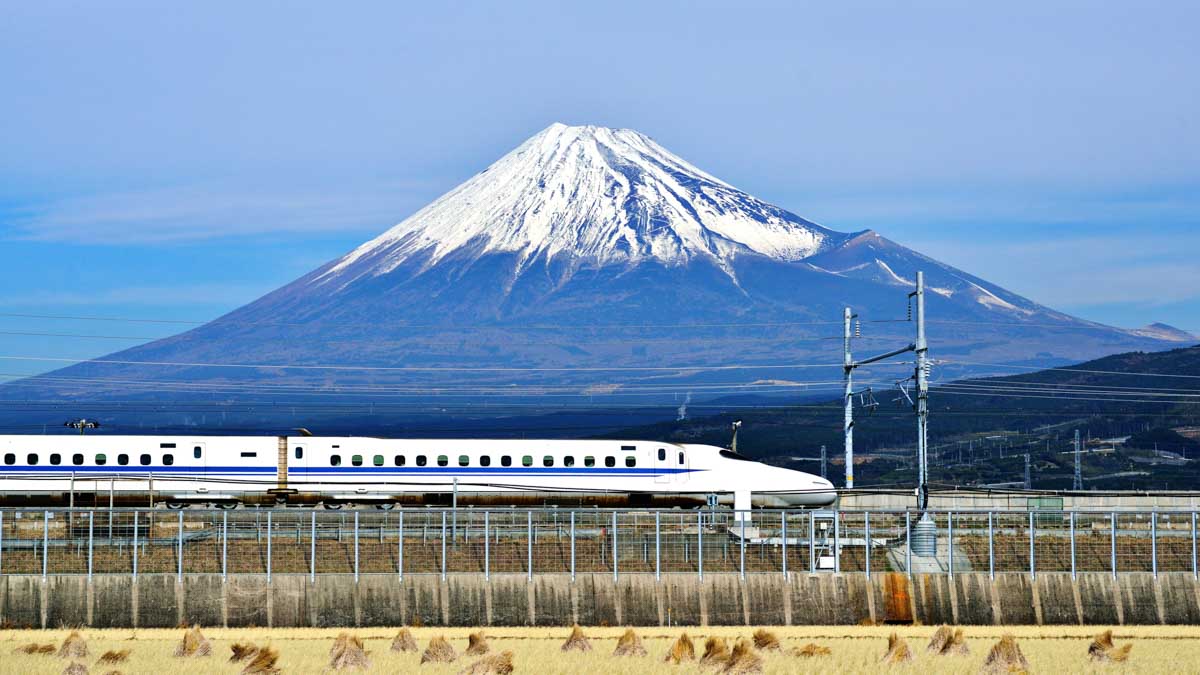
The nationwide JR Pass isn’t the only way that you can save money when traveling around Japan. JR also offers a variety of regional rail passes, which are a more budget-friendly option if you’re sticking to one part of Japan.
These passes cover specific areas, like Kansai, Kyushu, Hokkaido, or the Mount Fuji/Shizuoka region. We’ve used them on trips that have involved exploring just one region in depth rather than traveling all over the country, and they have definitely saved us money.
Regional passes typically cost less than the nationwide JR Pass and can include unlimited travel on JR trains, some buses, and even select ferries within the designated area. Just like the nationwide pass, they’re only available to foreign temporary visitors to Japan and not to citizens and residents.
We think that regional passes are a great choice for trips that focus on one city cluster or a single region. They still provide the convenience of unlimited travel without buying individual tickets. It’s still worth checking exactly which lines and services are included for each regional pass before purchasing to make sure it matches your itinerary, though.
For travelers exploring multiple regions or planning long-distance journeys, the nationwide JR Pass might still be the better choice, but we think that these passes are a smart alternative for focused regional trips.
Where to Buy a JR Pass


Listen up, because this part is important! As of 2023, you can no longer buy a Japan Rail Pass in Japan itself. Instead, you need to purchase an “exchange order” before arriving in the country.
You can do this either online or through an authorized travel agent. The exchange order acts like a voucher that you can then present at a JR Exchange Office upon arrival. After the exchange, you get your physical pass.
The idea behind this is to ensure your identity and “temporary visitor” status are verified before issuing the pass, since it’s only available to foreign tourists. It helps to prevent misuse and keeps the system streamlined for everyone.
We’ve found that buying your exchange order online is the easiest option. There are two different sites that you can use, and each has its own pros and cons.
However, before we get into that, we need to make two things very clear. First, no matter where you buy your exchange order, you have three months from the purchase date to exchange it for the actual JR Pass – so don’t buy it too early! Second, make sure the name on your order EXACTLY matches your passport to avoid any issues. You’ll want to triple-check for typos.
Japanrailpass.net
Japanrailpass.net is the official site for purchasing exchange orders. The benefit of purchasing directly with them is that you get a reservation number straight after you purchase the pass, which you then just present at the airport to make the exchange and receive your physical pass. Plus, as soon as you’ve bought the exchange order, you can start using their online reservation platform to book seats on certain lines – no need to wait until you have your physical pass. This is a huge perk if you’re traveling at a busy time of year, such as Golden Week, cherry blossom season, or New Year’s.
The downside is that purchases must be made in yen, which might result in additional credit card fees. You can also only buy your exchange order during Japan business hours, which are 4 am – 11:30 pm local time (UTC+9). That’s still a fairly big window to make the purchase, but depending on your time zone, it might just mean a bit of extra organization and planning.
JRPass.com
JRPass.com is a convenient alternative to the official site. It’s an authorized third-party seller, so you can make your purchase with confidence. The perks are that you can avoid credit card fees by paying in your own currency, and you can make the purchase at any time of day. They also offer English customer support, which is useful!
They offer handy extras alongside the pass, such as pocket Wi-Fi and meet and greet service. We think that the meet and greet is ideal for first-time visitors because someone will meet you at the airport, help you activate your pass, and give you tips and guidance. Our guide helped us get our pocket Wi-Fi, got us set up with IC cards to use for the metro, and even made sure we got on the right line to our hotel!
The downside is that JRPass.com mails a physical voucher rather than just giving you a reservation number. This means that you will need to plan ahead and allow enough time for the pass to be delivered. It usually only takes a day or two, but we would suggest allowing a bit longer just in case – and for that all-important peace of mind!
How to Activate Your JR Pass
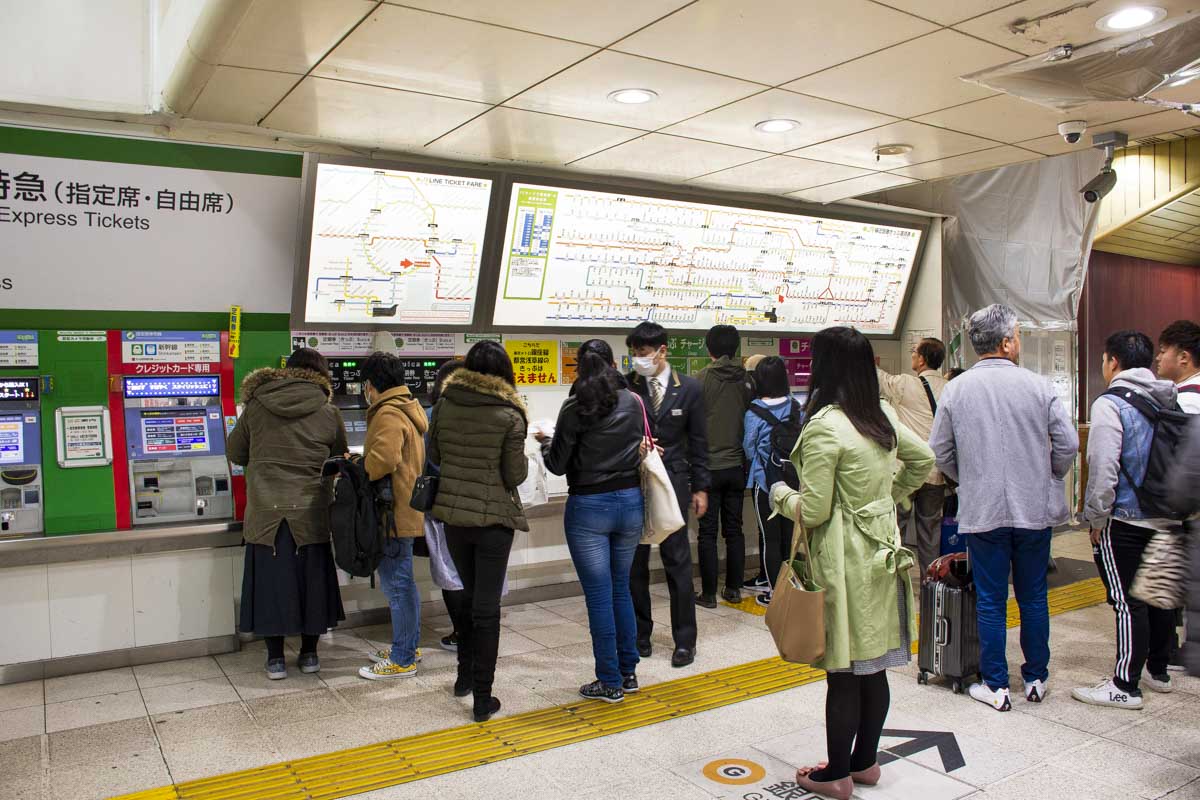
Once you arrive in Japan, the first step to using your Japan Rail Pass is finding a JR Exchange Office. Sometimes, they’re called JR Travel Service Centers. They’re usually located at major airports like Narita, Haneda, Kansai, and Chubu.
If you purchased your pass through the official site, you’ll need to present your reservation number along with your passport showing the “temporary visitor” stamp you received at customs. Or if you bought from a travel agent or via JRPass.com, you’ll need to present your physical exchange voucher and passport. It’s important to note that the pass is only valid for tourists on a temporary visitor visa, so working holiday, student, or resident visas are not eligible.
At the exchange office, staff will ask which date you want your pass to start. You can choose any day within 30 days of the exchange, so it’s smart to pick the first day you’ll begin long-distance travel. For example, if you spend three days sightseeing in Tokyo, you might activate your pass on the fourth day when you leave for Kyoto.
If this process feels overwhelming, consider using the JR Pass Meet & Greet service. A staff member will meet you in the arrivals area, help exchange your voucher, set up any additional services like an IC card or pocket Wi-Fi, and even guide you to your next train or hotel. It’s a great way to start your trip stress-free, and we thought it was well worth the money!
Related Read: Still deciding on your travel dates? Read our blog on the Best Time to Visit Japan for a month-by-month comparison and our personal favorite regions by season!
How to Reserve Seats and Use Your Pass
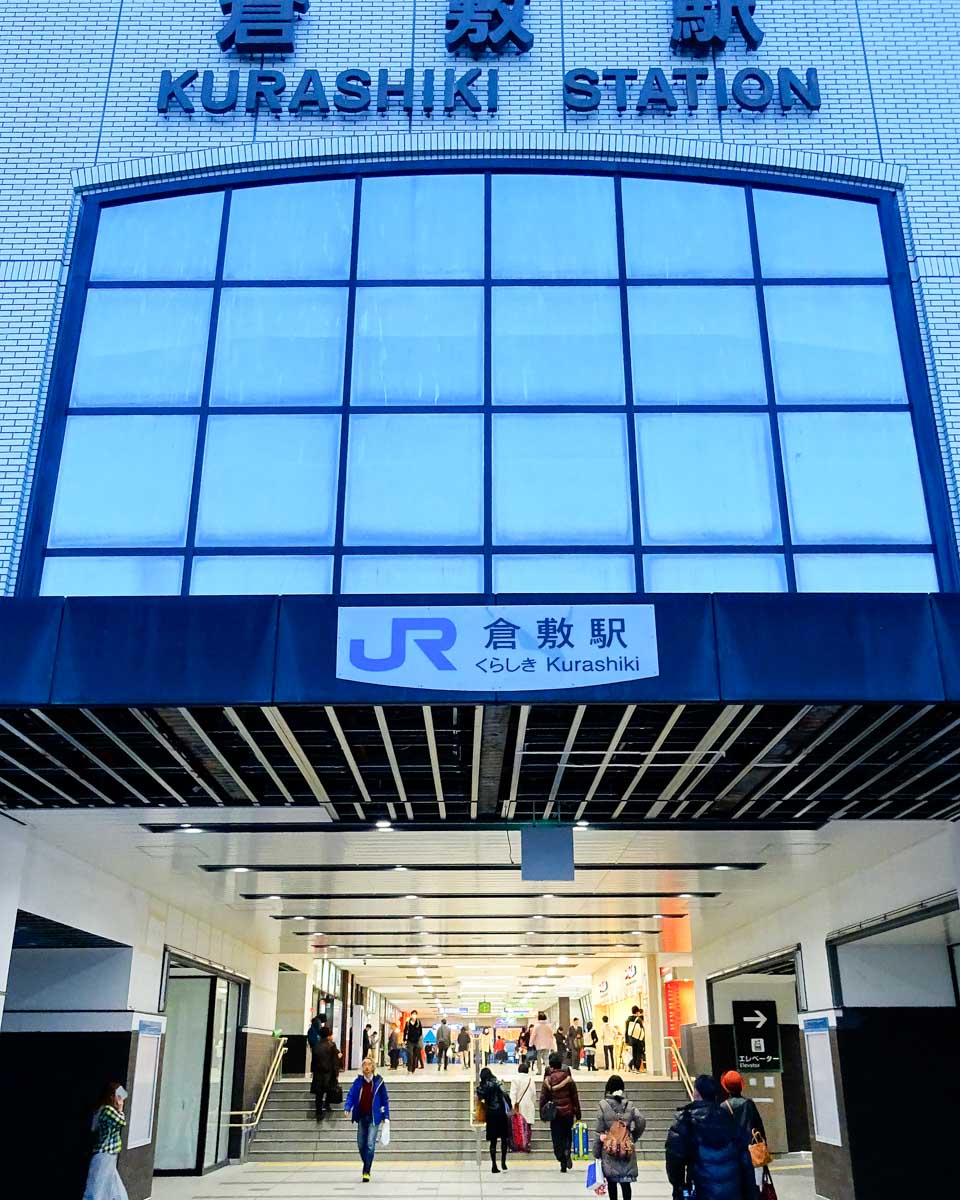
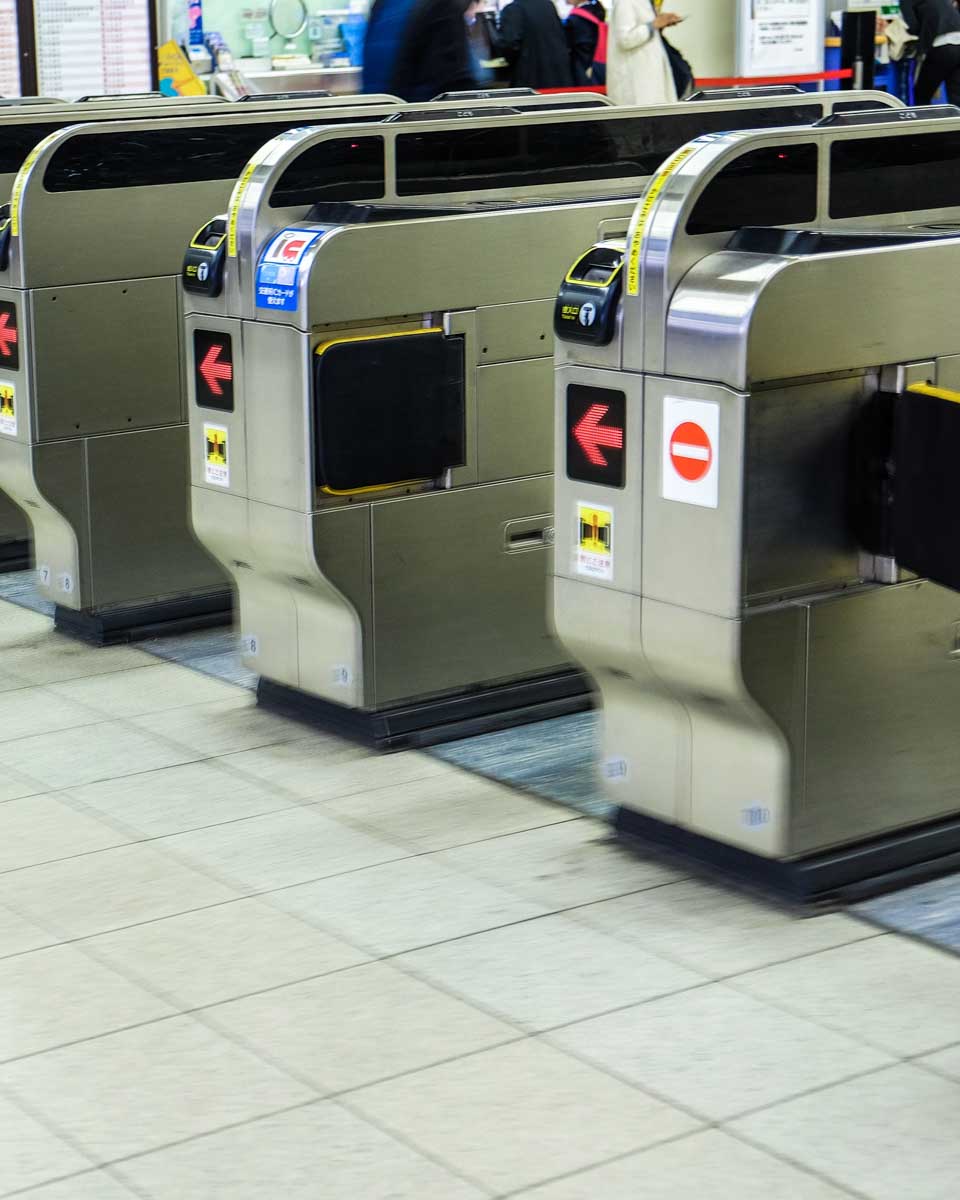
There are a few different ways to use your JR Pass and reserve seats. Don’t worry – it’s easy when you know how!
Using your pass is the easy part. When using your pass at the station, show it at manned gates to be waved through, or you can use automatic gates that aren’t IC-only. Sometimes, you’ll need to show your passport for identity verification, so keep it handy.
The pass gives you access to the train but not specific seats, so it’s worth knowing how to make a reservation to ensure a comfortable journey. If you have reserved seats, you’ll also get a separate ticket to show alongside your pass. Here’s how to make a seat reservation:
Ticket counters
Your first option is to go to the ticket counters, called “Midori no Madoguchi,” which can be found at most large JR stations. Look for the green sign with a pictogram of a person behind a counter. Here, you can present your JR Pass and reserve seats for free. The staff are used to helping tourists, so don’t hesitate to ask for guidance!
Ticket machines
Option two is using ticket machines. Many modern machines now accept JR Passes for seat reservations, and they offer instructions in English, which makes the process straightforward for visitors.
Online reservations
JR Pass holders can reserve seats in advance for specific regions via JR East’s EkiNet platform. And if you purchased your pass through the official website, you can use their online system for a wider range of reservations up to a month in advance! But do keep in mind that even after reserving seats online, you’ll still need to pick up your ticket at a station machine or counter using your pass and reservation number.
It’s also worth bearing in mind that non-reserved seating is available on most Shinkansen and limited express trains. These cars, marked “jiyūseki,” allow you to sit in any available seat on a first-come, first-served basis. This is a great option for shorter trips or less busy times, although you might have to stand during peak hours.
Related Read: Not sure which destinations to prioritize with your pass? My guide to where to go in Japan based on your travel style can help you map out a route that makes the most of unlimited train travel.
How Much Luggage Can You Bring?
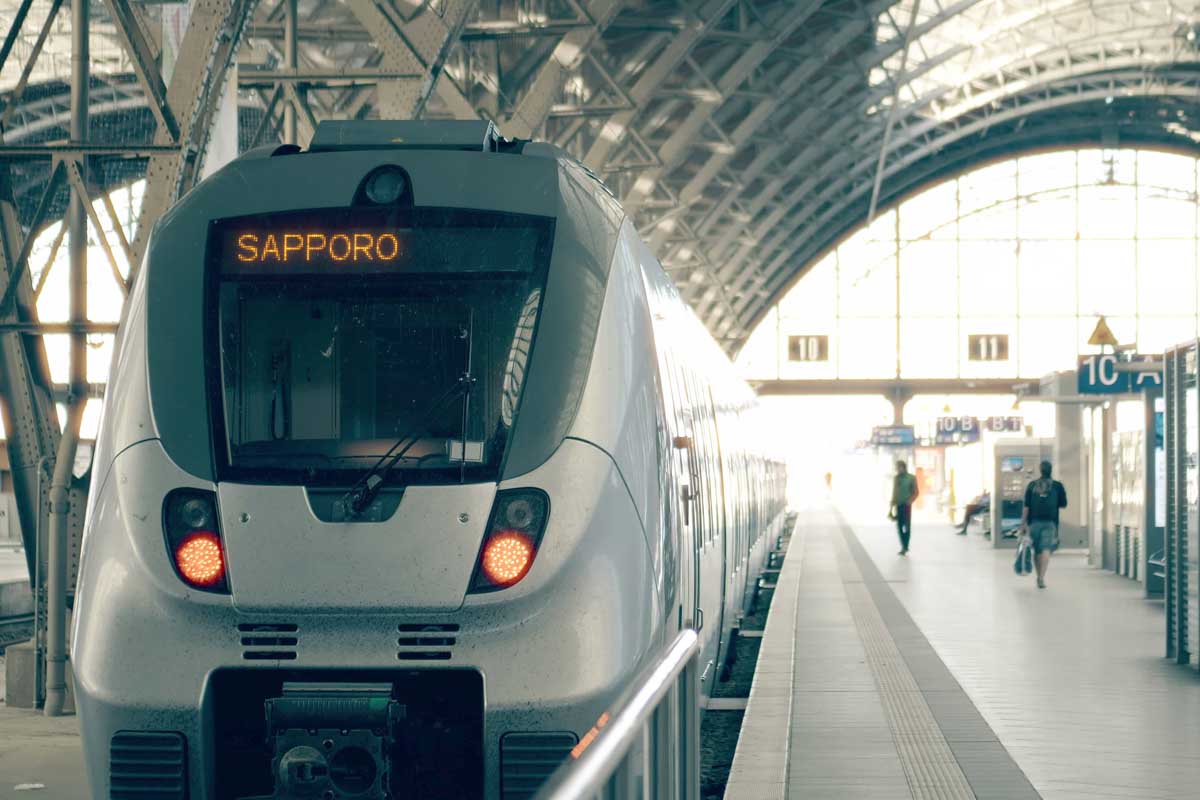
Traveling with luggage on Japan’s trains and buses is straightforward, but there are some important rules to know. For most trains, small bags, carry-ons, and medium suitcases (under 160 cm total dimensions) are fine because they fit easily in the overhead racks or in front of your seat.
If you have oversized luggage between 160–250 cm, you’ll need to reserve an “Oversized Baggage Seat,” which is located at the end of the car next to the dedicated storage area. These reservations are free but must be booked in advance. This covers most large suitcases.
Extra-large luggage (over 250 cm) isn’t allowed on Shinkansen, so you’ll need to use a luggage forwarding service instead. Fortunately, these are easy to use, and you usually get your bags the next day! Most hotels and convenience stores can arrange it, and it typically costs around 1,500 – 3,000 JPY per bag ($10 – $20 USD). Honestly, sometimes that fee can be worth it just to avoid the hassle of lugging a heavy case around a crowded train station!
On JR buses, one large suitcase per passenger is allowed in the undercarriage compartment, along with a small bag onboard. While traveling extensively by train or bus, it’s often easiest to stick to carry-on-sized luggage because stations can be crowded, and navigating stairs, escalators, and narrow platforms with large bags can be challenging.
Are There Any On-Board Amenities?

Oh yes! Shinkansen and Express Trains in Japan are designed for comfort and convenience – in fact, they’re pretty famous for it. The seats are spacious, recline fully, and come with tray tables, and there are overhead racks to hold smaller luggage. Most trains also have air conditioning and power outlets at every seat, too. We’ve traveled all over the world, and it really doesn’t get much comfier than this!
You’re allowed to eat on trains, too. Some Shinkansen lines still offer trolley service with drinks, snacks, and bento, although that service is gradually being phased out. We tend to stock up on bento boxes at the station before boarding. There are usually plenty of vending machines and convenience stores inside the stations.
Onboard restrooms are clean, typically Western-style, and often include baby-changing facilities and accessible options. It varies more with buses. Some don’t have restrooms on board, although most longer or overnight routes do. If you’re on a bus without facilities, there will typically be a rest stop every 2-3 hours, so don’t worry too much.
Wi-Fi is available on many Shinkansen and some buses, though coverage can be spotty in tunnels or rural areas. For a more reliable connection, consider renting a pocket Wi-Fi device – as we mentioned earlier, you can even do this when buying your JR Pass for extra ease!
Related Read: Before planning your ultimate Japan adventure? Check out our guide to common mistakes to avoid when planning a trip to Japan to sidestep common pitfalls and make your travel planning easier from the start.
Tips for Using the JR Pass
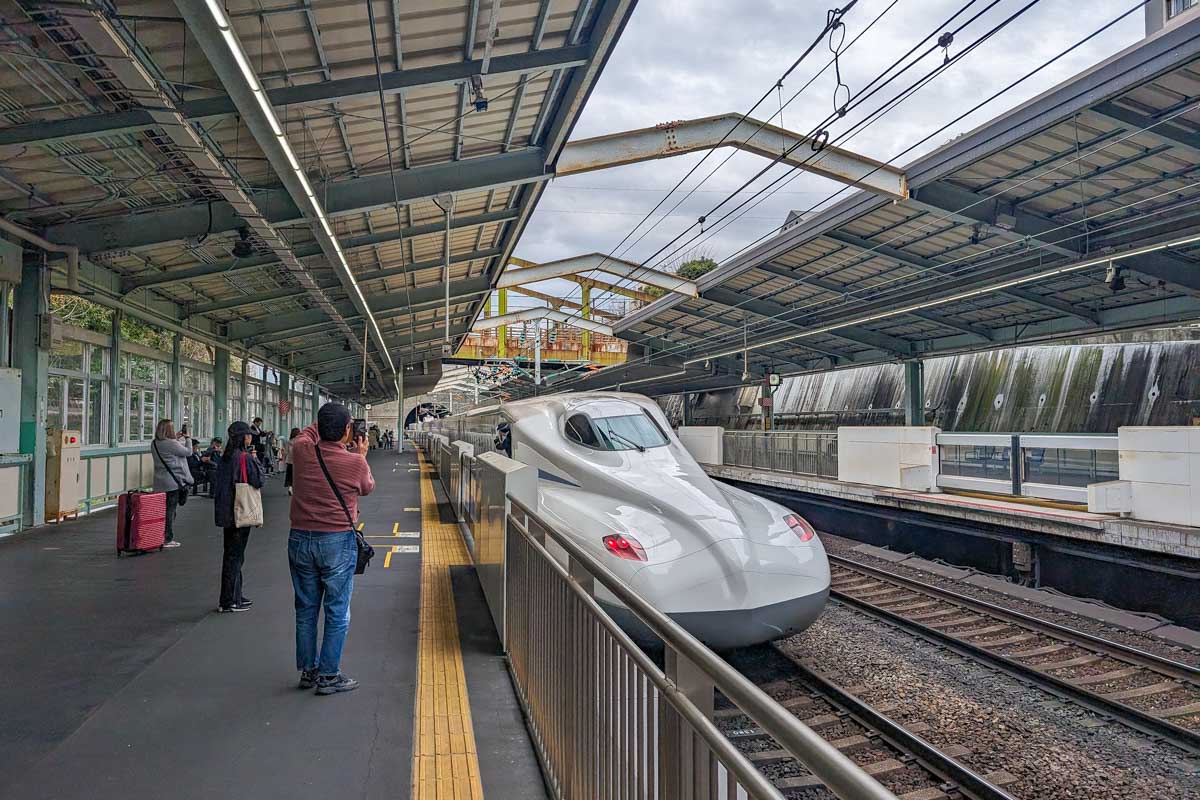
Reserve Shinkansen seats during busy times
If you’re traveling during peak periods like Golden Week, cherry blossom season, New Year, or Obon, it’s smart to reserve Shinkansen seats in advance. These trains can sell out days ahead, but with a JR Pass, seat reservations are free, so you might as well lock in your spot and travel stress-free!
Activate the pass strategically
The JR Pass is valid for consecutive days, so don’t start it right when you land if you’re just exploring one city. For instance, spend a few days in Tokyo, then activate your pass on the day you leave for Kyoto or another long-distance leg. This ensures you get the most out of the pass.
Carry your passport
Your JR Pass is only valid for foreign tourists with “Temporary Visitor” status, and it must be under the same name as your passport, so you may be asked to show it. To be honest, we’ve found that staff rarely check, but Japanese law requires you to carry your passport, so you don’t want to be caught short without it. Keep it handy at all times.
Consider luggage forwarding for big suitcases
Oversized luggage isn’t allowed on the Shinkansen, and special seat reservations are even required for 160–250 cm bags. Takkyūbin luggage forwarding lets you safely and affordably send bags between hotels or to the airport. It’s extremely common and saves a lot of stress, and I like not having to haul big bags through crowded train stations.
Download apps for easier planning
Apps like Japan Travel by Navitime make navigating the rail system so much simpler. You can plan JR Pass routes, see timetables, and get real-time updates. We also love the fact that you can just filter out routes that aren’t covered by the pass, which is so much easier than double-checking every connection yourself.
Always arrive early at big stations
Major stations like Tokyo, Shinjuku, Osaka, and Kyoto are huge and crowded. Give yourself at least 15 extra minutes to find platforms and cars, especially for reserved Shinkansen.
Check for discounts
JR Pass holders get access to special discounts on hotels, shops, and attractions. Be sure to check what’s available along your route to make the most of your pass! You can check out all the discounts available here – we ended up using ours at several different museums and attractions.
Related Read: If you plan to visit rural Japan, our guide to renting a car in Japan will be helpful as you plan your trip!
Is the JR Pass Worth It?


Whether the JR Pass is worth it really depends on your itinerary. We’ve taken trips where we’ve opted not to use it, while other times it has saved us hundreds of dollars.
If you’re planning a fast-paced, multi-city trip, the pass is a game-changer. Traveling between cities like Tokyo, Kyoto, Osaka, Hiroshima, and Fukuoka becomes seamless – and even enjoyable. The speed and reliability of the Shinkansen really cannot be beaten.
On the other hand, if your trip is focused on a single city or a small region, the pass might not be the best value. In those cases, a regional pass or individual tickets could save you more money without sacrificing convenience. For example, exploring only Tokyo or Osaka doesn’t require nationwide coverage.
Ultimately, the JR Pass is ideal for travelers who want to cover a lot of ground quickly and value hassle-free travel without having to buy multiple tickets. If you’re going to be making two or more long bullet train journeys, the pass will probably pay for itself but for slower and more localized travel, we recommend using the fare calculator to work out your costs and see if the pass is worth it.
Related Read: Curious about other transportation options? See our full guide on How to Get Around Japan here for a complete explanation and comparison!
Renting a Car in Japan

Japan’s trains are great, but if you want to explore rural areas, scenic routes, or off-the-beaten path hidden gems, renting a car offers unmatched flexibility. Driving in Japan is generally safe, with well-maintained roads and clear signage, though there are some unique rules and customs to be aware of.
We always book with Discover Cars and can’t recommend them enough. It’s super easy to compare multiple provider prices, check company ratings, filter for the type of vehicle you want, and add affordable full coverage insurance. If you want a full breakdown, check out our Discover Cars review here.
Tips for Renting a Car in Japan
What You Need to Rent a Car in Japan
Ready to hit the road? Discover the freedom of exploring the Japan on your own terms!
Airalo e-sim
Up To 15% Off With Code “DTRAVEL10”
What’s an eSIM?
An eSIM is a digital version of a SIM card. Instead of buying a little plastic chip and swapping it into your phone, you just download it. It connects your phone to a local network in whatever country you’re visiting — no stores, no waiting, and no fiddling with tiny cards.
In simple terms, it’s the easiest way to get data and stay connected while traveling.
We’ve tested a bunch of eSIMs in North America, and after a few frustrating experiences, we’ve found our favorite — Airalo. It’s fast, reliable, and incredibly easy to use. You can set it up in minutes (even my mom managed it solo on her first try!), and the prices are some of the best out there.
Bonus: We’ve got an exclusive 15% discount for our readers. Use the codes:
Thanks for reading!

We hope that this guide was helpful as you plan your Japan trip! The JR Pass can truly make your travel experience seamless, if it’s the right choice for your itinerary. If you have any questions about our experience with the JR Pass, don’t hesitate to drop a comment below!
Before you take off, check out the rest of our Japan blogs. We love helping fellow travelers plan their dream vacation and have tons of resources to share. Here are a few related blogs to get you started – cheers!
17 Best Places to Visit in Japan (And Why They’re Worth Visiting!)
How to Spend ONE or TWO DAYS in Nagano, Japan: 1 or 2-Day Itinerary
Is Japan Expensive? Cost of Traveling to Japan
How to Spend ONE or TWO DAYS in Kanazawa, Japan: 1 or 2-Day Itinerary
The Services We Recommend
From hotels to guided tours, we only recommend services we know and trust. Here are our recommended partners so you can explore Japan with confidence.
Book Hotels
With Booking.com






Guys,
Thank you for your blog! It was instrumental in helping me book an incredible two weeks in Japan. I followed several of your hotel recommendations and explored the locations you suggested. I appreciate your efforts—great job on the blog!
Hi Mario,
We love hearing this — thank you so much for taking the time to share!😊
It honestly means a lot to know the blog helped with your planning and that you got to use some of the recommendations.
Sounds like such an amazing two weeks in Japan — so glad it all came together!
Cheers,
Bailey