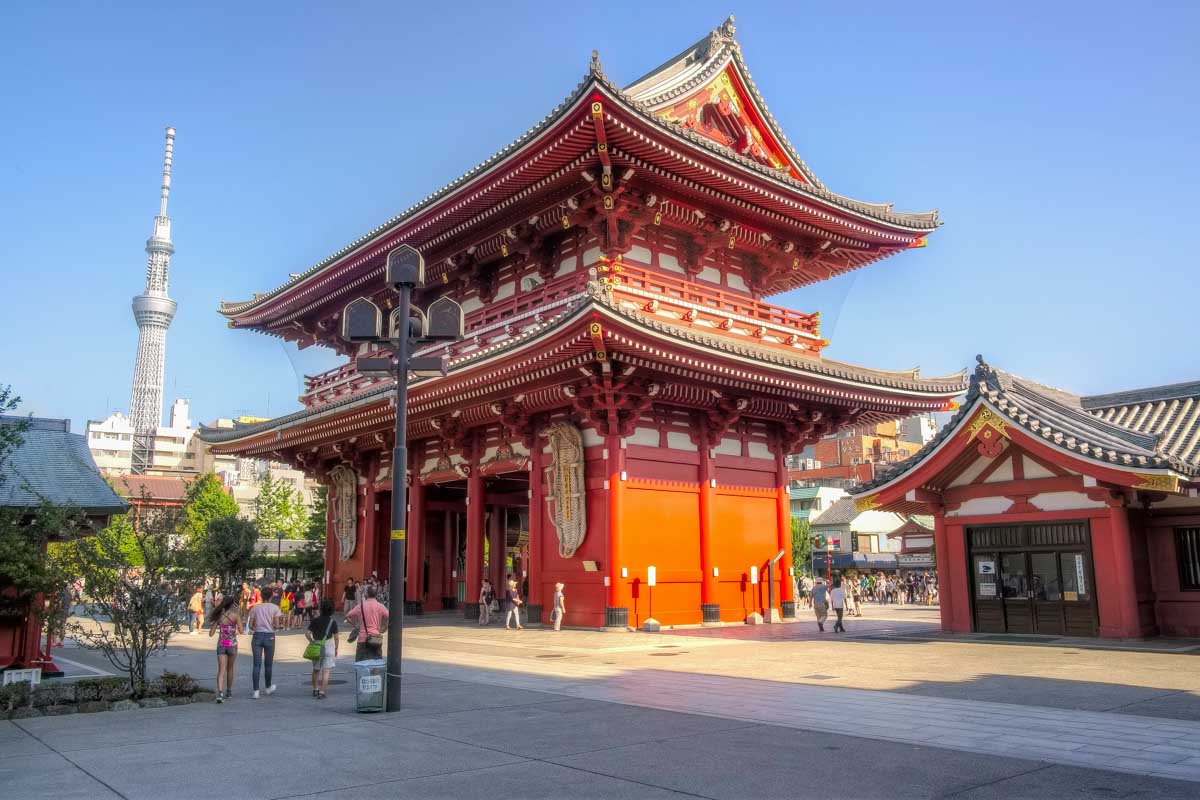
How to Spend FIVE DAYS in Tokyo: 5-Day Itinerary
Heading to Tokyo? Let us help you plan the perfect trip.
Tokyo is a city of endless contrasts, where centuries-old shrines sit beside gleaming skyscrapers, and quiet gardens are just a few steps away from neon-lit streets. With five days here, you’ll have just enough time to experience both sides of this incredible city without feeling rushed.
After spending plenty of time exploring Tokyo, we’ve crafted a five-day itinerary that balances famous highlights with local favorites, plus a couple of unforgettable day trips beyond the city. From sushi and street food to temples, nightlife, and even mountain views near Mt. Fuji and Nikko, this plan covers it all. Let’s get started!
Don’t miss out!
Our Top Choice
The tour we loved the most and suggest booking ASAP is this one!
Our personal FAVORITE experience was this full-day trip to Mt. Fuji and Hakone! Departing from Tokyo makes it easy to visit Mt Fuji, and this bucket-list tour took care of all the logistics.
Check out the 22,000+ 5-star reviews and book this tour here!

Cruising Lake Ashi in Hakone
Itinerary Overview
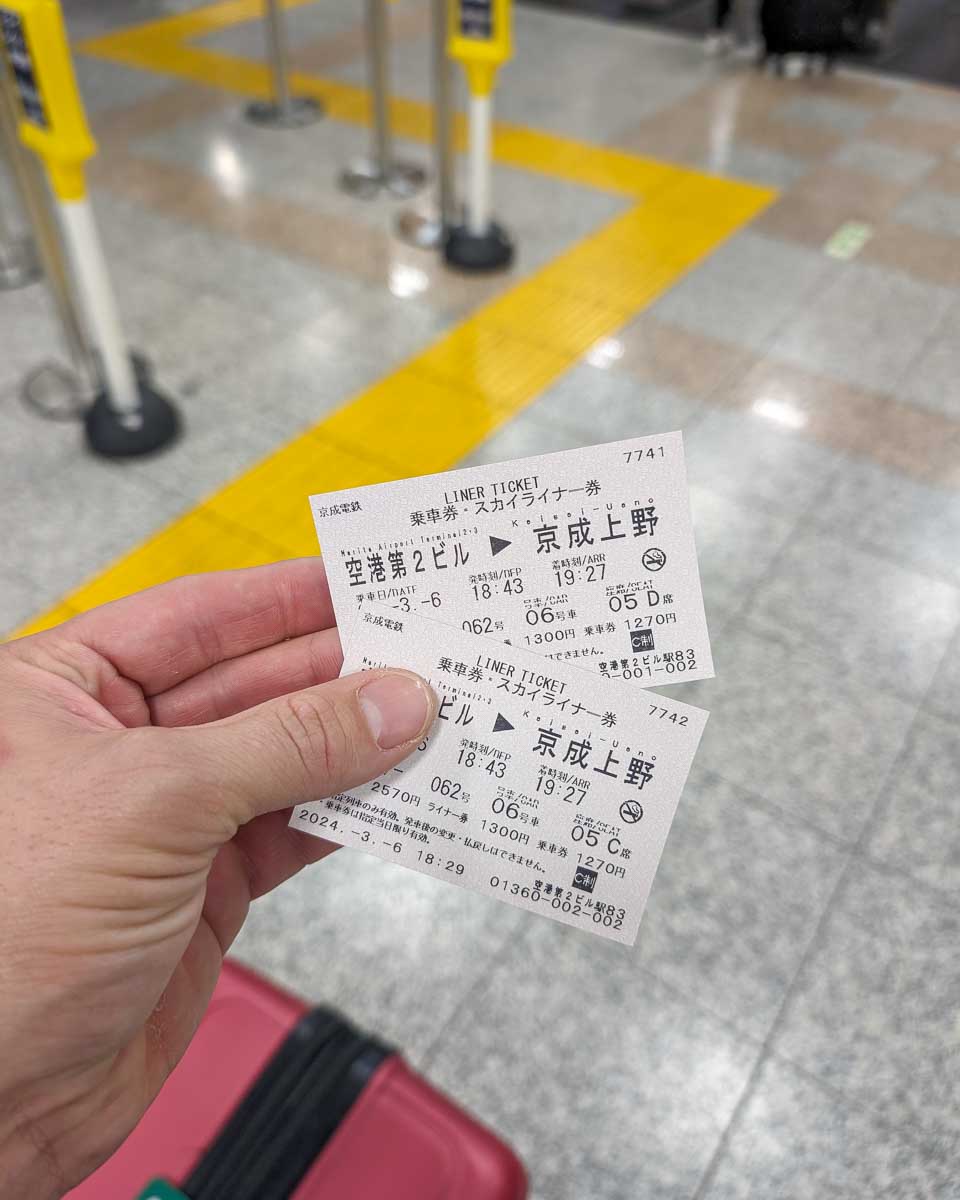

Getting around Tokyo is surprisingly easy once you get the hang of it! The city’s public transportation system is one of the best in the world, with trains and subways connecting every neighborhood and major attraction. We recommend buying a Suica or Pasmo card to make hopping on and off trains effortless—it’s the key to exploring like a local.
While Tokyo can seem huge at first, each district feels like its own little city, filled with food, culture, and energy. In five days, you’ll see the best of Tokyo and beyond—from ancient temples and bustling markets to neon nightlife, Mt. Fuji day trips, and peaceful mountain scenery in Nikko.
Here’s how to make the most of five incredible days in Japan’s capital:
Day 1: Kick off your Tokyo adventure with a full-day guided city tour covering top sights like Meiji Jingu Shrine, the Imperial Palace, Asakusa, and Tokyo Skytree before ending with dinner at Tomboy and a stroll through Shinjuku’s Golden Gai nightlife district.
Day 2: Spend the morning exploring Asakusa’s Sensō-ji Temple and Nakamise-dori Street, then enjoy a traditional sumo show and hot pot lunch. Continue to Shibuya to visit Meiji Jingu Shrine, admire the views from Shibuya Sky, and grab ramen at Ichiran near the famous crossing.
Day 3: Take a full-day tour to Mount Fuji and Hakone to see Japan’s most iconic peak, ride the ropeway over Owakudani Valley, and cruise Lake Ashinoko before returning to Tokyo for sushi at Tsukiji Sushiko Nagomi.
Day 4: Taste your way through the Tsukiji Fish Market on a morning food tour, then choose your own afternoon adventure—revisit the Imperial Palace, explore Ginza’s Art Aquarium Museum, or unwind at the Ginza Six Rooftop Garden. In the evening, head to Shinjuku for shopping and a guided bar-hopping tour or street food in Omoide Yokocho.
Day 5: Escape the city with a full-day trip to Nikko to see Shinkyo Bridge, Toshogu Shrine, Kegon Falls, and Lake Chuzenji. Back in Ginza, savor sushi or teppanyaki for dinner, then cap off your trip with drinks or live jazz at one of Tokyo’s elegant nightspots.
Day 1
Morning/Afternoon – Say hello to Tokyo on a full-day adventure

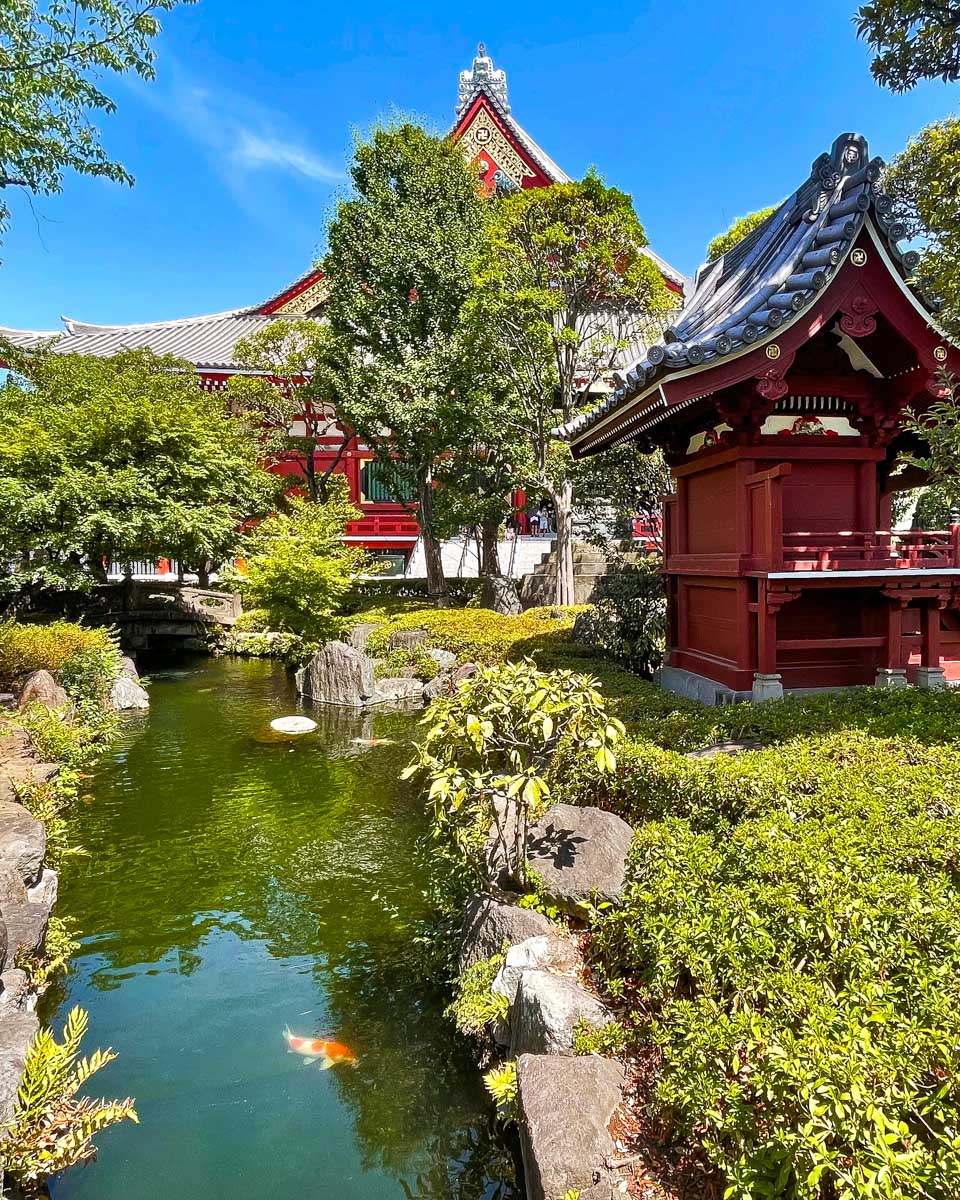
Tokyo can feel overwhelming at first—it’s massive, fast-paced, and packed with things to see. That’s why starting your trip with this full-day guided sightseeing tour is the best way to get your bearings. Rather than stressing over maps and train transfers, you’ll be whisked around the city’s top sights with an expert guide leading the way.
The day begins early, at 7:20 am or 7:50 am, depending on your pickup point, and runs for about 9–10 hours, wrapping up around 6 pm in downtown Shinjuku—the perfect spot to grab dinner before heading back to your hotel.
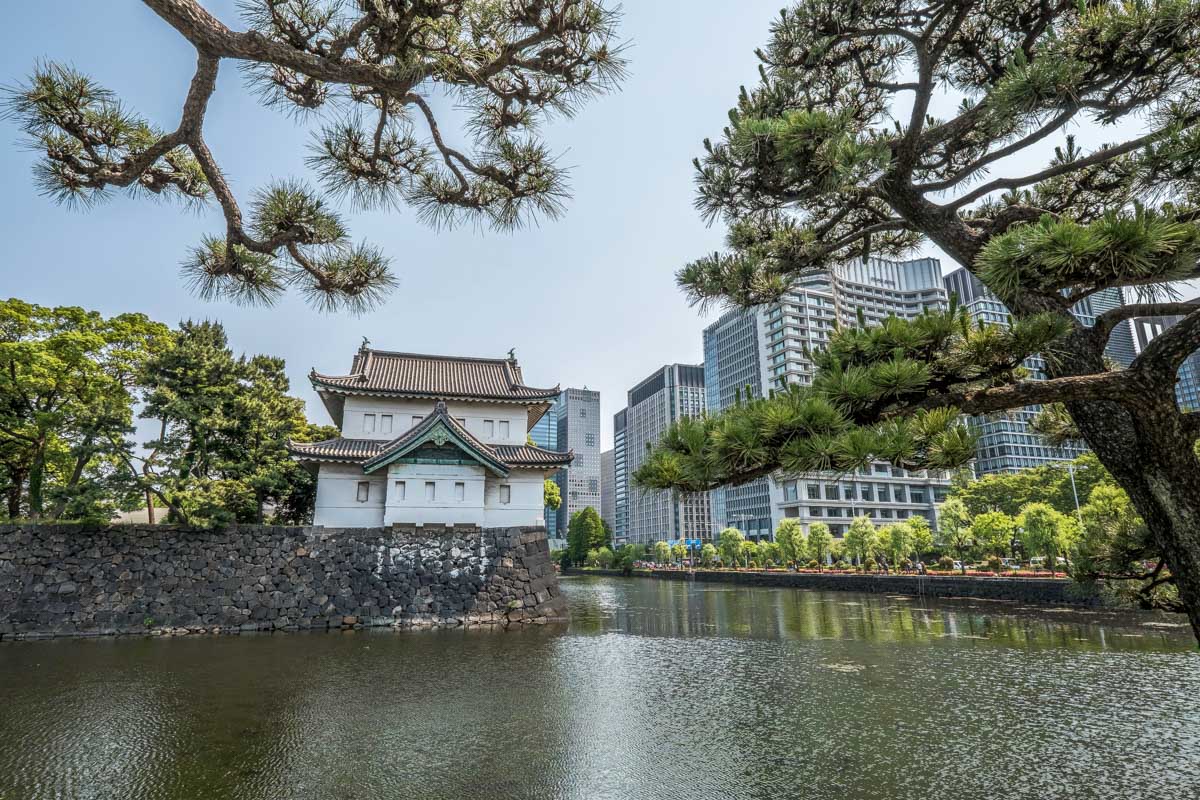
Throughout the day, you’ll tick off many of Tokyo’s biggest highlights, including the tranquil Meiji Jingu Shrine, the historic Imperial Palace, and Takeshita Street, Harajuku’s colorful hub of youth culture and fashion. You’ll also visit Asakusa Palace for a hands-on matcha experience—from grinding the tea to tasting matcha beer and ice cream.
After lunch, which is a delicious karaage set meal, you’ll explore Sensō-ji Temple, Tokyo’s oldest temple, and head up Tokyo Skytree for sweeping city views before ending the day with a cruise through Odaiba.
It’s hard to believe how much you can see in one day, and with over 12,000 five-star reviews, it’s no wonder this tour is a favorite. It’s the ultimate introduction to Tokyo—a perfectly planned day that helps you make sense of the city’s chaos!
Dinner – TOMBOY
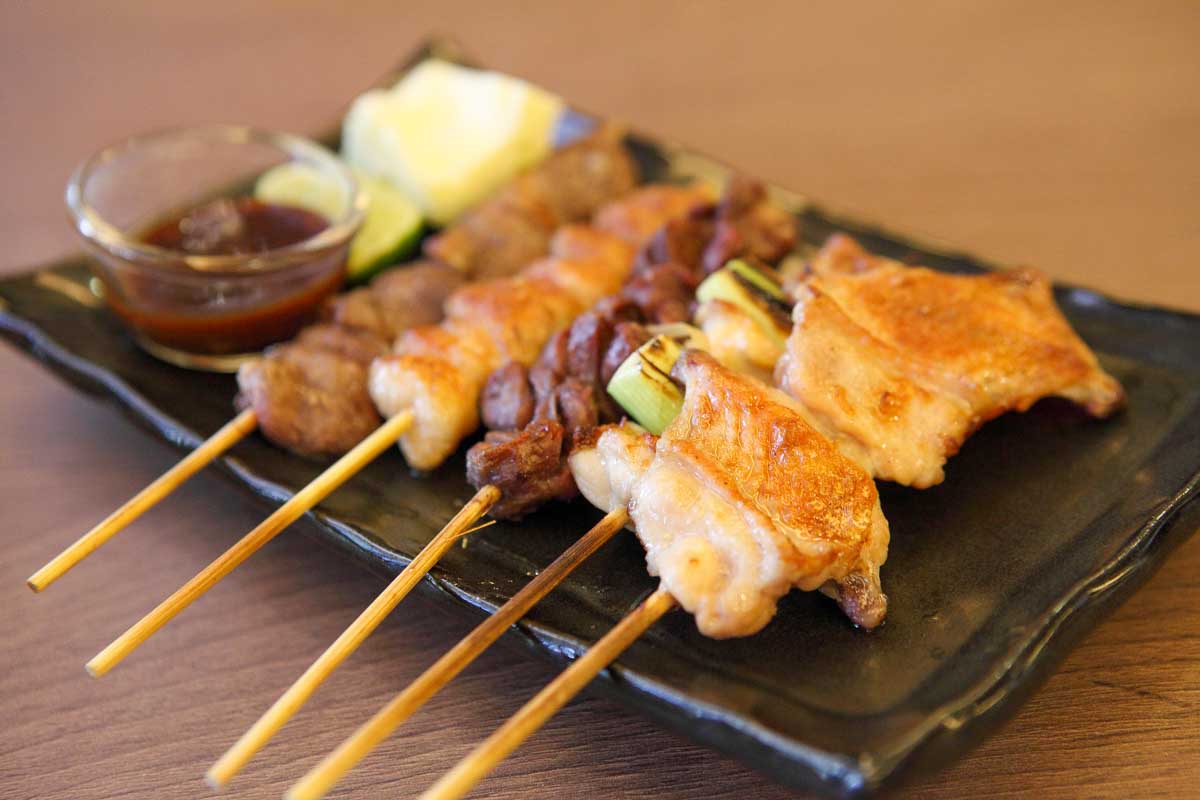
After a full day of sightseeing, you’ll end up right in the heart of Shinjuku, and there’s no better spot nearby than TOMBOY, a stylish modern izakaya just an 11-minute walk from your tour’s drop-off point. Open until 11 pm, this spot makes dinner effortless after a long day out. The relaxed atmosphere, creative small plates, and English menus make it especially welcoming for first-timers in Japan.
You can share classic izakaya dishes like karaage, gyoza, or yakitori skewers while unwinding with a cold drink and replaying the day’s highlights—from Meiji Jingu’s tranquility to the views from Tokyo Skytree. Tomboy has a lively local feel without being intimidating, making it a great first dining experience in Tokyo.
Evening – Explore Golden Gai

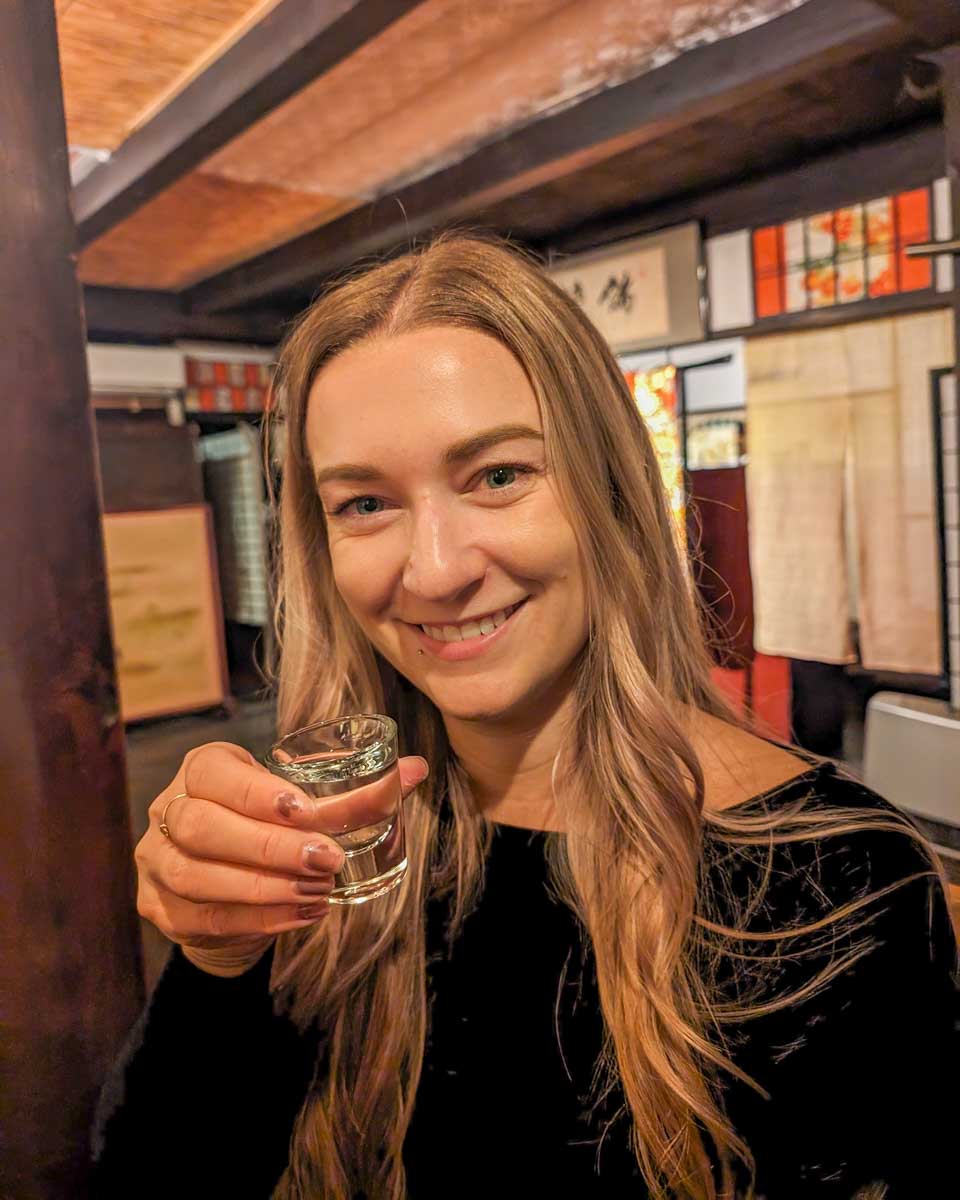
Once you’ve eaten, take a short stroll over to Shinjuku Golden Gai, one of Tokyo’s most iconic nightlife districts. This maze of narrow alleys is lined with tiny themed bars, each seating only 5–10 people, which makes the experience intimate and memorable.
Even if you don’t drink, Golden Gai is worth exploring just for its neon-lit charm, eclectic music, and endless people-watching opportunities. It’s a fascinating glimpse into Tokyo’s after-hours culture and an atmospheric way to wrap up your first night.
Don’t worry about seeing it all—we’ll be back in Shinjuku on Day 4 to dive deeper into the area. For now, enjoy this fun introduction before heading back to your hotel to rest up for another big day tomorrow.
Japan Rail Pass!
The Easiest Way to Travel Japan By Train
If you’re planning to explore Japan, the Japan Rail Pass (JR Pass) is hands down the easiest and most affordable way to get around. It’s a special 7, 14, or 21 day pass for foreign visitors that gives you unlimited rides on Japan’s famous JR trains, including the high-speed shinkansen (bullet trains)!
Why We Love the JR Pass
Pro Tip: If you’re only exploring one region of Japan, consider a Regional Pass instead (like the Kansai, Hokkaido, or Kyushu Pass). They’re cheaper and perfect for smaller trips!
Where to Get Your Pass
We personally recommend buying your pass online in advance through JRPass.com — they’re an official reseller with fast worldwide delivery and English support, making the whole process super simple. They even offer handy add-ons like pocket WIFI and meet & greet services! Still not sure if the JR Pass is right for you? Check out our Ultimate Guide to the Japan Rail Pass for a full breakdown of costs, inclusions, and when it’s worth it!
Day 2
Breakfast – Fuglen Asakusa


Okay, you’ve got two options this morning. You’ll need to take the train to Asakusa for sightseeing, so you can either grab breakfast near your hotel before you head out, or wait until you arrive in Asakusa and go to this sweet little cafe for Norwegian-style waffles. These heart-shaped treats are pretty light, which is perfect because the tour at noon today provides a substantial lunch, so you don’t want to eat too much beforehand.
Morning – Check out the Senso-Ji Temple and Nakamise-dori Street


Senso-ji Temple is Tokyo’s oldest and most famous Buddhist temple, so of course it’s a must-see while you’re here! We loved witnessing its striking five-story pagoda for ourselves, and the incense cauldron and intricate wooden eaves inside really took us back in time! The main hall opens at 6 am daily, and entry is free, although you can make a small donation to the temple if you wish.
And of course, you can’t overlook Nakamise-dori Street, which leads right up to the temple. We love this bustling shopping arcade because it offers a glimpse into old Tokyo with all of the traditional snacks, souvenirs, and crafts on offer. Vendors first set up shop here during the 17th century, and many stalls have been passed down through multiple generations of the same family. How cool is that?
Lunch – Asakusa Sumo Show with hot pot lunch


Sumo wrestling is world famous, so catching a show is a must while you’re in Tokyo! Book this show for 12 pm, and make sure to do so at least two weeks in advance because it ALWAYS sells out. The show takes place in a wrestling arena in Asakusa, less than a 10-minute walk from Nakamise-dori Street.
The experience began with a huge meal that a sumo wrestler would typically eat, and it was so yummy! For starters, we got fried chicken and inari sushi, followed by a bowl of chanko nabe for the main. This is the hot pot that sumo wrestlers famously eat to bulk up! And as if all of that weren’t enough, we got pancakes for dessert, so it’s safe to say that we were stuffed.
But of course, the highlight of the tour was watching sumos take to the ring and wrestle. We loved that there was commentary in English, so we learned a lot about the sport! There was a bit of cheeky humor with the commentary and performance, so it was more theatrical than an actual sumo show, which made it even more entertaining!
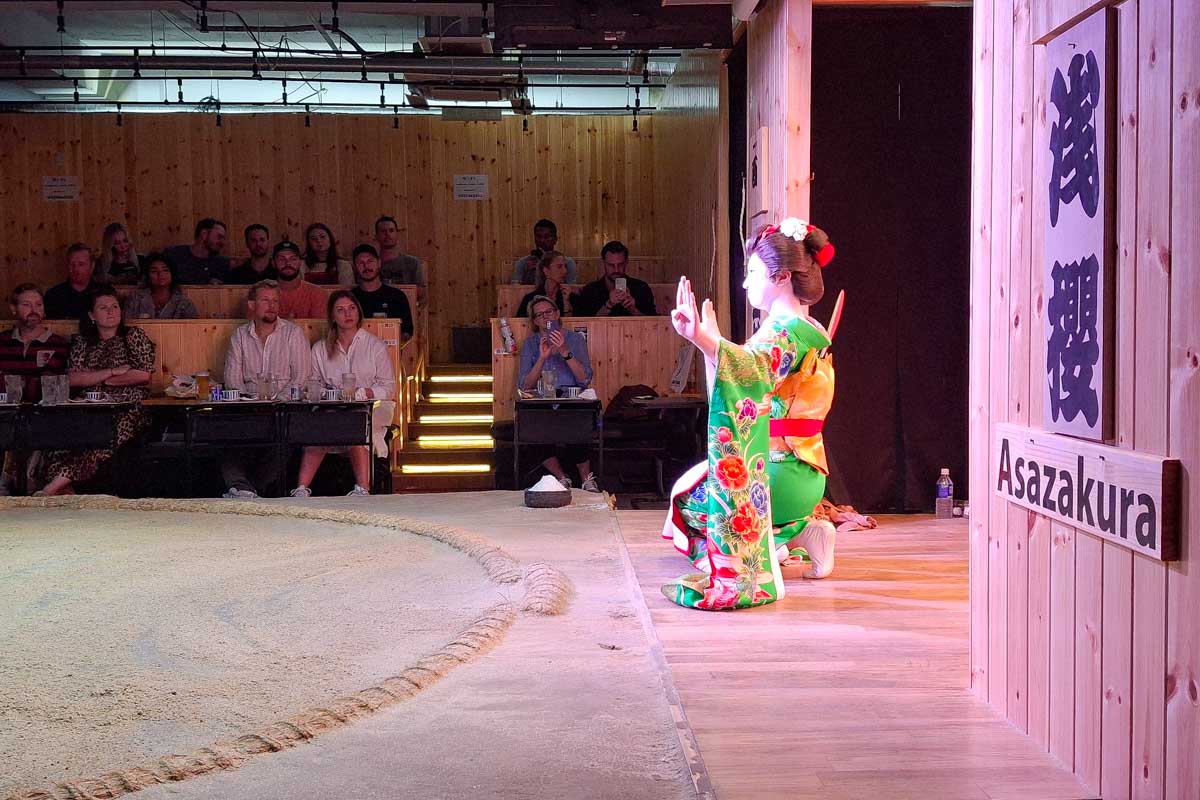
It finished off with an audience participation session, where some brave members of the public got in the ring to practice some moves with the pros.
After the match, we had the chance to snap some photos alongside the wrestlers, who were so friendly. We also got a cute souvenir set and photos from the experience emailed to us, which was a nice touch.
This is a true once-in-a-lifetime experience, and you don’t just have to take our word for it, because you can read hundreds of rave reviews here! For even more incredible experiences like this, check out our guide to the best sumo tours in Tokyo here—it’s packed with great options for seeing Japan’s most iconic sport up close.
Afternoon – Explore Shibuya

Shibuya is one of Tokyo’s most vibrant and energetic districts, which is filled with so many neon billboards that it makes Times Square look understated. The area is most famous for the iconic Shibuya Crossing, but more on that to come!
Beyond the crossing, there’s plenty to do in Shibuya. It’s a shopping paradise, and we love people-watching in this high-fashion district. The vintage stores here are filled with amazing finds, and don’t forget to visit the Hachikō Memorial Statue, a beloved tribute to Japan’s most loyal dog. Meanwhile, the serene Meiji Jingu shrine is roughly a 15-minute walk from the famous crossing, although it feels a whole world away!
Related Read: If you’d like to stay in the middle of the action, check out our guide on where to stay in Shibuya!
Sunset – Shibuya Sky and Shibuya Crossing


At sunset, we highly recommend heading to the Shibuya Sky observation deck to take in the beauty of Tokyo when it’s at its very best. We were so impressed by the views from up here – in fact, we think that they’re the best in Tokyo! However, you MUST pre-book tickets well in advance, because this place is incredibly popular. Unless you happen to have a Japanese credit card, the easiest way to do this is online, and the official website has a link to approved ticket vendors.
Then, after the sunset, go and see the Shibuya Crossing after dark. This is the busiest pedestrian crossing in the world, with around 2,500 people crossing every 80 seconds. That’s around 2.4 million people per day – how crazy is that? If you’re planning to spend more time in the area, our blog about the best things to do in Shibuya has plenty of great ideas for exploring beyond the famous crossing.
Nighttime is the best way to see the Scramble Square, because then you get the full effect of the neon lights. So even if you’ve glimpsed it during the daytime, it’s definitely worth heading back for a second look after sunset.
Dinner – Ichiran Shibuya


We can never get enough of Tokyo’s delicious ramen, and Ichiran Shibuya is one of our favorite spots. It serves tonkatsu ramen, and you get a card to customize your order exactly to your liking. This spot is right near the Shibuya Crossing, so it gets busy, and you’ll usually have to wait for a seat. We just grabbed a ticket, wrote our names down, and came back a while later so that we didn’t have to queue for long.
Related Read: For even more ideas, plan your own adventure with our list of all the best things to do in Tokyo!
Day 3
Breakfast – Grab some snacks
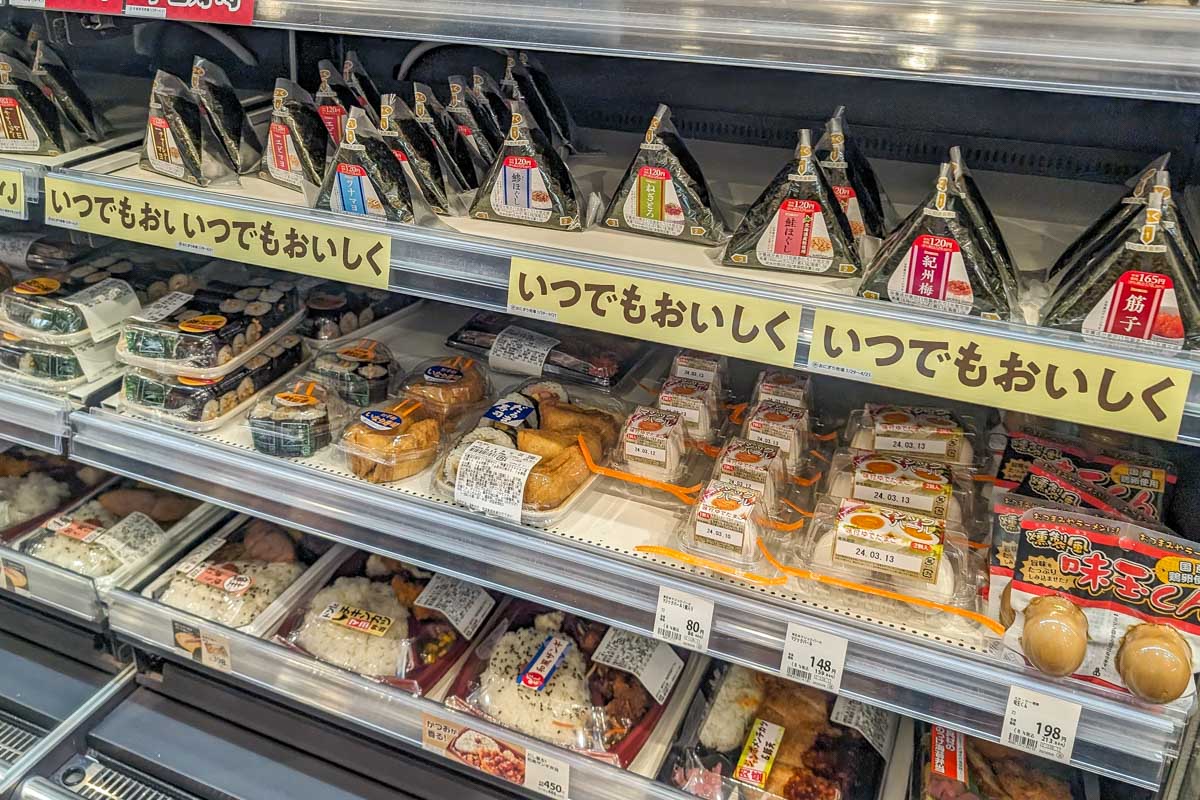
Today we have an early pickup, so instead of going out for breakfast, I highly recommend heading to one of the local convenience stores and grabbing some snacks. I know it sounds a little weird, but Lawson, Family Mart, and 7/11 are everywhere in Tokyo. They’re usually open 24/,7 and they’re really popular with locals thanks to their fantastic food. I always love the dorayaki pancakes for breakfast, and be sure to try an onigiri!
Full-day tour to Mt Fuji and Hakone
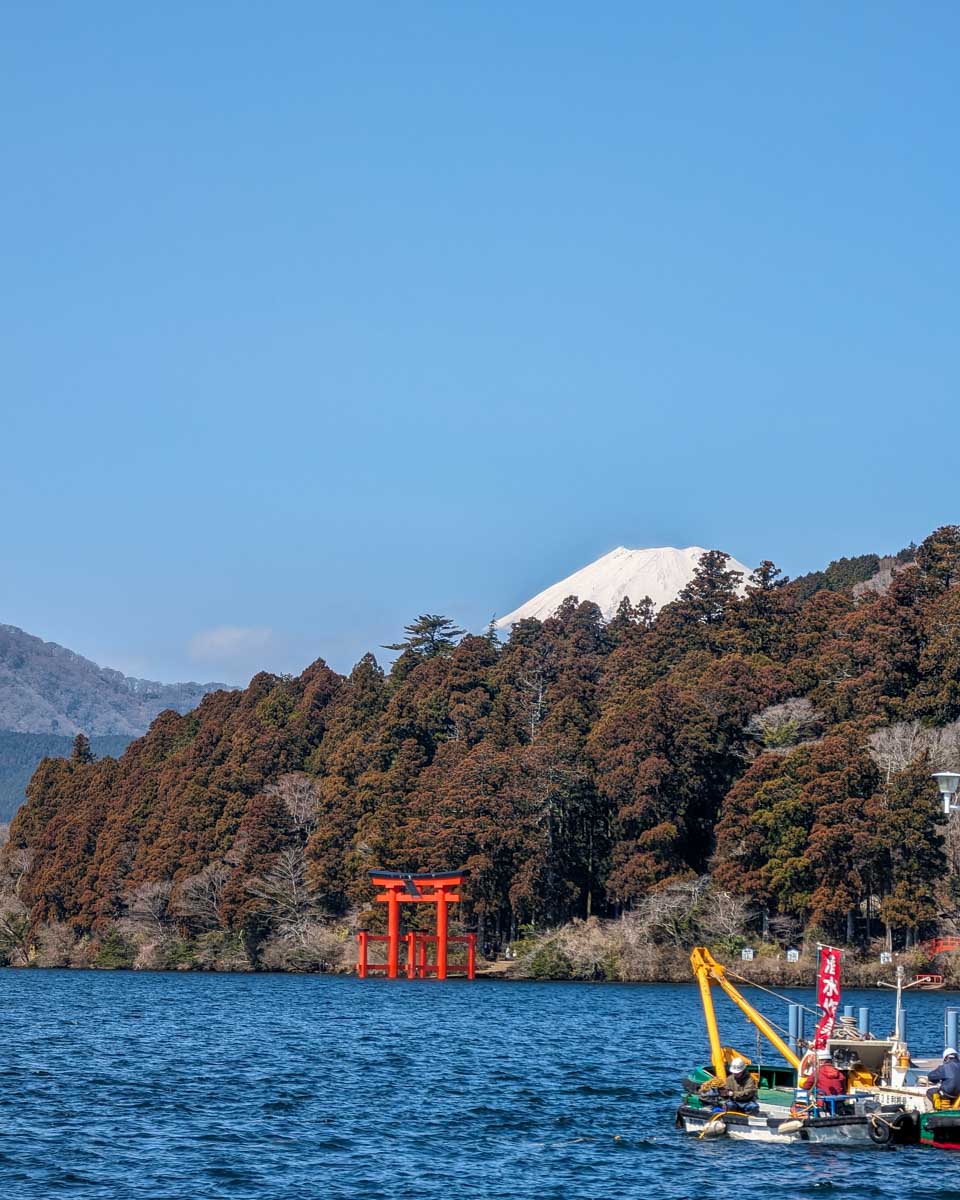

Visiting Japan’s iconic Mt Fuji is an absolute must while you’re in Tokyo, but it can be tricky to organize independently. However, the good news is that you can book this full-day tour and make visiting Mt Fuji an absolute breeze!
You can choose to be picked up from either Matsuya Ginza at 7:20 am or the Love Sculpture outside Nishi-Shinjuku Station at 7:50 am. Either way, be sure to book the option with lunch included because it was delicious and we got so much food!
And trust us, once you get going, the itinerary is absolutely first class. We rode on a comfy coach out to Mt Fuji, and our first stop of the day was the 5th line station for views of the snow-capped summit. (If you’re as obsessed with finding the best Fuji photo spots as we are, check out our full guide to the best Mt Fuji viewpoints here for even more incredible locations!) We also had lunch here, which was an all-you-can-eat buffet that WAY exceeded our expectations.
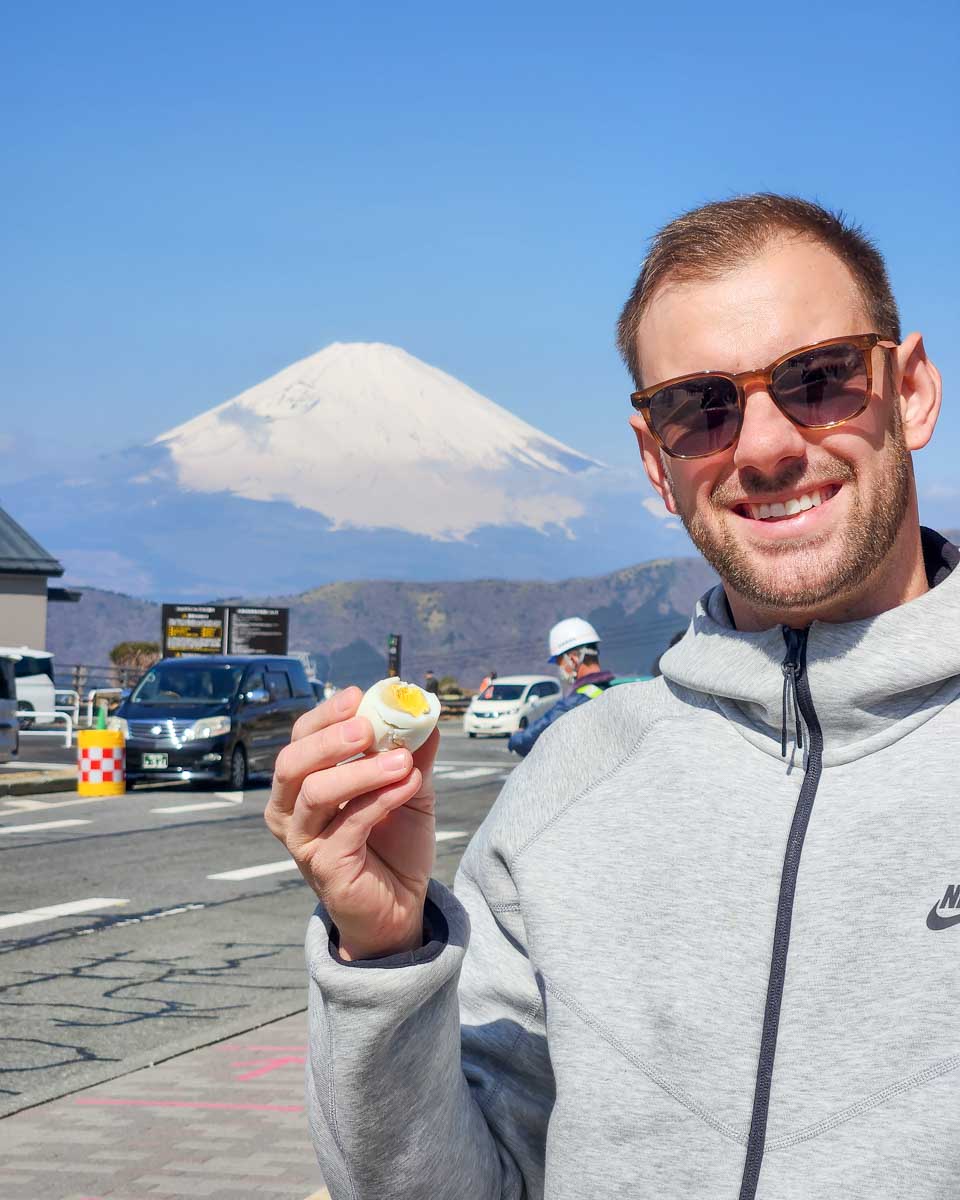

Things got even better in the afternoon when we headed to Hakone for a ride on the scenic ropeway. We had the most incredible views of Mt Fuji, as well as the sulfur vents and hot springs in the Owakudani Valley. We also got to stop and try one of the famous black eggs that are cooked in the sulfur hot springs!
We then headed to Lake Ashinoko for a relaxing cruise on a huge replica pirate ship, with more gorgeous views of Mt Fuji. Finally, we caught the bullet train back to Tokyo, which was an adventure in itself because these bullet trains are iconic! They’re aptly named because we were back in the city within an hour – how crazy is that?
We honestly loved everything about this tour – it’s really no wonder that it has over 22,000 5-star reviews! Booking it meant we didn’t have to plan anything, and we really couldn’t have done it any cheaper on our own.
Prices for this tour fluctuate slightly with the exchange rate (check them here!), but we genuinely couldn’t believe what a steal this tour was, given that it included all activities, lunch, and bullet train tickets. You really don’t find this kind of value every day (especially not in Tokyo), so don’t hesitate to book this tour before it sells out!
Related Read: Want even more ideas for exploring Japan’s most iconic peak? Don’t miss our full guides to the Best Mt Fuji Tours from Tokyo and Best Hakone Tours from Tokyo for some of the best ways to experience this incredible region.
Dinner – Tsukiji Sushiko Nagomi


The Mt. Fuji tour should get you back to Tokyo Station between 6 and 6:30 pm, and there are tons of great restaurants in and around the station, so why not grab dinner here? Tsukiji Sushiko Nagomi has some of the best sushi we’ve had in Tokyo, and you can even eat at the standing-only counter if you just want a quick bite. We chose to sit in, though, because we were pretty hungry after that full day!
After a big day of sightseeing, you’ve definitely earned a restful night, but if you’re still up for more exploring, check out our list of the best night tours in Tokyo here for some awesome ways to experience the city after dark!
Related Read: Still need a place to stay? Our blogs on the best hotels in Asakusa and where to stay in Ginza break down some of the best spots!
Day 4
Morning – Visit the Tsukiji Fish Market
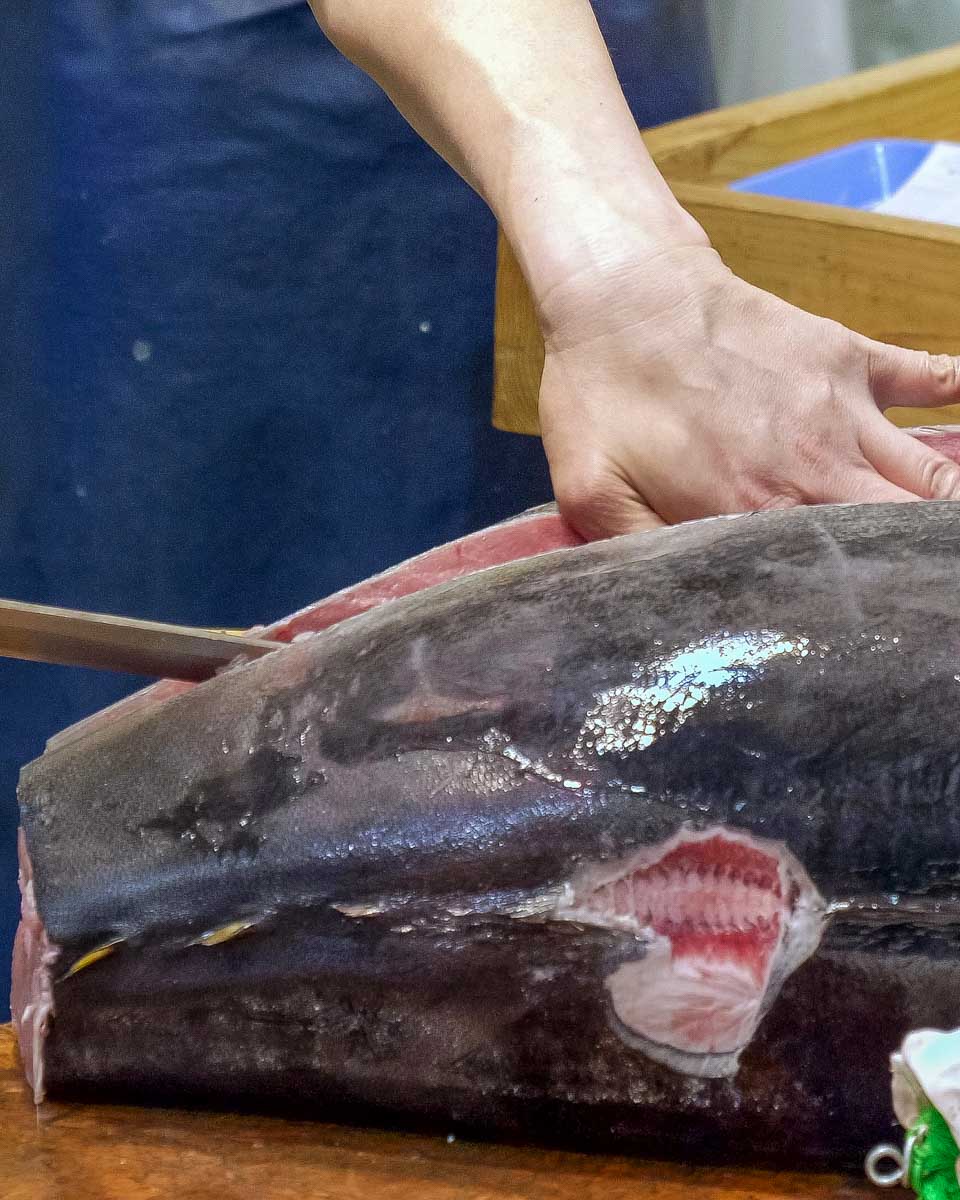

The Tsukiji fish market is Tokyo’s most iconic street food haven, so book this tasting tour for 8:30 am and have breakfast like a local! In fact, it lasts for around 3 hours, so you get breakfast AND lunch this way.
This market is big and bustling, and it can be overwhelming at first, so we definitely think it’s worth going with a local guide who knows it well. We loved learning about its history, and we even found out that lots of the city’s most notable chefs come here to find the freshest seafood and ingredients! Our guide, Ash, was so friendly, and he definitely got our group excited about exploring this famous market and trying lots of different foods.
Speaking of which, we got to try a fantastic variety of foods. For me, the highlight was definitely the wagyu skewers, which were just out of this world! However, I also really enjoyed trying rolled omelets and fish cakes, and we all got to make our own sushi bowls at the final stop, which was a really fun note to end on.
All in all, we think that this tour is an amazing choice for anyone who wants to sample Tokyo’s best street foods. And we’re clearly not the only ones, since the tour has over 2,800 5-star reviews! Or if you’d prefer a different pace or focus, we’ve also reviewed several other amazing experiences in our best Tsukiji Market tours blog here.
Why We Book Tours with Viator
Viator is a trusted online booking system for tours around the world! We almost always book our tours using Viator for a couple of reasons:
Afternoon – Your choice

After finishing your market tour around midday, you’ll have a few hours to explore more of the city at your own pace. The Imperial Palace was included in the day one tour, but if you’d like to revisit or see more of the surrounding area, this is a great opportunity. Otherwise, here are a few fantastic nearby options to round out your afternoon:
- Imperial Palace – The walk from Tsukiji Market to the palace takes about 30 minutes, and the route passes through the elegant Ginza district, known for its luxury shops, restaurants, and polished atmosphere. Entry to the palace grounds is free, and you’ll need around 1–1.5 hours to explore the gardens and moats.
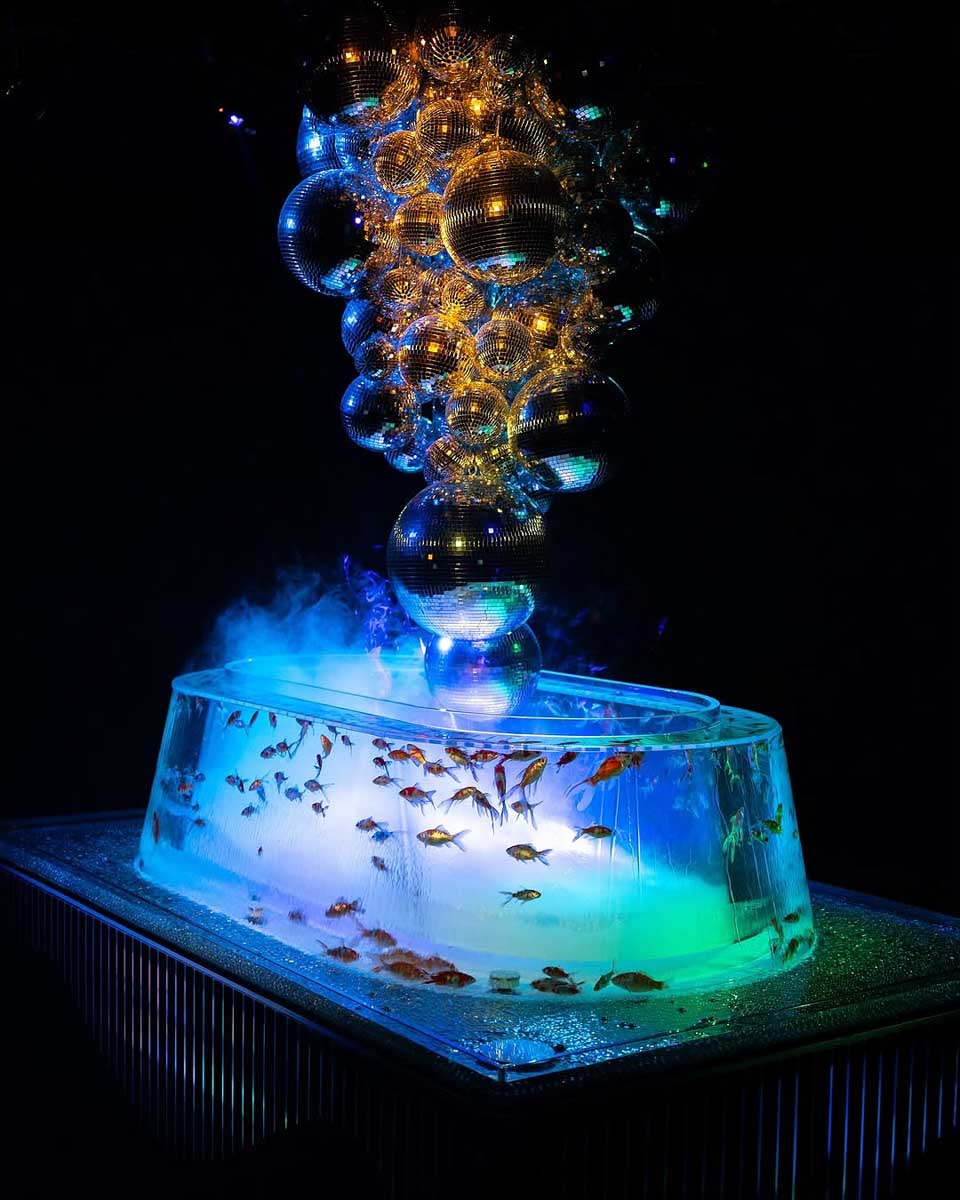
- Art Aquarium Museum Ginza – This one-of-a-kind museum features dazzling goldfish-and-light installations that are both artistic and hypnotic. It’s a visual feast that blends traditional Japanese culture with modern design. You can book a specific time slot on their official website here, and tickets cost about ¥2,500 per person ($16.50 USD).
- Enjoy Rooftop Views – For something more low-key, head to the Ginza Six Rooftop Garden, a tranquil green space perched atop one of Tokyo’s most stylish shopping complexes. It’s free to access, peaceful, and filled with plants—a perfect spot to relax and take in the skyline views after a busy morning of eating and exploring.
Evening – Explore Shinjuku

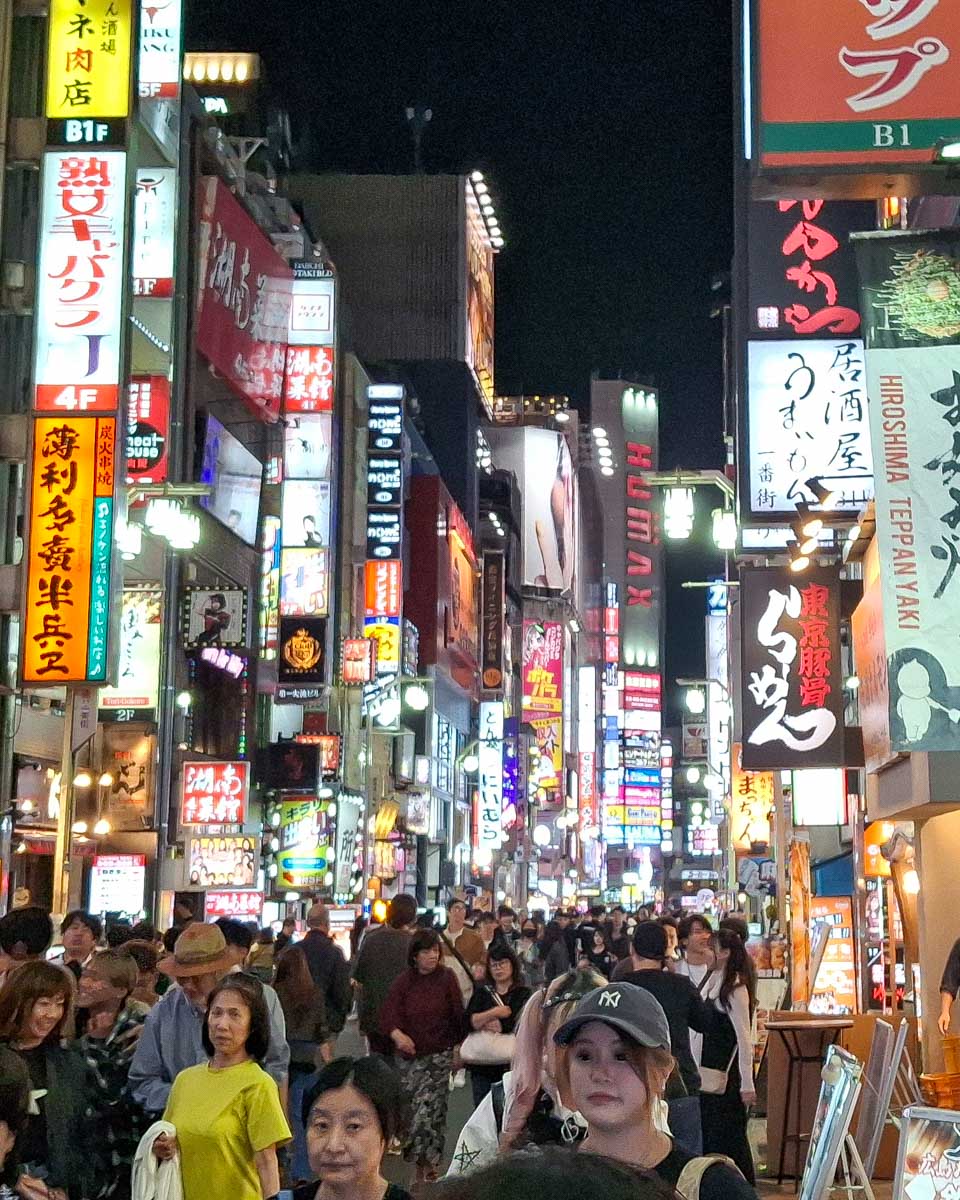
Shinjuku is a buzzing entertainment district and truly the beating heart of Tokyo. To get here from Ginza, take the Marunouchi Line metro westbound toward Local Ogikubo and hop off at Shinjuku Station—the busiest train station in the world! This area is often visited for its nightlife, but there’s plenty to enjoy during the daytime, too.
We had a lot of fun simply wandering around the district, seeing the neon signs, massive malls, and unique specialty stores. There’s lots of shopping and big, bright buildings here, and the atmosphere is electric.
Don’t miss Omoide Yokocho, a network of narrow alleyways packed with tiny eateries, or the Golden Gai bar area, which really comes alive around 8 pm. If you’re a shopper, this is the place to be—there’s a plethora of department stores selling pretty much everything you can imagine. You can also find ninja or anime stores all around Shinjuku!
For a more laid-back experience, we stopped by the Hanazono-jinja Shrine, which is just a 10-minute walk from the station. Another famous and serene part of Shinjuku is the Shinjuku Gyo-en National Garden. As much as we love the hustle and bustle of Shinjuku Station, we were happy to spend time in this stunning and calm garden to take a little mental break!
Shinjuku is famous for its Red Light District and lively bars that come out after dark. Luckily, our next activity is a bar-hopping tour in Shinjuku, so when you finish up, you can explore any parts of this district that you missed! For even more ideas to fill your day here, check out our guide to the best things to do in Shinjuku.
Dinner – Food tour or Street food


Option 1: Food and bar tour
We absolutely LOVED this bar-hopping tour in Shinjuku. It was so much fun, and it makes it super easy to explore Omoide Yokocho Alley and Golden Gai, both of which can be pretty intimidating for a first-timer. We really appreciated having a guide to show us all the best spots!
There is a flexible range of start times between 5 and 7 pm. This gives you plenty of time to explore Shinjuku after checking out the Imperial Palace, so book whichever slot you’d prefer. We went for an earlier time slot so that we could carry on bar hopping afterward once we’d gotten the lay of the land!
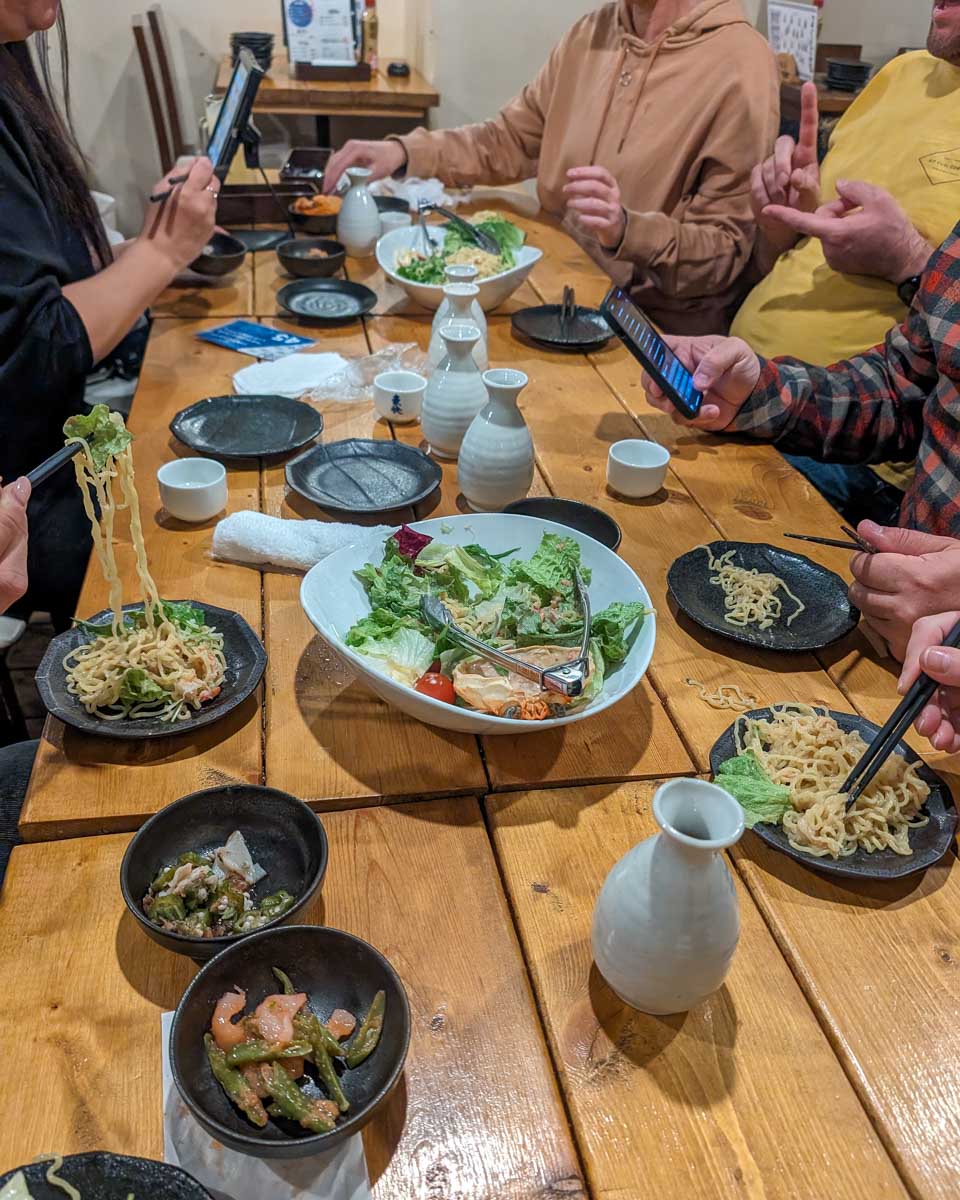
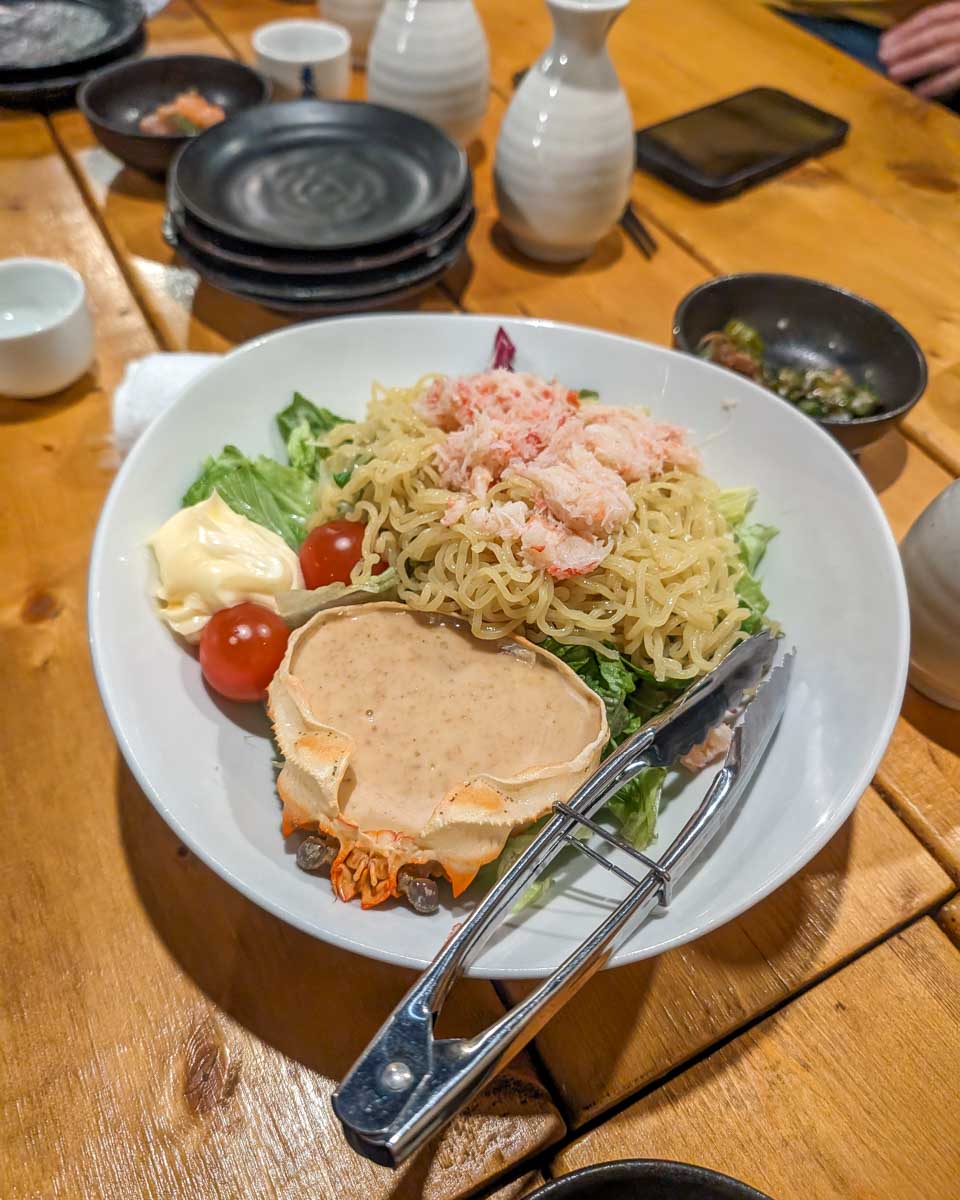
Our guide, Fuji, was lovely and made the evening enjoyable for everyone! He took us to different izakayas, which were true local hotspots, not tourist traps. We started off at an old-timey bar in the nostalgic Omoide Yokocho alley, which we absolutely loved. The second bar we visited was all-you-can-drink, and naturally, we took full advantage.
Fortunately, we soaked up some of the booze with a bunch of different small plates and bar snacks, which definitely amounted to a full dinner over the course of the evening. The final bar of the night was in Golden Gai – a spot famous for its tiny, old-school bars. This place is a real hub for celebrities, and it’s basically THE place to be on a night out in Tokyo!
Option 2: Find street food in Omoide Yokocho
Omoide Yokocho is a maze of old-school alleyways in Shinjuku, and it’s filled with street food and hole-in-the-wall restaurants. We love spending nights izakaya-hopping here, and there are tons of them, so you won’t struggle to find a great spot. Many of these informal restaurants have their own specialties, such as yakitori skewers, ramen, or sashimi, alongside local beers and sake, of course. So just pick one that looks good, and settle in!
After, you are free to explore Shinjuku on your own! This is definitely a late-night scene and such a fun way to end your time in Tokyo.
Day 5
Morning/Afternoon – Swap city lights for mountain views in Nikko
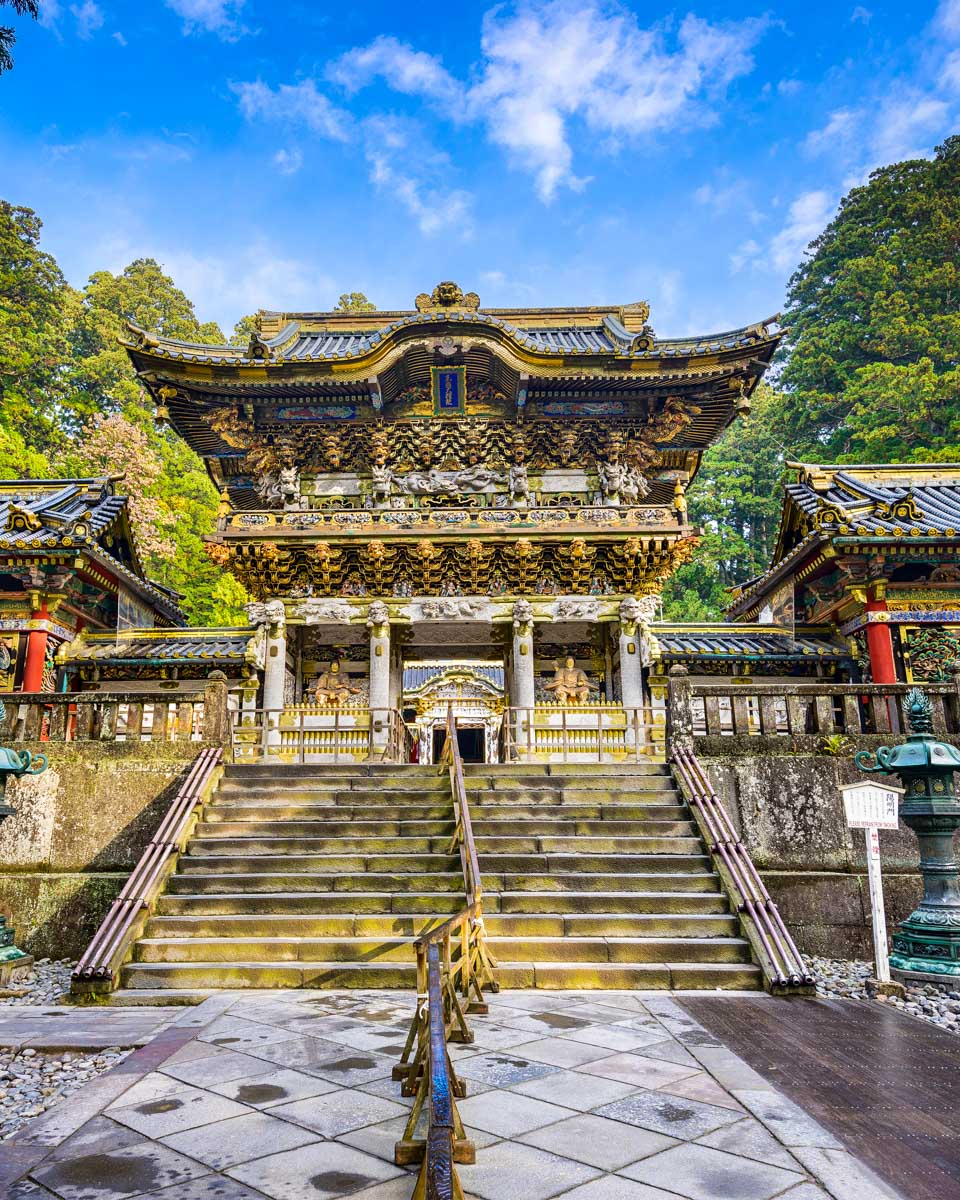
For your final day in Japan, trade Tokyo’s fast-paced energy for the peaceful mountain landscapes of Nikko, a UNESCO-listed region filled with history and natural beauty. This full-day tour starts at 7 am from a meeting point in Ginza, where you’ll board a comfortable, air-conditioned coach and head north into the mountains.
The journey itself is scenic, with rolling hills and forested valleys that feel worlds away from the concrete jungle. Upon arrival, you’ll catch a view of Shinkyo Bridge, its bright red arches spanning the Daiya River—a scene so striking it’s become one of Nikko’s most photographed landmarks.
Next, you’ll visit the spectacular Toshogu Shrine, the ornate resting place of shogun Tokugawa Ieyasu. Covered in gold leaf and intricate carvings, it’s one of Japan’s most elaborate shrines, home to the famous “Three Wise Monkeys” and “Sleeping Cat” carvings. Your bilingual guide will share fascinating stories about Japan’s feudal era, adding depth to every detail you see.

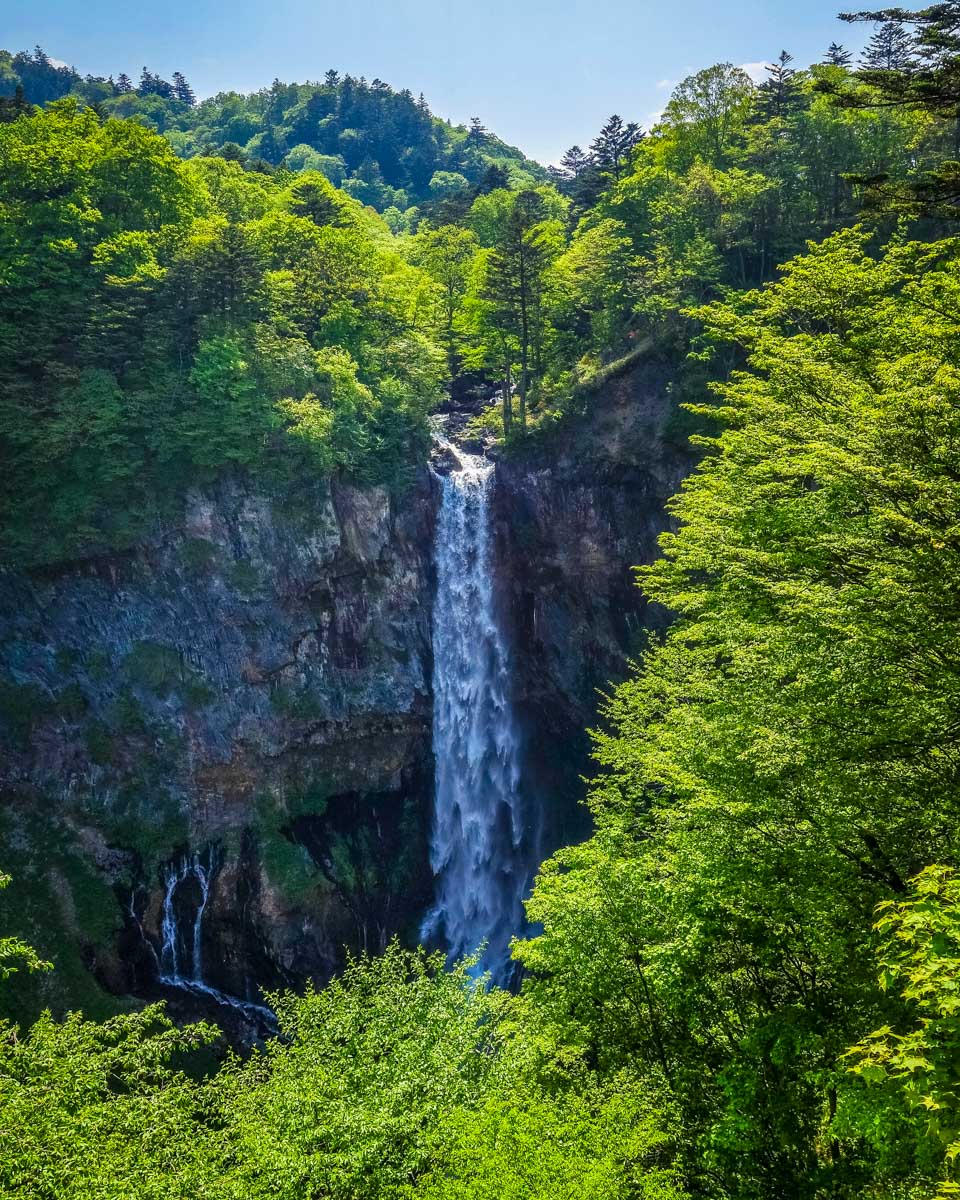
Afterward, you’ll continue to Kegon Falls, a 97-meter (318-foot) cascade surrounded by lush forest—easily one of Japan’s most breathtaking waterfalls. You’ll have time to grab lunch nearby at your own expense (try local yuba or tofu skin), then wrap up the day at the tranquil Lake Chuzenji, set against the backdrop of Mount Nantai.
The tour lasts around 11 hours, returning to Ginza around 6 pm, and it’s the perfect way to slow down and soak in Japan’s natural side before your journey back home.
Dinner – Sushi or Teppanyaki in Ginza
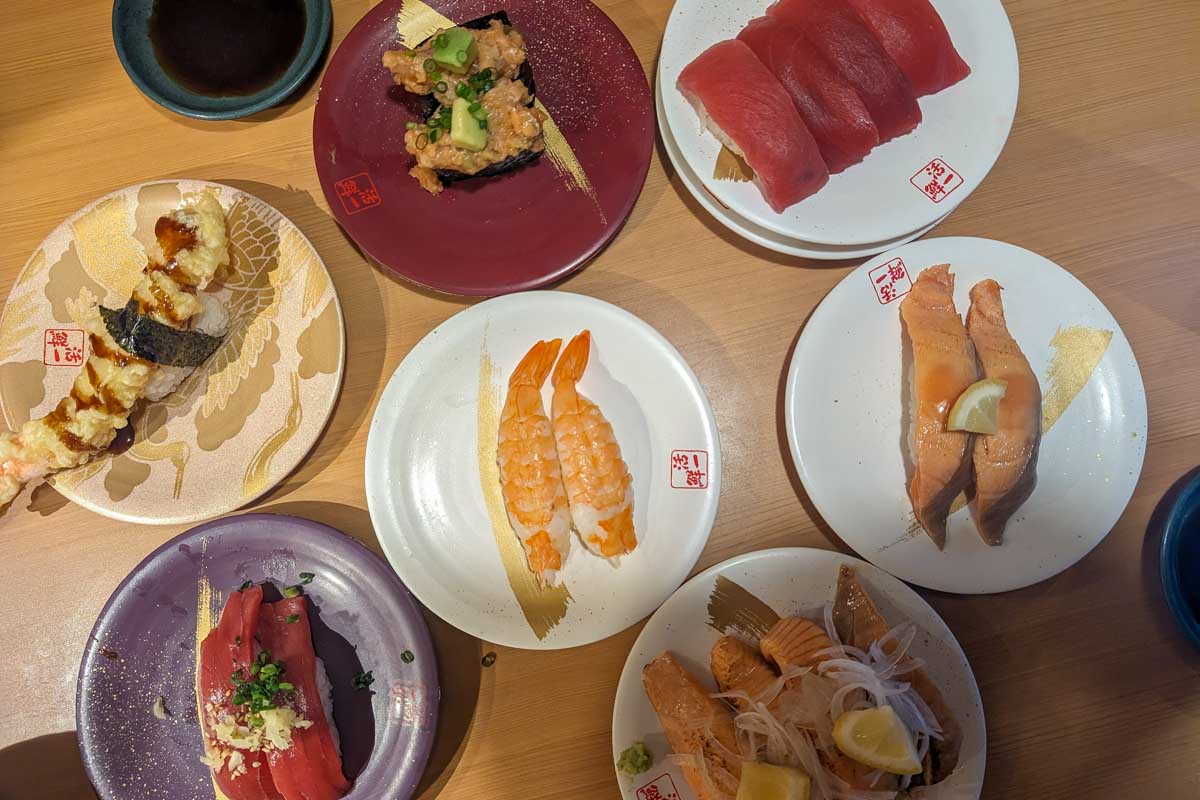
After returning from Nikko, you’ll be dropped off in Ginza by early evening—just in time for one last memorable dinner in Tokyo. For an elevated experience, reserve a seat at the sushi counter at Kyubey, where chefs craft each piece right before your eyes using the freshest seasonal fish. Just note Kyubey is closed on Sundays and Mondays, so plan accordingly.
If you’re in the mood for something heartier, Ukai-tei (closed Sundays) offers exceptional teppanyaki wagyu, perfectly seared and served with impeccable presentation. For a more relaxed but still classic atmosphere, stop by the Ginza Lion Beer Hall (closed Tuesdays). Dating back to the 1930s, this historic spot pairs frosty pints with hearty comfort food in a grand Art Deco setting—a fun and authentic Tokyo dining experience without the formality.
Evening – Visit an Elegant Ginza Cocktail or Jazz Bar
Round out your final night with a drink or two in Ginza, where the bar scene leans refined and atmospheric — the perfect contrast to Tokyo’s high-energy neighborhoods.
- Bar Orchard Ginza – A cozy, artsy cocktail bar inspired by Shinjuku’s Golden Gai but with a more sophisticated edge. Expect creative drinks, soft lighting, and an intimate vibe. Keep in mind they’re closed Sundays, so plan ahead!
- Bar High Five – World-renowned for its craftsmanship and warm hospitality, this sleek cocktail bar is a must for mixology lovers. Bar High Five is open every night, but Sundays from 5–11:30 pm, and reservations are recommended as seats are limited.
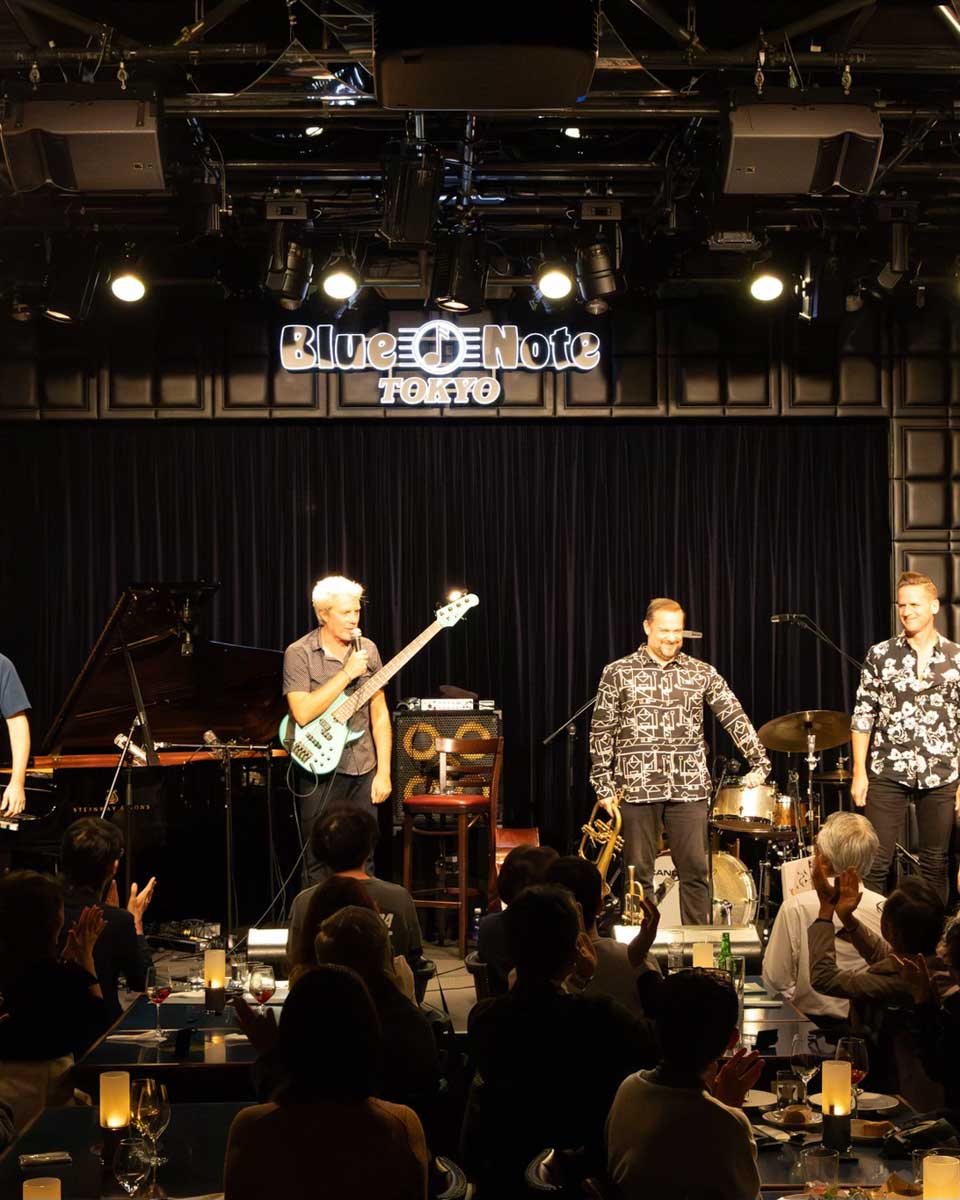
- Blue Note Tokyo – For those who prefer live music, this iconic jazz club in Aoyama (about a 15-minute taxi ride from Ginza) delivers incredible performances in a stylish, candlelit setting. It’s world-famous for its atmosphere and talent lineup, making it the ideal way to toast the end of your Tokyo adventure.
Where to Stay in Tokyo

Accommodation in Tokyo can be expensive — there’s no simple way to put it! However, there are a lot of great options in terms of quality, location, and amenities. To help narrow down your choices, I’ve picked out three fantastic stays for those looking for a luxury, mid-range, or budget place to stay.
Mitsui Garden Hotel Jingugaien Tokyo Premier – $$$
Mitsui Garden Hotel Jingugaien Tokyo Premier is a luxury stay featuring rooms with balconies and city views. It’s conveniently located in the heart of Tokyo, so you’re close to the trains and top sights, but it’s still a relaxing and quiet stay.
The rooms are modern and spacious, and you can enjoy the on-site restaurant and gorgeous garden area. Prices start around ¥37,500 per night ($250 USD) and can be booked online here.
OMO3 Tokyo Akasaka – $$
OMO3 Tokyo Akasaka has a fabulous location in the Minato area, and is close to the trains, so you can get anywhere in the city easily. The hotel itself is very comfortable for a moderate price point, offering double or twin rooms with cozy sitting nooks in each room.
There are plenty of restaurants and convenience stores around the hotel, and you can walk to some of Tokyo’s top sights. Rooms start around ¥22,500 per night ($150 USD) on average, and you can check prices and reserve this stay online in advance here.
Plat Hostel Keikyu Asakusa Karin – $
If you’re looking for a budget-friendly stay, the Plat Hostel Keikyu Asakusa Karin is your best bet. Located in the Asakusa area of Tokyo, you’ll be near top temples and activities and a short walk to the train station. The rooms are basic, but clean, and provide a comfortable place to rest, and you can get a private room or a dorm room.
Private rooms start around ¥7,500 ($50 USD), while dorm beds are about ¥3,000 ($20 USD) — not bad for Tokyo! Check availability and book this budget stay on Booking.com.
For more options, check out all of the hotels in Tokyo here!
Related Read: For a detailed breakdown of the best neighborhoods to stay in, check out our detailed guide on where to stay in Tokyo here—and don’t miss our roundup of the best onsen hotels in Tokyo here.
Renting a Car in Japan

Japan’s trains are great, but if you want to explore rural areas, scenic routes, or off-the-beaten path hidden gems, renting a car offers unmatched flexibility. Driving in Japan is generally safe, with well-maintained roads and clear signage, though there are some unique rules and customs to be aware of.
We always book with Discover Cars and can’t recommend them enough. It’s super easy to compare multiple provider prices, check company ratings, filter for the type of vehicle you want, and add affordable full coverage insurance. If you want a full breakdown, check out our Discover Cars review here.
Tips for Renting a Car in Japan
What You Need to Rent a Car in Japan
Ready to hit the road? Discover the freedom of exploring the Japan on your own terms!
Airalo e-sim
Up To 15% Off With Code “DTRAVEL10”
What’s an eSIM?
An eSIM is a digital version of a SIM card. Instead of buying a little plastic chip and swapping it into your phone, you just download it. It connects your phone to a local network in whatever country you’re visiting — no stores, no waiting, and no fiddling with tiny cards.
In simple terms, it’s the easiest way to get data and stay connected while traveling.
We’ve tested a bunch of eSIMs in North America, and after a few frustrating experiences, we’ve found our favorite — Airalo. It’s fast, reliable, and incredibly easy to use. You can set it up in minutes (even my mom managed it solo on her first try!), and the prices are some of the best out there.
Bonus: We’ve got an exclusive 15% discount for our readers. Use the codes:
Thanks for reading!

While Tokyo is a massive city with so much going on, we think five days is the perfect amount of time to see the highlights! We had so much fun visiting historic shrines, iconic bustling neighborhoods, and eating our way through the city – seriously, I’m convinced eating is the best thing to do in Tokyo!
Before you take off, check out our other Tokyo blogs here! We list our favorite tours and extra activites to add to this itinerary, as well as other areas in Japan that you can visit next.
10 BEST Things to do in Asakusa, Tokyo
How to Spend THREE DAYS in Tokyo: 3-Day Itinerary
4 Best Food Tours in Tokyo, Japan
5 Best Cooking Classes in Tokyo, Japan
The Services We Recommend
From hotels to guided tours, we only recommend services we know and trust. Here are our recommended partners so you can explore Japan with confidence.