How to Spend ONE or TWO DAYS in Nara, Japan: 1 or 2-Day Itinerary
Planning a short trip to Nara? You found the right blog!
Nara is a city where history and tradition shine through at every turn. From towering temples and tranquil gardens to lantern-lit streets and the friendly deer of Nara Park, the city is packed with unforgettable experiences. However, fitting it all into just a day or two can feel like a challenge.
That’s where we come in! We’ve visited Nara more times than we can count, and each trip has shown us a different side of the city. To help you make the most of your time, we’ve put together this one- or two-day itinerary that combines iconic sights with our favorite food and cultural experiences.
Ready to see the best of Nara? Let’s break it down day by day!
Don’t miss out!
Our Top Choice
The tour we loved the most and suggest booking ASAP is this one!
Our personal FAVORITE thing we did was this Nara city tour! Our local guide took us to the top sights, like the deer park, and hidden gems, filling our ears with history and cultural facts as we explored.

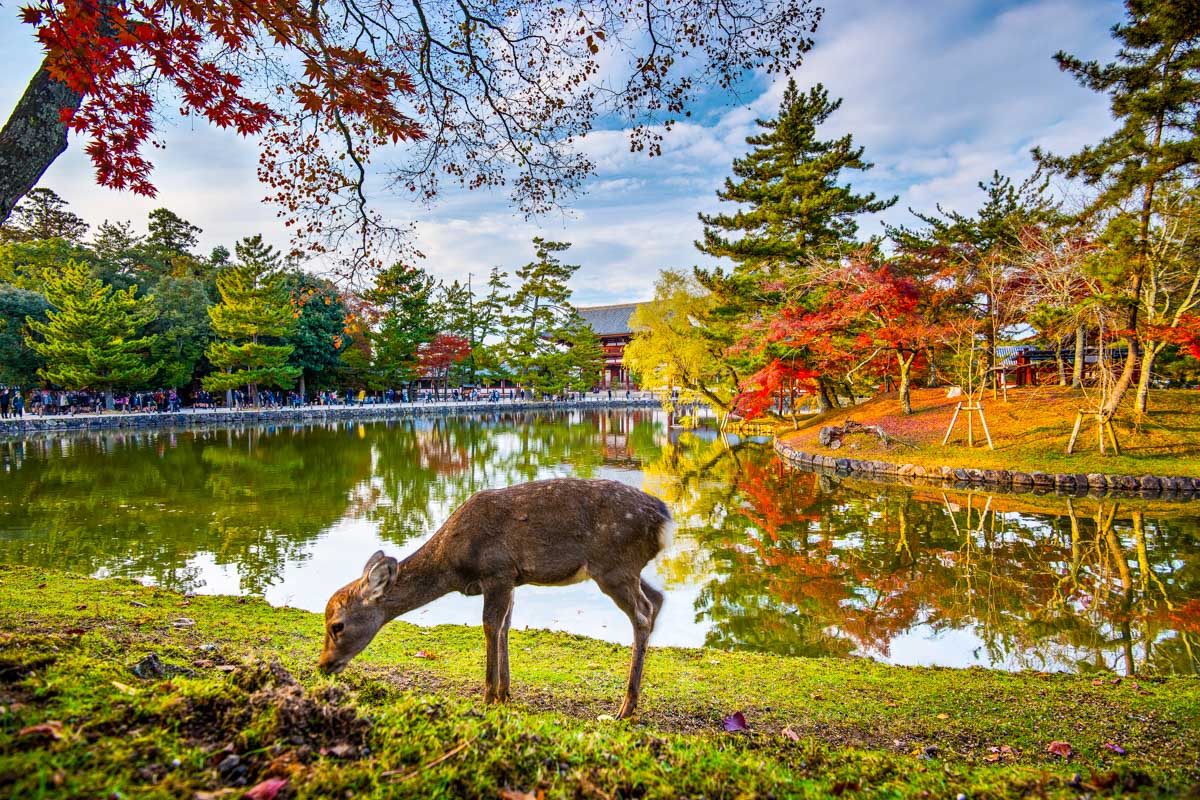
Curious deer in Nara
Itinerary Overview
Nara is Japan’s first permanent capital, a city steeped in history and tradition yet easy to explore in just a day or two. Ancient temples, tranquil gardens, and the famous free-roaming deer of Nara Park set the scene, while food and tea experiences add a taste of local culture.
If you only have one day, this itinerary focuses on the highlights around Nara Park and the old merchant district of Naramachi. With two days, you can slow down and add in hands-on activities like a tea ceremony or sushi-making class. The city center is compact and walkable, with taxis and public transport making farther spots simple to reach—no rental car required.
Here’s a brief overview of what to expect on this two-day Nara itinerary:
Day 1: Start with breakfast at aka tombo coffee before a guided walking tour of Kofuku-ji, Todai-ji’s Great Buddha, Kasuga Taisha, Nara Park, and Naramachi. In the afternoon, choose a garden, café, or souvenir street, then enjoy tuna sashimi at Maguro Koya and end with a lantern-lit stroll through Naramachi or Nara Park.
Day 2: Begin with a private tea experience, then warm up with sake hot pot at Nara Sakagura Nabe. Spend the afternoon in a garden, museum, or shopping before a hands-on sushi-making class. Wrap up with dinner at Firis and drinks or live music in Naramachi.
Day 1
Breakfast – aka tombo coffee

Kick off your day in Nara with breakfast at aka tombo coffee, a small but stylish café close to the city center. It opens at 7 am (closed Fridays), but arriving around 8:30 am gives you plenty of time to enjoy a calm start before the day’s tour. The hand-drip coffee here is the highlight, served alongside simple breakfast plates and homemade cakes that feel just right for a relaxed morning.
The café’s warm, modern Japanese design makes it an inviting spot to settle in before exploring. It’s not just about good coffee—the atmosphere is quiet and comforting, perfect for easing into the day. Best of all, it’s only a six-minute walk to the starting point of the morning walking tour, so you can finish your cup and step right into Nara’s historic streets.
Morning/Afternoon – Step into Nara’s history on a guided walking tour


Navigating Nara on your own can be daunting. There’s just so much to see, and it’s easy to miss the smaller gems tucked between the big landmarks. That’s why joining this small-group half-day walking tour is such a smart move. It kicks off at 10 am and runs for about five hours, wrapping up around 3 pm—the perfect pace for seeing the city without feeling rushed.
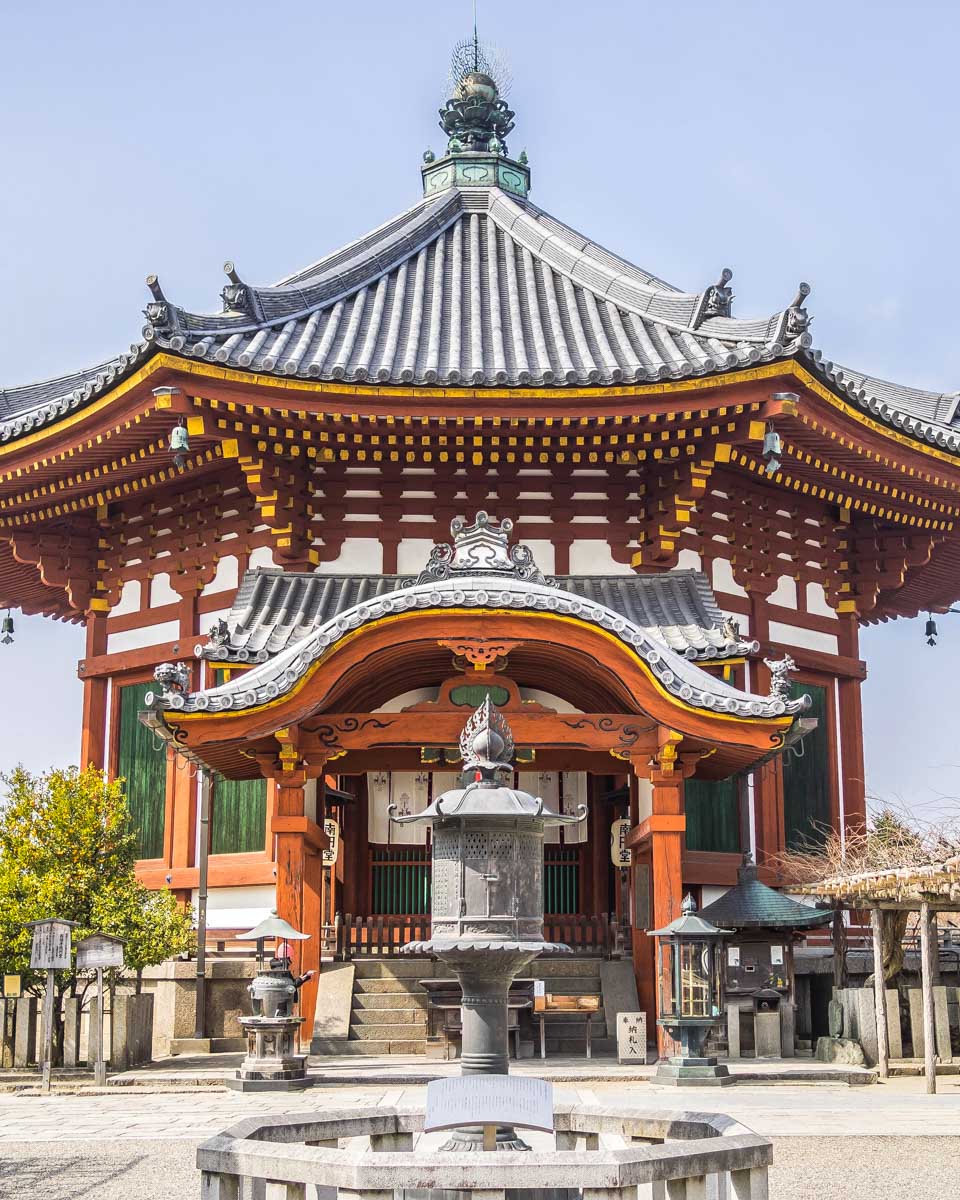
Our guide, Yuuki, led us first to Kofuku-ji Temple, where the five-story pagoda has towered over Nara since the 8th century. From there, we walked through the massive Nandaimon Gate, guarded by two fierce Kongorikishi statues, and entered Todai-ji Temple to stand before the immense Great Buddha.
Around midday, we paused at a long-established restaurant in the old town for a set lunch and welcome break that let us taste local flavors while chatting with fellow travelers.
Re-energized, the afternoon took us to Kasuga Taisha Shrine, a UNESCO site famous for its forest paths lined with stone and bronze lanterns. We also strolled through Nara Park, where the city’s beloved deer roam freely and happily interact with visitors. The tour wrapped up in Naramachi, the historic merchant district, where we stepped into a preserved townhouse for a glimpse of everyday life centuries ago.
This tour combines history, culture, and nature into one seamless experience, and with lunch and tickets included, it’s truly hassle-free. It’s no wonder it’s one of the top-rated experiences in the city—check out HUNDREDS of five-star reviews here!
Late afternoon – Explore at your own pace
Once the walking tour wraps up around 3 pm, you’ll have the rest of the afternoon free before dinner. This is the perfect time to either unwind after a busy morning or keep exploring at your own pace.
Here are some great options to fill the gap:
- Return to Nara Park: If you loved your first visit, head back to the park for a slower stroll. The late afternoon light makes for beautiful photos of the temples, lantern paths, and, of course, the deer. With fewer crowds around, it’s easier to enjoy the quieter corners.
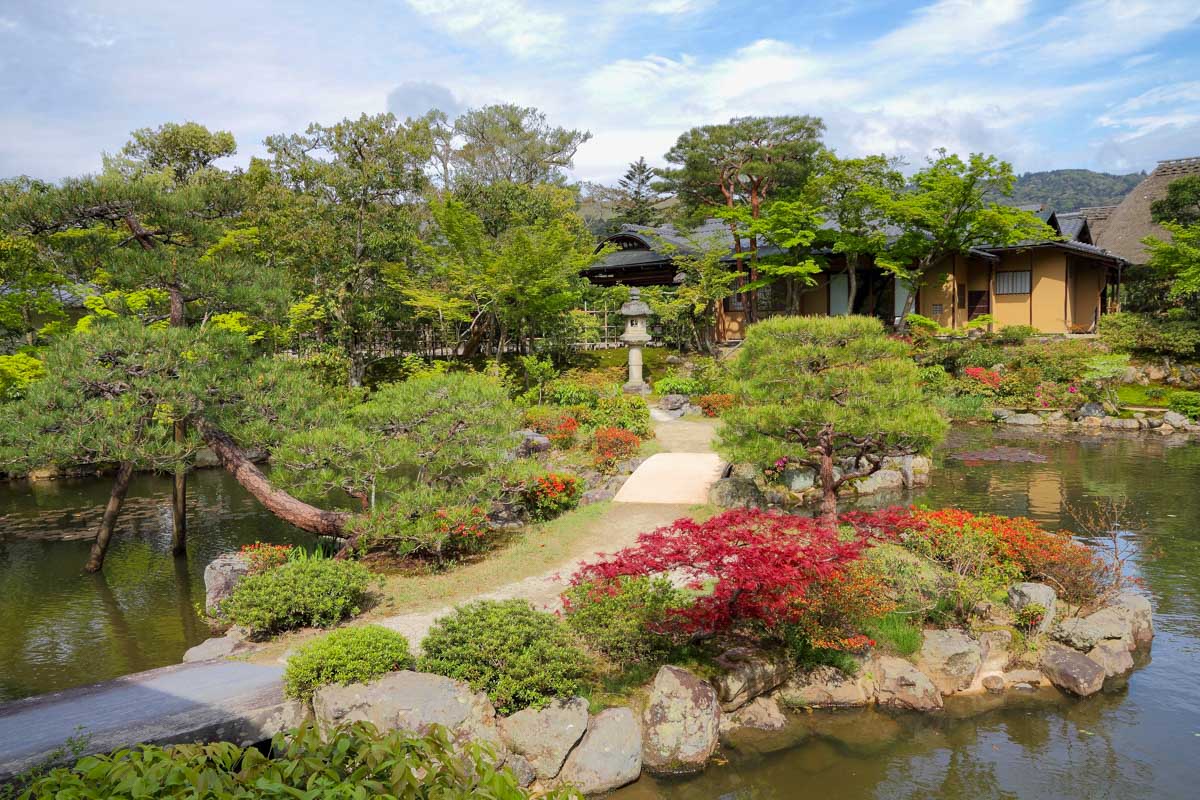
- Isuien Garden: Tucked near the center of Nara, Isuien Garden is a traditional strolling garden split into a front and rear section, with carefully landscaped paths and ponds framing views of Todai-ji’s Great South Gate. It’s peaceful and immaculately kept, making it especially nice for older travelers or anyone looking to slow down. Admission is 1,200 JPY (about $8 USD).
- Relax in a cafe: Nara has no shortage of sweet shops and coffee spots to recharge in. Two of our favorites are Nakatanidou, where you can watch the lively mochi-pounding demonstrations before tasting the chewy rice cakes, and CHAMI, a stylish tea café where matcha and seasonal wagashi sweets steal the show.
- Shopping in Naramachi: Wander through the preserved merchant district and stop into the Naramachi Mechanical Toy Museum (Takayama-sha Shiryokan), a quirky spot where you can try traditional toys. For a wider variety, head to Sanjo-dori Street, which is lined with shops selling indigo-dyed textiles, sake cups, and deer-themed souvenirs that make great gifts.
Dinner – Maguro Koya
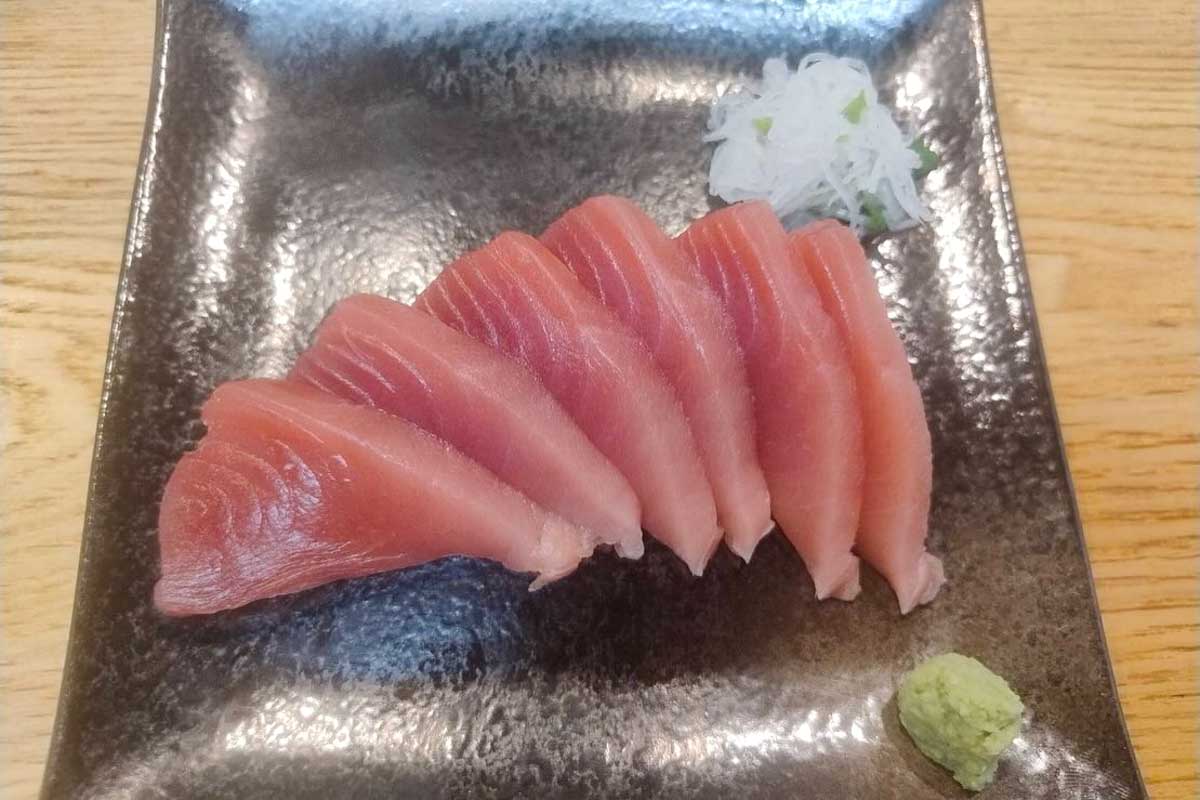
For dinner, head to Maguro Koya, a cozy local spot that has built a reputation around one thing: tuna. The menu highlights every cut of this beloved fish, from melt-in-your-mouth sashimi platters to hearty rice bowls piled high with fresh slices. It’s simple, satisfying food done exceptionally well, and at prices that feel surprisingly reasonable given the quality.
The atmosphere is unfussy and welcoming, with just a handful of tables that fill up quickly. Locals know this place is special, so it’s smart to arrive on the earlier side or be flexible about waiting. It’s the kind of restaurant that doesn’t rely on frills—the focus is entirely on the fish, and that’s exactly what makes it memorable.
Evening – Unwind with an evening stroll
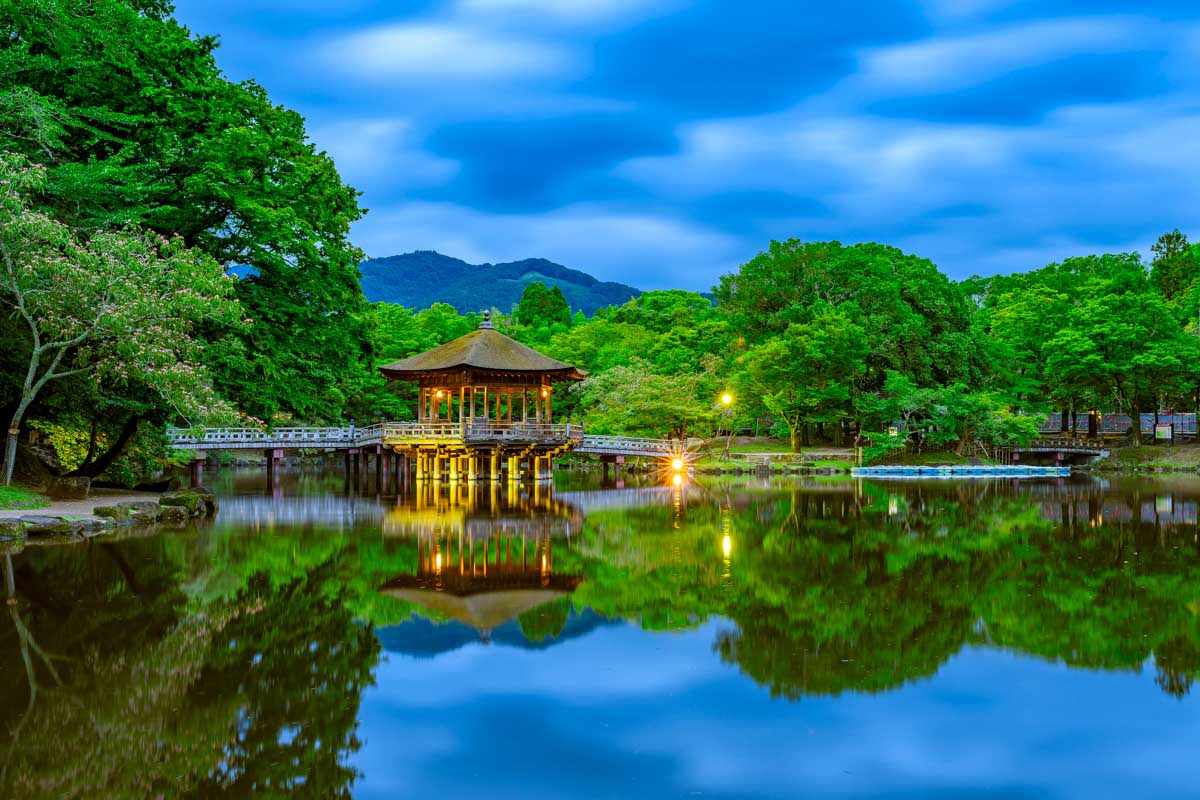
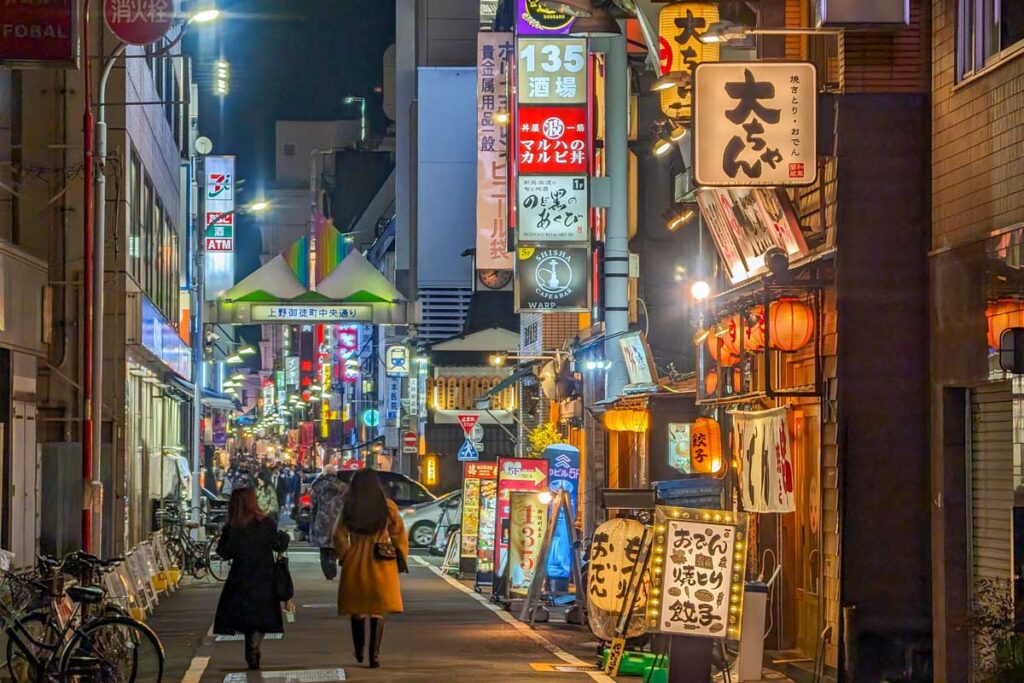
After dinner, keep the evening relaxed with a stroll toward either Naramachi or Nara Park. Both areas offer a completely different atmosphere after dark. In Naramachi, lantern-lit streets wind past preserved wooden townhouses and little shops that often stay open into the evening. The slower pace and soft lighting make it a lovely way to soak up the district’s old-town charm.
If you’d prefer a quieter end to the day, head into Nara Park. Once the crowds have left, the park feels peaceful and almost contemplative, with shrines and temples glowing softly in the evening light. It’s a chance to see a different side of the city’s most famous space.
For those who want to linger a little longer, there are a couple of optional stops worth noting. Nara Sakagura Nabe (closed Tuesday) is a tiny, welcoming bar that specializes in local sake tastings—perfect if you’d like to sample a few regional varieties. Or, if you’re craving something sweet, stop by Kakuozan Fruit Daifuku Benzaiten, a trendy shop serving fresh fruit-filled mochi. Keep in mind it closes around 8 pm, so plan ahead for this stop if you’re set on trying their famous mochi.
Japan Rail Pass!
The Easiest Way to Travel Japan By Train
If you’re planning to explore Japan, the Japan Rail Pass (JR Pass) is hands down the easiest and most affordable way to get around. It’s a special 7, 14, or 21 day pass for foreign visitors that gives you unlimited rides on Japan’s famous JR trains, including the high-speed shinkansen (bullet trains)!
Why We Love the JR Pass
Pro Tip: If you’re only exploring one region of Japan, consider a Regional Pass instead (like the Kansai, Hokkaido, or Kyushu Pass). They’re cheaper and perfect for smaller trips!
Where to Get Your Pass
We personally recommend buying your pass online in advance through JRPass.com — they’re an official reseller with fast worldwide delivery and English support, making the whole process super simple. They even offer handy add-ons like pocket WIFI and meet & greet services! Still not sure if the JR Pass is right for you? Check out our Ultimate Guide to the Japan Rail Pass for a full breakdown of costs, inclusions, and when it’s worth it!
Day 2
Morning – Slow down with a private tea ceremony
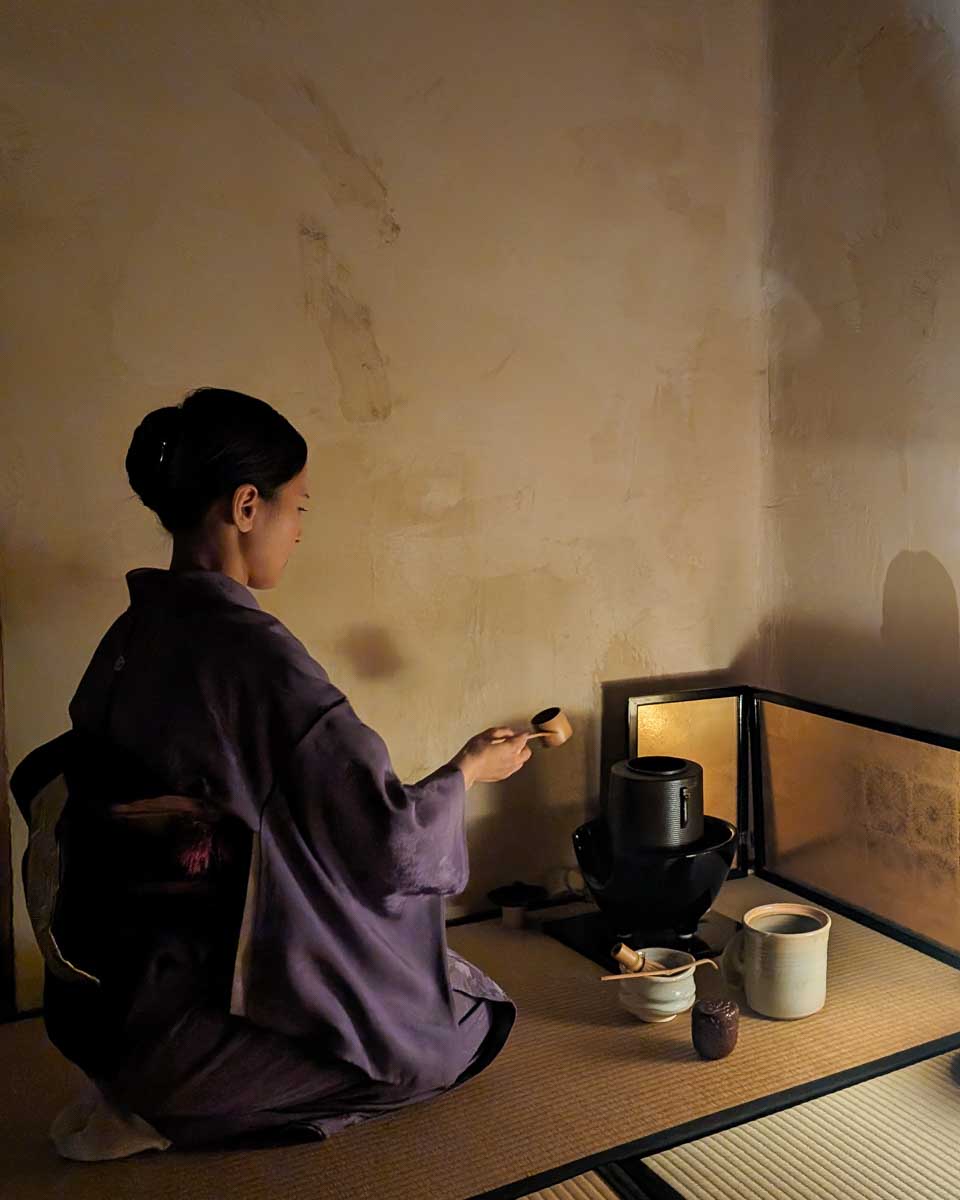

Start your second day in Nara with something a little slower-paced: this private Japanese tea experience set inside a beautifully renovated traditional house. Before heading over, grab a quick breakfast at your hotel or a nearby café, since there aren’t many options around the meeting point.
We recommend booking the 10:30 am session, which lasts about 1.5 hours and wraps up around midday. It’s the perfect way to ease into the day before more sightseeing!
During the experience, you’ll try five different teas from Nara prefecture, from the nutty richness of roasted hojicha to the bright freshness of matcha. Your host shares stories and tips along the way, making each cup feel like more than just a drink, like a glimpse into local culture.
You’ll also get hands-on with the matcha, learning the traditional whisking technique before preparing your own bowl. Enjoy it alongside seasonal wagashi (traditional Japanese sweets), a pairing that balances rich flavors with delicate textures. The process is calming and almost meditative, making it as much about slowing down as it is about the tea itself.
Since this is a private session, there’s no waiting or rushing—you’ll have time to ask questions, chat with your host, and soak up the atmosphere. With tea, sweets, and cultural guidance included, it’s an experience that lingers long after the final sip!
Why We Book Tours with Viator
Viator is a trusted online booking system for tours around the world! We almost always book our tours using Viator for a couple of reasons:
Lunch – Nara Sakagura Nabe
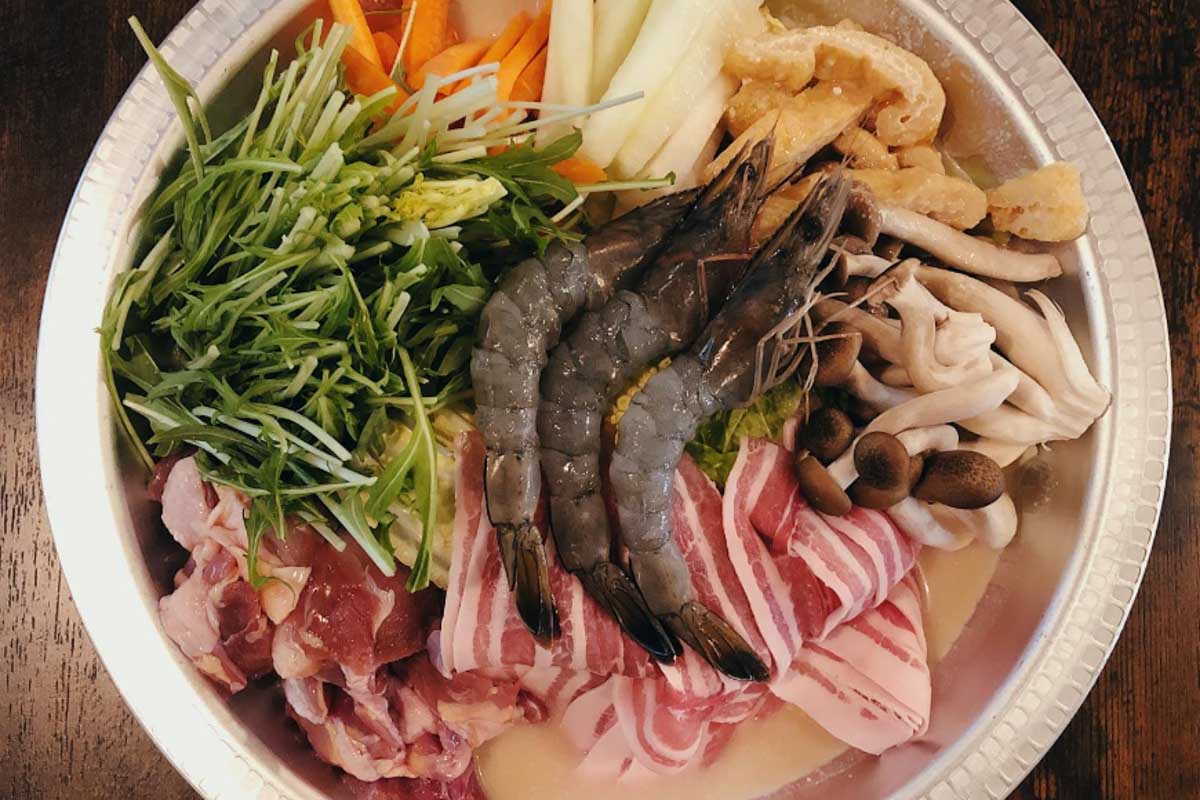
After the tea experience, make your way to Nara Sakagura Nabe, about a 12-minute walk or a quick 5-minute taxi ride from the venue. This cozy spot near central Nara is known for combining two of the region’s specialties: hot pots and sake.
The signature dish here is the sake hot pot, a flavorful broth prepared with locally brewed Nara sake, seasonal vegetables, and fresh ingredients simmered right at your table. It’s hearty, warming, and feels distinctly tied to the region—especially when paired with one of the sake options from their curated list.
The restaurant itself has a relaxed, welcoming atmosphere, making it a great place to pause and recharge before the afternoon. Just keep in mind that Nara Sakagura Nabe is closed on Tuesdays, so plan accordingly.
Afternoon – Visit some new (or familiar!) spots
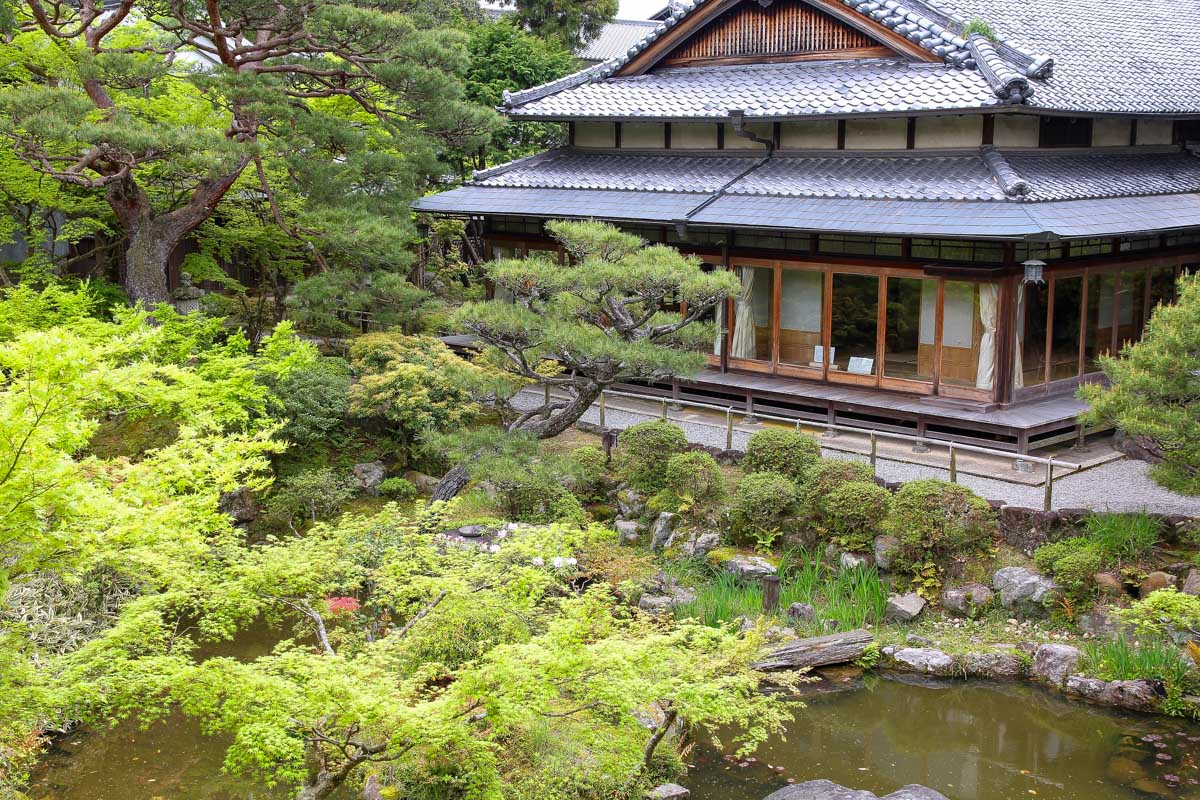
Once lunch is finished, it’ll be around 1–1:30 pm, leaving you about 2.5 hours before a late afternoon sushi-making class. Here are a few ways to spend that time—just pick whichever appeals most to you!
- Yoshikien Garden: A peaceful alternative to the busier Isuien, Yoshikien Garden is known for its quiet walking paths and traditional landscaping. It features three distinct gardens, a pond, moss, and a tea ceremony, each showcasing a different style of Japanese design. The calm atmosphere makes it a lovely place to slow down and enjoy the greenery.
- Nara National Museum: If you’re looking for a restful cultural stop, the Nara National Museum is a great option. Its collection focuses on Buddhist art, with everything from sculptures to scrolls displayed in climate-controlled galleries. Admission is typically 700 JPY (about $5 USD), and there are benches inside where you can take a quiet break.
- Sanjo-dori Street: Didn’t get a chance to shop here on day one? Sanjo-dori is Nara’s main souvenir street, running from JR Nara Station toward Nara Park. It’s lined with stalls and shops selling everything from deer-themed trinkets to local sweets, sake, and handmade crafts.
- Take a café stop near the park/museum: If you’d rather keep things light, take a short break at one of the small cafés or tea rooms scattered along Sanjo-dori. Many offer simple drinks and snacks, perfect for recharging before your evening activity. It’s also a nice way to soak up Nara’s slower pace without straying too far from the main sights.
Late afternoon – Roll, slice, and shape in a beginner-friendly sushi class
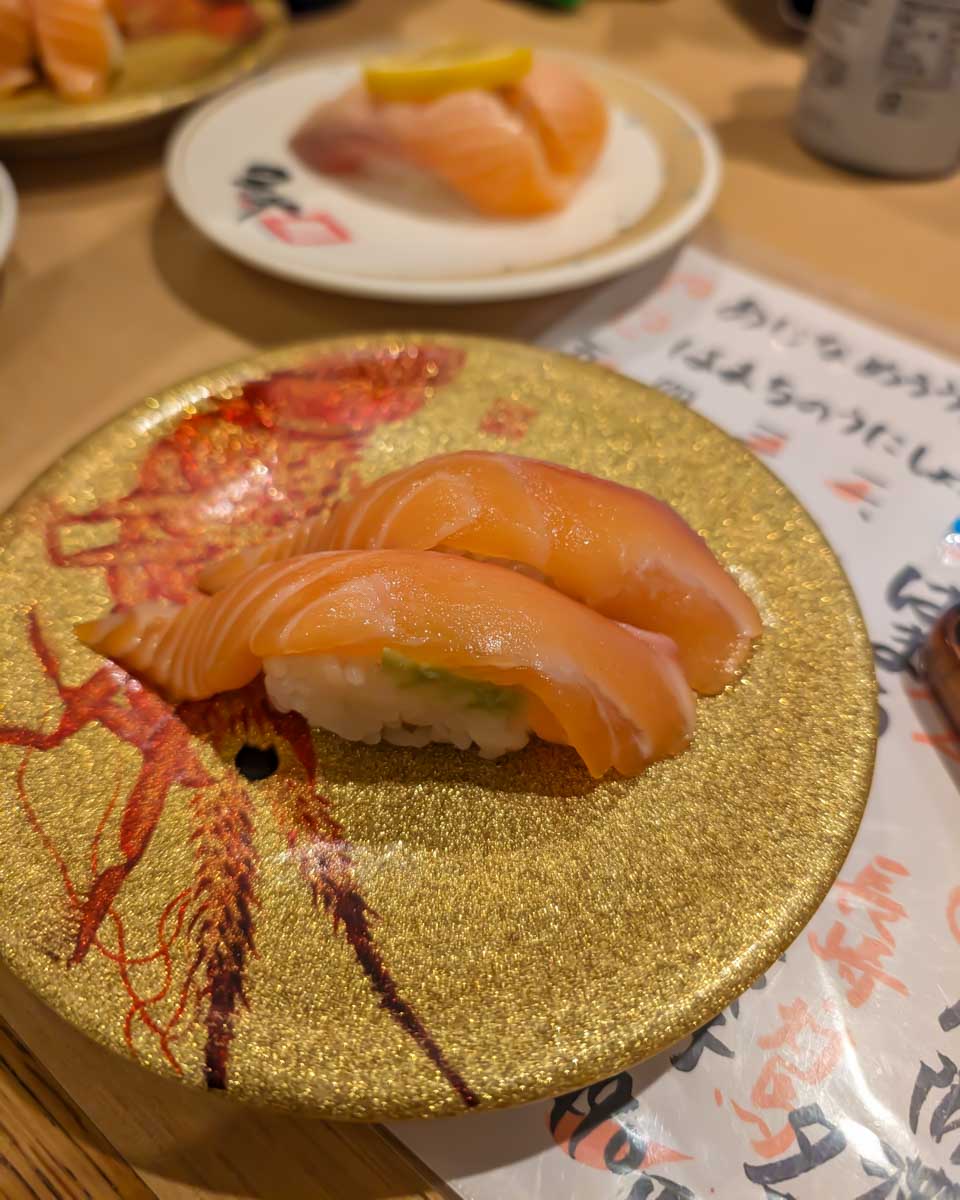
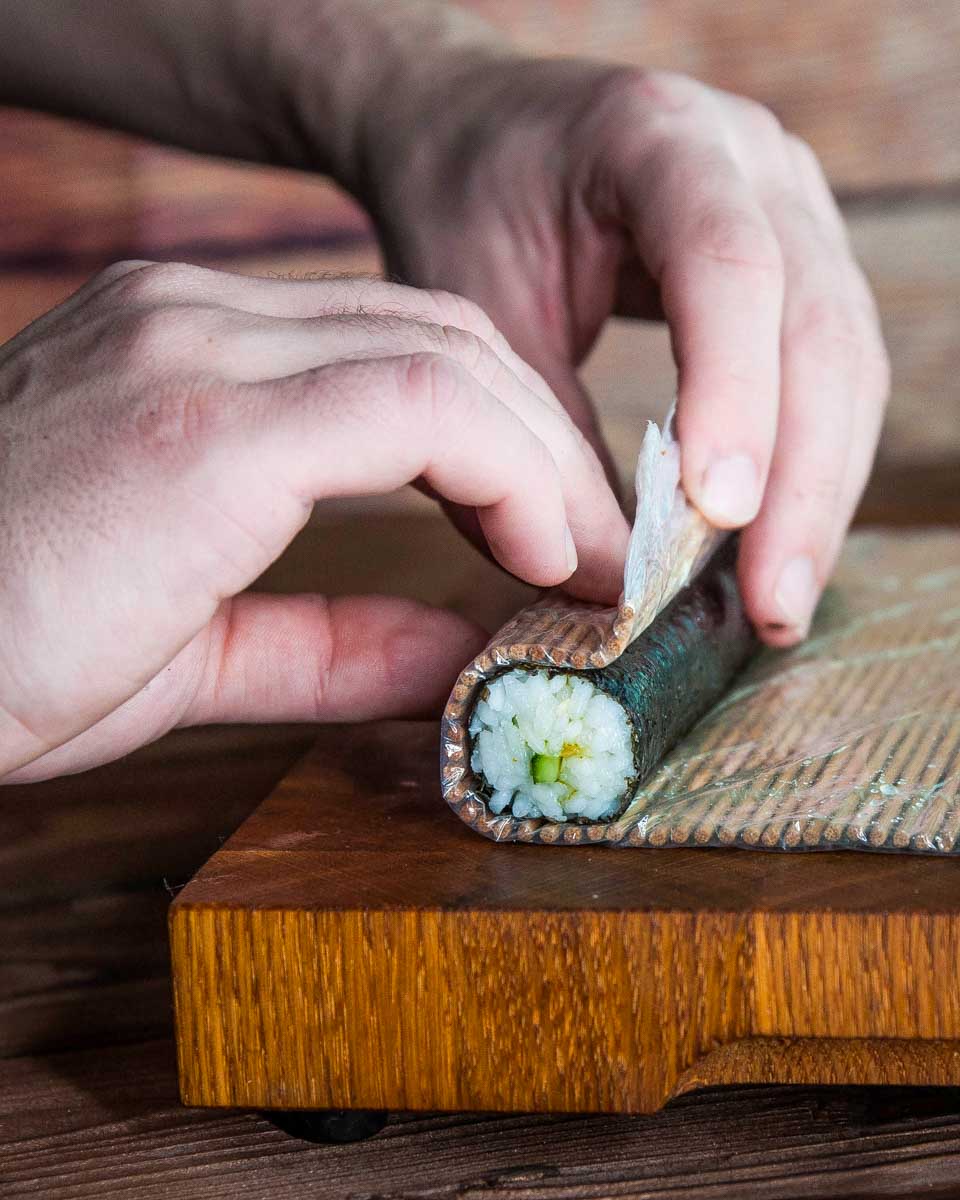
Dining out for sushi in Japan is always memorable, but learning how to make it yourself takes the experience to another level. This hands-on class isn’t just about eating—it’s about creating, and in the process, gaining a deeper connection to Japanese culture. We recommend booking the 4 pm session, which lasts about 1.5 hours and wraps up around 5:30 pm.
Depending on where you’ve finished your afternoon exploring, it may be easiest to hop in a taxi to the meeting point. For example, from Kintetsu Nara Station, it’s only a 5-minute drive, but closer to 30 minutes on foot.
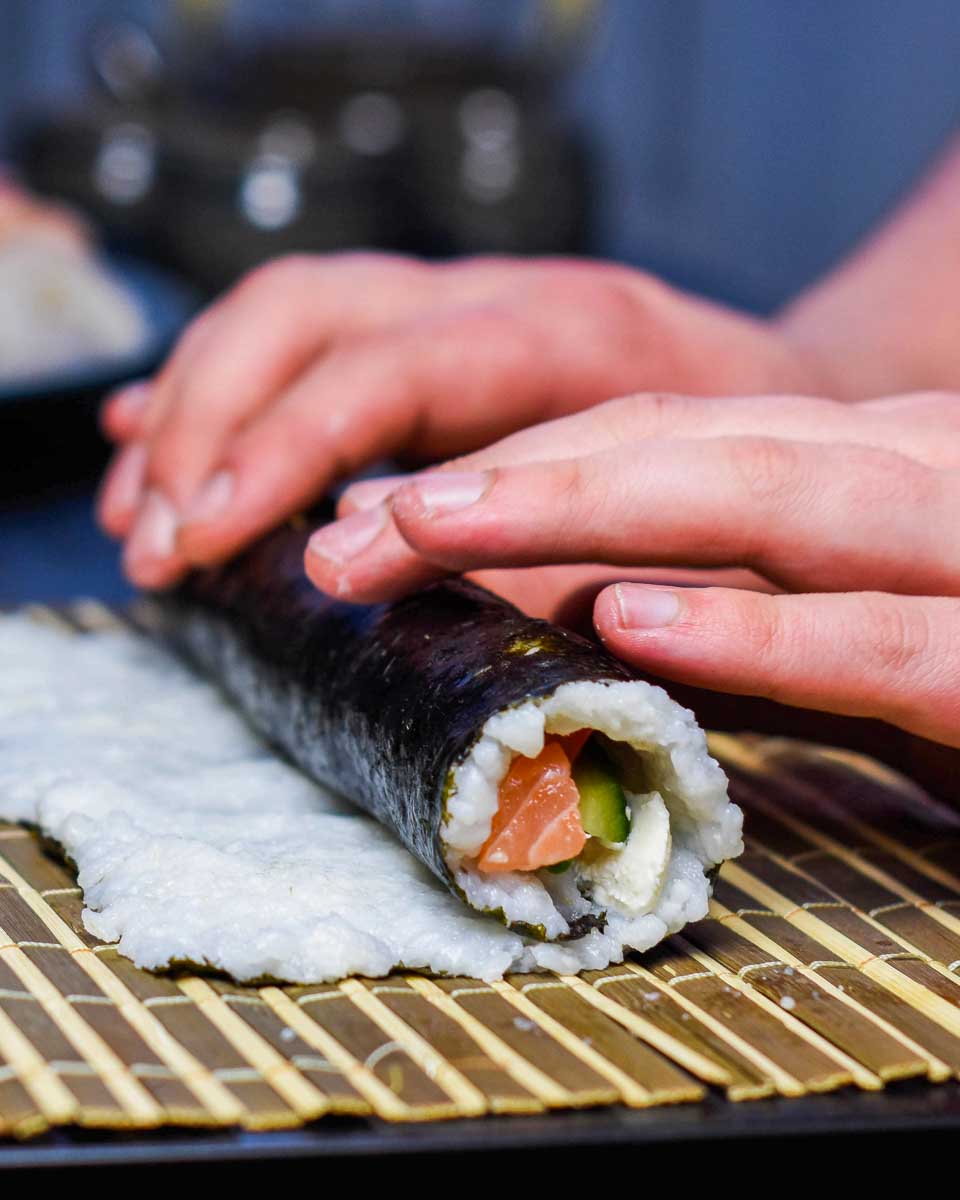
From the start, this feels different from your typical cooking class. You’ll dress in traditional attire before learning how to season rice, grate fresh wasabi, slice sushi-grade fish, and shape nigiri with guidance that’s approachable for beginners yet still engaging for experienced cooks.
Choosing your own toppings and experimenting with flavors makes the class feel personal, and by the end, you’ll be surprised at how professional your sushi looks. The best part comes when you sit down to enjoy the plate you’ve created—a meal you’ll truly appreciate knowing all the work that went into it.
The experience ends on a playful note with a small graduation ceremony, complete with a certificate and souvenir photos to take home. More than just a class, it’s an unforgettable cultural activity that travelers consistently rave about. Check out the five-star reviews here and see why this sushi-making class is a must-do in Nara!
Dinner – Firis
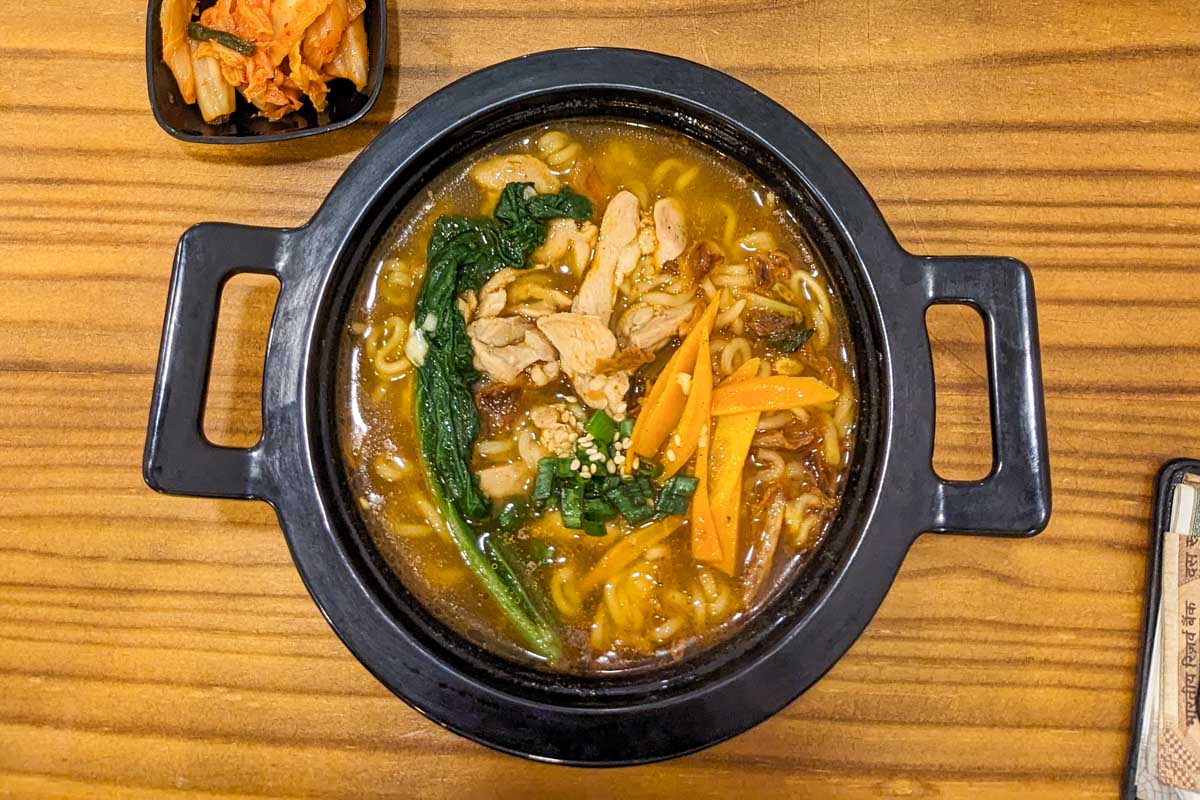
If you still have an appetite after the sushi-making class, Firis is an excellent option for a more filling evening meal. This intimate, contemporary restaurant in central Nara puts a modern spin on traditional Japanese cuisine, creating dishes that feel both familiar and inventive.
The focus here is on multi-course meals that showcase the best of the season, from delicate seafood to locally grown vegetables, all plated with incredible attention to detail. Each dish looks like a work of art, but the flavors are what really stand out—thoughtful combinations that highlight the ingredients without overwhelming them.
With a chef-driven menu that changes regularly, no two visits are quite the same, making the experience feel fresh and special. Please note that Firis is closed on Sundays.
Evening – Celebrate your journey with sake or local music

End your time in Nara on a high note by soaking up the city’s nightlife at an easy pace. Two of the best areas to explore are Naramachi and Higashimuki Shopping Street, both dotted with bars, cafés, and late-night hangouts. Wandering through Naramachi in particular is a fun way to stumble upon hidden gems—just follow your curiosity and step into whatever spot catches your eye.
If you’d like something more structured, try a sake or craft beer tasting at YAMATO Craft Beer Table, a cozy bar known for its wide selection of local brews. For a different vibe, seek out a live music venue or jazz bar. Smaller spots in Nara often host intimate acoustic or jazz performances, adding a relaxed soundtrack to the evening. A great example is Vanda Melilie, a bar where you can sip a drink while enjoying local talent.
No matter how you choose to spend the night, the evening is the perfect chance to celebrate your journey through Nara—whether with a quiet glass of sake, a casual chat in a cozy bar, or the rhythm of live music drifting through the air.
Where to Stay in Nara
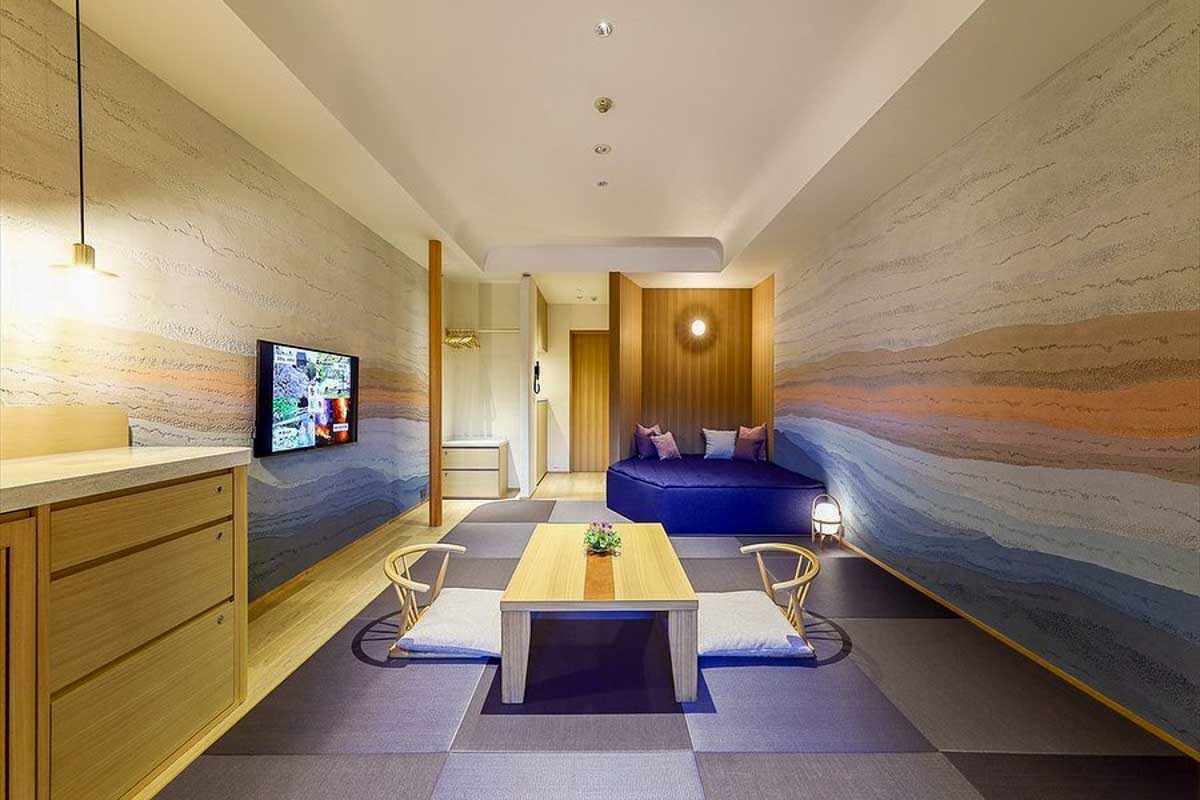
Now that you’ve got your Nara itinerary sorted, the next step is figuring out where to stay. The good news? Nara has something for everyone—whether you’re after a luxurious ryokan-style stay with a private onsen or a modern hotel just steps from the station.
Just keep in mind that hotels here can fill up quickly (especially during cherry blossom season and autumn), so it’s smart to book early. To help you out, we’ve rounded up some of our favorite places to stay in Nara, with options for every budget.
Hotel New Wakasa – $$$
Hotel New Wakasa is a stunning and luxurious hotel that won’t break the bank. Basically, it’s a total gem! The rooms are beautiful and well-laid out, with modern Japanese decor and soft, cozy lighting. Some rooms have private gardens or onsens, as well as a rooftop terrace with a communal onsen and amazing views of Mount Wakakusa, making it a standout stay in Nara.
Rooms cost between ¥26,250 and ¥132,000 ($175–$880 USD) per night, depending on the dates and room category you choose. Book this luxury stay on Booking.com!
Nara Hotel – $$
Open since 1909, the Nara Hotel has hosted royalty, world leaders, and countless celebrities — and it still exudes old-world charm. Elegant lounges, antique furnishings, and sweeping views over Nara Park make it a destination in itself. Rooms blend classic and modern touches, offering plenty of character even if not ultra-luxurious. With its location near both Naramachi and Nara Park, it’s a perfect base for sightseeing with a touch of culture and class.
Rates start at ¥33,000 per night ($220 USD). See prices and book your stay on Booking.com!
Nara Ryokan – $
For a budget-friendly stay with local charm, Nara Ryokan is a great choice. This traditional inn features tatami mat rooms and a warm, welcoming vibe. Simple and no-frills, it’s tucked into Naramachi’s quiet streets within walking distance of temples and the park. It’s an authentic, comfortable base with friendly staff who are always happy to share local tips.
Rooms here typically cost between ¥14,250 and ¥24,000 per night ($95–$160 USD). Check availability and reserve your room on Booking.com!
For even more great accommodations, check out all of Nara’s hotels listed here!
Related Read: If you’re looking for a truly unique experience, stay in a ryokan! See our favorite ryokans in Nara and book your stay!
Renting a Car in Japan

Japan’s trains are great, but if you want to explore rural areas, scenic routes, or off-the-beaten path hidden gems, renting a car offers unmatched flexibility. Driving in Japan is generally safe, with well-maintained roads and clear signage, though there are some unique rules and customs to be aware of.
We always book with Discover Cars and can’t recommend them enough. It’s super easy to compare multiple provider prices, check company ratings, filter for the type of vehicle you want, and add affordable full coverage insurance. If you want a full breakdown, check out our Discover Cars review here.
Tips for Renting a Car in Japan
What You Need to Rent a Car in Japan
Ready to hit the road? Discover the freedom of exploring the Japan on your own terms!
Airalo e-sim
Up To 15% Off With Code “DTRAVEL10”
What’s an eSIM?
An eSIM is a digital version of a SIM card. Instead of buying a little plastic chip and swapping it into your phone, you just download it. It connects your phone to a local network in whatever country you’re visiting — no stores, no waiting, and no fiddling with tiny cards.
In simple terms, it’s the easiest way to get data and stay connected while traveling.
We’ve tested a bunch of eSIMs in North America, and after a few frustrating experiences, we’ve found our favorite — Airalo. It’s fast, reliable, and incredibly easy to use. You can set it up in minutes (even my mom managed it solo on her first try!), and the prices are some of the best out there.
Bonus: We’ve got an exclusive 15% discount for our readers. Use the codes:
Thanks for reading!

Nara is often just a day trip, but if you can spare a day or two to explore it further – it will totally be worth it! We loved exploring Nara with our guided tour, eating amazing food, and finding hidden gems and historic temples. If you follow this same itinerary we used, I know you’ll experience the best of this city!
If you need help planning the rest of your trip, check out all of our travel blogs! Whether you’re exploring bustling cities or looking for a quiet nature escape, we’ve got you covered. Here are a few related blogs to get you started:
How to Spend TWO DAYS in Hiroshima: 2-Day Itinerary
How to Spend THREE DAYS in Kyoto: 3-Day Itinerary
Where to Stay in Osaka, Japan: 6 Best Areas & Hotels
10 Best Things to do in Okinawa, Japan
The Services We Recommend
From hotels to guided tours, we only recommend services we know and trust. Here are our recommended partners so you can explore Japan with confidence.