
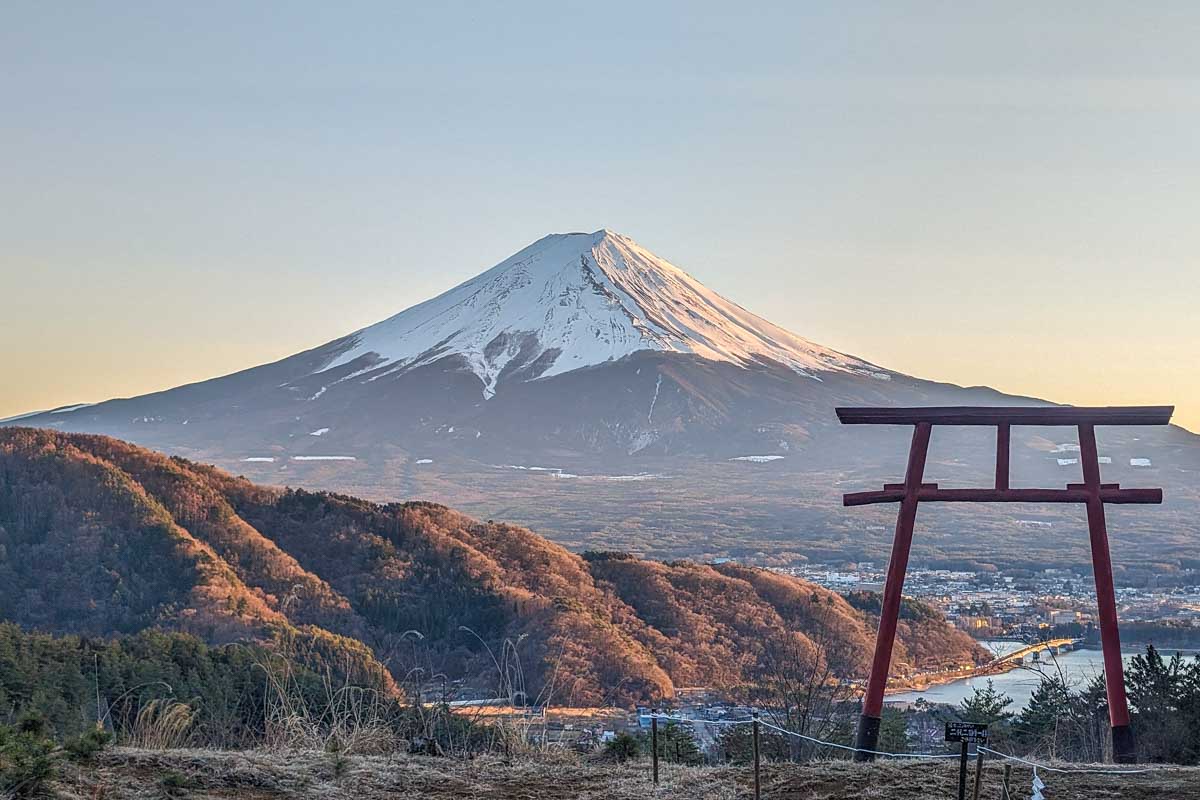
17 Best Places to Visit in Japan (And Why They’re Worth Visiting!)
Planning a trip to Japan but not sure where to start? We’ve got you covered.
Japan is incredibly diverse, but that variety can make it tricky to decide where to go. But unless you’ve got an unlimited budget and timescale, you’re going to have to prioritize! That’s why we’ve rounded up the 17 best places to visit in Japan, from the most famous cities to more hidden gems.
We are so passionate about traveling in Japan, and we can’t wait to share our favorite destinations with you. Getting an overview of the best places to visit is the first step to planning your perfect trip, so let’s get into it!
1) Tokyo – Japan’s Dynamic Capital
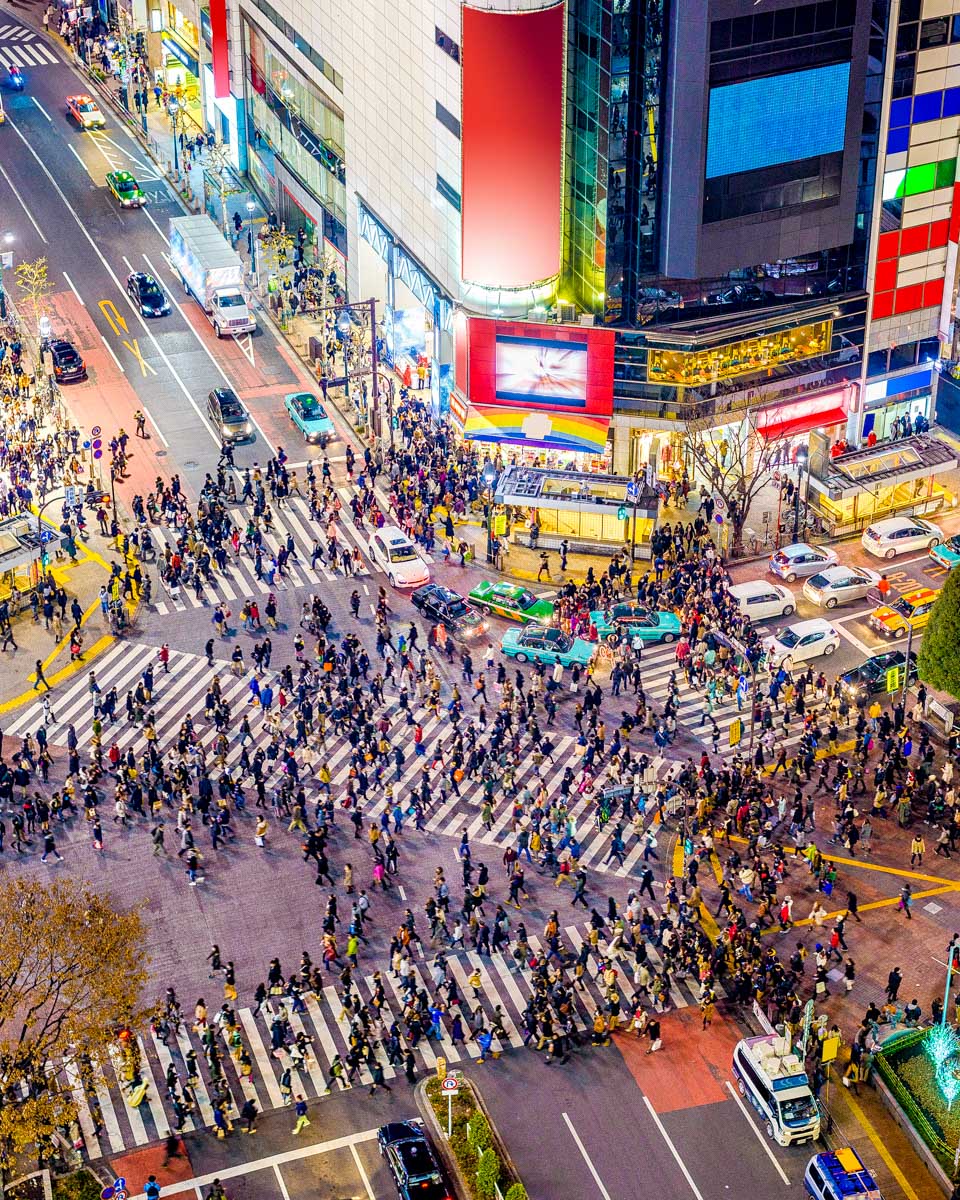

- What makes it great: Futuristic skyline, century-old shrines, world-class dining, quirky neighborhoods, and endless museums.
- Who it’s best for: First-timers, foodies, pop-culture fans, shoppers, night owls.
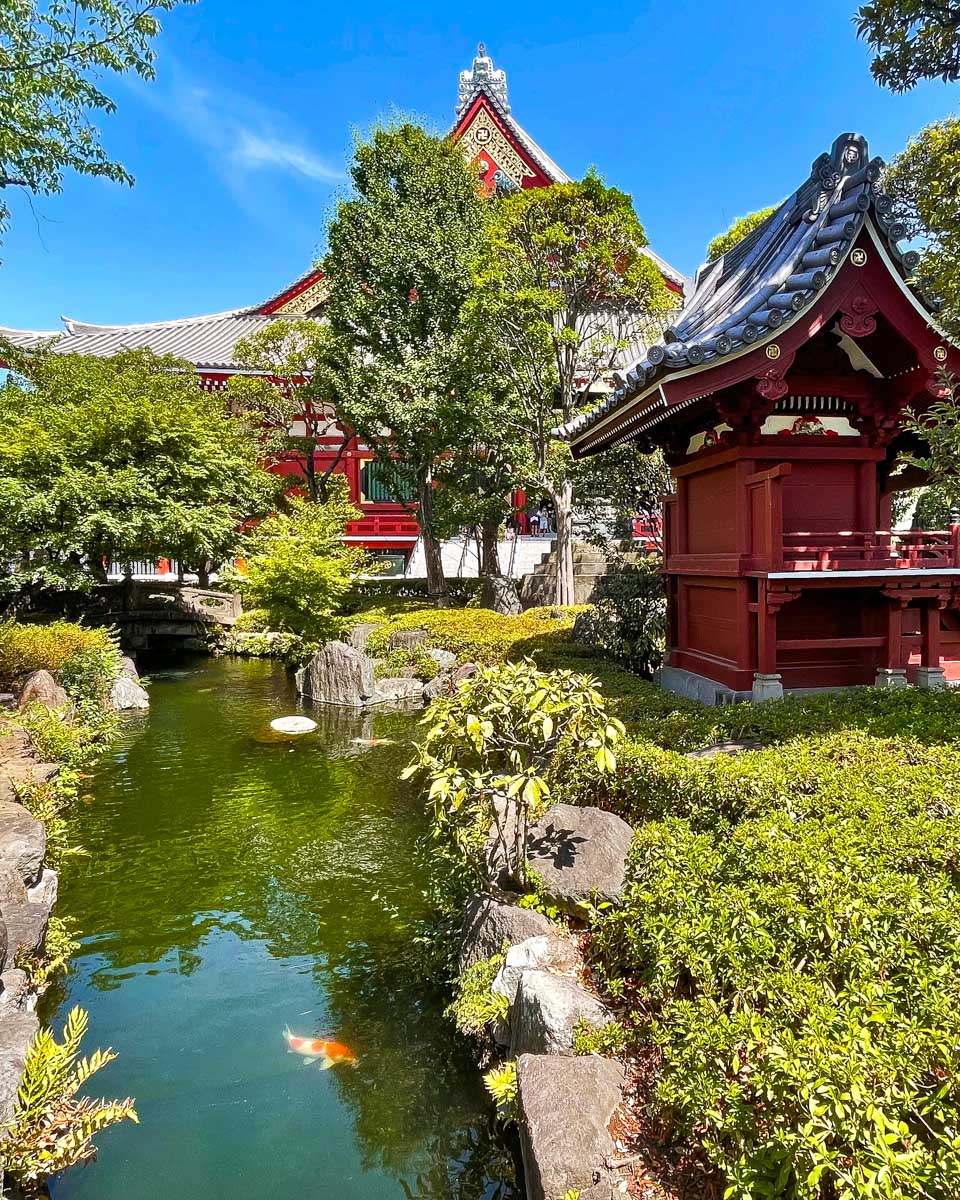
- Top things to do: Shibuya Sky, Meiji Shrine, Asakusa & Sensō-ji, sumo show, izakaya tour.
You can’t visit Japan without going to Tokyo—not if it’s your first visit, anyway! The country’s capital really does live up to the hype because it’s so multifaceted. Here, you’ve got futuristic quirkiness, high fashion, and thousands of years of heritage all rolled into one!
There is just so much to do in Tokyo that we could be here all day, but some of the most exciting activities include taking in sweeping city views from Shibuya Sky and scrambling across the world-famous crossing, catching a sumo show in Ryogoku, and visiting the anime cafes in Akihabara. We also love shopping in upscale Ginza and hunting for pop culture finds in Harajuku, not to mention izakaya hopping in Shinjuku.
Yup, Tokyo sure will keep you busy, but fortunately, it’s easy to get around with the city’s excellent public transport system. Make sure to grab an IC card when you arrive!
And since Tokyo is so popular, it’s definitely worth booking your tours and accommodation well in advance so that you don’t miss out on the best options. Visiting popular historic attractions, like Senso-ji temple and the Meiji Shrine, nice and early is also a great way to beat the crowds.
Related Read: If watching sumo in Tokyo is on your list, check out our guide to the best sumo tours in Tokyo here for tips on where to go and how to book.
2) Kyoto – Temples, Tea, and Timeless Streets


- What makes it great: Japan’s cultural heart, filled with ancient temples, tea houses, and traditional streets that feel frozen in time.
- Who it’s best for: Culture seekers, photographers, history lovers, romantic getaways.
- Top things to do: Fushimi Inari Shrine, Kinkaku-ji (Golden Pavilion), Gion District, Arashiyama Bamboo Grove, tea ceremony experience.
Kyoto was actually Japan’s capital for over a thousand years, so if you want to experience traditional culture, this city should be at the top of your list! As cheesy as it sounds, visiting Kyoto really does feel like stepping back in time thanks to its traditional wooden streets and teahouses. In fact, participating in a tea ceremony is an absolute must while you’re here!
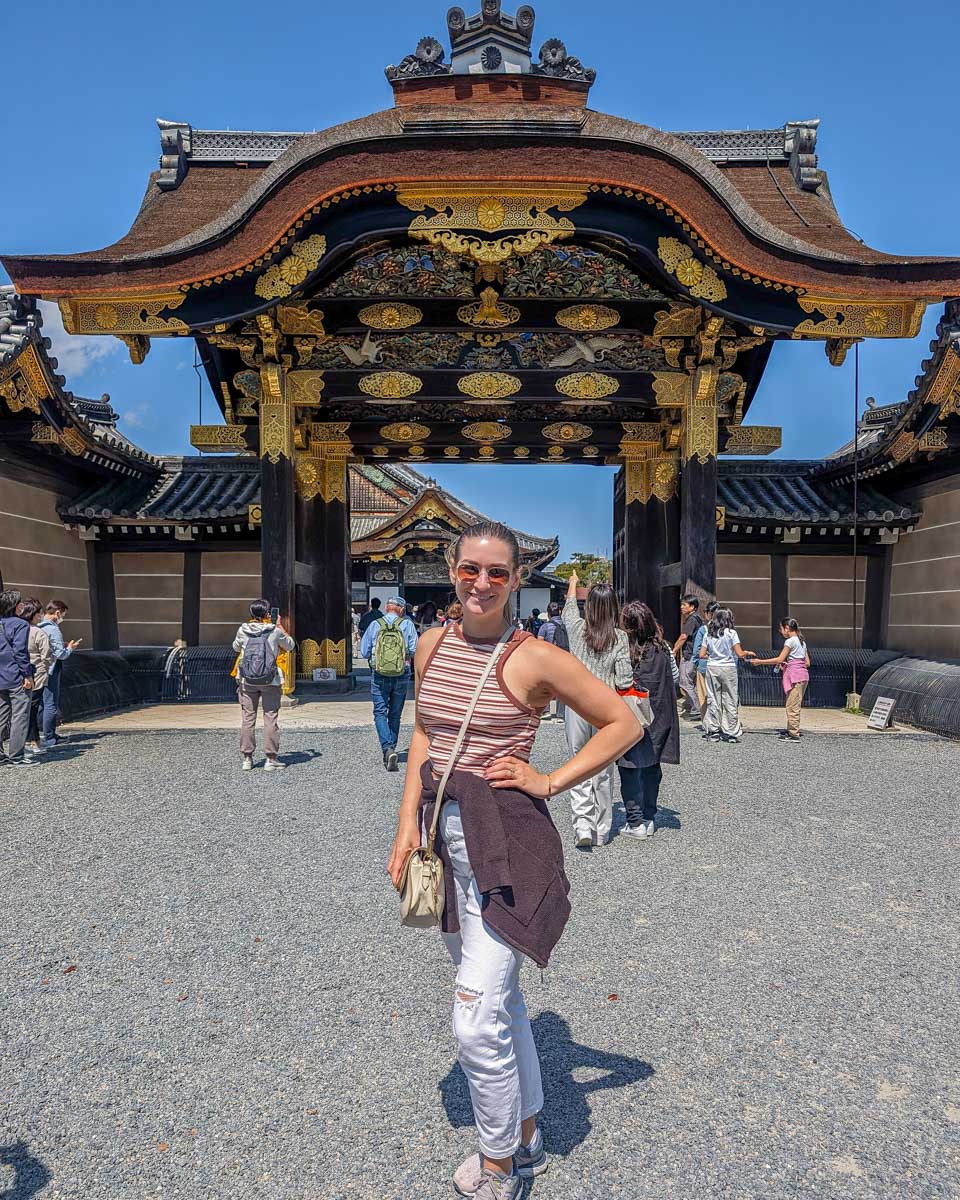

But that’s not all there is to do in Kyoto! You can hike through the thousands of vermilion torii gates at Fushimi Inari Shrine, and admire the Kinkaku-ji (Golden Pavilion), which is one of Japan’s most iconic Zen temples. We also love exploring the atmospheric streets of Gion, where you can sometimes spot geishas walking between appointments. Remember to be respectful and refrain from taking photos of them.
Kyoto is a popular destination, so we highly recommend visiting temples early in the morning to avoid the crowds. And to get the most out of this fascinating city, we suggest staying in a ryokan for at least one night so that you get to experience traditional Japanese culture to the fullest.
3) Osaka – Street-Food Capital with Big-City Energy

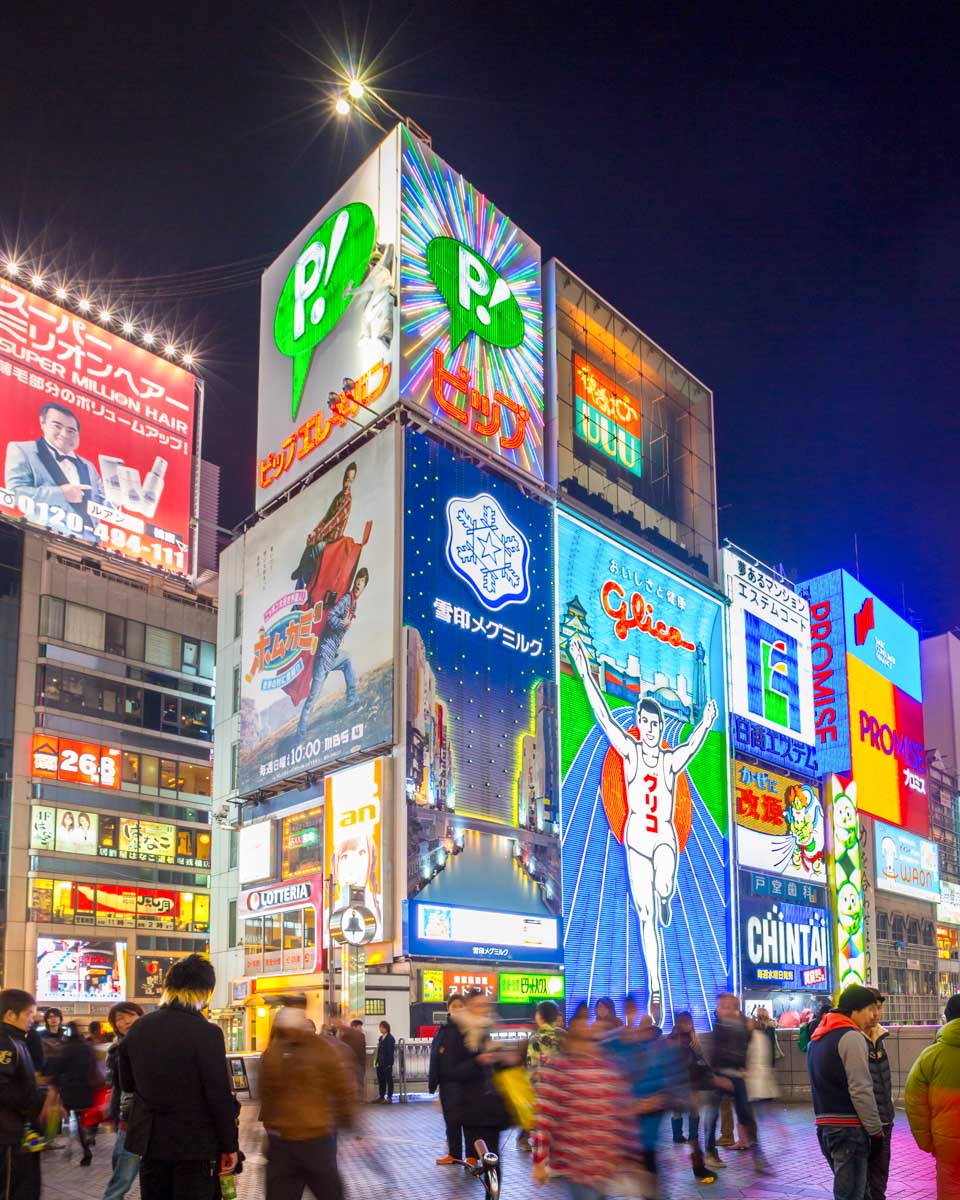
- What makes it great: A vibrant city known for its friendly locals, neon lights, and mouthwatering street food.
- Who it’s best for: Foodies, families, theme-park lovers, nightlife seekers.
- Top things to do: Dōtonbori, food tour, Osaka Castle, Kuromon Market, Universal Studios Japan
Osaka is a really fun city in general, but it’s an absolutely must-visit for foodies because it’s known as the “Kitchen of the Nation”. And I have to say, it definitely deserves that reputation!
One of the best things to do is simply to eat as much as you can! We had so much fun hopping between eateries in the Shinsekai District, and we also loved going to the Kuoromon Market for fresh seafood. Must-try dishes in Osaka include takoyaki (octopus balls), okonomiyaki (savory pancakes), and kushikatsu (deep-fried skewers)… and that’s just off the top of my head!


Other than eating, you simply have to go and check out the neon lights in the buzzing Dōtonbori district and see the famous Glico sign. Visiting Osaka Castle Park is also well worth it to see the city’s most beautiful landmark, and you can even visit the museum inside the castle and head to the observation deck at the top if you like.
Osaka is also a popular base for visiting Universal Studios Japan, so it’s a staple for families and theme park lovers. On top of that, you can easily visit places like Nara, Kobe, and Himeji from here, so you definitely won’t be bored!
Related Read: Discover the tastiest dishes in Osaka (and beyond) with our list of Japan’s must-try foods and where you can find them!
4) Hakone & Fuji Five Lakes – Onsen’s & Mt Fuji Views
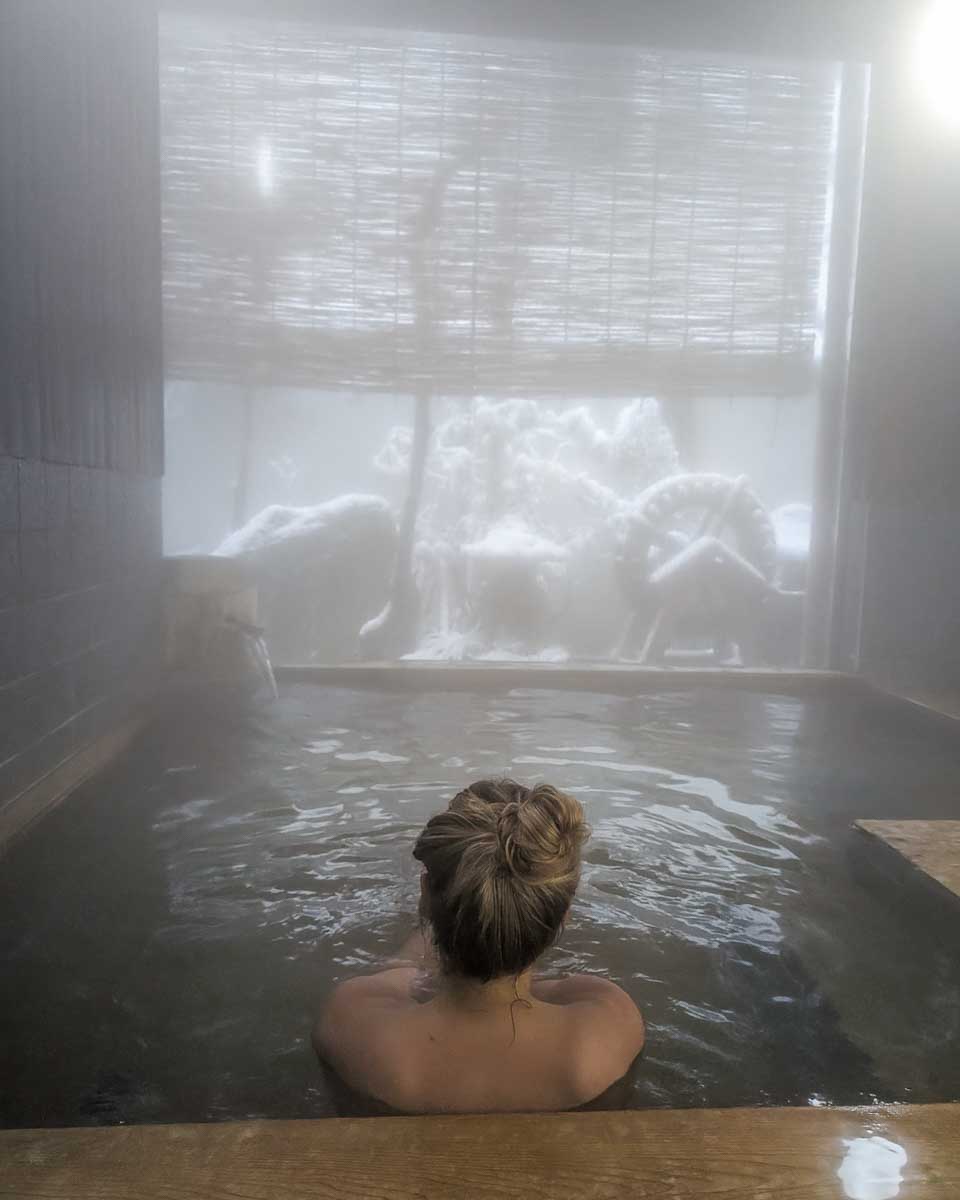
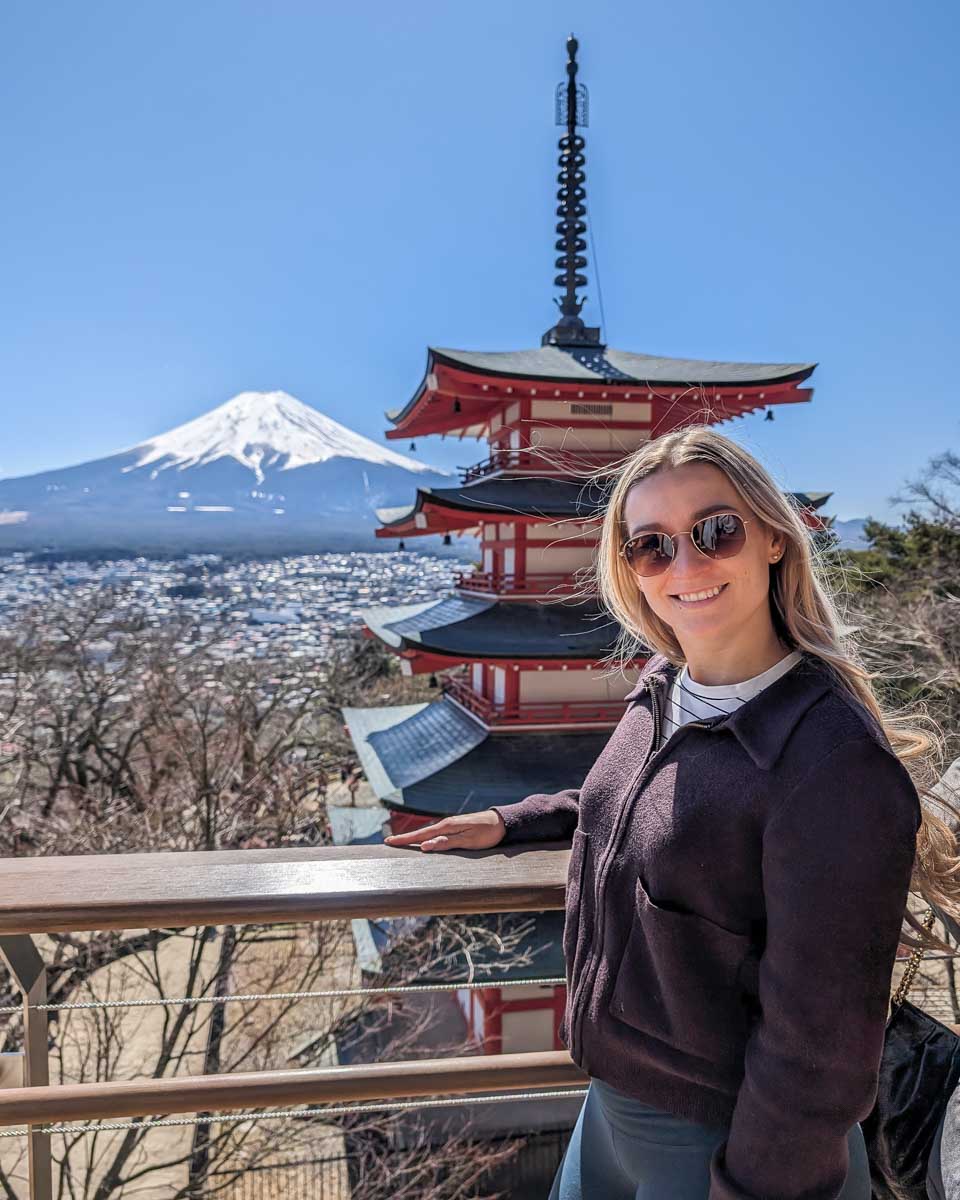
- What makes it great: One of Japan’s most scenic areas, famous for its relaxing hot springs, mountain views, and picture-perfect vistas of Mount Fuji.
- Who it’s best for: Nature lovers, couples, and first-time visitors wanting a peaceful break from the city.
- Top things to do: Ride the Hakone Ropeway, cruise Lake Ashi, soak in an onsen with Fuji views, visit the Open-Air Museum, and explore Chureito Pagoda
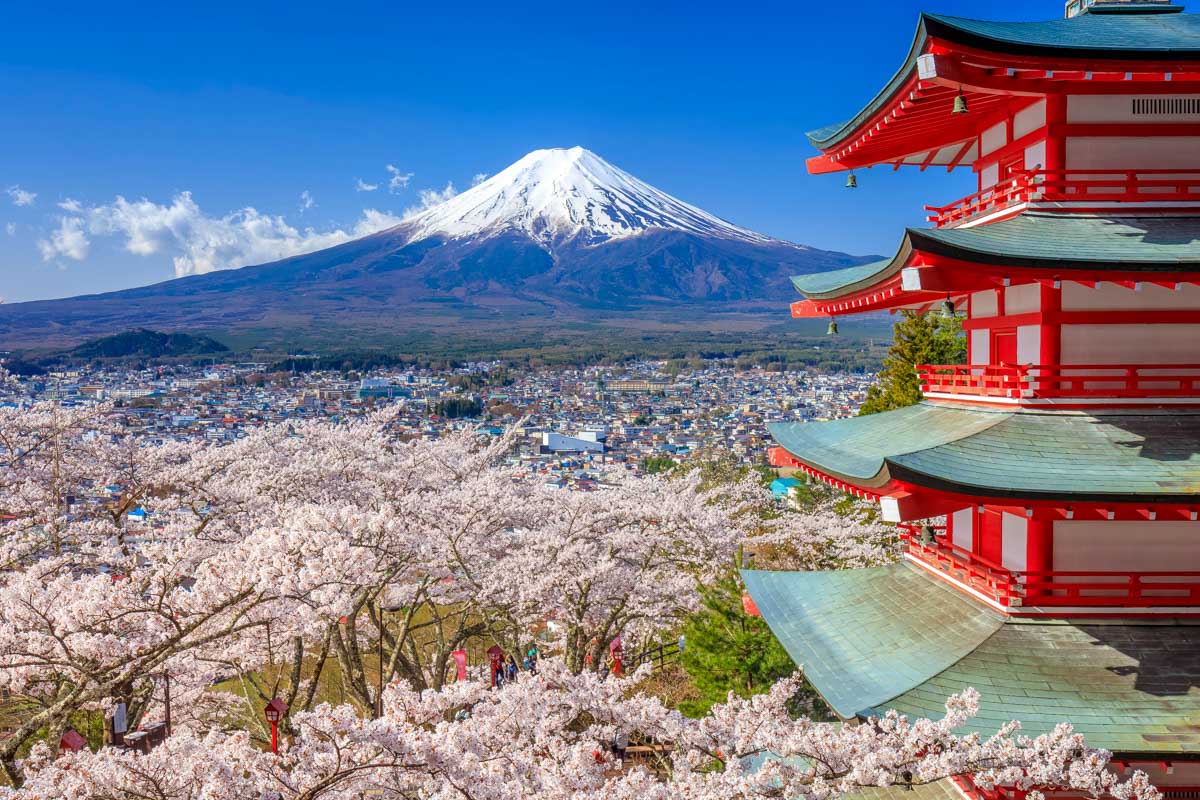
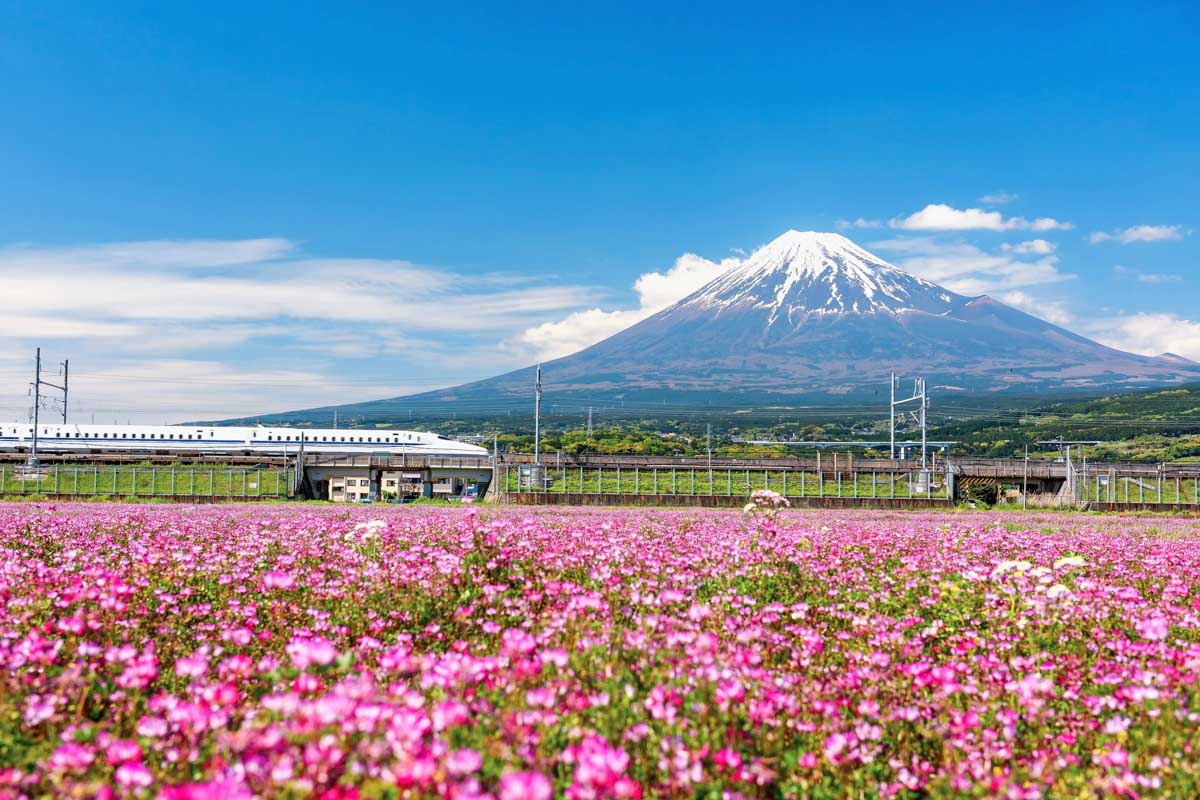
If you want to glimpse Japan’s stunning natural beauty, you can’t miss Hakone and the Fuji Five Lakes. We just fell in love with the peaceful hot springs and lush mountains here, not to mention the postcard-perfect views of Mount Fuji. And best of all, it’s just over an hour’s drive from Tokyo, or a 2-hour bus ride. Plus, there are many great day trip options from Tokyo, which makes visiting even easier!
Mt Fuji is usually most visible in the morning, so we definitely recommend staying for at least one night, although you won’t struggle to fill a few days here. In fact, our favorite way to enjoy this incredible area is to stay overnight in a ryokan with a private onsen, as many of them overlook Mount Fuji.
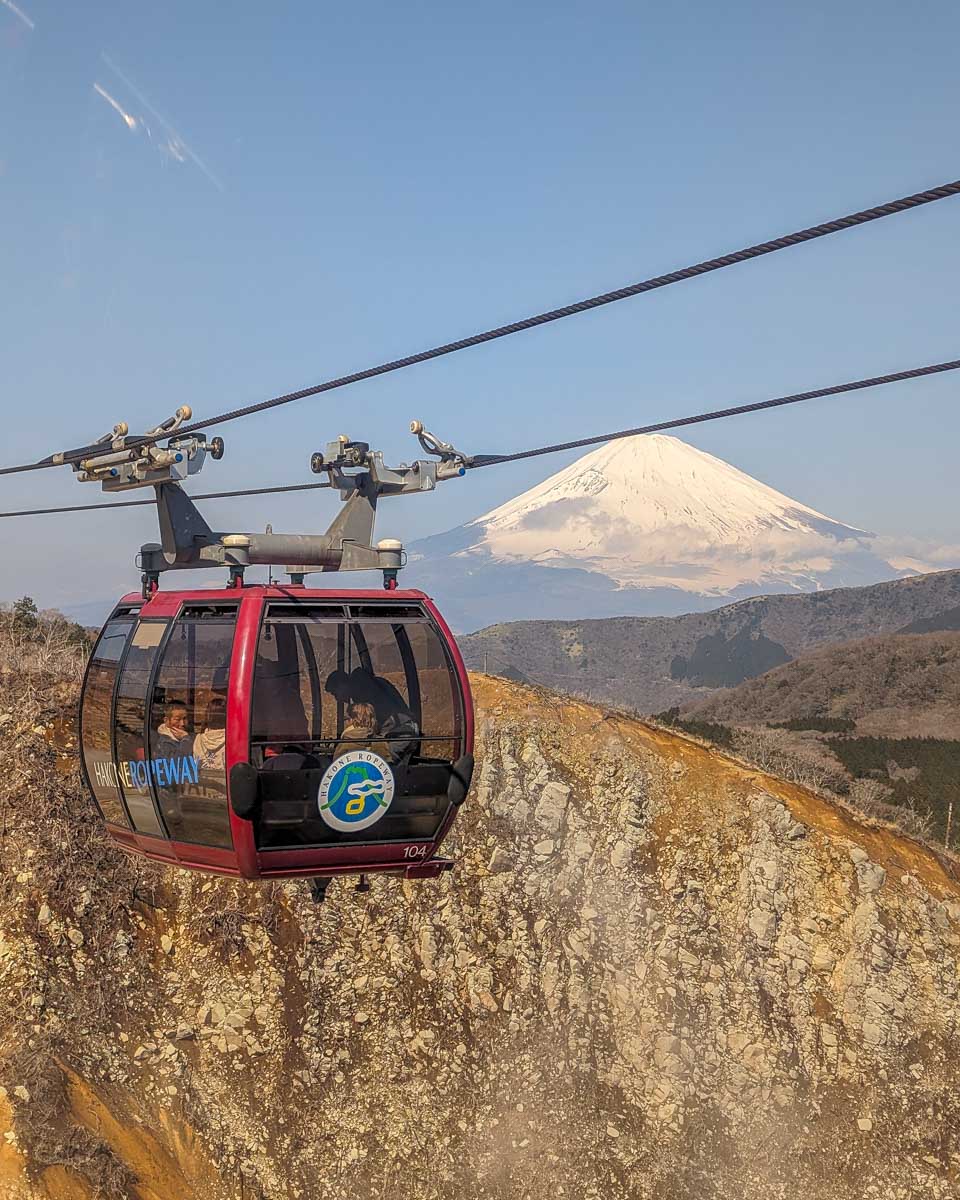
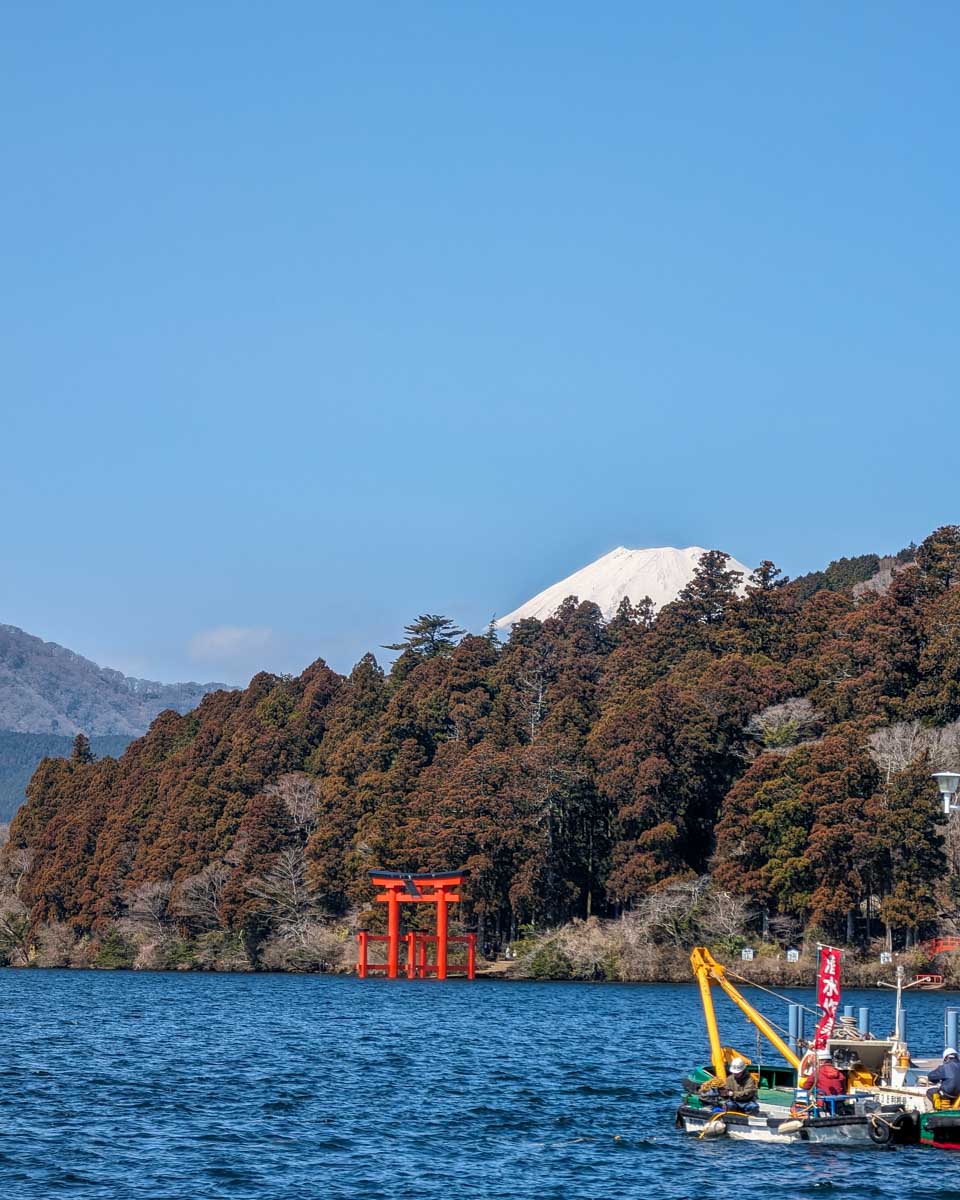
While you’re here, we recommend using the Hakone Freepass to cover transportation around the area’s famous loop, which includes a train, a cable car, the Hakone ropeway, and a lake cruise—all of which offer epic Fuji views! You can find more scenic spots in our guide to the best Mt. Fuji viewpoints in Japan here!
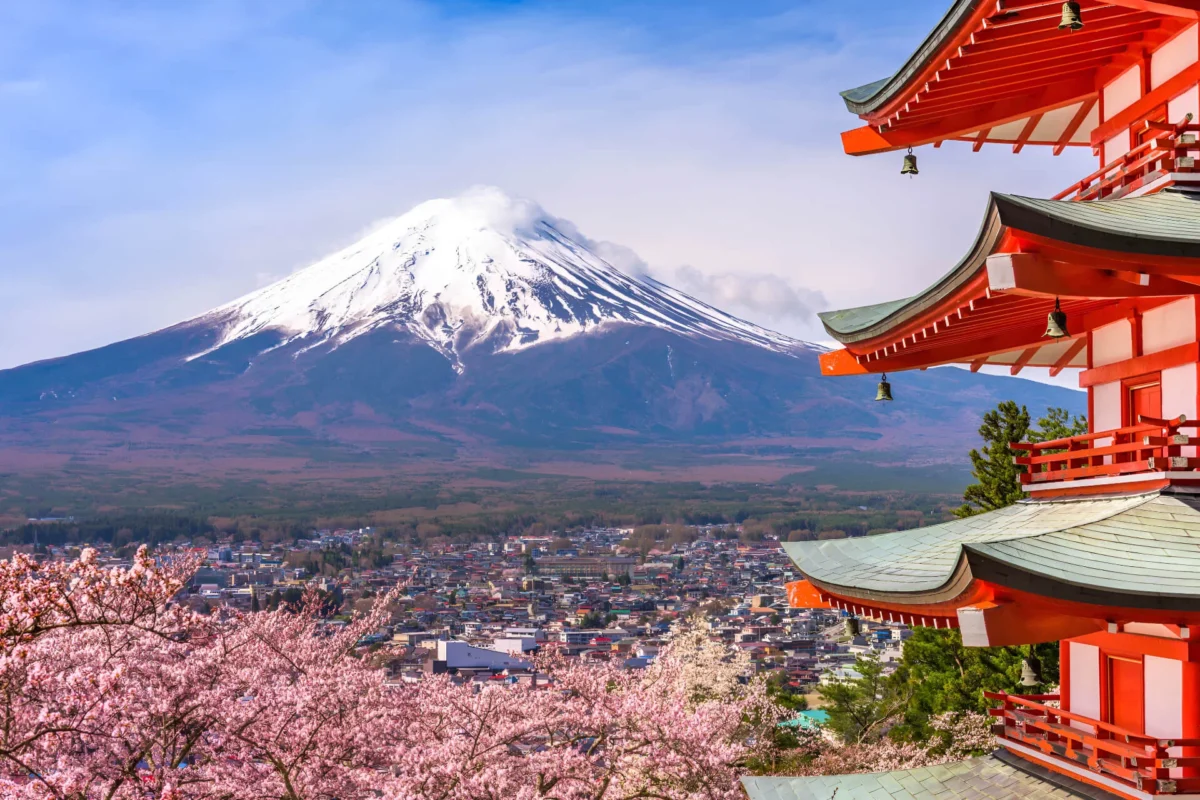
Meanwhile, visiting the Open Air Museum is a quirky outdoor activity that will definitely put a smile on your face. And don’t forget about Chureito Pagoda, which arguably offers Japan’s most iconic view of Fuji. Even if the name doesn’t ring a bell, I’m sure you will have seen photos of this pagoda at some point.
Japan Rail Pass!
The Easiest Way to Travel Japan By Train
If you’re planning to explore Japan, the Japan Rail Pass (JR Pass) is hands down the easiest and most affordable way to get around. It’s a special 7, 14, or 21 day pass for foreign visitors that gives you unlimited rides on Japan’s famous JR trains, including the high-speed shinkansen (bullet trains)!
Why We Love the JR Pass
Pro Tip: If you’re only exploring one region of Japan, consider a Regional Pass instead (like the Kansai, Hokkaido, or Kyushu Pass). They’re cheaper and perfect for smaller trips!
Where to Get Your Pass
We personally recommend buying your pass online in advance through JRPass.com — they’re an official reseller with fast worldwide delivery and English support, making the whole process super simple. They even offer handy add-ons like pocket WIFI and meet & greet services! Still not sure if the JR Pass is right for you? Check out our Ultimate Guide to the Japan Rail Pass for a full breakdown of costs, inclusions, and when it’s worth it!
5) Hiroshima & Miyajima – History, Peace, and Iconic Scenery


- What makes it great: A place of reflection and renewal, powerful memorials paired with serene island scenery.
- Who it’s best for: History buffs, culture travelers, reflective trips, photographers.
- Top things to do: Peace Memorial Park and Museum, ferry to Miyajima, Itsukushima Shrine, hike up Mt Futaba
The atomic bombing of Hiroshima was a turning point in history in so many ways, so the city’s Peace Memorial Park and Museum are a must-visit for anyone visiting Japan. You can do this on one of several day trips to Hiroshima from Osaka, as it only takes 1 hour and 20 minutes to get here on the bullet train, or Hiroshima also makes a convenient stop between Osaka and Fukuoka.
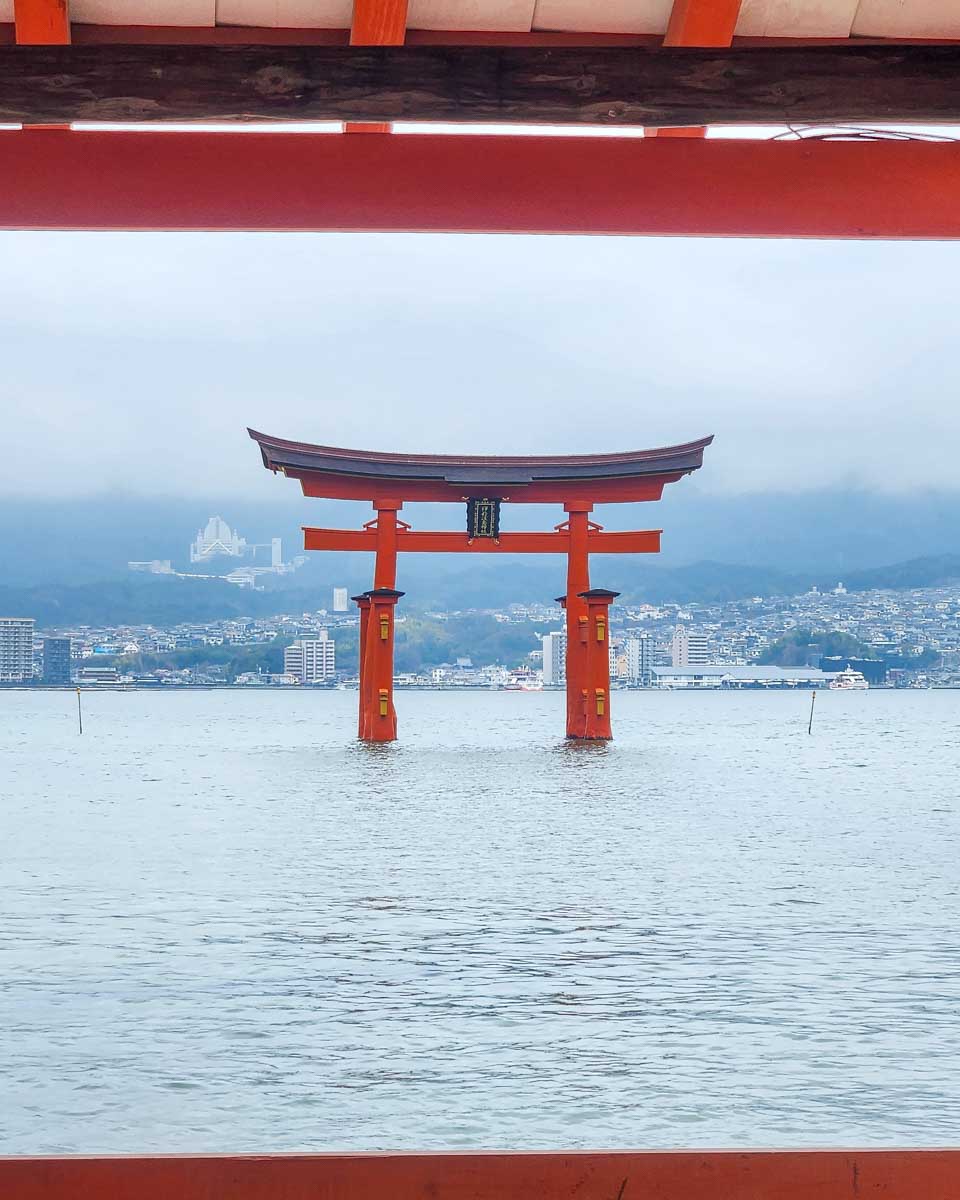
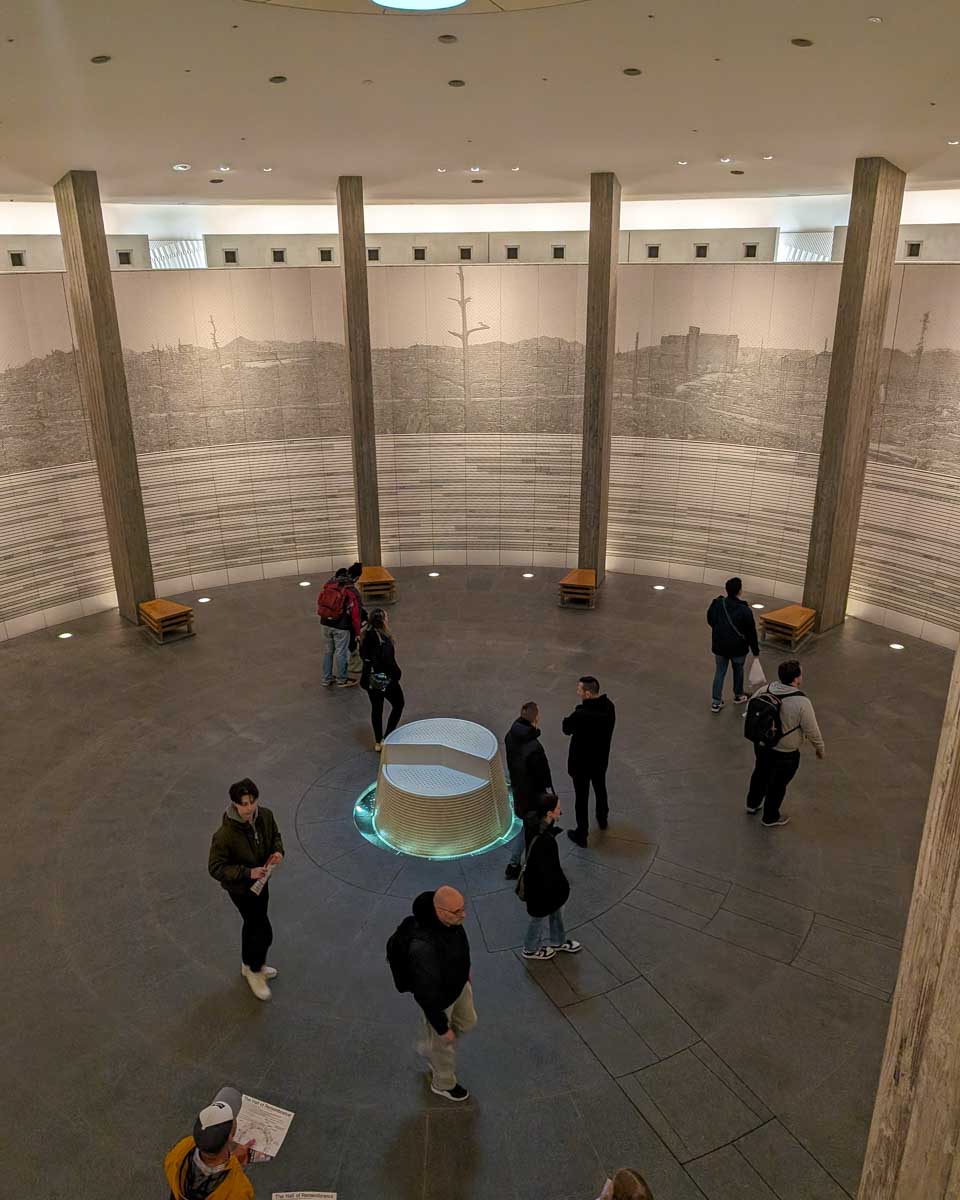
We suggest visiting the Peace Memorial early because it understandably gets very busy. We loved visiting Miyajima Island from Hiroshima, which you can do right afterwards! This small island is home to the Itsukushima Shrine, which is famous for its floating torii gate. Meanwhile, hiking up Mt Futaba rewards you with breathtaking views of the Seto Inland Sea.
But our favorite part is the fact that as you wander around the island’s streets, you’ll find deer roaming freely—and they’re friendly, too! Be sure to stop at one of the many local food stalls around for fresh oysters too, as these are a Miyajima specialty. You can even stay overnight on the island if you’ve got time!
6) Nara – Temples, Deer, and Ancient Japan


- What makes it great: Japan’s first permanent capital, filled with sacred temples, friendly deer, and peaceful parks.
- Who it’s best for: History lovers, families, photographers, and culture-seekers
- Top things to do: Tōdai-ji Temple (Great Buddha), feed deer in Nara Park, Kasuga Taisha Shrine, sushi-making class
Nara is a serene little city just 45 minutes from Kyoto, and just like its larger neighbor, visiting this place takes you back in time. We love it for its peaceful parks and majestic temples, but it’s also famous for its bowing deer!
Nara was actually Japan’s first permanent capital city, and to this day, it still carries a lot of cultural significance. It’s home to Tōdai-ji Temple, which houses the colossal Great Buddha, and you can even climb through the statue’s nostrils for luck!


Kasuga Taisha Shrine is another must-visit, and of course, you have to visit the deer in Nara Park. There are even official deer crackers sold here! We also did a really fun sushi-making class here during which we got to wear traditional attire and learn to shape nigiri like pros.
As well as being close to Kyoto, Nara is just 45 minutes from Osaka by train. It’s a lovely day trip, but it is worth staying overnight if you can, because it just offers so much heritage charm.
7) Yokohama – Seaside Charm Just Outside Tokyo
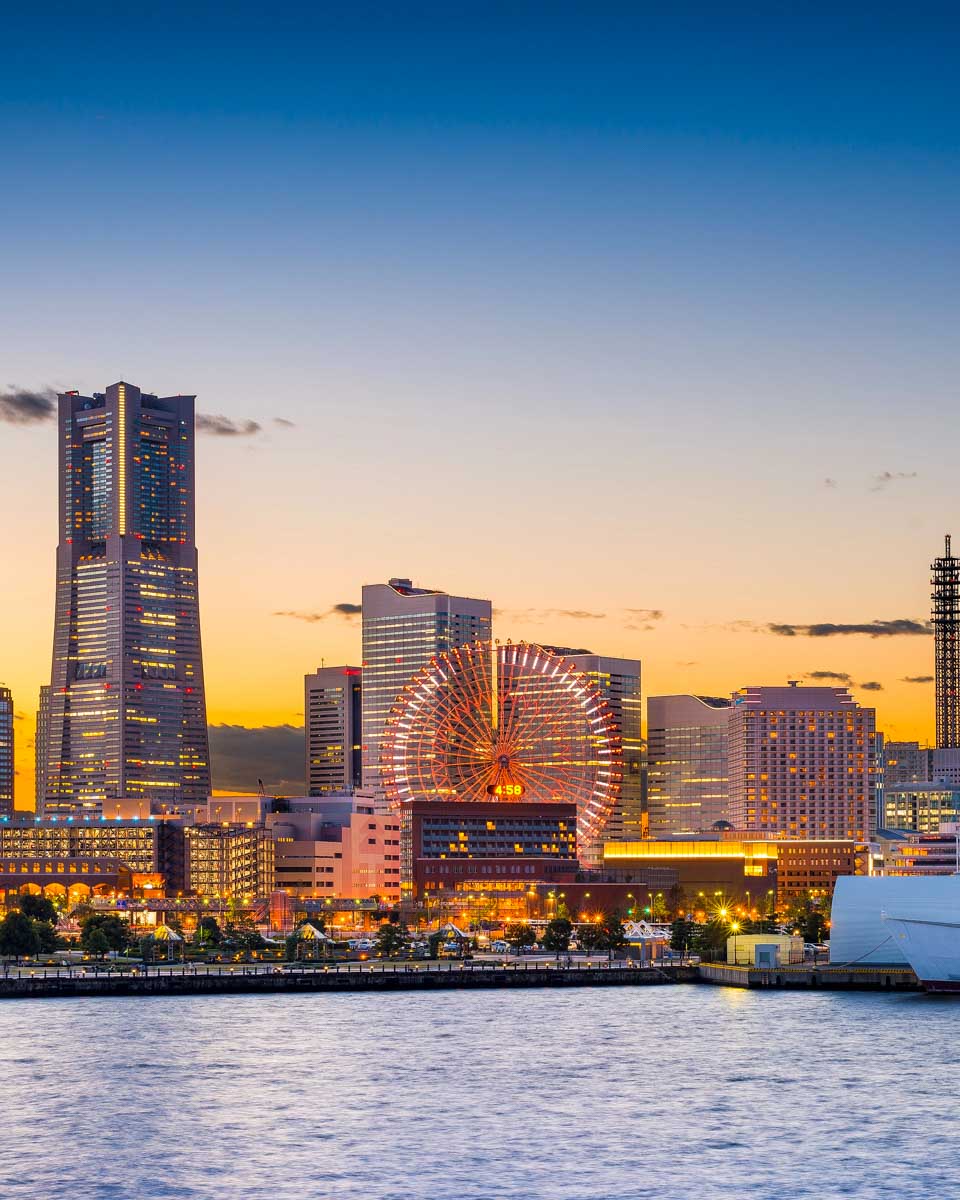
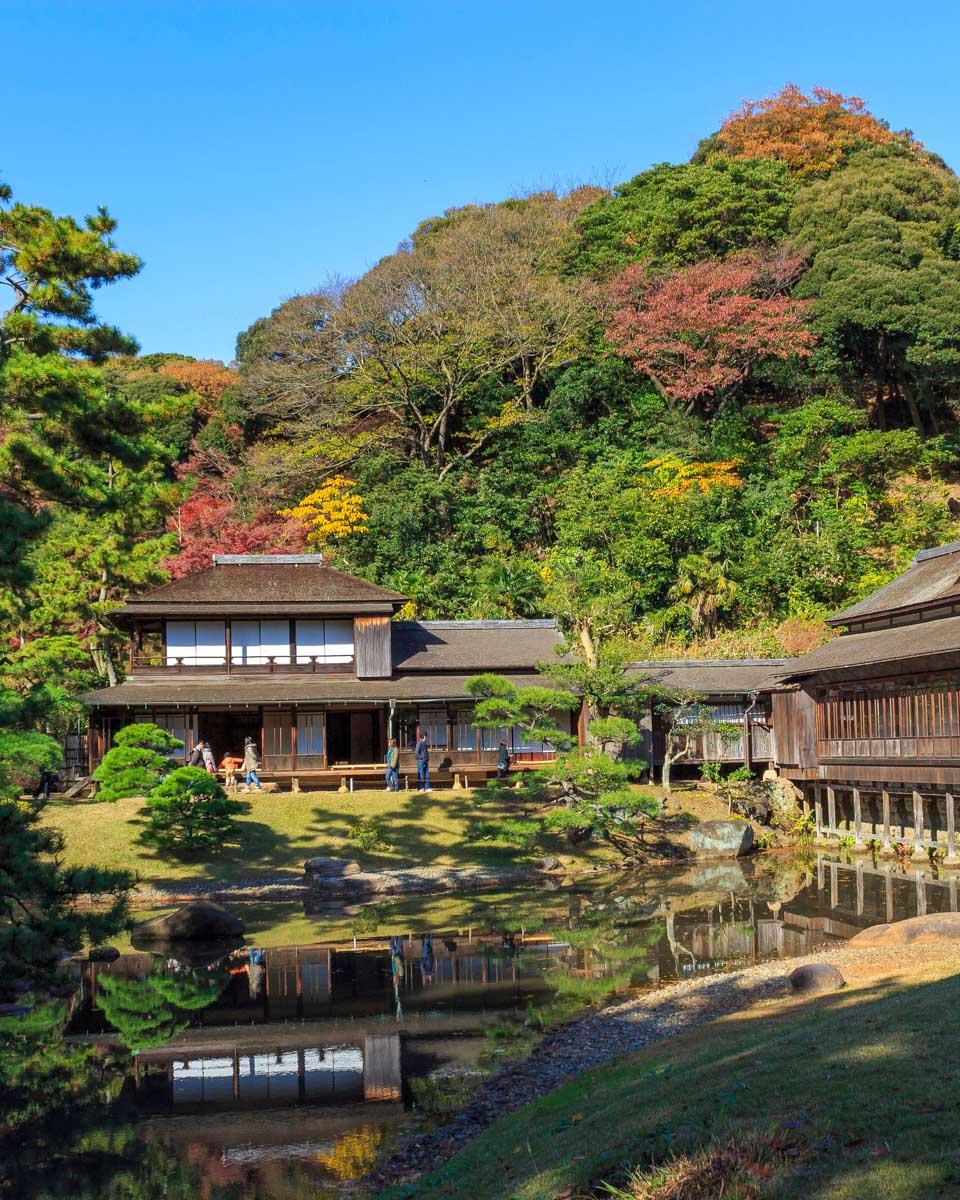
- What makes it great: A modern port city famous for its waterfront skyline, huge Chinatown, and creative dining scene.
- Who it’s best for: Families, food lovers, and travelers who want a relaxed day trip or overnight stay near Tokyo.
- Top things to do: Explore Chinatown, stroll the Minato Mirai waterfront, visit the Cup Noodles Museum, ride the Cosmo Clock Ferris Wheel, relax in Sankeien Garden
Yokohama is a modern port city that’s just a 30-minute train ride from central Tokyo. It’s known for its futuristic waterfront area, Minato Mirai, and its huge Cosmo Clock 21 wheel, which once held the title as the largest Ferris wheel in the world. That may no longer be the case, but it’s still worth a ride for the panoramic city views.
Other than Minato Mirai, we also recommend checking out the city’s Chinatown. It’s actually the largest one in Japan, and it’s a foodie paradise where you can gorge yourself on a ton of local treats.
But honestly, I think my favorite attraction in Yokohama might have to be the Cup Noodles Museum. It’s really light-hearted and interactive, and you can even make your own custom ramen cup—come on, it’s a dream come true! Entry is just 500 yen (about $3.50 USD), which makes it an easy add-on to any Yokohama itinerary.
Personally, we love combining a day in Yokohama with a short trip to nearby Kamakura for temples, coastal walks, and giant Buddha views. You can explore both of these seaside towns in one day and be back in Tokyo by the evening. It’s such a nice way to see a different side of life in Japan!
8) Okinawa Islands – Beaches, Reefs & Ryukyuan Culture
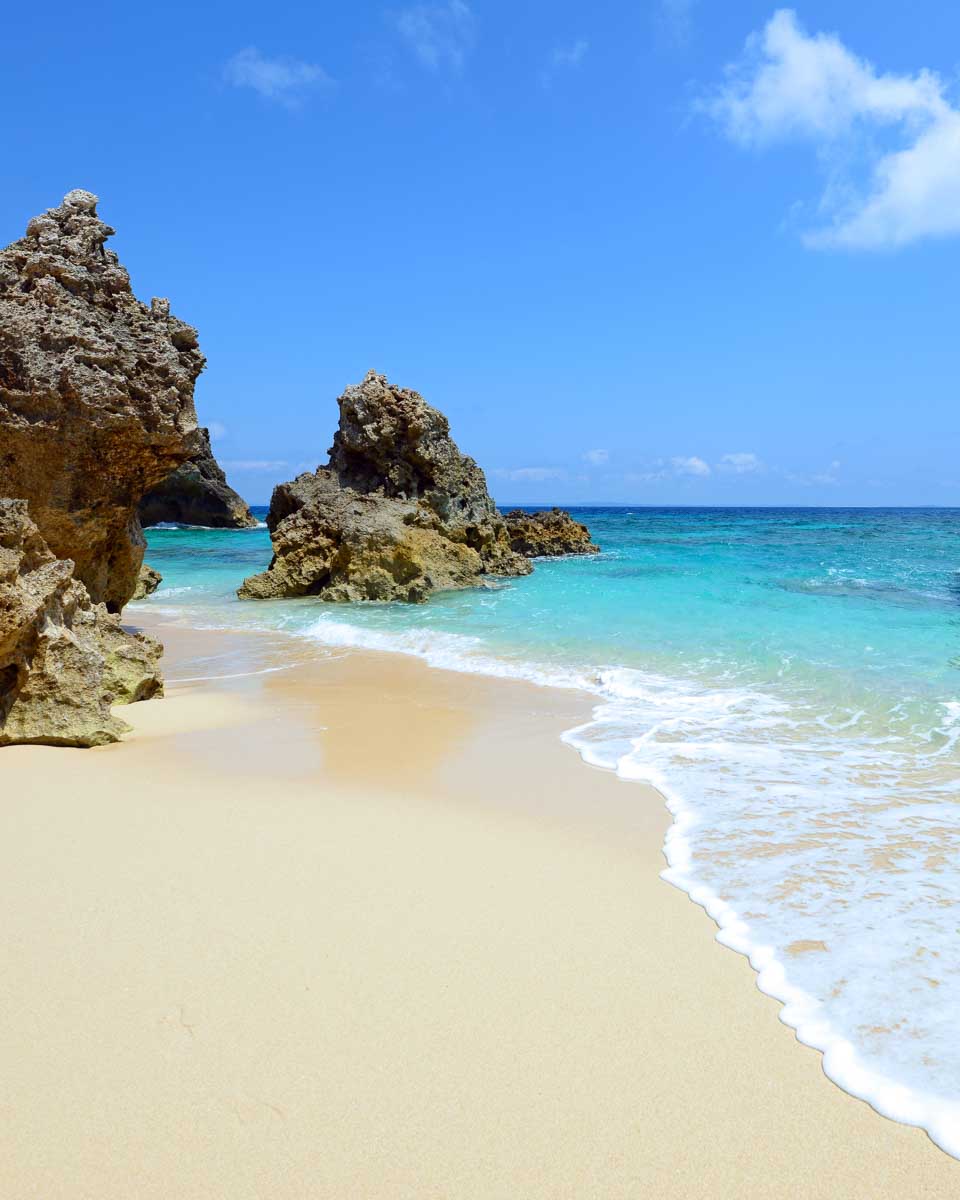
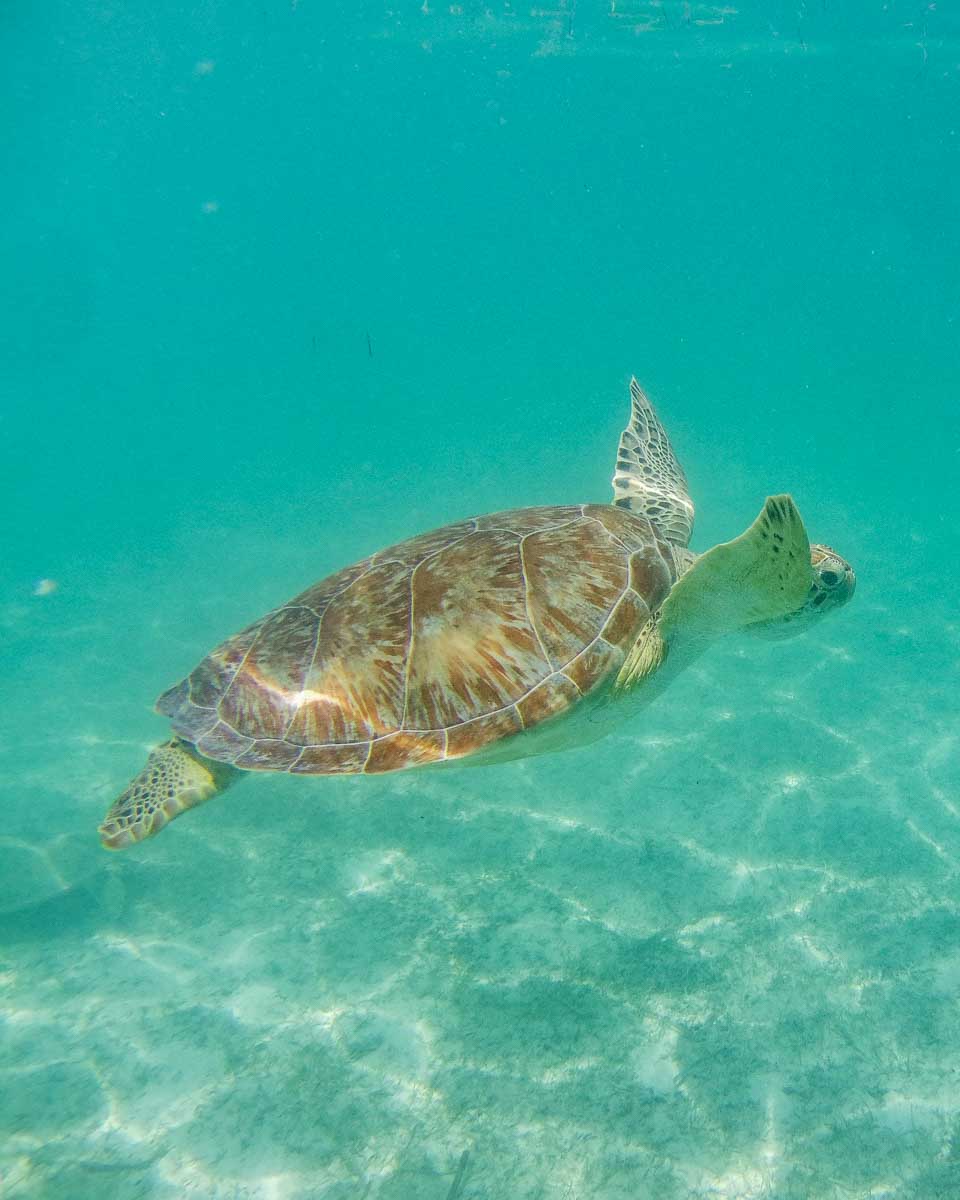
- What makes it great: Turquoise waters, coral reefs, and a unique island culture that feels worlds apart from mainland Japan.
- Who it’s best for: Beach lovers, snorkelers/divers, families, laid-back travelers.
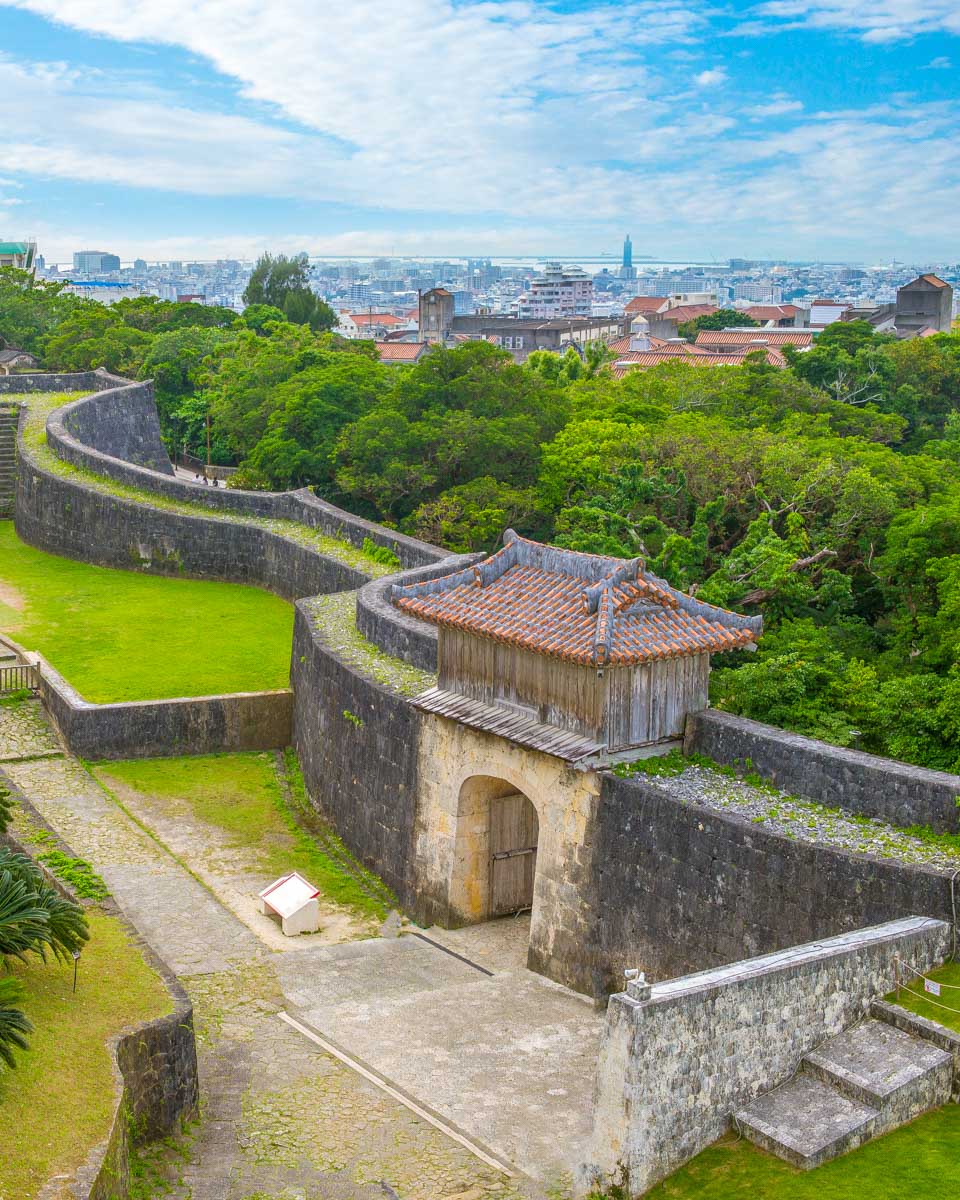
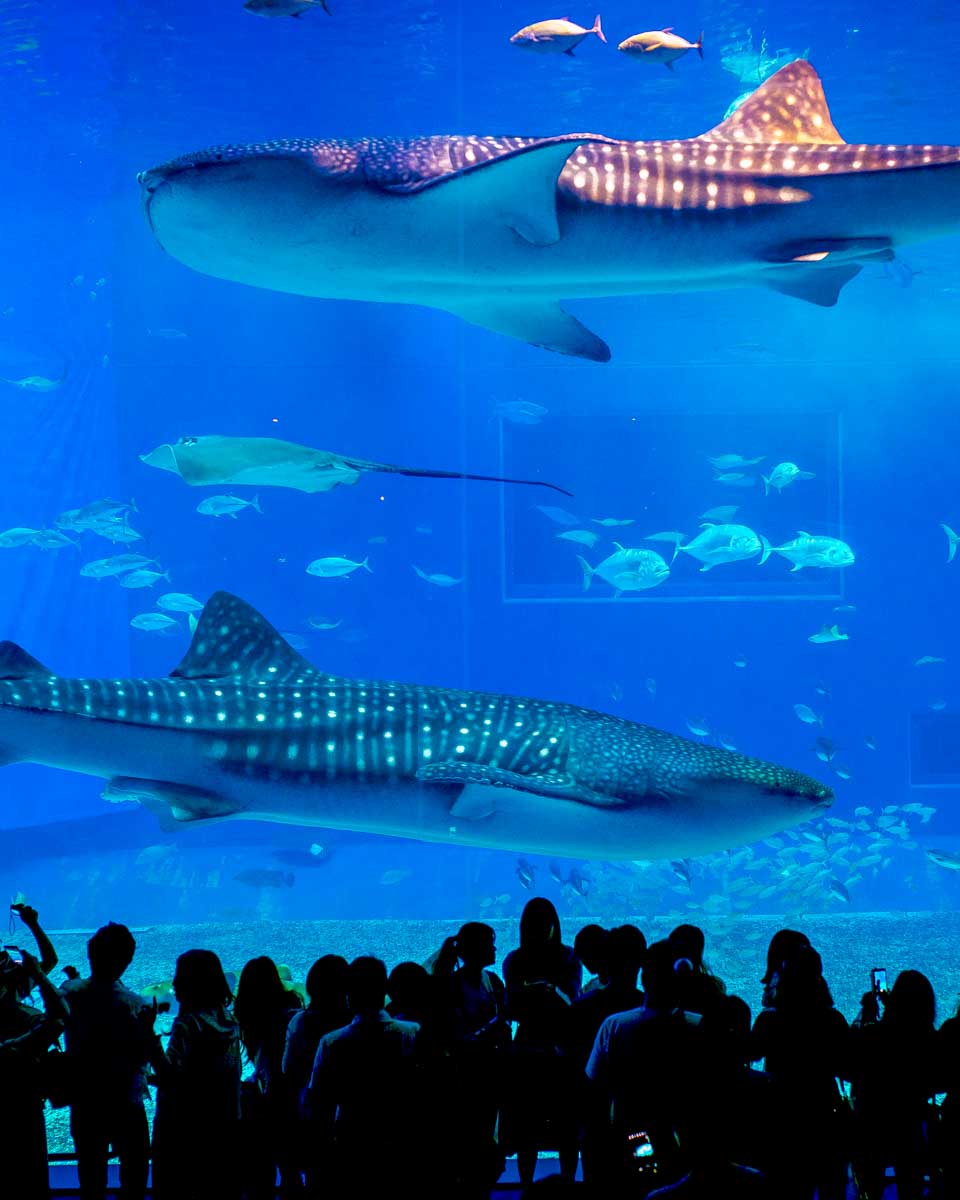
- Top things to do: Swim or dive in the Kerama Islands, visit Churaumi Aquarium, explore Shuri Castle, relax on Miyako or Ishigaki beaches
The Okinawa Islands feel like they’re a world away from mainland Japan. It’s all about nature and beaches on these relaxed islands, so if you’re looking for more of a vacation vibe, Okinawa might just suit you perfectly.
The main island offers beautiful beaches and resorts, while the outer islands (which include Kerama, Miyako, Ishigaki, and Taketomi) are ideal for snorkeling and diving. Churaumi Aquarium is an unmissable attraction for families, while history buffs will love exploring Shuri Castle, which is a UNESCO World Heritage site showcasing the unique Ryukyuan culture.
Another great aspect of visiting these islands is getting to try the local cuisine, which is distinctly different from the food you’ll find on the mainland. Seafood lovers are in for a real treat, let me tell you!
We love renting a car from Discover Cars and island hopping at our own pace here, and the best time to do that is between April and October when the weather is warm. Saying that, late summer can bring typhoons, so do keep an eye on the forecast.
Related Read: For the ultimate island getaway, check out our 3-day Okinawa itinerary here with everything you need to plan the perfect trip.
9) Kanazawa – Japan’s Cultural Gem on the Coast
- What makes it great: A beautifully preserved city known for its samurai districts, teahouses, and one of Japan’s most stunning gardens.
- Who it’s best for: Culture travelers, garden lovers, architecture/design fans.
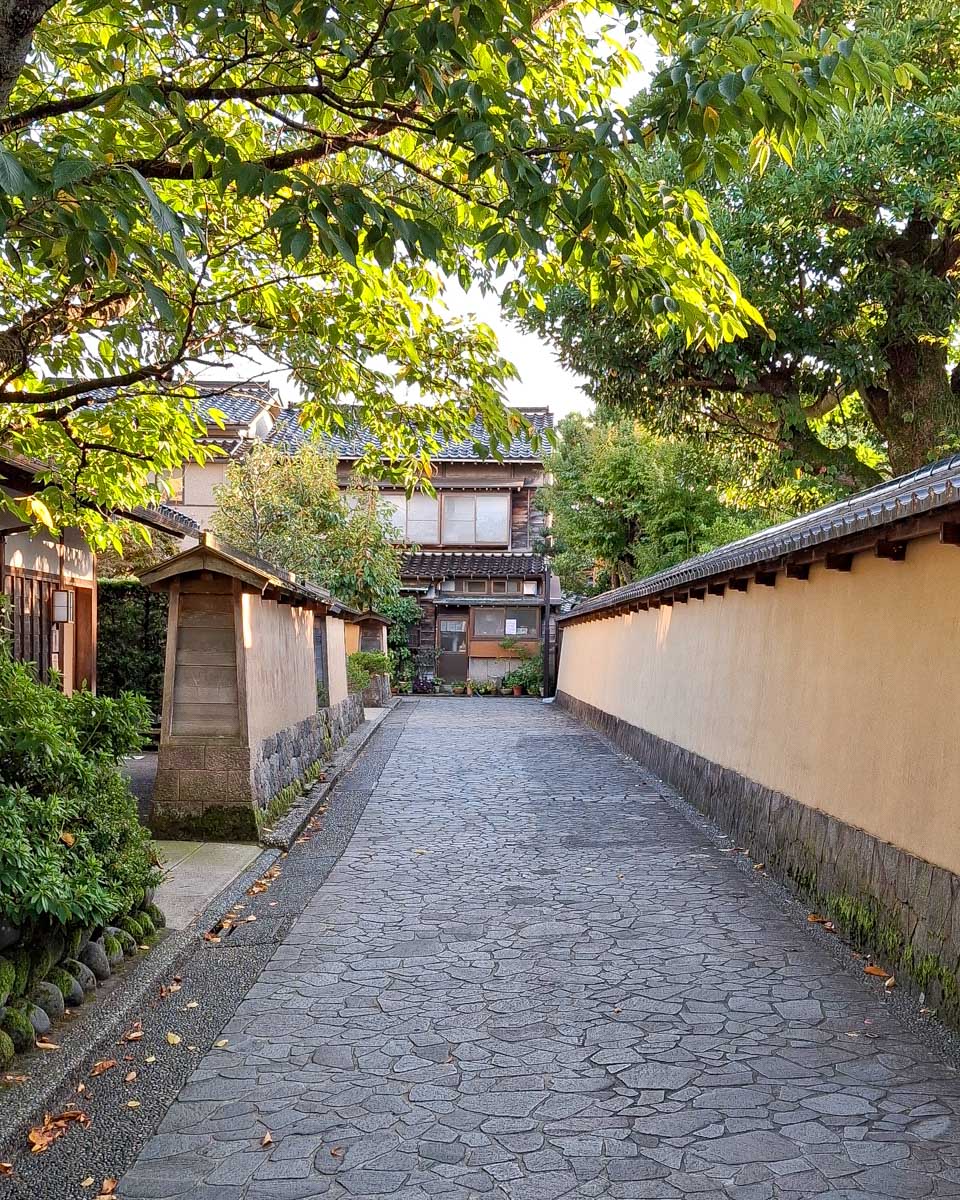
- Top things to do: Stroll Kenroku-en Garden, explore the Higashi Chaya geisha district, and wander Nagamachi Samurai District.
Kanazawa is often called “Little Kyoto,” and it’s easy to see why. The city is full of beautifully preserved geisha quarters and samurai streets that feel untouched by time. However, it’s less crowded than Kyoto, and it has a more local vibe that makes exploring feel extra special.
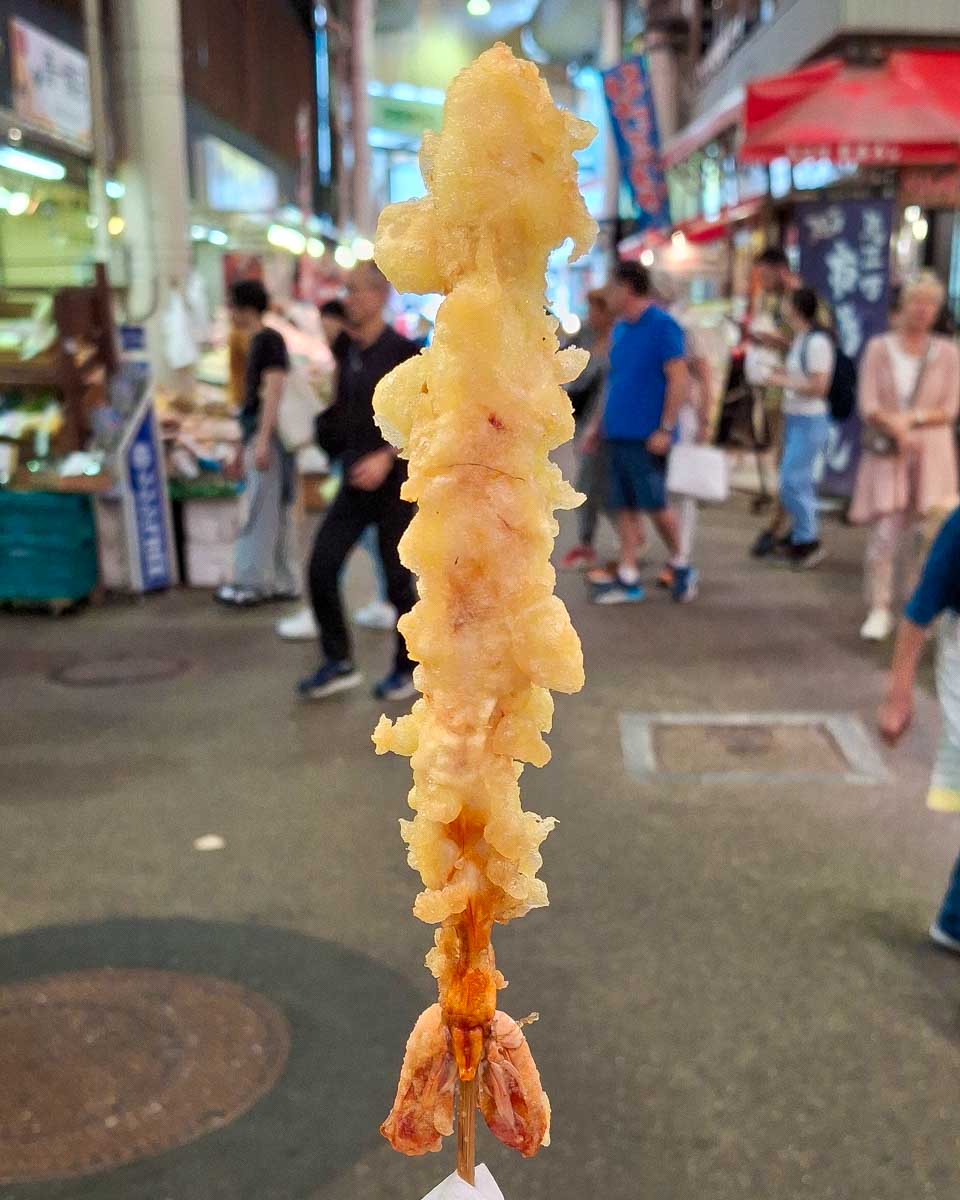
The city’s crown jewel is Kenroku-en Garden, which is one of the three great gardens of Japan. We also loved wandering through the well-preserved lanes of the Higashi Chaya District, which is famed for its geisha houses. In fact, we even went on an awesome food tour of this area that took us to a ton of hidden spots we wouldn’t have found on our own, so that’s definitely worth doing!
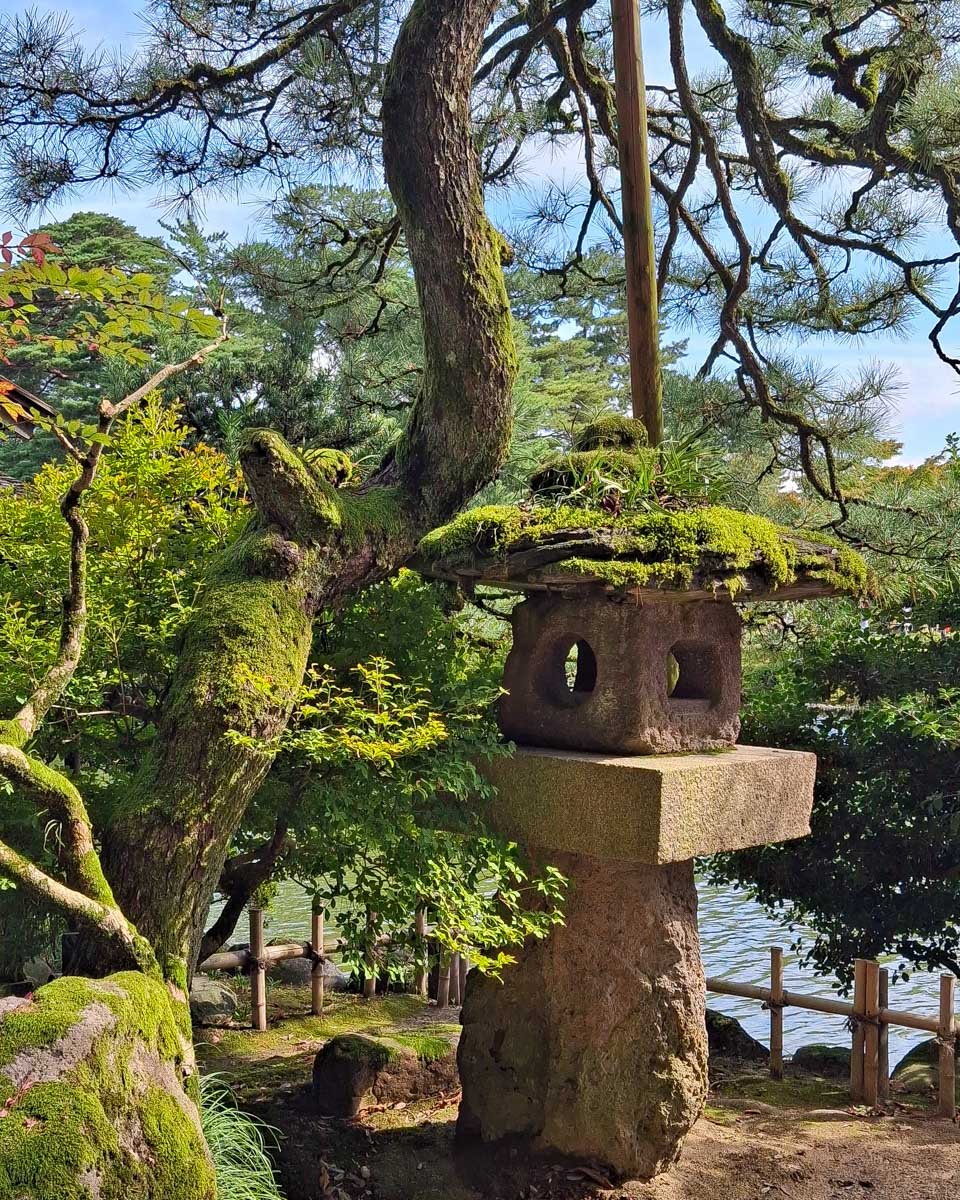
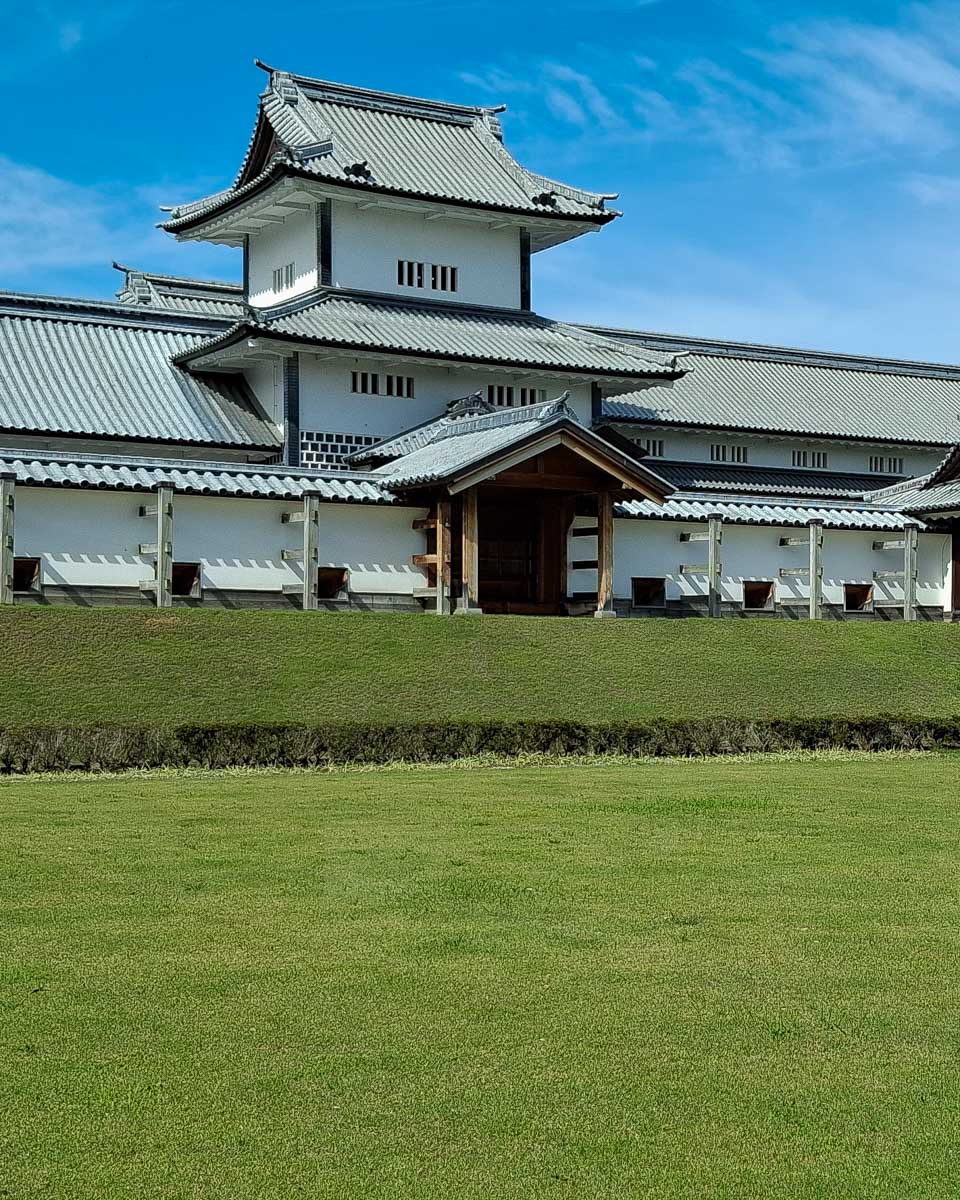
And of course, you can’t miss the Nagamachi Samurai District, which offers a fascinating glimpse into Japan’s feudal past. Meanwhile, if you want to try Kanazawa’s famous crab in winter, head to Omicho Market and go produce shopping with the locals!
Kanazawa may fly under the radar, but it’s one of Japan’s most rewarding cultural cities to explore. If you want to get off the tourist track and dive into authentic Japanese culture, put this city at the top of your list!
10) Takayama – Japan’s Timeless Mountain Town
- What makes it great: A beautifully preserved old town tucked in the Japanese Alps, known for its Edo-era charm, sake breweries, and relaxed pace.
- Who it’s best for: Culture lovers, photographers, and travelers who enjoy small towns with big character.
- Top things to do: Sanmachi Suji historic district, visit the morning markets, tour sake breweries, try Hida beef, explore Hida Folk Village, and day trip to Shirakawa-go.
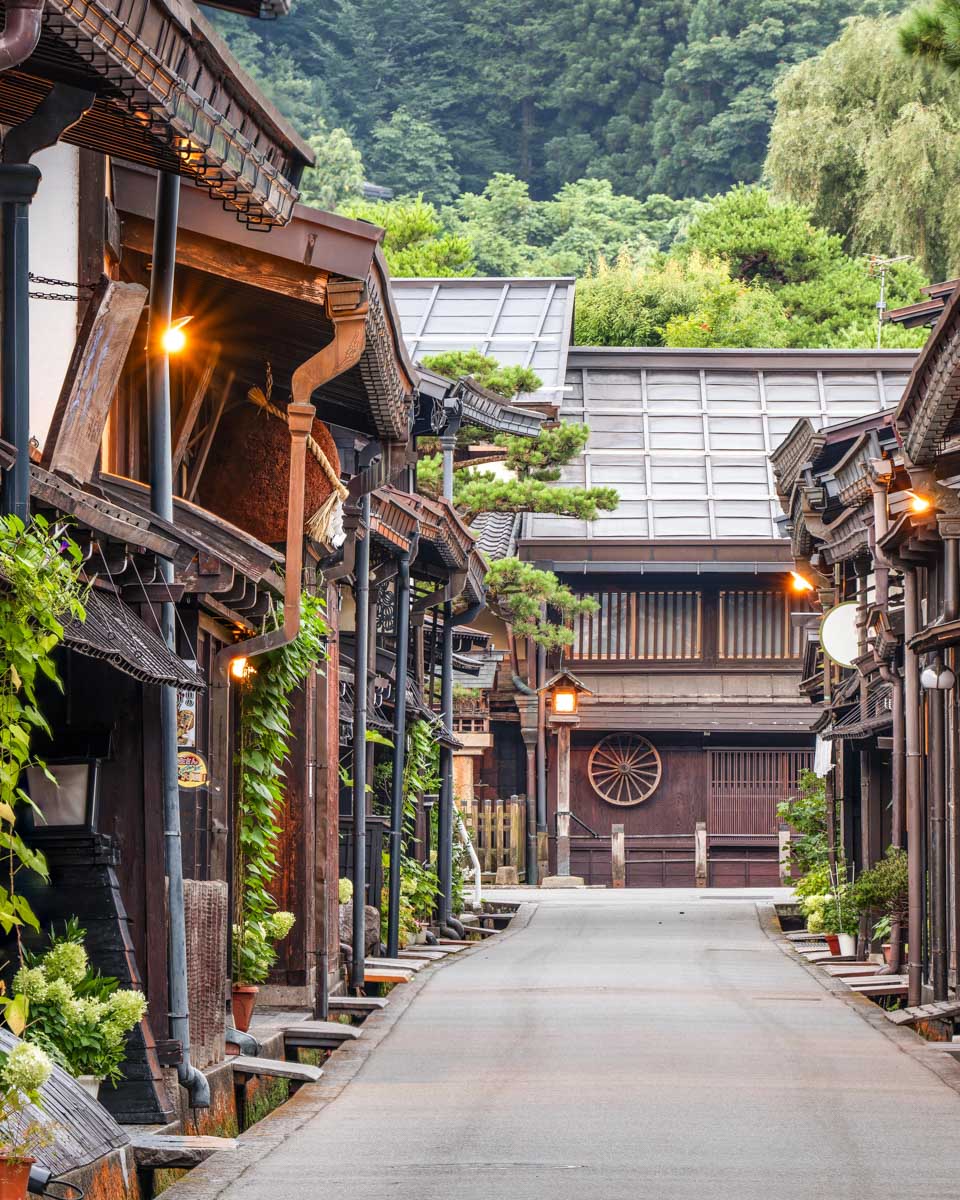
Tucked away in the Japanese Alps, Takayama is another place where you can step back into old Japan. Its beautifully preserved streets are lined with wooden merchant houses, sake breweries, and local craft shops that make it one of the most atmospheric towns in the country. There’s a real sense of calm here, so it offers the perfect change of pace after Tokyo or Kyoto.
The Sanmachi Suji historic district is a joy to wander, especially in the early morning before the crowds arrive. Don’t miss the morning markets for local snacks and crafts, and later on, be sure to stop at one of the town’s sake breweries for a tasting. The region’s specialty, Hida beef, is also a must-try because it’s some of the best beef you will ever taste.
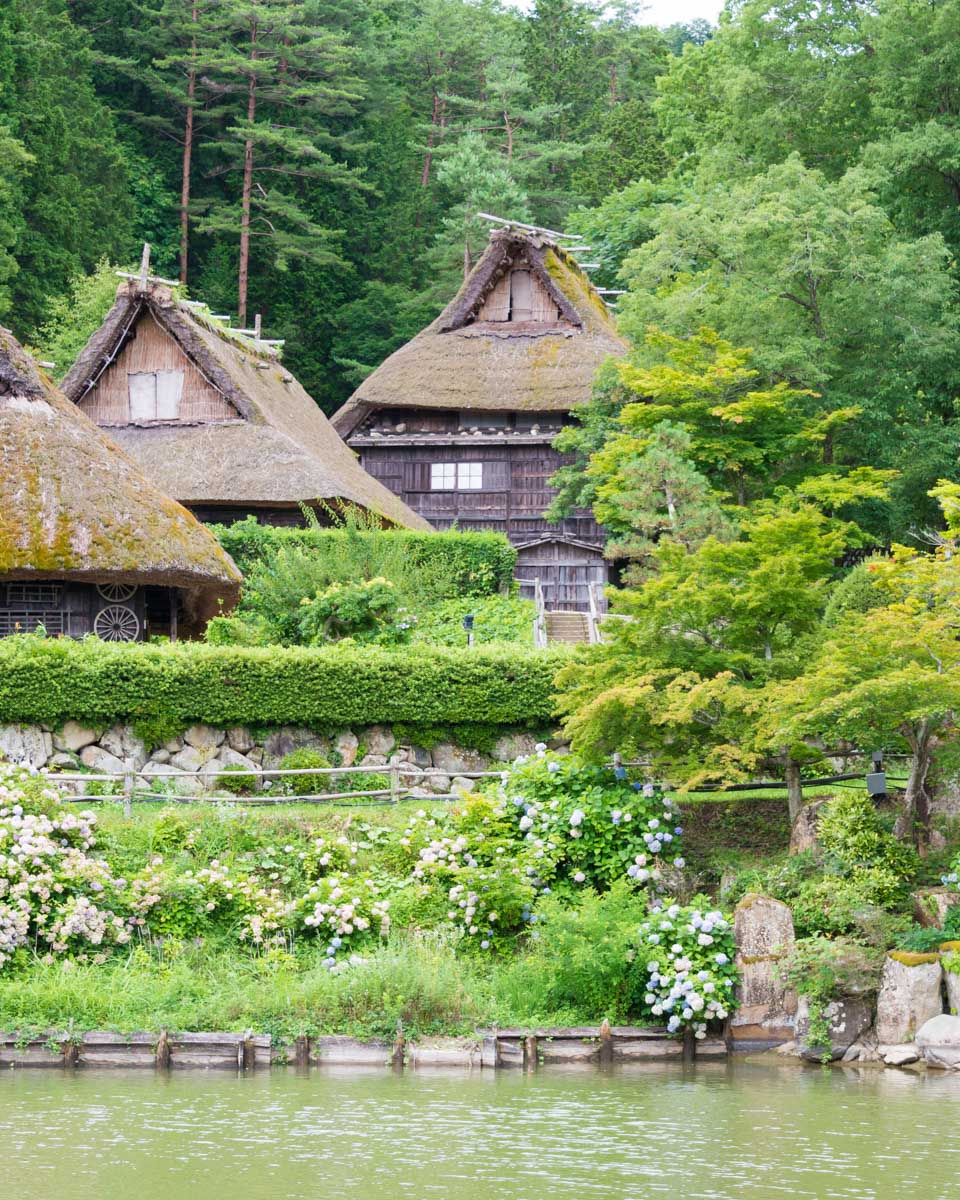
We loved visiting the Hida Folk Village (Hida no Sato), an open-air museum showcasing traditional mountain architecture. And a day trip to the UNESCO-listed villages of Shirakawa-go, Ainokura, and Suganuma is a must because those thatched-roof houses are straight out of a postcard. Takayama also makes a great base for exploring the Japanese Alps, so we highly recommend spending at least one night here.
11) Nagano – Mountains, Monkeys, and Onsen Escapes
- What makes it great: A gateway to Japan’s Northern Alps, where ancient temples meet snowy mountains and steaming hot springs.
- Who it’s best for: Outdoor lovers, onsen fans, winter sports, families.
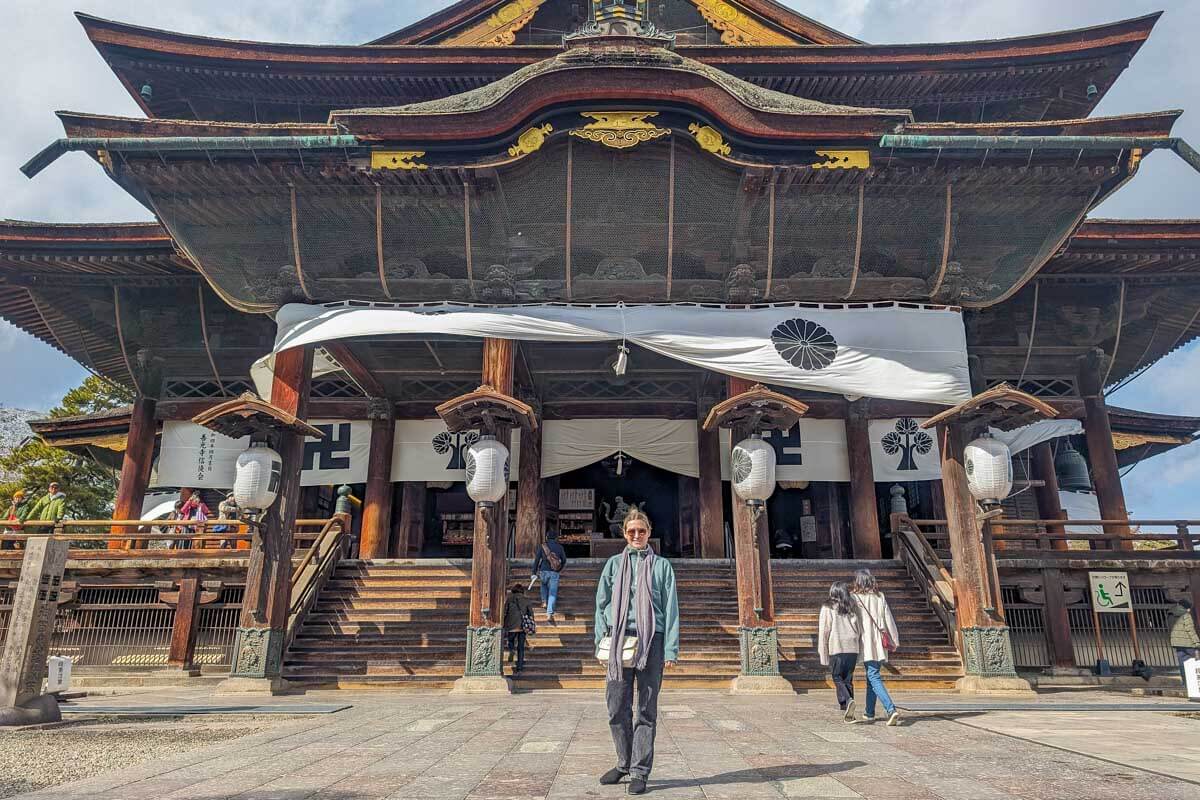
- Top things to do: Jigokudani Snow Monkey Park, Zenko-ji Temple, day trips to Matsumoto or the ski resorts.
Just a 1.5-hour train ride from Tokyo, Nagano is nestled in the heart of Japan’s Northern Alps, and it’s a dream come true for anyone who loves nature, culture, and hot springs! What we love the most about this place is how it feels magical year-round, whether you’re checking out snow-covered temples in winter or gazing at the lush green mountains during summer.
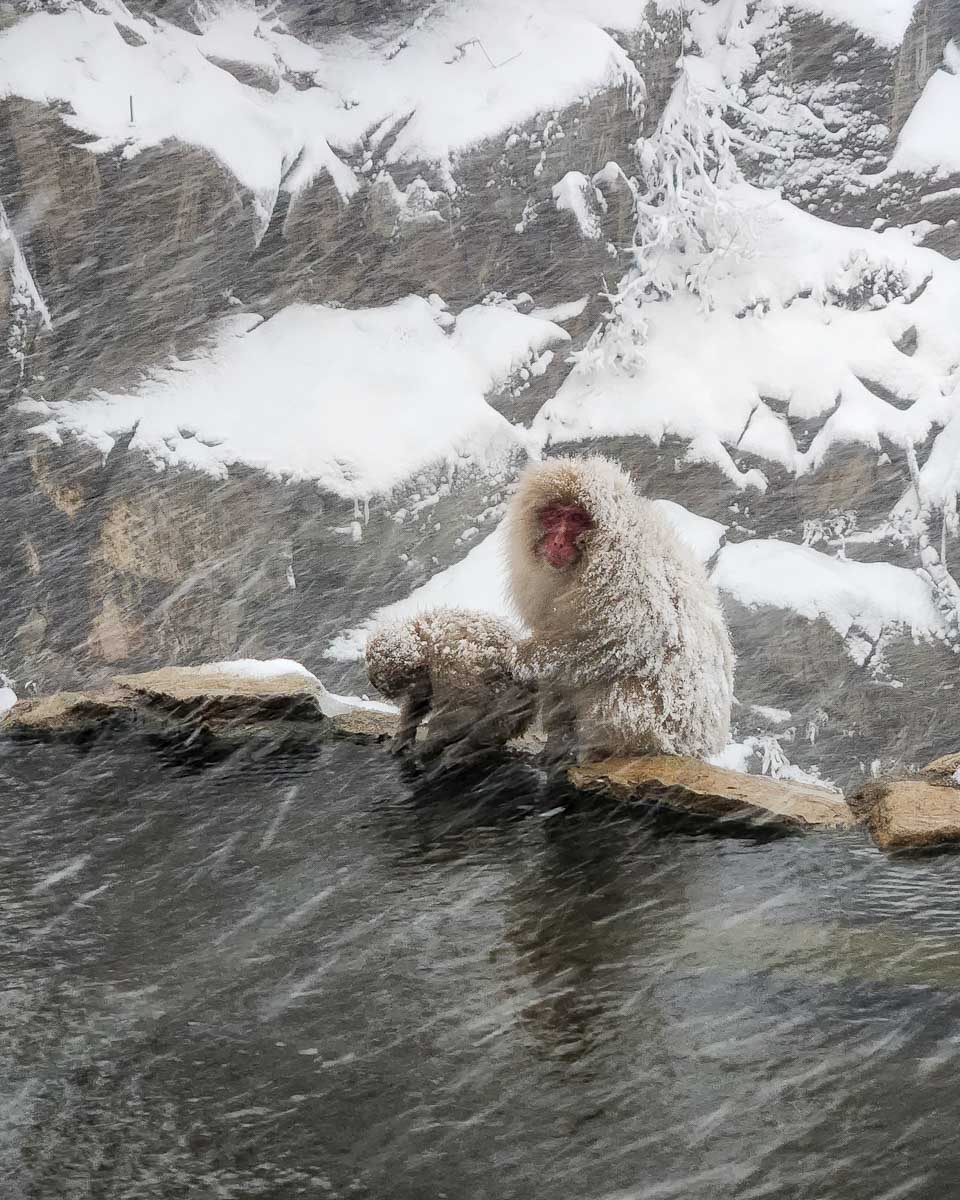
One thing you can’t miss is visiting Jigokudani Snow Monkey Park, where wild macaques soak in natural hot springs surrounded by snow and steam—it’s an experience you’ll only find in Japan. Before you go, check out our guide on things to know before visiting Jigokudani Monkey Park here for tips on how to get there, what to expect, and the best time to visit.
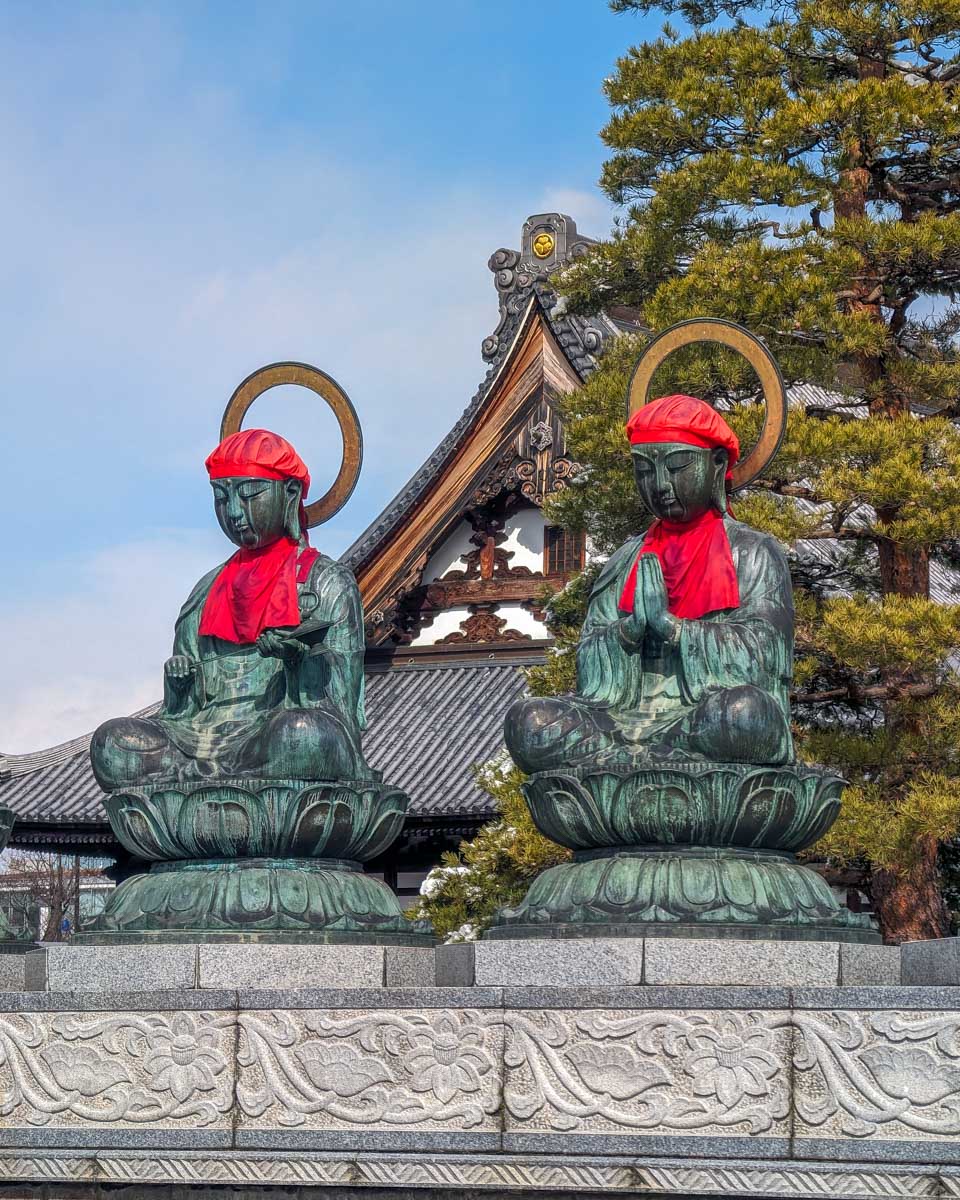
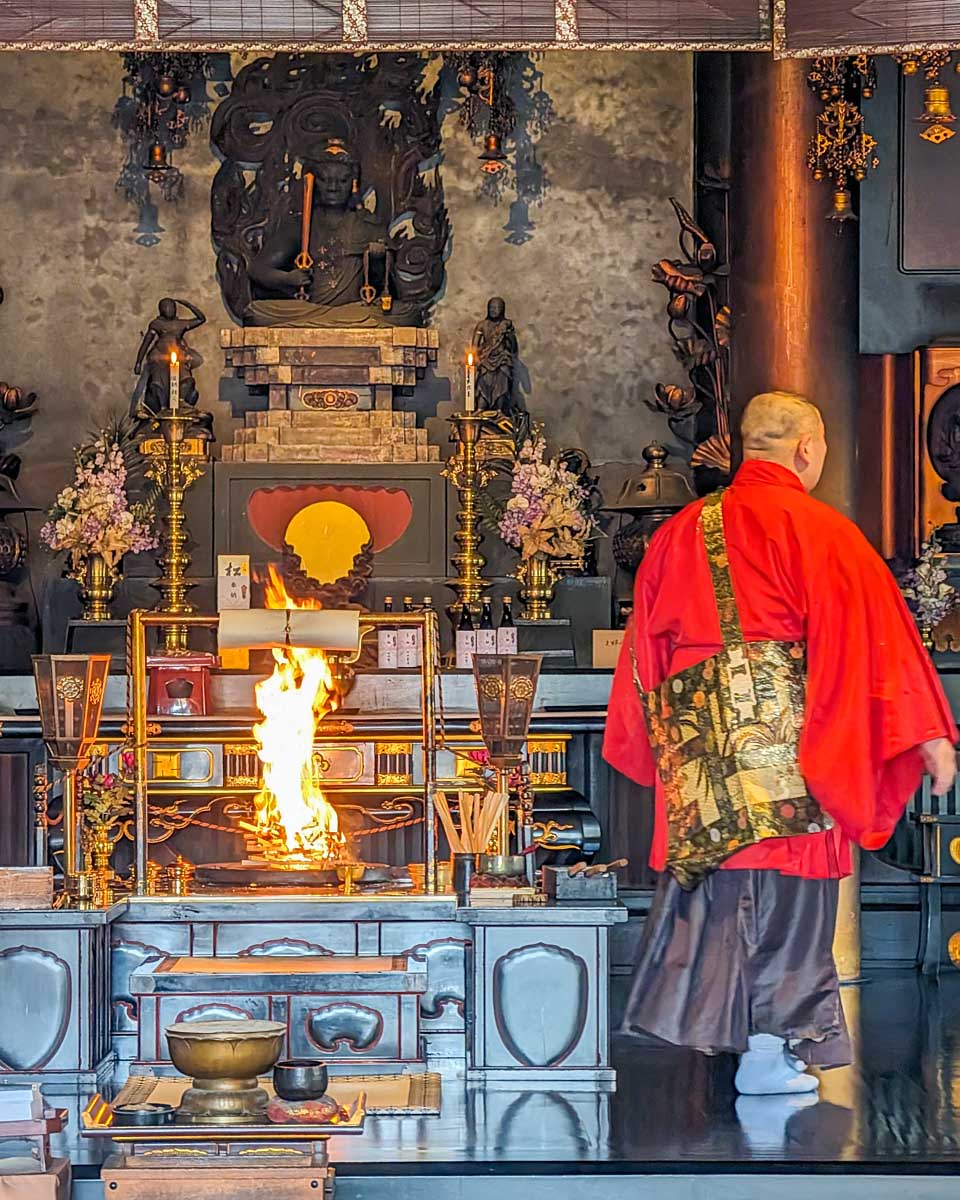
Meanwhile, the city itself is home to Zenko-ji Temple, which is one of Japan’s oldest and most important pilgrimage sites. If you visit early in the morning, you can even hear the monks chanting.
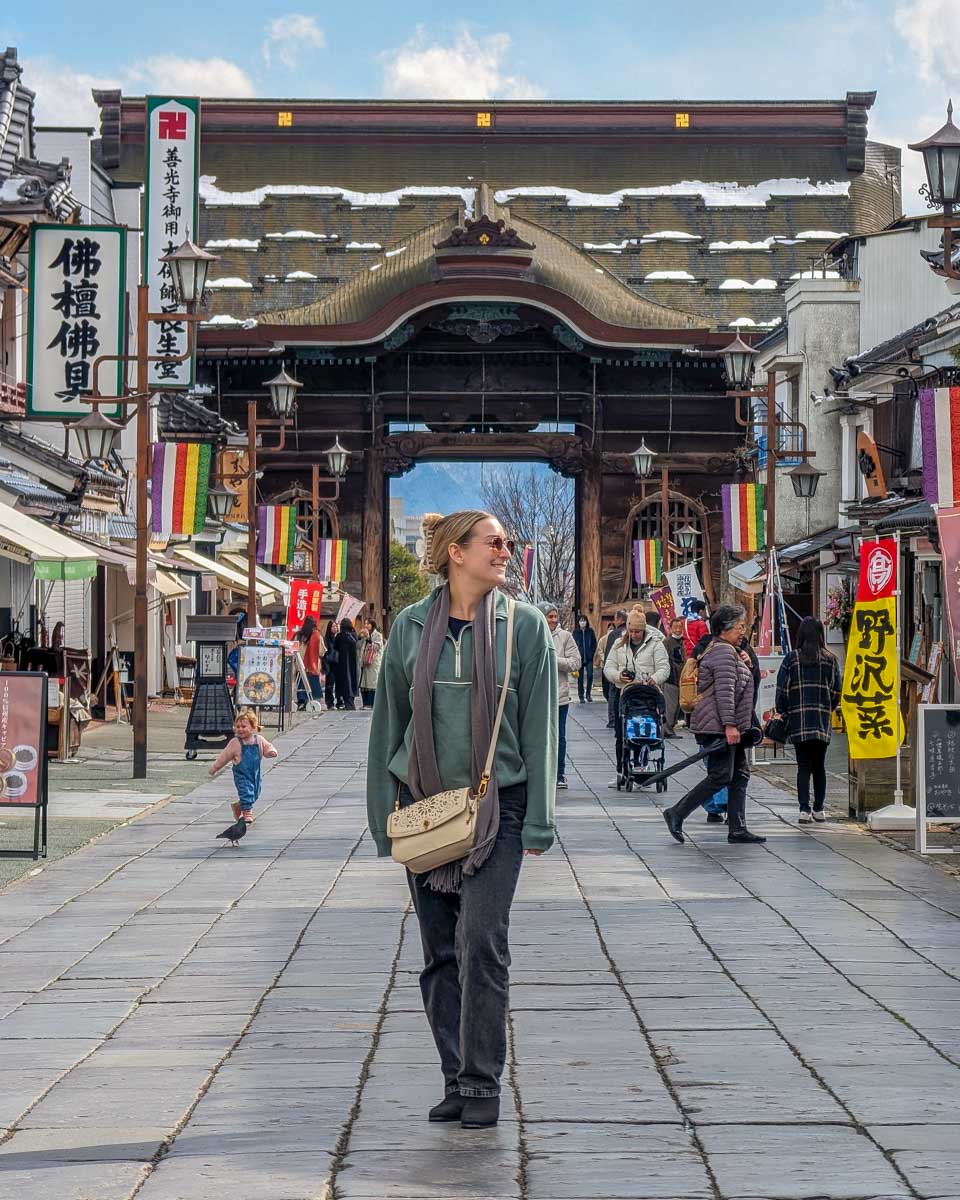
Beyond the city, you’ll find some of Japan’s best onsen towns, like Shibu Onsen and Nozawa Onsen. Both are super atmospheric, Christmas-card towns where bathers wander between onsens in their robes, so don’t miss the chance to visit.
In winter, there are plenty of ski resorts around, and we had the best time hitting the slopes here! Meanwhile, summer is all about hiking and taking in those breathtaking alpine views. Either way, you’ll be glad of an onsen soak at the end of the day!
12) Kobe – Gourmet City with Coastal Sophistication
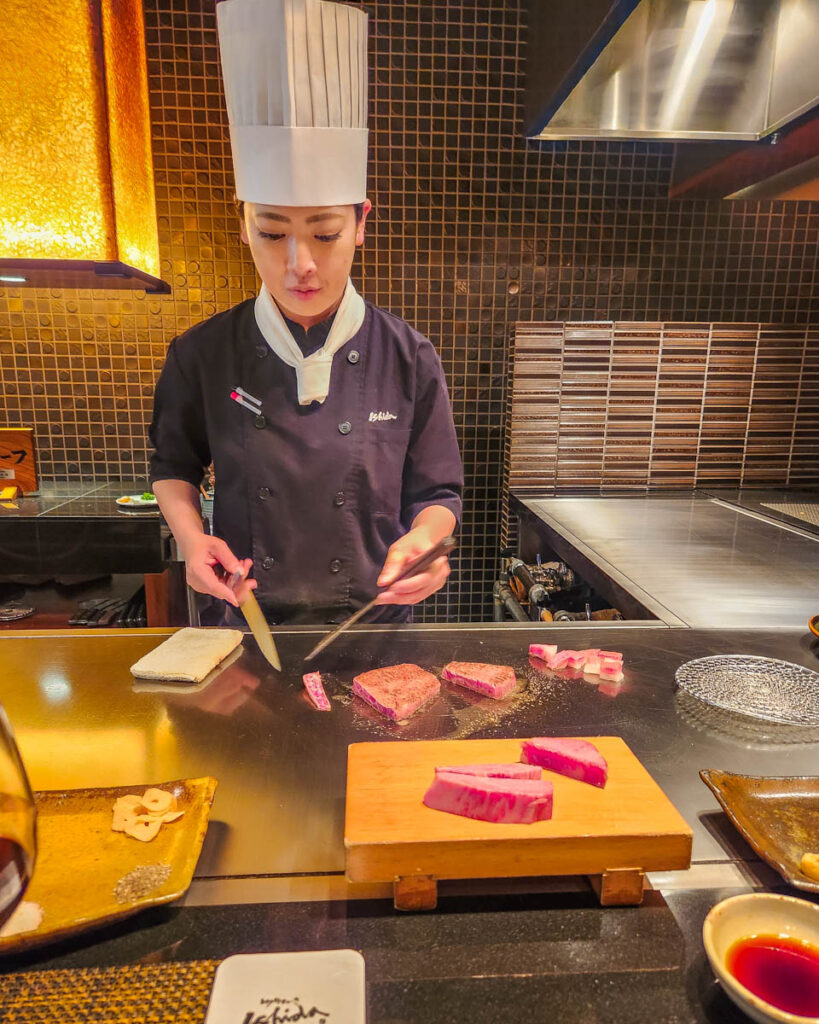
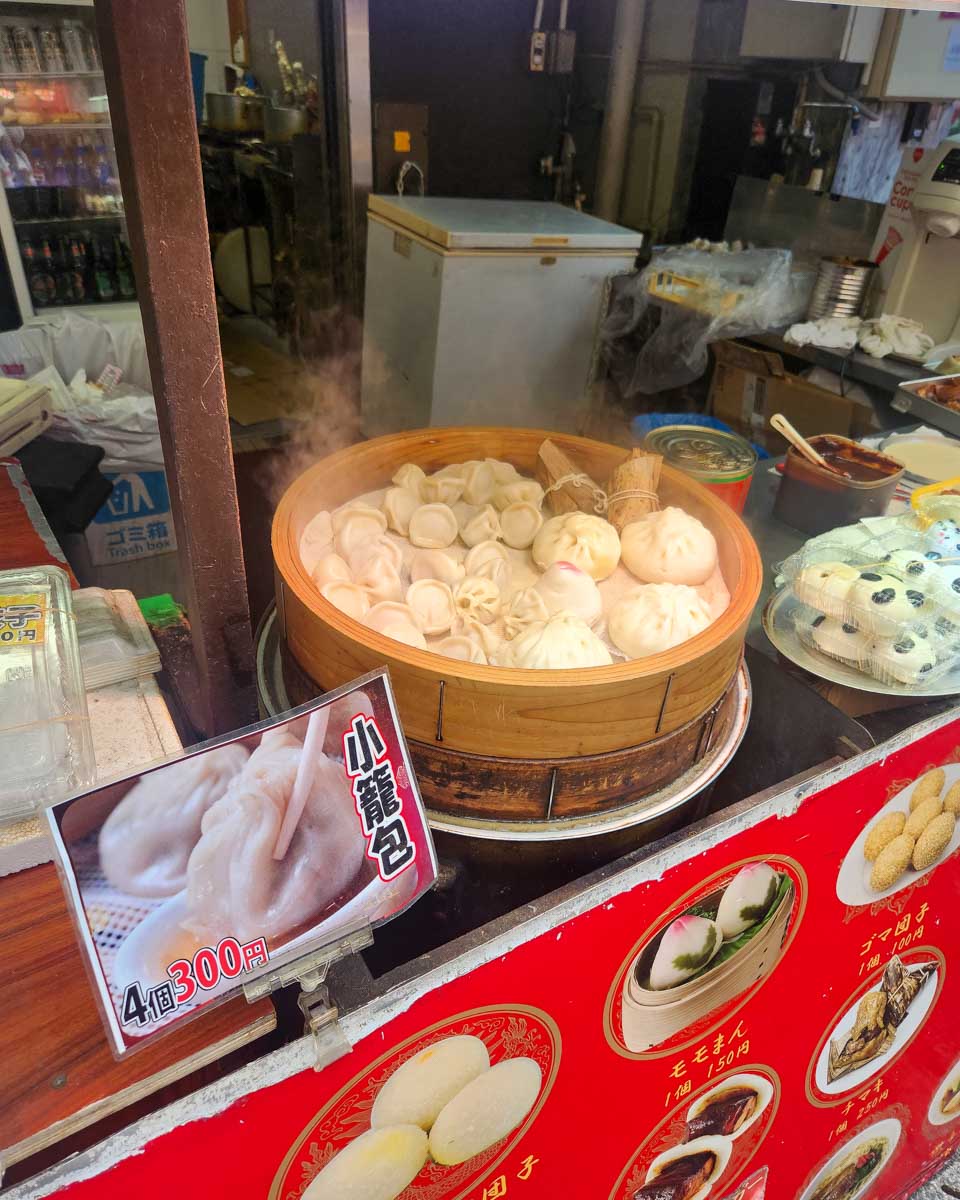
- What makes it great: A stylish port city known for its world-famous Kobe beef, waterfront views, and cosmopolitan charm.
- Who it’s best for: Foodies, couples, architecture fans, day-trippers from Osaka/Kyoto.
- Top things to do: Kobe beef tasting, Kitano Ijinkan quarter, Himeji Castle & Kōko-en garden.
Kobe is one of Japan’s most stylish port cities. It sits gracefully between the Rokko Mountains and the sea, and it has a cosmopolitan feel thanks to its history as an international trading hub. You can still see those centuries-old Western influences today in the city’s architecture, culture, and cuisine.
Speaking of which, the first thing that comes to mind when you think of Kobe is, of course, Kobe beef. There’s a good reason for that, because Japan’s most famous beef is melt-in-your-mouth delicious. It’s a bit of a splurge, but if you ask me, you’ve simply got to head to a specialty teppanyaki restaurant like Steak House Oriental and grab some while you’re here!
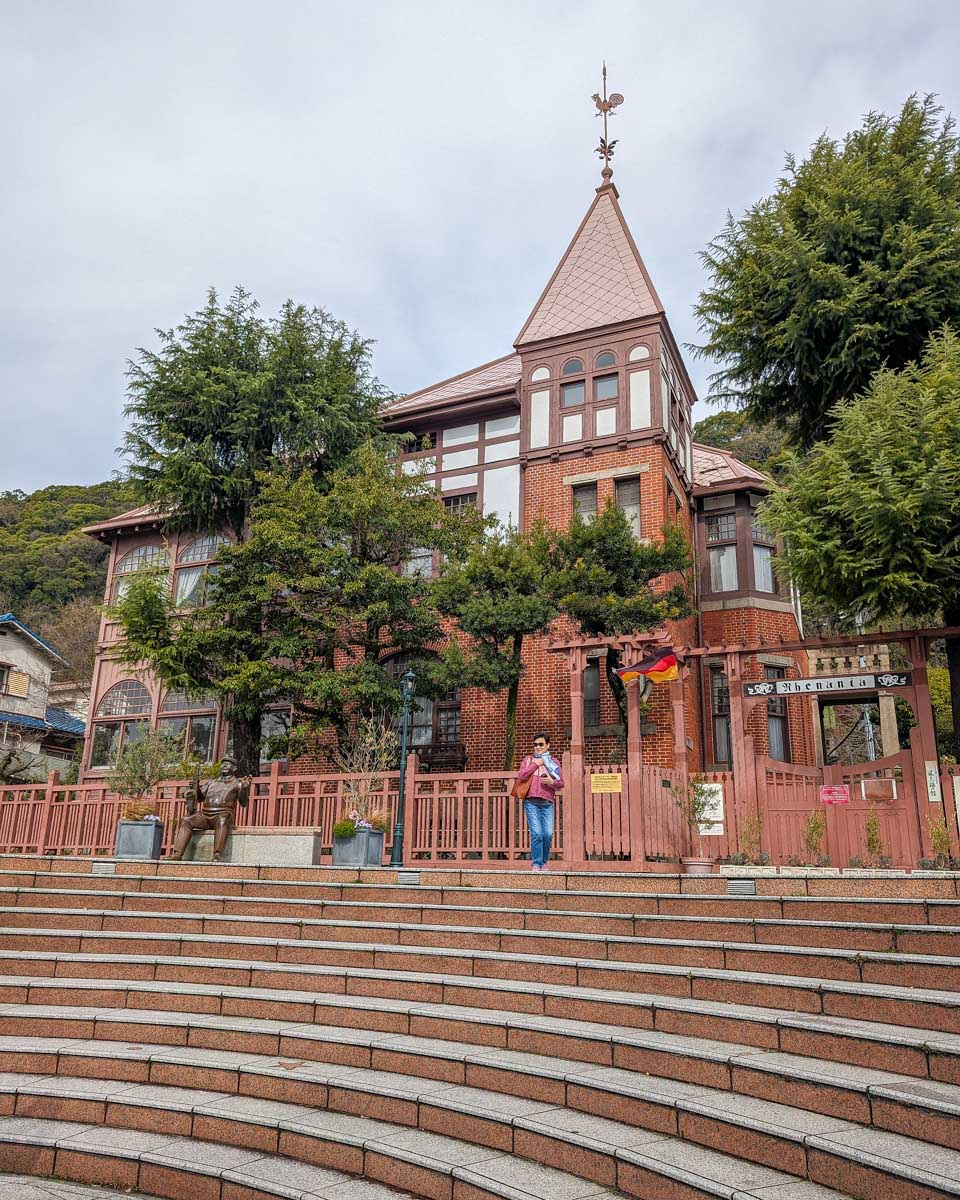
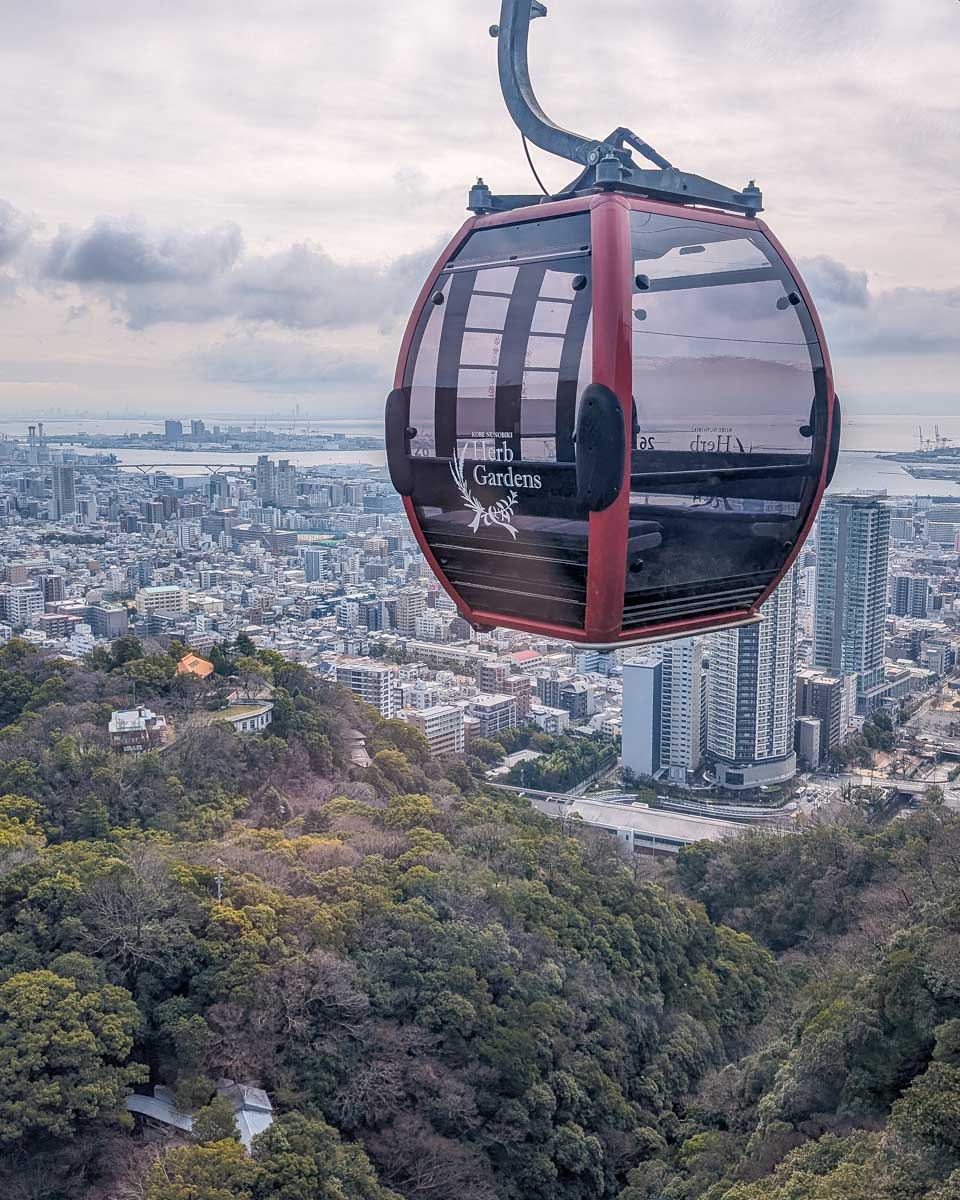
But Kobe isn’t just about the food! You can wander through the charming Kitano Ijinkan district, where 19th-century Western-style houses line leafy streets, or head to the Harborland area for shopping, dining, and stunning waterfront views. And if you want panoramic views, the Shin-Kobe Ropeway takes you up Mount Rokko for some of the best vistas in the city.
Kobe is an easy day trip from Osaka or Kyoto, as it’s just 30 minutes by train from either city. It pairs perfectly with a visit to Himeji Castle, Japan’s most spectacular fortress, and it offers an interesting glimpse into Japan’s more international side.
13) Fukuoka – Street Food and Coastal Vibes
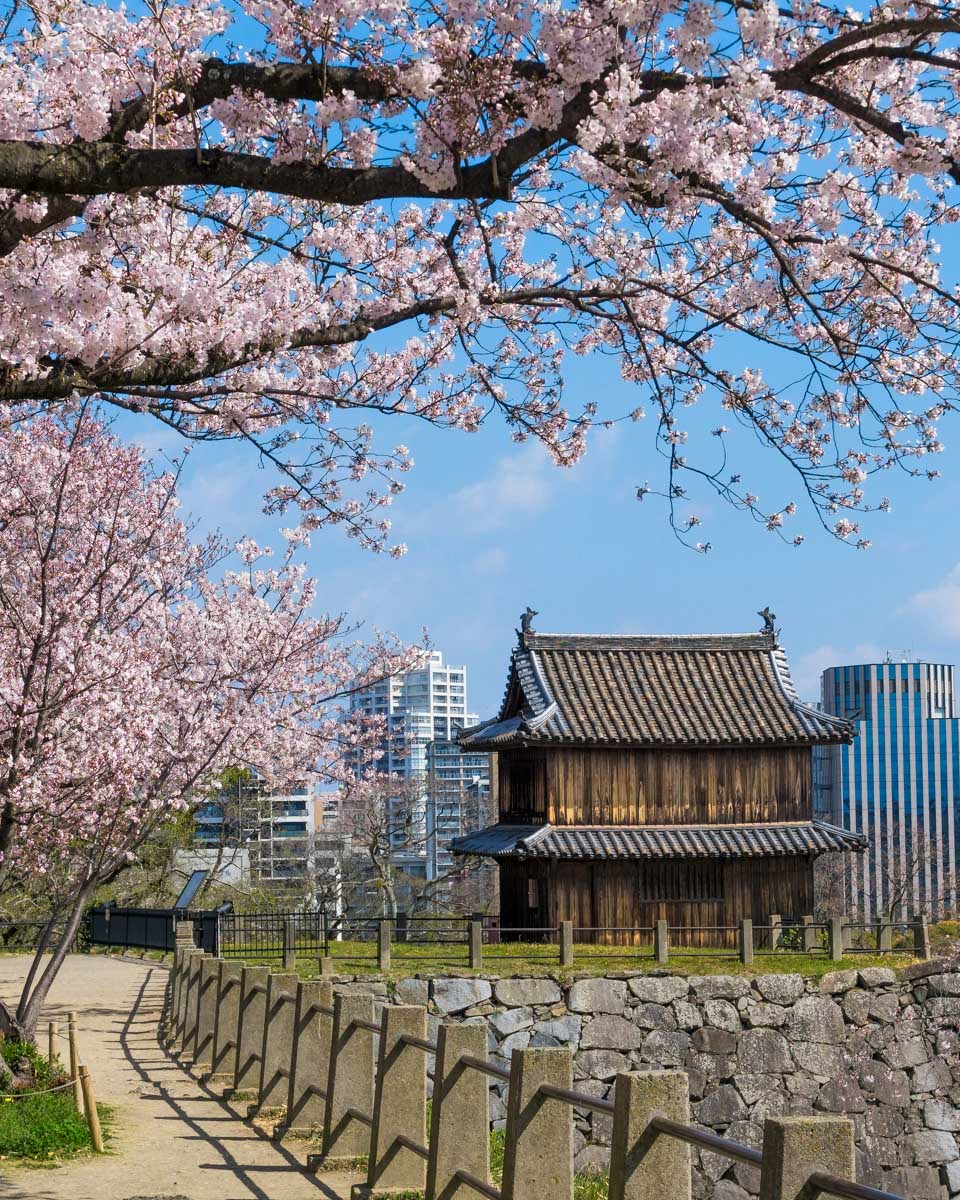
- What makes it great: A lively southern city known for its open-air food stalls, beautiful beaches, and relaxed local vibe.
- Who it’s best for: Foodies, families, laid-back travelers.
- Top things to do: Eat at the yatai (street food stalls), visit Ohori Park, explore Fukuoka Castle ruins, and take a day trip to Dazaifu Tenmangū Shrine.
Fukuoka is the perfect mix of urban excitement and laid-back coastal charm. It’s the gateway to Kyushu, which is Japan’s southernmost main island. The city is known for its friendly locals and great food, so it comes as no surprise that it’s often ranked as one of Japan’s most livable cities.
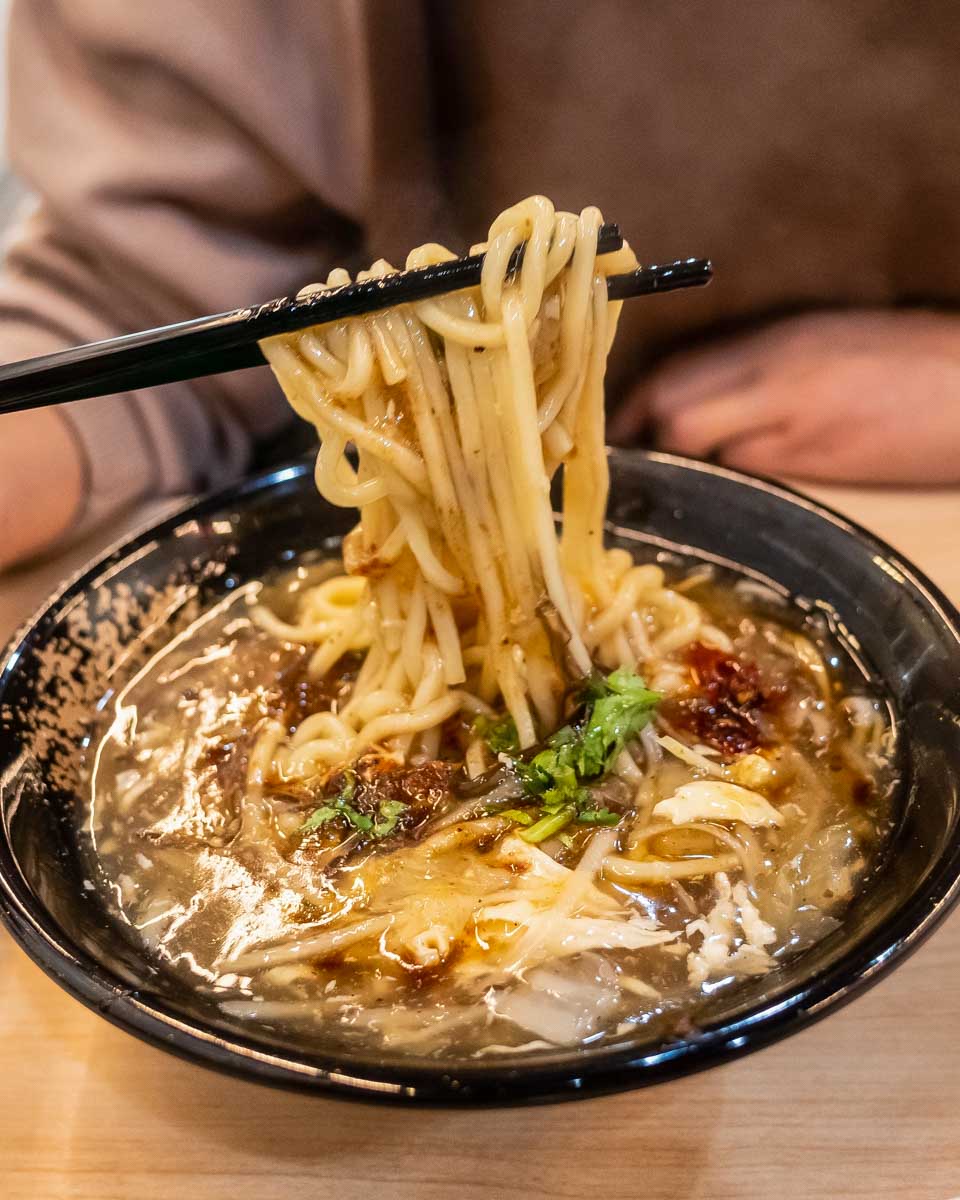
If you’re a foodie, Fukuoka is an absolute dream. Each evening, hundreds of yatai (open-air food stalls) pop up along the Nakasu River, serving everything from sizzling yakitori to crispy tempura and the city’s signature Hakata ramen. Make sure to come here and sit shoulder to shoulder with locals as you try all of the yummy local food!
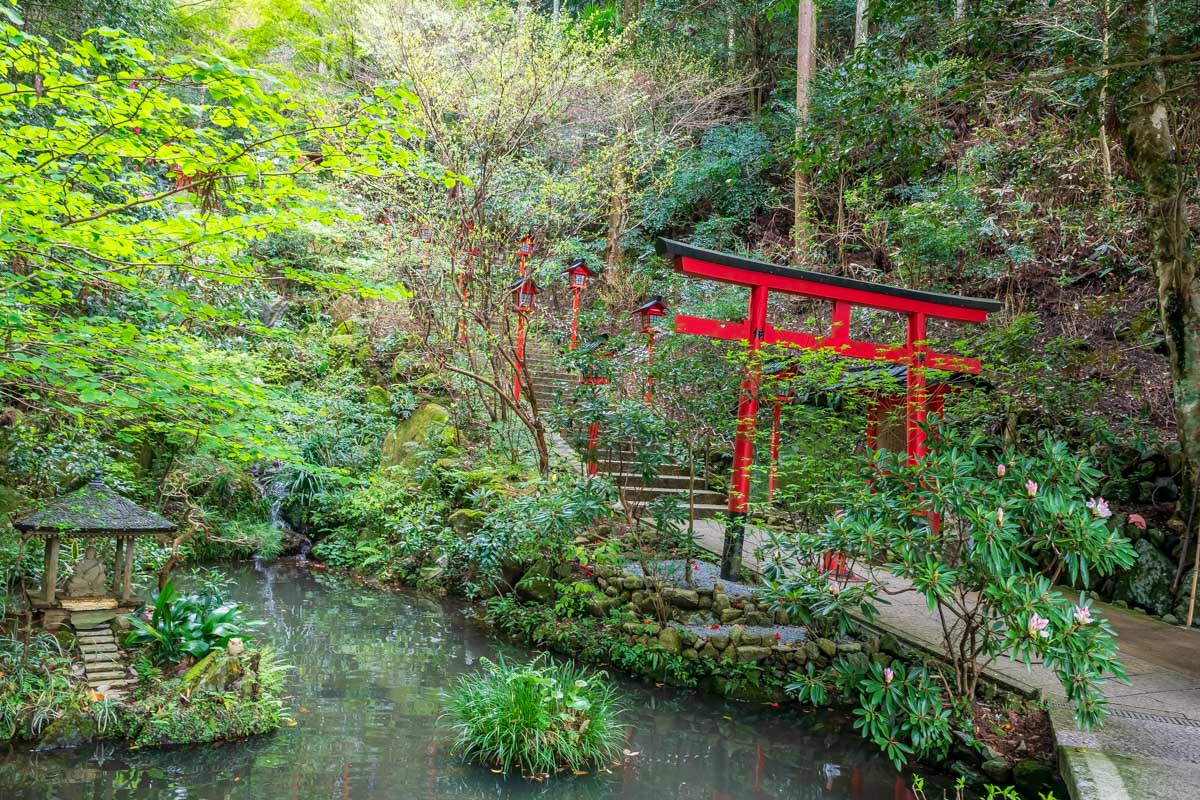
You can also stroll or cycle around Ohori Park and the Fukuoka Castle ruins, or spend the afternoon shopping and dining at Canal City Hakata, which is a lively entertainment complex. And if you fancy a day trip, this Dazaifu Tenmangū Shrine tour is well worth the effort.
Getting to Fukuoka is pretty simple, too. Fukuoka is just a quick flight or Shinkansen ride from Tokyo or Osaka. Once you’re here, its compact size makes it easy to explore on foot or by bike. We think it’s one of Japan’s most underrated cities!
14) Nagasaki – History, Hills, and Harbor Views

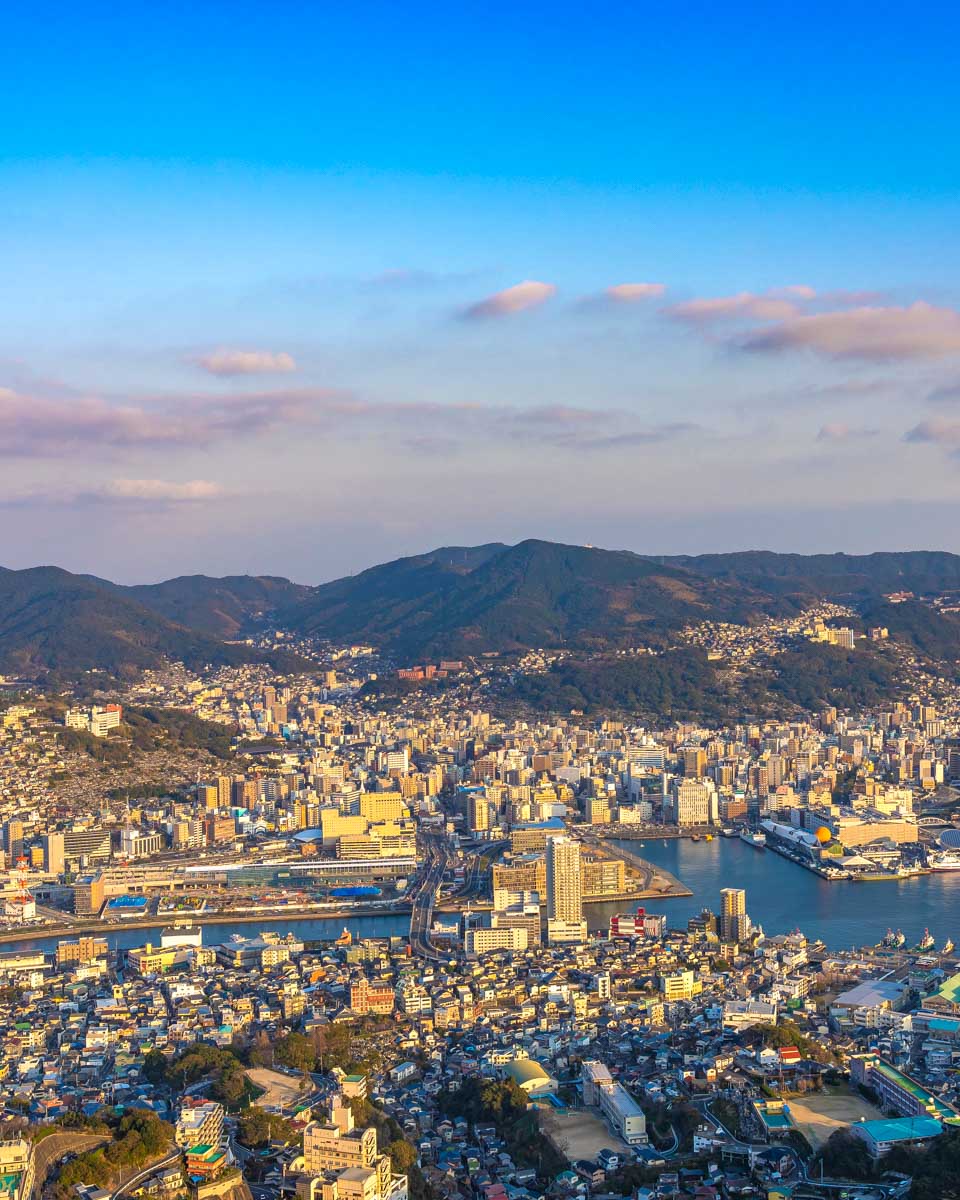
- What makes it great: Layered international history, hillside neighborhoods, and coastal scenery.
- Who it’s best for: History lovers, photographers, culture travelers.
- Top things to do: Visit the Nagasaki Peace Park, stroll Glover Garden, ride the ropeway up Mt. Inasa, explore Dejima, and take a boat trip to Hashima (Gunkanjima) Island.
Nagasaki has one of the most fascinating stories of any city in Japan. For over 200 years, it was the country’s only open trading port, so it connected Japan to the rest of the world while the rest of the nation remained closed. Because of that, Nagasaki still feels very international today—much more so than most other places in Japan!
The mix of cultures here is very interesting to see, and the local cuisine is unique. Make sure to try some shippoku dishes, which are a fusion of Chinese, European, and Japanese food. And don’t miss Nagasaki’s famous castella sponge cake, or the thick and chewy champon noodles.
The city is also a place of reflection. Nagasaki Peace Park and the Atomic Bomb Museum are deeply moving sites that honor the victims of the 1945 bombing, so they’re important places to visit.
On a lighter note, we loved strolling past the European merchant houses in Glover Garden and riding the Mt. Inasa Ropeway for one of Japan’s best nighttime views! You can also take a boat trip to Hashima (Gunkanjima) Island to see an eerie abandoned mining settlement. It feels like stepping onto a horror movie set, which can be a good or a bad thing depending on the kind of person you are!
15) Kagoshima & Yakushima – Volcanoes & Ancient Forests
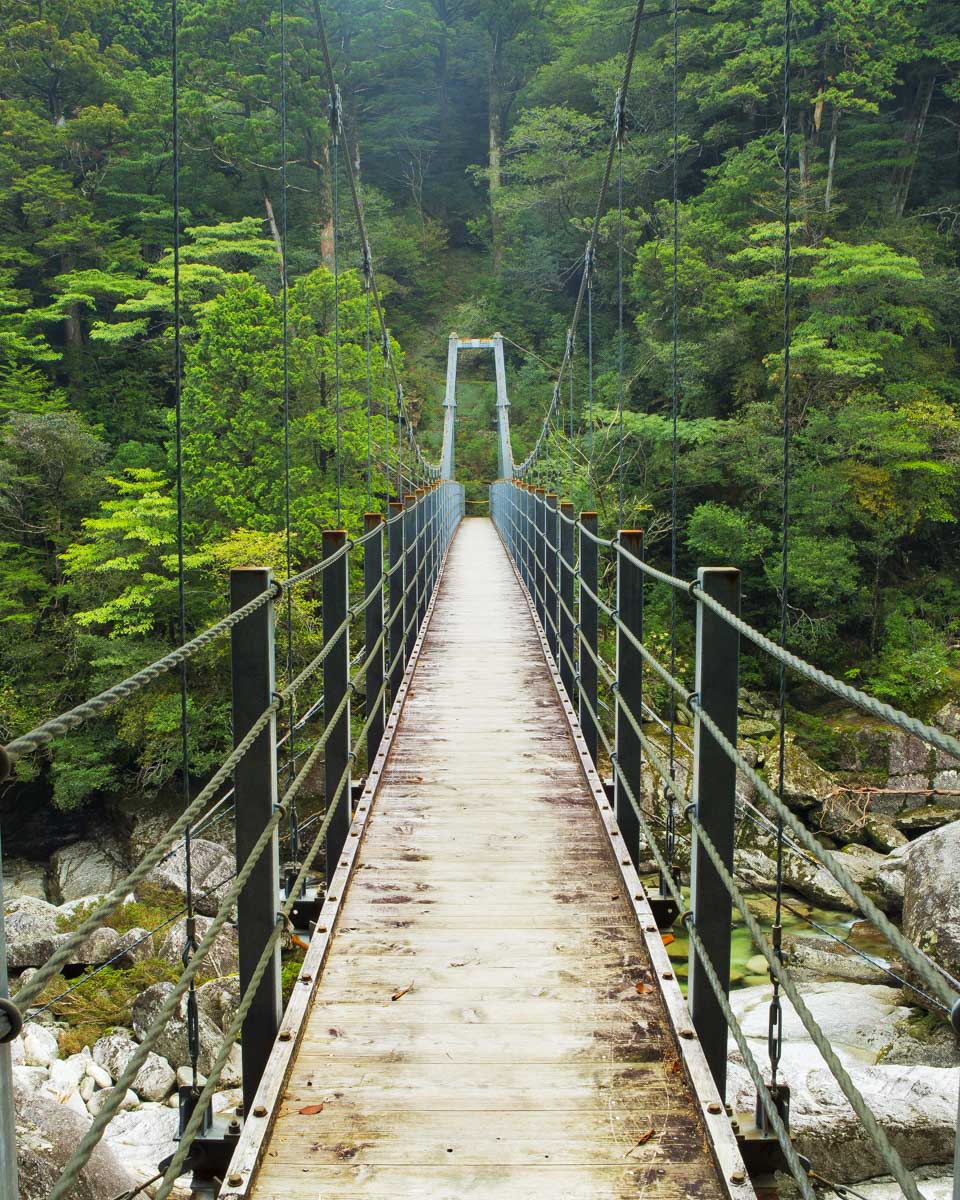
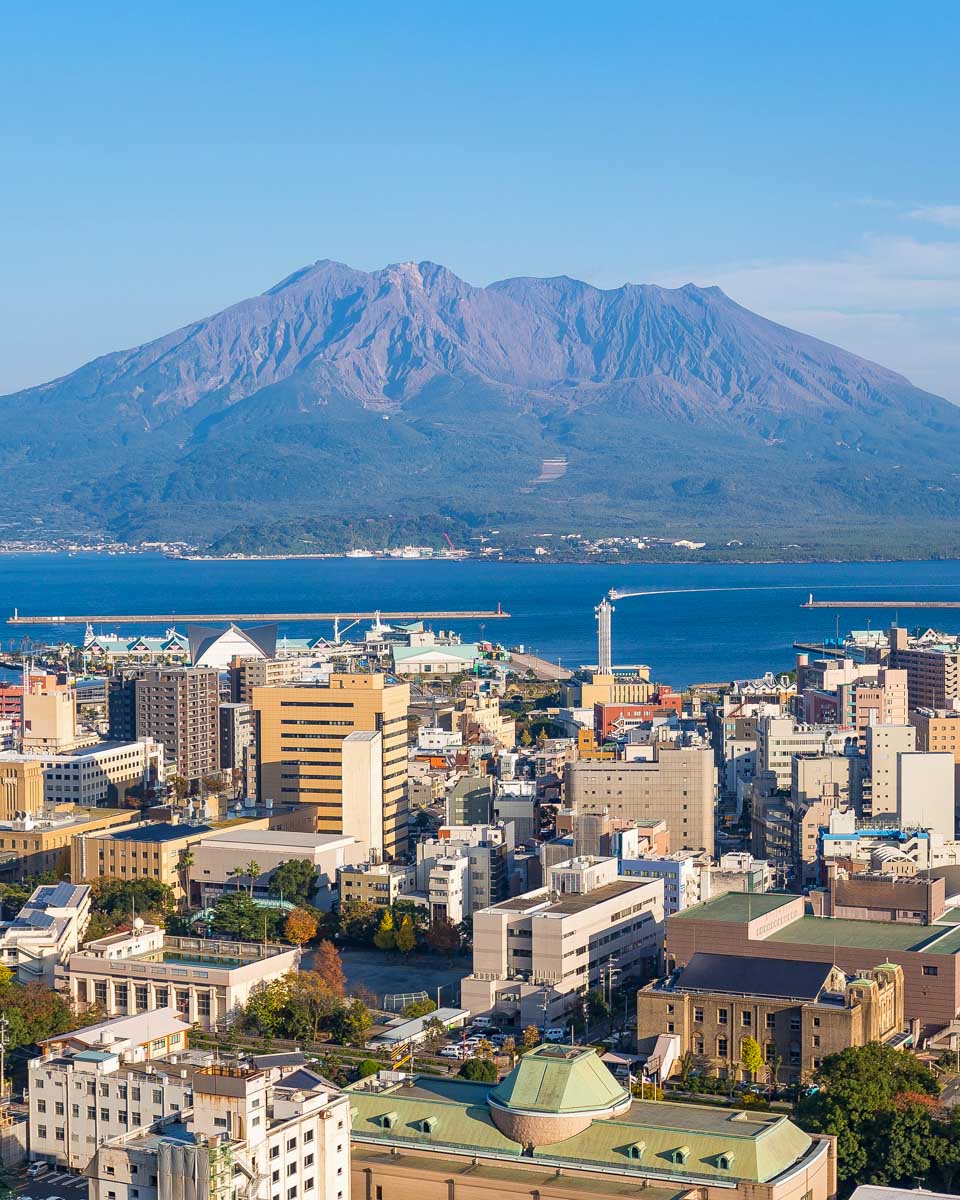
- What makes it great: A dramatic southern region where steaming volcanoes meet lush, mossy rainforests and centuries-old cedar trees.
- Who it’s best for: Hikers, nature lovers, onsen fans, off-the-beaten-path seekers.
- Top things to do: Sakurajima viewpoints, sand onsen at Ibusuki, Yakushima hikes (Shiratani Unsuikyo/Jōmon Sugi with guide).
Kagoshima sits at the southern tip of Kyushu and it’s often called the “Naples of Japan”. Just like the famous Italian city, Kagoshima sits against the dramatic backdrop of an active volcano, Sakurajima, and also offers lots of scenic bay views. Watching the eruptions from across the water is unforgettable, and we think that that experience alone makes this city well worth a visit! For a closer look at Sakurajima, you can even hop on a short ferry ride over to the volcano and see its lava fields and hot springs up close.
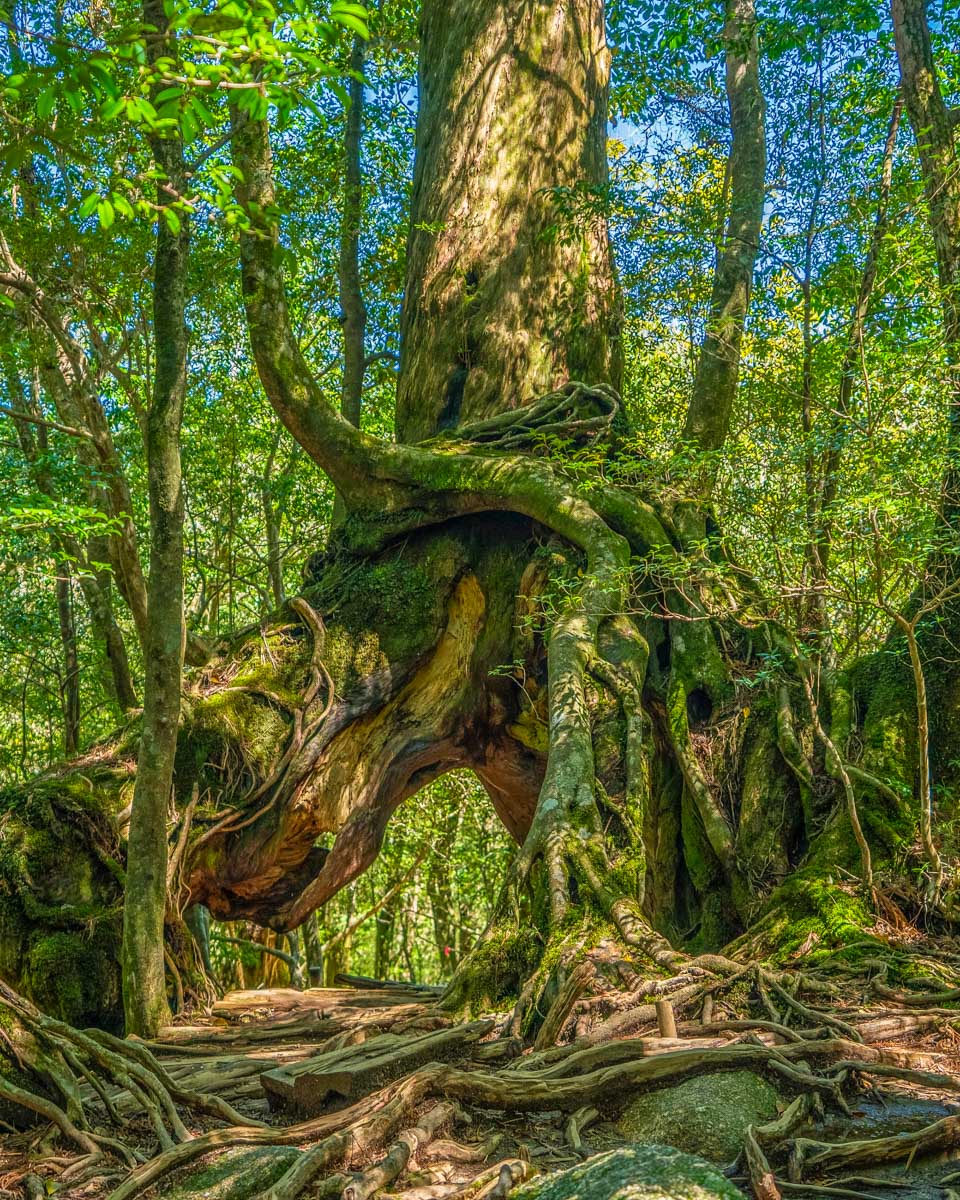
Meanwhile, you can hop on a flight or a high-speed ferry from Kagoshima down to Yakushima, a UNESCO World Heritage Site that feels straight out of a fairytale. The island is covered in ancient cedar forests, some of which are thousands of years old. And, anime fans pay attention, it famously inspired Studio Ghibli’s Princess Mononoke!
Nature lovers should definitely take the time to hike through misty trails like Shiratani Unsuikyo or out to the mighty Jōmon Sugi tree, the oldest tree in Japan. And keep your eyes peeled for local wildlife because it’s not unusual to spot monkeys and deer wandering the trails. You’ll definitely want good gear, though, since Yakushima is known for its near-constant rain!
16) Sapporo (Hokkaidō) – Winter Festivals and Northern Flavors


- What makes it great: Winter festival energy, beer/seafood scene, and access to nearby mountains.
- Who it’s best for: Festival chasers, foodies, families, winter travelers.
- Top things to do: Attend the Sapporo Snow Festival, visit the Sapporo Beer Museum, stroll Odori Park, day trips to Otaru/ski areas.
Sapporo is the capital of Hokkaidō, and it’s the perfect base for exploring Japan’s northernmost island. In winter, the city transforms into a sparkling wonderland for the Sapporo Snow Festival, with massive ice and snow sculptures that draw visitors from around the world. They’re an incredible sight to behold!
In summer, the weather here is cooler than most of Japan, which is definitely a good thing in my book! So if you need to escape the heat, you can come to Sapporo to wander through the parks, enjoy fresh seafood, and hang out in one of the city’s many beer gardens. The Sapporo Beer Museum is also a must-visit for beer lovers.


And no matter what time of year you visit Sapporo, trying its signature dishes is a must! Ichiban miso ramen, sweet Hokkaidō crab, soup curry, and jingisukan (grilled lamb) are local favorites. Personally, I love zangi, which is Hokkaidō-style fried chicken. Oh, and make sure to get your fill of Hokkaidō cheese tarts while you’re here, too.
Beyond the city, we recommend a day trip to Otaru, which is a charming canal town known for its glass shops and seafood. And of course, during the winter, you can head to nearby resorts like Niseko or Teine for world-class snow sports.
Related Read: For even more ideas in this part of Japan, check out our guide to the best things to do in Sapporo here—it’s packed with local tips, food finds, and must-see spots.
17) Sendai – The Green Heart of Northern Japan
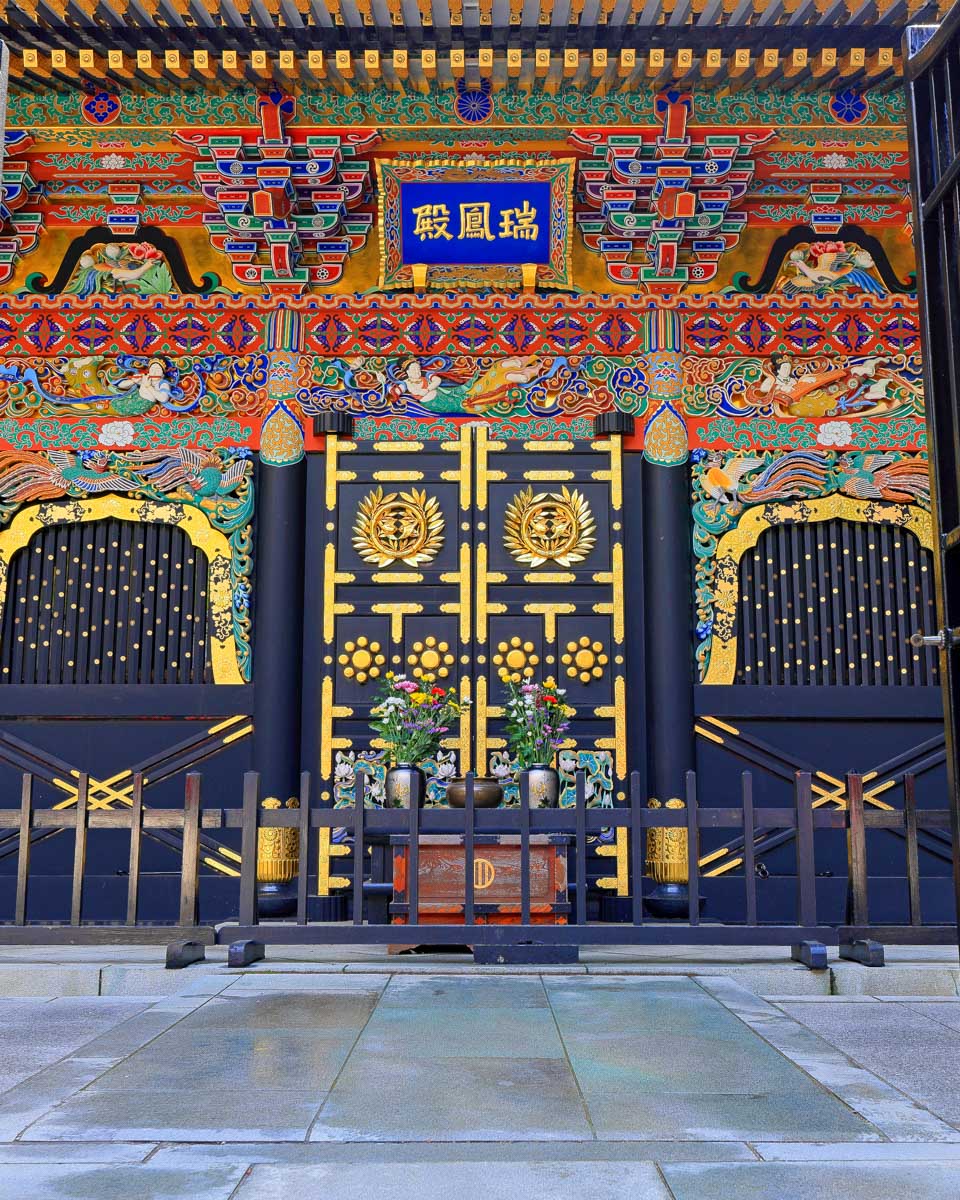
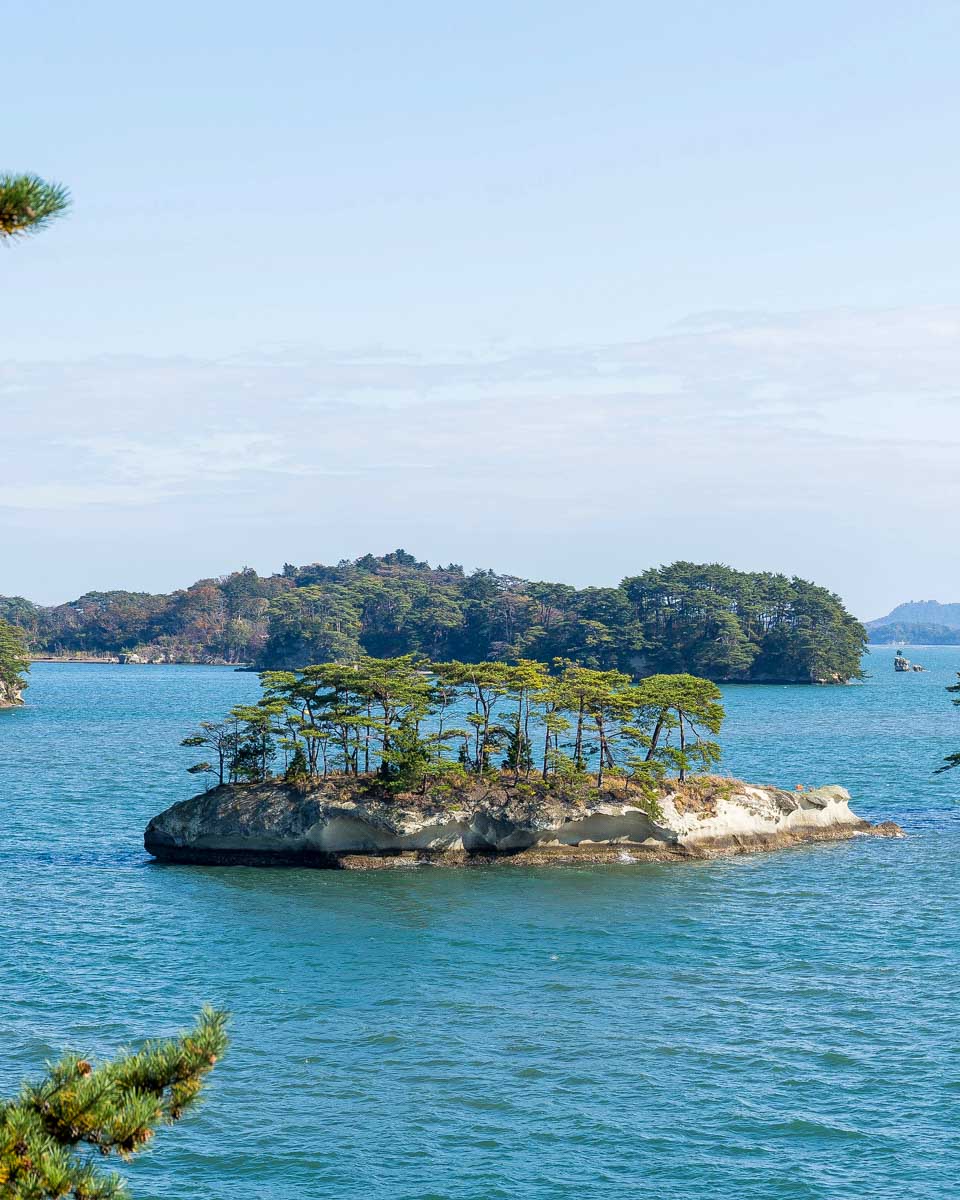
- What makes it great: A calm, green city with easy access to hot springs, historical sites, and Tōhoku’s best food scene.
- Who it’s best for: Culture lovers, foodies, and off-the-beaten-path city travelers
- Top things to do: Zuihōden and Aoba Castle ruins, Gyūtan (beef tongue) tasting, Matsushima Bay cruise/temples.
Sendai is often called the “City of Trees,” and its relaxed, leafy streets can certainly make a welcome change of pace from Japan’s more bustling and touristy cities. The city takes pride in its local food specialties, especially gyūtan (beef tongue) and zunda mochi (sweet soybean paste dessert). Seri-nabe hotpot is also really good!
There’s plenty to explore beyond food, though. Be sure to check out Zuihōden, the ornate mausoleum of samurai lord Date Masamune, and the hilltop ruins of Aoba Castle. The views from the latter are just stunning! And for a truly serene escape, you can head to Matsushima Bay or Yamadera Temple to soak in culture and scenic coastlines.
Sendai does have a more lively side, though, which you’ll see a lot of during festivals. Tanabata in August is a colorful and exciting festival during which participants write their wishes on paper strips and hang them from bamboo branches. Then in winter, thousands of lights illuminate the city during the Pageant of Starlight, which is just magical. These events are rooted in tradition, so visiting Sendai during one of them is an awesome way to experience the local culture!
Related Read: Before mapping out your dream itinerary, check out our guide to common mistakes to avoid when planning a trip to Japan so you can travel smarter and skip the common pitfalls.
Renting a Car in Japan

Japan’s trains are great, but if you want to explore rural areas, scenic routes, or off-the-beaten path hidden gems, renting a car offers unmatched flexibility. Driving in Japan is generally safe, with well-maintained roads and clear signage, though there are some unique rules and customs to be aware of.
We always book with Discover Cars and can’t recommend them enough. It’s super easy to compare multiple provider prices, check company ratings, filter for the type of vehicle you want, and add affordable full coverage insurance. If you want a full breakdown, check out our Discover Cars review here.
Tips for Renting a Car in Japan
What You Need to Rent a Car in Japan
Ready to hit the road? Discover the freedom of exploring the Japan on your own terms!
Airalo e-sim
Up To 15% Off With Code “DTRAVEL10”
What’s an eSIM?
An eSIM is a digital version of a SIM card. Instead of buying a little plastic chip and swapping it into your phone, you just download it. It connects your phone to a local network in whatever country you’re visiting — no stores, no waiting, and no fiddling with tiny cards.
In simple terms, it’s the easiest way to get data and stay connected while traveling.
We’ve tested a bunch of eSIMs in North America, and after a few frustrating experiences, we’ve found our favorite — Airalo. It’s fast, reliable, and incredibly easy to use. You can set it up in minutes (even my mom managed it solo on her first try!), and the prices are some of the best out there.
Bonus: We’ve got an exclusive 15% discount for our readers. Use the codes:
Thanks for reading!

We hope this guide helps you plan your dream trip to Japan! With so many incredible destinations to choose from—from the neon streets of Tokyo to the peaceful onsen towns tucked into the mountains— narrowing it down can definitely be a challenge. But we promise, wherever you go, Japan’s mix of culture, nature, and hospitality will make it a trip you’ll never forget.
Before you start packing, check out all our Japan blogs here to help you plan your itinerary. We’ve got detailed guides on everything from train travel to food tours, plus plenty of inspiration for hidden gems and bucket-list adventures. Or here are a few of our favorites to get you started!
How to Spend TWO WEEKS in Japan: 14-Day Itinerary
33 BEST Things to do in Japan – Your Ultimate Japan Bucket List
The Services We Recommend
From hotels to guided tours, we only recommend services we know and trust. Here are our recommended partners so you can explore Japan with confidence.
Book Hotels
With Booking.com

It is a beautiful place, and for your information, I truly enjoyed my trip to Japan, which I visited in May 2026. It was a memorable and wonderful experience, and I was very impressed by the beauty, culture, discipline, cleanliness, and hospitality of the country. I would love to visit Japan again in the future.
Thanks for sharing! 😊
Sounds like you had an amazing trip. Japan has a way of making people want to come back again and again!
We’re glad you enjoyed it so much, and hopefully you’ll get the chance to go back again someday