Best Time to Visit Japan (By Season & Region)
Planning a trip to Japan, but not sure when to go? We’ve got you covered.
After traveling Japan extensively, we can confidently say that there’s no single “best” time to visit Japan. The seasons vary dramatically, and each one has its own magic, so the best time to go really depends on what kind of experience you’re looking for.
The beauty of Japan is that no matter when you visit, there’s always something special waiting, whether it’s vibrant matsuri, pink cherry blossoms, powdery ski slopes, or deep red leaves framing historic shrines. After traveling through Japan in all four seasons, we’ve put together this guide to help you decide the perfect time of year for your adventure.
Our Favorite Time to Visit


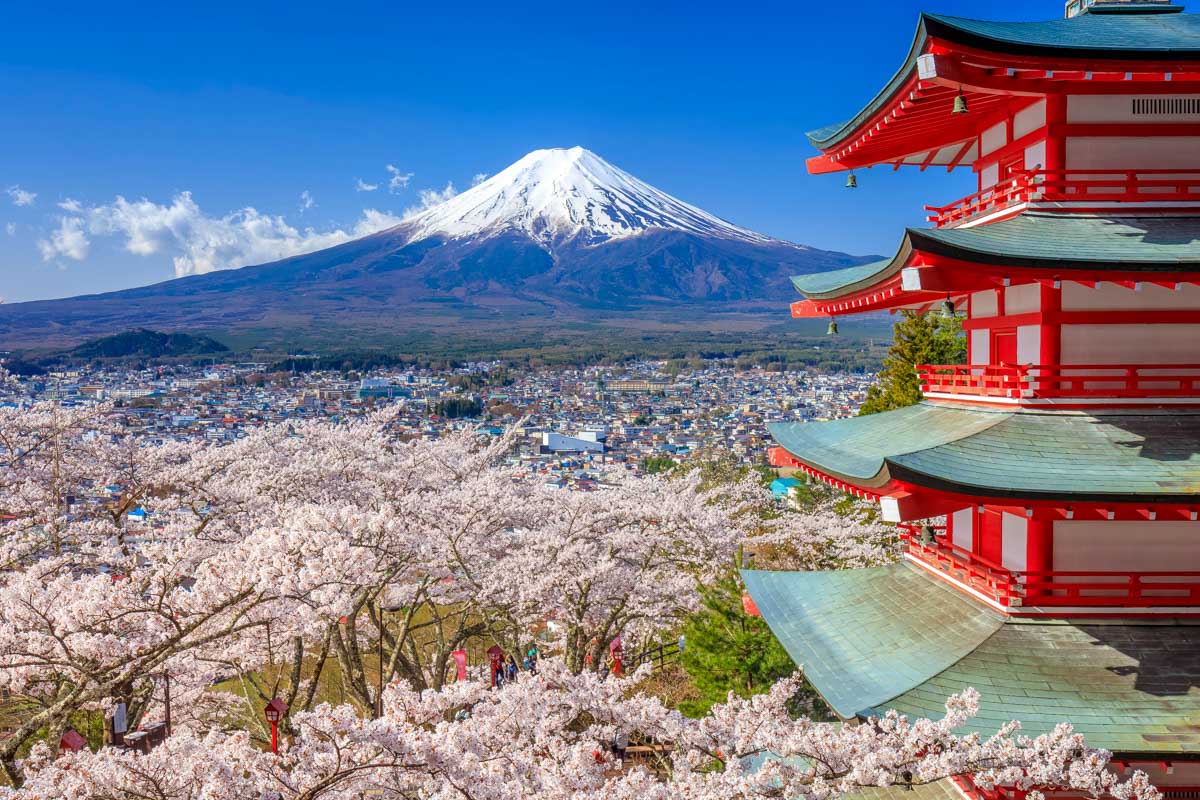
Japan is beautiful in every season, but if we had to narrow it down, spring and autumn would be our top picks. Specifically, late March to early April and late October to early December.
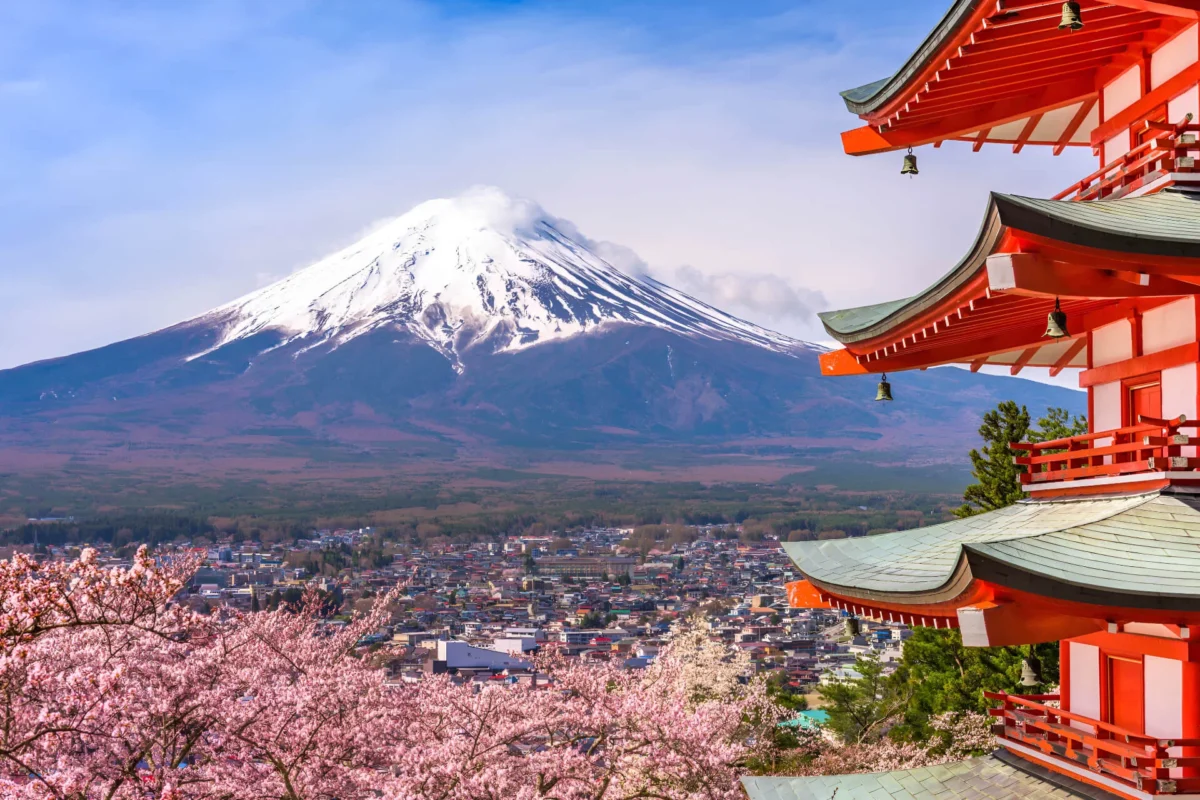
Spring is the iconic cherry blossom season, when much of Honshu (Japan’s main island) is blanketed in pink blooms. If you’re planning a trip around sakura season, we put together a full cherry blossom guide here that breaks down the best places to go, bloom timing by city, and how to avoid the worst crowds.
This includes major cities like Tokyo, Kyoto, and Osaka. Parks, riversides, and temple gardens turn into magical hanami (cherry blossom viewing) spots, and the whole country feels festive. The downside is large crowds and high prices, but honestly, seeing Japan during sakura season is unforgettable — just be sure to book well in advance!
And I have to say, autumn rivals spring in beauty, with fiery red and golden leaves creating showstopping scenes. I also enjoy the crisp, clear weather at this time of year. Popular spots do still get busy, but in general, it’s much easier and more affordable to travel during autumn than spring.
That said, as keen skiers, we also love winter in Japan! You can find world-class skiing in Niseko, while major cities offer discounted hotels and quieter streets. Winter is also the best time to get clear views of Mt. Fuji!
Season Overview

One of the best things about Japan is how dramatically it changes with the seasons. Each time of year brings a completely different experience, which honestly just makes this incredible country even more fascinating.
To help you decide when to plan your trip, we’ve broken things down by season and month so you know what to expect in terms of weather, crowds, prices, and activities. Whether you’re dreaming of cultural festivals, stunning hikes, or skiing, there’s a perfect season for your adventure.
Spring (March to May)
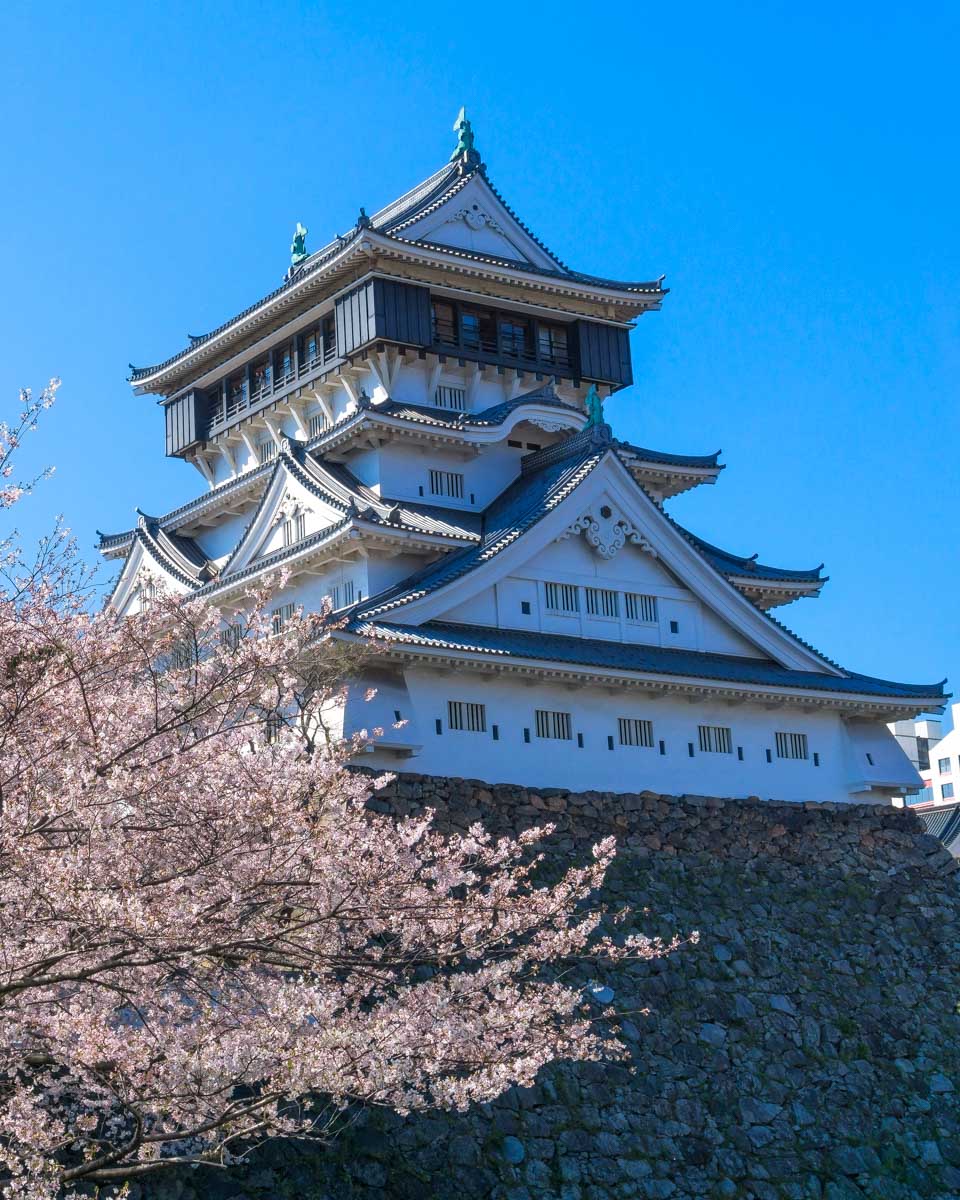

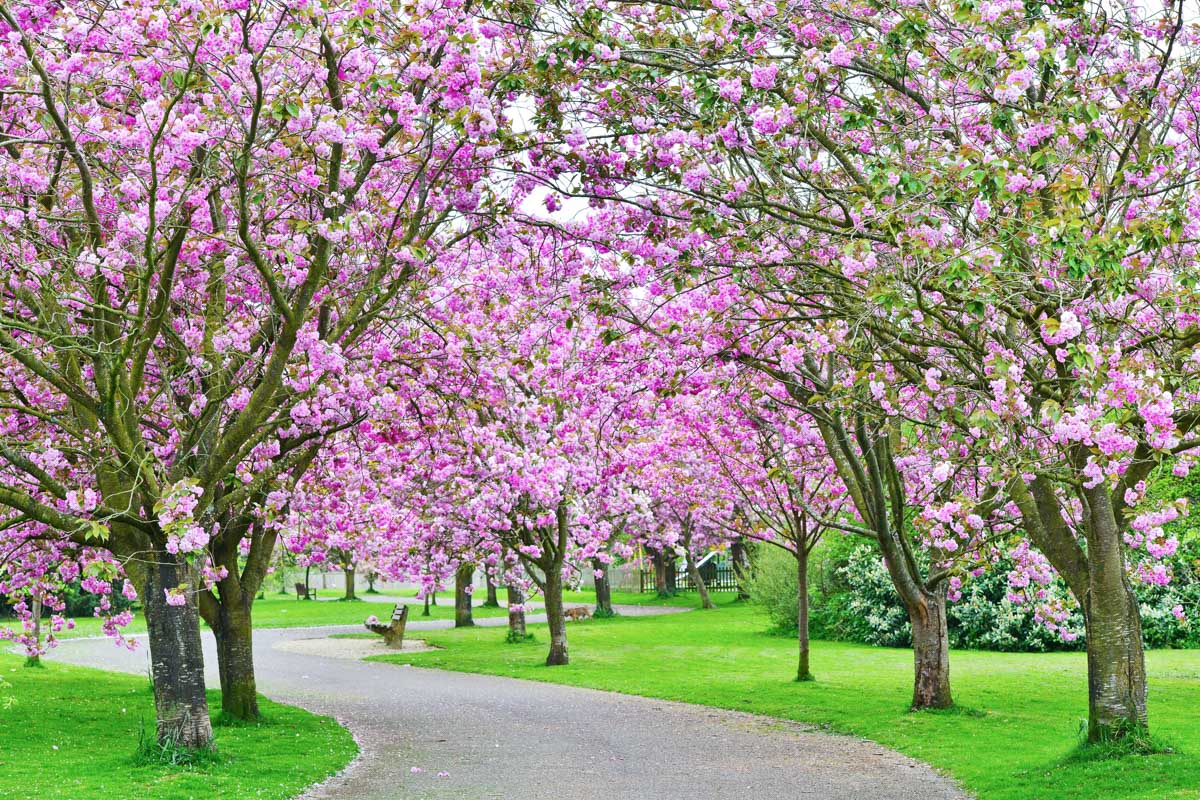
Spring is the busiest and most famous season in Japan, and for good reason. From late March to early May, cherry blossoms transform the country into a pale pink wonderland. This time of year is known as sakura season, and it’s deeply tied to Japanese culture. It’s an opportunity to take part in the springtime tradition of hanami, which involves gathering in parks for picnics, drinks, and celebrations beneath the blooming trees.
The weather in spring is generally mild. The season starts off cool in March and becomes comfortably warm by May, which is ideal for sightseeing.
The festive atmosphere is unmatched, but it does come with a trade-off: crowds and higher prices. Sakura season draws huge numbers of visitors, and Golden Week in late April makes travel even busier. We would recommend booking 3 to 6 months in advance!
For something different, you can also enjoy a bit of spring skiing in northern Japan until late March or even April at higher elevations. The conditions aren’t as good as midwinter, but the slopes are quieter and more affordable.
If you’re prepared to plan ahead, pay extra, and navigate crowds, we highly recommend spring in Japan. The magic is totally worth it!
March

- Overview: Start of cherry blossom season and warming weather in southern Japan, snowy conditions still in northern Japan
- Best For: Plum blossoms (early March), cherry blossoms in Tokyo/Kyoto (late March)
- Pros: Iconic blossoms, festive atmosphere, improving weather, uncrowded ski hills
- Cons: Unpredictable temperatures, crowded blossom spots
- Events: Plum Blossom Festivals, Hanami (late March), White Day (Mar 14)
March is a month of contrasts in Japan. In the south, early plum blossoms give way to the first cherry blossoms by late March, especially around Tokyo and Kyoto. Here, parks and gardens start filling with hanami picnics, and the festive atmosphere starts to take hold! However, northern Japan is still deep in winter – we actually had an amazing time skiing in Niseko in March, with fresh snow and hardly any lift lines.
The weather can be unpredictable, swinging from chilly days to mild afternoons, so packing layers is key. While cherry blossom spots do get crowded toward the end of the month, March does feel less hectic than April overall. It offers a little bit of everything at a slightly calmer pace!
April
- Overview: Peak cherry blossom month in most of Japan, most ski hills start to close
- Best For: Cherry blossoms, spring festivals, temple gardens, photography
- Pros: Gorgeous scenery, pleasant weather, longer days
- Cons: Overcrowding, very high prices, must book far in advance
- Events: Hanami, Takayama Spring Festival, Kanamara Matsuri
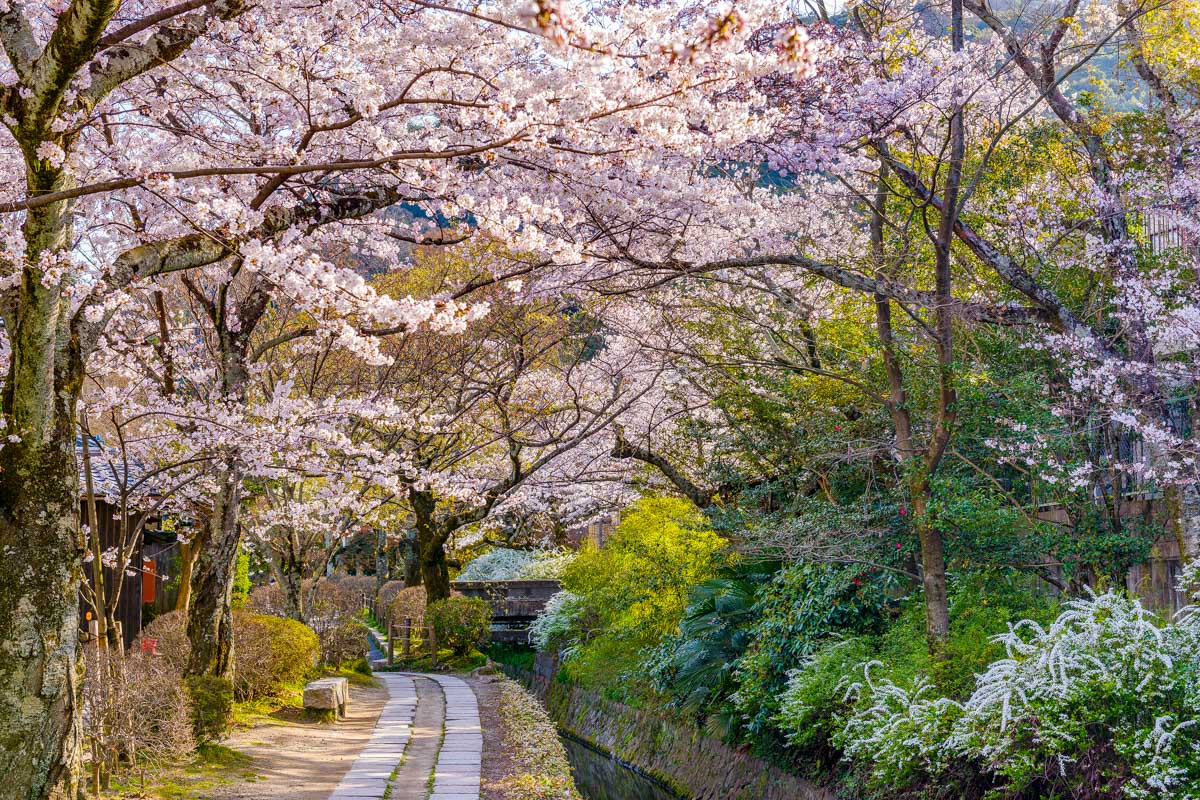
April is peak cherry blossom season across much of Japan, so if you want the full sakura experience, this is the time to go. Cities like Tokyo, Kyoto, and Osaka are at their most photogenic, and they’re filled with hanami picnics. The energy is amazing, and the weather is pleasantly mild, while longer daylight hours give you more time to appreciate the beauty of it all!
With that said, this is also Japan at its busiest. Hotels, trains, and even popular restaurants book out months in advance, and prices spike during this time. We learned this the hard way when we tried to book a last-minute stay in Kyoto in April – almost everything was sold out! Still, if you’re prepared and plan ahead, the reward is magical: strolling under cherry blossoms in full bloom is one of those bucket-list Japan experiences that really does live up to the hype.
May
- Overview: End of Cherry blossom season, lush greenery, many cultural festivals, rainy season begins late May
- Best For: Hiking in the Alps, sightseeing without extreme crowds (in the 2nd half of May)
- Pros: Comfortable weather, shoulder-season pricing, fewer tourists after Golden Week
- Cons: Golden Week (early May) = crowded and pricey; late May humidity
- Events: Golden Week (around Apr 29–May 5), Aoi Matsuri (Kyoto, May 15), Sanja Matsuri (Tokyo, 3rd weekend of May).
May in Japan offers comfortable weather and vibrant scenery without the intensity of the cherry blossom season. Well, aside from Golden Week in early May, which is one of Japan’s busiest travel periods. Trains, hotels, and attractions are absolutely packed during this time. If you’re going to be traveling during Golden Week, then do the smart thing and book everything several months in advance.
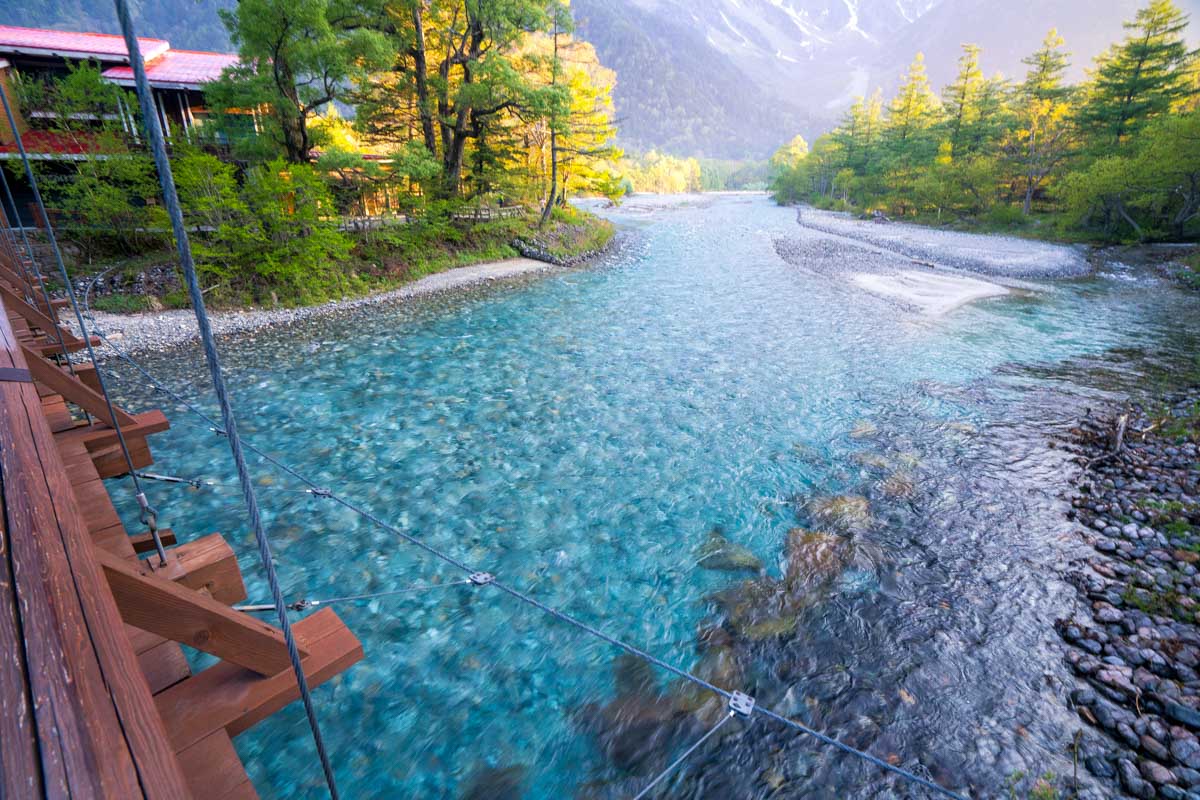
Still, once that holiday rush passes, the second half of May is calmer and more affordable. It’s also a wonderful time for hiking in the Japanese Alps, although by the end of the month, humidity does creep in.
Another reason that we love May is that it’s a great time for enjoying cultural festivals. We were in Tokyo one May and actually stumbled into the Sanja Matsuri by chance. It turned out to be one of the liveliest street festivals we’ve ever experienced, with portable shrines paraded through Asakusa and music filling the air!
Related Read: Before you go, check out our Japan packing list for our personal favorite items we never travel without!
Summer (June to August)

Summer in Japan is full of energy, color, and cultural celebrations! However, the weather can be… challenging, let’s put it that way! The season kicks off with the rainy period, tsuyu, in early June, which lasts until mid-July. This does mean that landscapes look particularly lush, but getting caught in a rainstorm is no joke.
Once the rains end, July and August bring hot and humid weather. This can make sightseeing feel uncomfortable, but it’s perfect for enjoying Okinawa’s beaches or the flower fields in Hokkaido. Oh, and I can’t forget about Furano’s lavender fields, which truly are a photographer’s dream!
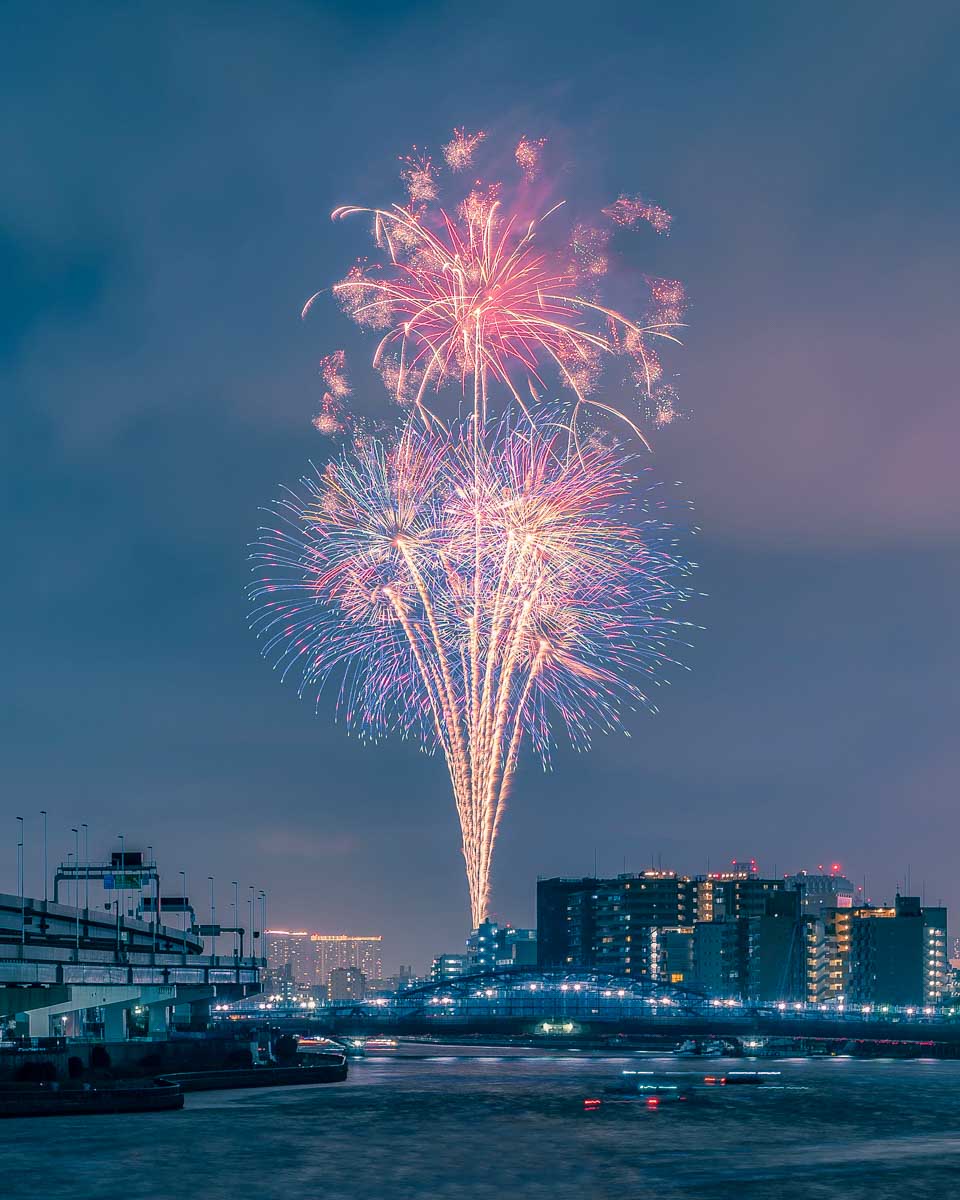
Summer is also when festival season hits its peak. Parades, fireworks, and traditional dancing fill cities and towns, from Kyoto’s famous Gion Matsuri to Aomori’s Nebuta Festival. We once caught the Sumidagawa fireworks in Tokyo, and it was unforgettable. We loved seeing the locals celebrating together with glowing lanterns, street food, and live music – it was so much fun!
The main downside of summer is the intense heat, humidity, and the risk of typhoons. Crowds also swell during festivals and Obon in mid-August. That said, for travelers seeking vibrant cultural experiences, lively events, long daylight hours, and scenic summer landscapes, Japan in summer offers an unmatched, festive energy.
June
- Overview: Rainy season (tsuyu); humid but lush landscapes
- Best For: Garden strolls, hydrangea viewing, fewer crowds
- Pros: Lower prices, vibrant greenery, quieter attractions
- Cons: Wet weather, humidity, some outdoor activities are limited (due to rain)
- Events: Hydrangea Festivals (Kamakura), Sanno Matsuri (Tokyo, odd years)
June marks the start of Japan’s rainy season, tsuyu. This brings wet and humid weather, but also gives Japan’s landscapes a vibrant green hue. Due to the rain, June is a quieter month for tourism, which is ideal for those who prefer to explore without the crowds.
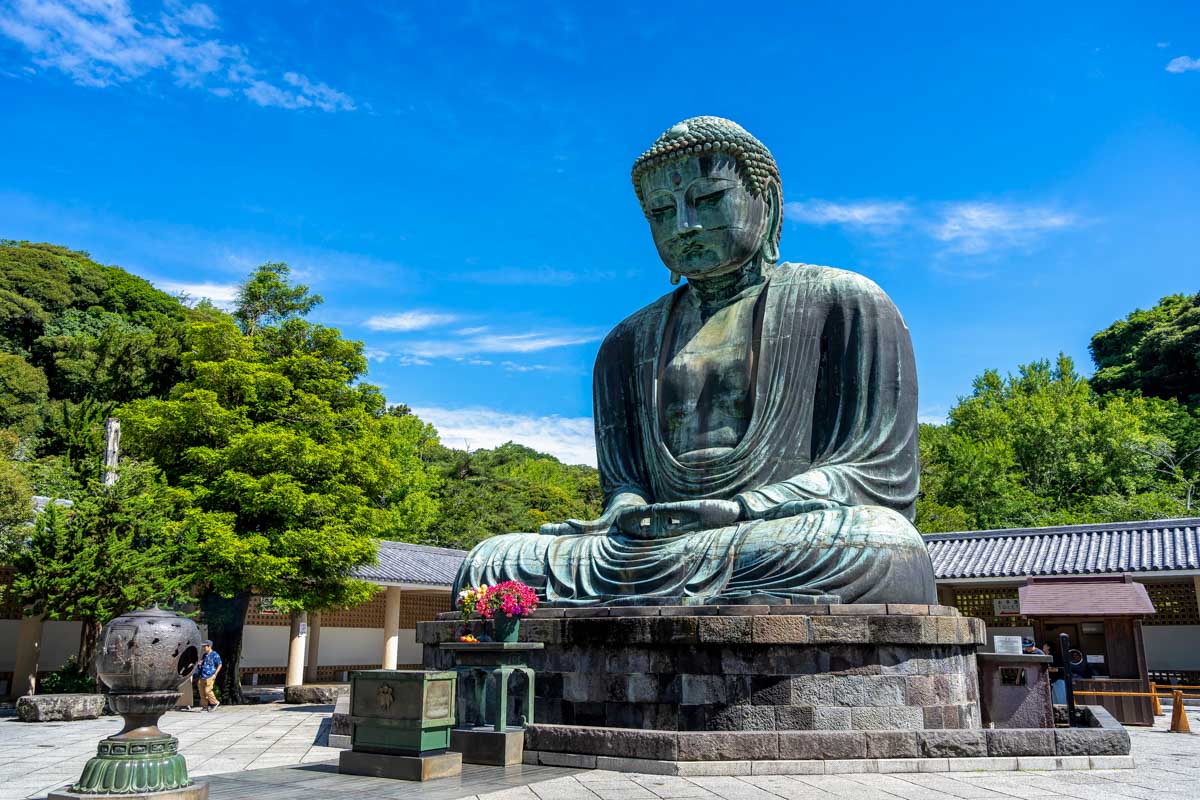
We spent a few rainy June mornings in Kamakura, wandering among the hydrangeas, visiting the Great Buddha, and it actually turned out to be a fantastic experience. There’s something quite magical about the flowers glistening in the rain!
The weather can be unpredictable, with sudden showers that sometimes limit outdoor activities, so packing a lightweight raincoat and umbrella is essential. To be honest, I’ve been stuck in more rainstorms than I’d care to admit, but take cues from the locals because they can tell when a storm is about to hit!
On the plus side, hotels and flights are more affordable, and major attractions are less crowded. June also hosts local festivals like the Sanno Matsuri in Tokyo on odd years, which adds cultural flavor without overwhelming crowds. If you don’t mind a little wet weather, June offers serene gardens, blooming flowers, and a peaceful side of Japan.
July

- Overview: Rainy season ends; festivals begin; very hot.
- Best For: Summer matsuri, fireworks, hiking in Hokkaido/Mt Fuji
- Pros: Energetic cultural events, long daylight, festival food & parades.
- Cons: High heat/humidity in cities, crowded festival sites.
- Events: Gion Matsuri (Kyoto), Tenjin Matsuri (Osaka), Sumidagawa Fireworks (Tokyo).
July signals the end of Japan’s rainy season and the start of the energetic summer festival season. Cities come alive with matsuri, fireworks, and lively street parades. We happened to be in Kyoto during the Gion Matsuri one July, and it was unforgettable. The Sumidagawa Fireworks in Tokyo are also spectacular!
However, the weather in July is hot and humid, especially in urban areas, which means that sightseeing can feel intense, particularly in the afternoons. Despite the heat, the long daylight hours are perfect for exploring temples in the morning and joining evening festival celebrations. July also marks the start of hiking season on Mt. Fuji – don’t worry, it’s a lot less humid up there!
Festival sites can get crowded in July, so planning ahead is key in the major cities. Still, it’s well worth it if you want to dive headfirst into Japanese culture, and the festivals are a lot of fun.
August
- Overview: Peak summer heat; Obon holiday; peak typhoon season.
- Best For: Festivals, fireworks, beaches in Okinawa/Hokkaido.
- Pros: Major cultural events, lively atmosphere, warm seas.
- Cons: High heat, Obon festival crowds, typhoon disruptions.
- Events: Obon Festival (mid-August), Nebuta Matsuri (Aomori), Awa Odori (Tokushima).
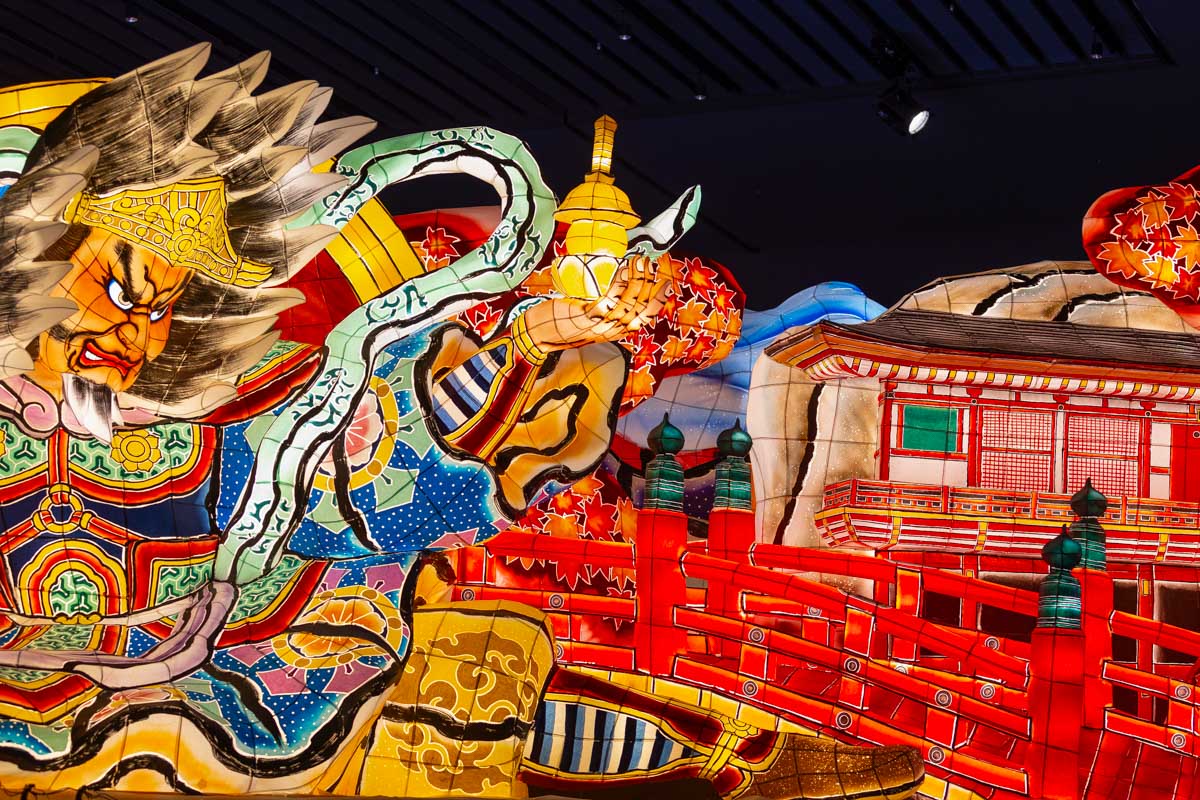
August is peak summer in Japan, bringing hot, humid days and the lively energy of Obon and other festivals. We spent a few days in Aomori during the Nebuta Matsuri, and it was exhilarating to say the least. Aomori involves giant illuminated floats, music, dancing, and crowds of enthusiastic locals – it’s definitely an experience that hits all the senses!
If you’re a beach lover, August is a great time to island hop in Okinawa. And if you’d prefer to get away from the heat, you can head to Hokkaido to explore the cooler, northern landscapes and maybe soak in an onsen or two.
The downside is the heat and humidity, which can make city sightseeing challenging. Obon in mid-August also draws huge crowds as locals travel to visit family, so trains and accommodations fill up quickly.
Japan Rail Pass!
The Easiest Way to Travel Japan By Train
If you’re planning to explore Japan, the Japan Rail Pass (JR Pass) is hands down the easiest and most affordable way to get around. It’s a special 7, 14, or 21 day pass for foreign visitors that gives you unlimited rides on Japan’s famous JR trains, including the high-speed shinkansen (bullet trains)!
Why We Love the JR Pass
Pro Tip: If you’re only exploring one region of Japan, consider a Regional Pass instead (like the Kansai, Hokkaido, or Kyushu Pass). They’re cheaper and perfect for smaller trips!
Where to Get Your Pass
We personally recommend buying your pass online in advance through JRPass.com — they’re an official reseller with fast worldwide delivery and English support, making the whole process super simple. They even offer handy add-ons like pocket WIFI and meet & greet services! Still not sure if the JR Pass is right for you? Check out our Ultimate Guide to the Japan Rail Pass for a full breakdown of costs, inclusions, and when it’s worth it!
Autumn (September to November)
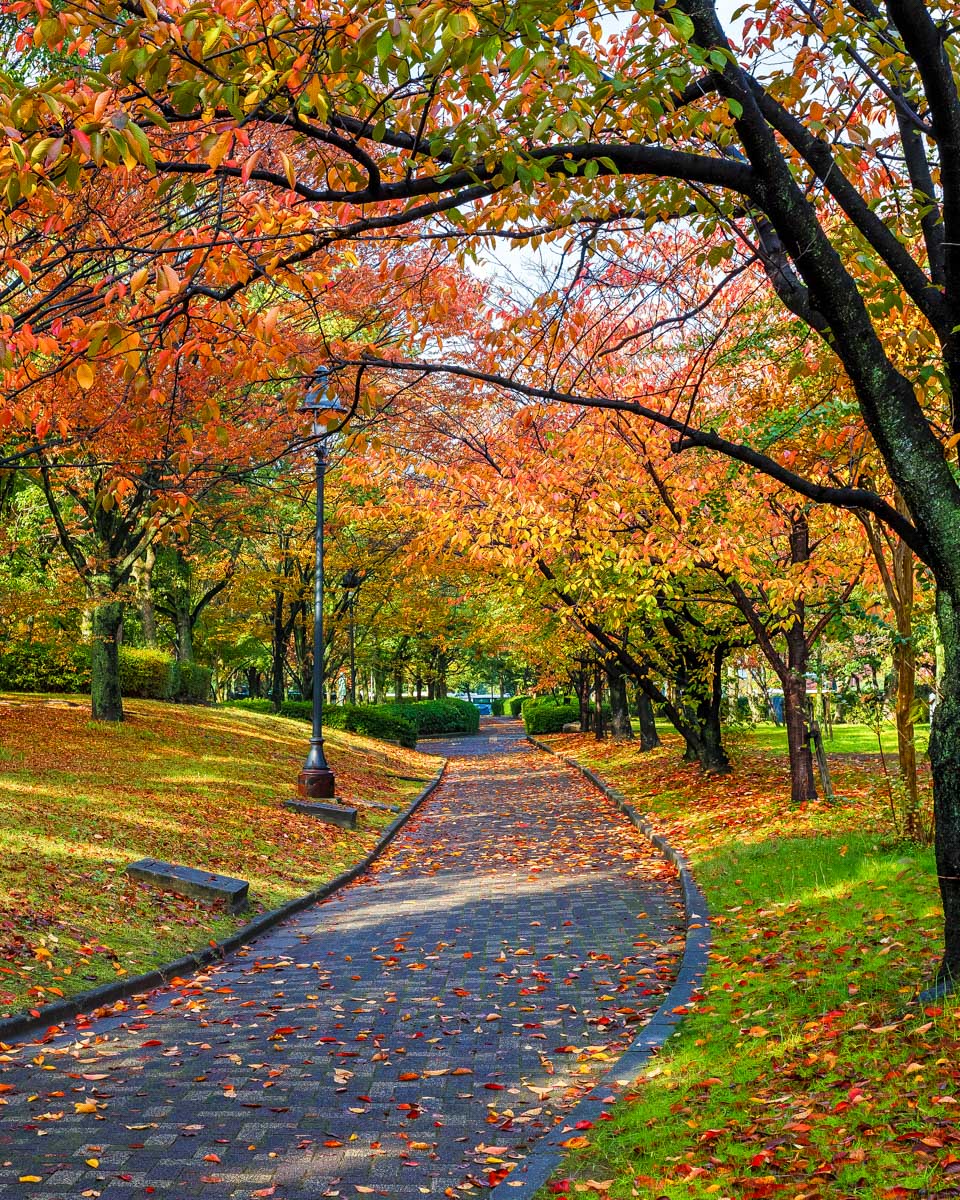
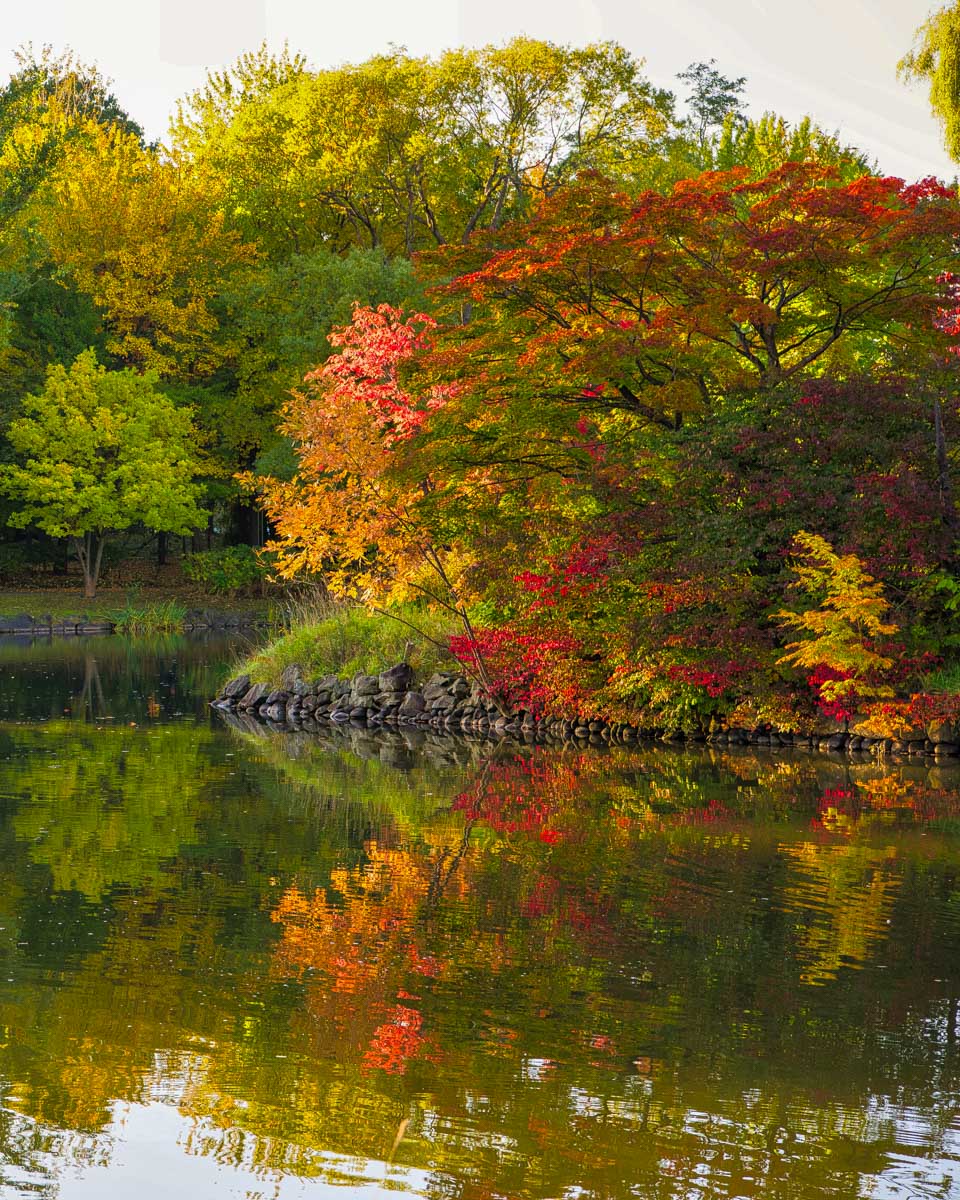
Autumn in Japan is absolutely stunning. This is when the famous fall foliage, or “koyo”, gradually moves across the country from north to south. Hokkaido experiences peak colors as early as October, followed by the Japanese Alps and central Japan (Kyoto, Nikko, and Tokyo) through late October into November.
Early September can still feel hot and humid, with lingering typhoons, but by October the weather turns crisp, dry, and clear, which is perfect for hiking and sightseeing.
We actually went to Hokkaido in October to see the vibrant foliage before central Japan reached its peak. Then, we continued on to Kyoto in November and were just blown away by the autumn colors framing the temples.
Autumn is also quieter than cherry blossom season, which means fewer international tourists, although popular spots do still get busy during peak weeks. All in all, I think autumn might just be my favorite time of year in Japan. It’s just as beautiful as sakura season but less crowded, so it’s a true sweet spot for hiking and photography, which are two of my big passions!
September
- Overview: Hot, humid start; typhoons still possible
- Best For: Budget travelers, early autumn colors in Hokkaido
- Pros: Cheaper prices, fewer international tourists
- Cons: High typhoon risk, muggy weather, travel delays possible
- Events: Kishiwada Danjiri Matsuri (Osaka), Silver Week (some years)
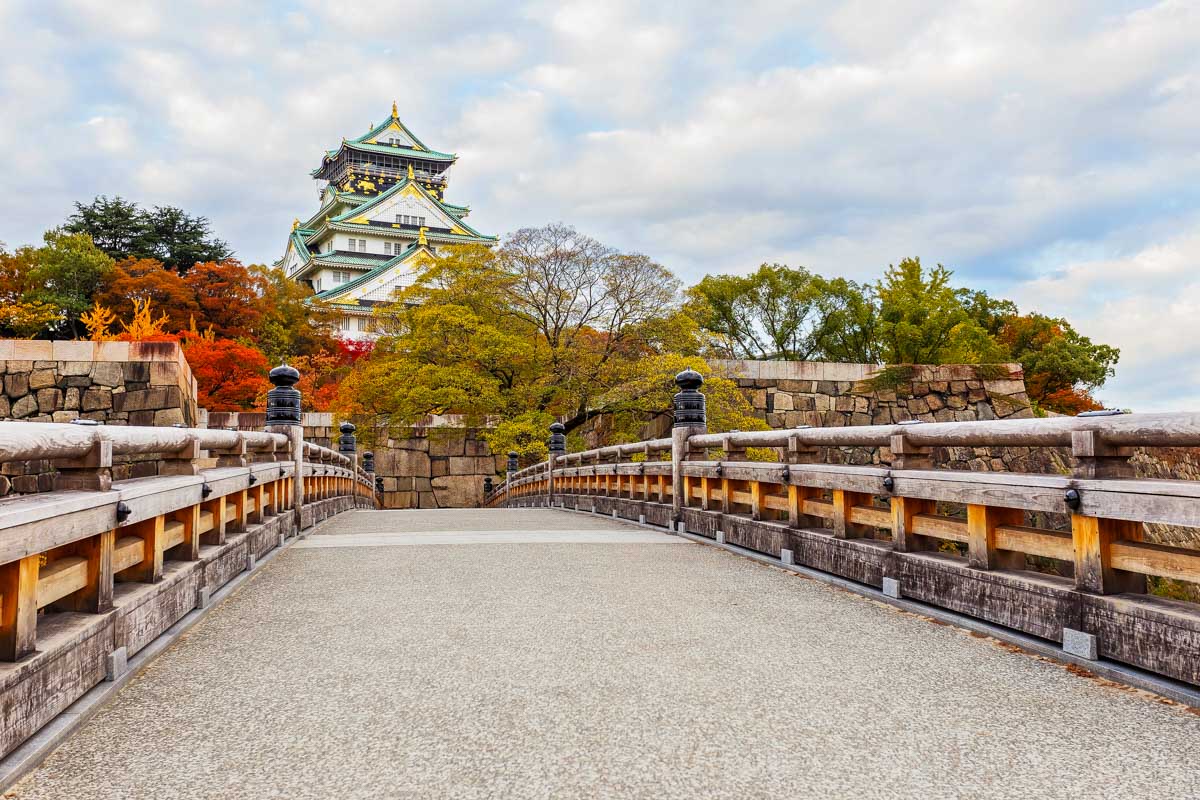
September is a transitional month in Japan. It starts off hot and humid, and the tail end of typhoon season can occasionally disrupt travel. Despite the weather risks, it’s a great month for budget-conscious travelers, as flights and hotels tend to be cheaper and international crowds are smaller.
The weather can be unpredictable, so packing light layers and rain gear is essential. If you don’t mind a little muggy heat or possible travel delays, September offers a quieter, more affordable way to experience Japan.
The month also features lively local events, like the Kishiwada Danjiri Matsuri in Osaka. Once every 5 or 6 years, Silver Week occurs. This is when public holidays line up in such a way that lots of people book a few days off work in between them to enjoy an extended vacation. Silver Week is fun, but it also means you’ll need to book travel and accommodation further in advance.
October
- Overview: Comfortable weather; foliage begins north and in the highlands
- Best For: Hiking in the Alps, city sightseeing with mild temps
- Pros: Crisp air, cultural festivals, shoulder-season savings
- Cons: Some rain; leaf-viewing spots start to crowd
- Events: Takayama Autumn Festival, Jidai Matsuri (Kyoto), Halloween in Tokyo
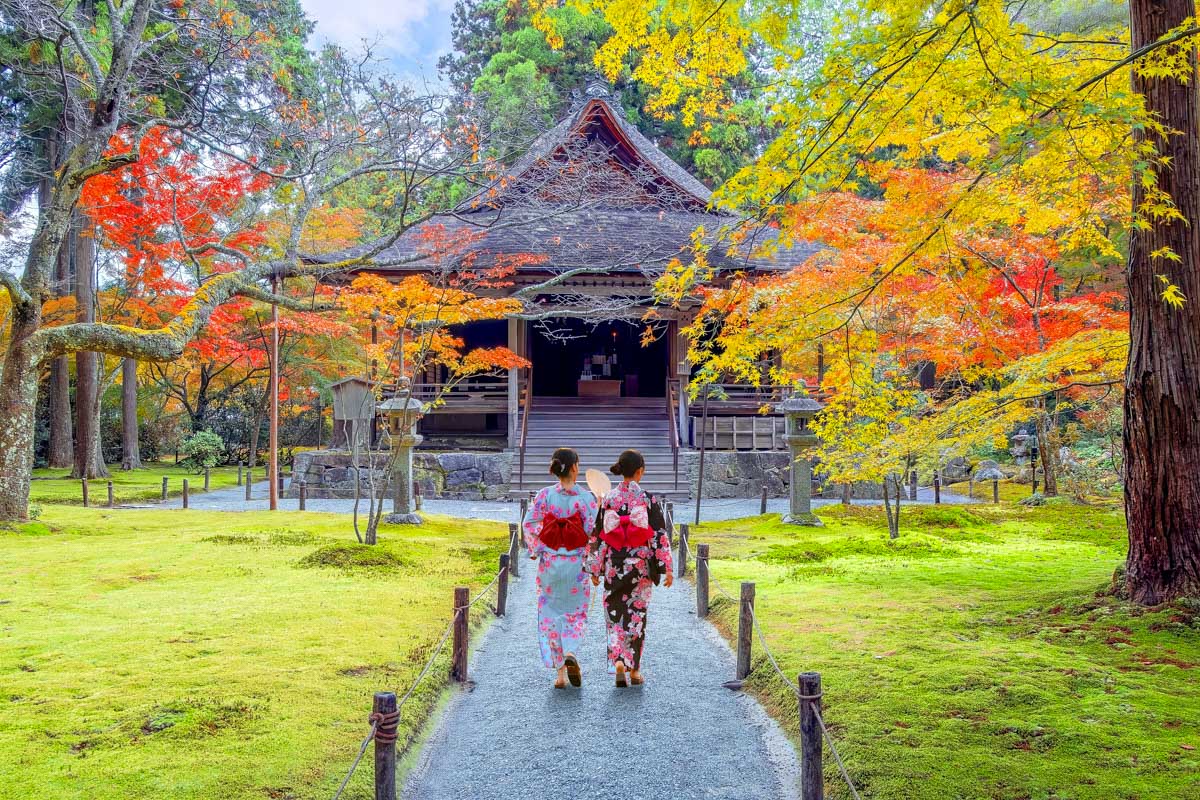
October is one of our favorite months to visit Japan. The weather is comfortable, with crisp air and clear skies, so it’s ideal for hiking in the Japanese Alps or strolling through cities like Kyoto and Tokyo. This is when early autumn foliage begins to appear in northern Japan and at higher elevations. We hiked in the Alps in October and were blown away by the mountain scenery framed in autumn colors.
Meanwhile, cities are lively with cultural festivals like the Takayama Autumn Festival and Jidai Matsuri in Kyoto. Meanwhile, in Tokyo, there are lots of Halloween events – and believe me, they go all out here!
While leaf-viewing spots can start to get busy and occasional rain showers occur, October is generally a shoulder season. This means lower prices and fewer crowds compared with peak autumn weeks, making it an ideal time to experience the best of Japan’s landscapes and culture.
November

- Overview: Peak autumn foliage in central Japan
- Best For: Temple/garden visits framed by red maples, scenic hikes
- Pros: Stunning colors, pleasant weather, manageable crowds
- Cons: Busy in Kyoto/Nara; evenings cool
- Events: Shichi-Go-San, Autumn Leaf Festivals (Kyoto, Nikko)
November is the peak autumn foliage season in central Japan. This is when temples, gardens, and mountain trails burst into vibrant reds, oranges, and golds. The weather is crisp and clear, and much of the country is at its most beautiful, so what’s not to love?
We visited Kyoto in early November and were amazed at how the maples framed the temples. It felt like stepping into a painting! And although it was pretty busy, I also thought that the crowds were much more manageable compared with the spring cherry blossom peak.
This month is ideal for travelers who want to enjoy Japan’s natural beauty at its finest. Popular spots like Kyoto and Nara can get busy during peak foliage weeks, so it’s smart to book ahead to get the best prices. Meanwhile, evenings start to feel chilly, so packing layers is important.
Winter (December to February)
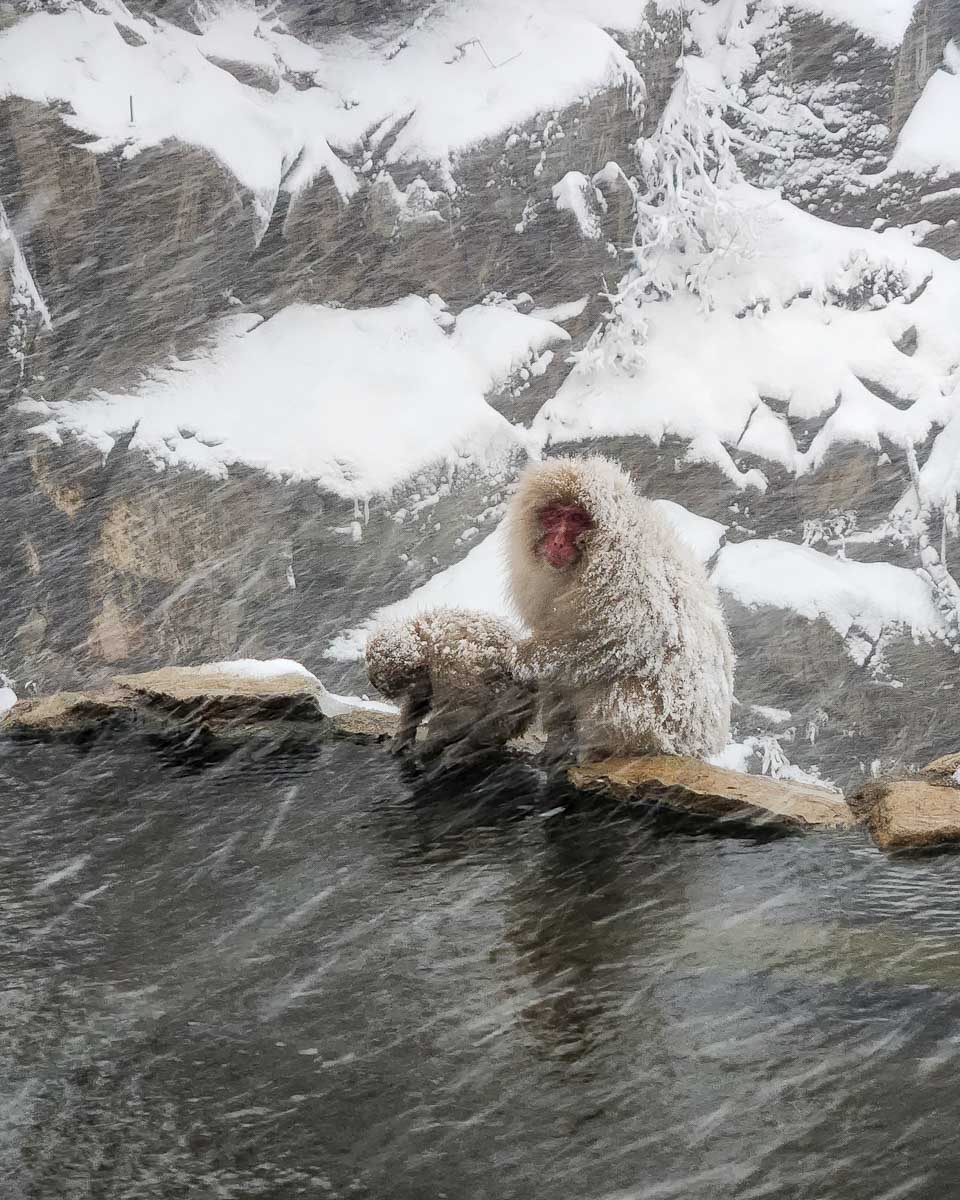

Winter looks very different throughout Japan. The north and mountain regions are covered in snow, and we love skiing and snowboarding in Hokkaido and Nagano. Meanwhile, southern cities like Tokyo and Kyoto remain relatively mild. Winter is an affordable time to visit these cities, and snow is rare.
If you want to ski, I highly recommend heading to Niseko – we had the best time on the slopes. The powder snow is legendary, and the resorts were busy… but that’s good news if you’re looking for a fun après ski scene, trust me!
We also loved the Sapporo Snow Festival. It’s legendary for a reason! Seeing intricate ice sculptures light up the city is absolutely magical.
Meanwhile, if you want to enjoy amazing views of Mt. Fuji but aren’t interested in climbing it, winter is the perfect time of year to explore the region. The cold weather means clear skies and unbelievable views!
The main downsides of visiting Japan during winter are short daylight hours and bitterly cold temperatures in the north. Still, nothing beats slurping down ramen or enjoying a hot soak in an onsen after exploring in the cold!
December

- Overview: Festive lights, Christmas markets, and early ski season
- Best For: Holiday lights, festive travel, skiing
- Pros: Cozy atmosphere, fewer crowds before Christmas, snow in the north
- Cons: The holidays are busy/expensive; short days
- Events: Christmas Illuminations, Emperor’s Birthday, New Year’s festivities
December in Japan is perfect if you love festive cheer and cozy winter vibes. Forget Christmas in New York – cities like Tokyo, Kyoto, and Osaka are where it’s at! They’re so enchanting at this time of year with their dazzling Christmas illuminations and seasonal markets. We visited Tokyo one December evening and were amazed by the glowing displays along Roppongi and Shinjuku. There’s also the Shibuya Blue Cave winter festival!
The month is also the start of the ski season in northern Japan, with Hokkaido and Nagano offering early powder runs. While the holidays can be busy and pricey, the period before Christmas is quieter, making sightseeing more enjoyable.
Days are very short in December, particularly in the north, so planning your activities is important. However, we think that the festive spirits and snowy landscapes make December a wonderful time to experience Japan’s winter charm.
January

- Overview: Coldest month; quiet post-New Year; peak ski conditions
- Best For: Skiing, snowboarding, onsen visits, and cheap city trips
- Pros: Clear skies (Mt. Fuji views), low crowds, excellent snow & ski conditions
- Cons: Bitter cold, limited daylight
- Events: Coming of Age Day, Sumo New Year Tournament (Tokyo)
January is Japan’s coldest month, but it’s also a fantastic time for winter sports and quieter city experiences. The post-New Year period brings lower crowds and cheaper accommodation in cities like Tokyo and Kyoto, while ski resorts in Hokkaido and Nagano are in peak condition. The powdery snow makes for incredible runs.
With that said, the weather is bitterly cold, especially in northern Japan, and daylight hours are limited, so planning your sightseeing is key. Still, clear winter skies offer incredible views of Mt. Fuji, although you can’t hike it.
January is also one of our favorite times of year to visit Hakone. The town is about an hour from Tokyo, so temperatures hover around 10°C/50°F and in my book, its plethora of onsens make it the perfect winter escape!
February

- Overview: Still cold; snow festivals; romantic winter vibes
- Best For: Skiing, Sapporo Snow Festival, winter escapes
- Pros: World-class powder snow, vibrant festivals, low city crowds
- Cons: Very cold, outdoor sightseeing is limited
- Events: Sapporo Snow Festival, Setsubun, Valentine’s Day
February remains cold across Japan, but it’s when ski resorts in Hokkaido and Nagano are at their best. The January crowds have subsided, but the powder is still first class! We visited Niseko in February, and I can confirm that the conditions were incredible.
This month also brings vibrant winter festivals. The Sapporo Snow Festival is a true must-see, with massive ice and snow sculptures transforming the city into a dazzling winter wonderland. I’m talking about giant snow palaces and huge busts of cartoon characters. You really have to see it to believe it.
City sightseeing is more limited due to the cold, but low crowds make exploring Tokyo, Kyoto, and Osaka peaceful and budget-friendly. With the right layering and preparation, February offers stunning snowy landscapes, festive energy, and romantic winter vibes.
Related Read: Considering purchasing a Japan Rail Pass? See our Ultimate Guide to the JR Pass to see if it’s the right choice for your trip!
Best Time to Visit by Region

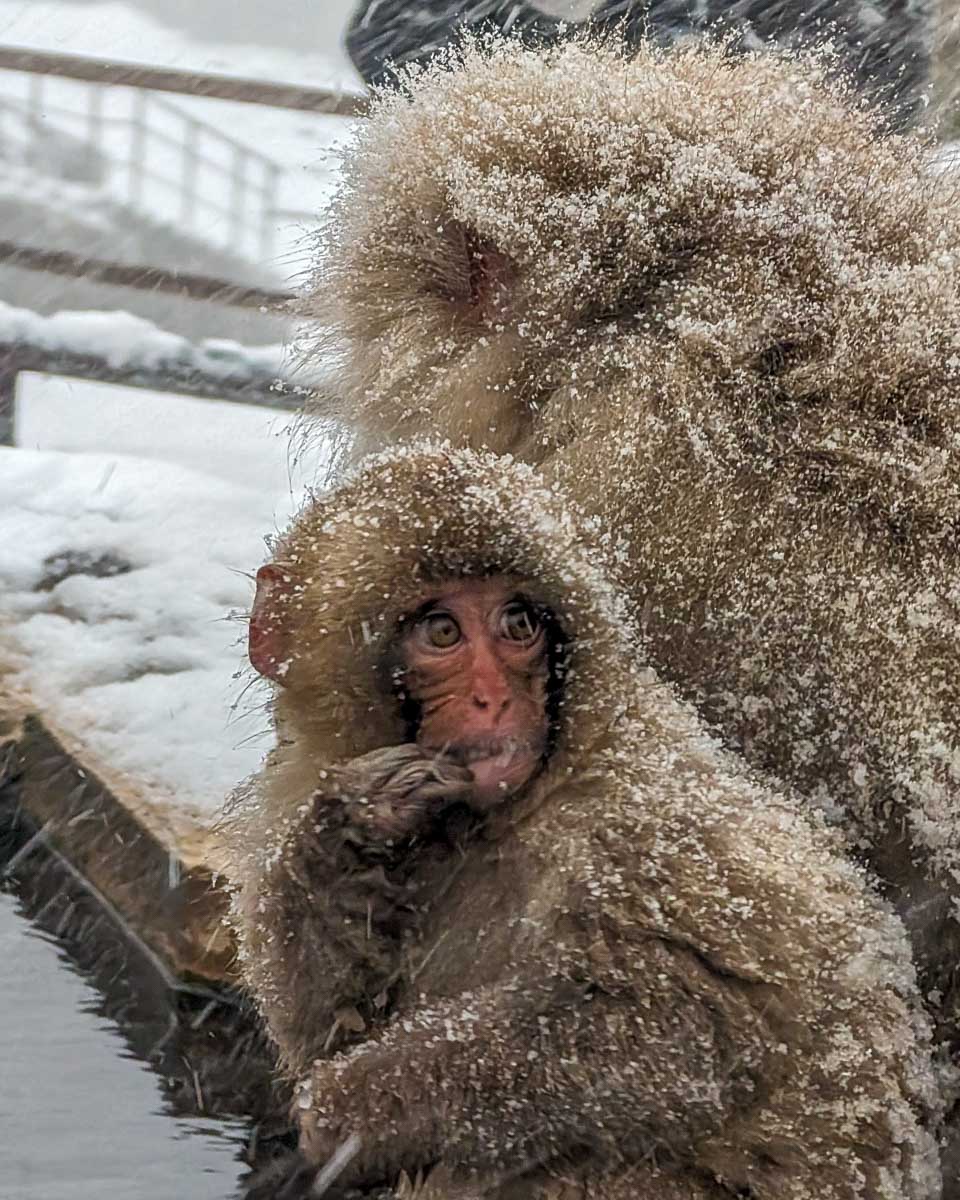
Japan’s climate varies widely depending on the island, region, and elevation. This means that the best time to visit can really depend on where you’re headed and the experiences you’re after!
Northern Japan, like Hokkaido, has long, snowy winters and cool summers, while the southern islands, such as Okinawa, enjoy a subtropical climate with warm seas most of the year. Meanwhile, central Honshu experiences four distinct seasons, from cherry blossoms in spring to vibrant autumn leaves, and mountainous regions have shorter summers with long ski seasons.
Because of these differences, timing your trip around your destination and interests makes a big difference. Do you want to chase cherry blossoms, hike alpine trails, soak in an onsen, or hit the ski slopes? Below, we’ve broken down the best times to visit each major region, helping you plan your trip around the weather, seasonal highlights, and local atmosphere.
Honshu


- Overview: Japan’s cultural and urban core, with four distinct seasons.
- Places: Tokyo, Kyoto, Osaka, Hiroshima, Kanazawa, Kobe, Nara, Nikko, Hakone, Mt. Fuji area
- Best time: Late November–early December (autumn leaves) and January–February (quiet, clear skies)
- Why: Kyoto’s temples glow with autumn colors; crisp winter air gives incredible Fuji views. Winter is also less crowded and cheaper in cities
- Alternative time: Late March–early April for cherry blossoms (beautiful but crowded and expensive)
Honshu is Japan’s largest island, and it’s home to most of the country’s main cities and cultural sights. It’s essentially the middle of the country, and it experiences four distinct seasons, so timing your visit is important.
Our favorite time to visit is in late November to early December, because this is when the fall foliage is at its peak! Winter, from January to February, is also ideal, especially for clear skies and crisp air around Mt. Fuji. Cities like Tokyo and Osaka are quieter, hotel prices drop, and sightseeing is much more relaxed.
If you don’t mind crowds and higher costs, late March to early April offers unforgettable cherry blossom views. This requires advance planning and a bigger budget but sakura season really does deliver the wow factor.
Hokkaido

- Overview: Northernmost island with long winters and cool summers
- Places: Sapporo, Furano, Niseko, Hakodate
- Best time: December to February
- Why: Legendary powder snow for skiing and snowboarding, plus the Sapporo Snow Festival in February
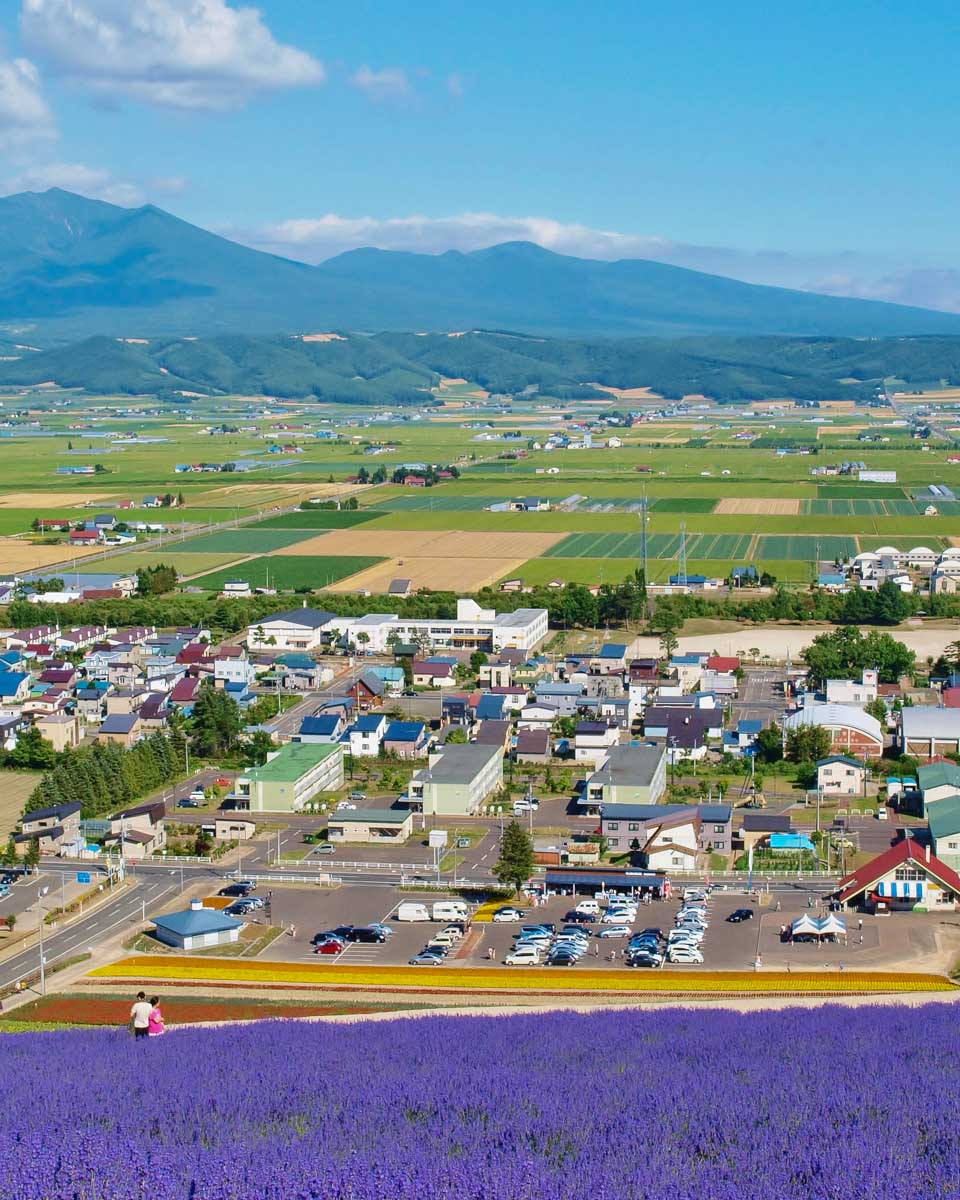
- Alternative time: July, when the island’s mild summer brings rolling flower fields (like Furano’s lavender) and comfortable hiking weather
Hokkaido is Japan’s northernmost island, and it’s a real winter wonderland. The best time to visit is December through February, when ski resorts like Niseko and Furano offer legendary powder snow. It truly blew us away, and we enjoyed some of the best skiing we’ve ever experienced. And I’m from Canada, so that’s saying a lot!
February is also when the Sapporo Snow Festival takes place, which is a truly epic cultural festival. The snow and ice sculptures are mind-blowing – I felt like I was in a movie.
If you’re not a winter traveler, July is another great option for Hokkaido. Summer here brings mild temperatures, rolling flower fields like Furano’s famous lavender, and comfortable hiking weather. Compared with Honshu, Hokkaido has fewer crowds even in summer, so it’s perfect for nature lovers and photographers. You can usually get pretty good deals on accommodation, too!
Okinawa & Southern Islands
- Overview: Subtropical climate with warm seas year-round.
- Places: Okinawa Main Island, Ishigaki, Miyako-jima
- Best time: Late March to May and October to November.
- Why: Warm weather and swimmable seas without peak typhoon risk. Perfect for diving and beach holidays.
- Alternative time: December to February for a quieter, mild-weather escape — though too cool for swimming, it’s great for culture and food.
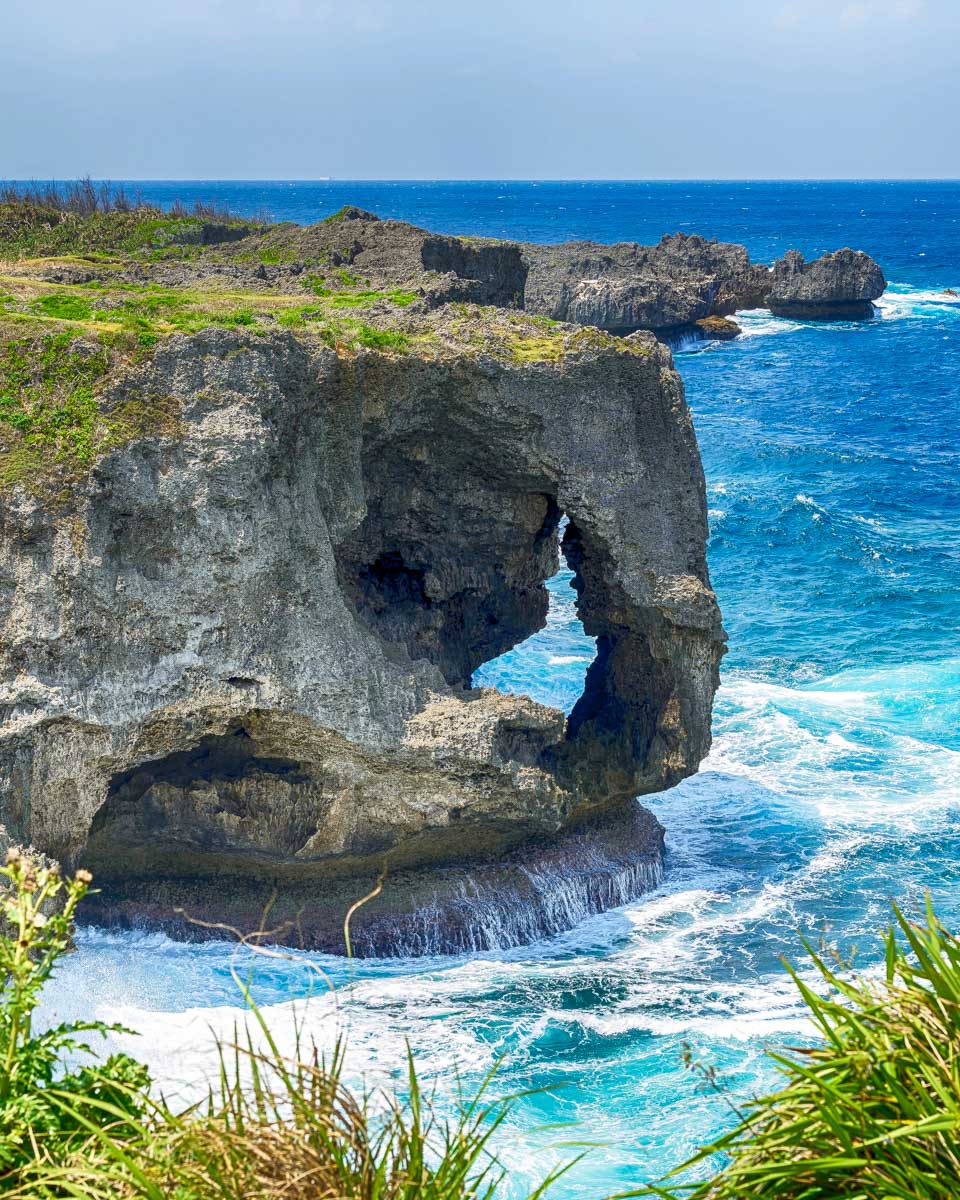
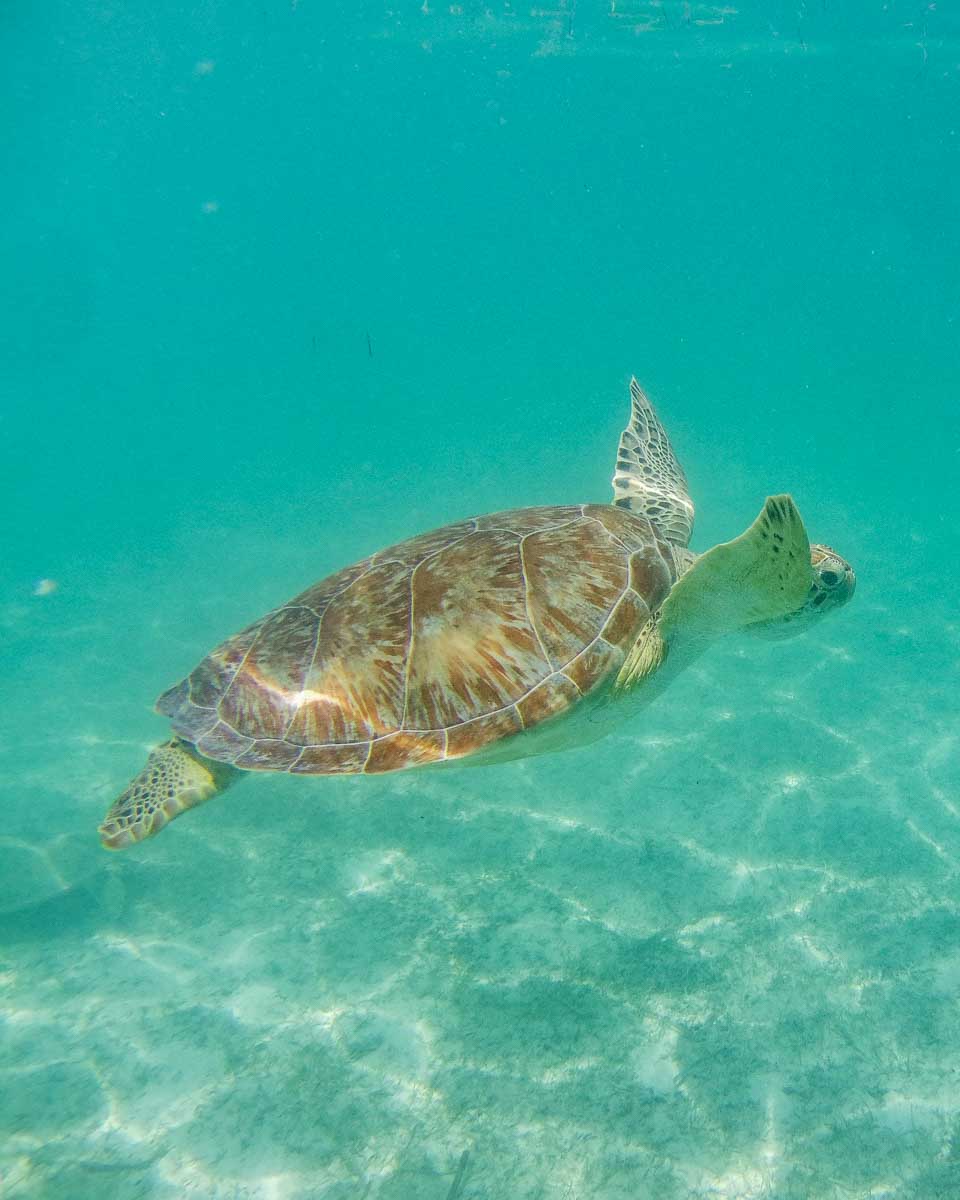
Okinawa and Japan’s southern islands enjoy a subtropical climate, which makes them perfect for warm-weather escapes. The best times to visit are late March to May and October to November, when temperatures are pleasant, and the seas are swimmable without the peak typhoon risk. July and August are the busiest times in Okinawa, but we definitely prefer the shoulder seasons. We spent a week on Ishigaki in late April and had a great time snorkeling and diving with tropical fish, and even turtles!
Winter, from December to February, is quieter and still mild. It’s definitely too cool for swimming, but you can still jump in a wetsuit and enjoy snorkeling or diving without the crowds. The visibility is great during winter, too, because there’s less rainfall! For that reason, it’s also a nice time of year for long, peaceful coastal walks.
Japanese Alps & Mountain Regions
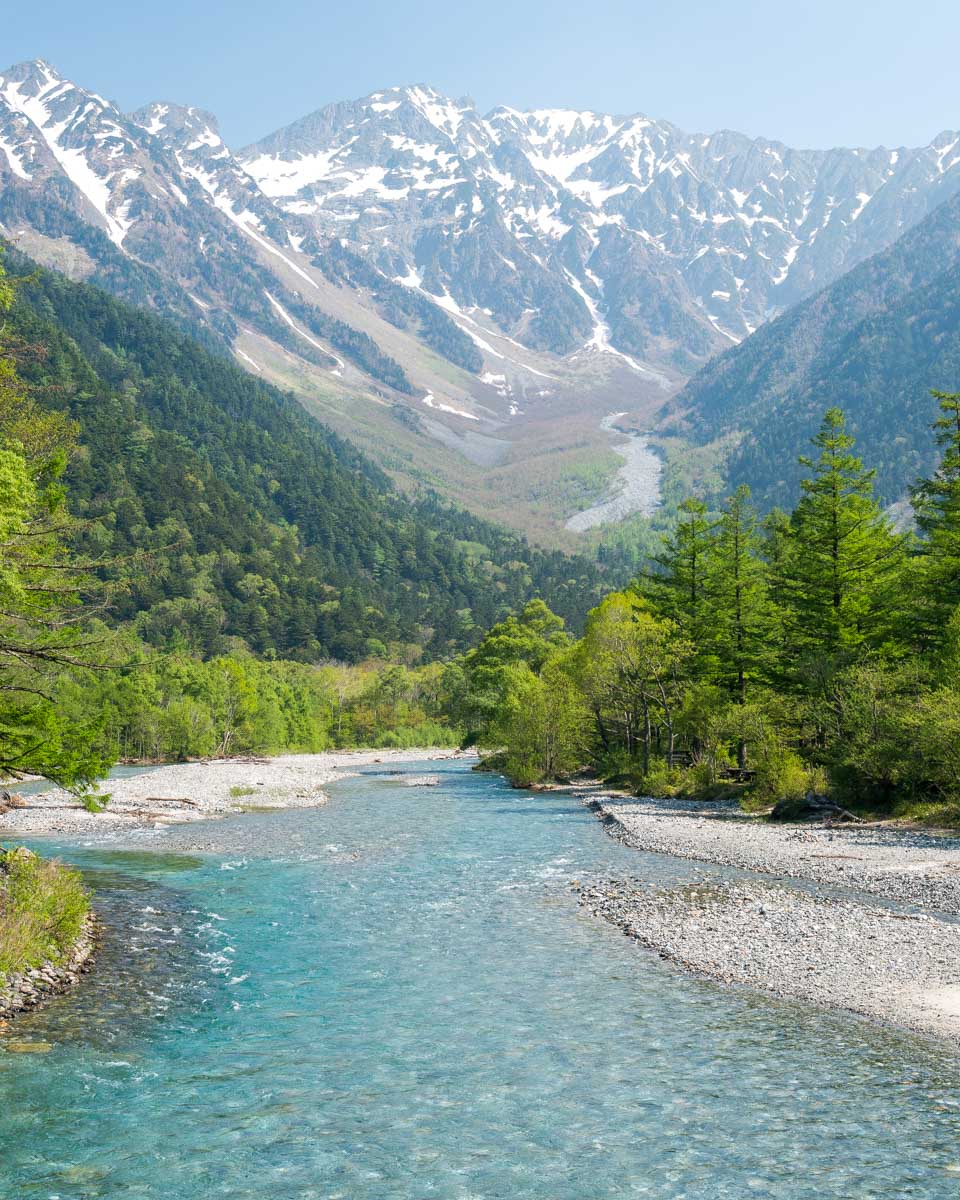
- Overview: Mountainous central Japan with alpine scenery.
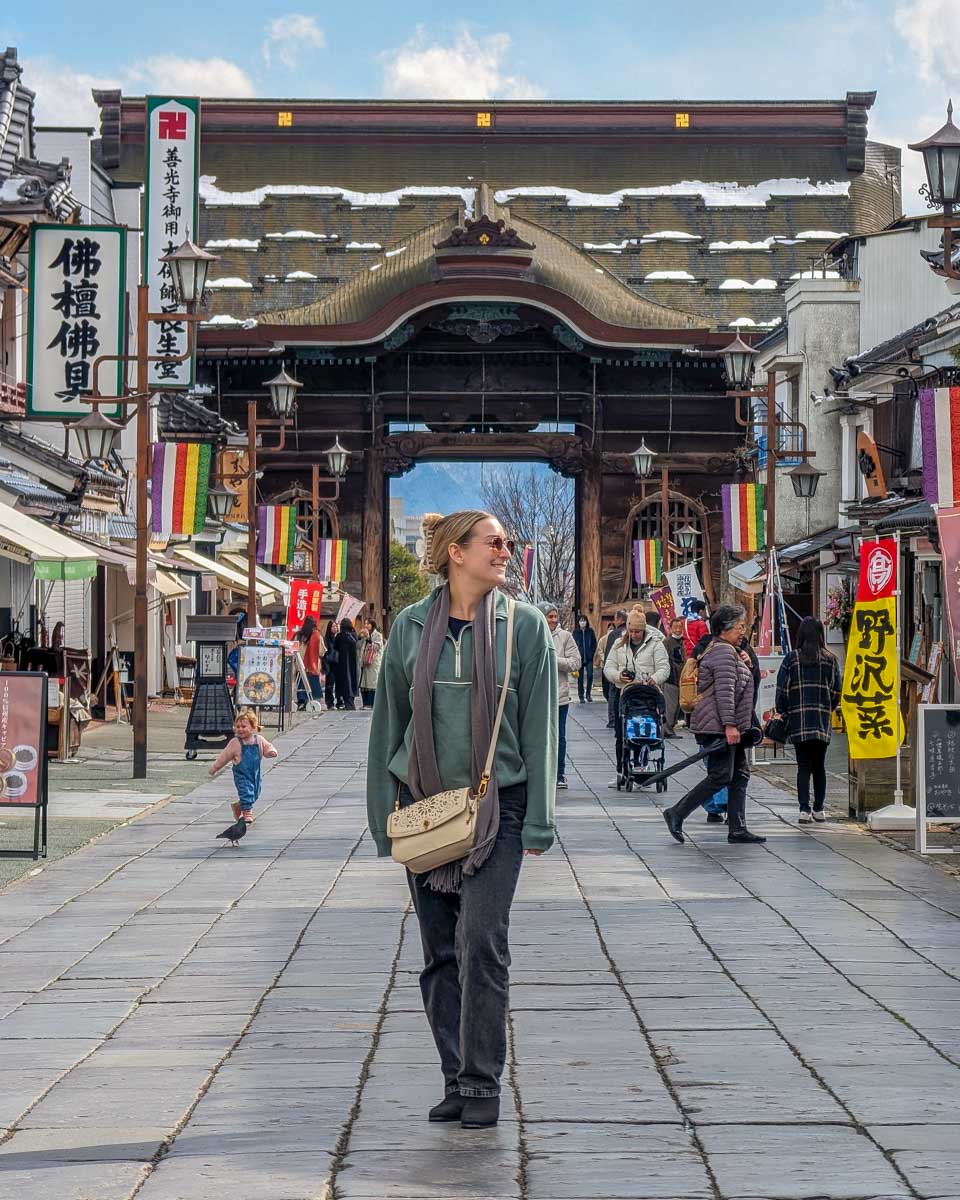
- Places: Nagano, Takayama, Matsumoto, Kamikochi
- Best time: Late April to June (spring hiking) and September to November (autumn foliage).
- Why: Comfortable temperatures, clear mountain air, and beautiful alpine scenery.
- Alternative time: December to March for ski season, when resorts buzz and hot springs are at their most inviting.
The Japanese Alps and central mountain regions offer some of the country’s most stunning alpine scenery. Late April to June is perfect for spring hiking, with comfortable temperatures and clear mountain air, not to mention trails lined with blooming flowers. We visited Kamikochi in May and were blown away!
We think that autumn, from September to November, is equally magical here thanks to the fiery foliage. It makes the forests around Takayama, Matsumoto, and Nagano look absolutely incredible.
But if you’re a winter sports fan, December to March is the time to visit. This is prime time for skiing on Japan’s legendary slopes and then enjoying cozy onsen soaks afterwards. Sounds pretty blissful to me!
Things to Consider When Choosing When to Visit

While weather and crowds are major factors, a few other considerations can help you decide the best time to plan your Japan trip. Your budget, flexibility, and tolerance for crowds also play a big role. And of course, what you want to do matters – skiing, hiking Mt Fuji, or seeing sakura or koyo will narrow down your date windows quite a lot.
By looking at your priorities and the type of experiences you want, you can choose the season that fits your trip perfectly. Below, we’ve broken down popular travel goals to help you pick the right time for your ideal Japan adventure.
Related Read: Another factor to choosing your time to visit is how you’ll get around! See our gude on How to Get Around Japan to learn about all types of travel, including planes, trains, or renting a car.
What Type of Activities Do You Want to Do?


The best time to visit Japan depends a lot on what you want to do. Cultural city breaks, outdoor adventures, festival experiences, and winter sports each shine in different months.
And where you go is just as important as when. For example, the cherry blossoms start in the south of Japan and move north, while in autumn the fall foliage goes in the other direction!
Meanwhile, the perfect time for hiking in the Japanese Alps isn’t the same as skiing in Hokkaido. So if you’re struggling to decide when to go, it’s worth thinking about what you’re most interested in doing and working it out from there.
Below, we’ve outlined popular activities and the months that work best for each, so you can plan around your interests.
City Sightseeing
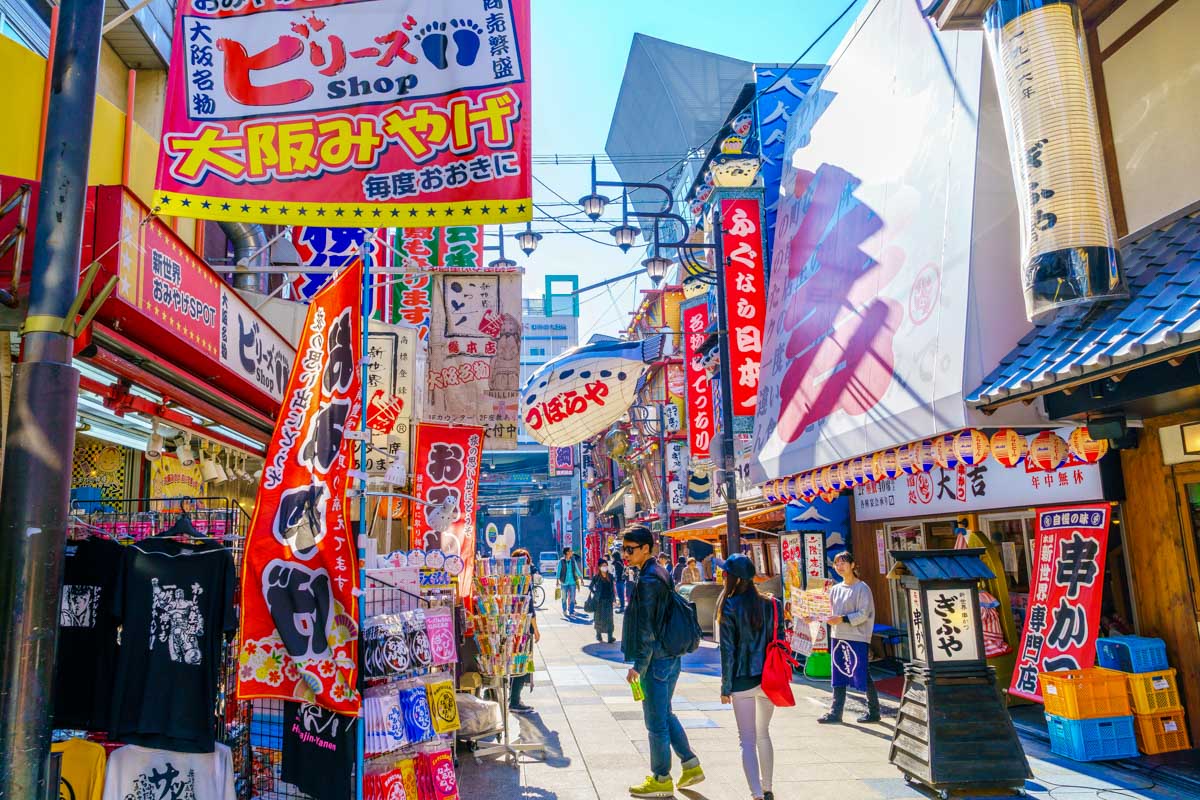
We’ve found that spring (April–May) and autumn (September–November) are the real sweet spots for exploring Japan’s major cities like Tokyo, Kyoto, Osaka, and Hiroshima. The mild weather makes walking tours and temple visits much more enjoyable.
Summer can be sweltering and crowded, while winter brings chilly days and shorter daylight hours, so the shoulder seasons truly are the goldilocks months! They let you enjoy city life at a comfortable pace, with pleasant temperatures, longer days, and fewer crowds. We find that sightseeing, shopping, and just wandering around are far more relaxing at these times of year.
Cherry Blossoms & Garden Viewing

Late March to early April is peak cherry blossom season in Japan, and it’s truly magical. Parks, temples, and riversides in Tokyo, Kyoto, and Osaka burst into soft pink and white blooms, creating picture-perfect scenes for hanami picnics.
It’s an unforgettable experience, but keep in mind it’s also the busiest time of year. Popular spots get crowded, and accommodation and train tickets can be expensive. You also often have to get up pretty early to beat the crowds or secure a good spot under the blossoms, although that’s all part of the fun!
Festivals & Fireworks

July and August make up the festival season in Japan. These months are filled with energetic matsuri, parades, and fireworks displays.
Some highlights include Kyoto’s Gion Matsuri and Aomori’s Nebuta Festival, both of which involve colorful floats, dancing, and street food. Sure, it’s hot and humid, but the lively atmosphere makes it worth it.
We experienced the Sumidagawa Fireworks in Tokyo one summer and were blown away by the sheer scale and excitement. If you’re prepared to deal with crowds and are organized enough to plan your travel around festival schedules, you’ll find a festival vibe like nowhere else.
Autumn Leaf Viewing & Hiking

October to November in central Japan and mid-September in Hokkaido is prime time for autumn foliage. Mountains, temples, and gardens are transformed with reds, oranges, and golds to a breathtaking effect. Autumn in Japan truly is like nowhere else on Earth!
The weather is crisp, dry, and ideal for hiking or leisurely strolls through scenic areas. We hiked around Nikko in November and couldn’t stop taking photos because the colors were just unreal. Crowds do exist, but happily, they are far easier to manage than during cherry blossom season. Autumn really offers a sweet spot for travelers who want natural beauty without the peak-season chaos.
Skiing & Onsen Escapes

December to February is winter in Japan, and it’s prime time to go skiing in Hokkaido and Nagano. The powder snow here attracts winter sports enthusiasts from all over the globe, while onsen towns offer cozy relaxation after a day on the slopes.
Ski resorts can be busy, especially in December and January, but the après ski scene is unmatched. And if you’d like to avoid the crowds, things do quieten down a bit in February, but the snow is still top-notch.
Related Read: Renting a car made our ski vacation much easier! See our guide to Renting a Car in Japan for our top tips and preferred rental company.
What is your budget?


Your travel budget can have a big impact on when you should visit Japan, since prices fluctuate a lot throughout the year. Peak season includes late March to early April for cherry blossoms, Golden Week in late April/early May, and Obon in mid-August. We break down how much these peak periods can impact your overall trip budget in our guide to the cost of traveling to Japan.
During these periods, flights, hotels, and trains can be extremely expensive, and popular spots like Kyoto, Tokyo, and Osaka often sell out months in advance. In the north and mountain regions, ski resorts see peak pricing from December through February. And of course, accommodation prices in Sapporo skyrocket during the legendary Snow Festival.
If you want a better balance between cost, weather, and crowds, shoulder seasons are ideal. May (after Golden Week), September to early November, and late November to mid-December offer comfortable temperatures, beautiful scenery, and more affordable accommodation. These months let you enjoy Japan without feeling rushed or squeezed by crowds.
Low season is January through mid-March, excluding ski resorts. This is when city hotels and flights are cheapest, attractions are quieter, and streets feel more relaxed. We visited Tokyo in early February once and loved how empty the streets were. It made wandering the city a total pleasure, and we saved a lot on hotels!
Do you mind crowds?
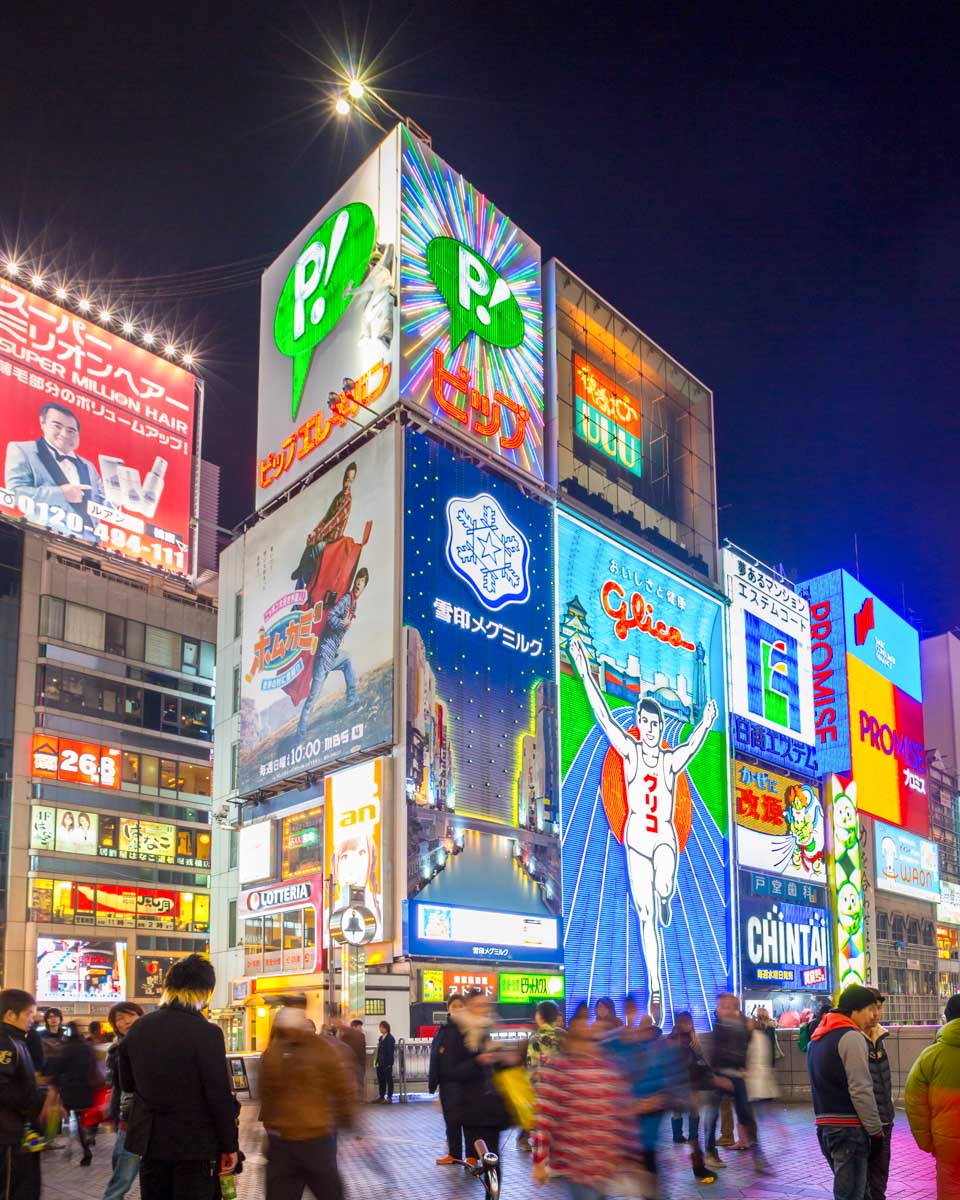
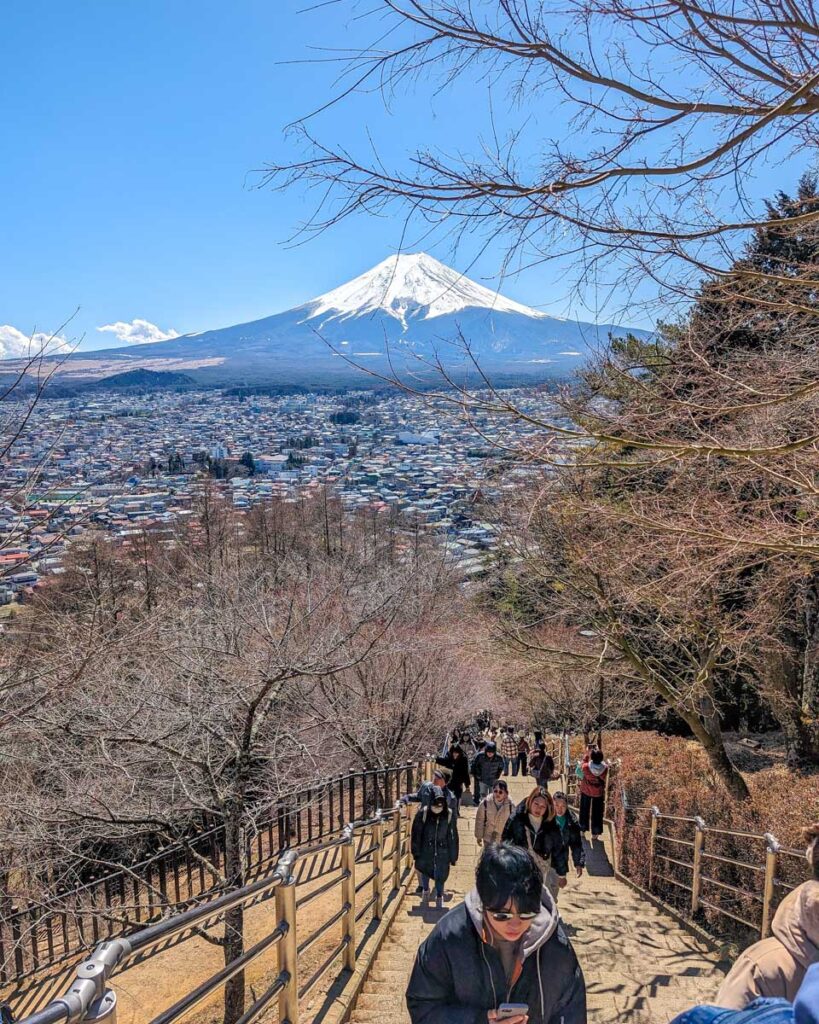
Crowds can make or break your experience in Japan, so it’s worth thinking about how much hustle and bustle you’re prepared to deal with. Japan’s busiest times are during cherry blossom season (late March–early April), Golden Week (late April–early May), and Obon (mid-August).
During these periods, trains are packed, attractions are crowded, and prices are at their peak.
If you don’t mind the energy and excitement, these times offer incredible festivals, floral displays, and cultural events, but it does require planning and patience. Personally, I struggle with crowds sometimes, and there’s really no shame in avoiding the most popular times so that you can enjoy a more relaxed experience with less planning involved.
For example, the autumn foliage season (late October–November) is slightly less intense, so it can be a good alternative to the cherry blossom season. And I promise, it’s just as beautiful! Kyoto and Nikko do get busy at peak leaf-viewing weeks, but still, it’s a more manageable crowd compared to spring.
The quietest months are January and February, outside of ski resorts and New Year’s week. If you don’t mind the cold and crave having temples and shrines almost to yourself, then this is a great time to visit as the lack of crowds makes traveling feel pretty effortless.
Related Read: Once you’ve picked your ideal season, check out my guide on where to go in Japan based on your travel style to choose the destinations that fit the trip you’re dreaming of.
Anything else I should know?
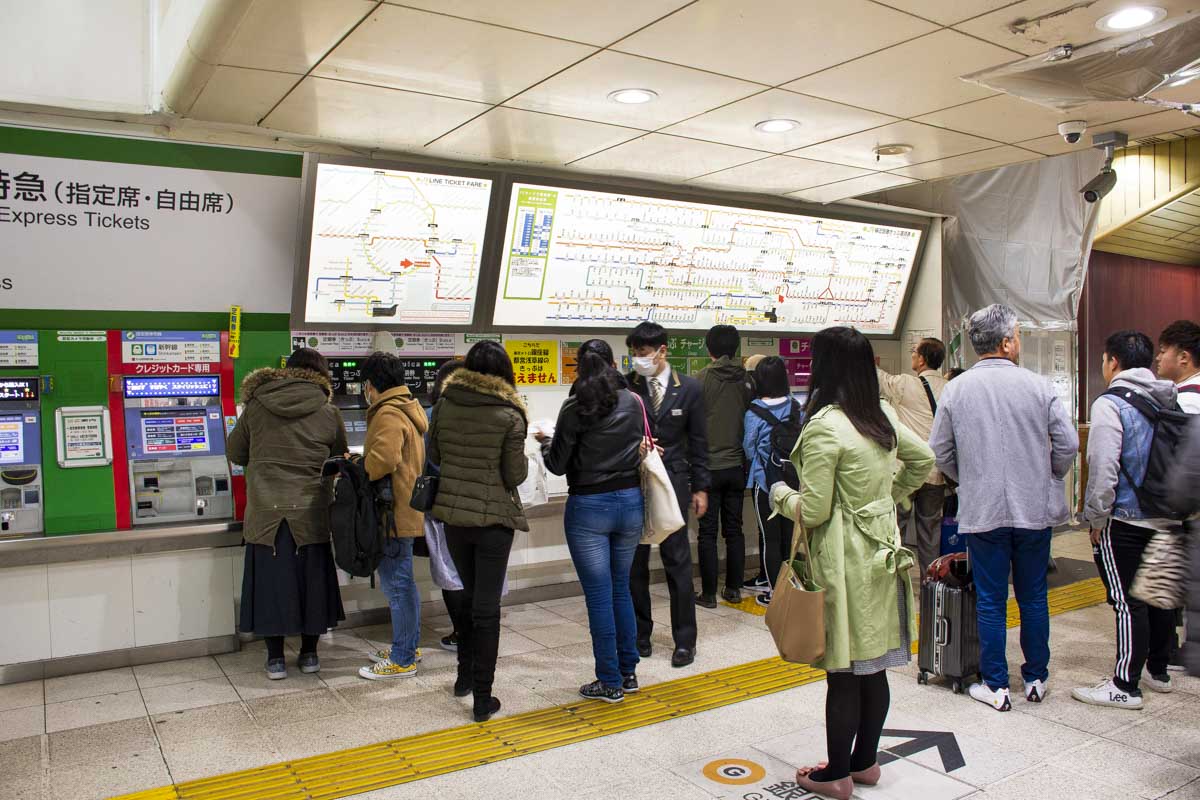
Even if you’ve figured out the best season and region for your trip, a few practical details can make a huge difference in how smooth and enjoyable your visit to Japan will be. From public holidays to seasonal schedules, weather considerations, and booking strategies, planning ahead helps you avoid unexpected stress and enjoy your trip to the fullest. A little preparation can mean the difference between long lines, sold-out hotels, or disrupted transport, and a seamless experience filled with festivals and stunning scenery!
Be aware of public holidays and local events
Japan’s public holidays and local festivals can have a huge impact on travel plans. Golden Week, Obon, and New Year’s see a massive surge in domestic travel, with trains full and hotels booked months in advance. Regional events like the Sapporo Snow Festival, Kyoto’s Gion Matsuri, or Okinawa’s Dragon Boat Races also draw big crowds. We’ve found that visiting during these times can be hectic but incredibly rewarding because there’s nothing like seeing a festival in full swing! If you’re willing to plan ahead and embrace the energy, you’ll get a front-row seat to celebrations you won’t see any other time of year.
Book in advance during busy times
During peak periods like cherry blossom season, autumn foliage weekends in Kyoto, major summer festivals, and ski season, accommodations and activities sell out fast. We always book hotels well in advance through Booking.com and tours via Viator to lock in our spots. We’ve learned the hard way that even a few weeks’ delay can mean missing out on must-see activities! Plus, using these sites vs booking direct often provides the advantage of free cancellation, which means that you can make your bookings early and have peace of mind that you’re covered in case your plans change.
Pack for the weather and season
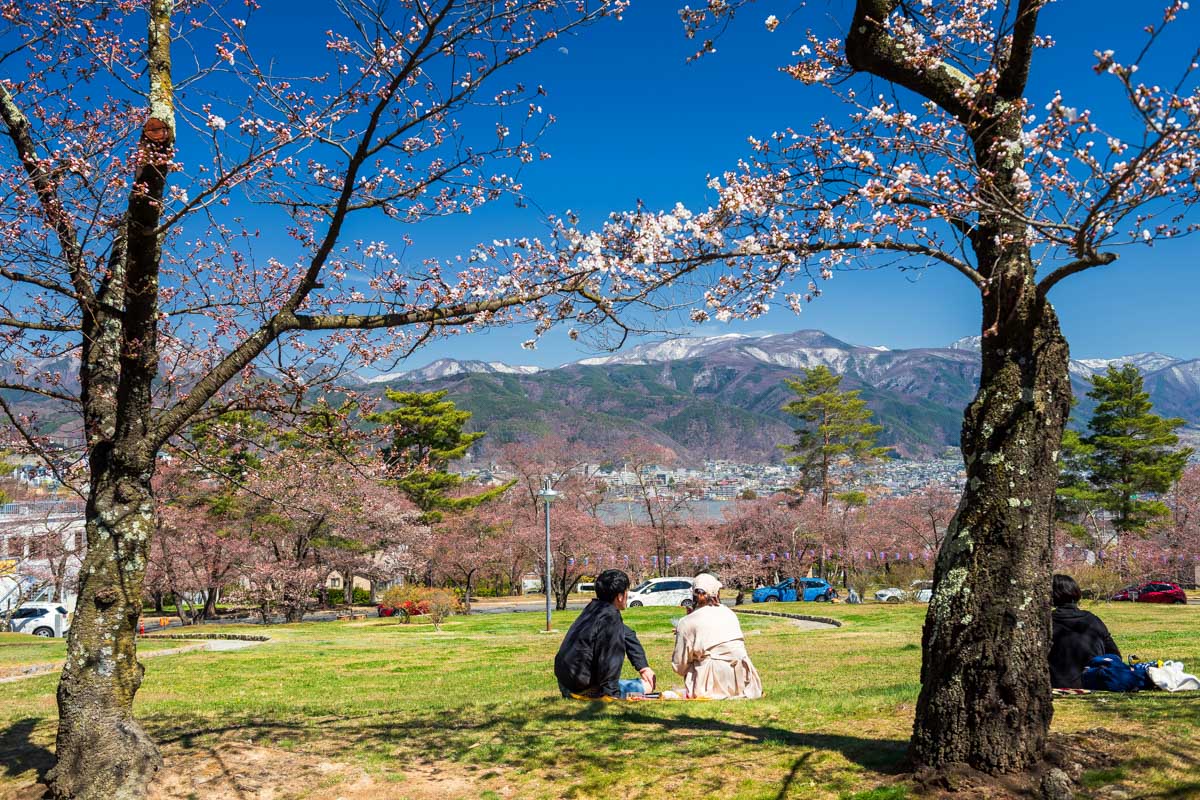
Japan’s climate varies dramatically depending on the region and season, so packing smart will go a long way to ensuring you stay comfortable. Spring and fall are mild but can swing between chilly mornings and warm afternoons, so we always pack plenty of layers. Summer is hot, humid, and rainy, so lightweight, breathable clothing and rain gear are essential. Winter in Hokkaido or Nagano can be bitterly cold, so we pack thermal layers, waterproof boots, and a sturdy winter jacket.
Be mindful of daylight hours
Daylight hours in Japan shift with the seasons. Summer evenings are long and perfect for matsuri (festivals) and city strolls, while winter days are short, which can limit sightseeing. We always double-check sunrise and sunset times when planning our winter trips, especially for temple visits or photography sessions, to make the most of each day. Being mindful of daylight helps you schedule efficiently, avoid rushing, and ensure you catch Japan at its most beautiful moments, whether that’s a sunrise over Mt. Fuji or the sunset glow of autumn leaves in Kyoto!
Check seasonal schedules
Some attractions, ferries, and mountain cable cars reduce hours or close outside of peak seasons. Alpine hiking trails or ropeways may only run from late spring to early autumn, and even museums or gardens sometimes adjust their hours. We always check seasonal schedules in advance to avoid disappointment because this way, we can plan alternative activities if something is closed. A little extra research ensures your trip flows smoothly and lets you make the most of your time.
Consider travel insurance
Typhoons in summer, snowstorms in winter, and transport disruptions make travel insurance a smart choice in Japan. It provides peace of mind for flight cancellations, hotel issues, or delays during severe weather. We always get coverage through SafetyWing before trips, whether skiing in Hokkaido, exploring cities in winter, or attending summer festivals.
Even if nothing goes wrong, it’s reassuring to know that our plans are protected, and that always makes travel more enjoyable if you ask me! If you’re on the fence, we break it all down in our post on whether travel insurance for Japan is worth it, including real scenarios where it can make a difference.
Related read: Decided when to go? Next, read our guide on common mistakes to avoid when traveling in Japan so you can plan your trip smoothly and make the most of every season.
Renting a Car in Japan

Japan’s trains are great, but if you want to explore rural areas, scenic routes, or off-the-beaten path hidden gems, renting a car offers unmatched flexibility. Driving in Japan is generally safe, with well-maintained roads and clear signage, though there are some unique rules and customs to be aware of.
We always book with Discover Cars and can’t recommend them enough. It’s super easy to compare multiple provider prices, check company ratings, filter for the type of vehicle you want, and add affordable full coverage insurance. If you want a full breakdown, check out our Discover Cars review here.
Tips for Renting a Car in Japan
What You Need to Rent a Car in Japan
Ready to hit the road? Discover the freedom of exploring the Japan on your own terms!
Airalo e-sim
Up To 15% Off With Code “DTRAVEL10”
What’s an eSIM?
An eSIM is a digital version of a SIM card. Instead of buying a little plastic chip and swapping it into your phone, you just download it. It connects your phone to a local network in whatever country you’re visiting — no stores, no waiting, and no fiddling with tiny cards.
In simple terms, it’s the easiest way to get data and stay connected while traveling.
We’ve tested a bunch of eSIMs in North America, and after a few frustrating experiences, we’ve found our favorite — Airalo. It’s fast, reliable, and incredibly easy to use. You can set it up in minutes (even my mom managed it solo on her first try!), and the prices are some of the best out there.
Bonus: We’ve got an exclusive 15% discount for our readers. Use the codes:
Thanks for reading!

The truth is – there is never a bad time to visit Japan! Each season brings new activities, stunning scenery, and a unique aspect of Japanese culture. We hope this guide has been helpful as you plan your trip, whether you’re hoping to see those iconic cherry blossoms, relax on a beach, hit the slopes, or explore bustling cities!
Before you go, be sure to check out all of our Japan blogs! Once you’ve picked out your ideal time of year to visit and can’t miss locations, we have lists of top activities, best tours, city itineraries, where to stay guides, and more to help you plan the ultimate getaway. Here are a few related blogs to inspire your travels – cheers!
How to Spend TWO WEEKS in Japan: 14-Day Itinerary
17 Best Places to Visit in Japan (And Why They’re Worth Visiting!)
Where to Stay in Tokyo, Japan: 8 Best Areas & Hotels
16 Japan Travel Etiquette Mistakes to Avoid
The Services We Recommend
From hotels to guided tours, we only recommend services we know and trust. Here are our recommended partners so you can explore Japan with confidence.
Book Hotels
With Booking.com