
33 BEST Things to do in Japan – Your Ultimate Japan Bucket List
Planning a trip to Japan and wondering what to add to your bucket list? We’ve got you covered.
Japan is filled with totally unique experiences that you can’t find anywhere else in the world. The first time we visited, I’ll admit that we were a bit overwhelmed and didn’t know where to start. But now, after traveling the country extensively, we’ve ticked off so many bucket list experiences for ourselves – and picked up lots of insider tips along the way.
In this blog, we’ll share the experiences that we truly believe capture the magic of Japan. Keep on reading for a mix of iconic highlights and off-the-beaten-path adventures.
Don’t miss out!
Our Top Choice
The tour we loved the most and suggest booking ASAP is this one!
Our personal FAVORITE thing to do in Japan is this full-day Mount Fuji tour! It’s all-inclusive, stress-free, and takes you to the best viewpoints around Fuji and Hakone. From scenic lakes to stunning temples, every stop offers a postcard-perfect view!

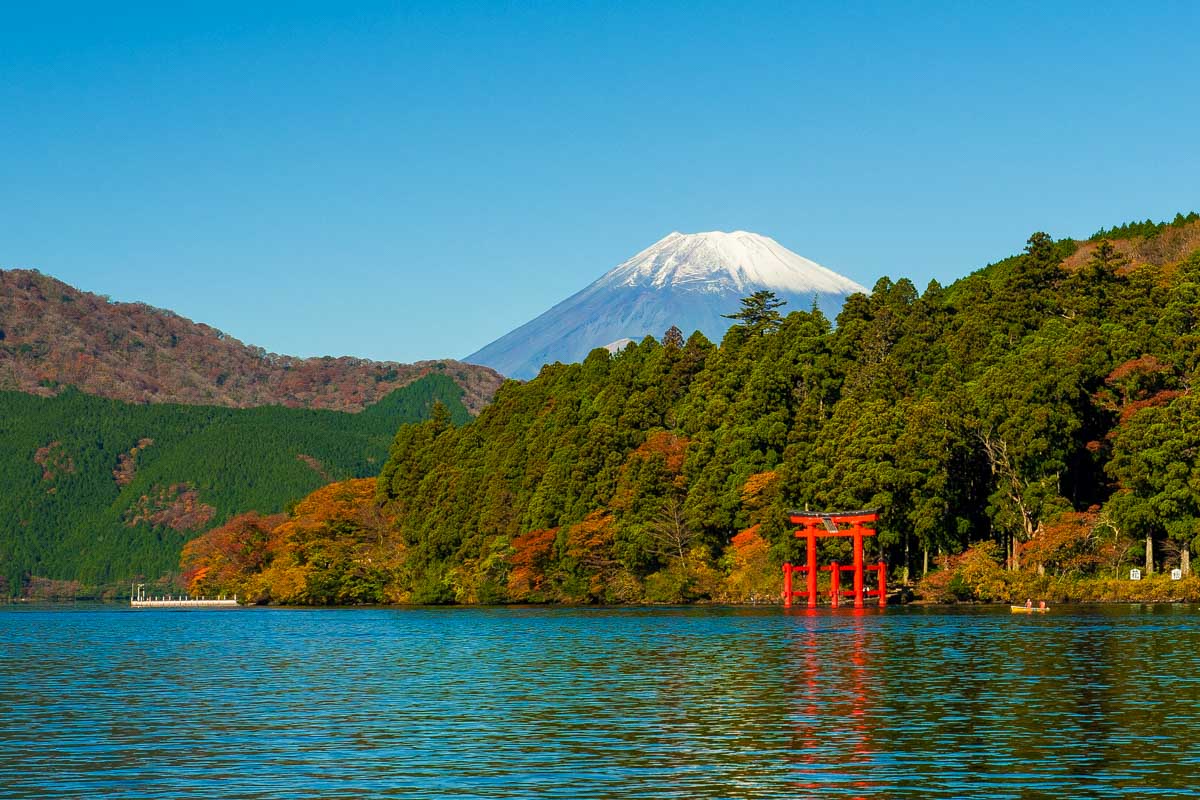
Mount Fuji from Lake Ashi
The Best Things to do in Japan
1. Celebrate Hanami (Cherry-Blossom Season)


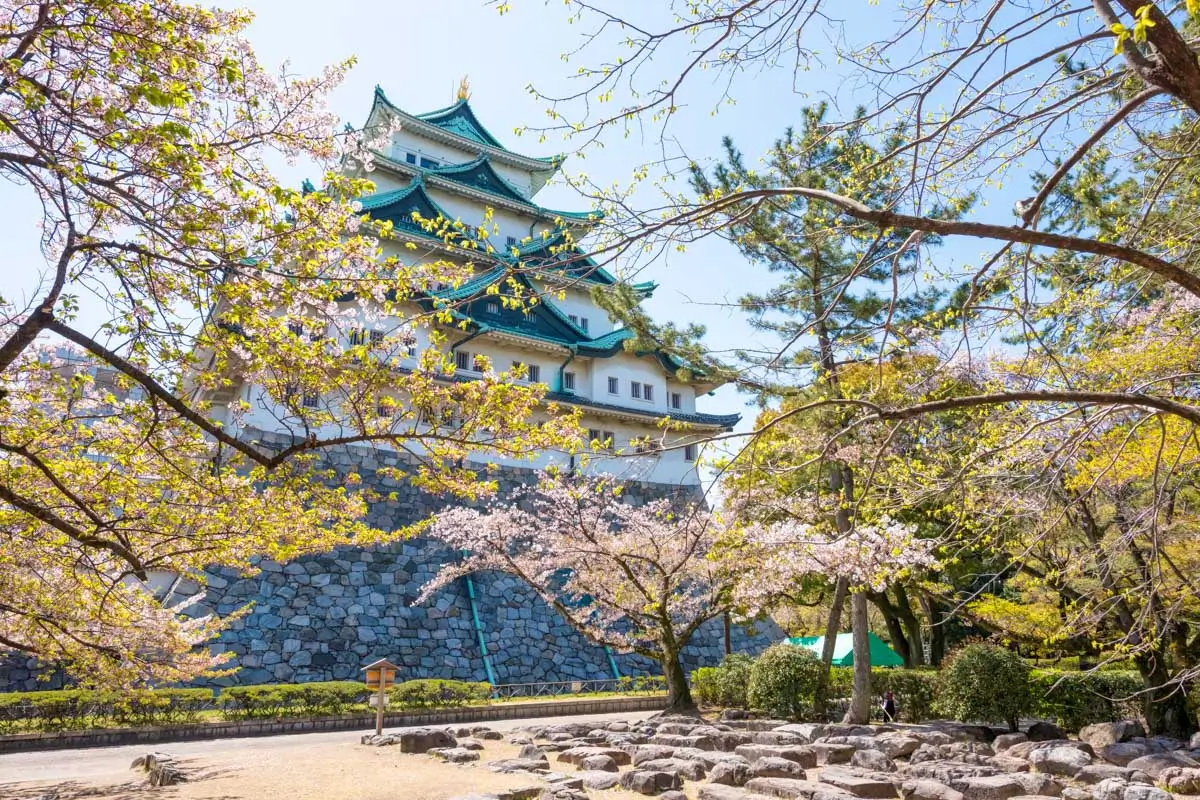
If you visit Japan in spring, you’ll quickly understand why cherry blossom season is such a big deal. Honestly, we can’t emphasize enough how wonderful it is to participate in hanami, the centuries-old tradition of gathering under blooming sakura trees. It’s one of the country’s most beautiful and joyful events.
Now, catching the blossoms can be tricky as there’s no guarantee when exactly they’ll appear, and they only last for a week or two! Honshu usually runs from late March to early April in most of the country, but down south in Okinawa, the blossoms can arrive as early as February. Meanwhile, in Hokkaido, they can appear as late as May.
Some of the prime spots to enjoy Hanami include Ueno Park in Tokyo, Maruyama Park in Kyoto, Osaka Castle Park, and the town of Yoshino in Nara. Tourists are always welcome to join in the celebrations, but do remember to follow hamai etiquette. Bring your own tarp or mat, don’t touch the cherry trees or walk on their roots, and don’t take up more space than you need. Parks don’t always have trash cans either, so be sure to bring bags with you to clean up after your picnic.
2. See Mount Fuji up close
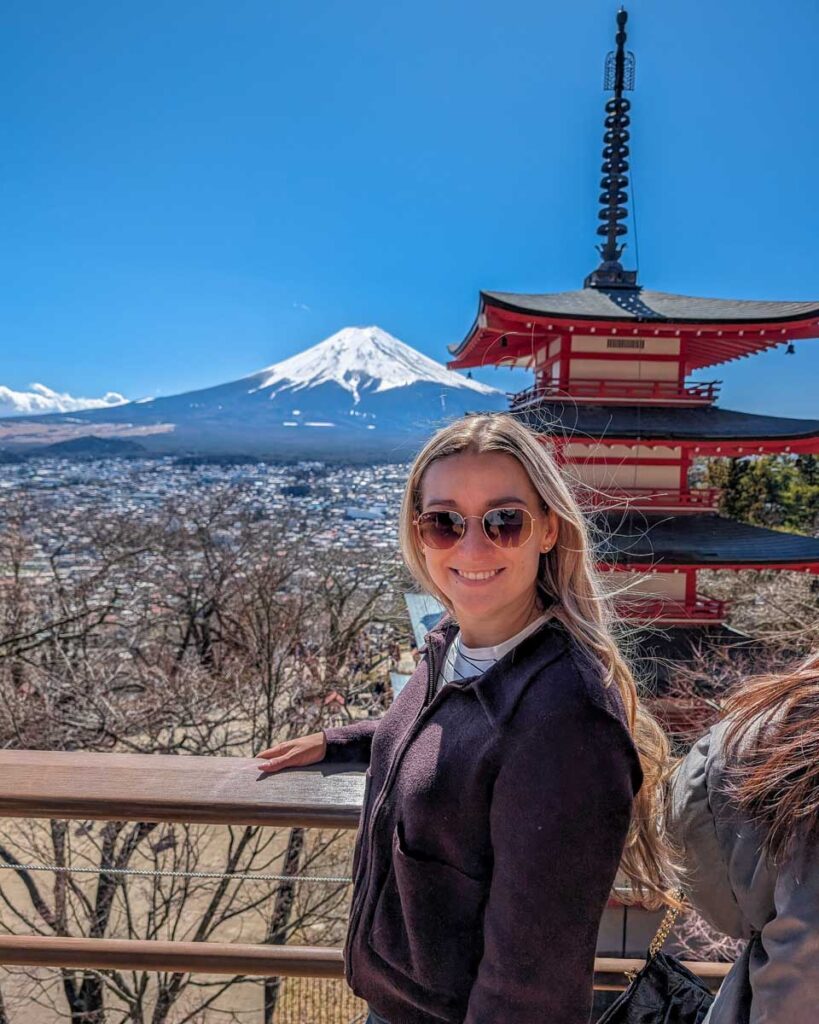

No trip to Japan would be complete without seeing Mount Fuji! It’s the country’s most iconic peak, and it’s simply breathtaking. On a clear day, it’s visible from Tokyo, but you’ve got to get up close to really appreciate its beauty. You can view Fuji from Hakone and the Five Lakes area, which is honestly such a gorgeous and tranquil place to explore, so it’s well worth the trip.
Some of our favorite viewpoints include the shores of Lake Yamanaka, Chureito Pagoda, and Lake Ashi in Hakone. It’s so worth getting up early to enjoy the best views of Fuji, and the skies are often the clearest in the winter. However, summer is a great time to visit if you want to climb Mount Fuji because the trails and mountain huts are open between July and early September.
You can easily see Mount Fuji on a day trip from Tokyo. We highly recommend this tour because it’s all-inclusive and so well planned! Alternatively, you can stay overnight in Hakone, preferably in a ryokan that offers onsen baths and direct views for the full Fuji experience. However you experience it, seeing Mount Fuji up close is one of those “only in Japan” moments you’ll never forget.
3. Stroll through Kyoto’s Fushimi Inari Shrine


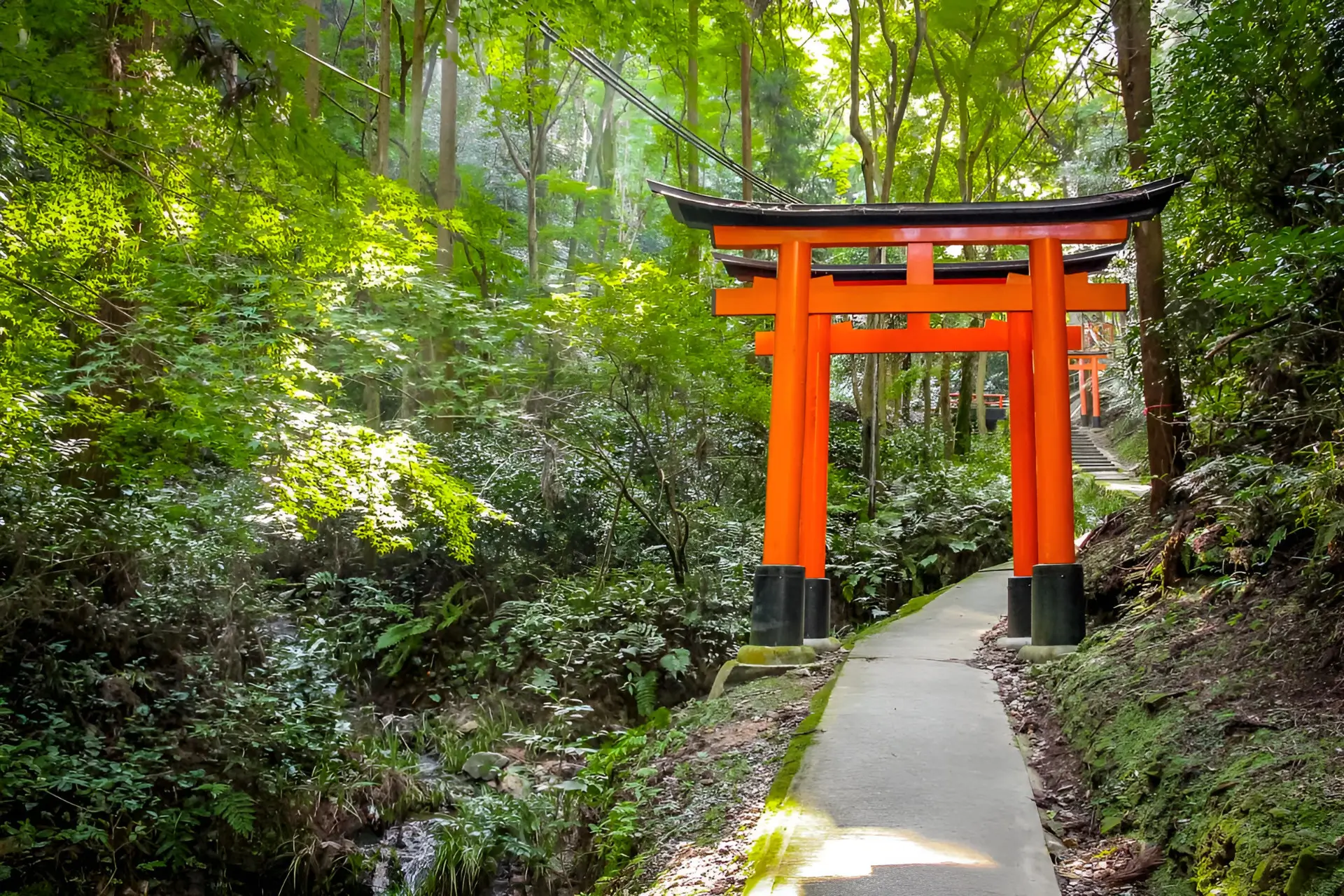
The tunnel of vermillion torii gates at the Fushimi Inari Shrine is one of the most iconic images of Japan, so you can’t pass up the chance to see it while you’re in Kyoto. The shrine was founded way back in 711 AD and is dedicated to Inari, the Shinto god of rice, prosperity, and business. It’s actually the head shrine for more than 30,000 Inari shrines across Japan!
The gates wind up Mount Inari, and there are more than 10,000 steps to reach the summit, but most visitors only walk the first section. However, if you’d like to go beyond the most popular part for a quieter experience, you can carry on climbing until you reach the smaller hilltop shrines. Early morning and dusk are also peaceful times to visit.
You can easily visit Fushimi Inari Shrine on your own, but we recommend joining this highly rated Kyoto day tour because you’ll get to check out a lot of other must-see sights around the city, like Arashiyama Bamboo Forest and the Monkey Park. This way, you can make the most of your time in Kyoto without worrying about logistics, transportation, or missing any highlights!
Related Read: For more incredible temples, bamboo forests, and cultural experiences you won’t want to miss, check out our full guide to the best things to do in Kyoto here!
4. Stay in a ryokan and soak in an onsen
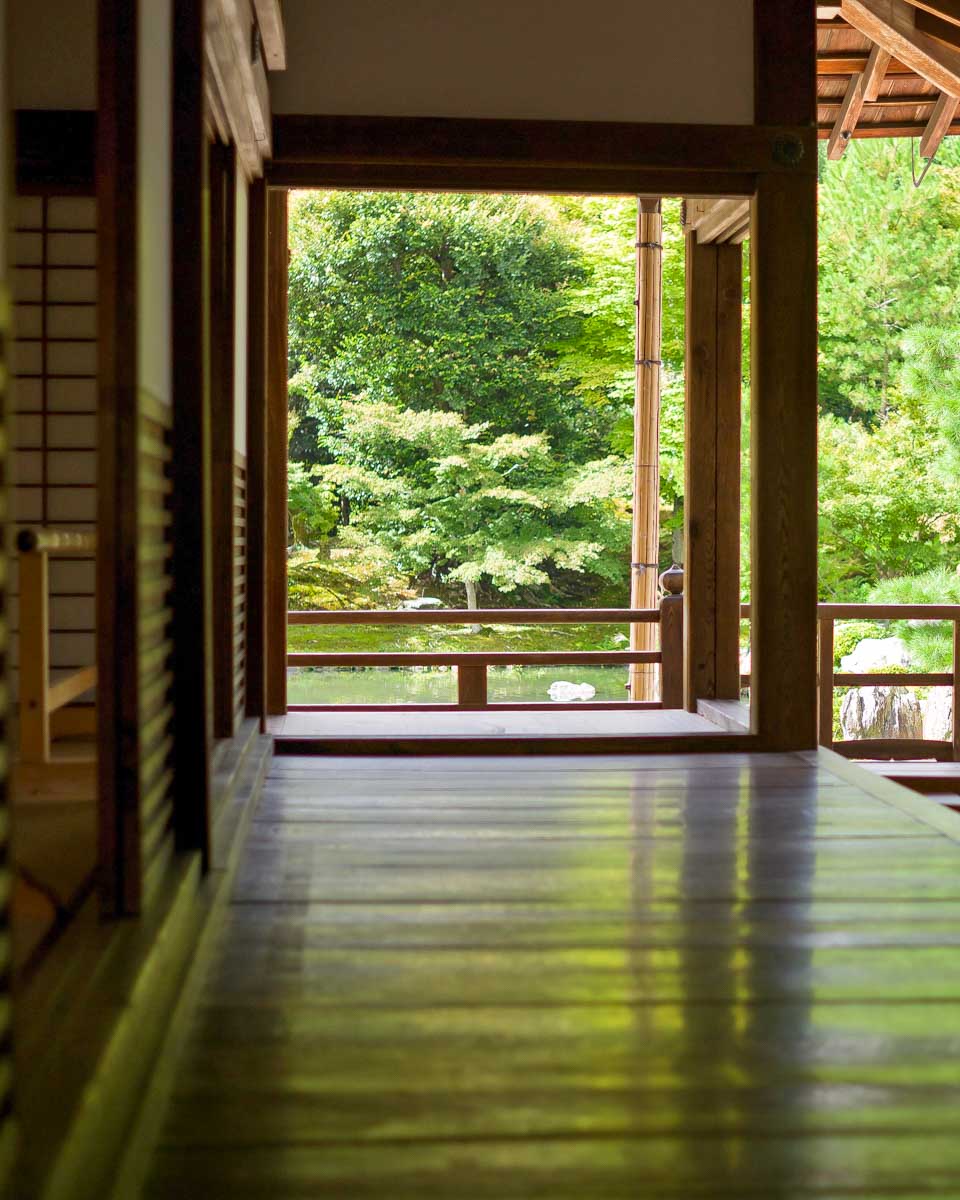
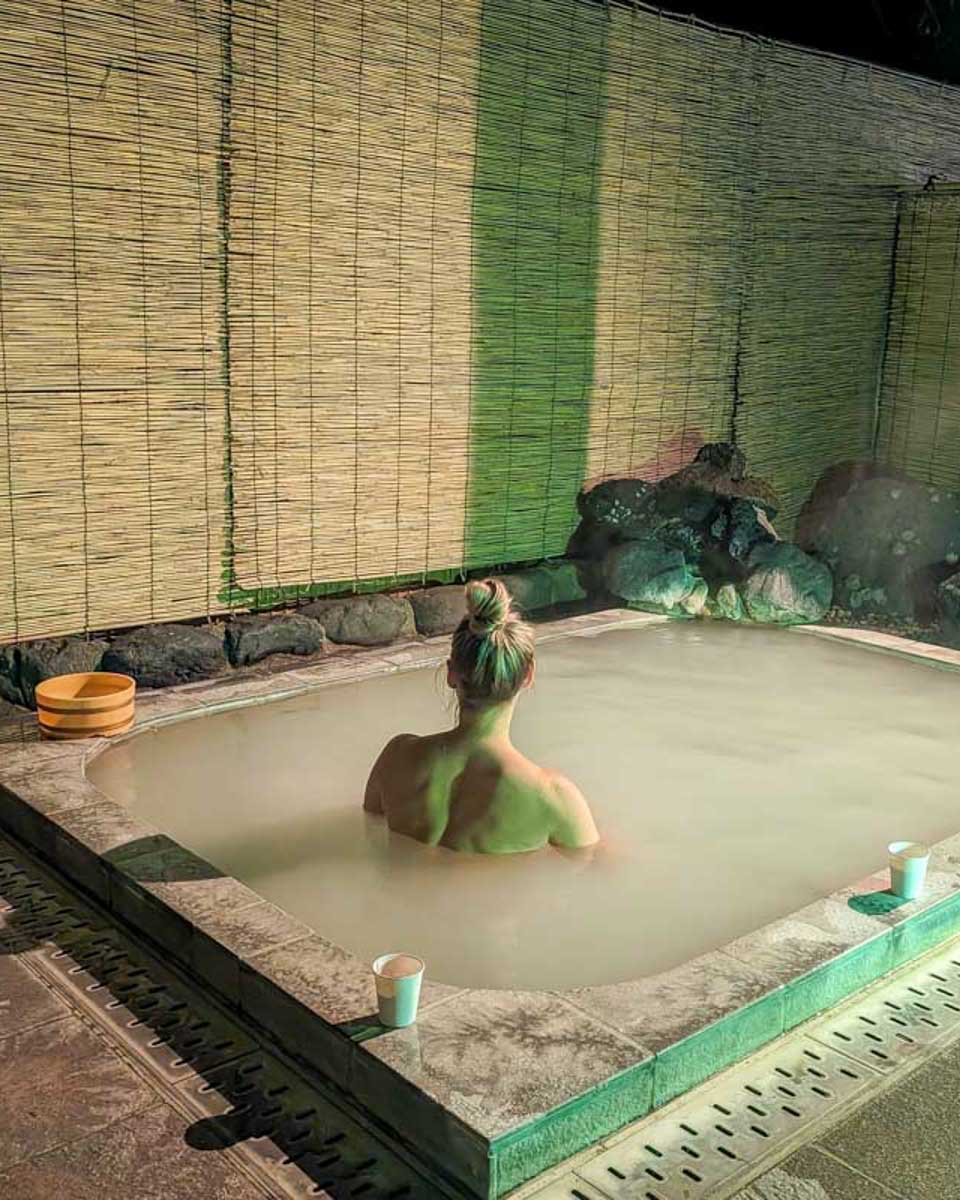
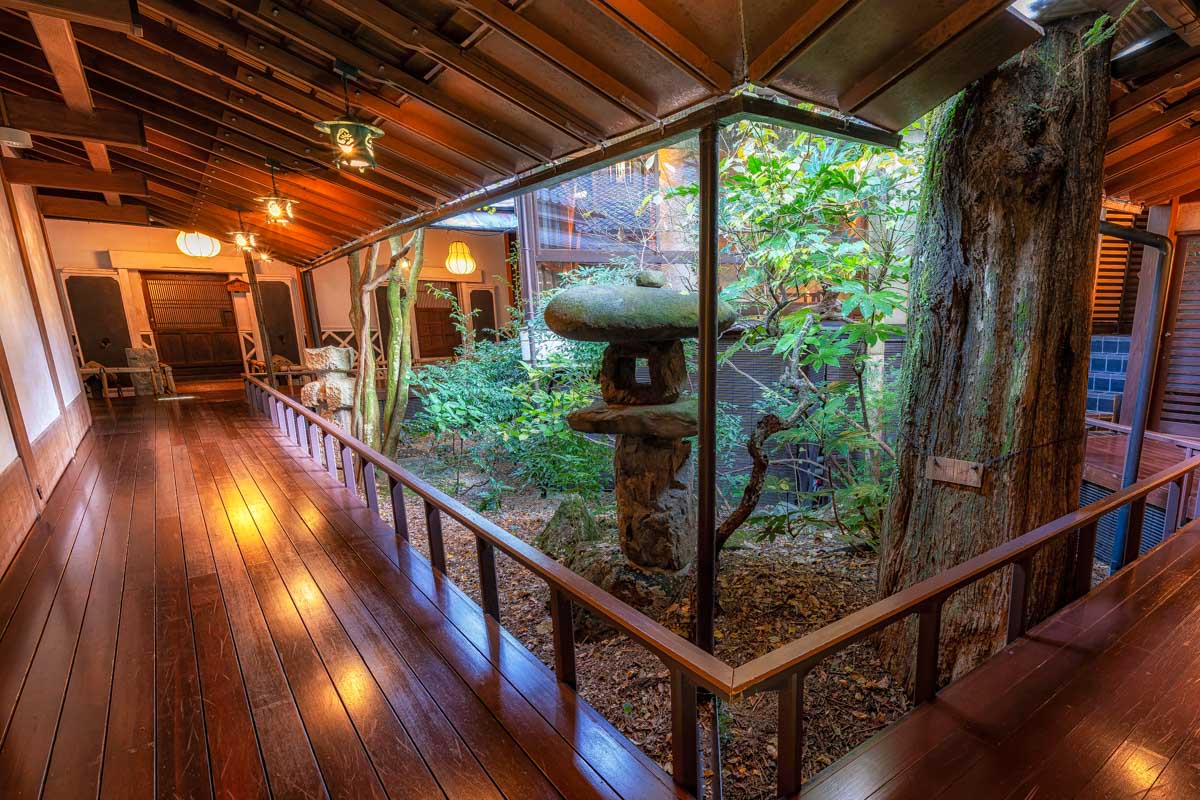
Staying in a ryokan is one of our favorite ways to immerse ourselves in Japanese culture! A ryokan is a traditional inn, with rooms that are typically lined with tatami mats and furnished with futon bedding. There’s also usually a communal hot spring bath, called an onsen, on site. Best of all, a ryokan stay is a chance to enjoy a kaiseki dinner, which is a multi-course meal that has been carefully prepared to highlight seasonal ingredients and local flavors.
When staying in a ryokan, there are a few customs to keep in mind. Be sure to remove your shoes before entering your room, wear the provided yukata (a casual kimono), and follow proper bathing etiquette in the onsen. This means washing thoroughly before entering the bath, and definitely no splashing!
Since a ryokan stay is a traditional and peaceful experience, we consider Hakone, Kyoto, Kushu, and Nagano to be the best areas for a ryokan stay. We particularly loved our stay at this ryokan in Hakone because it had a lovely onsen and amazing views of Mount Fuji! We also had a great time at Yoroyuza in Nagano because it was so elegant and the food was just amazing.
Related Read: See our top picks in the country with this list of the 40 best ryokans in Japan!
5. Watch a sumo match or practice


Watching a sumo match or practice session is an important cultural experience, but it’s also just a ton of fun! It’s a really engrossing spectator spot, and it’s so interesting to see how every match is filled with ceremonial elements like salt-throwing, stomping, and Shinto symbolism. It’s totally unlike any other sport!
And sumo is Japan’s oldest sport. There are six grand tournaments held each year in Tokyo, Osaka, Nagoya, and Fukuoka, and attending one is the ultimate sumo experience. But even outside of these tournaments, there are plenty of ways to see sumo in action, known as asageiko. If you’d like a more structured learning experience, there are some excellent sumo tours in Tokyo that provide demonstrations and explain the history, rules, and culture along the way.
We particularly loved this sumo show in Tokyo because we got to see the wrestlers up close, learn about the traditions, and experience the intensity of the sport. It even includes food that sumo wrestlers typically eat, including Japanese fried chicken and traditional chanko-nabe hotpot!
6. Walk the Bamboo Forest in Arashiyama


Walking through the towering bamboo in Arashiyama is a really special experience. This famous pathway is just outside Kyoto, and the bamboo stalks sway gently in the breeze as you stroll through. And when the sunlight filters through the bamboo, it’s truly a photographer’s dream!
The forest is easy to reach with a short train ride from central Kyoto, so it’s a nice half-day excursion. But for the full experience, we recommend joining this organized tour from Kyoto, which we absolutely loved. This way, you get to see other highlights like Tenryuji Temple and the Iwatayama Monkey Park, where wild macaques roam around freely—how cool is that?
Visiting early in the morning or late afternoon helps you avoid the largest crowds and get the best photos. The tranquility of these times of day makes visiting even better! The tour we did got us to the bamboo forest nice and early, so that we were able to make the most of it.
7. Eat your way through Osaka


Osaka is known as “the kitchen of Japan”, so bring your appetite when you visit this vibrant city! There are lots of must-try regional specialties to enjoy here, including takoyaki, which are little octopus-filled balls cooked on a hot griddle. We also love okonomiyaki, a savory pancake loaded with toppings, and you have to try kushikatsu, which are deep-fried skewers of meat, seafood, and vegetables!
To try the best food, make a beeline for Dotonbori. This is Osaka’s famously lively neon neighborhoods, and there is a ton of incredible street food here. Locals and tourists alike flock here morning and night to sample all of the specialties.
Shinsekai is another fantastic area for local food. We like its nostalgic, retro vibe and the fact that there are lots of hidden foodie gems around here.
You can explore Osaka’s food scene on your own, but we think that joining a guided food tour is well worth it to ensure that you don’t miss out on the best spots. We loved this tour because it took us to a ton of excellent local spots, introduced us to iconic dishes, and taught us so much about local dining customs. It was so much fun!
8. Visit the UNESCO site Shirakawa-go
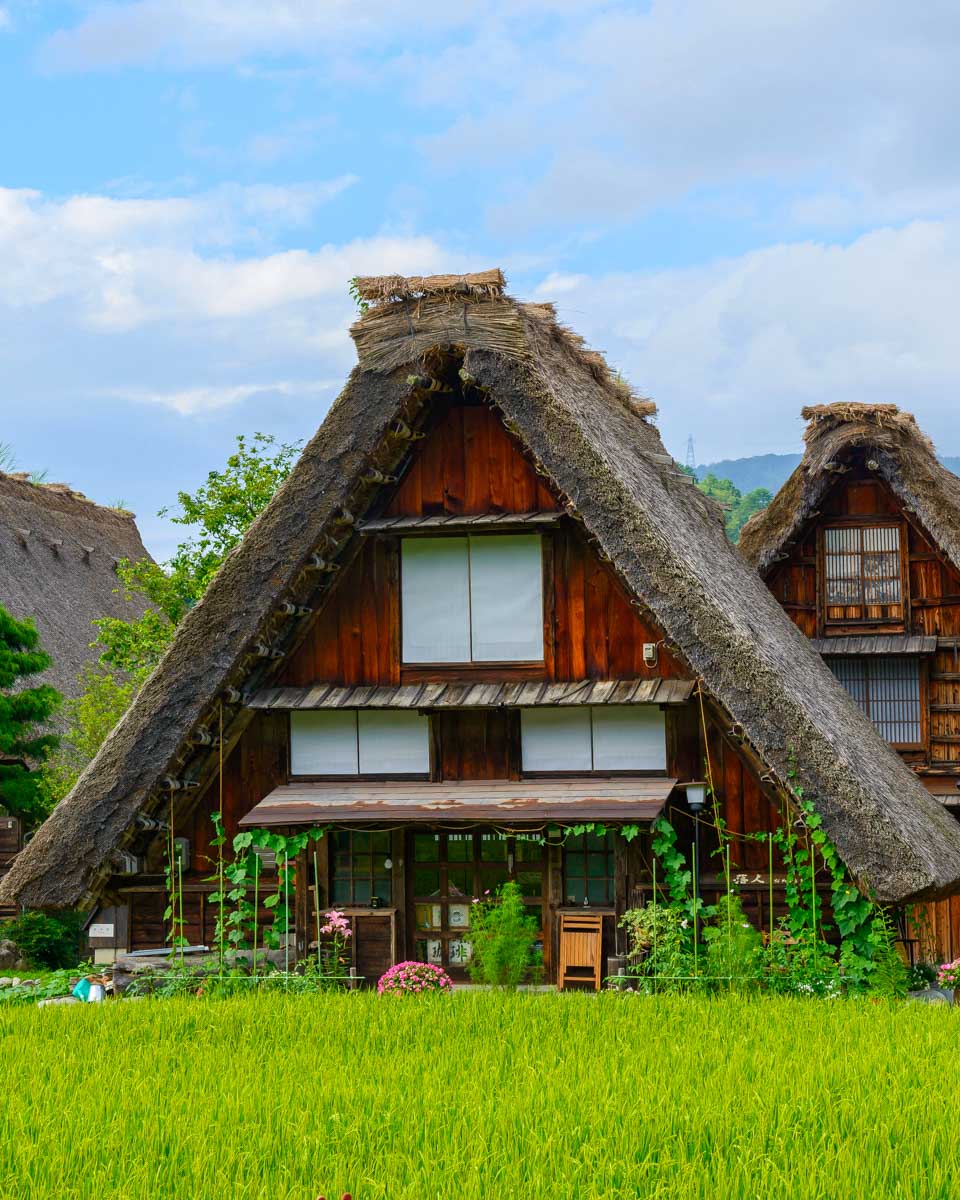
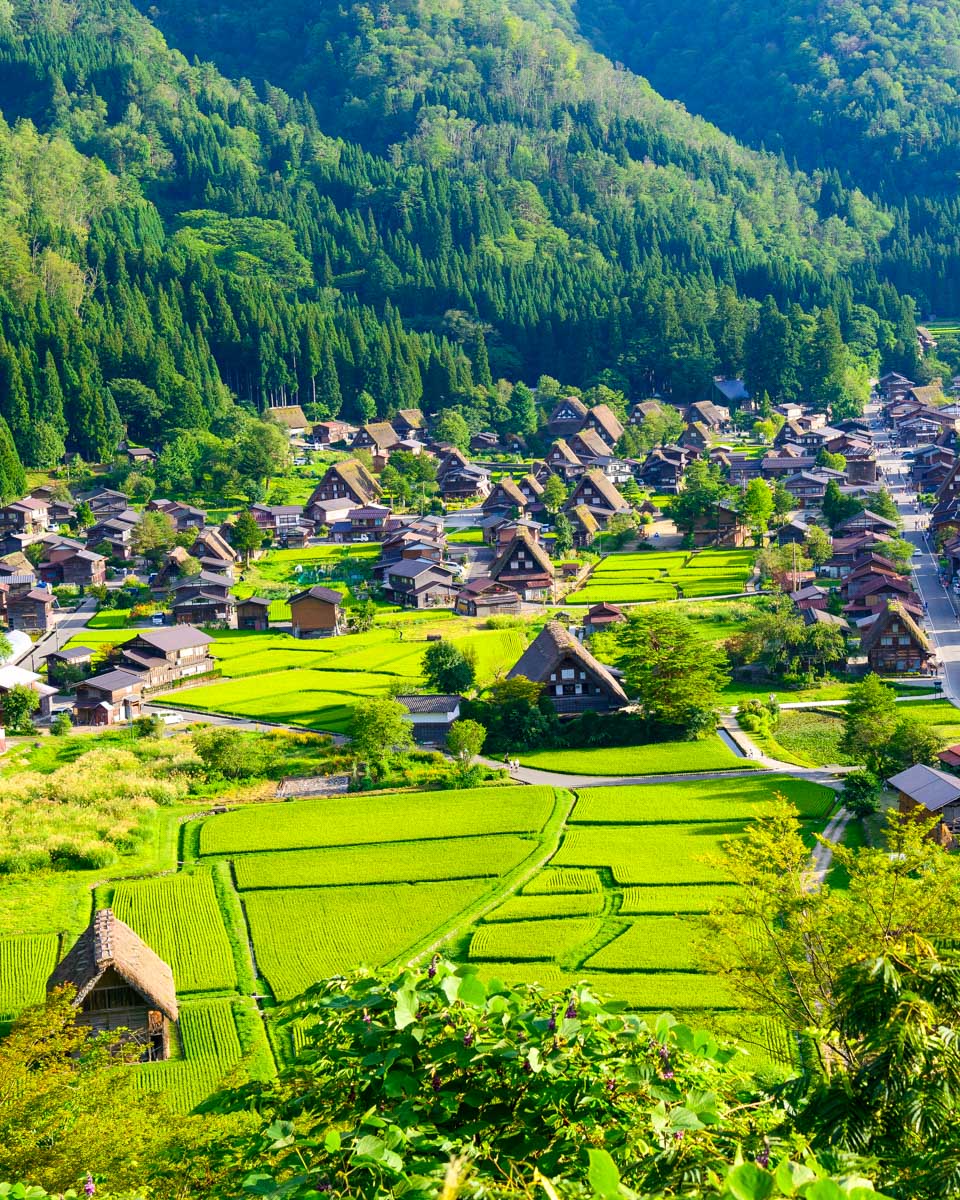
Shirakawa-go is one of Japan’s most picturesque destinations, and it’s a UNESCO World Heritage Site for good reason. Nestled in a remote mountain valley, this village is famous for its steep, thatched-roof farmhouses known as gasshō-zukuri, which are designed to withstand the region’s heavy snowfall. Around 500 residents still live in these houses, so Shirakawa-go is a functioning community and not just an open-air museum.
It’s easy to visit Shirakawa-go on a day trip from Takayama or Kanazawa. Navigating the rural roads or trying to figure out public bus schedules can be tricky, so we booked this tour, which made it super simple to get to the village. Plus, it included a visit to the stunning Tenshukaku Observatory!
In the village, be sure to visit the Shiroyama Viewpoint for breathtaking panoramic photos of the village with its iconic rooftops framed by the mountains. Don’t miss the Wada House or Kanda House, either—both are open to visitors and offer a fascinating glimpse into traditional rural life. And while Shirakawa-go is stunning all year-round, visiting during winter is especially magical when the houses are blanketed in snow.
9. Ski or snowboard in Japan’s Powder Heaven

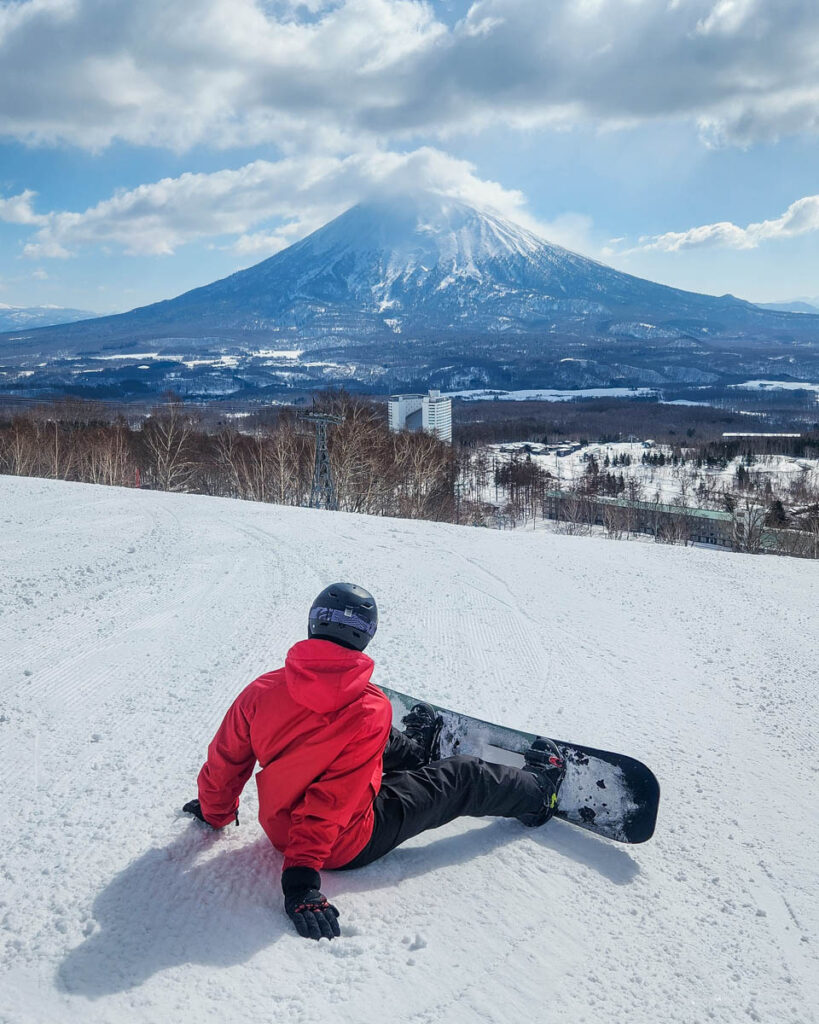
Japan is a dream destination for skiers and snowboarders thanks to its famously light, fluffy powder snow! There are resorts across the country that cater to everyone from beginners to seasoned pros. Plus, mountain towns here feel so friendly and welcoming. We’ve done a ton of skiing in Canada and New Zealand, but I have to say that Japan’s ski culture just hits differently!
Some of the country’s most popular resorts include Niseko and Rusutsu in Hokkaido, where the snowfall is abundant, and powder conditions are legendary. Meanwhile, Nagano, Hakuba, and Shiga Kogen offer access to the Japanese Alps, and they boast stunning scenery and extensive terrain for all levels.
But it’s not just about the slopes. Japan’s après ski culture is super special. We love soaking our tired muscles in an onsen after skiing and warming up with a steaming bowl of ramen in a local izakaya.
The best time to hit the slopes is from December to March, with February often offering the deepest powder. We love skiing here because it’s just such a lovely winter experience, and it’s about so much more than just the sport itself.
Japan Rail Pass!
The Easiest Way to Travel Japan By Train
If you’re planning to explore Japan, the Japan Rail Pass (JR Pass) is hands down the easiest and most affordable way to get around. It’s a special 7, 14, or 21 day pass for foreign visitors that gives you unlimited rides on Japan’s famous JR trains, including the high-speed shinkansen (bullet trains)!
Why We Love the JR Pass
Pro Tip: If you’re only exploring one region of Japan, consider a Regional Pass instead (like the Kansai, Hokkaido, or Kyushu Pass). They’re cheaper and perfect for smaller trips!
Where to Get Your Pass
We personally recommend buying your pass online in advance through JRPass.com — they’re an official reseller with fast worldwide delivery and English support, making the whole process super simple. They even offer handy add-ons like pocket WIFI and meet & greet services! Still not sure if the JR Pass is right for you? Check out our Ultimate Guide to the Japan Rail Pass for a full breakdown of costs, inclusions, and when it’s worth it!
10. Explore Yakushima’s Ancient Cedar Forests
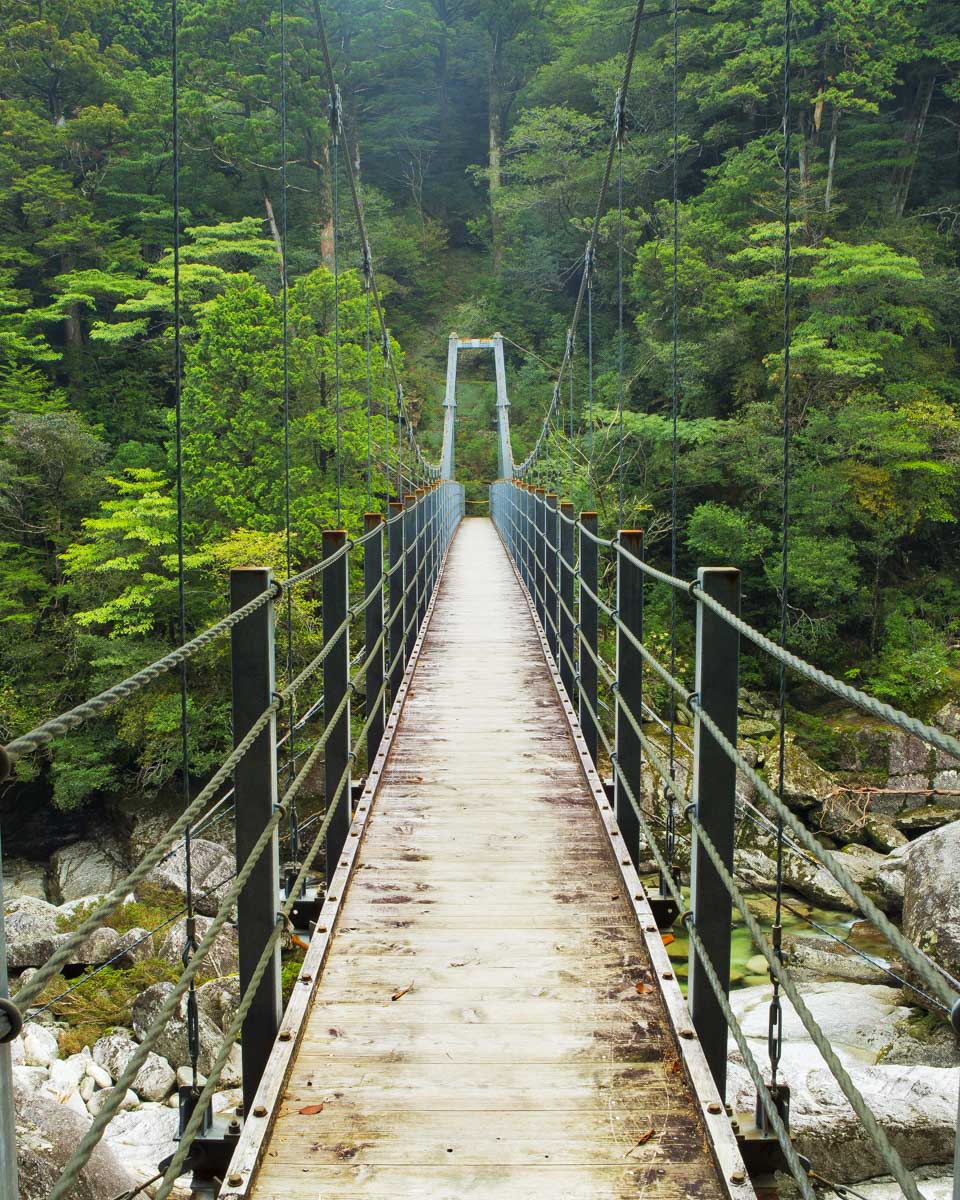
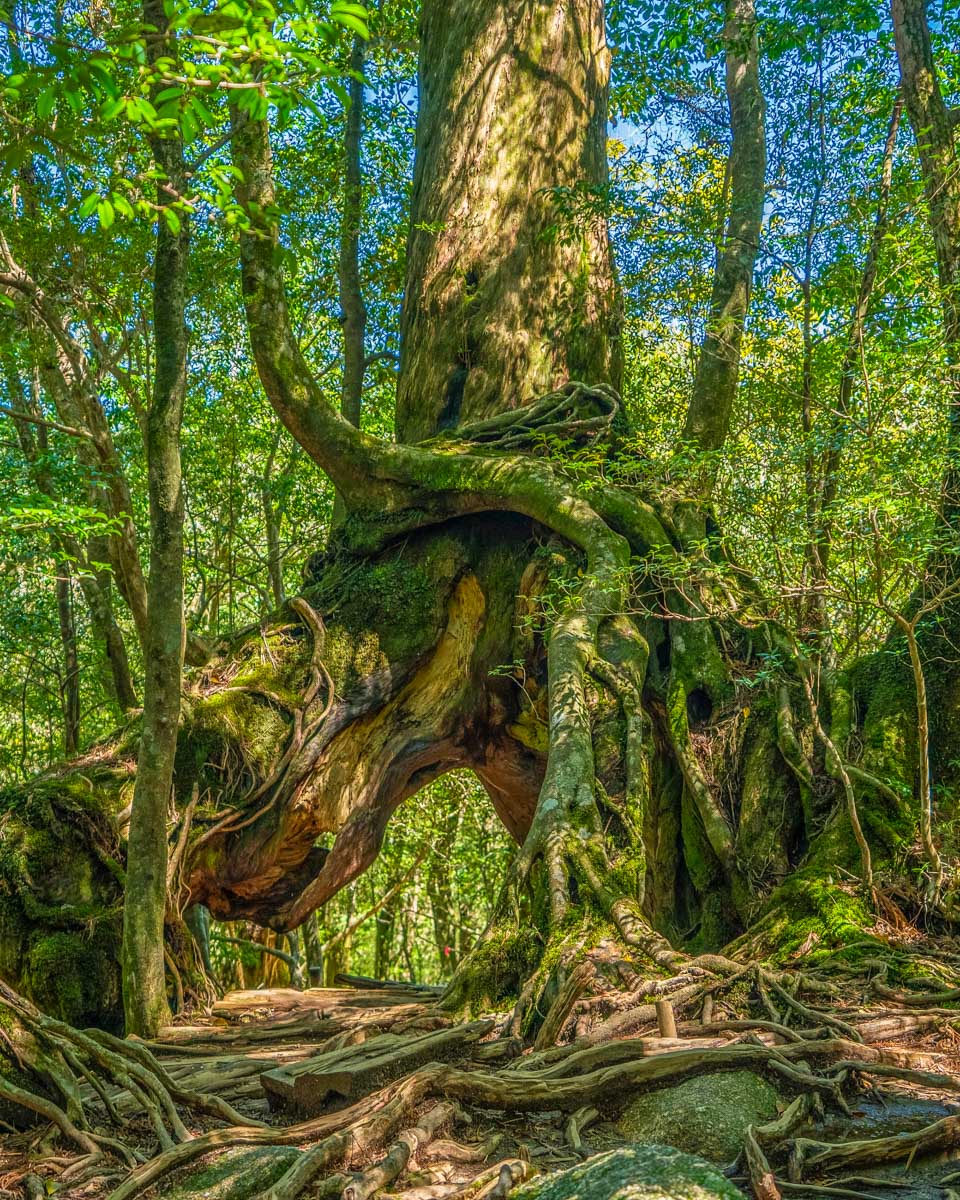
Yakushima is a subtropical island off the coast of Kyushu. It feels like a real-life fairytale! We’re not just saying that—it served as the inspiration for the beloved Studio Ghibli film “Princess Mononoke”. So if that appeals to you, we think you’ll love wandering through the island’s moss-covered trees and misty trails.
The island is accessible by flight or high-speed ferry from Kagoshima, so it’s possible to get there in just a few hours. We recommend staying at least two nights to fully enjoy both the forests and the coastline. A great place to base yourself is THE HOTEL YAKUSHIMA ocean & forest, which offers sea-view rooms, an outdoor bath, and a relaxing on-site restaurant. This should be enough time to explore the secret waterfalls, remote beaches, and charming local villages without having to rush.
Speaking of which, there are a variety of hikes to suit different skill levels in Yakushima. Shiratani Unsuikyō Ravine is an easy trail that’s perfect for half-day explorations, while the Jōmon Sugi hike is a full-day adventure that takes you to see the island’s oldest and largest cedar tree. Just a heads up, this requires a permit!
Yakushima receives frequent rain, so be aware that trails can be muddy and slippery. Make sure you pack waterproof shoes with good grip, and plenty of layers to keep you warm and dry.
11. Ride the Shinkansen (Bullet Train)
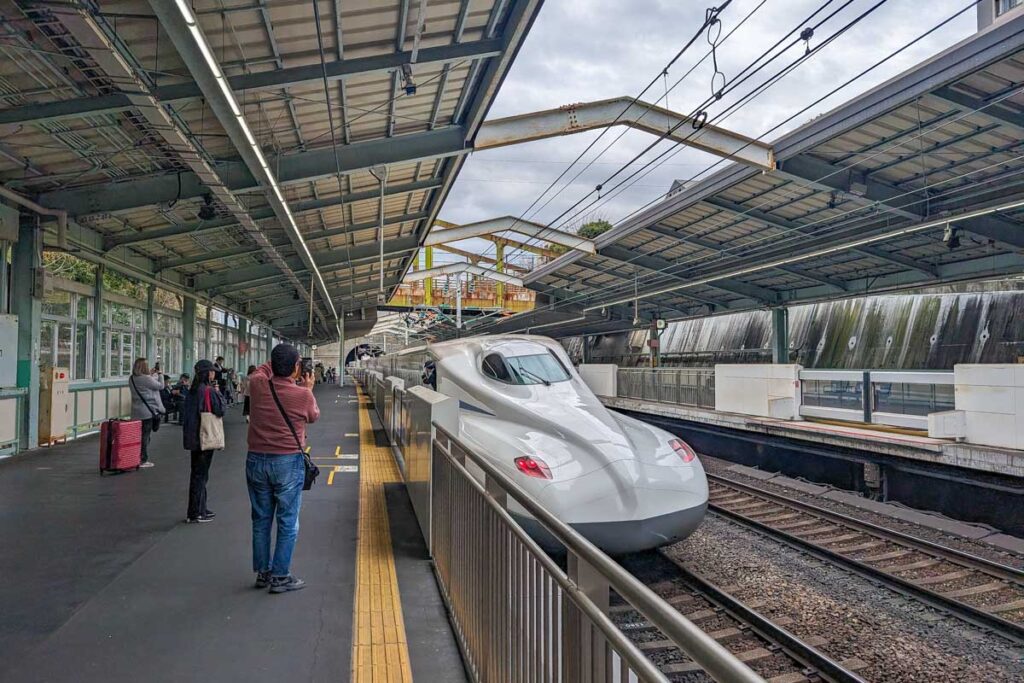
Japan’s futuristic bullet trains are more than just a way to get around. Traveling on the shinkansen is a bucket-list experience in its own right! Trust me, riding these smooth, high-speed trains is not just your average commute.
The Shinkansen trains really help you make the most of your time in Japan because they allow you to cover so much ground in a short time. They’re comfortable, too, and the onboard trolley offers a great selection of snacks—priorities, am I right?
Some of the most iconic Shinkansen routes include the Tokyo–Kyoto–Osaka line, which connects the country’s three biggest cities. Meanwhile, the Tohoku Shinkansen travels north to scenic regions like Sendai and Aomori, giving you views of the Japanese countryside along the way—and maybe even Mount Fuji if you’re lucky.
For travelers planning to use the trains extensively, we consider the Japan Rail Pass to be an excellent way to save money. It offers unlimited travel on most Shinkansen lines for a set period of time. You can also get regional rail passes that focus on specific areas, which are ideal if you’re exploring just one part of Japan.
12. Snorkel or dive in Okinawa


We love Okinawa because it showcases a completely different side of Japan! It honestly feels like paradise with its turquoise waters and vibrant coral reefs. Plus, the subtropical climate is ideal for those who love warm weather.
The Okinawa Islands are part of the Ryukyu chain. They have their own unique culture, language, and cuisine, so visiting gives you a really unique experience that’s distinct from mainland Japan.
And we haven’t even told you the best part: Okinawa is home to world-class snorkeling and diving! The islands of Miyako, Ishigaki, and the Kerama are especially popular for their colorful reefs and tropical fish. We did this Blue Cave snorkeling tour, which took us to a dazzling underwater grotto, and it was epic!
April to October is the best time to visit for warm beach days and watersports. However, we do recommend avoiding August because it’s the peak of typhoon season, which can really put a damper on your vacation. Although if you’re more into sightseeing than beaches, the winter months can be a nice time to go, thanks to the cooler weather—and you might even catch some cherry blossoms in late January or early February.
Related Read: For more tropical adventures in Japan, check out our full guide to the best things to do in Okinawa here!
13. Watch Autumn leaves (Kōyō) transform the landscape
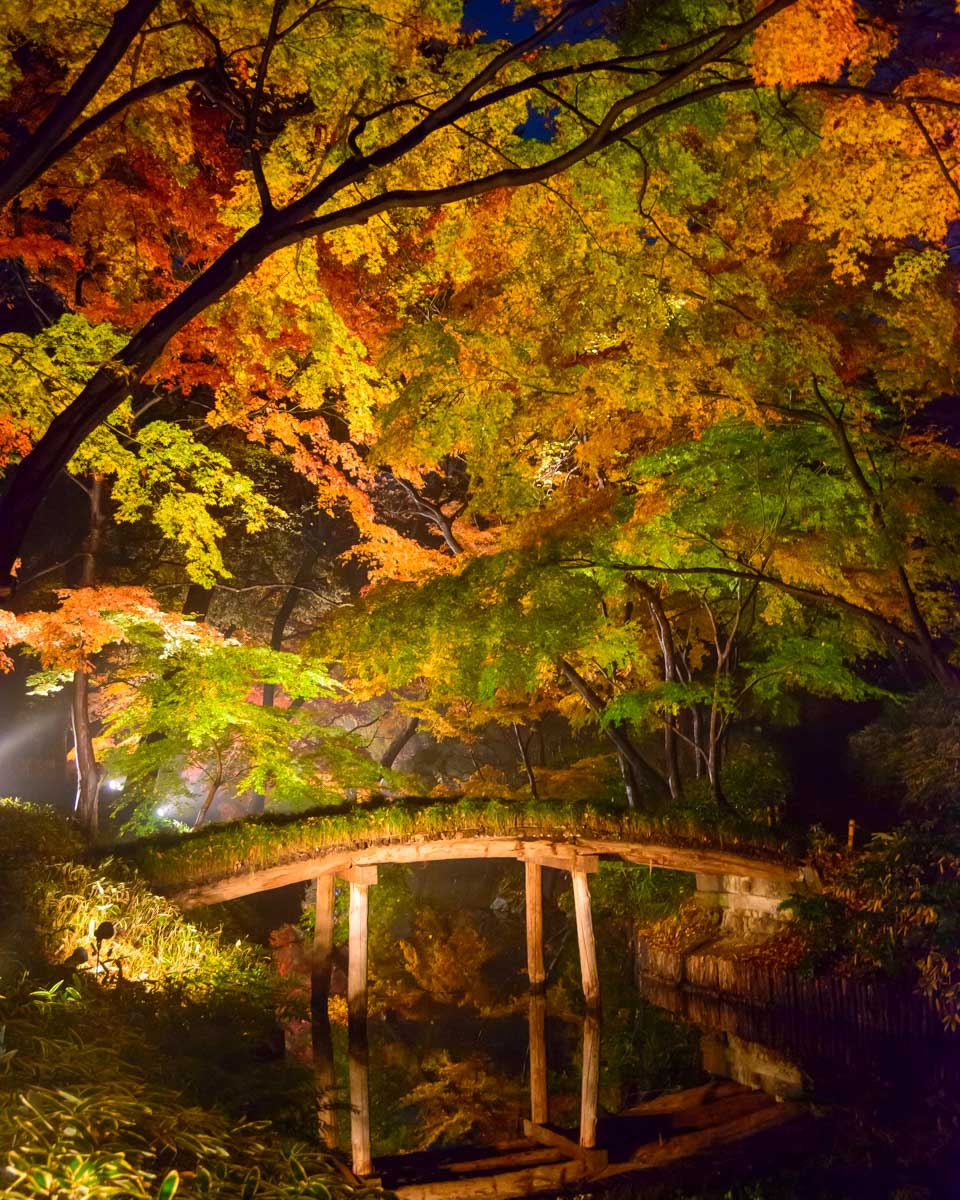
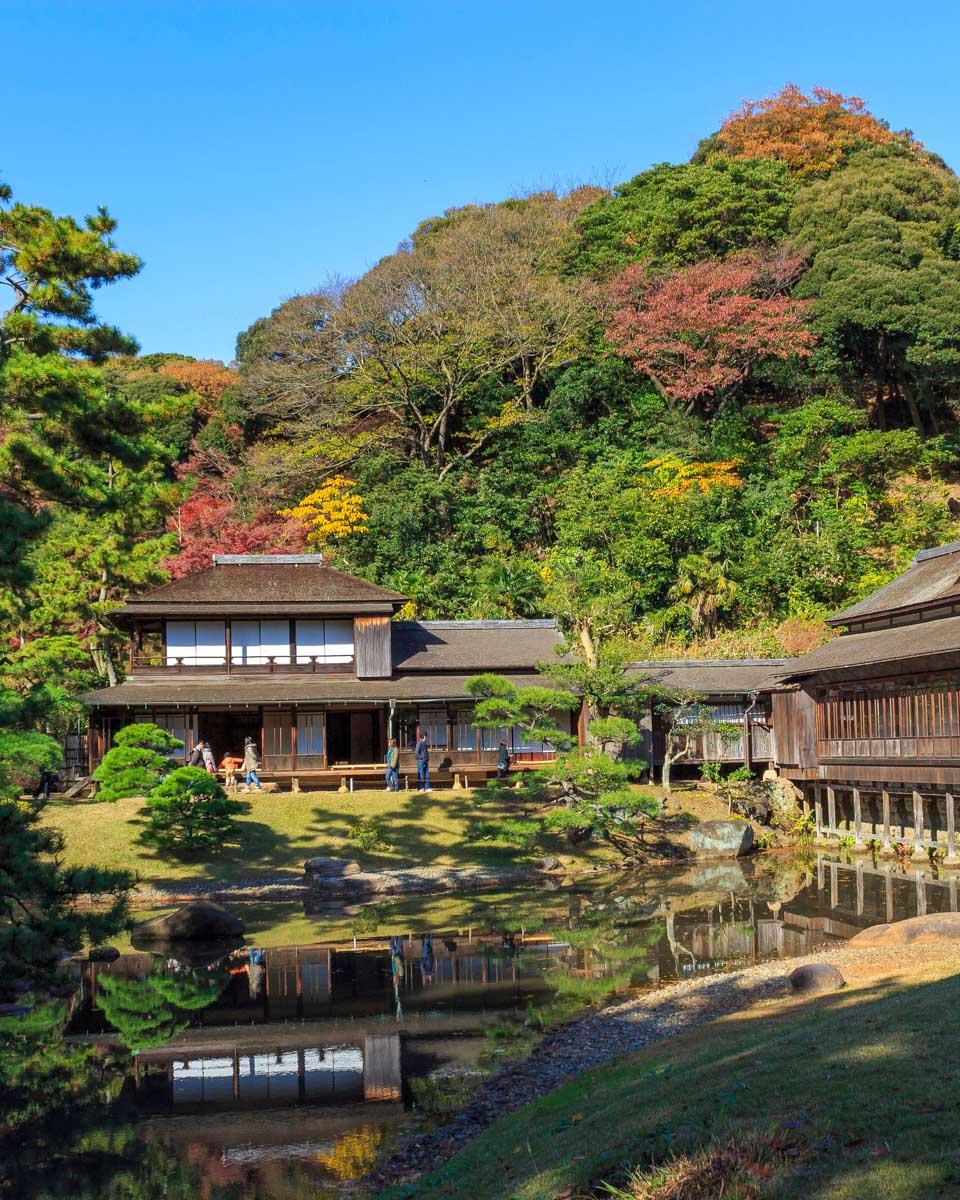
Japan’s autumn leaves (known as kōyō) are just as stunning as the cherry-blossom season, though it doesn’t always get the same attention. But in some ways, that makes it even better!
Kōyō takes Japan’s scenic sites and transforms them into utterly breathtaking scenes. Locals travel far and wide to see the best spots, which include Rikugien Garden and Jingu Gaien Ginkgo Avenue in Tokyo, and areas like Hakone and the Five Lakes—come on, you can’t beat Fuji views mixed with bright red autumn leaves! The Arashiyama Bamboo Grove that we talked about earlier is another spectacular spot. But to be honest, every corner just feels like a painting.
We love this time of year because it’s less crowded than cherry-blossom season in many places, so it’s perfect if you want a more relaxed experience. Plus, the kōyō lasts longer than the sakura. The peak lasts for around three weeks, so although the exact timings still vary from year to year, planning is a whole lot easier, and you’re not leaving as much up to chance.
14. Take part in a traditional tea ceremony
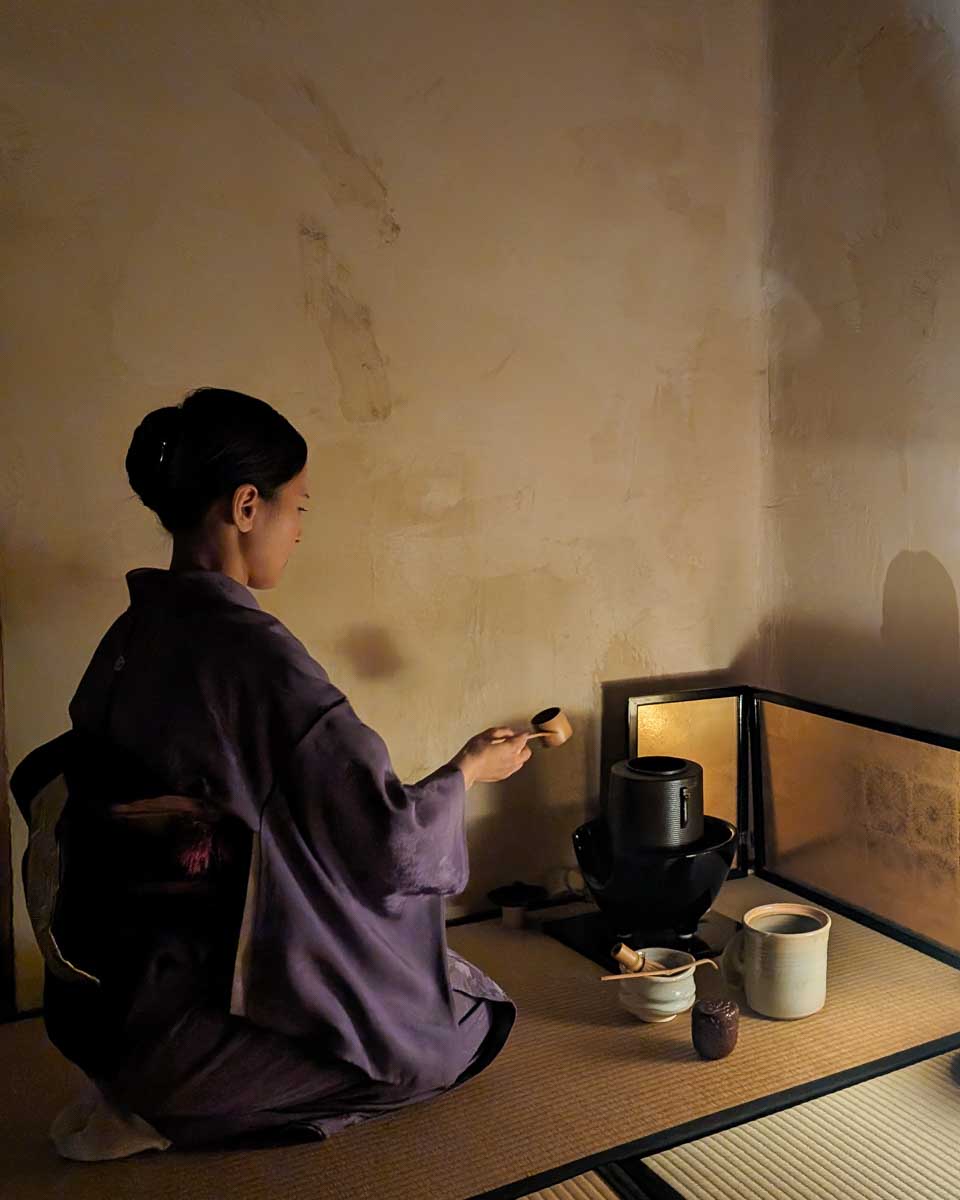

Tea is a really important part of Japanese culture, so participating in a traditional tea ceremony is an ideal way to immerse yourself in local tradition. I know matcha is all the rage these days, but this ritual of preparing and enjoying it is actually centuries old! It’s all about harmony and attention to detail.
Some of the best places to experience a tea ceremony are Kyoto, Uji, and Kanazawa. Kyoto is especially famous for its traditional teahouses, and we highly recommend this ceremony because it allowed us to participate in the ritual in a long-established, authentic setting. Alternatively, this tea ceremony delivers a quintessential cultural experience in Tokyo’s Asakusa district.
When attending a ceremony, there are a few key etiquettes to follow. Remove your shoes before entering the room, bow politely when receiving your tea, and rotate the bowl before taking a sip. Ceremonies can vary in length and formality. Some are casual, more 30-minute experiences, while others can last up to two hours and involve more elaborate rituals. Either way, it’s a must-do experience while in Japan!
15. Reflect at Hiroshima’s Peace Memorial Park


The bombing of Hiroshima changed the world forever, and the city’s Peace Memorial Park commemorates those who lost their lives on that fateful day in 1945. When you visit, it’s impossible not to feel the weight of the events that unfolded here, but no visit to Japan is complete without experiencing this profound and moving site.
Key sites within the park include the Peace Memorial Museum, which provides a deeply moving look at the bombing and its aftermath, and the iconic A-Bomb Dome, which survived the blast and serves as a haunting reminder of the atrocity. Meanwhile, the Children’s Peace Monument is a tear-jerking tribute to victim Sadako Sasaki and her wish for peace.
For a well-rounded day, we recommend pairing your visit with a trip to nearby Miyajima. Honestly, you’ll need a bit of levity after visiting the Memorial Park, and the island’s floating torii gate and resident deer will help you remember that the world isn’t all doom and gloom.
We actually recommend this private walking tour because you’ll have a guide to help you visit Hiroshima and Miyajima in one day without having to do lots of advance planning. Plus, seeing the Peace Memorial Park with a guide gives so much additional depth to what you’re seeing to ensure that you make the most out of your visit.
16. Visit Tsukiji Fish Market
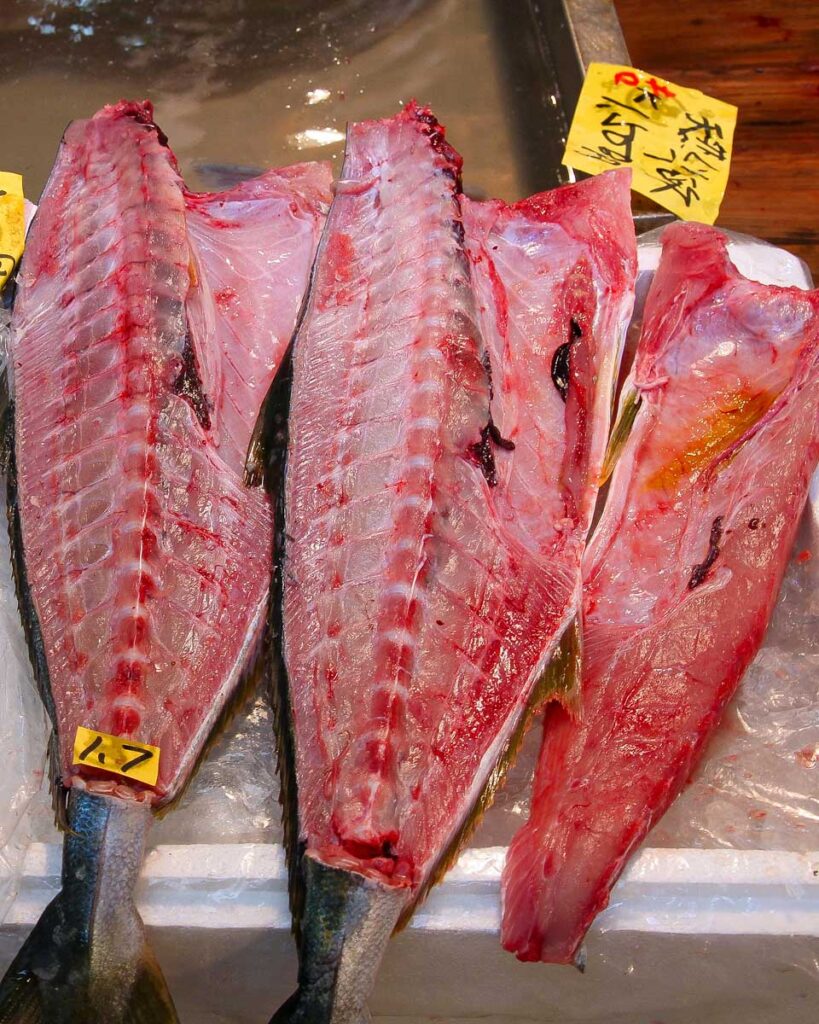
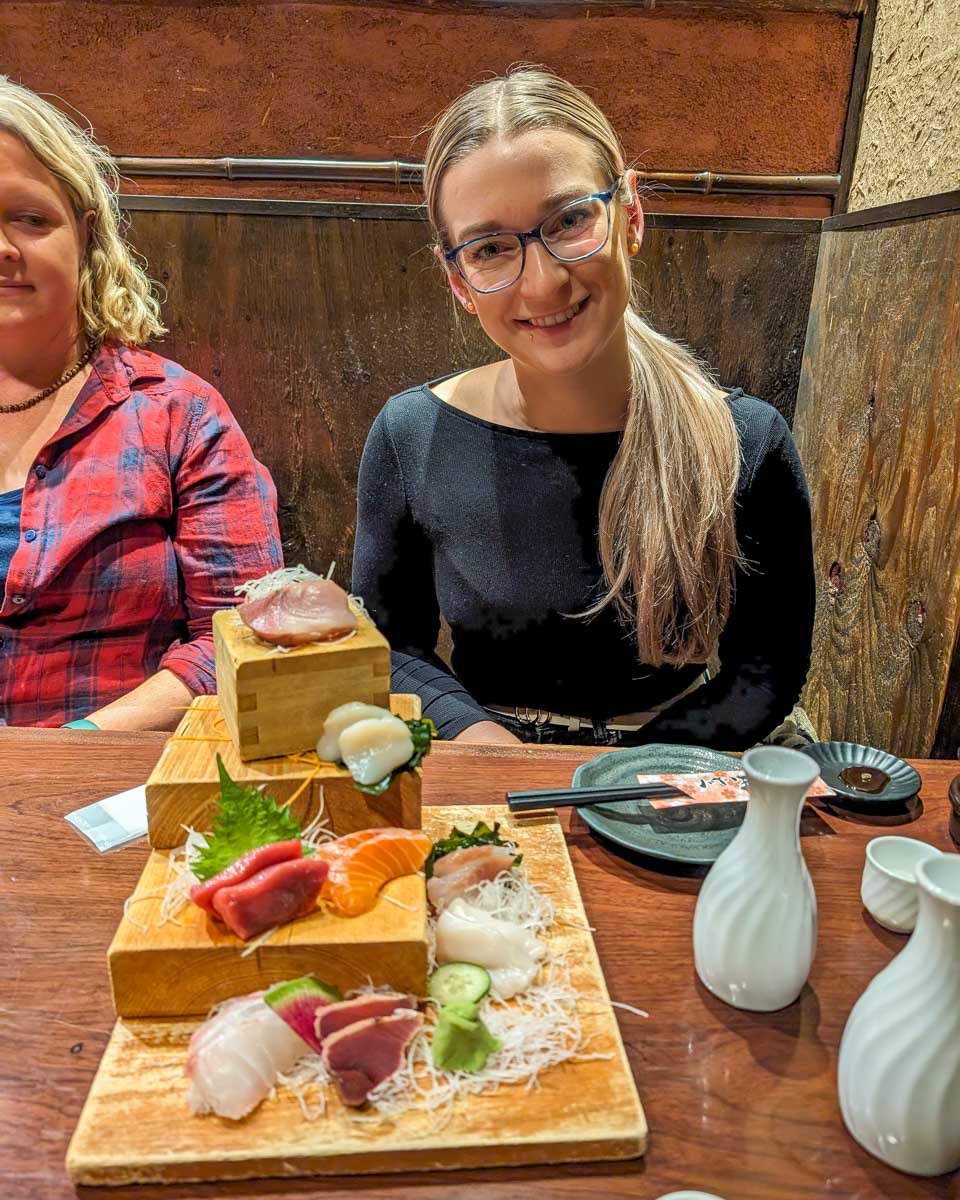
Tsukiji Fish Market is one of Tokyo’s most famous food destinations and an absolute must for sushi lovers. While the inner wholesale market has moved to Toyosu, the Outer Market remains bustling with hundreds of stalls selling fresh seafood, produce, kitchenware, and an incredible variety of street food.
To make the most of your visit, we recommend arriving between 8 and 9 am, when the market is lively enough to be fun but not as crowded as it gets later on. This is when we like to watch vendors in action and see which local specialties we can sample!
Don’t miss trying tamagoyaki, a sweet Japanese omelet often served in thick, fluffy slices. It’s soooo yummy! I also love the tuna sashimi bowls here because they’re as fresh as they come.
Navigating the market on your own is always a good time, but for serious foodies, a Tsukiji food tour will really elevate the experience. Your guide will ensure that you don’t miss out on the best stalls, show you some of the market’s hidden gems, and explain the nuances of Japanese seafood. We’ve even rounded up a few favorites in our best Tsukiji Market tours guide here, so you can easily find one that fits your travel style!
To wrap up, we have a few practical tips for visiting the market. Number one: bring cash because a lot of stalls don’t accept cards! You’ll need to be mindful of other visitors because the walkways can get narrow, so avoid blocking paths while tasting or taking photos.
17. Spend the night in a Buddhist Temple on Mount Kōya
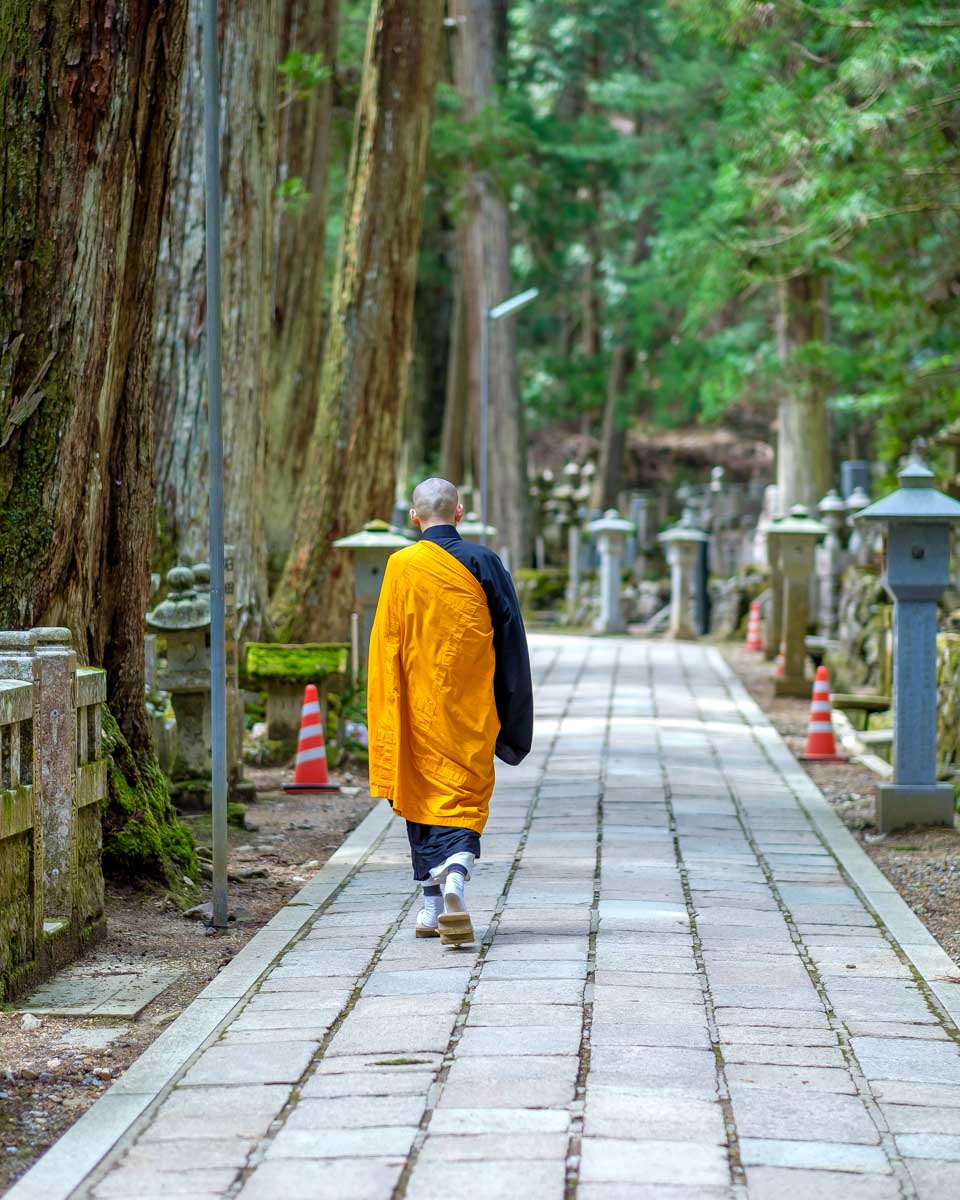
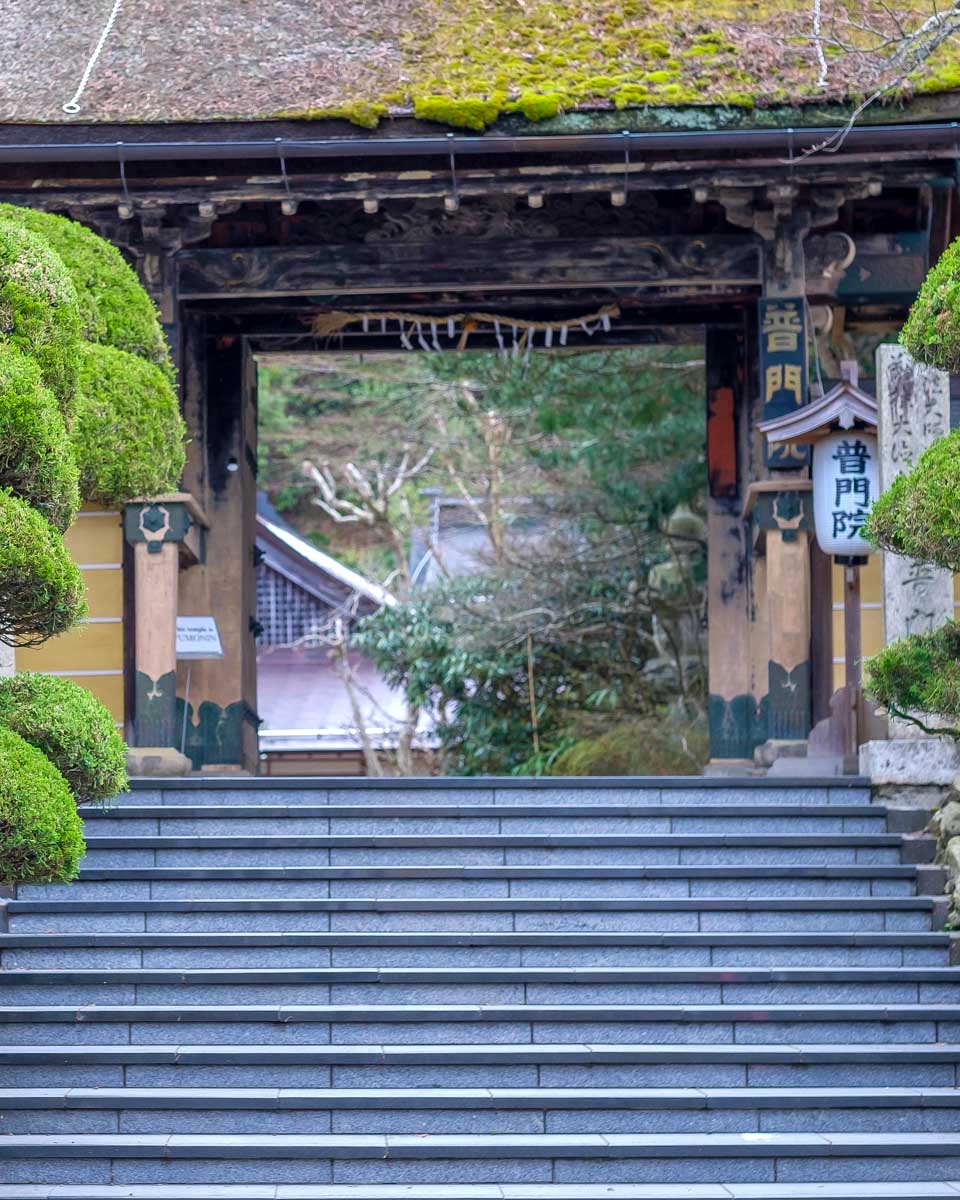
Mount Koya, or Koyasan, is one of Japan’s most spiritual and peaceful destinations. This sacred mountain is south of Osaka, and visiting here allows you to experience what life is like for the monks who call this place home.
And don’t worry, you don’t have to hike all the way up! To get here, you can take the train out here from the city and then ride the cable car up the mountain.
Once you get to the top, you’ll find ancient cedar forests and more than a hundred temples lining the quiet, misty slopes. And the ultimate way to experience this place is to stay overnight in a shukubō, which is a Buddhist temple lodging. This means sleeping on tatami mats, eating traditional vegetarian shōjin ryōri meals prepared by monks, and joining in on morning meditation or prayer ceremonies. It’s a rare opportunity to experience Japan’s most sacred spiritual traditions firsthand.
There are plenty of temples to choose from, but this one is our favorite thanks to its warm hospitality and beautifully prepared meals. Staying here is the kind of experience you’ll never forget. It’s also easy to explore Okunoin Cemetery from here, which is a moving resting site that’s lit up with lanterns.
18. Cross the Shibuya Scramble in Tokyo

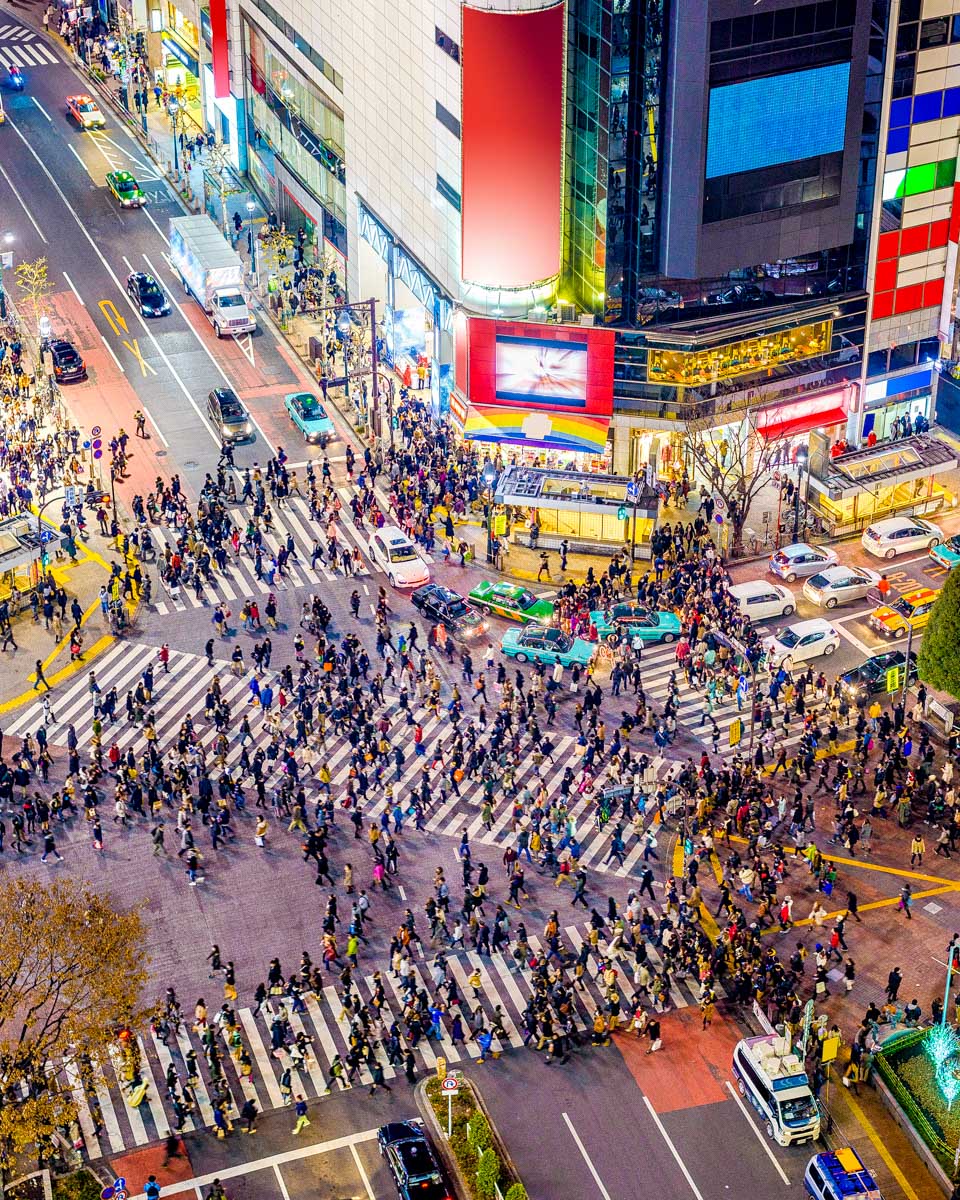
The Shibuya Scramble Crossing is one of the most iconic sights in Tokyo, and maybe even the world! It’s the famous intersection where hundreds (and sometimes over a thousand) people cross in every direction when the lights change. And to take the sensory overload up another notch, the area is surrounded by towering buildings that are covered with huge digital billboards and neon signs. It’s Tokyo’s equivalent of Times Square!
Crossing the scramble yourself is a must; what’s actually even better is heading up to the Shibuya Sky observation deck afterwards to watch the madness from above. Alternatively, you can just head to the Starbucks in the TSUTAYA building to enjoy the spectacle with a coffee.
For the full experience, we recommend visiting between 5 pm and 8 pm when the crossing is at its busiest and the neon lights are blazing. It’s as crazily busy as you would expect, but in true Japanese fashion, it actually works perfectly and is actually very smooth. Only in Japan!
While you’re in the area, stop by the Hachiko Statue just outside the station to see a touching tribute to Japan’s most loyal dog. We also like to wander through Center Gai, which is a narrow, buzzing street packed with restaurants and karaoke bars. It’s one of the best places in Tokyo to soak up the city’s youthful, energetic vibe!
Related Read: Want to stay near all the action? Check out our guide to best areas to stay in Shibuya here for the top hotels with amazing views and unbeatable access to Tokyo’s most iconic crossing!
19. Master Japanese cooking in a local class

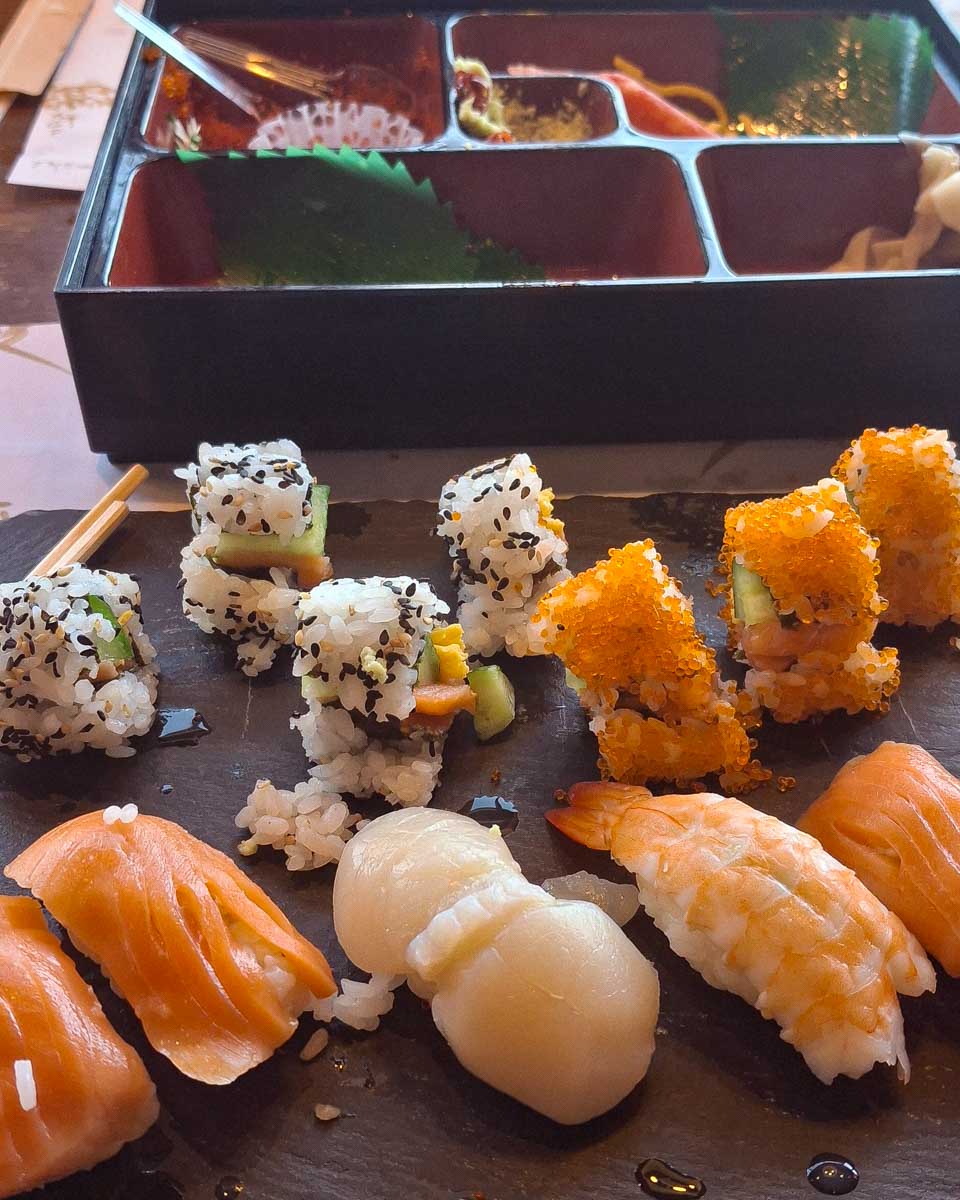
Japanese food is world-famous, so what better way to appreciate it than by learning how to make it yourself? We think that joining a local cooking class is one of the most fun and rewarding cultural experiences you can have in Japan! These are usually small, hands-on sessions that are led by local instructors who teach you how to cook and share the traditions behind each dish.
There are excellent cooking classes all across Japan, and we’ve tried a few that we absolutely loved. Making ramen in Kyoto was such a fun experience, and we were amazed by just how much effort goes into getting the broth and noodles just right! We also learned how to perfect the art of sushi in this Tokyo class, and of course, when we went to Sapporo, we just had to take a soba-making class and learn how to make the region’s famous noodles from scratch.
No matter which city you choose, these classes are such a great way to connect with locals and bring a little piece of Japan home with you. By the end, you’ll not only have a delicious meal to enjoy but also a deeper appreciation for Japan’s incredible food culture.
We’ve found that these classes have really taught us the difference between authentic Japanese cooking and what’s often served abroad. The only downside is that once you’ve tasted the real thing, it’s hard to go back! Still, you’ll be able to recreate the real deal at home now. For more foodie inspiration, check out our guide to the best cooking classes in Tokyo here—it’s full of incredible hands-on experiences for every skill level.
20. Wander the perfectly preserved Himeji Castle
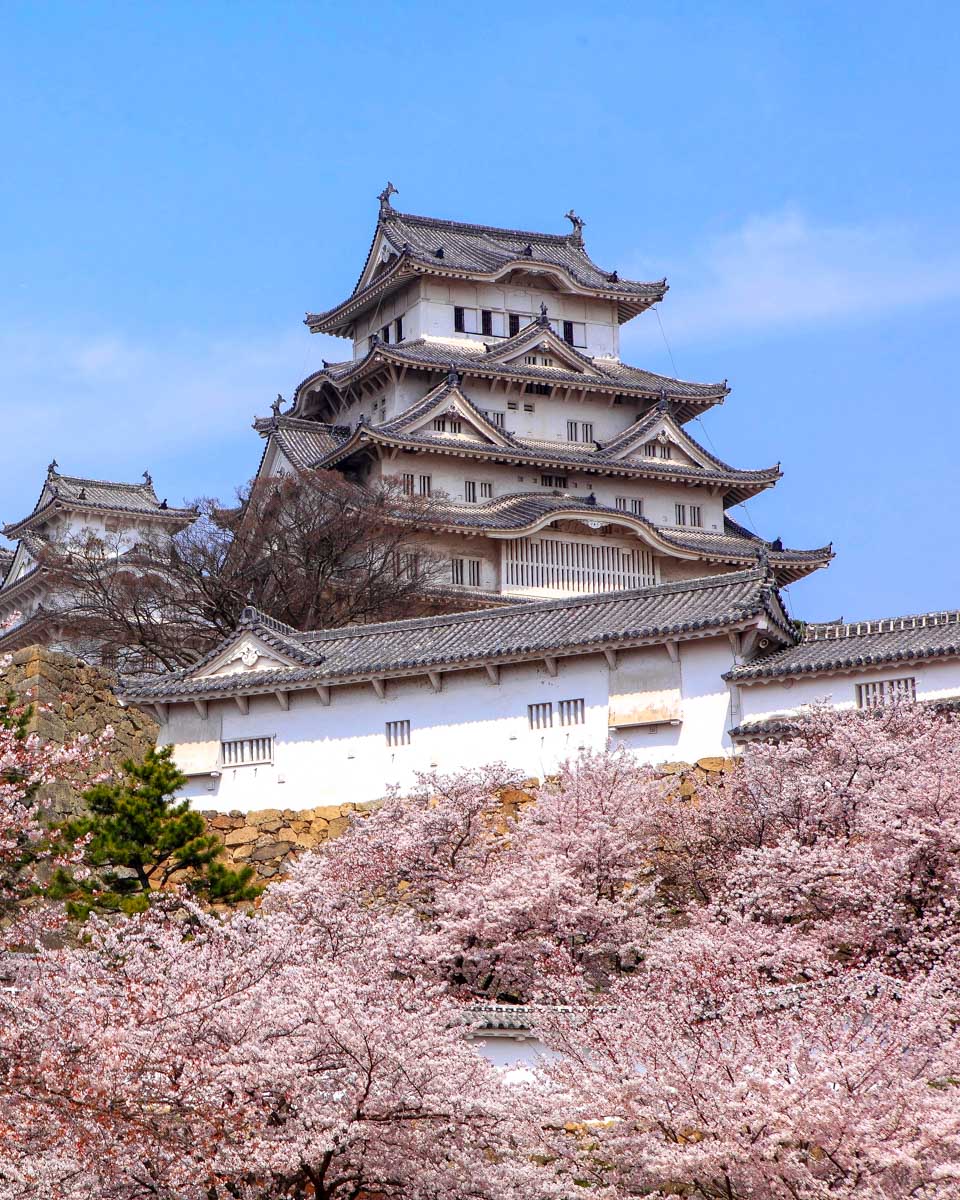
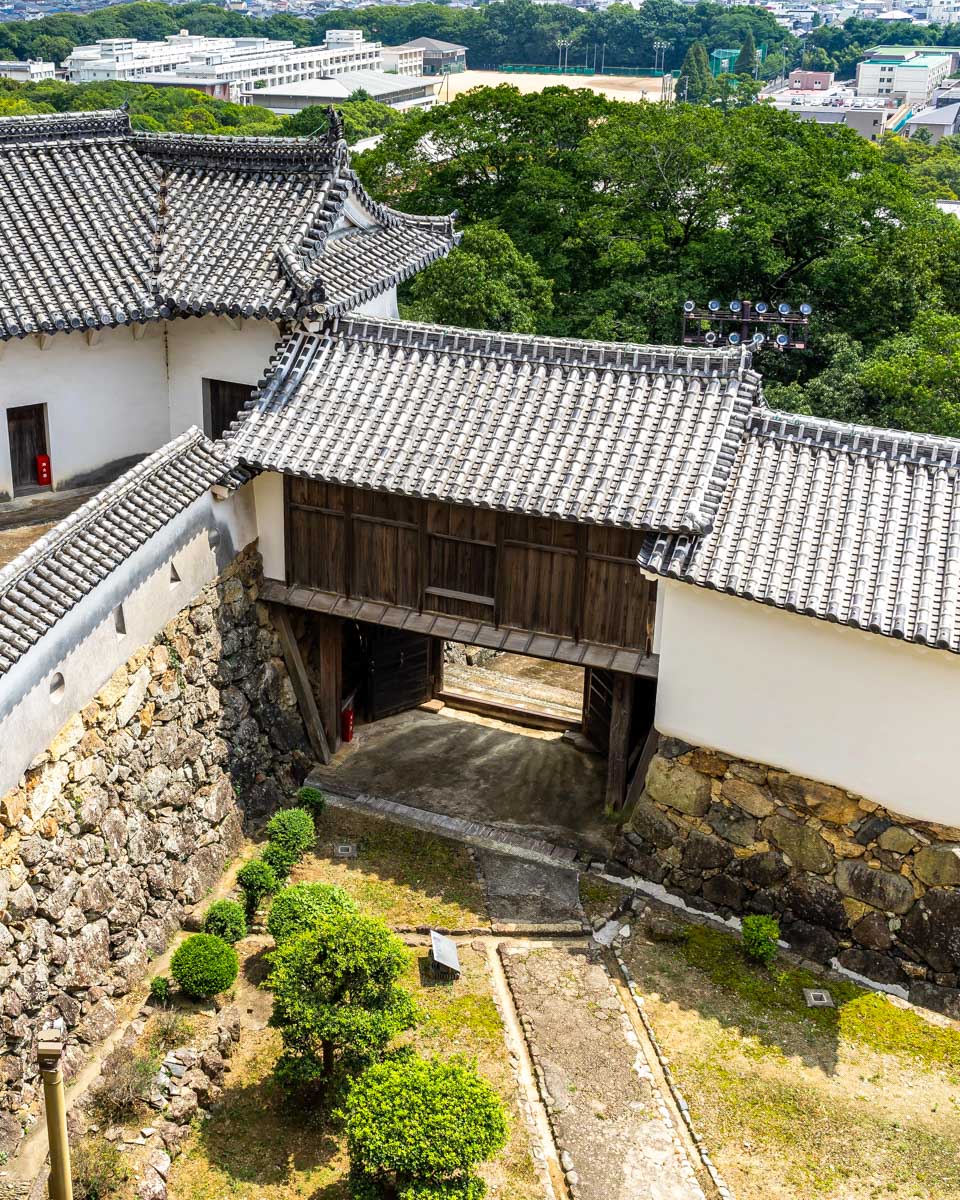
Himeji Castle is often called Japan’s most beautiful castle, and once you see it, you’ll understand why. It’s nicknamed the “White Heron Castle” for its elegant white exterior, and it’s both a National Treasure and a World Heritage Site. I guess you could say it’s kind of a big deal!
This castle is one of the few original castles that survived Japan’s feudal era, wars, and natural disasters. The white plaster makes it more fire-resistant than the country’s other castles, and it has never been conquered. Perhaps for that reason, touching the cypress beam from the castle’s original framework is said to bring you good luck.
Dating back to the early 1600s, Himeji Castle is incredibly well-preserved. It’s also a stunning example of defensive architecture, because the confusing layout has always proved too difficult for anyone to capture during battle. It’s fascinating to explore! You can wander through multiple floors and climb all the way to the top for sweeping views of the city and surrounding countryside.
The castle is especially breathtaking in spring when the cherry blossoms frame the white walls with soft pink petals. In fact, it’s one of the most photographed spots in all of Japan!
Best of all, Himeji makes for an easy and rewarding day trip from both Osaka and Kyoto, as it’s less than an hour away from either city by train. This tour is a fantastic option if you want to visit Himeji Castle and the surrounding gardens with a knowledgeable guide who brings the area’s rich history to life. After exploring the castle, we suggest taking a short walk to Koko-en Garden next door, which features nine beautifully landscaped sections designed in different Edo-period styles.
21. Join a local festival (matsuri)

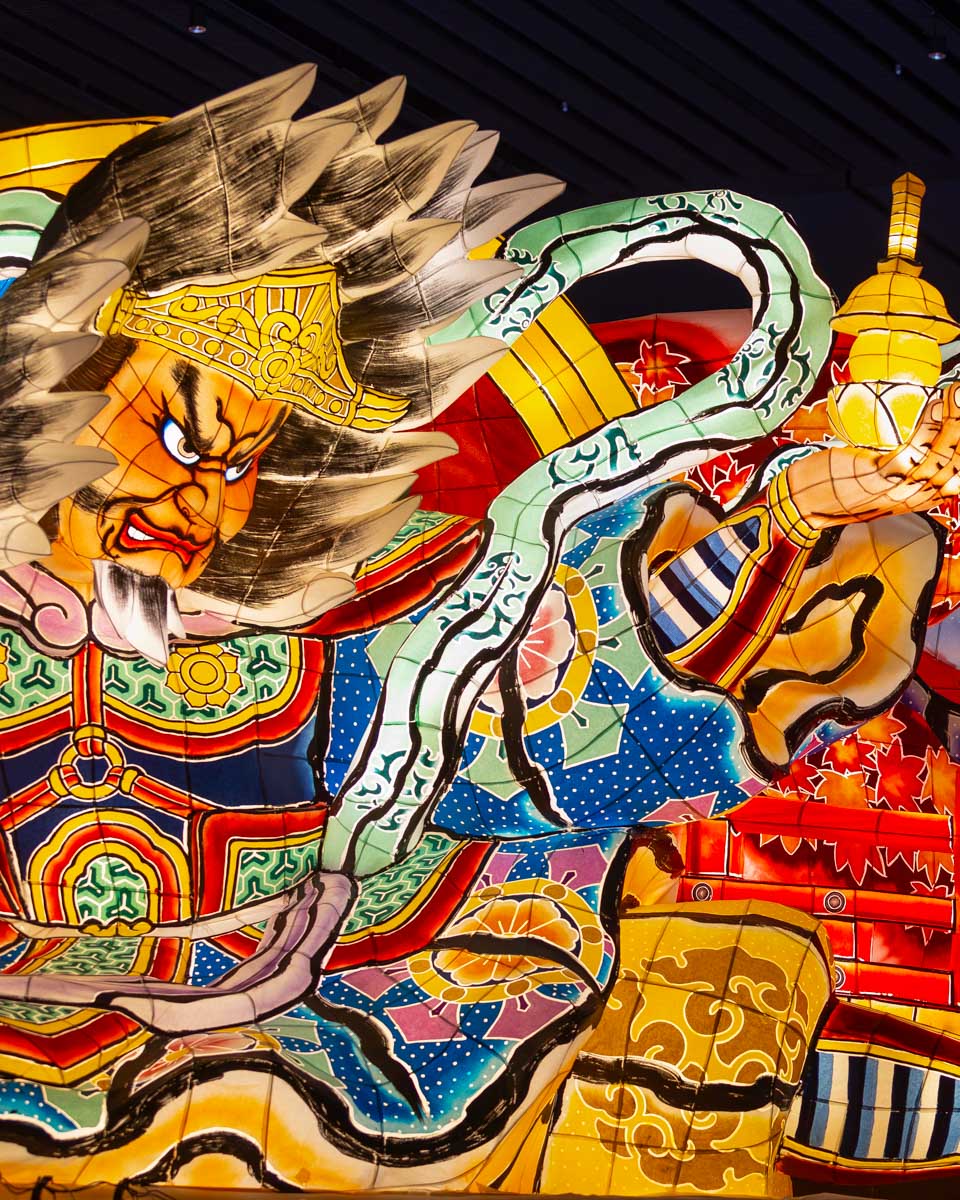
No trip to Japan feels complete without experiencing a local festival, or matsuri. These vibrant celebrations bring streets to life with colorful costumes and energetic parades. They’re a ton of fun to participate in, and a unique way to experience the culture and traditions of a particular city or region.
Some of Japan’s most famous festivals include Gion Matsuri in Kyoto, which takes place every July and features massive floats and traditional performances. There’s also the Awa Odori dance festival in Tokushima in August, and the Nebuta Matsuri in Aomori, which is known for its illuminated floats and dramatic nighttime processions.
However, I think my favorite festival has to be the Sapporo Snow Festival in February. The huge ice and snow sculptures here are truly beyond belief!
But don’t overlook the smaller town matsuri. They’re often less crowded, and since Japan has so many different traditions and celebrations across its various regions, these local festivals can be a really fun way to see the country through a different lens. Oh, and make sure to take advantage of all the yummy foods on offer, which often include takoyaki, yakisoba, and sweet dango (rice dumplings on skewers).
Of course, it’s important to enjoy the festival respectfully. Dress neatly, avoid blocking floats or performers, and follow local guidance for photography—don’t act like a pap! And because festival season attracts both domestic and international visitors, it’s wise to book your transportation and accommodation well in advance.
22. Stroll through Kenroku-en Garden in Kanazawa
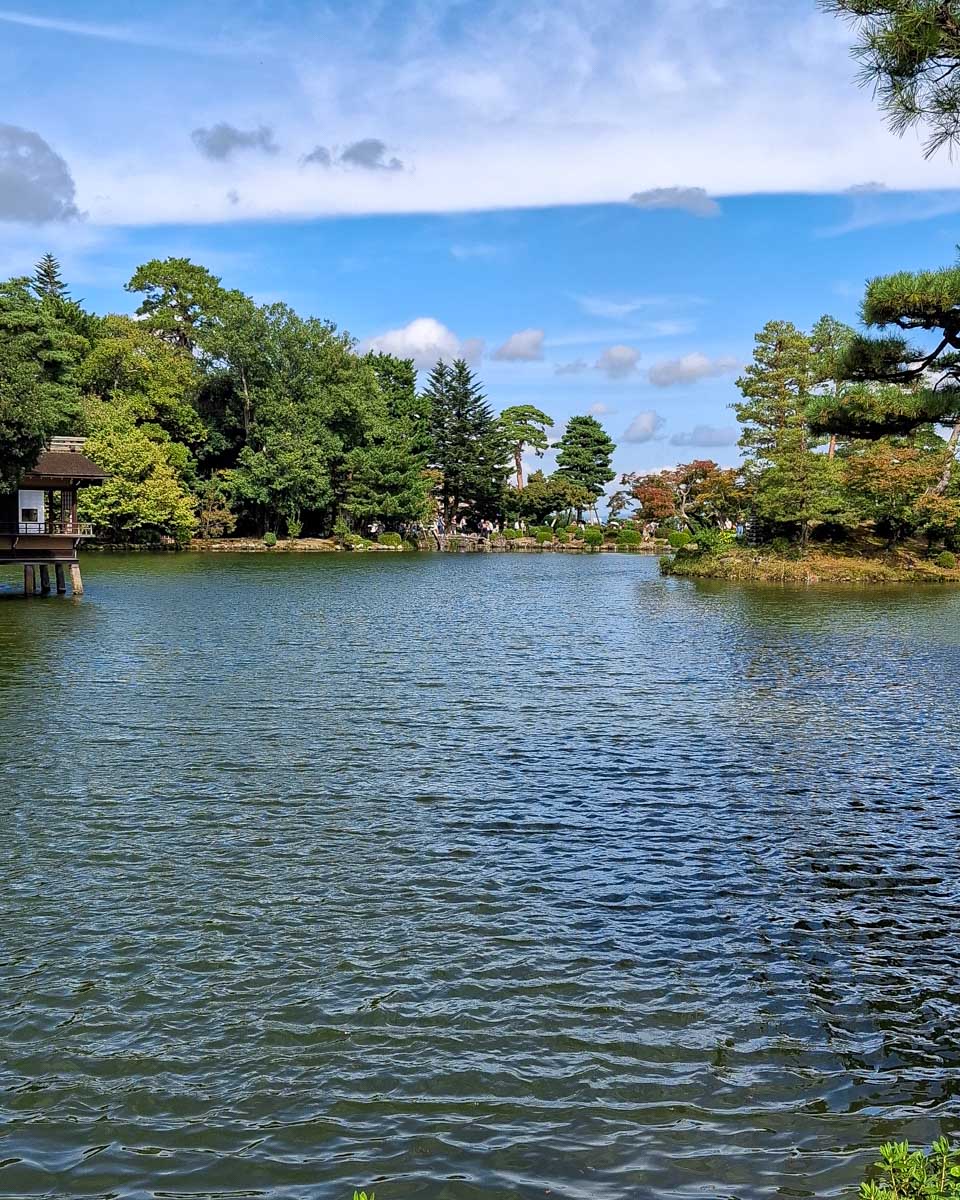
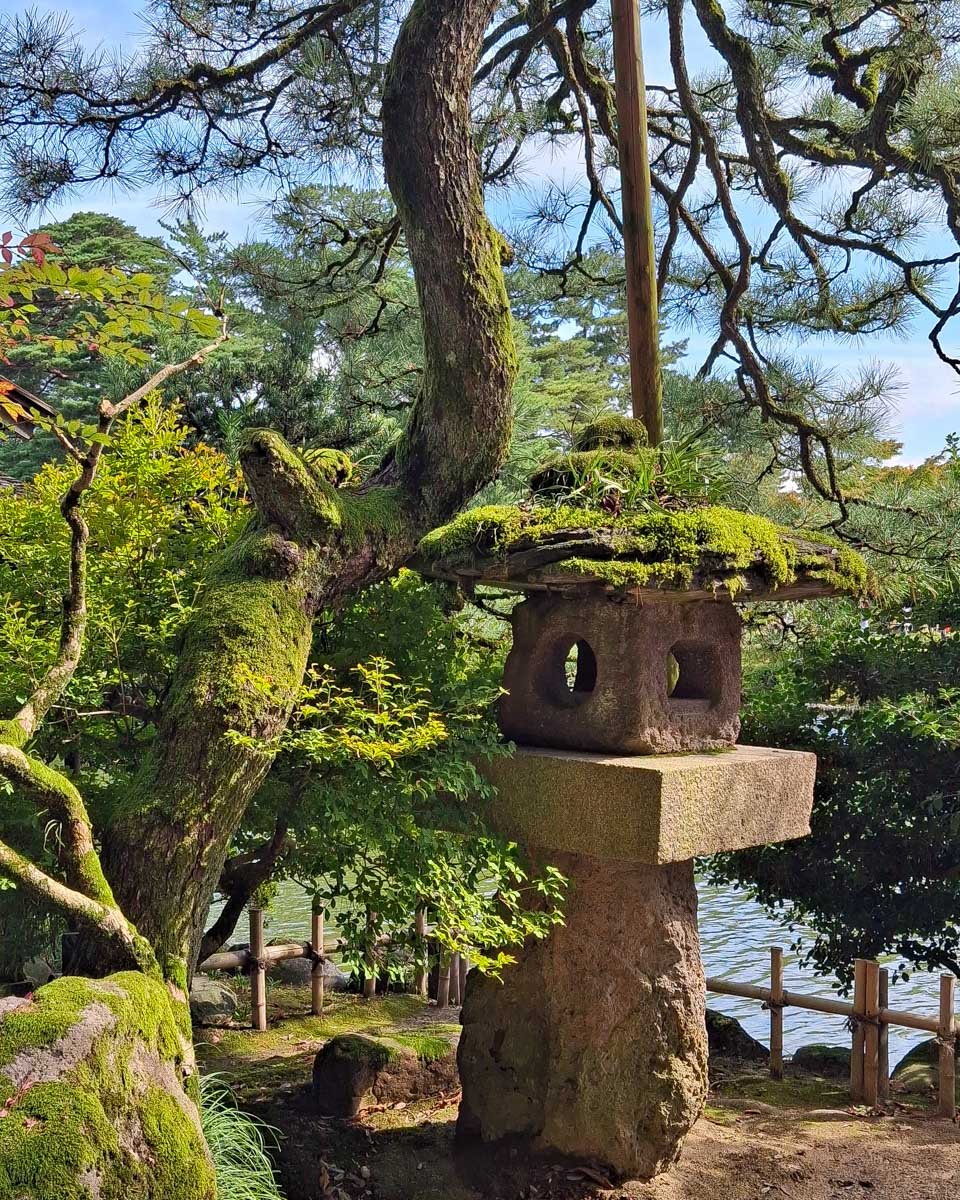
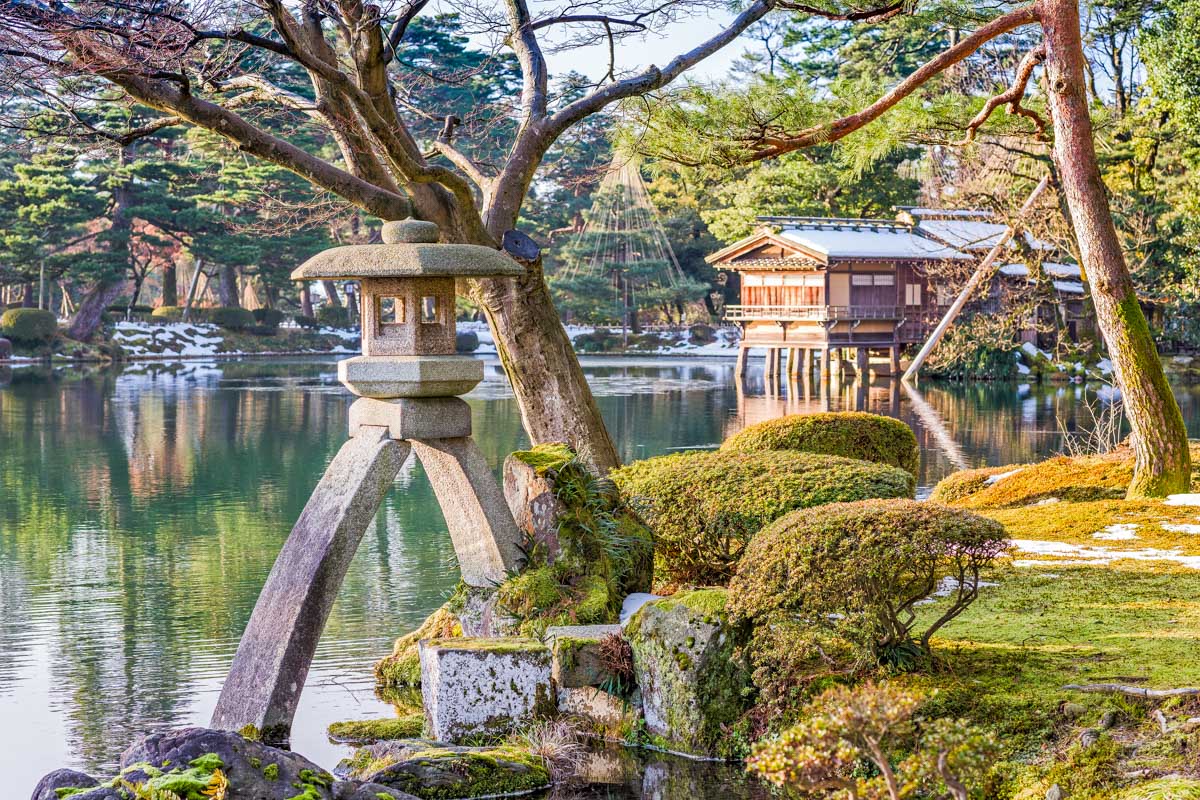
Kenroku-en Garden in Kanazawa is widely regarded as one of Japan’s three most celebrated gardens, and it’s easy to see why. It’s truly a work of art, and it offers a peaceful escape right in the heart of the city.
The garden was designed around the concept of the “six virtues”: spaciousness, seclusion, artifice, antiquity, water, and views. This might sound a bit abstract, but as you stroll through it, you can really see how each value has been brought to life.
Some of the highlights include the iconic stone lantern near the pond, the charming teahouses scattered throughout, and the plum blossoms in late winter. It’s clear to see how much thought and intention have gone into composing this beautiful garden, and it’s worth spending a few hours wandering the paths and taking it all in.
Kenroku-en pairs beautifully with other Kanazawa highlights (check out some of our favorite Kanazawa activities here). Or you can visit the nearby Kanazawa Castle for a sense of history or explore the Higashi Chaya geisha district for a taste of traditional culture. We actually booked this top-rated private tour, which included the garden, castle, and the geisha district. It was such a convenient (and fun) way to experience the best of Kanazawa.
Visiting Kenroku-en in any season is rewarding, but we especially loved it during late winter when the plum blossoms were in bloom. They’re just so pretty!
23. Visit the snow monkeys in Nagano
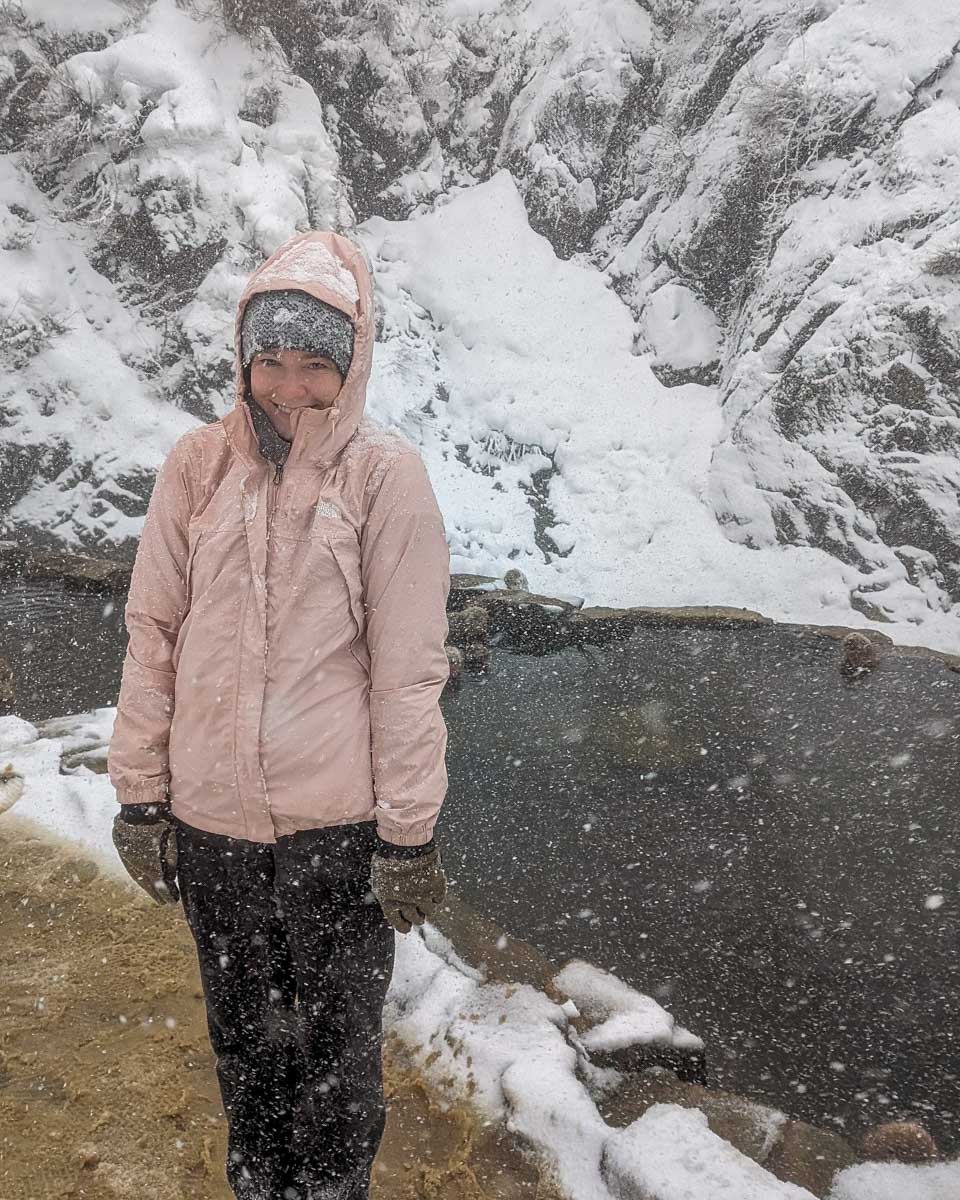

If you’re visiting Japan in winter, a trip to see the snow monkeys in Nagano is an absolute must! These wild macaques are famous for their habit of soaking in steaming hot springs, creating an adorable and amusing scene, especially when surrounded by snow! It’s almost impossible not to smile watching them relax and interact as if they were little humans in their winter spa.
The monkeys live in Jigokudani Snow Monkey Park, near Yudanaka Onsen. To reach the viewing area, you’ll need to walk about 30 minutes from the trailhead, so sturdy shoes and warm layers are a must. Visiting between December and March gives you the best chance to see them in the snow, which really adds to the cuteness and makes for amazing photos. For more tips to plan your visit, check out our blog about what to know before visiting Jigokudani Monkey Park.
We suggest staying overnight in Nagano if you have time, because then you’ll be able to go and enjoy a soak in the charming Shibu Onsen town and enjoy a traditional ryokan stay. However, if you’re short on time, there are some fantastic guided tours from Tokyo that make transportation simple and include extra insights about the monkeys’ habits and natural environment.
Why We Book Tours with Viator
Viator is a trusted online booking system for tours around the world! We almost always book our tours using Viator for a couple of reasons:
24. Go sake tasting in Takayama
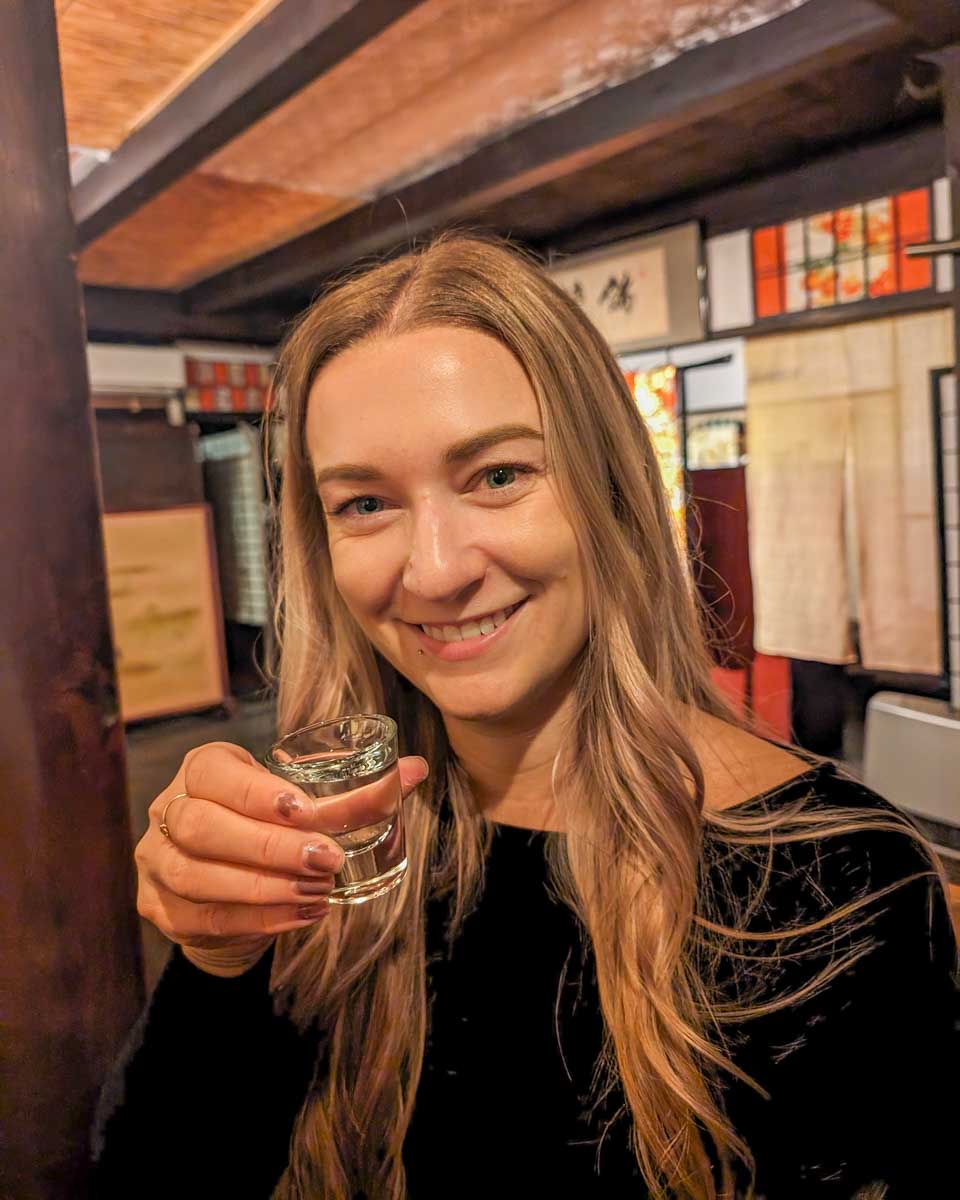
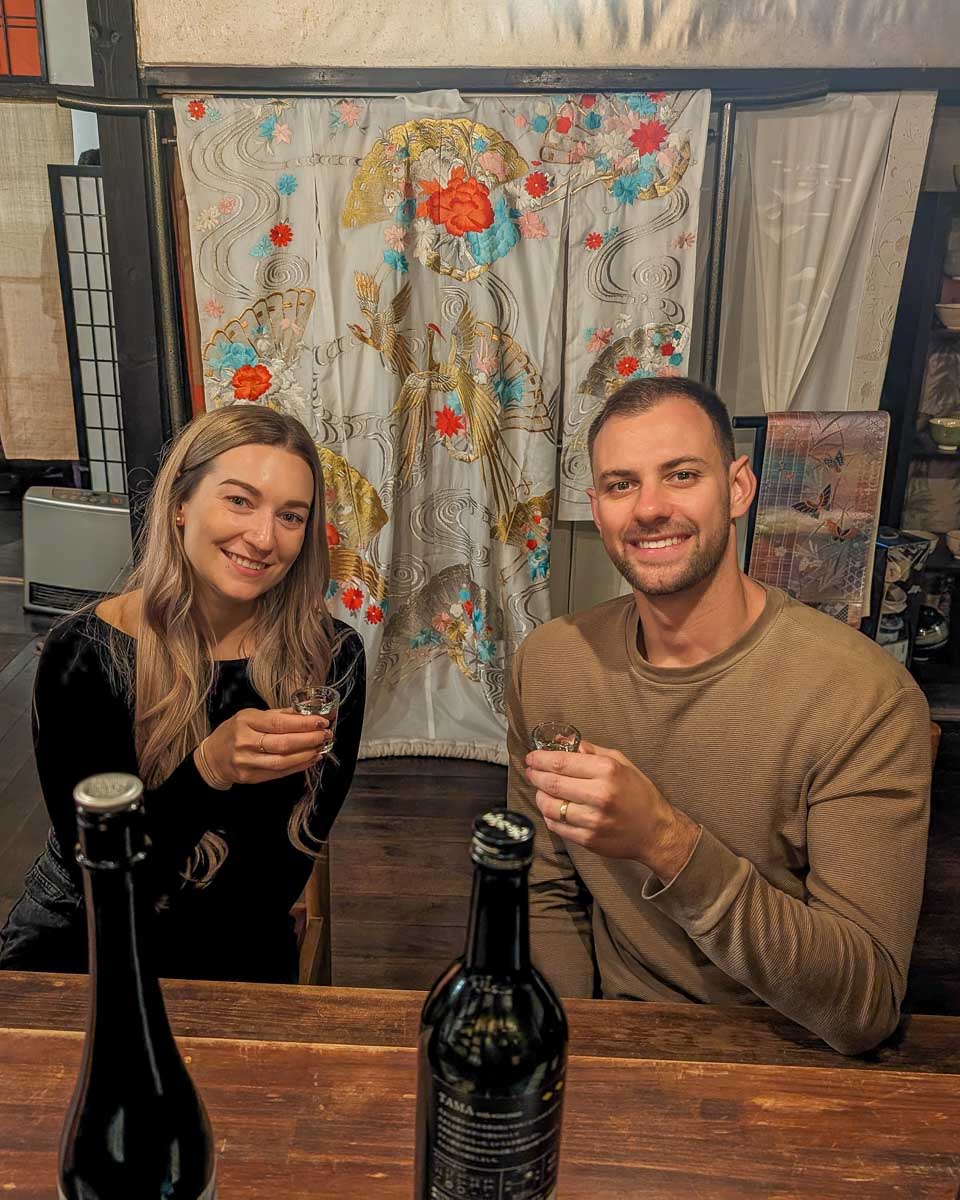
Sake is probably Japan’s most famous drink, but it’s so much more than that. It’s a craft, and tasting it is a seriously fun way to dive into local culture! Each region has its own style of sake, which is shaped by the rice, water, and climate. No two sakes are exactly the same!
Takayama is one of our favorite spots for sake tasting. This city is nestled in the Japanese Alps, so it benefits from pure mountain water. Plus, the climate is perfect for producing premium sake. The hot summers are good for the rice, and cold winters are ideal for the brewing process.
As you stroll through Takayama’s charming old town, you’ll see lots of historic breweries that you can pop into for a tasting. Sakes range from crisp and dry to rich and full-bodied, so doing a couple of tasting sessions is a great way to figure out which style you like best.
We did this sake and food tour, and we got to try SO many sakes. Did you know that you can get umami sake? I didn’t either! We also got to try tons of snacks made with sake along the way, like steamed manju buns.
Another great area for sake lovers is Kobe, particularly the Nada District, where many centuries-old breweries are still in operation. We recommend exploring with this top-rated tasting tour because it offers a deep dive into the region’s brewing history, and you’ll get to sample some of the best sakes around straight from the source.
Related Read: Once you’ve explored these top things to do, take a look at our guide to the best places to visit in Japan—it will help you plan where to go (and why each spot is worth your time)!
25. Feed deer in Nara Park


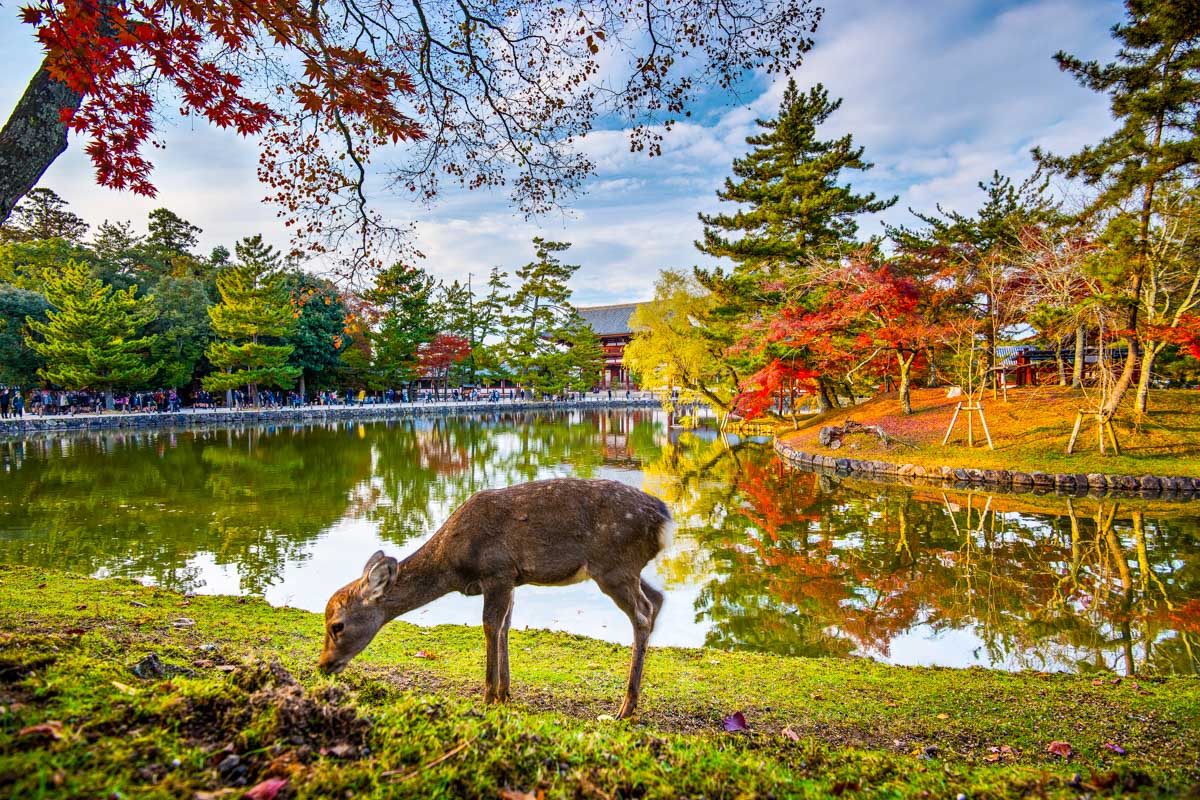
Feeding the deer in Nara Park is such a sweet and memorable experience, and it’s so easy to do on a day trip from Kyoto or Osaka, as it’s just a 45-minute train ride from either city. This is the tour we did and absolutely loved!
Nara feels a bit like a living, breathtaking history museum because ancient temples and shrines are so woven into everyday life. But the park is definitely the highlight because this is where hundreds of deer roam freely all day long.
The deer are friendly and curious—in fact, they’re considered to be the messengers of the gods. You can even buy some special deer crackers around the park to feed them. This is so much fun to do because the deer will actually bow to you before taking a treat. It’s so sweet!
While the deer are the star, don’t miss Tōdai-ji Temple, which is home to the Great Buddha. It’s one of Japan’s largest wooden buildings and truly awe-inspiring. You can even crawl through the statue’s nostrils for good luck! And the surrounding grounds are beautiful to stroll through, especially during cherry blossom season or in autumn when the leaves change.
Although Nara is small, there’s a lot to see, so we recommend doing a guided tour like this one. It makes it easy to hit all the key sights, learn about the history and culture, and still have plenty of time to enjoy the deer and the serene atmosphere.
26. Cruise the pine-covered islands of Matsushima Bay
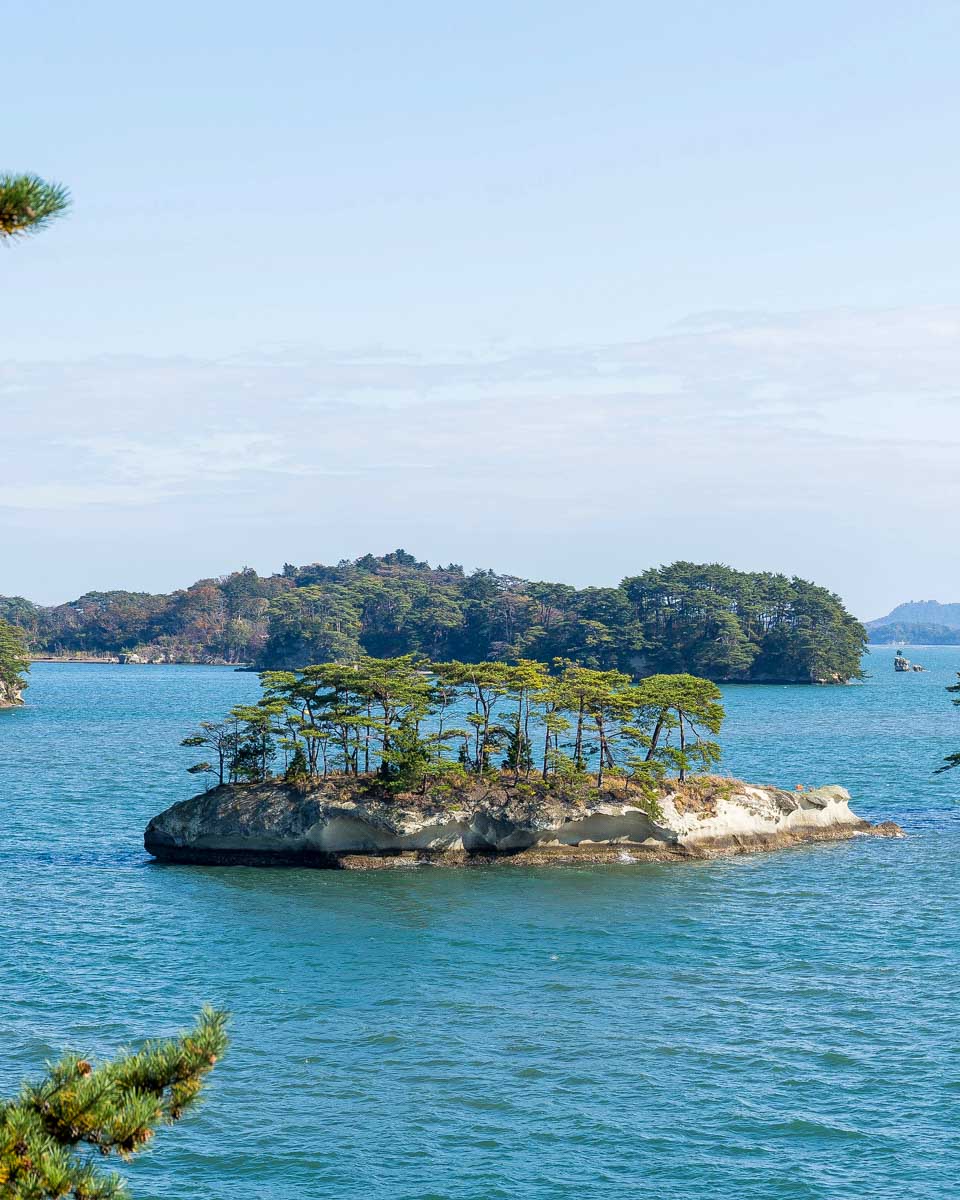
Matsushima Bay is often called one of Japan’s “Three Great Views,” and it’s easy to see why! The bay is dotted with over 200 small islands, each one covered in lush pine trees. The scenery here has inspired poets and painters for centuries!
The bay is located just a short trip from Sendai, so it’s a great day trip if you’re exploring the Tohoku region. One of the best ways to explore the region is via a boat cruise, because it allows you to soak in the views of the pine-covered islands rising up from the emerald water. In short, it’s beautiful.
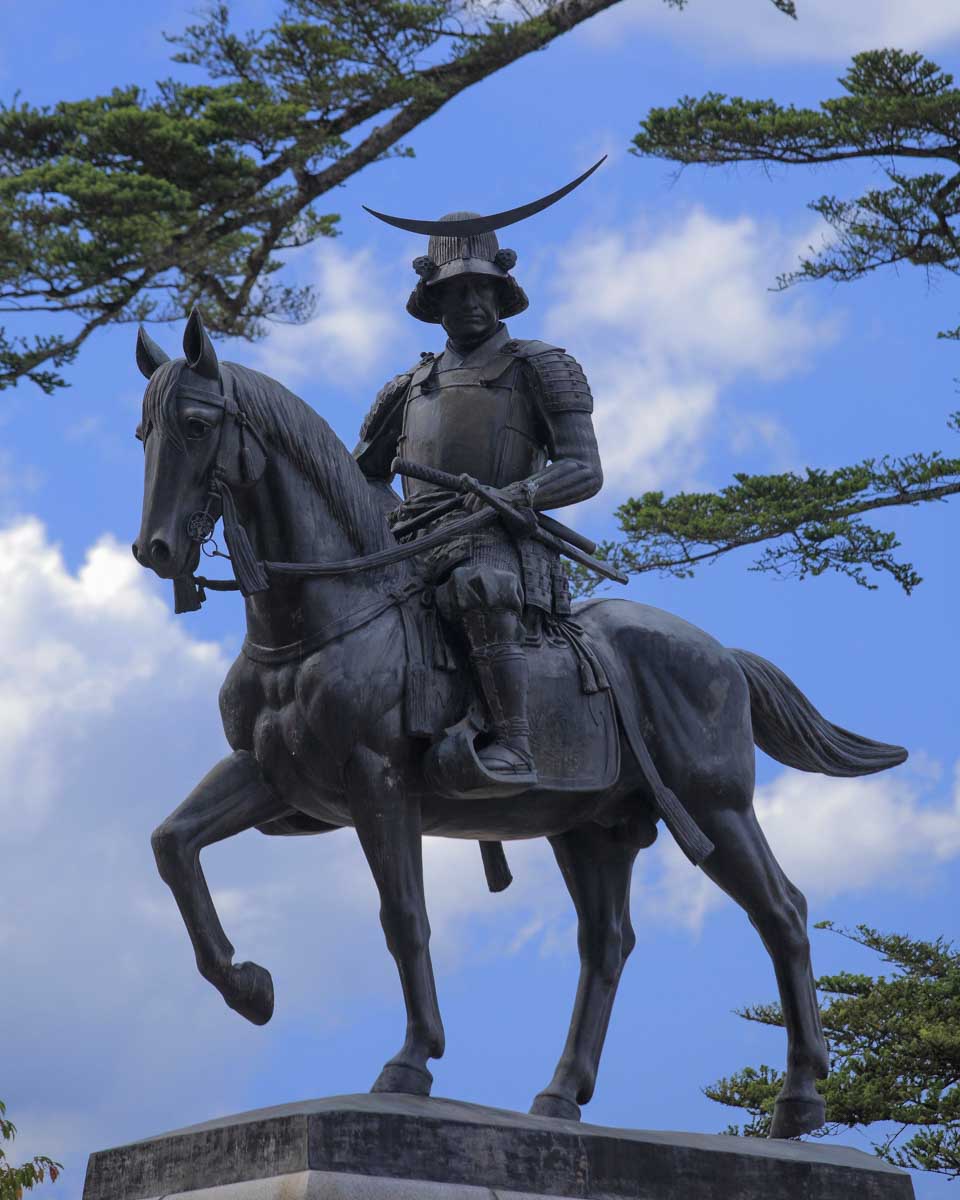
We also booked this private land tour of Sendai. It was such a great way to explore because we shared our interests with our guide beforehand, and she devised the perfect, personalized itinerary for us. We were really impressed by Sendai’s sophisticated food scene, and we loved exploring the rugged scenery, as well as highlights like the statue of Date Masamune, Osaki Hachiman Shrine, and the beautiful Mitakisan Fudoin Temple. I can’t recommend it enough!
27. Try a sand bath in Ibusuki, Kyushu
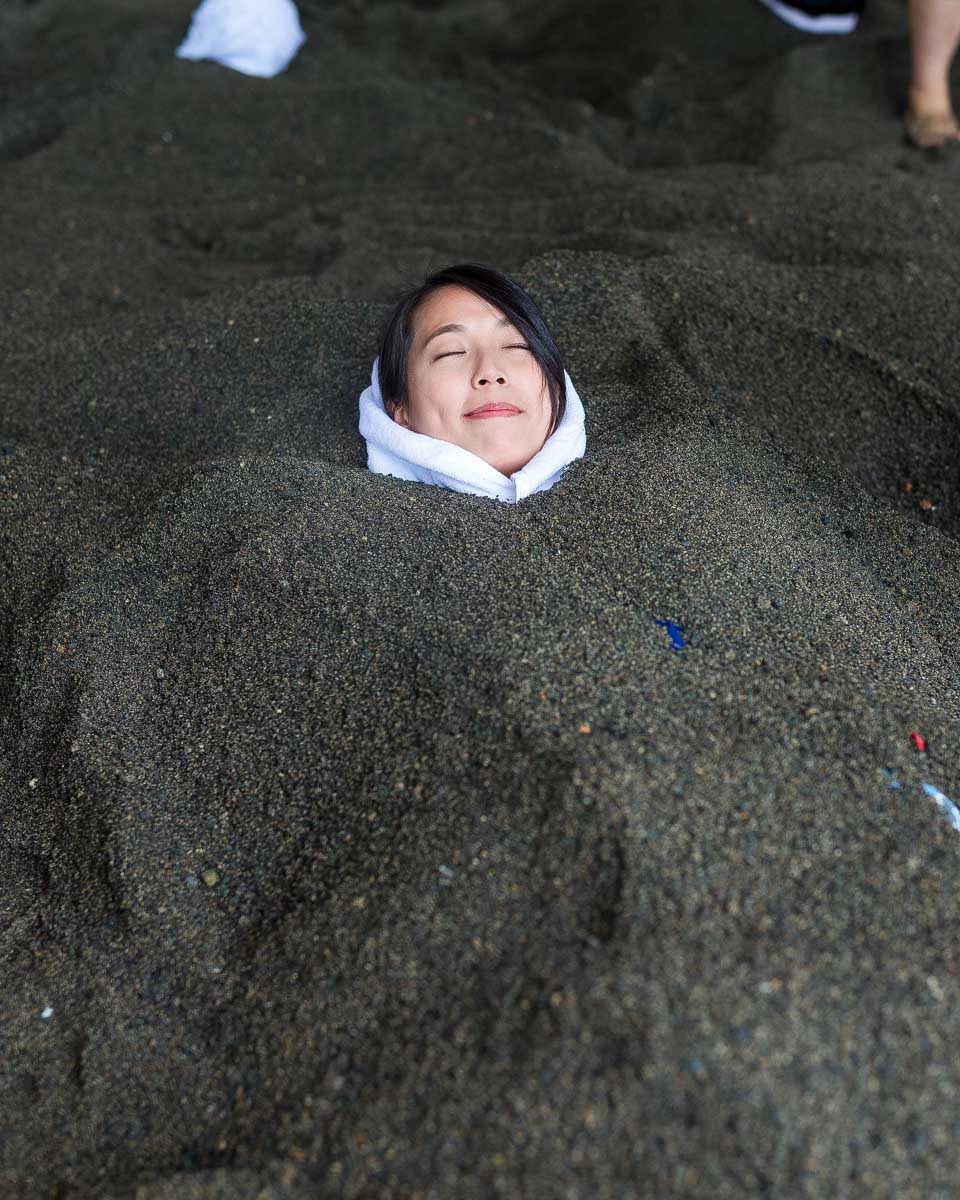
A sand bath in Ibusuki, Kyushu, is one of the most unique spa experiences you can have in Japan. Instead of soaking in water, you’ll be gently buried in warm volcanic sand that’s naturally heated by underground hot springs. I feel relaxed just thinking about it!
You know how weighted blankets have a very calming effect? Well, this is kind of the same thing! Attendants will cover you in the sand up to your neck, and you’ll lie there for about 10-15 minutes while the natural heat works its magic.
This treatment is said to help with circulation and relieve muscle pain, as well as having a purifying effect. Then afterwards, you rinse off and slip into a traditional onsen bath to complete the experience.
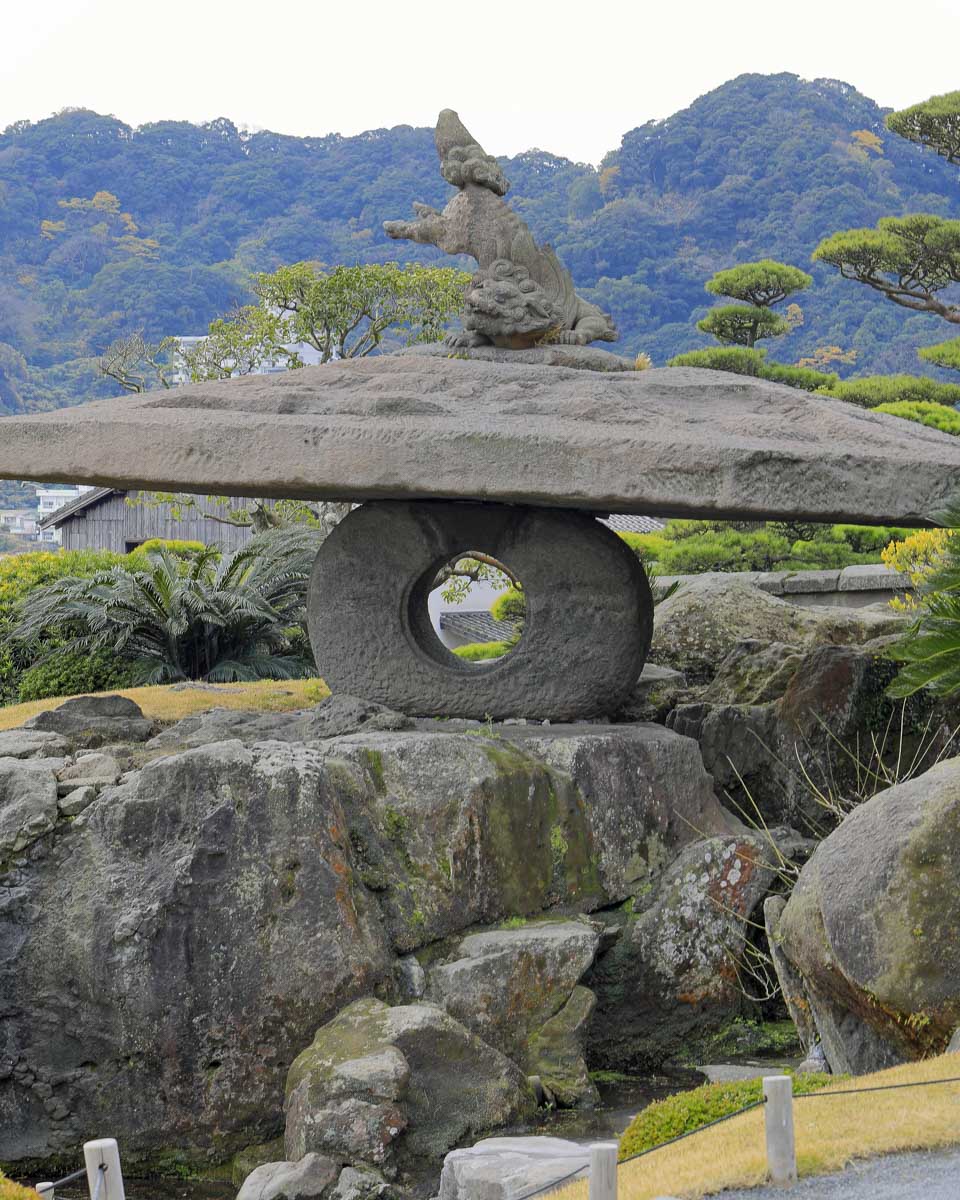
We recommend pairing your sand bath with a visit to nearby Kagoshima. This way, you can follow up your relaxing ritual with a peaceful visit to the impressive Sengan-en Garden. It has lots of pretty ponds and offers great views of the Sakurajima volcano.
For extra ease, you can even join this tour that includes the sand bath and all of Kagoshima’s top sights. We love it because it’s a customizable experience, so you can let your guide know what you’re interested in and they’ll make it happen, whether that’s diving into samurai culture, shopping, or admiring Sakurajima from the Arimura Lava Observation Deck.
28. Explore the Gion Geisha District


Gion is Kyoto’s most atmospheric area—and in a historic city like this, that’s really saying something! It’s a traditional geiko neighborhood, and sometimes you’ll even see geishas walking between appointments—just remember to be respectful and don’t try to sneak photos of them.
The narrow streets of Gion are lined with old wooden teahouses and lots of lanterns, so it’s hard not to fall in love with its old-world charm. We love coming here in the late afternoon or early evening when the streets start to fill with people heading to dinner. This is also the best time to spot geikos—“geiko” is Kyoto’s term for “geisha”, just FYI.
Don’t miss Hanamikoji Street, which is where many of the teahouses are. We also like exploring the quieter Shirakawa Canal area and admiring the way the willow trees arch over the water. Meanwhile, the Yasaka Shrine is nearby, and it looks especially beautiful when it’s lit up at night.
We were keen to see the best of Gion, so we booked this evening walking tour, and it was incredible. We saw all of the top sights and learned so many stories about Kyoto’s geisha traditions and etiquette from our guide. It made the experience so much more meaningful, and it was a definite highlight of our time in Kyoto.
29. Go-kart through the streets of Tokyo


Go-karting through the streets of Tokyo is honestly one of the most unforgettable experiences you can have in Japan. We had the BEST time zooming through the city in colorful go-karts, dressed up in cartoon-themed onesies. Basically, it feels exactly like real-life Mario Kart!
We did this exact go-kart tour, and we highly recommend it (as do 4,500+ other happy reviewers!) We chose it because it’s Tokyo’s OG go-karting experience, and it has the best route. We got to see so many iconic sights en route, including Tokyo Tower, the Odaiba waterfront, and the iconic Rainbow Bridge. Driving through the historic Asakusa district was really cool, too—we actually have a whole blog on the best things to do in Asakusa here if you’re planning to explore more of that area.
You’ll need a valid driver’s license and an International Driving Permit (IDP) to participate. And you’ll need to organize the IDP before you travel to Japan, but trust me, it’s 100% worth the extra effort. Oh, and don’t forget to bring your passport on the day, too!
30. Sleep in a capsule hotel (even just once)

Sleeping in a capsule hotel is one of those “only in Japan” experiences that every traveler should try at least once. These compact, futuristic hotels were originally designed for busy city workers needing a quick overnight stay, but they’ve since become a must-try for visitors too. They can be a great way to save money, but regardless of your budget, you’ve got to do it at least once!
There’s something oddly charming about curling up in your own little pod! These capsules are private sleeping spaces that are just big enough for a bed, a small shelf, and sometimes a TV or USB port. You’ll store your luggage in a locker, change into the provided sleepwear, and use shared bathrooms—which are usually spotless, just FYI.
We had such a great time staying at this capsule hotel in Tokyo. The pods were super comfy, and they even had mood lighting. In fact, I felt a bit like I was in a sci-fi movie! We wouldn’t want to do this for an entire trip, but for a night or two, it’s a really fun novelty stay. They’re also super convenient for solo travelers and layover stays. We’d definitely recommend booking one if you have a late arrival or an early train or bus the next morning.
31. Eat A5 Kobe Beef
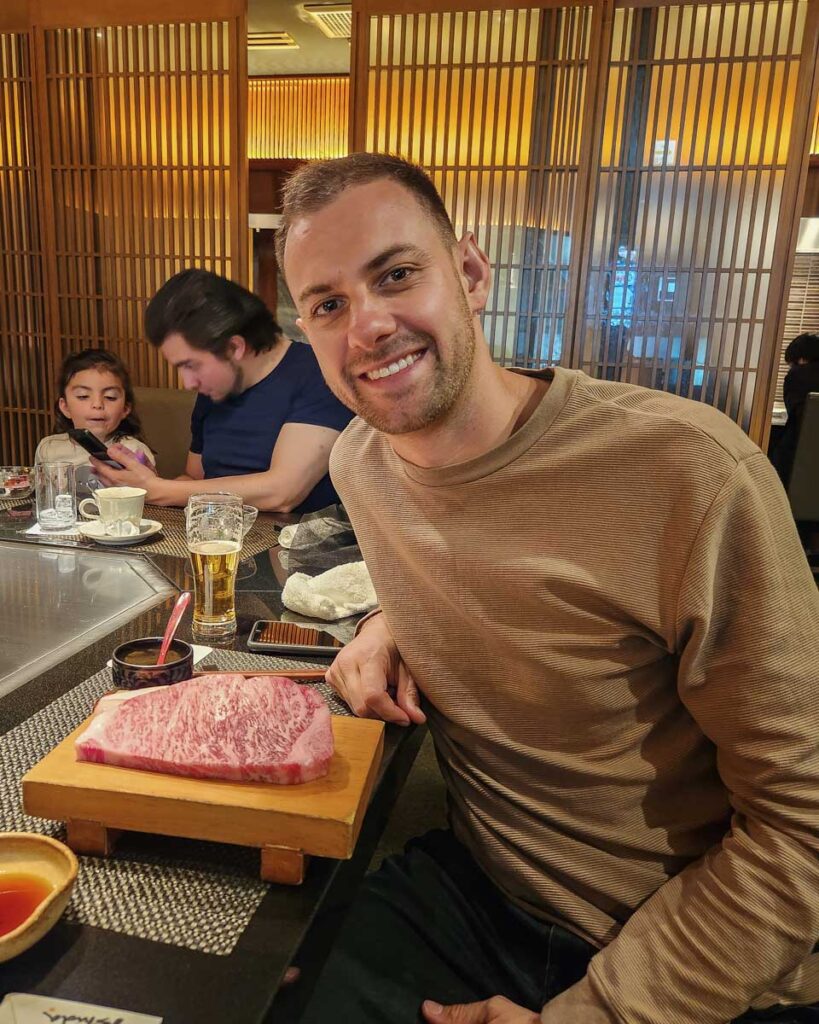
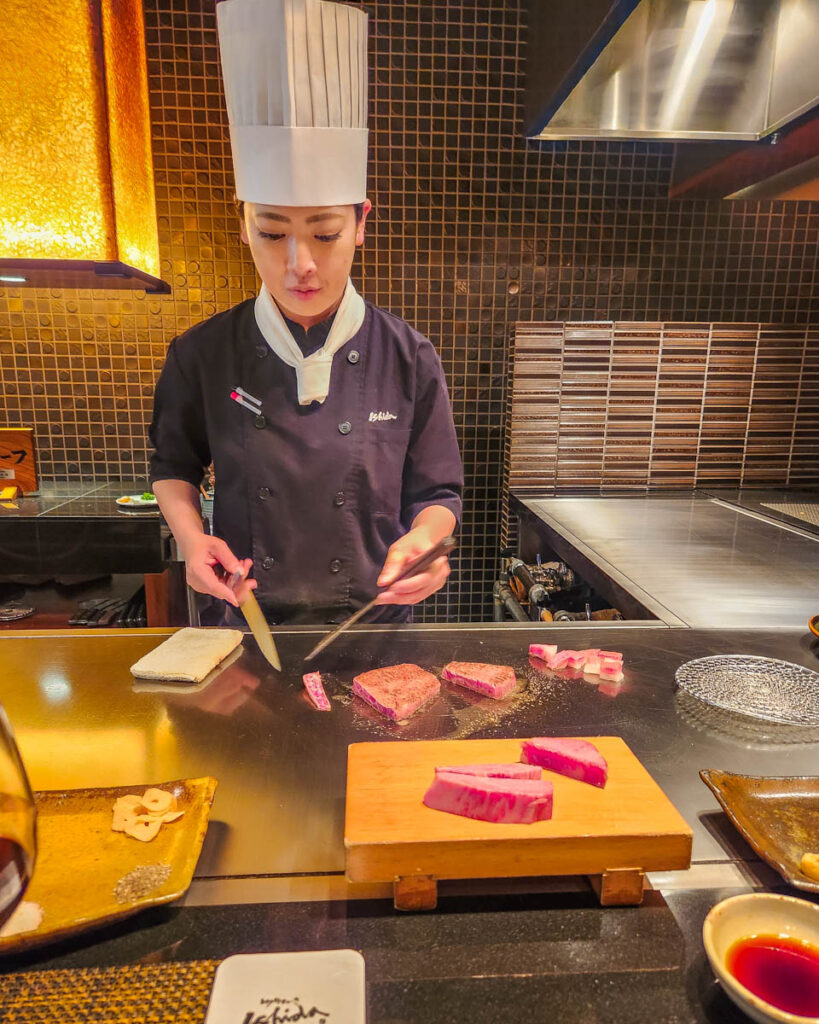
For foodies, tasting authentic A5 Kobe beef is a once-in-a-lifetime opportunity! This world-famous beef is celebrated for its incredible marbling and melt-in-your-mouth flavor. It’s truly unlike any other steak you’ll ever have, and it’s very difficult (and expensive) to find outside of Japan, so take the opportunity while you’re here!
Kobe is the birthplace of wagyu, so naturally, it’s the best place to experience it in its purest form. The city takes great pride in its beef, and only a small number of restaurants are certified to serve genuine A5-grade Kobe beef. Always look for official signage or ask to see the certificate to make sure you’re getting the real deal. It’s so worth it!
One of our favorite ways to enjoy it is teppanyaki-style, where the chef grills the steak right in front of you on a hot iron plate. Watching it being cooked makes it even more special! For an unforgettable meal, we highly recommend dining at Steak House Oriental in Kobe, where you can savor your steak with stunning waterfront views.
You can also find top-quality A5 wagyu in cities like Tokyo, Osaka, and Kyoto, but nothing beats tasting it in Kobe itself. After all, where better to eat Kobe beef than where it all began?
32. Experience the Japanese nightlife

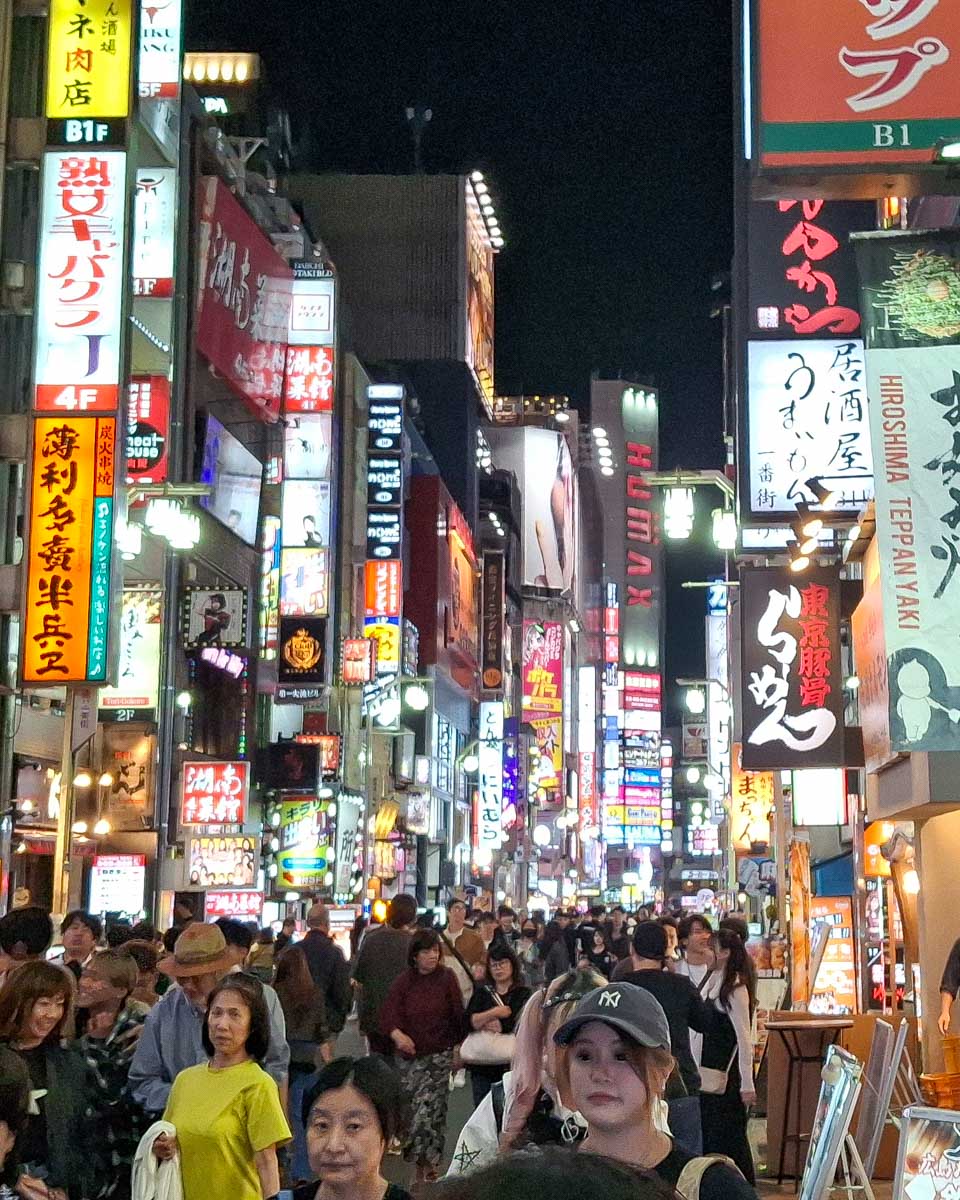
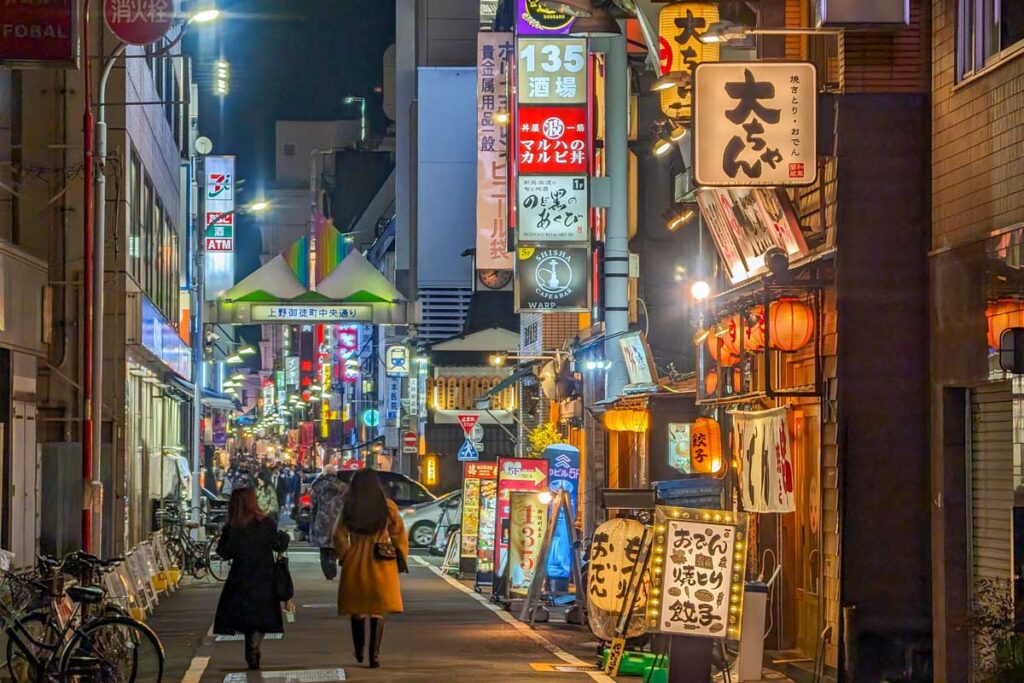
Japan’s nightlife is just as vibrant and varied as its daytime attractions! We love its tiny hole-in-the-wall izakaya bars, and the neon-lit entertainment districts are an absolute blast. Each city has its own unique scene, and exploring it is one of the most fun ways to get a taste of modern Japanese culture.
In Tokyo, we love sipping sake in the narrow alleys of Golden Gai or dancing the night away in Roppongi. And of course, after a night on the town, you can’t beat eating your way through the late-night ramen spots in Shibuya. We actually joined this all-you-can-drink nightlife and dinner tour in Tokyo, and it was one of the most fun nights out we’ve ever had in Japan. We got to visit some of Shinjuku’s most exciting izakayas and ate a ton of yummy food along the way. For even more great after-dark experiences, check out our guide to the best night tours in Tokyo here.
And nightlife lovers should definitely not skip Osaka. Every night is an all-night party here, although when we first visited, we were pretty overwhelmed and didn’t know where to start. We booked this top-rated nightlife tour, and our guide showed us how to party like locals in Namba and Shinsaibashi, away from the tourist traps.
To get the most out of Japan’s nightlife, there are a few things to bear in mind. Drinks are ordered in rounds, and it’s customary for everyone to drink the same thing on the first round. Oh, and be sure to say “kanpai!” and raise your glasses together. Don’t tip, either, as that’s not the done thing here.
33. Visit the village of Oshino Hakkai
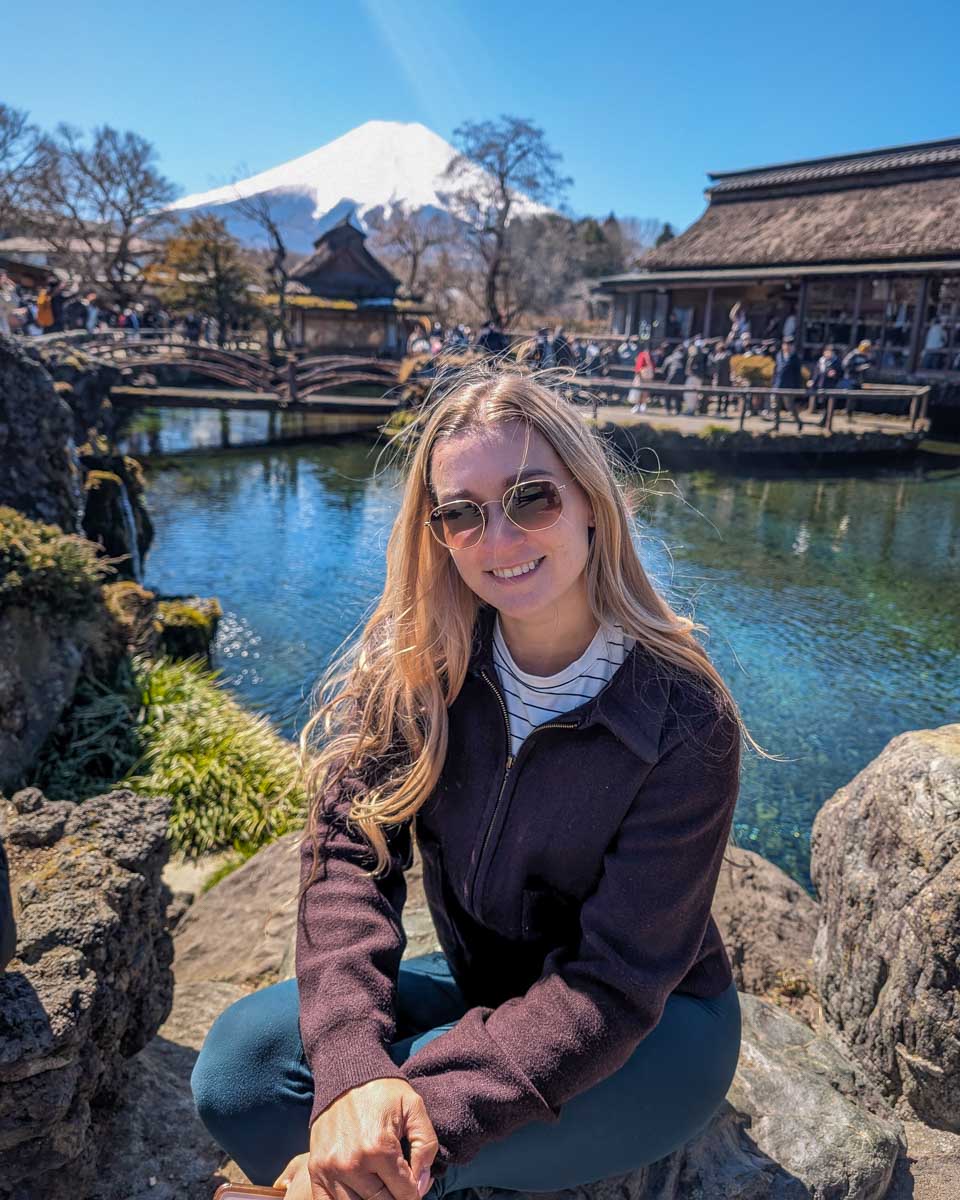

Last, but certainly not least, Oshino Hakkai is a tourist village with postcard-perfect charm. It sits between Lake Kawaguchi and Lake Yamanaka, which are two of the Fuji Five Lakes, just FYI. The village is famous for its eight crystal-clear ponds, which are fed by Fuji snowmelt, and they even reflect the famous mountain on clear days. It’s honestly breathtaking to see!
Wandering through the village really takes you back in time. As you explore, you’ll see thatched-roof houses and wooden bridges, and you can even sample fresh spring water straight from the source! There are also usually lots of vendors here selling snacks like wasabi, mochi, and handmade soba noodles.
It’s easy to visit Oshino Hakkai on a day trip from Tokyo or Hakone, and many Mount Fuji sightseeing tours include a stop here. We did this Mount Fuji and Oshino Hakkai tour from Tokyo and loved every minute of it. Not only did we get to see Fuji up close, but we also got to explore the village with an expert guide who shared fascinating details about its history with us. All in all, if you want to experience traditional Japan with a stunning mountain backdrop, Oshino Hakkai is a must-visit!
Related Read: Planning a longer trip? Our guide on how to spend two weeks in Japan maps out the perfect route to experience highlights like Mount Fuji, Tokyo, Kyoto, and beyond.
Renting a Car in Japan

Japan’s trains are great, but if you want to explore rural areas, scenic routes, or off-the-beaten path hidden gems, renting a car offers unmatched flexibility. Driving in Japan is generally safe, with well-maintained roads and clear signage, though there are some unique rules and customs to be aware of.
We always book with Discover Cars and can’t recommend them enough. It’s super easy to compare multiple provider prices, check company ratings, filter for the type of vehicle you want, and add affordable full coverage insurance. If you want a full breakdown, check out our Discover Cars review here.
Tips for Renting a Car in Japan
What You Need to Rent a Car in Japan
Ready to hit the road? Discover the freedom of exploring the Japan on your own terms!
Airalo e-sim
Up To 15% Off With Code “DTRAVEL10”
What’s an eSIM?
An eSIM is a digital version of a SIM card. Instead of buying a little plastic chip and swapping it into your phone, you just download it. It connects your phone to a local network in whatever country you’re visiting — no stores, no waiting, and no fiddling with tiny cards.
In simple terms, it’s the easiest way to get data and stay connected while traveling.
We’ve tested a bunch of eSIMs in North America, and after a few frustrating experiences, we’ve found our favorite — Airalo. It’s fast, reliable, and incredibly easy to use. You can set it up in minutes (even my mom managed it solo on her first try!), and the prices are some of the best out there.
Bonus: We’ve got an exclusive 15% discount for our readers. Use the codes:
Thanks for reading!
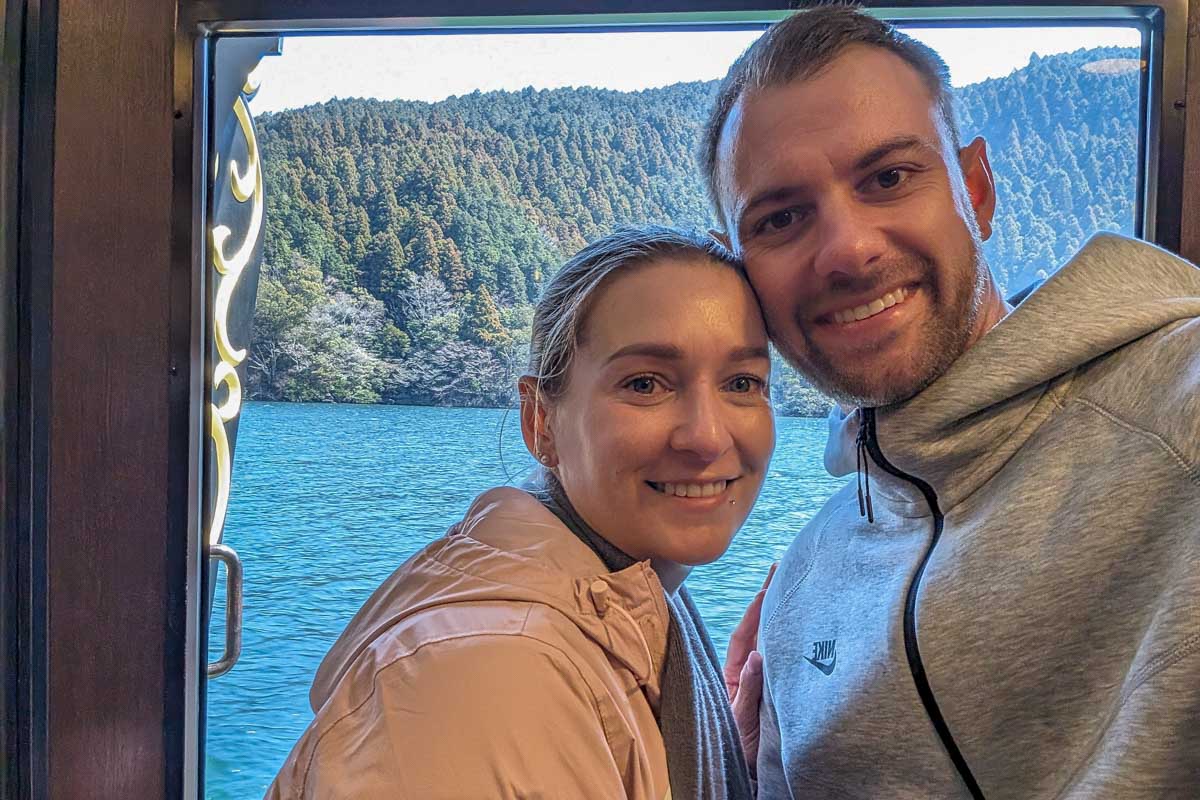
Japan is one of those rare places that truly has it all—incredible food, breathtaking scenery, centuries-old traditions, and a modern edge that keeps it exciting no matter how many times you visit. From sipping drinks in cozy izakayas to soaking in onsen baths with mountain views, every experience feels uniquely memorable. We hope this guide has helped you discover a few new ideas to add to your Japan bucket list!
Before you go, make sure to check out our other Japan blogs here! Whether you’re planning your first trip or returning for round two (or three!), there’s always something new to uncover. To make planning even easier, we’ve rounded up a few more helpful reads filled with tips, itineraries, and our favorite tours below.
Where to Stay in Tokyo, Japan: 8 Best Areas & Hotels
The Services We Recommend
From hotels to guided tours, we only recommend services we know and trust. Here are our recommended partners so you can explore Japan with confidence.

There is so much! Thank you for making this information available. As I scanned your site I was hoping I’d find that you are guides. I’m just starting to work with three friends to plan a trip to Japan. I really enjoyed a guided tour through the Galapagos this past April, and just got home from a 5 country/17-day guided Scandinavian tour in late August. The four of us women are 56, 63, 64 and me – I’m 77. Any advice will be welcome. Thank you.
Hi Eileen,
Thanks so much for your lovely comment!😊 It sounds like you’ve had some incredible trips recently!
We aren’t tour guides ourselves, but we’ve spent a lot of time traveling around Japan and have put everything we’ve learned into the blog to help people plan their own trips. For the four of you, I’d recommend taking things at a comfortable pace and not trying to squeeze too much into each day. Japan is very easy to get around, but there can be a surprising amount of walking!
If you have questions as you start putting your itinerary together, feel free to reach out. We’re always happy to help where we can!