Is Japan Expensive? Cost of Traveling to Japan
Thinking about visiting Japan, but worried it might be too expensive? We’re here to help you figure things out.
Japan has a long-standing reputation for being pricey, and it’s easy to assume a trip here will stretch your budget from the start. The good news is that the reality is a lot more manageable than most people expect.
Yes, Japan costs more than other countries in Asia, but once you’re on the ground, day-to-day travel can be surprisingly affordable. The key is understanding what actually affects your budget, like when you visit, how you get around, and what kind of experiences you want to prioritize. Our guide breaks it all down so you can plan a trip that fits your budget. Let’s go!
Is Japan Really as Expensive as it Seems?


Japan has long been labeled one of the most expensive destinations in the world, and years ago, that wasn’t far off. Compared to many other countries in Asia, it still sits on the higher end of the scale. Flights can add up, popular cities get pricey, and certain experiences aren’t cheap.
However, the reality on the ground is very different from the old stereotype. Once you’re in Japan, you’ll find that everyday travel is often quite reasonable. We’ve found that food, transport, and activities can actually be pretty affordable, especially if you plan ahead.
The overall cost of your trip will ultimately boil down to a few key factors. These include the length of your stay, the cities you choose, and your travel style. For example, visiting during the cherry blossom or autumn foliage season will definitely cost more, while traveling during winter or the late summer months can really help to keep costs down.
Your home currency also plays a big role. Exchange rates make a world of difference to how much a trip to Japan will cost you! And last but not least, your agenda plays a big role—if you don’t mind simple accommodation and a few convenience store meals, you can save a big chunk of change this way.
How Much Does a Trip to Japan Cost? (Quick Overview)
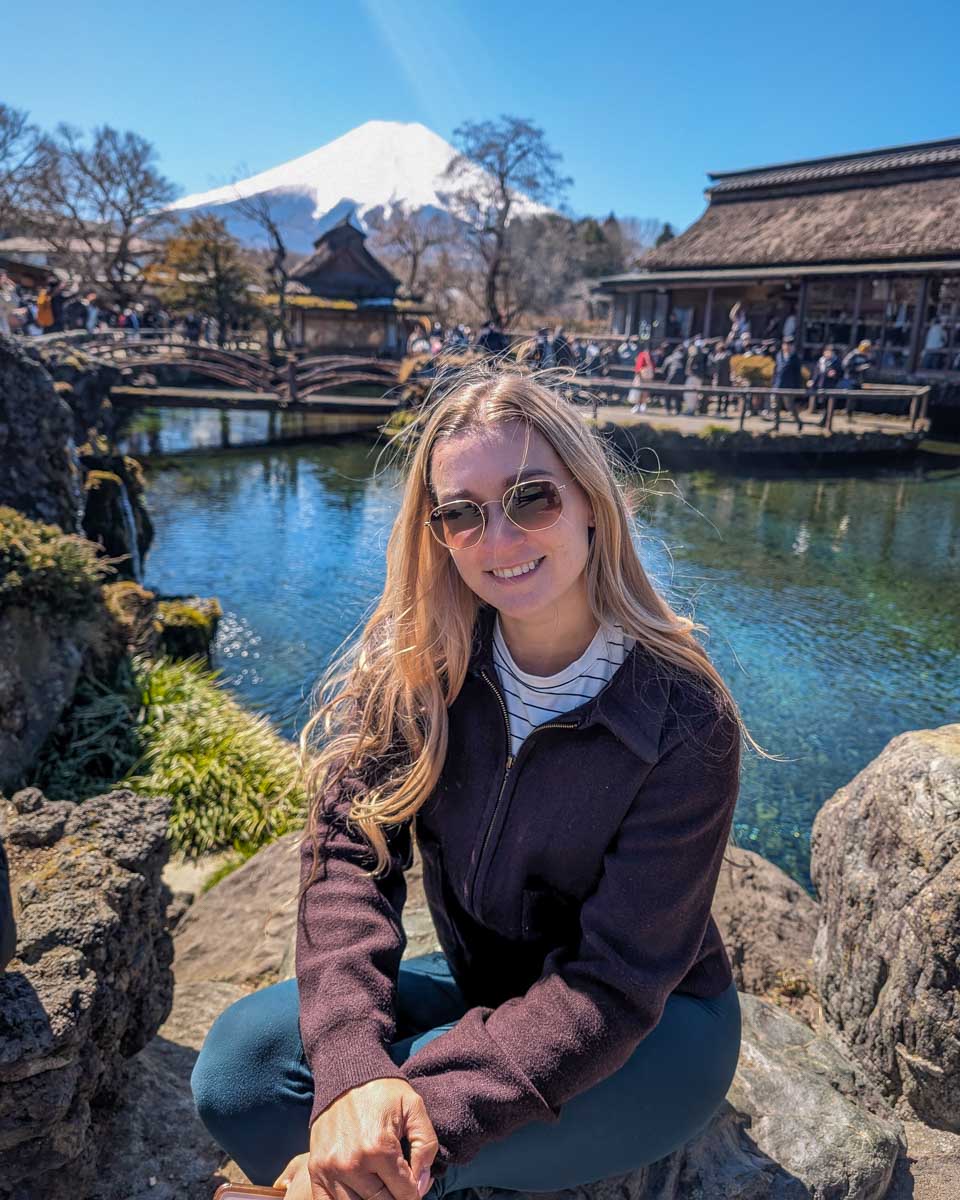
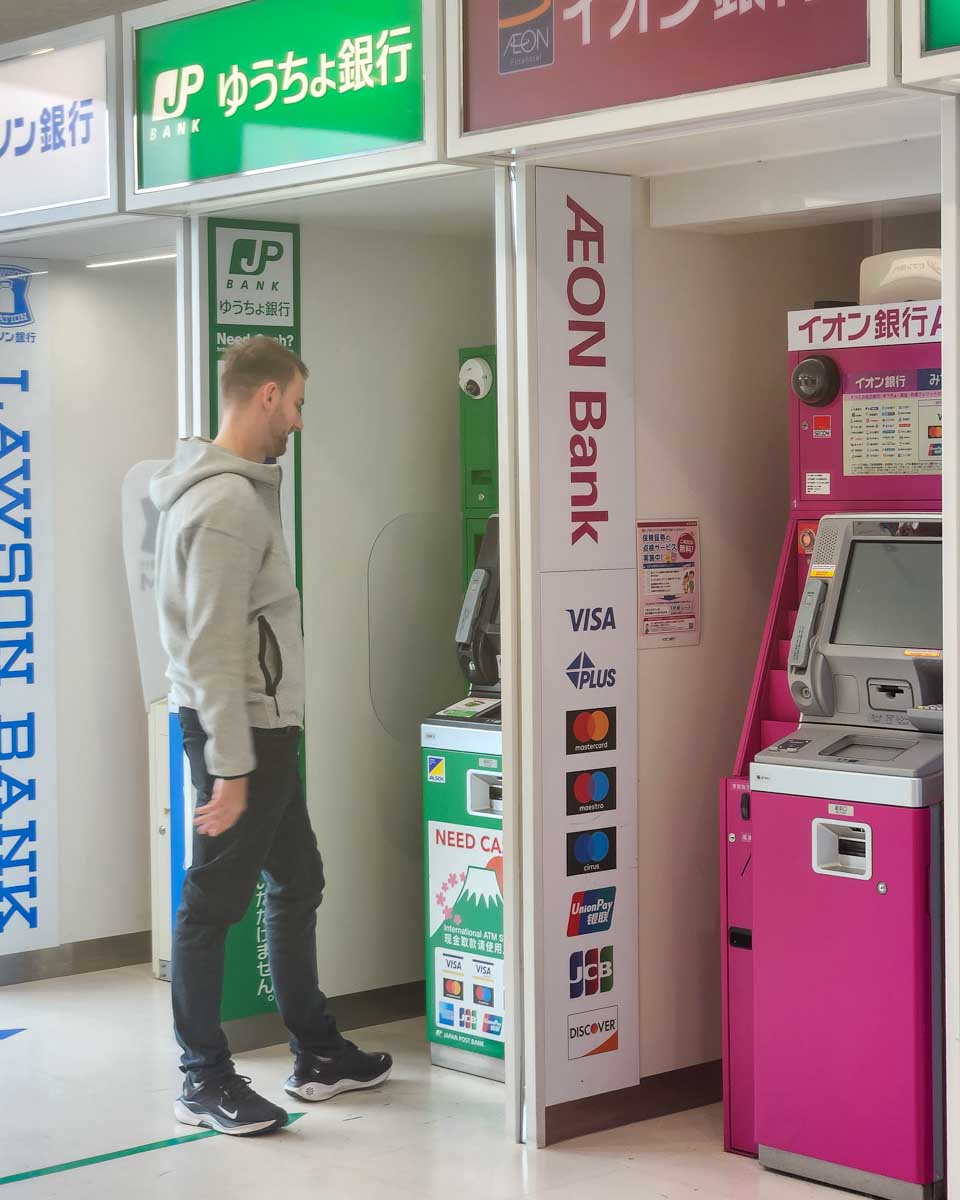
Now, that’s a bit like asking “how long is a piece of string?” as so many factors come into play here. The cost of a trip to Japan really depends on your travel style, which cities you visit, and how long you stay.
Most first-time visitors spend around two weeks in the country, so the numbers below give a solid baseline before we break everything down in detail. We actually map out how this budget can work in real life in our two-week Japan itinerary, which follows a similar route and pace.
A luxury trip to Japan can range from anywhere between ¥1,350,000 and ¥3,000,000+ ($9,000 to $20,000+ USD), assuming you’re staying at luxury hotels and ryokans. Once you subtract flights, this is a budget of roughly ¥75,000 to ¥180,000 per day ($500 to $1,200+ USD).
Now, a more modest, mid-range trip to Japan would typically cost between ¥600,000 to ¥1,020,000 ($4,000 to $6,800 USD) for two weeks, which is around ¥37,500 to ¥60,000 per day ($250 to $400 USD) after flights. This will allow you to stay at comfortable hotels in great locations, but without the plush trimmings of 5-star hotels.
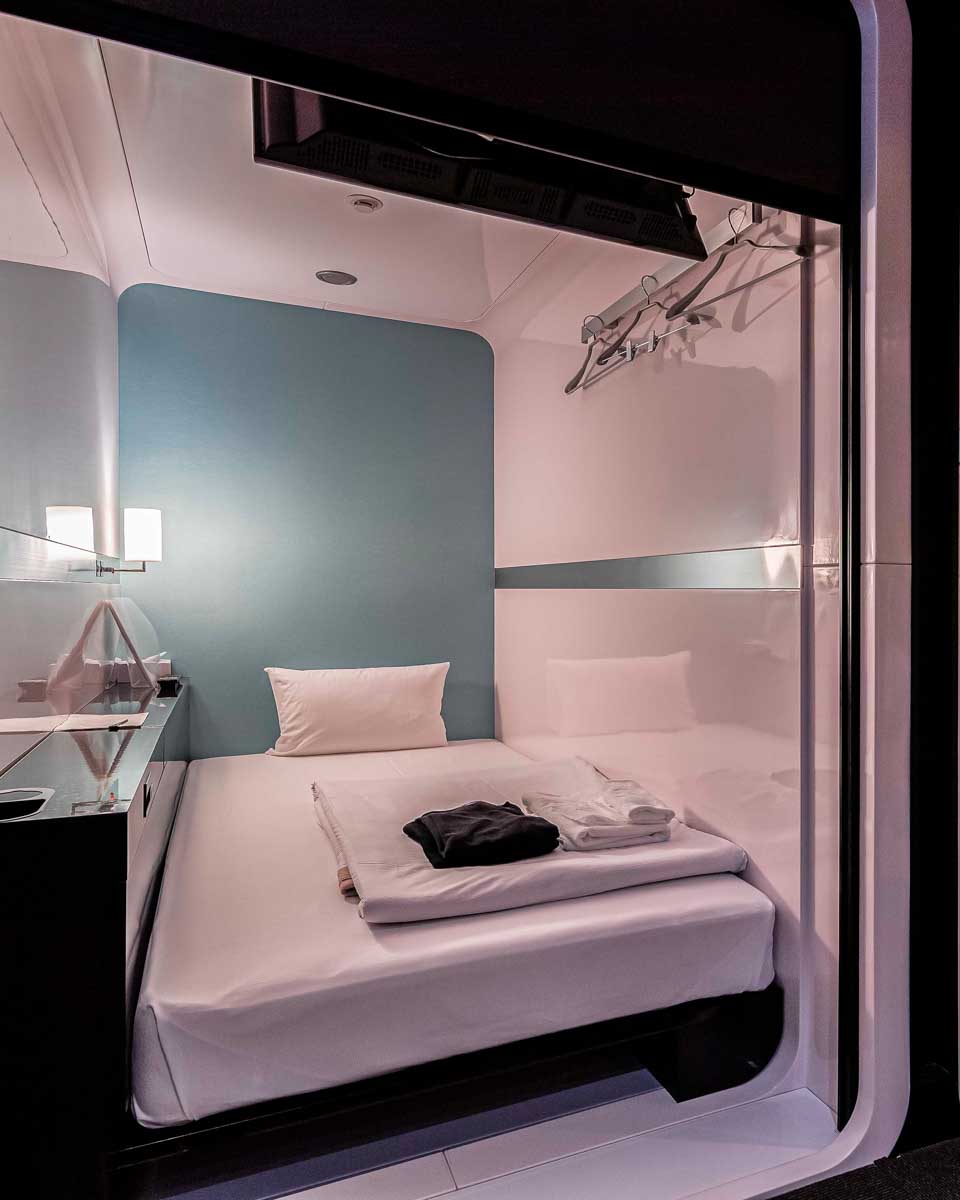
And for those on a tighter budget, you could complete a two-week trip for around ¥225,000 to ¥450,000 total ($1,500 to $3,000 USD). This works out to roughly ¥10,500 to ¥20,000 per day ($70 to $135 USD) after the cost of your flights. For this estimate, we’re talking about staying in hostels, capsule hotels, and simple guesthouses. To be honest, we think that staying in a capsule hotel is an experience that everyone going to Japan should try for at least one night!
So now that we’ve given you a rough estimate of what to expect overall, we’ll break down the major cost categories in much more detail below.
Transportation
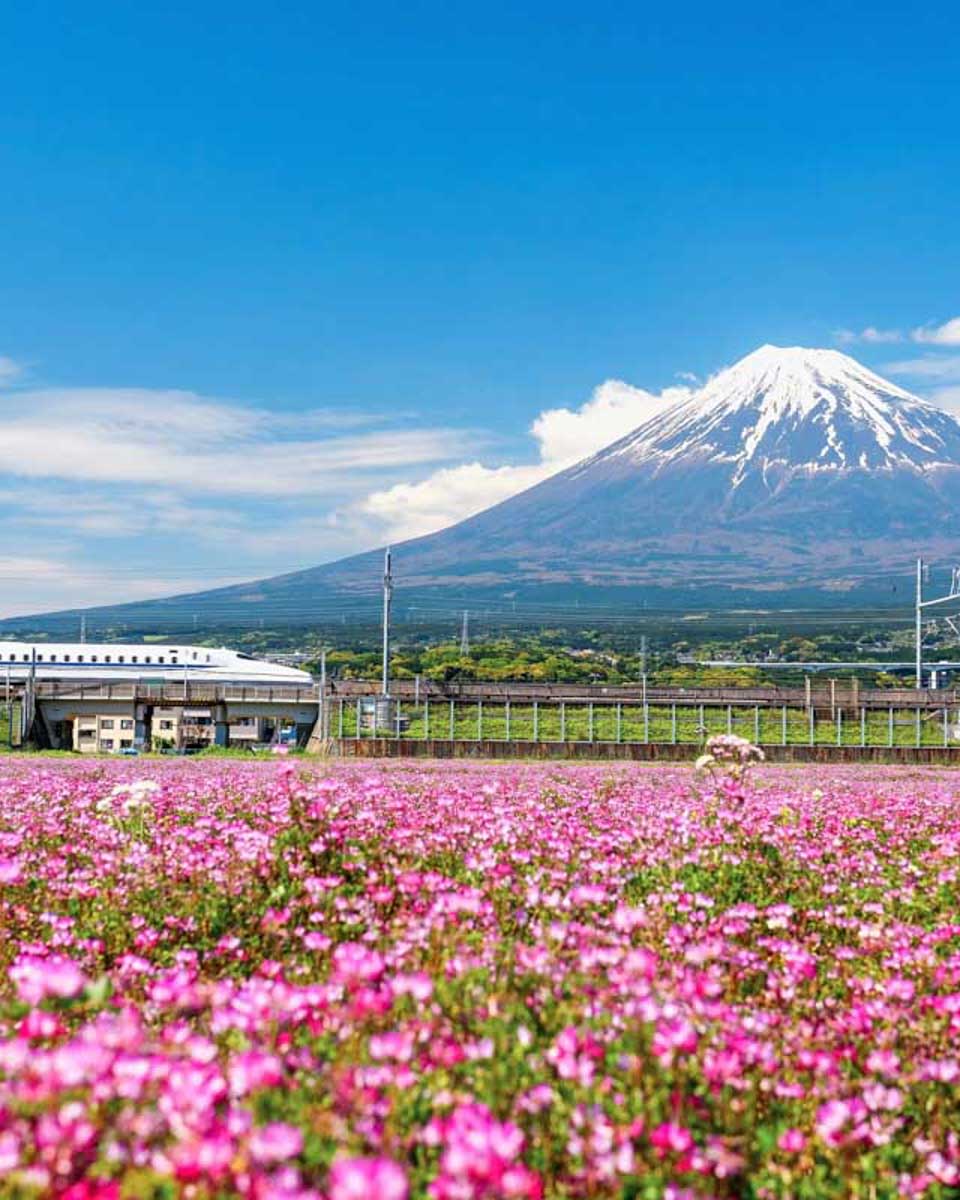
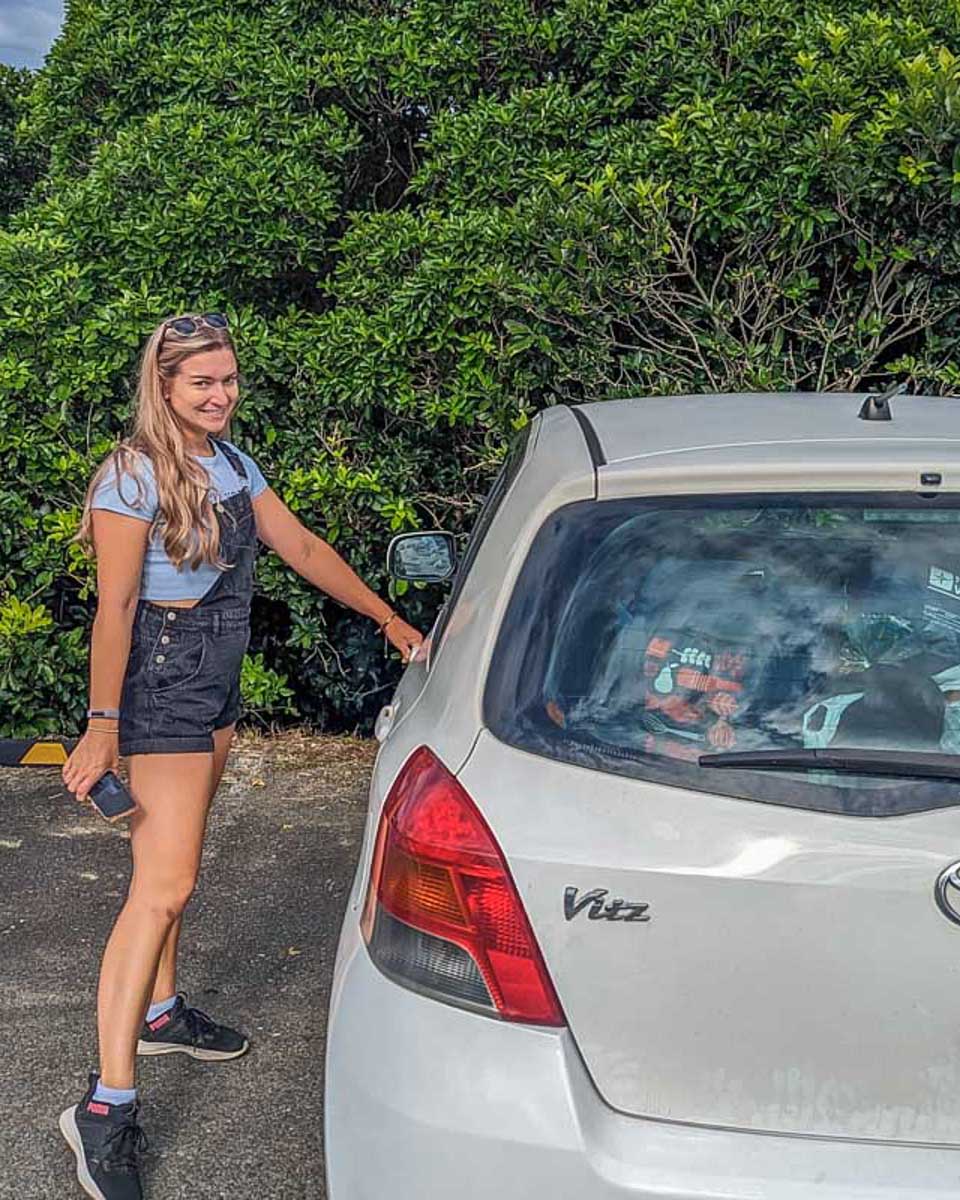
There are tons of different ways you can get around Japan, and the methods you choose can really make a difference to your overall budget. We go into a lot of depth about this in our full guide on how to get around Japan, but here’s a quick look at what to expect.
- Luxury – ¥3,000 to ¥7,500 per day ($20 to $50 USD)
- Mid-range – ¥1,000 to ¥2,300 per day ($7 to $15 USD)
- Budget – ¥900 and ¥1,500 ($6 to $10 USD)
If you’ve got a bigger budget, the Japan Rail Pass is usually the most convenient choice as it gives you almost unlimited access to the super-fast Shinkansen. A 14-day pass costs about ¥75,000 (500 USD) for standard class and ¥105,000 ($700 USD) for Green Car, which is the first-class option. You can also hire private drivers, and if you want to explore Hokkaido, the Japanese Alps, or Okinawa, renting a car is a great option.
To bring costs down a bit, you can mix bullet trains with public transit. A 7-day JR Pass costs around ¥51,000 ($340 USD), which is worth it if your itinerary includes several long-distance train trips. Otherwise, buying individual tickets might be cheaper depending on your route.
And don’t forget about domestic flights. They start at around ¥15,000 ($100 USD), which is similar to or even cheaper than a long Shinkansen journey!
Budget travelers will need to rely mostly on local trains, subways, city buses, and regional buses. Sleeper buses can be a great way to save money, and an IC card makes travel within cities super easy.
Best tips on how to save money on transportation
One of the best ways to save money on transport in Japan is to plan your trip around the JR Pass if you decide to get one. Planning your itinerary to maximize your use of the pass can save you both time and money! It’s also worth doing a bit of research beforehand to make sure that the pass will actually save you money over buying individual tickets. We’ve got a full guide to the JR pass here that contains everything you need to know!
Another way we save money when visiting more rural areas is by booking car rentals through Discover Cars. It’s a third-party site that lets you compare prices across the board to ensure you can get the best rate from a top-rated rental company. It has saved us so much money (and stress!) over the years.
Japan Rail Pass!
The Easiest Way to Travel Japan By Train
If you’re planning to explore Japan, the Japan Rail Pass (JR Pass) is hands down the easiest and most affordable way to get around. It’s a special 7, 14, or 21 day pass for foreign visitors that gives you unlimited rides on Japan’s famous JR trains, including the high-speed shinkansen (bullet trains)!
Why We Love the JR Pass
Pro Tip: If you’re only exploring one region of Japan, consider a Regional Pass instead (like the Kansai, Hokkaido, or Kyushu Pass). They’re cheaper and perfect for smaller trips!
Where to Get Your Pass
We personally recommend buying your pass online in advance through JRPass.com — they’re an official reseller with fast worldwide delivery and English support, making the whole process super simple. They even offer handy add-ons like pocket WIFI and meet & greet services! Still not sure if the JR Pass is right for you? Check out our Ultimate Guide to the Japan Rail Pass for a full breakdown of costs, inclusions, and when it’s worth it!
Accommodation
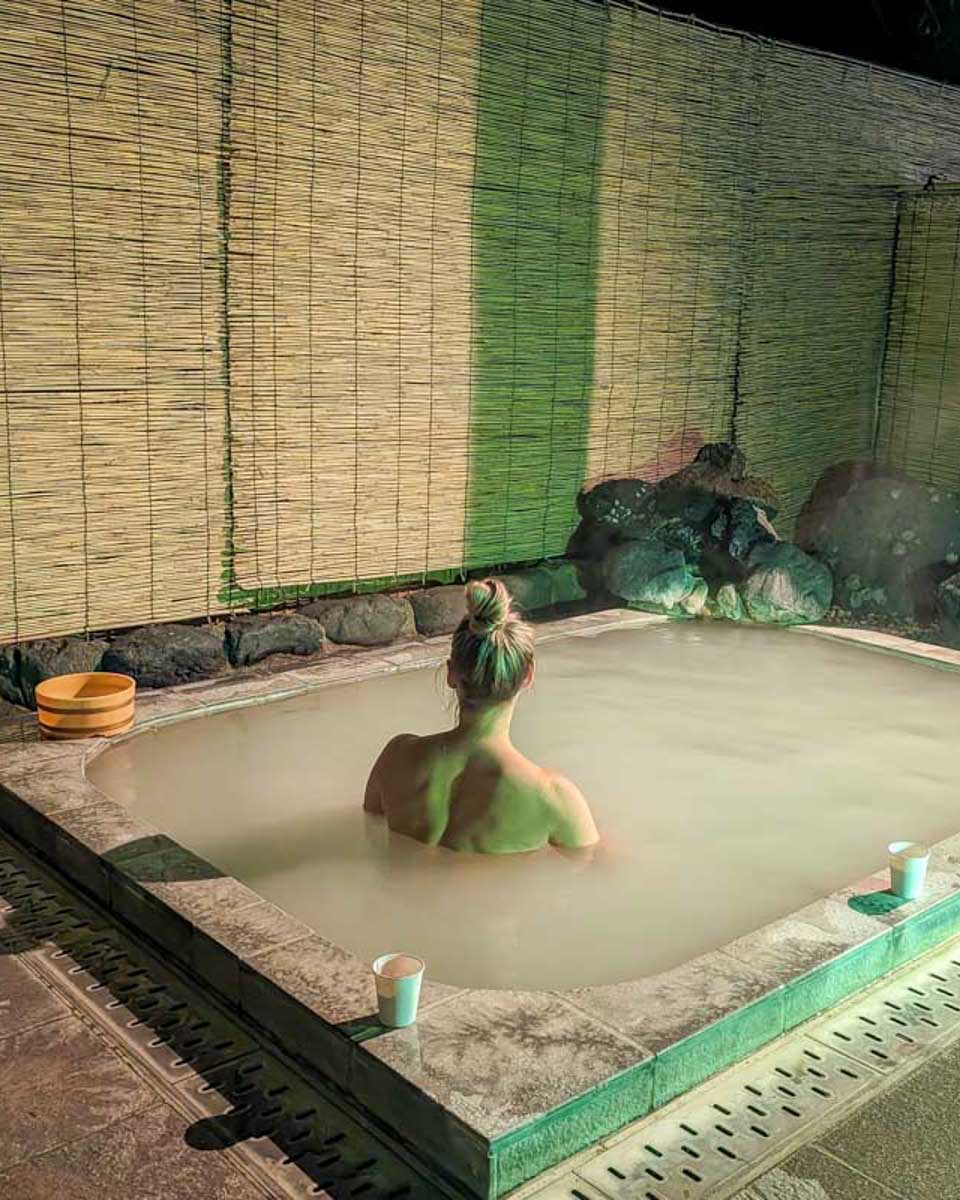
Where you stay in Japan can make a big difference to your overall budget, and both location and season play a major role. The spring cherry blossom season and autumn foliage season are the most expensive times to visit, especially in Tokyo and Kyoto. Visiting in winter or late summer can save you quite a bit, and you’ll find far more availability at better rates.
Luxury travelers have many options, from polished city hotels to beautiful traditional ryokans. Nightly rates usually fall around ¥45,000 to ¥105,000 ($300 to $700+ USD) for a luxurious stay.
Mid-range travelers will find lots of clean and well-located hotels throughout the country. Prices usually run ¥15,000 to ¥30,000 per night ($100 to $200 USD). If you travel outside peak seasons, you might even score a luxury hotel at a mid-range price! One thing to keep in mind is that some Japanese hotels offer smoking rooms at a lower rate. We always choose to pay a little more for a non-smoking room.
Fear not, budget travelers, because you still have some great options! Capsule hotels offer a fun, futuristic experience, and there are plenty of simple guesthouses and reputable hostels around. These do tend to be more expensive than the ones you’ll find in other Asian countries, but the quality is a lot higher, so you pay for what you get. Expect to spend about ¥3,800 to ¥7,500 per night ($25 to $50 USD).
Best tips on how to save money on accommodation
We save money on accommodation in Japan by making reservations through Booking.com. This way, we can find the best rates, and we get to read real reviews from past guests before we make a booking.
But probably the most important tip we can share with you is to book in advance. This can save you hundreds of dollars—I’m not kidding. If you’re going during cherry blossom season, it’s smart to make your bookings about a year ahead of time. For more on when to book, check out our guide to the best times to visit Japan here.
Activities
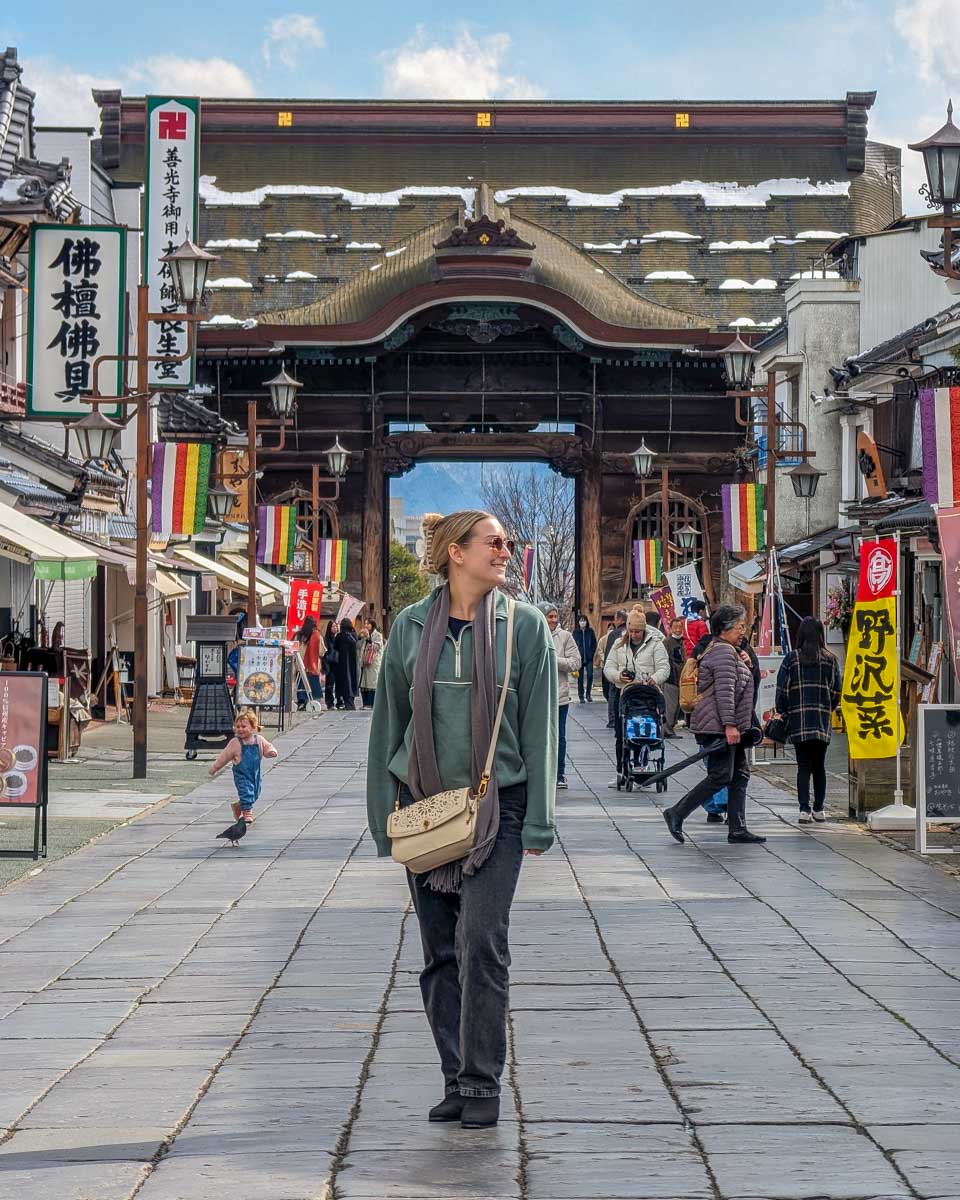
Activities in Japan can vary a lot depending on what you’re into. If you need some inspiration, read our list of the top 33 things to do here! As a general idea, these are the average prices you’ll see around the country:
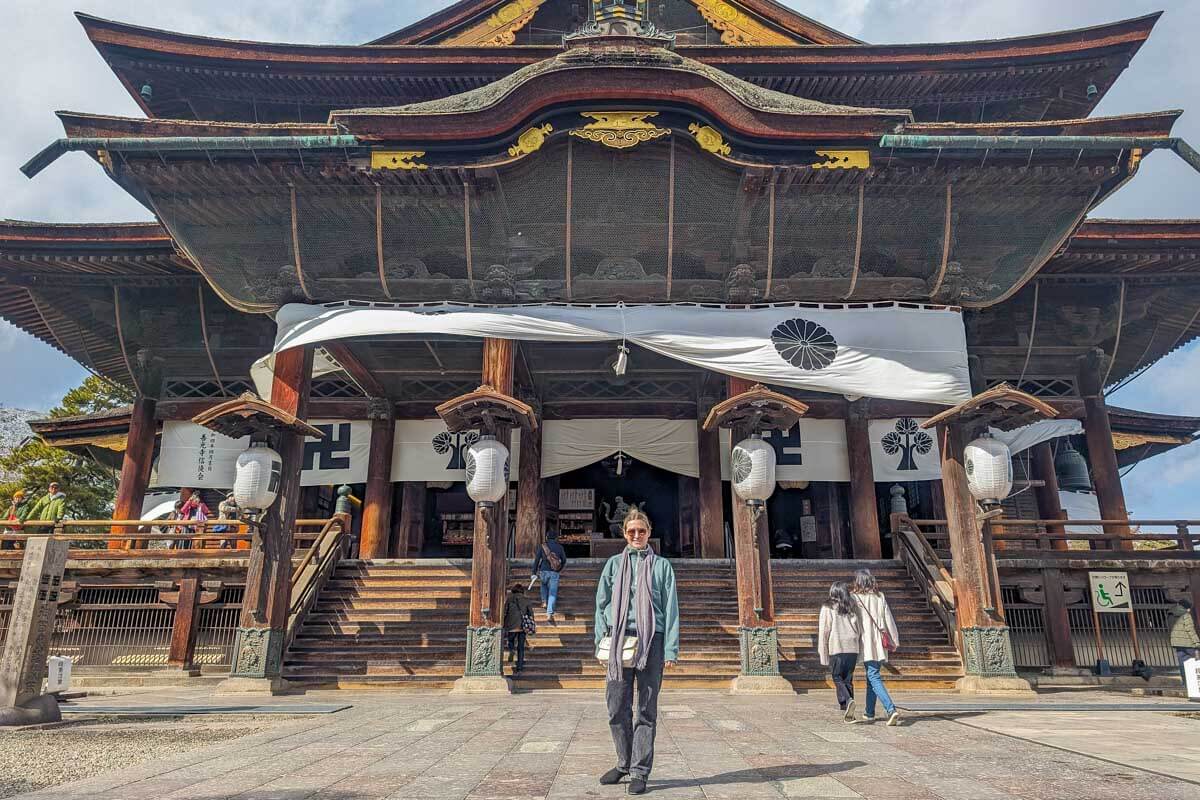
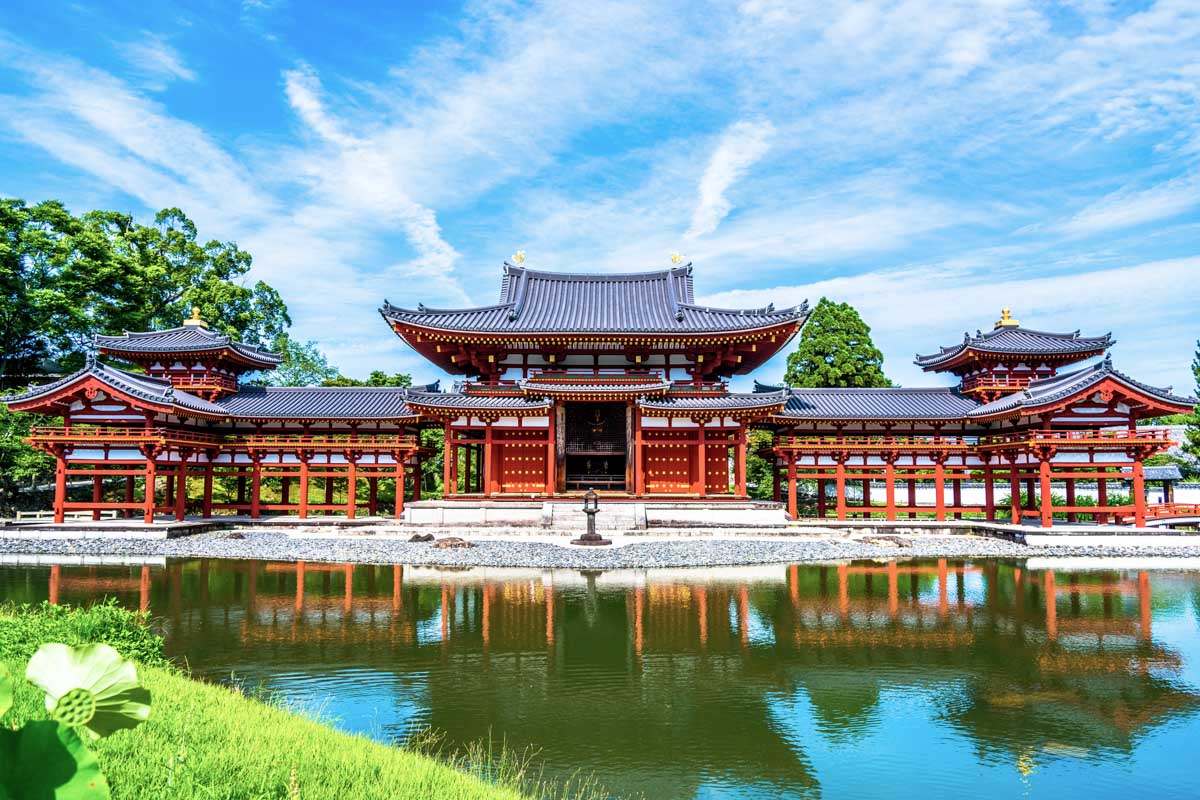
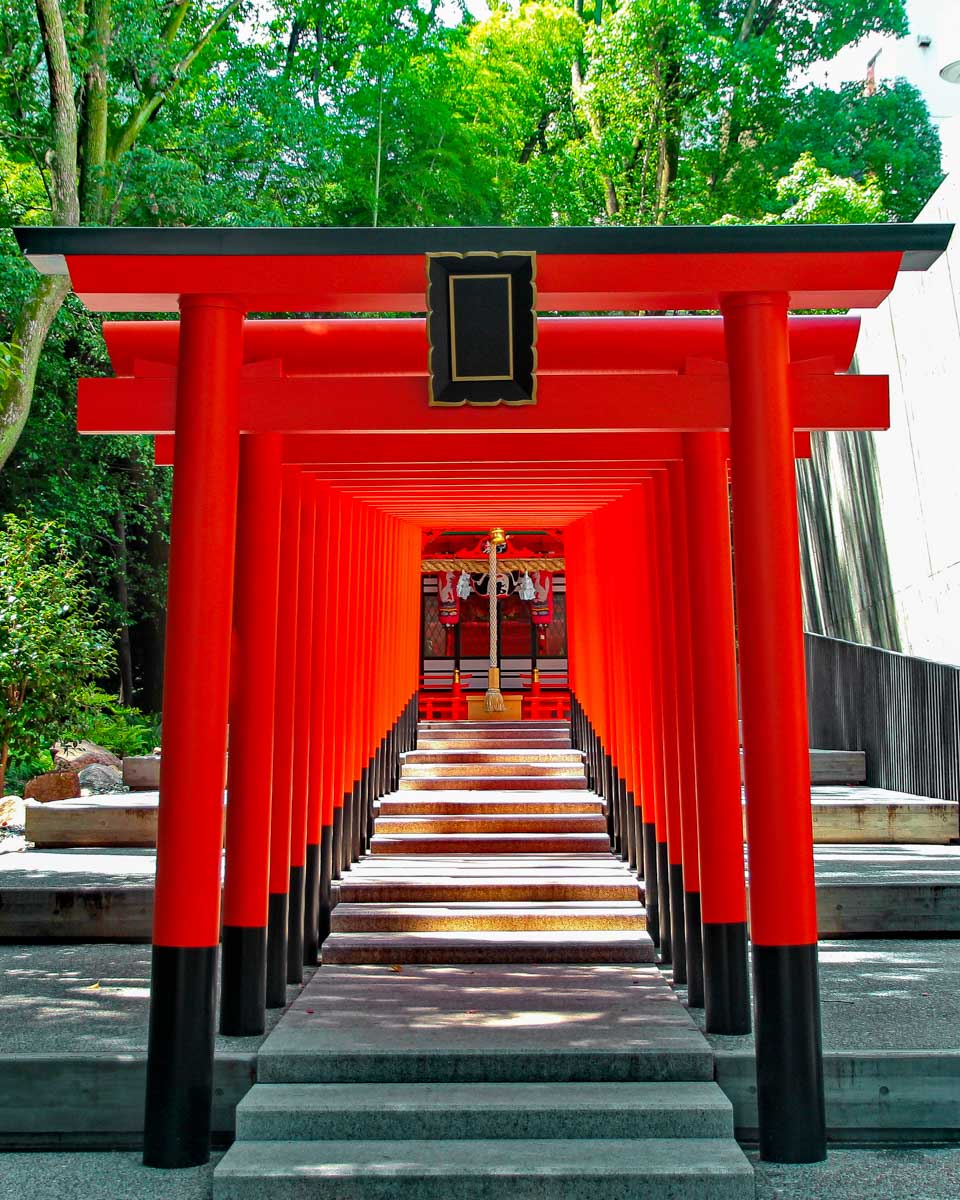
- Entrance to temples and shrines usually costs ¥400 to ¥800 ($3 to $6 USD).
- Museums can range from ¥400 to ¥2,200 ($3 to $15 USD)
- Major attractions in big cities cost roughly ¥2,800 ($20 USD)
- Cultural experiences tend to fall between ¥3,800 and ¥15,000 ($25 to $100 USD)
- Day trips and full-day excursions typically cost ¥10,500 to ¥30,000 ($70 to $200 USD)
- Private tours cost anywhere between ¥30,000 and ¥75,000 ($200 to $500 USD)
Luxury travelers can expect to spend ¥15,000 ($100 USD) or more per day on activities like private sightseeing tours and premium entertainment. For example, this 5-star Hiroshima day trip with a private guide costs about ¥27,000 ($190 USD) per person.
Mid-range travelers can still enjoy a wide mix of experiences by choosing group tours and saving splurges for big moments. Plan on spending ¥3,000 to ¥11,000 ($20 to $70 USD) per day. For example, this popular group tour of Kyoto’s top sights costs about ¥10,000 ($69 USD).
For budget travelers, there are plenty of free and low-cost activities to enjoy, like exploring Tokyo on foot and visiting parks, shrines, and museums. Overall, expect to spend a minimum of ¥1,500 ($10 USD) per day if you want to add at least one paid activity, such as the Tokyo Skytree, which costs ¥2,289 ($15 USD).
Best tips on how to save money on activities
We book the vast majority of our experiences and tours through Viator. Tours in Japan often include transport and meals or snacks, so it can really help to save money overall. Plus, they have a lowest price guarantee, and you tend to get more bang for your buck, because we always learn so much more by exploring a new place or attraction with a guide.
Again, it’s important to book in advance, especially if you’re traveling during a peak time such as sakura season or Golden Week. Otherwise, tours will fill up, and you’ll miss out! Booking with Viator usually means you’ll enjoy free cancellation and the option to buy now, pay later, so you can lock in the experiences you really want without committing your entire budget upfront.
Related Read: Want to blend in a little better? Check out our guide on Japan travel etiquette mistakes to avoid before you go.
Food and Drink


One of the things I love most about traveling in Japan is that you can get amazing food for relatively little money! Japan is a foodie paradise for budget travelers. We love grabbing street food at local markets and hitting up local ramen shops. And did you even go to Japan if you didn’t enjoy some conveyor belt sushi?
Convenience stores are also a lifesaver, as you can grab yummy, fresh food while on the go. All in all, budget travelers should allocate around ¥500 to ¥1,200 ($5 to $10 USD) per meal.
If you have a little more to spend, then we love visiting izakayas and enjoying Japan’s cafe culture. Meals at mid-range restaurants tend to cost between ¥1,500 to ¥3,000 ($15 to $30 USD).
Meanwhile, luxury travelers are in for a treat with Japan’s fine dining scene. A traditional kaiseki dinner is one of our favorite Japanese cultural experiences to date. This is a multi-course meal that’s beautifully presented, with a big focus on local and seasonal ingredients. It’s a uniquely Japanese experience, and I’ve paid between ¥7,500 to ¥22,500 ($50 to $150 USD) or more for meals like this before, but I’ve always felt that it was worth it.
As for alcohol, drink prices in Japan tend to be pretty accessible. Beers at an izakaya start around ¥500 to ¥1,200 ($3 to $7 USD), and many places offer all-you-can-drink deals for ¥2,000 to ¥3,000 ($12 to $20 USD).
If you want to enjoy a night out like a local, I highly recommend a food and drink tour, as we’ve had some really fun nights out this way. You can find our recommendations for the best Tokyo food tours here and the best Kyoto food tours here.
Best tips on how to save money on food and drinks
One way we save money on food and drink in Japan is by using convenience stores for most of the day, and then enjoying one meal at a proper restaurant. This might not sound that appealing, but once you get to Japan, you’ll realize just how good convenience store food is! You can also buy alcohol from convenience stores, as you’re allowed to walk around with open containers here, so this is a common way to save money on a night out.
And take advantage of Japan’s delicious street food! When you’re in the right area, this is a great way to enjoy a cheap and delicious meal. And if you’re staying in a hostel or apartment, you can always cook at home to save some yen.
Related Read: New to Japan? Check out our guide on mistakes to avoid when planning a trip to Japan here to help you avoid costly and time-wasting errors.
Most Expensive Places to Visit in Japan
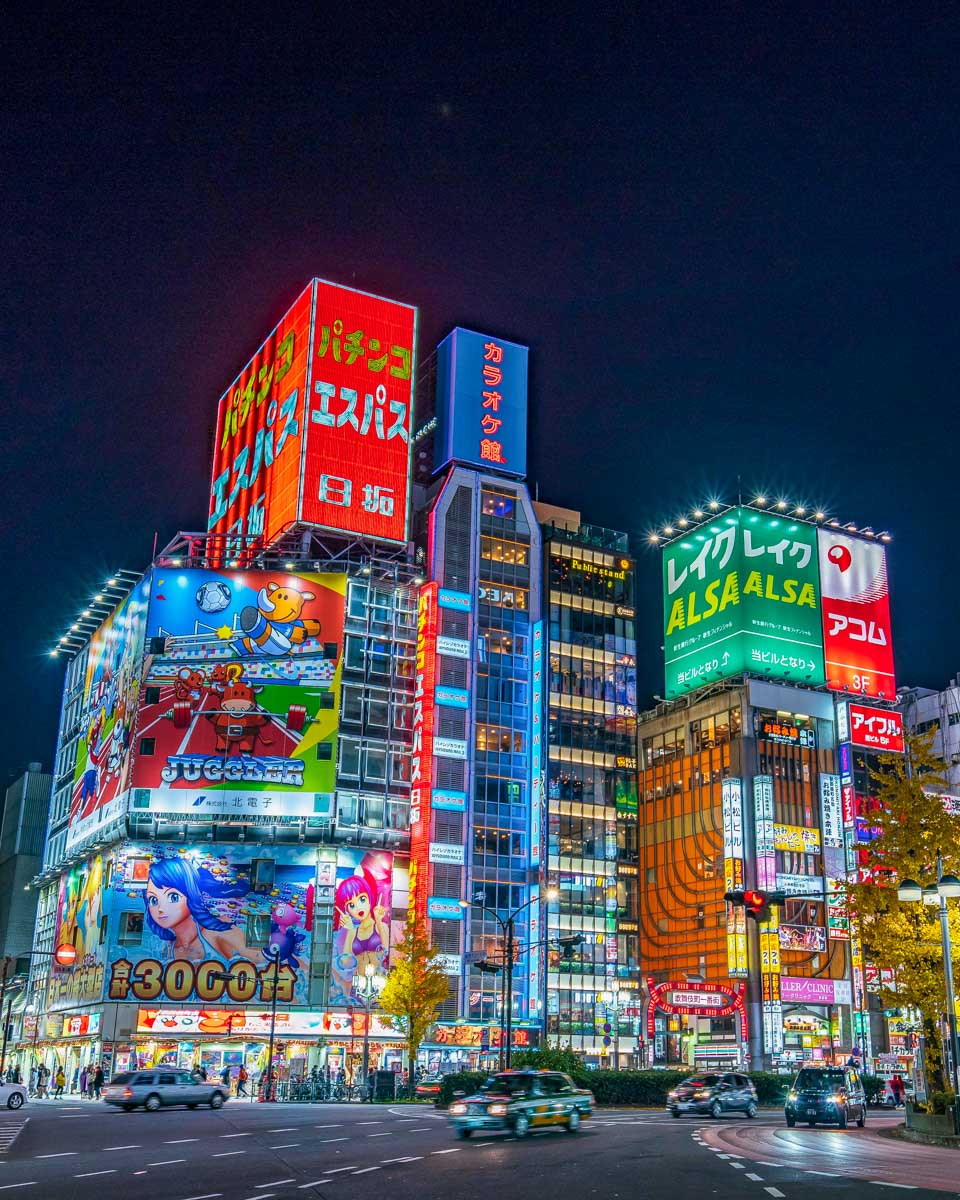

Tokyo and Kyoto are by far the priciest destinations in Japan. Kyoto has actually become one of the most expensive cities to visit in recent years due to a surge in demand. It’s a pretty small city, so hotels and restaurants book up quickly, and tours sell out fast.
These cities are particularly expensive during peak seasons, especially the cherry blossom season. Prices skyrocket during this time, and it feels almost impossible to snag a last-minute room! However, it’s also true that everyday experiences like dining out and visiting temples cost more in Tokyo and Kyoto than in other regions at all times of year.
In Tokyo, there are certain areas that are particularly expensive. Ginza, Roppongi, and Shirokane in particular cater to luxury travelers. These areas are ideal for those wanting to splurge on luxury experiences, but budget travelers are best off avoiding these parts of the city.
Now, we do think that visiting these cities is worth it, but we strongly recommend booking in advance and avoiding peak periods to avoid the surges in pricing. Being flexible with timing can really help, and choosing a cheaper neighborhood in Tokyo can save you a lot of money.
Related Read: If cherry blossom season is on your radar, our Japan Cherry blossom guide breaks down the best time to visit and where to see the blooms.
Most Affordable Places to Visit in Japan
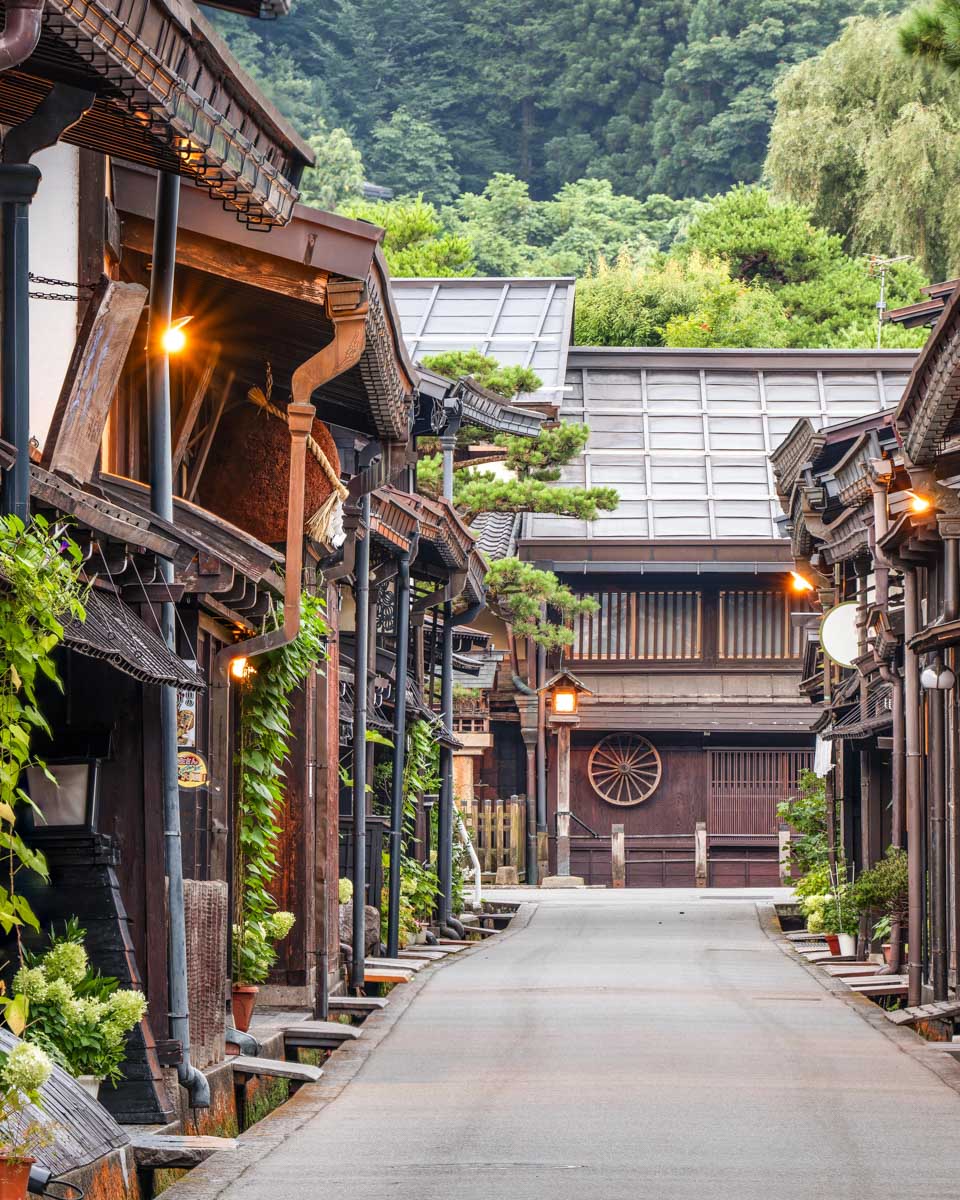

If you’re looking to stretch your budget, cities like Fukuoka, Hiroshima, Nara, Kanazawa, Nagano, and Takayama are excellent options. In fact, once you step off the typical tourist trail of Tokyo, Kyoto, and Osaka tourism trail, you’ll notice prices for hotels, restaurants, and activities drop quite a bit.
Another great thing about visiting Japan’s more affordable spots is that they don’t see such a surge in prices during the most popular travel seasons. And while they may not have the same level of international recognition as Tokyo or Kyoto, they offer a lot of authentic experiences. It’s a great way to experience a more local side of Japan while keeping your costs much more manageable—that’s a win-win in my book!
In the cities we mentioned above, you can expect to pay around ¥7,500 to ¥15,000 ($50 to $100 USD) per night for a simple hotel or well-rated guesthouse, which is much cheaper than in the major tourist cities. We’ve also found that dining out and visiting local attractions is much easier on the wallet outside of the major hubs. And trust me, it all adds up!
Related Read: Not sure where to go? Browse through our blog for the best places to visit in Japan (and why they’re worth visiting) to help you choose destinations that match your travel style and budget.
Factors to Consider When Booking Your Trip
How strong is the yen compared to your home currency?
The strength of the yen can have a big impact on your budget. If the yen is weaker compared to your home currency, everything in Japan will feel cheaper. That means if you normally travel on a budget at home, you might be able to splurge a little and move into mid-range options without breaking the bank.
Time of year
The time of year that you travel can drastically affect the price of your trip. Hotels, flights, and even some tours can jump drastically in price during popular periods, particularly the cherry blossom and fall foliage seasons. We’ve found that winter and late summer are the cheapest times of year to travel, so this is a good way to make your money go further.
Where do you want to visit
Your itinerary will have a big effect on your budget. Tokyo and Kyoto are the most expensive places to visit, and Osaka is up there as well. Meanwhile, smaller cities like Fukuoka, Kanazawa, or Takayama are a lot more wallet-friendly. If you’re still deciding where to go, we break down the best places to visit based on different travel interests in our where to go in Japan guide here. Working out where to visit will help you estimate costs much more accurately, and getting off the typical tourist trail can really bring your costs down.
What are your non-negotiables?
Budgeting isn’t about doing everything on a shoestring; it’s about prioritizing! So when planning your trip, you need to think carefully about what matters most to you, and where you’re willing to make sacrifices. For example, would you rather spend a little more on accommodation and then mostly eat at convenience stores and street food stalls, or is food going to be the highlight of your trip?
Other costs to consider
Once you’ve budgeted for food, accommodation, transport, and activities, don’t forget that there are a few other essentials to take into account. You might have to pay for a visa, and we always buy travel insurance. If you’re unsure whether it’s really necessary for Japan, we break it down in our guide on whether you should get travel insurance for Japan.
A SIM card or portable Wi-Fi is also a must, and depending on how long you’re traveling for, you’ll probably want to keep some money aside for expenses like toiletries. Plus, who among us doesn’t get tempted by the odd souvenir along the way?
Related Read: Before you go, check out our Japan packing list for our personal favorite items we never travel without!
Renting a Car in Japan

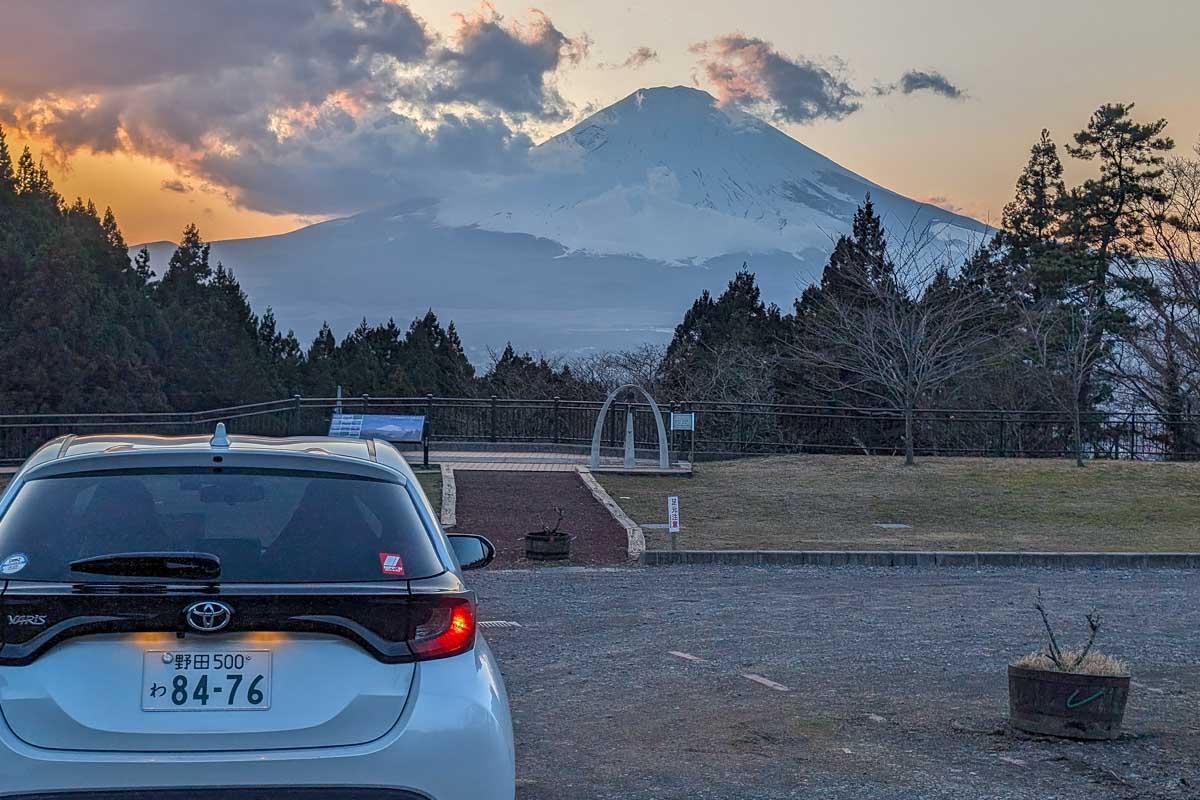
Japan’s trains are great, but if you want to explore rural areas, scenic routes, or off-the-beaten path hidden gems, renting a car offers unmatched flexibility. Driving in Japan is generally safe, with well-maintained roads and clear signage, though there are some unique rules and customs to be aware of.
We always book with Discover Cars and can’t recommend them enough. It’s super easy to compare multiple provider prices, check company ratings, filter for the type of vehicle you want, and add affordable full coverage insurance. If you want a full breakdown, check out our Discover Cars review here.
Tips for Renting a Car in Japan
What You Need to Rent a Car in Japan
Ready to hit the road? Discover the freedom of exploring the Japan on your own terms!
Airalo e-sim
Up To 15% Off With Code “DTRAVEL10”
What’s an eSIM?
An eSIM is a digital version of a SIM card. Instead of buying a little plastic chip and swapping it into your phone, you just download it. It connects your phone to a local network in whatever country you’re visiting — no stores, no waiting, and no fiddling with tiny cards.
In simple terms, it’s the easiest way to get data and stay connected while traveling.
We’ve tested a bunch of eSIMs in North America, and after a few frustrating experiences, we’ve found our favorite — Airalo. It’s fast, reliable, and incredibly easy to use. You can set it up in minutes (even my mom managed it solo on her first try!), and the prices are some of the best out there.
Bonus: We’ve got an exclusive 15% discount for our readers. Use the codes:
Thanks for reading!
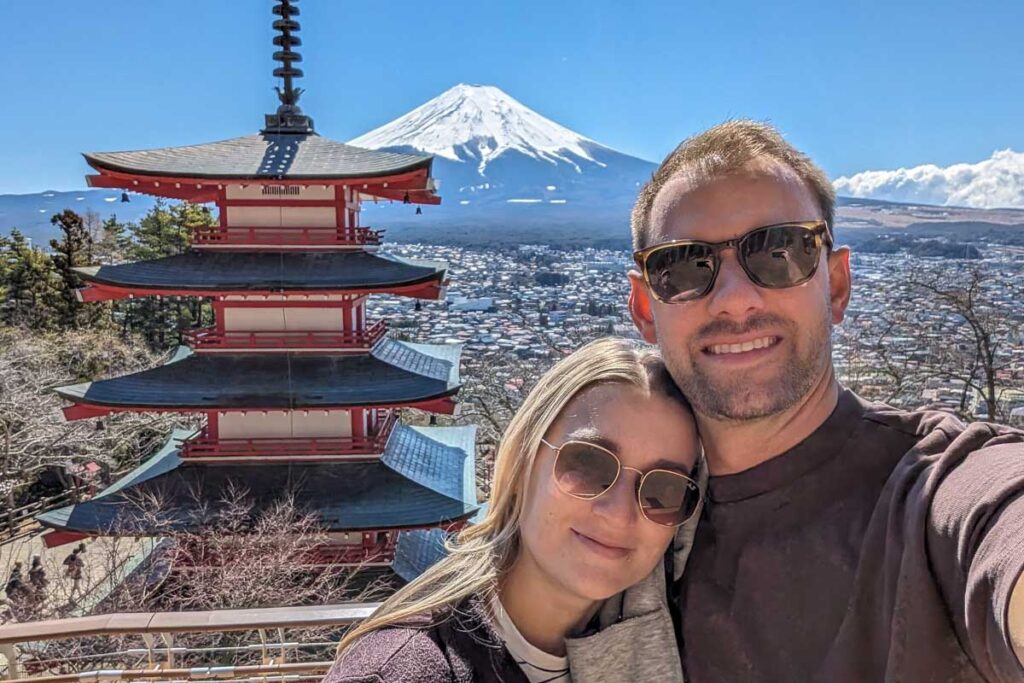
Japan may have a reputation for being expensive, but the reality is far more flexible than most travelers expect. With a bit of planning and a clear idea of what matters most to you, it’s entirely possible to experience Japan in a way that fits your budget—so don’t let old price myths stop you from planning an incredible trip.
Before you start booking, be sure to check out the rest of our Japan guides here. From detailed itineraries and transport guides to hotel picks and unforgettable experiences, we’ve covered it all to help you plan an incredible trip. Or take a look at a few related posts below and start turning that Japan dream into a real itinerary—cheers!
How to Spend FIVE DAYS in Tokyo: 5-Day Itinerary
10 Best Things to do in Shinjuku, Tokyo
The Services We Recommend
From hotels to guided tours, we only recommend services we know and trust. Here are our recommended partners so you can explore Japan with confidence.
Book Hotels
With Booking.com