Renting a Car in Japan: 15 Things to KNOW + My Personal Tips
Thinking about renting a car in Japan, but not sure if it’s worth it? We’ve been there!
But after several road trips across the country, we can confidently say that driving in Japan is easier than most people expect – and it’s incredibly rewarding! While trains are a super-efficient way to get between major cities, lots of smaller cities and rural destinations are best explored with four wheels. A car lets you chase hidden hot springs, reach ski resorts, and discover small towns you’d never find otherwise.
In this guide, we’ll share everything you need to know about renting a car in Japan, including personal tips and things we’ve learned the hard way. Let’s get into it!
1. Why rent a car in Japan?
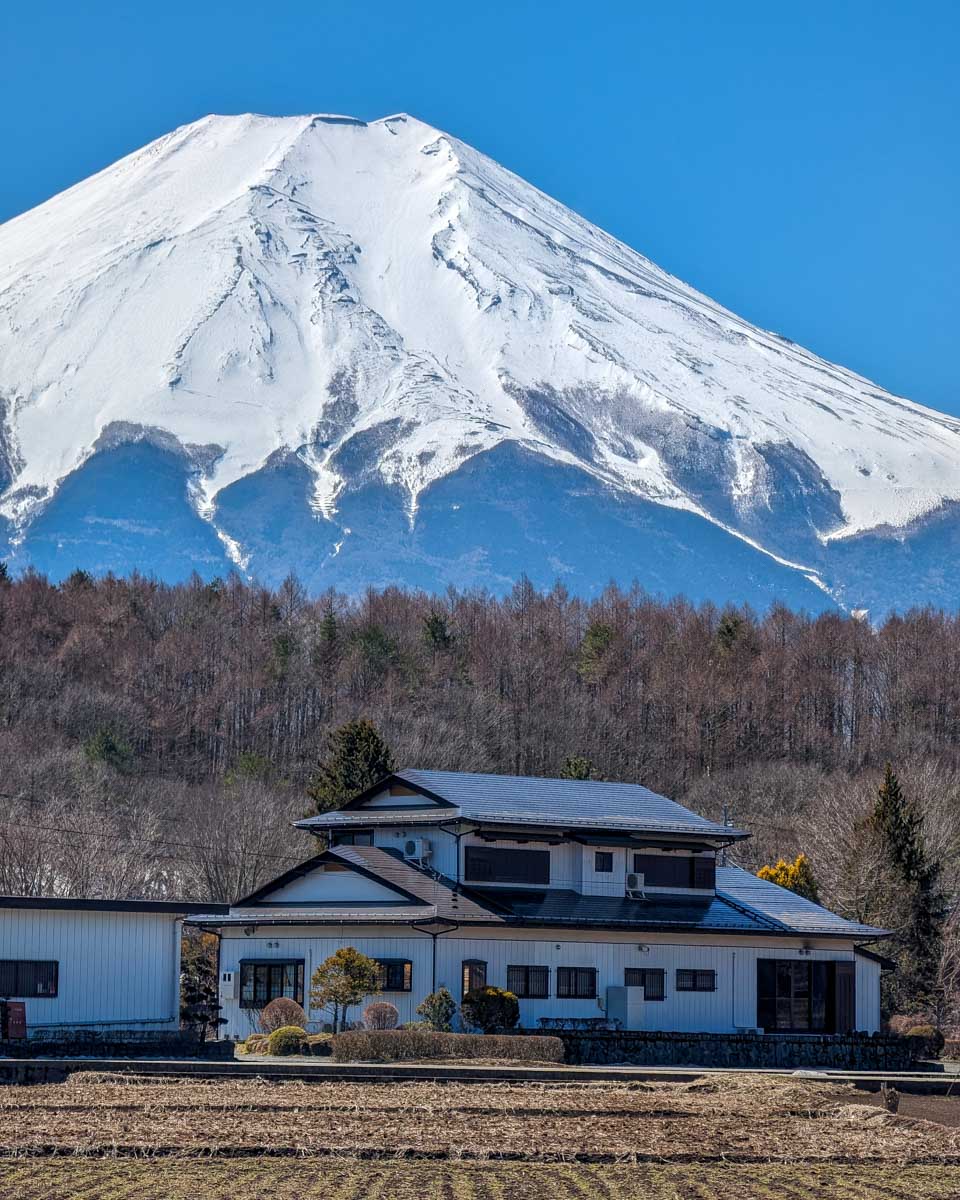
Renting a car in Japan opens up a side of the country that trains and buses can’t always reach. While the rail system is excellent for big cities, many of Japan’s most memorable spots are best explored by car!
We’ve rented a car to explore Hokkaido’s wide open landscapes and take peaceful mountain drives around the Japanese Alps. Having your own wheels lets you get off the beaten tourist track and find quaint countryside ryokans, or explore scenic coastal routes in Okinawa and Kyushu. It’s also a lot easier to get to the ski resorts in Nagano and Tohoku with a car, since you can load your gear into the trunk and drive straight there.
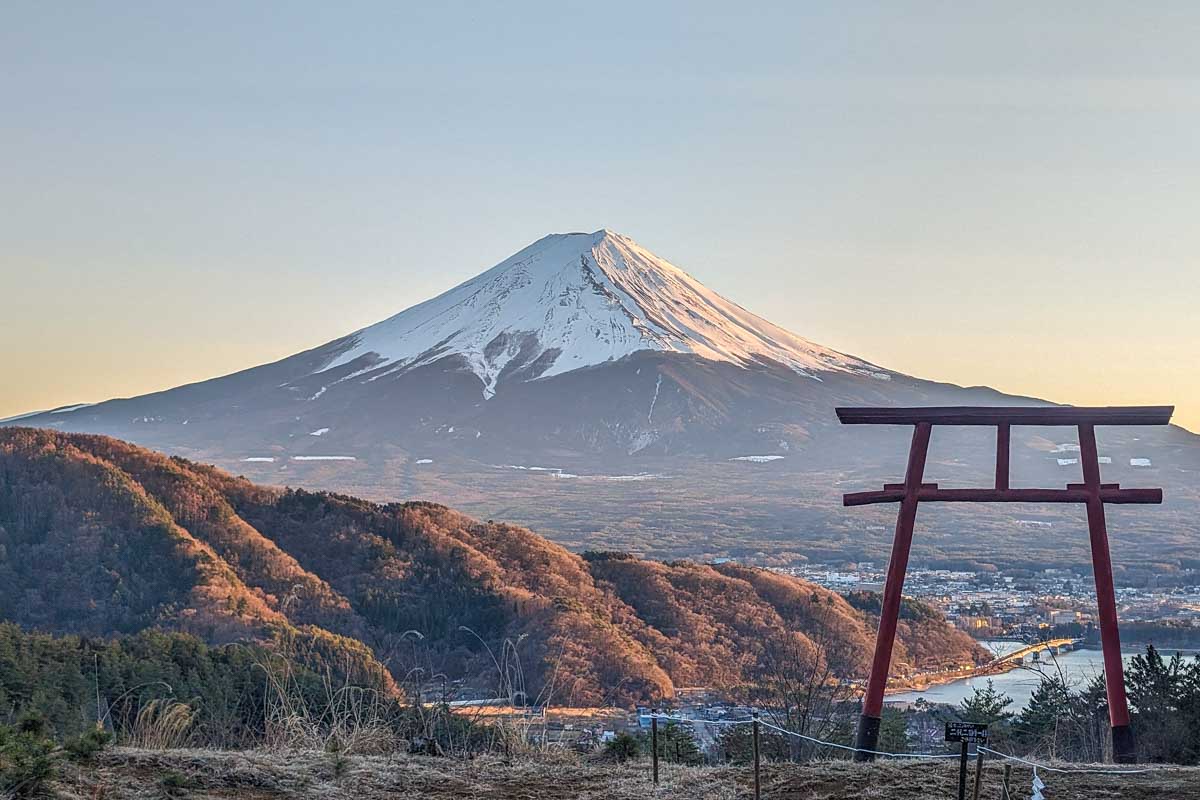
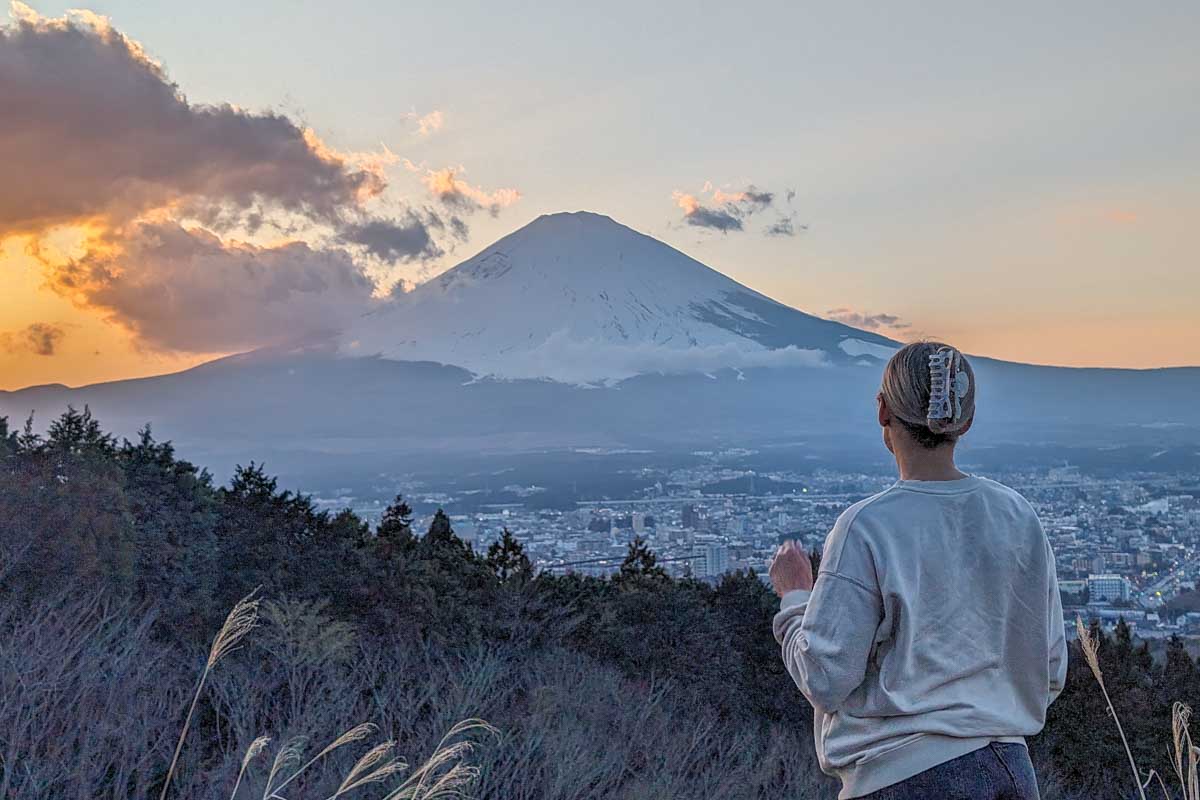
One of our favorite road trip routes starts in Tokyo, loops through Hakone and Mt. Fuji, then continues to Nagano to see the snow monkeys. Having a car meant that we could pull over at scenic viewpoints, stop at local cafes whenever we needed refreshments, and pause for relaxing soaks in scenic onsen towns.
That said, driving in dense cities like Tokyo, Osaka, and Kyoto isn’t practical. Parking is expensive, traffic is heavy, and tolls add up quickly. It’s more hassle than it’s worth! We think that the smarter approach is to rely on public transit in the cities, then rent a car for the rural legs of your journey.
2. What do you need to rent a car in Japan?
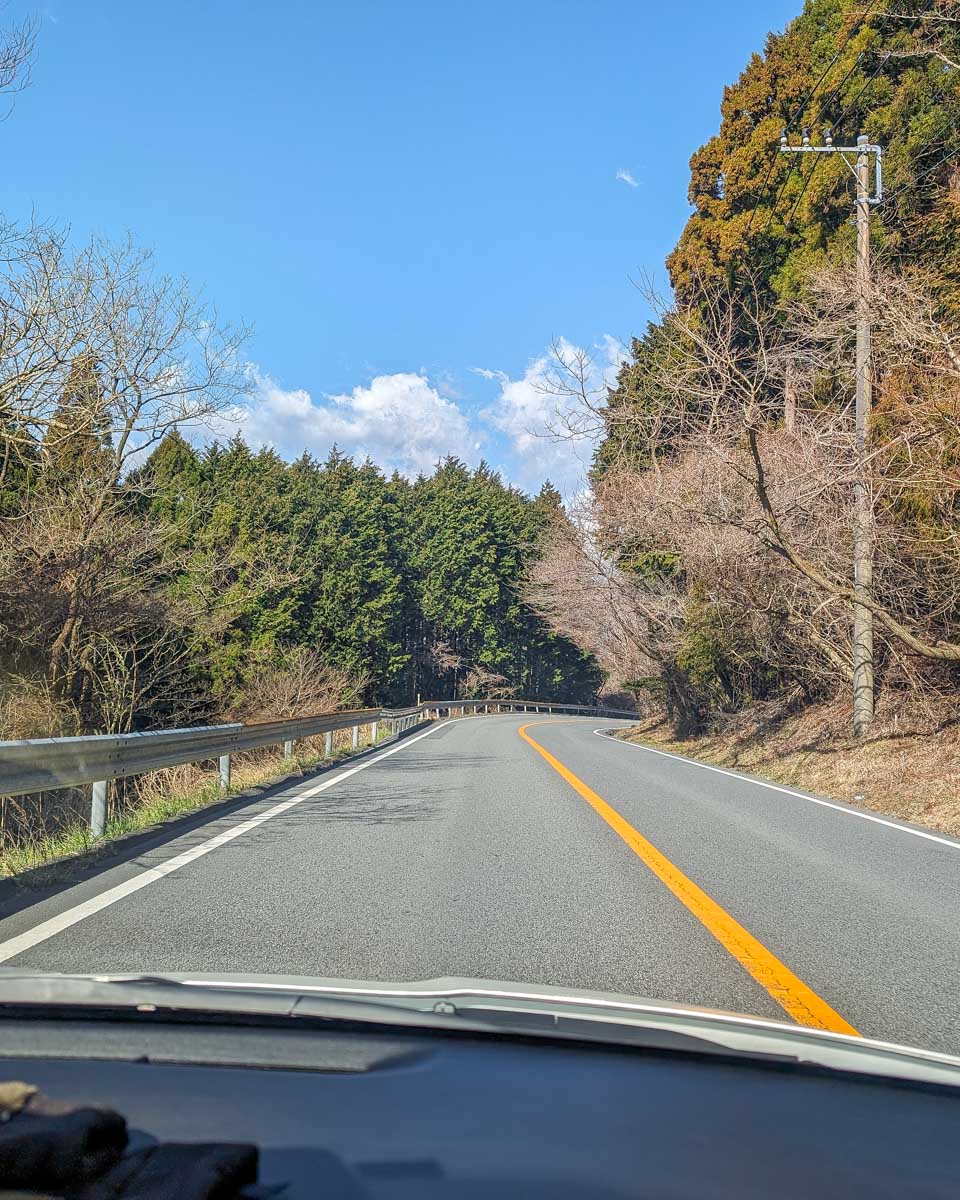
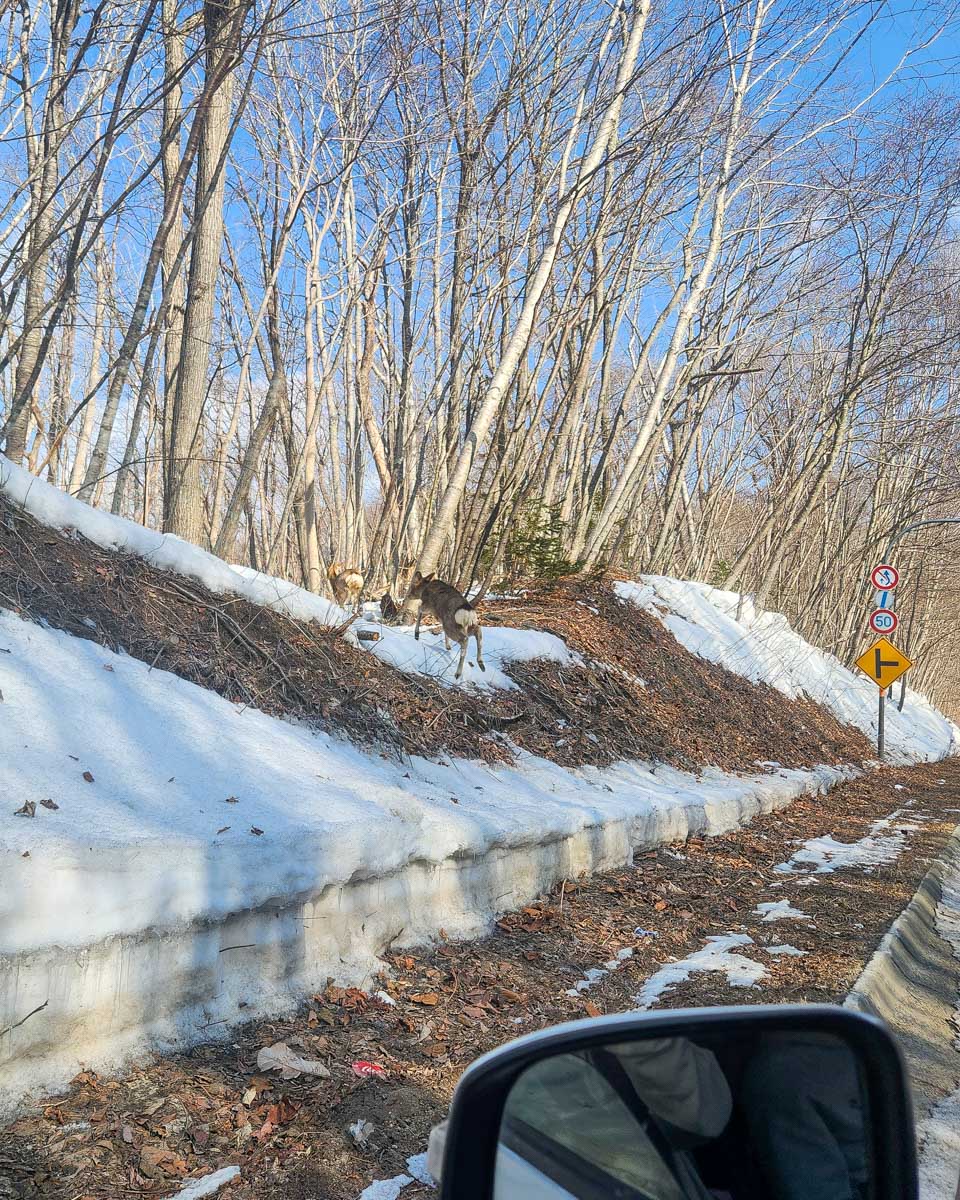
Renting a car in Japan is straightforward if you know what to bring and prepare in advance. A little planning goes a long way, especially since there are specific rules for foreign drivers. Below, we’ve broken down the essential requirements so you’ll be ready to hit the road with confidence.
The Correct License
To legally rent and drive a car in Japan, you’ll need your valid driver’s license from your home country and either an official translation or an International Driver’s Permit (depending on your home country).
Travelers from most countries will need an International Driver’s Permit (IDP). And it has to be the IDP issued under the 1949 Geneva Convention. Be careful about this because Japan does not accept the newer 1968 Vienna Convention IDP, which many countries issue by default. Make sure you apply for the correct version! This website has a list of reliable IDP providers for each country.
You’ll usually need to show your IDP along with your passport. Your IDP will be valid for one year from your entry date into Japan, as long as it hasn’t expired in your home country.
If you’re from Belgium, France, Germany, Monaco, Switzerland, or Taiwan, the rules are different. Instead of an IDP, you’ll need an official Japanese translation of your license plus the original foreign license. This translation can only be applied for once you’re in Japan, and it’s available through the Japan Automobile Federation (JAF). You can find out more and apply right here!
Keep in mind that both IDPs and Japanese license translations are valid for only one year from the day you enter Japan. If you’re staying longer, you’ll need to look into converting your license to a Japanese one.
A Credit Card
When renting a car in Japan, you’ll almost always need a credit card in the driver’s name. Rental companies typically place a temporary hold or deposit on the card as security, which is released once you return the vehicle in good condition. The exact amount varies depending on the company and car type, so it’s smart to confirm this in advance.
Some deposits can be several hundred dollars, which means you’ll need to make sure your credit limit is high enough to cover both the hold and your regular travel expenses. Debit cards are not always accepted, so bringing a major credit card is the most reliable option.
To Be At Least 18
The legal driving age in Japan is 18, so you need to be at least 18 to rent a car. However, rental companies often set their own policies that go beyond the legal minimum. Many require drivers to be 20 to 22 years old, and some may charge an additional “young driver fee” if you’re under 25.
It’s also important to note that if you’ve held your license for less than one year, certain agencies may refuse your booking altogether or impose stricter conditions. Rules differ between companies, so it’s best to double-check age requirements and restrictions before confirming your reservation. This ensures that there are no surprises when you arrive at the rental counter!
Related Read: Still comparing transportation options? Read our guide on How to Get Around Japan to discover which choice is best for your trip!
3. What side of the road do you drive on in Japan?
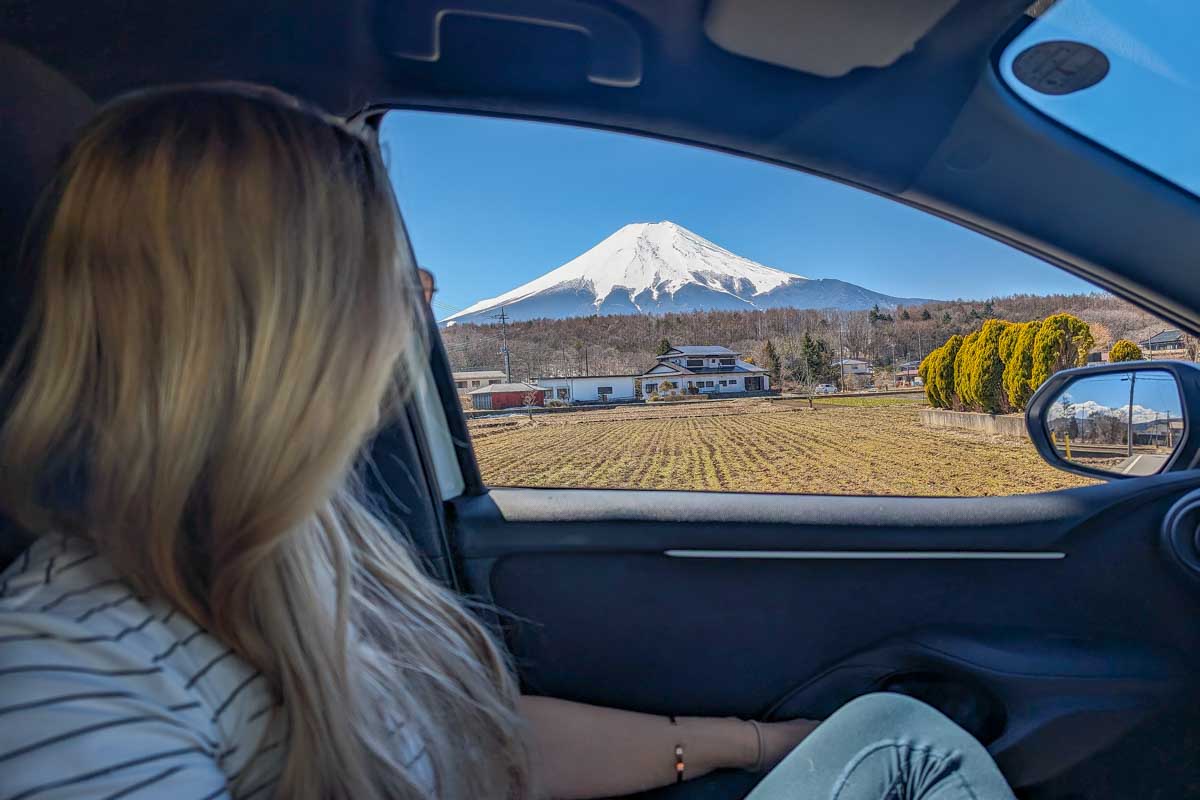
In Japan, cars drive on the left-hand side of the road. This means that the driver’s seat and steering wheel are positioned on the right side of the vehicle. This is the other way around from how it’s done in countries like the US, Canada, or most of Europe, so it can take a bit of adjustment.
As a Canadian, I have to admit that I struggled a bit at first! The trickiest moments usually come at intersections and roundabouts, where your instincts may pull you toward the wrong lane. Having to use the other hand for the transmission also felt a bit weird for the first few times.
Luckily, Japanese roads are well-marked, and traffic flows in an orderly way, which makes it a lot easier to adapt. After a short time behind the wheel, I found the switch natural, and I hardly thought about it anymore!
4. What type of vehicle should you rent?
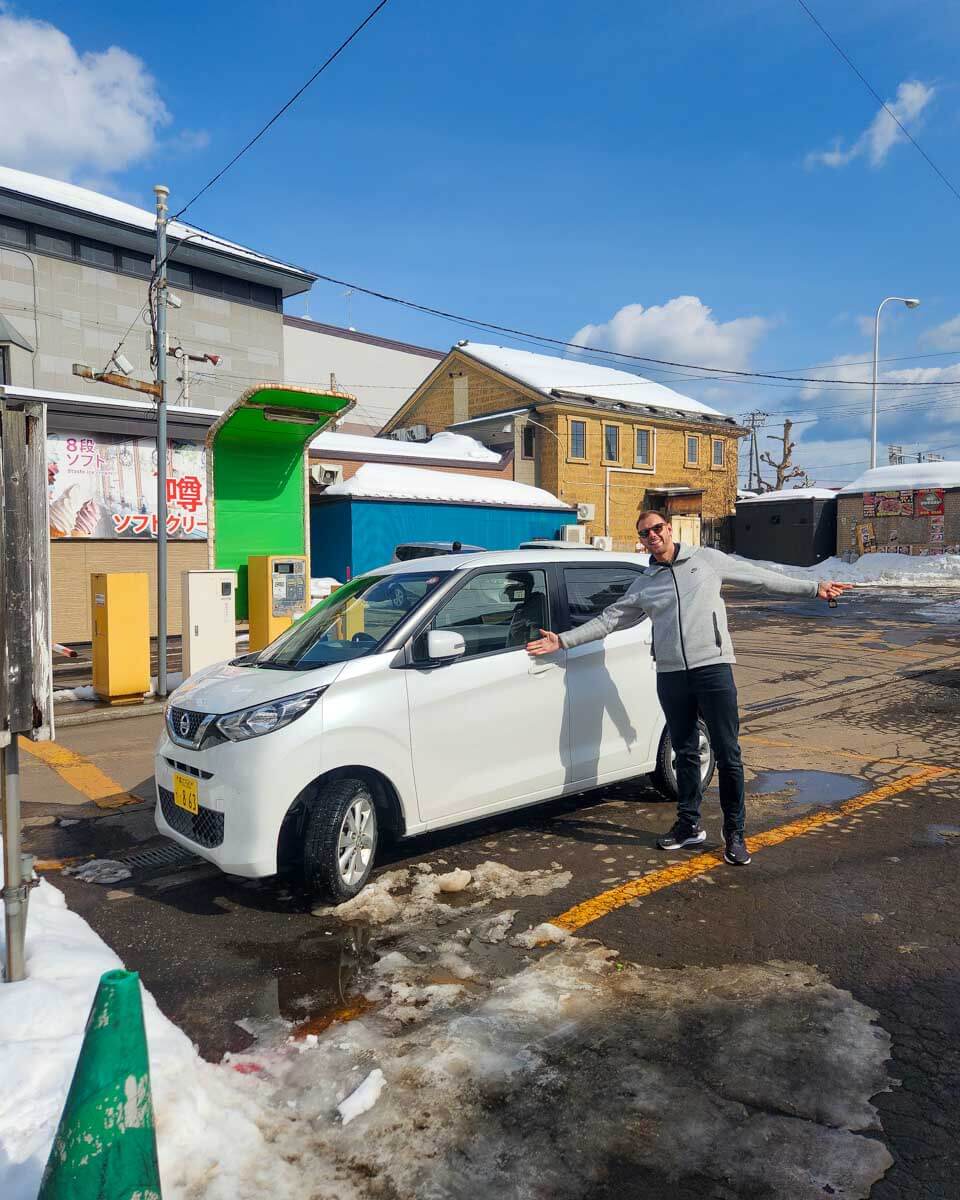
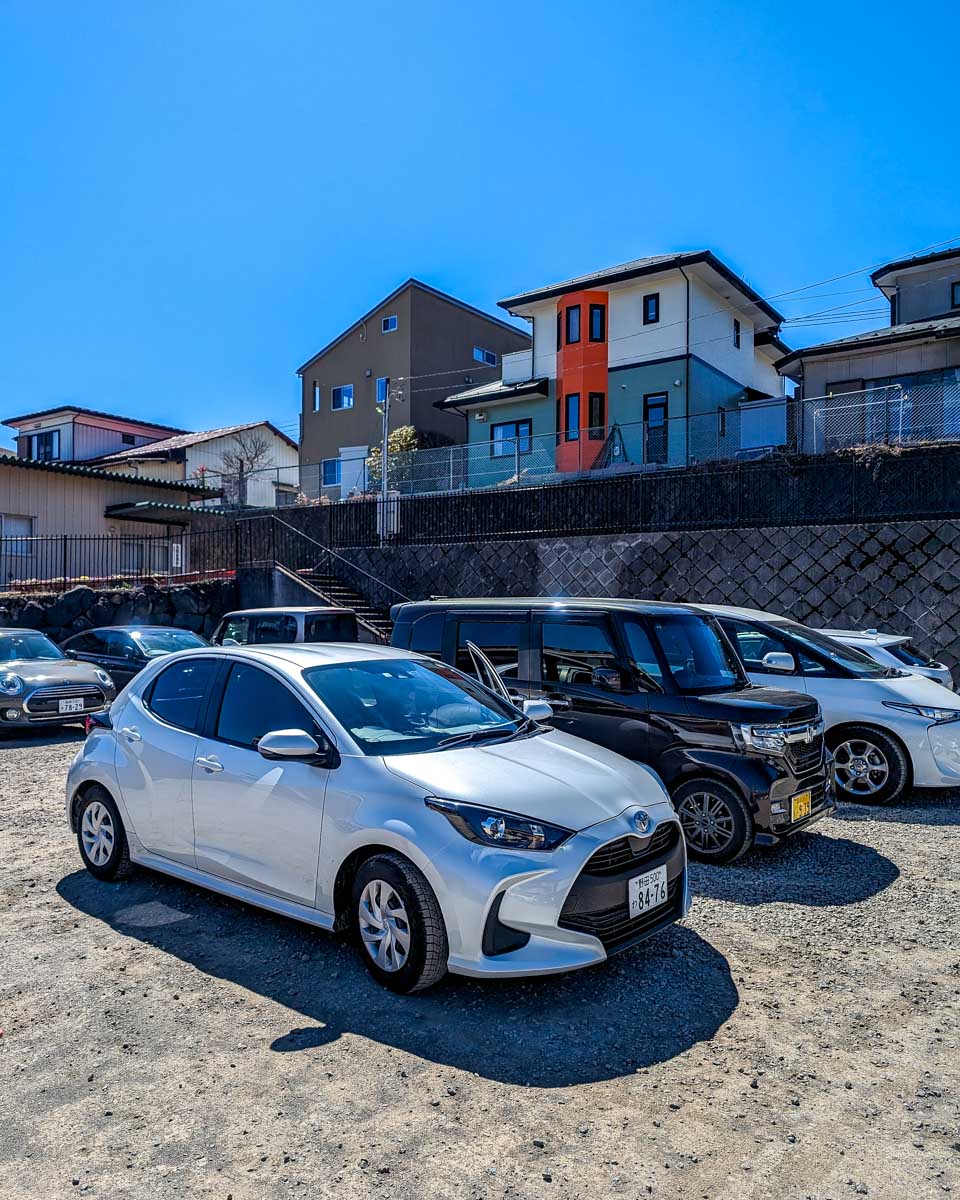
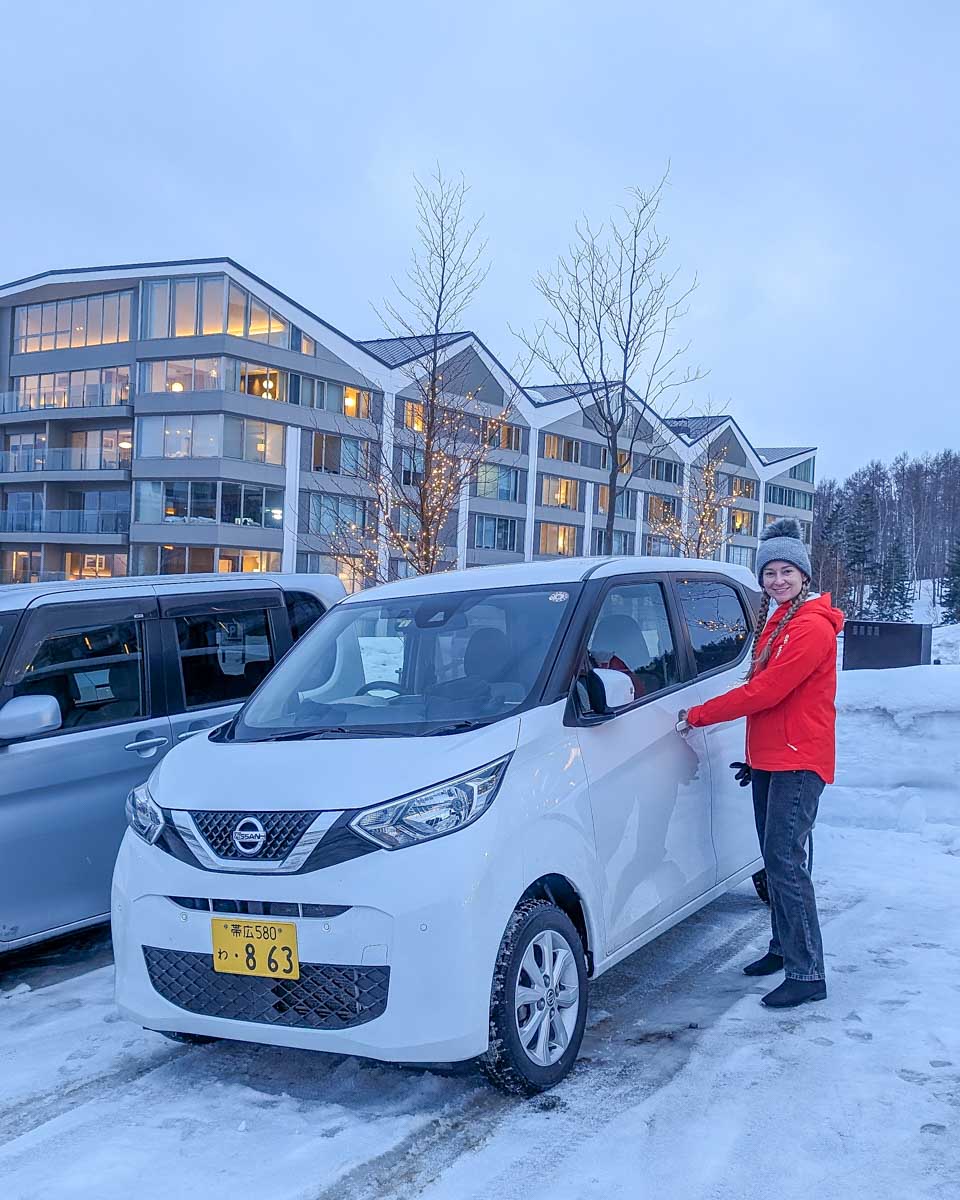
The best rental car in Japan really depends on your itinerary and how much space you need. For budget-conscious travelers, Kei cars are the way to go. These are mini cars with yellow license plates, and they’re super fuel-efficient. Space is very limited, but for one or two people traveling without a lot of bulky luggage, they’re ideal!
If you want a little more comfort, a compact car is a great middle ground. They’re affordable and easy to park, plus they give you more space if you’re traveling in a small group or have a few bags with you.
Meanwhile, for families and groups of friends, a minivan or larger sedan will be the most practical choice. This is also true for anyone traveling with ski gear or lots of luggage!
If you want to save money on gas, hybrids are widely available across Japan, and they’re excellent for exactly this. A 4WD vehicle is only necessary if you’re driving in winter in Hokkaido, Nagano, Tohoku, or other snowy mountain regions. Otherwise, regular cars handle just fine.
Nearly all rental cars in Japan are automatic, which makes driving more accessible for foreign visitors. Still, it’s smart to double-check the transmission when you book.
If you’re unsure what’s best, sites like Discover Cars let you compare car sizes, prices, and features side by side. You can also filter for exactly what you need, including the number of seats, deposit amount, and transmission type.
5. What are the best places to drive with a rental car?
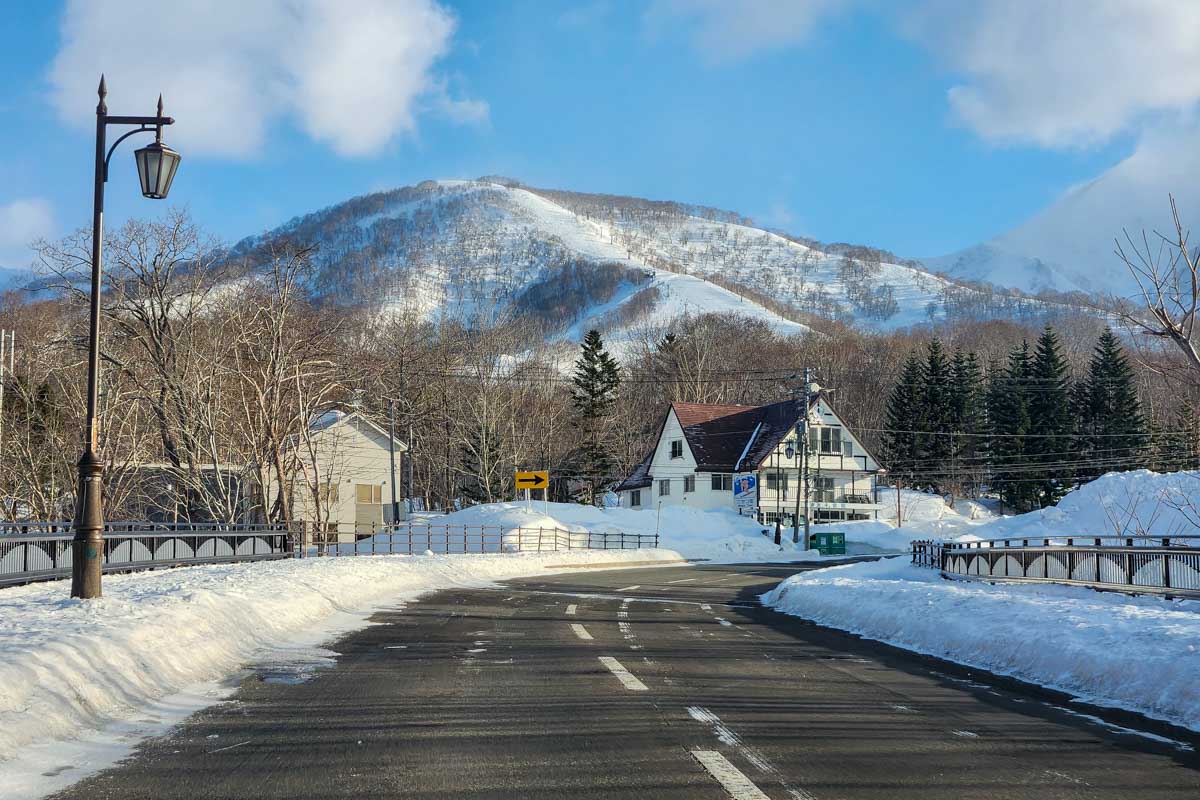
Renting a car in Japan is ideal for exploring rural areas and smaller towns where public transit is limited or infrequent. In fact, some of the country’s most scenic drives and hidden gems are simply unreachable by train or bus.
Hokkaido is a top pick for road trippers because it’s got vast national parks and lots of dramatic coastal and mountain scenery to explore. Similarly, in Okinawa a rental car gives you the freedom to explore the island’s beaches, coral reefs, and quiet villages at your own pace. Kyushu is another fantastic region to drive in, since it boasts volcanic landscapes and tons of picturesque hot springs.
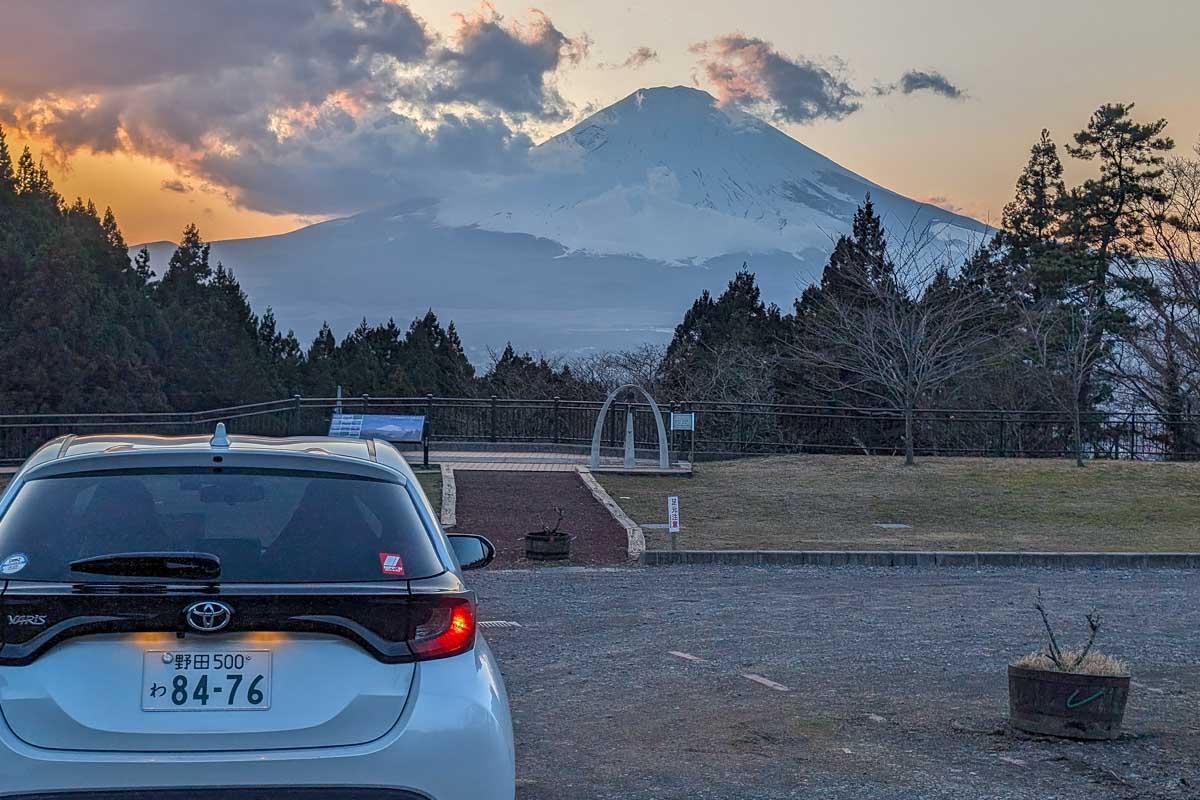
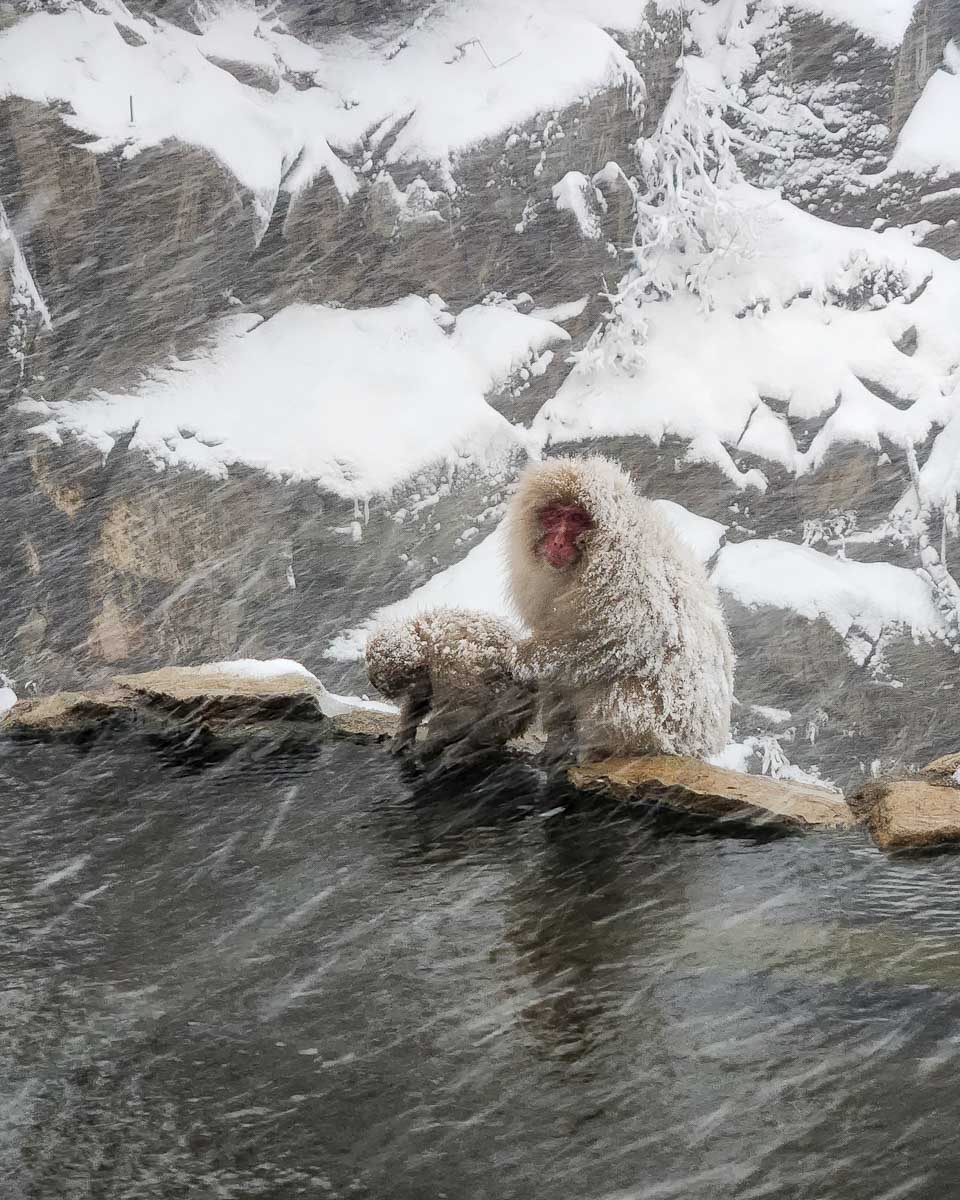
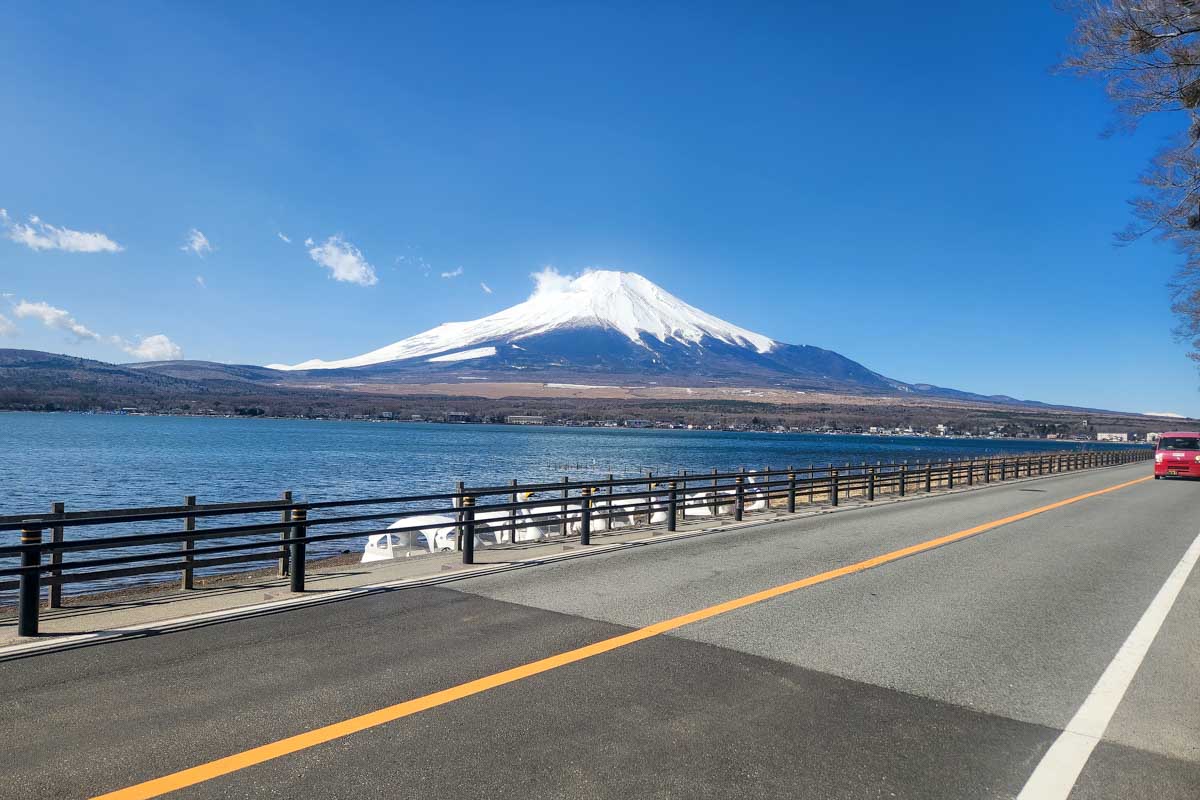
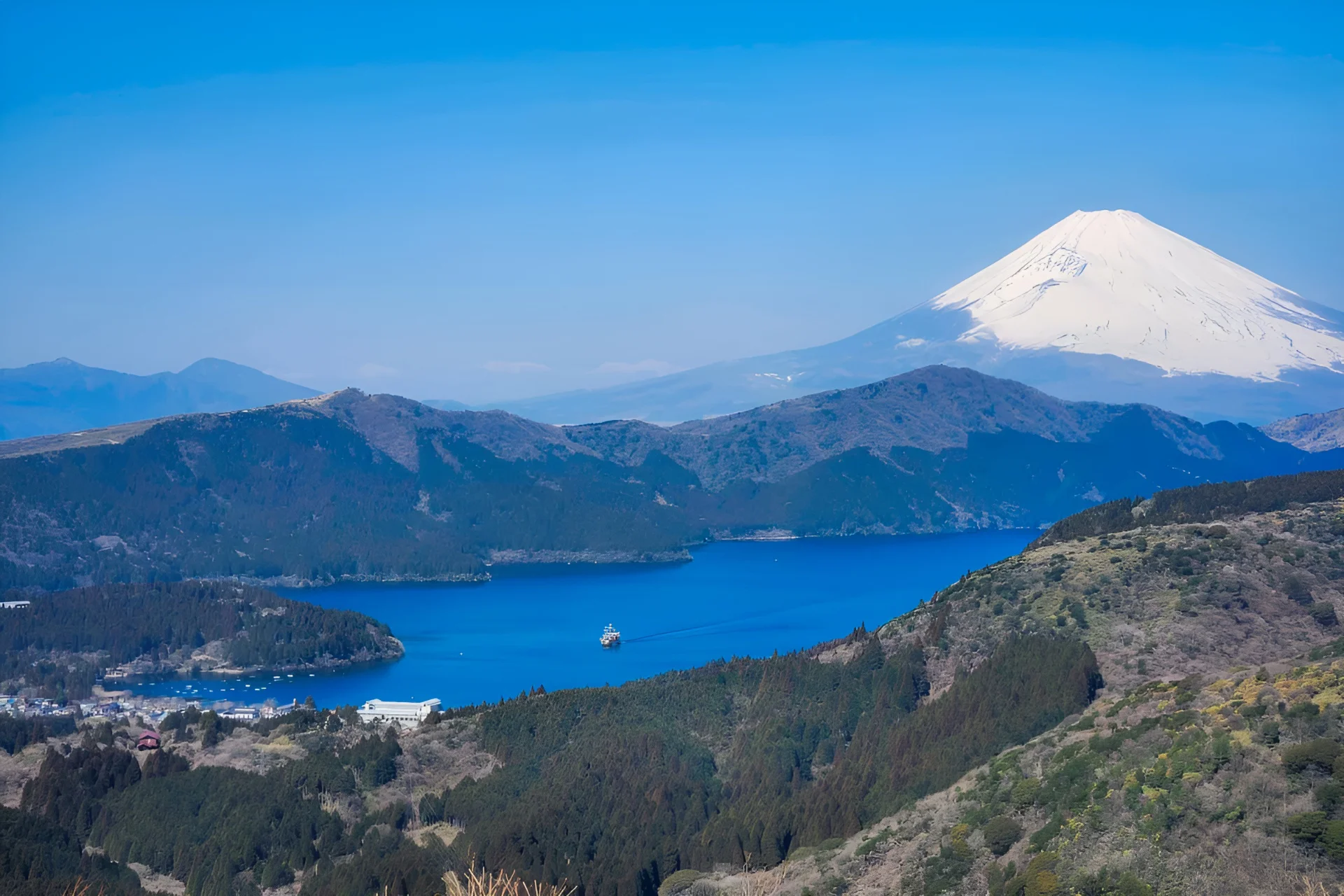
We also recommend renting a car to explore the Japanese Alps and the surrounding rural areas, including traditional ryokan towns. One of our personal favorite routes starts in Tokyo, then loops through Hakone and Mt. Fuji, before continuing on to Nagano to see the snow monkeys.
Along the way, we stopped off to discover local gems that most Western tourists miss, like THE PARK cafe at Lake Yamanaka, which is famous for arguably the best Japanese soufflé pancakes in the country. You have to try them!
Driving in these regions offers unmatched flexibility. You get to explore Japan at your own pace, stopping at quiet viewpoints whenever you want and exploring quaint side streets for as long as you like. Seriously, for anyone wanting to go off the beaten path, a rental car is the ultimate way to do it.
6. Where can I rent a car in Japan?
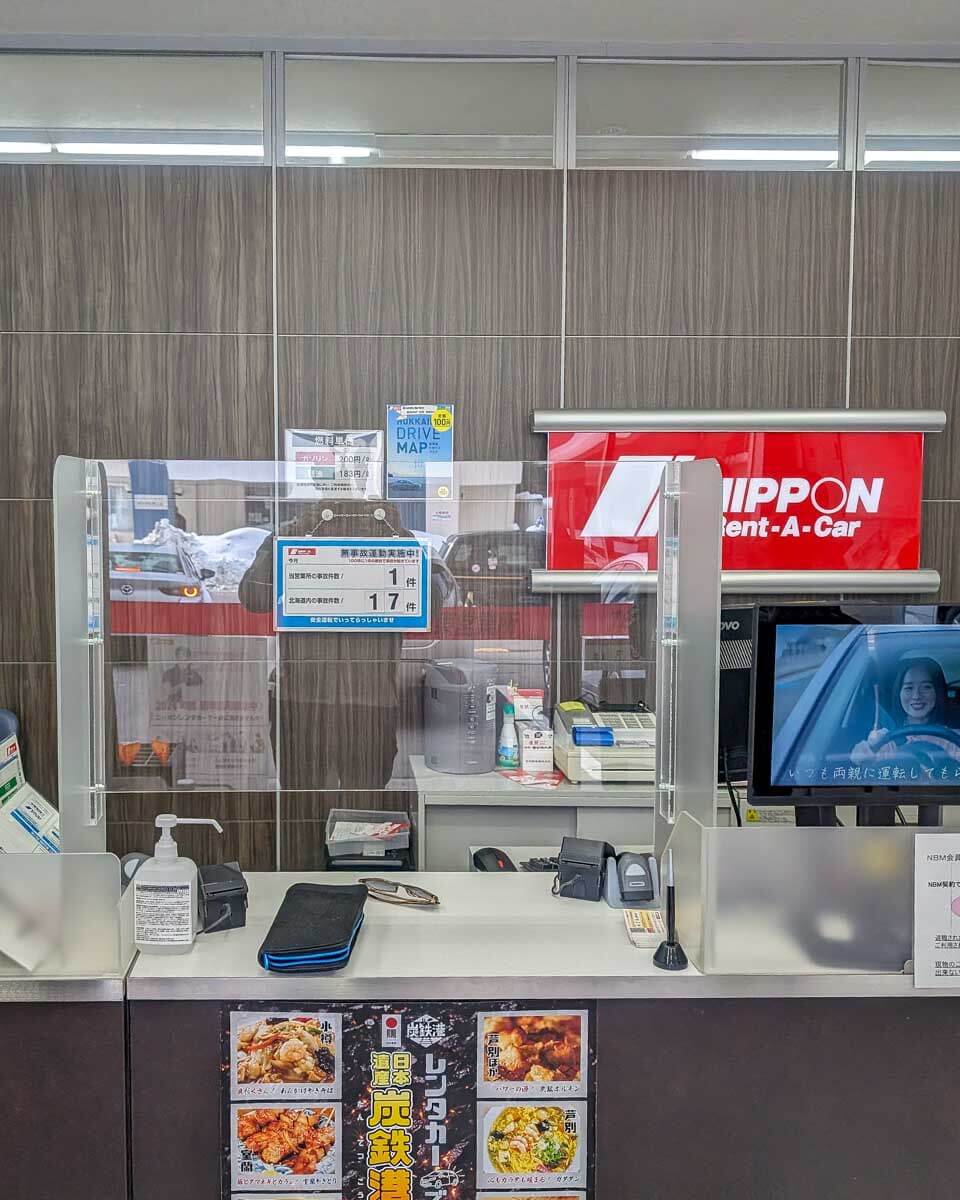
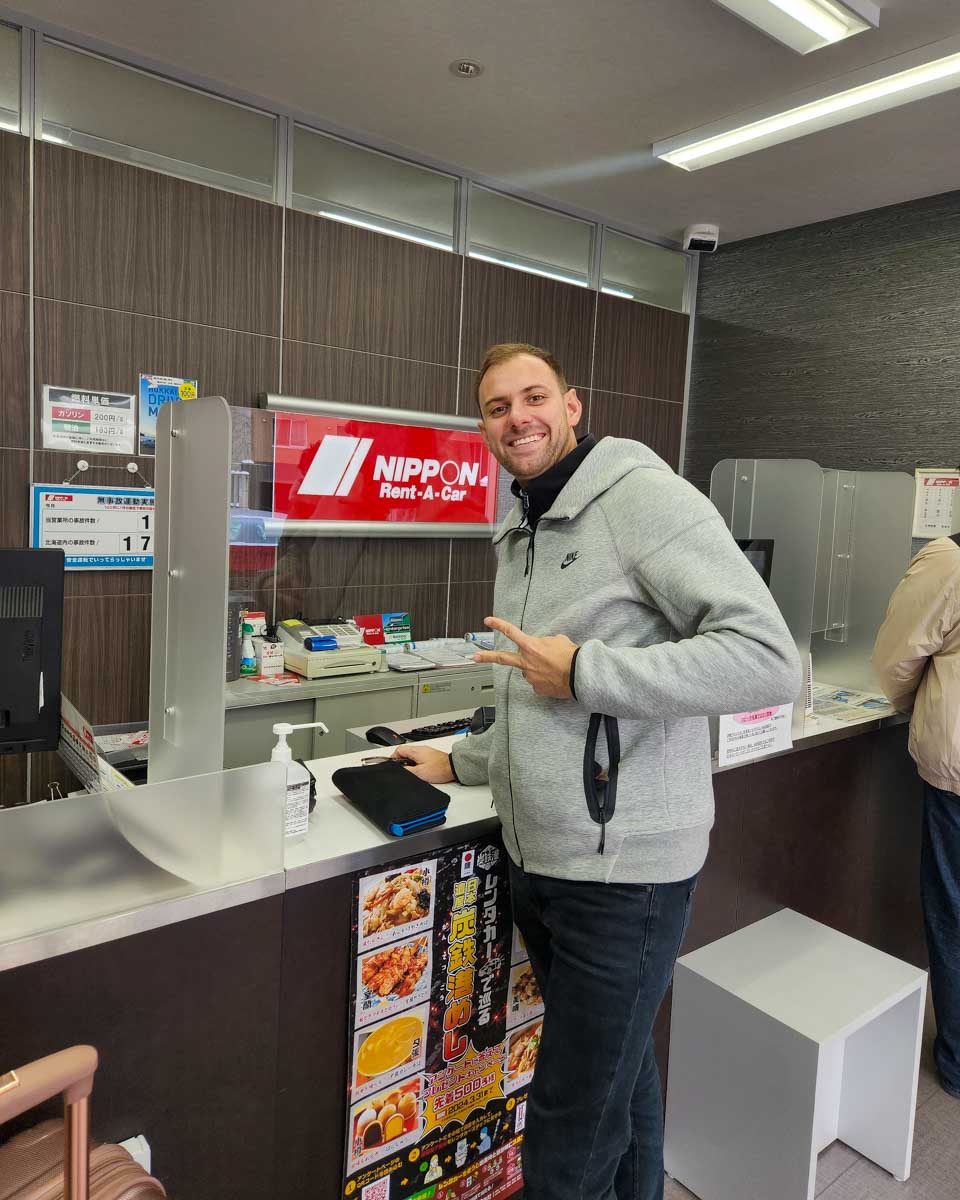
Japan has a wide range of rental car companies, from major international brands to local providers. Some of the most popular options include Toyota Rent a Car, Nippon Rent-A-Car, Times Car Rental, and ORIX Rent-A-Car.
Most of these companies have depots at airports, train stations, and major cities, which makes it convenient to pick up and drop off your vehicle. Airports also tend to be the best choice if you’re concerned about English support, because staff there are more likely to be able to speak English and assist foreign travelers.
For convenience and comparison, we recommend reserving your rental online through Discover Cars. It’s an easy-to-use platform that allows you to compare prices, vehicle types, and customer reviews across multiple rental companies at your specific pickup and drop-off locations. It’s a bit like Booking.com, but for cars, and you can even filter by size, transmission, and price to find a vehicle that perfectly suits your needs.
But regardless of how you make your booking, reserving your car in advance ensures the car you want is available and often locks in better pricing, especially during busy travel seasons!
7. How much does it cost to rent a car in Japan?
Rental car prices in Japan vary depending on the type of vehicle, season, and extras you choose. The most budget-friendly option is a Kei car, which is a small, fuel-efficient vehicle that’s perfect for one or two people – as long as you’re traveling light, I must add!
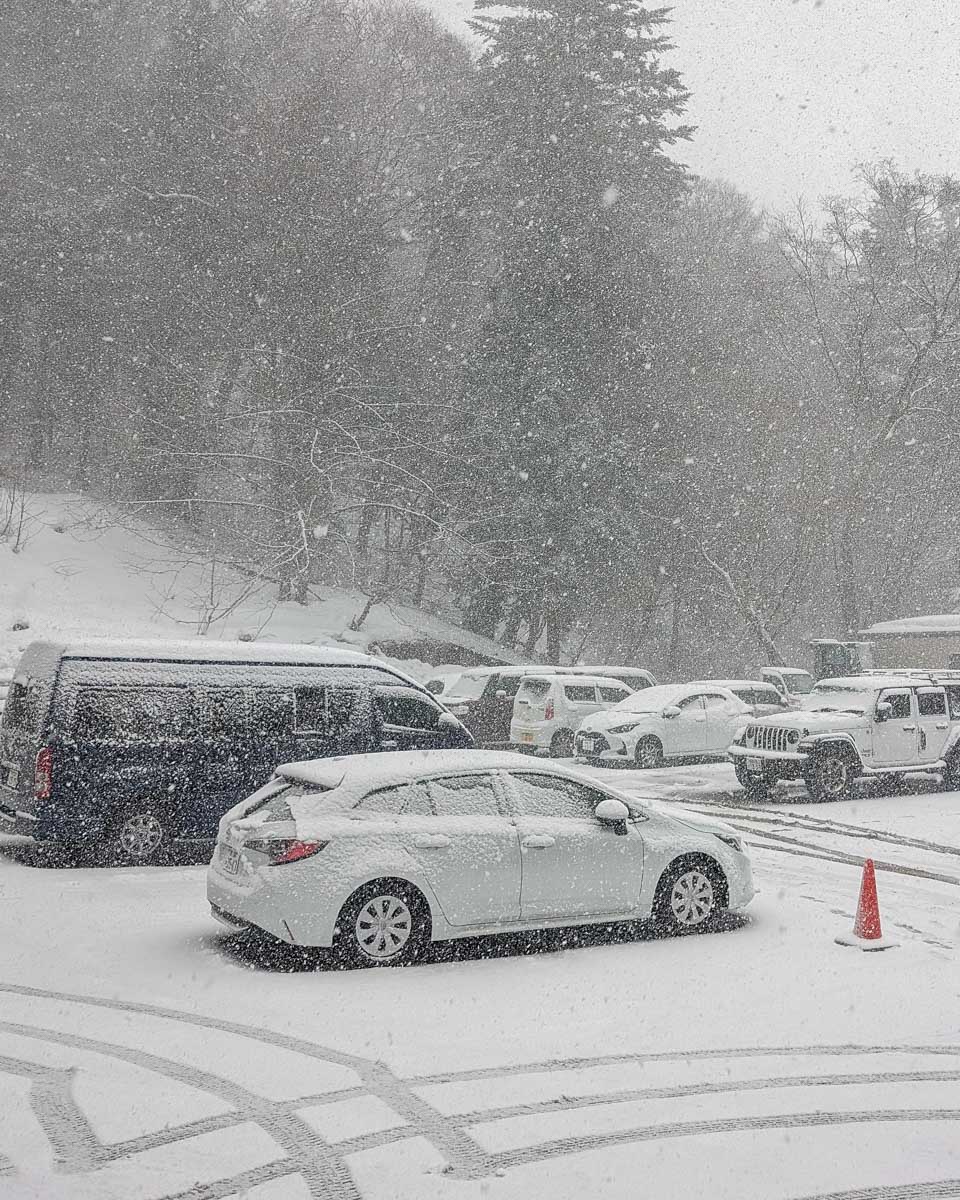
Naturally, SUVs, minivans, and larger sedans tend to be the priciest, and extra features like GPS, child seats, or winter tires typically cost you more. Meanwhile, automatic cars tend to be more affordable than manual ones in Japan since they’re more common – but this is a good thing as it tends to make life easier.
On average, you can expect to pay around ¥7,500 to ¥20,000 per day ($50–$135 USD), though prices rise during peak travel periods like Golden Week (late April to early May) and Obon (August). You should also factor in extra costs like an ETC card rental for tolls, child seats, winter tires, full insurance coverage, and one-way rental fees if you plan to pick up and drop off in different locations. Trust me, these extras can add up quickly, so it’s important to budget for them in advance.
One way we like to save money is to rent a car only for the days we actually need one, and rely on public transport when we’re traveling in major cities. We also try to plan our routes in advance to avoid one-way drop-offs and book early to secure better rates. A little preparation goes a long way!
Related Read: Another great option for traveling in Japan is using the JR Pass! Check out our blog about using the Japan Rail Pass to see if it’s right for your trip.
8. Tips to save money on a rental car
Book early for peak seasons
Car rental prices in Japan can spike significantly during peak travel periods. Some of the busiest times include:
- Late March to early April for cherry blossom season
- Late April to early May for Golden Week
- Mid-July to August during summer and Obon holidays
- November for autumn foliage
- Late December to early January, around the New Year.
During these periods, availability is limited, and prices can be much higher than usual. Booking our rental cars well in advance – I’m talking several months – has saved us a chunk of money in the past when we’ve traveled at busy times. As well as locking in a lower rate, early bookings also ensure that you get the car you want. If you wait until the last minute, you might be left with slim pickings, especially if you want a compact car or an SUV.
Rent only when needed
If your Japan itinerary includes both rural areas and big cities, it’s often smarter not to rent a car for the days you’re in the latter. Cities like Tokyo, Osaka, and Kyoto have excellent public transportation networks, and it’s way faster and cheaper to use them to get around than it is to drive! Plus, parking can be expensive and hard to find, which just adds unnecessary stress and expense.
We think it’s best just to rent a car only for the days you plan to explore the countryside or smaller towns where public transit is limited. This approach saves money on rental fees, parking, and city tolls, while still giving you the flexibility to drive when it truly matters. It’s a practical way to combine the convenience of trains, buses, and subways with the freedom of a car.
Avoid one-way fees when possible
One-way rentals in Japan can be surprisingly expensive, often costing an additional ¥10,000–¥30,000 ($70–$200+ USD) depending on the company and route. If you’re planning a road trip, the simplest way to avoid these extra charges is to plan your route as a loop, starting and finishing in the same city. This keeps costs down and makes pickup and drop-off much easier.
If your itinerary requires dropping the car in a different location, it’s worth comparing prices carefully. Platforms like Discover Cars make it easy to see which rental companies charge lower one-way fees. Sometimes booking directly with a rental company can offer better options or reduced surcharges, so it pays to shop around. Planning ahead can save you a significant amount on your trip.
Get an ETC Card
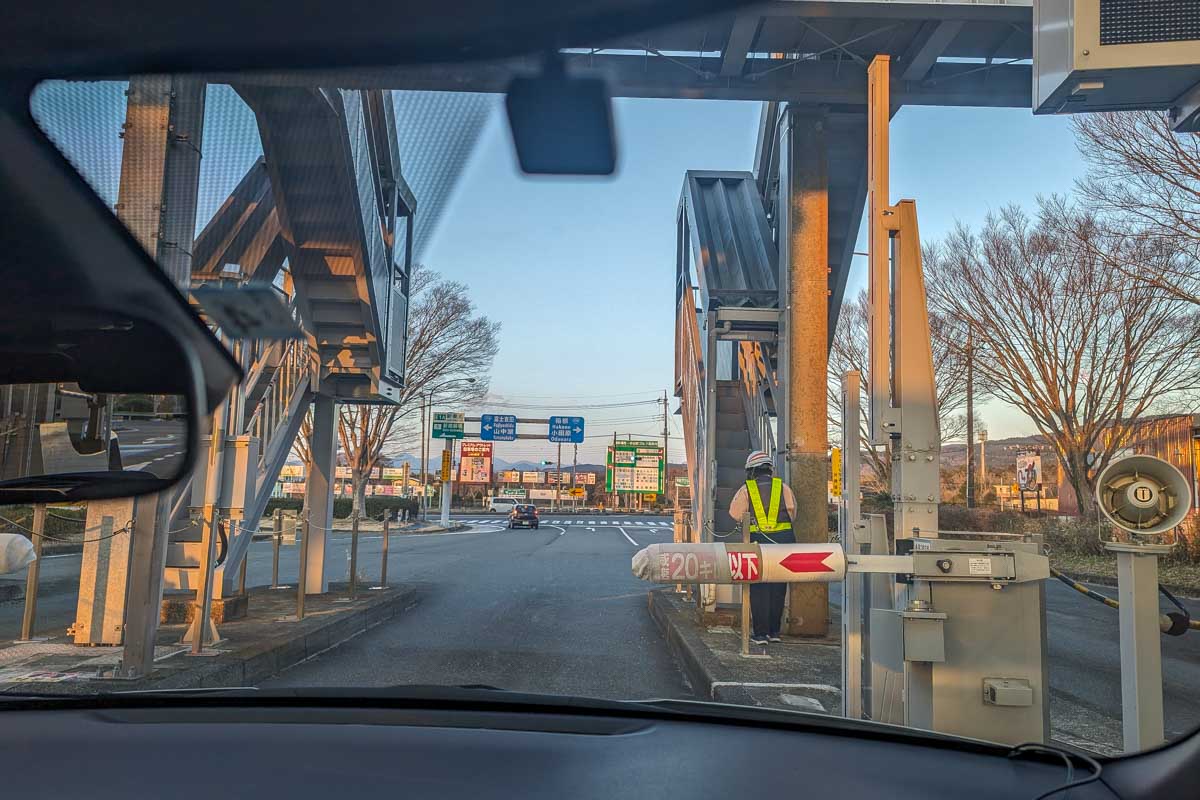
If you’re planning to drive on Japan’s expressways, an ETC (Electronic Toll Collection) card is one of the easiest ways to save money and time. ETC cards automatically pay tolls as you pass through dedicated lanes, often offering discounts on weekends, holidays, and late-night drives that aren’t available to cash-paying drivers.
To use an ETC card, you insert it into a device that’s built into the car. Most rental companies in Japan offer you ETC cards as an add-on when you go to pick up your vehicle. Then, all you need to do is insert the card, and when you drive through the ETC, the toll will automatically be charged to your account – easy peasy!
There is usually a small rental fee for the ETC card. It typically costs around ¥300 to ¥550 ($2 to $4 USD) per day, but it’s definitely worthwhile. It will probably save you money overall, and it will definitely save you time because you’ll get to avoid cash lanes, where everyone has to stop and pay.
The first time we rented a car in Japan, we went cash-only, and we regretted it! After jealously watching cars zip straight into the ETC lanes while we queued up to pay, we’ve always made sure to get an ETC card ever since.
Consider a regional expressway pass
Most of Japan’s highways are expressways, and driving on them comes with high toll fees. If you plan to do a lot of driving in a specific region, a regional expressway pass can be a smart way to save money. These passes are designed for foreign tourists and are valid for a set number of days. During that time, you get either unlimited use of a region’s expressways or a heavy discount.
Passes are usually valid for between 2 and 14 days. Some examples include:
- Hokkaido Expressway Pass (HEP)
- Tohoku Expressway Pass (TEP)
- Kyushu Expressway Pass (KEP)
- San’in-Setouchi-Shikoku Expressway Pass (SEP)
Pass prices vary by region and duration. For example, the Hokkaido Expressway Pass typically costs ¥3,700 to ¥11,500 ($25 to $77 USD).
These passes are purchased through your rental car company, but not all rental locations offer them, so confirm availability before booking. If you’re not sure whether or not a regional pass is worth it, you can use tools like Google Maps or dedicated toll calculators to calculate potential savings. But if your route involves a lot of expressway travel, the chances are that a pass will provide significant savings and simplify toll payments.
Using a regional expressway pass is especially helpful in areas like Hokkaido, Kyushu, or the Japanese Alps, where long stretches of toll roads are common. In general, we’ve found it to be a convenient and cost-effective option on road trips.
Reserve your rental with Discover Cars
One of the easiest ways to book a rental car in Japan is through Discover Cars. It’s a third-party platform that searches multiple rental brands at once. You can compare prices, vehicle types, and reviews at a glance, which makes it super easy to find the best option for your trip. We also love the fact that you can filter your search results by car size, transmission type, number of passengers, and other specific features.
In many cases, booking through DiscoverCars is cheaper than reserving directly with the rental company. They also offer a “best price guarantee”, meaning if you find a lower rate elsewhere within 24 hours of booking, they’ll match it. Using a service like this can save both time and money, and ensures that you get a car that fits your itinerary perfectly.
9. What extras are available?
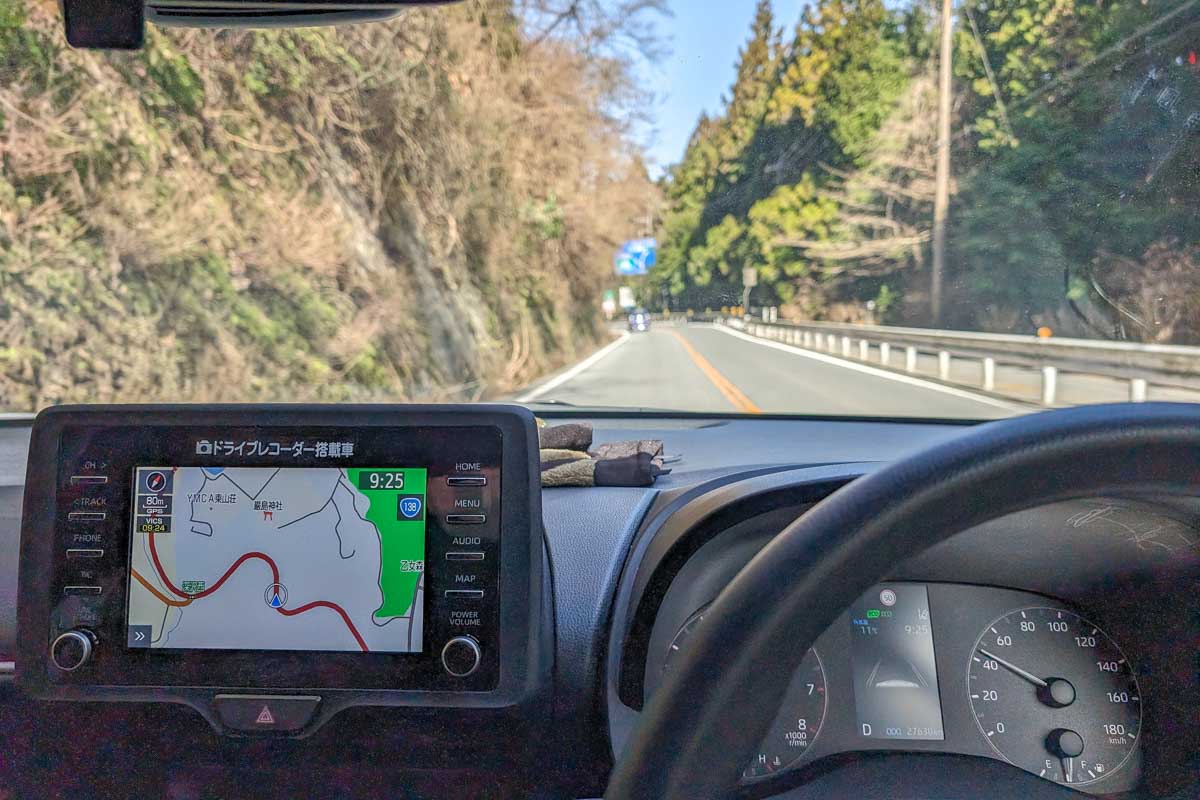
When renting a car in Japan, most companies offer a range of extras that can make your trip more convenient and safer, though they usually come with an additional fee. One common add-on is an additional driver, which allows more than one person to legally drive the vehicle during your rental period.
ETC devices or cards are another popular extra. They let you pay expressway tolls automatically and can save you money on discounts for weekends, holidays, and late-night drives. Plus, it’s a lot faster to use the ETC lanes than the cash lanes!
Child seats are required for children under six in Japan, and most companies provide them for a small daily fee. In snowy regions like Hokkaido, Nagano, or Tohoku, winter tires or chains may be mandatory, so check your rental package carefully.
Other helpful extras include navigation systems with GPS, CarPlay, or Android Auto, which are particularly useful for foreign drivers unfamiliar with local roads. Many rental companies also offer full-coverage or low-deductible insurance packages to reduce out-of-pocket costs in case of an accident. Choosing the right extras depends on your route, season, and travel needs, but they can make driving in Japan far smoother and less stressful.
10. Tips to follow when picking up your rental
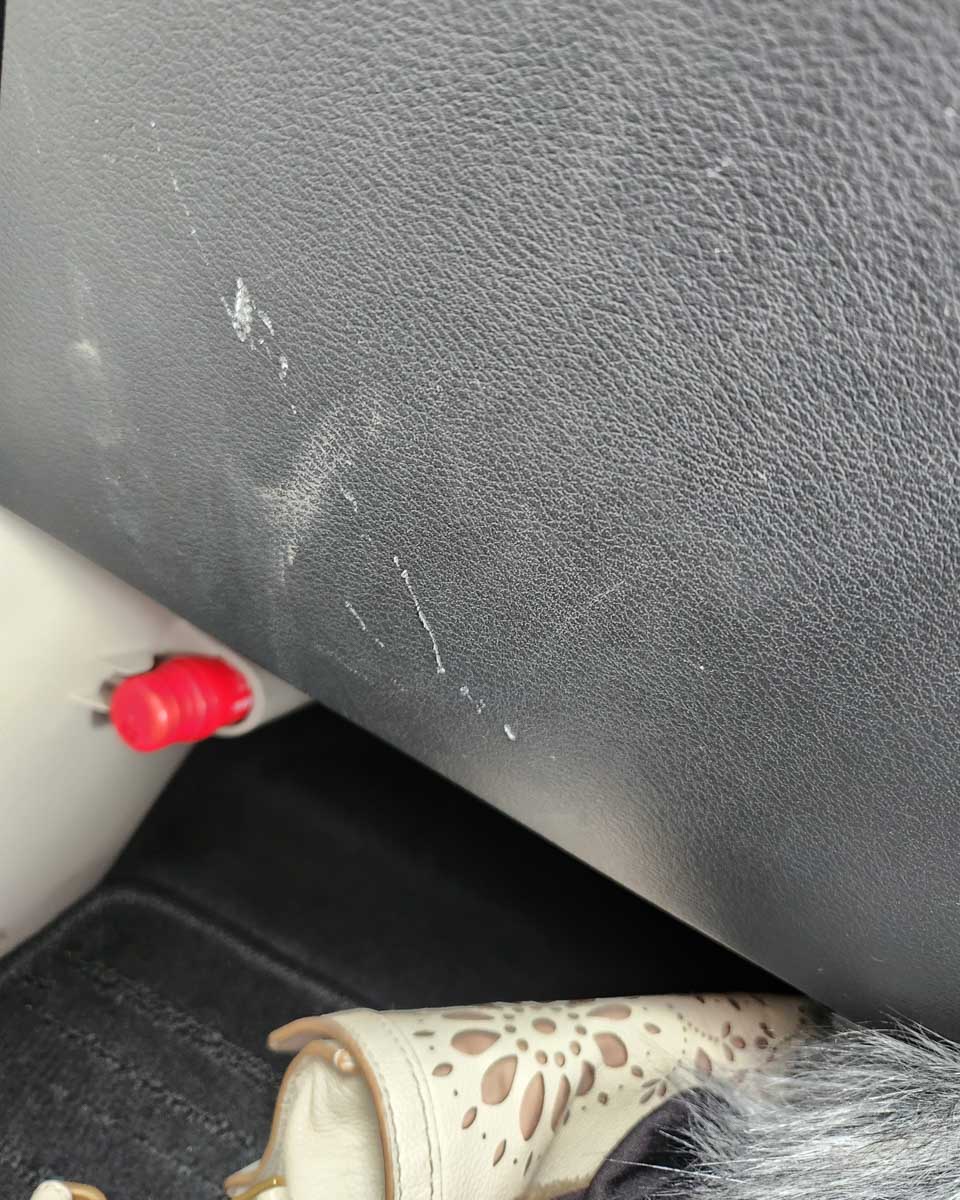
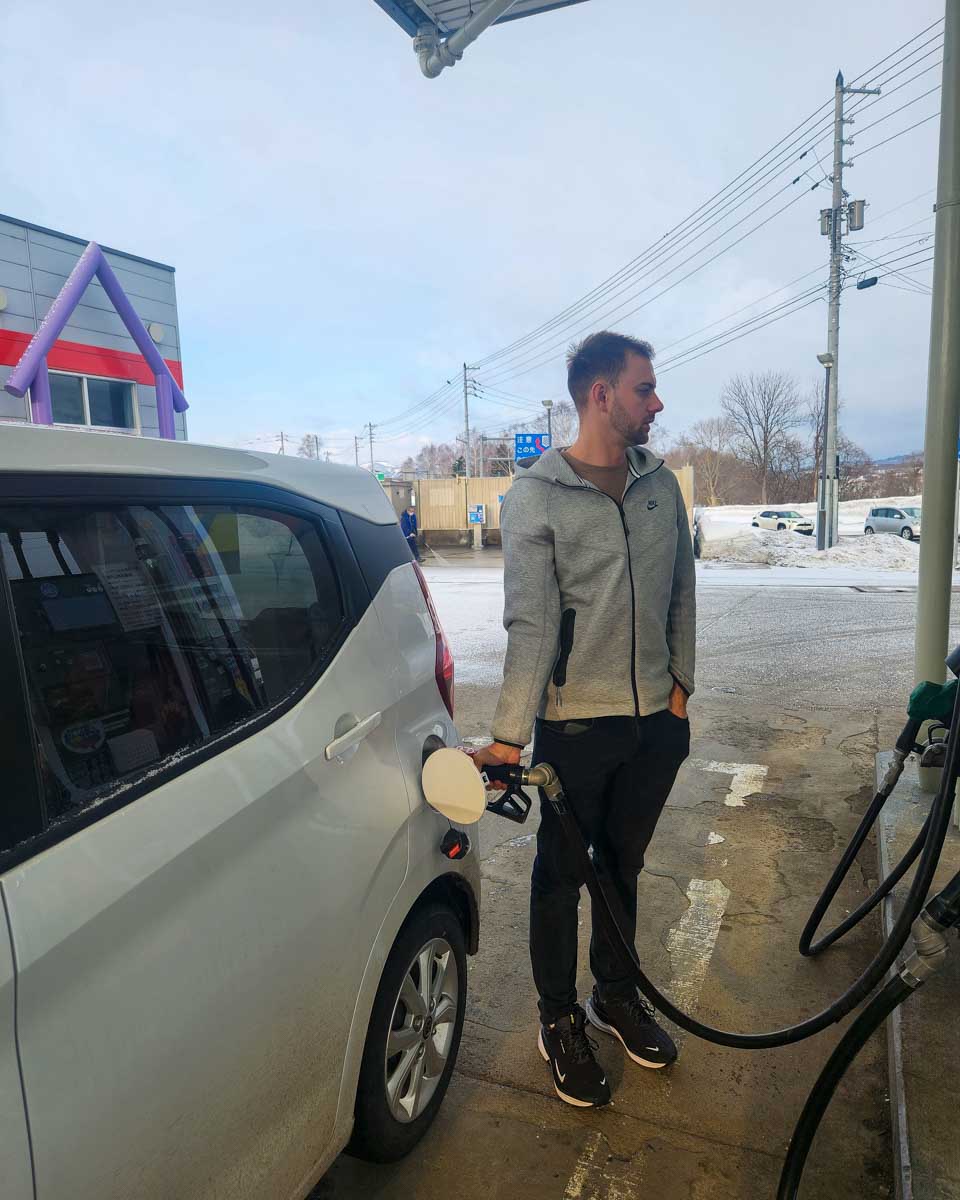
When picking up your rental car in Japan, taking a few extra minutes to check everything can save a lot of stress later. Inspect the car thoroughly and take photos of any existing scratches, dents, or damage. This documentation protects you from being wrongly charged when you return the vehicle.
Make sure that any extras you’ve requested are present and working properly. This includes an ETC card, a child seat, winter tires, or a GPS. Take a second to familiarize yourself with how each item works and ask any questions you have to prevent yourself from scrambling later on when you’re actually out on the road.
We also recommend reviewing the fuel policy and rental contract carefully. Some contracts may have restrictions, such as prohibiting off-road or mountain driving, so it’s important to know the rules up front before you make a mistake.
Finally, ask for an English contact number or hotline in case you need assistance. Having a direct line to the rental company can be a lifesaver if you encounter an issue or need support on unfamiliar roads!
Related Read: Not sure which regions pair best with a road trip? Check out where to go in Japan based on your travel style for ideas that make renting a car even more worthwhile.
11. How do the expressway tolls work?

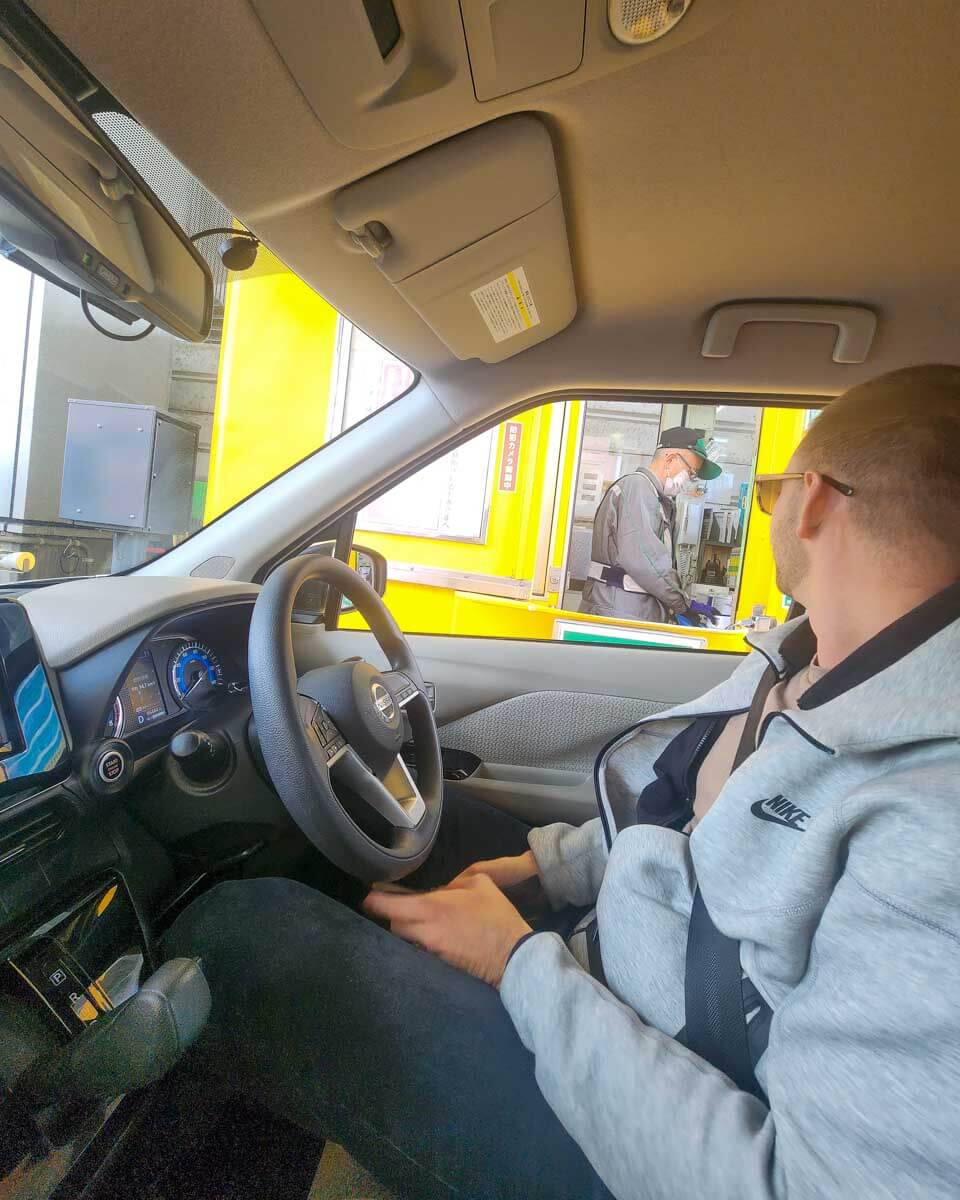
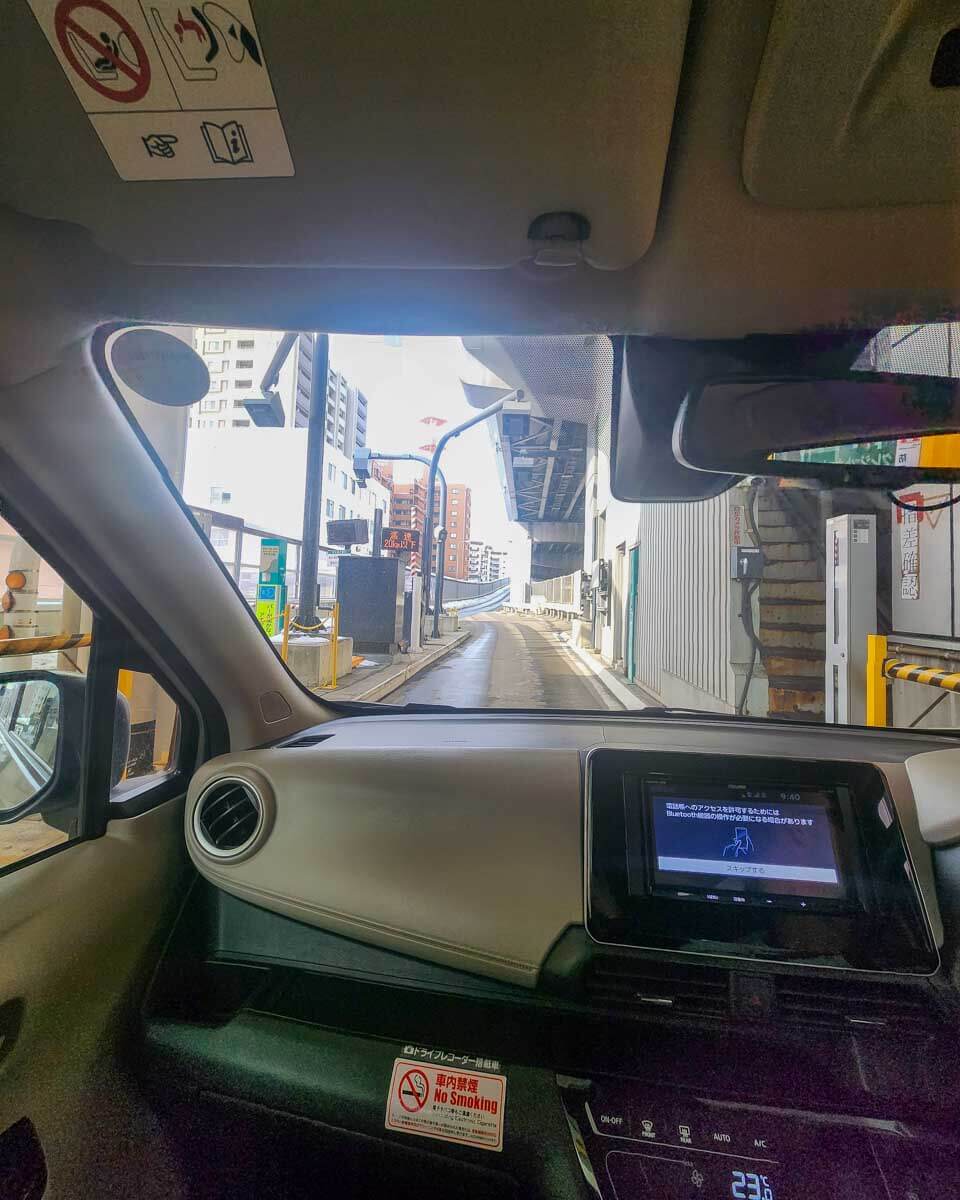
Most intercity highways in Japan are tolled, meaning you pay based on the distance you drive. Toll booths are located at on-ramps and off-ramps, known as Interchanges (IC), and the fee is calculated when you exit the expressway.
There are several ways to pay. Cash is accepted at most booths, but you’ll need yen. You’ll need exact change to pay at a machine, and if you don’t have it, you’ll need to wait for an attendant instead. Credit cards are accepted at some larger toll booths, though smaller ones may only take cash, so we recommend always having some with you.
Of course, the easiest and most convenient option is an ETC card (Electronic Toll Collection). With one of these, you can just drive through designated ETC lanes, and tolls are charged automatically. It saves time, and more often than not, it’ll save you money, too, as you get exclusive ETC discounts. Most rental companies provide these cards for a small daily fee.
For travelers driving extensively in a single region, regional expressway passes can also offer unlimited or heavily discounted toll access for a set number of days. These are especially valuable in areas like Hokkaido or Kyushu.
To estimate your costs in advance, you can use NEXCO’s toll calculators or Google Maps, which often includes toll estimates in your route planning. This way, you’ll have no surprises, and you’ll be able to budget properly.
12. Do you need rental insurance in Japan?

By law, all rental car companies in Japan must provide basic insurance coverage. However, this coverage usually only meets the minimum legal requirements and may leave you responsible for a deductible or additional fees if an accident occurs. For example, even a minor fender-bender could result in thousands of yen in out-of-pocket costs under basic coverage.
Because of this, many travelers opt for additional full-support insurance when renting a car. These packages often reduce or eliminate the deductible, minimizing your financial risk. It can also cover things like lost keys and taxis if you get stuck! We always opt for full coverage for peace of mind – when you go through Discover Cars, it’s as easy as ticking a box before checkout!
It’s important to note that insurance policies vary by rental company and plan, so always read the terms carefully. Check the compensation, the deductible, and whether optional add-ons are available. If you plan to drive in rural areas, mountainous roads, or snowy regions, we strongly recommend full coverage, as the likelihood of minor accidents or road hazards increases.
Overall, while basic insurance is legally required, purchasing full coverage is definitely a smart choice. We always opt for it because we don’t want a small mistake to turn into a major expense!
13. Essential driving rules to know
- Don’t turn on red: In Japan, you cannot turn on a red light unless a green arrow is specifically displayed at the intersection.
- Seatbelts for all: Seatbelts are mandatory for every passenger, and child seats are required for children under six. Always ensure everyone is properly secured before driving.
- Hands-free only: Using a handheld phone while driving is strictly prohibited. If you need to make a call, use a hands-free device or pull over safely.
- Default speed limits: When speed limits are not posted, the default is 60 km/h on ordinary roads and 100 km/h on expressways, with some expressways allowing up to 120 km/h.
- Alcohol limit: Japan enforces a strict 0.03% blood alcohol limit for drivers. It’s safest to treat it as zero because penalties are severe, and it’s impossible to estimate your own blood alcohol level unless you avoid booze and keep it at zero!
Following these rules will help ensure a safe and smooth driving experience while exploring Japan. Drivers in Japan are generally very rule-abiding, so you should seek to emulate them.
14. What are the road conditions like?
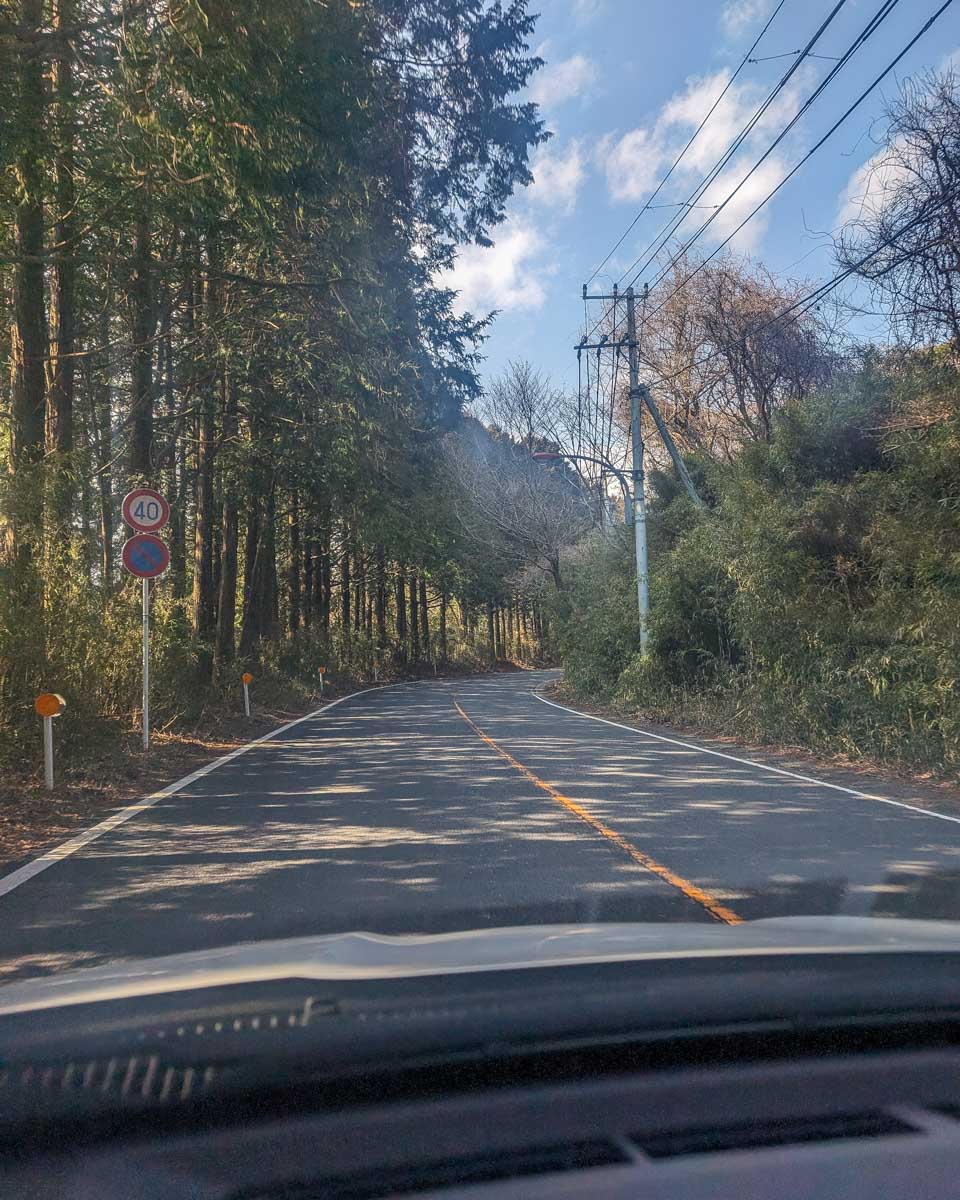
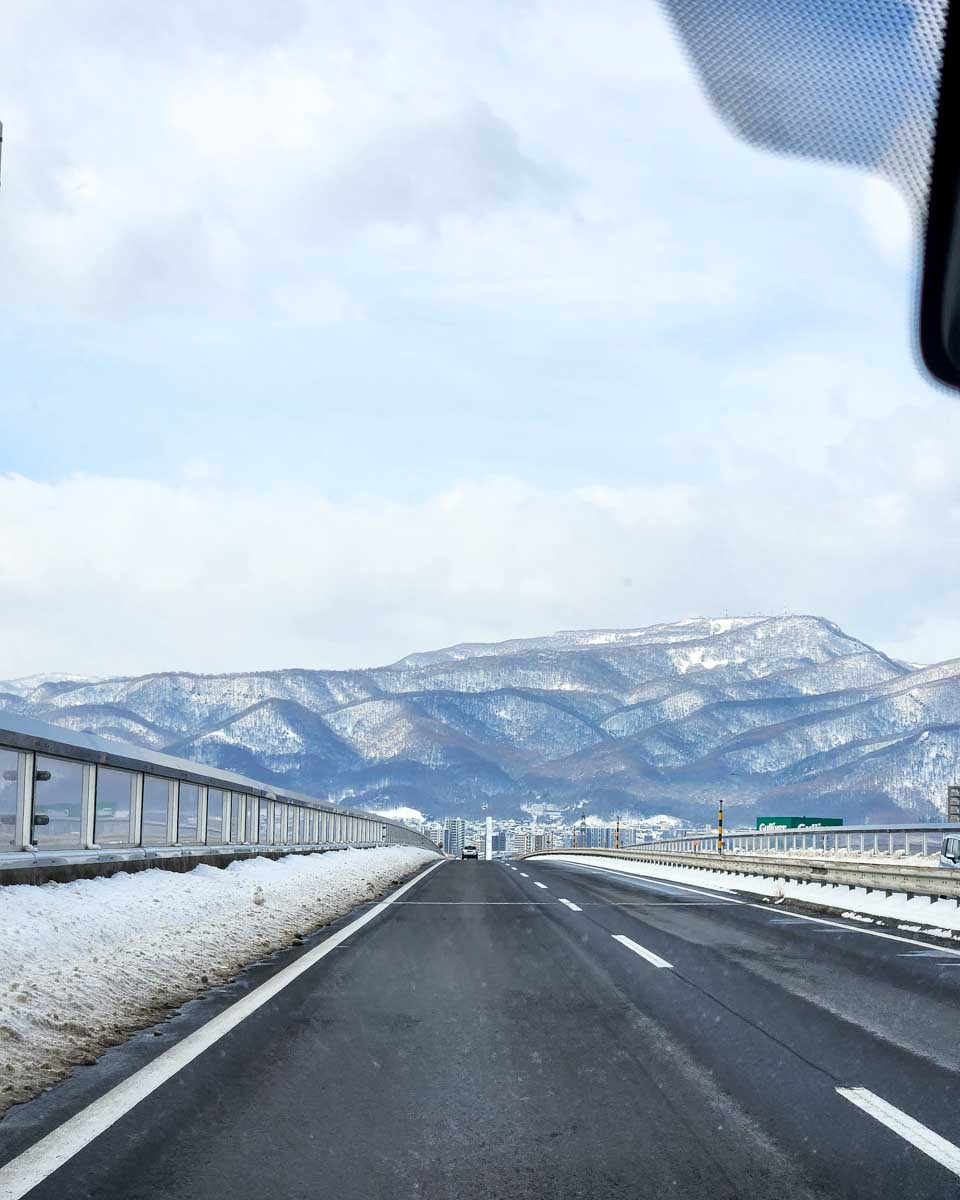
Overall, Japan’s road quality is excellent. The expressways in particular are smooth, safe, and well-maintained! These highways are tolled, so you’ll need to plan for toll fees, but at least you know the money is used to keep them in tip-top condition.
Urban roads in cities like Tokyo, Osaka, and Kyoto can be complex. We found the one-way streets and multiple lanes pretty confusing at times, and heavy traffic only makes it worse. You need to stay alert in cities – or just do what we do and use public transit instead!
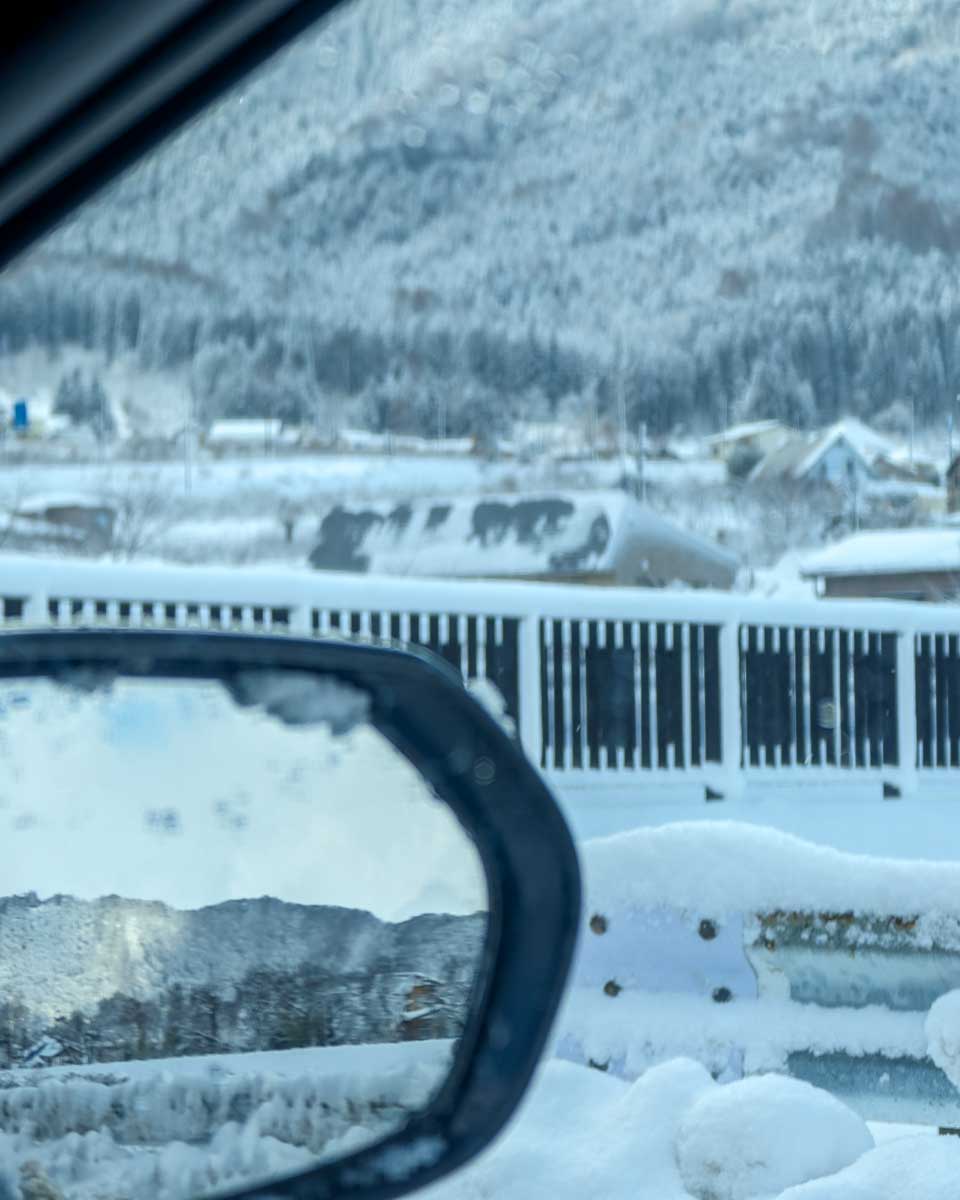
Once you leave the cities, rural and mountain roads can be narrow and winding. You’ll even encounter single-lane roads in some areas, so be aware of where passing places are. Other hazards include cyclists and pedestrians on local roads, blind corners, and tourist traffic near scenic viewpoints, because cars may stop suddenly for photos. Driving in these areas requires patience and caution for sure!
Winter driving in regions like Hokkaido, Tohoku, Nagano, and Niigata can also be challenging. Snow tires may be mandatory, and during severe snowstorms, expressways may enforce chain controls, too. This means that you’ll need to put snow chains on your vehicle, even if it’s already equipped with snow tires. Make sure you know how to install the chains if needed!
Despite these challenges, Japanese roads are generally safe and reliable. If you stay alert, respect the local rules, and prepare for seasonal conditions, your driving experience in Japan should be smooth and enjoyable.
Related Read: If you’re concerned about driving conditions, our guide to the Best Time to Visit Japan compares seasons and regions, so you can visit at the optimal time!
15. Is it safe to rent a car in Japan?
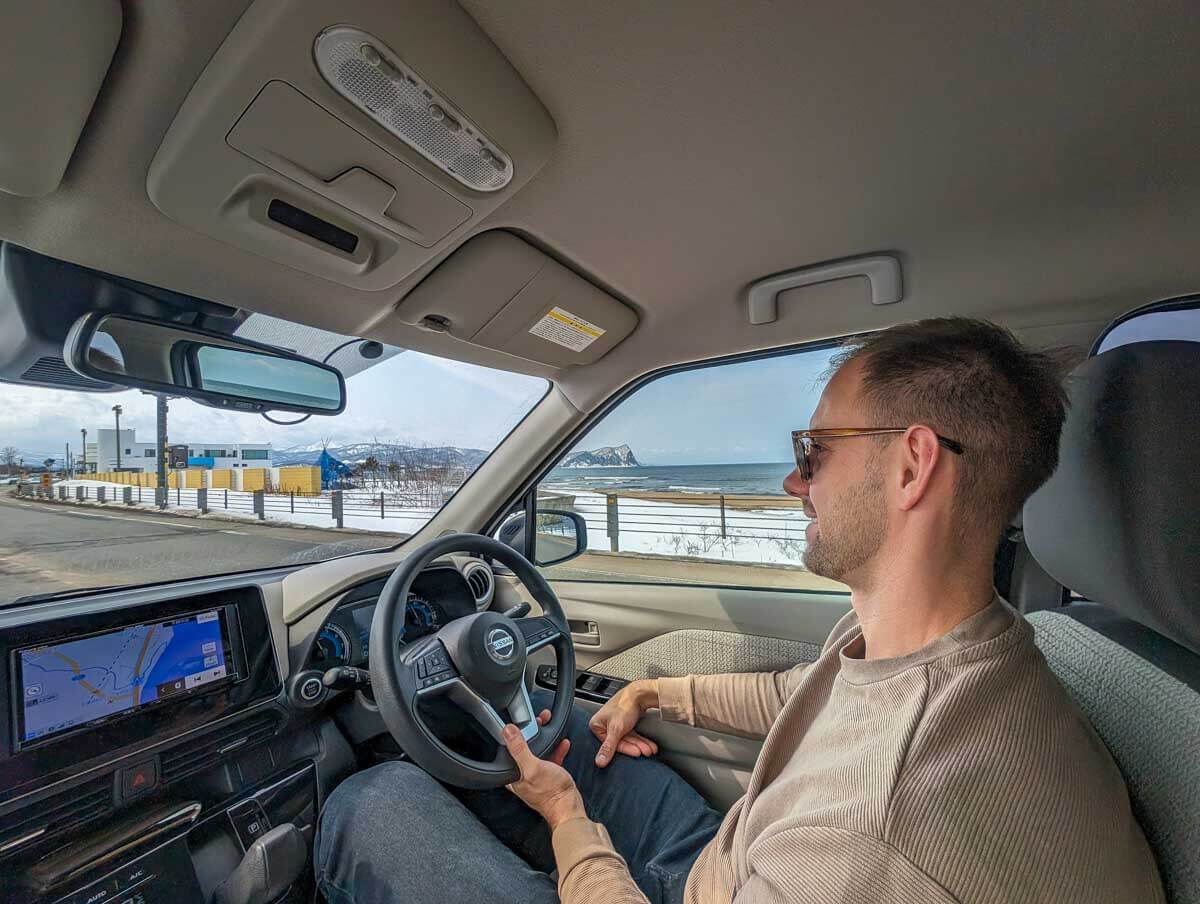
Japan is widely regarded as one of the safest countries in the world to drive, so the answer is yes! The roads are well-maintained, traffic rules are strictly followed, and drivers are generally courteous. This makes self-driving a comfortable and reliable option, even for travelers who aren’t used to driving in foreign countries.
Car theft and break-ins are rare, but of course, it’s still best practice not to leave valuables visible in your vehicle. We always use hotel parking lots or secured parking areas to keep our rental cars safe overnight or when unattended.
And of course, accidents still do happen in Japan. It’s important to know what to do if you do get into a collision. You’ll need to call the police (110) and an ambulance (119) if necessary, and be sure to exchange details with the other driver(s). And when renting a car, you’ll also need to notify the rental company immediately and file a police report for insurance purposes.
Just remember that precautions are necessary when driving anywhere in the world, and this is one of the safest destinations to hit the road. Renting a car is an excellent way to explore the country, and we have had a blast on our road trips across Japan. In fact, we plan to enjoy many more in the future!
Related Read: Planning a road trip across Japan? Make sure to read our guide on common mistakes to avoid when planning a trip to Japan so you can hit the road prepared and stress-free.
Airalo e-sim
Up To 15% Off With Code “DTRAVEL10”
What’s an eSIM?
An eSIM is a digital version of a SIM card. Instead of buying a little plastic chip and swapping it into your phone, you just download it. It connects your phone to a local network in whatever country you’re visiting — no stores, no waiting, and no fiddling with tiny cards.
In simple terms, it’s the easiest way to get data and stay connected while traveling.
We’ve tested a bunch of eSIMs in North America, and after a few frustrating experiences, we’ve found our favorite — Airalo. It’s fast, reliable, and incredibly easy to use. You can set it up in minutes (even my mom managed it solo on her first try!), and the prices are some of the best out there.
Bonus: We’ve got an exclusive 15% discount for our readers. Use the codes:
Thanks for reading!

If you’re looking to get off the beaten path and explore Japan at your own pace, don’t hesitate to rent a car! We loved our experience doing so, and booking with Discover Cars is always our go-to – no matter what country we are in. If you have any questions about renting a car in Japan, leave a comment below, and we’d be more than happy to share our personal experience.
Before you take off, check out all of our Japan blogs! We have lots of resources to help you plan your trip, whether you’re looking for city itineraries and top things to do, or travel logistics. Here are a few related blogs to inspire your next adventure – cheers!
12 Things to Know Before Visiting Jigokudani Monkey Park (Japan Snow Monkeys)
Is Japan Expensive? Cost of Traveling to Japan
Should You Get Travel Insurance for Japan?
16 Japan Travel Etiquette Mistakes to Avoid
The Services We Recommend
From hotels to guided tours, we only recommend services we know and trust. Here are our recommended partners so you can explore Japan with confidence.
Book Hotels
With Booking.com