21 Mistakes to Avoid When Planning a Trip to Japan
Planning a trip to Japan? You’re in for an incredible adventure, but there are a few things you’ll want to know before you go.
Japan is such an exciting destination to explore, but between train passes, cultural differences, and regional quirks, it can be easy to make mistakes that can affect your trip. Trust me, we have done that plenty of times over the years! After a lot of trial and error, we’re sharing everything we’ve learned with you.
In this guide, we’ll share the most common mistakes travelers make when planning a trip to Japan. Keep on reading so that you can avoid them and focus on the fun stuff instead!
Top Planning Mistakes to Avoid
1. Overstuffing your itinerary


Look, we get it. Traveling to Japan is SO exciting, and it’s only natural to want to pack in as many experiences as you can! But trying to see too much leads to travel fatigue, and moving too fast means that you don’t get to experience destinations in as much depth.
We definitely don’t recommend switching cities every other day. It’s best to spend at least 2-3 days exploring major cities, and you can often use them as bases for day trips. For example, you could spend a few days checking out Osaka and then take day trips from there to Nara, Kobe, and Himeji.
It’s also really important to schedule in some free time to do whatever you feel like on the day, and rest breaks are a must. It’s only human to want to see as much as possible, especially in a country as unique and varied as Japan, but you won’t be able to enjoy any of it properly if you’re exhausted and overwhelmed.
This is probably the most common mistake people make when visiting Japan, which is why we have a lot of well-paced itineraries to help with your planning. You can check out our itineraries for individual destinations here or for a broader overview, take a look at our expert 2-week itinerary.
2. Not reserving top attractions early
Japan is a popular tourist destination, so a lot of the top tours and attractions sell out quickly. In fact, we’ve found that sumo tours and popular food tours often fill up weeks or even months in advance. So if there’s anything you really don’t want to miss here, make sure that you book it well in advance to ensure you’re not disappointed.
We always use Viator because they offer free cancellation on most tours. This means you can book your tours early but still have peace of mind that you can cancel and get all of your money back up to 24 hours in advance. In fact, a lot of Viator tours also offer the option to reserve now and pay later, so you won’t even be charged until two days before your activity!
Another great thing about using Viator is that they have a lowest price guarantee. This means that if you find a better price anywhere else, they’ll refund you the difference. We have done this a few times, and we’ve always received the money really quickly. Plus, this guarantee means you can take advantage of free cancellation while ensuring that you get the best prices—that’s a win-win in our book.
Popular activities to book in advance
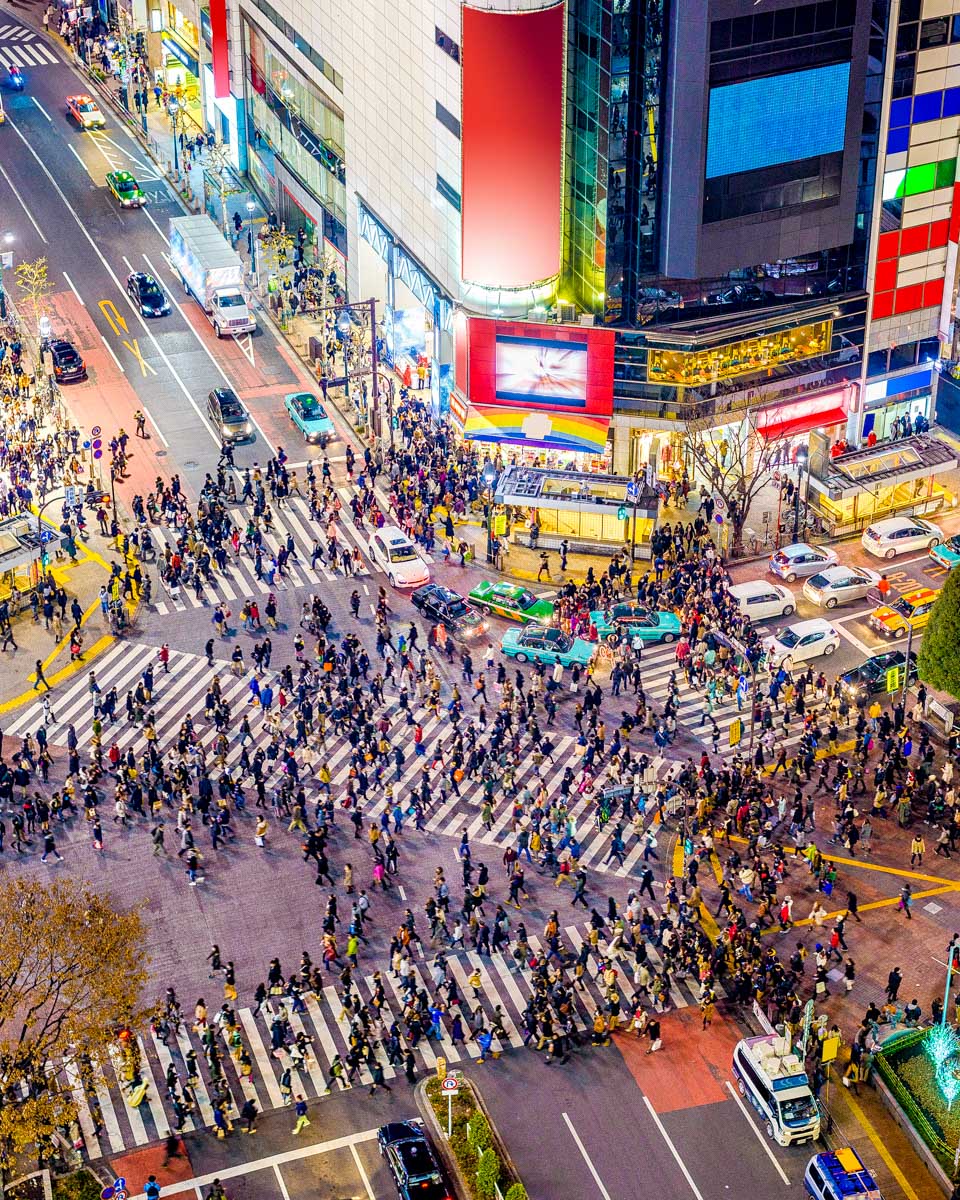
1. Shibuya Sky (Tokyo) – A rooftop observatory that offers one of the best views in Tokyo, especially at sunset when the city lights up. We love coming up here to watch the famous Shibuya Scramble Crossing in action! Tickets often sell out weeks ahead, so we recommend grabbing your timed entry online as soon as they’re released at midnight Japan time, two weeks in advance. It’s cheaper, and trust me, it’s worth setting your alarm for.
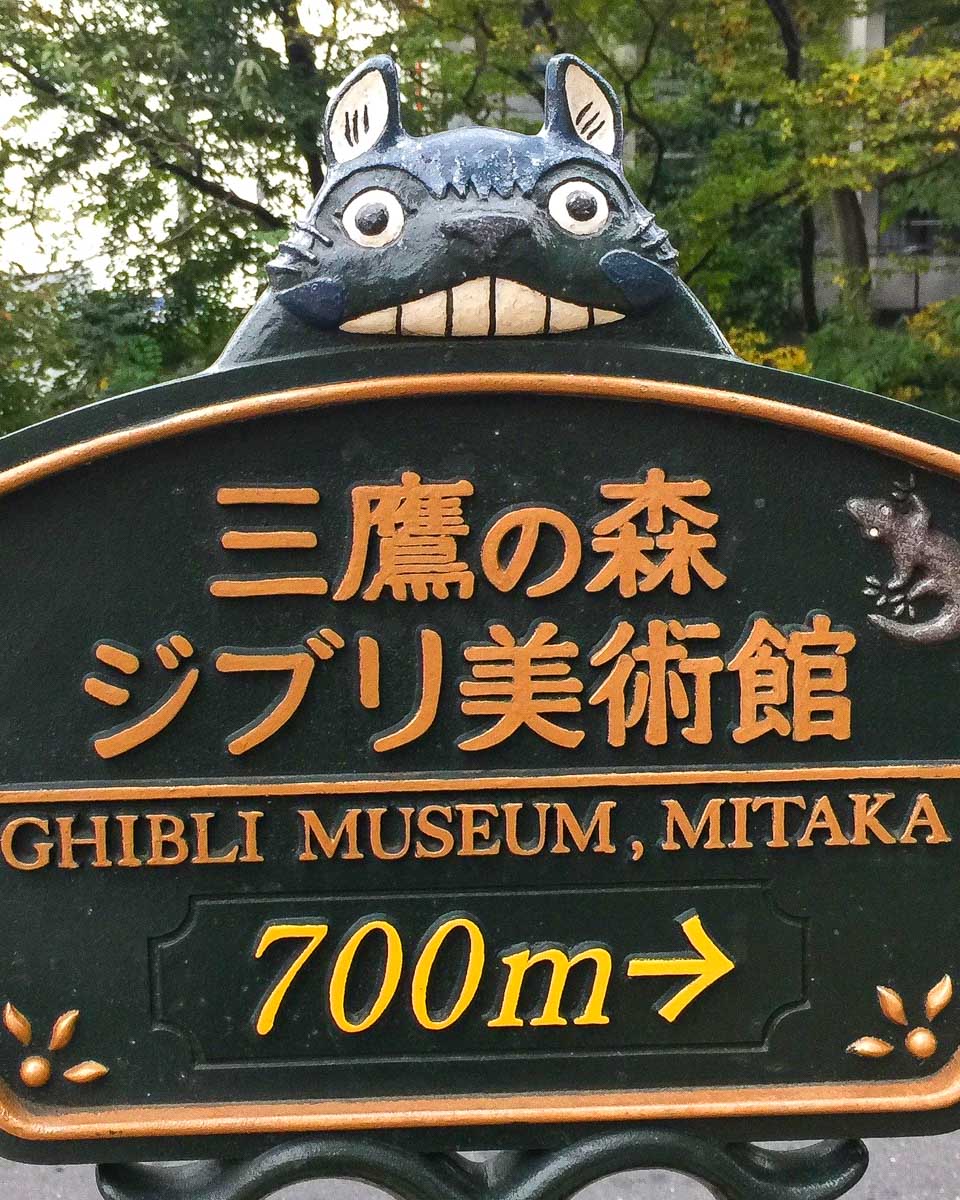
2. Ghibli Museum (Mitaka, Tokyo) – Studio Ghibli fans cannot miss this charming museum that dives into the artistry behind Japan’s most beloved animated films. Tickets are only sold in advance online and are released monthly. They get snapped up very quickly, so be ready to book as soon as they go on sale.
3. teamLab Borderless / Planets (Tokyo) – These interactive digital art museums offer completely immersive, sensory experiences. It literally feels like stepping through the screen and into the world of a video game! Unsurprisingly, these are very popular experiences, so you’ll want to snag your tickets in advance, especially on weekends and holidays. You can find out more and grab tickets for Borderless here and Planets here.
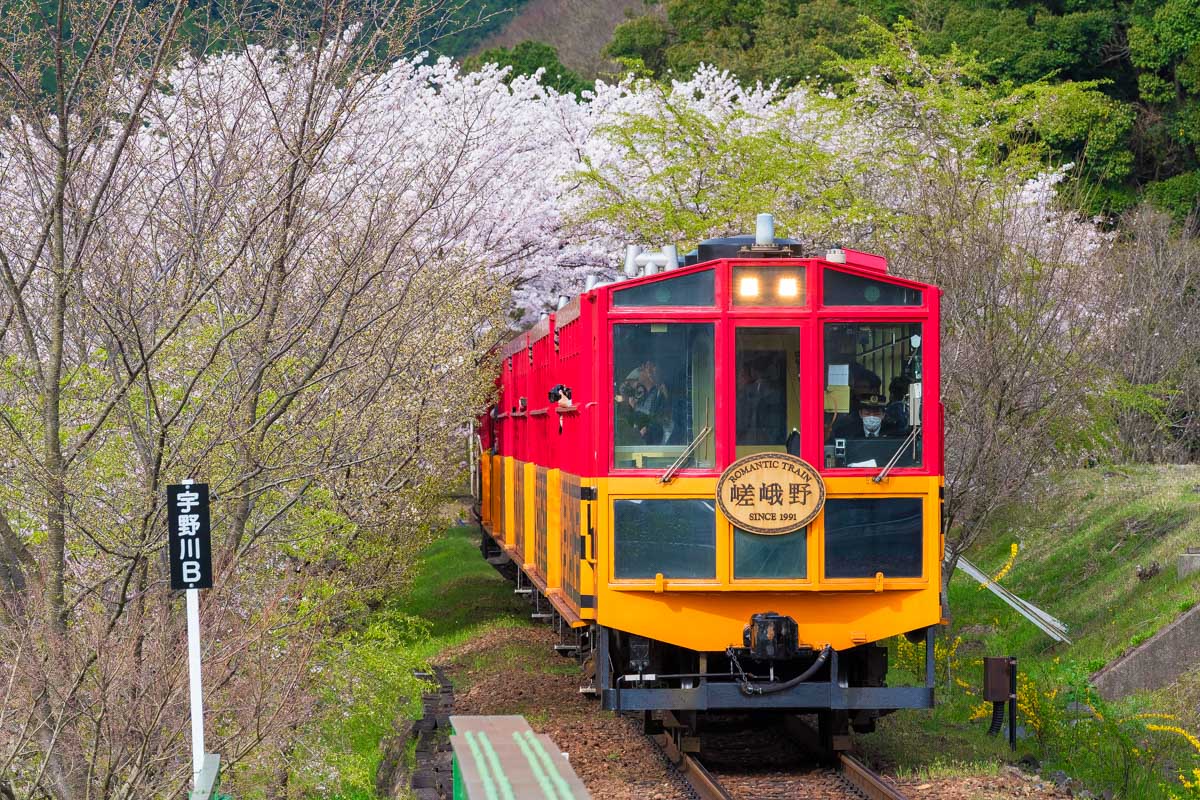
4. Sagano Sightseeing Railway (Kyoto) – This nostalgic scenic train ride through the Arashiyama mountains is stunning during the cherry blossom and autumn seasons. Tickets open one month in advance at midnight and often sell out fast. We think it’s definitely worth setting an alarm for if you’re visiting during peak times. Tickets go on sale here.
5. Warner Bros. Studio Tour Tokyo – The Making of Harry Potter – If you want to find out how the magic of the Wizarding World was brought to life on the big screen, this studio tour is a must. Tickets must be purchased in advance from authorized sellers, as same-day entry isn’t available. We recommend buying them from the official website here!
6. Tokyo Disney Resort (Tokyo) – Whether you’re heading to Disneyland or DisneySea, tickets are date-specific and must be secured online ahead of time—you can book them here. They’re released at 2 pm Japan time daily, two months in advance. Popular dates tend to sell out within hours, so set an alarm and be quick.
7. Ghibli Park (Aichi) – This sprawling park brings Studio Ghibli’s worlds to life, from Totoro’s forest to Spirited Away’s bathhouse. Entry is ticketed by date and area, and tickets go on sale here 2 months in advance on the 10th of every month. For example, if you plan to visit in January, tickets will go on sale on November 10th. Basically, you’ll need to mark your calendar!
8. Super Nintendo World at Universal Studios Japan (Osaka) – This is a dream come true for Mario fans! It’s a themed area of Universal Studios, but it’s basically a park in its own right, and it requires a timed entry ticket or Express Pass. You can actually reserve your timed entry for free on the USJ app, so we recommend doing this as soon as you’ve purchased your park ticket, because unsurprisingly, this area is high in demand!
9. Pokémon Café (Tokyo & Osaka) – How cute do Pikachu pancakes sound? Honestly, it’s no surprise that reservations for these themed cafes sell out within minutes, so make sure you’re ready to snap yours up as soon as slots become available. You can make a reservation here, and bookings open a month in advance at 6 pm Japan time.
10. Cup Noodles “Chicken Ramen Factory” Workshop (Osaka Ikeda / Yokohama) – This hands-on ramen-making experience is one of Japan’s most fun food activities. Reservations open about three months ahead and fill up quickly, especially on weekends. You can get Yokohama tickets here and Osaka tickets here for the museum and My CUPNOODLES Factory at 10 am on the first day of the month for the next month’s dates, so, for example, you can book tickets for February on January 1st.
3. Visiting during peak times without a plan
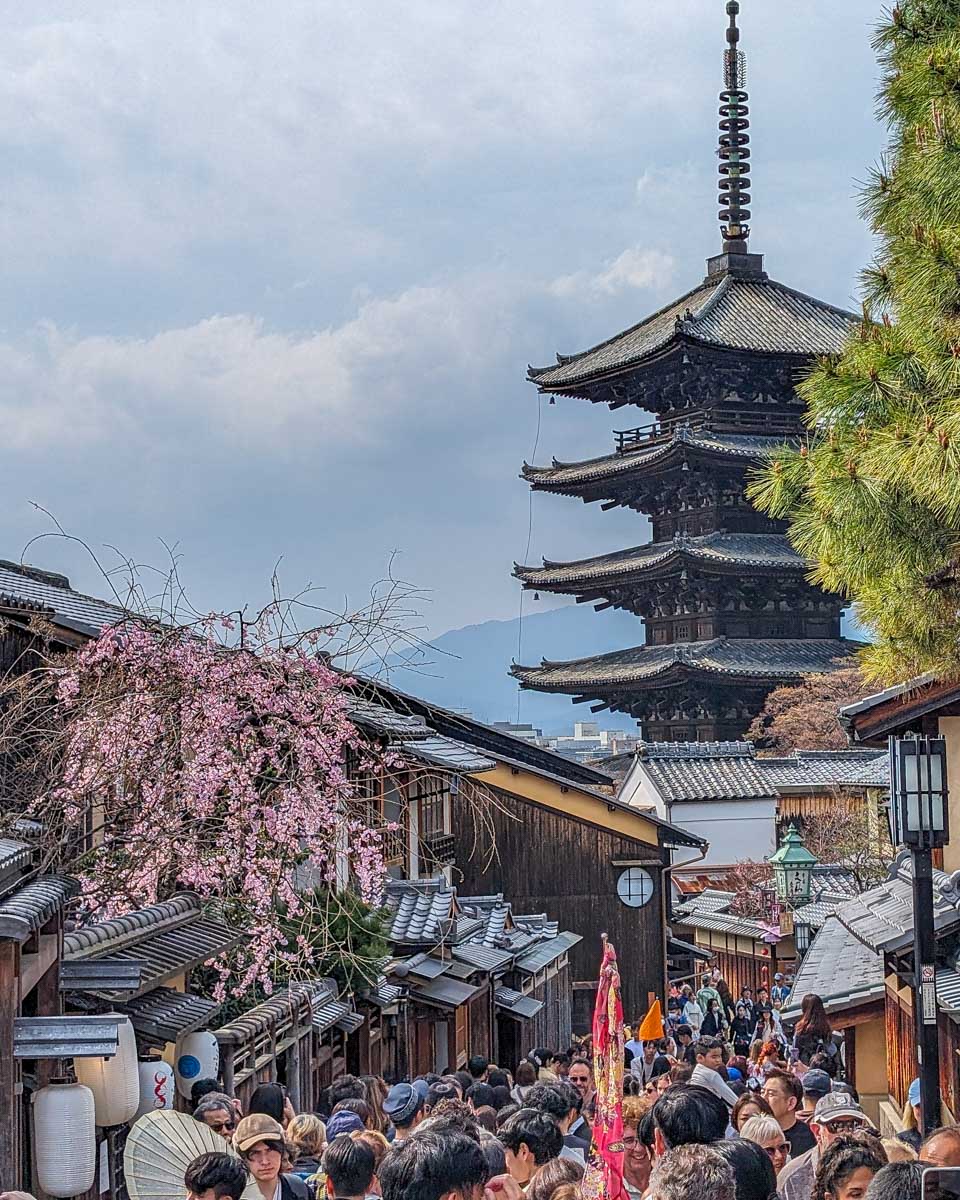

Japan’s peak travel seasons can be magical, but they can also test your patience if you’re not prepared! Some peak periods you should definitely be aware of are:
- Golden Week – around April 29 to May 6
- New Year – December 29 to January 3
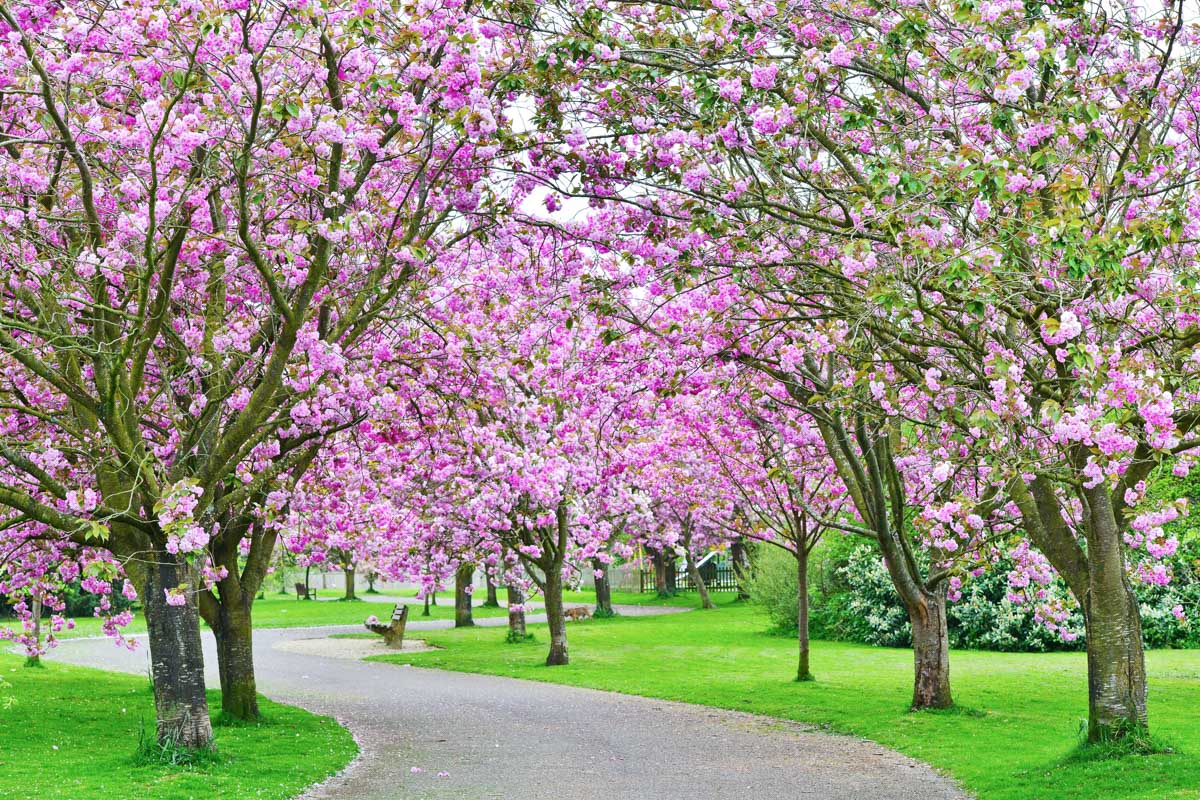
- Cherry Blossom Season – late March to early April
All of these times bring huge crowds, higher prices, and limited availability for trains and hotels. But even smaller local festivals can pack out popular areas, so it’s always worth checking out what’s on in a particular destination for your chosen dates. If you’re planning a spring visit, our Japan cherry blossom guide breaks down when and where to go to avoid the worst of the crowds.
If you’re flexible, it’s often worth traveling just before or after peak dates to enjoy the atmosphere without the chaos. And if your trip does fall during a busy period, don’t stress, but know that planning ahead is key. You’ll need to book accommodation, trains, and tours several months in advance, and make restaurant reservations where possible.
You’ll also want to factor in extra time for queues and crowded attractions at popular times. Honestly, with a bit of foresight, you can still enjoy Japan’s most festive seasons without the stress.
4. Booking accommodation in undesirable areas
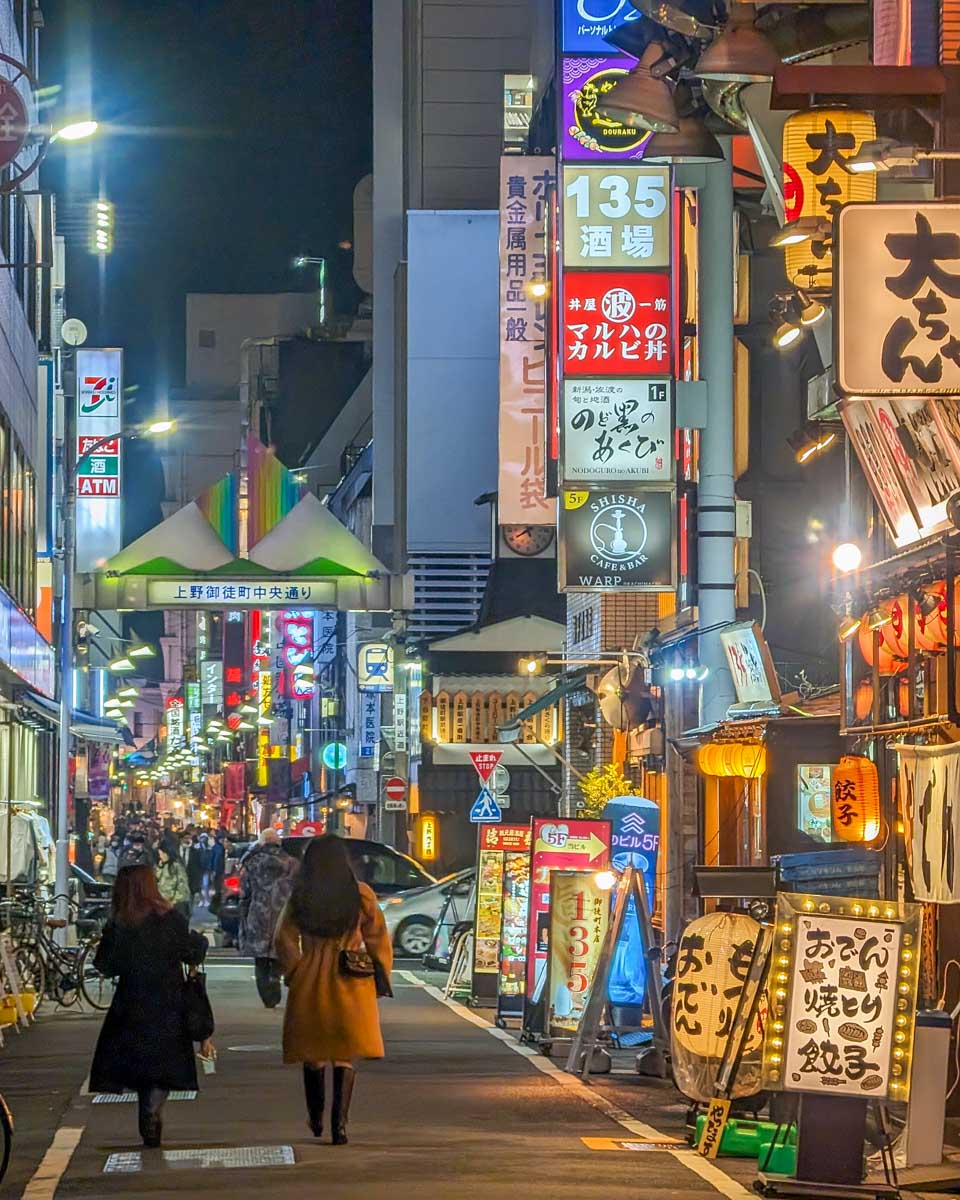

Where you stay in Japan can completely change your travel experience! Sure, that cheap hotel deal might look tempting, but if it’s miles from a train station or in a noisy nightlife district, you’ll probably regret it once you’re there. Long commutes and restless nights can really eat into your precious travel time, so we do think it’s worth spending a little more to stay close to the attractions you want to visit – and this doesn’t mean you have to splurge on luxury stays!
Before booking, we always spend a few minutes researching the neighborhood on Google Maps and Street View to see what’s nearby. It’s always worth checking how close it is to public transport, and make sure there are convenience stores and restaurants close by.
We know it can feel like a lot when you’re planning a trip. If you’re unsure where to start, we’ve written tons of where to stay guides for cities across Japan. We’ve outlined the best neighborhoods and even include hotel recommendations for every budget.
We also like using Booking.com because it shows a location rating for each property, as well as verified reviews from guests. It has a handy search feature that allows you to find hotels in a certain area directly on the map, so it takes all of the guesswork out of it.
5. Assuming the JR Pass always saves money
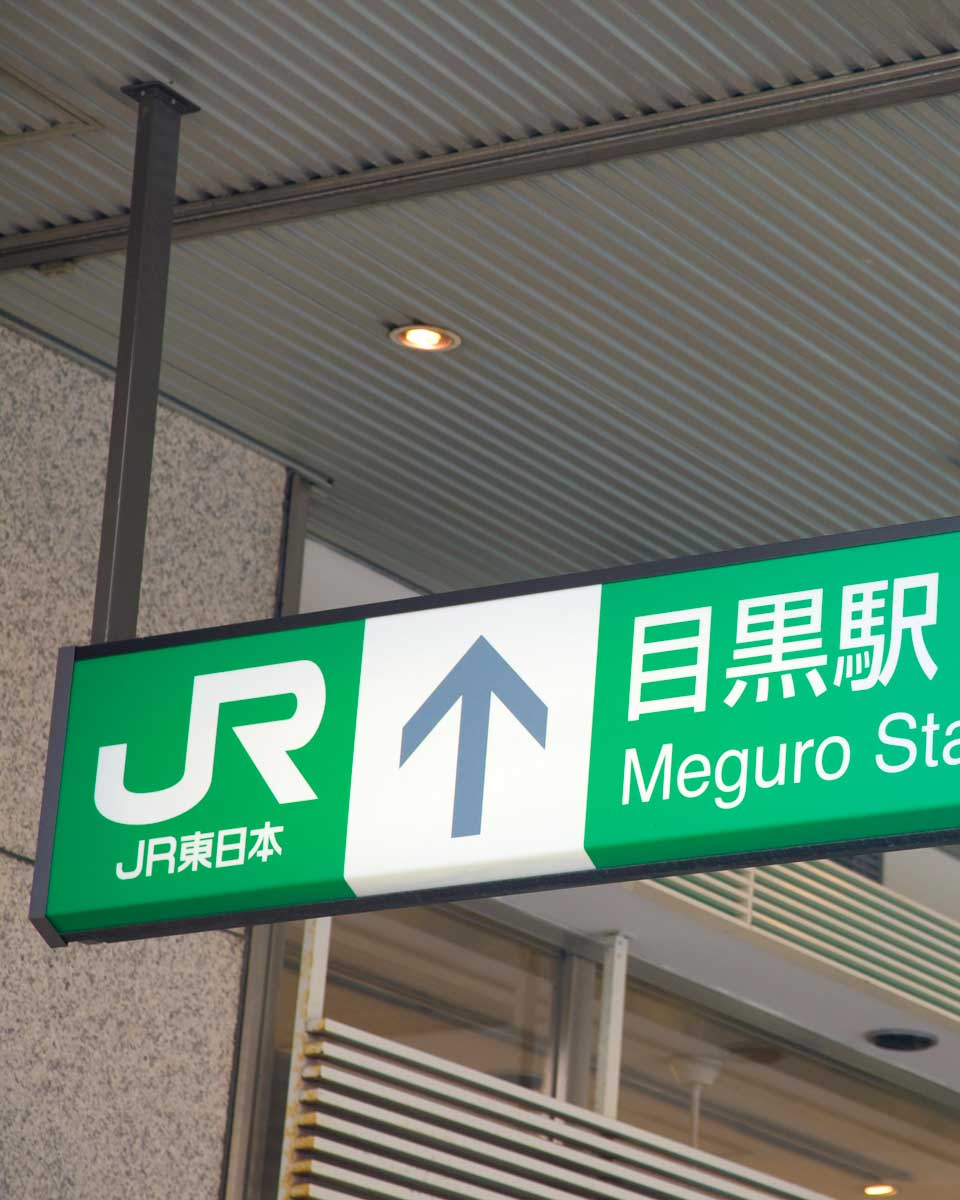
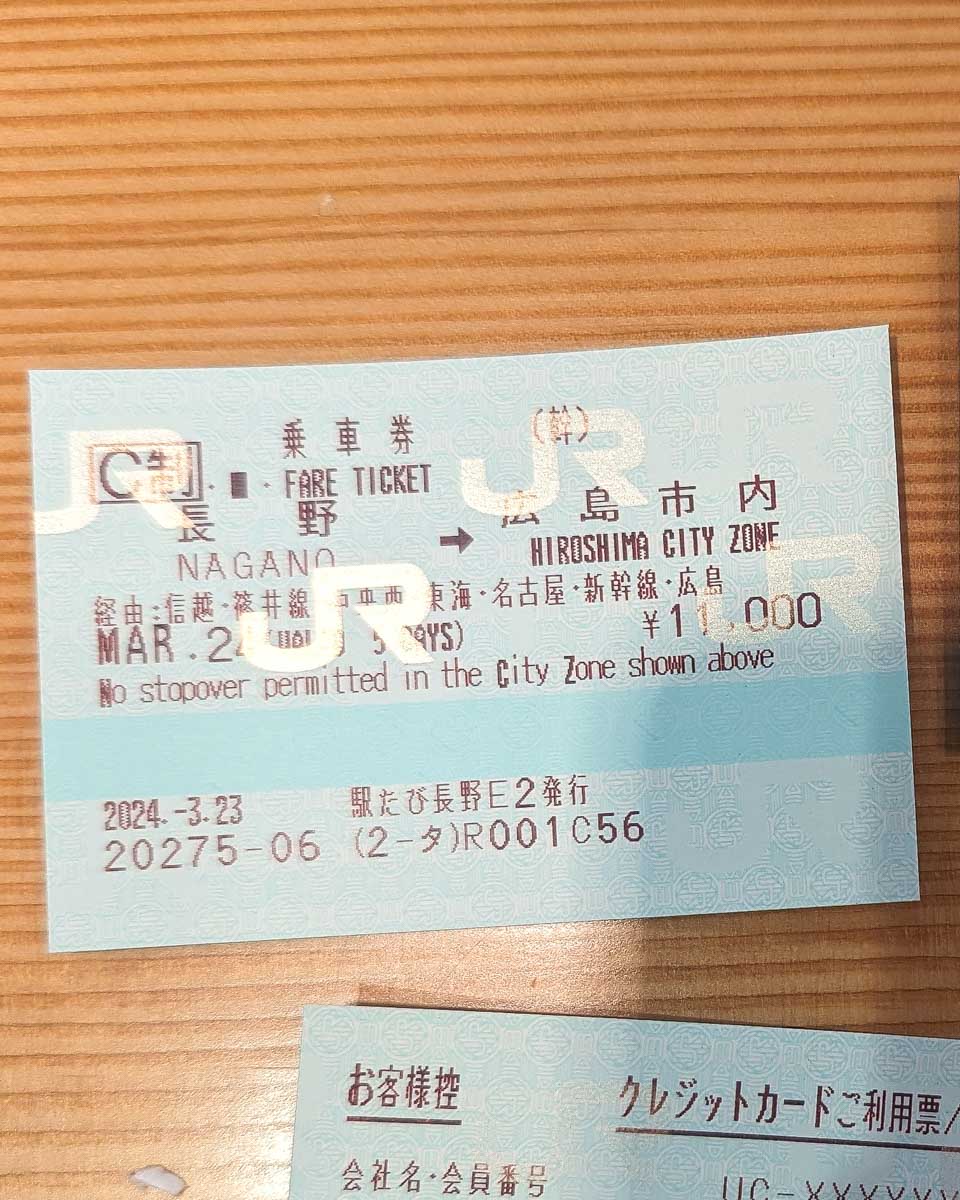
For years, the Japan Rail Pass was considered a no-brainer for travelers. However, there was a big price increase in 2023, so it’s not always the case anymore.
Now, we’ll be the first to say that the pass can still deliver fantastic value if you’re doing multiple long-distance Shinkansen trips, such as Tokyo to Fukuoka or Osaka to Hiroshima. But if your itinerary sticks mostly to one region or includes shorter trips, you might actually save money by buying individual tickets or a regional pass instead.
Before you buy, it’s worth running the numbers. There are handy online fare calculators that can show you exactly how much your route should cost and compare it to the cost of the JR Pass to see whether or not it’s worth it. We use this one.
We’ve put together our ultimate guide to the Japan Rail Pass that breaks down when it’s worth buying and when to skip it. A little research now can save you hundreds of dollars, and it will also help you travel smarter once you’re there.
Japan Rail Pass!
The Easiest Way to Travel Japan By Train
If you’re planning to explore Japan, the Japan Rail Pass (JR Pass) is hands down the easiest and most affordable way to get around. It’s a special 7, 14, or 21 day pass for foreign visitors that gives you unlimited rides on Japan’s famous JR trains, including the high-speed shinkansen (bullet trains)!
Why We Love the JR Pass
Pro Tip: If you’re only exploring one region of Japan, consider a Regional Pass instead (like the Kansai, Hokkaido, or Kyushu Pass). They’re cheaper and perfect for smaller trips!
Where to Get Your Pass
We personally recommend buying your pass online in advance through JRPass.com — they’re an official reseller with fast worldwide delivery and English support, making the whole process super simple. They even offer handy add-ons like pocket WIFI and meet & greet services! Still not sure if the JR Pass is right for you? Check out our Ultimate Guide to the Japan Rail Pass for a full breakdown of costs, inclusions, and when it’s worth it!
6. Assuming you don’t need a visa

A lot of people assume that Japan is visa-free for everyone, but that’s not always the case. Most nationalities can enter Japan without a visa for short-term stays, but there are exceptions. Plus, requirements can change, so it’s always worth double-checking.
Before you book your flights, consult the official Ministry of Foreign Affairs website to confirm whether you’re eligible for visa-free entry and what documentation you’ll need to bring with you. Even if you don’t need a visa, immigration officers may ask for proof of onward travel or accommodation, so it’s smart to keep copies of your return flight and hotel bookings handy. You should also make sure your passport is valid for at least six months past your travel dates, as some airlines require this.
Honestly, there is nothing worse than stressing out over this stuff in the airport when your trip is already paid for, and you certainly don’t want to be denied entry to Japan after a long flight. A quick check can save you a lot of hassle.
7. Not buying travel insurance
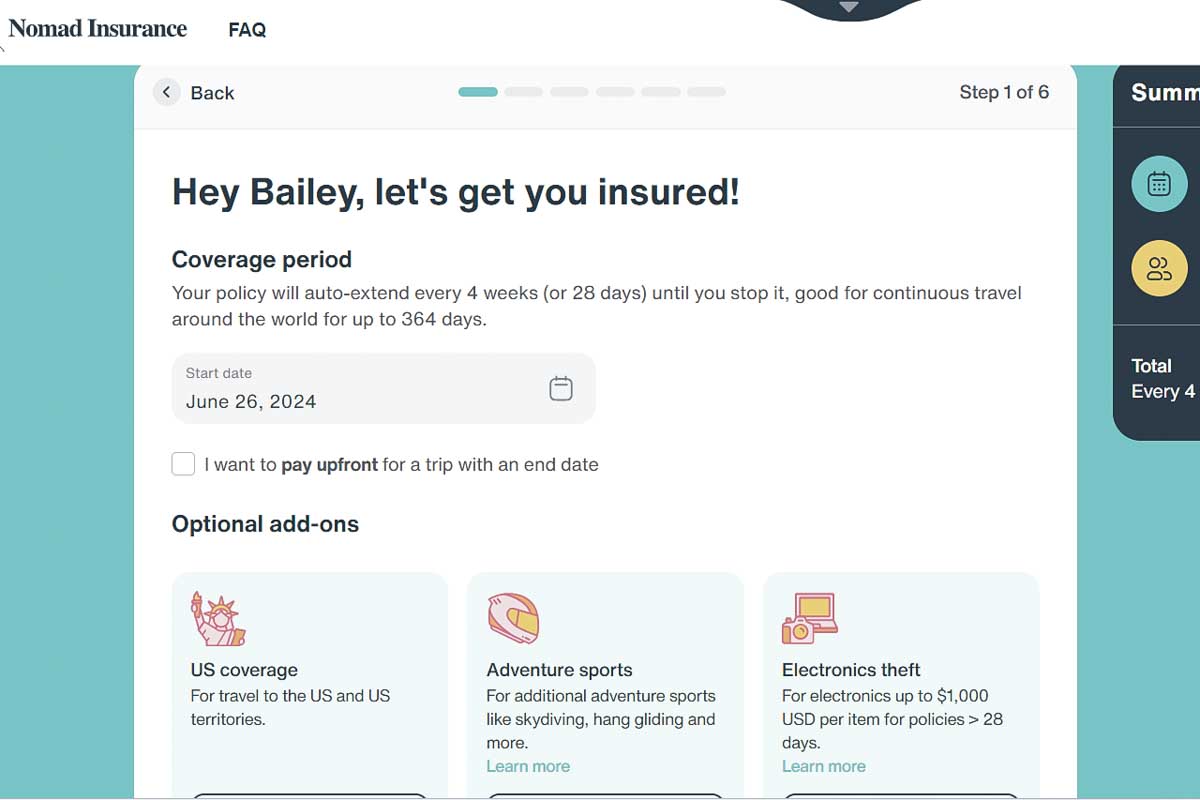
Look, we know that travel insurance isn’t the most exciting part of planning your Japan trip, but trust us, it’s one of the most important. Medical care in Japan is excellent, but it can be extremely expensive for tourists, so you definitely want to be covered for that.
Hopefully, you won’t need it, but peace of mind always makes a trip a lot more enjoyable! If you’re still unsure whether insurance is really necessary for Japan, we break it all down in our guide on whether you should get travel insurance for Japan, including real-world scenarios and costs.
Meanwhile, unexpected events like flight cancellations, lost luggage, or even natural disasters can quickly turn costly without coverage. It’s worth making sure that your policy includes medical expenses, trip cancellations, and any activities you plan to do, like skiing in Hokkaido or renting a car in Okinawa. It’s also worth double-checking that your provider offers 24-hour support and coverage specifically for Japan.
We personally never travel without insurance. We use SafetyWing because it’s affordable and easy to manage online. They have really helped us out in the past, so we have total confidence in them. It’s a pretty small upfront cost, but it has saved us a lot of money and stress in the past. It’s so worth it to have peace of mind when you travel.
8. Skipping pre-registration on Visit Japan Web
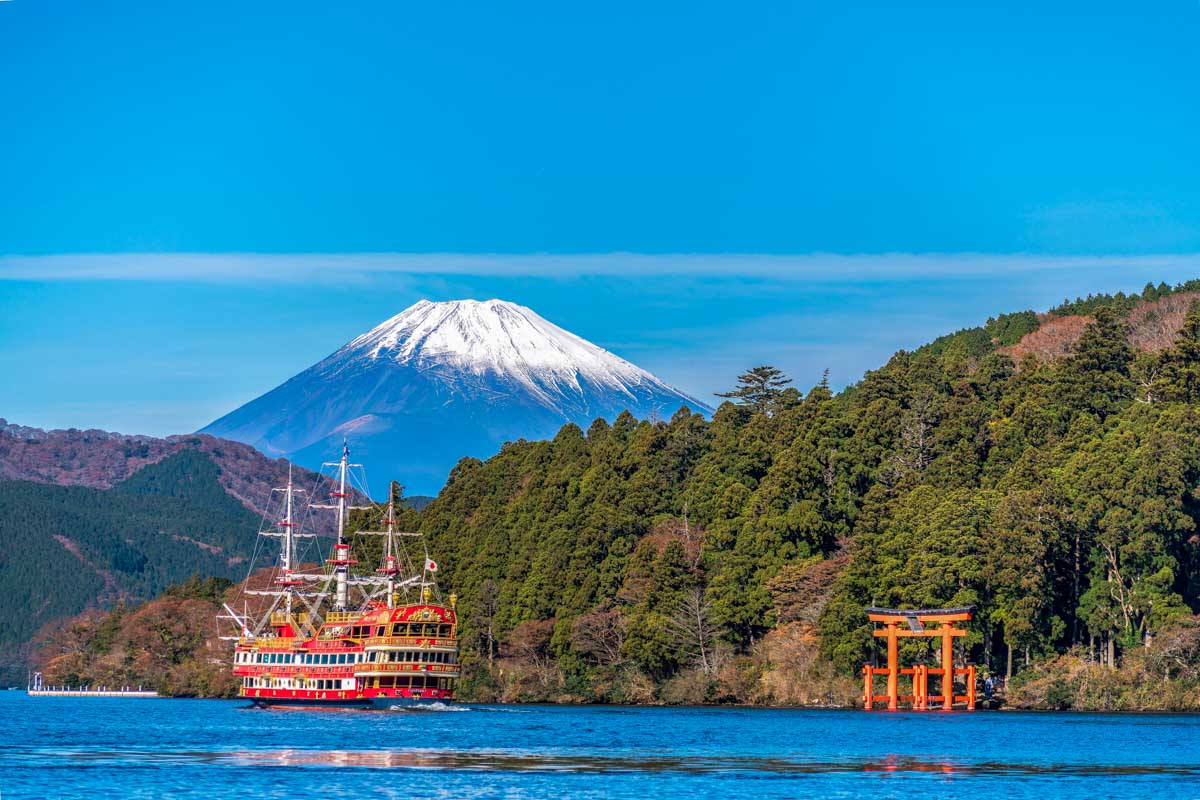
Visit Japan Web is an online pre-registration platform that lets you complete your immigration and customs forms before you even arrive in Japan. It’s not mandatory, but it makes a huge difference at busy airports. It has helped us skip long lines and speed through the entry process, so we highly recommend using it!
After you register, you’ll get a QR code. Make sure to screenshot and save it, because you’ll need it at immigration. I made a folder on my phone for it so that I could pull it up right away!
The platform also lets you sign up for the tourist shopping tax-exemption program. This generates a separate QR code you can use for tax-free shopping at participating stores—how great is that?
Taking a few minutes to pre-register online can save you time, stress, and confusion. If you’re flying into a major airport, you will be so glad you used this service as you breeze past the long queues!
9. Not setting up an IC Card
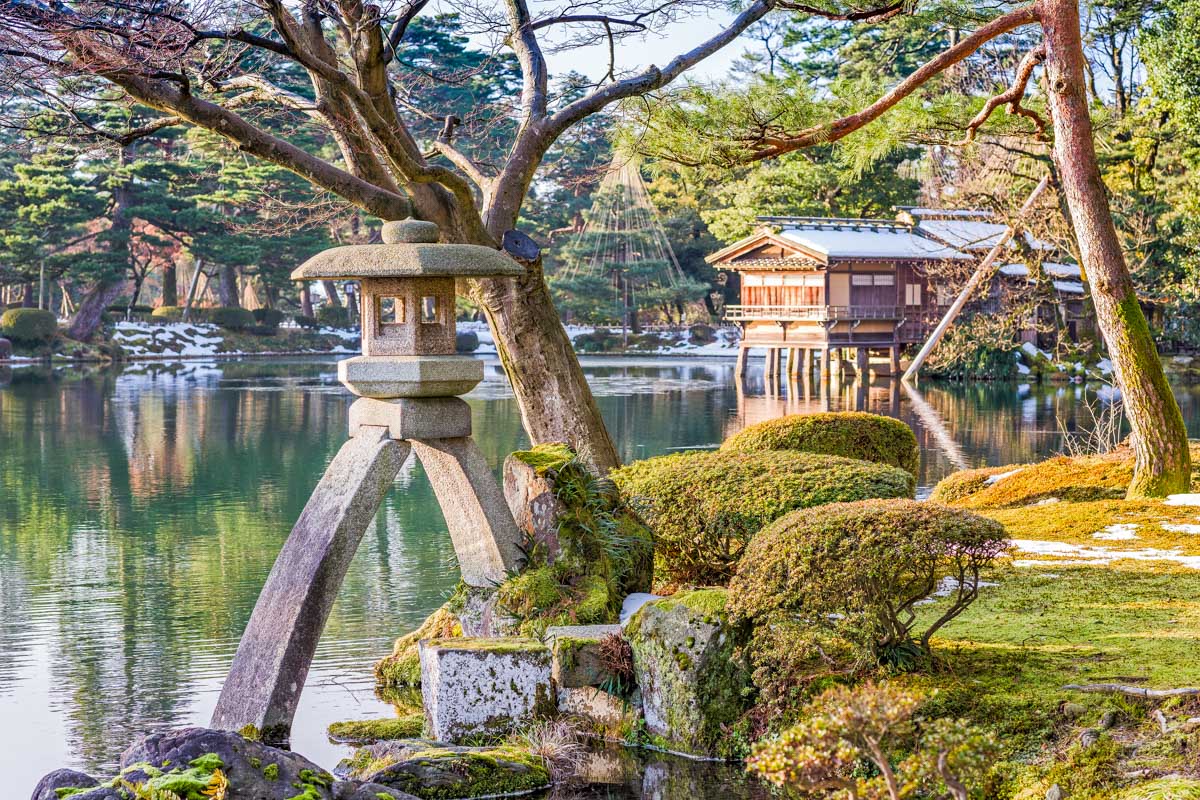
If you’re planning to rely on public transportation in Japan, buying individual paper tickets for every trip can be a slow and confusing process. You don’t want to be wasting time on that when you could just get an IC card!
An IC Card is a prepaid, rechargeable smart card that works on trains and buses. Each region has its own card, like Suica or PASMO in Tokyo and Icoca in Kansai, but the good news is that they’re all interchangeable and accepted nationwide, so it doesn’t matter which one you get. Oh, and you can also use them at vending machines and a lot of convenience stores, so it’s perfect for grabbing quick snacks and supplies.
Using your IC Card is simple. You just tap it on the reader to pay for fares or purchases, just like you would with a contactless credit card.
You can get a regular IC card or a tourist version, like the Welcome Suica, which is often available at airports. Tourist cards are valid for 28 days and don’t require a deposit, but any leftover balance at the end of your trip isn’t refundable, whereas with a standard card, it is. Either way, we highly recommend setting one up as early as possible because it will save you so much time and hassle.
10. Not reserving seats on trains in advance


Shinkansen trains are incredibly efficient, but reserved cars can fill up fast. This is especially true on weekends, holidays, and during peak travel seasons. If you end up on a full train without a reserved seat, you might have to stand for the entire journey, which is definitely not the comfortable Japanese rail experience you probably have in mind.
Non-reserved cars are available, but they’re first-come, first-served, which means you could miss out on a spot altogether if the train is busy. Fortunately, you can avoid all of this by booking your seats in advance. You can do this online via SmartEX, at JR ticket offices, or using electronic ticket vending machines at stations. We suggest doing this as soon as you can!
It’s definitely worth the extra effort because booking ahead gives you peace of mind and guarantees a comfortable ride. Plus, you’ll enjoy your next destination a lot more if you arrive relaxed and rested after an easy journey in a comfy seat.
11. Bringing too much luggage
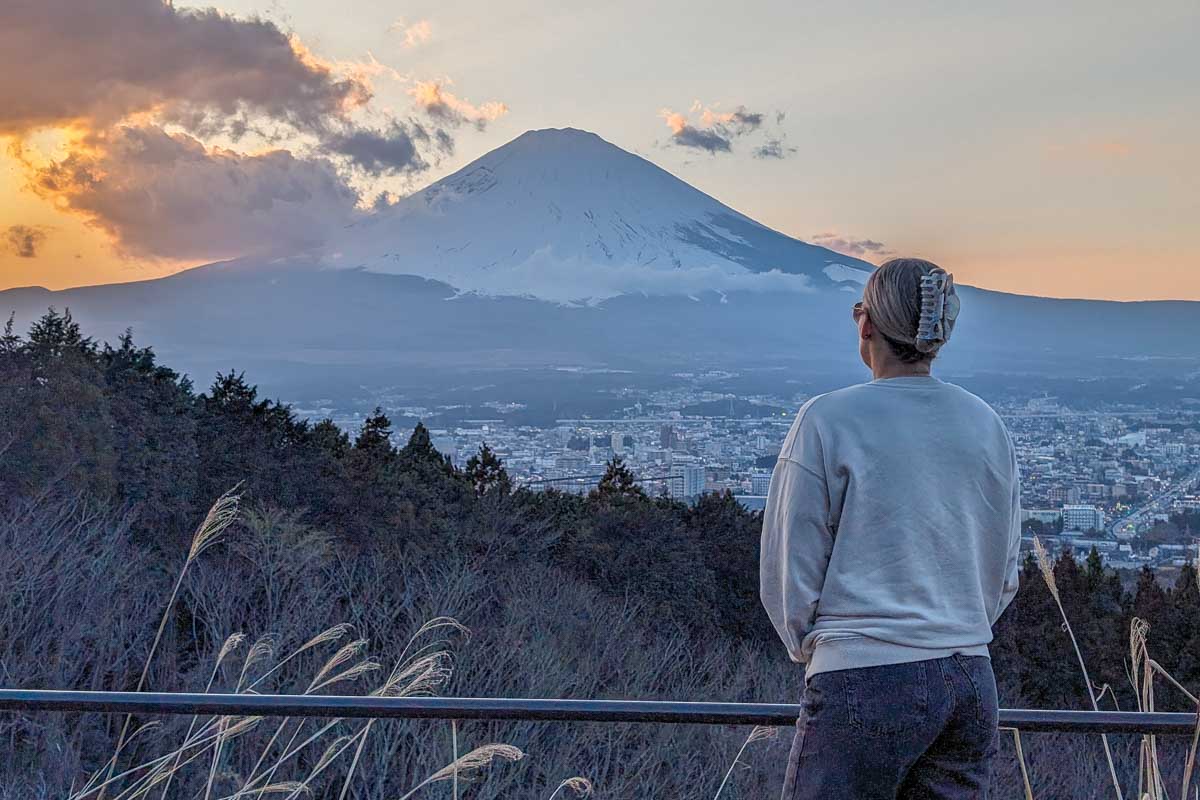
Japan’s trains, buses, and even hotel rooms aren’t exactly built for oversized luggage, so it pays to travel light. If you bring too much, it will quickly turn into a headache. Storage pace is limited, and it’s no fun to try and navigate a crowded station while lugging a giant suitcase—trust me on that one!
If you’re taking the Shinkansen and your luggage exceeds 160 centimeters (63 inches) in total dimensions, you’ll need to reserve an oversized baggage space in advance, or you could face extra fees. To keep things simple, we recommend packing a mid-sized suitcase 53–61 centimeters (around 21–24 inches) plus a small backpack to carry your daily essentials when you’re out and about.
If you do have extra bags, we recommend taking advantage of Japan’s efficient luggage forwarding system. Most hotels and even convenience stores can send your luggage ahead to your next destination so that you can travel light. It’s a small step that makes a big difference in comfort, and your stuff usually arrives the very next day!
12. Assuming you can get by cashless
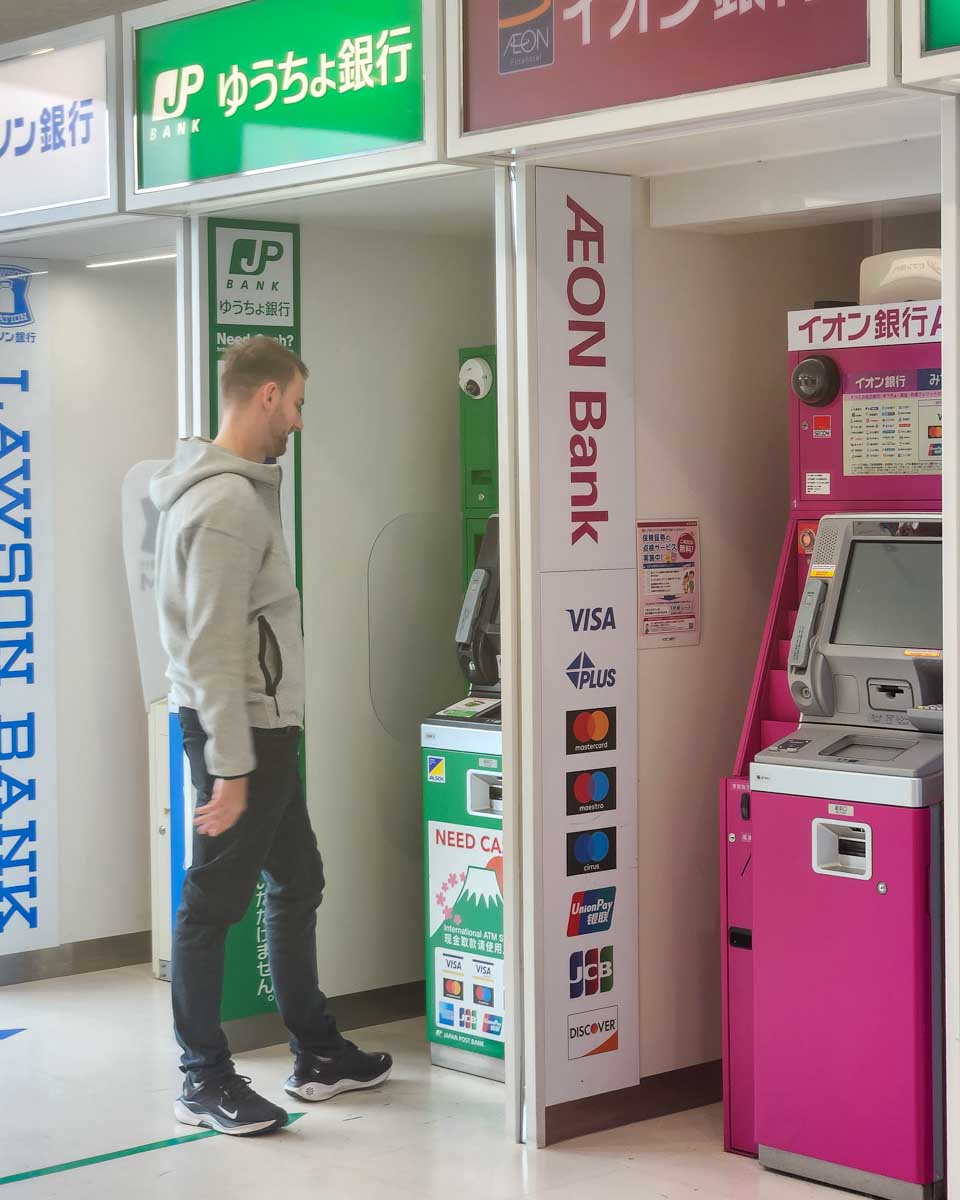
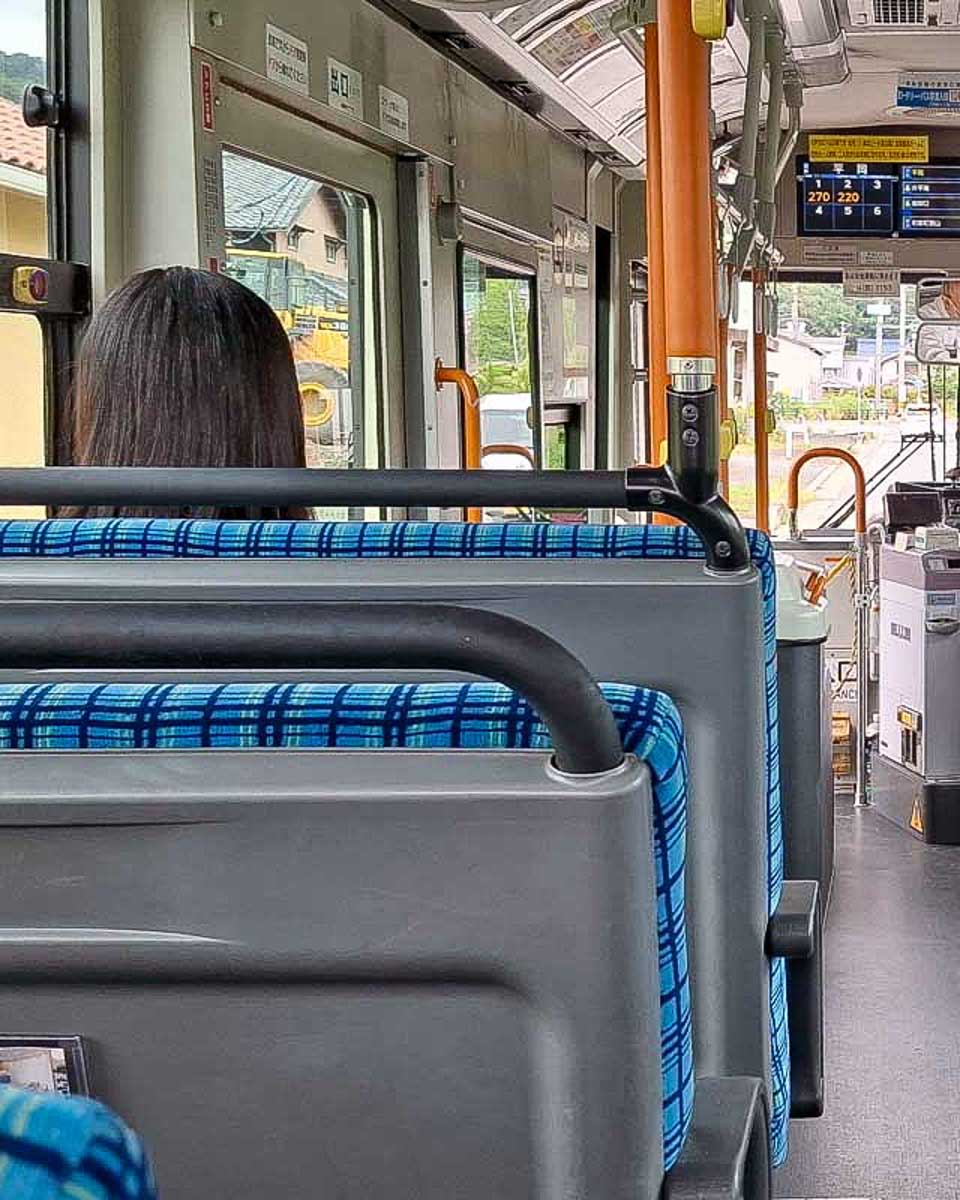
This one is becoming more and more common as more of the world goes cashless. And in a country as futuristic as Japan, you’d be forgiven for thinking they’re leading the charge towards a cashless society, but the reality is quite different.
Cash is still king here. We’d say we only use cashless payment roughly half of the time. Most big chain businesses accept cards, but smaller businesses often don’t, especially in rural areas! In fact, in the countryside, you might even have to use cash on some of the public transport systems.
ATMs are widely available, so you can always withdraw cash as you go. A lot of ATMs in convenience stores, banks, and post offices accept foreign cards, so it’s pretty easy to top up your stash when you need it. But if you’re heading to somewhere rural with fewer amenities, I’d definitely suggest taking plenty of cash with you.
Make sure to notify your credit or debit card company before your trip so your card doesn’t get unexpectedly blocked while you’re trying to pay! And do just check the cash withdrawal charges and limits before you go, so that you know what to expect. It could even be worth shopping around for a card that has more generous allowances and lower fees.
13. Forgetting to arrange mobile data and navigation
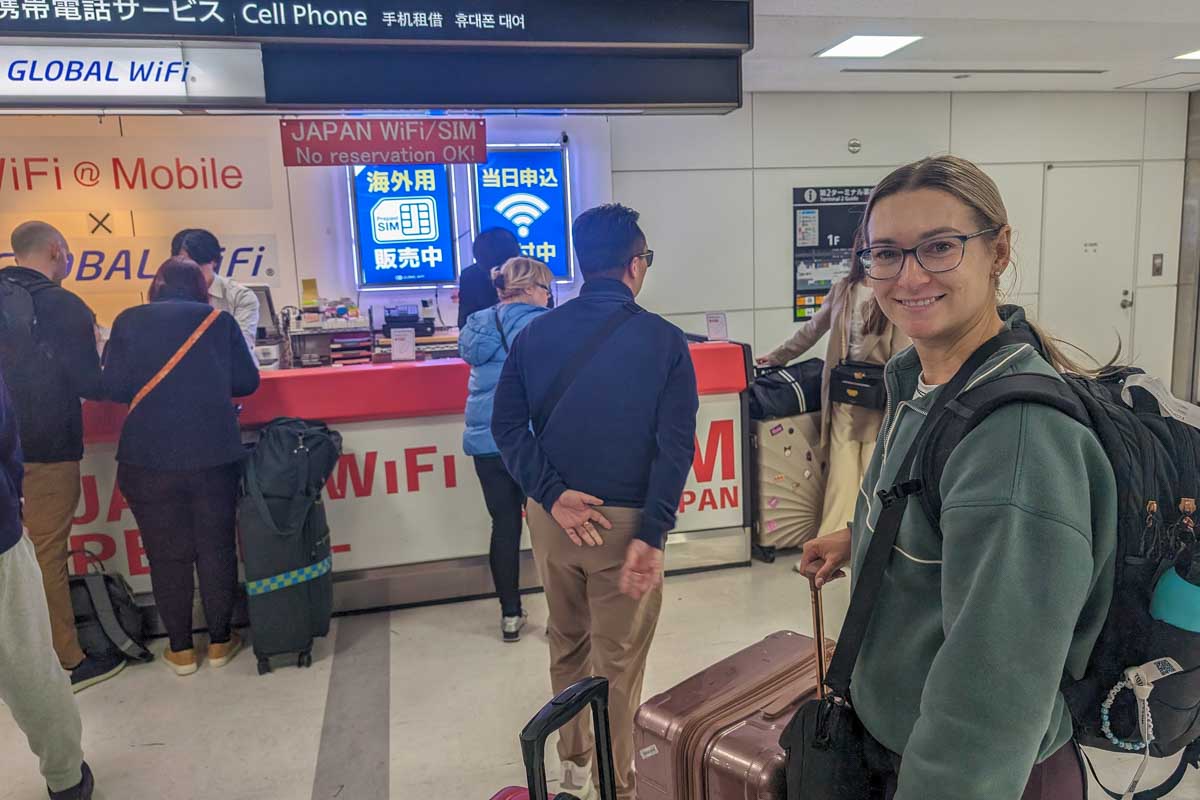
Staying connected in Japan makes travel 10 times easier! There is public Wi-Fi around, but it’s not always super reliable, and connecting to a new network can take a while, as there are usually finicky forms to fill out. Plus, a lot of public networks put you on a time limit!
In short, you’ll need mobile data to navigate cities smoothly and efficiently. It’s so useful for checking train schedules, accessing tickets, using maps, and even translating menus and signage.
To get mobile data in Japan, you can use data roaming, although we tend to avoid that as it gets expensive! Instead, you can rent pocket Wi-Fi or buy a local SIM card at the airport when you arrive. Although nowadays, we actually use e-SIM cards, as you can set them up before you arrive and top them up virtually as needed. We like AirAlo because it’s way easier to set up than any other e-SIMs we have tried – plus you can get 15% off with our special code DTRAVEL15!
It’s also a good idea to download Google Maps offline and pin key locations ahead of time, especially if you’re heading to a more rural area. This will really help if you pass through an area without service!
14. Not abiding by local etiquette
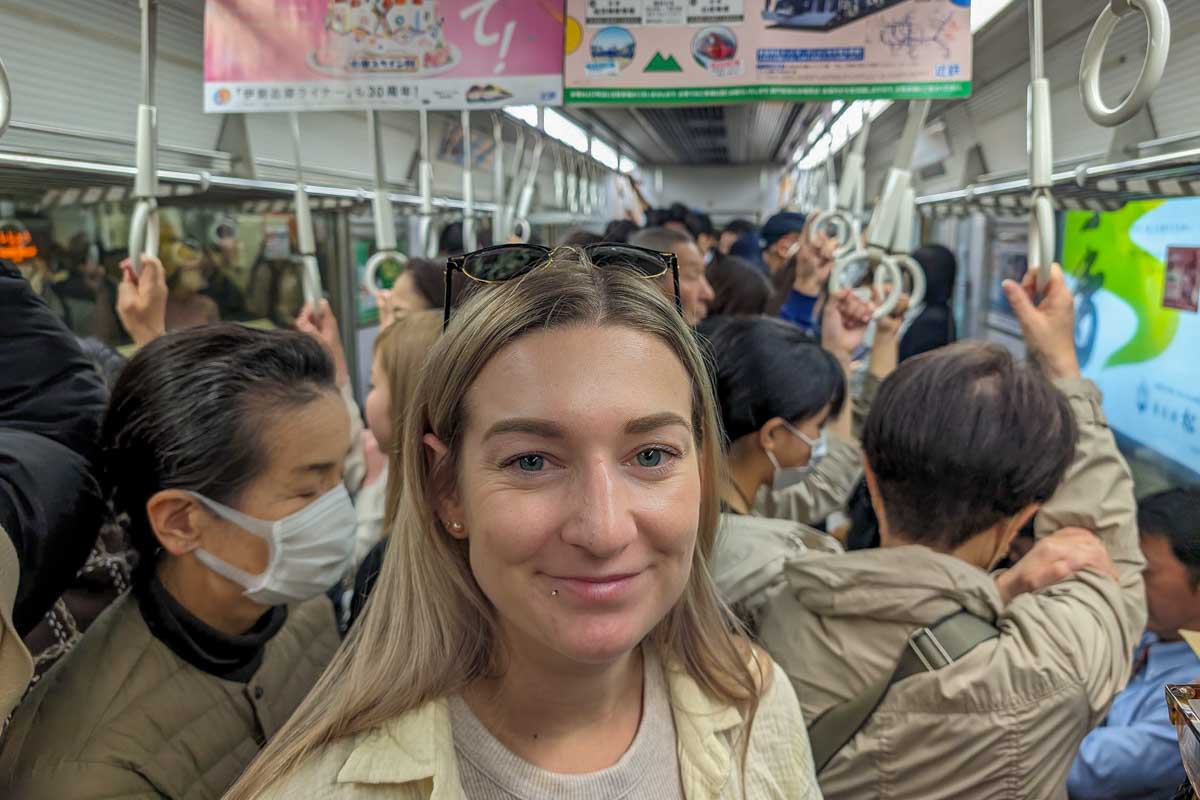
Japan has a rich culture with etiquette rules that might be very different from what you’re used to. Being unaware of these rules can cause visitors to unintentionally offend locals, so we’ve summed up the main ones here to help you stay respectful during your visit.
For example, in Japan, train journeys are often used for reading and resting, so you’ll notice that passengers stay quiet on board. That’s not to say you can’t talk at all, but do keep your voice down when you need to communicate with your travel companions and don’t make phone calls, either. In fact, it’s polite to put your phone on silent.
Another big one is tipping. Tipping is considered to be the polite thing to do in a lot of the world, but in Japan, it’s not part of the service culture, so don’t do it. It’s not rude, exactly, but it’s just an odd thing to do here!
You’ll also be expected to remove your shoes before going inside a lot of places in Japan. We’re not talking about convenience stores, but it’s common practice at many temples and shrines, in changing rooms, and at some traditional restaurants. You’ll see a designated spot to leave your shoes before you enter, and you’ll often be given some slippers to wear inside.
Additionally, there are a few other specific customs to keep in mind. Don’t stick chopsticks upright in rice because it’s considered bad luck. And when visiting shrines, rinse your hands first, bow at the entrance, and avoid using flash photography.
Related Read: For our full list of Japanese etiquette rules to follow, have a look at our in-depth post here!
15. Not having the correct license
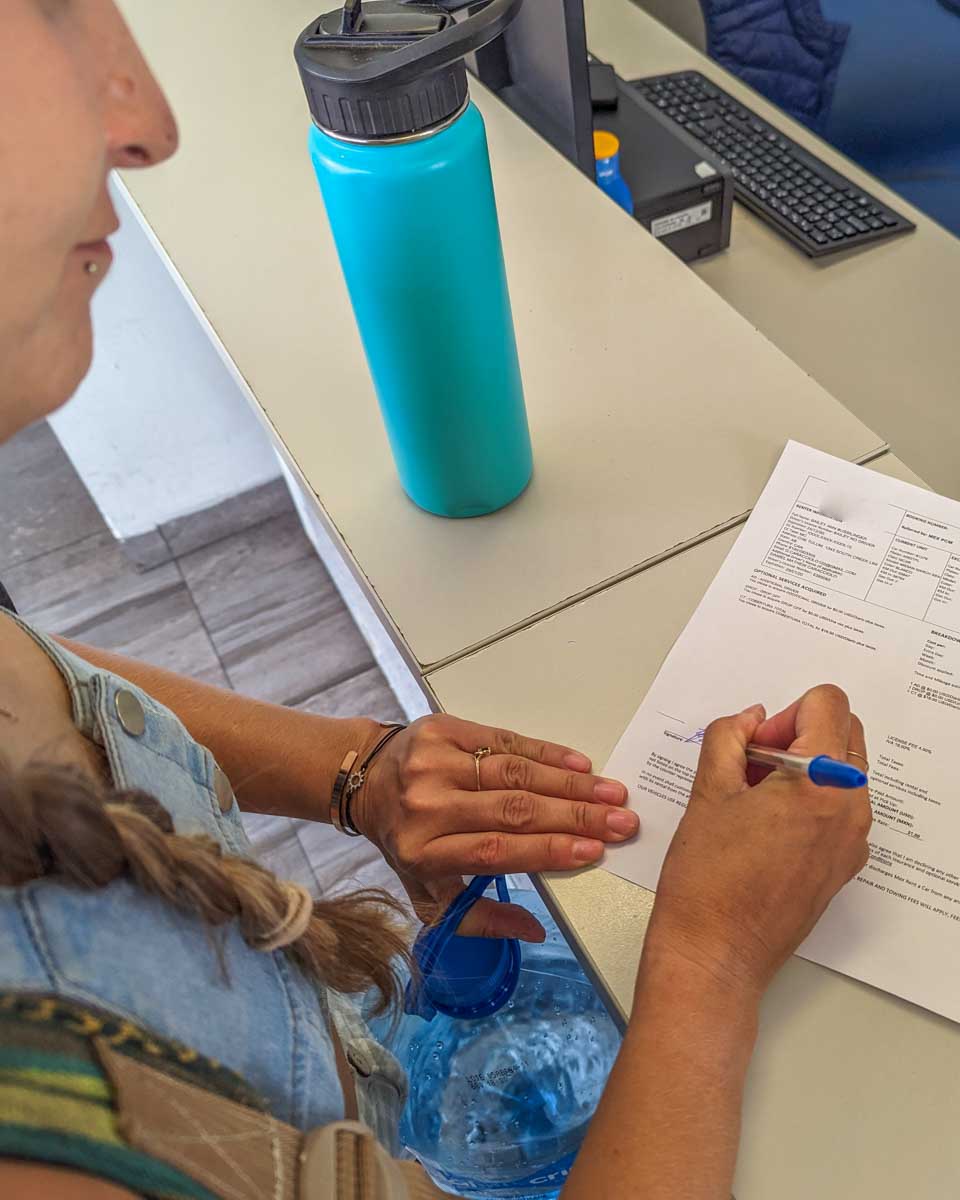

If you’re planning to drive in Japan, you’ll need to make sure you have the correct license before you go. You can’t sort it out after arrival!
Most travelers will need an International Driving Permit (IDP) issued under the 1949 Geneva Convention—NOT the one from the 1968 Vienna Convention. Only the one issued under the 1949 Convention is accepted in Japan, so it’s important to get the right one.
You have to organize an IDP in your home country, so the process varies slightly depending on where you’re from. For example, in the US, you can do it through AAA, in the UK, you can do it at any PayPoint store, and in Canada, I had to do it through the CAA. You can search for the rules by country using this website!
To make things even more confusing, if you’re from Belgium, France, Germany, Monaco, Switzerland, or Taiwan, things are a little different! Instead of an IDP, you’ll need an official Japanese translation of your license. You can apply for this here through the Japan Automobile Federation.
And the IDP doesn’t just come in handy for driving in Japan. You’ll also need it if you want to go go-karting in Osaka or Tokyo while dressed as a cartoon character. It’s basically real-life Mario Kart, and we had so much fun that it was worth organizing the proper licenses just for that!
Related Read: Thinking about driving during your trip? Check out our guide to renting a car in Japan for everything you need to know before hitting the road.
16. Not learning basic Japanese phrases
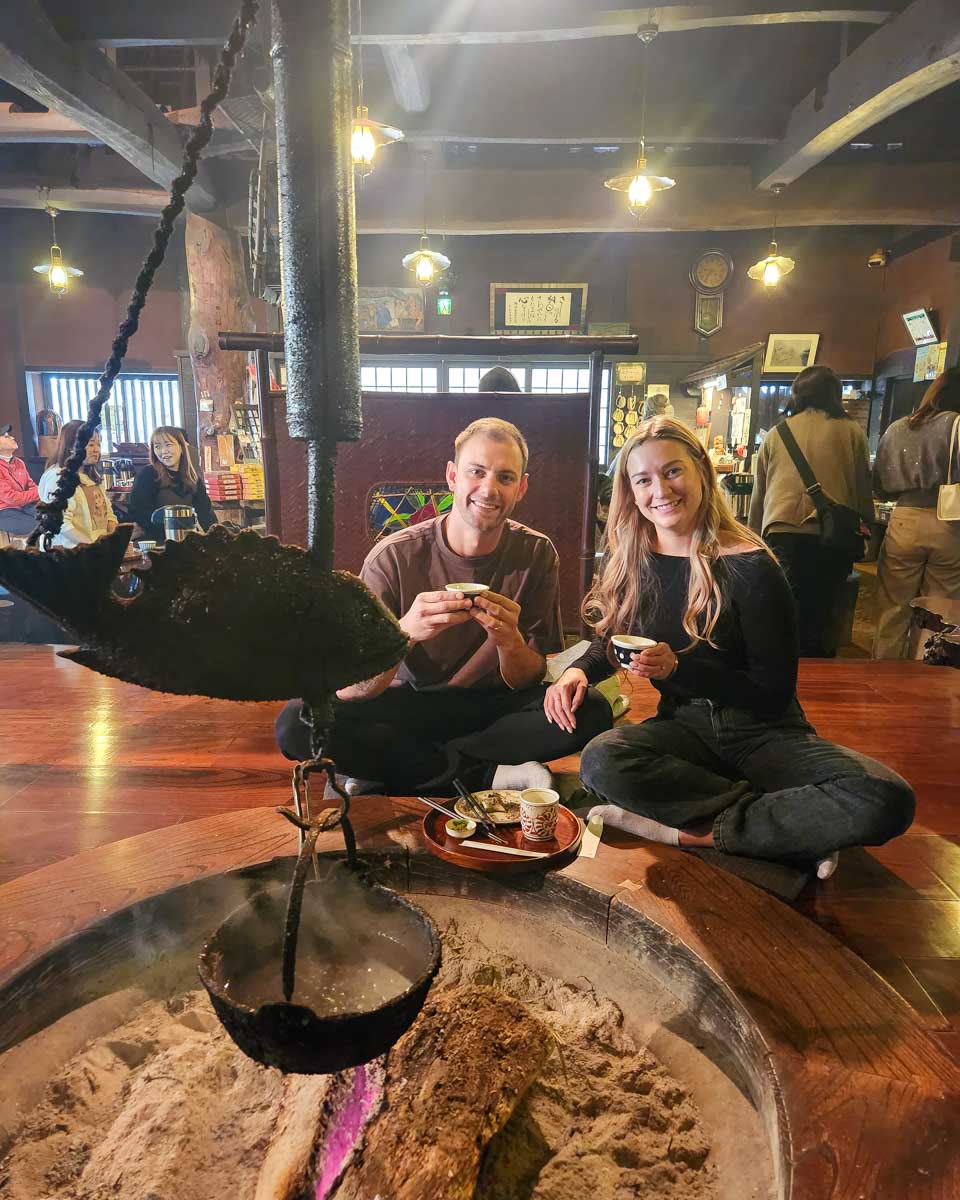

A lot of visitors go to Japan expecting all of the locals to speak English, but that’s not the case at all! While a lot of people speak English well in cities, especially younger people, attempting the local language is a sign of respect, and it goes a long way. And outside of the cities, you will need to know some basic Japanese phrases; otherwise, you might find yourself a bit stuck.
Greetings like hello (Kon’nichiwa) and thank-you (Arigatō) are a good place to start, but it’s also worth learning how to order in a restaurant and ask for directions, or for help at a train station. Duolingo is pretty good for this, if you can bear the annoying notifications!
We recommend downloading Google Translate offline to help you ask questions and communicate when needed. It has really helped us out in the past.
17. Not planning for the weather and seasons
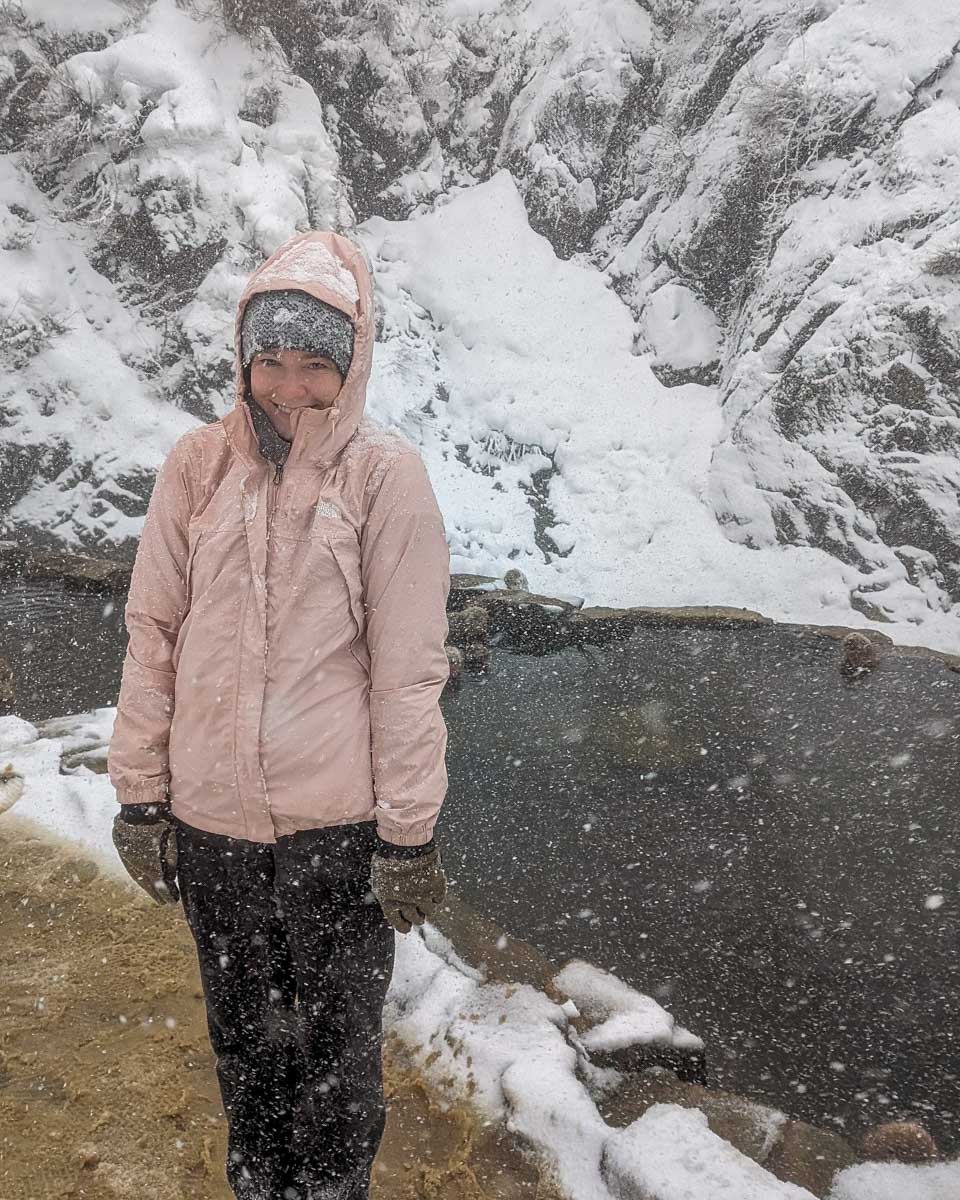
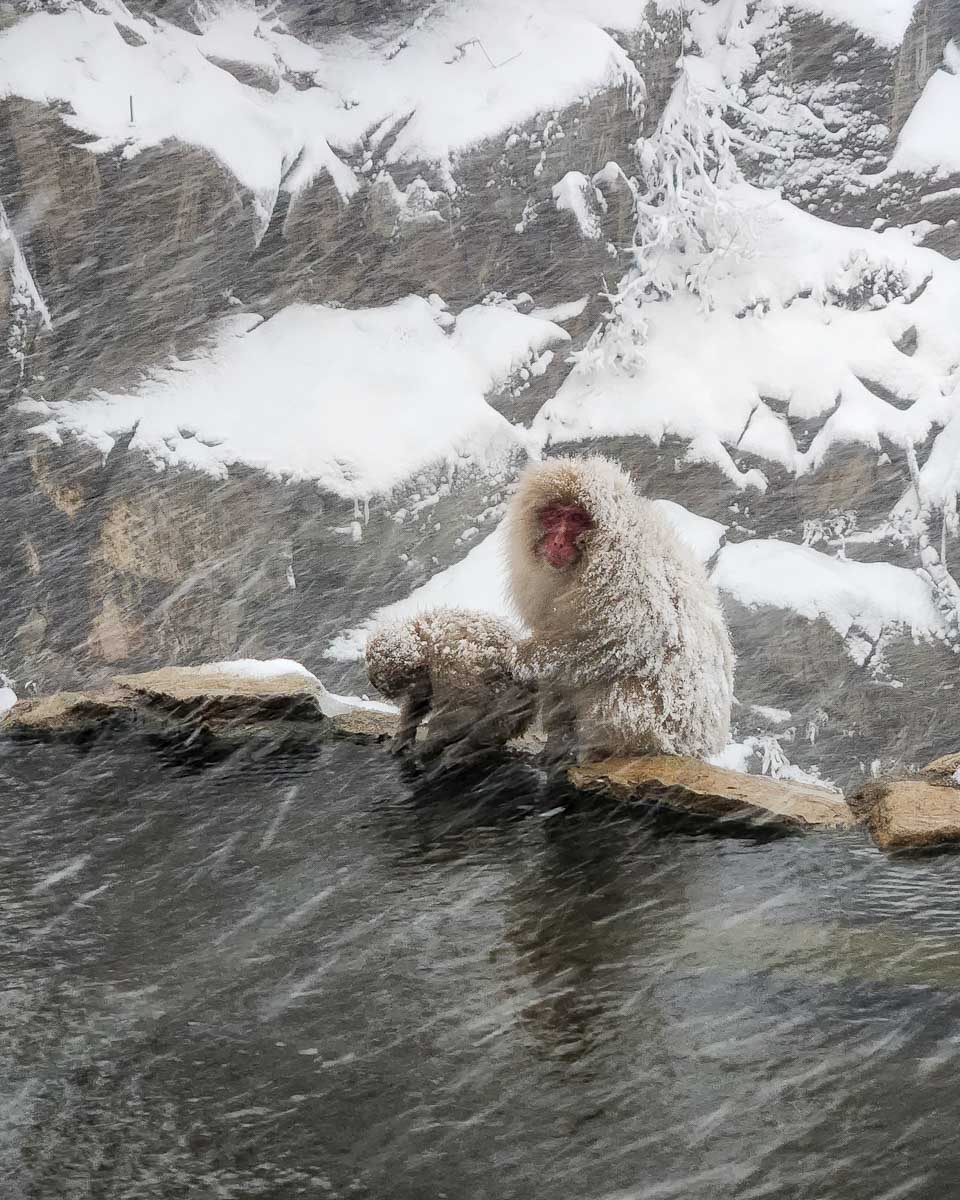
Japan experiences four very distinct seasons, so you’ll need to consider the time of year that you’re visiting and pack for the weather. Be sure to check the forecasts for every city and region you’re visiting beforehand, and layers are always a good idea. A good rain jacket is a must, too!
If you’re visiting during the rainy season (June to mid-July) or typhoon season (August to September), then you’ll need to be prepared for the fact that storms might disrupt your travel plans. Trains may be delayed and attractions often close when the weather’s bad, and of course, your outdoor plans might need swapping around for indoor activities!
Instead of letting the rainy and typhoon seasons put us off from traveling during the summer months, we like to just build a flex day or two into our itinerary. This means that we can adapt our plans without stressing or missing out.
Japan is a fairly small country, but there’s also a lot of regional variation in the weather. You can check out our detailed blog on the best time to visit Japan here for a breakdown of what to expect during each month of the year, and tips on the top times to visit each region.
Related Read: Ready to start planning your itinerary? Don’t miss our guide to the best places to visit in Japan to discover the top destinations and what makes each one so special.
18. Not knowing the normal dining hours
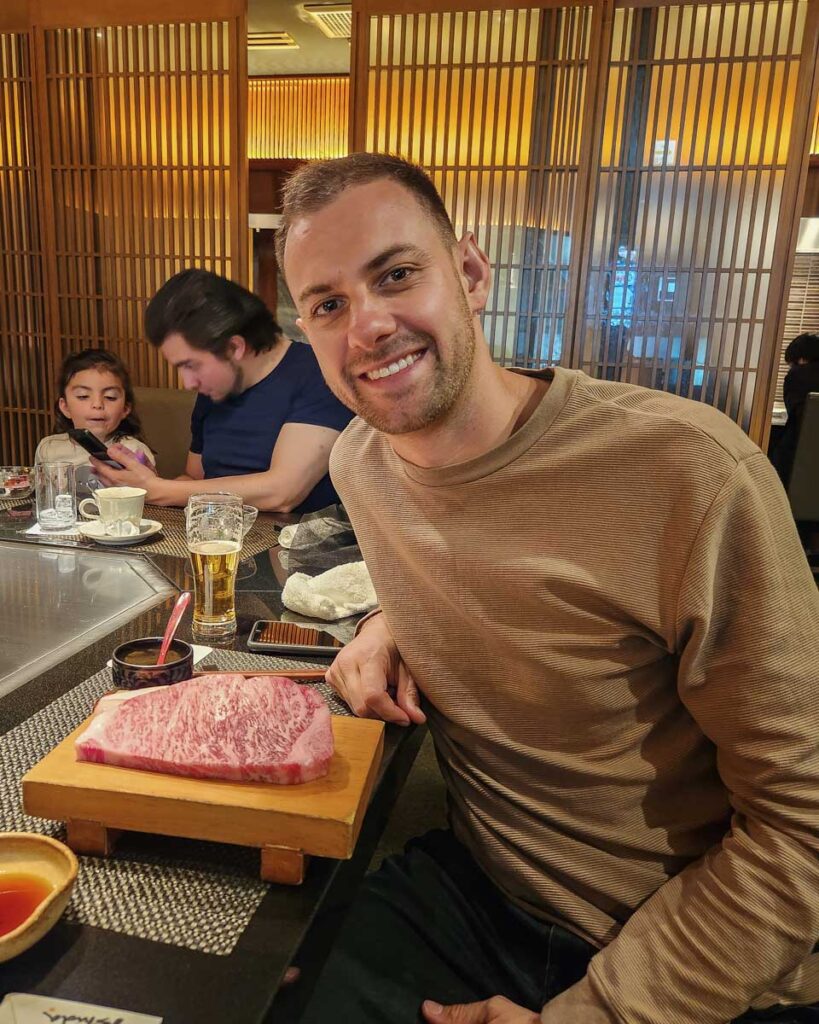

One thing we were surprised by when we first visited Japan was the local dining hours! Outside of major cities, mealtimes can actually require a little planning. A lot of restaurants have set serving times and close food several hours in the afternoon, usually from 2–5 pm. Then, they open again for dinner and shut up shop around 9 pm.
Some restaurants do this in big cities too, but it’s less of a concern as you’ll usually be able to find another option. Still, if there’s somewhere you really want to eat, it’s always a good idea to double-check their open times in advance.
The restaurant hours are centered around times when people usually eat, but we know that normal rules often fly out of the window when you travel! However, it is worth planning your meals around typical restaurant hours to save you frustration—there’s nothing worse than being hangry!
Fortunately, convenience stores are there to tide you over when the restaurants are closed. Shops like 7/11 and FamilyMart offer a great variety of ready-to-eat meals, which are perfect for afternoon snacks and late-night eats. Still, do try to eat during restaurant hours when possible to ensure that you get to try lots of the best local food!
19. Not checking tattoo-friendly onsen rules

If soaking in an onsen is high on your Japan bucket list (and it should be!), you’ll want to double-check the rules before you go. Some onsens don’t allow visible tattoos because of old associations with the Yakuza, Japan’s organized crime groups.
That said, attitudes are slowly changing, and there are plenty of tattoo-friendly onsens across the country. However, we’ve found a few onsens where Dan wasn’t allowed in due to his tattoos! Now that we know that, we just bring tattoo cover stickers or a rash guard with us. So if you have tattoos, definitely make sure you have a few of those in your suitcase so that you don’t miss out.
Alternatively, you can search specifically for “tattoo-friendly onsens” as they’re not always a no-no. And if you book a private onsen bath, you’ll be able to relax without worrying about covering up your ink.
20. Using drones without permits
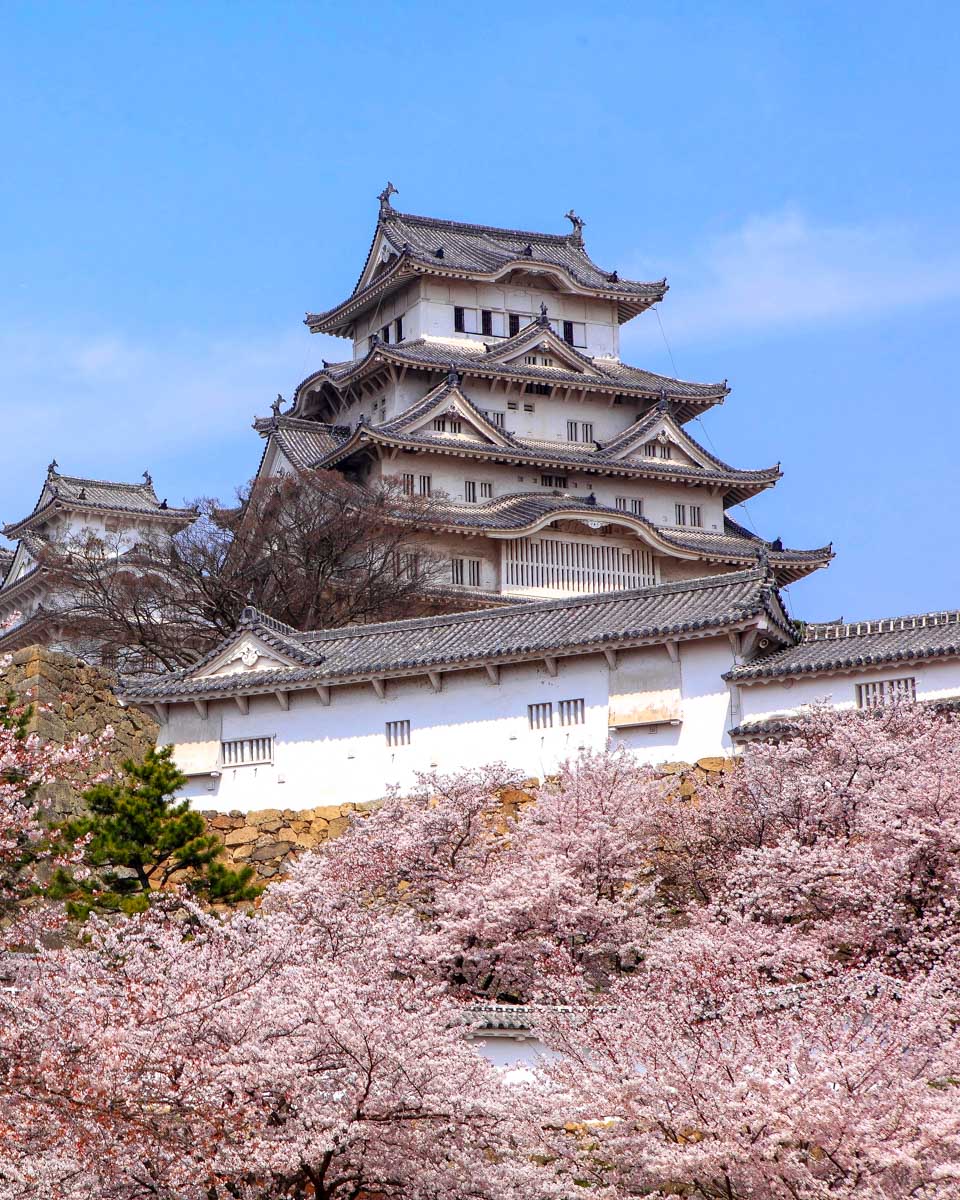

If you’re keen to capture Japan’s stunning scenery with a drone, then we get it—it’s such a beautiful country. But it’s important to ensure that you understand the rules before takeoff, which is a good idea when you’re using a drone anywhere in the world, to be honest.
Any drone weighing over 100 grams must be registered with Japan’s Ministry of Land, Infrastructure, Transport, and Tourism (MLIT). You also need to equip it with a remote ID function. This is often built in, but if you have an older drone, you can purchase a separate remote ID. Don’t be tempted to skip these admin steps because flying without proper registration can result in hefty fines or even imprisonment, so it’s just not worth the risk.
There are also strict regulations about where and how you can fly. This includes limits on altitude, flight zones, and maintaining a visual line of sight at all times. In fact, there are quite a lot of designated no-fly zones, especially near airports, city centers, and cultural sites, so make sure you’re allowed to fly before launching your drone.
Before your trip, take the time to read up on the official guidelines and register your drone through the MLIT website. It’s the best way to ensure you stay compliant while still getting those breathtaking aerial shots!
Related Read: Want help narrowing down your itinerary? Check out my guide on where to go in Japan based on your travel style to find the destinations that match what you’re looking for.
21. Bringing the wrong power adapters
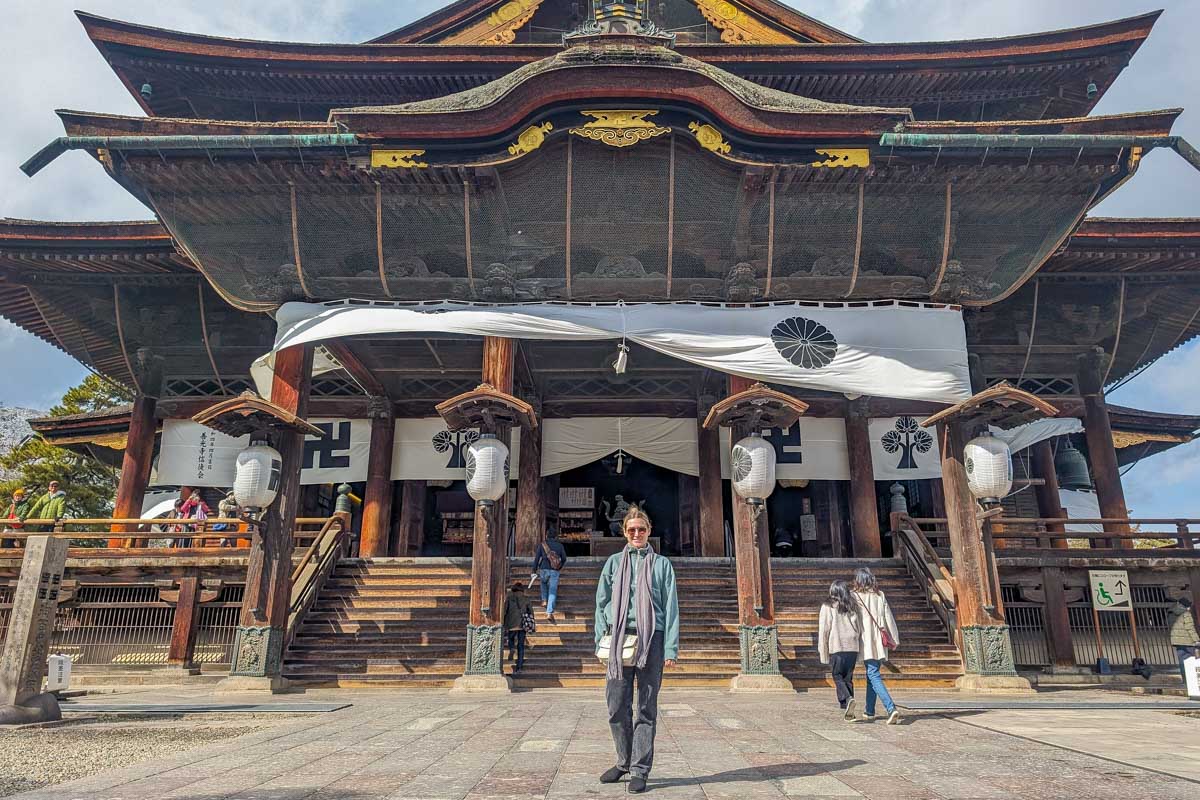
I know it’s not the most exciting part of planning your travel adventures, but you do need to pack the right power adapters so that you can charge and use your devices in Japan. Japan uses Type A and Type B plugs, which are the same as those in the US and Canada, although there are no three-pronged plugs here.
However, Japan does have a 100V supply, which is a little lower than what many other countries use. This means that before you go, you’ll need to check if your devices are dual-voltage. If they are, they’ll work with a range of different voltages, and if you’re from North America, you might not even need an adapter.
You can usually see this printed on the plug or charger. It should say something like “Input: 100–240V.” If it does, you’re good to go, though of course you’ll need an adapter if your home country uses different plugs. To be honest, most modern electronics like phones, cameras, and laptops will work fine—we’ve never had any issues.
Having said that, high-wattage tools like hair straighteners or curling irons might not perform properly in Japan even if you use an adapter. The lower voltage means they may take longer to heat up or won’t get as hot as they normally do. In this case, it’s best to rely on hotel hairdryers and look for a voltage-friendly straightener or curler if styling is a non-negotiable for you!
Related Read: Once you’ve learned what not to do, check out our guide to the best things to do in Japan for unforgettable experiences, from ancient temples to neon cities and everything in between.
Renting a Car in Japan

Japan’s trains are great, but if you want to explore rural areas, scenic routes, or off-the-beaten path hidden gems, renting a car offers unmatched flexibility. Driving in Japan is generally safe, with well-maintained roads and clear signage, though there are some unique rules and customs to be aware of.
We always book with Discover Cars and can’t recommend them enough. It’s super easy to compare multiple provider prices, check company ratings, filter for the type of vehicle you want, and add affordable full coverage insurance. If you want a full breakdown, check out our Discover Cars review here.
Tips for Renting a Car in Japan
What You Need to Rent a Car in Japan
Ready to hit the road? Discover the freedom of exploring the Japan on your own terms!
Airalo e-sim
Up To 15% Off With Code “DTRAVEL10”
What’s an eSIM?
An eSIM is a digital version of a SIM card. Instead of buying a little plastic chip and swapping it into your phone, you just download it. It connects your phone to a local network in whatever country you’re visiting — no stores, no waiting, and no fiddling with tiny cards.
In simple terms, it’s the easiest way to get data and stay connected while traveling.
We’ve tested a bunch of eSIMs in North America, and after a few frustrating experiences, we’ve found our favorite — Airalo. It’s fast, reliable, and incredibly easy to use. You can set it up in minutes (even my mom managed it solo on her first try!), and the prices are some of the best out there.
Bonus: We’ve got an exclusive 15% discount for our readers. Use the codes:
Thanks for reading!

Exploring Japan is such an incredible experience, but a little planning goes a long way toward making it smooth and stress-free. After years of traveling through the country ourselves (and learning from a few mistakes!), we’ve figured out what truly makes a difference. With these tips, you’ll be able to focus on the fun part: discovering Japan’s unique blend of tradition and innovation.
Before you go, don’t miss our other Japan travel blogs for detailed itineraries, destination inspiration, and insider advice to help you plan your dream trip. Or check out some of our most popular guides below to get you started. Safe and happy travels!
How to Spend FIVE DAYS in Tokyo: 5-Day Itinerary
16 Japan Travel Etiquette Mistakes to Avoid
Is Japan Expensive? Cost of Traveling to Japan
The Services We Recommend
From hotels to guided tours, we only recommend services we know and trust. Here are our recommended partners so you can explore Japan with confidence.