Japan Cherry Blossom Guide: Best Time to Visit & Top Viewing Spots
Is seeing Japan’s famous cherry blossoms high on your bucket list? It should be — and we’re here to help.
Exploring Japan when the cherry blossoms (sakura) are in bloom is truly magical. However, the season is short, and the blooms move across the country fast, so it takes a bit of planning to get things right.
Between fast-moving bloom forecasts, huge crowds, and major jumps in hotel prices, it’s easy to feel overwhelmed or to mistime your trip by a few days. That’s why we’ve written this guide to walk you through the best time to visit, how the season works, and where to find the most beautiful sakura spots across Japan. Let’s go!
About the Cherry Blossom Season in Japan


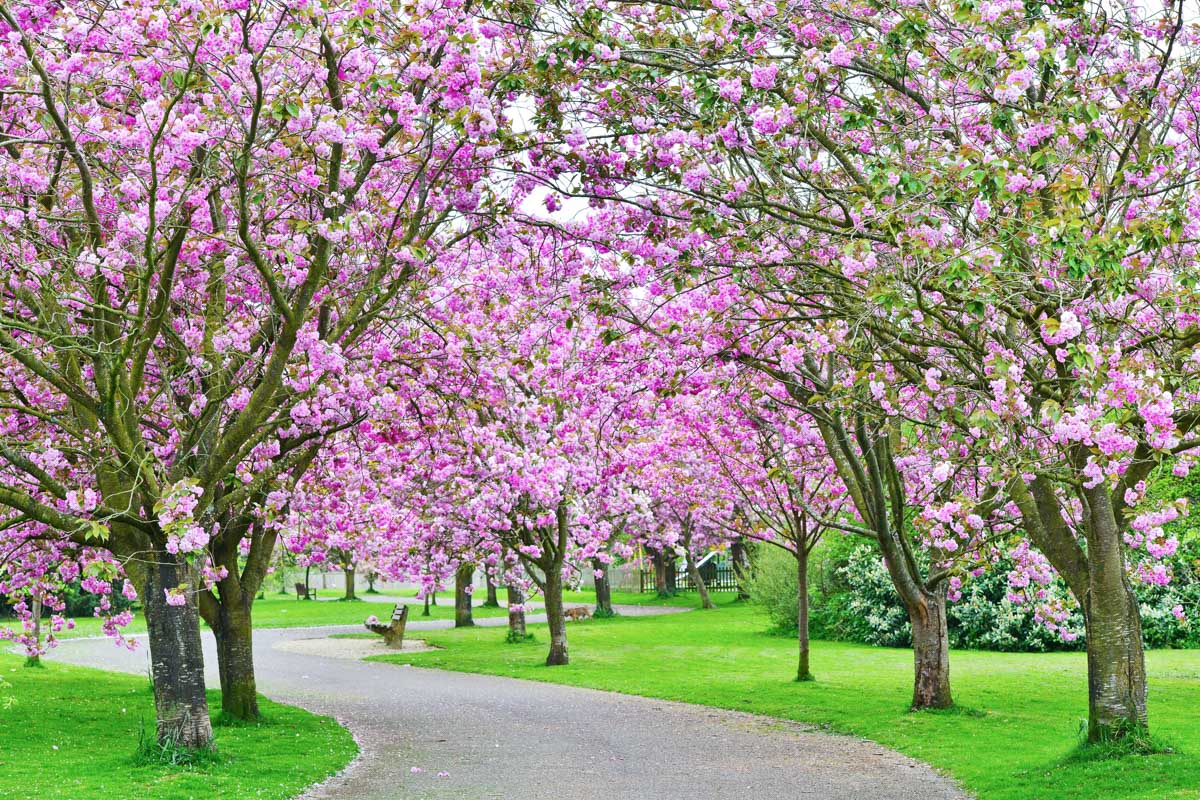
Cherry blossom season in Japan is one of the most beautiful times to visit, but it’s also one of the trickiest to plan because you’ve got a very short window to catch the sakura in full bloom. When the trees are in bloom, they’re admired through the tradition of hanami, which literally means “flower viewing.” This is when locals gather under the trees for picnics and spend long afternoons enjoying the festive atmosphere.
The challenge is that the cherry blossoms move quickly. Most places only see about a week of full bloom, with each tree holding its flowers for roughly 7–10 days, depending on the weather.
The bloom travels from south to north across the country. It can start as early as January in Okinawa, and it ends in northern Tohoku and Hokkaido by late April or early May. A sudden warm spell or cold snap can shift everything, so there are no guarantees when planning a trip.
On top of that, this is one of Japan’s busiest travel periods. Hotels and trains book up fast — in fact, we recommend booking your accommodation 10-11 months in advance, especially in the major cities of Tokyo, Kyoto, and Osaka. So yes, planning is pretty intense, but being organized is your best chance of catching the magic!
When Is the Best Time to See Cherry Blossoms in Japan?
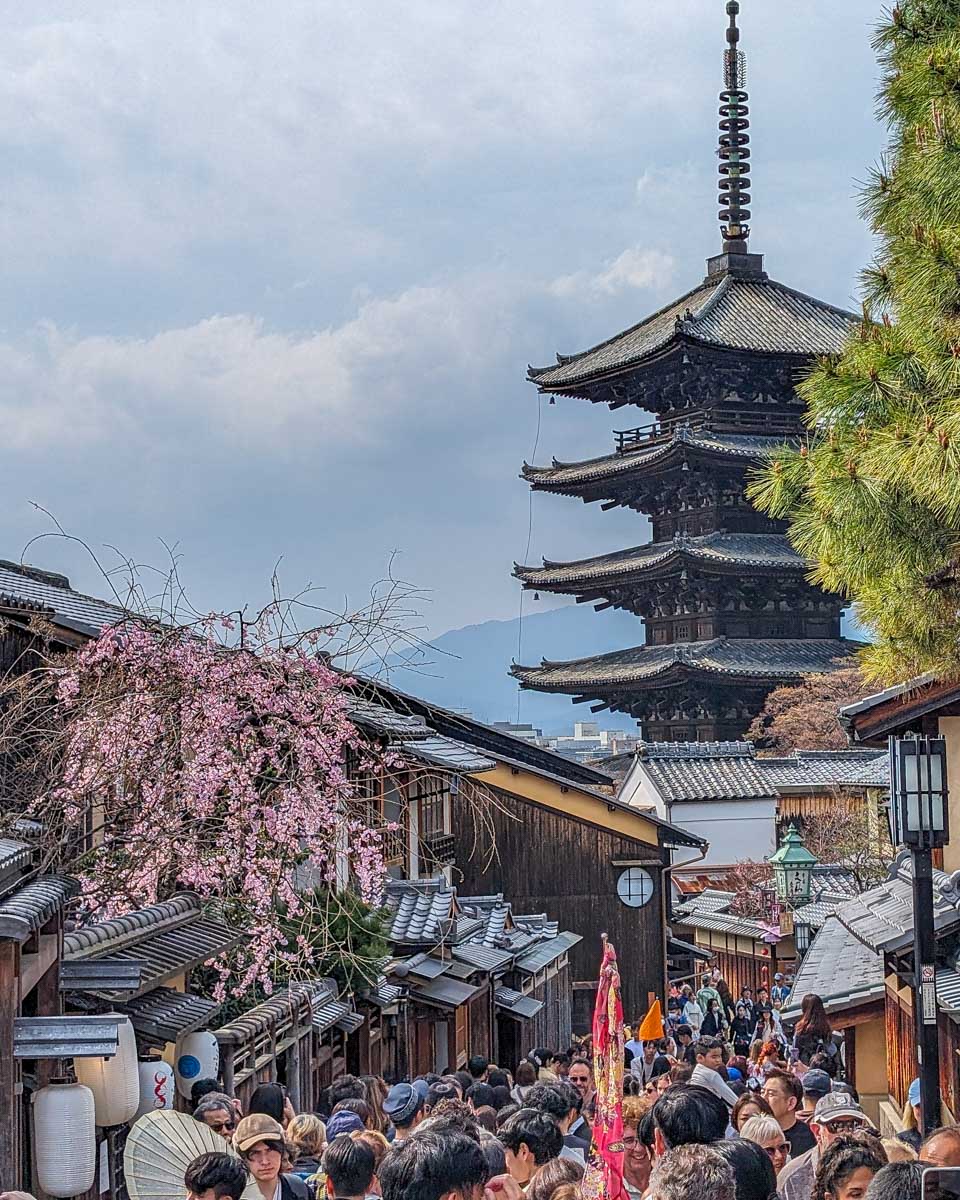
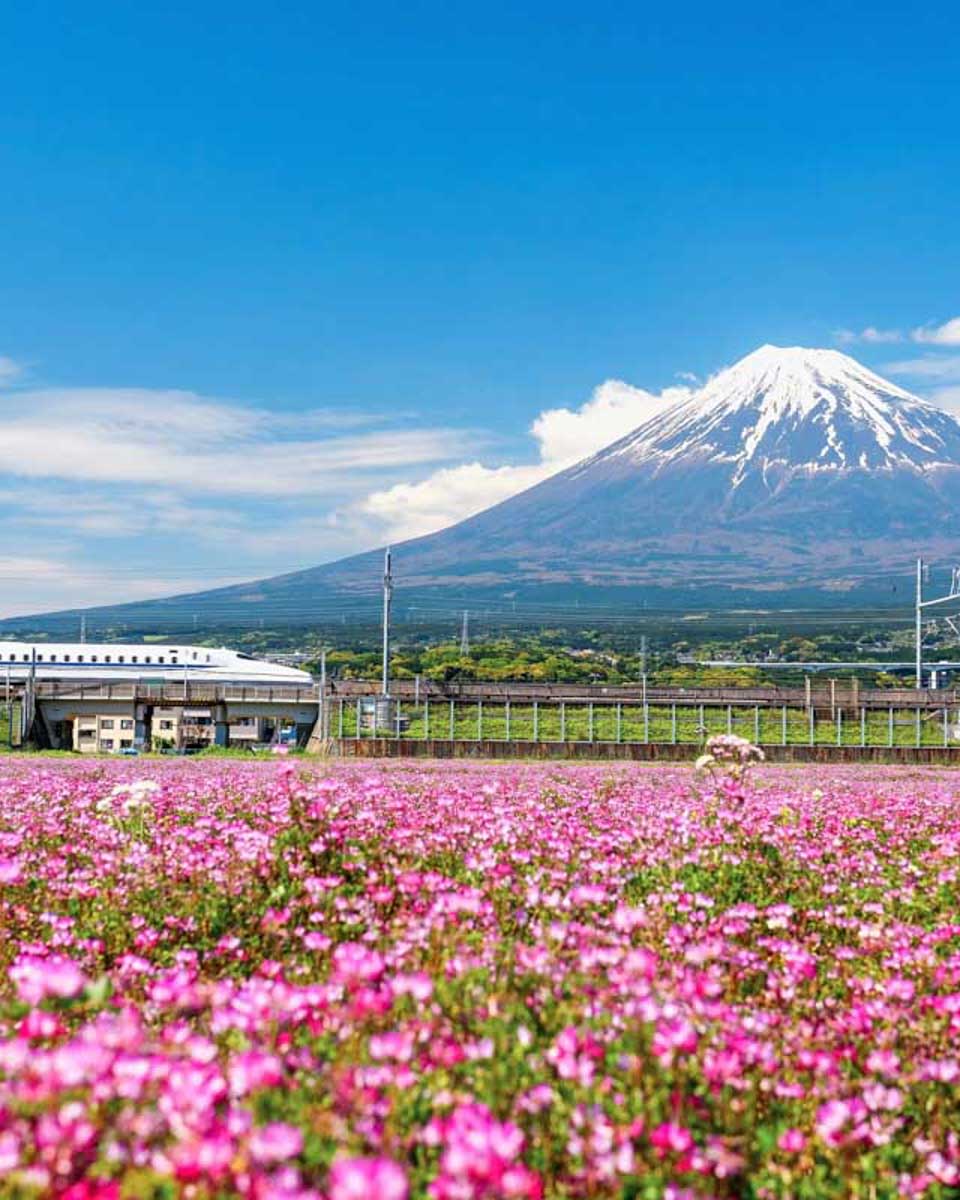
One of the most frustrating things about planning a trip to see the cherry blossoms in Japan is the unpredictability of it all! There are no absolute guarantees, but we’ve found that looking at long-term averages is the easiest way to get started.
Each region tends to bloom around roughly the same period every year, but unseasonal cold snaps or warm spells can shift the timings. Unfortunately, exact dates are never guaranteed, no matter how much planning you do!
Every spring, Japanese weather services release detailed forecasts for the first bloom and full bloom in major cities. These predictions are based on temperature patterns from the previous months and the growth cycle of Yoshino cherry trees, the most common sakura variety. The first big forecast usually comes out in March, and you can check the latest updates here throughout the season.
The best strategy is to plan your flights and accommodation around the typical averages, especially since hotels book out quickly. Then, once you’re closer to your travel dates, fine-tune the details of your itinerary using the latest forecasts. We’ve found that this works well for adjusting day trips and allowing for a bit more flexibility.
Here is an overview of the best time to visit each region based on averages over the years:
- January–February – Okinawa & Southern Islands
Naha, Nago, Motobu. - Mid-March – Kyushu & Western Honshu
Fukuoka, Kumamoto, Nagasaki, Hiroshima - Late March–Early April – Tokyo, Kyoto, Osaka, Nagoya, Hiroshima, Kanazawa
Tokyo’s peak is often around late March, Kyoto/Osaka early April. - Early–Mid-April – Japanese Alps & Fuji Five Lakes
Matsumoto, Takayama, Kawaguchiko. - Mid–Late April – Tohoku
Sendai, Kitakami, Akita, Aomori (including Hirosaki Park’s late April–early May festival). - Late April–Early May – Hokkaido
Sapporo, Hakodate, Matsumae Park.
Japan Rail Pass!
The Easiest Way to Travel Japan By Train
If you’re planning to explore Japan, the Japan Rail Pass (JR Pass) is hands down the easiest and most affordable way to get around. It’s a special 7, 14, or 21 day pass for foreign visitors that gives you unlimited rides on Japan’s famous JR trains, including the high-speed shinkansen (bullet trains)!
Why We Love the JR Pass
Pro Tip: If you’re only exploring one region of Japan, consider a Regional Pass instead (like the Kansai, Hokkaido, or Kyushu Pass). They’re cheaper and perfect for smaller trips!
Where to Get Your Pass
We personally recommend buying your pass online in advance through JRPass.com — they’re an official reseller with fast worldwide delivery and English support, making the whole process super simple. They even offer handy add-ons like pocket WIFI and meet & greet services! Still not sure if the JR Pass is right for you? Check out our Ultimate Guide to the Japan Rail Pass for a full breakdown of costs, inclusions, and when it’s worth it!
Best Places to View Cherry Blossoms
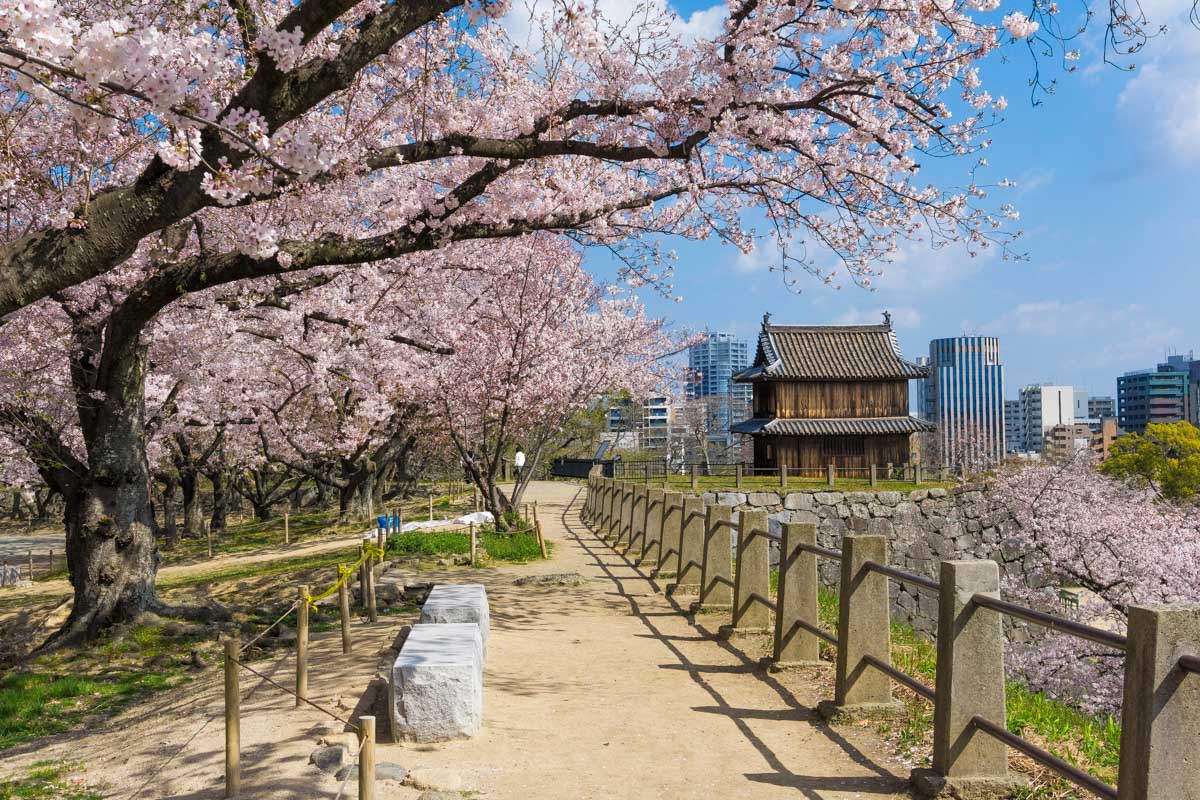
Cherry blossom season looks a little different in every part of Japan, so it really helps to understand where and when each region tends to bloom. To make things easier, we’ve rounded up the top viewing spots, popular festivals, and the typical timing for each area below. This should give you a clear picture of how the sakura front moves across the country and what you can expect in each destination.
One of the best parts of cherry blossom season is how different it feels across Japan. From the early blossoms in Okinawa to the dramatic late-season displays in Tohoku and Hokkaido, each region has its own standout spots to participate in hanami. Think of this section as your cheat sheet for choosing where to go, especially if you’re planning around a specific travel window or chasing peak bloom as you move through Japan.
Okinawa & Southern Japan
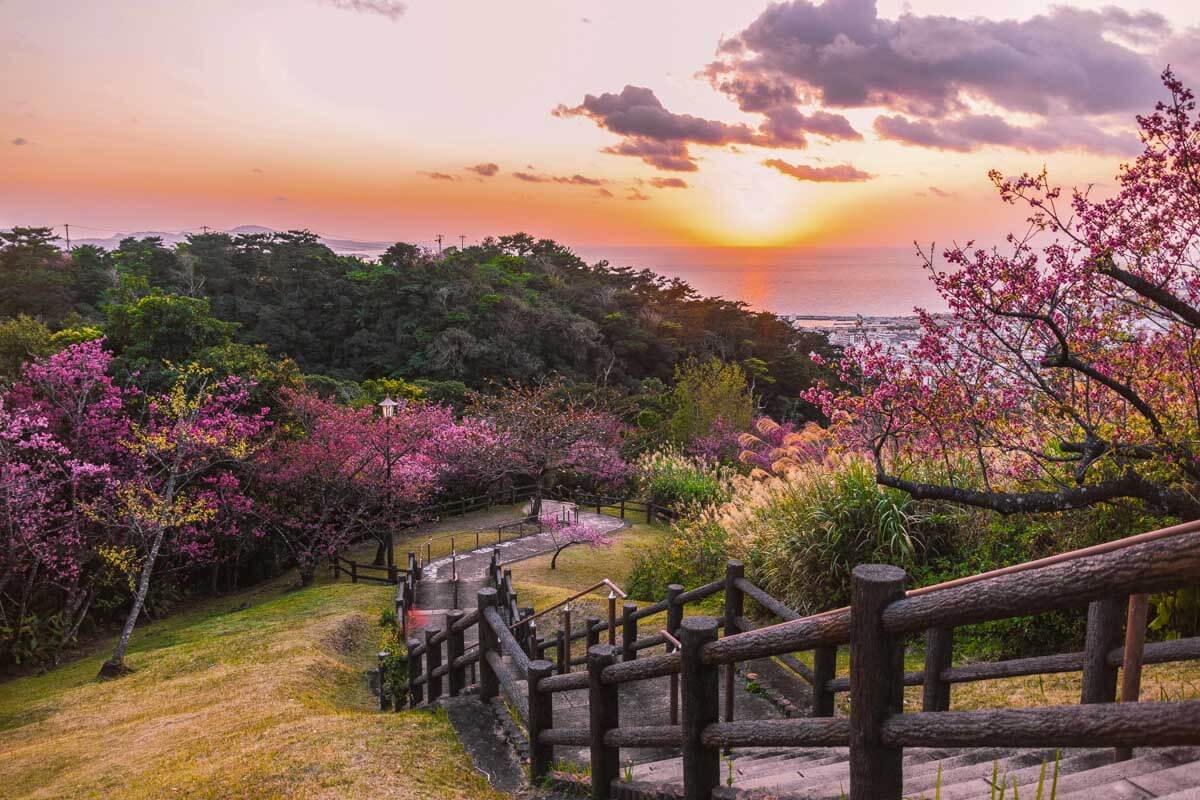
Typical timing: Late January–mid-February
Iconic spots:
- Nago Central Park – hillsides covered in vivid, early-blooming kanhi-zakura.
- Nakijin Castle Ruins – glowing pink blossoms around historical stone walls with ocean views.
- Naha Yogi Park – family-friendly festival atmosphere with early sakura.
Festivals & events:
- Nago Cherry Blossom Festival
- Nakijin Castle Night Illumination
Why go here: Japan’s earliest blossoms appear here, making it ideal for travelers coming well before the main season. It also has warmer weather and fewer international crowds.
Kyushu & Western Honshu
Typical timing: Mid–late March
Iconic spots:
- Kumamoto Castle – dramatic castle backdrop with wide lawns for hanami.
- Maizuru Park (Fukuoka Castle Ruins) – over 1,000 cherry trees with night illuminations.
- Hiroshima Peace Memorial Park – peaceful riverside views lined with sakura.
Festivals & events:
- Maizuru Park Sakura Festival (Fukuoka)
- Miyajima Cherry Blossom Illumination (Miyajima Island, near Hiroshima)
Why go here: It offers a quieter, more relaxed alternative to Kyoto/Tokyo with earlier mainland blooms. Great weather, excellent food, and fewer crowds than the big cities.
Kansai: Kyoto, Osaka, & Nara

Typical timing: Late March–early April
Iconic spots:
- Maruyama Park (Kyoto) – home to Kyoto’s famous weeping cherry tree and night illuminations.
- Philosopher’s Path (Kyoto) – a dreamy canal walkway lined with hundreds of blossoming trees.
- Osaka Castle Park (Osaka) – 3,000+ trees surrounding the iconic castle.
- Kema Sakuranomiya Park (Osaka) – 4 km of riverside sakura and 5,000+ trees.
- Expo ’70 Commemorative Park (Osaka) – thousands of trees, night illuminations.
- Mount Yoshino (Nara) – breathtaking layered mountainsides with over 30,000 cherry trees.
Festivals & events:
- Maruyama Park Illumination (Kyoto)
- Daigo-ji Hanami Events (Kyoto)
- Osaka Castle Nishinomaru Garden Sakura Festival
Why go here: This is the heart of Japan’s sakura season. Kyoto and Osaka offer the classic cherry blossom experience with temples, gardens, and historical settings drenched in pink.
Tokyo & Kanto Region
Typical timing: Late March–early April
Iconic spots:
- Ueno Park – 1,000+ trees lining wide walkways; bustling festival vibe.
- Chidorigafuchi Moat – boat rentals under arching blossoms near the Imperial Palace.
- Meguro River (Nakameguro) – picturesque canal with lanterns and sakura-themed stalls.
- Shinjuku Gyoen – massive garden with multiple varieties, extending the bloom window.
Festivals & events:
- Ueno Sakura Matsuri
- Chiyoda Sakura Festival (Chidorigafuchi)
- Nakameguro River Festival
Why go here: Tokyo offers the most diverse cherry blossom experience — rivers, parks, gardens, and night illuminations — all easily accessible by train.
Fuji Five Lakes & Central Japan
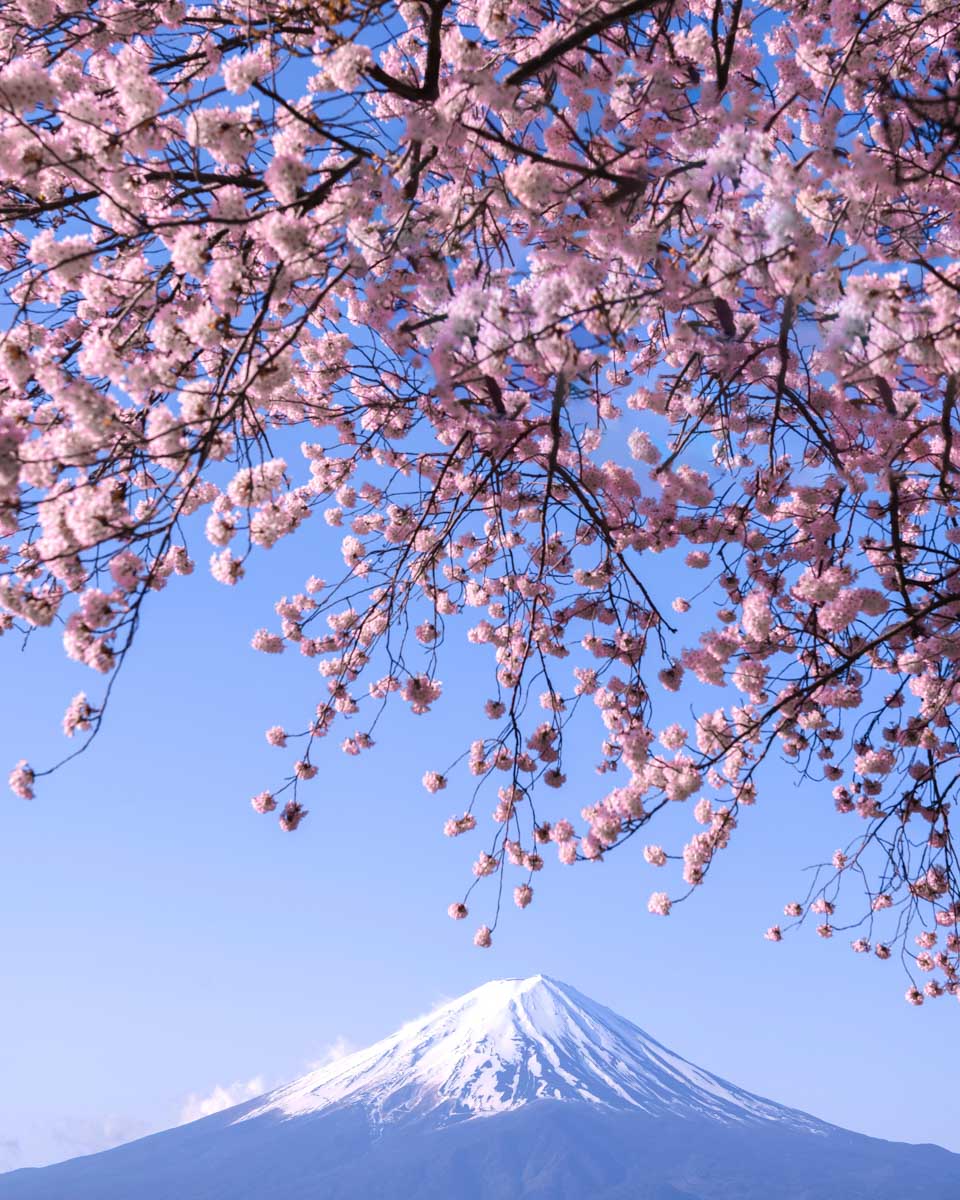
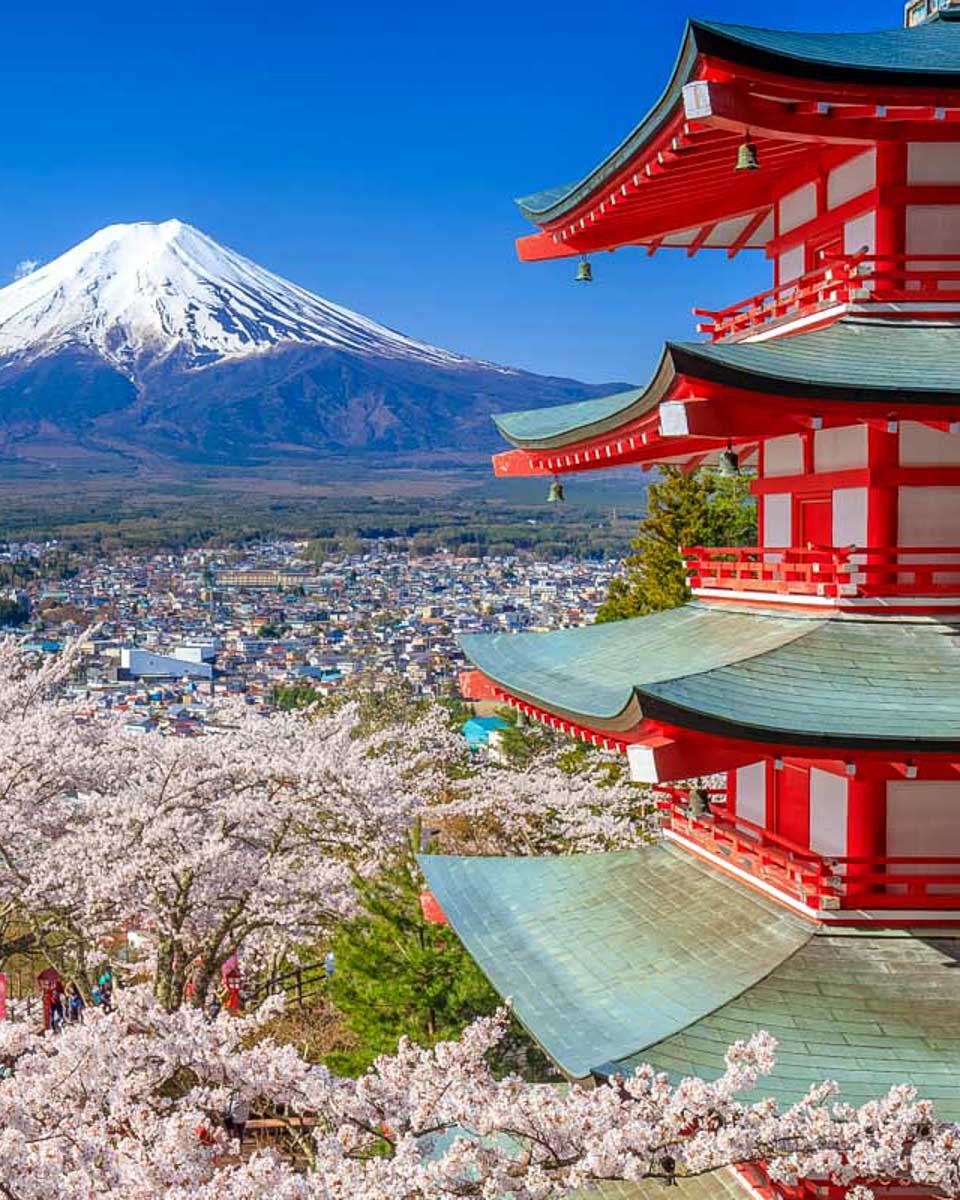
Typical timing: Early–mid April
Iconic spots:
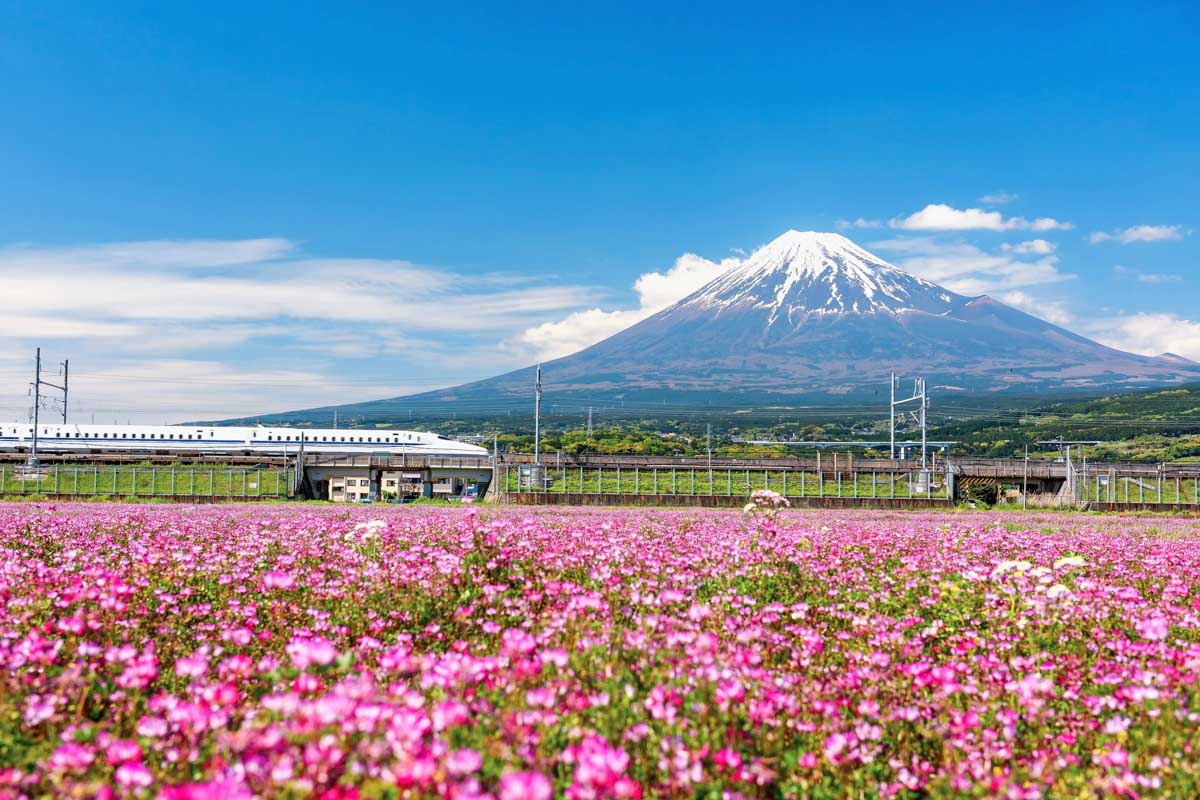
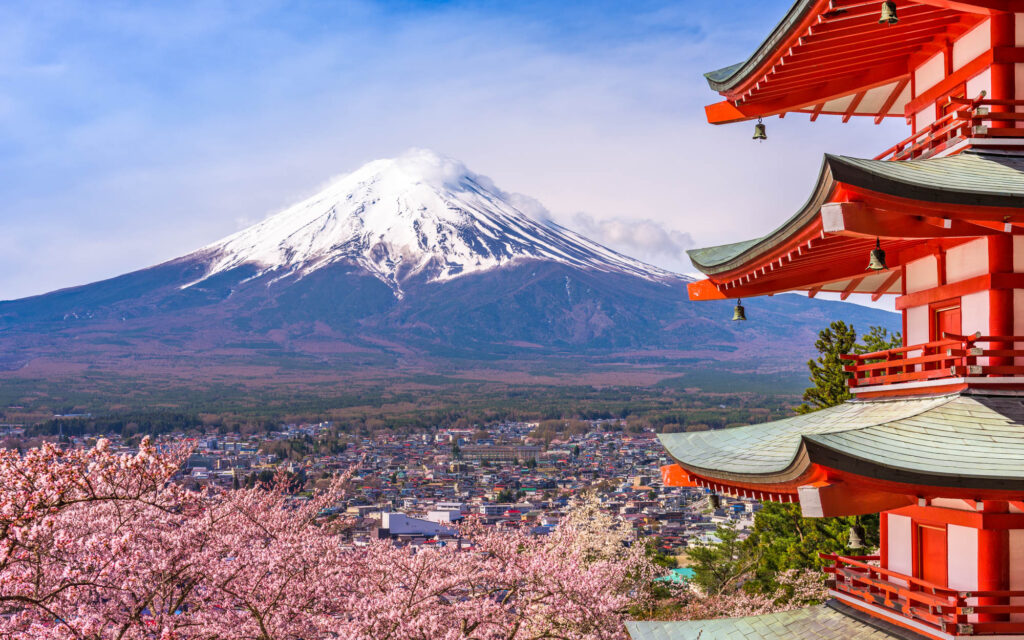
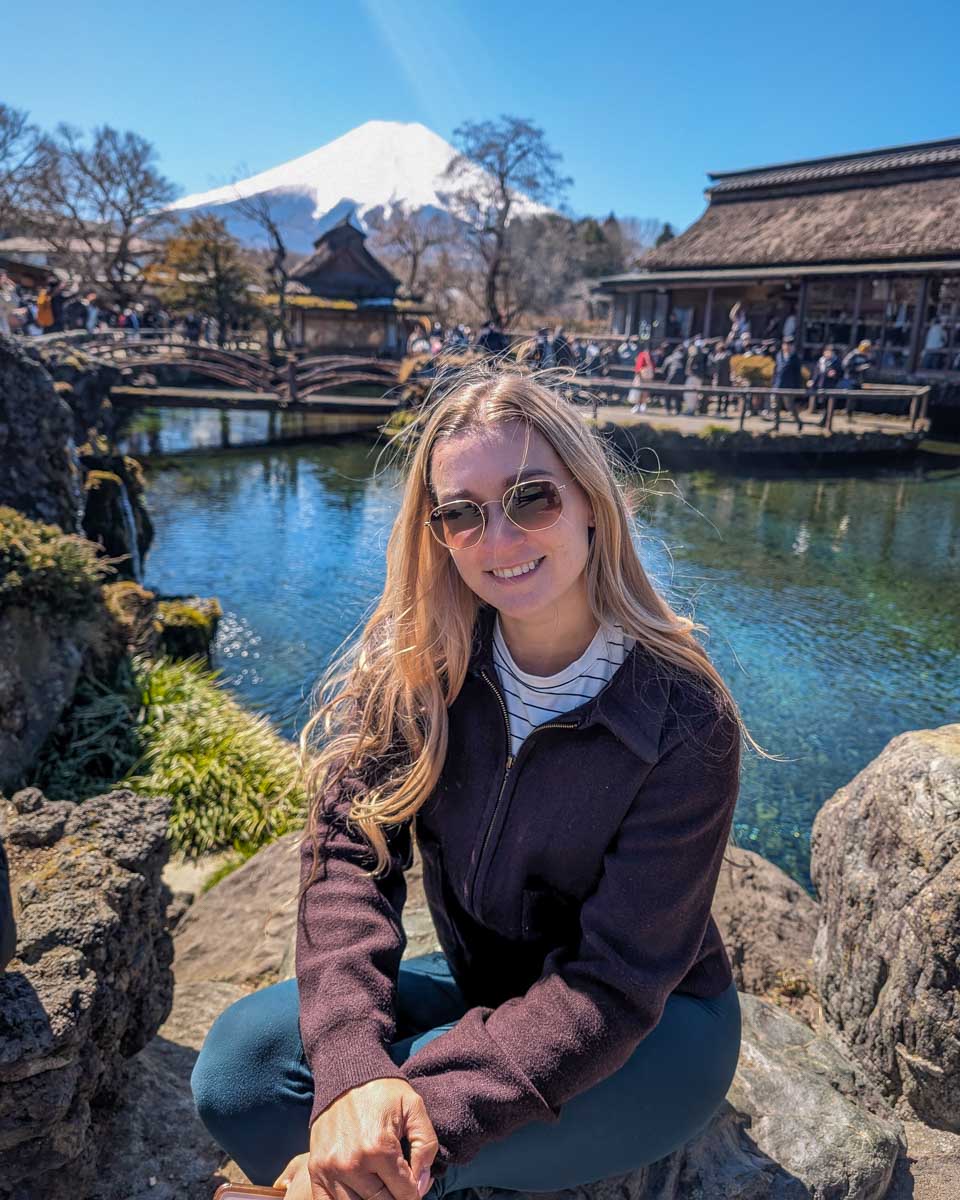
- Kawaguchiko Lakeside – classic Mt. Fuji framed by cherry blossoms.
- Chureito Pagoda (Arakura Sengen Shrine) – postcard-worthy view of Fuji + pagoda + sakura.
- Takada Castle (Niigata) – one of Japan’s top 3 night sakura experiences.
Festivals & events:
- Kawaguchiko Sakura Festival
- Takada Castle Park Night Festival
Why go here: Slightly later blooms mean great viewing after Tokyo/Kyoto. Fuji and alpine towns deliver some of Japan’s most photographed cherry blossom landscapes.
Japanese Alps: Nagano, Matsumoto & Takayama
Typical timing: Early–mid April (often later than Tokyo due to elevation)
Iconic spots:
- Matsumoto Castle – black-roofed castle surrounded by pink blossoms.
- Takayama Old Town – sakura-lined streets with traditional wooden buildings.
- Koen Park (Nagano) – hilltop views of sweeping cherry blossoms.
Festivals & events:
- Takayama Spring Festival (mid-April; not exclusively sakura but beautifully timed)
- Matsumoto Castle Cherry Blossom Light-Up
Why go here: Cooler mountain climates provide a reliable second wave of blossoms. Perfect for travelers who want cherry blossoms and traditional towns with fewer crowds.
Tohoku: Northern Honshu
Typical timing: Mid–late April
Iconic spots:
- Hirosaki Castle Park (Aomori) – one of Japan’s top 3 cherry blossom destinations with moats covered in petals.
- Kitakami Tenshochi (Iwate) – famous cherry blossom tunnel stretching along the river.
- Kakunodate Samurai District (Akita) – weeping cherry trees lining preserved samurai-era streets.
Festivals & events:
- Festivals & events:
- Hirosaki Cherry Blossom Festival
- Kitakami Tenshochi Festival
- Kakunodate Sakura Festival
Why go here: This region offers spectacular late-season sakura with dramatically fewer tourists. A dream for photographers and anyone who missed Tokyo’s peak!
Hokkaido
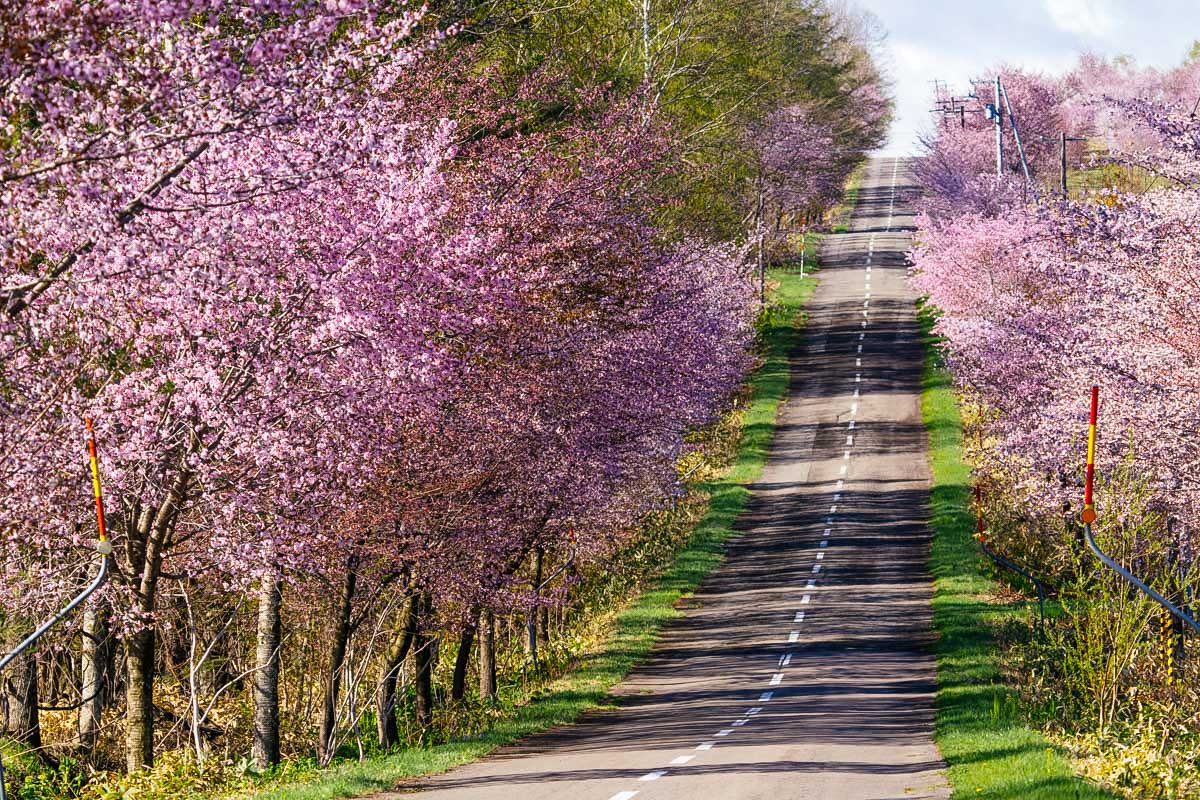
Typical timing: Late April–early May
Iconic spots:
- Matsumae Park (Matsumae Castle) – 10,000+ cherry trees and dozens of varieties.
- Goryokaku Park (Hakodate) – star-shaped fort blanketed in blossoms, best viewed from the tower.
- Maruyama Park (Sapporo) – lively picnic atmosphere under Sargent’s cherry trees.
Festivals & events:
- Matsumae Park Sakura Festival
- Goryokaku Park Sakura Festival
Why go here: Hokkaido’s cooler climate means Japan’s final cherry blossom wave — ideal for late-April or early-May travelers who still want a chance at peak bloom.
Related Read: If you’re still deciding when to plan your trip, our guide to the best time to visit Japan breaks down weather, crowds, and seasonal highlights.
How to Plan Your Cherry Blossom Itinerary


Given everything we’ve just told you, we get it if you’re feeling overwhelmed! The good news is that following the natural “sakura front” makes everything much easier. This approach is your best bet for catching the blossoms as the season progresses.
The bloom moves north as spring warms up, so we think that the best strategy is to start in Tokyo or Kyoto around late March, then slowly work your way up the country towards Tohoku or Hokkaido. This gives you the highest chance of catching peak bloom somewhere along your route, even if the weather shifts things a bit.
This way, you’re essentially trailing the blossoms instead of trying to guess where they’ll hit. It also gives you more flexibility to adjust your plans on the go. If one city blooms early or late, you can spend days around or hop on a bullet train to catch those pink blossoms.
Related Read: If you’re still deciding which destinations belong on your itinerary, our guide to the best places to visit in Japan breaks down where to go based on travel style, interests, and timing.
Late March to mid-April itinerary (most popular timeframe)
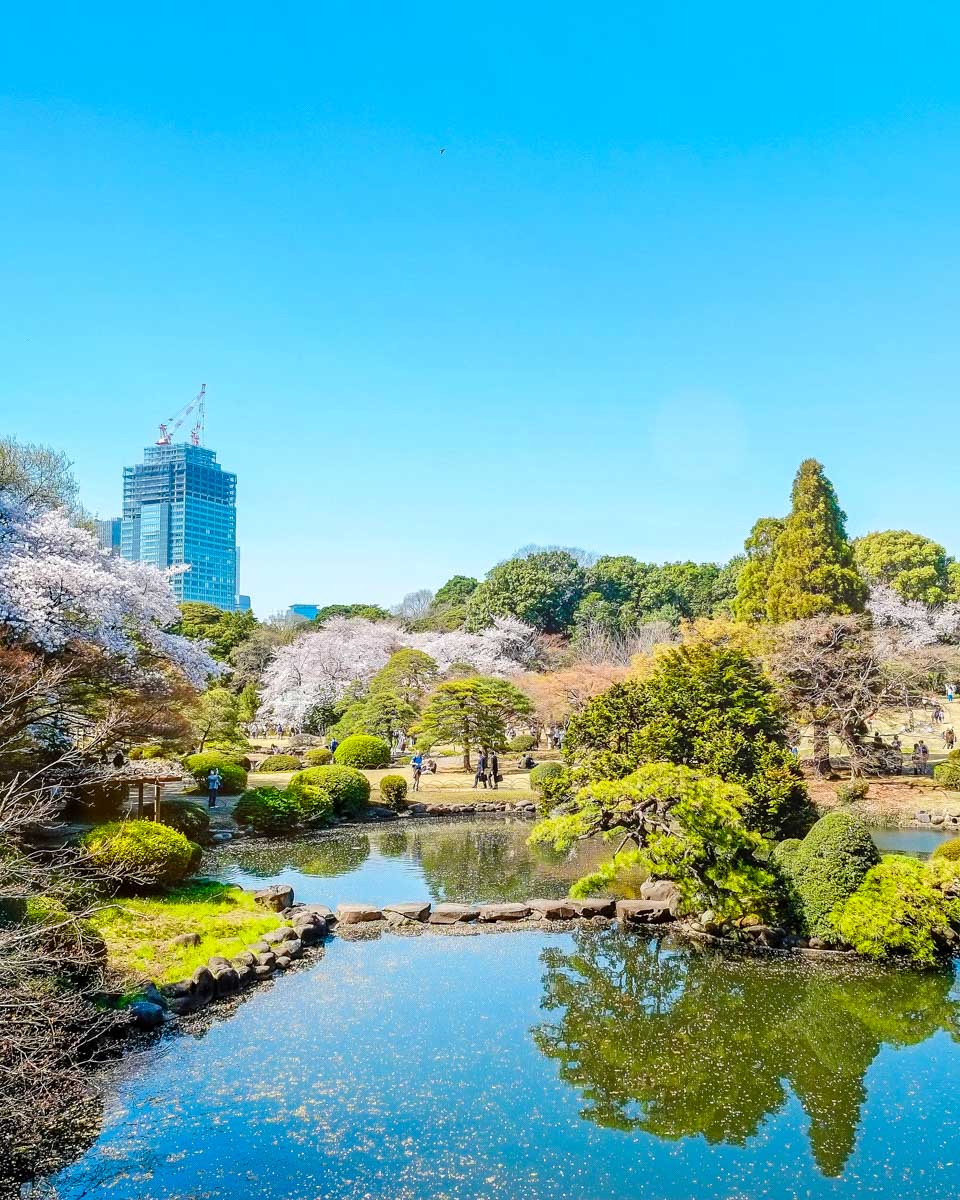
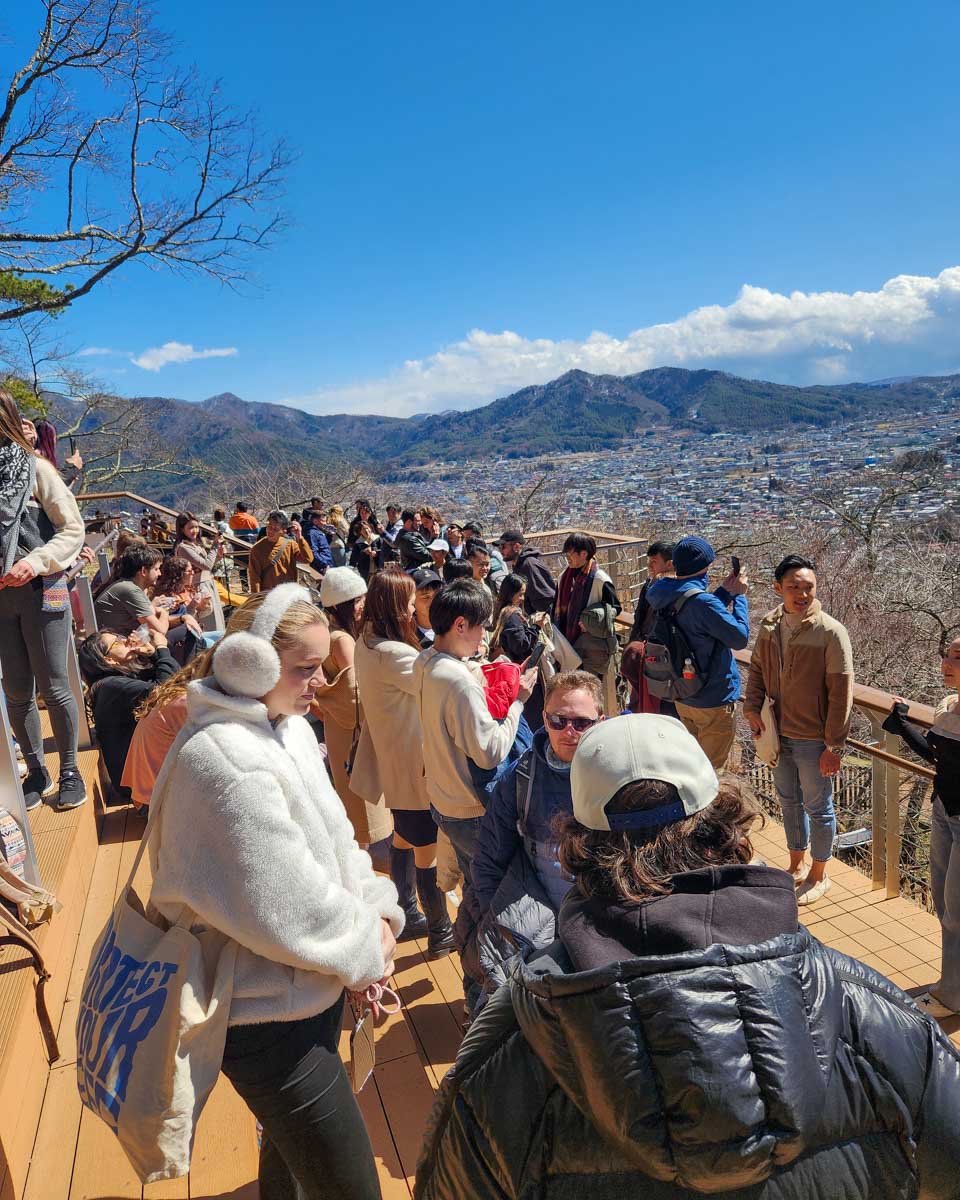
This itinerary follows the natural flow of the season, so each stop sits just a little behind the previous one. It’s a smart way to travel if you’re visiting during the most popular cherry blossom window because it acts like a safety net. Even if one city misses peak bloom, another one on your route is likely to be right on time.
For example, if Tokyo blooms early, Kyoto usually catches up right after. If Kyoto runs late, Kanazawa often becomes the sweet spot. And if everything shifts all at once, Tohoku almost always delivers a reliable late-April burst of blossoms.
Start in: Tokyo (late March – early April)
- Tokyo tends to bloom slightly earlier than Kyoto/Osaka.
- Even if Tokyo is early/late by a few days, there’s usually still something in bloom across the city (due to multiple varieties).
Then go to: Kyoto / Osaka (early April)
- Kyoto and Osaka bloom just after Tokyo.
- This sequencing naturally increases your odds because you’re not relying on both cities to bloom perfectly on your exact dates.
Then go to: Kanazawa or Nagano (April 5–15)
- These areas bloom later due to cooler temperatures and/or elevation.
- If Tokyo/Kyoto bloomed early and you missed them, these areas are your “safety net.”
Finish in: Tohoku (mid–late April)
- Sendai, Fukushima, Aomori, Kitakami, and especially Hirosaki Park often bloom 10–20 days after Tokyo.
- Almost every year, peak hits Tohoku during mid-to-late April.
Early/mid-April to early May itinerary
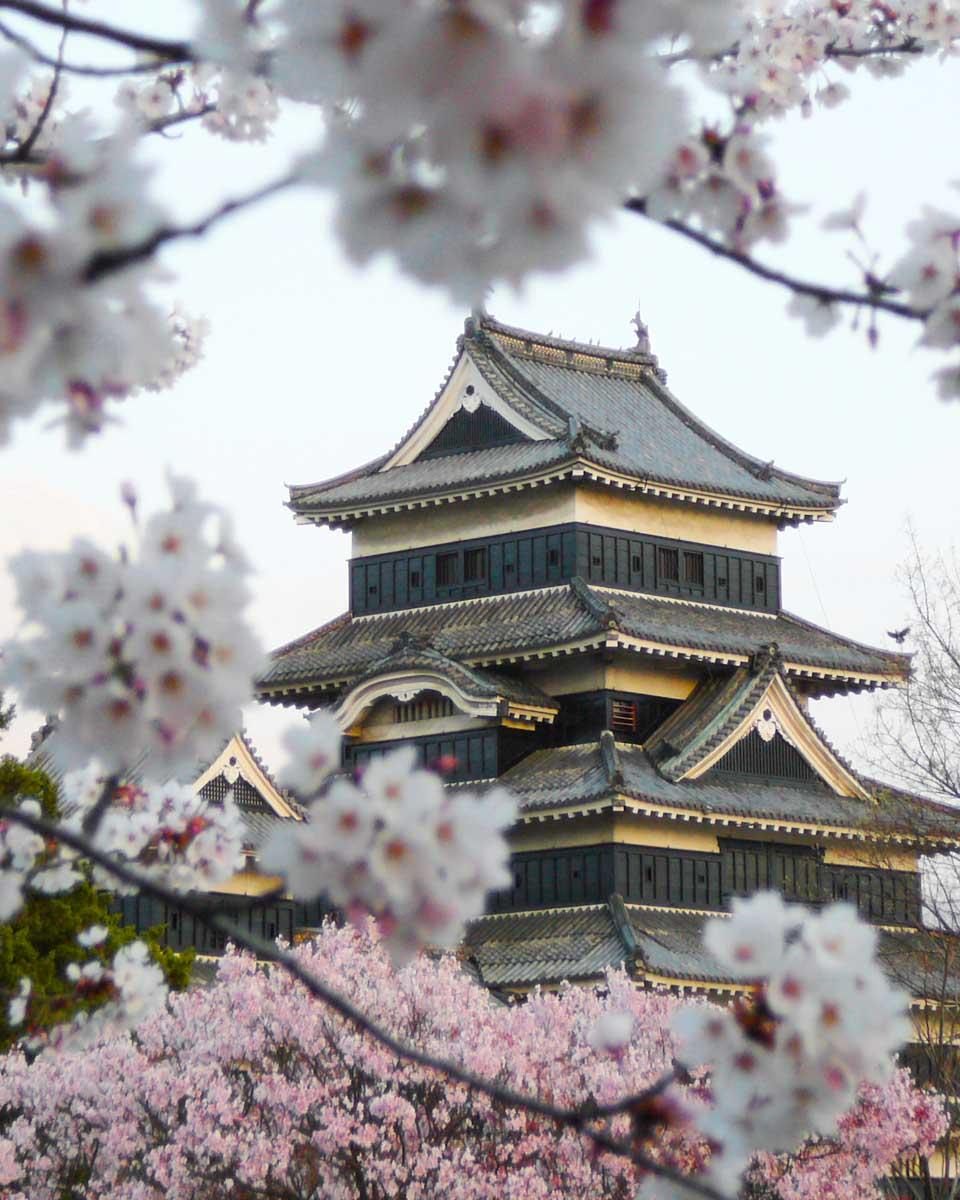
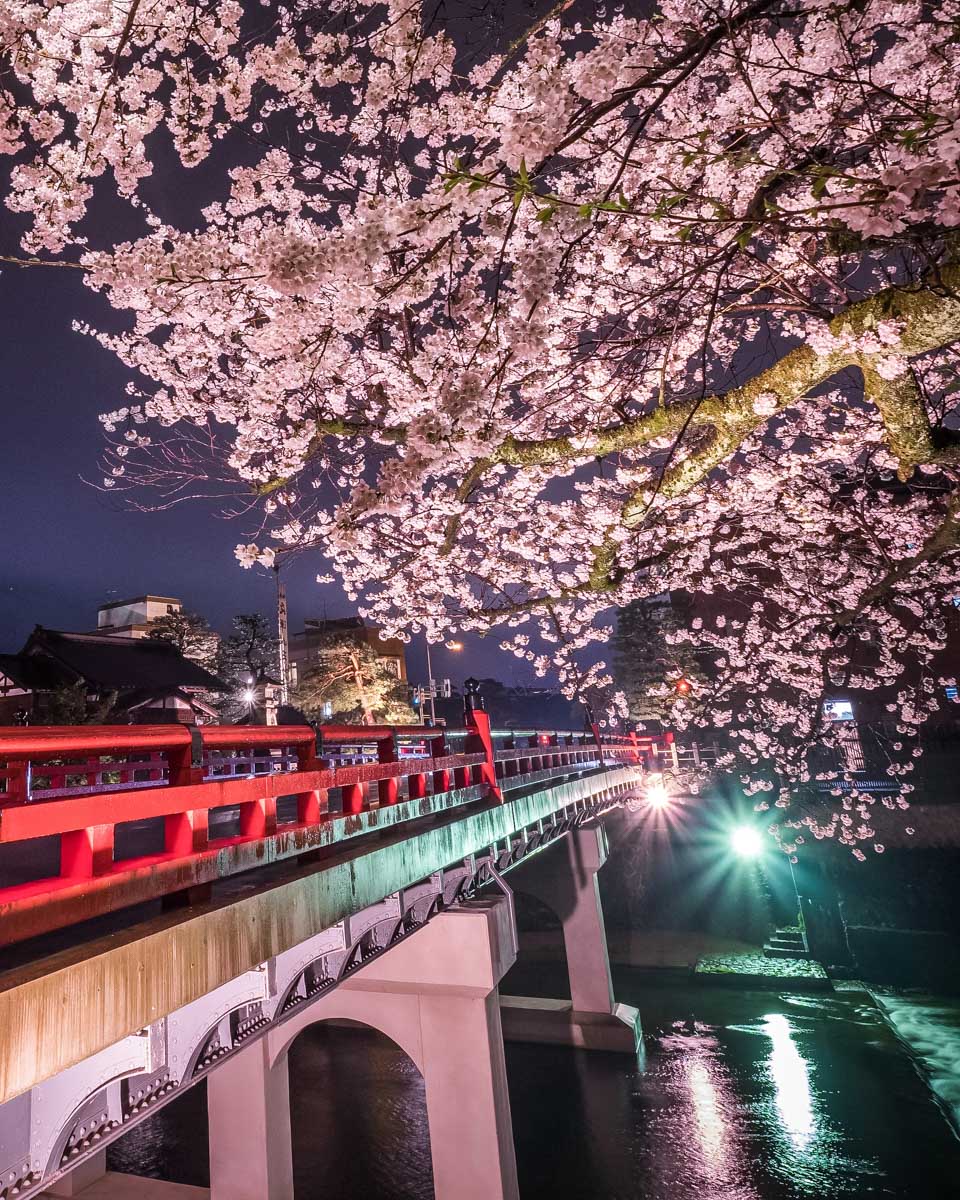
This route skips central Honshu and jumps straight into the regions that reliably bloom late. This gives you a much better chance of catching sakura without the heavy crowds you encounter farther south.
The landscapes get wilder as you move north, and the blossoms tend to last a bit longer, especially at higher elevations. You’ll start around Fuji Five Lakes, where the cooler air delays the season and sets you up for those epic Mt. Fuji and sakura shots. From there, the Japanese Alps and Nagano region offer another window of late blooms before you continue into Tohoku, which is one of Japan’s most underrated cherry blossom areas. Then you’ll finish in Hokkaido with the final sakura of the season.
Start in: Fuji Five Lakes (April 10–15)
- You’ll have likely already missed Tokyo’s blooms.
- This area has a higher elevation, meaning later blooms.
- Great for Mt. Fuji and sakura photos.
Then go to: Nagano / Japanese Alps (April 10–20)
- Places like Matsumoto, Takayama bloom later.
Then go to: Tohoku (April 15–25)
- This is one of the most beautiful, least-touristed sakura regions.
Finish in: Hokkaido (April 25–May 5)
- Hakodate, Sapporo, and Matsumae Park bloom among the latest in all of Japan.
Related Read: Planning a spring trip comes with its own challenges — our guide on mistakes to avoid when planning a trip to Japan can help you sidestep common pitfalls.
What is the Proper Hanami Etiquette?
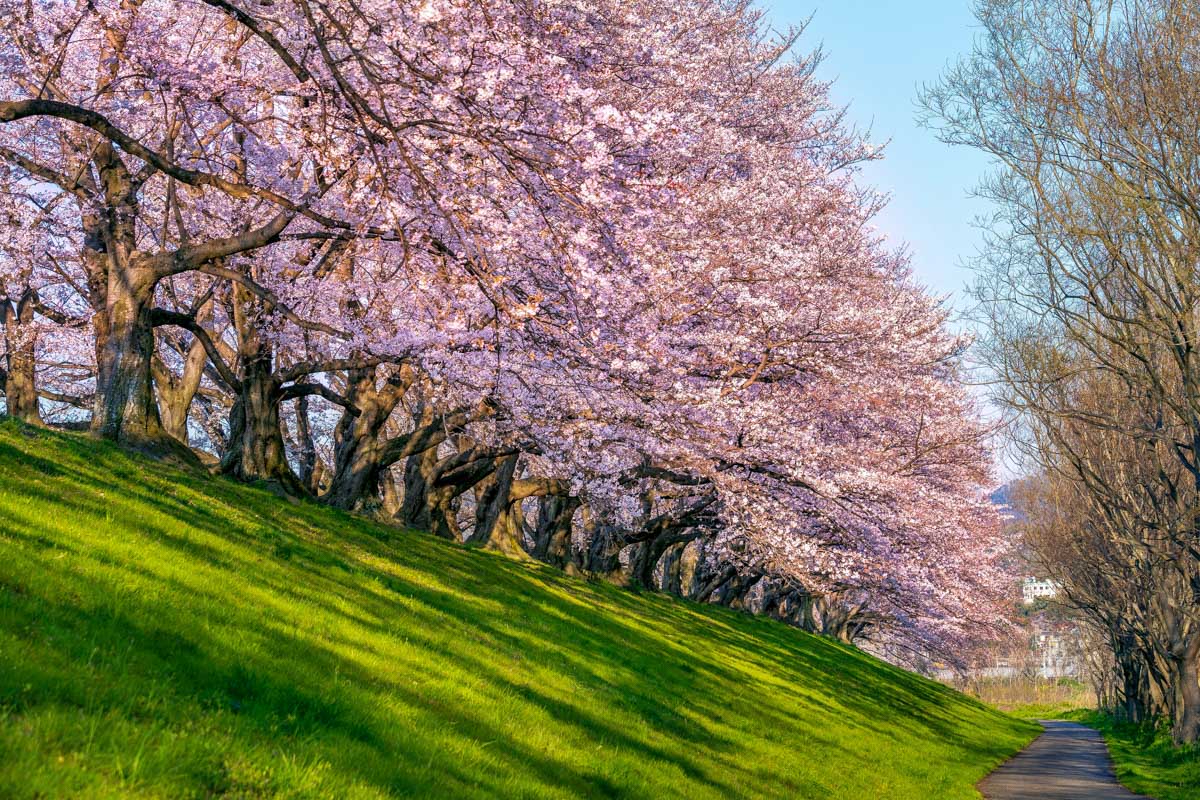
If you’re in Japan during cherry blossom season, joining a hanami gathering is a must! This is where locals grab picnic blankets and enjoy food and drinks under the blooming trees. It’s a great way to participate in Japanese culture, and everyone is welcome to join in, but there are some etiquette rules to keep in mind.
First of all, you should never shake the branches, pick flowers, climb the trees, or step on the roots. Basically, just don’t touch the trees at all. Cherry blossom trees are delicate, and even light pressure can damage them.
You can reserve a spot by laying down a tarp or picnic sheet, but be sure to respect the tarps that others have already put out. Space can get tight in popular areas, so only take up as much as you actually need.
A lot of parks have limited bins, so bring your own bags with you and make sure to take all of your trash with you. Drinking alcohol is a common part of hanami, but keep things respectful and don’t get rowdy. It’s also worth noting that a few parks don’t permit alcohol consumption, so double-check before you go.
Related Read: If you want a more detailed look at Japanese customs and cultural norms, check out our blog on Japan travel etiquette mistakes to avoid here.
Tips For Visiting During Cherry Blossom Season
Booking early
Cherry blossom season is one of Japan’s busiest travel periods, so it’s best to book your flights and hotels well in advance. I’m talking about 10-11 months ahead for major cities like Tokyo, Kyoto, and Osaka.
The same goes for cherry blossom tours, guided hanami, experiences, and day trips. Booking early not only guarantees your spot but can also help you avoid inflated last-minute prices. We use Viator because it offers free rescheduling and cancellation on most tours, so you can lock in your bookings ahead of time but stay flexible if you need to shift your plans.
Stay flexible
Chasing the cherry blossoms is not a perfect science. Timing can be unpredictable, so staying flexible is your best bet. If you arrive a little early or late for a city’s peak bloom, you can always hop on the Shinkansen and head south or north to catch flowers elsewhere.
Kyushu and Hiroshima are great options if you’re early, while Tohoku and Hokkaido bloom late. It’s also a good idea to book refundable tours and hotels so that you can adjust your itinerary on the fly without stress. We also use apps and check bloom forecasts while in Japan to make it easy to identify the best regions.
Weather & packing
Spring weather in Japan can be pretty chilly, especially in the evenings. The weather is usually pretty mild during the day, but in the major cities, the temperature can drop to 5–10°C (41–50°F). Trust me, a few layers go a long way!
I always pack a warm jacket for nighttime hanami and strolls. We always end up doing quite a lot of walking during cherry blossom season because exploring parks and temples is a big part of the experience, so comfy shoes are a must. And don’t forget a compact umbrella and a light raincoat, as spring showers can catch you off guard sometimes.
Crowds & timing during the day
Popular cherry blossom spots can get incredibly crowded, especially during peak bloom. We recommend arriving early to claim your spot. In some parks, you can label your picnic blanket and come back later, but in a lot of places, you’re not allowed to leave tarps unattended, so check the rules at your chosen spot.
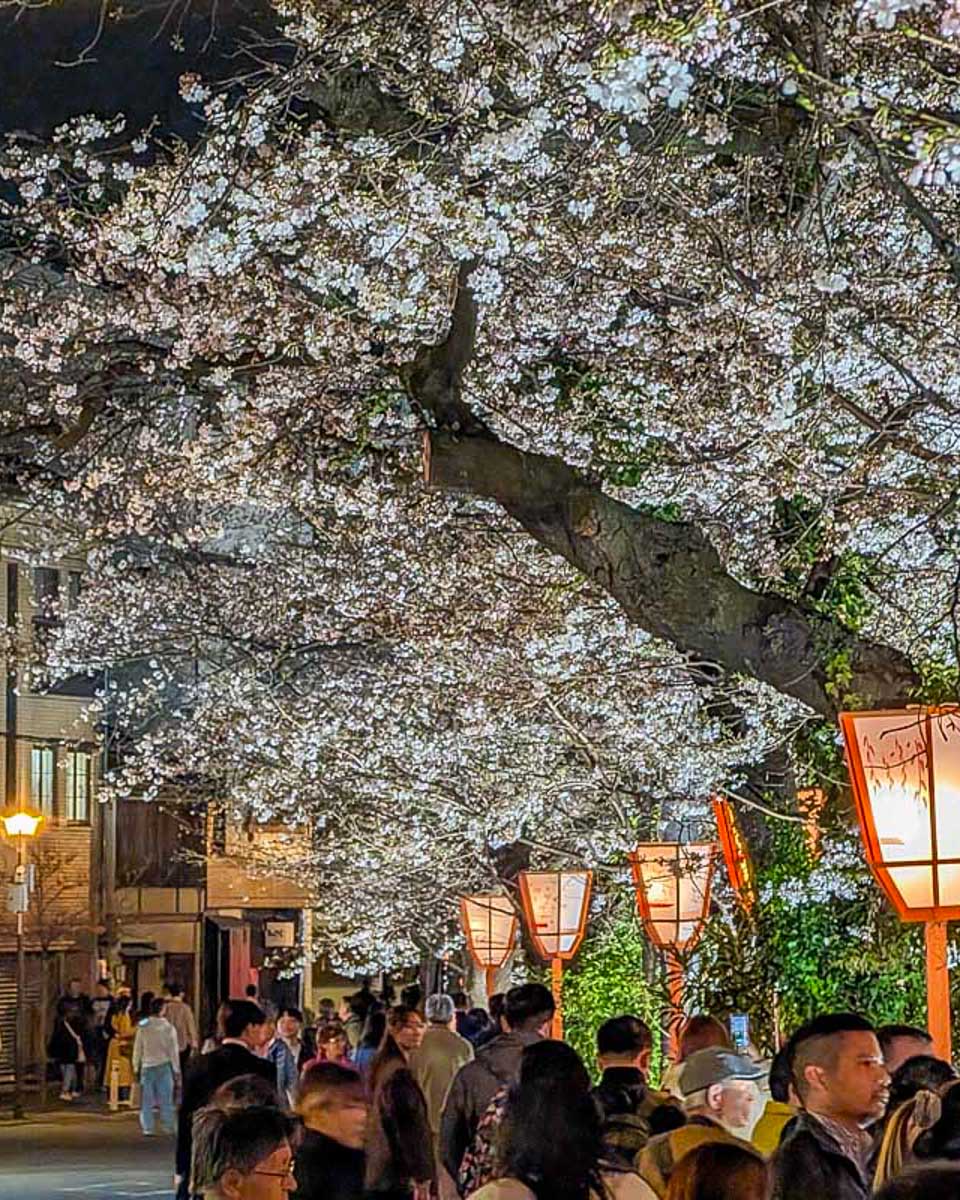
We also love either staying in a park until after dark or taking a nighttime stroll to see yozakura. This is when the cherry blossom trees are illuminated after sundown. It’s so beautiful!
Transport tips
One thing that we’ve found makes a big difference when it comes to chasing cherry blossoms is a Japan Rail Pass. This pass allows you almost unlimited journeys on the bullet trains (shinkansen) for your chosen duration, and it allows you to reserve seats for free. Long-distance Shinkansen rides fill quickly during the season, so this is a huge bonus!
Activate your pass strategically, starting it on the day you leave Tokyo for Kyoto (or another long leg) to get the most value out of it. We use apps like Japan Travel by Navitime to plan routes and check timetables.
We also make sure to arrive early at major stations like Tokyo or Osaka to give ourselves time to find the right platforms and cars, as this often takes longer than you might think. It’s also a good idea to forward luggage if you have big suitcases, as it’s affordable and saves a lot of stress. If you’re unsure whether the pass makes sense for your route, we break it all down in our ultimate guide to the Japan Rail Pass here.
Related Read: If you want a more detailed breakdown of trains, buses, subways, and domestic flights, check out our complete guide on how to get around Japan here.
Renting a Car in Japan

Japan’s trains are great, but if you want to explore rural areas, scenic routes, or off-the-beaten path hidden gems, renting a car offers unmatched flexibility. Driving in Japan is generally safe, with well-maintained roads and clear signage, though there are some unique rules and customs to be aware of.
We always book with Discover Cars and can’t recommend them enough. It’s super easy to compare multiple provider prices, check company ratings, filter for the type of vehicle you want, and add affordable full coverage insurance. If you want a full breakdown, check out our Discover Cars review here.
Tips for Renting a Car in Japan
What You Need to Rent a Car in Japan
Ready to hit the road? Discover the freedom of exploring the Japan on your own terms!
Airalo e-sim
Up To 15% Off With Code “DTRAVEL10”
What’s an eSIM?
An eSIM is a digital version of a SIM card. Instead of buying a little plastic chip and swapping it into your phone, you just download it. It connects your phone to a local network in whatever country you’re visiting — no stores, no waiting, and no fiddling with tiny cards.
In simple terms, it’s the easiest way to get data and stay connected while traveling.
We’ve tested a bunch of eSIMs in North America, and after a few frustrating experiences, we’ve found our favorite — Airalo. It’s fast, reliable, and incredibly easy to use. You can set it up in minutes (even my mom managed it solo on her first try!), and the prices are some of the best out there.
Bonus: We’ve got an exclusive 15% discount for our readers. Use the codes:
Thanks for reading!
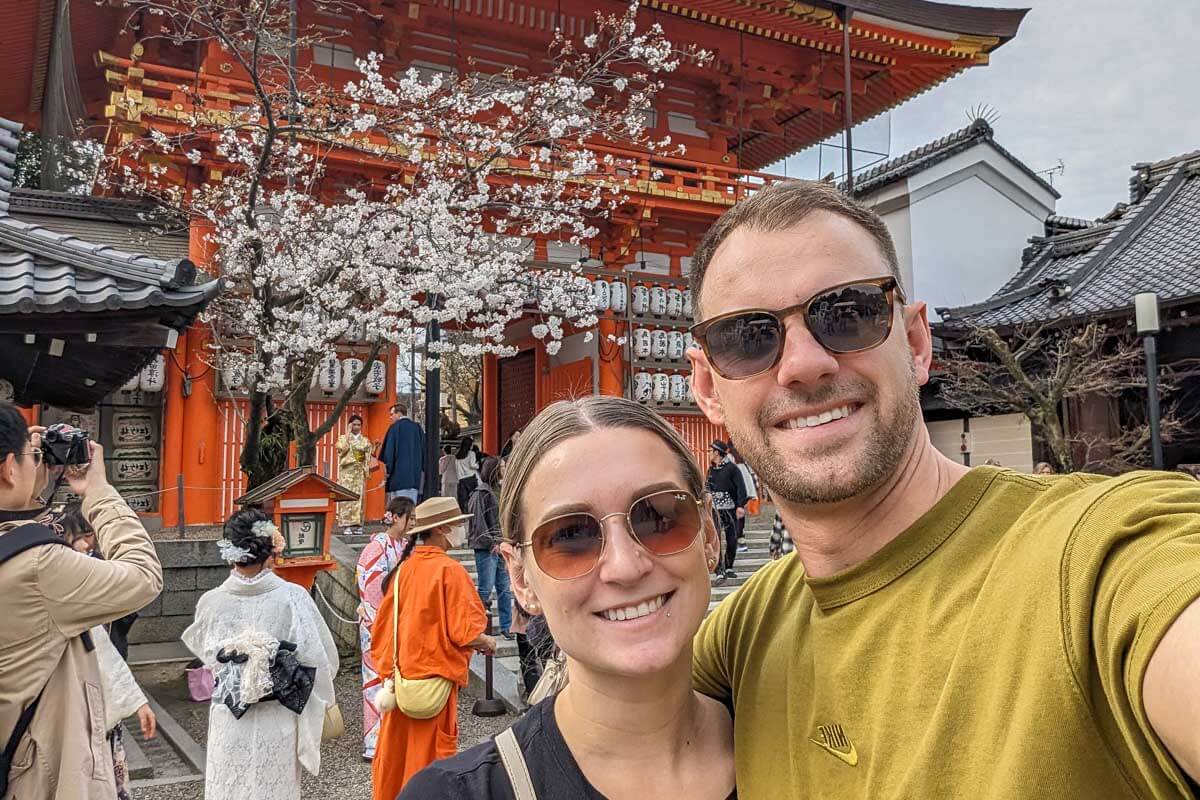
We hope this guide helps you feel confident planning your cherry blossom trip to Japan! While the sakura season can be unpredictable and busy, a bit of advance planning goes a long way. If you stay flexible, follow the bloom forecasts, and book key transport and accommodation early, your chances of catching those iconic pink blooms are incredibly high. Trust us — seeing Japan in full bloom is absolutely worth the effort.
Before you finalize your plans, be sure to check out all our Japan travel blogs here. We’ve spent a lot of time exploring the country and sharing the tips we wish we’d known sooner, from itineraries and transport advice to cultural know-how. Here are a few related reads to help you keep planning — happy hanami!
Renting a Car in Japan: 15 Things to KNOW + My Personal Tips
Where to Go in Japan Based on Your Travel Style
Is Japan Expensive? Cost of Traveling to Japan
Should You Get Travel Insurance for Japan?
The Services We Recommend
From hotels to guided tours, we only recommend services we know and trust. Here are our recommended partners so you can explore Japan with confidence.