How To Get Around Japan: Trains, Buses, Flights + More
Planning a trip to Japan, but not sure how to get from place to place? We’ve got you covered.
After traveling extensively across Japan, we can confidently say that figuring out transportation is easier than it first seems. The country is famous for its punctual trains, efficient subways, and well-connected domestic flights, but there are also buses, ferries, and even scenic road trips to consider.
The best way to get around really depends on your itinerary, budget, and how much flexibility you want. Japan’s network is world-class, and no matter what style of traveler you are, there’s an option that fits. Keep on reading because in this guide, we’re going to break everything down!
Japan Transportation Overview
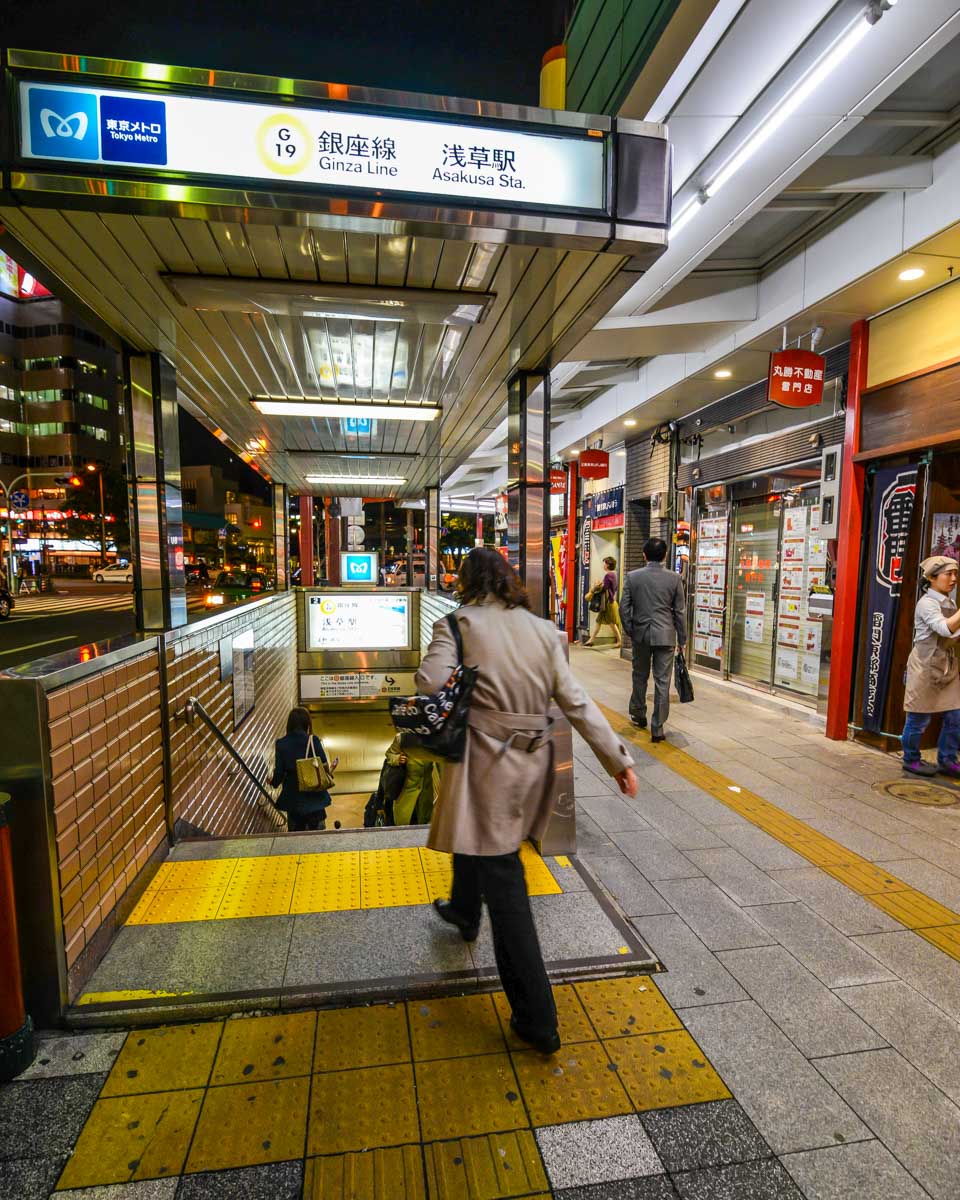
Good news: Japan’s transportation network is one of the most advanced and reliable in the world! It’s actually very easy to travel across the country, and the best mode of transportation really depends on your trip length, destinations, and budget. Most travelers end up using a mix of options, which is why we’re here to help you identify which modes of transport to use and when.
I’m sure you’ve heard of the iconic Shinkansen bullet trains, but it’s also worth making use of budget-friendly buses, scenic ferries, and even domestic flights. The options in Japan are varied and well-integrated, so you’ll never get stuck!
Here’s a quick look at what’s available – we’ll go into more detail later on.
- Trains – The backbone of travel in Japan, from lightning-fast Shinkansen to scenic regional lines. They’re reliable, clean, and perfect for covering both short and long distances.
- Buses – A budget-friendly alternative for intercity travel and rural areas not well-served by trains. Overnight buses can even double as accommodation to save time and money!
- Domestic Flights – These are ideal for covering long distances quickly, especially between islands or when time is short. With plenty of routes and budget airlines, we’ve found that they can sometimes be surprisingly affordable.
- Car Rentals – Renting a car is your best bet for exploring rural regions like Hokkaido, Okinawa, or the Japanese Alps. We love driving because it gives us flexibility and access to places trains and buses don’t reach.
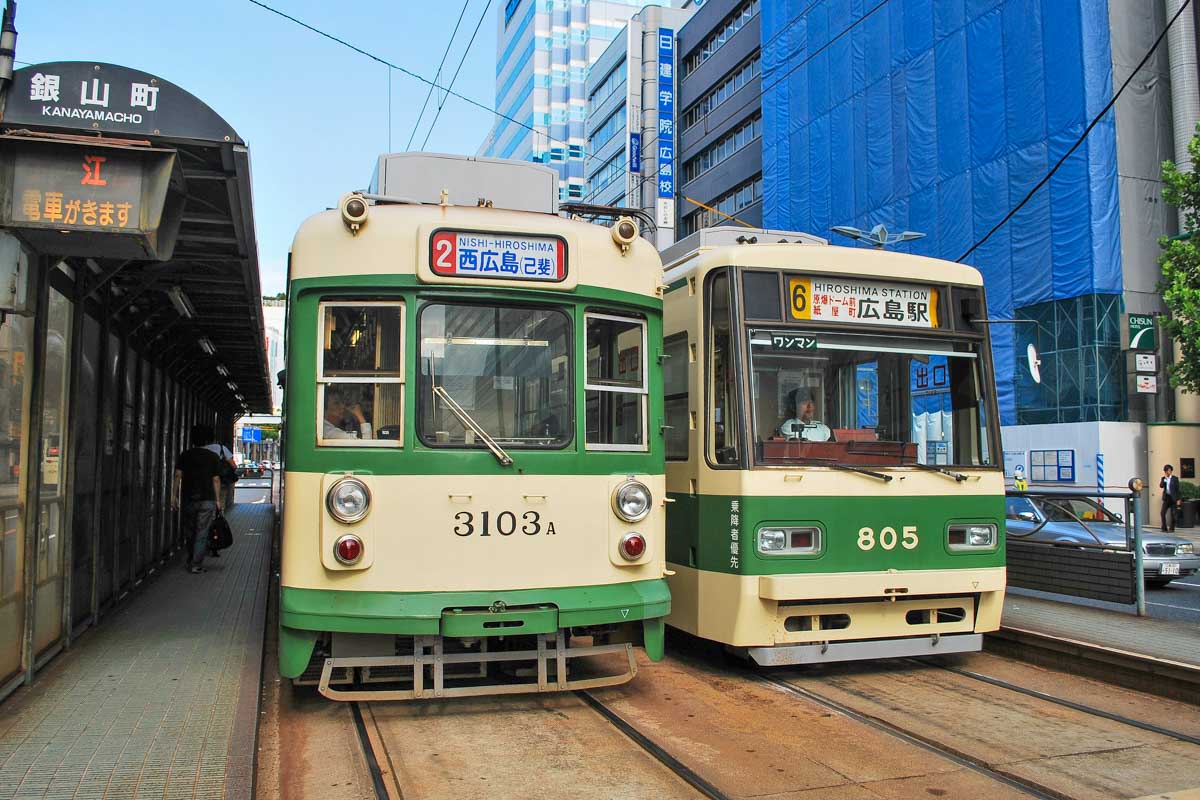
- City Public Transit – Subways, trains, and buses make navigating cities like Tokyo, Kyoto, and Osaka seamless. They’re cheap, frequent, and efficient, not to mention way cleaner and quieter than public transport in any other country!
- Rideshares & Taxis – These are convenient for short trips and late nights, or when you’ve got heavy luggage to carry! They’re safe, reliable, and easy to hail.
- Ferries – A slower but scenic option for traveling between islands or along the coast. Overnight routes add a unique experience and can even save on hotel costs!
Trains
- When it makes sense: Intercity travel (2+ hours), multi-city itineraries, and sightseeing on scenic routes.
- Best for: First-time visitors, couples, families, older travelers, anyone who values comfort and reliability.
- Budget: Medium to high (Shinkansen can be pricey, but JR Passes or regional passes can offset costs).
- Pros: Ultra-punctual, clean, fast, extensive network, easy to book, passes available.
- Cons: Expensive without a pass, luggage restrictions, busy stations.
- Where to book: JR East/West/SmartEX online, at stations, Japan Rail Pass websites.
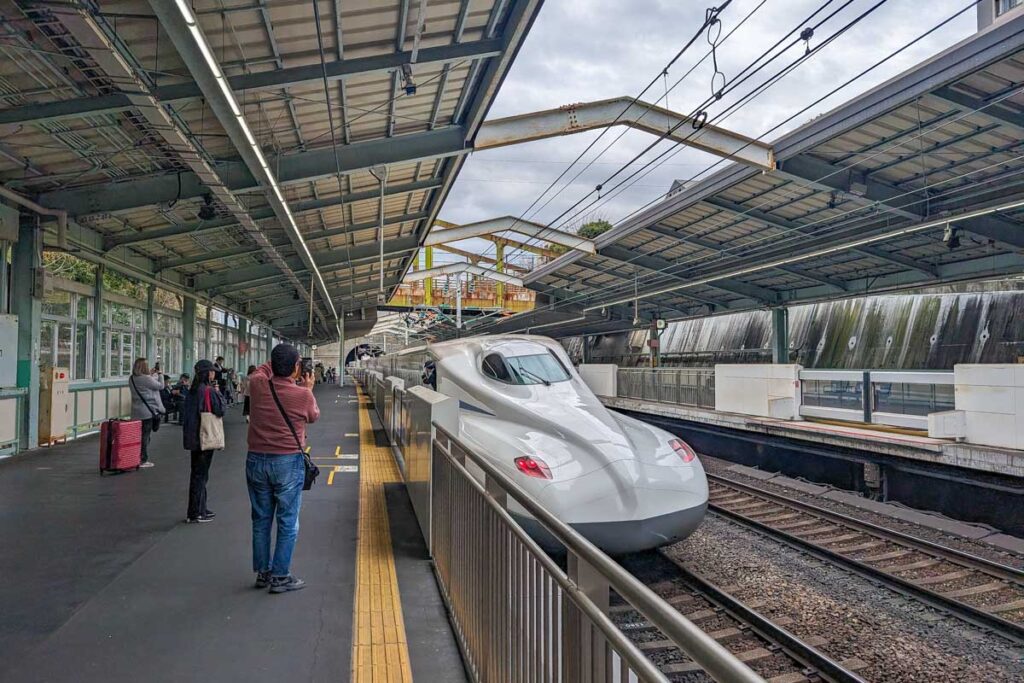
Trains are hands down the most popular and efficient way to travel around Japan. I mean, they’re famous for being ultra punctual and reliable. The first time I rode a train in Japan, I also couldn’t believe how clean it was! The network is super extensive, too.
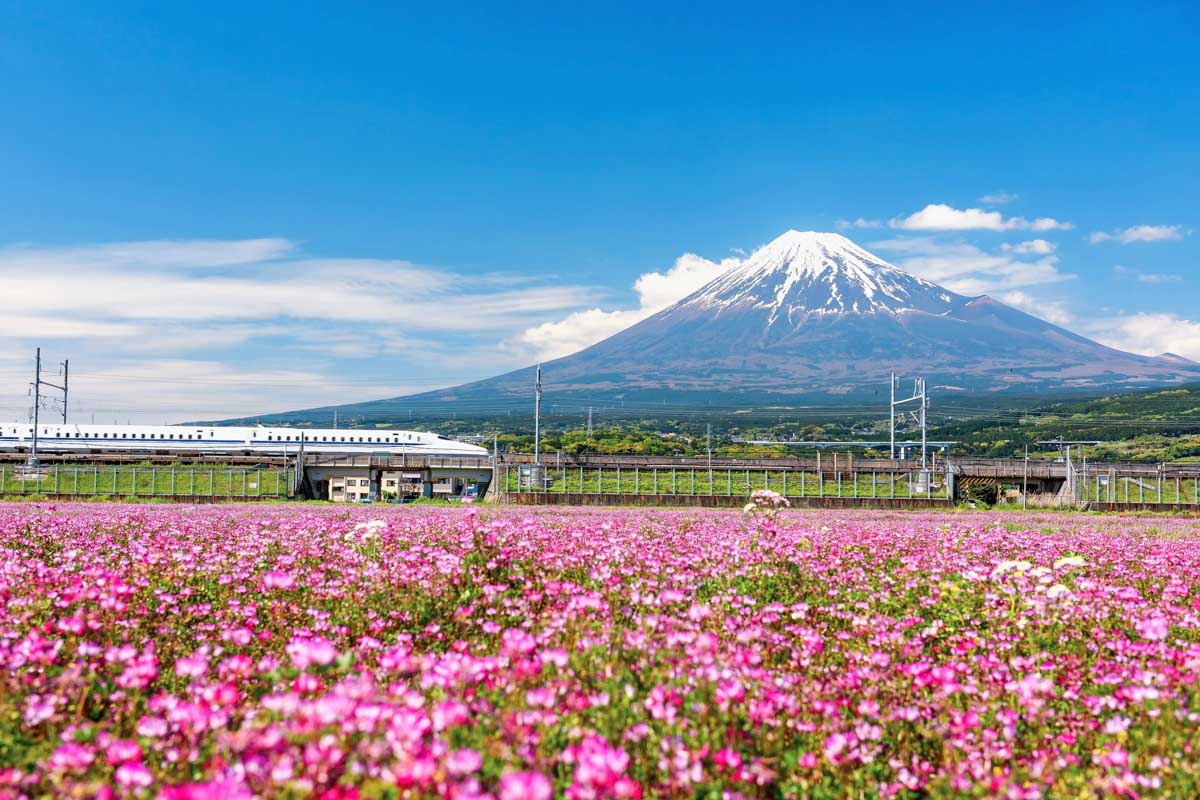
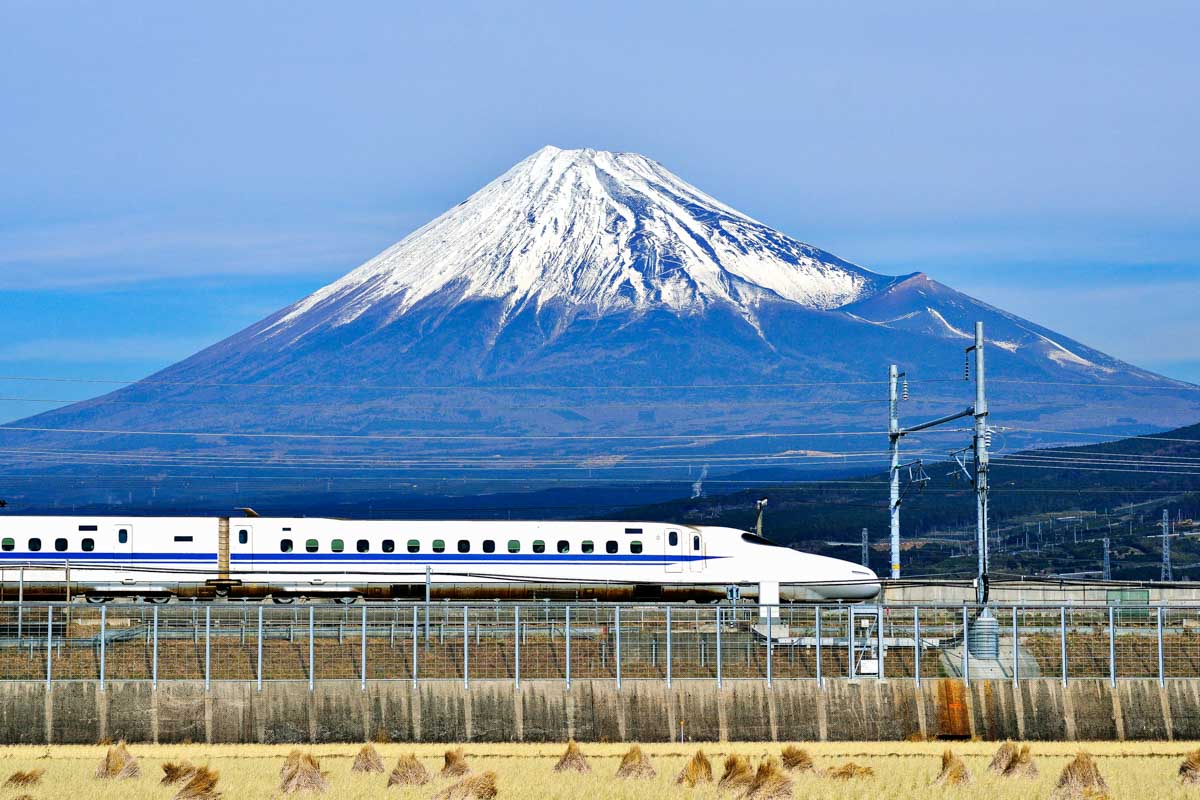
For longer distances, the Shinkansen – aka the bullet train – is the star. I mean, riding this train is practically a rite of passage for anyone visiting Japan. It’s amazing just how quickly it allows you to zip between cities like Tokyo, Kyoto, and Hiroshima. Then, regional and local trains fill in the gaps.
That speed and comfort can come at a price, though. Shinkansen tickets aren’t cheap, but if you’re planning a multi-city itinerary, a Japan Rail Pass or regional rail pass can save a lot of money.
Luggage is another thing to think about. If you have large suitcases, you’ll need to book an “oversized luggage seat” in advance. Alternatively, Japan has a very convenient forwarding service (takkyūbin) which you can usually arrange through hotels and convenience stores – handy, right?
We found booking trains quite confusing at first since Japan Rail is divided into regional companies. For that reason, we thought we should give you a quick breakdown, but remember, you can also buy tickets in person at train stations, too.
- Use the JR East platform for eastern and northern Japan
- JR West for the Kansai and Chugoku regions,
- SmartEX for Shinkansen tickets across central to western Japan (JR Central, JR West, and JR Kyushu)
Should you get a JR Pass?
The nationwide Japan Rail Pass (JR Pass) is one of the best deals available for travelers who plan to cover a lot of ground in Japan. It’s exclusive to foreign visitors, and it offers unlimited travel on most JR trains, buses, and even some ferries!
You can choose from 7, 14, or 21-day consecutive-day passes, and while the upfront cost may feel high (around ¥50,000 / ~$340 USD for a 7-day pass), you’ll recoup that pretty quickly! For example, a round-trip on the Shinkansen between Tokyo and Kyoto plus one extra long-distance ride can already pay for the pass. And if you’re planning a multi-city route, the savings are even greater! Seat reservations are free with the pass, which is an added bonus during busy seasons.
If you’re traveling all over Japan, the JR Pass is definitely worth considering. However, it may not be the right choice for every trip. If your itinerary is focused on just one region, it’s often cheaper to buy tickets individually or use a regional rail pass. These are tailored to a specific area, such as Mt. Fuji or Kansai, and cost a lot less. The nationwide JR Pass also doesn’t fully cover the Nozomi and Mizuho Shinkansen trains, so you may need to take slightly slower alternatives or pay extra to ride on those trains.
Related Read: Need more info on the Japan Rail Pass? Read our Ultimate Guide to the JR Pass to see if it’s the right choice for your trip!
Buses
- When it makes sense: Budget-friendly travel, overnight journeys, and reaching rural destinations not served by trains.
- Best for: Backpackers, solo travelers, students, slow travelers on a budget.
- Budget: Low — long-distance buses start around ¥1,000–¥5,000 ($7-$35 USD)
- Pros: Affordable, overnight buses save on accommodation, good rural coverage, many are included in the JR Pass.
- Cons: Slower than trains, comfort varies, reservations may be needed.
- Where to book: Willer Express, JR Bus, regional bus company websites, bus stations.
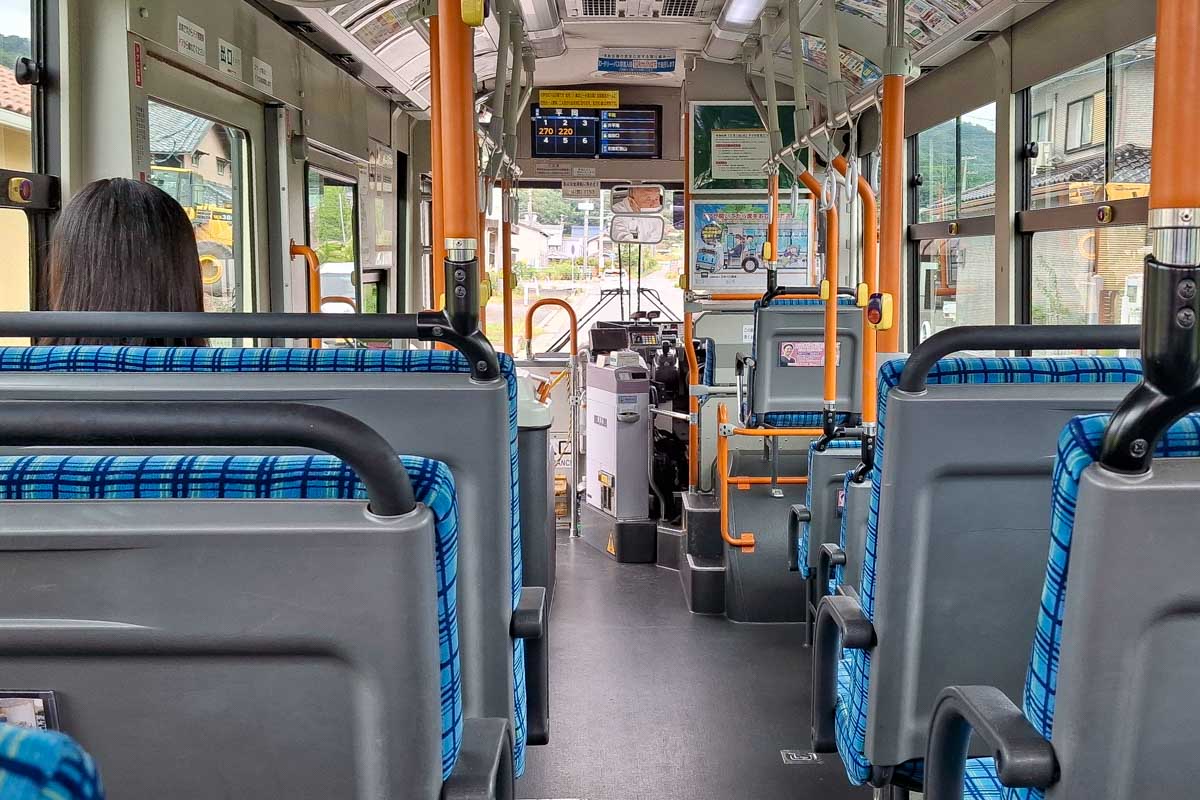
Buses are a budget-friendly and surprisingly practical way to travel around Japan. If you don’t mind trading speed for savings, then buses are the way to go!
Long-distance buses connect nearly every major city in Japan. There’s also excellent coverage in rural areas that trains don’t reach! Sometimes we’ve ended up taking buses simply because there was no other way to get to our destination.
Prices are typically far lower than the Shinkansen, with fares between Tokyo and Kyoto often starting at just ¥3,000–¥5,000 (around $20 – $35 USD). Overnight buses are particularly popular, as they save you a night’s accommodation and drop you straight into your destination by morning.
Comfort levels vary depending on the company and class of seat you book. Some premium buses come with reclining seats, footrests, and even privacy partitions. We think it’s worth spending a little extra if you can, as this can make a long ride a lot more bearable.
That said, they are always slower than trains. A 2-3 hour journey on the bullet train typically takes 7-9 hours by bus. For that reason, they’re best for backpackers and students who have plenty of time to explore and want to make their money go as far as possible.
We also love how easy it is to book buses through sites like Willer Express or JR Bus. You can also get tickets at bus stations and convenience stores. If you’re looking for a wallet-friendly way to explore Japan, buses are a solid option.
Domestic Flights
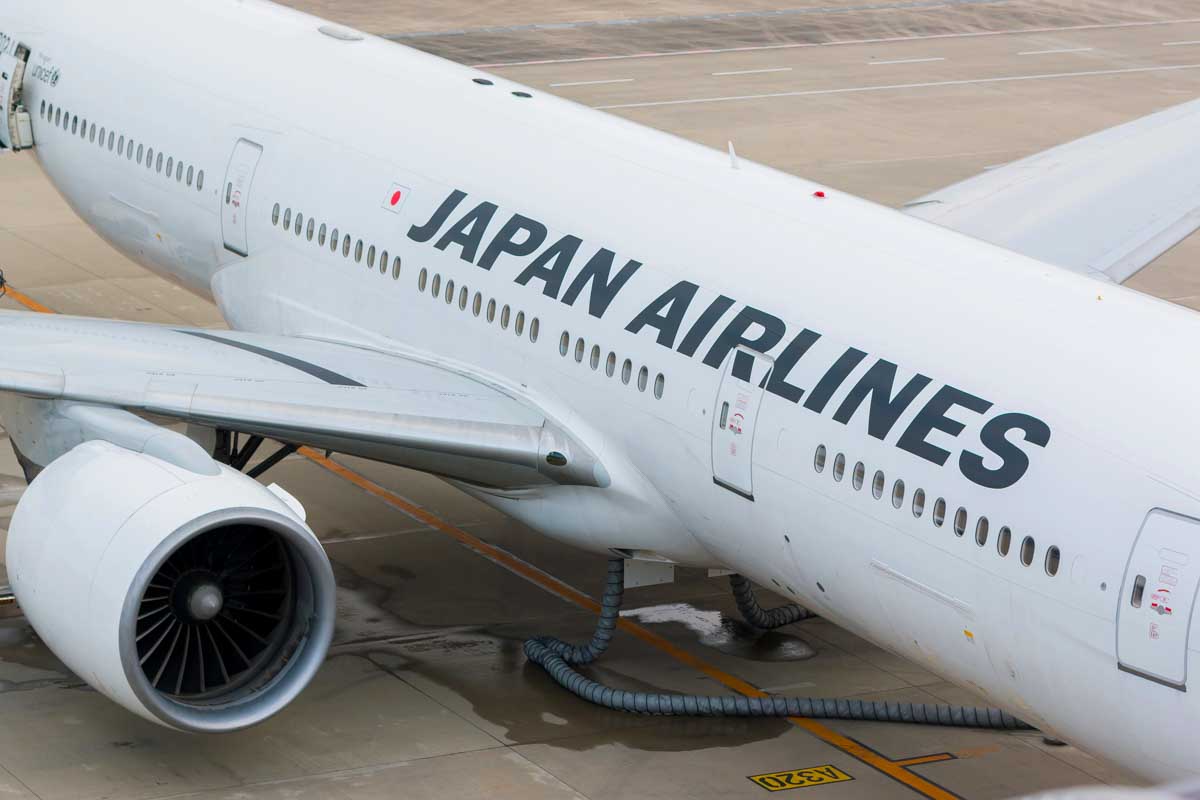
- When it makes sense: Long-distance travel, multi-island itineraries, limited timeframes.
- Best for: Families, time-strapped travelers, deal-hunters.
- Budget: Medium — can sometimes find great deals or use budget airlines.
- Pros: Fast for long distances, can be cheap, lots of domestic routes.
- Cons: Airports far from city centers, security/boarding add time, extra costs (baggage, seats).
- Where to book: Airline websites (ANA, JAL, Peach, Jetstar, Skymark), booking platforms like Omio.
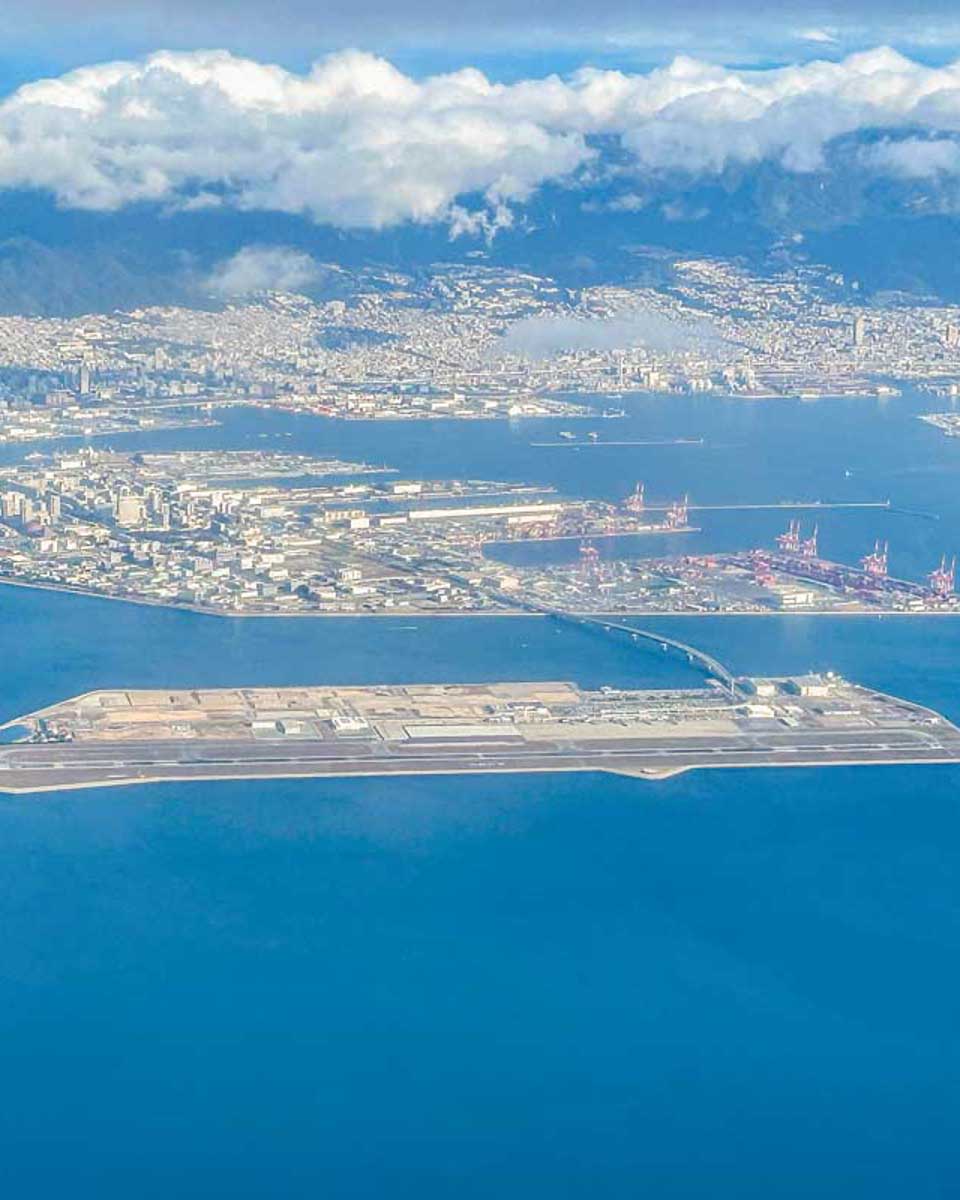
For long-distance travel in Japan, domestic flights can save you a ton of time. This is especially true if you’re hopping between regions or islands. We’ve used domestic flights to get between Tokyo and Sapporo, and it shaved hours of time off our trip without costing an arm and a leg.
However, do keep in mind that airports are often farther from city centers than train stations, and security lines can add time. For bullet trains, we generally arrive at the station about 45 minutes early, but we get to the airport 1.5 hours ahead for domestic flights, or 2 hours for busier airports like Haneda in Tokyo. So, although a flight can seem a lot quicker at first, you still need to factor this into your schedule.
Japan’s two main airlines, All Nippon Airways (ANA) and Japan Airlines (JAL) Group, offer extensive routes and reliable service, while low-cost carriers like Peach, Jetstar, and Skymark can be a great way to snag a deal. For booking, we either use airline websites directly or take advantage of platforms like Omio to compare flights and find the best deals. However, remember that baggage fees can add up on budget airlines, as can seat selection if you want to sit with your travel companions.
Renting a Car

- When it makes sense: Exploring rural areas (Hokkaido, Japanese Alps, Okinawa), road trips, or scenic countryside drives.
- Best for: Adventurous couples/families, photographers, slow travelers.
- Budget: High — around ¥5,000–¥20,000/day ($30-$50 USD) plus fuel, tolls, and insurance.
- Pros: Flexible, scenic, ideal for remote areas not covered by trains.
- Cons: Expensive, requires an International Driving Permit, city traffic/parking is a hassle.
- Where to book: Discover Cars
If you’re planning to explore Japan’s more remote areas, renting a car gives you unmatched freedom. Areas like Hokkaido, the Japanese Alps, and Okinawa are best experienced on your own schedule, and train and bus networks aren’t as extensive in these areas. We loved exploring these areas with a rental car because we could be spontaneous, find hidden gems, and stop as often as we wanted.
On the other hand, I wouldn’t want to drive in a big city in Japan! The traffic can be stressful, parking is often limited or pricey, and it’s just not necessary because of how great the public transport systems are. Save it for more rural areas!
Keep in mind that in Japan, people drive on the left, and toll roads are common, especially on highways connecting major regions. Most rental cars are automatic, so manual vehicles are rare and should be booked well in advance if you prefer them. An International Driving Permit (IDP) is often mandatory, so make sure to organize one before you arrive.
We always use Discover Cars to find the best car rental deals. Not just in Japan, either – we’ve rented cars with them all over the world. It makes it super easy to compare reviews and find the right vehicle for you. It has saved us hundreds of dollars over the years!
Related Read: If renting a car sounds like your preferred travel method, see our Renting a Car in Japan guide for all of the essential information and helpful tips.
City Public Transit
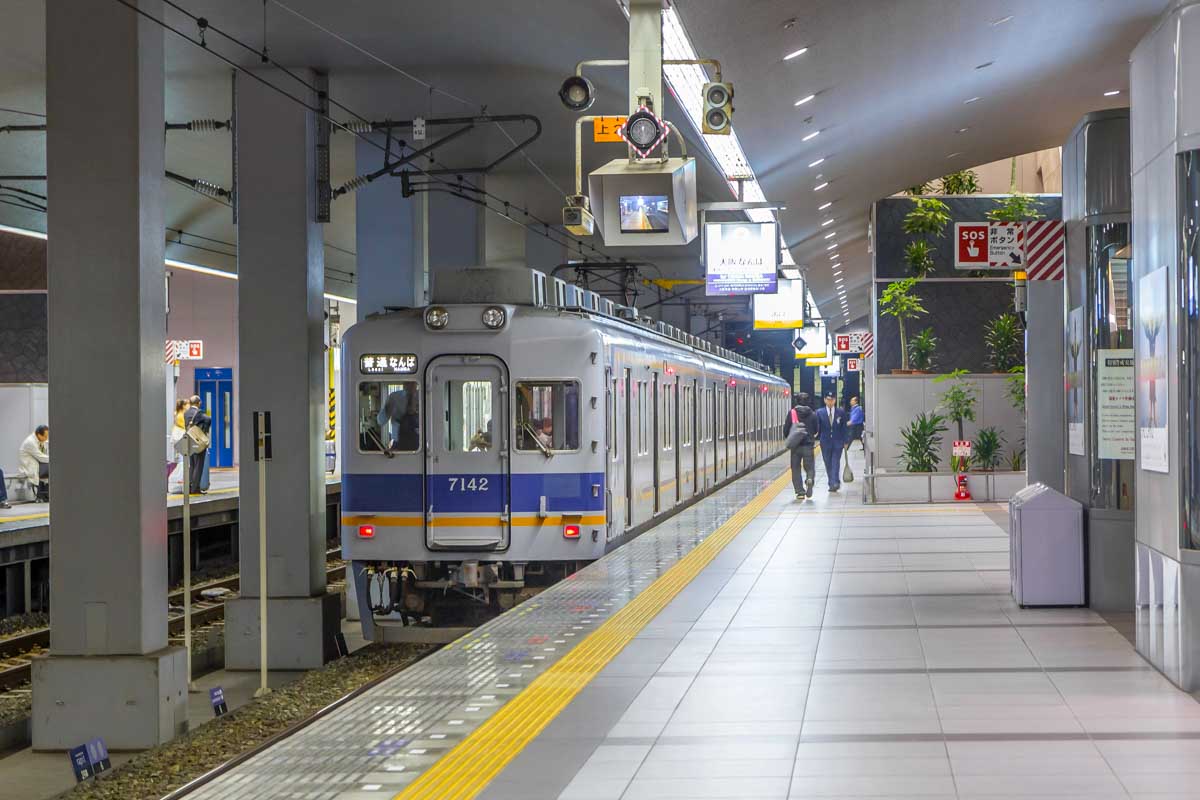
- When it makes sense: Exploration within Tokyo, Osaka, Kyoto, and other big cities.
- Best for: Everyone — from solo travelers to families, short-stay visitors to long-term travelers.
- Budget: Low — usually ¥200–¥400 ($1.50-$3.00 USD) per ride; day passes from ~¥600–¥1,000 ($4-$7 USD).
- Pros: Fast, frequent, cheap, eco-friendly, IC cards (Suica/Pasmo/Icoca) make it seamless.
- Cons: Can be crowded at peak hours, confusing at large stations with multiple lines.
- Where to book: Buy IC cards/day passes at stations; top up at convenience stores or on the app (for digital cards)
Japan’s public transit system is incredibly efficient, especially in major cities like Tokyo, Osaka, and Kyoto. Subways, buses, and local trains are frequent, punctual, and budget-friendly. What’s not to love?
In fact, in cities, I’d say it’s actually easier not to hire a car and take public transport instead! Most rides cost between ¥200-¥400 ($1.50-$3.00 USD), and day passes are available for ¥600-¥1,000 ($4-$7 USD).
The true secret to stress-free city travel is the Integrated Circuit (IC) card. It’s a rechargeable, contactless smart card used to pay for trains, subways, and buses. Popular options include Suica, Pasmo, and Icoca, but it doesn’t matter which one you pick because they all work interchangeably across most cities. Just tap when entering and exiting, and you’re done!
And that’s not all, because you can even use IC cards for vending machines and in convenience stores. They’re so handy for daily life in Japan. You can just buy a card at a station or a convenience store and then top it up as needed. Alternatively, there are apps like Welcome Suica Mobile that offer a digital card.
Some stations can be busy and confusing, especially Tokyo Station and Umeda in Osaka, but IC cards make the process a lot easier. On one trip, we tapped our Suica in Kyoto and rode multiple lines across the city without having to queue for a single ticket. It’s a total lifesaver during peak hours!
Rideshares and Taxis
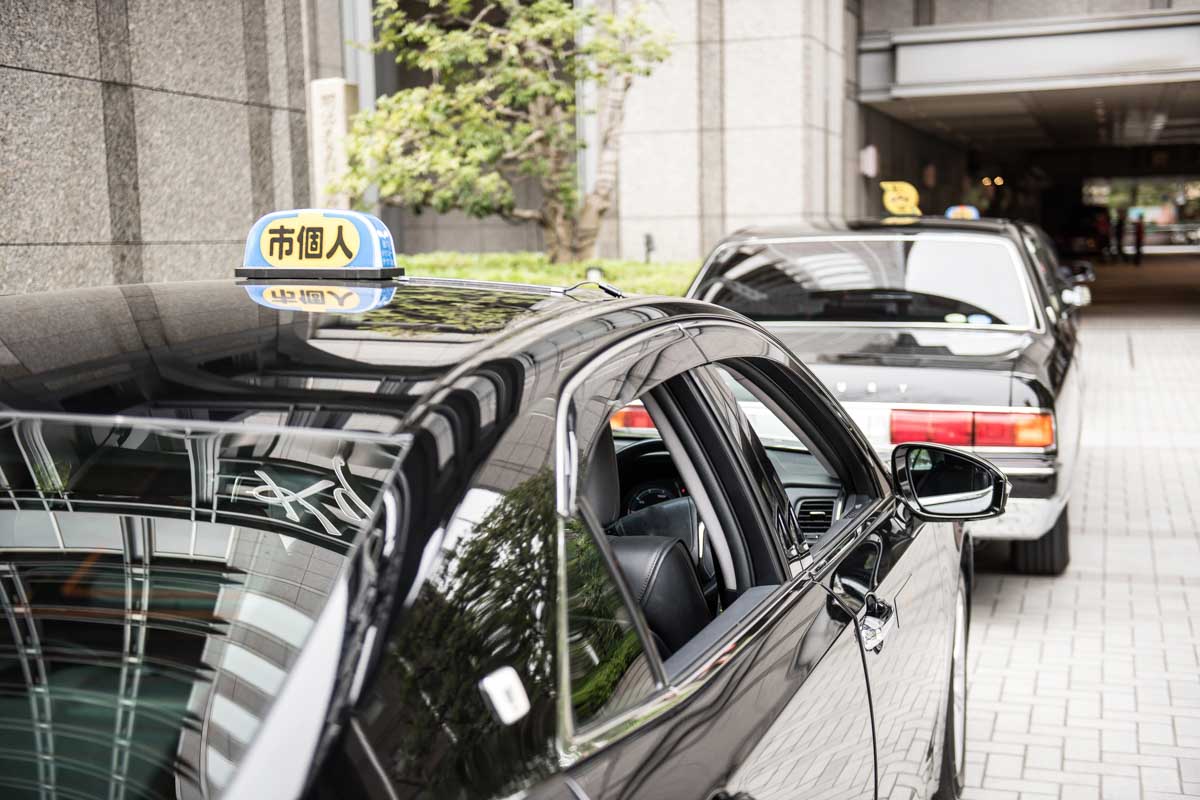
- When it makes sense: Late-night travel, heavy luggage, traveling with kids, or in areas with limited public transit.
- Best for: Families, groups, travelers with mobility needs.
- Budget: Medium to high — short rides often start at ¥500–¥700 ($3-$5 USD); long rides can be very expensive.
- Pros: Safe, reliable, convenient, spotless, easy to hail or book via app.
- Cons: Expensive compared to public transit; Uber usually just hails regular taxis, not private cars.
- Where to book: Official taxi stands, apps like GO Taxi, DiDi, and Uber.
Taxis and rideshares in Japan are a convenient option when public transit isn’t ideal, like late at night, if you’re carrying heavy luggage, or if you’re traveling with kids. They’re also useful in areas where buses and trains are infrequent.
Japanese taxis are known for being spotless, safe, and reliable, with courteous drivers who follow strict rules. We’ve always found them to be so helpful and have had nothing but great experiences!
Most taxis are metered and operate on a transparent fare system, but rides can still be expensive compared to public transit, especially for longer trips. It’s not as bad if you’re splitting the fare among a group, though.
If you’re using a taxi, look for licensed vehicles with green license plates or hail one from official taxi stands. Rideshare apps like GO Taxi, DiDi, and Uber also work well in major cities, although Uber usually just summons regular taxis rather than private cars. Booking through an app can certainly make travel easier, especially if you don’t speak Japanese.
For short distances or when convenience matters, taxis and rideshares offer a stress-free, reliable way to get around, complementing Japan’s extensive public transit network perfectly. If we go izakaya-hopping, we often use the trains or subway to head out and then get a taxi or DiDi to bring us back home in the wee hours!
Ferries
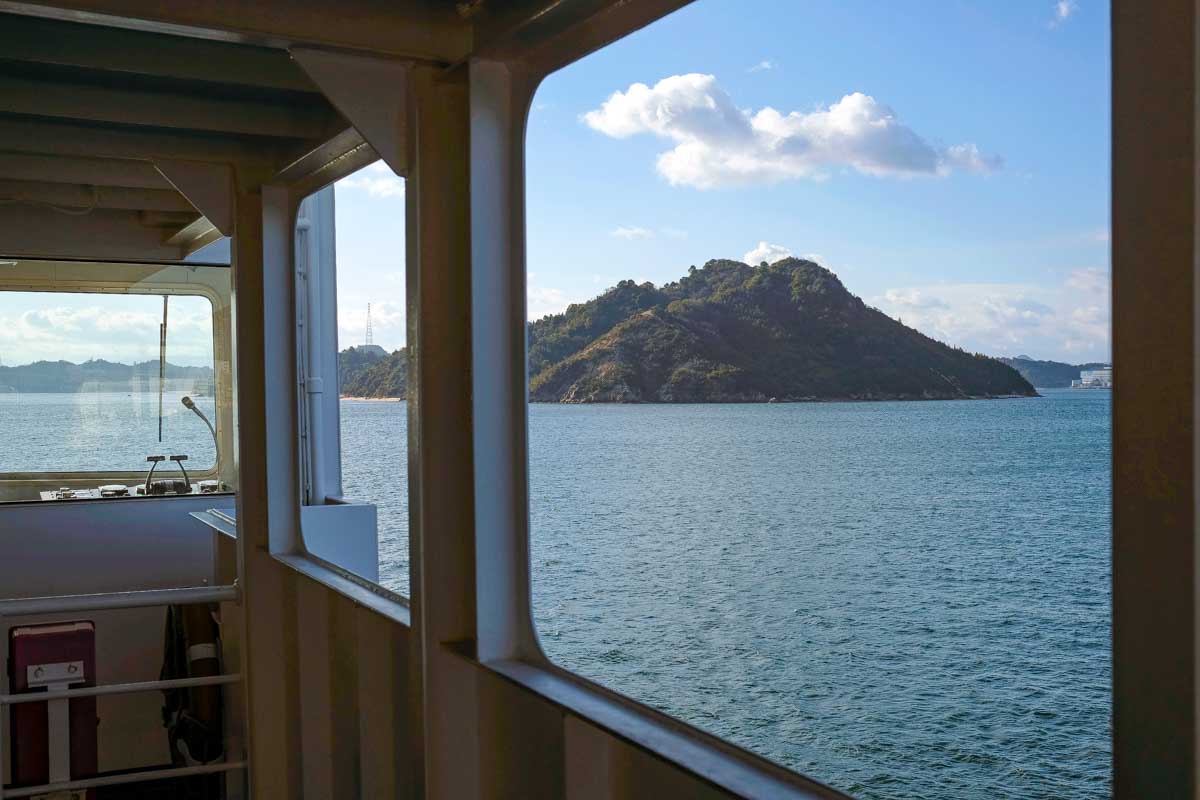
- When it makes sense: Island-hopping (Okinawa, Shikoku, Kyushu), reaching Hokkaido, or scenic overnight journeys.
- Best for: Adventure seekers, scenic travelers, slow-paced itineraries.
- Budget: Moderate — short routes from ~¥1,500 ($10 USD); overnight cabins ¥6,000+ ($40+ USD).
- Pros: Scenic, unique experience, overnight ferries save on accommodation.
- Cons: Slower than flights, weather-dependent, limited schedules.
- Where to book: Ferry company websites (e.g. MOL Ferry), Direct Ferries, port ticket counters.
Ferries in Japan are generally a slower way to travel, but they’re a fantastic option for island hopping. We love taking a scenic ferry when we’re not pressed for time, because it’s a nice way to take a break from the hustle of trains and planes, and focus on enjoying the journey! The ferry is also a fantastic option for reaching Hokkaido, Japan’s northernmost island.
Short routes start at around ¥1,500 ($10 USD), while overnight ferries with cabins cost ¥6,000 ($40 USD) and up. This makes them a cost-effective alternative to hotels on certain trips, and it’s a pretty unique experience. When we did this, I loved waking up in a new destination, ready to explore!
However, ferries are slower than flights and schedules can be limited, so planning ahead is crucial. They’re also weather-dependent, and rough seas can affect travel, particularly in the winter months.
On the flip side, booking is straightforward via ferry company websites like MOL Ferry or at port ticket counters. We use Direct Ferries to compare schedules and ticket prices across operators because it’s an easy way to work out the most efficient and cost-effective options for us. And for long-term travelers planning multiple trips, the Japan Ferry Pass 21 is often a smart way to save some yen.
Related Read: While you’re mapping out your journey, check out my guide on where to go in Japan based on your travel style—it breaks down the best destinations for every type of traveler.
How to Choose the Best Option

Choosing the best way to get around Japan depends a lot on the type of trip you’re planning. The answer can vary a lot depending on whether you’re sticking to big cities, island hopping, or exploring rural regions. Your schedule matters too, and of course, budget is always a consideration. Usually, a combination of transport modes works best, so to help you put a plan together, we’ve broken down the key factors to consider.
What is the length of your trip?
The length of your trip is one of the biggest factors in deciding how to get around Japan. If you’re on a short trip of one to two weeks, trains are usually the most efficient way to cover long distances quickly – especially the Shinkansen.
Domestic flights can also make sense if you’re hopping between regions that are far apart, like Tokyo to Hokkaido or Okinawa. But if you’re traveling slowly across a period of three to six weeks, you can mix in slower and more scenic options. Overnight buses are perfect for rural legs, while renting a car for a few days lets you explore off-the-beaten-path areas at your own pace. We’ve also used regional rail passes as a cost-effective way to explore specific areas in more depth.


What is your budget?
Your budget will also shape how you get around Japan. If you’re traveling on a shoestring, buses and budget airlines are your best friends. Long-distance buses are an affordable way to cover a lot of ground, and overnight routes can also save you on accommodation – talk about killing two birds with one stone! Low-cost air carriers are great for long hops, and we strongly recommend using an IC card within cities.
For travelers willing to spend a little more, we suggest a blend of trains and occasional domestic flights for longer hops. Shinkansen rides are comfortable and fast, while public transit in cities makes getting around easy. Renting a car for one or two rural days can also add flexibility without breaking the bank.
Meanwhile, luxury travelers should seize the opportunity to travel in style. Shinkansen first-class Green Cars are super comfy, domestic flights save time, and you can even get rental cars with GPS and tolls included.


Are you visiting big cities or the rural countryside?
Where you’re headed in Japan can make a big difference in how you get around. If your trip focuses only on major cities like Tokyo, Osaka, or Kyoto, sticking to trains, subways, and buses is the easiest and most efficient option. These cities have extensive transit networks, and with an IC card, you can hop on and off seamlessly. You won’t need a car at all!
But for travelers exploring remote islands and rural areas, a rental car will give you a lot more freedom. Regional buses are often a big help, too! You might also need a ferry to reach certain islands, such as Rabbit Island and the Ogasawara Islands.
If your itinerary combines urban and rural destinations, a mix works best. Use trains for city travel and consider flights or car rentals for far-flung regions like Hokkaido or Okinawa. This way, you’ll balance efficiency in cities with freedom in the countryside.
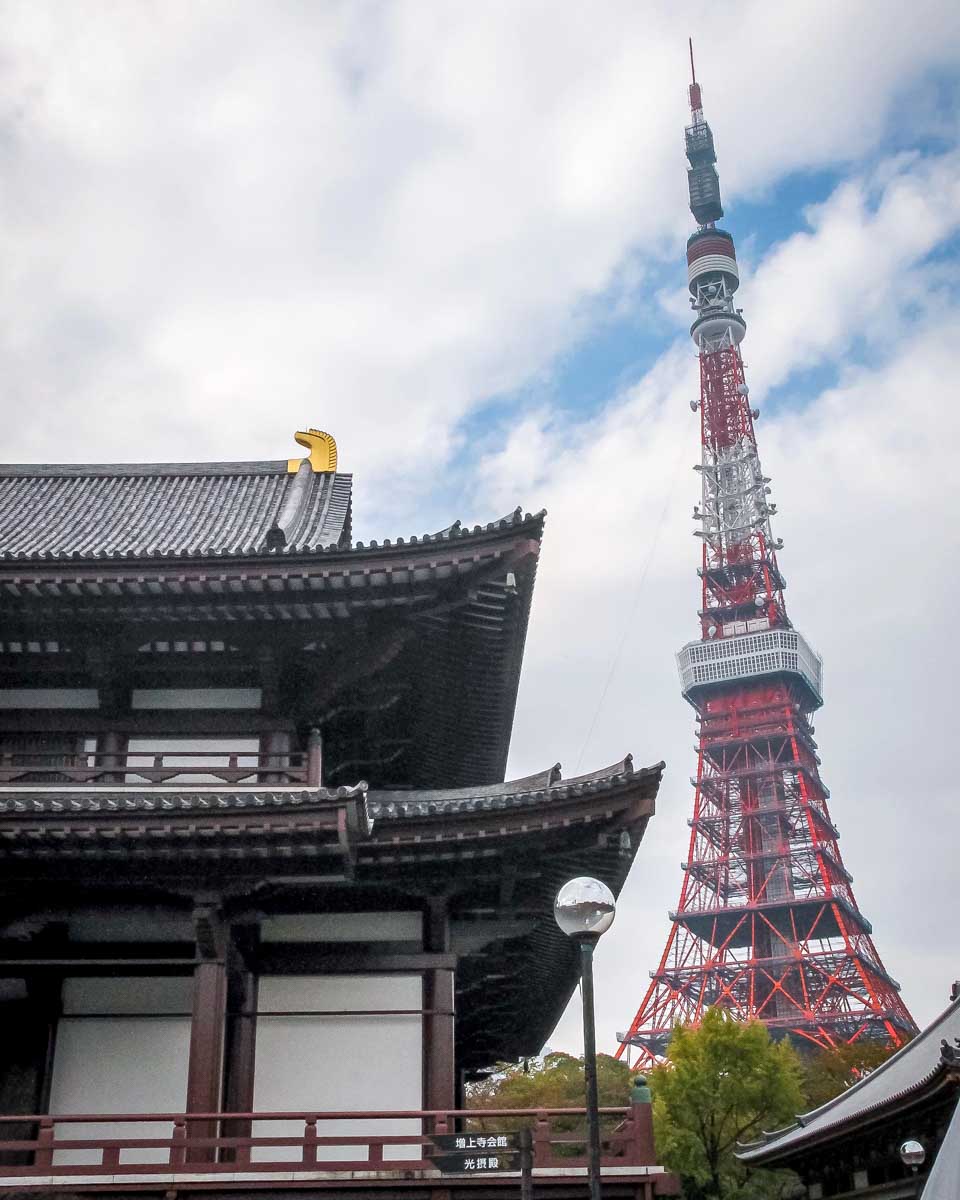

Do you want to travel sustainably?
If minimizing your environmental impact is important to you, Japan makes it easy to travel sustainably. Trains and buses are by far the greenest options for getting around because they produce far fewer emissions than flying or driving individually. For trips under roughly 750 km, the Shinkansen or regional trains often match or beat flight times once you factor in airport transfers and security!
Using local public transit in cities, like subways and buses, is another low-impact choice. Rechargeable IC cards make it seamless to hop on and off multiple lines without printing single-use tickets, so they both reduce waste and simplify travel. It’s a bit trickier out in the countryside, but it’s worth looking into regional buses because they can often reduce your need to use rental cars or taxis. With just a little planning, it’s actually very easy to reduce your travel footprint while still seeing the best of Japan.
Related Read: Once you know how to get around, make sure to check out our guide on common mistakes to avoid when traveling in Japan to keep your journey smooth and stress-free.
Tips for Stress-Free Travel in Japan


Traveling around Japan can be smooth and enjoyable if you plan ahead. If you take a bit of time to research your destinations, familiarize yourself with local transit options, and map out your route in advance, you can save a lot of time and stress. You can even use the CityMapper app in most cities, which finds the most efficient public transport routes for you. Below, we’ve listed some simple strategies that have made our travels around Japan so much easier.
Buy an IC card (Suica, Pasmo, Icoca)
Getting an IC card as soon as you arrive in Japan is a game-changer. It should be one of the first things that you do, whether you grab a physical card at the station or a digital one through apps like Welcome Suica Mobile. Tap-and-go access makes using public transport effortless, and you can even use the card at shops, and it great for on-the-go snacks. Not having to fuss with tickets every ride saves so much time, and the card works in most major cities nationwide.
Book trains and flights in advance
Booking your trains and flights ahead of time is crucial, especially if you’re traveling during peak seasons, with a group, or have specific seating needs. Shinkansen tickets, in particular, can sell out fast during cherry blossom season or Golden Week. We learned the hard way, booking last minute, and ended up on a crowded standing train for hours! Advance booking not only guarantees your spot but often unlocks cheaper fares for both flights and long-distance trains, and it means less stress at the station.
Have useful apps ready
Japan is a tech-forward nation, so it stands to reason that apps make traveling here so much easier! Google Maps is essential for navigating trains, subways, and walking routes, although CityMapper often works even better, especially when you need to use a combination of methods.
We also rely on Welcome Suica Mobile for digital IC cards and ride-hailing apps like Uber or Go Taxi to get around when public transit isn’t convenient. Google Translate comes in handy too, whether ordering food, asking for directions, or reading menus. Having these apps ready before your trip avoids last-minute stress and keeps your day running smoothly, so you can focus on exploring instead of figuring out logistics on the fly.
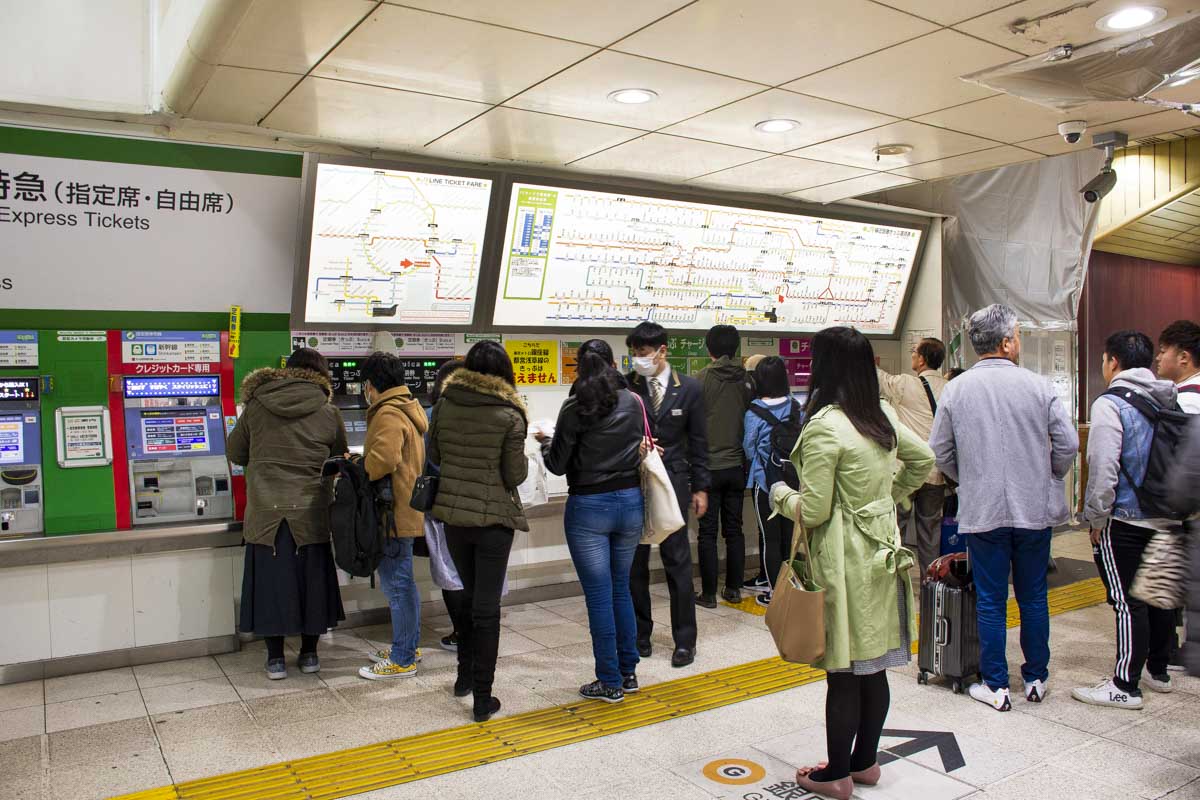
Take advantage of luggage forwarding (Takkyūbin)
If you’re traveling with large luggage, luggage forwarding (Takkyūbin) is an absolute lifesaver. We used it multiple times to send our suitcases from Tokyo to Kyoto, avoiding the hassle of dragging heavy bags through busy stations. Simply drop your bag at your hotel, a convenience store, or courier counter (like Yamato Transport or Sagawa), pay around ¥1,500–¥3,000 ($10-$20 USD), and it usually arrives the next day! This is so useful and can save you money instead of paying for extra luggage on trains and planes.
Keep your passport handy for passes
Carrying your passport is important in Japan. Japanese law requires travelers to carry ID with them, and many passes, including the JR Pass and regional tickets, require verification because they’re only valid for foreign passports. We always keep ours accessible when exchanging passes or boarding rural trains to avoid unnecessary days and ensure we can take full advantage of the passes we’ve purchased.
Arrive early at major stations
Major stations in Japan, like Tokyo, Osaka, and Kyoto, can be huge and overwhelming. Arriving at least 15 minutes before your train departure gives you time to find platforms, read signs, and avoid rushing. We’ve arrived just five minutes early before, and it was a very stressful scramble to locate the correct Shinkansen platform among dozens of tracks – we nearly missed our train! Being early also gives you plenty of time to grab snacks and get on board feeling relaxed rather than stressed and sweaty.
Follow transit etiquette
Transit etiquette in Japan may be quite different from what you’ve experienced before. It’s important to follow these unwritten rules not only to be respectful towards the local culture, but also because it genuinely makes travel so much smoother and more enjoyable. This means no phone calls on trains, queueing respectfully, wearing masks in crowded spaces, and keeping noise levels low. Simple gestures like letting people exit before boarding, standing on the correct side of escalators, and keeping backpacks off seats make a big difference.


Research road rules
If you plan to rent a car in Japan, familiarize yourself with local road rules beforehand. Driving is on the left, speed limits are strictly enforced, and tolls are common on highways – you’d be surprised by how quickly they add up! You’ll also probably need an International Driving Permit, which you need to organize before you travel, and taking a bit of time to familiarize yourself with common signs and regional rules helps prevent accidents and fines.
Buy travel insurance
Accidents, delays, or unexpected events can happen anywhere, and Japan is no exception. Travel insurance provides peace of mind, covering medical emergencies, lost luggage, flight cancellations, or train disruptions. We always use SafetyWing for coverage because it’s reliable and easy to manage from abroad.
Even if nothing goes wrong, having insurance reduces stress and allows you to enjoy your trip fully, knowing you’re protected! If you’re on the fence, we break it all down in our post on whether travel insurance for Japan is worth it, including real scenarios where it can make a difference.
Related Read: Another factor to consider is the time of year you’re visiting! See our guide on the best time to visit Japan to discover the best regions and activities to visit by season.
Renting a Car in Japan
Japan’s trains are great, but if you want to explore rural areas, scenic routes, or off-the-beaten path hidden gems, renting a car offers unmatched flexibility. Driving in Japan is generally safe, with well-maintained roads and clear signage, though there are some unique rules and customs to be aware of.
We always book with Discover Cars and can’t recommend them enough. It’s super easy to compare multiple provider prices, check company ratings, filter for the type of vehicle you want, and add affordable full coverage insurance. If you want a full breakdown, check out our Discover Cars review here.
Tips for Renting a Car in Japan
What You Need to Rent a Car in Japan
Ready to hit the road? Discover the freedom of exploring the Japan on your own terms!
Airalo e-sim
Up To 15% Off With Code “DTRAVEL10”
What’s an eSIM?
An eSIM is a digital version of a SIM card. Instead of buying a little plastic chip and swapping it into your phone, you just download it. It connects your phone to a local network in whatever country you’re visiting — no stores, no waiting, and no fiddling with tiny cards.
In simple terms, it’s the easiest way to get data and stay connected while traveling.
We’ve tested a bunch of eSIMs in North America, and after a few frustrating experiences, we’ve found our favorite — Airalo. It’s fast, reliable, and incredibly easy to use. You can set it up in minutes (even my mom managed it solo on her first try!), and the prices are some of the best out there.
Bonus: We’ve got an exclusive 15% discount for our readers. Use the codes:
Thanks for reading!

Exploring Japan is a bucket list item for many travelers, but getting around the country can make or break your experience. After traveling all over on our own, we’ve figured out the essential tips and tricks to make this process as smooth as possible. So don’t fret – just follow our guide and enjoy the cities, scenery, or whatever your trip brings!
Before you go, check out all of our Japan blogs! Whether you’re looking for city itineraries, the best hotels, or top things to do, we’ve got you covered. Here are a few related blog posts to inspire your trip – cheers!
17 Best Places to Visit in Japan (And Why They’re Worth Visiting!)
How to Spend TWO WEEKS in Japan: 14-Day Itinerary
16 Japan Travel Etiquette Mistakes to Avoid
Is Japan Expensive? Cost of Traveling to Japan
The Services We Recommend
From hotels to guided tours, we only recommend services we know and trust. Here are our recommended partners so you can explore Japan with confidence.