Should You Get Travel Insurance for Japan?
Heading to Japan soon and wondering whether travel insurance is really necessary? You’re not alone.
Japan is famously safe, with low crime rates and reliable healthcare, so you’d be forgiven for thinking that travel insurance is not necessary. However, travel mishaps don’t always involve crime, so it really is worth considering.
Personally, we always opt for travel insurance, but in this blog, we’re going to weigh up the pros and cons to ensure that it’s right for you. It ultimately depends on your needs and the level of risk you’re comfortable with. We’ve got all the info you need to figure it out, so let’s get into it!
Is Travel Insurance Required for Japan?
No, travel insurance is not required for short-term visits to Japan. If you’re staying for less than 90 days, then there’s no law that says you have to have it.
However, if you plan to stay for longer than 90 days, you have to enroll in Japan’s National Health Insurance (NHI) system. You pay a monthly premium for this, and it can cover up to 70% of your medical costs if you require treatments.
But even if you’re only staying for a short time, we do recommend getting travel insurance. After years of travelling the globe, we’ve found that it’s always best to err on the side of caution. Japan’s healthcare is admittedly more expensive than many other countries, and costs can still quickly mount up if you don’t have insurance. Plus, there are other things that can go wrong, like trip cancellations and emergency evacuation (as we learned the hard way during the pandemic!)
What Does Travel Insurance Cover?

Travel insurance isn’t a one-size-fits-all, so it’s always worth checking what a policy actually covers before you buy it. A lot of travel insurance companies actually offer different levels of coverage, so you can choose one that suits you. I’ve listed the key areas of coverage below so that you know what to look for when shopping for a policy:
Travel delays and cancellations
If a decade of travelling the world has taught us anything, it’s that sometimes things go wrong! Circumstances that are totally out of your control can cause travel delays and cancellations. Japan, in particular, is prone to natural disruptions like earthquakes and typhoons, so we highly recommend getting a policy that covers delays and cancellations. This will help you to recoup the costs of things you’ve already paid for, like flights, train tickets, hotels, and activities!
Activities
A lot of standard travel insurance policies exclude “high-risk” activities. If you’re planning on doing things like skydiving over Mt Fuji and hiking at high altitudes or in remote areas, then make sure that your insurance explicitly covers these adventures. Since your itinerary plays a big role in the activities you’ll take on, we break down how different travel styles influence where to go in Japan in our Japan travel style planning guide here.
Loss or theft of belongings
Coverage for lost or stolen items is always a good idea. Although theft in Japan is very rare, you definitely want to be covered in case you lose your own valuables — trust me, it’s easily done when you’re on the road! Travel insurance ensures you’re covered if you lose your passport, leave your phone behind, or forget a bag on a train or a bus!
Medical coverage
One of the most important reasons to get travel insurance is that it covers accidents and illness. As we mentioned earlier, the costs can really stack up if you get sick or injured and end up having to stay in the hospital for a few days, so a policy with medical coverage offers peace of mind.
Emergency assistance
In an emergency, you will thank your lucky stars for travel insurance! It can cover evacuations, legal support, and even an emergency cash advance if you don’t have access to any of your funds. It can also cover additional costs incurred by an emergency, such as extra transport or accommodation, or pre-booked activities that the emergency has caused you to miss.
Rental car coverage
Some travel insurance policies include rental car insurance. This can come in handy if you plan to drive in Japan, as it can mean you don’t have to pay extra for insurance from the rental company. If you’re considering driving, we cover everything you need to know in our detailed guide to renting a car in Japan here.
Related Read: Planning how you’ll move around the country? Our guide on how to get around Japan breaks down trains, buses, subways, and domestic flights.
Japan Rail Pass!
The Easiest Way to Travel Japan By Train
If you’re planning to explore Japan, the Japan Rail Pass (JR Pass) is hands down the easiest and most affordable way to get around. It’s a special 7, 14, or 21 day pass for foreign visitors that gives you unlimited rides on Japan’s famous JR trains, including the high-speed shinkansen (bullet trains)!
Why We Love the JR Pass
Pro Tip: If you’re only exploring one region of Japan, consider a Regional Pass instead (like the Kansai, Hokkaido, or Kyushu Pass). They’re cheaper and perfect for smaller trips!
Where to Get Your Pass
We personally recommend buying your pass online in advance through JRPass.com — they’re an official reseller with fast worldwide delivery and English support, making the whole process super simple. They even offer handy add-ons like pocket WIFI and meet & greet services! Still not sure if the JR Pass is right for you? Check out our Ultimate Guide to the Japan Rail Pass for a full breakdown of costs, inclusions, and when it’s worth it!
What Travel Insurance do I Recommend?

SafetyWing
SafetyWing is the travel insurance that I personally use on my trips, and I highly recommend it. What I love about SafetyWing is how flexible and affordable it is, especially if you’re bouncing between countries or planning a longer stay in Japan. It was designed for digital nomads, but you don’t have to be a remote worker to take out one of their policies! It’s also one of the few providers that will allow you to take out a policy after you’ve left your home country.
For short-term travel, the Essential Plan is the easiest choice. It covers emergency medical care, evacuation, and the core travel protections most people need. You can also add optional extras like coverage for adventure sports or electronics theft, which is great if you’re planning to ski in Hokkaido or you’re traveling with an expensive laptop and camera.
If you’re staying in Japan longer, the Complete Plan is a better fit. It’s designed with digital nomads and expats in mind, and it offers higher limits and broader coverage. Things like dental work, mental health care, and sight check-ups are covered that you wouldn’t need on a two-week trip, but you would if you were staying for months.
One of my favorite things about SafetyWing is its subscription model. Rather than paying a big one-off fee, you pay per month for coverage in 175+ countries, and you’re free to cancel anytime. In fact, you can even claim back unused time! And with plans starting at $56 USD per month, it’s affordable as well as flexible.
World Nomads
World Nomads is a very popular travel insurance option, and I’ve used them in the past. I tend to go with SafetyWing nowadays because it works out cheaper, but World Nomads is a great option for adventure travelers. It’s definitely one to consider if you’re planning on going skiing in Japan or hiking in remote areas.
World Nomads offers two plans. Their Standard plan covers the basics, while the Explorer has higher claims limits and covers rental vehicle insurance. The great thing about WorldNomads is that they fully cover trip cancellation and high-value items.
The downside is that there may be a deductible for claims depending on where you’re from. For example, Canadians don’t have a deductible, but Australians have to pay $100 AUD to make a claim! The exact price of your policy will also depend on your destination, whereas with SafetyWing, it’s the same price for most countries except the US.
Credit card
Many credit card companies include some level of travel insurance, so it’s always worth checking what your card already covers before you buy a separate policy. It can vary a lot between different credit cards. Some include very comprehensive policies, while others don’t include travel insurance at all.
However, I do always think it’s best to book flights and accommodation with a credit card because it gives you an extra layer of protection if something goes wrong. Most cards offer purchase protection or chargeback options, meaning that they can help you to get your money back if a booking isn’t honored.
One of the biggest perks is rental car coverage. Some credit cards include collision damage waivers, which means you might not need to purchase the extra insurance offered at rental counters in Japan. These savings can really add up, especially if you’re road tripping across a particular region. Just make sure to read the fine print, understand any exclusions, and confirm what’s actually included so you know exactly what you’re protected for.
Related Read: To make your trip smoother from the start, check out our guide on the top mistakes to avoid when planning a trip to Japan before finalizing your plans.
Special Risks for Travelers in Japan

Japan is known for being one of the safest countries in the world, and that’s one of the reasons why we love it so much! It’s clean, organized, and crime rates are low, so we understand why many travelers are tempted to skip travel insurance altogether. However, there are actually some specific risks in Japan that mean it’s a smart idea to take out a travel insurance policy.
The biggest thing to be aware of is natural disasters. Japan experiences earthquakes regularly, and we even felt one on our last trip! It’s not unusual for quakes to reach a magnitude of 6 or 7, and with earthquakes can come tsunami warnings.
Japan also gets hit by typhoons throughout the year, which can disrupt flights, cause evacuations, or force you to change your plans at the last minute. Travel insurance can help you cover unexpected expenses and rearrange your trip. It can also get you out of a dangerous situation quickly, so we like having that peace of mind.
And of course, you’ve also got the usual travel risks that can happen anywhere in the world, like accidents, food poisoning, or heat stroke. If you get a sudden illness that lands you in the hospital, the medical care can still cost you hundreds of dollars (or more), so it’s best to be covered. Plus, travel insurance can cover hotel bookings, transport, and tours that you miss out on while you’re receiving treatment.
Related Read: Still deciding where to go? Our guide to the 17 best places to visit in Japan highlights destinations for every travel style.
What is Japan’s Medical Care Like for Foreigners?


To be honest, medical care is probably the biggest reason to get travel insurance on a trip to Japan. Hospitals and doctors tend to be very wary of treating foreigners who aren’t part of Japan’s healthcare system. They will often turn you away unless you provide proof of insurance that shows you can pay for your treatment. In my mind, this alone is a very good reason to get travel insurance!
As far as costs go, medical treatment in Japan is affordable by global standards. The system here is similar to the ones they have in the UK and Australia, rather than in the United States, where healthcare is notoriously expensive. However, without insurance, a trip to the emergency room could cost you around $300 USD. If you need to stay in the hospital for a few days and receive specialist treatment, you’re probably looking at even more than that!
Is Travel Insurance Worth It?
I always take out travel insurance when I visit Japan, so yes, I do think it’s worth it! The price of the insurance tends to be pretty minimal compared to the amount of money it can save you if you need to use it. Plus, I personally like to have peace of mind knowing that I’m covered. After 10+ years of traveling the world, I know better than to just assume nothing will ever go wrong!
With that said, you do have to weigh up the pros and cons for yourself. That’s what this article is about, and hopefully I’ve given you enough information to help you make an informed decision.
If you do opt for travel insurance, do check that it covers everything you need it to, and read the fine print! One of the reasons I like SafetyWing so much is that it allows you to add extras. For example, when we come to Japan to ski, we add adventure sports coverage, but we don’t have to pay for that on every single trip.
All in all, travel insurance is a great way to ensure you won’t be turned away from receiving medical treatment in Japan and to protect yourself against disruptions caused by earthquakes and typhoons. It’s definitely the way to go if you want peace of mind.
Related Read: Travel insurance needs can change by season—our best time to visit Japan guide breaks down weather, crowds, and peak travel periods.
Renting a Car in Japan

Japan’s trains are great, but if you want to explore rural areas, scenic routes, or off-the-beaten path hidden gems, renting a car offers unmatched flexibility. Driving in Japan is generally safe, with well-maintained roads and clear signage, though there are some unique rules and customs to be aware of.
We always book with Discover Cars and can’t recommend them enough. It’s super easy to compare multiple provider prices, check company ratings, filter for the type of vehicle you want, and add affordable full coverage insurance. If you want a full breakdown, check out our Discover Cars review here.
Tips for Renting a Car in Japan
What You Need to Rent a Car in Japan
Ready to hit the road? Discover the freedom of exploring the Japan on your own terms!
Airalo e-sim
Up To 15% Off With Code “DTRAVEL10”
What’s an eSIM?
An eSIM is a digital version of a SIM card. Instead of buying a little plastic chip and swapping it into your phone, you just download it. It connects your phone to a local network in whatever country you’re visiting — no stores, no waiting, and no fiddling with tiny cards.
In simple terms, it’s the easiest way to get data and stay connected while traveling.
We’ve tested a bunch of eSIMs in North America, and after a few frustrating experiences, we’ve found our favorite — Airalo. It’s fast, reliable, and incredibly easy to use. You can set it up in minutes (even my mom managed it solo on her first try!), and the prices are some of the best out there.
Bonus: We’ve got an exclusive 15% discount for our readers. Use the codes:
Thanks for reading!
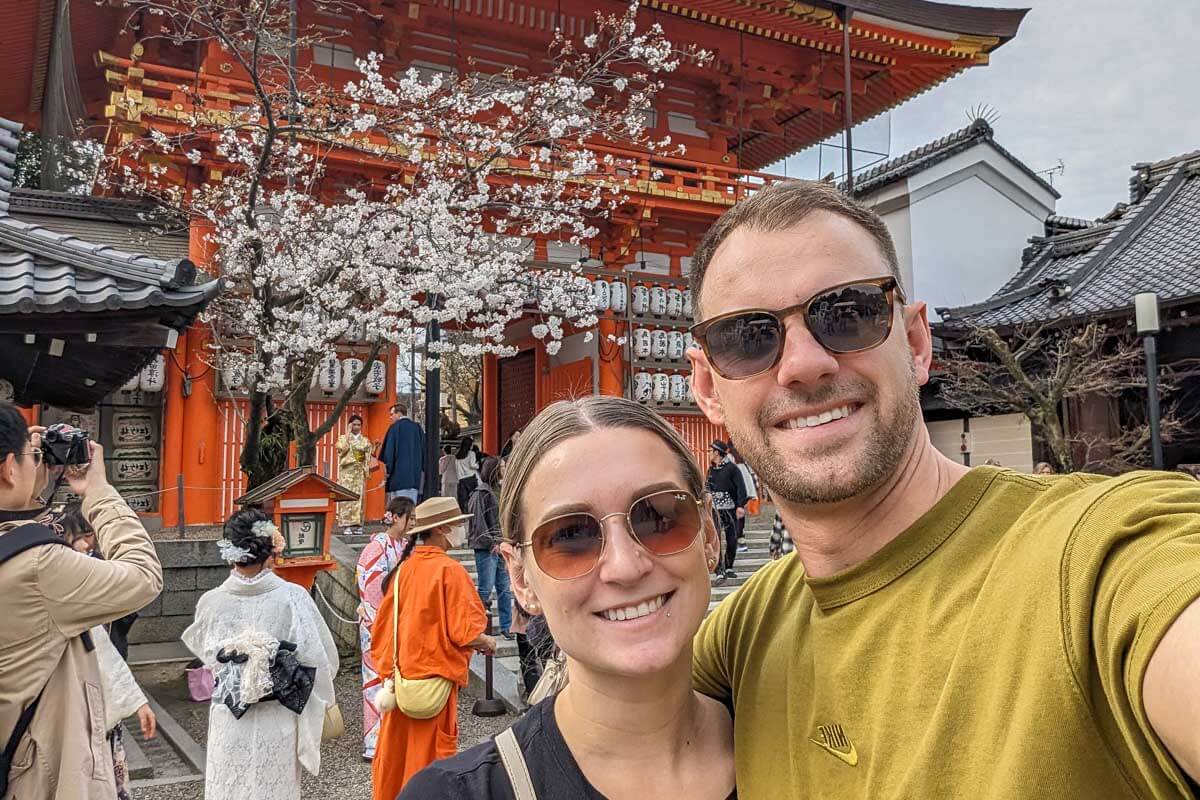
We hope this guide helps you decide whether travel insurance makes sense for your trip to Japan! While Japan is incredibly safe and well-organized, unexpected situations can still happen, and having the right coverage can save you a lot of stress (and money). For us, travel insurance is always worth it for the peace of mind alone — especially when it comes to medical care, trip disruptions, and natural events.
Before you head off, be sure to check out the rest of our Japan travel blogs here. We’ve spent years traveling around the country and sharing practical advice we’ve learned along the way, from transport tips and itineraries to budgeting and cultural know-how. Here are a few related reads to help you keep planning — safe travels!
Is Japan Expensive? Cost of Traveling to Japan
16 Japan Travel Etiquette Mistakes to Avoid
The Ultimate Guide to the Japan Rail Pass
The Services We Recommend
From hotels to guided tours, we only recommend services we know and trust. Here are our recommended partners so you can explore Japan with confidence.