
40 Best Ryokans in Japan
Looking for the best ryokans in Japan? You’re in exactly the right place.
Staying in a ryokan is one of the most memorable ways to experience Japan! These traditional inns offer a slower pace of travel, and they’re super atmospheric. Tatami floors, seasonal meals, and soothing onsen baths are all part of the stay. After busy days exploring temples, cities, and mountain towns, a ryokan stay gives you a chance to properly unwind and experience Japanese hospitality at its finest.
From historic inns in Kyoto to peaceful onsen retreats near Mount Fuji and snow-covered escapes in Hokkaido, we’ve rounded up the best ryokans across the country. Whether you’re planning a first trip or returning to Japan, these are the stays worth building your itinerary around.
Don’t miss out!
Our Top Choice
This is the ryokan and area we loved the most and suggest booking ASAP!
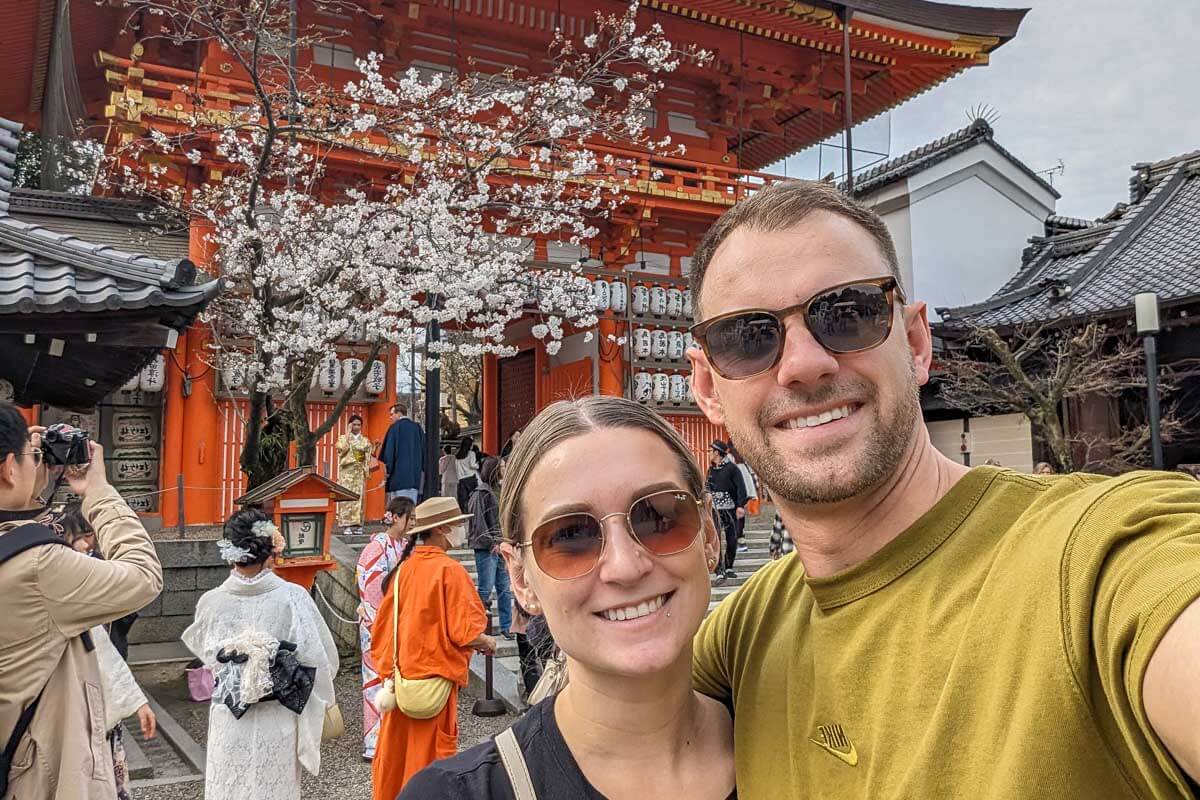
Our personal FAVORITE city for a traditional stay is Kyoto. It perfectly balances authentic charm with modern sights, and is a must-see on your Japan trip.
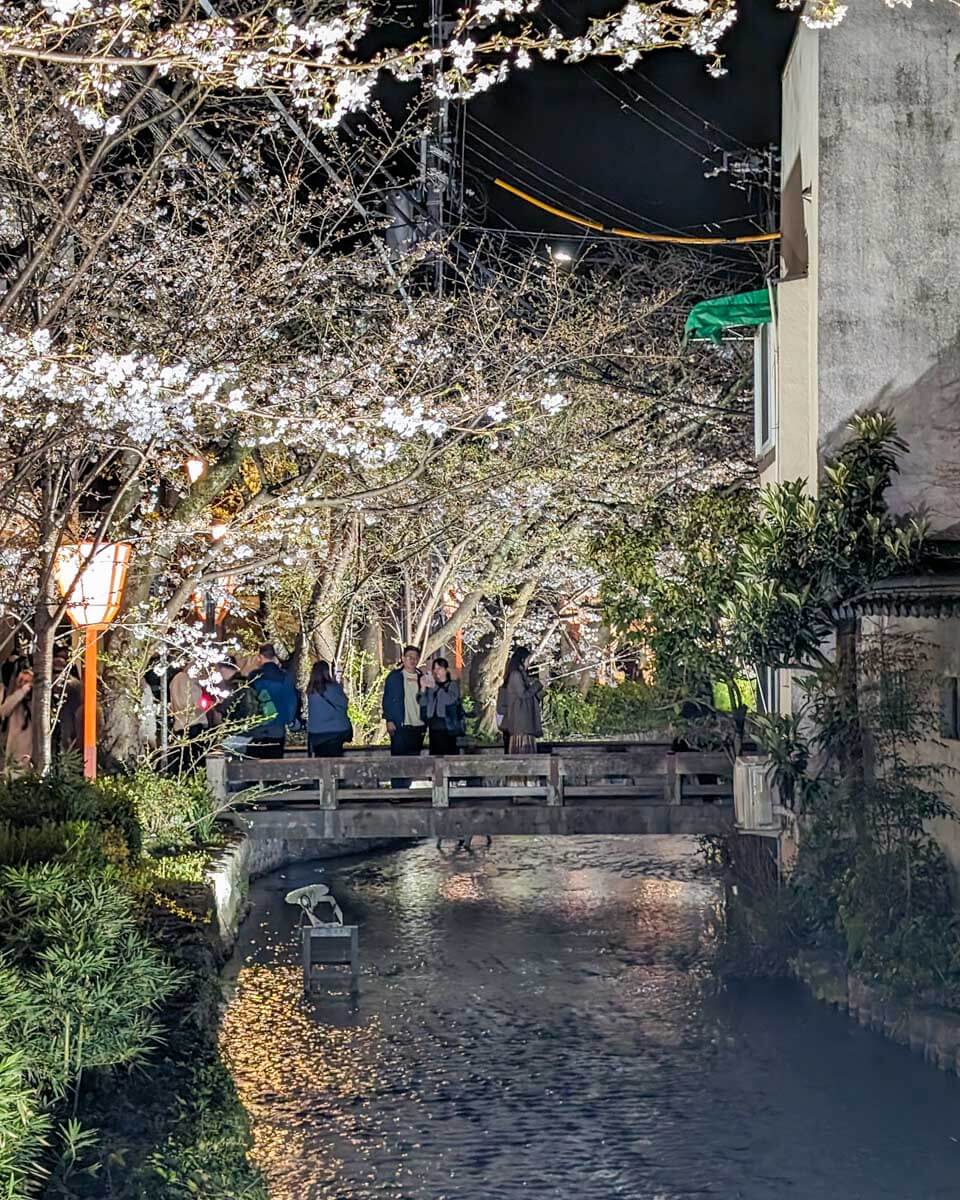
We recommend staying at Kyoto Takasegawa Bettei for a comfortable, authentic ryokan experience without the luxury price tag!
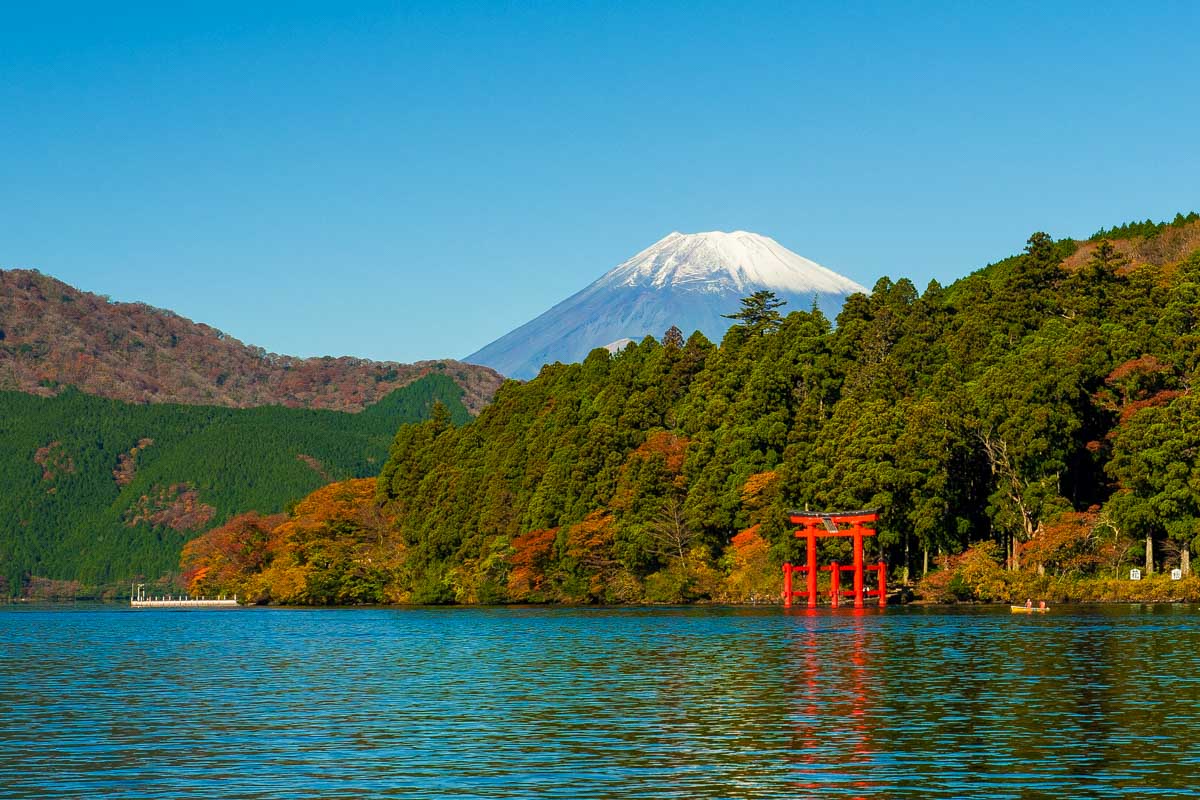
Mount Fuji from Hakone
Where to Find the Best Ryokans in Japan
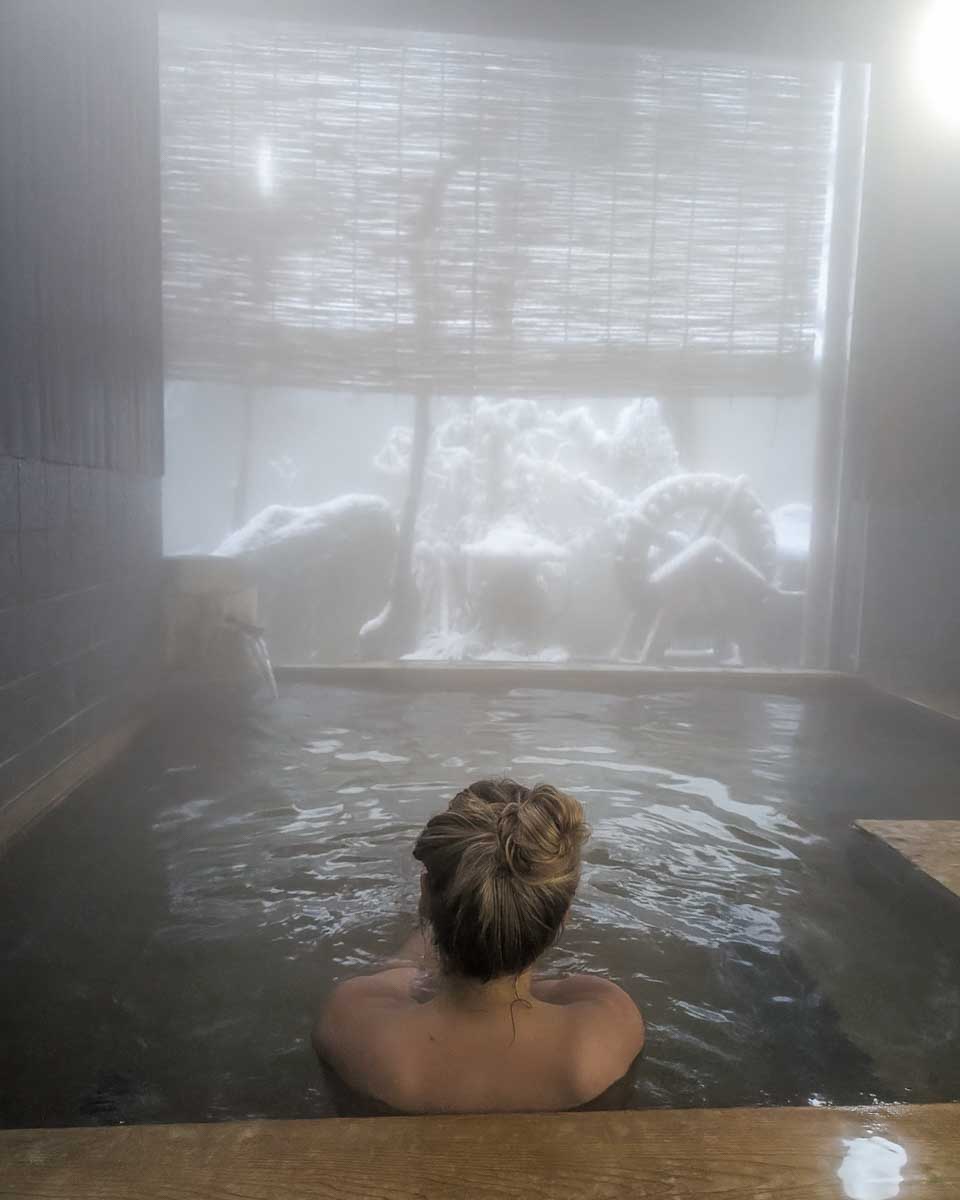

Ryokans are traditional Japanese inns that date back hundreds of years. They originally served travelers along important trade routes, and over time, they became known for their exceptional hospitality. Today, they’re one of the best ways for travelers in Japan to connect to the country’s traditional culture.
Some key features of ryokans include tatami floors, made of compressed rice straw, which provide a comfortable surface to sit on. Kaiseki meals are another hallmark of a ryokan stay, traditional, multi-course dinners that place great emphasis on seasonal ingredients and delicate presentation. Most ryokans also offer an onsen (hot spring) bath, ideal for relaxing after a day of sightseeing!
In this guide, we’ll highlight some of the best places across Japan to experience a ryokan stay, from historic cities to famous onsen towns and scenic mountain regions. You’ll also find our top picks for traditional ryokans in each area, so that you can plan a stay that fits your travel style and budget. Some of the best areas for a ryokan stay are:
- Kyoto – With its temples and traditional streets, Japan’s cultural heart is the ultimate place for a ryokan stay, and we think Kyoto Takasegawa Bettei is an ideal option.
- Hakone – This area is a classic choice for an onsen getaway. It’s located near Tokyo and is renowned for its hot springs and Mount Fuji views. Yoshiike Ryokan is a well-loved option here thanks to its spacious grounds and lovely onsen baths.
- Mt Fuji – Of course, the Fuji region is hands down the best place for mountain views, especially around Lake Kawaguchi and Fujiyoshida. Rakuyu is a comfortable mid-range ryokan with sweeping views of the famous peak.
- Nagano – A mountainous region that’s famous for its adorable onsen towns, alpine scenery, and snow monkeys! Shimaya is a welcoming mid-range ryokan in the historic Shibu Onsen area.
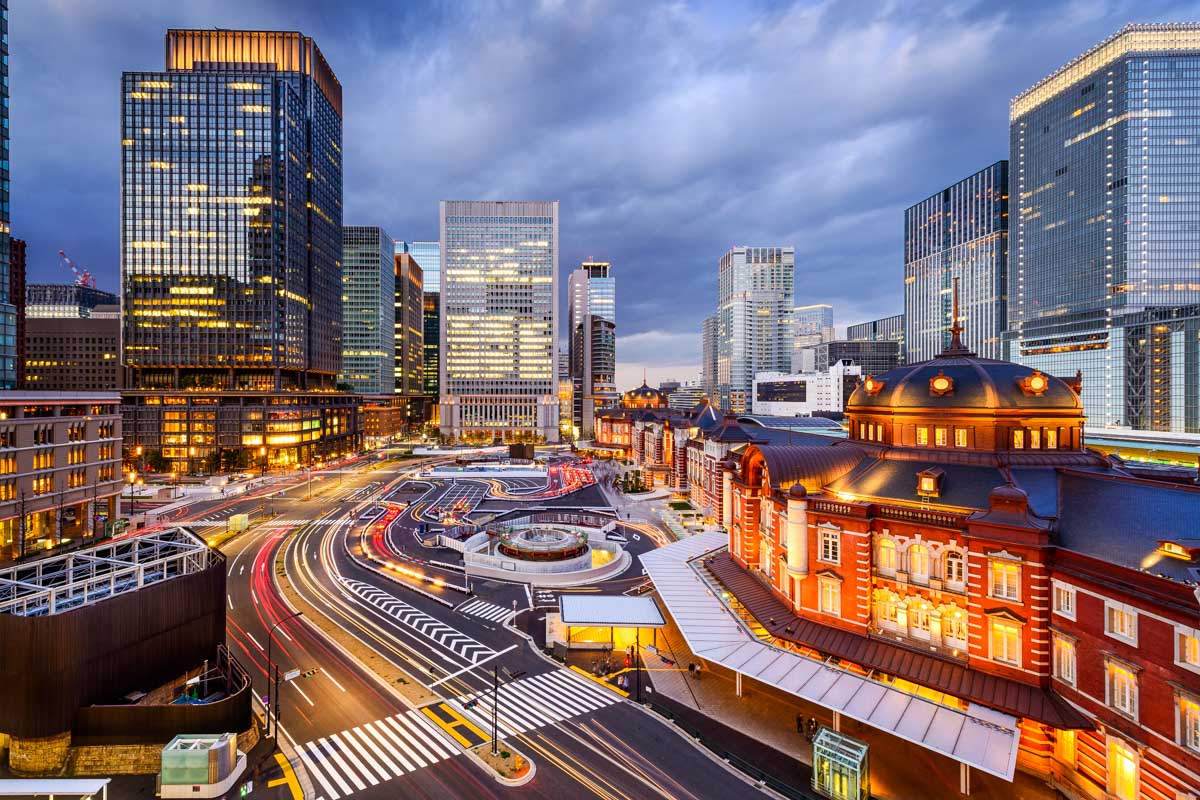
- Tokyo – The city’s capital has some traditional neighborhoods mingled in alongside all of the modernity. Prostyle Ryokan Tokyo Asakusa offers a mid-range ryokan-style stay close to temples and public transport connections.
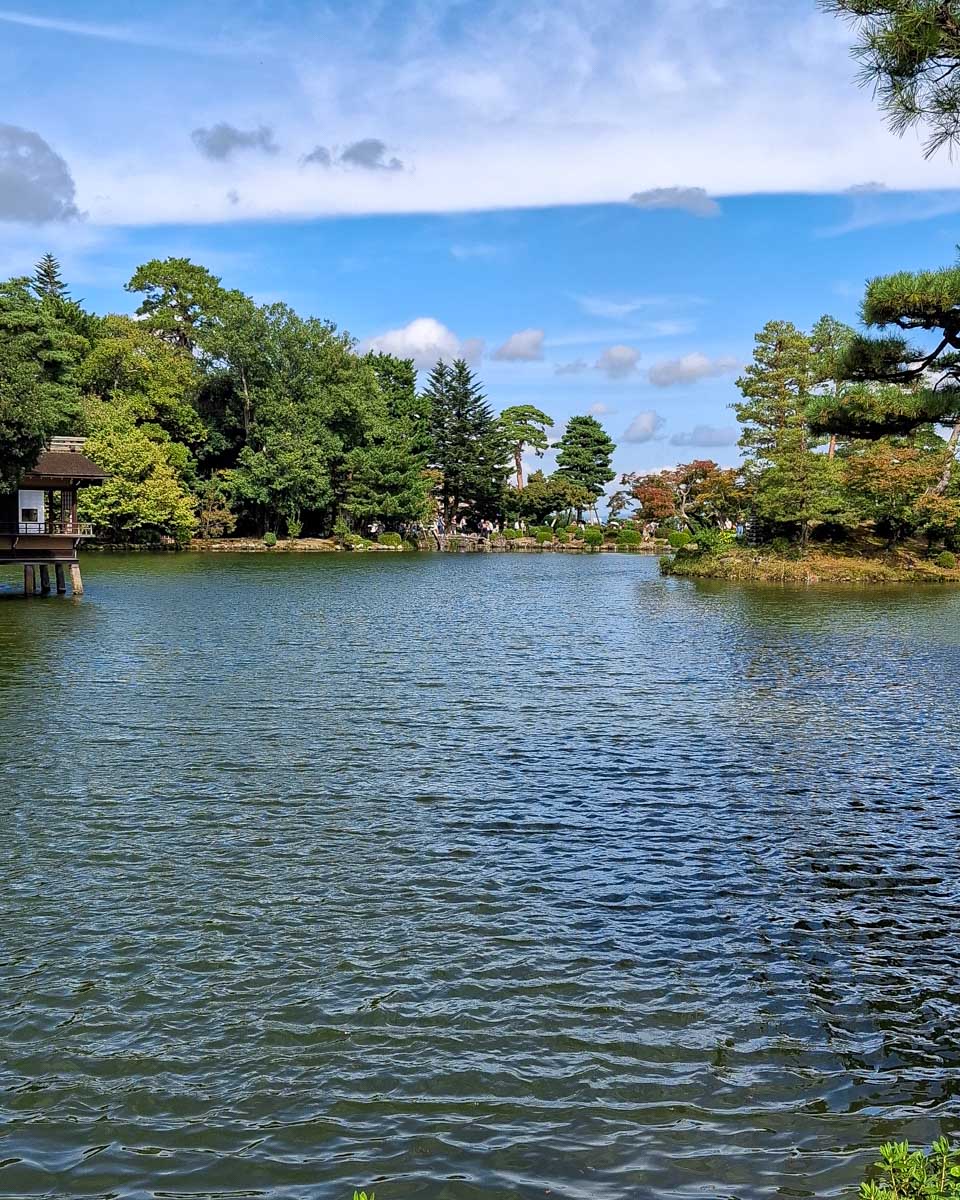
- Kanazawa – A beautifully preserved city known for samurai districts and geisha areas, as well as one of Japan’s top gardens. Yuyaruru Saisai is a lovely, traditional ryokan near the city’s main sights.
- Hokkaido – This region is ideal for nature lovers, with lots of hot springs and national parks to explore. Hotel Kanronomori in Niseko offers a solid ryokan-style stay close to outdoor activities.
- Kusatsu Onsen Village – This is one of Japan’s most famous onsen towns, and it’s known for its mineral-rich waters and traditional atmosphere. Kusatsu Onsen Kusatsu Hotel 1913 is a popular choice near the town center.
Important Tip
Multiple trips to Japan have taught me that most cities don’t reward spontaneity when it comes to planning. The good places get snapped up months in advance, leaving the overpriced and underwhelming options for last-minute travelers.
The sweet spot for booking your accommodations is 3-4 months out—enough time to secure good rates but not so far ahead that you’re locking in plans excessively early.
The Best Ryokans in Japan
Kyoto

Pros
- Picturesque and atmospheric
- Lots of historic attractions and experiences on offer
- Fantastic selection of ryokans
Cons
- Ryokans can book up quickly
- Expensive during popular travel seasons
- The historic areas can feel crowded
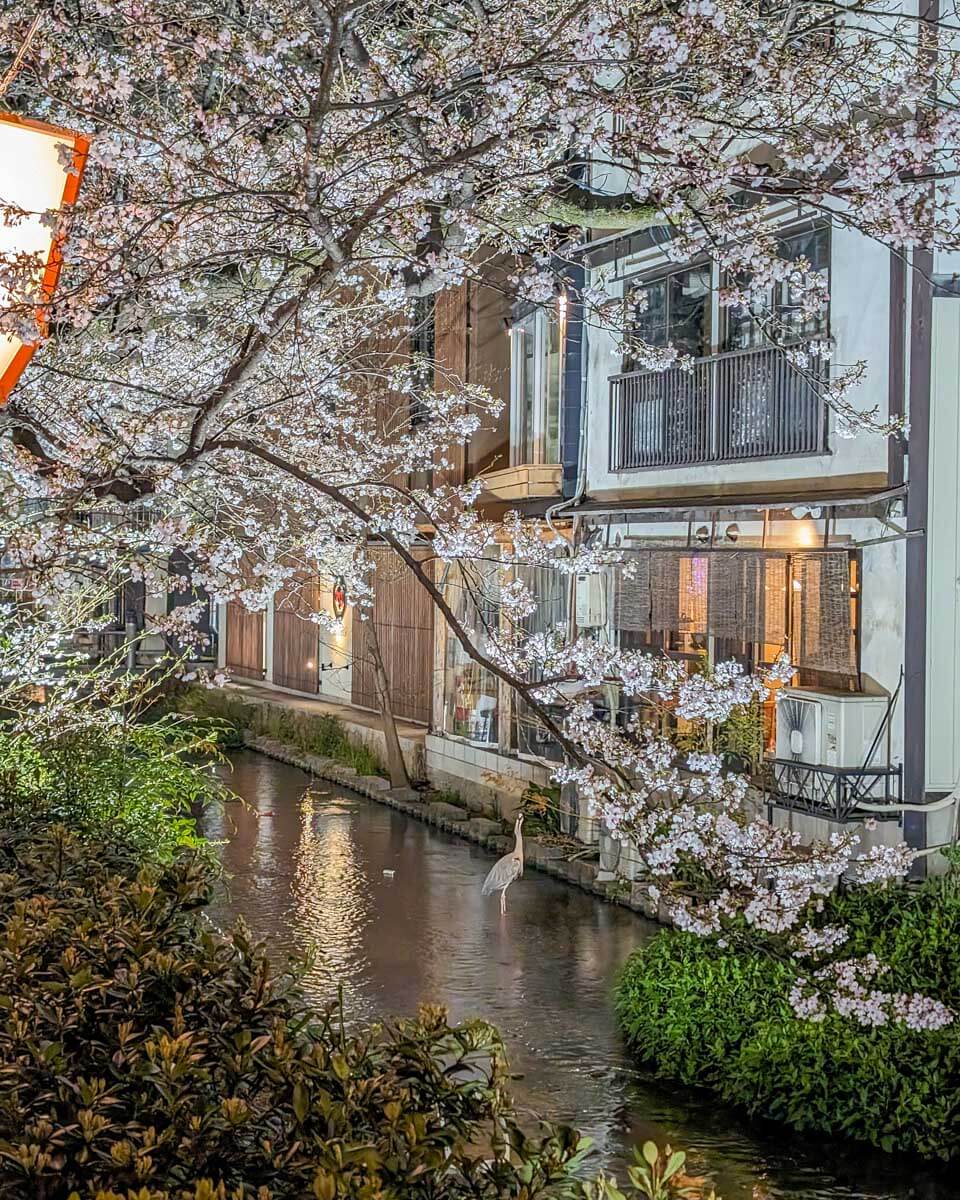
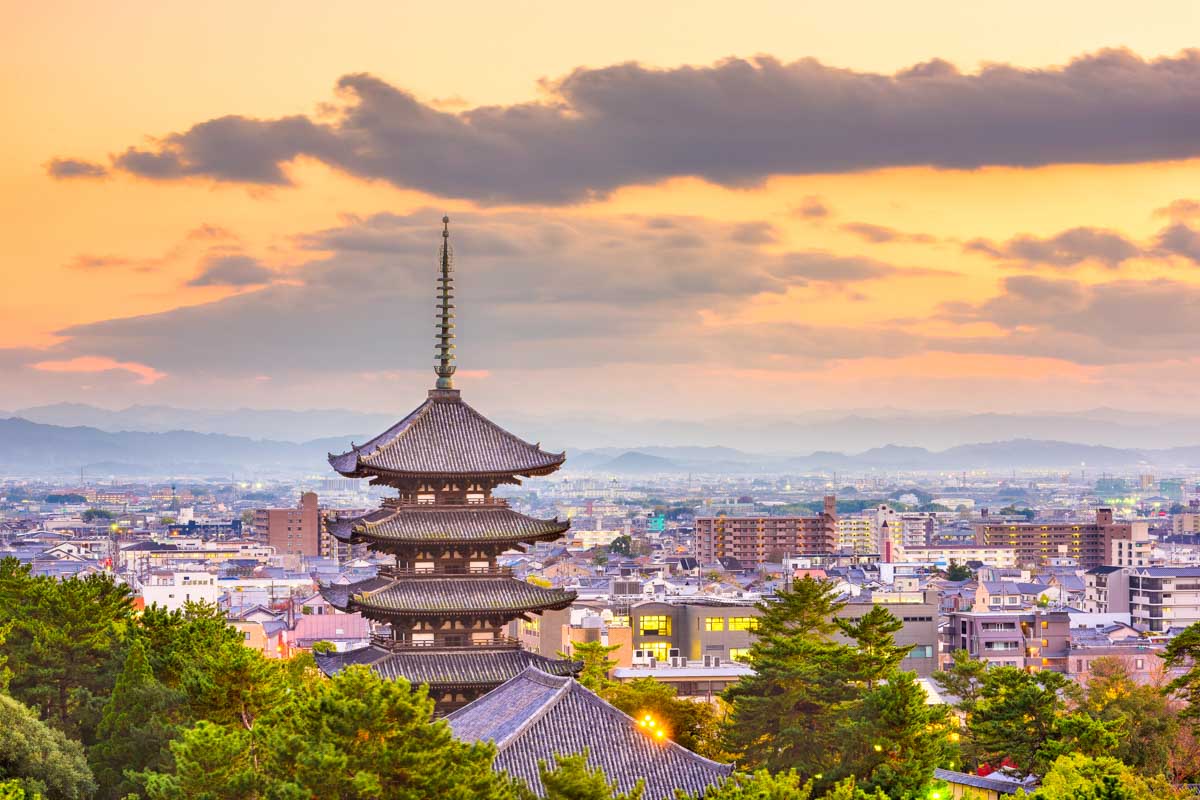
Kyoto is Japan’s cultural heart, so it stands to reason that this would be one of the best places in the country to experience a traditional ryokan stay. It was once the imperial capital, and it’s incredibly well preserved, so to this day the city is packed with centuries-old temples, shrines, and gardens. We love exploring all of the historic neighborhoods here, especially Gion, where you can sometimes catch a glimpse of geishas hurrying between appointments!
Staying in a ryokan in Kyoto really completes the cultural immersion nicely. It’s a chance to connect with the city’s traditions in a meaningful way, and onsen soaks and kaiseki dinners certainly break up all of the sightseeing nicely.
We also love Kyoto because it suits a wide range of travelers – I mean, there’s a reason it’s one of Japan’s most popular destinations! The city is well connected by trains and buses, so it’s easy to travel between key areas like Kyoto Station, Central Kyoto, and Higashiyama. Staying near the station is also ideal for convenience and day trips to Osaka or Nara, although I personally prefer to stay in the more historic districts because they’re so atmospheric and they put you close to all of the major sights.
IZUYASU Traditional Kyoto Inn – $$$
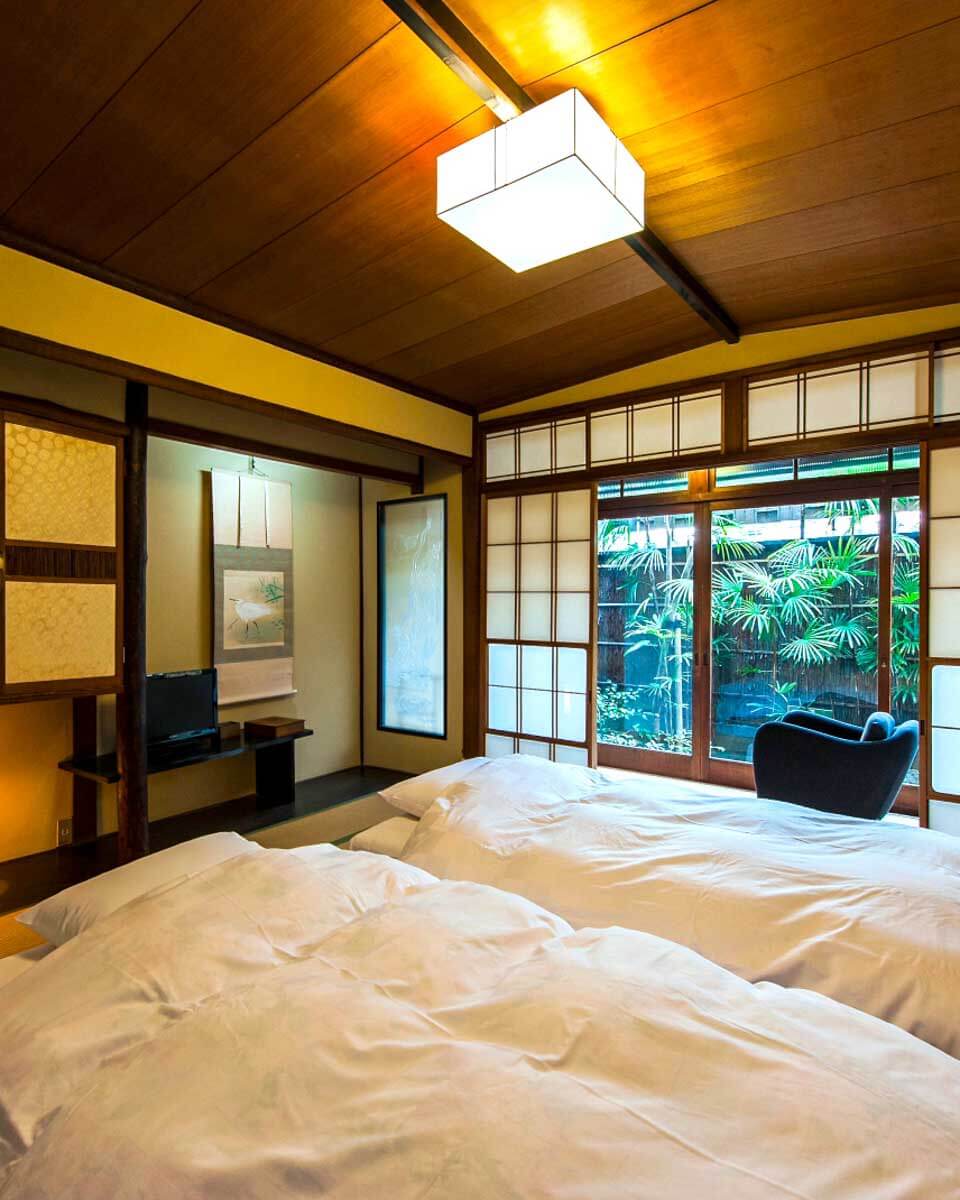
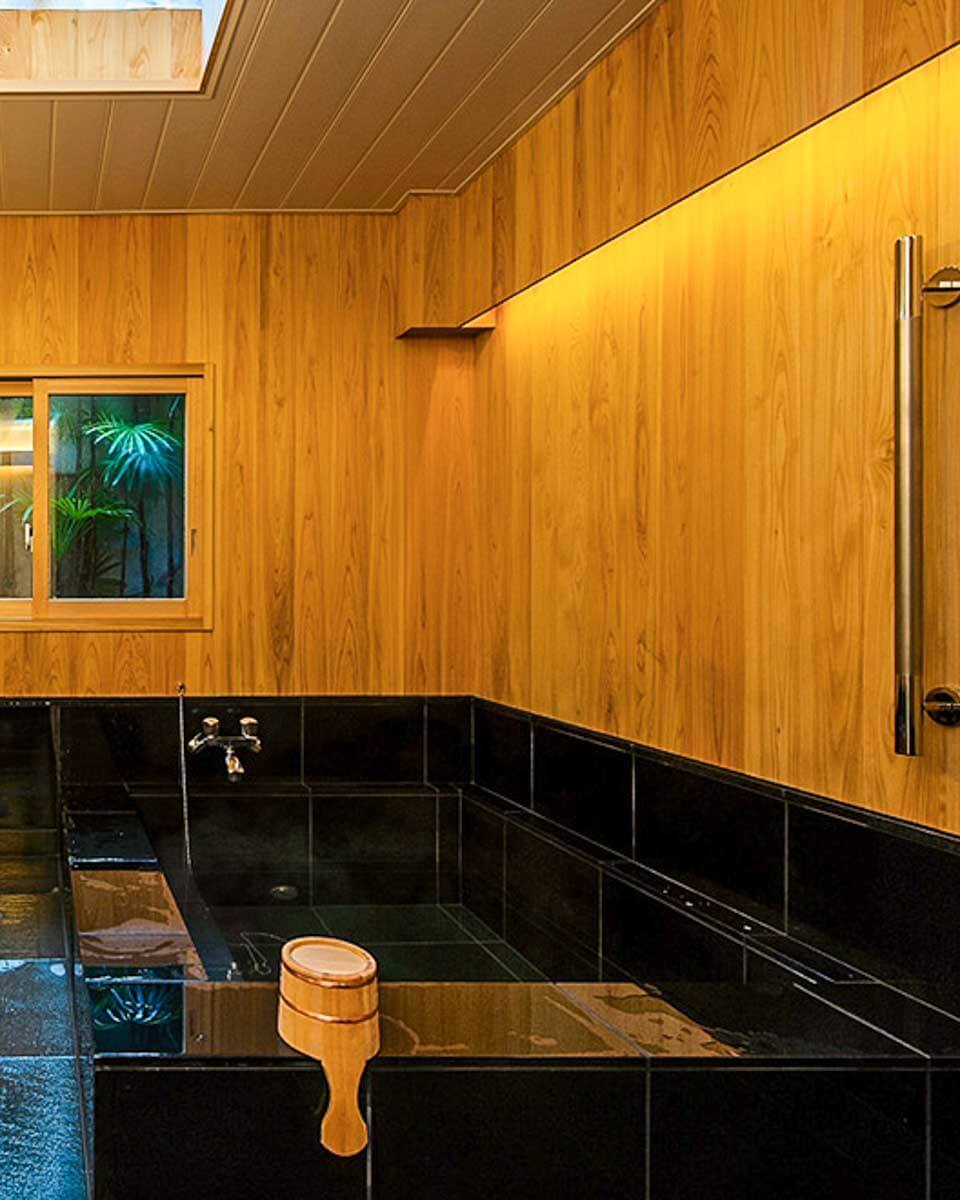
Just a short stroll from Kyoto Station and steps from Higashi Hongan-ji Temple, IZUYASU Traditional Kyoto Inn offers a peaceful escape that blends 19th-century charm with modern comfort. Initially built in 1839 and beautifully renovated in 2013, this historic ryokan keeps its traditional soul alive with tatami floors, shoji screens, and serene courtyard views.
The rooms feel calm, balanced, and simple in the best possible way with cozy futon beds and warm lighting that create an authentic Kyoto experience. What sets Izuyasu apart is the attention to detail and its connection to old Kyoto. Guests can enjoy delicious kaiseki meals served in-room, making every dinner feel like a private ritual.
Plus, its location couldn’t be better. You’re close to transport, temples, and Kyoto Tower, yet wonderfully quiet once you step inside. Rooms here typically range from around ¥49,500 to ¥111,000 per night ($330–$740 USD), including breakfast and dinner.
Muromachi Yutone Kyokoyado – $$$
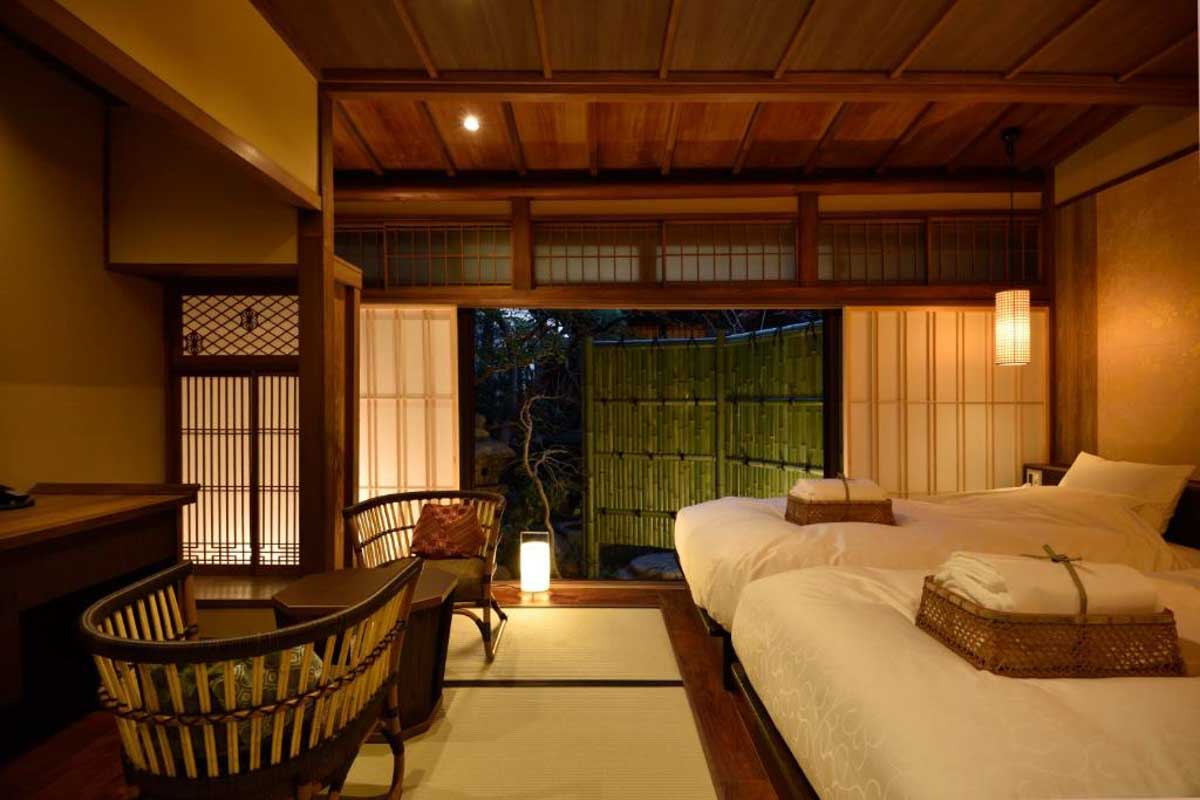
Muromachi Yutone Kyokoyado is a boutique ryokan that feels both refined and deeply personal. It’s tucked away on a quiet street in the heart of Central Kyoto and with just a handful of rooms, this intimate stay offers a calm retreat from the city’s buzz. But it keeps iconic attractions like Nijo Castle and Nishiki Market within easy reach.
Each room blends soft lighting, tatami accents, and modern comforts like a flat-screen TV and private bath, creating a space that’s as cozy as it is elegant. The daily breakfast—served Japanese-style or Western upon request—is a highlight, featuring seasonal ingredients presented with care.
Dinner, if you choose to stay in, is an equally delightful showcase of Kyoto cuisine. Perfect for couples or solo travelers craving quiet sophistication, rooms here typically range from ¥36,000 to ¥79,500 per night ($240–$530 USD), including breakfast.
Kyoto Takasegawa Bettei – $$
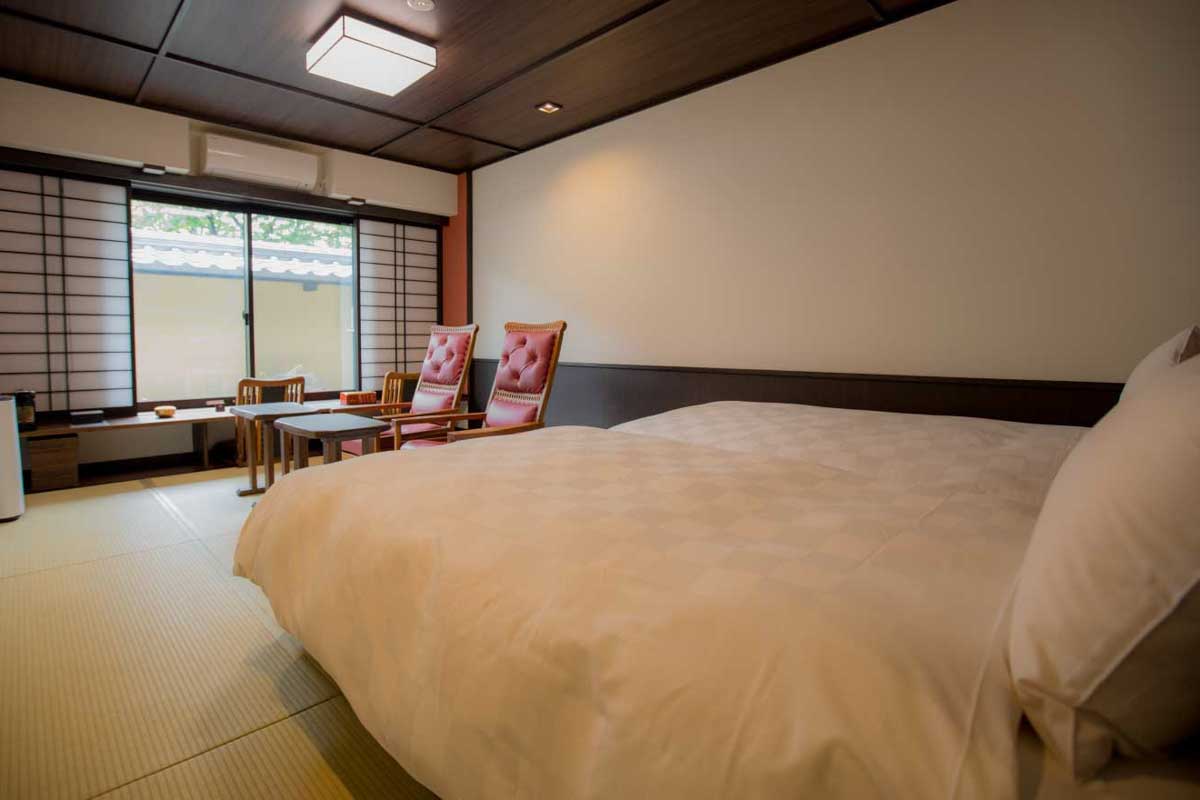
For travelers who want a peaceful retreat close to Kyoto Station, Kyoto Takasegawa Bettei offers a perfect mix of comfort, style, and value. This adults-only ryokan sits along a quiet street near the Takase River, just a 10-minute walk from Sanjusangen-do Temple and a short stroll from the station.
The rooms are modern yet understated, blending clean design with subtle Japanese touches like tatami flooring and warm wood finishes. Guests rave about the breakfast here—it’s served in-room and includes a beautifully arranged mix of pastries, eggs, and fresh fruit.
The attention to detail extends throughout the property, from the soundproofed rooms to the serene atmosphere that makes it easy to unwind after a day of sightseeing. With prices typically ranging from about ¥22,500 to ¥60,000 per night ($150–$400 USD), this ryokan is a fantastic choice for those seeking a calm, comfortable base in the heart of Kyoto.
Ryokan Motonago – $$
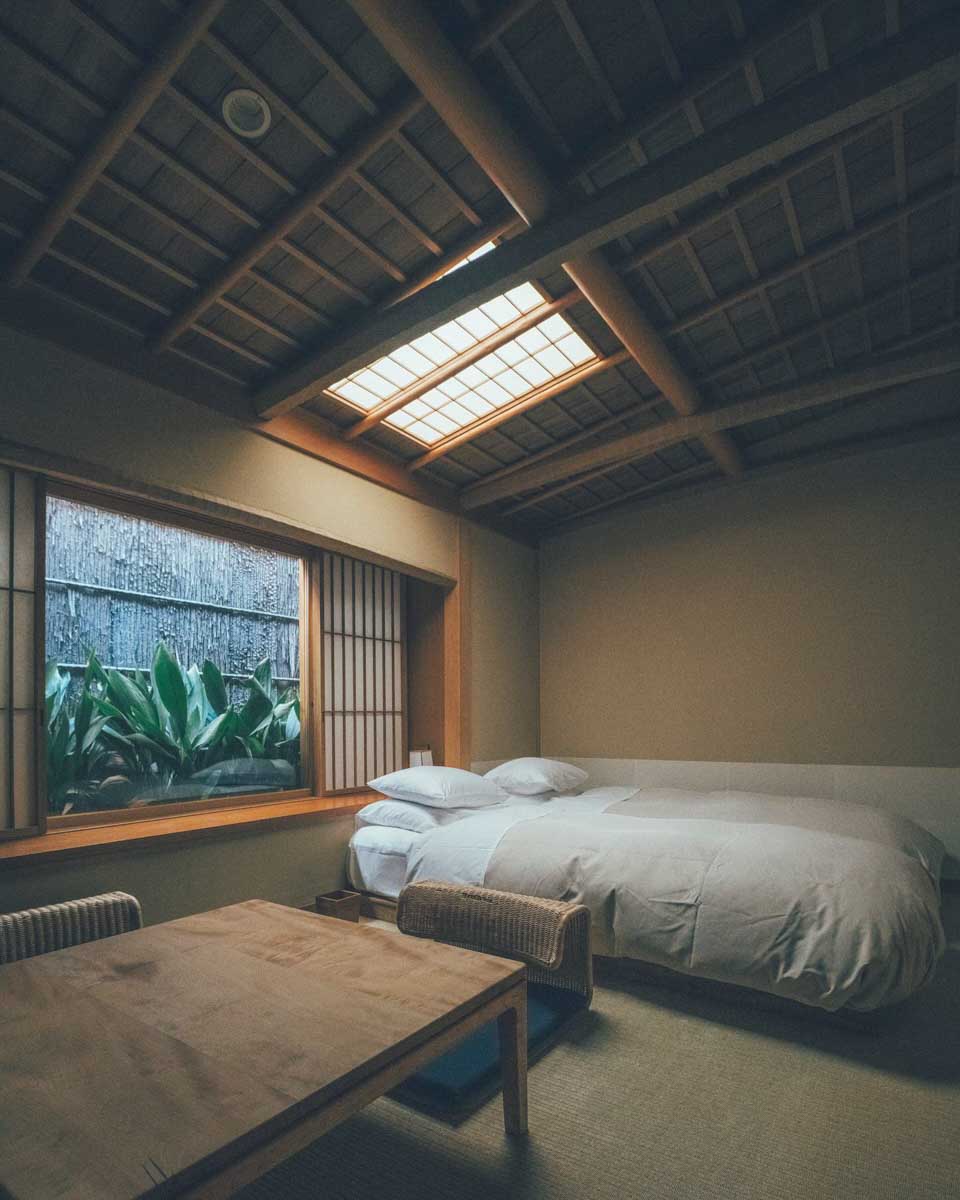
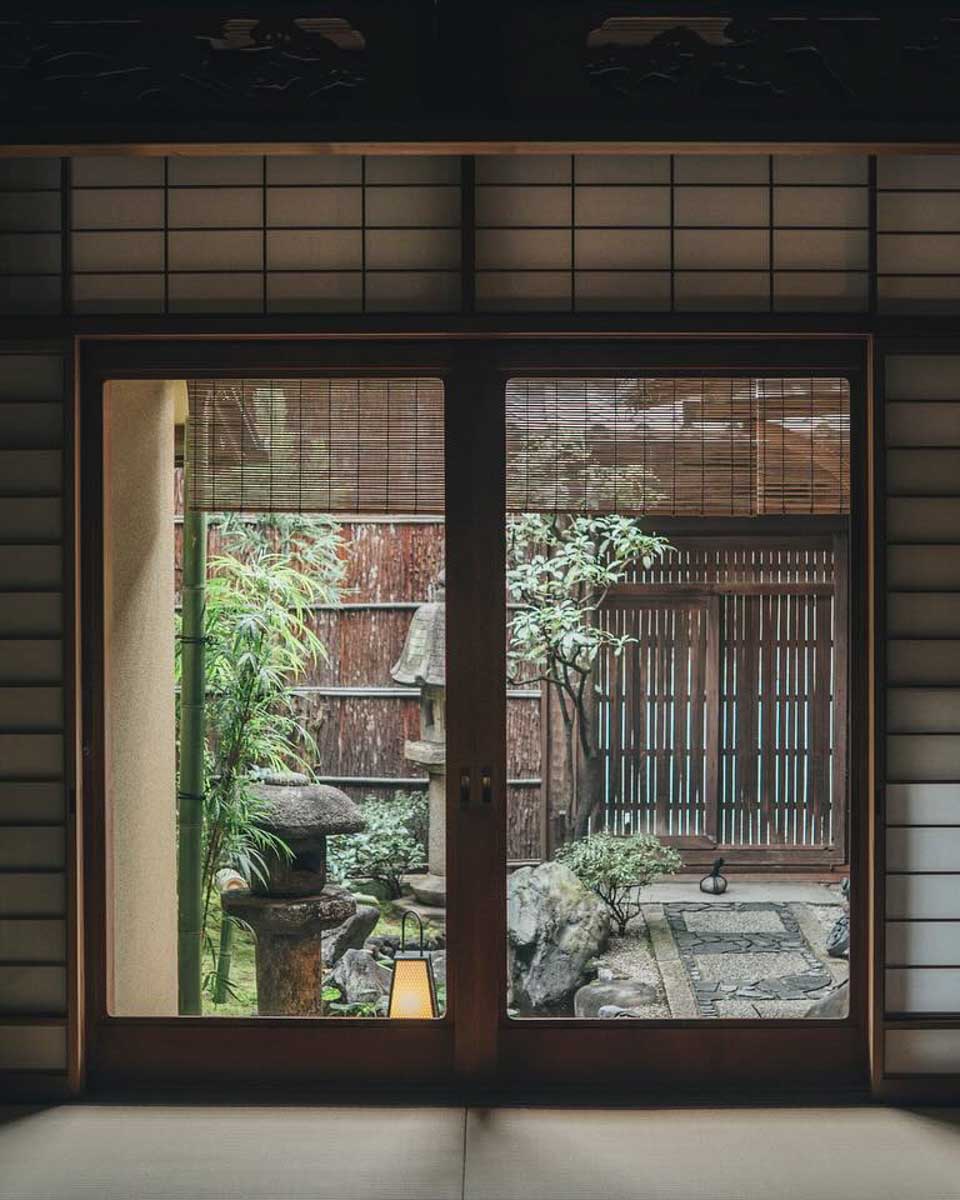
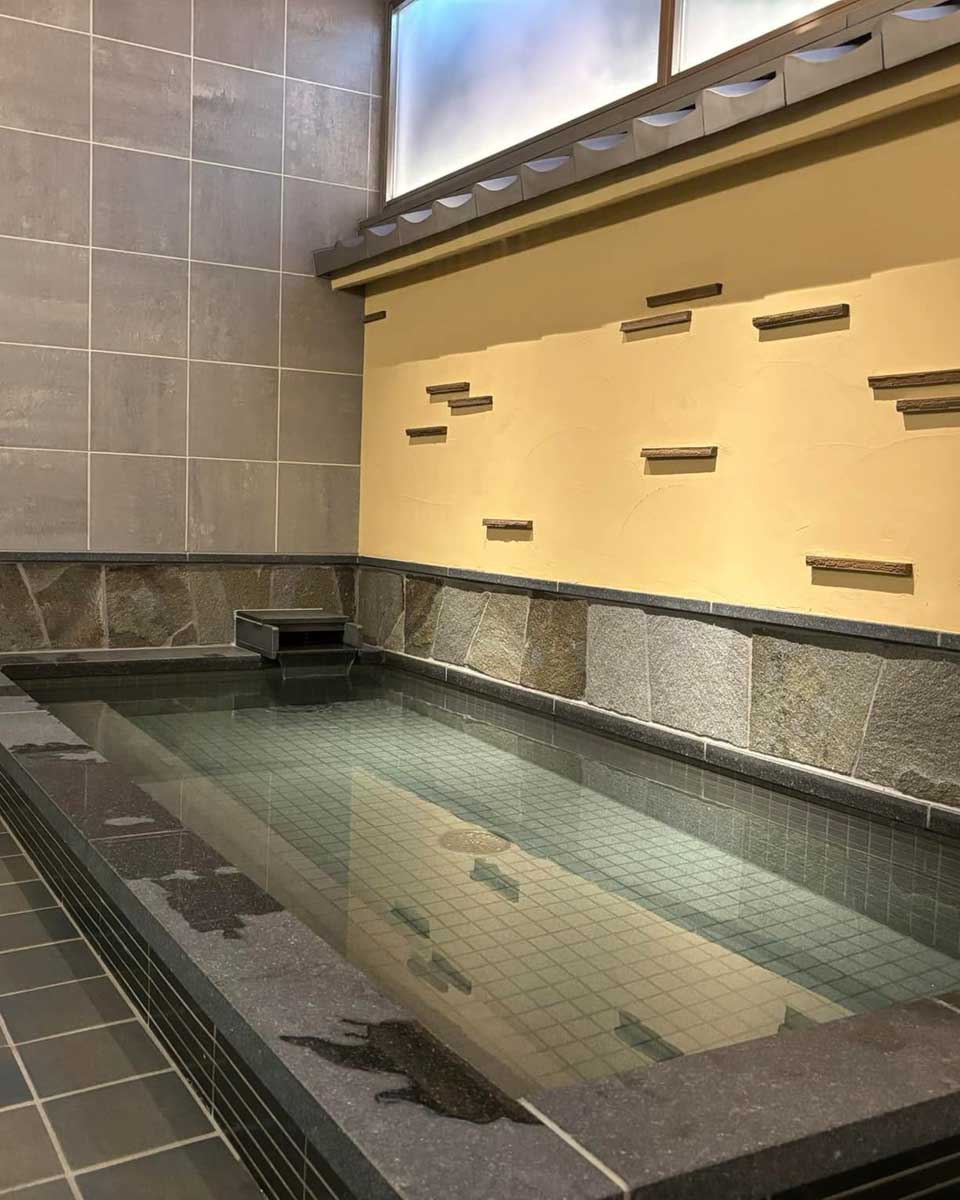
Nestled in the heart of Higashiyama’s historic district, Ryokan Motonago delivers that classic Kyoto experience travelers dream of—complete with tatami mats, futon beds, and heartfelt hospitality. This charming mid-range ryokan strikes the perfect balance between comfort and tradition, offering tranquil rooms that overlook a small garden and a peaceful public bath to soak away the day’s adventures.
Guests rave about the beautifully presented dinners and hearty Japanese breakfasts, each highlighting seasonal Kyoto ingredients. The location is unbeatable—you’re just a short stroll from Kiyomizu-dera Temple, Gion’s lantern-lit alleys, and plenty of cozy teahouses and craft shops.
With rooms typically ranging from ¥37,500 to ¥75,000 per night ($250–$500 USD), Motonago offers exceptional value for its level of service and authenticity.
Matsumoto Ryokan – $
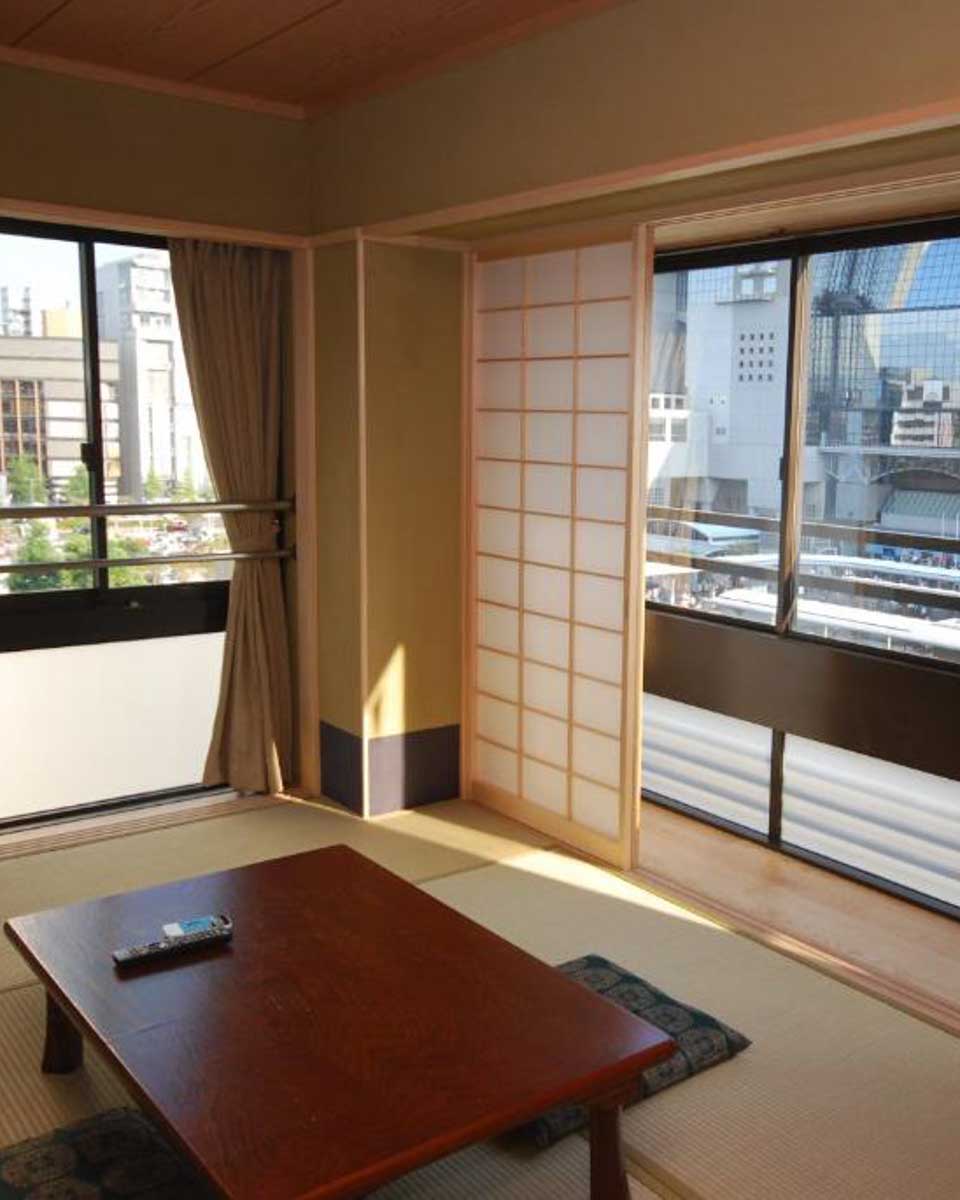
Located right across from Kyoto Station’s Central Exit, Matsumoto Ryokan is one of those perfectly placed stays where convenience meets tradition. This long-running inn keeps things simple yet full of character, offering guests a choice between Western-style rooms or authentic Japanese ones with tatami mats, futon bedding, and yukata robes.
It’s the ideal pick for travelers who want a taste of Kyoto’s culture without stretching their budget. The location couldn’t be better—Kyoto Tower is just a minute away, and Higashi Hongan-ji Temple is a short walk down the street.
The ryokan’s Japanese-style breakfast is a lovely bonus, and dinners can be reserved in advance for a full local dining experience. With rates starting around ¥10,500 to ¥37,500 per night ($70–$250 USD), Matsumoto Ryokan delivers exceptional value and a front-row seat to the heart of Kyoto.
Kyomachiya Ryokan Sakura Urushitei – $
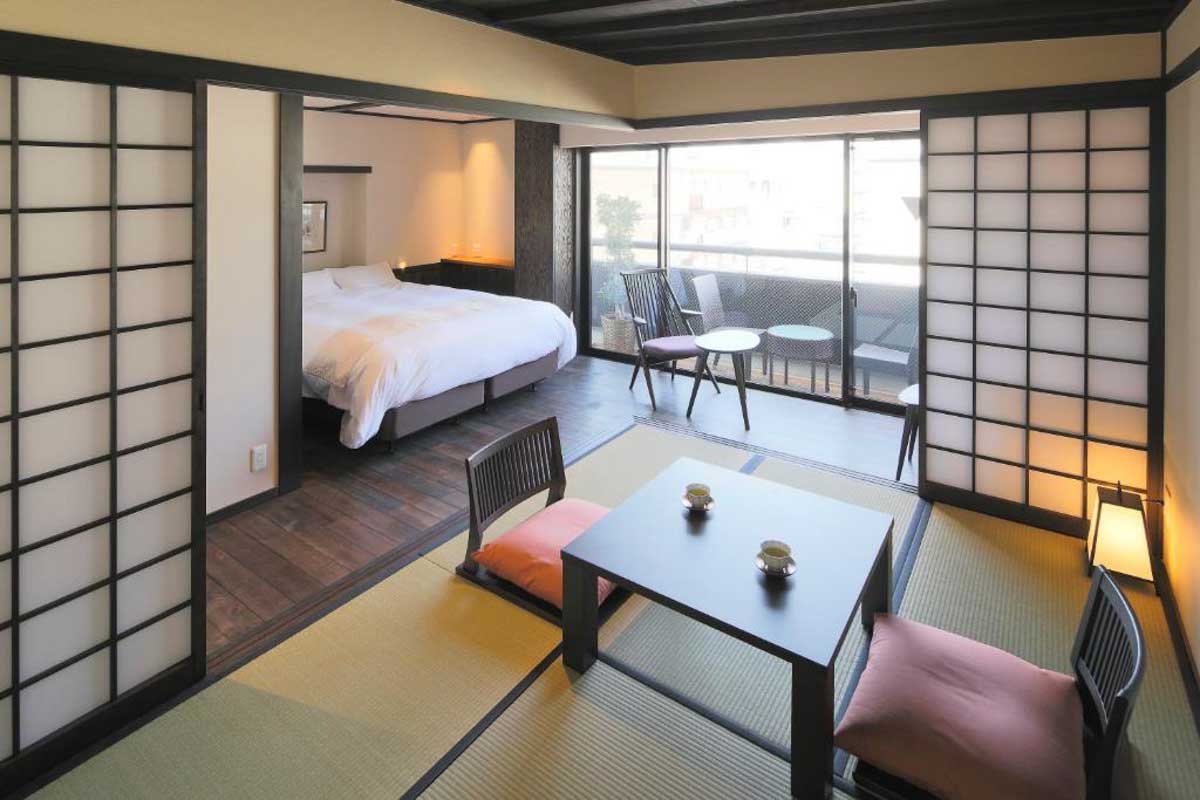
A beautiful blend of modern comfort and traditional Kyoto charm, Kyomachiya Ryokan Sakura Urushitei is the kind of stay that captures the best of both worlds. Just a 10-minute walk from the lively Kawaramachi area, this ryokan is perfectly placed for exploring Kyoto’s vibrant shopping streets, restaurants, and historic temples.
Inside, you’ll find a serene atmosphere, where tatami floors and soft lighting meet sleek, modern touches like private bathrooms, Wi-Fi, and air conditioning. Guests particularly love the friendly staff and the on-site bar, which is a great spot to unwind in the evening after sightseeing.
The ryokan also offers a tour concierge service to help plan local activities and restaurant reservations—an added bonus for first-time visitors. With prices typically ranging from ¥13,500 to ¥27,000 per night ($90–$180 USD), Sakura Urushitei offers exceptional value for its quality and location.
Hakone

Pros
- Picturesque mountain scenery
- Lots of traditional ryokans to choose from
- Easy to reach from Tokyo for short getaways
Cons
- Popular ryokans can book up quickly on weekends
- A lot of restaurants close early – around 6 pm
- Tends to be more expensive than other regions
Hakone is the ultimate onsen escape from Tokyo! It’s tucked into the mountains just a couple of hours from Tokyo, and it’s been welcoming travelers since the Edo period, when people would come here specifically to soak in the healing hot springs. Even today, Hakone feels built for switching off. There’s something about the clean mountain air that always makes me sleep really well!
We think a ryokan stay suits Hakone perfectly. Onsen soaks are the main event here, and there’s nothing better than slipping into a hot bath after a day of exploring. Then you can settle in for a beautifully presented kaiseki dinner that makes the whole evening feel like an occasion – it’s just bliss.
We also recommend Hakone because it works for so many different travel styles. It can be a really romantic destination for couples, and its proximity to Tokyo makes it an easy choice for first-timers or those who are short on time.
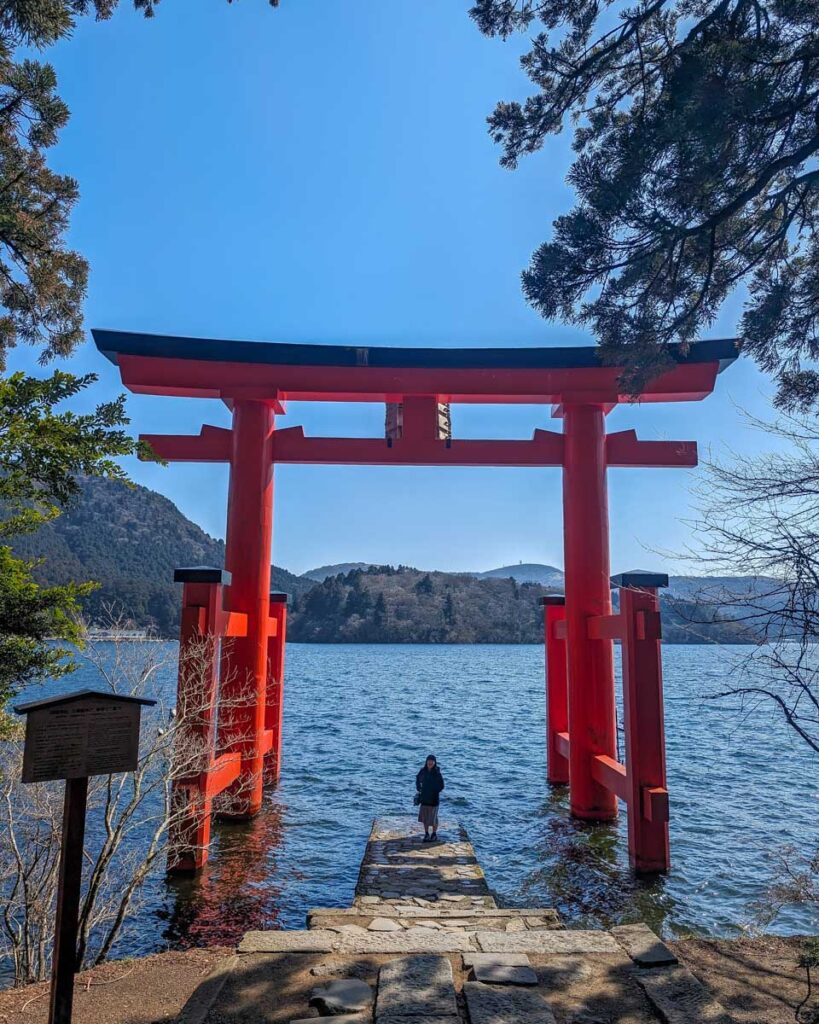
Hakone-Yumoto is the most convenient area to base yourself, thanks to its direct train access, but areas like Gora and Miyanoshita feel a little more tucked away and refined. If you’re chasing iconic scenery, Lake Ashi is where you’ll find the famous shrine views and cruises, and Mount Fuji even pops up on clear days!
Hakone Onsen Ryokan Yaeikan – $$$
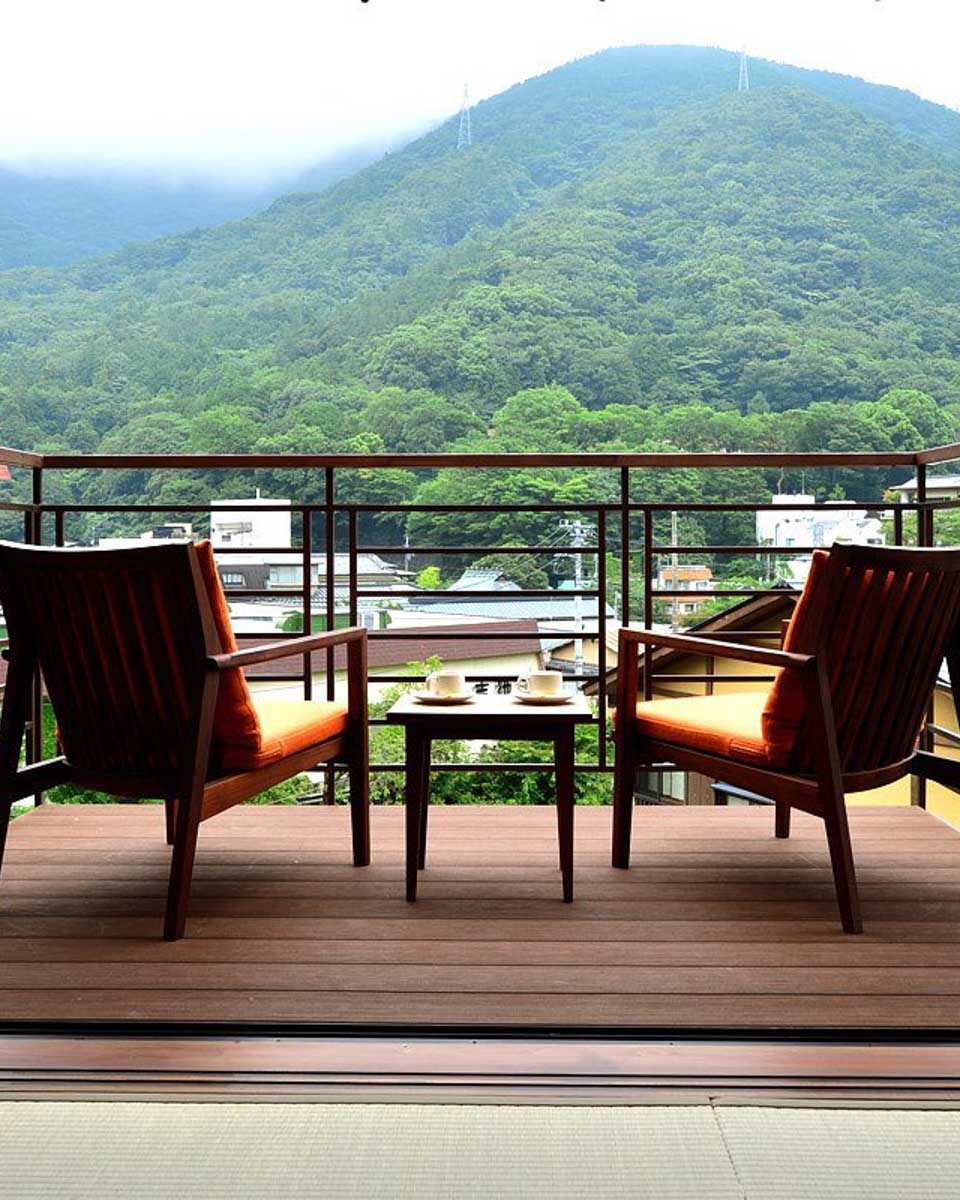
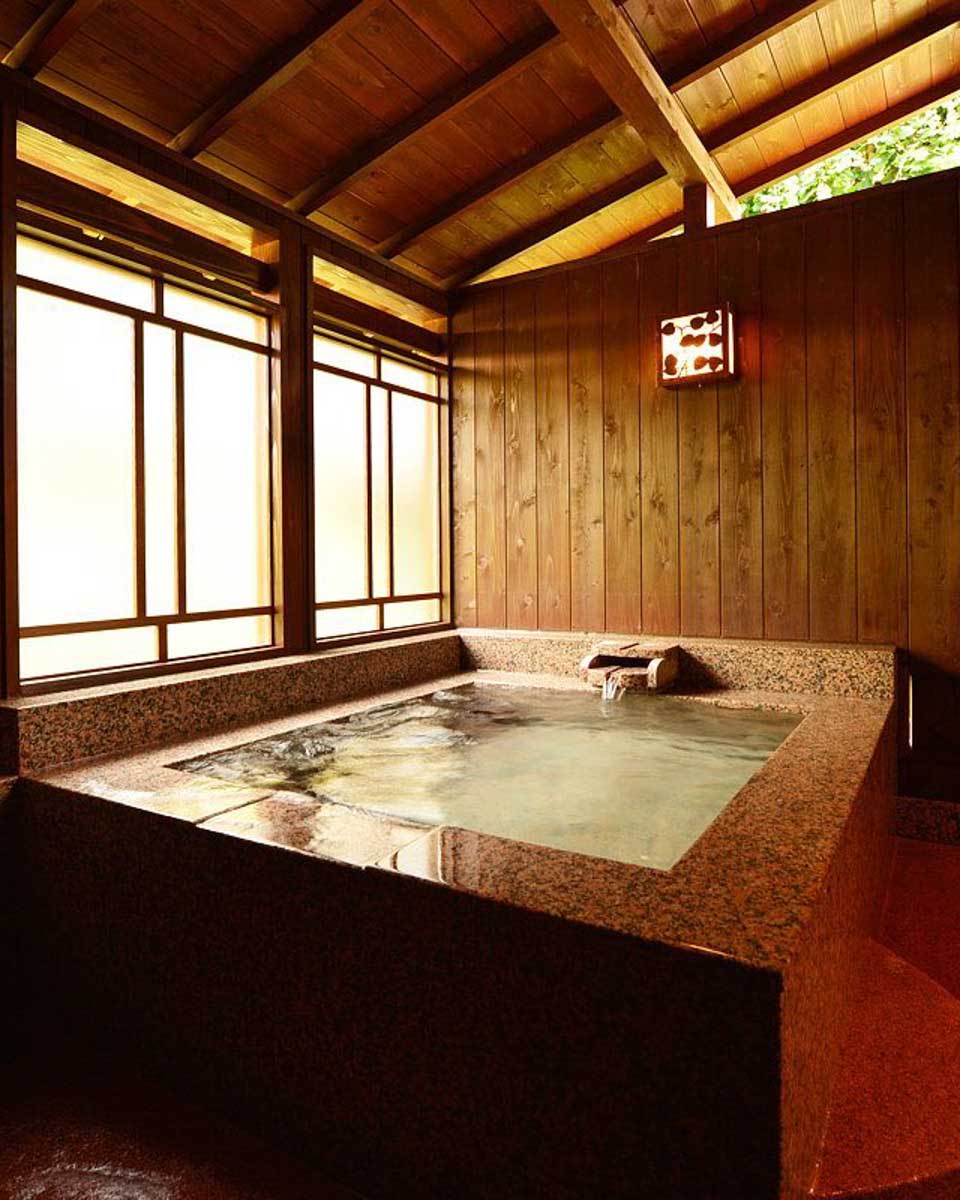
Just a short walk from Hakone-Yumoto Station, Hakone Onsen Ryokan Yaeikan blends traditional hospitality with the kind of comfort that makes you want to slow down and stay awhile. The property’s open-air baths overlook the mountains, and two of them can even be reserved privately at no extra charge!
Each tatami room feels authentically Japanese, complete with futon bedding, soft lighting, and green tea waiting when you arrive. Meals are a highlight here, with multi-course dinners and delicate Japanese breakfasts served right in your room.
It’s easy to see why couples love this place. It’s peaceful, romantic, and perfectly located near top spots like Tenzan Onsen and Tamadare Falls. Prices typically range from ¥39,000 to ¥150,000+ per night ($260–$1,000+ USD), including breakfast, dinner, and free parking.
Hakone Kowakien Mikawaya Ryokan – $$$
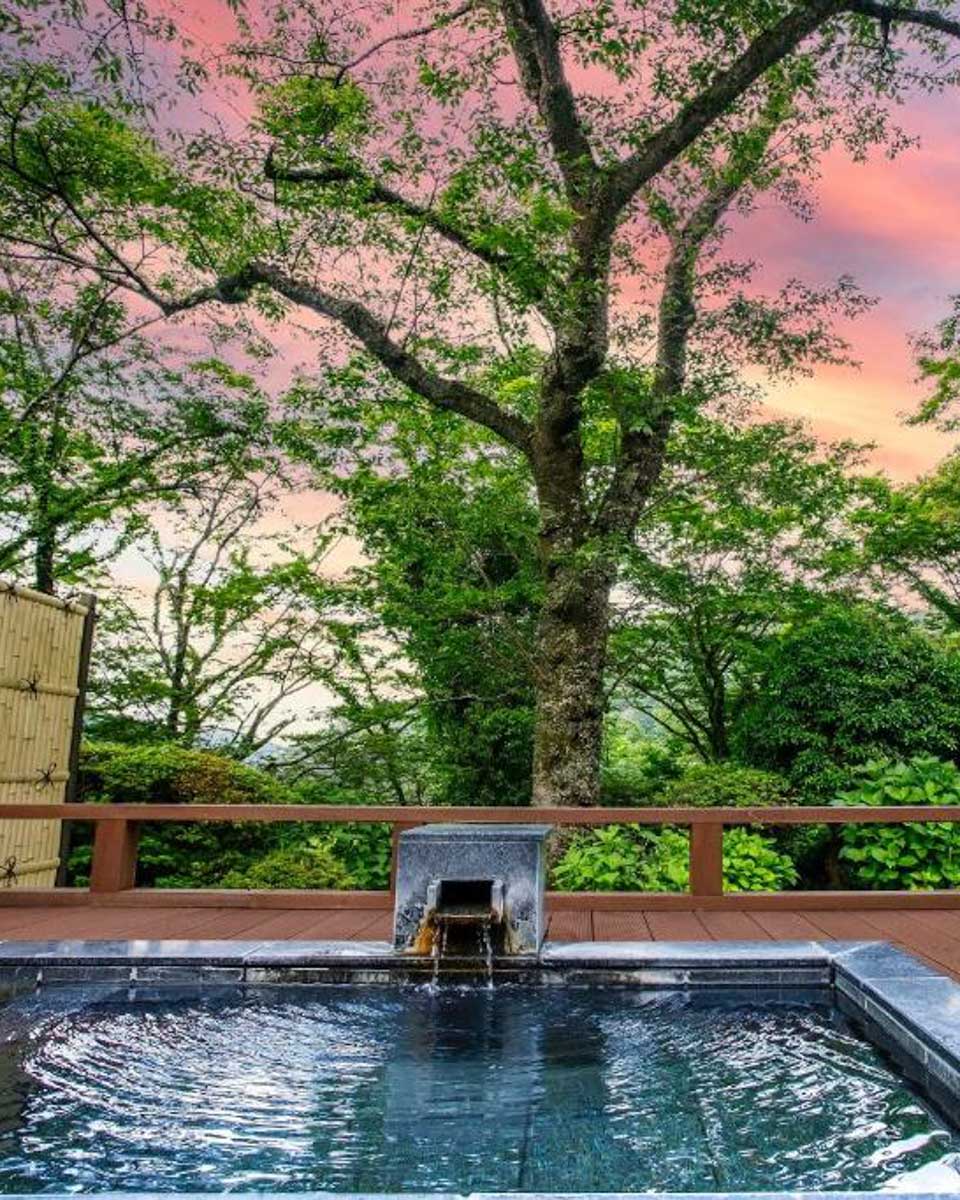
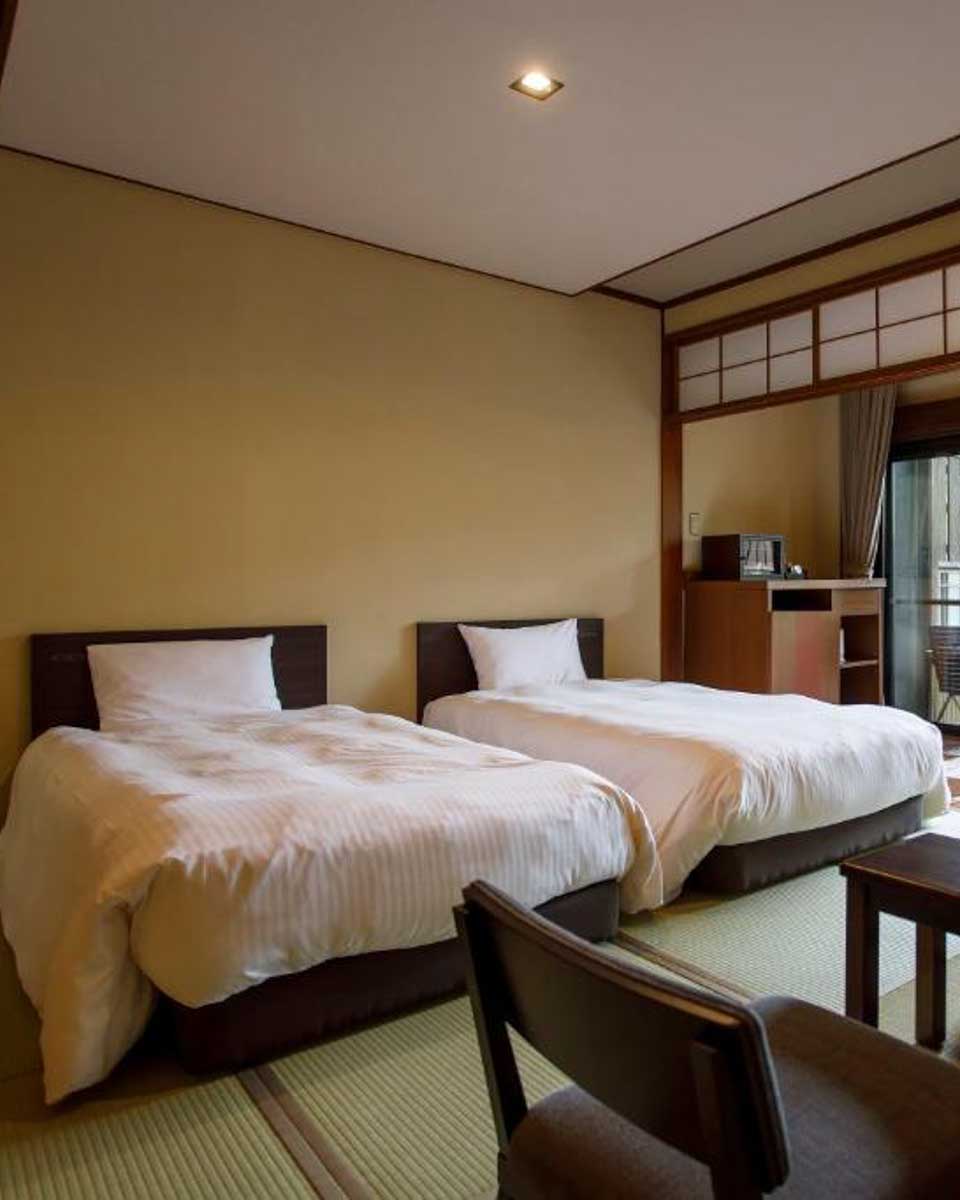
Nestled among lush gardens just a short walk from Kowakudani Station, Hakone Kowakien Mikawaya Ryokan combines classic ryokan elegance with modern comfort. This historic property has been welcoming guests for over a century and continues to impress with its tranquil setting, attentive service, and rejuvenating hot springs.
The open-air baths are a highlight—surrounded by greenery and mountain views that make every soak feel like a retreat into nature. Rooms are traditionally styled with tatami mats, futon or twin beds, and balconies overlooking the gardens.
Guests can enjoy multi-course kaiseki dinners featuring seasonal ingredients, or even indulge in wagyu or crab specialties for a real treat. It’s a peaceful yet convenient location, with top sights like the Hakone Open-Air Museum and Okada Museum of Art just steps away. Prices typically range from ¥42,000 to ¥105,000 per night ($280–$700 USD), including breakfast and dinner.
Yoshiike Ryokan – $$
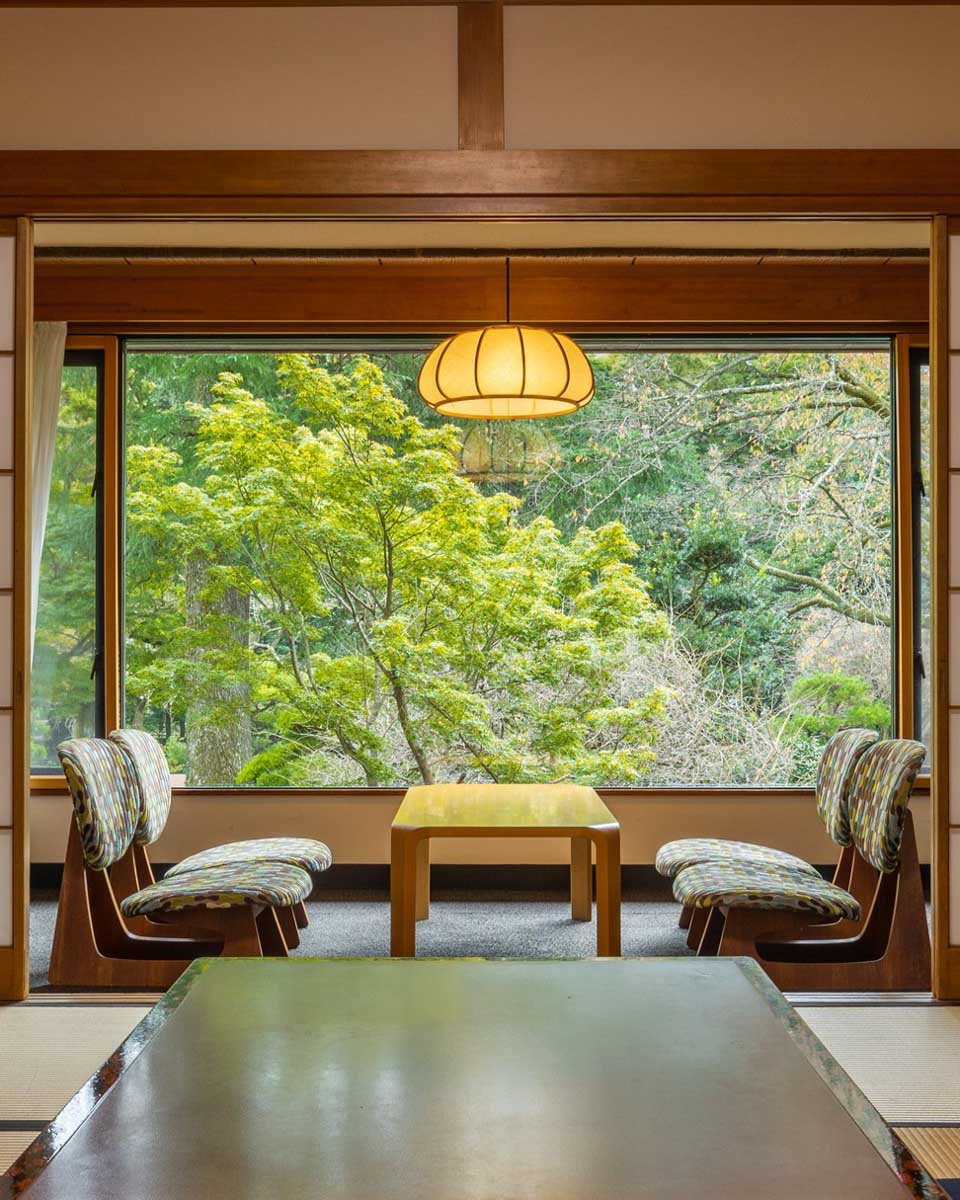
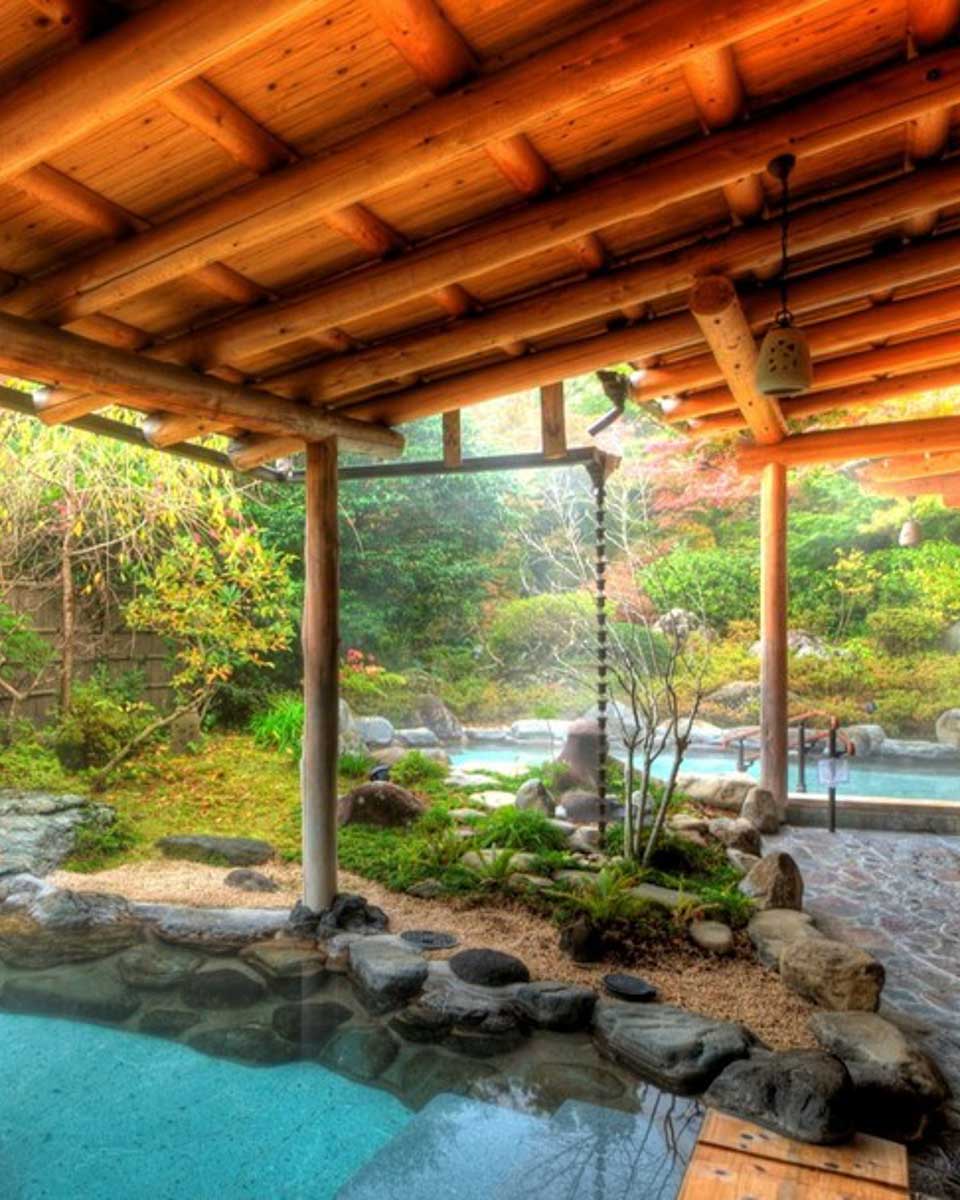
Just a short seven-minute walk from Hakone-Yumoto Station, Yoshiike Ryokan is a peaceful retreat with all the charm of a traditional onsen stay, and a few modern perks, too. The property’s hot spring baths draw water straight from the source, so you can enjoy truly authentic mineral-rich soaks surrounded by views of lush gardens. Guests rave about its beautiful location.
In summer, the outdoor pool adds a refreshing touch, while the koi pond and seasonal blossoms make the grounds a joy to explore year-round. Rooms feature tatami floors, futon bedding, and thoughtful touches like yukata robes, green tea sets, and everything you need to feel at home.
Meals are beautifully presented kaiseki-style dinners and Japanese breakfasts made with fresh, local ingredients, served in the dining room. Rates typically range from ¥39,000 to ¥127,500 per night ($260–$850 USD), including breakfast and dinner.
Onsen Guest House Tsutaya – $$
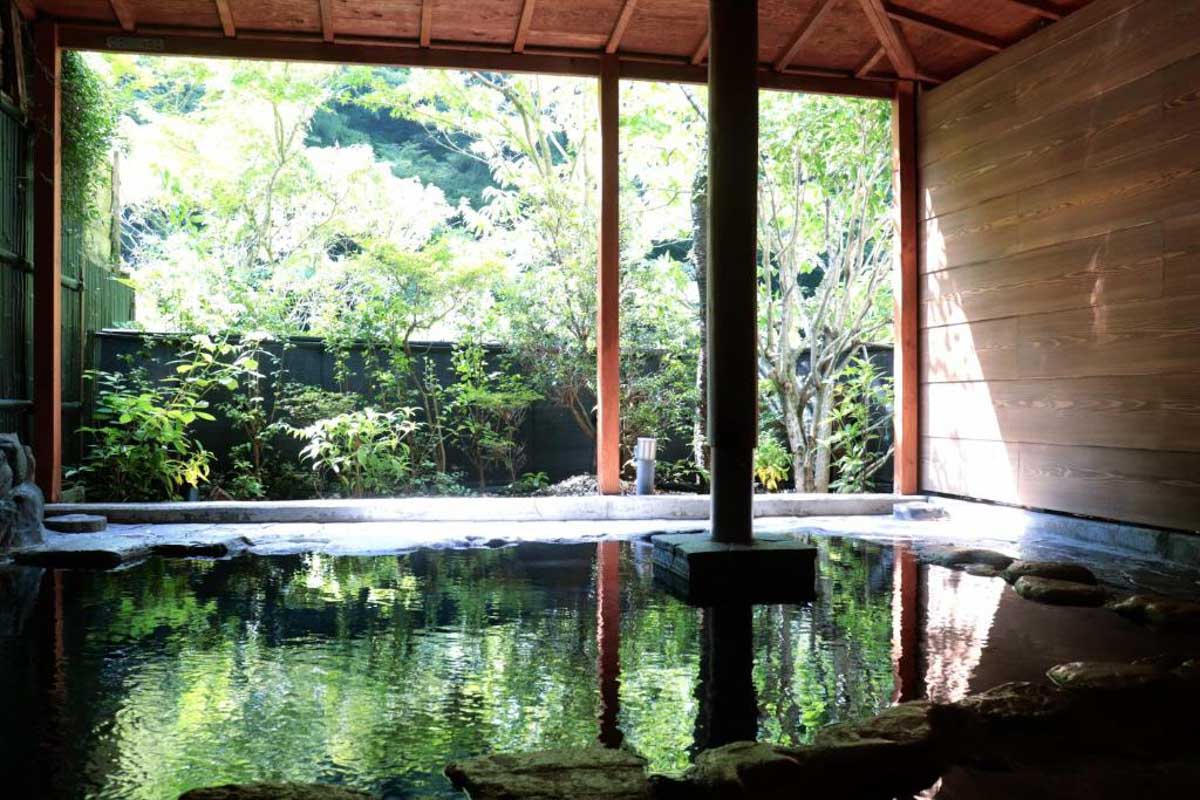
Friendly, affordable, and full of charm, Onsen Guest House Tsutaya in Miyanoshita is a great option for travelers who want a cozy stay with all the essentials. The property features both private rooms and dorm-style options, making it ideal for solo travelers, couples, or small groups looking for a social yet relaxing atmosphere.
Guests can unwind in the natural hot spring baths, including an open-air bath with mountain views, or kick back in the communal lounge with a cup of tea after a day of exploring. There’s also a shared kitchen for those who like to cook their own meals, as well as free Wi-Fi and luggage storage for convenience.
Plus, top sights like the Hakone Open-Air Museum, Okada Museum of Art, and Chisuji Falls are all within easy reach, while Miyanoshita Station is just a short walk away from where the guest house is located. Dorm beds start around ¥6,000 per night ($40 USD), with private rooms ranging from about ¥21,000 to ¥55,500 per night ($140–$370 USD) for added comfort.
Shirayunoyado Yamadaya Hakone Gora – $$
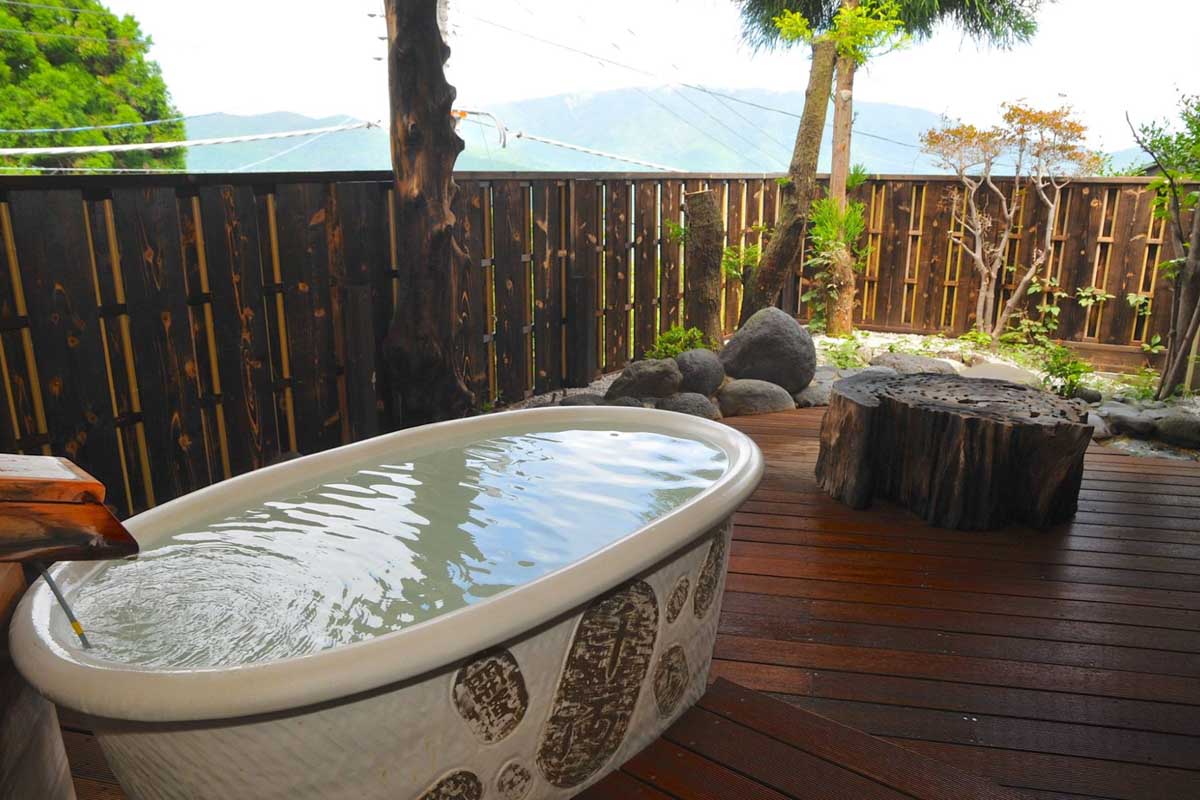
For travelers looking for a traditional Hakone stay that’s easy on the wallet, Shirayunoyado Yamadaya Hakone Gora is a wonderful find. Located just a four-minute walk from Sounzan Station, it offers easy access to Gora’s hot springs, the Hakone Open-Air Museum, and the Owakudani volcanic valley, all just a short ride away.
This ryokan features five soothing onsen baths, including indoor, outdoor, and private options (available for a small fee). After a relaxing soak, guests can enjoy in-room Japanese breakfasts and dinners prepared with care, making it feel like a true home-away-from-home experience.
Rooms are simple but comfortable, with tatami flooring, futon beds, and mountain views with thoughtful touches like green tea, yukata robes, and free Wi-Fi. Prices typically range from ¥24,000 to ¥67,500 per night ($160–$450 USD), including meals.
YuYu Hakone – $


Nestled among the green hills above Lake Ashi, YuYu Hakone offers a family-friendly stay that blends comfort, nature, and traditional charm. The rooms feature tatami flooring, futon bedding, and balconies overlooking the garden—perfect for relaxing after a day exploring nearby Owakudani Valley or Lake Ashi.
Guests can unwind in the open-air or indoor hot spring baths, enjoy a peaceful stroll through the garden, or sit by the outdoor fireplace under the stars. The on-site restaurant serves both Japanese and Italian dishes, making it a great option for travelers seeking variety, including vegetarian-friendly meals.
With its quiet location and welcoming staff, this ryokan feels personal and relaxed while still offering excellent amenities. Rooms can start as low as ¥21,000 per night ($140 USD), including breakfast.
Mt Fuji

Pros
- Iconic Mt Fuji views and beautiful lakeside scenery
- Peaceful atmosphere that’s perfect for a ryokan stay
- Wide range of ryokans to suit different budgets
Cons
- Ryokans can book up quickly, especially around Lake Kawaguchi
- Weather can affect visibility, and Mt Fuji isn’t always visible
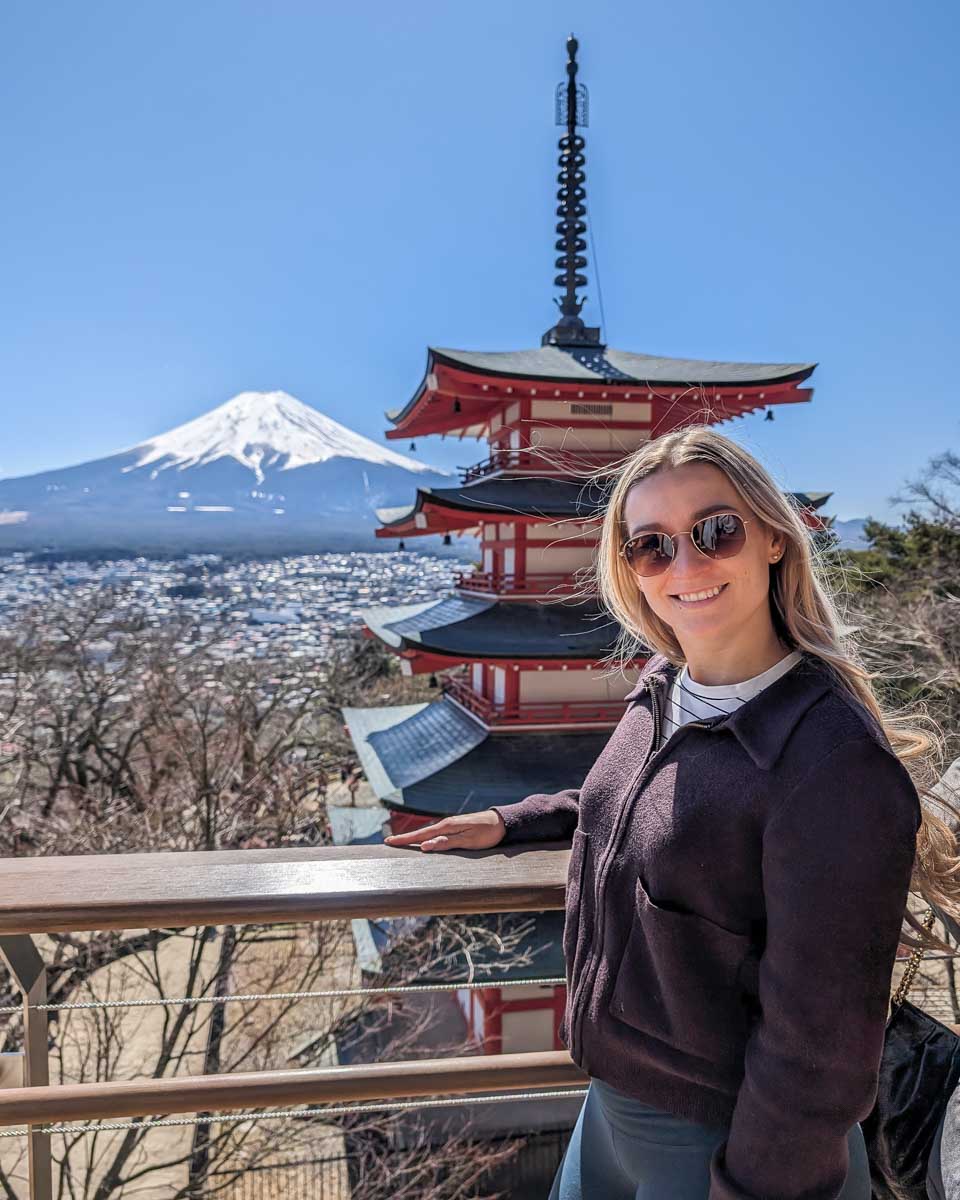
The Mt Fuji region never gets old! It’s home to Japan’s most famous peak, and the area around it is packed with beautiful lakes and viewpoints, and the area’s small towns are full of traditional ryokans where you can slow down and take it all in.
Even though I’ve seen it quite a few times now, I always feel a bit giddy whenever Mt Fuji comes into view! The Fuji Five Lakes area is definitely one of my favorite places to base myself because it offers an unbeatable mix of nature and convenience, especially in Lake Kawaguchi.
Staying in a ryokan near Mt Fuji really completes the experience. Many of the best properties have onsen baths with lake or mountain views, so you can soak in hot water as you gaze out at Fuji in the distance. And of course, enjoying a kaiseki dinner is a must-do cultural experience while in Japan!
As mentioned, Lake Kawaguchi is usually the easiest base. However, Lake Yamanaka is a good choice because it still offers a good amount of amenities and transport links, but it feels calmer and more spacious. And the city of Fujiyoshida is perfect for sightseeing, especially if you want to visit the iconic Chureito Pagoda early, before the crowds roll in!
Fuji Onsenji Yumedono – $$$
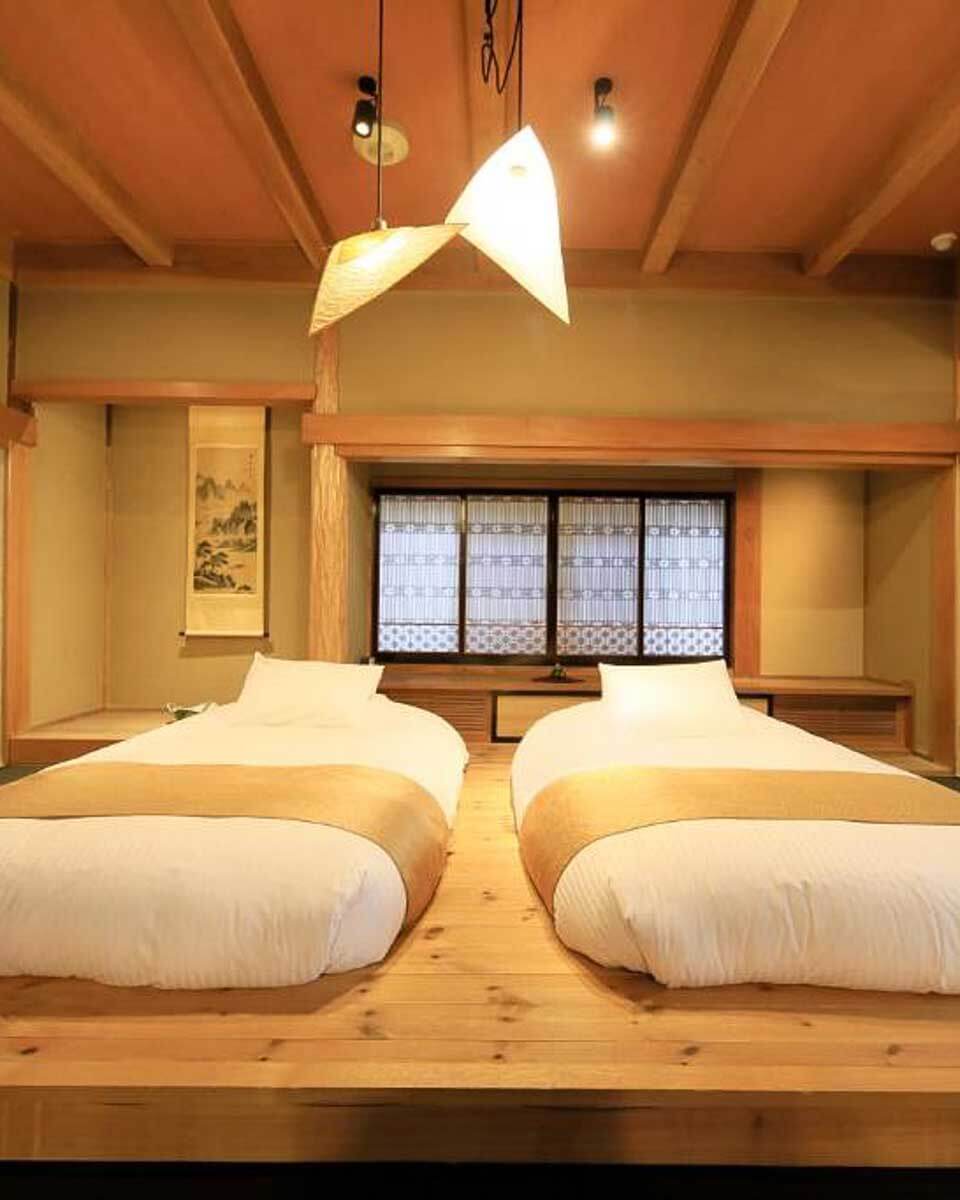
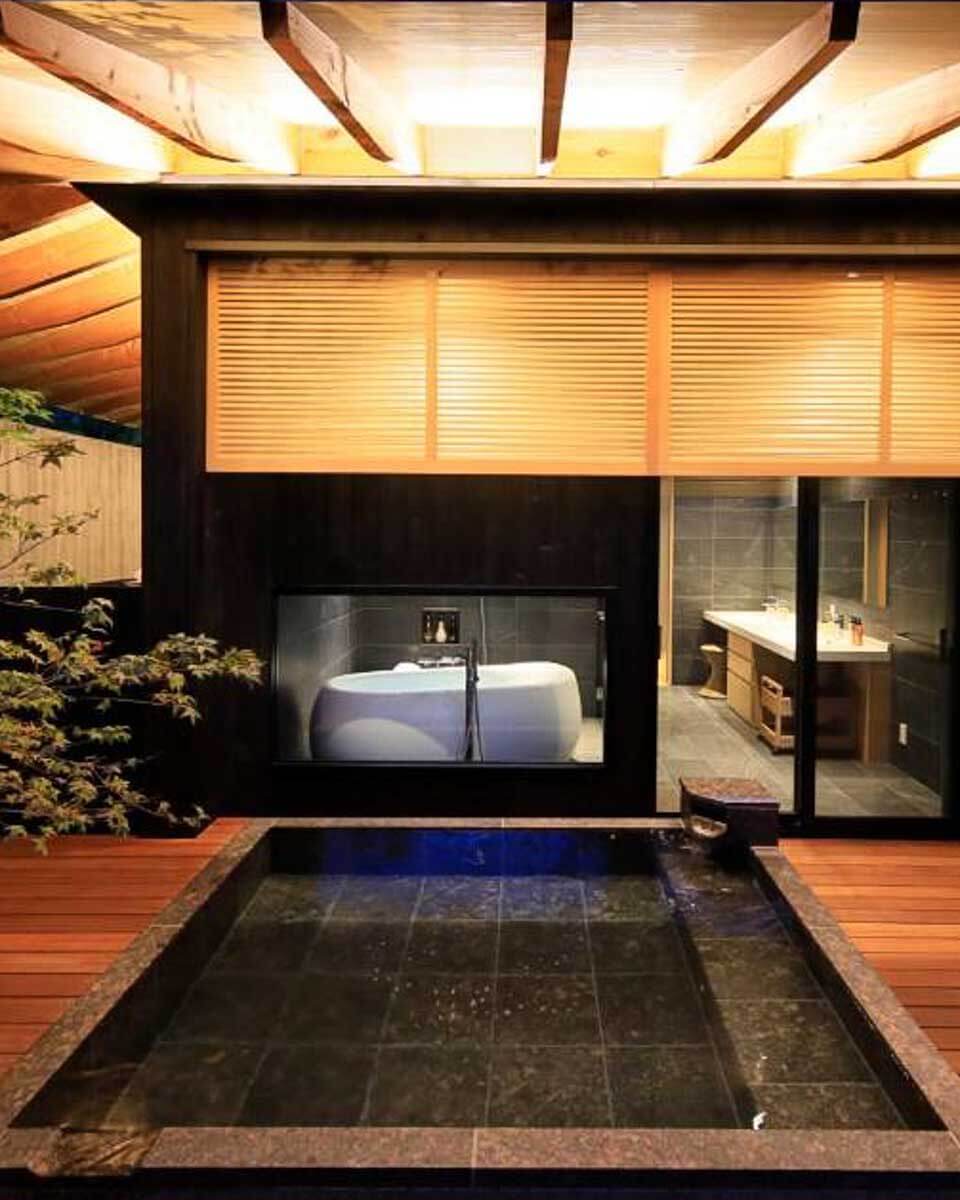
Fuji Onsenji Yumedono is a luxurious ryokan that offers a truly immersive Japanese experience. It’s nestled near Lake Kawaguchi, and we love its quiet, soothing vibe. It’s not super traditional, but its clean, modern design feels inviting and hard to resist!
Plus, there are still classic ryokan elements like tatami floors, and some rooms and suites even have their own private onsens — bliss. And as if all of that weren’t enough, this place also serves up the most exquisite kaiseki dinners. If you want to do a ryokan stay in style, this is an amazing choice!
We think it’s perfect for a romantic getaway. Prices typically start from ¥90,000 per night ($600 USD) and range up to ¥285,000 for one of the sumptuous villas ($1,900 USD).
Mt Fuji View and Private Sauna Ryokan Shizuku – $$$
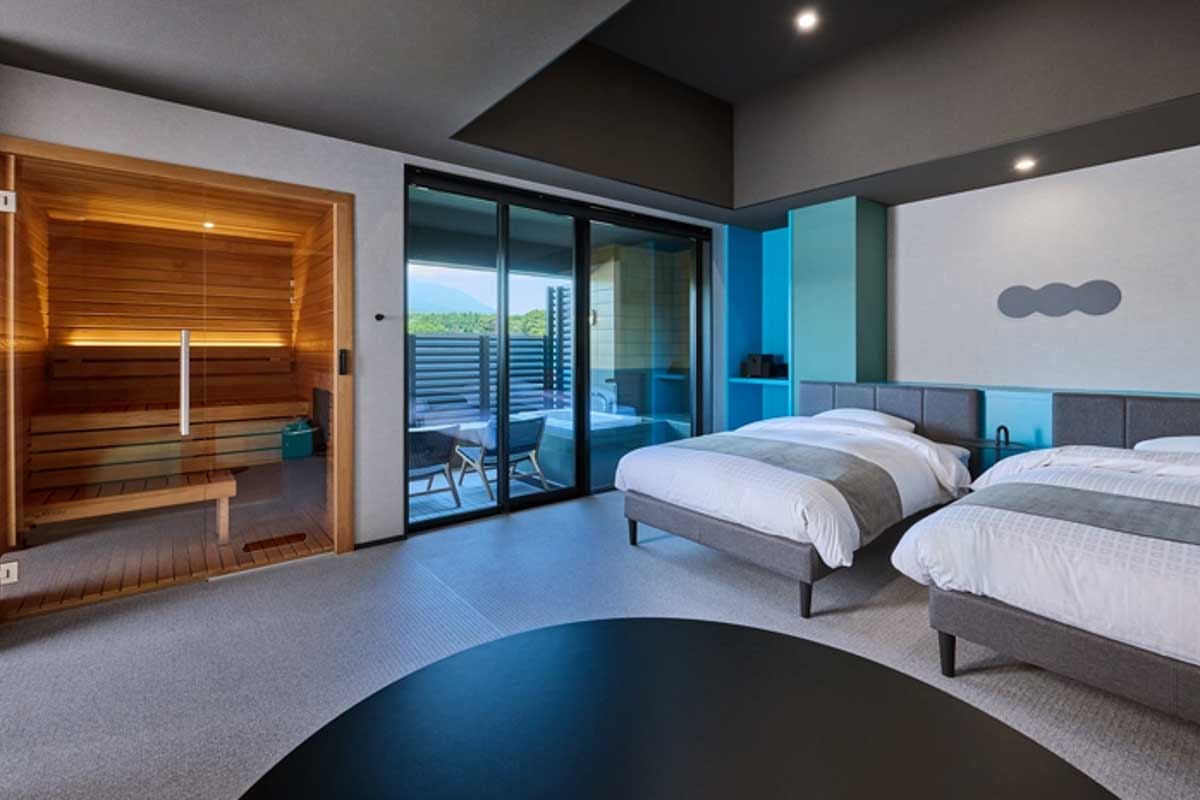
Mt Fuji View and Private Sauna Ryokan Shizuku is a luxurious, boutique-style retreat designed for total relaxation. Each room comes with its own private open-air onsen and sauna, so you can soak while gazing straight at Mt Fuji. It doesn’t get more serene than that!
Inside, the rooms blend elegant modern design with traditional touches like tatami flooring and sliding shoji screens. The meals are beautifully prepared and served kaiseki-style, which means they showcase seasonal ingredients in true Japanese fashion.
The peaceful setting near Lake Yamanaka, the service is exceptional, and it’s the ultimate way to experience this area’s beauty and tranquility. Rates start around ¥67,500 per night ($450 USD) and can go up to ¥150,000+ for the larger suites ($1,000+ USD).
Kaneyamaen – $$$
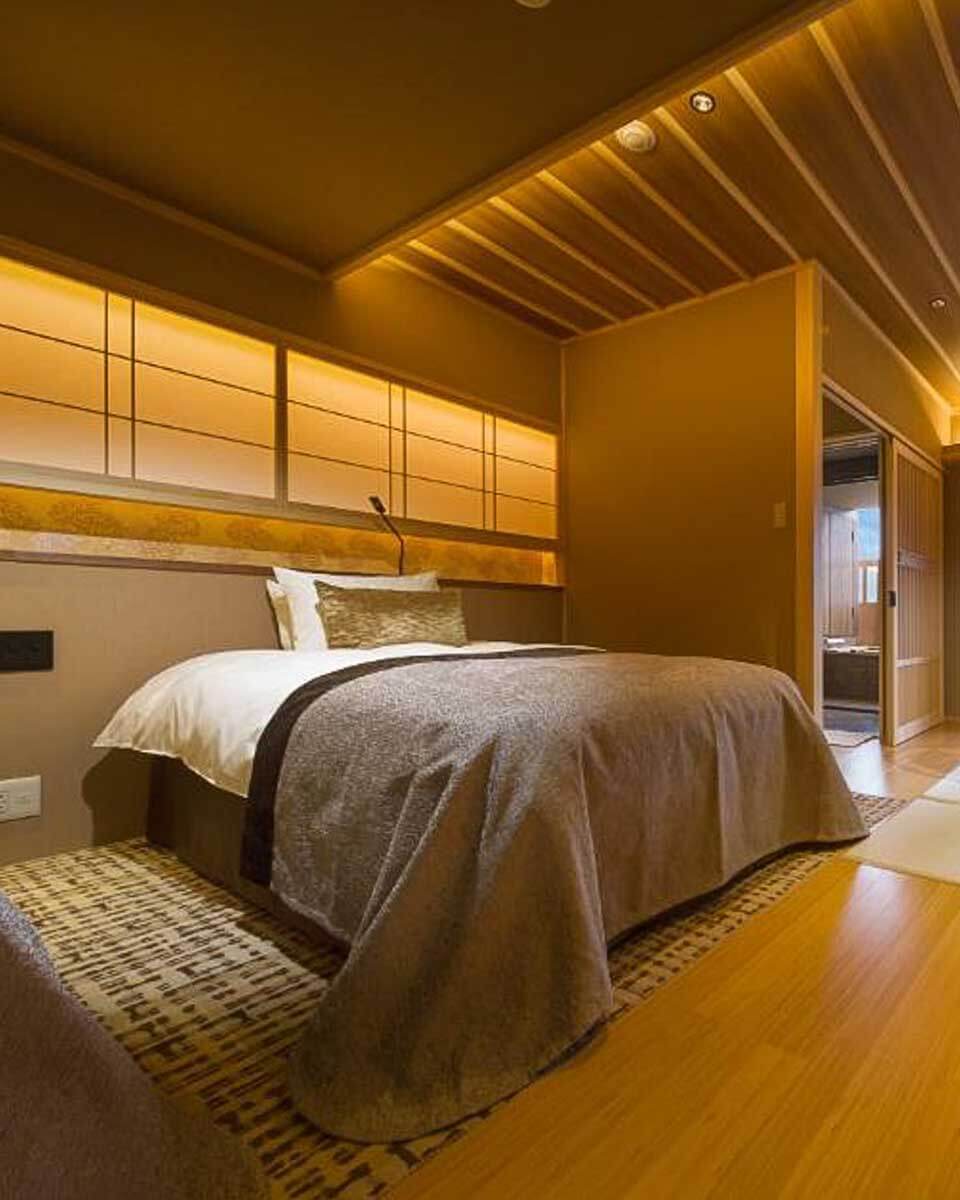
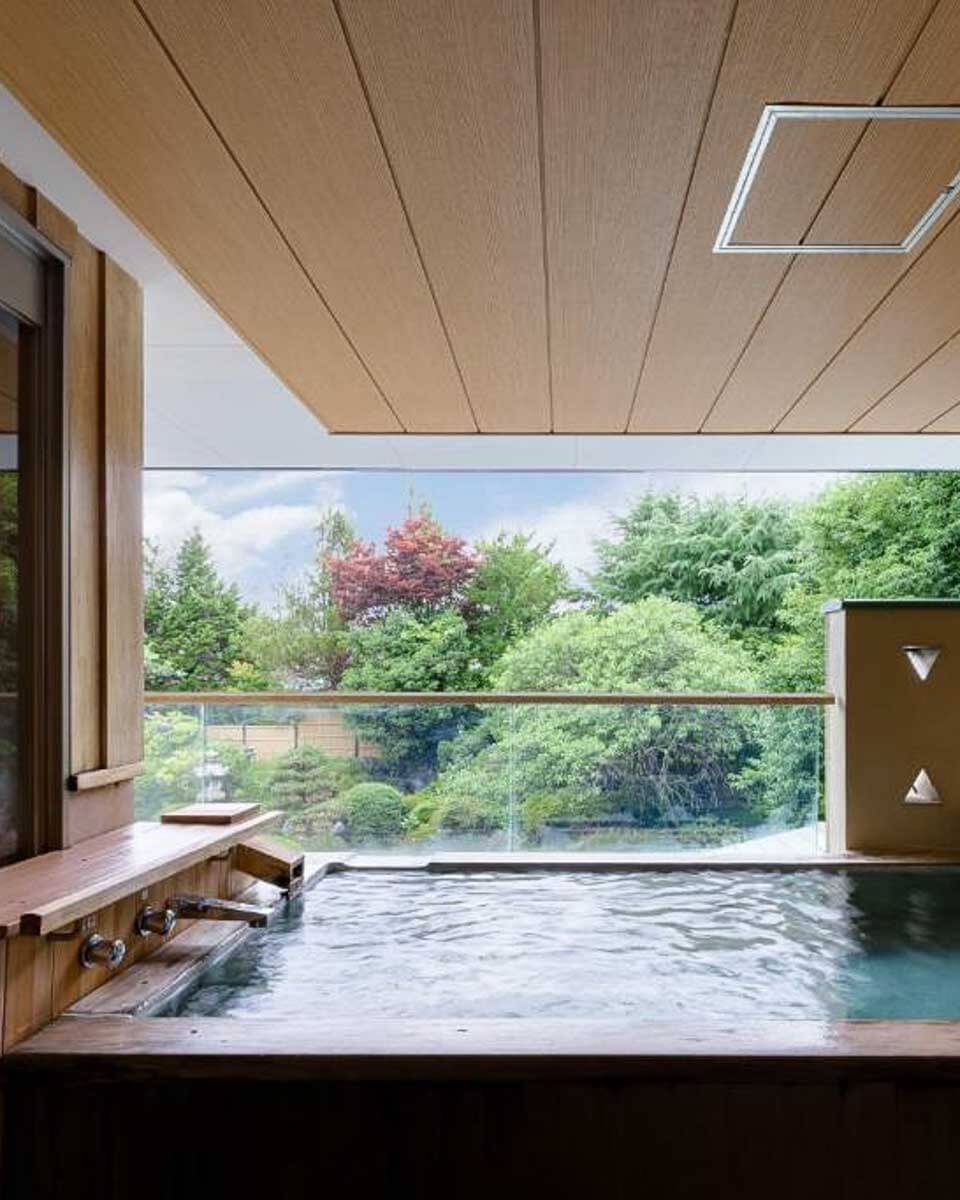
Kaneyamaen is one of the most luxurious ryokans in the Mt Fuji area. It’s famous for its breathtaking gardens, elegant rooms, and world-class service set at the base of the mountain in Fujiyoshida. I really can’t think of a more perfect way to relax!
This ryokan also offers multi-course kaiseki dinners, and guests can enjoy nightly traditional performances such as taiko drumming. The onsen facilities are exceptional, especially the gorgeous rooftop bath. In my eyes, this is a true bucket list stay.
Rates usually range from ¥75,000 to ¥150,000 per night ($500 to $1,000 USD), including breakfast and dinner. This is one of the region’s most sought-after ryokans.
Rakuyu – $$
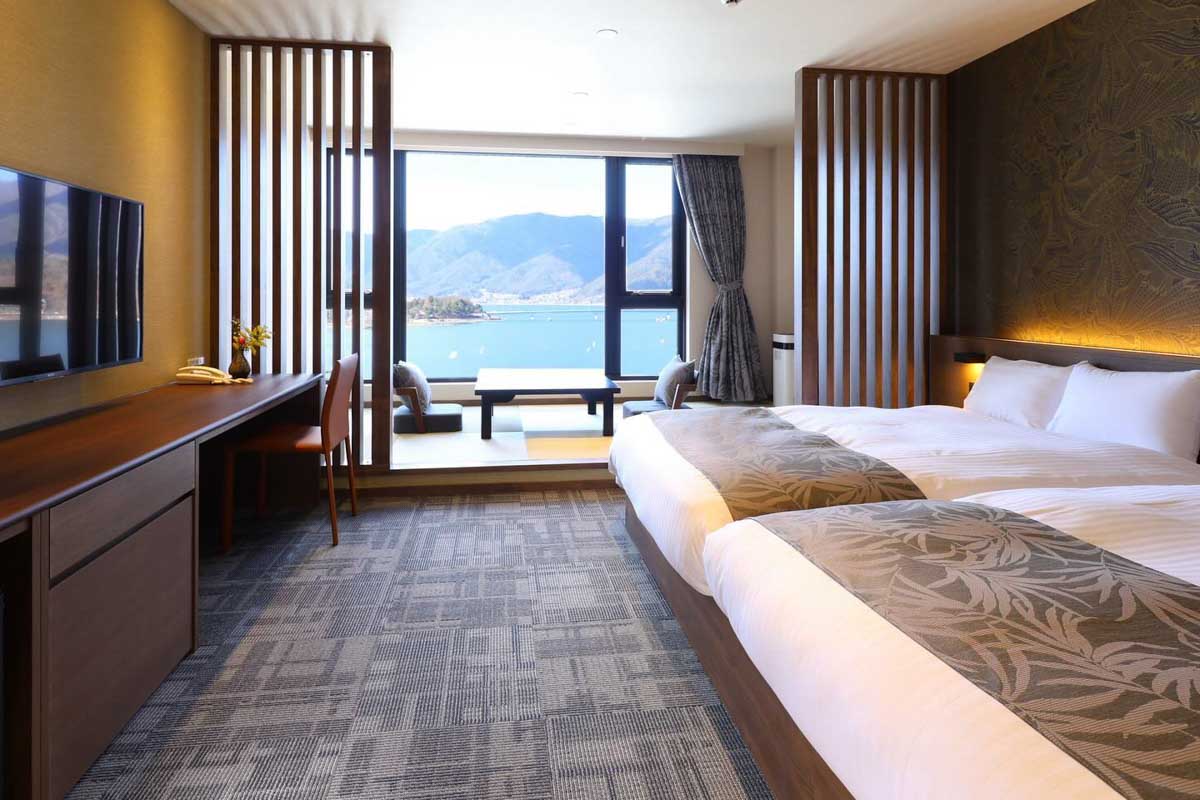
Rakuyu is a welcoming mid-range ryokan located right on the shore of Lake Kawaguchi. The property offers western-style bedrooms, but it still has traditional Japanese dining areas with tatami flooring. Plus, many rooms provide lovely views of the lake and Mt Fuji, and you won’t have to pay through the nose for it!
We think that Rakuyu is ideal for couples looking for a comfortable and authentic stay without splurging on a luxury ryokan. It’s not an adults-only hotel, but guests have to be at least 13 years old to ensure a calm and peaceful atmosphere.
Prices typically range from ¥30,000 to ¥78,750 per night ($200 to $525 USD), depending on your dates and room category.
Lakeland Hotel Mizunosato – $$
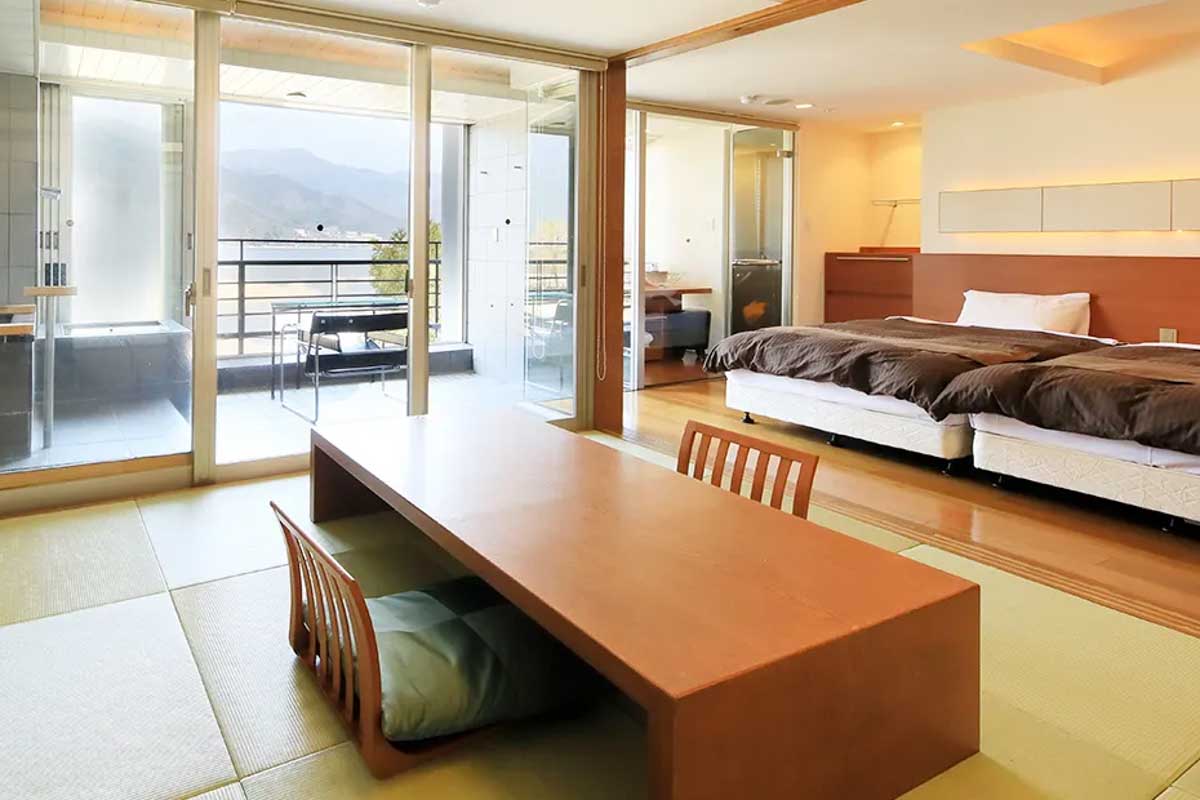
Lakeland Hotel Mizunosato offers one of the most authentic ryokan stays in the Lake Kawaguchi area. With futon beds, tatami rooms, and a pretty onsen, it’s a great choice if you want to experience Japanese hospitality at its most traditional. And it won’t break the bank, either!
Here, you can enjoy lake and Fuji views at a reasonable price, and you can opt to include both breakfast and dinner with your stay for extra ease. Prices range from ¥33,750 to ¥67,500 per night ($225 to $450 USD).
Fujiyama Inn Conifer – $
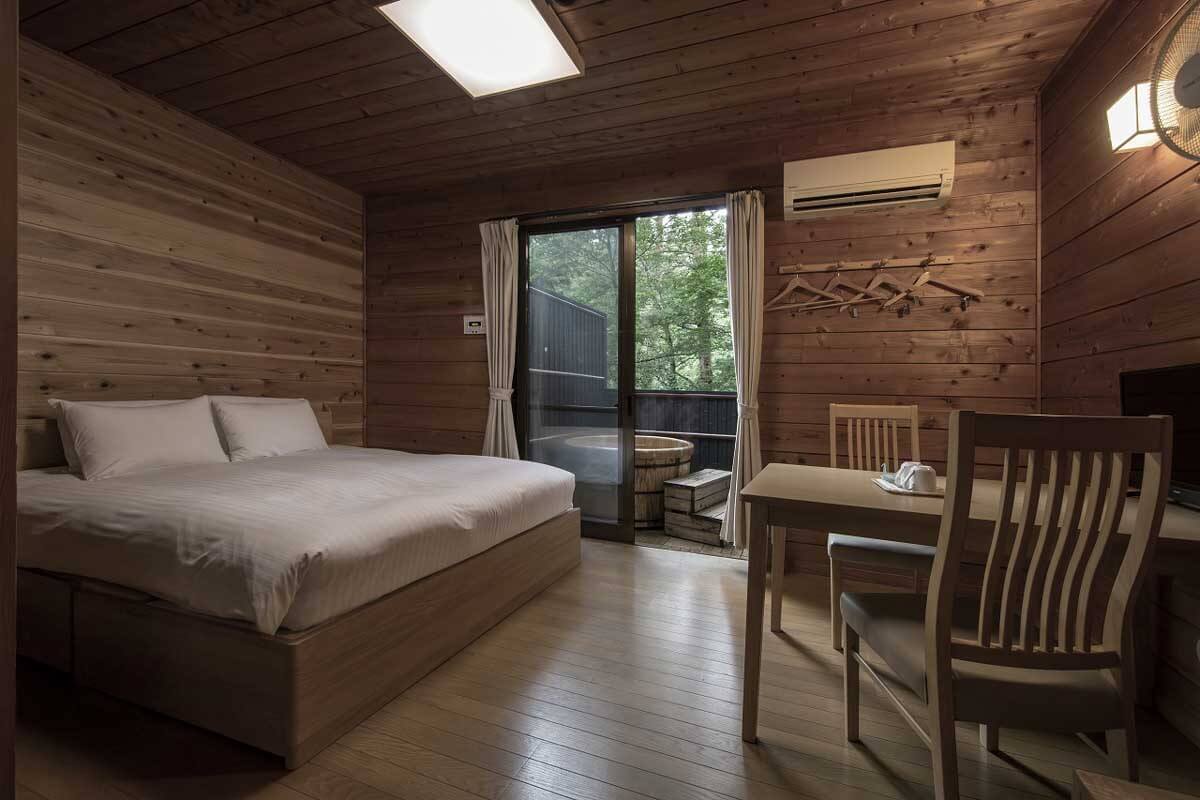
If you’re looking to save some money, Fujiyama Inn Conifer is a great budget option in Fujiyoshida. It’s a more modern stay with a homely vibe, and the rooms are simple but cozy. You’ve still got an onsen bath on site and tatami areas, but we wouldn’t say this hotel is a “true” ryokan.
It’s more of a no-frills stay, but it offers warm hospitality and great value for money, so it’s an excellent budget pick. Plus, its rustic and quiet location is very peaceful. Rooms range between ¥15,000 and ¥37,500 per night ($100 to $250 USD), including breakfast.
Shiki-no-Yado Fujisan – $
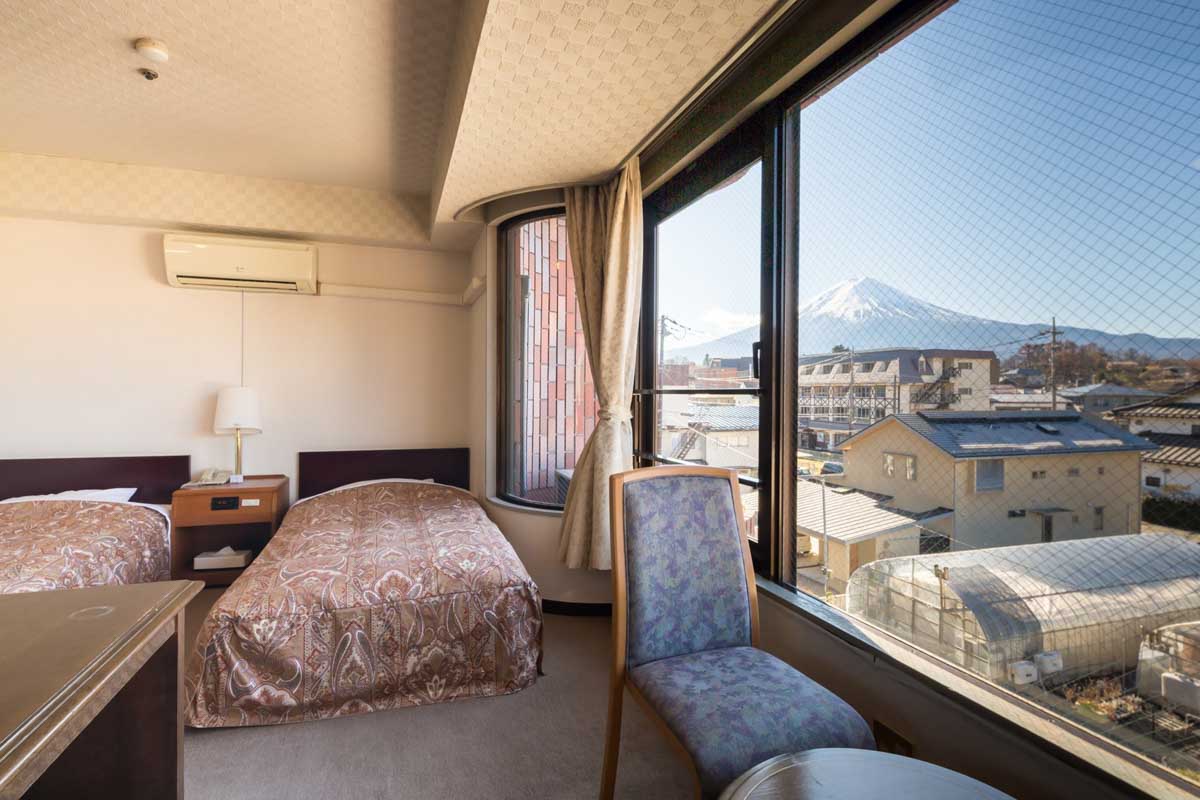
Shiki-no-Yado Fujisan is a cozy, budget-friendly ryokan that still delivers an authentic Japanese experience. The rooms are simple but comfortable with western bedding and separate tatami areas, and there’s a small onsen on site where guests can unwind after exploring the lake.
The location near Lake Kawaguchi is a huge bonus, too. Staying here puts you just a short distance from Lake Kawaguchi and close to shops and bus stops, so it’s easy to get around. No wonder this is such a popular choice! Just be sure to snap up your room nice and early.
Rates typically start around $75 USD per night, making it one of the best budget-friendly finds in Fujikawaguchiko.
Japan Rail Pass!
The Easiest Way to Travel Japan By Train
If you’re planning to explore Japan, the Japan Rail Pass (JR Pass) is hands down the easiest and most affordable way to get around. It’s a special 7, 14, or 21 day pass for foreign visitors that gives you unlimited rides on Japan’s famous JR trains, including the high-speed shinkansen (bullet trains)!
Why We Love the JR Pass
Pro Tip: If you’re only exploring one region of Japan, consider a Regional Pass instead (like the Kansai, Hokkaido, or Kyushu Pass). They’re cheaper and perfect for smaller trips!
Where to Get Your Pass
We personally recommend buying your pass online in advance through JRPass.com — they’re an official reseller with fast worldwide delivery and English support, making the whole process super simple. They even offer handy add-ons like pocket WIFI and meet & greet services! Still not sure if the JR Pass is right for you? Check out our Ultimate Guide to the Japan Rail Pass for a full breakdown of costs, inclusions, and when it’s worth it!
Nagano
Pros
- Beautiful scenery and easy access to nature
- Strong onsen culture
- Lots of traditional, family-run ryokans
Cons
- Some areas are best explored with a rental car
- Ryokans book up quickly here during the winter months
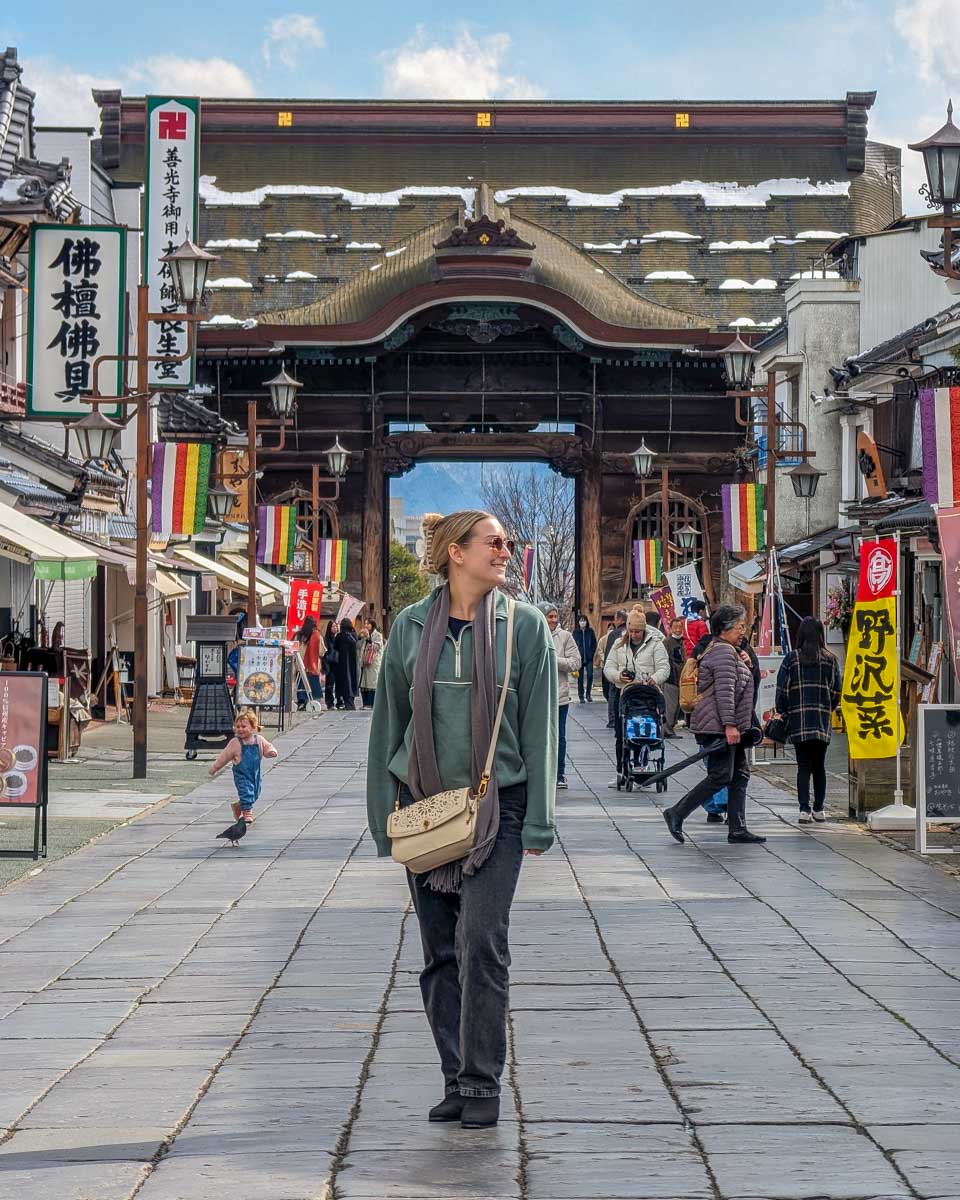
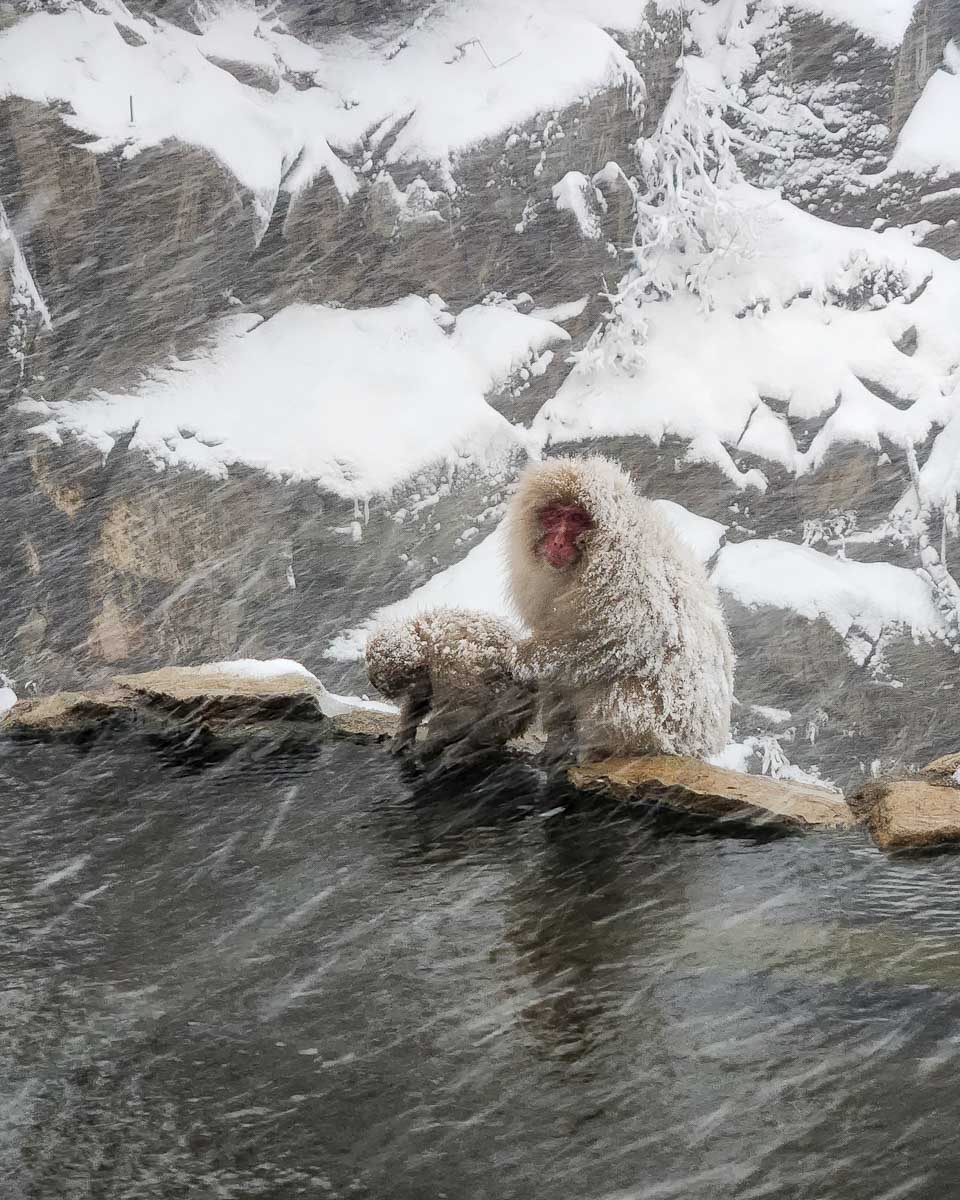
Nagano is another fantastic destination for a traditional ryokan stay. Set in the Japanese Alps, this region has a long history of welcoming visitors who came for its healing hot springs and spiritual sites. Even today, Nagano feels deeply connected to nature, and it’s where you can visit Japan’s famous snow monkeys, who are known to enjoy a hot spring soak themselves!
There’s something really wholesome about staying in a ryokan in Nagano. After a day exploring temples or hiking in the mountains, coming back to a quiet onsen soak and kaiseki dinner just feels right to me! And one thing we particularly love about this area is that many ryokans are family-run, which adds a warm, personal touch to the stay.
We also love Nagano because there’s so much to do here. Visiting the aforementioned snow monkeys is a must (naturally!), and we also highly recommend wandering the atmospheric streets of Shibu Onsen. In fact, you can even wander between the town’s nine different bathhouses in your yukata robe or haori coat and geta (wooden clogs) for the ultimate onsen experience.
Shibu Hotel – $$$
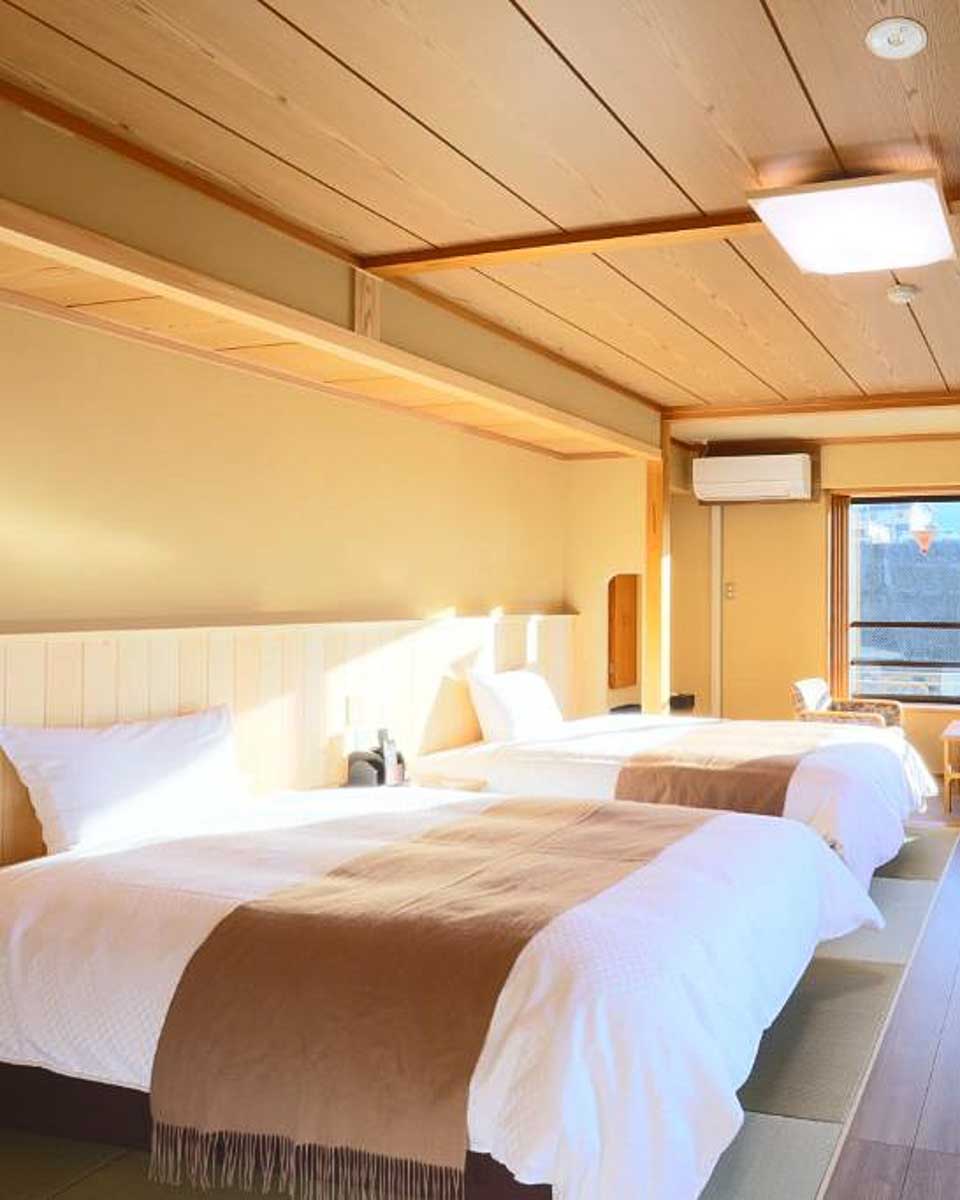
Shibu Hotel is a charming, family-run ryokan nestled in Downtown Yamanouchi. It combines traditional Japanese touches like tatami rooms and futon bedding with warm, welcoming service that makes every guest feel at home.
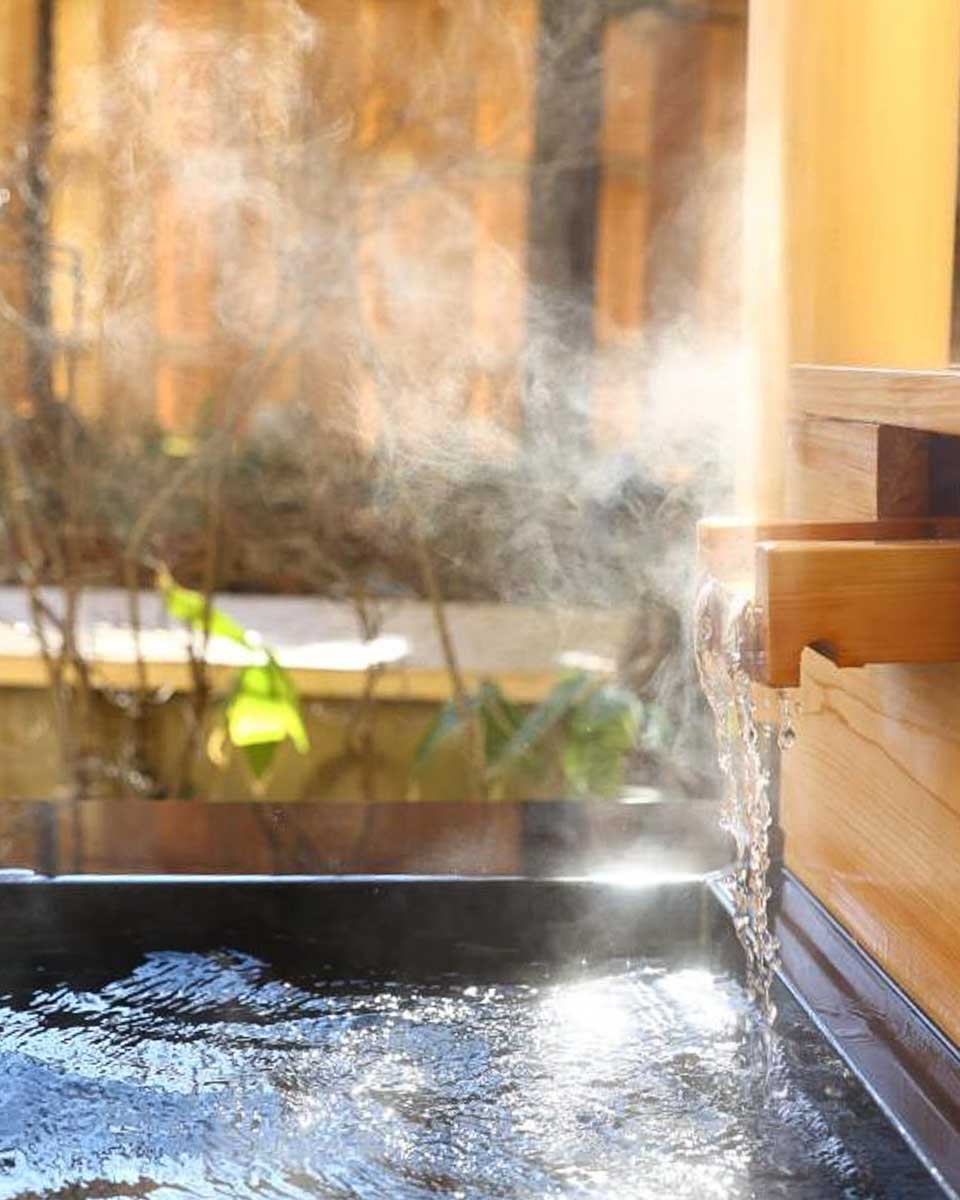
One of the main highlights of this ryokan is the onsen experience. Shibu Hotel has both public and private baths that are perfect for relaxing after a day at Jigokudani Snow Monkey Park or exploring the old-timey streets of Shibu Onsen.
Perhaps best of all, the kaiseki dinners here include world-renowned Shinshu beef, which is a local specialty of the Nagano prefecture. All in all, this ryokan is the perfect choice if you’re looking for a truly authentic stay in the heart of one of Japan’s most traditional areas.
Prices here typically range from ¥52,500 to ¥90,000 per night ($350 to $600 USD), and booking ahead is recommended, especially during peak seasons.
Hotel Takimoto $$$
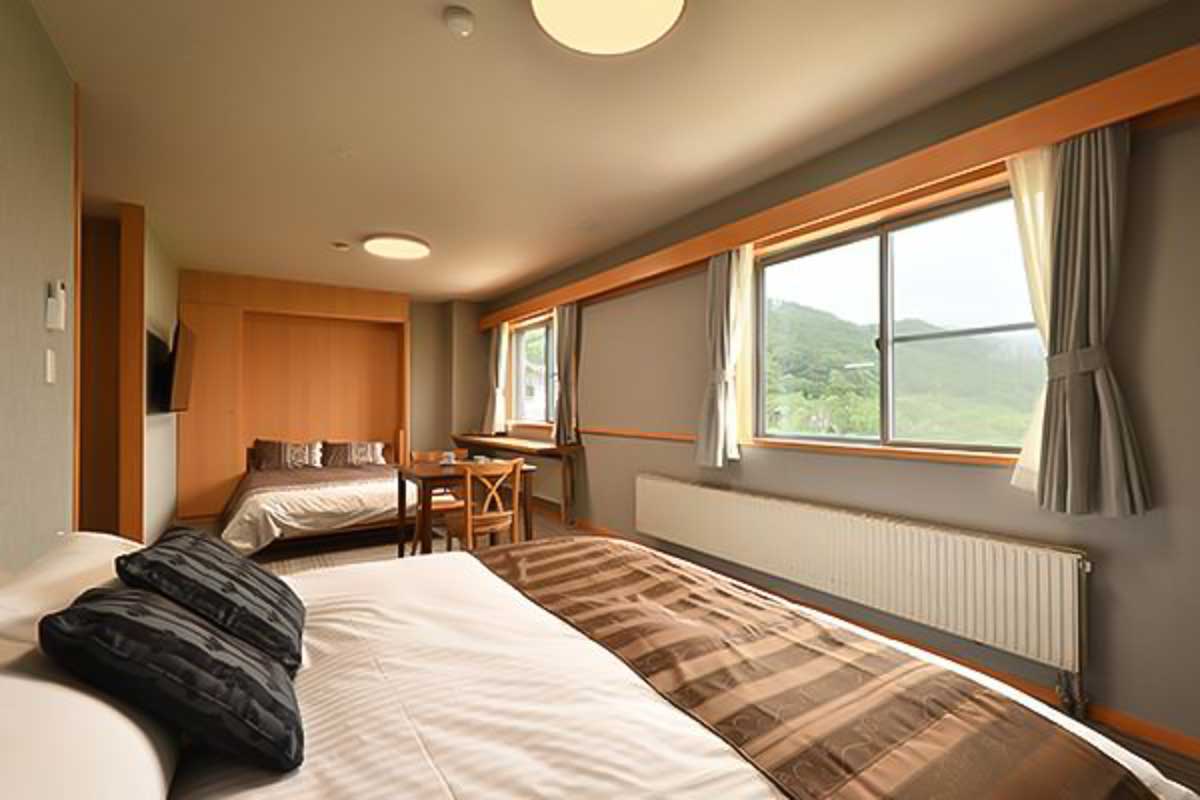
Hotel Takimoto is a luxurious ryokan tucked away in the scenic Shiga Highlands, offering an elegant blend of traditional Japanese design and modern comforts. While it’s not a “strict” ryokan, it does have a lovely on-site onsen, and the kaiseki-style dinners are top-notch.
The rooms have Western-style beds, and quadruple and family rooms are available, so this place is great for groups. You get three meals a day included with your stay, which is ideal since Outer Yamanouchi doesn’t have a ton of dining options. Prices range between ¥35,250 and ¥90,000 per night ($235 to $600 USD).
Shimaya – $$
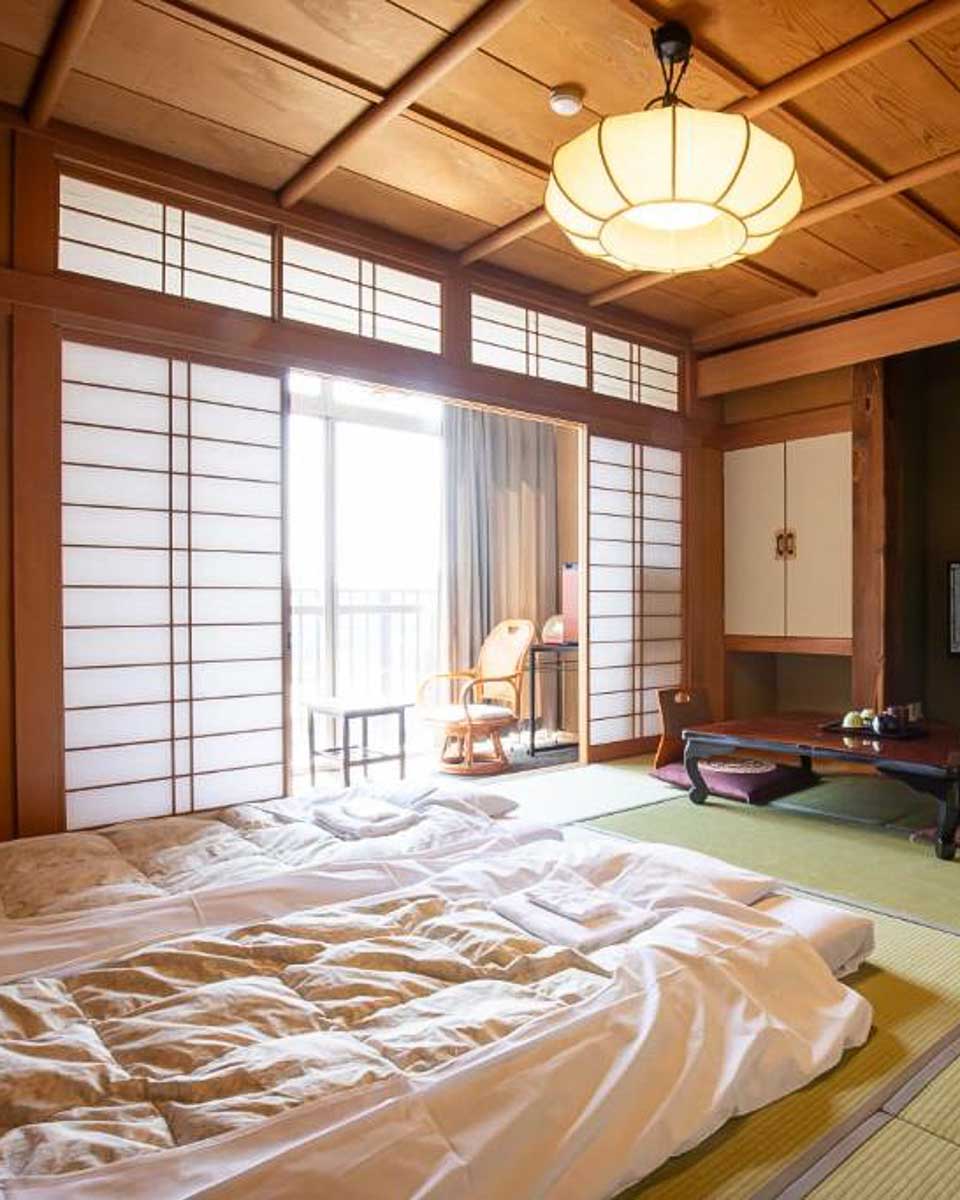
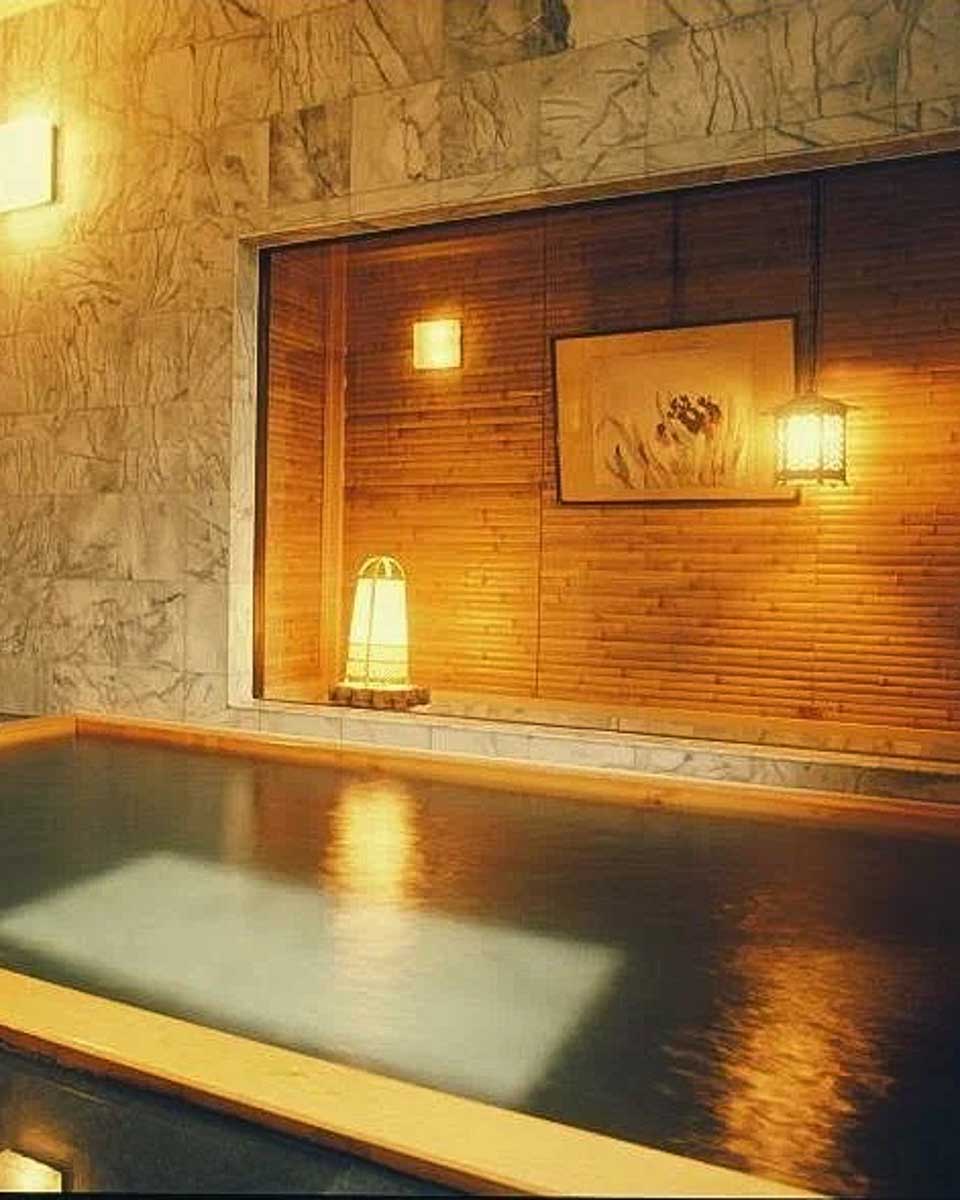
Shimaya is a cozy and comfortable ryokan in Downtown Yamanouchi, offering a traditional and relaxing stay. The rooms feature tatami floors and soft futon bedding, and you can even enjoy a traditional kaiseki dinner right in your own room! There are pretty onsen baths on site, and you can opt to enjoy either a Japanese or an American breakfast in the dining room in the mornings.
Yudanaka Station is just a short walk away, which is ideal for exploring the rest of Nagano. There’s even a free shuttle to Jigokudani Snow Monkey Park and other local attractions, which is so convenient and makes this place great value for money, too!
Prices generally range from ¥22,500 to ¥30,000 per night ($150 to $200 USD).
Chalet Shiga – $$
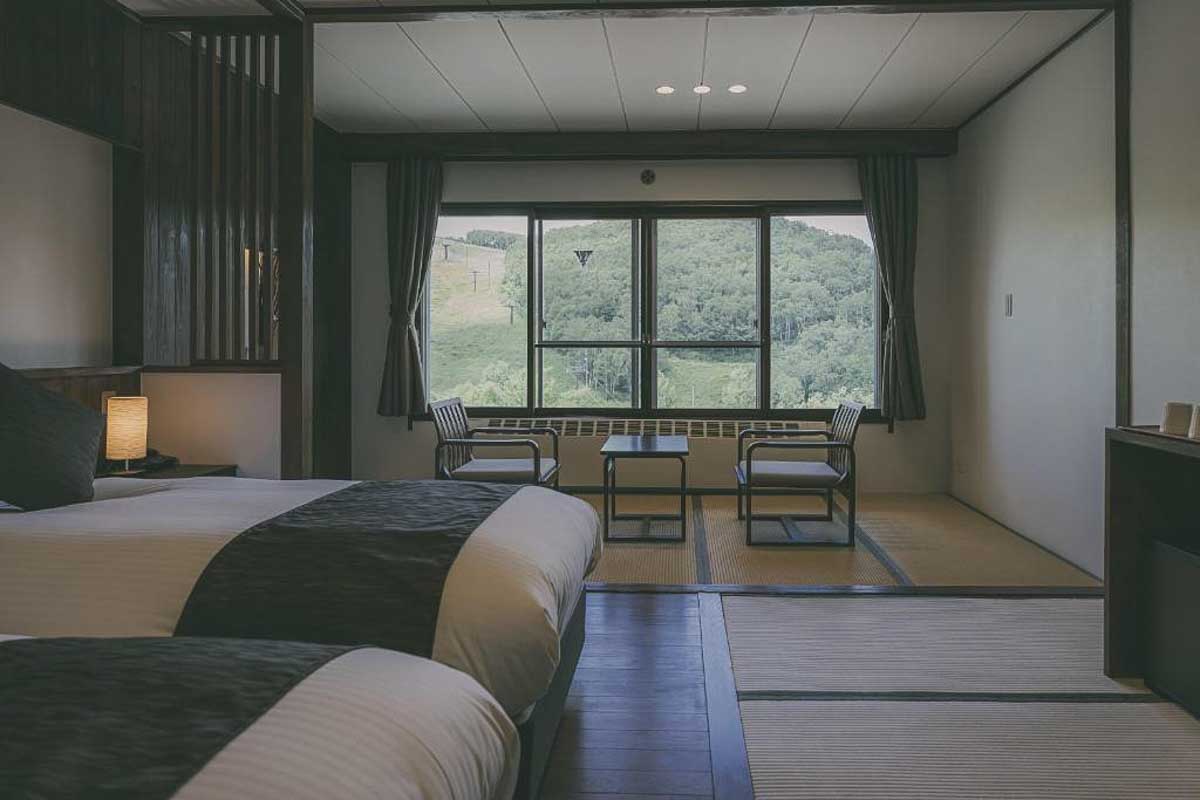
Chalet Shiga is a lovely chalet-ryokan hybrid nestled in the Shiga Highlands. In fact, it’s a ski-to-door property during the winter!
We think it offers a nice balance between traditional Japanese charm and modern comfort. The rooms have Western-style beds, but some rooms have tatami areas with floor seating where you can enjoy an authentic dining experience.
There’s also a warm, cozy bar on site and an onsen where you can warm up with a soak on a cold winter’s day, or soothe sore muscles after a long hike! Each stay includes breakfast and dinner, and there’s free tea and coffee in the lounge all day. Prices range between ¥40,500 and ¥52,500 per night ($270 to $350 USD).
Hotel Taiko – $$
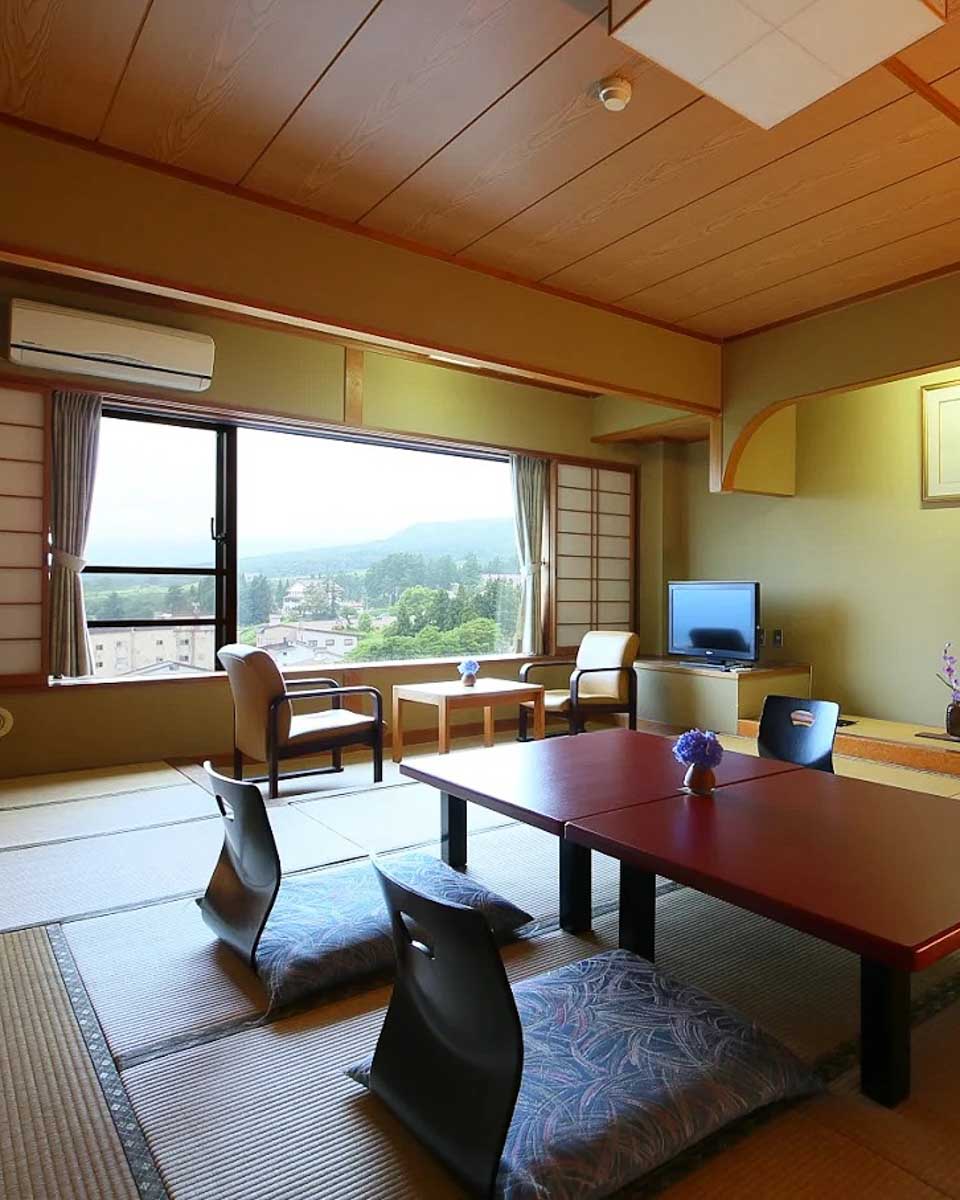
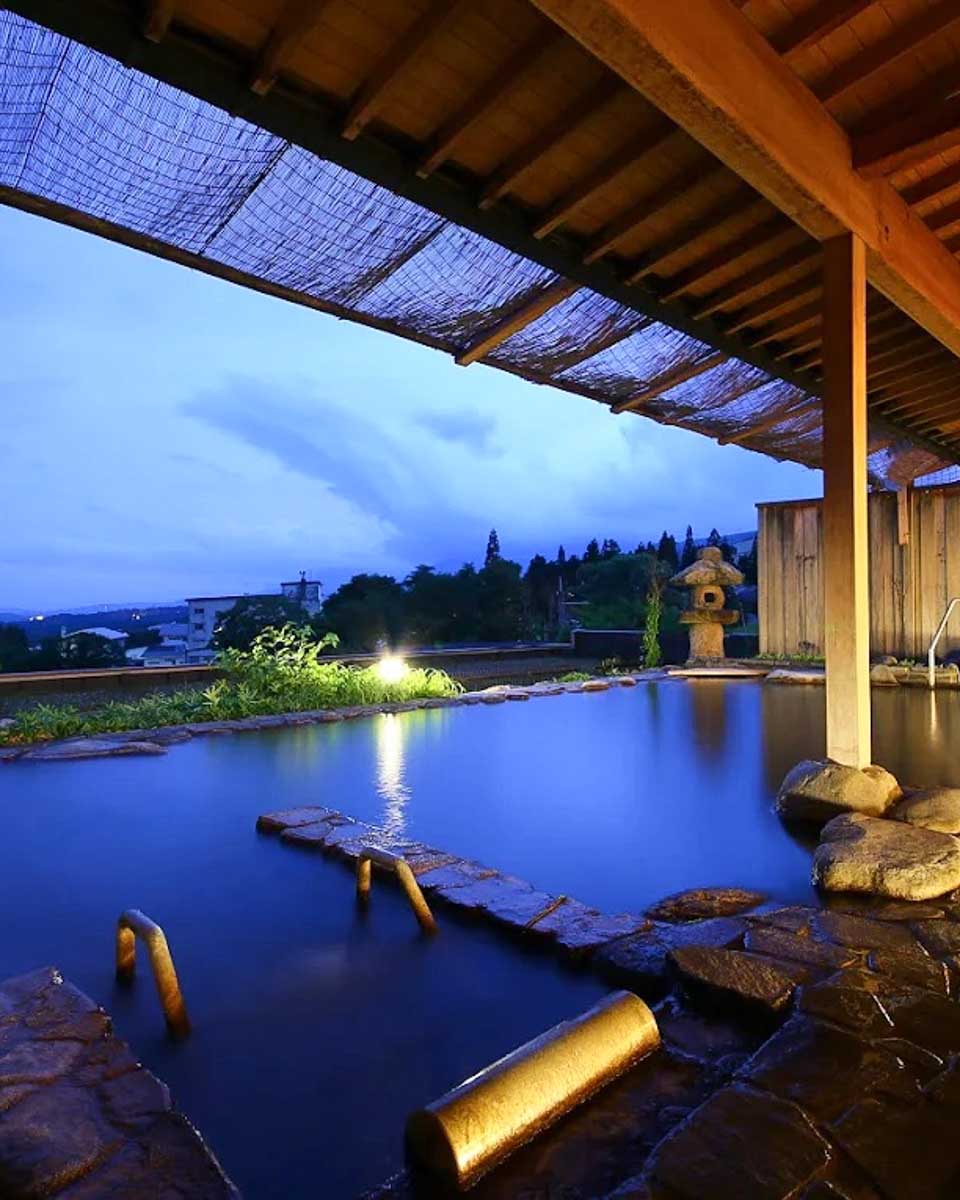
Hotel Taiko is a classic ryokan located near Lake Nojiri in Shinano. We love it because it offers a peaceful and authentic stay surrounded by nature. The rooms are traditional yet comfortable, and the onsen is a major highlight.
Staying here makes it so easy to access outdoor activities like hiking, cycling, and water sports on the lake. There’s also a ski and snowboard rental shop on site, and the hotel sells ski passes at a discounted rate for guests, which is a nice perk!
Rates typically range from ¥22,500 to ¥37,500 per night ($150 to $250 USD).
Jizokan Matsuya Ryokan – $
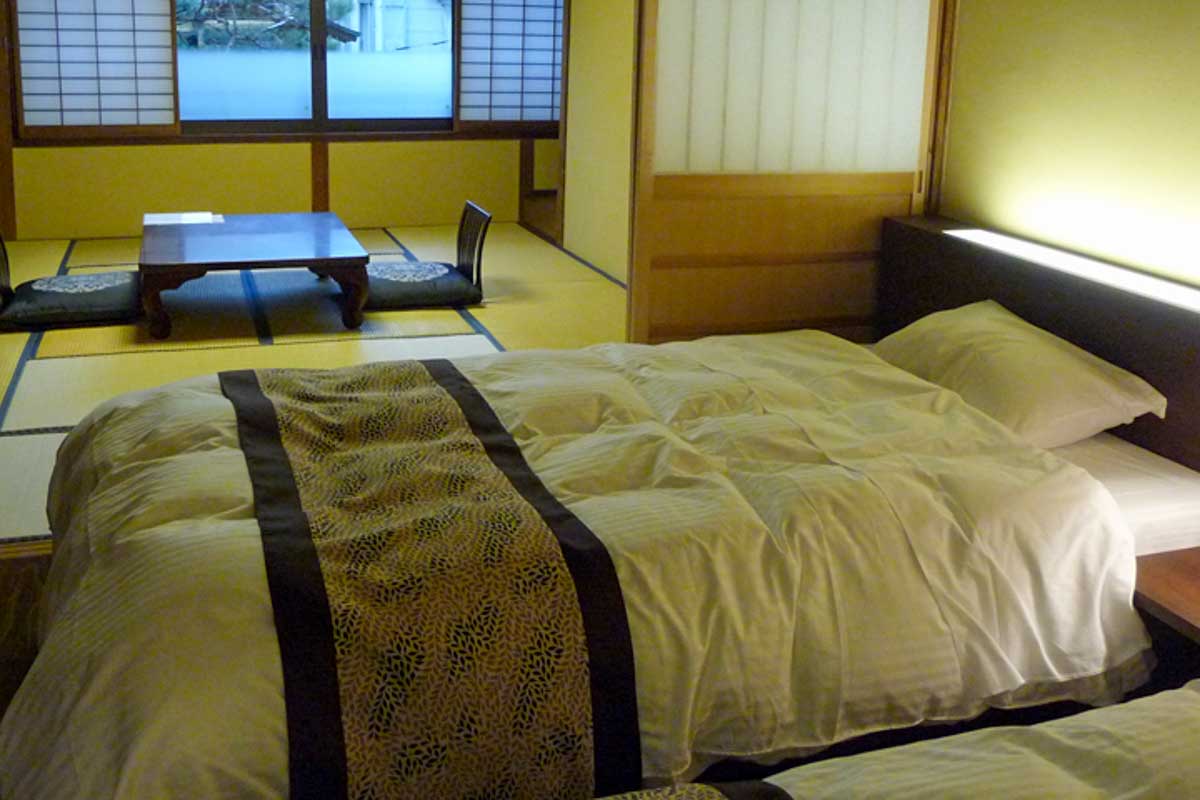
Jizokan Matsuya Ryokan is a budget-friendly and traditional option in Downtown Nagano. It’s another great spot for a classic ryokan experience in this bustling area. There’s a lovely onsen here, and breakfast is delicious—no wonder it has such great reviews.
The ryokan is just a short walk from Nagano Station, making it easy to visit Zenko-ji Temple, local shops, and cafes. Its location also allows for convenient day trips to nearby onsen towns or the Japanese Alps, thanks to the excellent public transport connections. Basically, it’s a nice, calm spot to retreat to after exploring!
Prices generally range from ¥18,000 to ¥33,750 per night ($120 to $225 USD), depending on whether you opt to include breakfast and dinner.
Tokyo

Pros
- Great way to experience traditional Japanese culture in the capital
- Ryokans are spread across different neighborhoods to suit different travel styles
- Convenient base
Cons
- Fewer traditional ryokans compared to cities like Kyoto or Kanazawa
- Ryokans book up quickly, especially in popular areas like Asakusa
- Generally more expensive than ryokan stays in rural regions
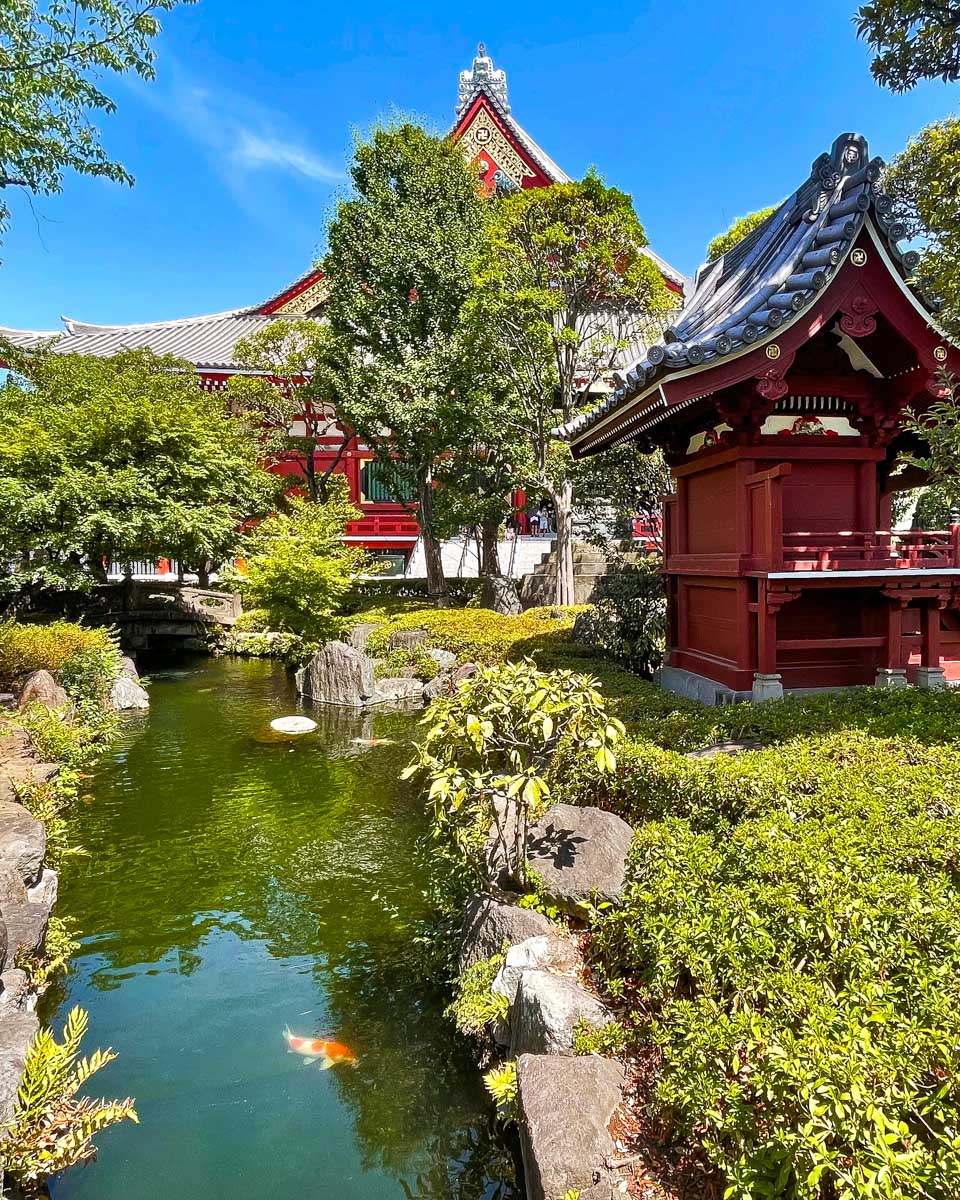
Tokyo might not be the first place that comes to mind for a ryokan stay, and we get it! However, this futuristic city definitely does still hold onto pockets of old Japan. There are a handful of ryokans here, and staying in one is a great way to glimpse the city’s more traditional side. Plus, most people traveling through Japan will visit Tokyo at some point during their trip as it’s the capital and the country’s most prominent travel hub.
Unfortunately, many of Tokyo’s historic inns were lost during World War II, but a small but impressive collection does remain. These ryokans offer a rare chance to experience traditional Japanese hospitality right in the capital.
Staying in a ryokan in Tokyo certainly adds a peaceful note to what can otherwise be a very busy few days of exploration. We also love Tokyo because it offers so much flexibility in terms of areas you can stay in.
Asakusa is a favorite for history lovers, while northern areas like Ueno and Yanaka feel more local and low-key. You’ve also got neighborhoods like Shinjuku or Ikebukuro, which suit travelers who want great transport links and a more energetic city vibe. Wherever you base yourself, a ryokan stay adds a meaningful, traditional layer to your time in Tokyo.
Onsen Ryokan Yuen Shinjuku – $$$
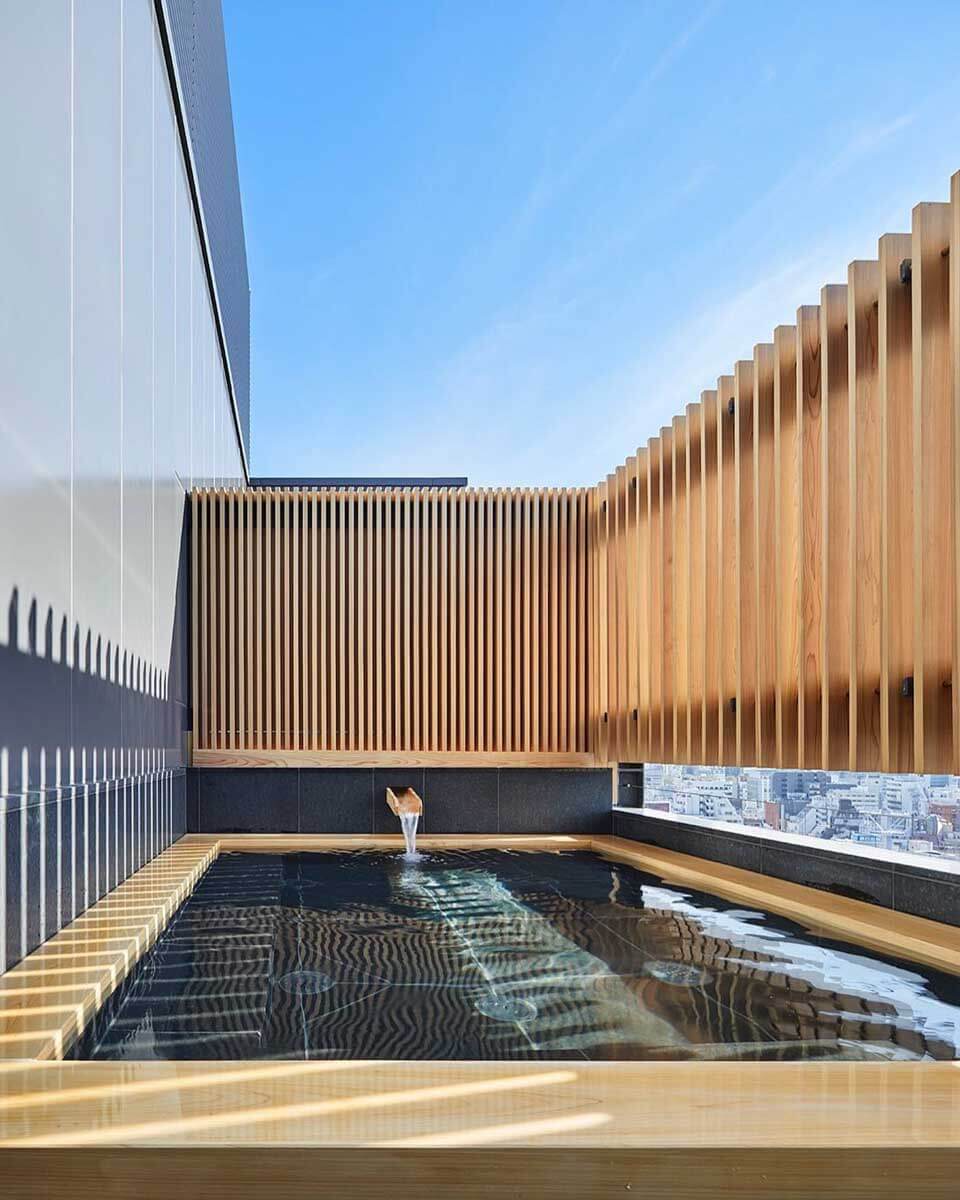
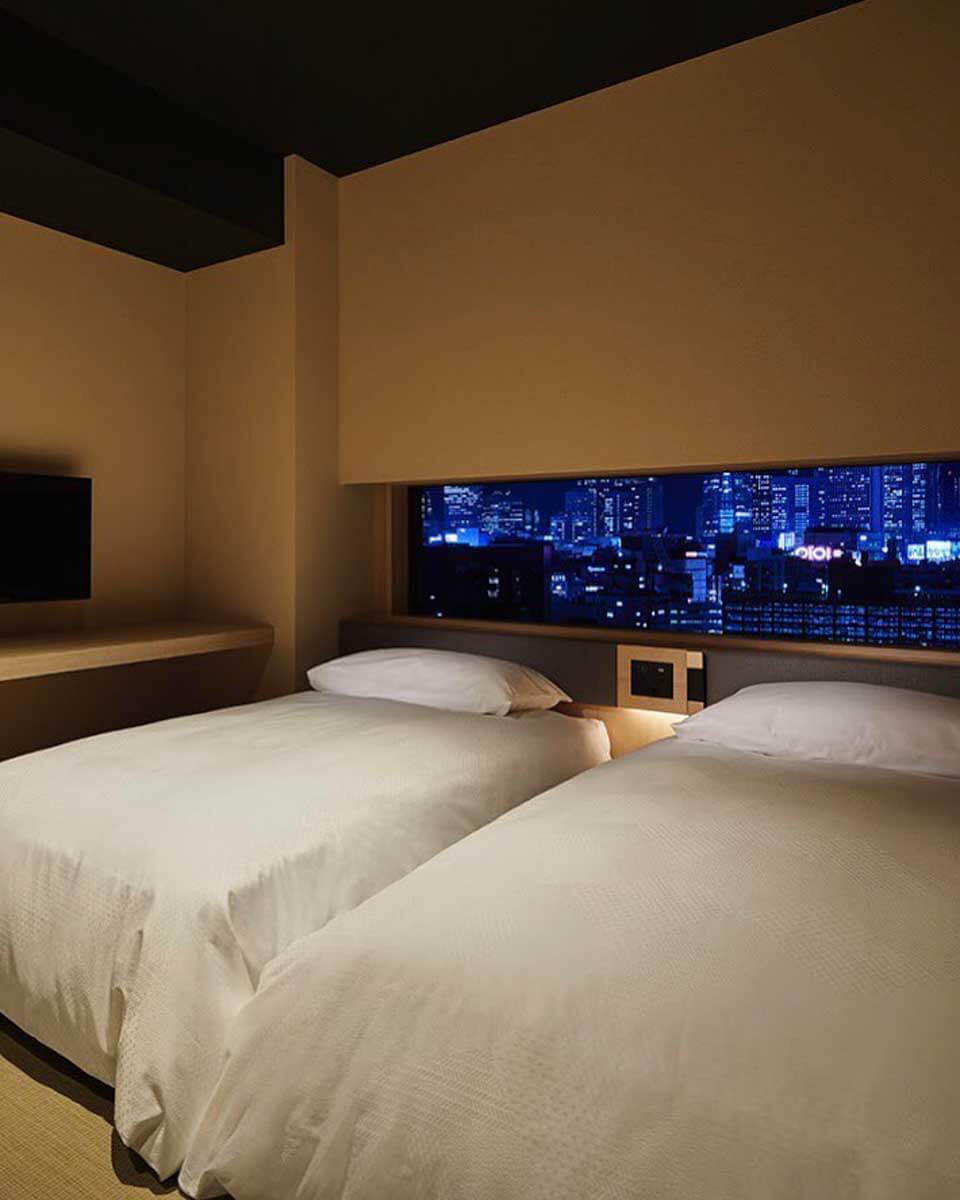
ONSEN RYOKAN YUEN SHINJUKU is one of Tokyo’s most popular modern ryokans, and for good reason! It combines the tranquility of a traditional Japanese inn with the sleek, minimalist design you’d expect from a boutique hotel located in Shinjuku, so you really do get the best of both worlds.
The highlight here is the indoor and outdoor rooftop onsens, where you can soak in natural hot spring water while gazing out at the Tokyo skyline. It’s the perfect way to unwind after a long flight or a busy day exploring. The rooms are beautifully designed to be sleek and minimalist, but there are still plenty of nods to traditional design.
Rooms book up fast here, and prices typically range from ¥30,000 to ¥60,000 per night ($200 to $400 USD).
Ryokan Asakusa Shigetsu – $$
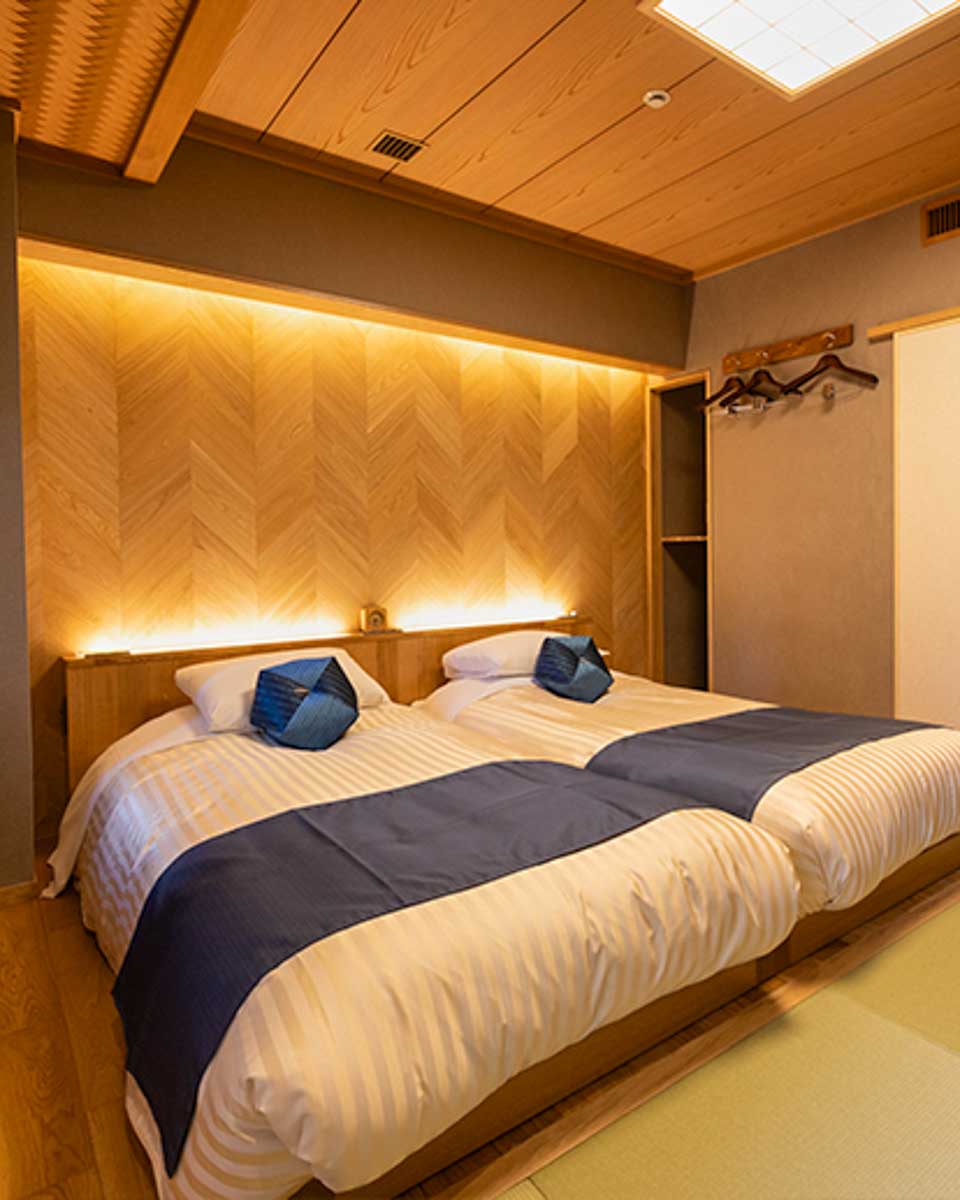
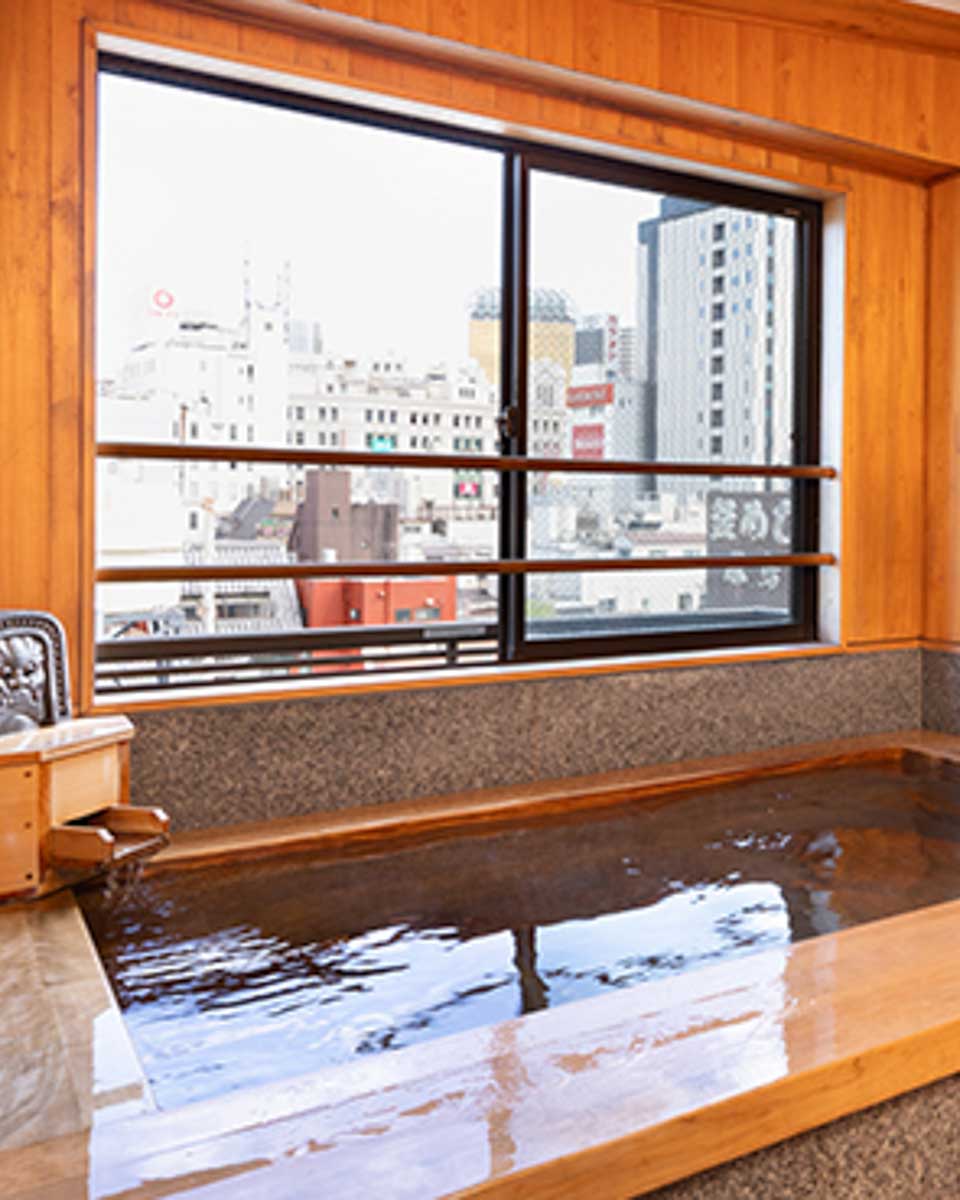
Ryokan purists will love this charming, family-run inn. Ryokan Asakusa Shigetsu is over 70 years old, and it boasts a fantastic location in the heart of historic Asakusa, so it’s the perfect way to step back in time and experience traditional Japanese hospitality.
A big highlight of this property is its relaxing onsen. In keeping with tradition, there are male and female baths, both of which provide scenic views of the famous five-storied pagoda of the Senso-ji Temple. The ryokan is also just a short walk from Nakamise-dori Street and multiple subway and train stations, so it’s easy to visit other parts of the city from here.
Prices generally range between ¥22,500 and ¥45,000 per night ($150 to $300 USD), but this place is popular, so we suggest booking well in advance.
Prostyle Ryokan Tokyo Asakusa – $$
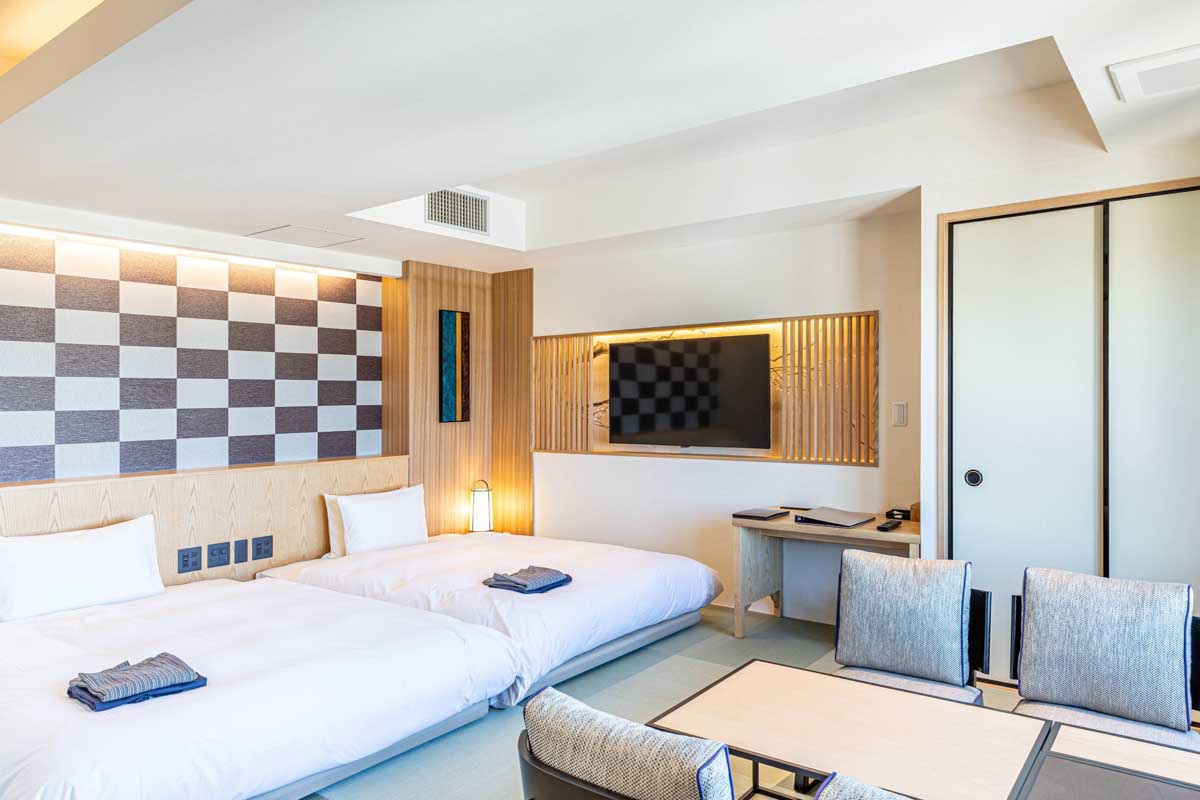
PROSTYLE RYOKAN Tokyo Asakusa is a stylish and comfortable ryokan located in the heart of Tokyo, just a short walk from the Sumida River and key attractions like the Tokyo Skytree. This isn’t such a “strict” ryokan as some of the others mentioned so far, as Western and traditional Japanese are blended for maximum comfort.
For example, the beds are Western-style, but they’re lower to the floor to emulate the futon style. In the same vein, the complimentary breakfast buffet also has both Japanese and Western options, although the restaurant focuses solely on Japanese cuisine at dinner time.
On top of that, there’s a nice bar on site where you can relax after exploring the surrounding area of Asakusa. Prices typically range from ¥30,000 to ¥90,000+ per night ($200 to $600+ USD).
Kamenoi Hotel Ome – $$
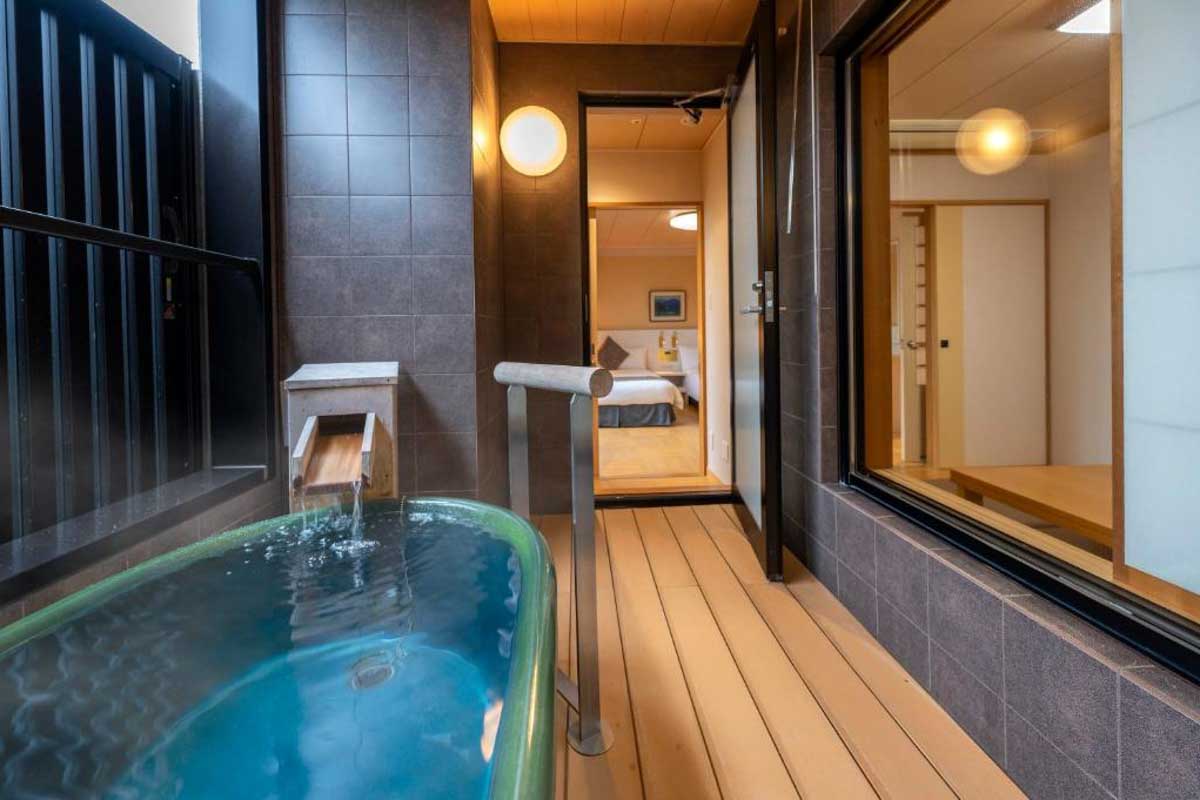
KAMENOI HOTEL is a peaceful retreat located in Ome, which is a gateway to the scenic countryside west of Tokyo. It’s surrounded by mountains and overlooks the Tama River, so it’s a wonderful choice if you’re craving a quiet escape from the city!
This isn’t a true ryokan in the strict sense of the word. It has western-style beds and mostly contemporary decor, although you will find some traditional touches like sliding paper doors and onsen baths. However, you do get a traditional Japanese breakfast and dinner included with your stay, which are prepared with seasonal, local ingredients.
The hotel also provides a free shuttle to Ome Station and nearby attractions like sake breweries and craft studios, so it’s really easy to explore the area. We think this is the perfect choice for a peaceful rural getaway from Tokyo. Prices typically range from ¥13,500 to ¥42,000 per night ($90 to $280 USD).
Andon Ryokan – $
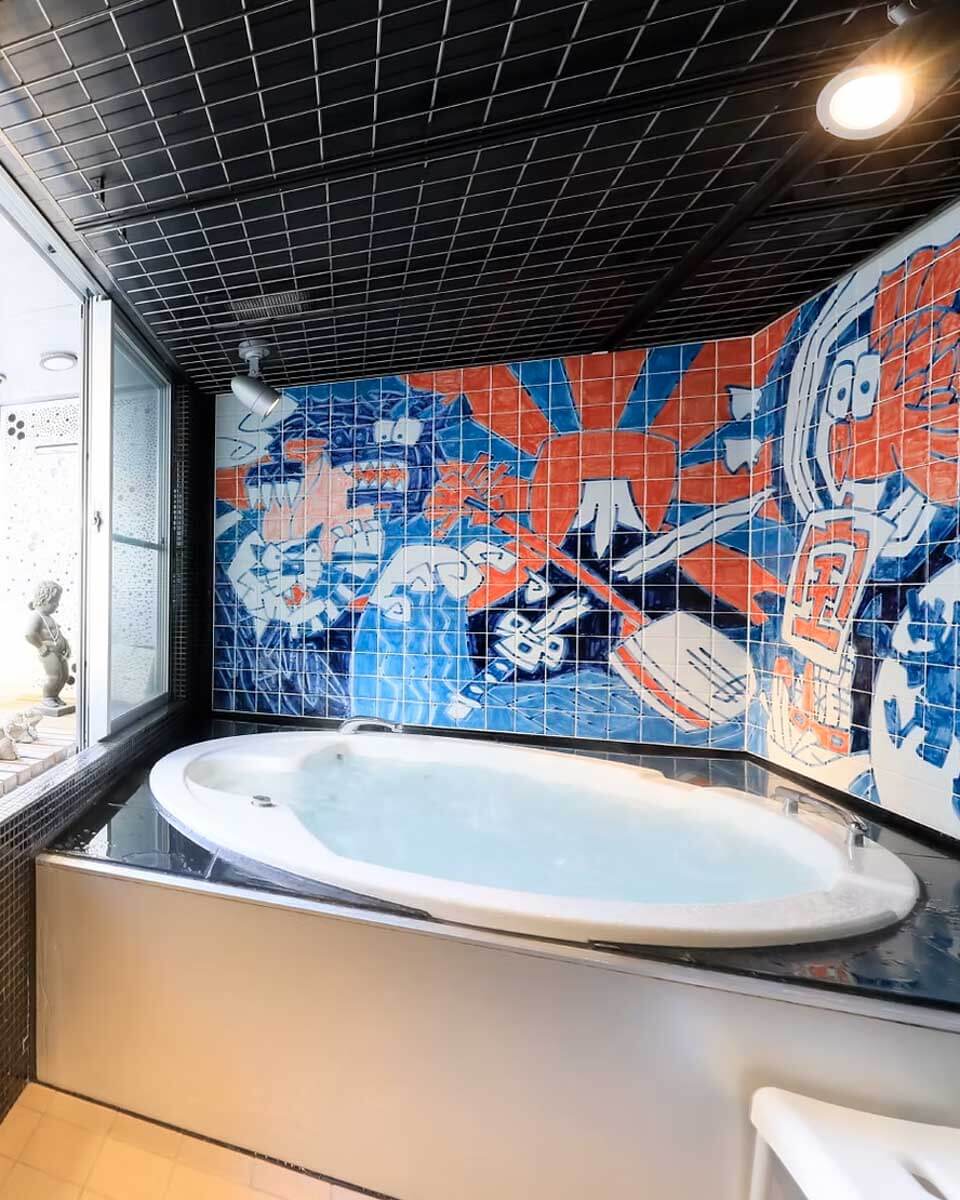
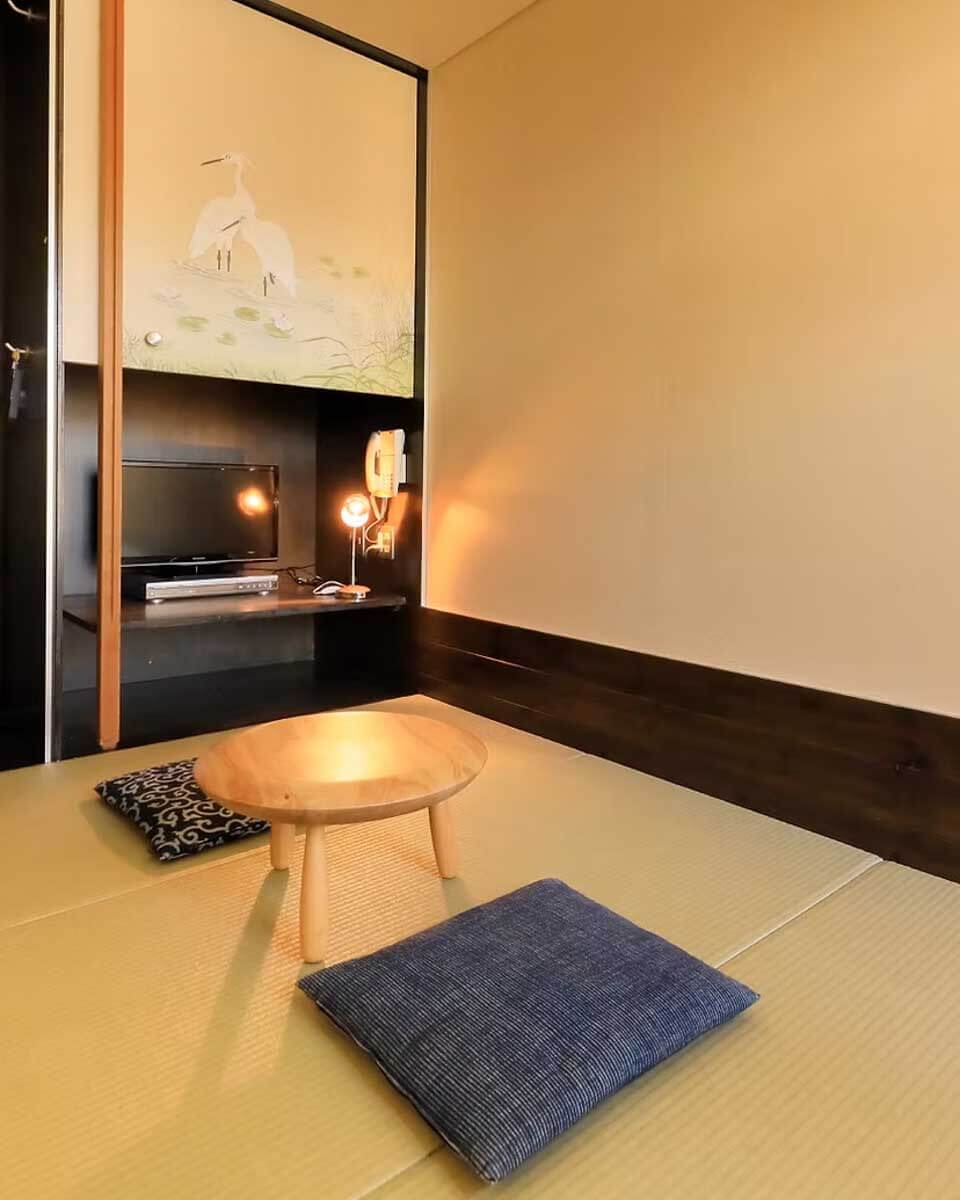
Andon Ryokan is a charming and wallet-friendly inn just a 5-minute walk from Minowa Station and a short ride from Ueno. You can also walk to Asakusa in about 20 minutes from here, so it’s definitely got a great location going for it!
One thing that we like about this ryokan is that it offers lots of cultural activities for guests to enjoy, including flower arranging classes and traditional Japanese tea ceremonies. After all, staying in a ryokan is all about immersing yourself in local culture.
The ryokan has a laundromat on site and bike rentals available, which makes it easy to get to the nearby parks and museum. We think this is a fantastic, affordable choice if you want to do a ryokan stay on a budget! Prices typically range from ¥12,000 to ¥18,000 per night for a double or twin room ($80 to $120 USD).
Kimi Ryokan – $
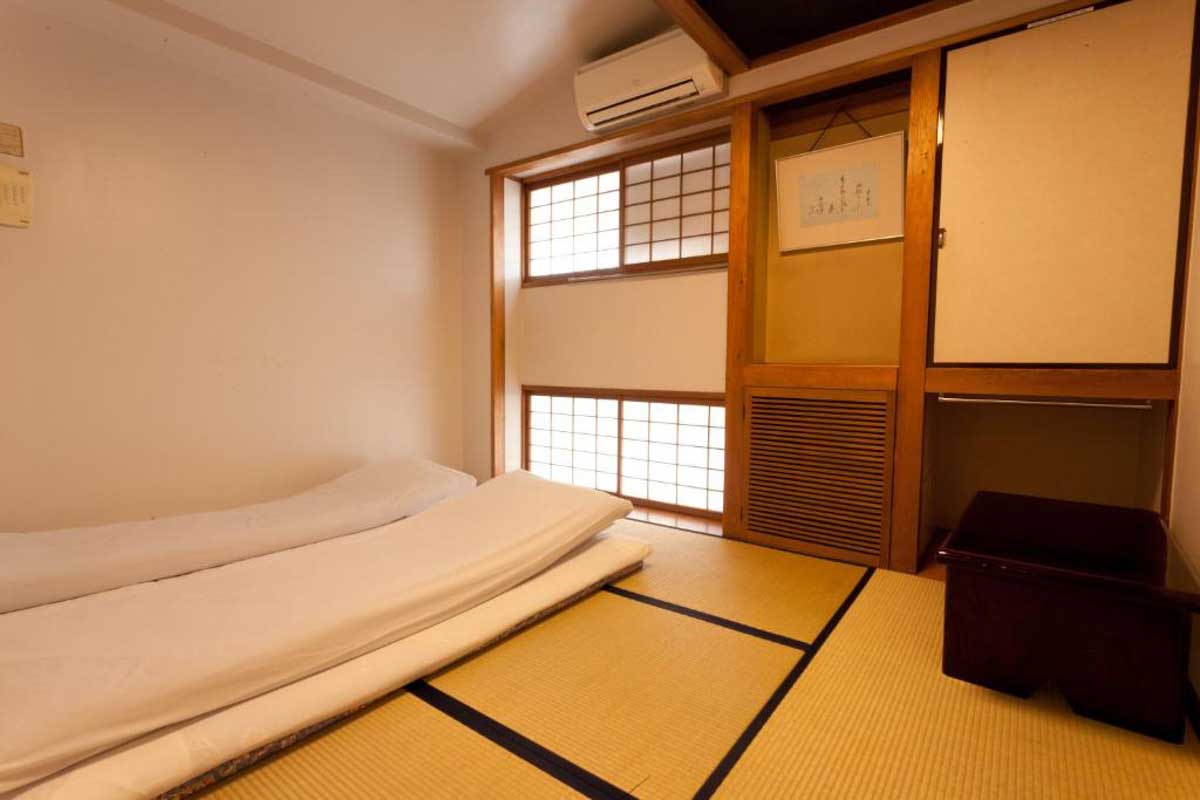
Kimi Ryokan is a cozy, traditional-style inn tucked just a short walk from Ikebukuro Station, which is one of Tokyo’s main transport hubs! It’s the perfect spot if you want to stay somewhere quiet and authentic while still being close to all the action, because from here, you can reach Shinjuku, Shibuya, and Ueno in under 15 minutes by train.
Inside, you’ll find simple but charming tatami rooms with futon beds and shoji screens, giving you that classic ryokan feel right in the heart of the city. The Cypress-wood public bath is lovely, too. There’s also a cute cafe attached that serves excellent coffee.
There are rooms here that sleep up to five guests, so we think that this is a fantastic, affordable option for groups. Rates typically range between ¥7,500 and ¥24,750 per night ($50 to $165 USD).
Kanazawa
Pros
- Well-preserved historic districts and a traditional atmosphere
- Less crowded than Kyoto but just as culturally rich
- Excellent food scene, especially fresh seafood
- Great selection of traditional ryokans
Cons
- Fewer nightlife and entertainment options
- Smaller city with less variety in accommodation styles
- Can feel quiet in the evenings, especially outside peak travel seasons
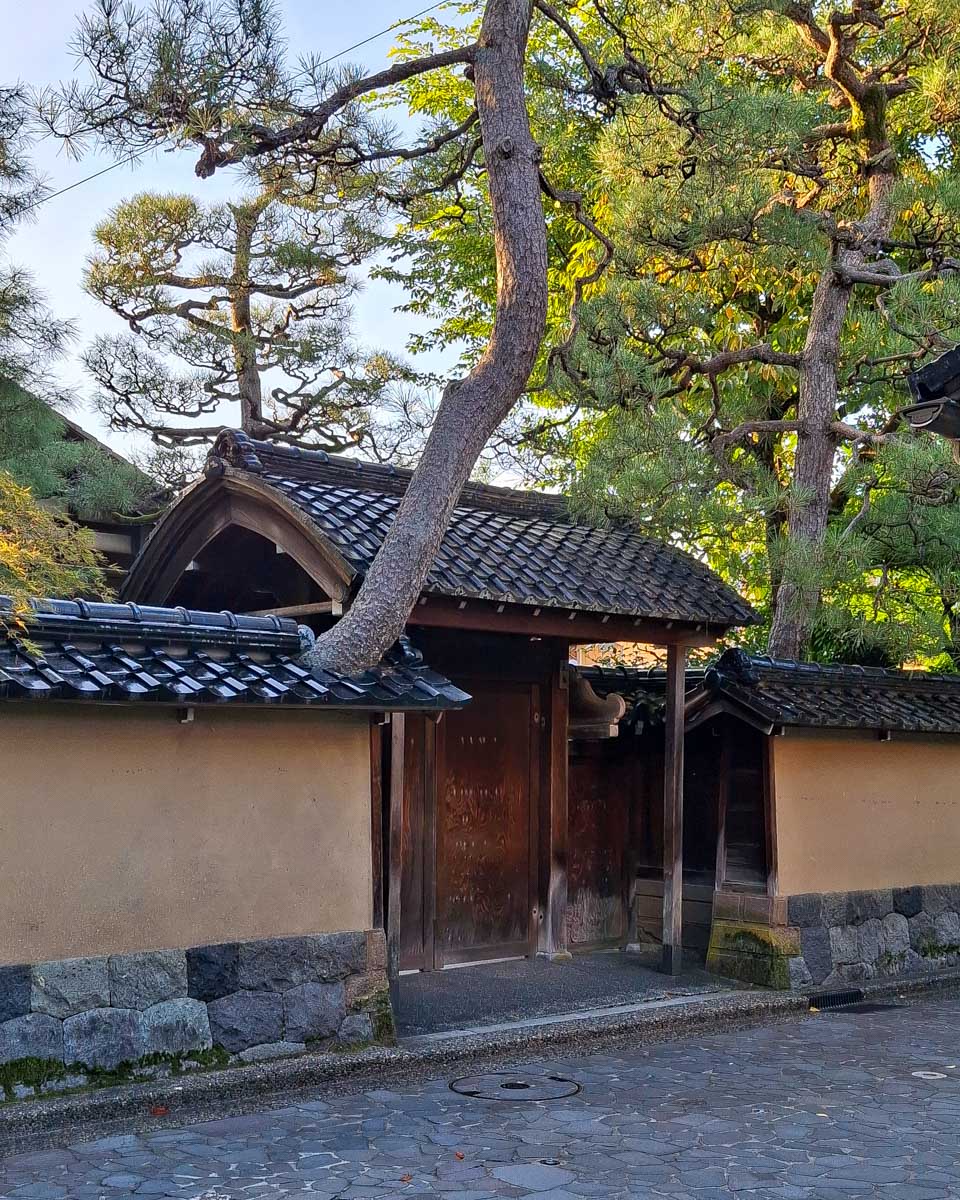
Kanazawa is another excellent city for a traditional ryokan stay. It managed to avoid much of the destruction of World War II, and it’s actually often called “Little Kyoto” because it’s so well preserved! Here, you’ve got Samurai neighborhoods to explore, and lots of teahouses and carefully landscaped gardens to visit.
We love visiting Kanazawa because it offers a lot of history without the crowds of Kyoto. Don’t get me wrong, it does still get busy during peak season, just not on the same scale. And staying in a ryokan here puts you right in the middle of that history rather than feeling like a visitor passing through.
Kanazawa is also known for its food scene. It’s a coastal city, so the seafood here is next level! A lot of the ryokans here take special pride in showcasing local ingredients, which adds an extra layer of connection to the region.
We also love Kanazawa because it’s easy to navigate and less overwhelming than Japan’s bigger cities. It’s well connected by train, including the Hokuriku Shinkansen, but once you arrive, everything feels very manageable. If you want a traditional stay that feels local rather than overly touristy, we think that Kanazawa is the perfect choice.
Kinjohro – $$$
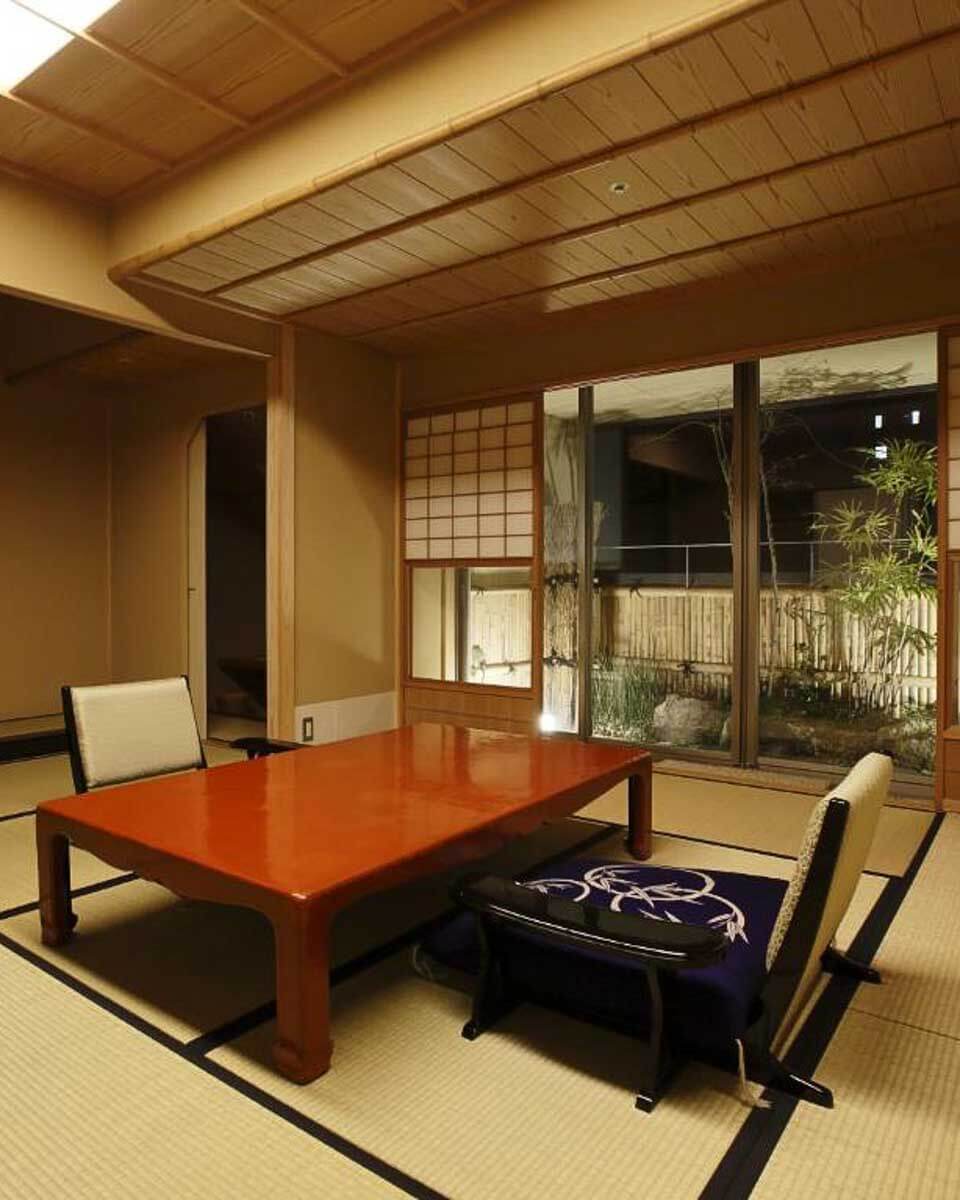
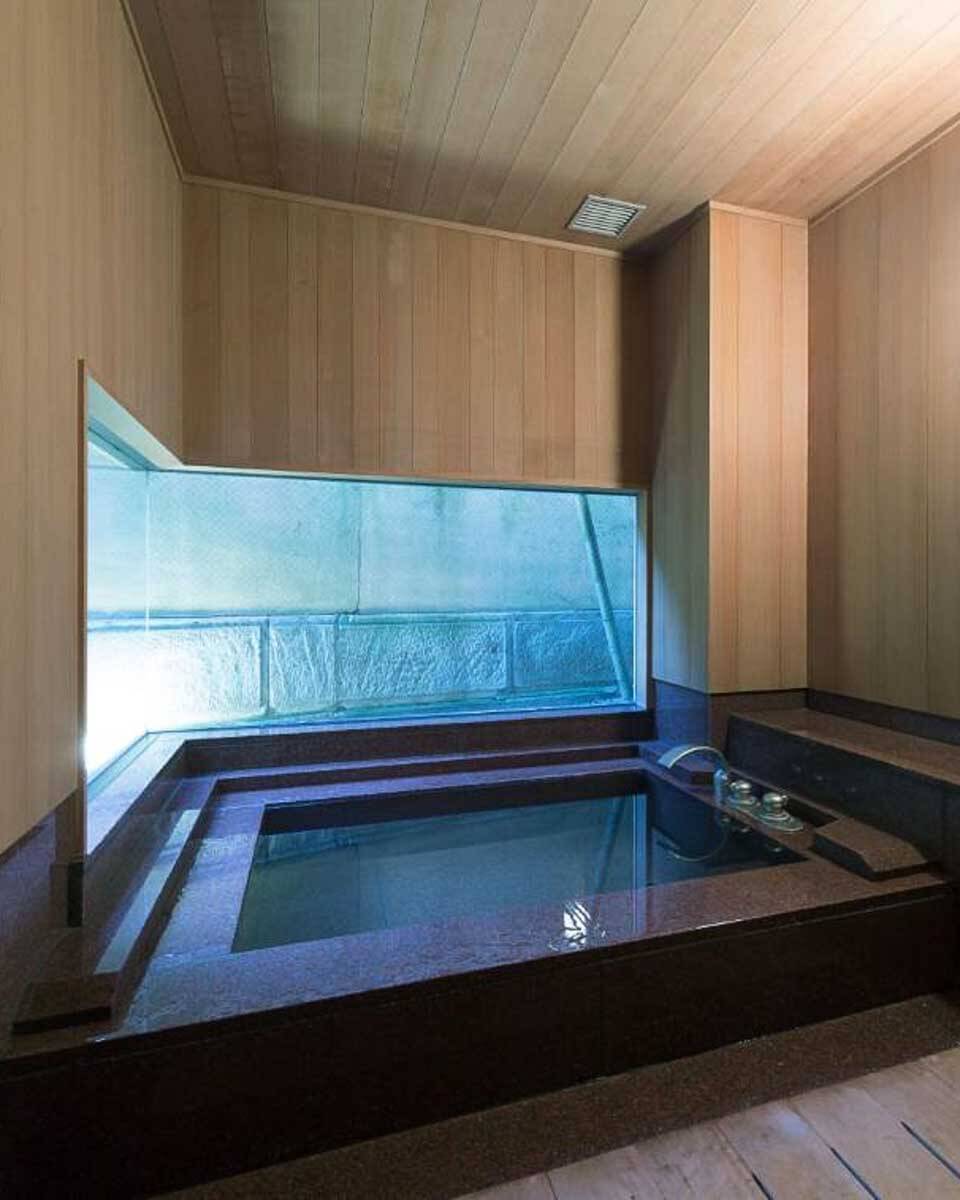
Kinjohro is one of Kanazawa’s most respected traditional ryokans. It’s been run by the same family for generations, and that sense of care really comes through in both the service and the atmosphere. The rooms are elegant and understated, with tatami floors, sliding screens, and garden or river views that really let you know you’re in Kanazawa.
One of the biggest highlights here is the cuisine. Kinjohro is particularly well known for its seasonal kaiseki meals, which focus heavily on local seafood and regional ingredients. The location is also excellent, sitting close to Kenrokuen Garden, Kanazawa Castle, and the Nagamachi Samurai District, so sightseeing is easy.
Rooms start at 77,000 JPY per night ($500 USD).
Yuyaruru Saisai – $$
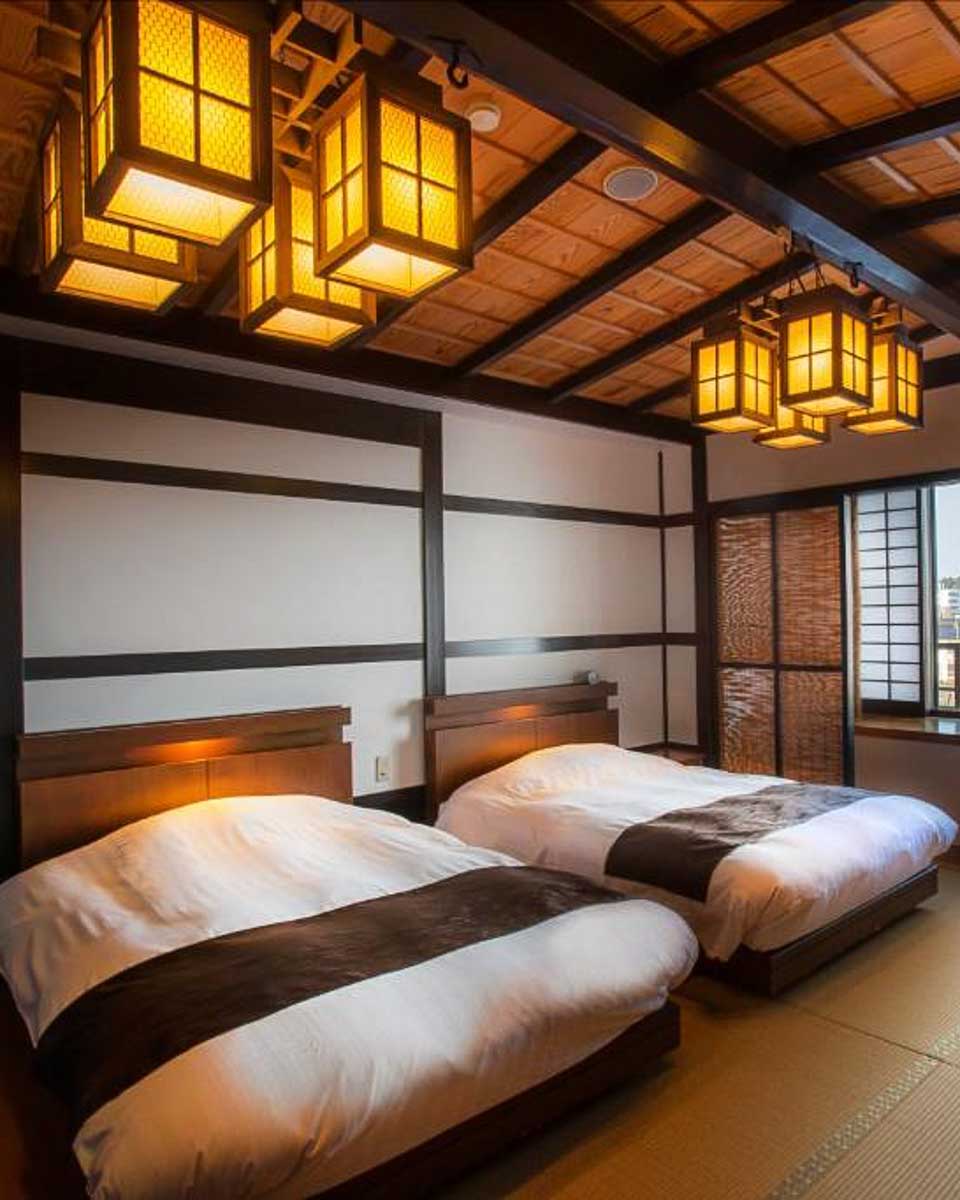
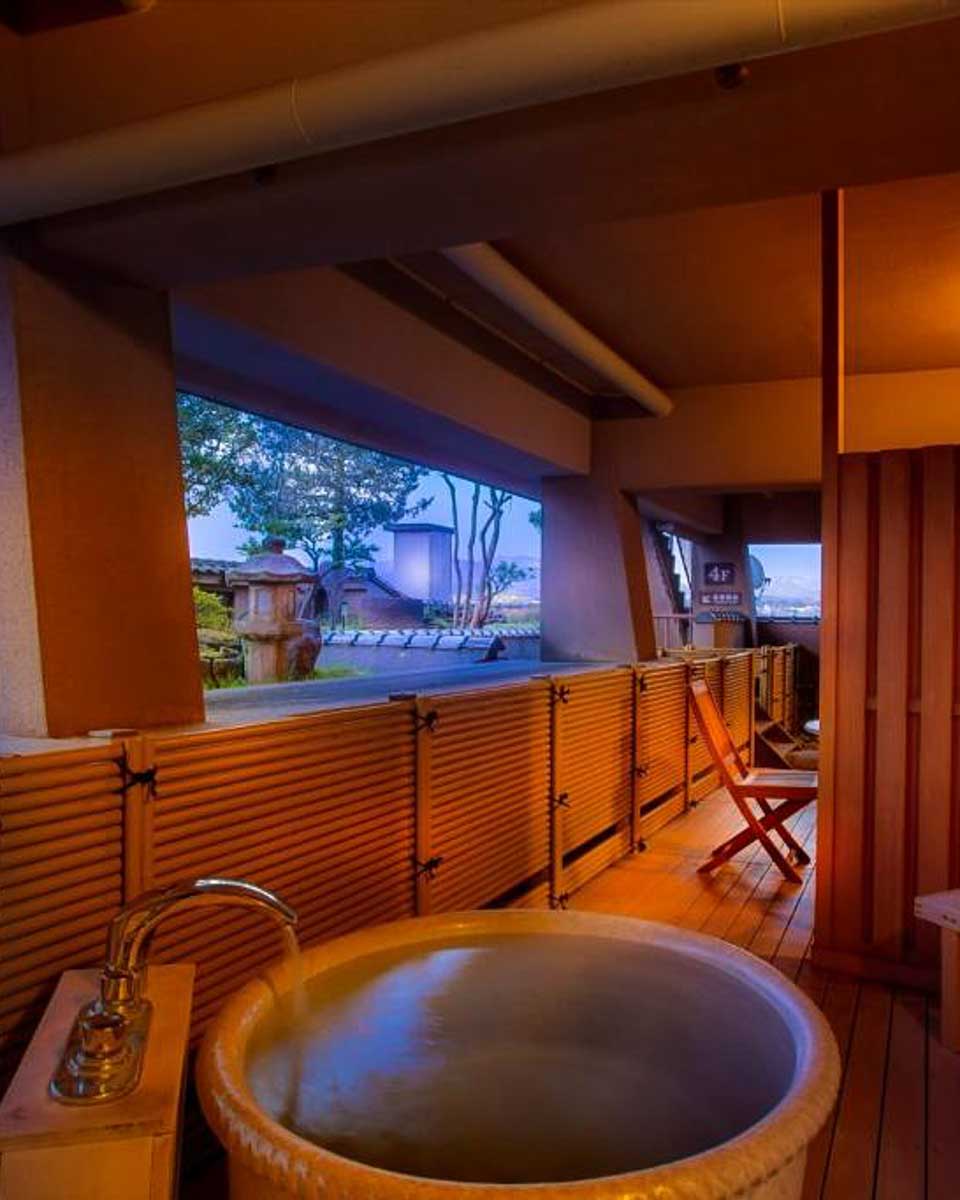
Yuyaruru Saisai is a lovely ryokan that sits right on the river. It offers a traditional, atmospheric stay with lovely onsen baths and a calm atmosphere. The staff are incredibly friendly and will go above and beyond to show you what Japanese hospitality is really all about!
Breakfast is included, and you’ll have your pick of Japanese and international options at the buffet each morning. We also love the communal onsens, which offer great views of the river, the city, and the mountains beyond.
The ryokan is also well located for sightseeing, with Kanazawa Station and Omicho Market both within easy reach. It’s especially convenient if you’re keen to explore the city’s food scene or are arriving with luggage.
Standard rooms start at 33,000 JPY ($215 USD) per night.
Ryokan Karasawa – $
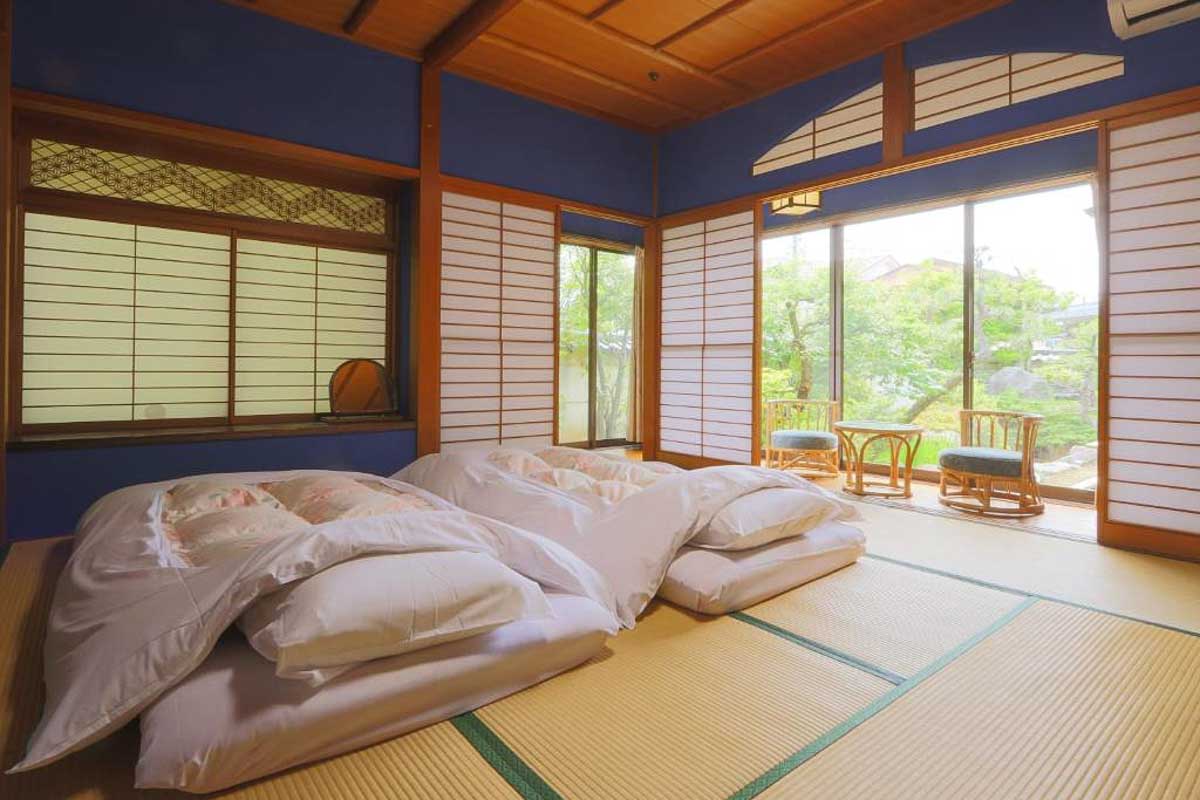
Ryokan Karasawa is a small, no-frills ryokan that’s perfect if you’re traveling on a budget. Despite its affordable price tag, it offers a traditional stay. And what it lacks in luxury, it more than makes up for in warmth and character!
The ryokan is family-run, and the hosts are very friendly and helpful, especially when it comes to local tips and directions. The location is another plus, with easy access to central Kanazawa and public transport. We think that this is a great choice for solo or budget-conscious visitors who care more about atmosphere and authenticity than high-end amenities. It feels personal and down-to-earth in the best way.
Rooms start from 19,000 JPY ($120 USD) per night.
Murataya – $
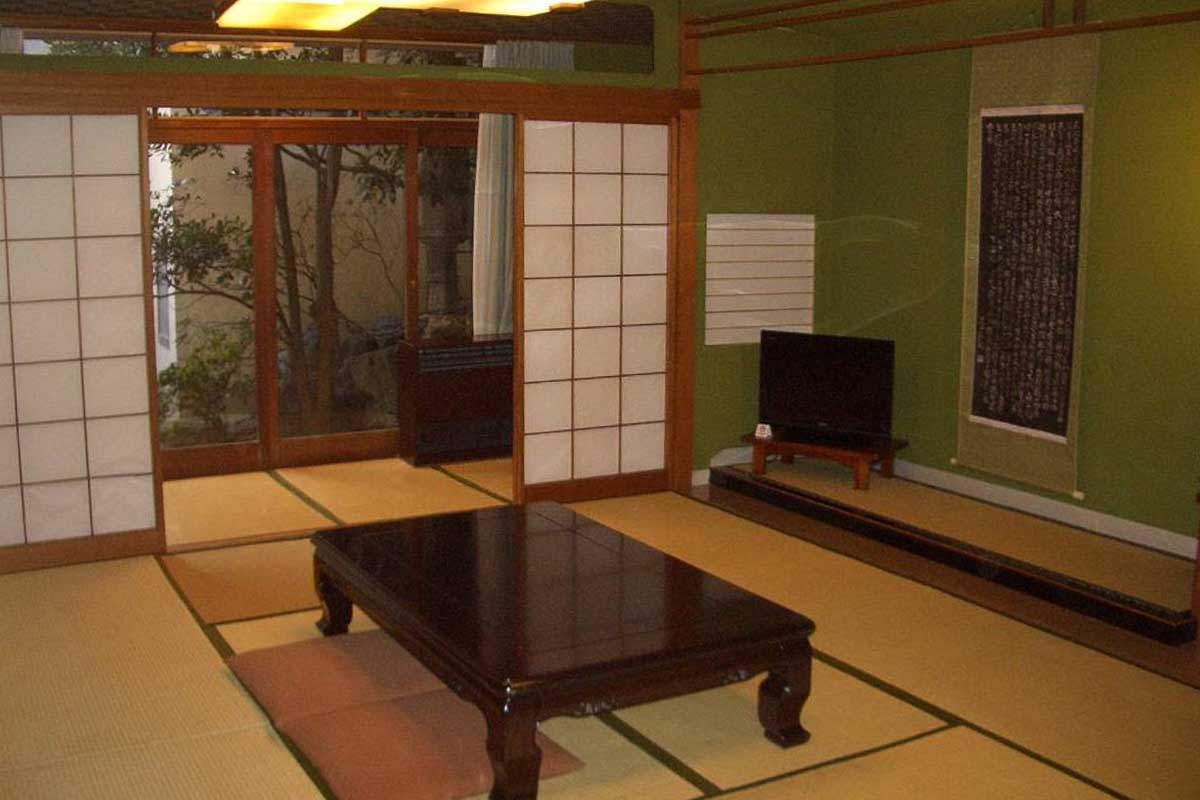
Murataya is a long-standing, family-run ryokan near Kanazawa Station. It offers excellent value and a very homely feel. It’s been welcoming travelers for decades, and the experience here feels personal rather than polished. The rooms are traditional and well-maintained, with tatami floors and futon bedding, and everything is kept spotlessly clean.
One of the biggest advantages of staying at Murataya is its location. Being close to the station makes arrivals and departures easy, and it’s also convenient for day trips or getting around the city by bus. The owners are incredibly kind and often go out of their way to help guests feel comfortable, which really sets this place apart.
Rooms start at 21,000 JPY ($135 USD) per night.
Hokkaido
Pros
- Beautiful scenery
- Great place to slow down and relax
- More of a local, authentic feel
Cons
- Not ideal for those who are short on time due to its spread out nature
- Cold winters can be challenging for some travelers
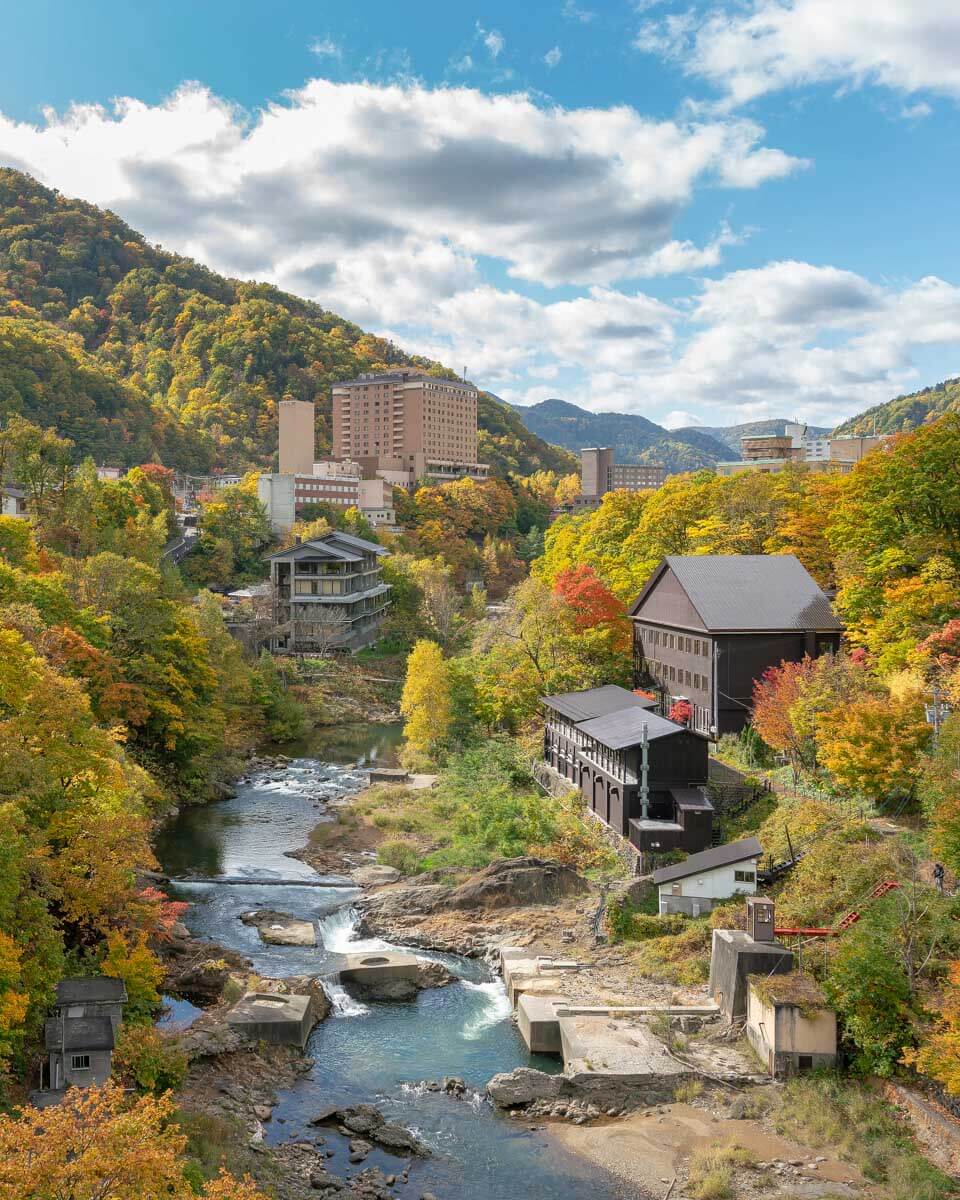
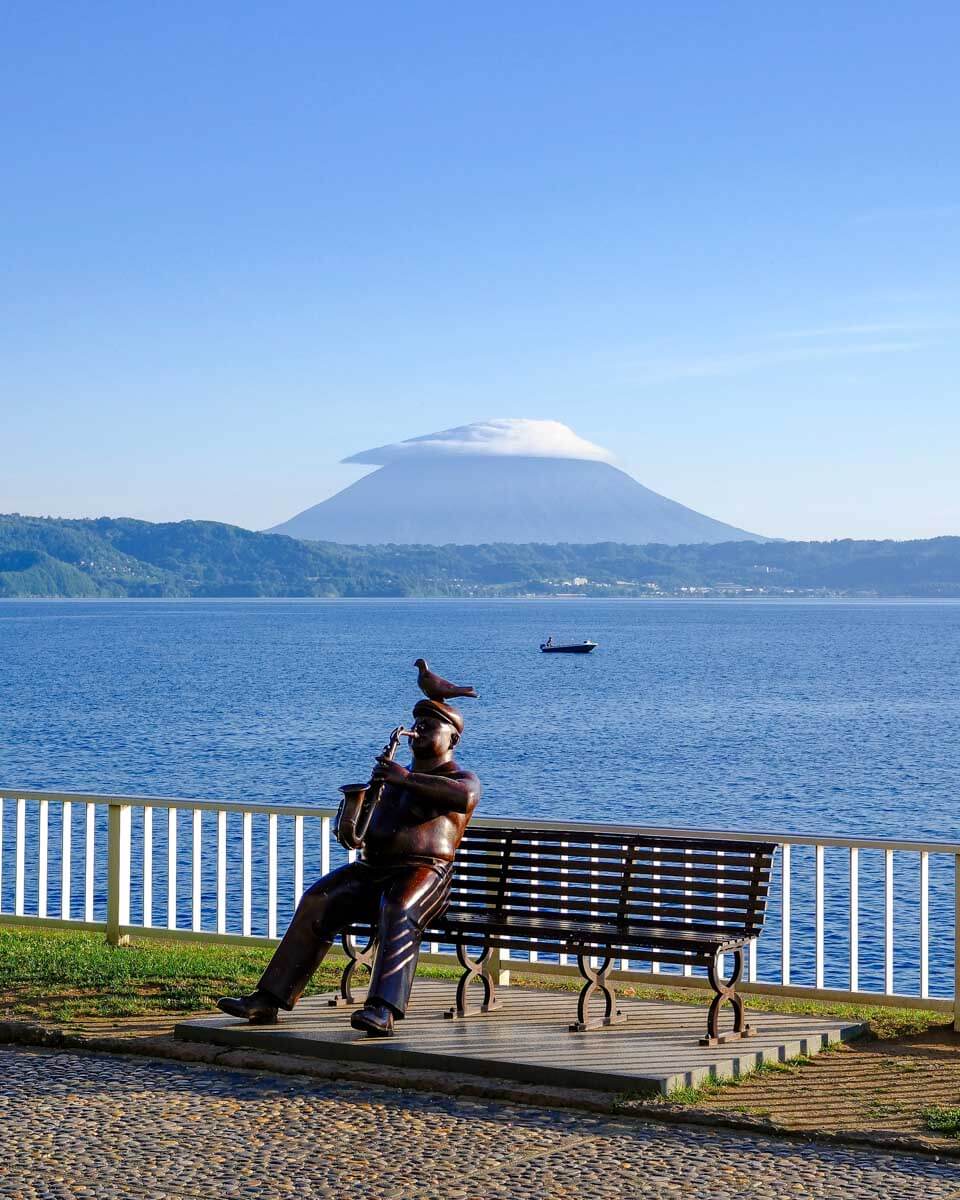
We always enjoy visiting Hokkaido because it showcases a slightly different side of Japan. It’s the country’s northernmost island, and it feels noticeably more spacious and rugged than the rest of the country. There are lots of national parks to explore, and its volcanic terrain means numerous hot spring towns are scattered throughout the region.
Another great thing about Hokkaido is the fact that it feels refreshingly untouristy compared to Japan’s main cities, especially outside of Sapporo. Many ryokans here are located in onsen towns like Noboribetsu, Jozankei, and Lake Toya, where the focus is firmly on enjoying the natural hot springs and scenery rather than doing lots of sightseeing.
Hokkaido is also famous for its food. The region is known for exceptional seafood, dairy, and seasonal produce, and many ryokans highlight local ingredients in their meals. It’s an incredible place to enjoy a kaiseki dinner, I can tell you that much!
While Hokkaido is larger and more spread out than other regions, transport links are good. We rented a car when we visited, which made it a lot easier to explore. It’s definitely a good choice if you want to explore the more remote spots that are firmly off the beaten tourist track.
ONSEN RYOKAN Yuen Sapporo – $$$


ONSEN RYOKAN Yuen Sapporo is a rare find in the heart of the city. It offers a calm, ryokan-style retreat right in central Sapporo. The decor is rooted in tradition, but everything here feels sleek and new. It’s a great option if you want a ryokan experience without leaving the city behind.
The onsens here are beautiful and feel very spa-like to me. Tattoos aren’t permitted in these onsens, but they do provide cover-up patches, so no need to fret! We also like how it’s just far enough from the busiest tourist spots that the surrounding streets feel relaxed and local, but you’ve still got all the best sights and plenty of transport connections within a 15-minute walk of the property’s location.
Rooms typically start from around 45,000 JPY ($300 USD) per night.
Hotel Kanronomori – $$
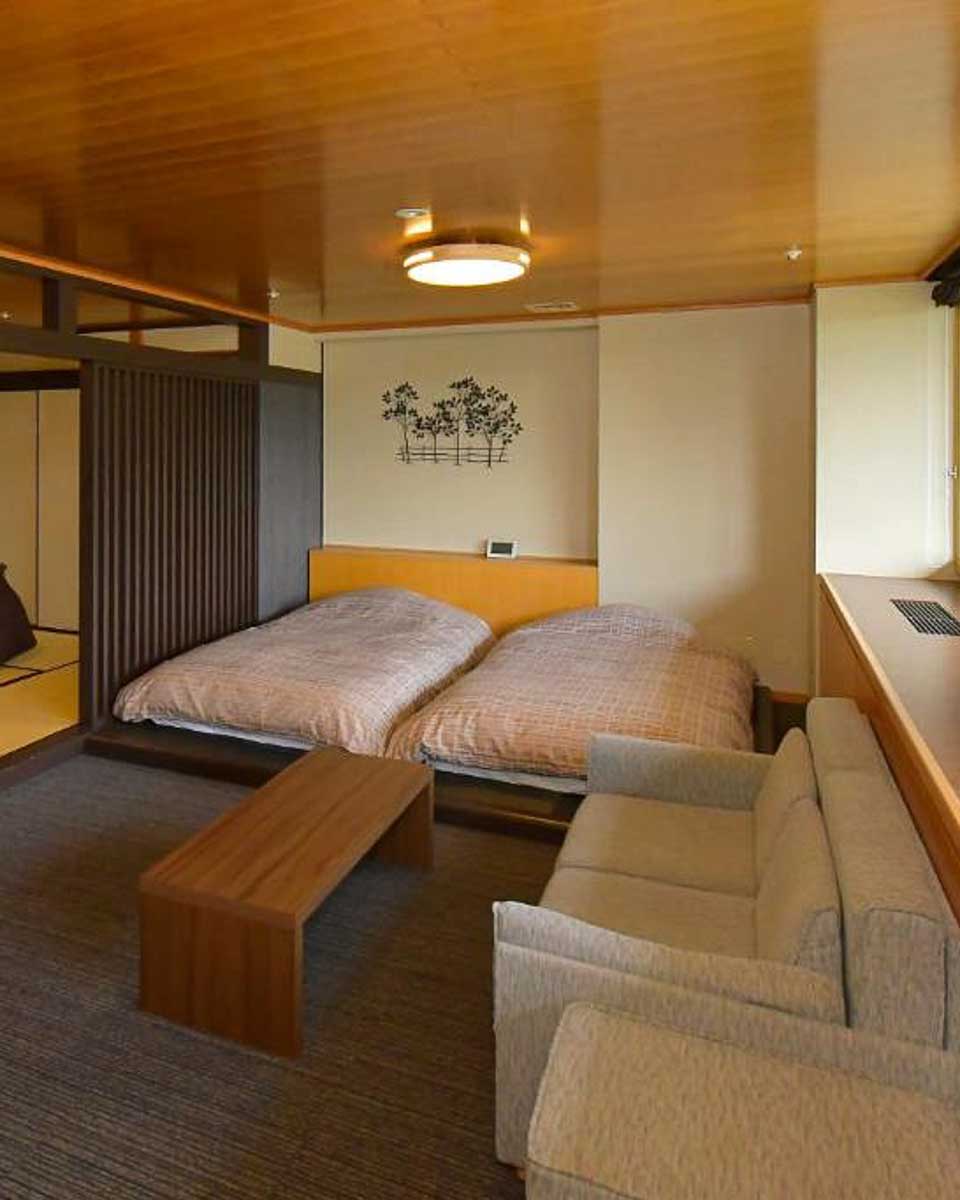
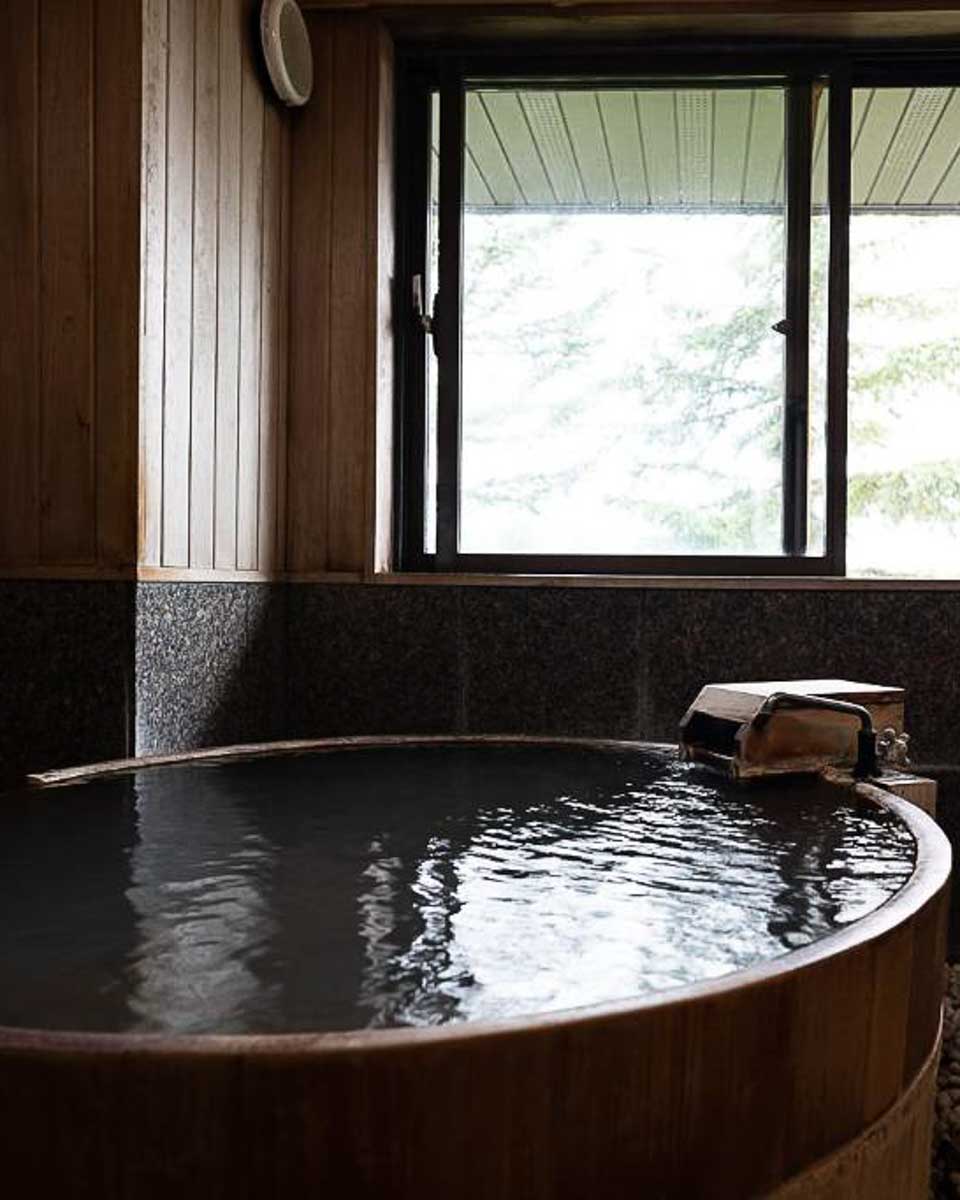
Hotel Kanronomori is a cozy ryokan-style hotel located just outside Niseko, and it makes a great base if you’re visiting for skiing or mountain scenery. It blends Japanese and Western elements nicely, with tatami-style spaces alongside Western beds, so we think it’s a comfortable choice even if you’re new to ryokan stays.
The onsen facilities are a real highlight of this property, especially if you’re planning on doing a lot of skiing or hiking while you’re here! There are spacious indoor baths and an outdoor onsen surrounded by forest, which is such a treat. The hotel also offers shuttle services to nearby ski lifts, which makes getting around easy in winter.
Rooms usually start at around 28,000 JPY ($180 USD) per night.
Sapporo’s Secret Onsen Sanctuary Marukoma Onsen Ryokan – $$
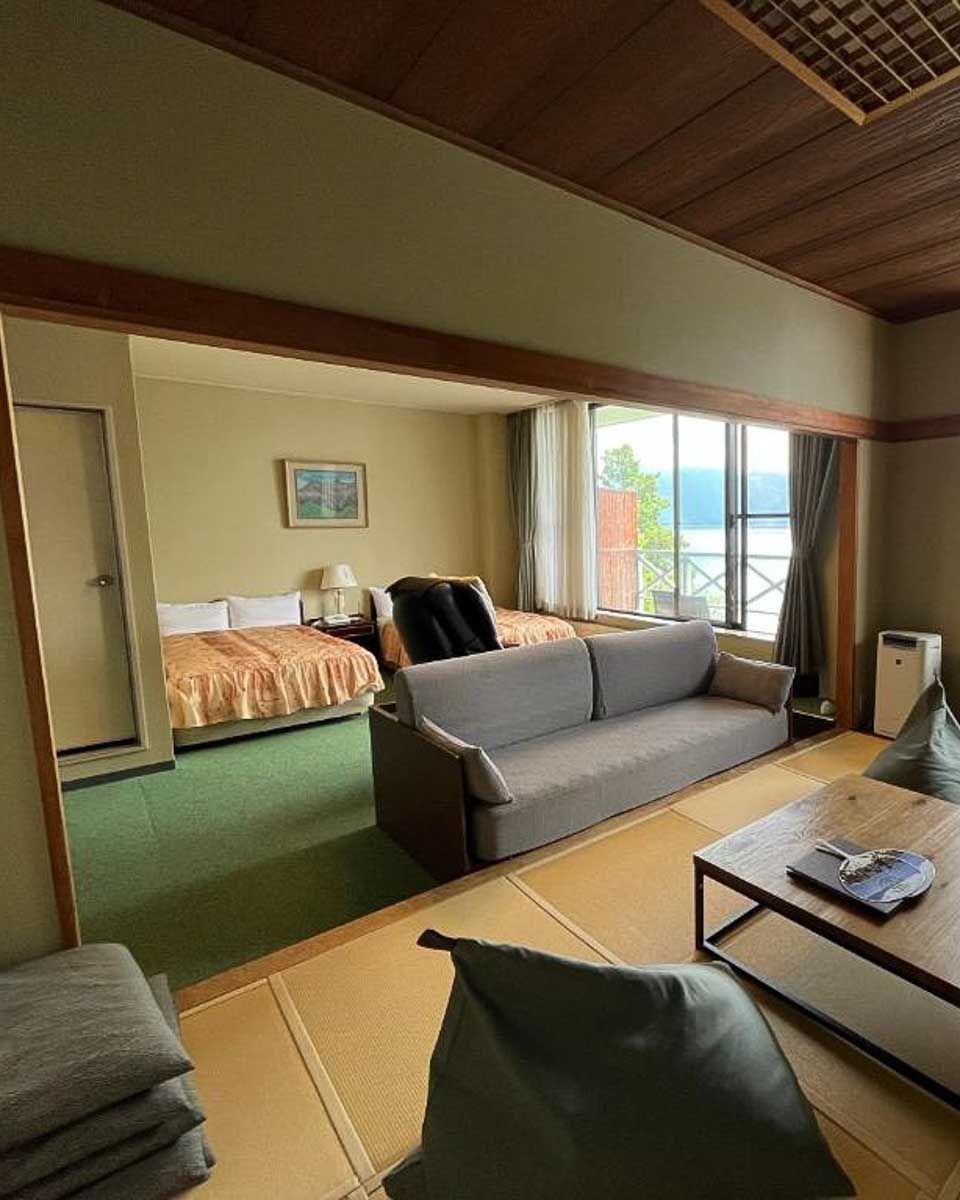
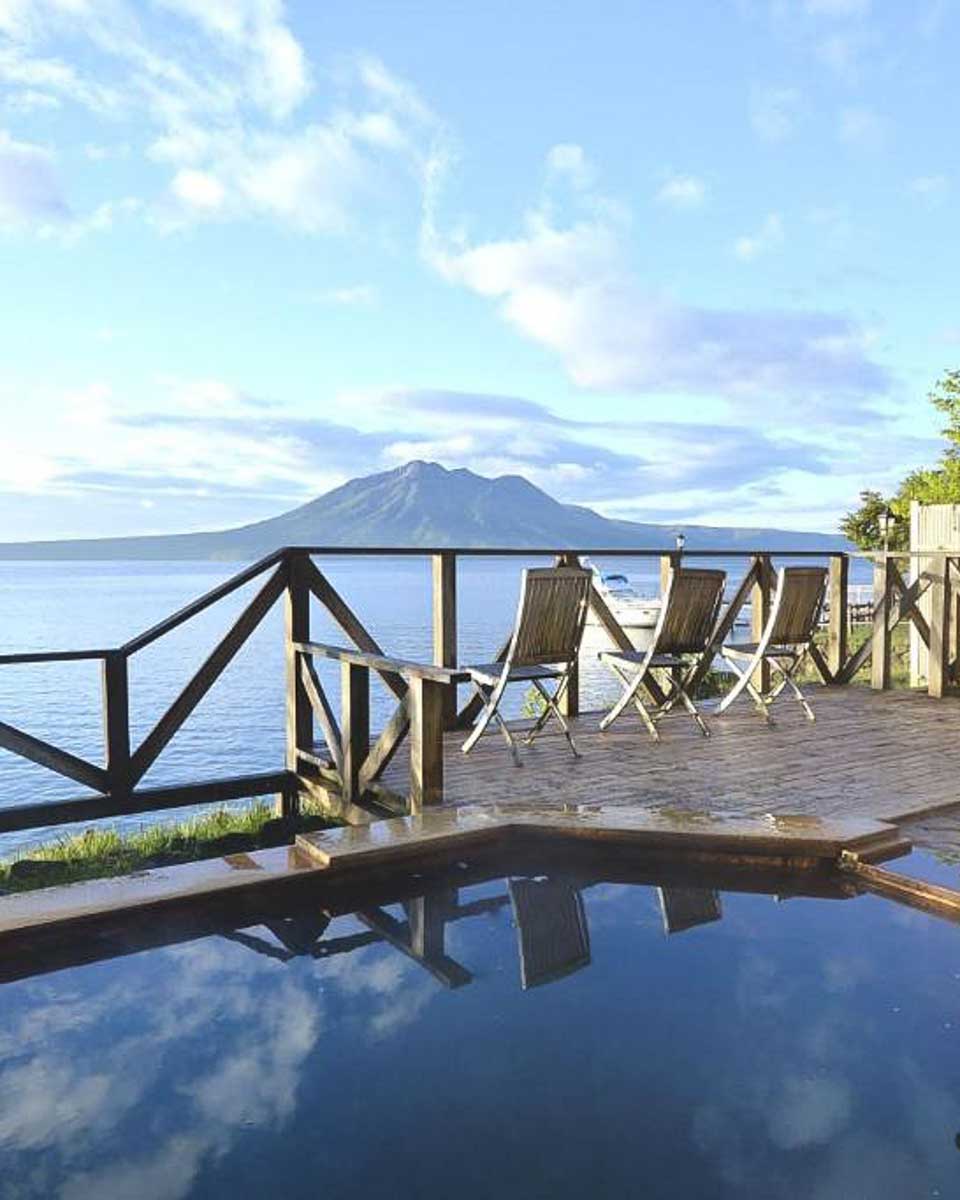
Marukoma Onsen Ryokan really packs a punch in terms of scenery. It feels completely removed from city life, and its outdoor onsen perched right over Lake Shikotsu makes this one of the region’s most in-demand stays. My advice would be to book early!
The ryokan has a long history, and the rooms reflect a more traditional style with tatami floors and simple furnishings that keep the focus on the surroundings. And trust me, there are quite a few surroundings you’ll be enjoying! Its lakeside location is very hard to beat. Getting here does take a bit of planning, but once you arrive, the serenity and the gorgeous views will prove to be more than worth it.
Private rooms with shared bathrooms start at 20,000 JPY ($130 USD) per night, while private bathrooms start from around 45,000 JPY ($300 USD).
Related Read: Ryokans and onsen go hand in hand, and if you’re planning your trip around those blissful hot spring baths, our guide to the 40 Best Onsen Hotels in Japan here is a must-read.
Kusatsu Onsen
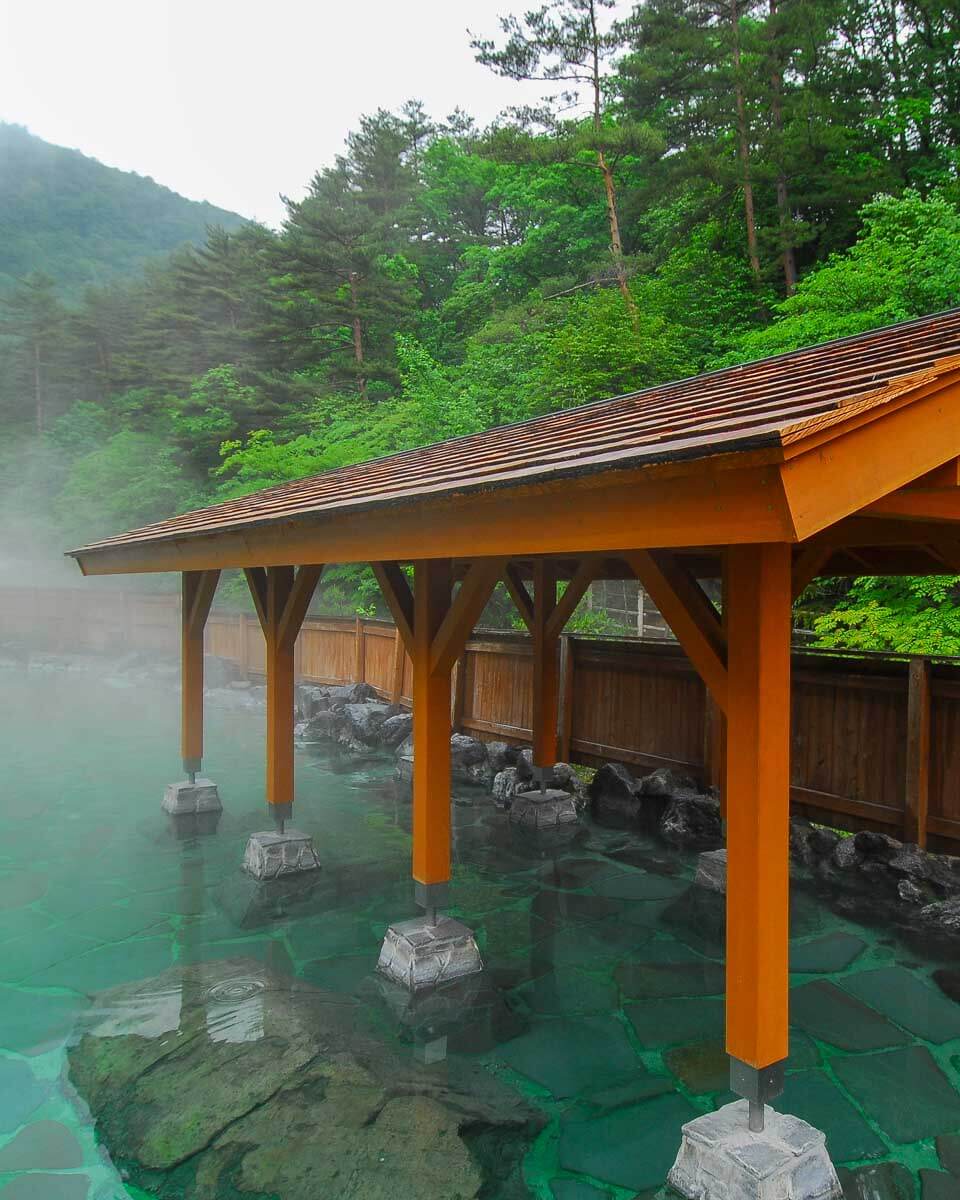
Pros
- One of Japan’s most famous and highly regarded onsen towns
- Compact, walkable layout with lots of atmospheric sights
Cons
- Limited nightlife and activities beyond the onsen experience
Kusatsu Onsen is one of Japan’s most famous onsen towns. As you can probably guess from the name, people come here for one reason above all else: the hot springs.
Located in Gunma Prefecture, this mountain town has been a dedicated bathing destination for centuries and is often mentioned alongside places like Hakone as one of the country’s top onsen getaways. Hot springs and history – sounds good to me!
The water here is incredibly mineral-rich and naturally very hot, which is why Kusatsu has such a strong reputation for therapeutic bathing. For this reason, winter is a popular time to visit. I mean, does it get better than soaking in a steaming outdoor onsen while snow falls quietly around you?
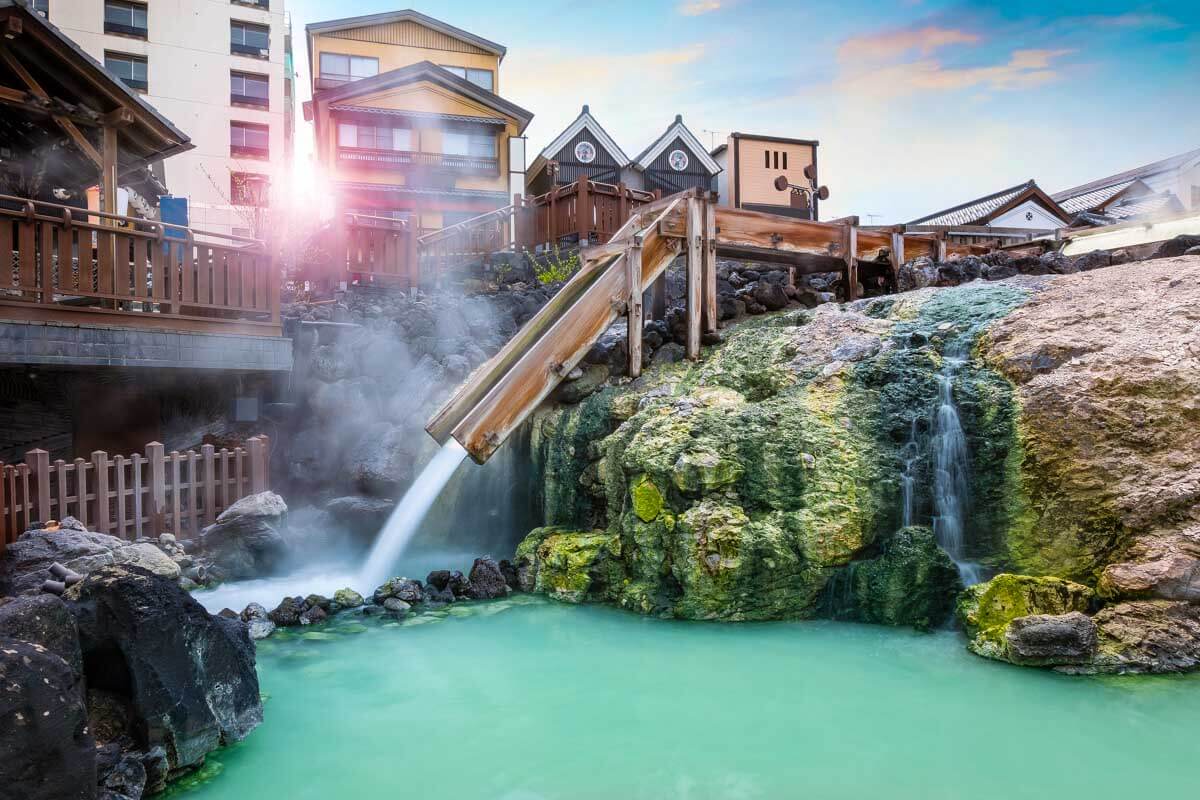
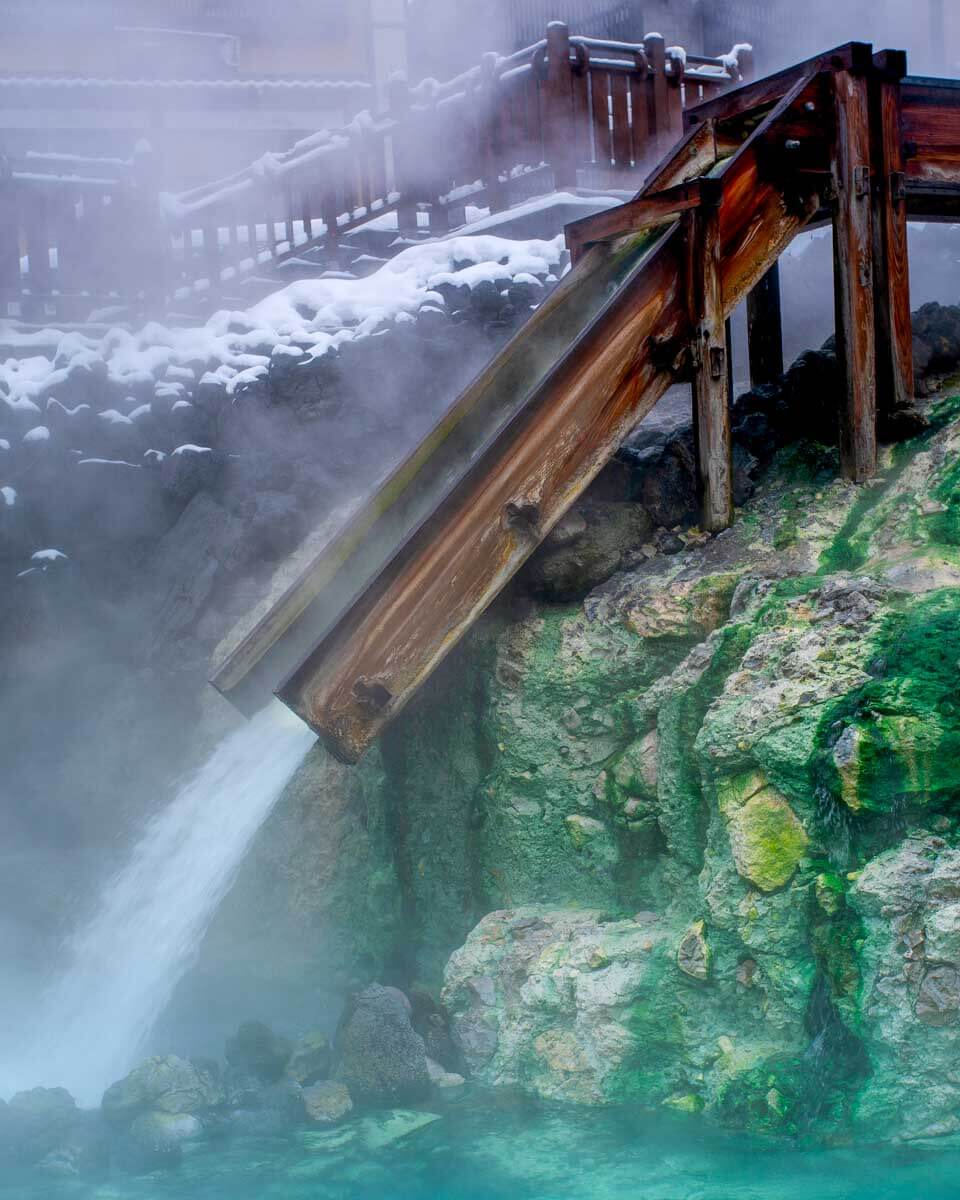
The heart of town is Yubatake, a dramatic wooden structure where steaming hot spring water flows and cools before being distributed to the bathhouses. It’s especially atmospheric in the evenings when the lanterns are lit. Other highlights include Netsu-no-Yu, where you can watch traditional yumomi water-cooling performances, and Sainokawara Park, which features open-air baths set among volcanic rock.
Kusatsu Onsen is compact, walkable, and built entirely around the onsen experience. While it can get busy on weekends and during peak seasons, staying overnight allows you to enjoy the baths early in the morning or later in the evening, when the town feels much calmer.
Urakusatsu TOU – $$$
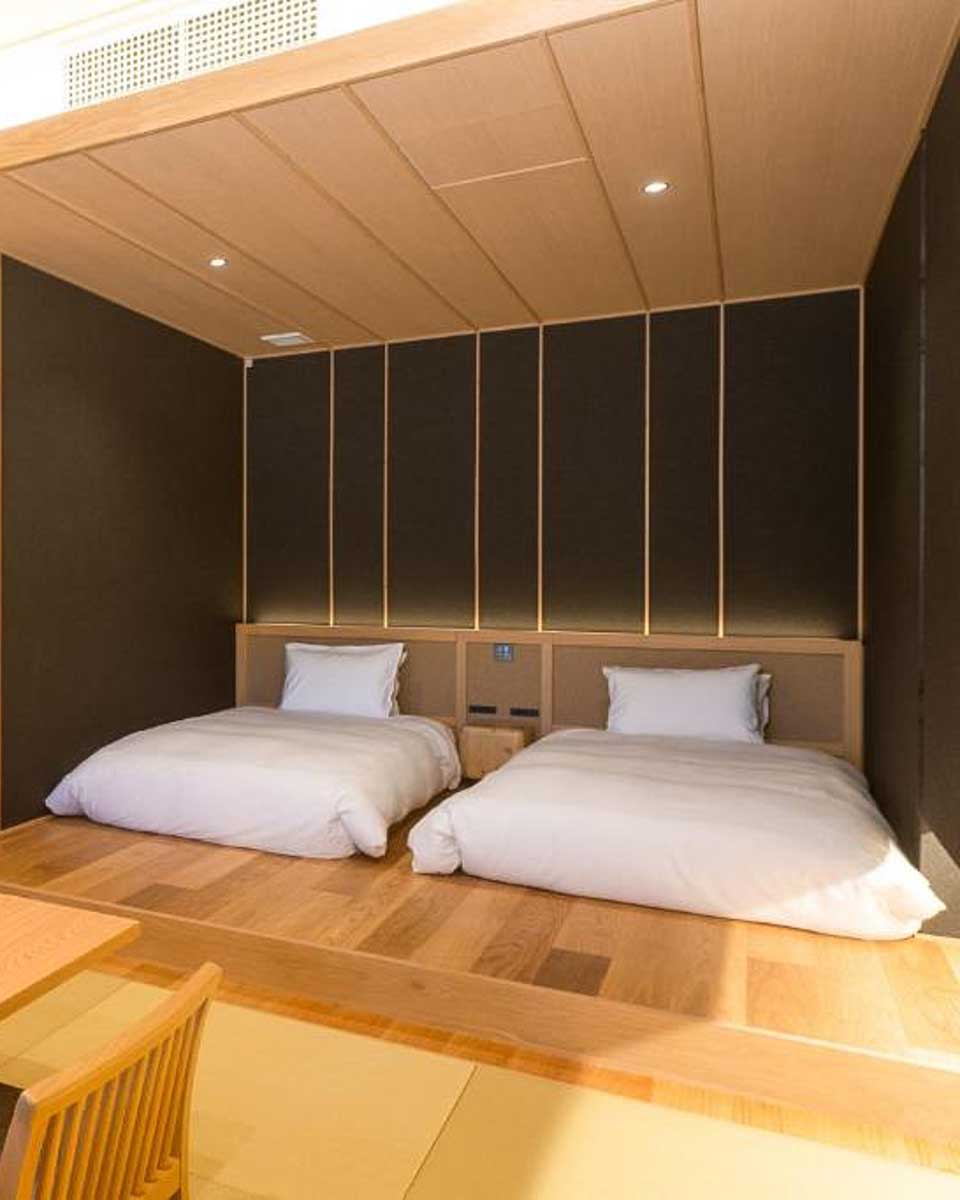
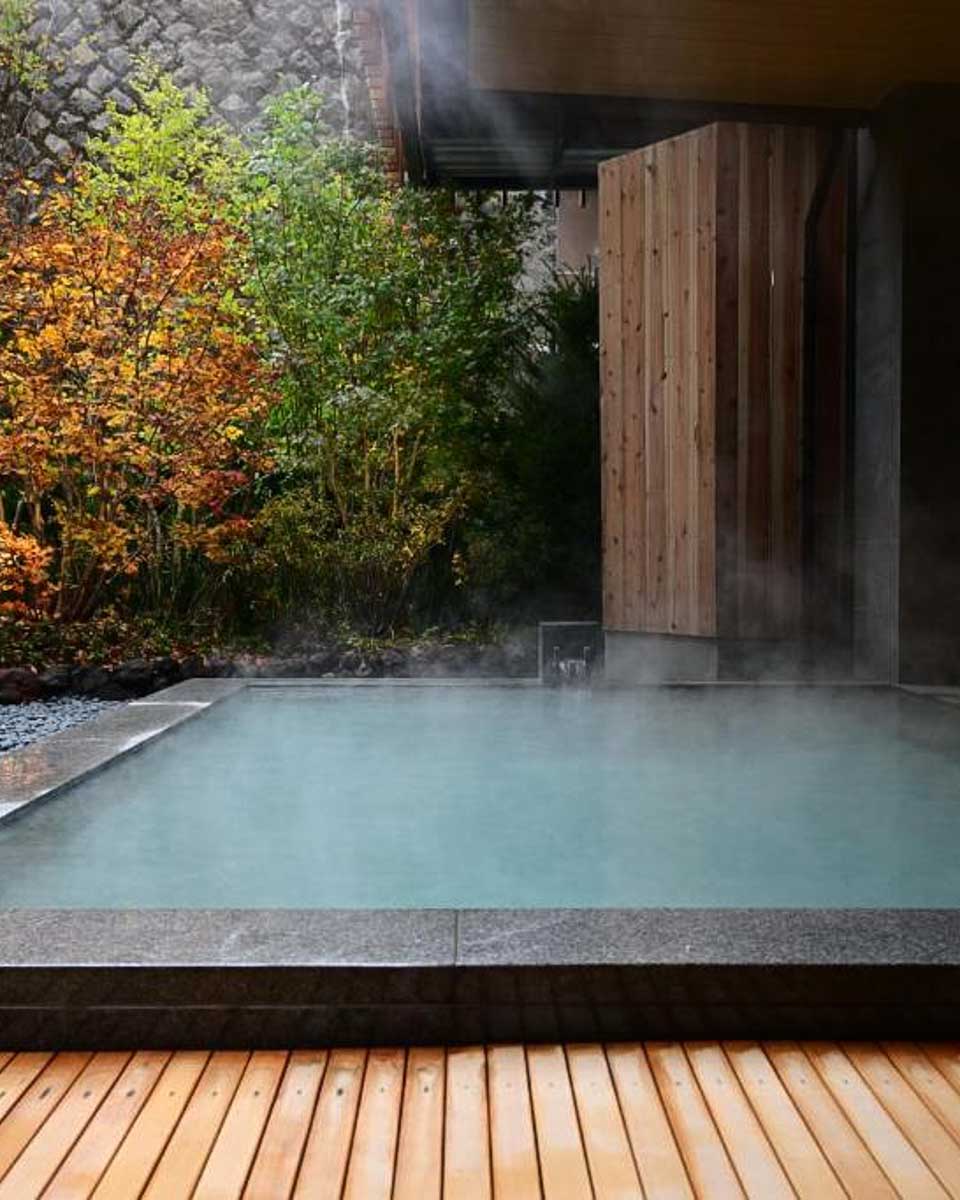
Urakusatsu TOU is a more modern ryokan that still feels very much rooted in Kusatsu’s onsen culture. The interiors are sleek and contemporary, but traditional elements like tatami flooring and low-profile furnishings keep it feeling calm and grounded. It’s a great option if you like a more polished aesthetic without losing the ryokan atmosphere.
The onsen baths are a standout here, with beautifully designed indoor and outdoor spaces that make the most of Kusatsu’s famous hot spring water. The location is also excellent, sitting within easy walking distance of Yubatake, so you can explore the town without relying on transport.
Rooms generally start from around 42,000 JPY ($270 USD) per night.
Kusatsu Onsen Kusatsu Hotel 1913 – $$
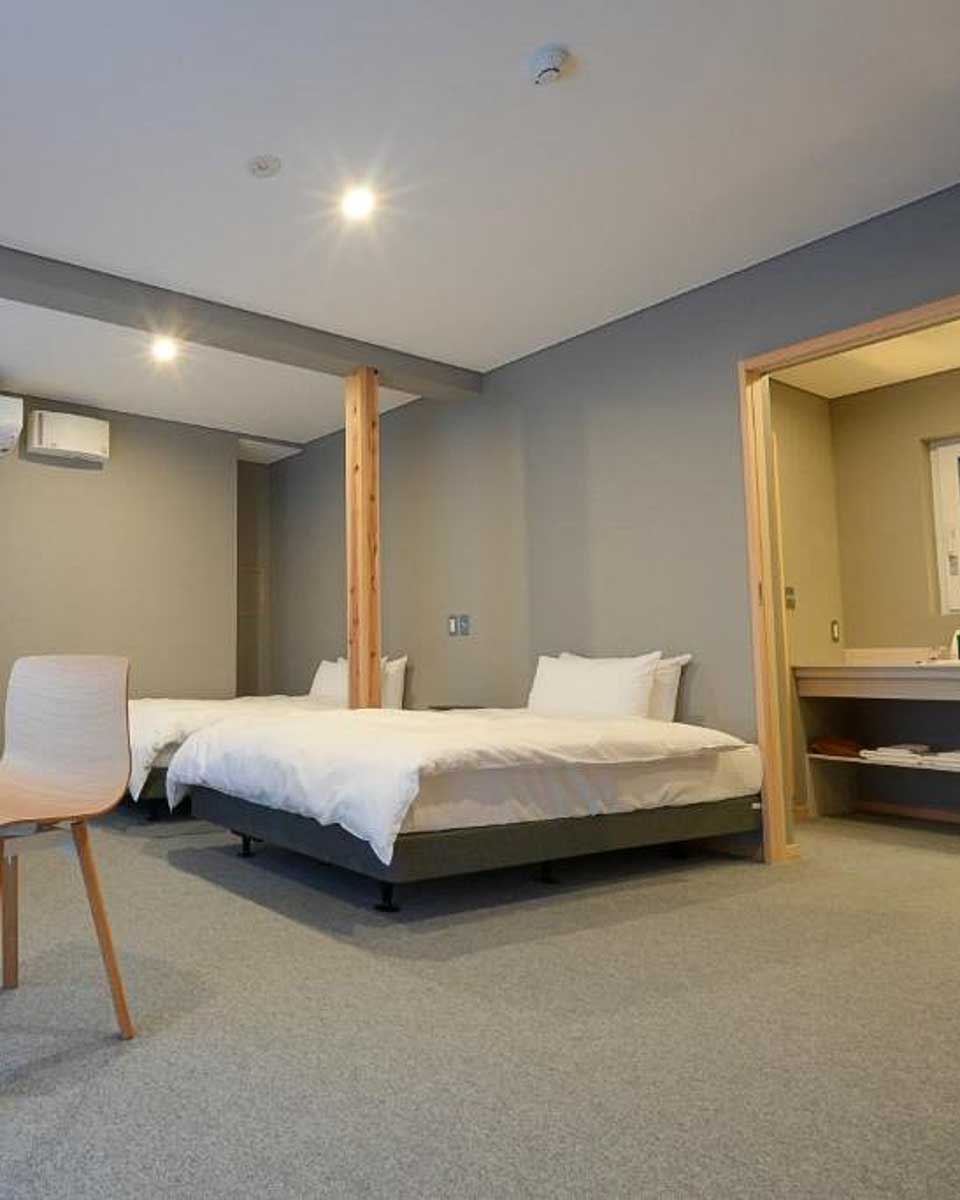
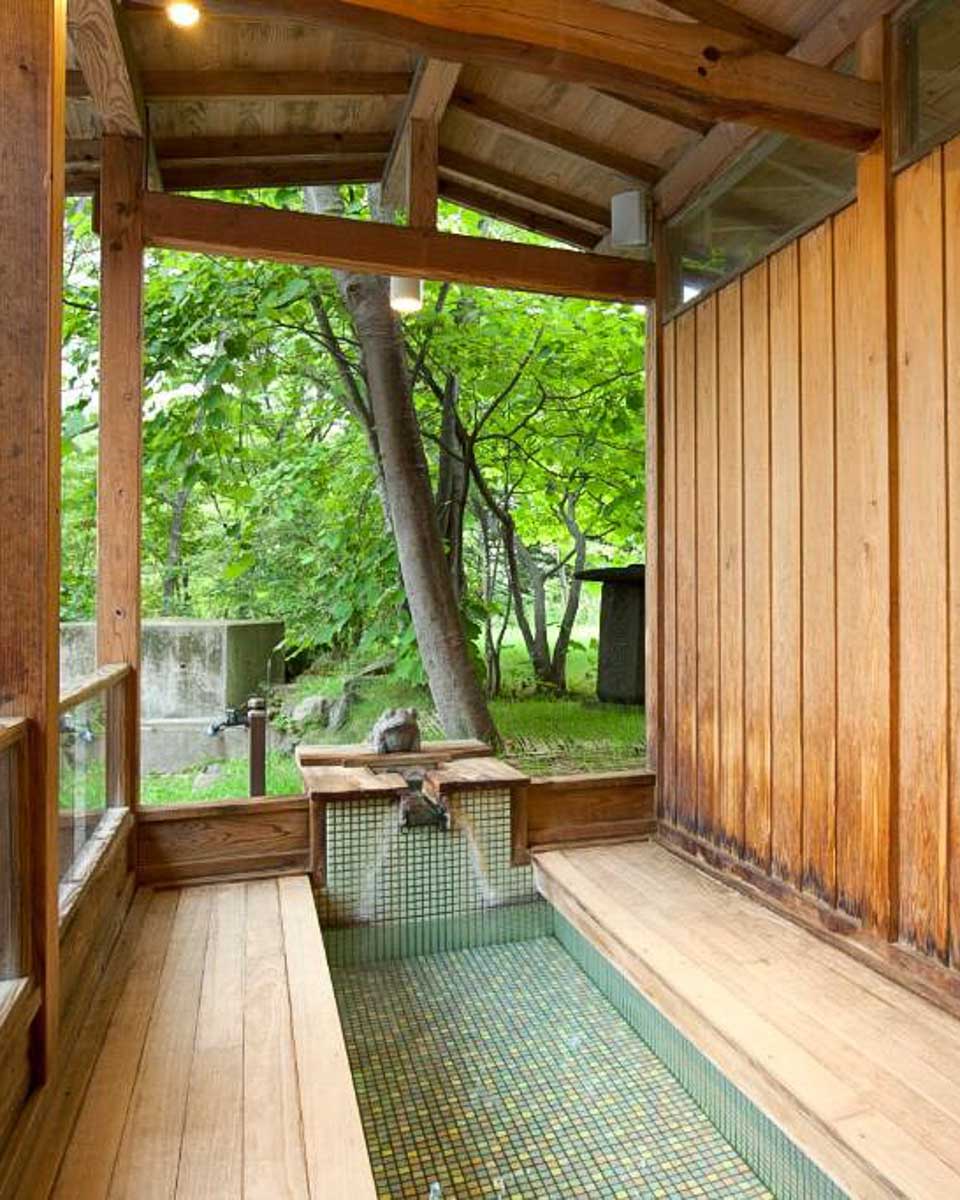
Kusatsu Onsen Kusatsu Hotel 1913 is one of the town’s most historic properties, so staying is a great way to connect with Kusatsu’s onsen heritage. Established over a century ago, this ryokan has hosted generations of travelers and retains a very classic and traditional atmosphere.
The onsen facilities here are excellent, with multiple baths fed directly by Kusatsu’s famous hot spring sources. The hotel is located slightly uphill from Yubatake, which gives it a quieter feel while still being walkable to the town center. This is a great choice if you’re looking for a traditional ryokan stay with a strong sense of place and history, without a high price tag.
Rooms typically start from around 25,000 JPY ($160 USD) per night.
Kusatsu Onsen Eidaya – $$
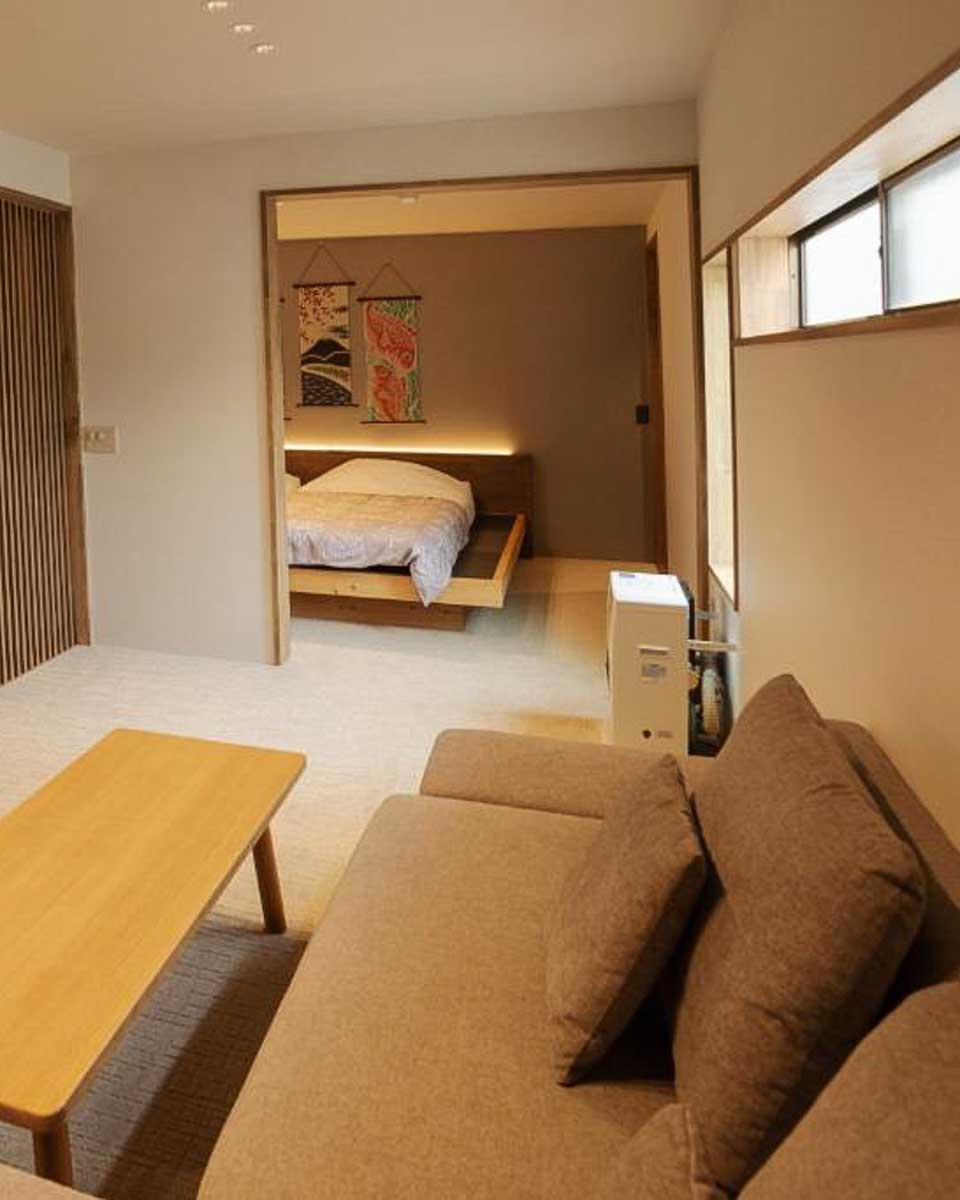
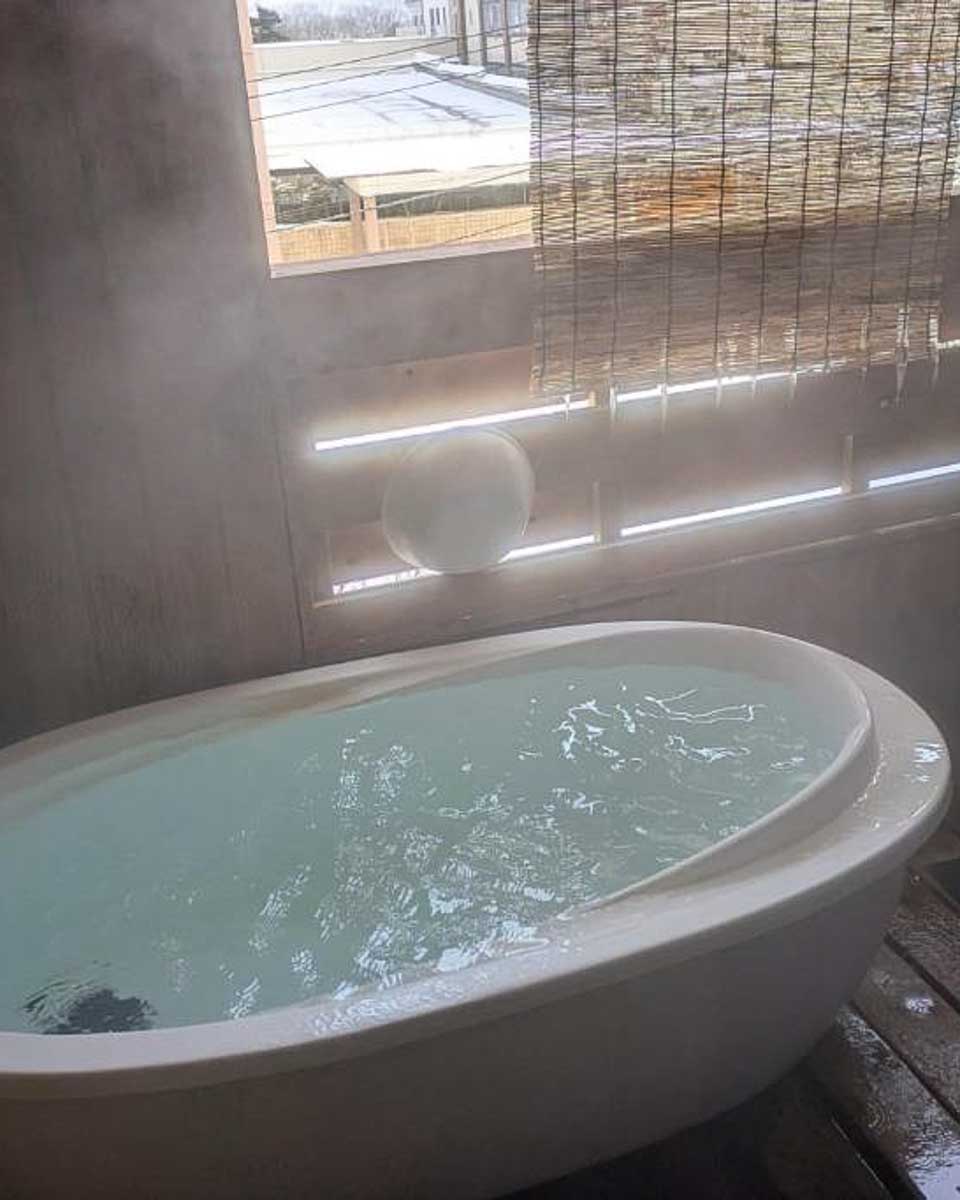
Kusatsu Onsen Eidaya is a smaller and more intimate ryokan that focuses on comfort and privacy. It’s especially popular with couples thanks to its reservable private onsen baths, which are ideal if you prefer a quieter bathing experience.
The rooms are tastefully designed with tatami flooring and simple decor, and everything is kept immaculately clean. The ryokan is also well located, just a short walk from Yubatake and the main streets of town, so it’s easy to explore Kusatsu on foot. We think that Eidaya is a lovely option if you want a peaceful stay with easy access to the town’s highlights and a slightly more modern, boutique feel.
Rooms usually start from around 28,000 JPY ($180 USD) per night.
Related Read: Pair your stay with unforgettable experiences—see our guide to the best things to do in Japan here for culture, food, and must-do activities.
Top Activities to do in Japan
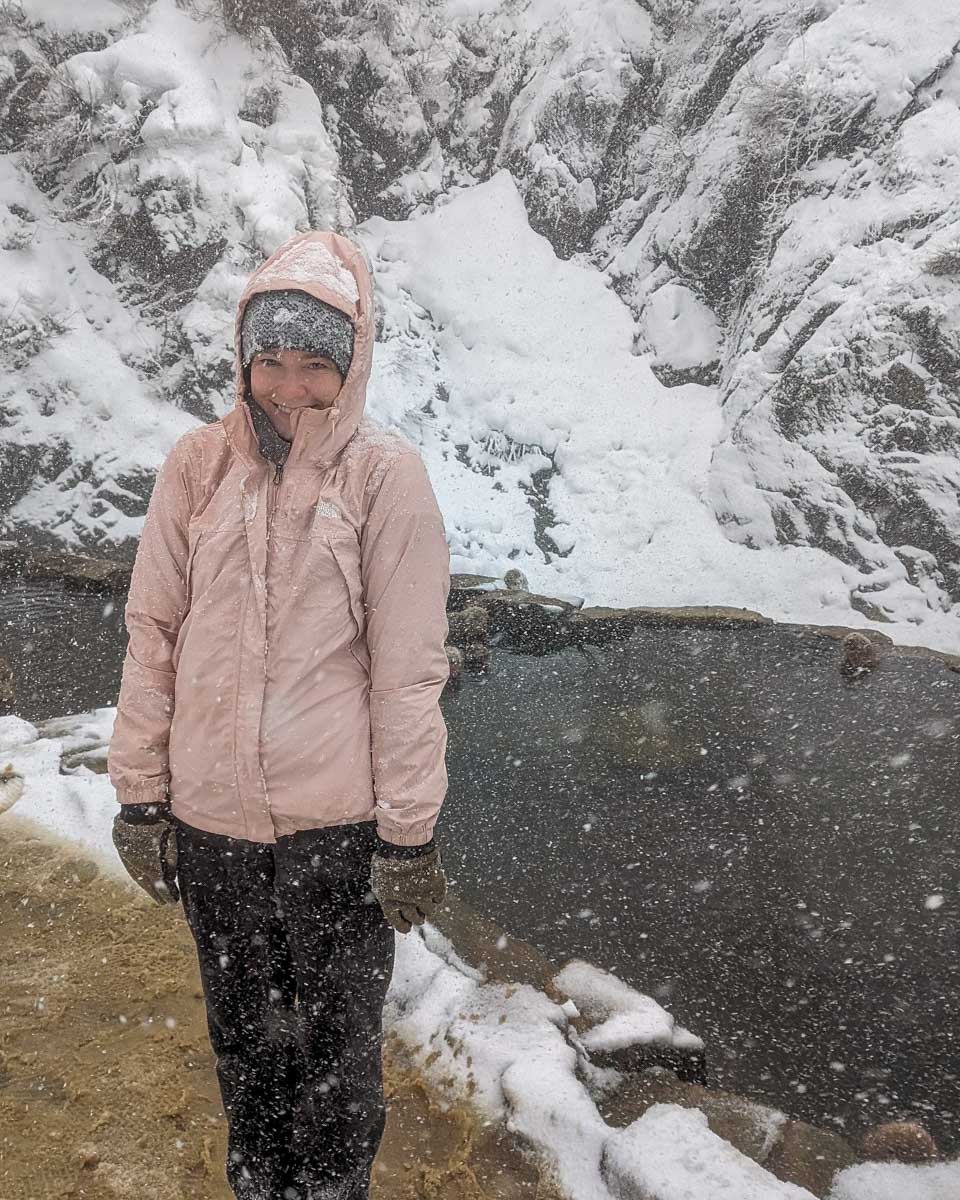

If you need help narrowing down your options for things to do in Japan, here are our top five activities we did!
- See the snow monkeys in Nagano – If you’re visiting during the winter, seeing Nagano’s snow monkeys can’t be missed! This tour made it easy to visit, as we didn’t have to worry about winter driving, and it included other sightseeing during our day.
- Learn how to make ramen – Love Japanese food? We do too, so we added this Kyoto cooking class to our itinerary and had the best time learning how to make our favorite dish! Our teacher was amazing, and now we have a piece of Japan we can enjoy at home!
- See a sumo show – This sumo show was such a fun cultural experience in Tokyo! It’s more like a production than a sumo match, but that was more fun because we learned the history, and there was some cheeky comedy thrown in, too. Oh, and lunch!
- Walk the Bamboo Forest in Arashiyama – The iconic bamboo forest in Kyoto is a must-visit for first-time travelers, and this morning tour makes it easy. We got to see other highlights like Tenryuji Temple and the Iwatayama Monkey Park, all in one easy, organized experience!
- See Mt Fuji – If you don’t have time to stay in the Mt Fuji or Hakone area, this day trip from Tokyo can’t be missed. It’s actually one of the highest-rated tours in Japan because they pack so much into one day, and after going for ourselves, we can vouch that it’s an amazing experience!
Related Read: Looking for more memorable experiences? See our Ultimate Japan Bucket List so you can tick off as many activities as possible!
Renting a Car in Japan

Japan’s trains are great, but if you want to explore rural areas, scenic routes, or off-the-beaten path hidden gems, renting a car offers unmatched flexibility. Driving in Japan is generally safe, with well-maintained roads and clear signage, though there are some unique rules and customs to be aware of.
We always book with Discover Cars and can’t recommend them enough. It’s super easy to compare multiple provider prices, check company ratings, filter for the type of vehicle you want, and add affordable full coverage insurance. If you want a full breakdown, check out our Discover Cars review here.
Tips for Renting a Car in Japan
What You Need to Rent a Car in Japan
Ready to hit the road? Discover the freedom of exploring the Japan on your own terms!
Airalo e-sim
Up To 15% Off With Code “DTRAVEL10”
What’s an eSIM?
An eSIM is a digital version of a SIM card. Instead of buying a little plastic chip and swapping it into your phone, you just download it. It connects your phone to a local network in whatever country you’re visiting — no stores, no waiting, and no fiddling with tiny cards.
In simple terms, it’s the easiest way to get data and stay connected while traveling.
We’ve tested a bunch of eSIMs in North America, and after a few frustrating experiences, we’ve found our favorite — Airalo. It’s fast, reliable, and incredibly easy to use. You can set it up in minutes (even my mom managed it solo on her first try!), and the prices are some of the best out there.
Bonus: We’ve got an exclusive 15% discount for our readers. Use the codes:
Thanks for reading!
If you’re looking for an authentic cultural experience while in Japan, staying at a ryokan is definitely worth it! If you can enjoy a remote area, such as Nagano or Kusatsu Onsen Village, you’ll have a truly relaxing experience. But you can also find super traditional options in Kyoto or Tokyo – so you can enjoy a ryokan stay no matter where you visit!
Before you go, check out our other Japan blogs. We have multi-day itineraries, where to stay guides, and lists of our favorite tours and activities to help you plan a memorable trip. Here are a few related blogs to get you started – cheers!
How to Spend THREE DAYS in Tokyo: 3-Day Itinerary
15 Best Things to do in Nagano
Where to Go in Japan Based on Your Travel Style
The Services We Recommend
From hotels to guided tours, we only recommend services we know and trust. Here are our recommended partners so you can explore Japan with confidence.
Book Hotels
With Booking.com


Thanks for your lovely blog.
I really enjoy reading.
Thank you so much Cindy!
We’re really glad you enjoyed it!😊