
15 Fun & Exciting Things to do in Kyoto, Japan
Planning a trip to Kyoto? You’re in for something truly special.
We’ve spent a lot of time exploring this city from every angle, and while Kyoto is famous for its temples and traditions, there’s so much more to experience once you know where to look. Think walking through towering bamboo forests, spotting geishas in lantern-lit streets, tasting Kyoto’s best local food, learning to make ramen from scratch, and even taking unforgettable day trips beyond the city.
Whether you’re visiting for the first time or returning to dig a little deeper, this list covers the absolute best things to do in Kyoto—based on standout experiences, top-rated tours, and moments that genuinely stick with you long after the trip ends. Let’s dive into the experiences that make Kyoto unforgettable!
Don’t miss out!
Our Top Tour Choice
The tour we loved the most and suggest booking ASAP is this one!
Discover Kyoto’s highlights on this full-day tour! We LOVED how easy it was to see famous temples, shrines, and the Arashiyama bamboo forest, all in one day.

Sightseeing in Kyoto!
Kyoto at a Glance


Kyoto is an incredible city to explore, but a little planning will make your first visit much easier. These simple tips will help you avoid the biggest crowds, get around efficiently, and enjoy the city without the usual travel hassles.
Important Tip: Plan around crowds and don’t try to see everything in one day!
Beat the crowds: Kyoto’s most popular sights, including Arashiyama, Fushimi Inari, and Kiyomizu-dera, can get extremely busy by mid-morning. Arriving early lets you enjoy these iconic spots with fewer people and is especially important during cherry blossom and fall foliage seasons.
Use trains when possible: Kyoto’s buses are convenient, but they can get packed and delayed by traffic, particularly around the busiest sightseeing areas. Trains and subways are often faster, so use them when possible and walk between nearby attractions to make getting around easier.
Be respectful in Gion: Gion is a living neighborhood, not a tourist attraction, and it’s important to be mindful of the local community. If you spot a geisha or maiko, admire them from a respectful distance, never block their path, and always ask before taking photos.
How I Would Spend Three Days in Kyoto


Kyoto is a city filled with ancient temples, beautiful gardens, incredible food, and unforgettable cultural experiences. Three days gives you enough time to see the city’s biggest highlights while also venturing beyond Kyoto for a day in Nara and Uji. After exploring Kyoto ourselves, this is how we’d spend the perfect 3 days in the city.
⛩️ Day 1: Fushimi Inari Shrine, Ramen Cooking Class & Gion Tour
Walk through the famous torii gates at Fushimi Inari Taisha, learn to make ramen from scratch in a cooking class, explore Kiyomizu-dera and Higashiyama, then discover Kyoto’s geisha culture on a guided Gion walking tour.
🦌 Day 2: Nara & Uji Day Tour
Take a full-day tour to Nara and Uji to visit Todaiji Temple, feed the famous bowing deer in Nara Park, see Byodoin Temple, and experience a traditional Japanese matcha tea ceremony.
🎋 Day 3: Arashiyama Bamboo Forest Tour & Downtown Kyoto
Explore the Arashiyama Bamboo Forest on a guided walking tour, visit the monkey park and Tenryu-ji Temple, then spend the evening on a food tour.
Looking for all the details? Check out our complete 3-day Kyoto itinerary for everything you need to know to plan your trip.
Things to do in Kyoto
1. Stroll the famous Arashiyama Bamboo Grove


Tour Details
Kyoto can feel wonderfully overwhelming, but sometimes you just want a break from the crowds without sacrificing beauty. That’s exactly why this Arashiyama walking tour ended up being one of our favorite days outside the city center. It delivers scenery, culture, and a few genuinely fun surprises, all without the stress of planning the logistics yourself.
The tour kicks off at the Kimono Forest, a colorful and slightly quirky installation made up of hundreds of glowing pillars wrapped in traditional kimono fabrics. It’s the kind of place you’d probably walk past without context, but having a guide explain its meaning made it far more memorable.
From there, we moved on to Tenryuji Temple, one of Kyoto’s most important Zen temples. Wandering through the peaceful garden, with its reflective pond and mountain backdrop, instantly slowed things down in the best way.
Of course, the Arashiyama Bamboo Grove was a major highlight. Yes, it’s popular—but walking through those soaring bamboo stalks still feels surreal, especially when your guide knows how to time the visit just right. The final stop took us uphill to the Iwatayama Monkey Park, where wild macaques roam freely, and panoramic views of Kyoto stretch out below. It’s a surprisingly rewarding finish that adds a playful edge to the day.
With transportation handled, entry fees included, and an itinerary that flows effortlessly, this tour takes all the guesswork out of exploring Arashiyama. With over a THOUSAND 5-star reviews here, it’s no surprise it fills up quickly—locking in your spot ahead of time is absolutely worth it!
2. See Kyoto’s icons in one day

Tour Details
Kyoto is packed with world-famous sights, but figuring out how to see them all without feeling rushed or totally lost can be a challenge. That’s exactly where this full-day guided sightseeing tour shines. It’s an easy, stress-free way to experience Kyoto’s significant highlights in a single day, and it’s especially ideal if time is tight or it’s your first visit to the city.
This tour takes you to many of Kyoto’s most important temples and shrines, all while handling the logistics that usually slow travelers down. Instead of juggling train lines and schedules, you’re comfortably transported between stops, which is a huge bonus—especially during hot, humid summers or chilly winter days.
Some of our favorite moments included standing on the wooden stage of Kiyomizu-dera Temple, one of Japan’s most significant heritage sites, and walking beneath the endless torii gates at the iconic Fushimi Inari Shrine. These places are even more impressive when you have a knowledgeable guide bringing their history and cultural importance to life. Our guide did exactly that, turning each stop into a deeper experience rather than just a photo opportunity.
What really makes this tour stand out is how efficiently it packs Kyoto’s must-see attractions into one well-paced day. It’s incredibly popular for a reason and often sells out, so securing a spot early is a smart move. If you want a confident, well-rounded introduction to Kyoto without the hassle, this tour delivers.
3. Visit Temples and Shrines
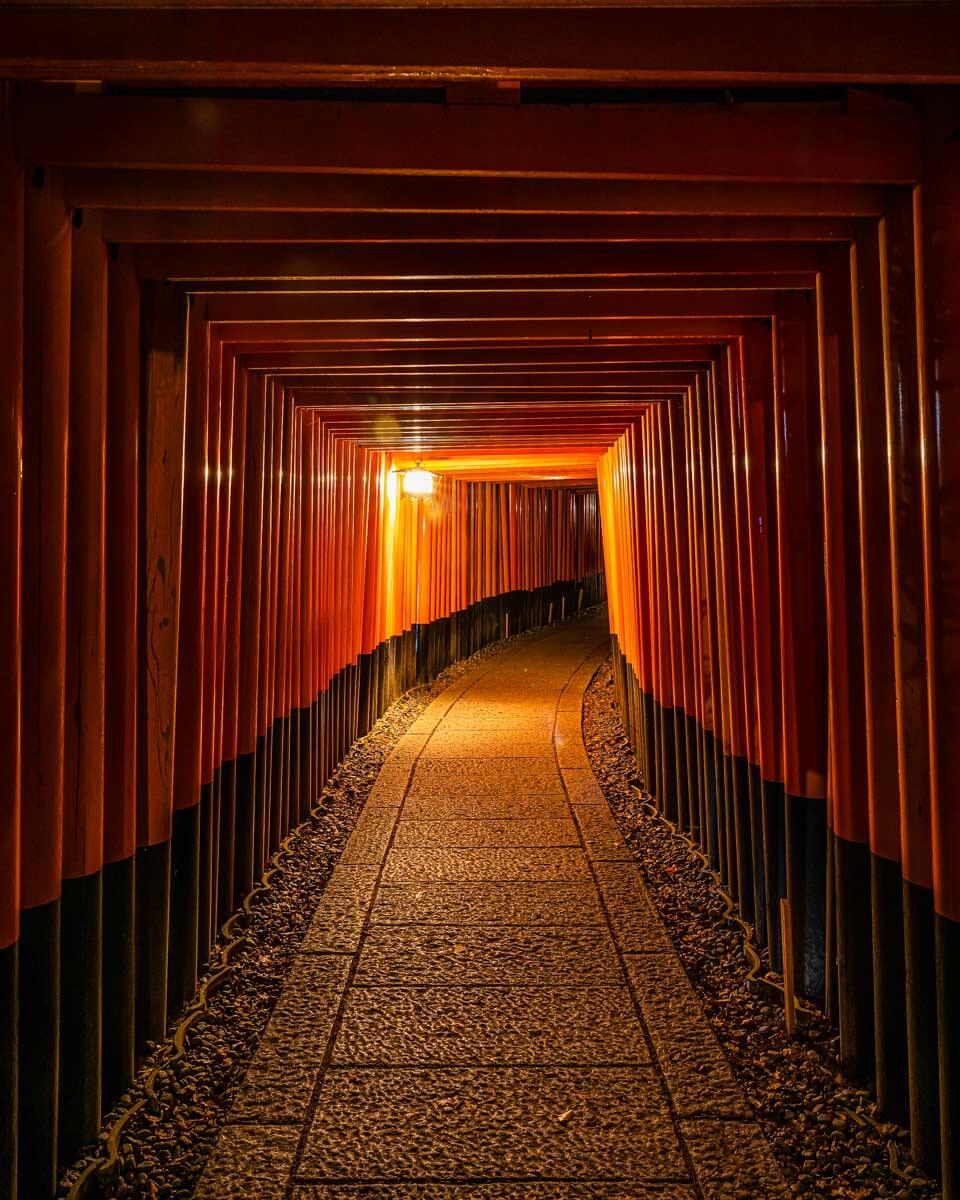
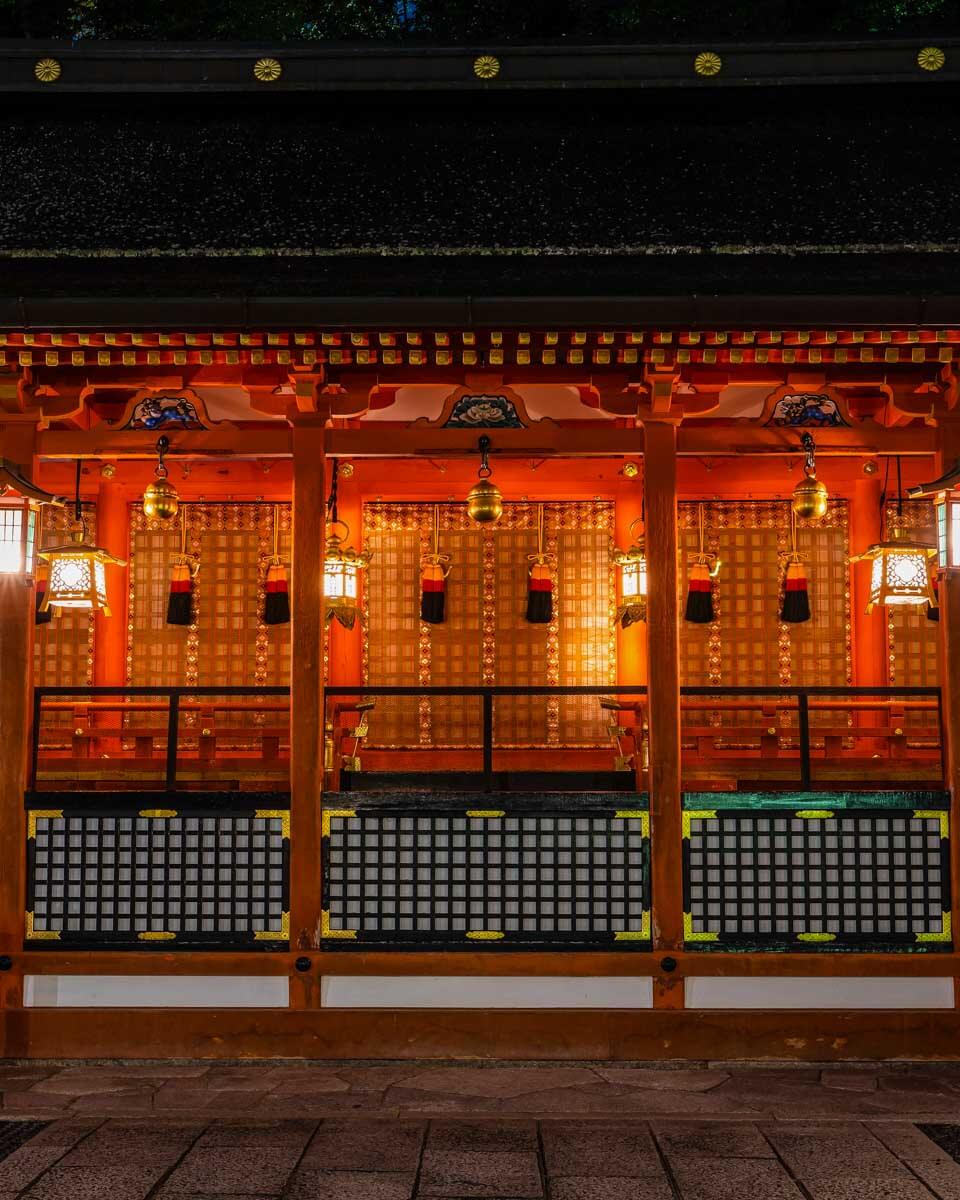
When you’re ready to dive into Kyoto’s most iconic sights, it’s hard to beat the classic trio of Fushimi Inari-taisha Shrine, Kinkaku-ji (the Golden Pavilion), and Kiyomizu-dera Temple. Each one delivers an entirely different side of the city, and together they create a perfect snapshot of Kyoto’s history, beauty, and atmosphere.
We love starting with Kinkaku-ji, where the gold-leaf-covered pavilion reflects off the surrounding pond and feels almost unreal in person. Kiyomizu-dera is just as memorable, especially as you wander its wooden halls and take in sweeping views over the city from the hillside. These are the kinds of places that live up to the hype and then some.
Fushimi Inari, though, is where timing really matters. The endless path of torii gates is stunning, but daytime crowds can pull you out of the moment. That’s why this evening Fushimi Inari night tour is such a standout. Visiting after dark means cooler temperatures, far fewer people, and a quiet, almost mystical feel as lanterns light the gates. It turns one of Kyoto’s busiest landmarks into a peaceful, unforgettable experience—and easily one of our favorite ways to see the city.
4. Eat the best local food


Tour Details
Kyoto’s food scene is deeply rooted in tradition, but knowing where to eat at night—especially in historic neighborhoods—can be surprisingly tricky. This Kyoto night foodie tour takes the guesswork out of it, offering a guided evening of exceptional food, local drinks, and cultural insight in some of the city’s most atmospheric districts.
The tour winds through Gion and Pontocho, two of Kyoto’s most iconic neighborhoods, after dark. Lantern-lit streets, wooden townhouses, and narrow alleyways create an unforgettable setting, and having a local guide makes all the difference. Gion is famously known as Kyoto’s Geisha district, and it’s not uncommon to catch a glimpse of a geisha heading to an evening engagement.
You’ll be led to three carefully selected local venues, each showcasing a different side of Kyoto’s cuisine. The evening typically begins with small seasonal dishes before moving on to a refined kaiseki-style dinner, Kyoto’s signature multi-course meal. Originating in this city, kaiseki is as much about presentation as flavor, with every dish thoughtfully prepared.
The final stop is a cozy matcha café for dessert, offering a relaxed way to end the night. Along the way, participants also sample sake at each stop, learning the differences between enjoying it warm and cold.
With expert guidance, incredible food, and access to neighborhoods that can feel intimidating to navigate alone, this tour delivers an immersive introduction to Kyoto’s culinary culture. Backed by hundreds of glowing five-star reviews, it’s a trusted favorite—and an easy choice for travelers who want more than just a meal.
Related Read: For even more ways to experience the city, head to our post on the best Kyoto night tours here for unique evening experiences and guided walks through Kyoto’s most beautiful districts.
5. Step inside Kyoto’s Gion District


Tour Details
Geishas are one of Japan’s most fascinating cultural traditions, yet they’re often misunderstood or reduced to quick photo opportunities. Kyoto remains one of the very last places where this centuries-old art form truly survives, and this guided geisha walking tour offers an authentic way to understand what geisha culture is really about.
The tour takes place in Gion, Kyoto’s most famous geisha district, where narrow streets, wooden teahouses, and softly glowing lanterns create the feeling of stepping back into old Japan. Walking through the neighborhood with a knowledgeable guide adds essential context, transforming what might otherwise feel mysterious into something deeply meaningful. You’ll learn about the origins of geisha culture and the dedication required to preserve it today.
One of the most eye-opening parts of the tour is hearing about the intense training women undergo to become geishas—known locally as geiko, once they’ve mastered traditional arts like dance, music, and conversation. This isn’t a performance for tourists, but a lifelong craft rooted in discipline, grace, and cultural preservation. Along the way, the guide points out historic teahouses and exclusive ryotei restaurants where geiko entertain guests, places most visitors would never recognize on their own.
There’s also the chance to spot geishas heading to evening appointments, offering a rare and respectful glimpse into a living tradition rather than a staged experience.
For travelers curious about Japanese culture beyond temples and shrines, this tour delivers genuine insight into one of Kyoto’s most iconic traditions. It’s an engaging, informative experience that adds real depth to any visit—and one that shouldn’t be missed while in the city.
Related Read: If you’d like to stay right in this historic district, check out our list of the best ryokans in Gion, Kyoto!
Japan Rail Pass!
The Easiest Way to Travel Japan By Train
If you’re planning to explore Japan, the Japan Rail Pass (JR Pass) is hands down the easiest and most affordable way to get around. It’s a special 7, 14, or 21 day pass for foreign visitors that gives you unlimited rides on Japan’s famous JR trains, including the high-speed shinkansen (bullet trains)!
Why We Love the JR Pass
Pro Tip: If you’re only exploring one region of Japan, consider a Regional Pass instead (like the Kansai, Hokkaido, or Kyushu Pass). They’re cheaper and perfect for smaller trips!
Where to Get Your Pass
We personally recommend buying your pass online in advance through JRPass.com — they’re an official reseller with fast worldwide delivery and English support, making the whole process super simple. They even offer handy add-ons like pocket WIFI and meet & greet services! Still not sure if the JR Pass is right for you? Check out our Ultimate Guide to the Japan Rail Pass for a full breakdown of costs, inclusions, and when it’s worth it!
6. Visit Nijo Castle

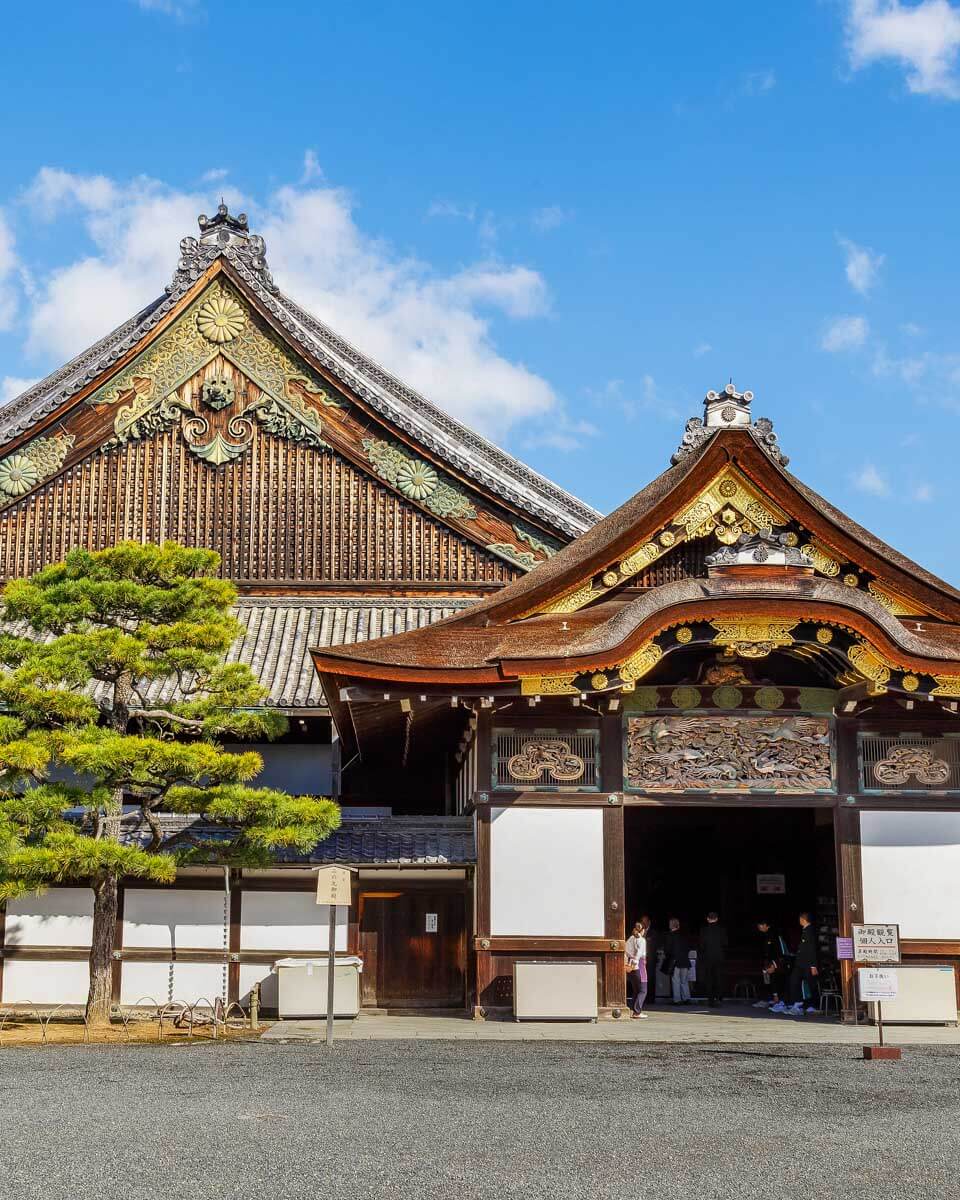
When you want to step straight into Kyoto’s samurai-era history, Nijo Castle is the place to do it. Built as the residence of Tokugawa shoguns, this UNESCO-listed site feels more like a living story than a traditional museum. From the moment you pass through the gates, the sprawling grounds and carefully designed interiors give you a real sense of power, politics, and daily life during Japan’s feudal period.
We loved walking through the castle’s wooden halls, especially the famous “nightingale floors” that chirp under your feet—originally designed to alert guards of intruders. The sliding doors painted with tigers and pine trees are just as striking, and the manicured gardens outside offer a peaceful break after exploring the interiors.
While you can visit Nijo Castle on your own, having a guide makes a huge difference. This private guided tour helps bring everything into focus, explaining the symbolism behind the artwork, the castle’s role in Japanese history, and how the shoguns actually lived here. It’s an easy way to turn a beautiful walk into a deeper, more meaningful experience—and a great choice if you want more than just photos when exploring Kyoto.
7. Eat your way around Nishiki Market


Tour Details
Nishiki Market is often called “the kitchen of Kyoto,” but stepping into this narrow shopping street without a plan can be overwhelming. That’s why this guided breakfast walking tour ended up being such a fun and stress-free way to experience one of the city’s most famous food spots.
We met our guide, Naru, in the morning and headed straight into the heart of the market. His friendly personality and local knowledge instantly set the tone, and exploring Nishiki with him made the experience far more engaging than wandering on our own. As we moved from stall to stall, he explained what made each specialty unique, which made tasting everything even more enjoyable.
The food samples were generous and varied. We tried creamy croquettes, crispy sweet potato chips, fresh soy milk, and perfectly fried tempura prawns—each one better than the last. Along the way, there was also a sake tasting, which added a fun local touch to the morning. The tour wrapped up with a sit-down meal featuring ganmodoki, Kyoto-style fried tofu patties, and by that point, we were completely full. It easily replaced both breakfast and lunch.
One of the biggest advantages of this tour was the small group size. No one was rushed or left behind, and we could always hear Naru’s explanations—something that’s not always guaranteed on market tours.
With a knowledgeable guide, plenty of food, and consistently strong reviews, this tour offers an easy and rewarding way to experience Kyoto’s food culture.
8. Learn to make ramen


Tour Details
If ramen is one of the foods you can’t stop thinking about after a trip to Japan, this hands-on ramen cooking class in Kyoto is a must. Instead of just eating another bowl, this experience shows you how to recreate the real thing at home—and it does it in a way that’s fun, approachable, and incredibly satisfying.
The class takes place inside a local ramen factory, where everything starts from scratch. From mixing and shaping the noodles to building a rich, flavorful broth, every step feels hands-on without being overwhelming. The best part is that nothing feels rushed, yet the class was over before we knew it! By the end, everyone sits down together to enjoy the ramen they’ve made, and it tastes even better knowing you created it yourself.
A big reason this experience shines is the instructor. Sakura created a relaxed, welcoming atmosphere while clearly explaining each step, making the class both fun and easy to follow. Even for seasoned ramen lovers, learning the process from the inside adds a whole new appreciation for the dish. She also guided the preparation of toppings, and the class can accommodate vegetarian, vegan, or halal diets with advance notice.
Unlike many cooking classes that take up half a day, this one is shorter and offered at multiple times throughout the day, making it easy to fit into any Kyoto itinerary. For food lovers who want a memorable, hands-on experience—and a skill to take home—this class is an easy choice worth booking ahead.
9. Walk the Philosopher’s Path
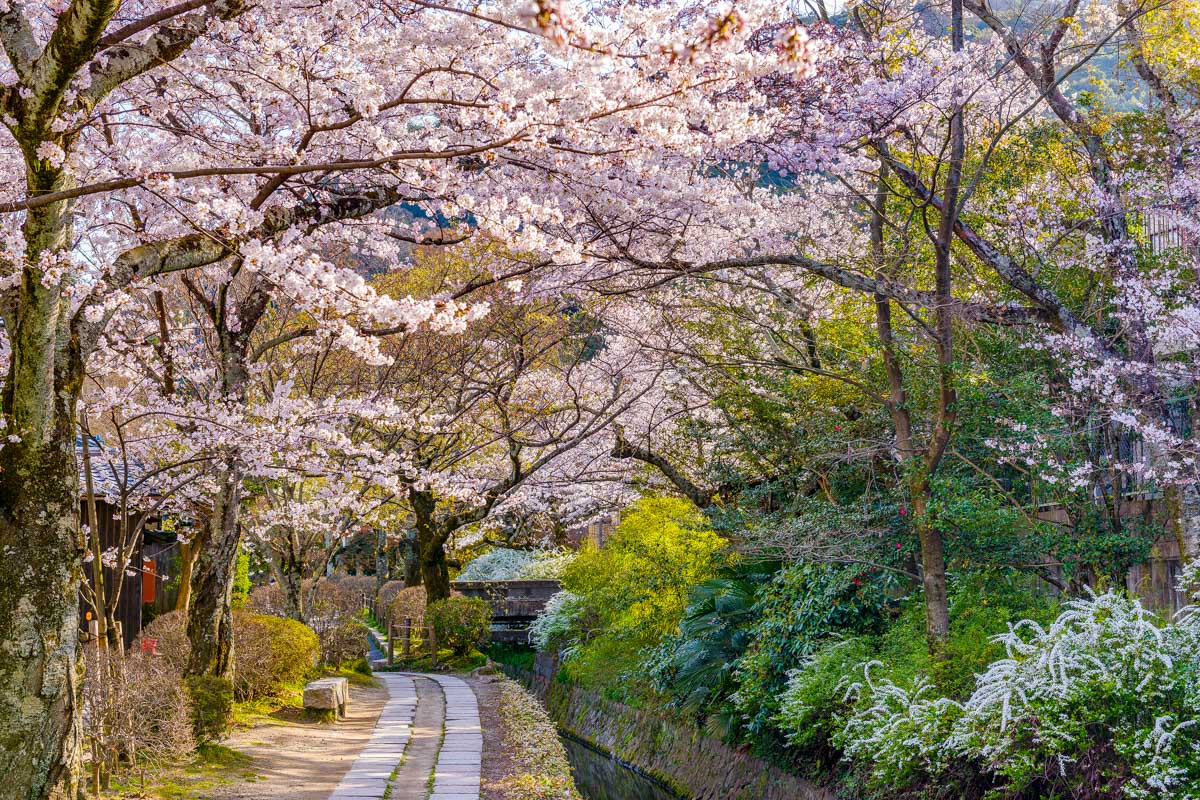
When you’re craving a slower, more reflective side of Kyoto, a walk along the Philosopher’s Path is an easy win. This scenic stone walkway follows a narrow canal through a quiet residential area and is completely free to enjoy, making it one of the most relaxing experiences in the city. It’s especially beautiful during cherry blossom season, when petals drift onto the path, and the whole area feels almost dreamlike.
We loved how peaceful it felt compared to Kyoto’s bigger landmarks. The path was famously walked daily by philosopher Nishida Kitaro, and it’s easy to see why—there’s something about the gentle sound of water, overhanging trees, and unhurried pace that invites you to slow down. It’s the kind of place where you naturally linger, whether that means stopping to take photos, people-watching, or just enjoying the quiet.
One of the best parts is what’s tucked just off the path. Small temples, local shops, and cozy cafés line the route, making it easy to turn a simple walk into a relaxed afternoon. Grab a coffee, browse handmade goods, or pop into a lesser-known temple along the way. The Philosopher’s Path proves that some of Kyoto’s most memorable moments come from simply wandering.
10. Experience a traditional tea ceremony

Tour Details
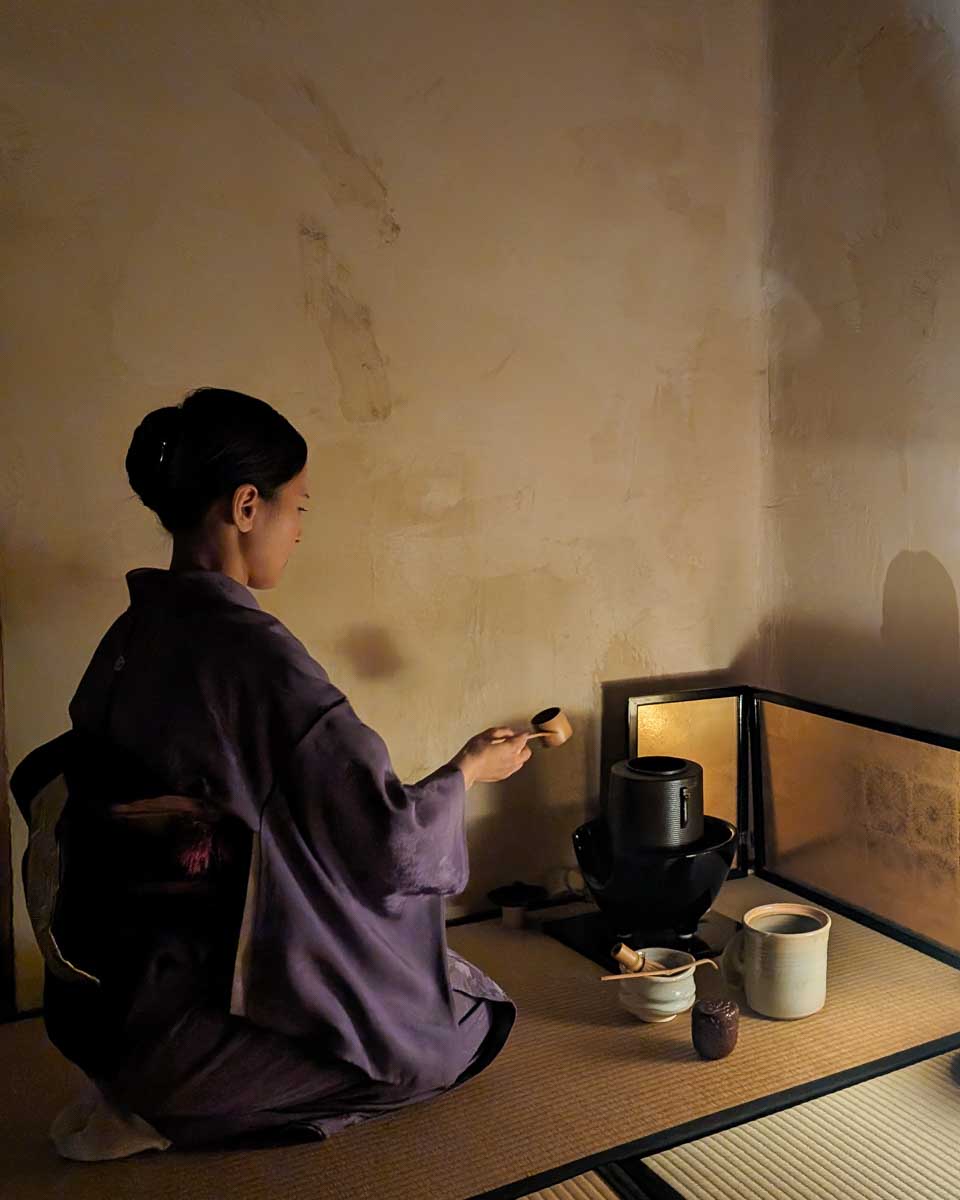
For travelers who want to actually step inside Kyoto’s traditions, this tea ceremony experience goes far beyond a quick demonstration. It begins with slipping into an authentic kimono, chosen from a carefully curated collection in Kyoto’s historic Nishijin district.
The ceremony unfolds in a quietly atmospheric tea room that has been used by the same family for three generations, tucked near Daitoku-ji Temple, an area deeply tied to Kyoto’s tea culture. As a tea master with decades of experience prepares matcha, every movement feels intentional and unhurried. Seasonal sweets arrive first, followed by warm, freshly whisked green tea, and the pace naturally slows as the meaning behind each step is explained.
Then comes the most rewarding part—trying it yourself. Preparing your own tea brings the ritual into focus, turning something you’ve seen countless times into something personal and surprisingly calming, as you learn how to whisk the matcha properly and follow the simple etiquette behind holding and drinking from the bowl.
Between the historic setting, the hands-on moment, and wearing a ceremonial kimono, this experience offers one of the most meaningful ways to connect with Kyoto’s cultural heart, and a welcome pause from the rush of sightseeing.
Why We Book Tours with Viator
Viator is a trusted online booking system for tours around the world! We almost always book our tours using Viator for a couple of reasons:
11. Discover Kyoto’s sake culture


Tour Details
Sake is everywhere in Kyoto, but until joining this small-group tour, we had no idea just how complex and varied it could be. What started as simple curiosity quickly turned into one of the most fun and eye-opening experiences of our time in the city, completely changing the way we think about sake.
The tour takes place in Fushimi, Kyoto’s well-known Sake District, which immediately feels like the right setting for a deep dive. It begins at the Gekkeikan Okura Sake Museum, where we learned about the history and traditions behind sake brewing. Seeing the process step by step—and tasting a few varieties along the way—made everything far more approachable, even for beginners.
After that introduction, the experience moved into a private tasting session, which was easily the highlight. We sampled a wide range of sake styles, from crisp and dry to smooth, sweet, and fruity. Tasting them side by side really highlighted how different each one can be, and the tasting notes provided were incredibly helpful for keeping track of favorites. Light snacks were also included to pair with the drinks, which rounded out the experience nicely.
Our guide, Greg, played a huge role in making the tour so enjoyable. He was knowledgeable without being overwhelming and kept the atmosphere relaxed, fun, and engaging throughout. With hundreds of five-star reviews backing it up, this tour is a fantastic choice for anyone curious about sake—or simply looking for a memorable and unique experience in Kyoto.
12. Visit some of Kyoto’s most beautiful gardens
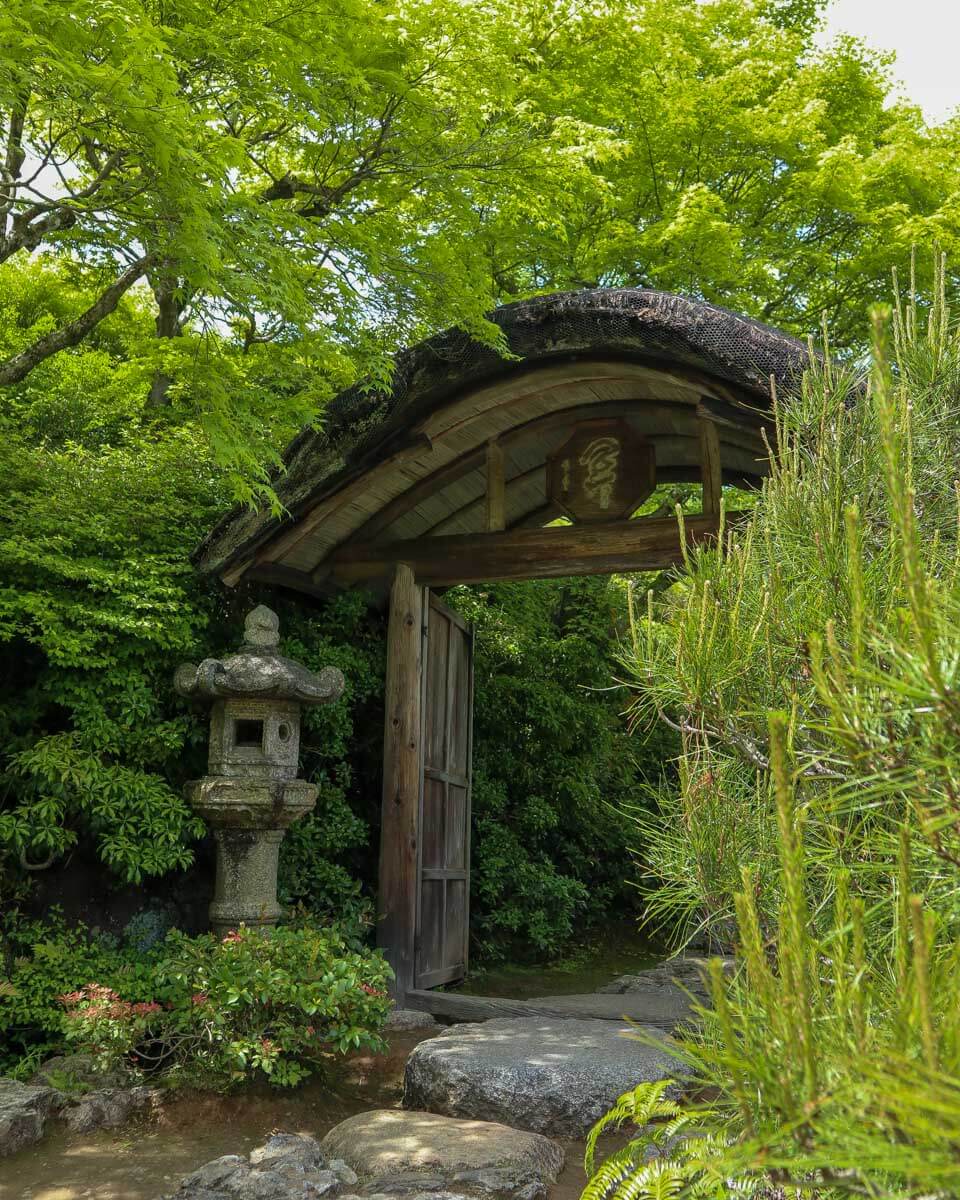
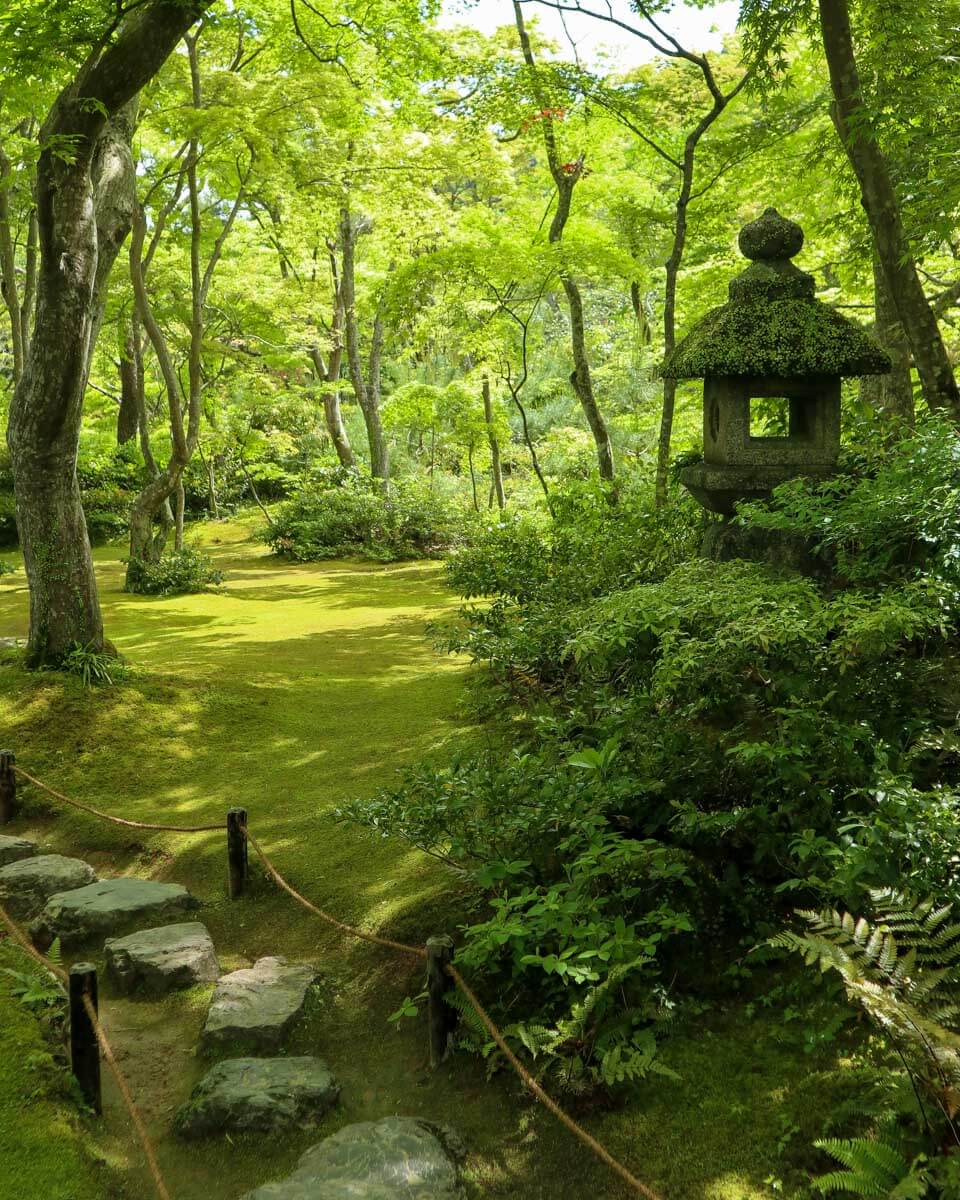
Kyoto’s gardens offer a quieter, more reflective side of the city, and a few stand out as especially worth the time. One of the most overlooked is Ōkōchi Denjirō Garden, located at the very end of the Arashiyama Bamboo Grove. Many visitors turn around before reaching it, but those who continue are rewarded with a peaceful former residence of the famed samurai film actor Ōkōchi Denjirō.
A gentle uphill path leads to a villa with scenic views over Arashiyama, followed by beautifully designed gardens that feel calm and uncrowded. A traditional teahouse on the grounds makes it easy to pause and enjoy a drink or light meal in a serene setting.
Another excellent stop is Kyoto Botanical Garden, known for its wide walking paths and seasonal displays. Entry is inexpensive at ¥500 (about $3–4 USD), making it an easy addition to a day of sightseeing. The spacious layout allows visitors to wander without feeling rushed, making it a great break from Kyoto’s more compact attractions. From cherry blossoms in spring to colorful foliage in autumn, the gardens change throughout the year and are worth visiting in any season.
For travelers looking to slow down and experience Kyoto beyond temples and shrines, these gardens are some of the city’s best places to do it.
13. Day trip to Nara


Tour Details
Nara is one of the easiest and most rewarding day trips from Kyoto, and this guided tour makes it simple to experience the city’s highlights in a single, well-organized day. From historic temples to friendly deer and hands-on cultural experiences, it’s an ideal option for travelers who want to see more without worrying about transportation or timing.
One of the main stops is Tōdai-ji Temple, home to one of the largest wooden buildings in the world and the famous Great Buddha. Standing before the massive statue is impressive on its own, but visitors also get to try squeezing through a wooden pillar said to bring enlightenment in the next life—a lighthearted tradition that adds a fun moment to the visit.
Nara Park is another major highlight. The free-roaming deer are famously accustomed to visitors and often bow in exchange for treats, creating memorable interactions throughout the park. The tour also includes a visit to Kasuga Taisha Shrine, one of Japan’s most important Shinto shrines, known for its beautiful lanterns and forest setting.
The day continues with a stop at Byōdō-in Temple, the elegant structure featured on Japan’s ¥10 coin, before heading to Uji. Often called the birthplace of Japanese tea culture, Uji offers a hands-on matcha tea experience that provides a relaxing and interactive way to end the day.
With a balanced mix of history, nature, and cultural immersion, this tour offers excellent value and a seamless way to explore Nara. It’s especially popular during the cherry blossom and autumn foliage seasons, so booking in advance is strongly recommended.
Related Read: Nara is often visited as a day trip, but it’s worth exploring more! Check out our 1 or 2 day Nara itinerary and spend some time in this unique city!
14. See the monkeys at Monkey Park Iwatayama
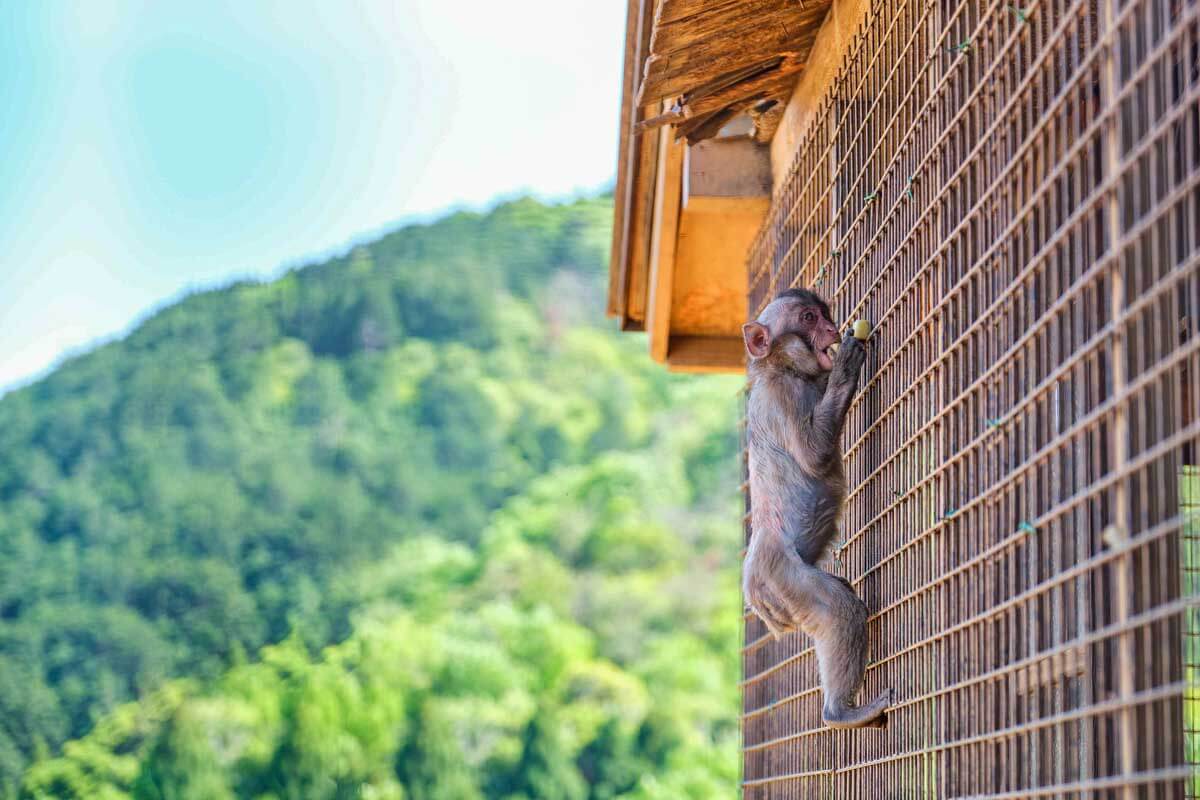
For a more active and outdoorsy experience in Kyoto, Iwatayama Monkey Park offers a mix of wildlife, light hiking, and impressive views. Located across the river from central Arashiyama, the park is home to a large troop of wild Japanese macaques that live on the mountainside year-round. These are not zoo animals—the monkeys roam freely throughout the park, and visitors observe them in their natural environment.
Getting there involves a moderate uphill hike that takes about 20–30 minutes. The trail is well-maintained but includes some steep sections, so sturdy shoes are a good idea. At the top, visitors are rewarded with panoramic views over Arashiyama and the city of Kyoto, which are especially striking on clear days. There’s also a designated area where the monkeys tend to gather, along with an enclosed feeding space where fruit can be purchased and offered safely through a window.
Admission is typically around ¥800 for adults (roughly $5–7 USD), making it a fairly affordable experience. Between the hike, the close-up look at wild monkeys, and the sweeping scenery, this park stands out as one of Kyoto’s most memorable things to do beyond temples and shrines.
15. Day trip to Hiroshima & Miyajima


Tour Details
Visiting Hiroshima from Kyoto can feel overwhelming to plan, which is why this full-day guided tour is such a popular option. Everything is handled from the start, including transportation directly from Kyoto Station, where the day begins with a bullet train ride to Hiroshima. The scenic journey takes about two hours and allows you to cover a lot of ground comfortably without navigating multiple trains on your own.
The day starts on a lighter note with a boat ride to Miyajima Island, one of Japan’s most celebrated landscapes. The island is home to the UNESCO-listed Itsukushima Shrine, famous for its “floating” torii gate that appears to rise from the sea at high tide. Free-roaming deer wander the island, and there’s time to explore and enjoy lunch at your own pace, with local specialties like oysters and Hiroshima-style okonomiyaki widely available.
Back in Hiroshima, the focus shifts to history with a guided visit to Hiroshima Peace Memorial Park and Museum. An expert, government-licensed English-speaking guide provides essential context as you move through the exhibits, helping visitors better understand the events of August 6, 1945, and the city’s remarkable recovery.
The tour also includes stops at the Genbaku Dome and nearby memorials before returning to Kyoto by bullet train in the evening, giving you time to reflect on everything you’ve seen during the journey back. For travelers seeking a meaningful, well-organized day trip that balances cultural beauty with powerful history, this experience delivers both depth and ease without the stress of planning it yourself.
Related Read: For even more inspiration, don’t miss our complete itinerary on how to spend three days in Kyoto here, featuring top attractions, local favorites, and insider tips for exploring the city!
Where to Stay in Kyoto, Japan

Looking for the perfect place to stay in Kyoto? We’ve got you covered! There are tons of great hotel options, and Kyoto is very well connected by buses and trains. So if you’re staying downtown or a little outside of the city center, you’ll still be able to get around!
Here are my top three picks:
Kyoto Ryokan Kinoe – $$$
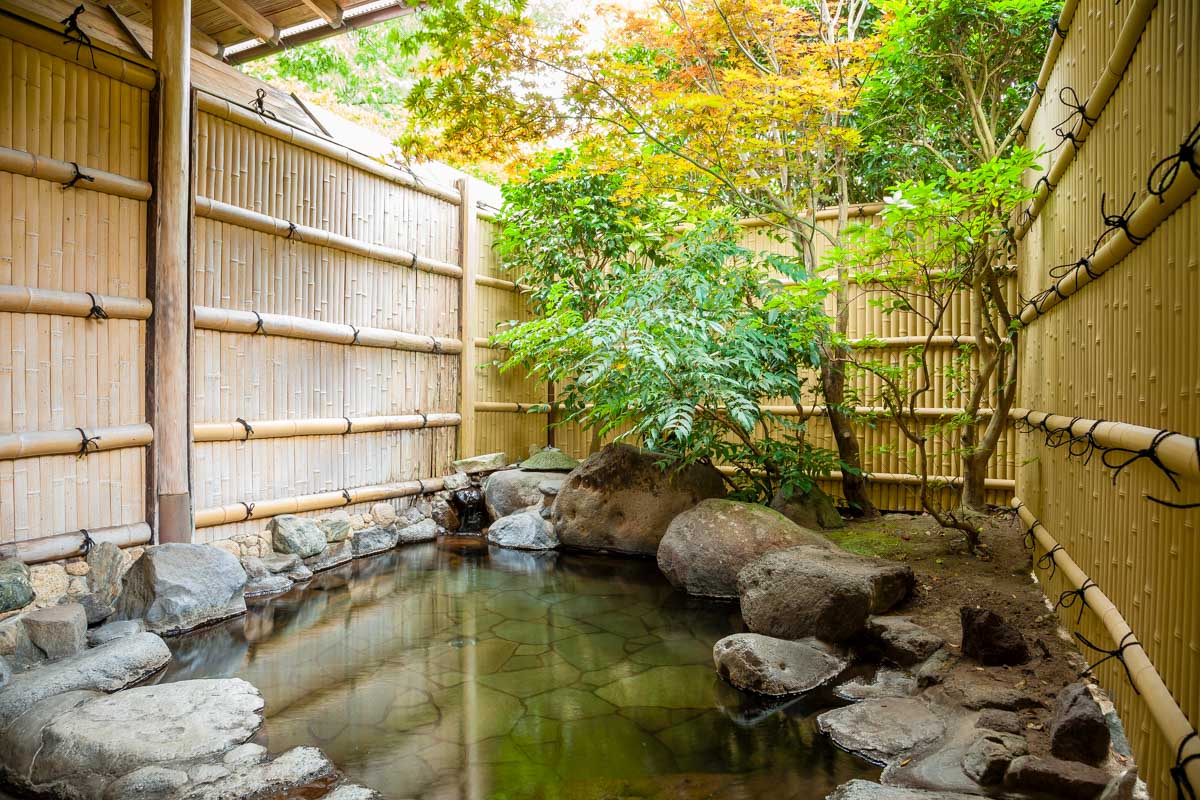
A trip to Kyoto isn’t complete without a traditional Japanese stay, so Kyoto Ryokan Kinoe is an excellent option! This Ryokan is set in the best area of Kyoto, within walking distance from the Gion geshia district. The rooms have that traditional charm with futon beds, fresh tea, and access to public baths and the charming stone garden.
Prices vary by season but average around ¥45,000 per night ($300 USD). Check availability and book this stay online here.
Hotel Resol Kyoto Shijo Muromachi – $$
Located in the Shimogyo district, Hotel Resol Kyoto Shijo Muromachi is a comfortable stay at a moderate price point. The rooms are spacious and modern, ranging from Hollywood twins to double rooms. You can enjoy the on-site restaurant, or you’re a quick walk from downtown Kyoto’s top spots.
Rooms start around ¥18,000 ($120 USD) and can get to ¥37,500+ ($250+ USD). Check prices and book this hotel in advance.
Miro Kyoto Nijo Hotel – $
Miro Kyoto Nijo Hotel is a fantastic budget option, offering simple yet clean and comfortable rooms. Situated in the Nakagyo area, this hotel is conveniently located next to the JR station and the bus station, so you can easily get around Kyoto. They offer twin or double rooms, ranging from about ¥7,500 to ¥22,500 ($50–$150 USD).
Check availability and book this stay on Booking.com.
For more options, check out all of the hotels in Kyoto here!
Related Read: Want more details? Check out our full guide on the best areas and hotels to stay in Kyoto here or our favorite ryokans in Kyoto!
Renting a Car in Japan

Japan’s trains are great, but if you want to explore rural areas, scenic routes, or off-the-beaten path hidden gems, renting a car offers unmatched flexibility. Driving in Japan is generally safe, with well-maintained roads and clear signage, though there are some unique rules and customs to be aware of.
We always book with Discover Cars and can’t recommend them enough. It’s super easy to compare multiple provider prices, check company ratings, filter for the type of vehicle you want, and add affordable full coverage insurance. If you want a full breakdown, check out our Discover Cars review here.
Tips for Renting a Car in Japan
What You Need to Rent a Car in Japan
Ready to hit the road? Discover the freedom of exploring the Japan on your own terms!
Airalo e-sim
Up To 15% Off With Code “DTRAVEL10”
What’s an eSIM?
An eSIM is a digital version of a SIM card. Instead of buying a little plastic chip and swapping it into your phone, you just download it. It connects your phone to a local network in whatever country you’re visiting — no stores, no waiting, and no fiddling with tiny cards.
In simple terms, it’s the easiest way to get data and stay connected while traveling.
We’ve tested a bunch of eSIMs in North America, and after a few frustrating experiences, we’ve found our favorite — Airalo. It’s fast, reliable, and incredibly easy to use. You can set it up in minutes (even my mom managed it solo on her first try!), and the prices are some of the best out there.
Bonus: We’ve got an exclusive 15% discount for our readers. Use the codes:
Thanks for reading!

I hope our list of the best things to do in Kyoto gave you lots of ideas for your trip! This is one of our favorite cities in Japan, and there are so many amazing activities here and day trips nearby too.
Make sure to have a look through all our blogs on Japan, whether you’re visiting for the first time or planning a return trip. We share everything we wished we knew before our first trip to Japan, including our favorite activities, tours, hotels, and more!
5 Best Food Tours in Kyoto: Which One To Book
3 BEST Snow Monkey Tours from Tokyo: Which One To Book
My 5 Absolute Favorite Things I Did in Sapporo, Japan!
The 15 Best Ryokans in Kyoto with an Onsen
The Services We Recommend
From hotels to guided tours, we only recommend services we know and trust. Here are our recommended partners so you can explore Japan with confidence.
Book Hotels
With Booking.com


Hi we are a family of 5 with a pretty good idea of where we are staying in Tokyo and Kyoto, but do you have any rental agencies for machiya houses in Kyoto for a family of 5 for 3 days? Also can you take a bullet train from Tokyo to Kyoto and are taxis the best way to get around from one city to another?
Hi Linde! 😊
That sounds like an amazing trip!
For machiya stays in Kyoto, a good place to start is platforms like Booking.com, as well as agencies that specialize in traditional stays like Stay SAKURA Kyoto or Machiya Residence Inn — they often have great options for families.
Yes, you can absolutely take the bullet train (Shinkansen) from Tokyo to Kyoto — it’s the easiest and most popular way to travel between the two cities (around 2–3 hours).
As for getting around, taxis are convenient for short distances, but for most travel within cities, public transport (trains and subways) is usually the best and most efficient option.
Hope that helps, and feel free to reach out if you have more questions!😊
Cheers,
Bailey