
21 Best Things to Do in Japan
Wondering how to make the most of your time in Japan? This guide has you covered.
Japan is a place where ultra-modern cities, centuries-old traditions, incredible food, and unforgettable natural scenery coexist. With so much to do, it can be hard to figure out which experiences are truly worth your time. After traveling the country extensively, we’ve learned that the best moments often come from a mix of iconic sights and thoughtfully guided experiences that add real context.
In this guide, we’ve rounded up the absolute best things to do in Japan—from must-see highlights to immersive tours that let you experience the country more deeply. Whether you’re planning your first itinerary or refining a return trip, these experiences showcase what makes Japan so unforgettable. Let’s get to the good stuff!
Don’t miss out!
Our Top Choice
The tour we loved the most and suggest booking ASAP is this one!
This full-day tour from Tokyo lets you escape from the city and discover Japan’s natural miracle around the World Heritage Mt. Fuji and Hakone!

Mount Fuji from Hakone
Things to do in Japan
1. See Mt Fuji

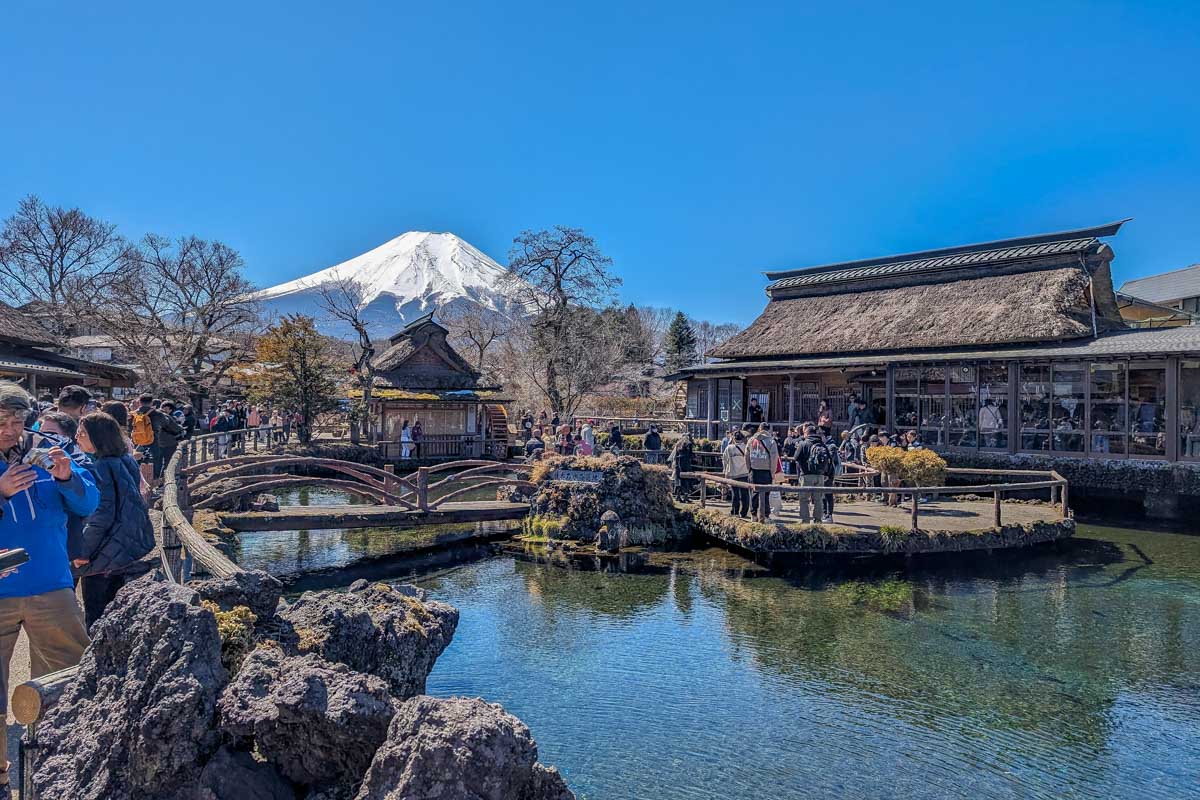
Visiting Mt. Fuji is a must while you’re in Japan, and if you’re short on time, this day trip packs multiple bucket-list moments into a single, perfectly planned day, making it ideal for first-time visitors who want maximum impact without the hassle.
You’ll travel comfortably by coach from Tokyo to Mt. Fuji, with your first stop at the famous 5th Station. From here, you’ll enjoy incredible views of the snow-capped summit and have time to explore before sitting down to a surprisingly good all-you-can-eat buffet lunch that’s included in the tour price.
In the afternoon, the experience continues in Hakone with a ride on the scenic ropeway. You’ll glide above the Owakudani Valley, where steaming sulfur vents and hot springs create one of the most dramatic landscapes in the region—all with Mt. Fuji towering in the background on clear days.
Next, you’ll cruise across Lake Ashinoko aboard a full-size replica pirate ship, offering relaxing views of the surrounding mountains and another unique perspective of Mt. Fuji. The day wraps up with a ride on Japan’s iconic bullet train back to Tokyo, an experience that’s a highlight in itself and gets you back to the city in under an hour.
With over 22,000 five-star reviews, it’s easy to see why this tour is so popular. Transportation, activities, lunch, and bullet train tickets are all included, making it an exceptional value and one experience in Japan you really don’t want to miss.
2. Stay in a traditional ryokan and soak in an onsen
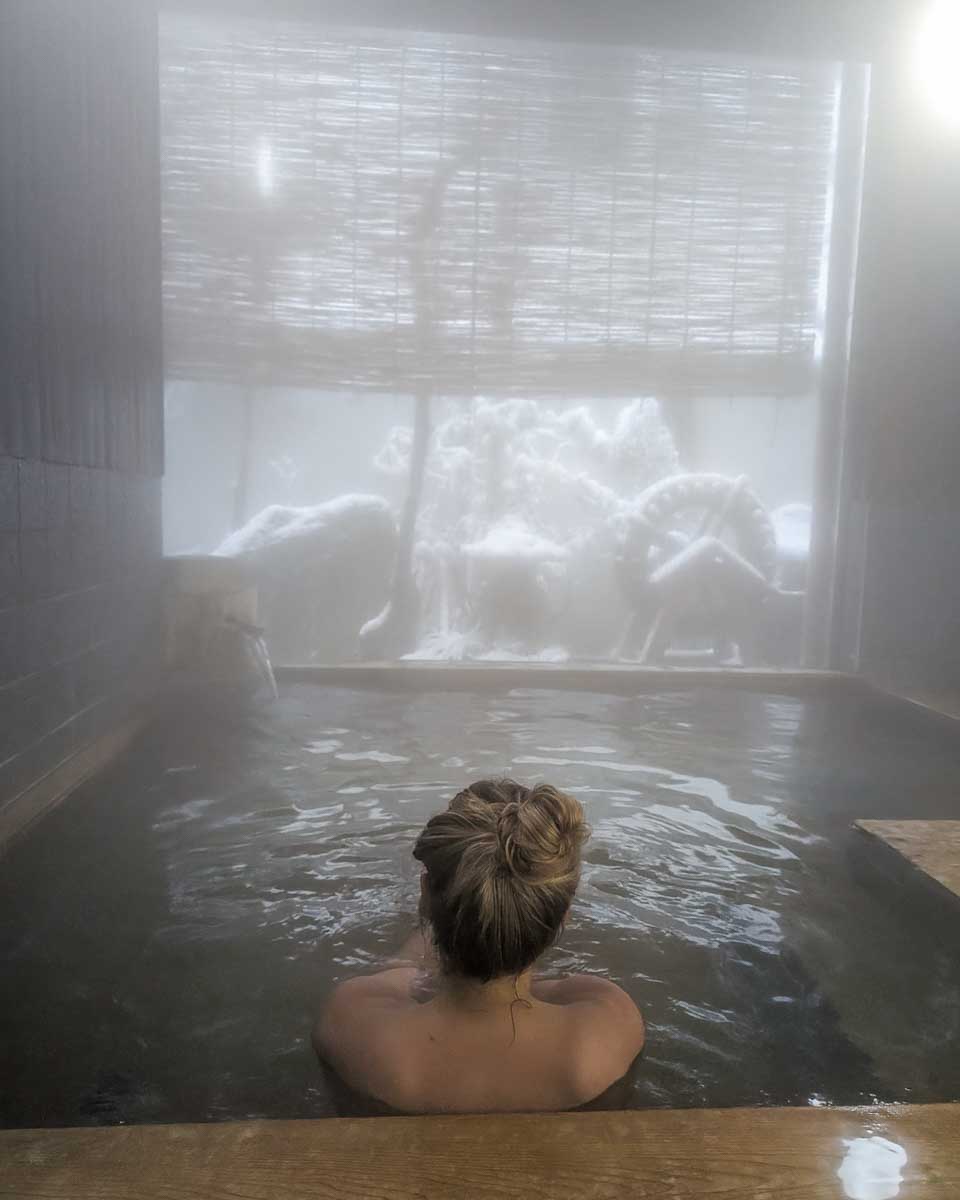
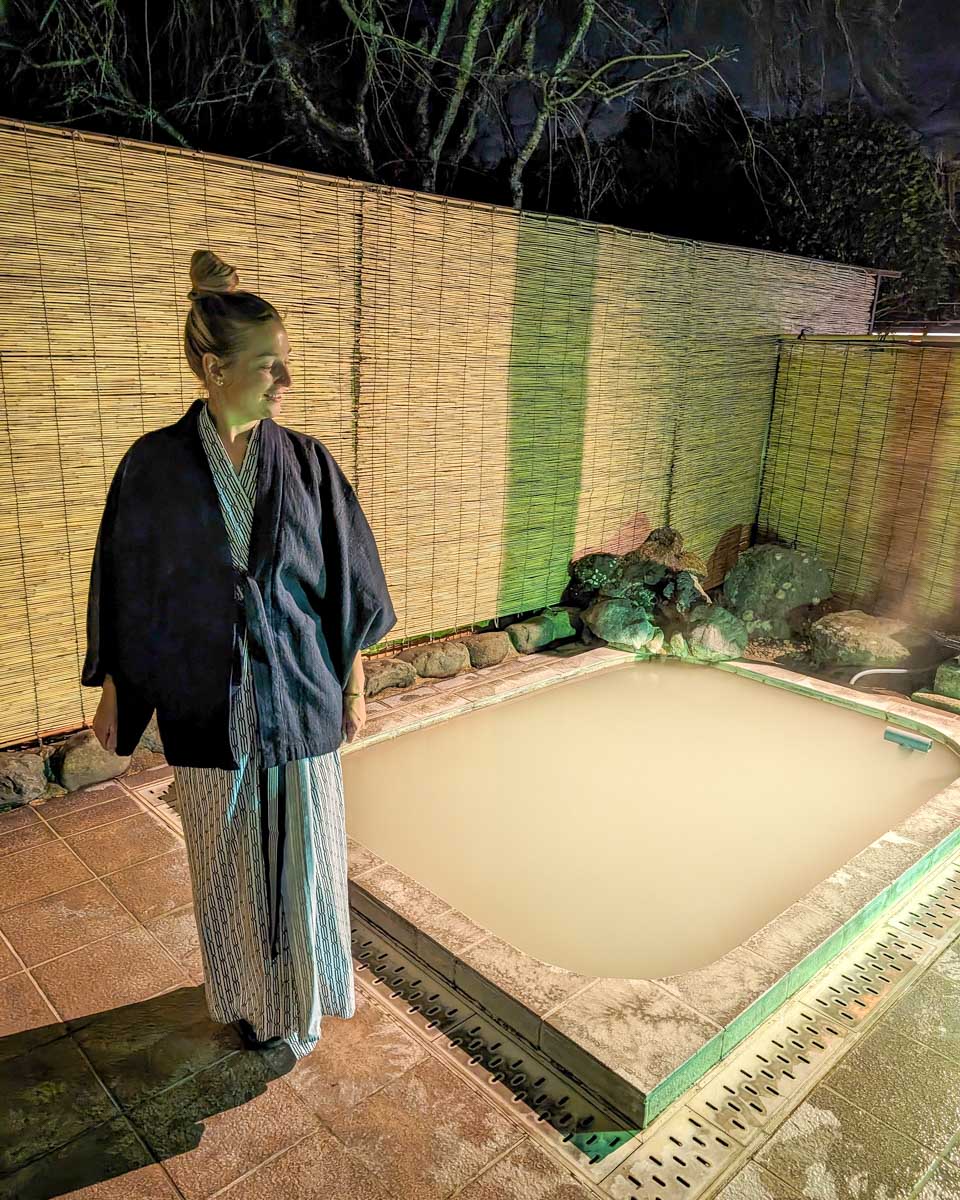
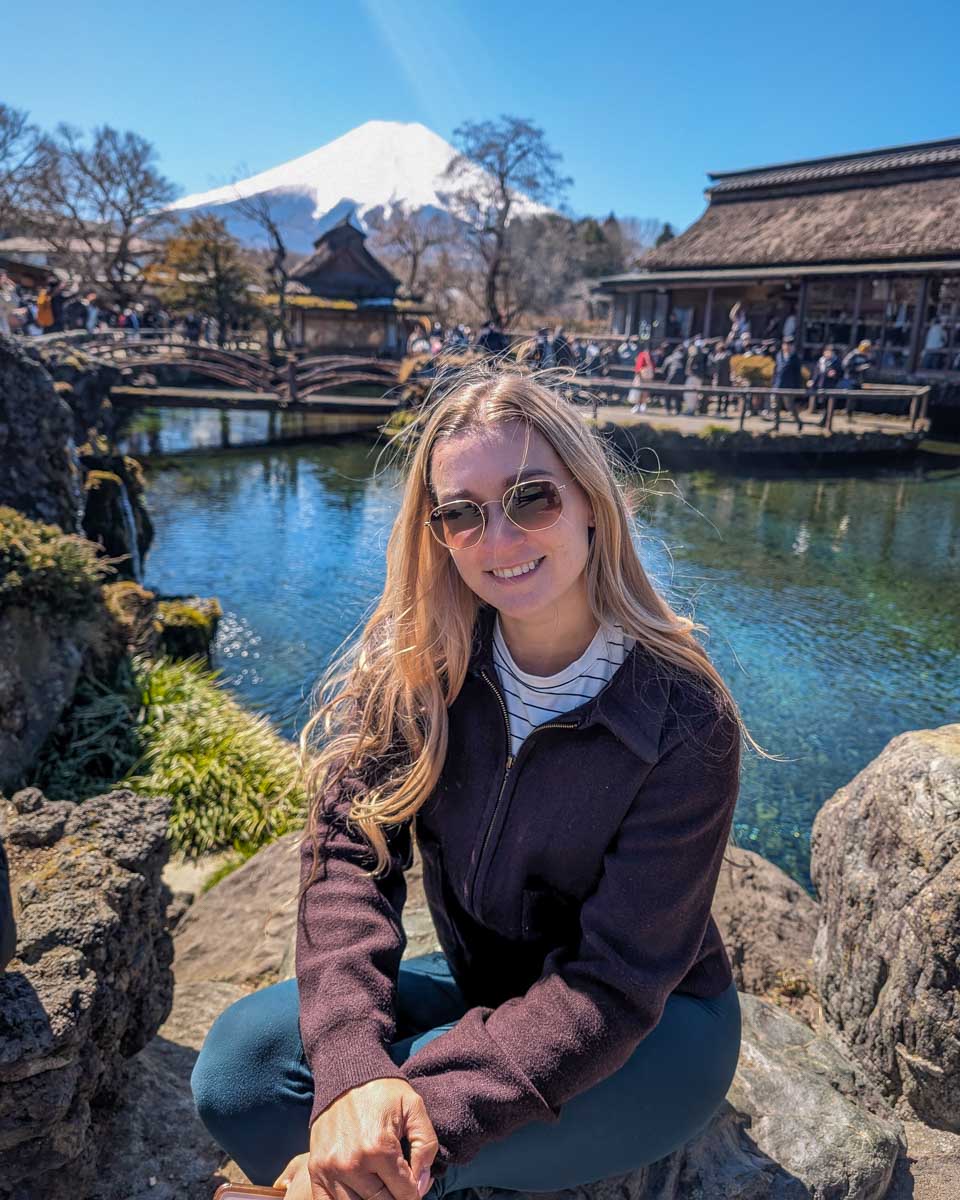
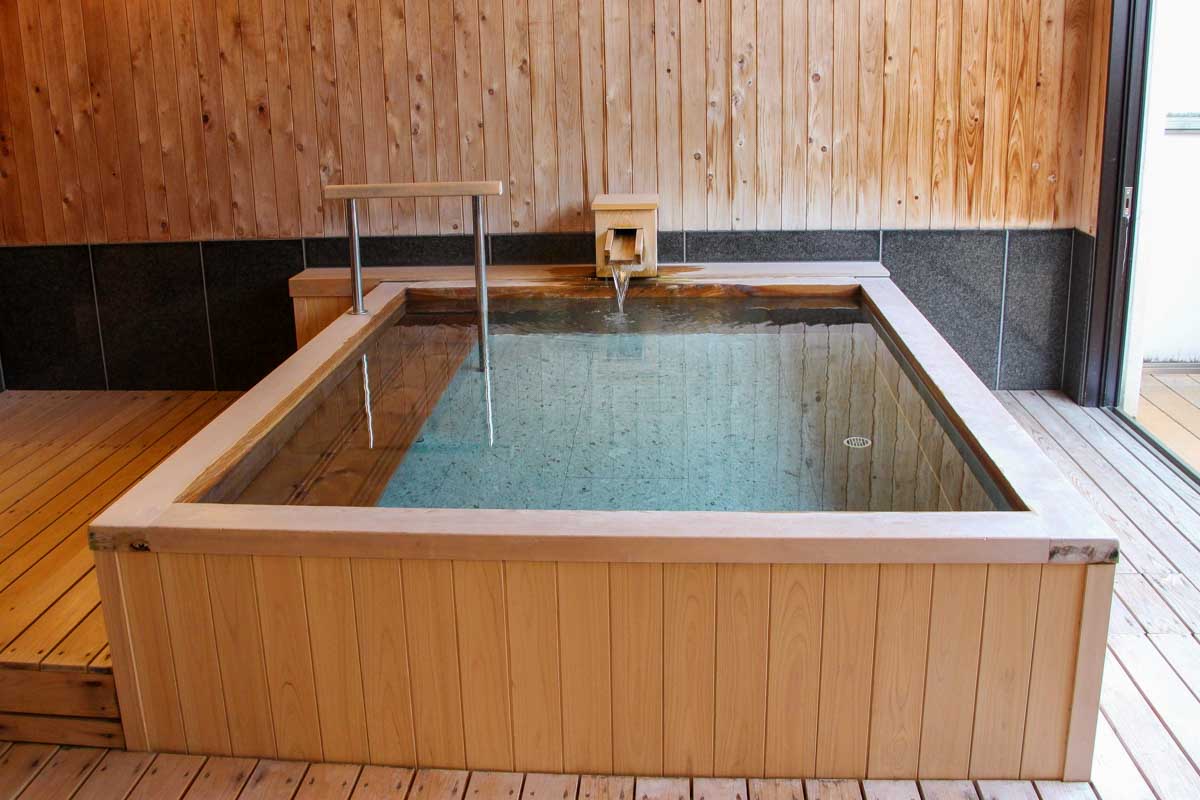
Staying in a traditional ryokan and soaking in an onsen is one of the most essential experiences you can have in Japan. A ryokan is a traditional Japanese inn where you’ll sleep on tatami mats and futon bedding, wear yukata robes, and enjoy carefully prepared meals rooted in seasonality. An onsen is a natural hot spring bath fed by mineral-rich waters, and together, these experiences offer a deeper connection to Japanese culture that simply can’t be replicated elsewhere.
While ryokans exist throughout Japan, Hakone is one of the best places in the country to experience one. Set in the mountains just outside Tokyo, Hakone is known for its natural hot springs, scenic landscapes, and slower pace. Unlike busy cities, the area is designed for unwinding, making it easy to fully embrace the rituals of soaking, dining, and relaxing that define a ryokan experience.
One excellent option here is Yoshiike Ryokan, a peaceful retreat just a short walk from Hakone-Yumoto Station. Its hot spring baths draw water directly from the source, allowing for truly authentic soaks surrounded by garden views. The grounds are calm and beautifully maintained, with koi ponds and seasonal blossoms adding to the atmosphere.
Rooms feature tatami floors, futon bedding, and thoughtful details like yukata robes and green tea sets. Meals are served kaiseki-style using fresh, local ingredients. Rates typically range from 39,000 to 127,500 JPY per night ($260–$850 USD), including breakfast and dinner, making a Hakone ryokan stay a must-do highlight of any trip to Japan.
3. Go on a food tour
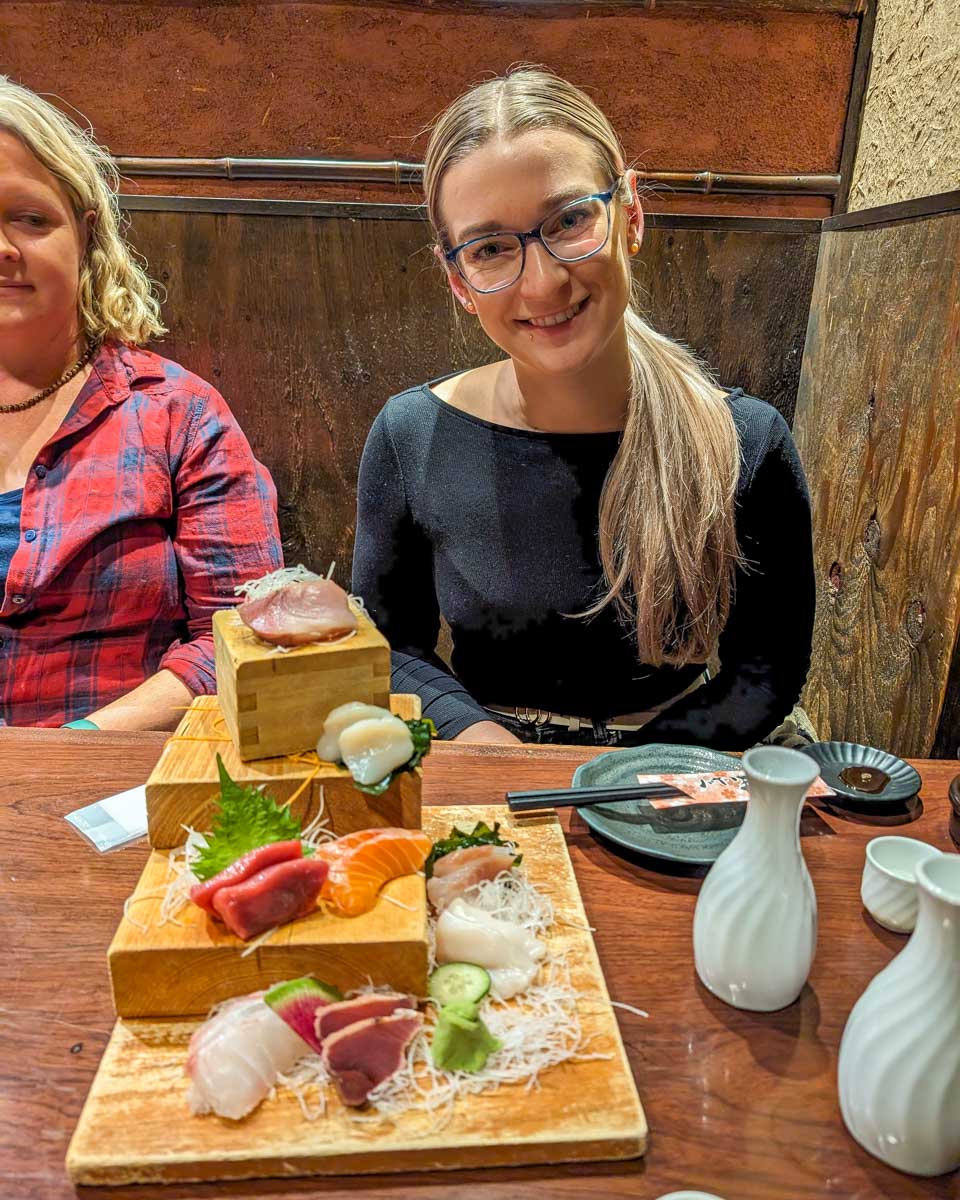

Japanese cuisine is one of the main reasons people travel to Japan, and going on a food tour is easily one of the best ways to experience it. From street food stalls and tiny izakayas to historic markets and hidden neighborhood favorites, food tours give you access to places you’d likely never find—or feel confident ordering from—on your own.
With a knowledgeable local guide handling the menus and sharing cultural insight along the way, food tours turn eating into a deeper cultural experience. If you want to truly understand Japan beyond sightseeing, here are some of the best places in Japan to do exactly that.
Osaka


Known as “the nation’s kitchen,” Osaka is hands-down the best place in Japan for food, and this Shinsekai food tour is a standout. Shinsekai is famous for its retro atmosphere, neon lights, and nonstop street food, but it can feel overwhelming for first-time visitors. This guided tour takes the stress out of navigating the scene and lets you focus entirely on eating well.
Over three hours, you’ll visit around five authentic local eateries, each offering something different. Expect classic Osaka dishes like takoyaki and kitsune udon, along with lesser-known regional specialties you might never think to order yourself. Drinks are included too, often featuring local favorites like lemon sours or sake.
With a knowledgeable guide to help order and explain each dish, you’ll gain insight into Osaka’s food culture while sampling a wide range of flavors. This tour earns consistently high reviews and regularly sells, so booking ahead is highly recommended. Just note that it’s not suitable for those with strict dietary restrictions.
Tokyo

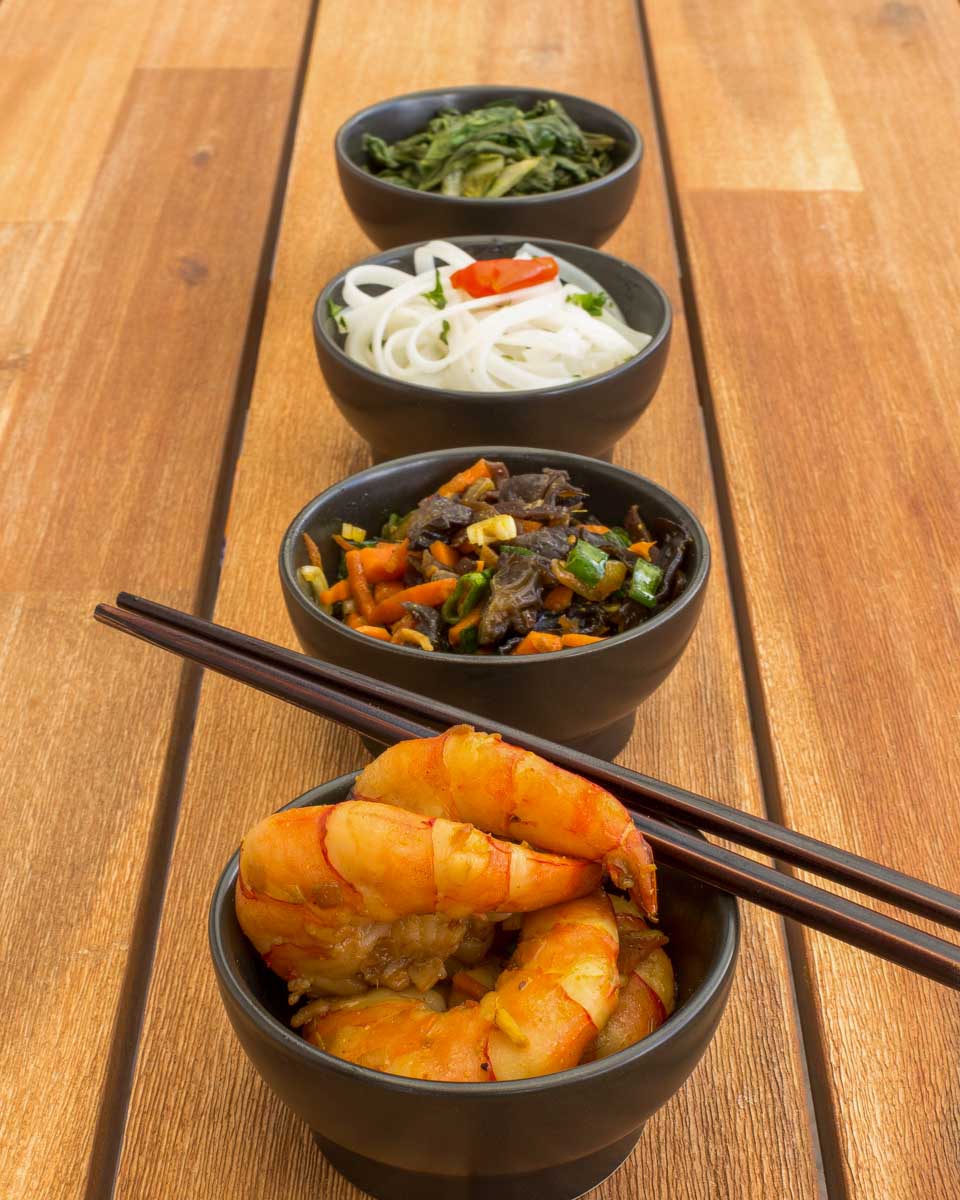
Shinjuku is a dream destination for food lovers, but with countless restaurants packed into a small area, it can be tricky to know where to start. This guided food tour solves that problem by taking you straight into the heart of Tokyo’s nightlife and dining scene.
Over three hours, you’ll enjoy around 13 tastings across four local eateries. From sizzling skewers in a tiny izakaya to homestyle Japanese dishes, every stop feels like a behind-the-scenes glimpse into Tokyo life. The route winds through iconic areas like Omoide Yokocho, Kabukicho, and Golden Gai—places that perfectly showcase Tokyo’s after-dark energy.
Beyond the food, this tour offers insight into the traditions and stories behind what you’re eating, turning each stop into more than just a meal. It’s perfect if you want to sample a wide variety of flavors without the hassle of navigating menus or worrying about what to order. With 13 dishes and two drinks included, it’s an incredible value and a tasty crash course in Japanese food culture.
Kyoto


Exploring Nishiki Market—often called the “kitchen of Kyoto”—is an absolute must in Japan, and a guided food tour is the best way to do it. With over a hundred stalls packed into a single arcade, knowing what to try can be overwhelming, but this brunch tour ensures you don’t miss the market’s standout specialties.
Led by a passionate local guide, you’ll sample a wide variety of Kyoto favorites, from sweet and savory snacks to freshly prepared market classics. Tastings often include items like sweet potato chips, croquettes, walnuts, tempura, and even a sake sampling along the way. The tour finishes with a sit-down brunch featuring traditional Kyoto dishes.
The small group size makes it easy to move through the busy market and ask questions, and the relaxed pacing means you enjoy each stop without feeling rushed. It’s also one of the better-value food tours in Kyoto, making it a fantastic choice for travelers who want an authentic experience without overspending.
4. Go-kart through Tokyo

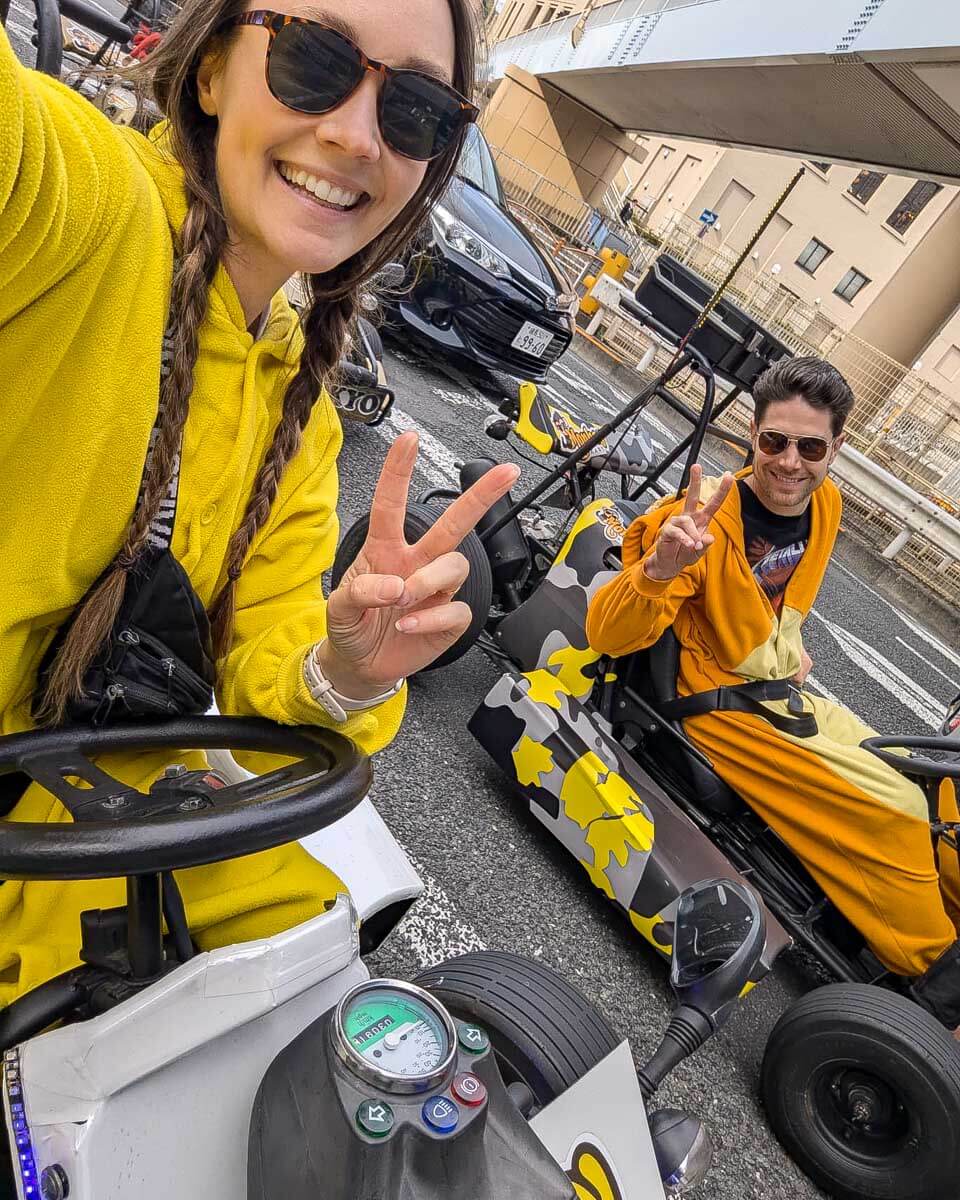
Driving a go-kart through Tokyo isn’t just fun—it’s one of the most unforgettable and uniquely Japanese ways to see the city. This is the original go-kart tour in Tokyo, and it combines sightseeing, adrenaline, and playful fun into a single experience that’s unlike anything else you can do in Japan.
Before heading out, you’ll choose from a wide selection of character costumes and take part in a clear, thorough safety briefing to make sure you feel confident behind the wheel. Once on the road, a professional guide leads the group through real Tokyo traffic, keeping things exciting while ensuring everything runs smoothly and safely. The karts are easy to handle, even if it’s your first time driving one.
The route is a major highlight. You’ll cruise through Odaiba, cross the iconic Rainbow Bridge, and pass famous landmarks like Tokyo Tower—all from a perspective you simply can’t get on foot or by bus. Pedestrians regularly wave and snap photos as you pass, which adds to the fun and makes the experience feel straight out of a movie.
In just over two hours, you’ll cover a surprising amount of ground, making this an efficient way to sightsee while having an absolute blast. It’s no surprise this tour has thousands of five-star reviews and frequently sells out. With reserve-now-pay-later options and free cancellation, it’s one Tokyo experience you’ll want to lock in early.
5. Explore the historic Fushimi Inari Shrine


Fushimi Inari Taisha is one of Kyoto’s most iconic sights, famous for its thousands of bright orange torii gates winding up a forested mountainside. While many visitors only see the crowded lower paths, this guided hiking tour reveals a side of Fushimi Inari most travelers never experience, making it one of the best ways to visit this legendary shrine in Japan.
Led by a certified local guide, you’ll skip the busiest entrance routes and head straight onto quiet mountain trails that branch off from the main complex. As you hike upward, you’ll pass through a natural bamboo forest, discover a small Inari shrine hidden deep in the woods, and explore peaceful paths that feel worlds away from the crowds below. Having a guide means no wrong turns and plenty of insight into the shrine’s history, symbolism, and spiritual significance along the way.
One of the highlights of this route is the scenic viewpoint overlooking Fushimi-Momoyama Castle, offering a rewarding perspective you won’t get from the standard tourist walk. The combination of culture, nature, and light hiking makes this experience far more immersive than simply walking through the gates at ground level.
This is a small-group tour, which means easy access to your guide and a more relaxed pace, though a private option is also available if you want a more personalized experience. Tour photos are included, so you’ll leave with memories captured along the way. If you want to experience Fushimi Inari beyond the crowds, this guided hike is a must-do in Kyoto.
6. Visit Nara Park

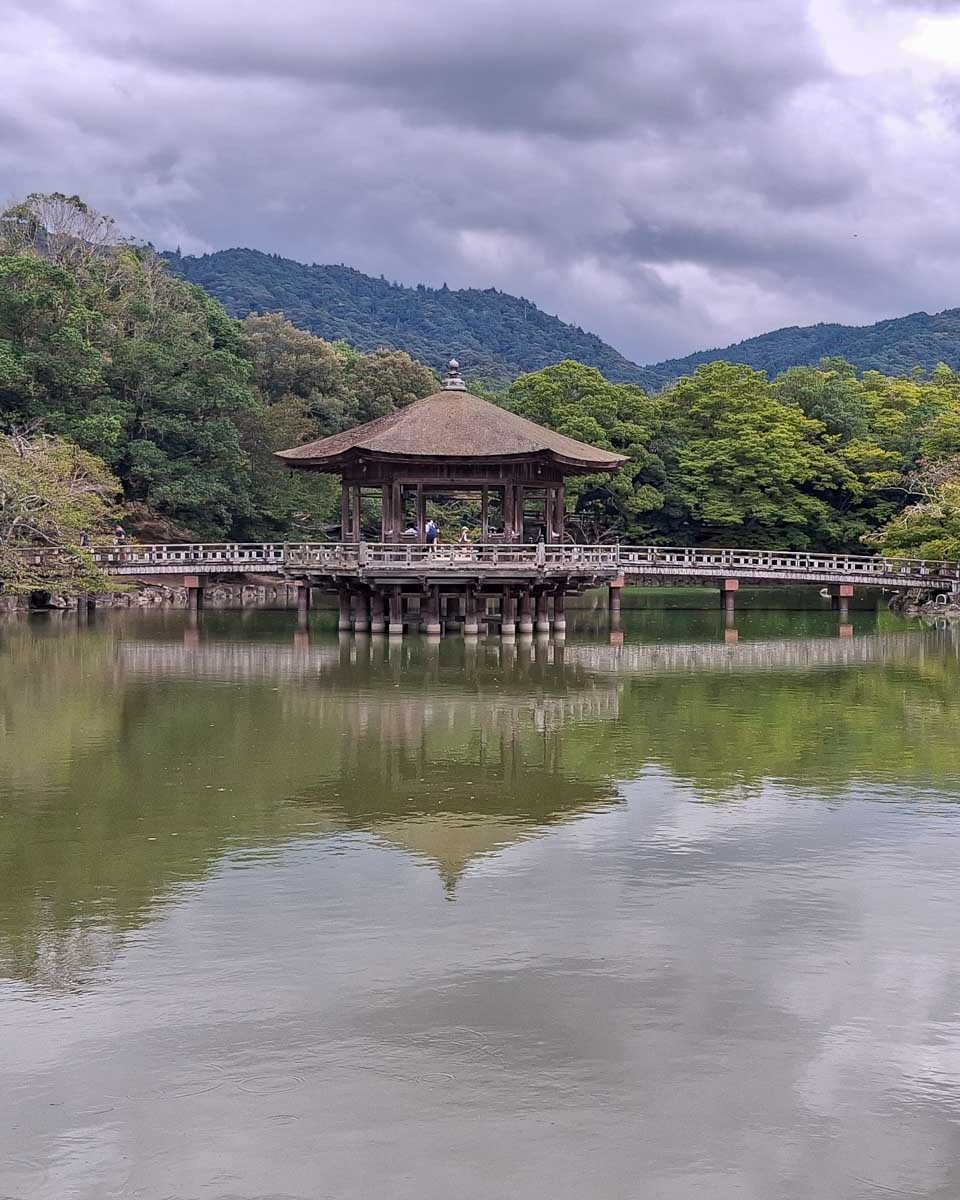
Nara Park is one of Japan’s most charming and unique attractions, located in the historic city of Nara, just under an hour from both Kyoto and Osaka. This expansive park is best known for its hundreds of free-roaming deer, which are considered sacred messengers in Shinto tradition and have become one of the country’s most memorable sights.
What makes a visit here truly special is the way the deer interact with visitors. The famous “bowing deer” have learned that a polite bow often results in a cracker treat, creating a surprisingly respectful and playful exchange that you won’t find anywhere else in Japan. Wandering through the park, you’ll encounter deer lounging on the grass, strolling along paths, and casually mingling with visitors against a backdrop of traditional temples and wide-open green spaces.
Getting to Nara Park is easy, which is why it’s such a popular day trip. Regular trains run from both Kyoto and Osaka, making it a stress-free addition to your itinerary. Once you arrive, the park sits within walking distance of Nara Station and connects seamlessly to several of the city’s most important cultural landmarks.
If you’re short on time, Nara Park can easily be explored in a few hours. However, travelers with a more relaxed schedule may want to spend longer discovering the city’s historic streets and surrounding temples. If that sounds appealing, be sure to check out our 2-day Nara itinerary for ideas on how to make the most of your visit.
7. Learn all about Hiroshima’s history with a guide

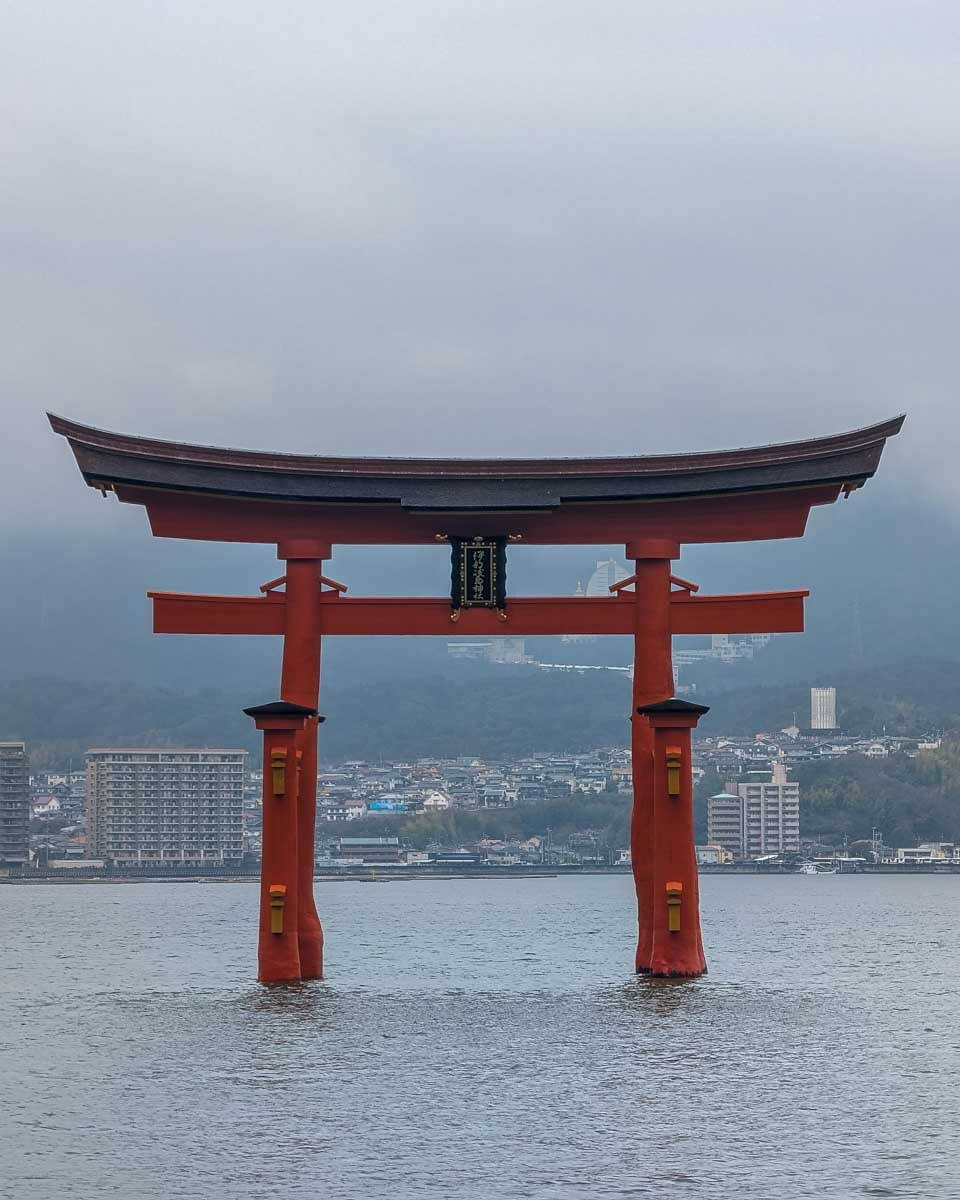
Visiting Hiroshima and Miyajima in one day is one of the most meaningful experiences you can have in Japan. Hiroshima offers powerful historical sites like the Peace Memorial Park, while Miyajima is known for its sacred island setting, roaming deer, and the iconic floating torii gate. Booking this guided tour is the best way to experience both without feeling rushed, especially when time is limited.
The day begins in Hiroshima Peace Memorial Park, once the heart of the city and now a place of reflection and remembrance. With a licensed local guide leading the way, you’ll gain important context as you visit key sites like the A-Bomb Dome, the only structure near the hypocenter to survive the blast, and the Peace Memorial Museum, where personal artifacts and stories bring the events of 1945 into sharp focus. Stops may also include Hiroshima Castle and Shukkei-en Garden, adding historical and cultural depth to the visit.
In the afternoon, the tour shifts to the scenic island of Miyajima, reached by a relaxing ferry ride. Here, you’ll encounter free-roaming deer and visit the iconic Itsukushima Shrine, famous for its torii gate that appears to float on the water at high tide—one of Japan’s most photographed landmarks.
This is a private, customizable tour that lets you tailor the experience to your interests, whether you’re traveling as a couple, family, or small group. If you want to fully experience Hiroshima’s history and Miyajima’s beauty in one seamless day, this is a tour worth booking early so you don’t miss out!
Related Read: To spend a bit more time here, our list of the best Ryokans in Miyajima has traditional places to stay with private onsens and views of the iconic torii gate!
8. Visit the World Heritage town of Shirakawa-go
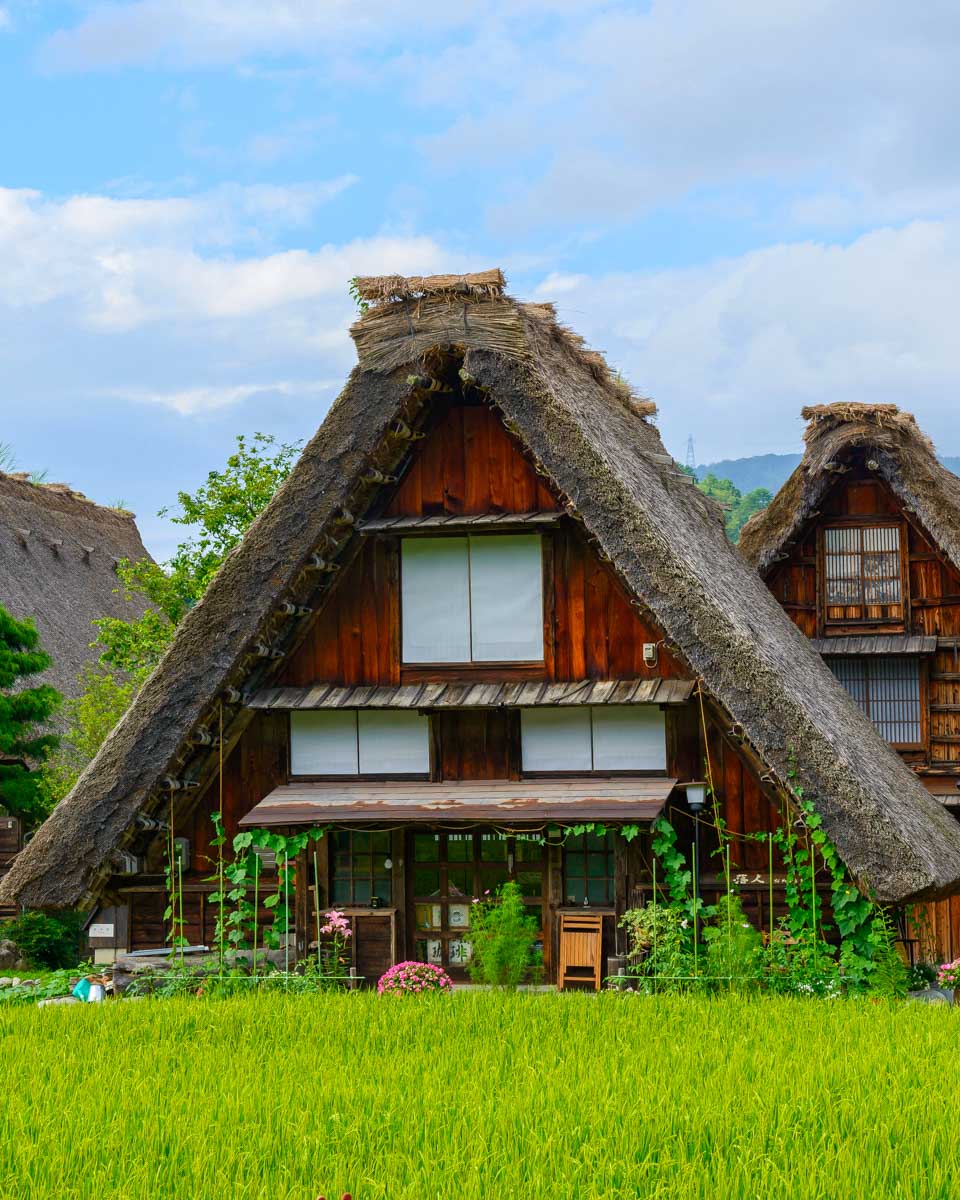
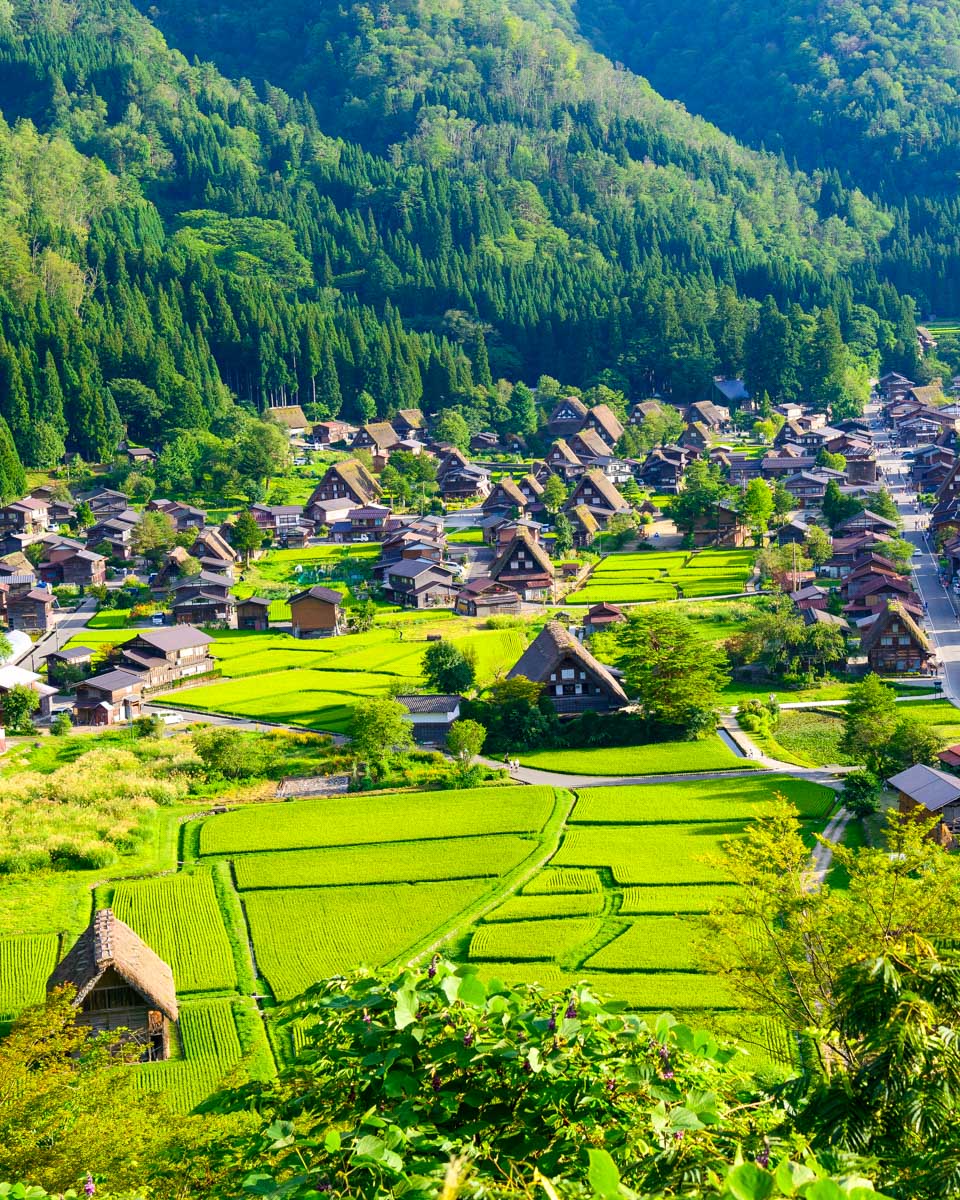
Shirakawa-go is one of Japan’s most picturesque destinations, known for its preserved rural landscape and traditional gassho-zukuri farmhouses that look like something out of a storybook. Tucked into the mountains, this UNESCO World Heritage village offers a rare glimpse of historic countryside life, but getting there independently can be time-consuming and complicated. That’s what makes this full-day guided tour such a great option.
The morning is spent exploring Shirakawa-go, where you’ll stroll through the village’s charming streets, visit historic farmhouses, and enjoy free time to explore at your own pace. A stop at the Ogimachi Castle Observation Deck provides panoramic views of the village below, one of the most iconic sights in the region. Lunch is flexible, giving you the chance to sample local specialties right in the village.
In the afternoon, the experience shifts to cultural highlights and hands-on activities. You’ll visit Kenrokuen Garden, considered one of Japan’s three most beautiful gardens, and explore the historic Higashi Chaya District, famous for its preserved teahouses and gold-leaf treats. The tour also includes interactive experiences like making traditional Japanese sweets, painting Daruma dolls, or trying a gold leaf craft.
Departing from Kanazawa, this tour packs an impressive range of culture into a single day. With transportation and activities included—and thousands of five-star reviews backing it up—it’s an excellent choice for travelers short on time who still want to experience the heart of traditional Japan.
Japan Rail Pass!
The Easiest Way to Travel Japan By Train
If you’re planning to explore Japan, the Japan Rail Pass (JR Pass) is hands down the easiest and most affordable way to get around. It’s a special 7, 14, or 21 day pass for foreign visitors that gives you unlimited rides on Japan’s famous JR trains, including the high-speed shinkansen (bullet trains)!
Why We Love the JR Pass
Pro Tip: If you’re only exploring one region of Japan, consider a Regional Pass instead (like the Kansai, Hokkaido, or Kyushu Pass). They’re cheaper and perfect for smaller trips!
Where to Get Your Pass
We personally recommend buying your pass online in advance through JRPass.com — they’re an official reseller with fast worldwide delivery and English support, making the whole process super simple. They even offer handy add-ons like pocket WIFI and meet & greet services! Still not sure if the JR Pass is right for you? Check out our Ultimate Guide to the Japan Rail Pass for a full breakdown of costs, inclusions, and when it’s worth it!
9. Take a cooking class


Taking a cooking class in Japan is one of the most rewarding ways to connect with local culture, especially because different regions are known for specific dishes. Learning how to make sushi in Tokyo, ramen in Kyoto, or soba noodles in Sapporo isn’t just about the food—it’s about understanding the traditions, techniques, and regional pride behind each dish.
With expert instructors guiding you step by step, cooking classes offer a hands-on experience you can’t get from restaurants alone. Best of all, you’ll leave with skills you can use long after your trip ends, making this one of the most memorable things to do in Japan. Here are some of the best places in the country to roll up your sleeves and start cooking
Sushi making in Tokyo
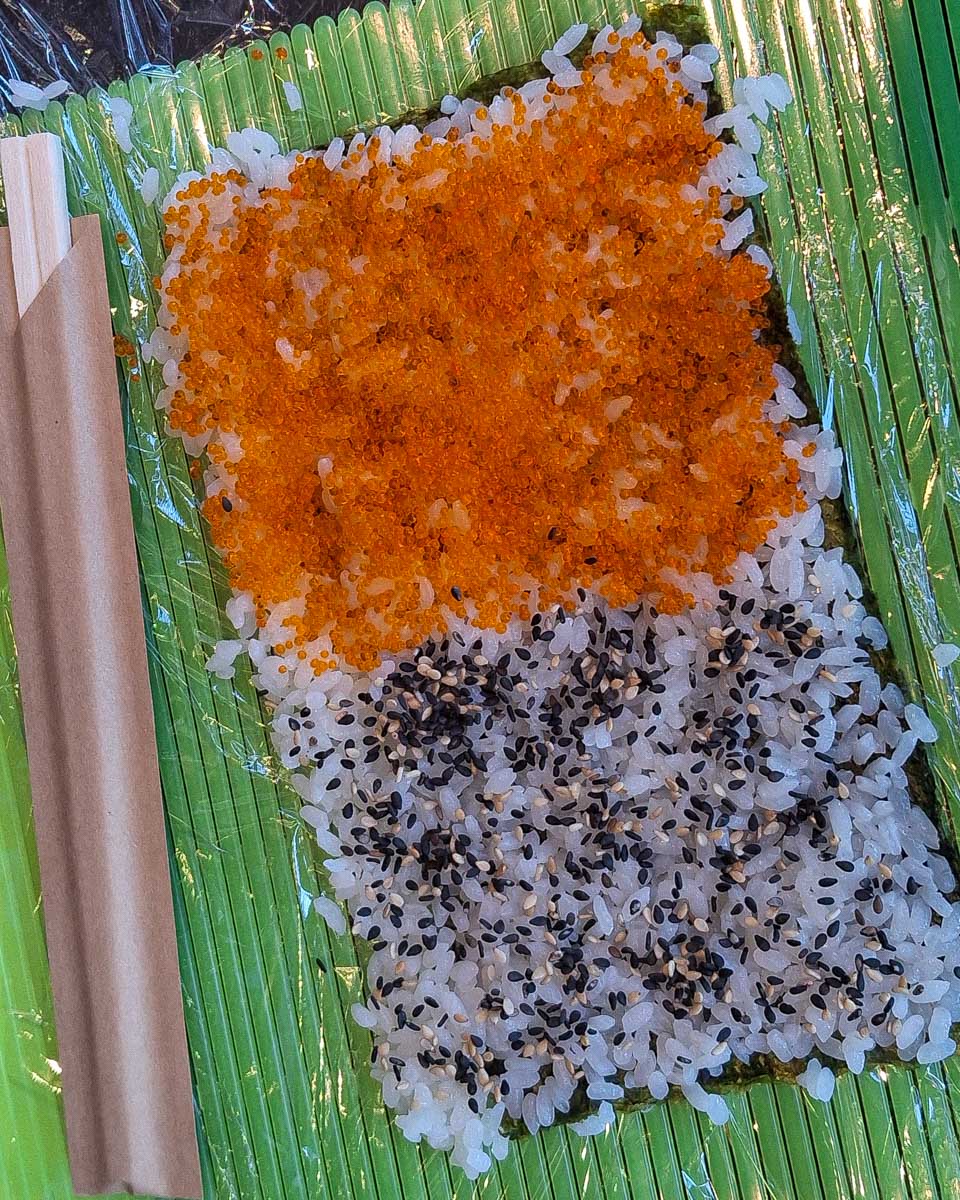
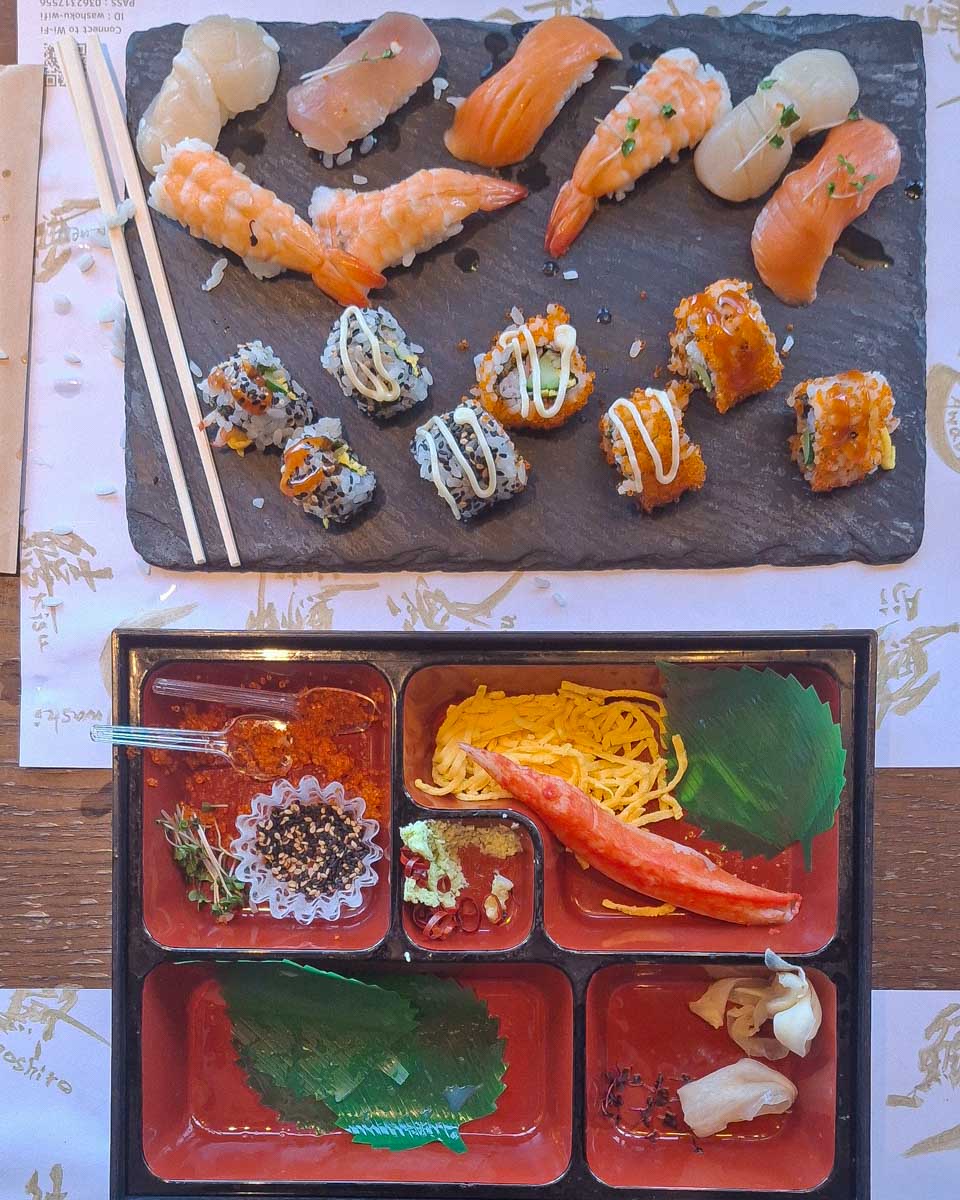
There’s no better place to learn how to make sushi than Tokyo, where some of the world’s best chefs train and where sushi culture is deeply woven into everyday life. This hands-on sushi-making class is perfect for beginners, with friendly instructors guiding you through each step in a laid-back group setting that makes the experience feel fun, not intimidating.
You’ll learn how to shape rice properly and assemble temari-style sushi, with clear instructions that make even first-timers feel confident. The instructors are attentive and happy to accommodate dietary needs if you reach out in advance, which makes this experience accessible to many travelers.
By the end of the class, you’ll have created an impressive spread of sushi to enjoy, with plenty to eat, and optional drink pairings add to the experience. With thousands of glowing reviews and a strong reputation, this class is a favorite for good reason. If sushi is one of the foods you’re most excited to try in Japan, learning to make it yourself in Tokyo is an unforgettable experience.
Ramen class in Kyoto

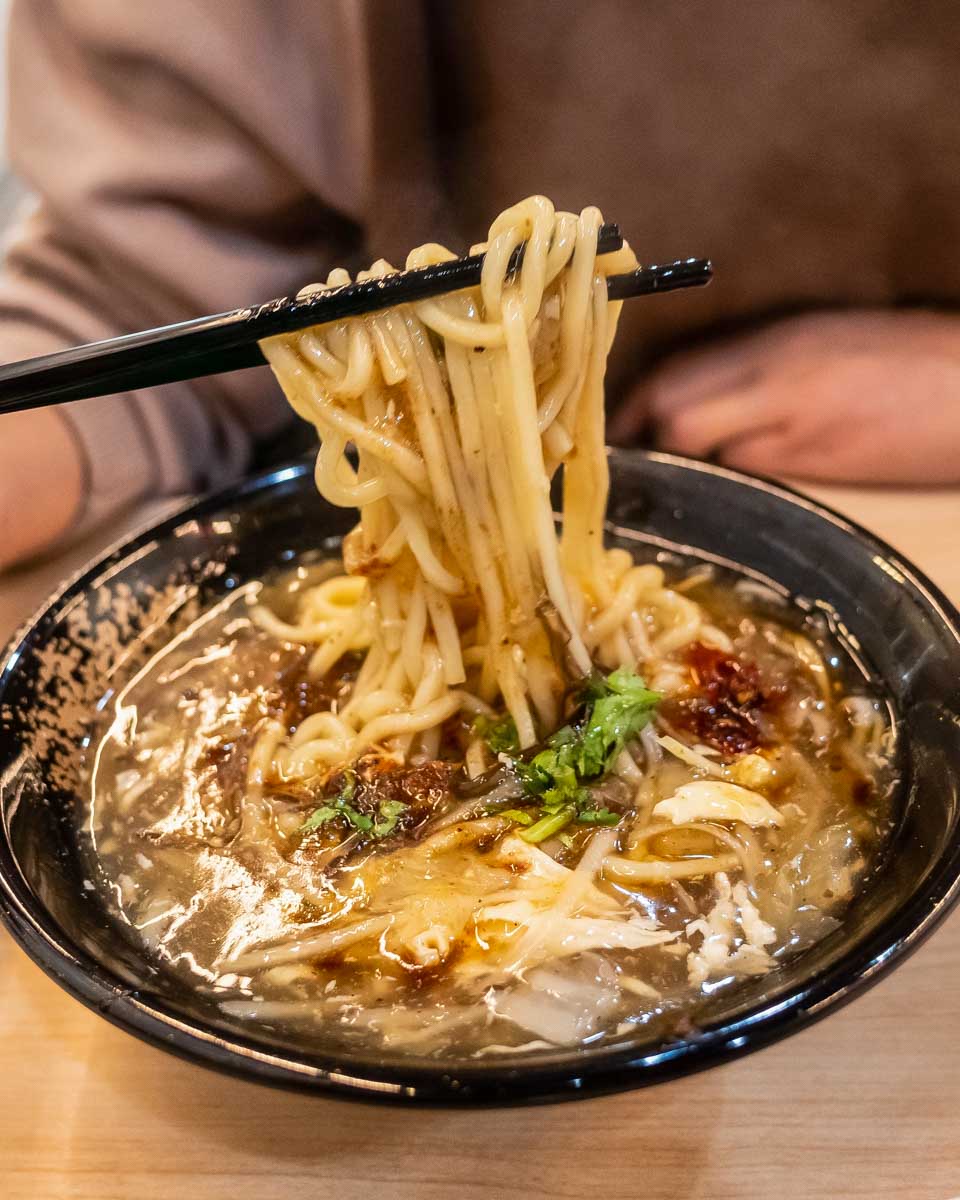
Ramen is one of Japan’s most beloved comfort foods, and this ramen-making class in Kyoto lets you experience it from start to finish. Held at a local ramen factory, you’ll learn how to make ramen noodles and broth completely from scratch, gaining insight into what makes this dish so iconic.
The class is lively and approachable, with a knowledgeable instructor guiding you through each step, from kneading noodles to preparing a rich, flavorful broth and toppings. Dietary needs such as vegetarian, vegan, or halal can be accommodated with advance notice, making it a flexible option for many travelers.
Unlike longer cooking classes, this experience is relatively short and offered multiple times per day, making it easy to fit into a busy sightseeing schedule. You’ll finish by sitting down to enjoy the ramen you made, which is easily one of the most satisfying meals you’ll have in Kyoto. For anyone who loves ramen, this is a must-do experience in Japan!
Soba cooking class in Sapporo

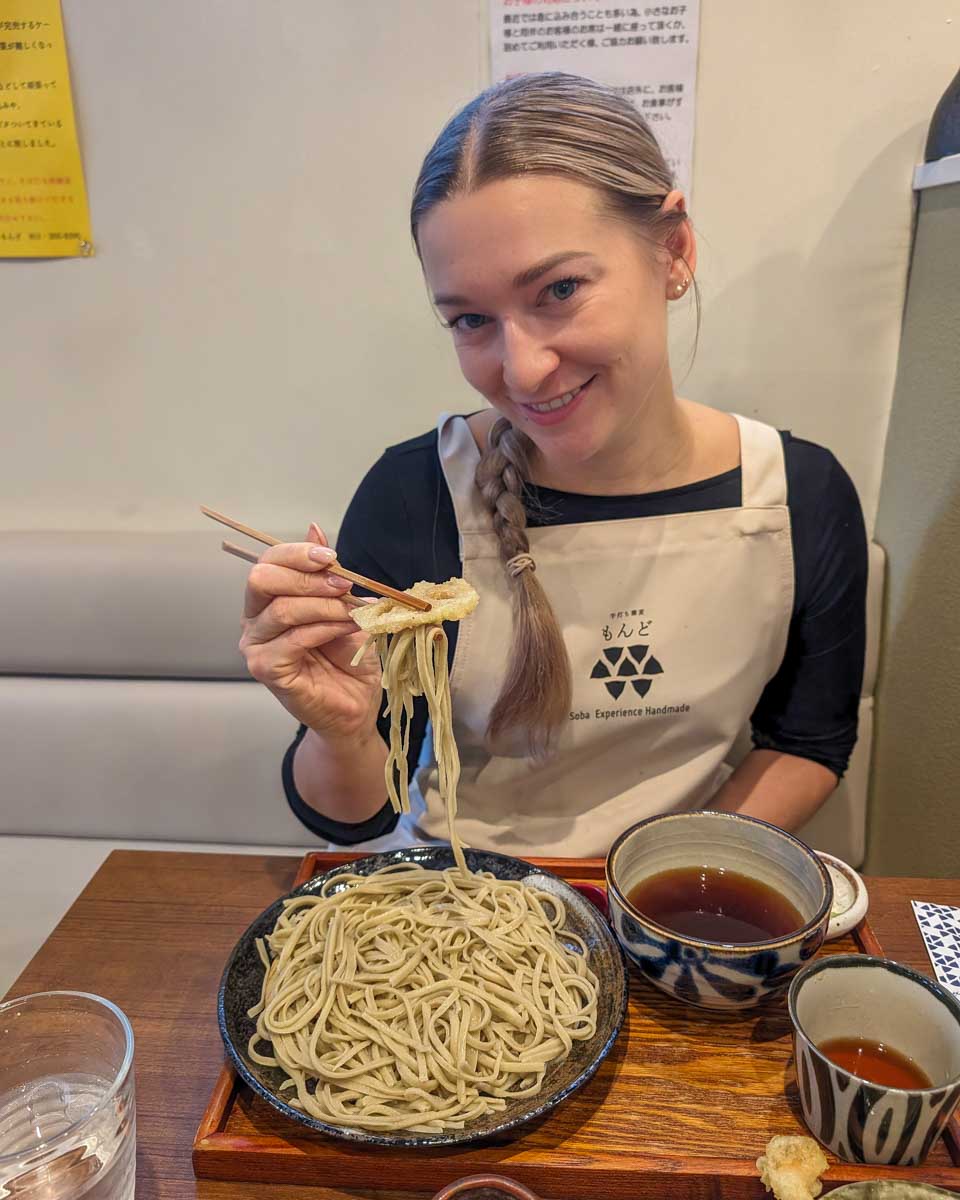
If you’re looking for an authentic, off-the-beaten-path experience, this soba noodle-making class in Sapporo is a standout. Hosted by the owners of a small local soba restaurant in a residential neighborhood, this private class offers a glimpse into everyday life away from Japan’s major tourist hubs.
You’ll learn the traditional process of making soba noodles by hand, from mixing the dough to cutting the noodles using time-honored techniques. The hosts guide you through the experience at a relaxed pace, ensuring you’re involved every step of the way. Once the noodles are finished, they’re cooked and served with a flavorful dipping sauce, making the payoff especially satisfying.
This family-friendly experience is wholesome, educational, and delicious, with optional add-ons like tempura available. For travelers who want a deeper cultural connection—especially those visiting Sapporo—this soba class is one of the best cooking experiences you can have in Japan.
10. Explore historic castles
Japan’s castles are more than just impressive landmarks—they’re powerful reminders of the country’s feudal past. Scattered across the country, these fortresses were once political strongholds and symbols of power, carefully designed for defense and prestige. While many castles were lost to war and natural disasters, a handful have survived or been meticulously restored, allowing visitors to step directly into Japan’s history. Exploring at least one castle is a must when traveling through Japan, and these three are among the best places to do it.
Himeji Castle
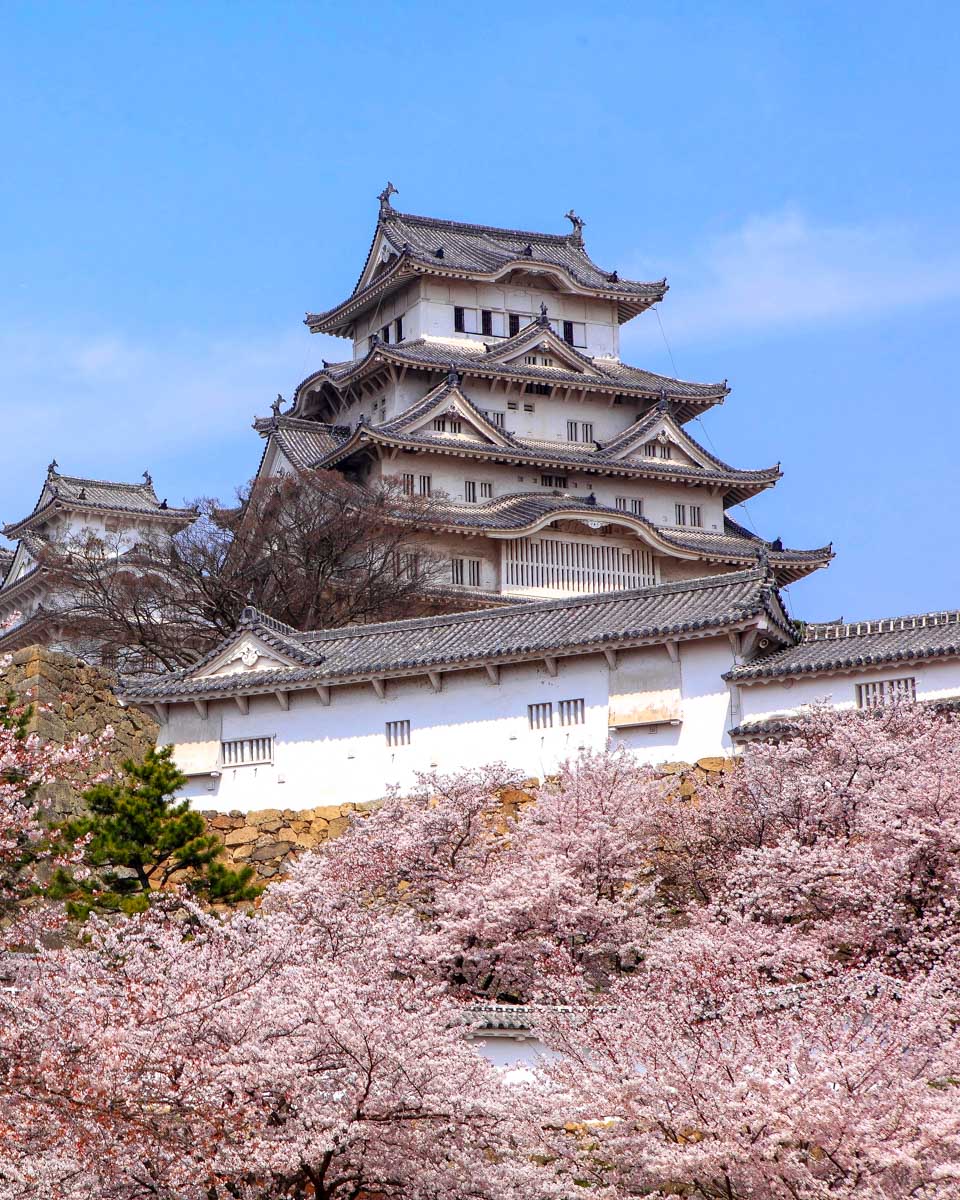
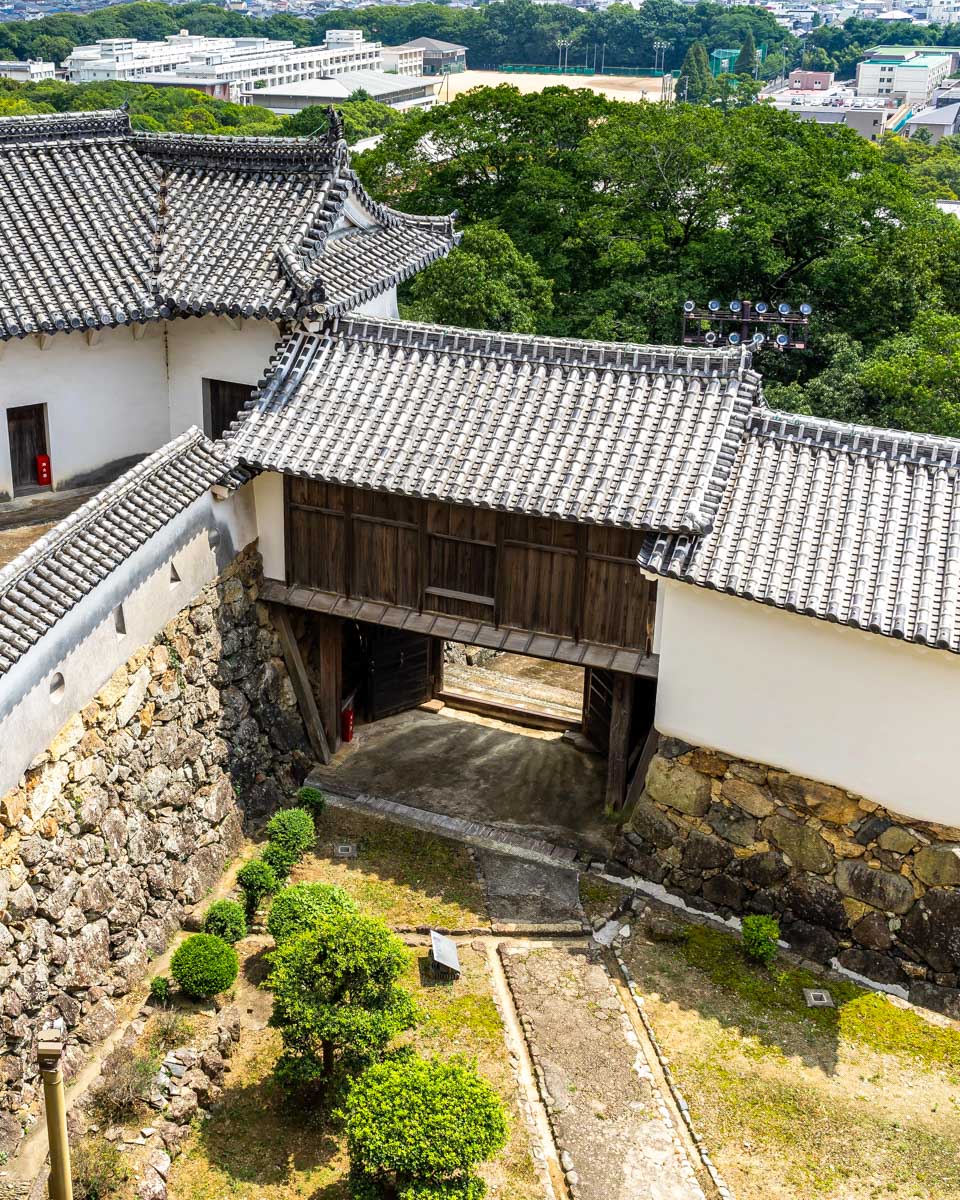
Often considered Japan’s most beautiful castle, Himeji Castle is a standout and a must-visit for history lovers. Nicknamed the “White Heron Castle” for its elegant white exterior, it’s both a UNESCO World Heritage Site and a National Treasure, as well as one of the best-preserved castles in the country.
Dating back to the early 1600s, Himeji Castle is one of the few original castles to survive Japan’s feudal era, wars, and natural disasters. Its maze-like layout was deliberately designed to confuse intruders, and remarkably, the castle has never been conquered. Today, visitors can explore multiple interior floors, walk through narrow corridors, and climb to the top for sweeping views of the surrounding city and countryside.
Located in Hyogo Prefecture, Himeji Castle makes an easy and rewarding day trip. Bullet trains connect it to both Osaka and Kyoto in about an hour, making it simple to add to your itinerary. Entry is affordable at around 1,000 JPY (roughly $7 USD), and the castle is typically open from 9 am to 4 pm. Plus, if you visit in spring, you’ll be treated to cherry blossoms framing the castle’s white walls—one of the most iconic sights in all of Japan!
Matsumoto Castle
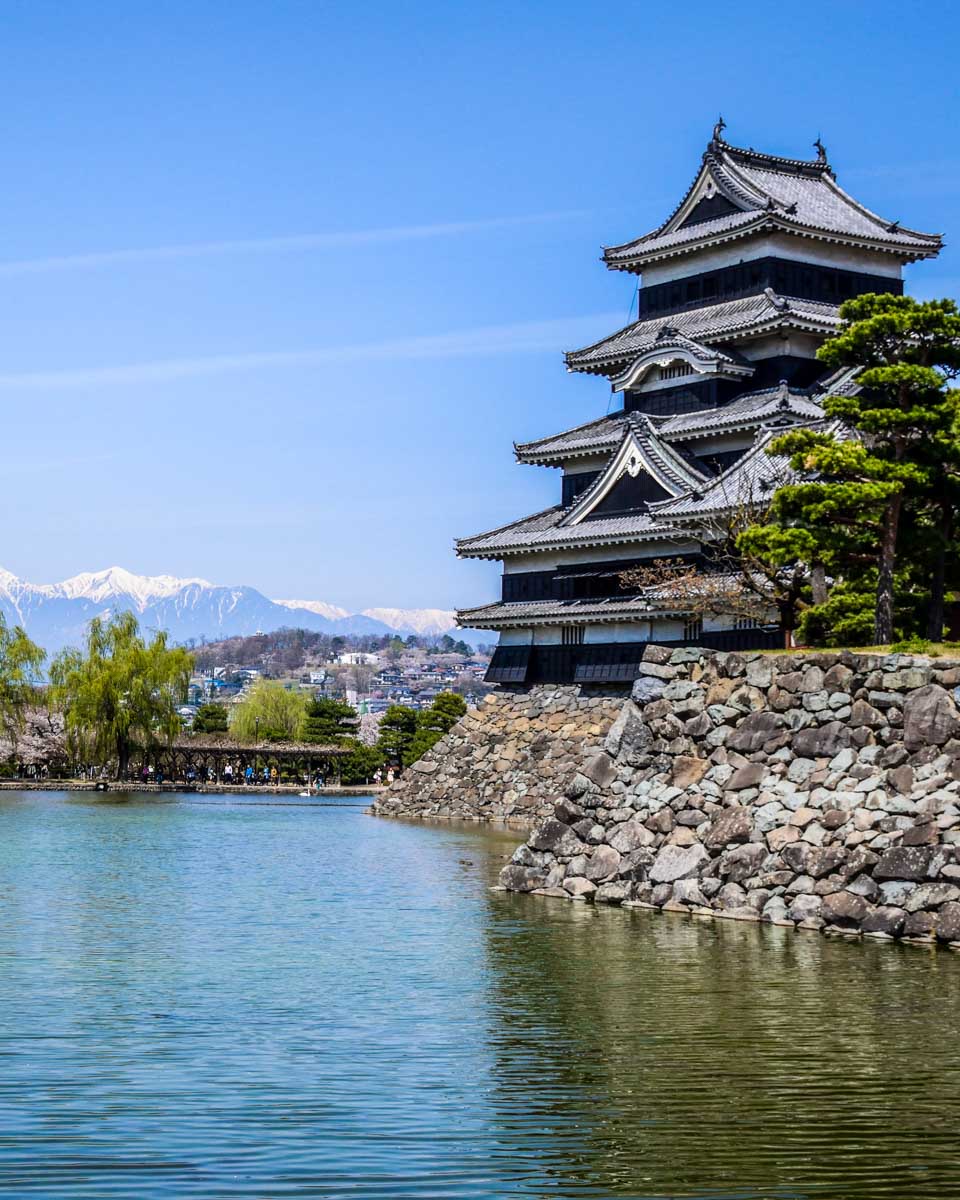
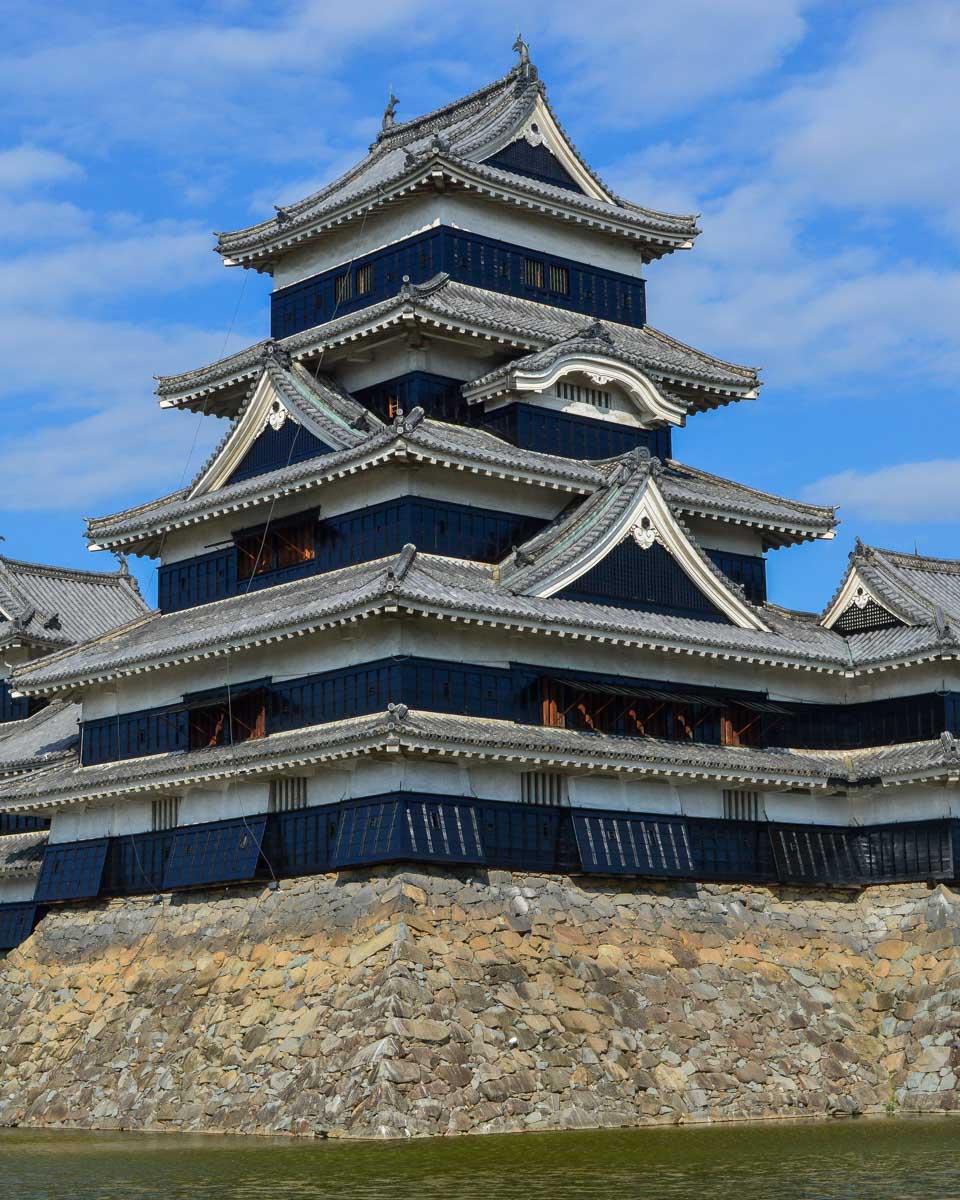
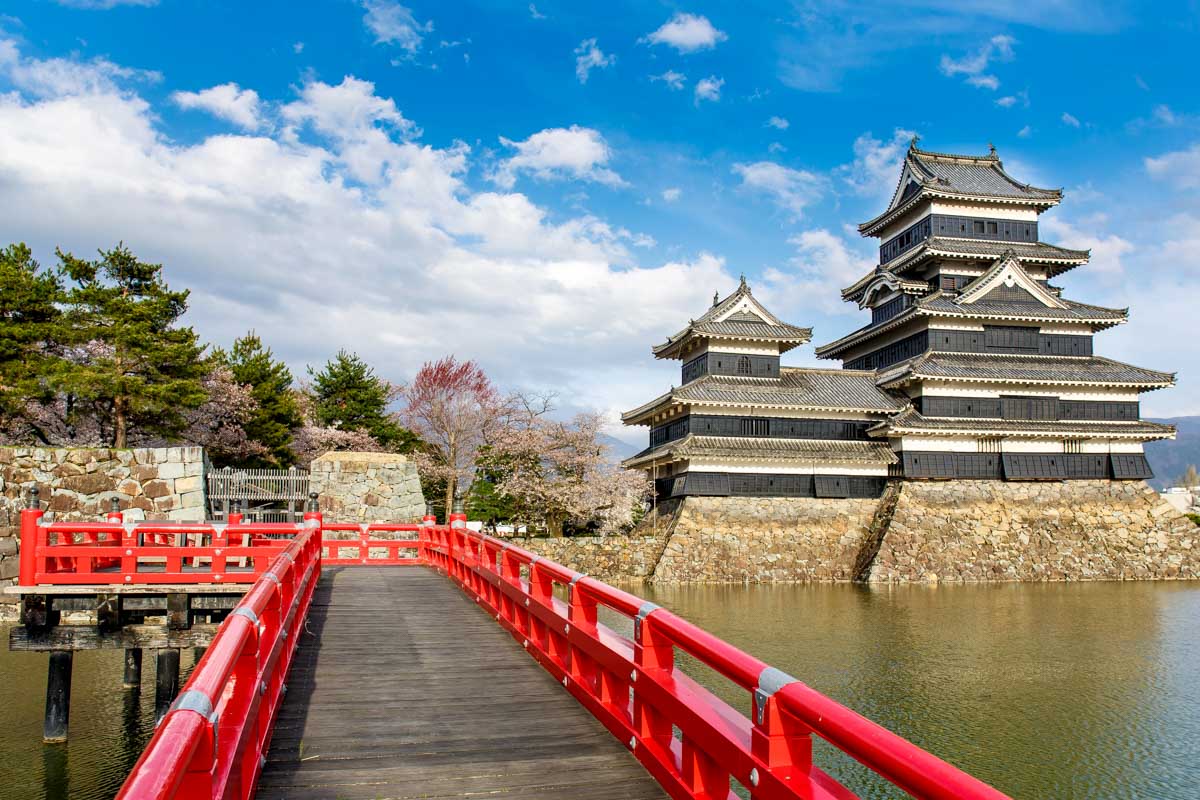
Matsumoto Castle, located in Nagano Prefecture, is one of Japan’s original 12 castles, meaning its main keep has survived since the feudal era. Unlike Himeji’s bright white exterior, Matsumoto Castle is known as the “Crow Castle” thanks to its striking black walls, which give it a moody, dramatic look. When reflected in the surrounding moat, it almost feels straight out of a samurai movie!
Set against the Japanese Alps, the castle feels especially impressive, with the mountains, moat, and dark structure creating a scene that’s hard to forget. Inside, you’ll climb steep ladders and squeeze through narrow passageways that show exactly how these castles were once defended, alongside displays of historic weapons and armor.
Compared to some of Japan’s more famous castles, Matsumoto is usually less crowded, making it a great place to slow down and really take it all in. If you’re hoping to experience a castle that still feels authentic and timeless, this is one of the best spots in Japan to do it. Expect to pay around 1,200 JPY (about $8 USD), with opening hours typically from 8:30 am to 4:30 pm.
Osaka Castle


Sitting right in the heart of Osaka, Osaka Castle is one of the city’s most recognizable landmarks and a major symbol of Japan’s unification under Toyotomi Hideyoshi. While the castle has been reconstructed and updated over the years, it’s still an impressive sight and one of the easiest castles in Japan to visit.
Inside, the castle functions as a museum, with exhibits covering samurai culture, historic battles, and the life of Toyotomi Hideyoshi. An elevator makes the climb much easier than at older castles, and the top floor opens up to a spacious observation deck with wide views over Osaka’s skyline. Admission costs around 1,200 JPY (about $8 USD), and it’s typically open from 9 am–6 pm, making it easy to fit into your day.
The castle is surrounded by a huge park and a scenic moat, making it a great place for a stroll, especially during cherry blossom season. Thanks to its central location, it’s easy to pair a visit here with other Osaka highlights, which makes Osaka Castle one of the most convenient and enjoyable castle stops in Japan.
Related Read: Not sure what to pack? Our Japan Packing List is full of must-haves, including 19 items you can’t forget!
11. Get lost in the Arashiyama Bamboo Forest
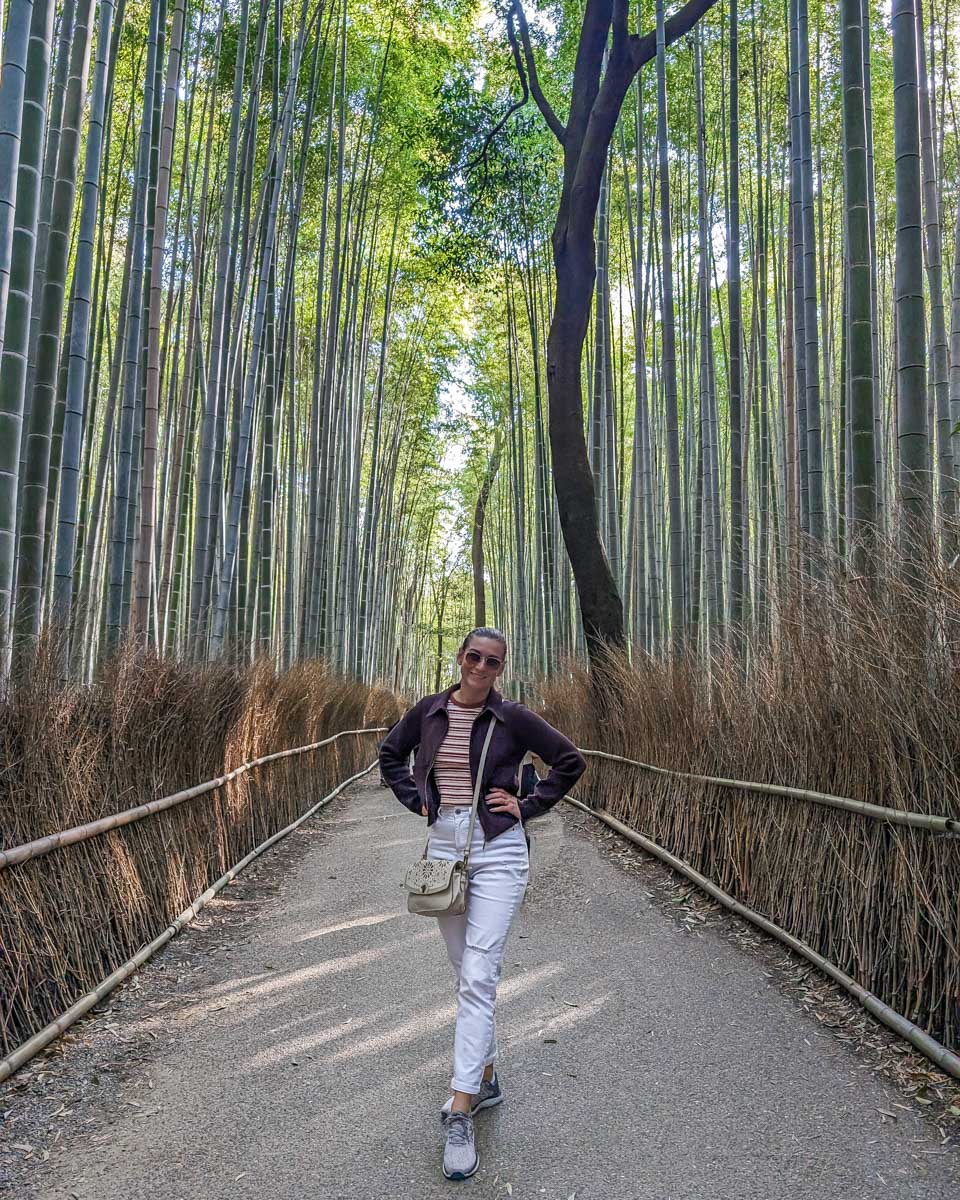

Walking through the Arashiyama Bamboo Forest is one of those iconic experiences that instantly comes to mind when people think of Japan. The towering bamboo stalks, filtered light, and peaceful atmosphere feel worlds away from the city, which is exactly why this guided Arashiyama walking tour stands out as one of the best ways to experience the area. It blends famous sights with cultural stops and a few fun surprises, all without the stress of planning the route or timing it yourself.
The tour begins at the Kimono Forest, a colorful installation made up of hundreds of illuminated pillars wrapped in traditional kimono fabrics. It’s an easy spot to overlook without context, but having a guide explain its significance makes it far more meaningful.
Next, you’ll visit Tenryuji Temple, one of Kyoto’s most important Zen temples. Strolling through its tranquil garden, complete with a reflective pond and mountain backdrop, offers a welcome pause and sets the tone for the rest of the experience.
The highlight, of course, is the Arashiyama Bamboo Grove. While it’s a popular attraction, walking through the soaring bamboo feels genuinely surreal, especially when your guide knows how to avoid the busiest moments. The tour finishes at Iwatayama Monkey Park, where wild macaques roam freely, and panoramic views of Kyoto stretch out below.
With transportation and entry fees included and an itinerary that flows seamlessly, this tour makes exploring Arashiyama effortless. It’s no surprise this experience has earned over 1,000 five-star reviews and books up quickly!
12. Experience the nightlife

Japan’s nightlife is just as memorable as its temples and landscapes—it’s energetic, social, and packed with personality. From tiny alleyway bars to lively izakayas and neon-lit streets, nights out in Japan offer a glimpse into everyday local life that many travelers miss.
The best way to experience it all is with a guided nightlife tour, which removes the guesswork of where to go and helps you skip overpriced tourist spots. With a local leading the way, you’ll discover hidden bars, try regional drinks, and experience Japan after dark the way locals do.
Shinjuku (Tokyo)

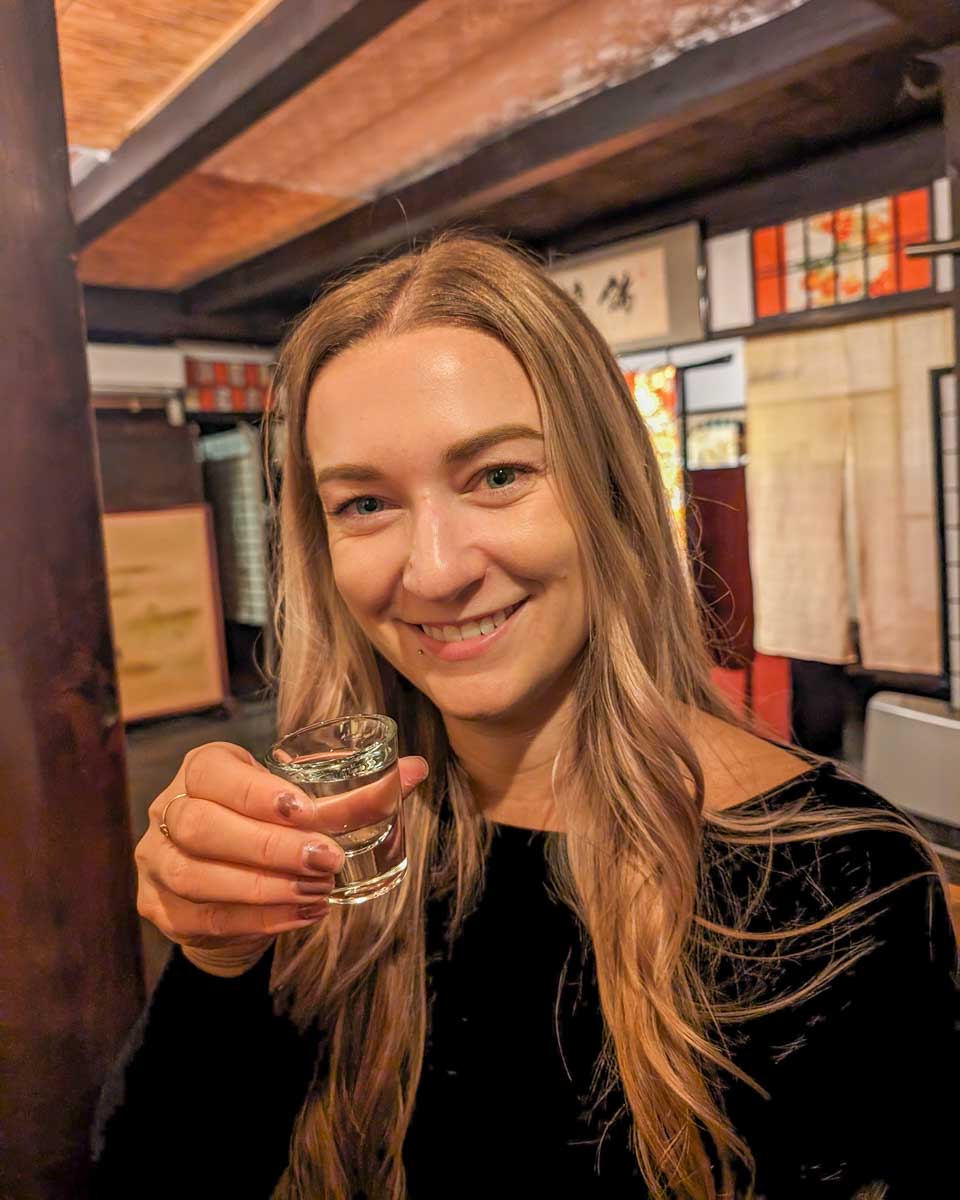
Shinjuku is one of Tokyo’s most exciting entertainment districts, and bar hopping here is easily one of the best nightlife experiences in Japan. But with countless bars packed into narrow alleys, knowing where to go can be overwhelming, which is exactly why this guided bar-hopping tour is such a great option.
Led by a local, the tour takes you to a handful of authentic izakayas and bars that are popular with locals rather than tourists. The evening often starts in Omoide Yokocho, a nostalgic alley filled with tiny bars and smoky grills, before moving on to other lively spots, including a bar with unlimited drinks! Along the way, you’ll enjoy a steady stream of small plates and bar snacks that add up to a satisfying dinner.
The night typically wraps up in Golden Gai, famous for its tiny, character-filled bars and late-night energy. With food, drinks, and expert guidance included, this tour delivers a fun, social introduction to Tokyo nightlife. It’s easy to see why it’s such a popular choice!
Osaka
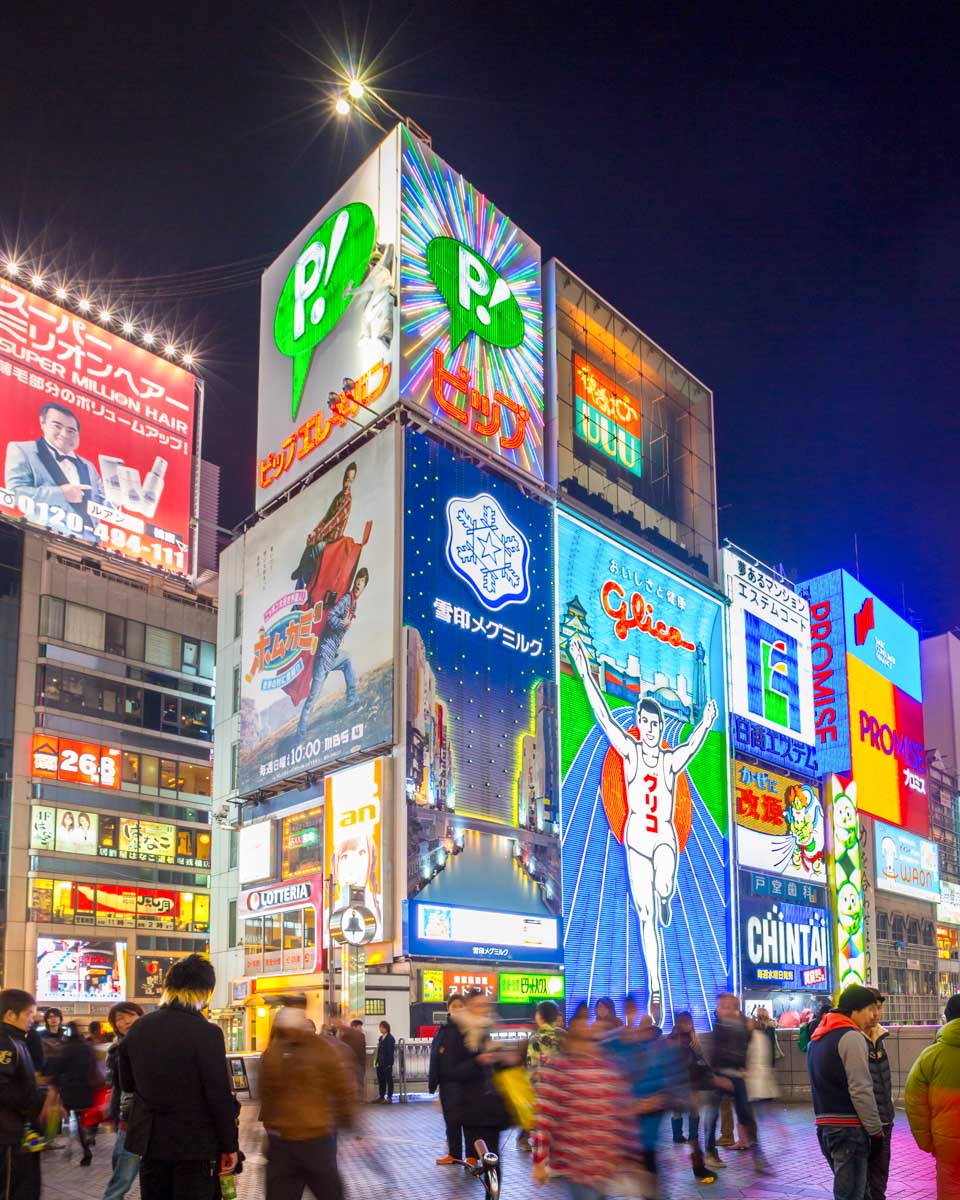

Osaka is one of Japan’s best cities for nightlife, known for its laid-back vibe, late-night eats, and locals who genuinely love a good night out. While the city is famous for its food and friendly atmosphere, the real magic happens off the main streets, and this backstreet night tour is designed to take you straight there.
The tour winds through the buzzing Namba and Shinsaibashi districts, where a local guide introduces you to hidden izakayas tucked away in narrow side streets. You’ll visit several different venues, sampling classic izakaya dishes like yakitori and takoyaki while trying a variety of local drinks, from whisky cocktails to sake served in traditional cups.
Beyond the food and drinks, the tour also includes a few fun sightseeing moments, such as a stop at Hozenji Temple and a stroll through Dotonbori, complete with photos in front of the iconic Glico sign. For travelers who want to experience Osaka’s nightlife without falling into tourist traps, this tour is a fun, affordable, and genuinely local night out.
13. Explore the iconic Tsukiji Fish Market
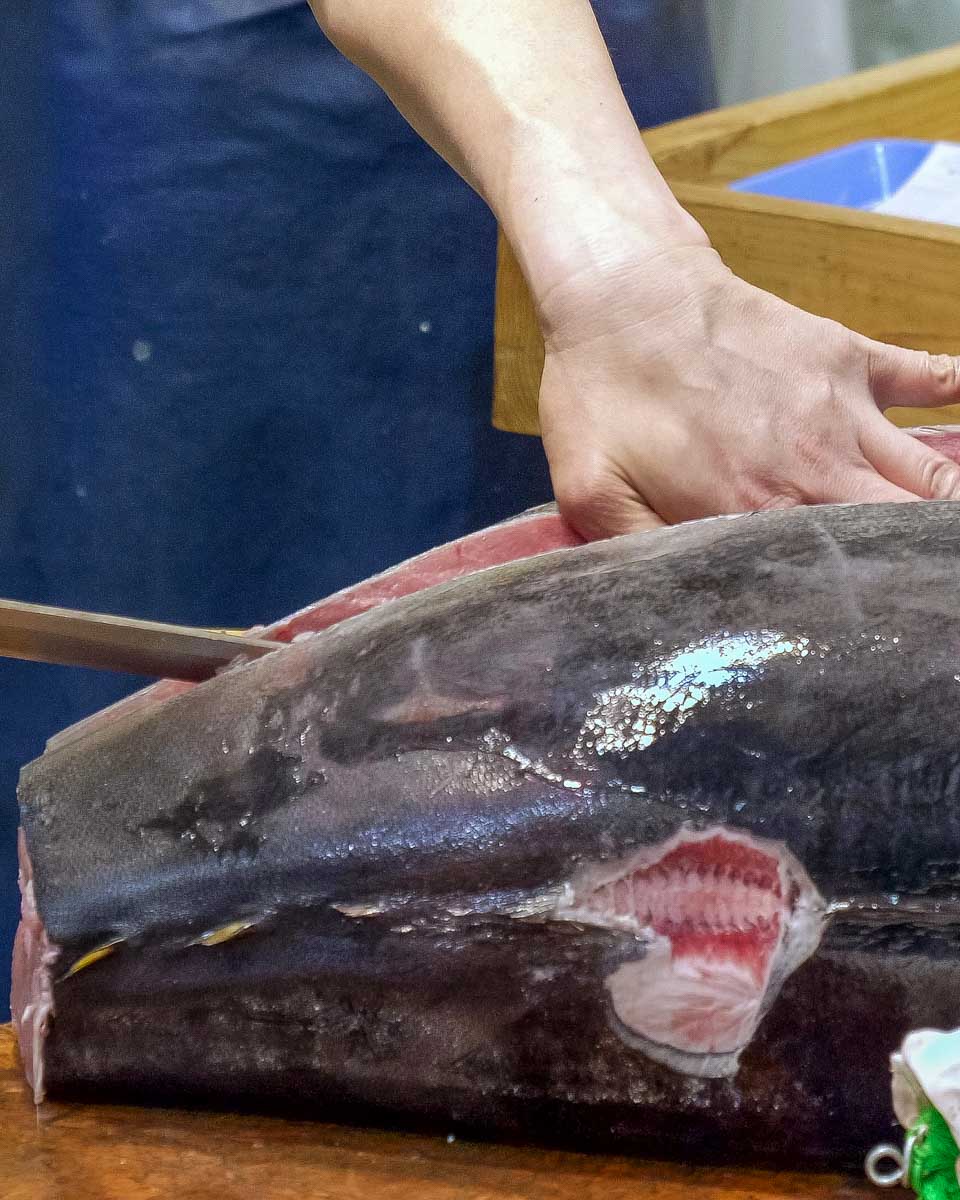
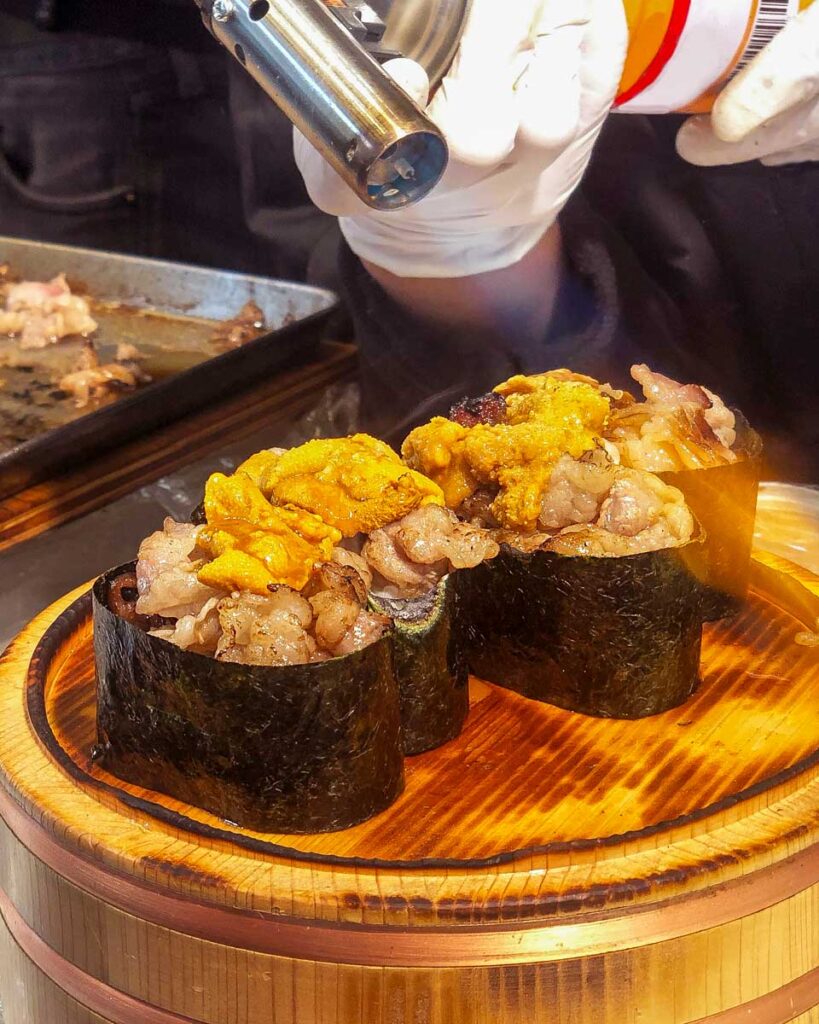
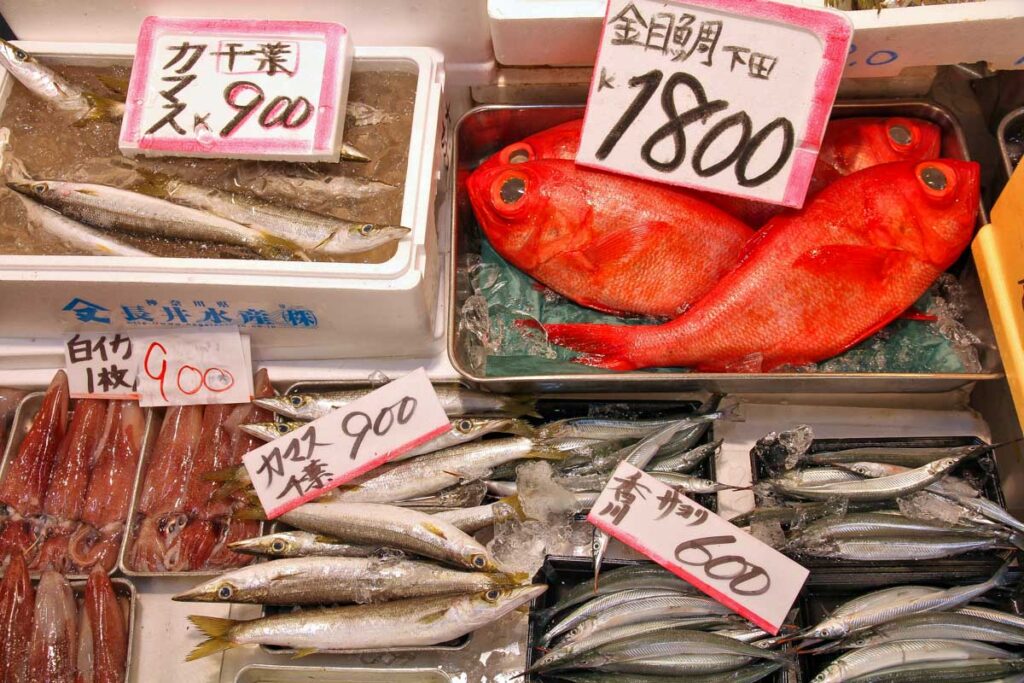
If you want to see firsthand why Tokyo’s fish markets are famed around the world, there is no better experience than this Tsukiji Fish Market tour. It gets you into the action with a guide who can explain everything that’s happening in real-time while you watch the city’s best chefs pick out fresh ingredients.
As one of Japan’s largest fish markets, Tsukiji is easily our favorite because of how chaotic it is. We recommend taking the 8:30 am option of this tour because it will have you there when things are in full swing. One of the highlights from our tour was watching a vendor filleting a massive tuna right in front of us! If you enjoy authentic demos, this tour is full of them, and the best way to see it from a local perspective.
We spent the majority of our time in the lively Jogai (outer) and the old part of the market, where we learned about the history of fish markets in Japan, watched people buy ingredients like octopus tentacles, and tried some snacks. Don’t worry, you won’t eat octopus tentacles! Depending on the season, you’ll eat a Japanese omelette made of fresh ingredients instead.
Tsukiji Uogashi and the Tsukiji Fish Market are pretty much one and the same, and will be where you try some more delicious food like sushi or a fish bowl. There is nothing better than fresh sushi, especially when the ingredients were caught that morning!
14. See a Sumo Show


If you’re curious about sumo wrestling, this immersive experience offers a rare chance to step inside Japan’s national sport. Led by retired sumo wrestlers, this comprehensive tour provides an up-close look at the traditions, techniques, and culture behind one of Japan’s most iconic pastimes.
The experience begins with a live demonstration from the former wrestlers, who explain the history and rules of sumo while showcasing their skills in mock matches. Even in retirement, their strength and technique are impressive to watch, and seeing the action from just a few feet away makes the experience especially memorable.
After the demonstrations, participants have the opportunity to step into the ring and try sumo for themselves. The wrestlers guide the experience carefully, making it fun, safe, and surprisingly approachable, and it’s not every day you get to say you’ve faced off against a sumo wrestler.
The tour wraps up with a hearty sumo-style meal, similar to what wrestlers traditionally eat to build strength and size. It’s filling, flavorful, and the perfect way to end the experience.
With its interactive format and engaging demonstrations, this tour is especially popular with families, but it’s just as enjoyable for anyone curious about Japanese culture. Whether you’re a longtime sumo fan or completely new to the sport, this is a memorable and uniquely Japanese experience in Tokyo.
Why We Book Tours with Viator
Viator is a trusted online booking system for tours around the world! We almost always book our tours using Viator for a couple of reasons:
15. Experience the immersive TeamLab art exhibits
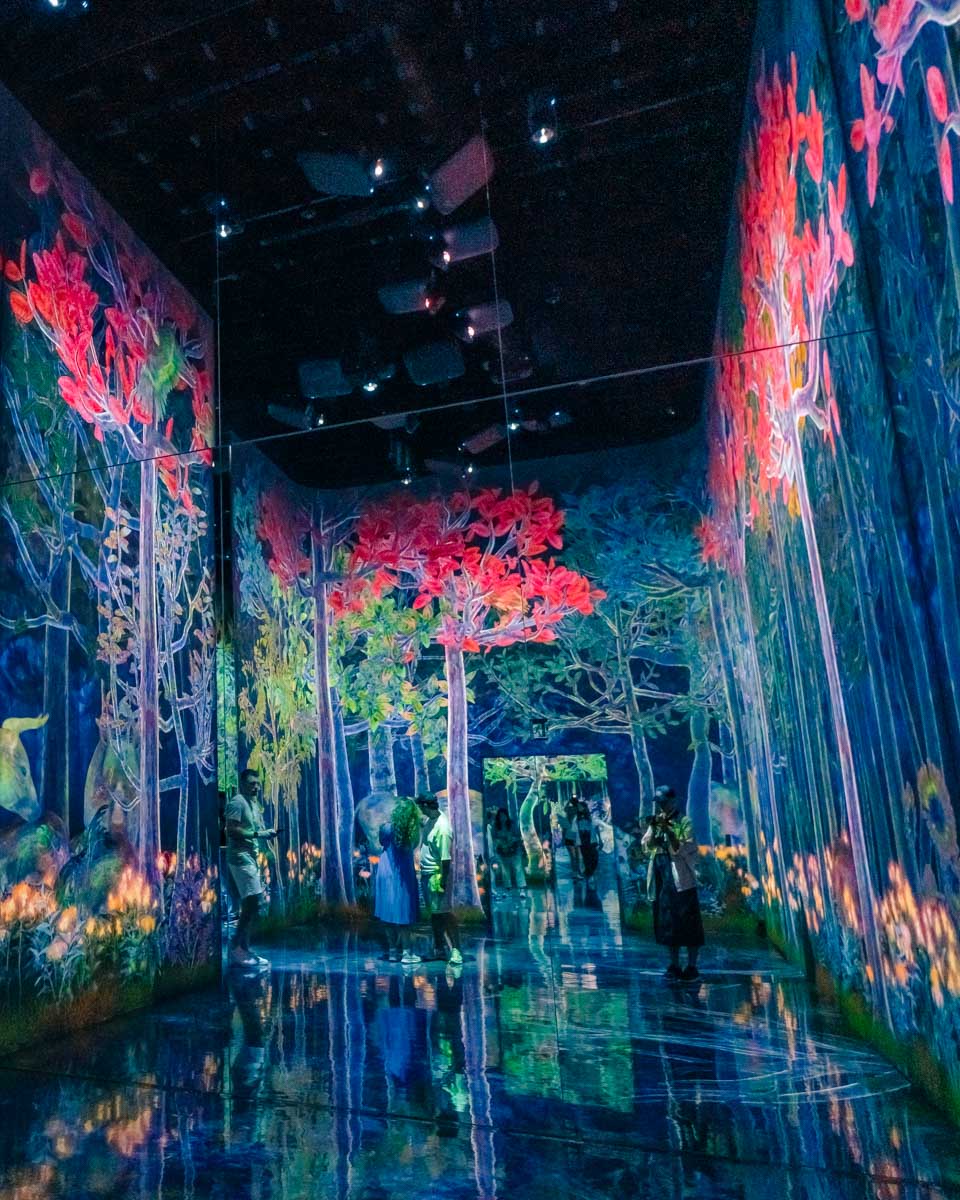

Visiting a teamLab exhibit is one of the most mind-bending and unforgettable experiences you can have in Japan. These large-scale digital art installations blur the line between art, science, technology, and nature, creating environments that feel more like stepping into another world than walking through a museum. Lights move, walls respond to your presence, and entire rooms transform around you, making teamLab a true standout on any Japan itinerary.
Tokyo is home to two of the most popular teamLab exhibits, each offering a slightly different experience. TeamLab Planets is a fully immersive, walk-through exhibition where you explore the artwork barefoot, moving through water-filled rooms and massive interactive spaces. It’s located slightly outside central Tokyo, but the experience is well worth the extra travel. TeamLab Borderless, located near Tokyo Tower, is more compact but still incredibly immersive, with artwork that flows seamlessly from room to room and changes constantly as you move through it.
Beyond Tokyo, these experiences can be found across Japan. TeamLab Biovortex in Kyoto offers a more meditative digital art experience, while TeamLab Botanical Garden in Osaka transforms a real outdoor garden into a glowing nighttime art installation. There’s also teamLab Forest in Fukuoka, along with additional exhibits in places like Okinawa and Ginza.
No matter which location you choose, this one-of-a-kind experience perfectly showcases Japan’s innovative spirit and creative edge. Browse all teamLab exhibits here to find the one that fits your itinerary best.
16. Enjoy a guided sake tasting

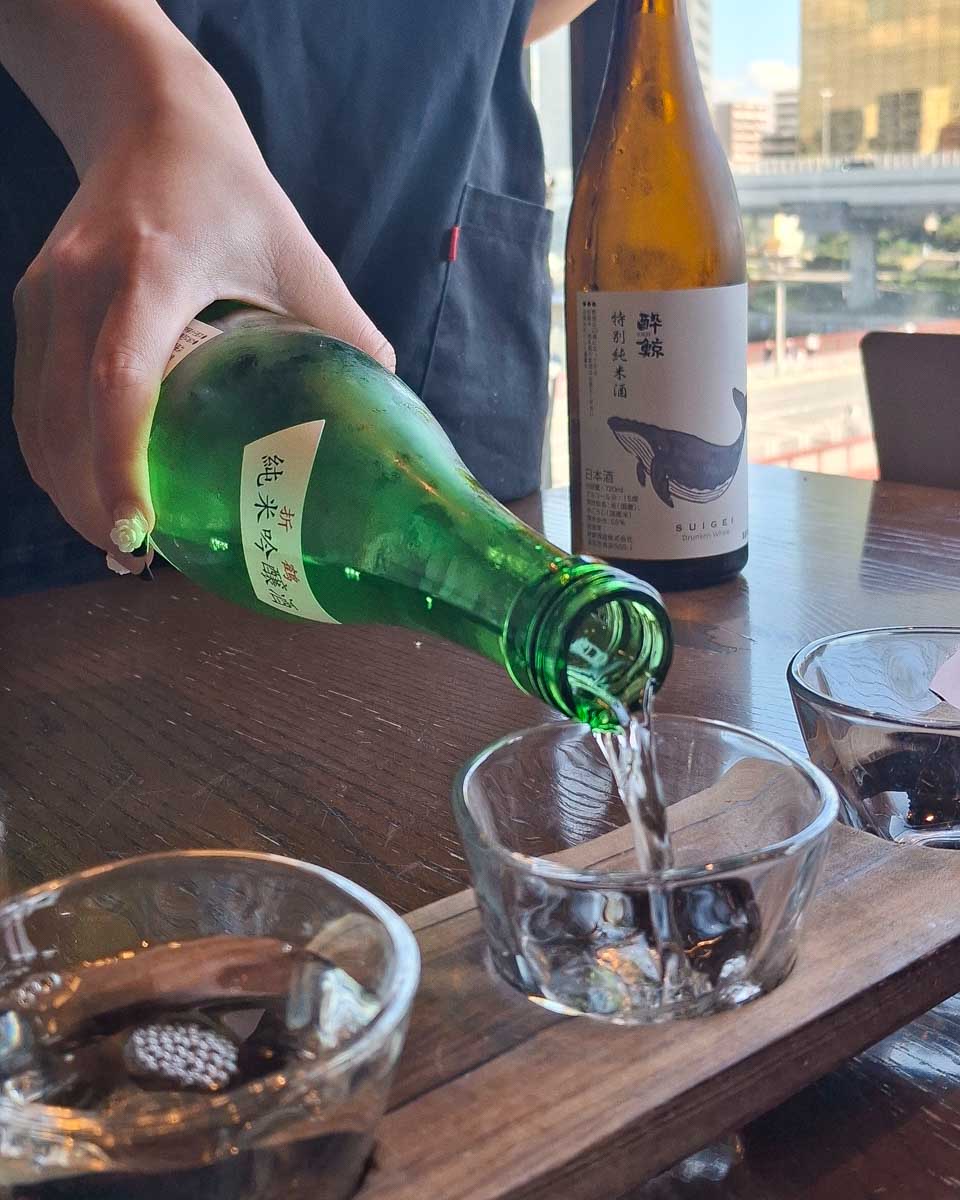
Sake is deeply woven into Japanese culture, yet many travelers only scratch the surface when it comes to understanding it. Made from rice, water, yeast, and koji mold, sake varies widely by region, brewing method, and even season.
That’s why we recommend joining a guided sake tasting to truly appreciate Japan’s national drink. With an expert leading the experience, you’ll learn how sake is made, how to read labels, and how different styles pair with food—turning what might feel intimidating into something approachable, enjoyable, and surprisingly fascinating. Below are three standout sake tours that showcase the best of Japan’s brewing culture.
Kyoto
Sake is everywhere in Kyoto, but until joining this small-group tour, we had no idea just how complex and varied it could be. What started as simple curiosity quickly turned into one of the most fun and eye-opening experiences of our time in Kyoto, completely changing the way we think about sake.
The tour takes place in Fushimi, Kyoto’s well-known sake district, which immediately feels like the right setting for a deep dive. It begins at the Gekkeikan Okura Sake Museum, where you’ll learn about the history and traditions behind sake brewing.
The highlight is a private tasting session featuring a wide range of sake styles, from crisp and dry to smooth, sweet, and fruity. Sampling them side by side really showcases how varied sake can be, and tasting notes help you keep track of what you enjoy most. Light snacks are included to demonstrate how sake pairs with food.
Led by a knowledgeable and approachable guide, the tour keeps things relaxed while offering plenty of insight. Backed by hundreds of five-star reviews, this experience is an excellent choice for anyone curious about sake or looking for a unique cultural activity in Kyoto.


Tokyo
Tokyo is one of the best cities in Japan to explore sake, with access to bottles from breweries across the country and a growing culture of modern sake bars and specialists. For a more structured introduction, this small-group tasting class in Tokyo is a fantastic option. Held in Shinjuku, the experience is led by a certified sake sommelier from the international sake sommelier team and is designed to be welcoming for both first-timers and enthusiasts.
Over the course of about two hours, you’ll learn Sake 101, including brewing techniques, history, and how to read sake labels. You’ll sample six or more different types of sake, creating your own tasting chart to help identify flavors and preferences. A selection of locally sourced snacks is provided to demonstrate how different foods enhance specific sake styles.
Because the group is small, there’s plenty of opportunity to ask questions and get personalized recommendations, including tips on ordering or buying sake while traveling in Japan. Social, informative, and well-paced, this tasting offers a great foundation for understanding sake and enjoying it with confidence.
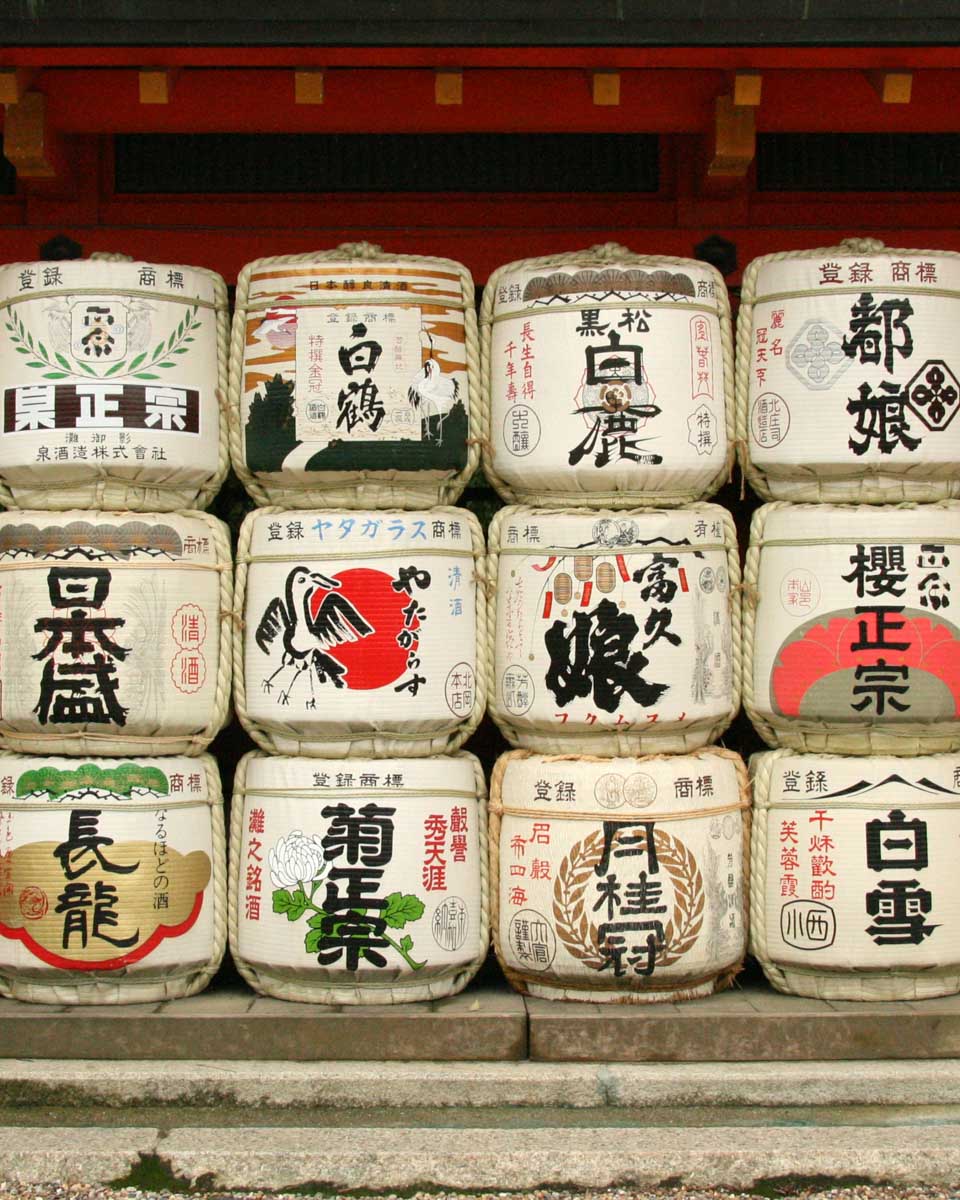
Nagano
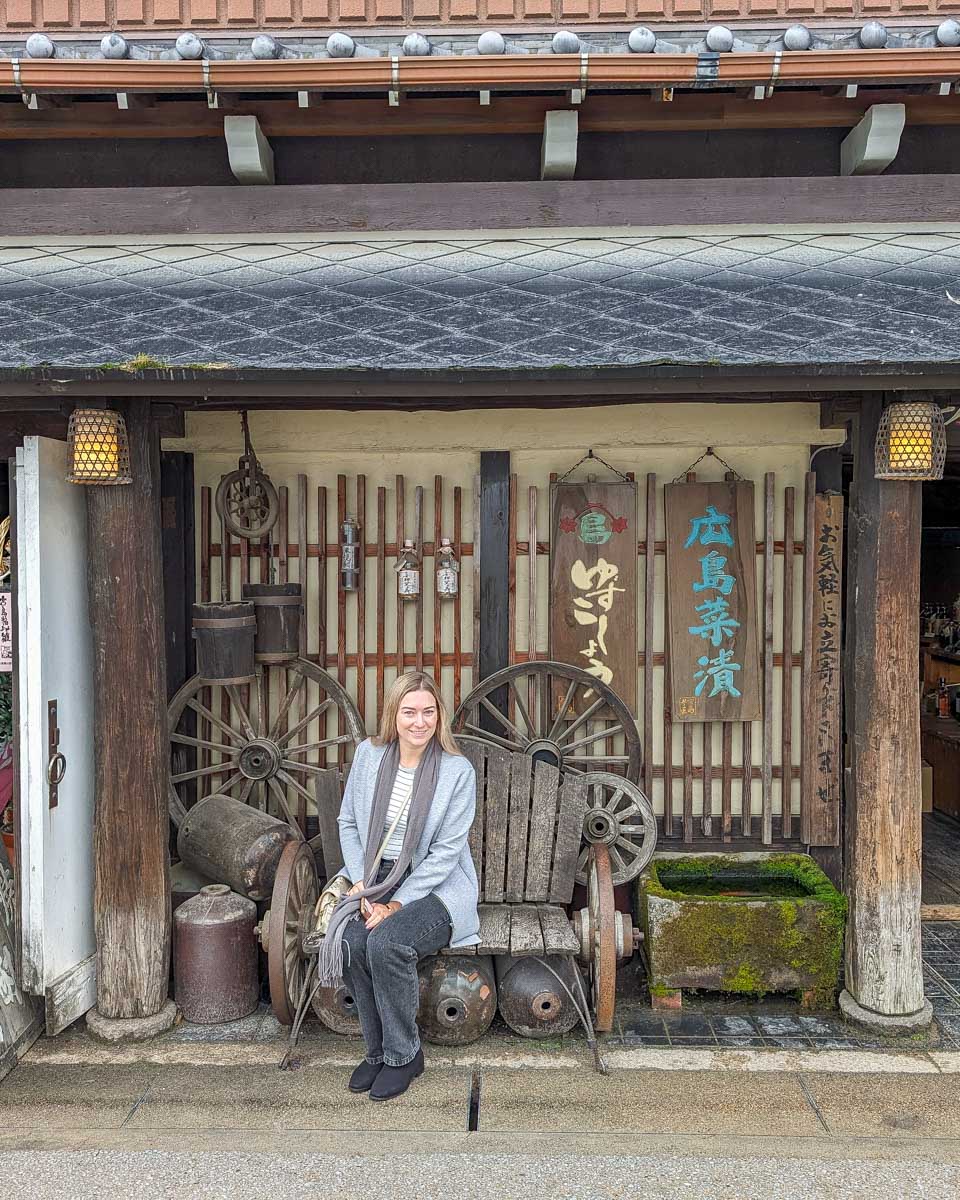
Nagano is one of Japan’s top sake-producing regions, thanks to its cold climate and pristine mountain water, which are ideal for brewing high-quality sake. These conditions make the region perfect for a deeper, more traditional tasting experience, and this small-group tour uniquely blends history, culture, and flavor while exploring the area around Zenko-ji Temple, one of Japan’s most important and historic Buddhist temples.
Led by an expert guide, you’ll visit local shops and small shrines that offer insight into everyday life and long-standing traditions in Nagano. From there, the focus shifts to a 300-year-old sake brewery, where you’ll sample more than five different sakes, including premium unfiltered and unpasteurized varieties, seasonal blends, and even a locally made plum wine. You’ll also try Amazake, a traditional non-alcoholic rice drink that’s surprisingly refreshing and lightly sweet.
The experience rounds out with local snacks like pickles and soybeans, a comforting bowl of Nagano miso soup, and a visit to an old, unused sake factory that offers insight into historic brewing methods. For travelers seeking an authentic, off-the-beaten-path sake experience, this tour connects you directly to Japan’s heritage, sip by sip!
17. Experience a traditional tea ceremony
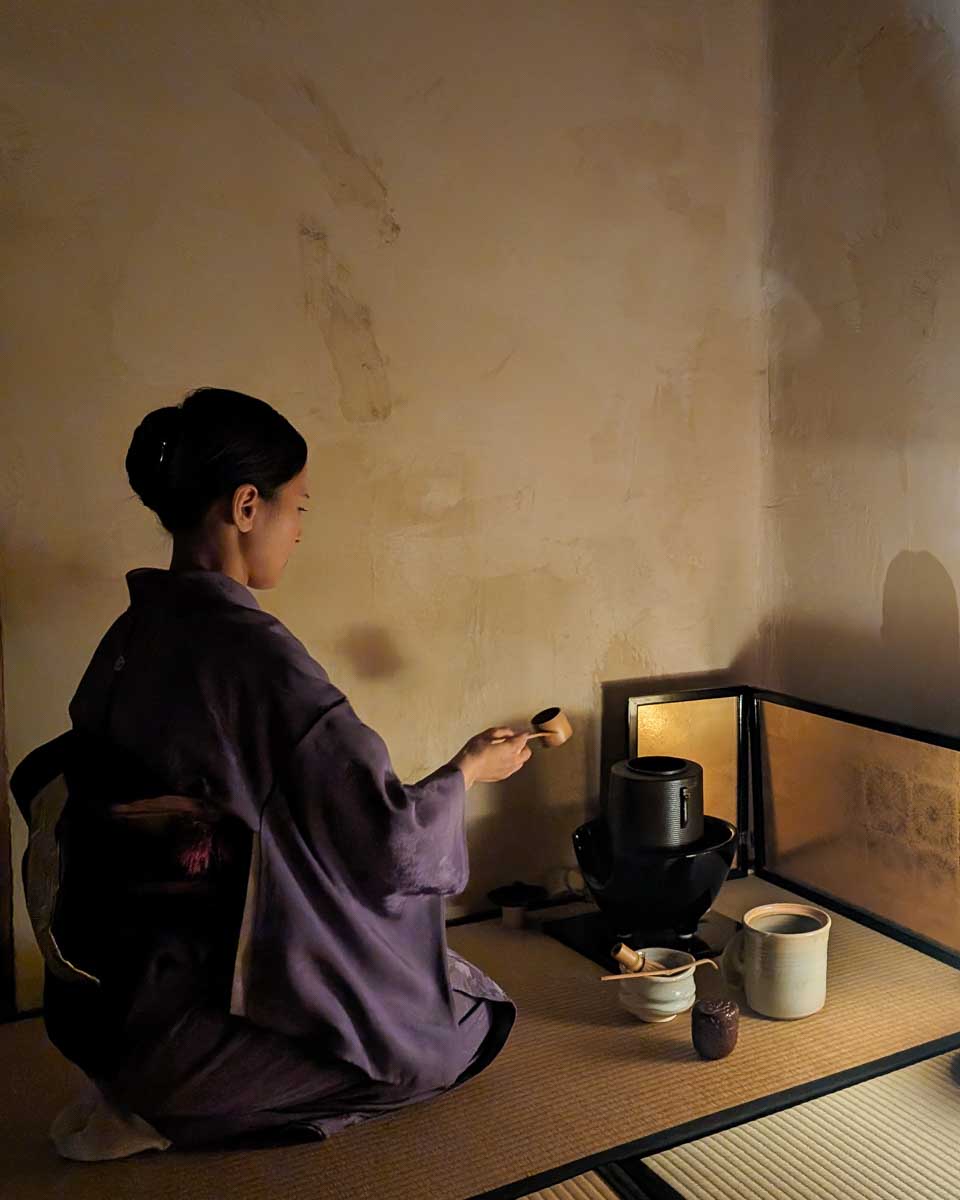

For travelers who want to actually step inside Japan’s traditions, this tea ceremony experience goes far beyond a quick demonstration. It begins with slipping into an authentic kimono, chosen from a carefully curated collection in Kyoto’s historic Nishijin district.
The ceremony unfolds in a quietly atmospheric tea room that has been used by the same family for three generations, tucked near Daitoku-ji Temple, an area deeply tied to Kyoto’s tea culture. As a tea master with decades of experience prepares matcha, every movement feels intentional and unhurried. Seasonal sweets arrive first, followed by warm, freshly whisked green tea, and the pace naturally slows as the meaning behind each step is explained.
Then comes the most rewarding part—trying it yourself! Preparing your own tea brings the ritual into focus, turning something you’ve seen countless times into something personal and surprisingly calming, as you learn how to whisk the matcha properly and follow the simple etiquette behind holding and drinking from the bowl.
Between the historic setting, the hands-on moment, and wearing a ceremonial kimono, this experience offers one of the most meaningful ways to connect with Kyoto’s cultural heart, and a welcome pause from the rush of sightseeing.
18. Tour the Sapporo brewery


The name “Sapporo” is synonymous with beer! In fact, Sapporo is Japan’s oldest beer brand, and it was first brewed here in the city back in 1876. Although the company’s HQ is now in Tokyo, Sapporo was brewed and bottled here until 1987, so as beer lovers, we just had to go!
There are two ways to visit the Sapporo Beer Museum. There is a premium tour you can take for 1,000 JPY ($7 USD), but you’ll need to book it at least a month in advance. It runs every day except Monday and is all in Japanese, although you can get an audio guide in English or Korean for an extra 500 JPY (about $3.50 USD). It was already booked up by the time we decided to go, so we just did the free tour instead.
The free tour was a self-guided tour of the museum. There were QR codes we could scan with our phones to get the information in English, and it ended in Star Hall, the museum’s tasting room.
Seatings are limited to 30 minutes, so although we had to queue to get in, the line moved pretty quickly. We paid 1,200 JPY ($8 USD) each for a tasting flight, then sat down to enjoy three of the different brews we had learned about earlier.
19. See the Snow Monkeys in Nagano
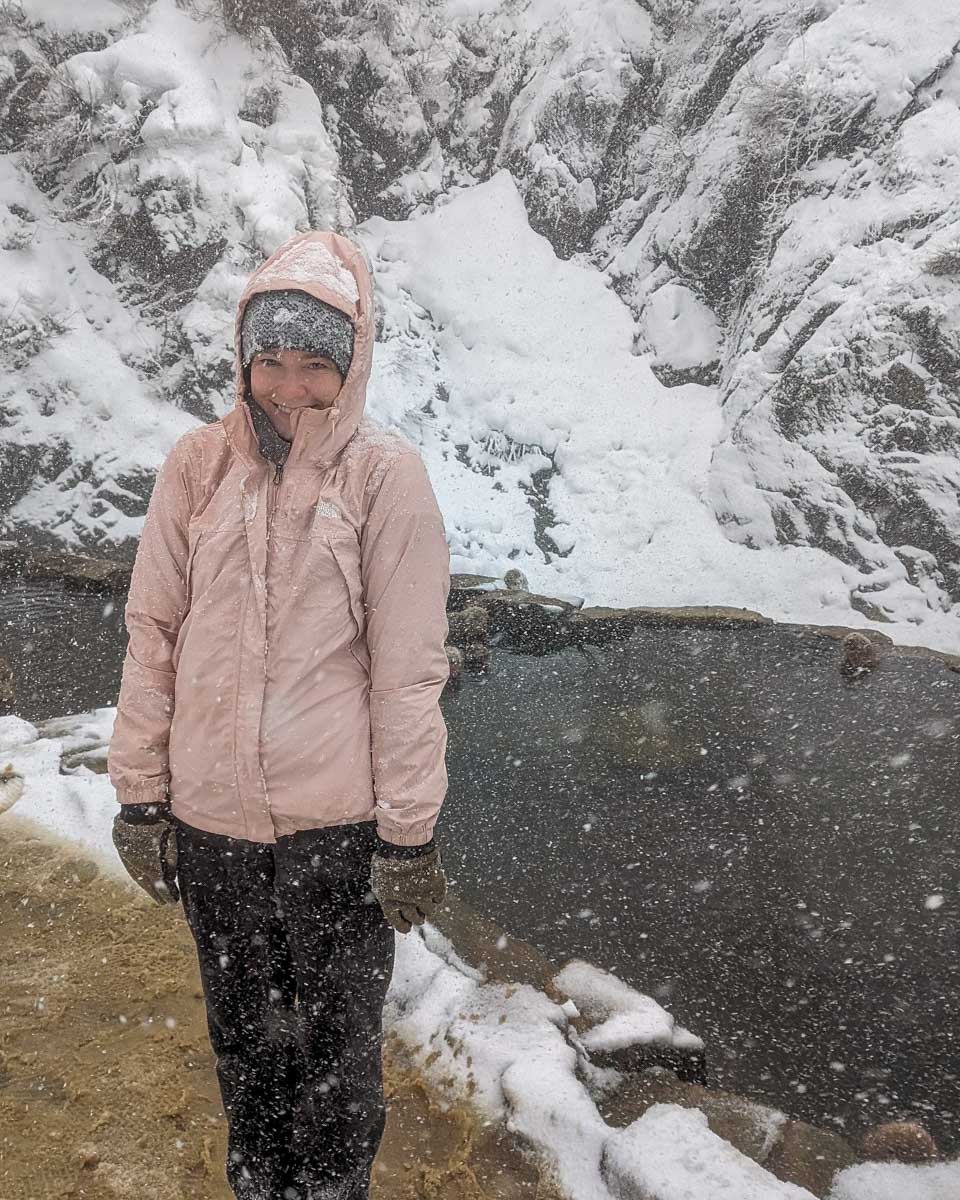
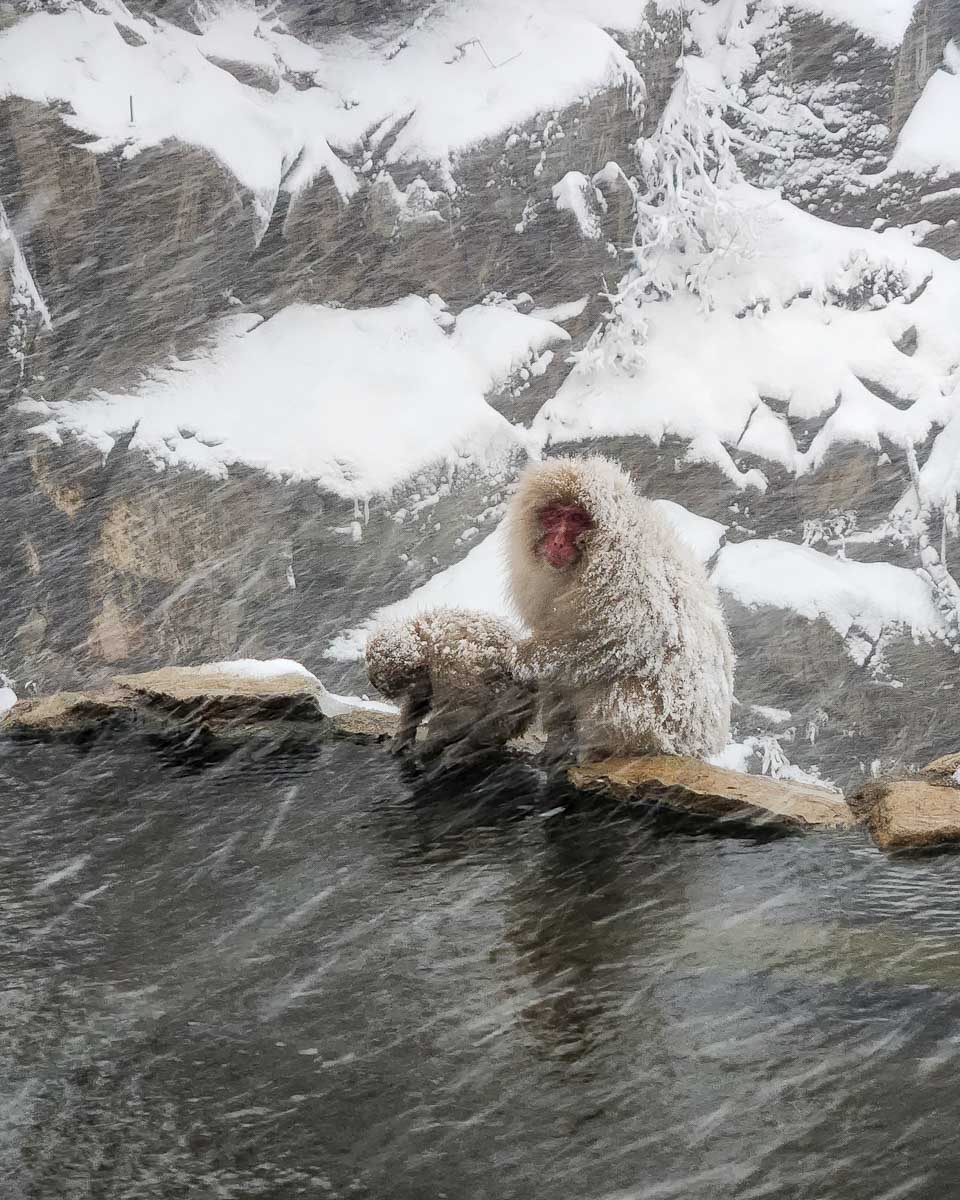
Seeing the snow monkeys of Nagano is one of the most unforgettable wildlife experiences in Japan, and this guided day tour is one of the best ways to do it. Rather than navigating rural transport and timing on your own, the tour builds up to the main event with a thoughtfully planned route that adds cultural depth without taking focus away from the stars of the day.
The experience begins in Nagano City with a visit to Zenko-ji Temple, a 1,400-year-old Buddhist site and one of the region’s most important landmarks. A knowledgeable guide provides helpful context about local customs and history before the journey continues deeper into the countryside. Along the way, the tour includes a stop at a local sake brewery and a traditional lunch served in a historic home, which are nice additions that make the day feel relaxed and immersive rather than rushed.
The highlight, of course, is Jigokudani Snow Monkey Park. After a scenic forest walk, you’ll arrive at the hot springs where wild Japanese macaques gather, especially during the colder months. Watching the monkeys soak, groom each other, and play in the steaming pools is a truly iconic Japanese moment and a rare opportunity to see wildlife behaving naturally in its environment.
With transportation, timing, and logistics handled for you, this tour makes seeing Nagano’s famous snow monkeys easy, ethical, and memorable—an absolute must-do for any trip to Japan.
Related Read: Looking for a cozy stay after your snow monkey adventure? See the best hotels in Nagano with an onsen to stay warm and relaxed!
20. Discover Giesha’s history in Kyoto’s Gion district

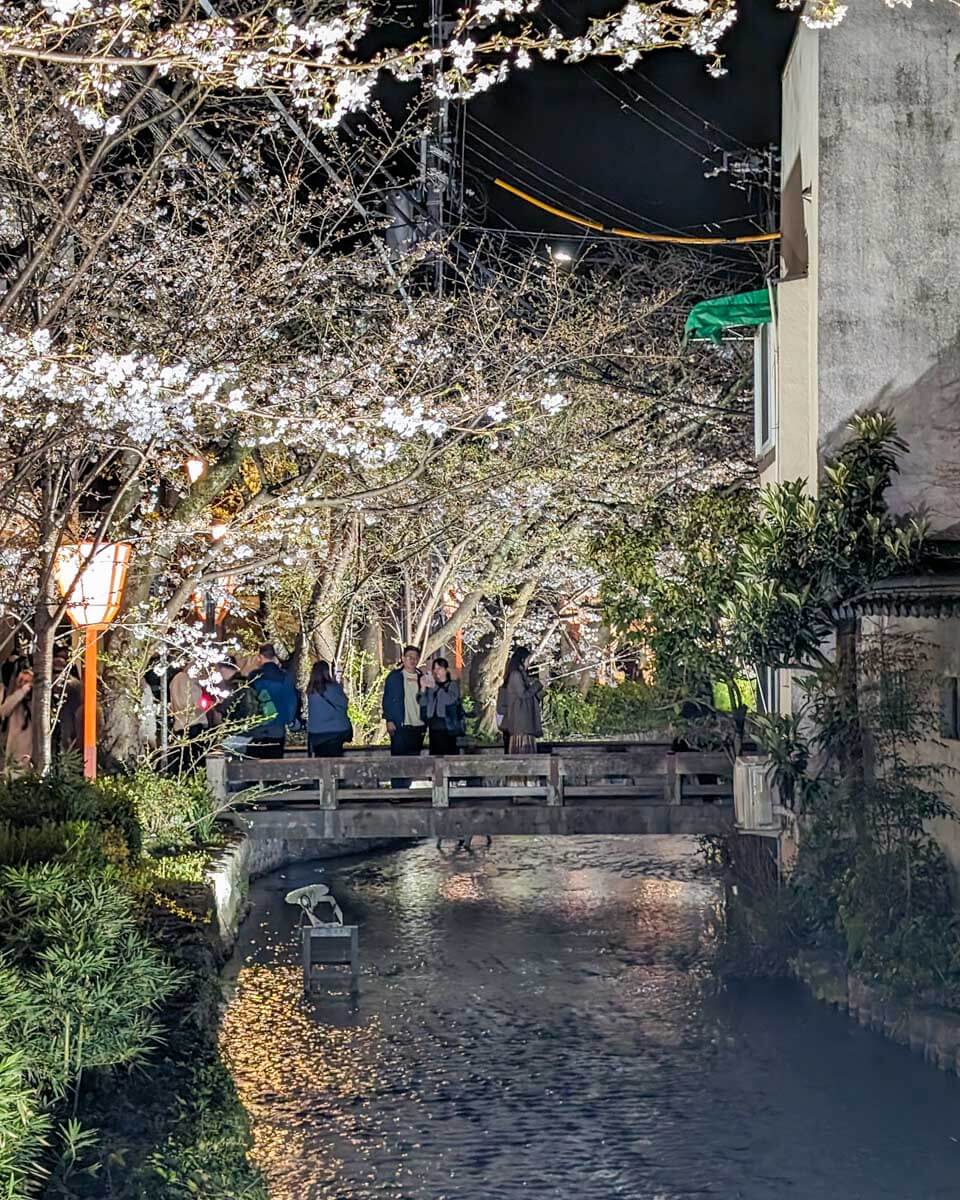
Discovering the history of geisha culture in Kyoto’s Gion district is one of the most enriching cultural experiences you can have in Japan. Geishas are often misunderstood or reduced to quick photo opportunities, but Kyoto remains one of the best-preserved geisha districts in the country, making it the ideal place to truly understand this centuries-old tradition. This guided walking tour offers a thoughtful, respectful way to learn what geisha culture is really about.
The tour takes place in Gion, Kyoto’s most famous geisha district, where narrow streets, wooden machiya townhouses, and softly glowing lanterns create the feeling of stepping back in time. Exploring the area with a knowledgeable local guide adds crucial context, helping you understand the history, customs, and etiquette that still shape the neighborhood today.
Along the way, you’ll learn about the intense training required to become a geisha—known locally as geiko—including years dedicated to mastering traditional arts such as dance, music, and refined conversation. This is not a tourist performance, but a living cultural practice rooted in discipline, grace, and preservation. The guide also points out historic teahouses and exclusive ryotei restaurants where geiko entertain guests, places most visitors would walk past without realizing their significance.
There’s often the chance to respectfully spot geishas heading to evening appointments, offering a rare glimpse into a tradition that still thrives today. For travelers wanting deeper cultural insight, this Gion tour is an absolute must in Kyoto!
21. Go snorkeling or diving in Okinawa


Snorkeling the Blue Cave on Ishigaki Island is one of the most unforgettable outdoor experiences in Japan, especially for travelers heading to Okinawa. Known for its crystal-clear water and vibrant marine life, this guided snorkeling tour showcases a side of Japan that feels worlds away from busy cities and historic temples.
The experience begins with a visit to the limestone cave itself, where dramatic rock formations and natural light set the stage for what’s to come. Once in the water, the visibility is immediately striking—often considered some of the best in Japan. Swimming through the shallow trench, you’ll glide past coral gardens and schools of tropical fish, with the chance to spot sea turtles along the way.
A professional local guide leads the entire tour, ensuring everything runs smoothly and safely. The pace is relaxed, and all equipment is provided, including small details like anti-fog treatment for masks, so you don’t miss a thing underwater. One of the biggest advantages of this tour is how beginner-friendly it is—no advanced swimming skills are required, making it accessible even for first-time snorkelers.
This experience offers a rare chance to explore Japan’s subtropical marine world up close, combining adventure with ease and expert guidance. With hundreds of five-star reviews backing it up, snorkeling the Blue Cave is a must-do for anyone visiting Okinawa.
Renting a Car in Japan

Japan’s trains are great, but if you want to explore rural areas, scenic routes, or off-the-beaten path hidden gems, renting a car offers unmatched flexibility. Driving in Japan is generally safe, with well-maintained roads and clear signage, though there are some unique rules and customs to be aware of.
We always book with Discover Cars and can’t recommend them enough. It’s super easy to compare multiple provider prices, check company ratings, filter for the type of vehicle you want, and add affordable full coverage insurance. If you want a full breakdown, check out our Discover Cars review here.
Tips for Renting a Car in Japan
What You Need to Rent a Car in Japan
Ready to hit the road? Discover the freedom of exploring the Japan on your own terms!
Airalo e-sim
Up To 15% Off With Code “DTRAVEL10”
What’s an eSIM?
An eSIM is a digital version of a SIM card. Instead of buying a little plastic chip and swapping it into your phone, you just download it. It connects your phone to a local network in whatever country you’re visiting — no stores, no waiting, and no fiddling with tiny cards.
In simple terms, it’s the easiest way to get data and stay connected while traveling.
We’ve tested a bunch of eSIMs in North America, and after a few frustrating experiences, we’ve found our favorite — Airalo. It’s fast, reliable, and incredibly easy to use. You can set it up in minutes (even my mom managed it solo on her first try!), and the prices are some of the best out there.
Bonus: We’ve got an exclusive 15% discount for our readers. Use the codes:
Thanks for reading!

While planning a trip to Japan can seem daunting, you can explore stress-free if you stick to our recommendations! And if you don’t hit everything you want to see this visit, you’ll just have to come back. Be sure to book your favorite experiences in advance if you’re visiting during peak tourist season, so you don’t miss out!
Before you go, check out the rest of our Japan blogs. We fell in love with this country after our first visit, and have been back many times. We’ve compiled a lot of experiences and resources to help you plan a memorable trip, from can’t-miss activities to traditional ryokan stays, and everything in between. Here are a few related blogs to inspire your next adventure – cheers!
Where to Go in Japan Based on Your Travel Style
The 20 Best Hotels in Hakone with Onsens
The Services We Recommend
From hotels to guided tours, we only recommend services we know and trust. Here are our recommended partners so you can explore Japan with confidence.


Nice collection of things to do in Japan. I planned our 28 day tour of Japan and it basically was the same as yours with a few exceptions. We missed out on a tour to see Mt. Fuji and some things in Tokyo as it was the last few days of our trip and I had come down with a bad cold combined with a bunch of rainy days. In hindsight, I should have just booked a couple of day tours since I was sick instead of fighting the weather and my cold. I like your cooking tours which I didn’t make time for. The only thing we missed that was in your favorites was the Gion geisha at night. We would have loved to see it then. We went there in the day, and of course no geishas. We covered all the places you highlighted including Okinawa, and more. Thanks for sharing.
Hi Wendy!
Thanks so much for sharing this — sounds like you had such an amazing trip overall! 😊
That’s so frustrating about the cold and weather at the end though, especially when you’re so close to ticking off those last few things. But honestly, it sounds like you still saw a ton!
And yeah, Gion at night is definitely one of those “timing is everything” experiences. The cooking tours are such a fun one too if you ever make it back.
Really appreciate you taking the time to write this — thanks again!
Cheers,
Bailey