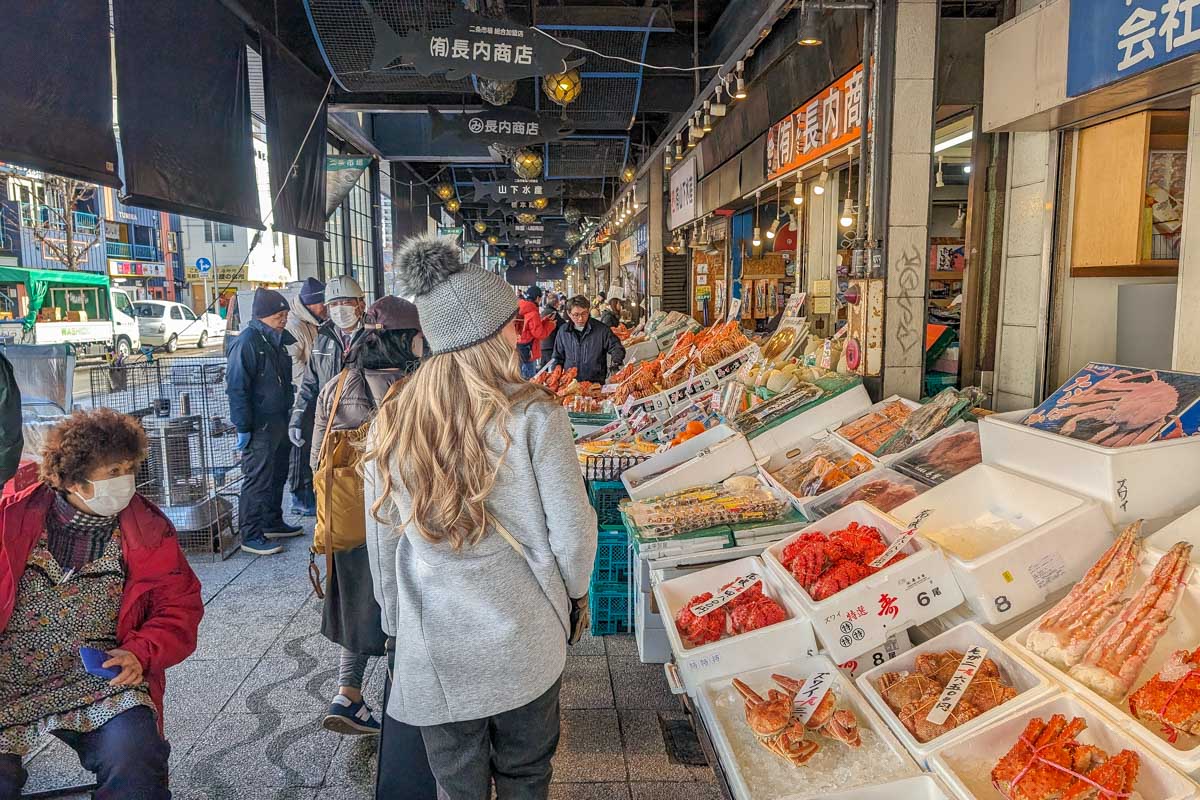
40 Best Onsen Hotels in Japan
Dreaming of a relaxing onsen stay during your Japan trip? You’re in good hands.
Japan is home to thousands of hot springs, but not every destination offers the same kind of onsen experience. Some places are built entirely around soaking, while others weave onsens into busy cities, mountain towns, or coastal escapes. With so many options, figuring out where to stay—and what kind of onsen experience you’ll get—can feel overwhelming.
That’s where this guide comes in! We’ve rounded up some of the best onsen hotel destinations across Japan, from classic hot spring towns to major cities, with standout hotel picks for each one. Whether you’re looking for a traditional ryokan, a modern hotel with an onsen, or something in between, this list will help you find the right fit for your trip. Let’s get to it!
Don’t miss out!
Our Top Choice
This is the hotel and area we loved the most and suggest booking ASAP!
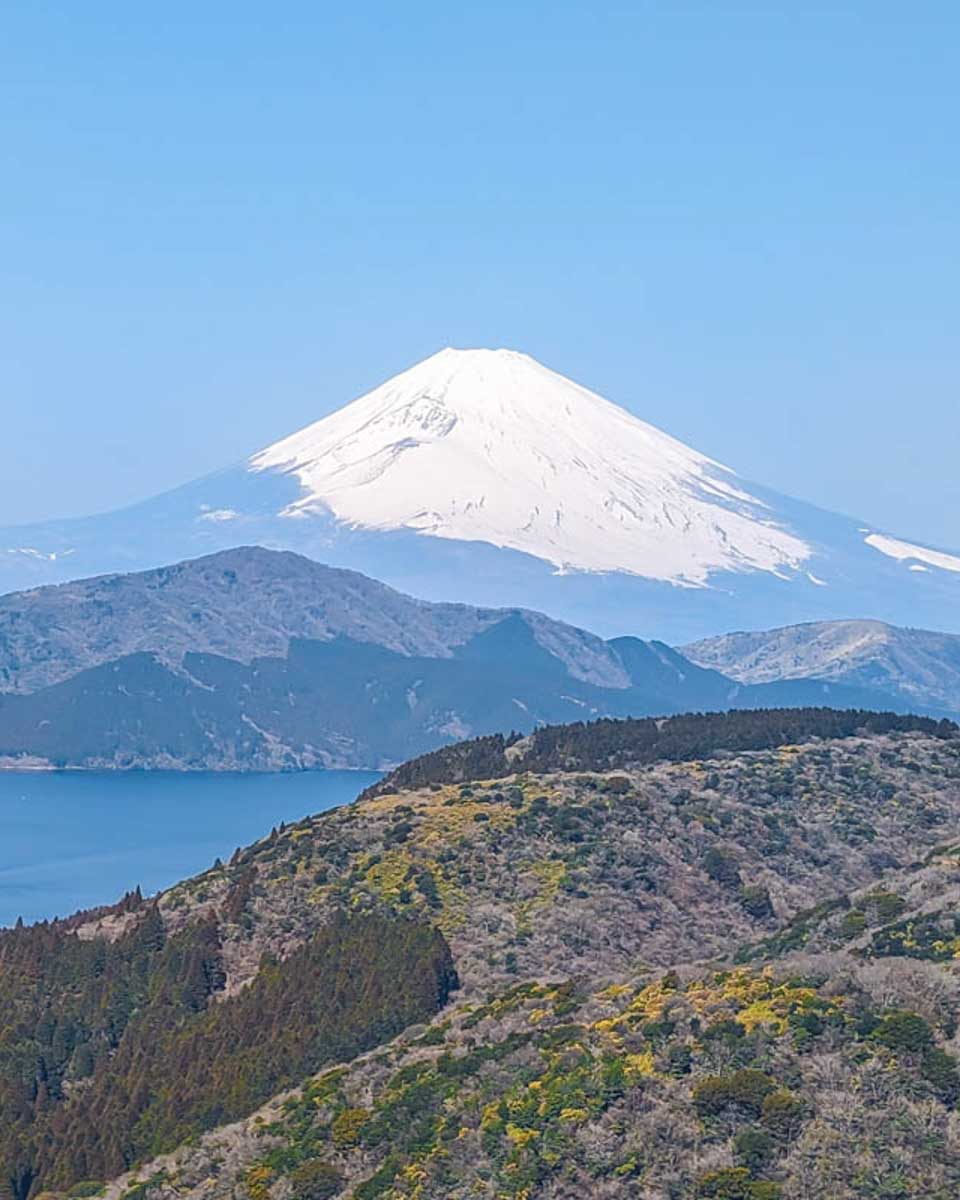
Our personal FAVORITE town for an onsen stay is Hakone! It’s hard to beat historic onsens and Mt Fuji views.
We recommend staying at Onsen Guest House Tsutaya. It offers a serene escape and an authentic feel, while still being budget-friendly and in a great location!

Mount Fuji & Lake Ashi
Where to Find the Best Onsen Hotels in Japan
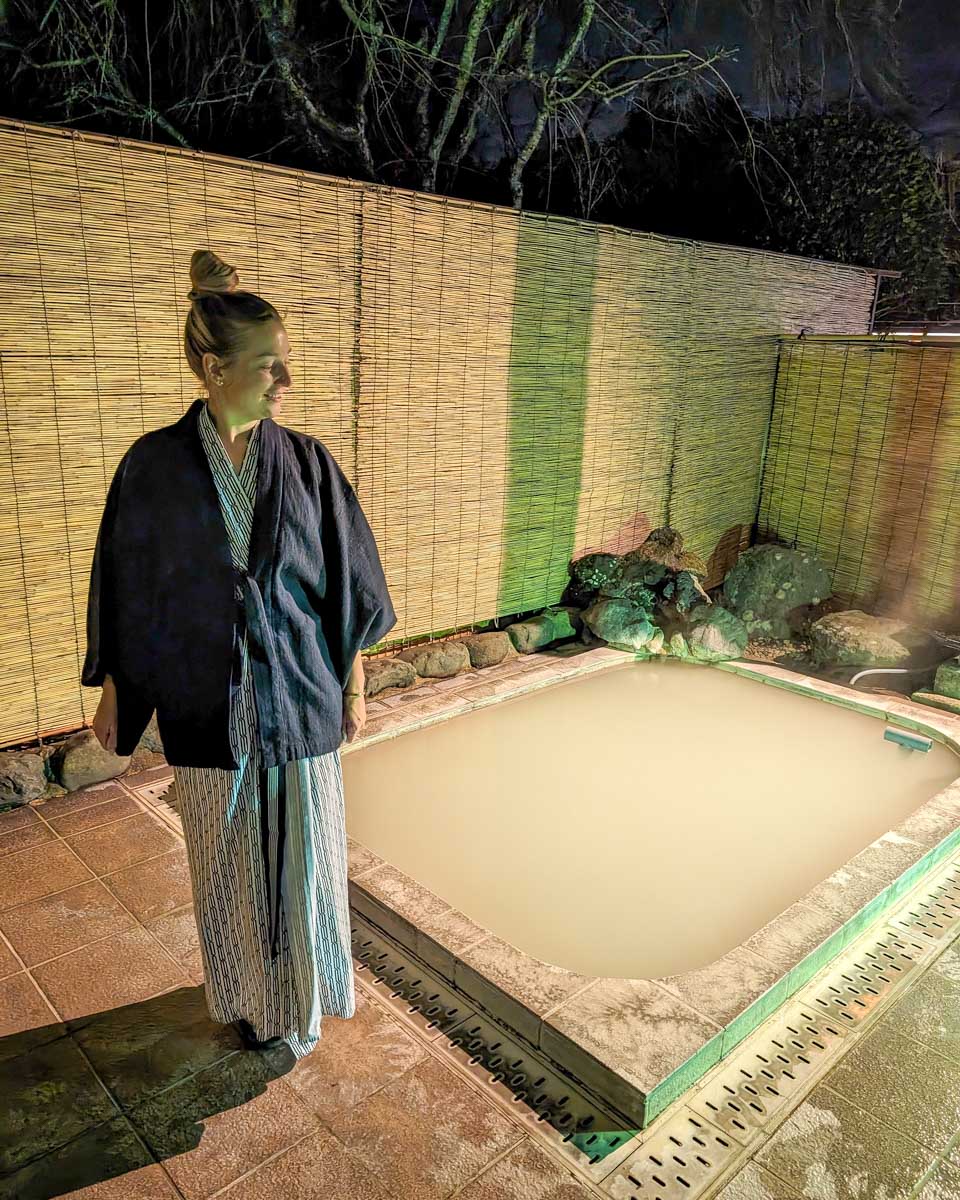
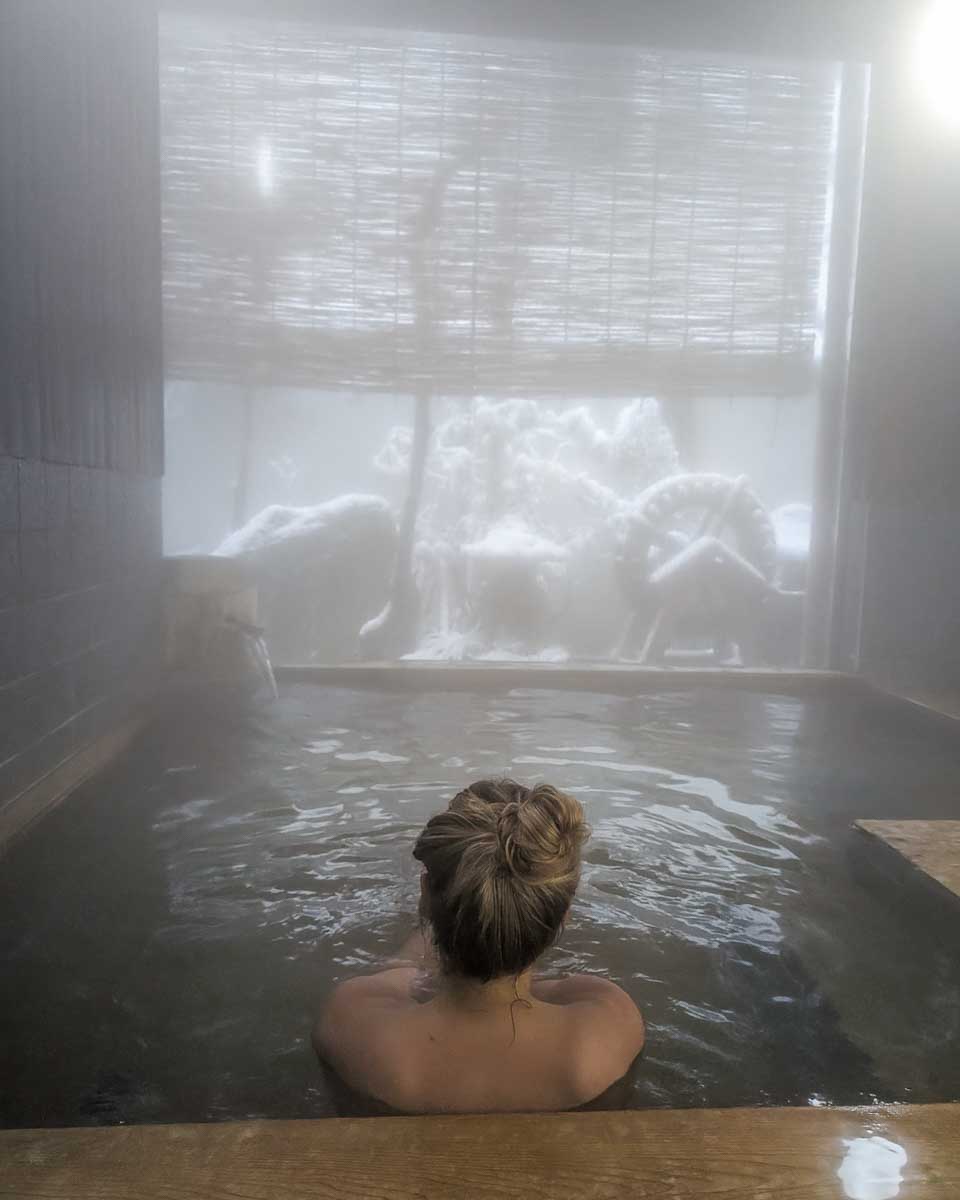
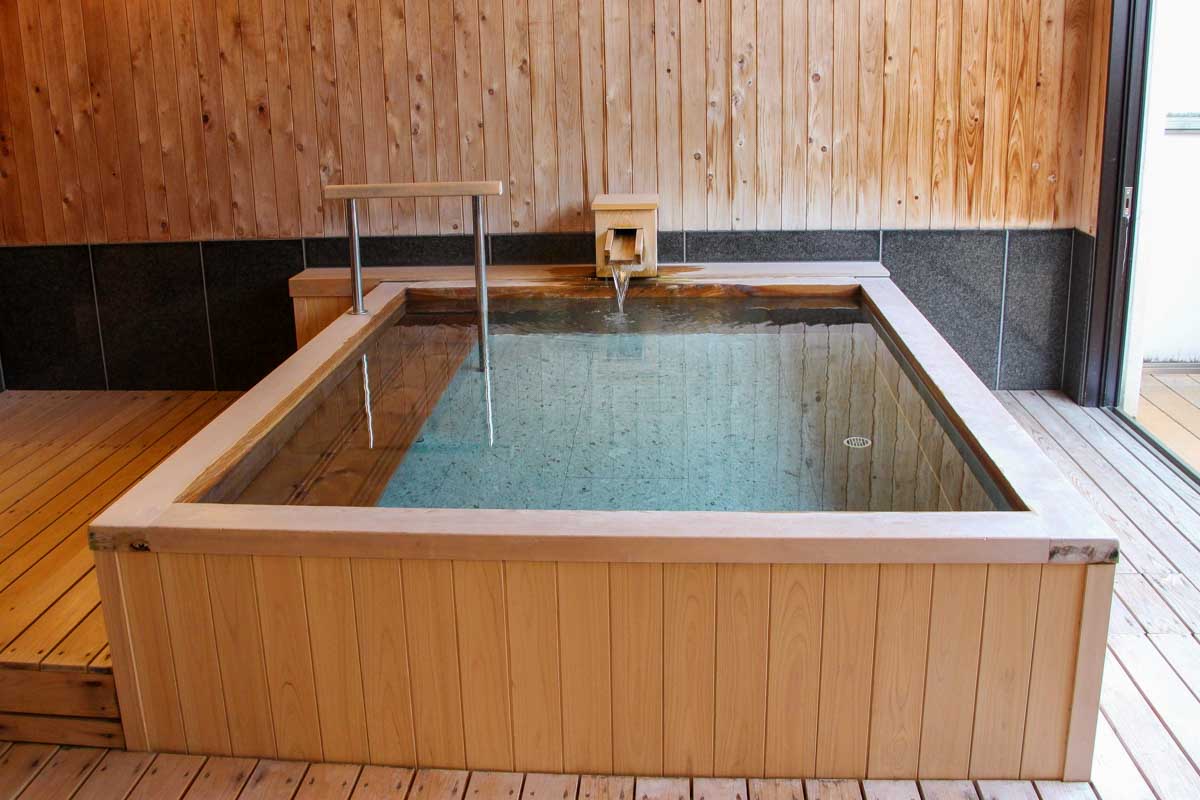
Japan is famous for its onsens, or hot spring baths, which are traditionally filled with naturally heated mineral water believed to have therapeutic benefits. Some hotels use genuine onsen water sourced directly from underground springs, while others offer high-quality sento-style baths that recreate the onsen experience using heated water. Both can be relaxing and enjoyable, depending on your travel style.
In this guide, we highlight some of the best places across Japan to stay at onsen hotels, from classic hot spring towns to major cities where soaking fits easily into a busy itinerary. We’ve included a mix of traditional ryokans—Japanese inns with tatami rooms, futon bedding, and kaiseki meals—as well as modern hotels with onsen facilities.
Here’s a quick look at the best onsen destinations in Japan and a great place to stay in each:
- Hakone – Best for first-time onsen visitors – Located just west of Tokyo, Hakone is one of the easiest places to experience onsens alongside classic sightseeing. Onsen Guest House Tsutaya offers a relaxed, affordable stay near Hakone Yumoto, making it a great base for exploring Lake Ashi, the Hakone Ropeway, and nearby bathhouses without committing to a full luxury ryokan.
- Nagano – Best for traditional onsen towns & mountain scenery – Set in the Japanese Alps, Nagano is known for historic hot spring towns and a slower pace of travel. Combining modern comfort with natural hot spring baths right in Nagano City, Dormy Inn Nagano offers an easy introduction to alpine onsens without the complexity of traveling between rural towns.
- Sapporo – Best for city stays with easy onsen access – Hokkaido’s largest city blends urban energy with relaxing onsen hotels. Within walking distance of Sapporo Station, Odori Park, and the city’s best dining and nightlife, Hotel Monterey Edelhof Sapporo stands out for its elegant rooms and spa-style baths.
- Kyoto – Best for culture & traditional onsen stays – Kyoto pairs historic sightseeing with refined onsen hotels spread throughout the city. ALA HOTEL KYOTO offers excellent value near Kyoto Station, featuring modern rooms, a full onsen complex, and easy access to temples, shrines, and public transport.
- Tokyo – Best for modern city onsen stays – Tokyo’s onsen hotels focus on convenience and contemporary design rather than traditional hot spring towns. Onsen Ryokan Yuen Shinjuku blends sleek aesthetics with natural hot spring baths, giving travelers a calm retreat right in the middle of the city.
- Kusatsu Onsen – Best for classic onsen towns – One of Japan’s most famous hot spring towns, Kusatsu is built entirely around onsen culture. With private baths available and a welcoming, homey atmosphere, Kusatsu Onsen Eidaya offers a relaxed, approachable stay within walking distance of Yubatake.
- Beppu Onsen – Best for unique onsen stays – Beppu is Japan’s most active hot spring region, known for its diverse bathing styles. AMANEK Beppu YULA-RE is a modern, centrally located hotel with a rooftop onsen and pool, making it ideal for travelers who want variety, convenience, and city views.
- Kinosaki Onsen – Best for all-in onsen town experiences – Kinosaki is a beautifully preserved onsen town where the entire experience revolves around bathing. Onishiya Suishoen offers a peaceful riverside stay within walking distance of the town’s seven public bathhouses, combining traditional rooms, serene gardens, and a classic yukata-and-geta onsen-town atmosphere.
Important Tip
Multiple Japan trips have taught me that most cities don’t reward spontaneity when it comes to planning. The good places get snapped up months in advance, leaving the overpriced and underwhelming options for last-minute travelers.
The sweet spot for booking Japan accommodations is 3-4 months out—enough time to secure good rates but not so far ahead that you’re locking in plans excessively early.
The Best Onsen Hotels in Japan
Hakone

BEST FOR FIRST-TIME ONSEN VISITORS
Pros
- Easy access from Tokyo by train, bus, or romancecar
- Wide variety of onsen areas, from lively towns to quiet mountain retreats
- Major sights, onsens, and scenic spots all within one compact region
Cons
- Popular areas can feel crowded on weekends and holidays
- Onsen stays can be pricey, especially with meals included
- Travel between sub-areas sometimes requires multiple transport changes
Hakone is one of the most popular onsen destinations in Japan, and for good reason. Located just west of Tokyo, it offers one of the easiest ways to experience traditional hot spring culture without traveling deep into rural Japan. Whether you’re visiting for a quick overnight stay or a longer escape, Hakone delivers variety, scenery, and a well-developed onsen scene that works especially well for first-time visitors.
The region is made up of several distinct onsen areas, including Hakone Yumoto, Gora, Lake Ashi, Sengokuhara, and Miyanoshita. Each has its own atmosphere, ranging from lively hot spring towns near train stations to quiet ryokan clusters tucked into the mountains. This variety makes it easy to match your stay to your travel style, whether you want convenience, views, or peace and quiet.
Hakone is also packed with major sights. Highlights include Lake Ashi, the Hakone Open-Air Museum, the Hakone Ropeway, Owakudani’s volcanic landscape, and iconic views of Mount Fuji on clear days. Thanks to the Hakone Round Course, getting around without a car is straightforward. For travelers wanting an approachable introduction to onsens paired with classic sightseeing, Hakone is one of the best places in Japan to start.
Hakone Suimeisou – $$$
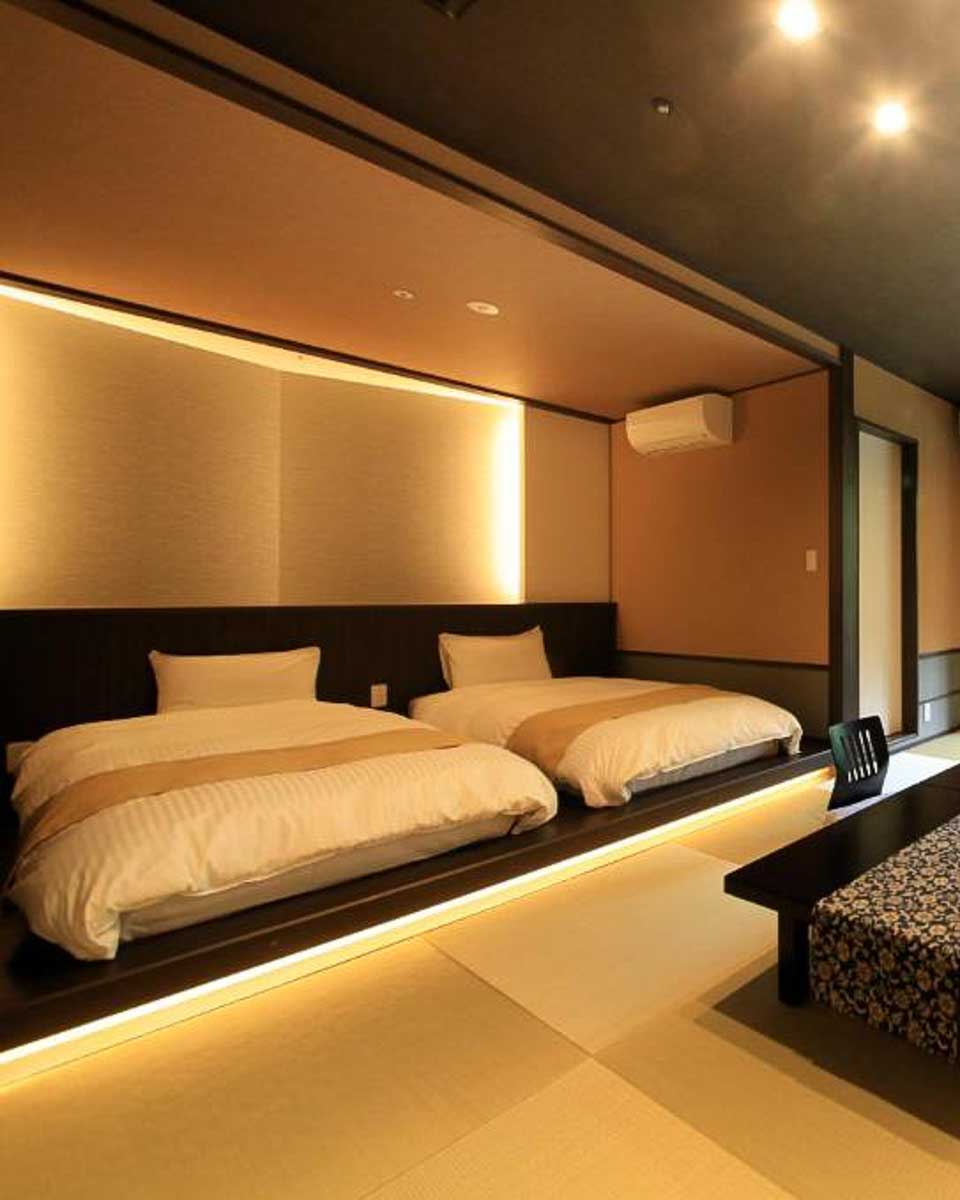
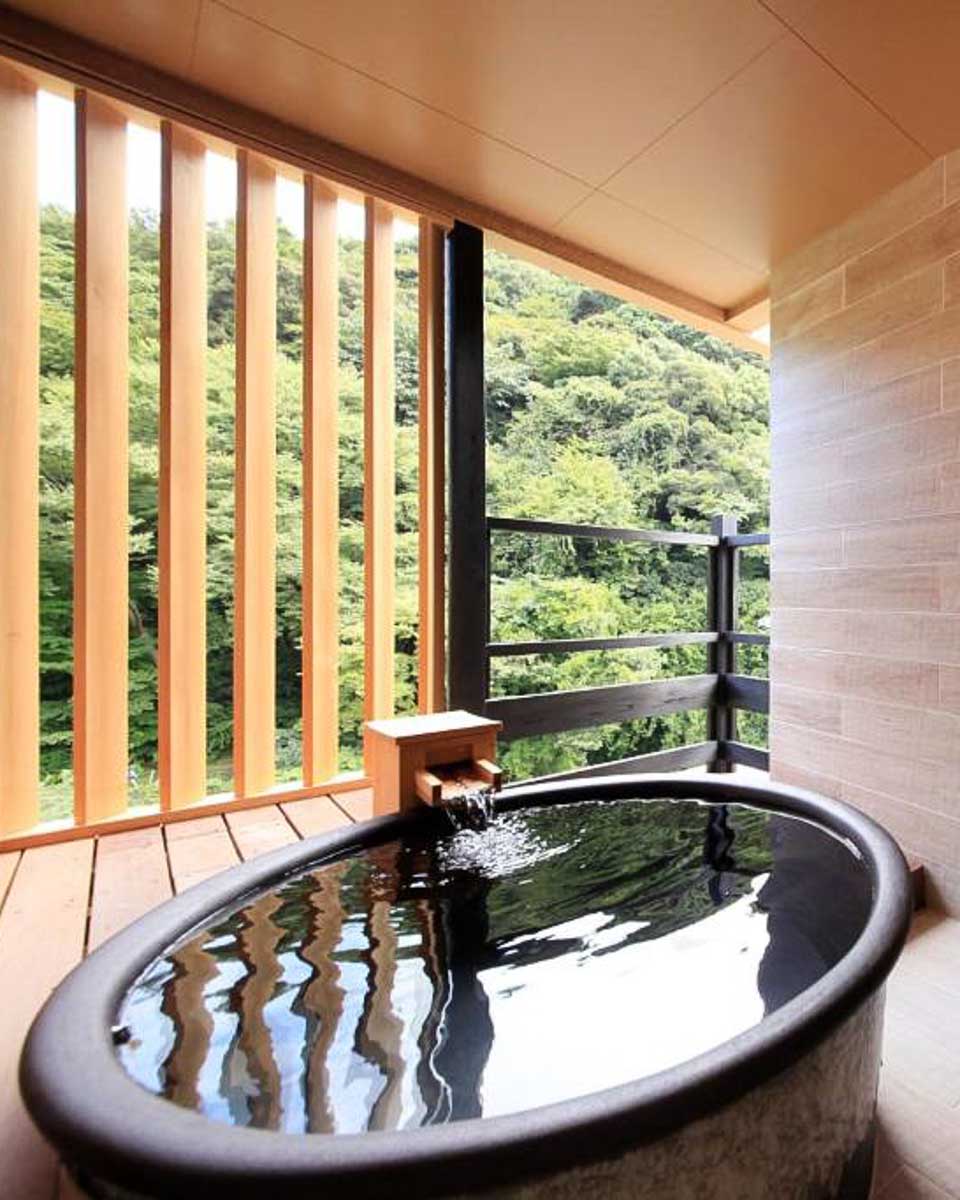
Hakone Suimeisou is a classic ryokan-style hotel located right along the river in Yumoto, and it’s an excellent choice if onsens are your top priority. The hotel uses Hakone’s natural hot spring water and offers both communal baths and private onsen, which is ideal if you want a more relaxed, intimate soaking experience.
The rooms are traditional, and many overlook the river. But what really stands out here is how seamlessly the onsen experience fits into your stay. You can check in, change into a yukata, and be soaking within minutes!
And thanks to its central location, it’s also just a short walk from Hakone-Yumoto Station, so this is a great pick for travelers who want an authentic onsen stay with easy access to public transport. Prices usually start from around 40,000 JPY ($265 USD) per night.
The Fujiya Hotel – $$$
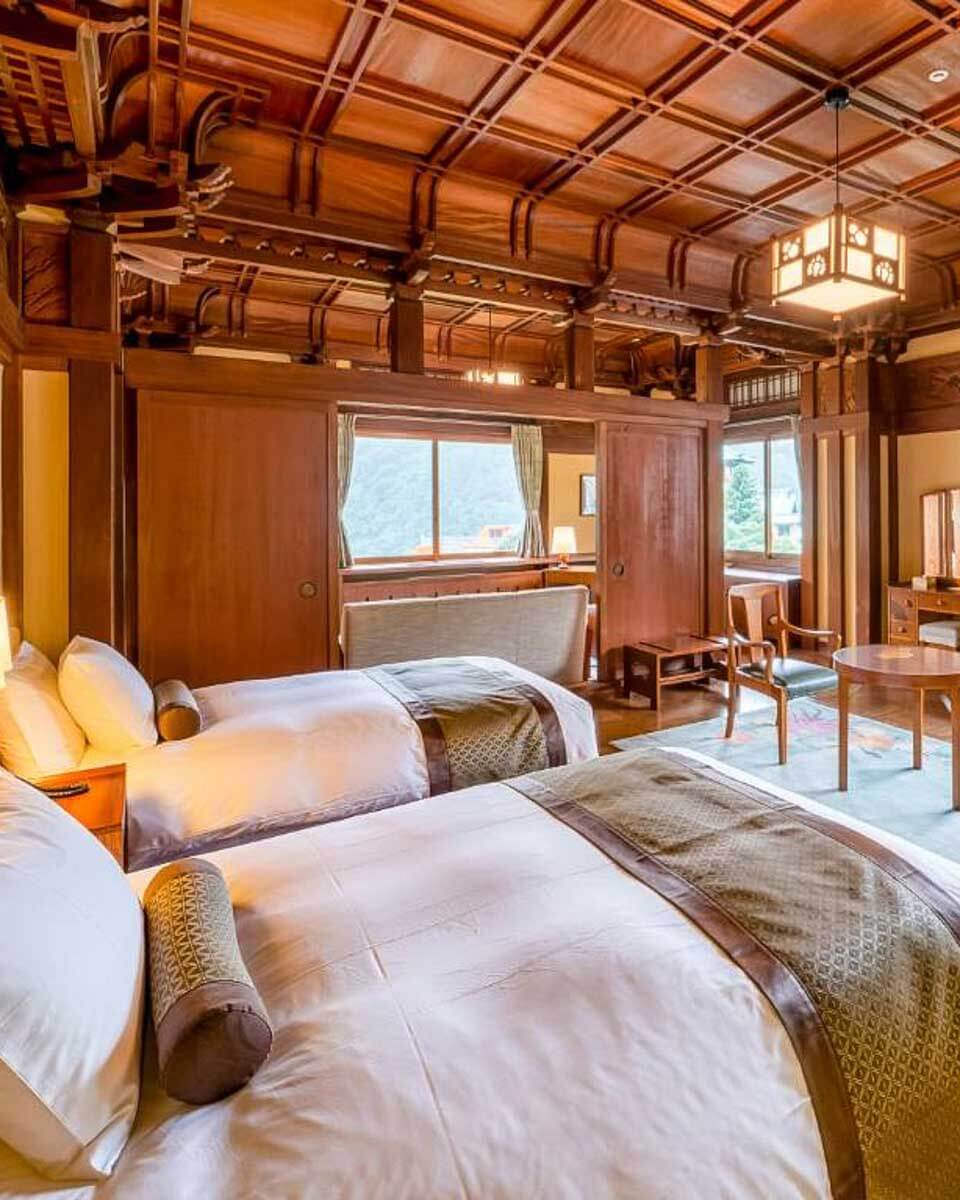
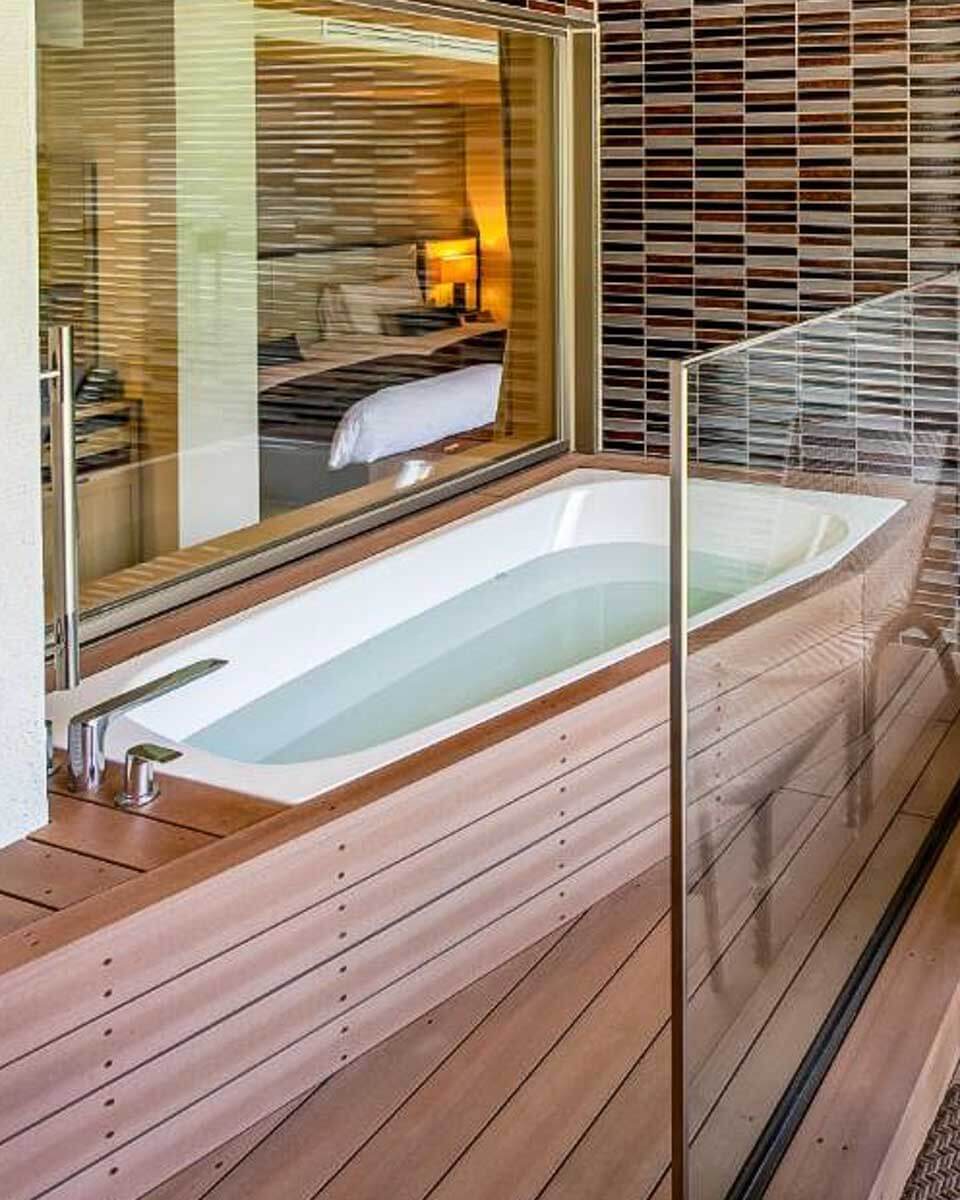
The Fujiya Hotel is one of Hakone’s most iconic properties, and staying here feels like stepping into a grand chapter of the area’s onsen history. Located in the mountain town of Miyanoshita, the hotel is famous for its elegant architecture and old-world charm, but it also offers excellent hot spring baths, so it’s still a true onsen stay, and not just a historic hotel.
The onsen facilities are calm and beautifully maintained, with both indoor and outdoor baths that draw on Hakone’s natural hot spring water. We think that this hotel suits travelers who want a refined, heritage-rich stay with proper onsen access, rather than a modern resort experience. Prices usually start from around 75,000 JPY ($475 USD) per night.
Hotel Okada – $$
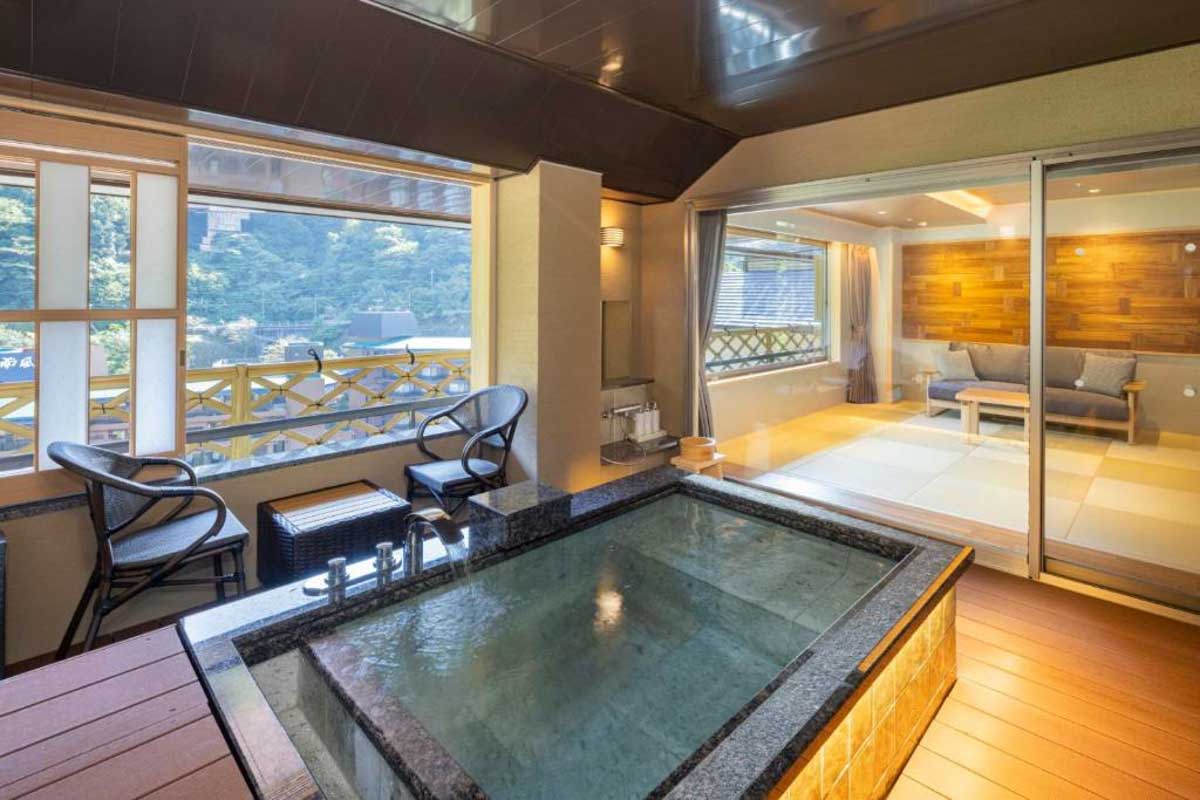
Hotel Okada is a great option if you want a proper onsen experience without the premium price tag, just a short bus ride away from Hakone-Yumoto Station. The hotel has a mix of indoor and outdoor baths fed by natural hot spring water, and there are also private onsen options available if you’d prefer a more relaxed, personal soak.
Hotel Okada also has a more social, resort-style feel than some of the smaller ryokans in Hakone, with a buffet restaurant, karaoke rooms, and shared spaces to hang out in. During the warmer months, the outdoor pool and communal footbath are a nice bonus, especially with mountain views in the background!
Prices usually range from around 27,000 JPY to 90,000 JPY per night ($180–$600 USD), with breakfast or half-board options available.
Onsen Guest House Tsutaya – $$
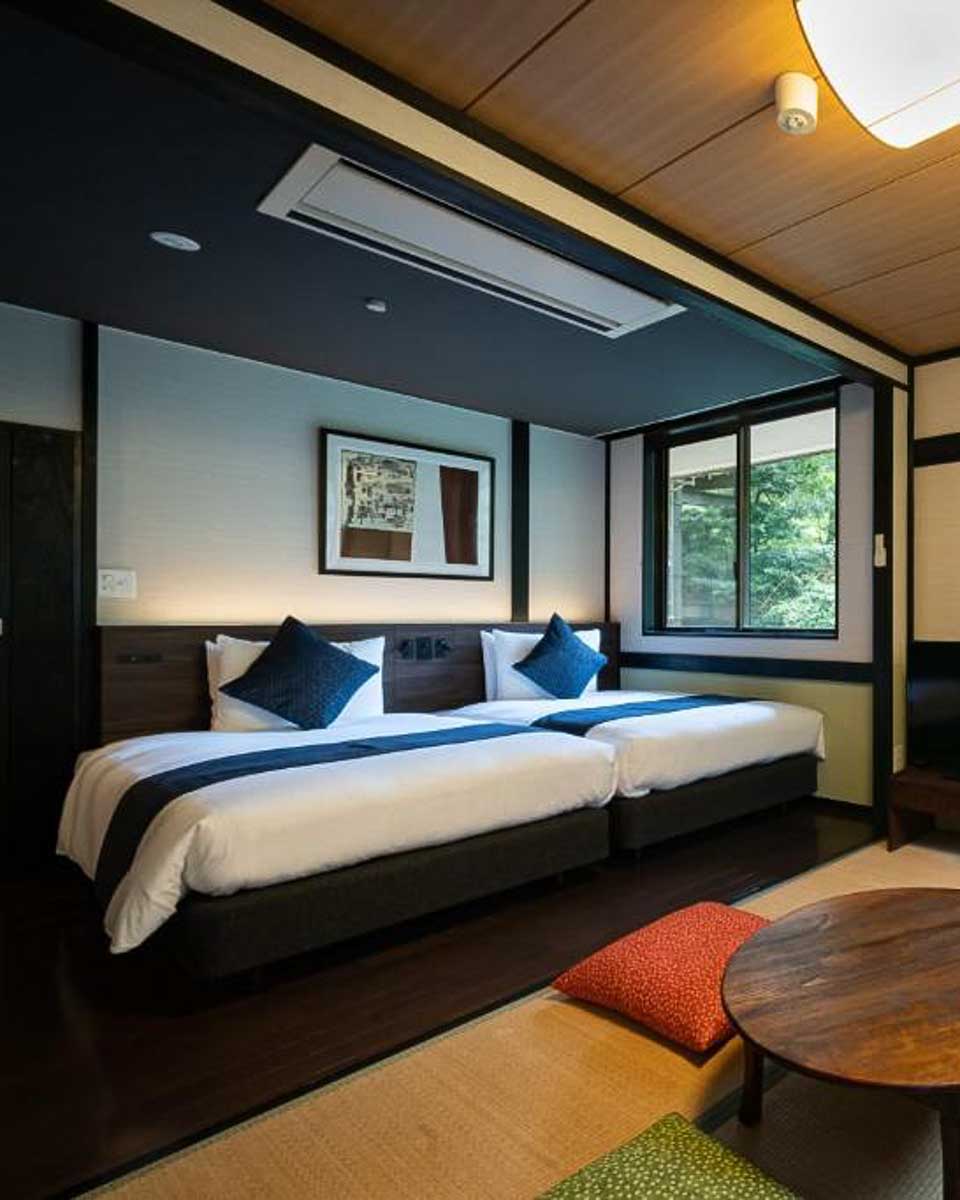
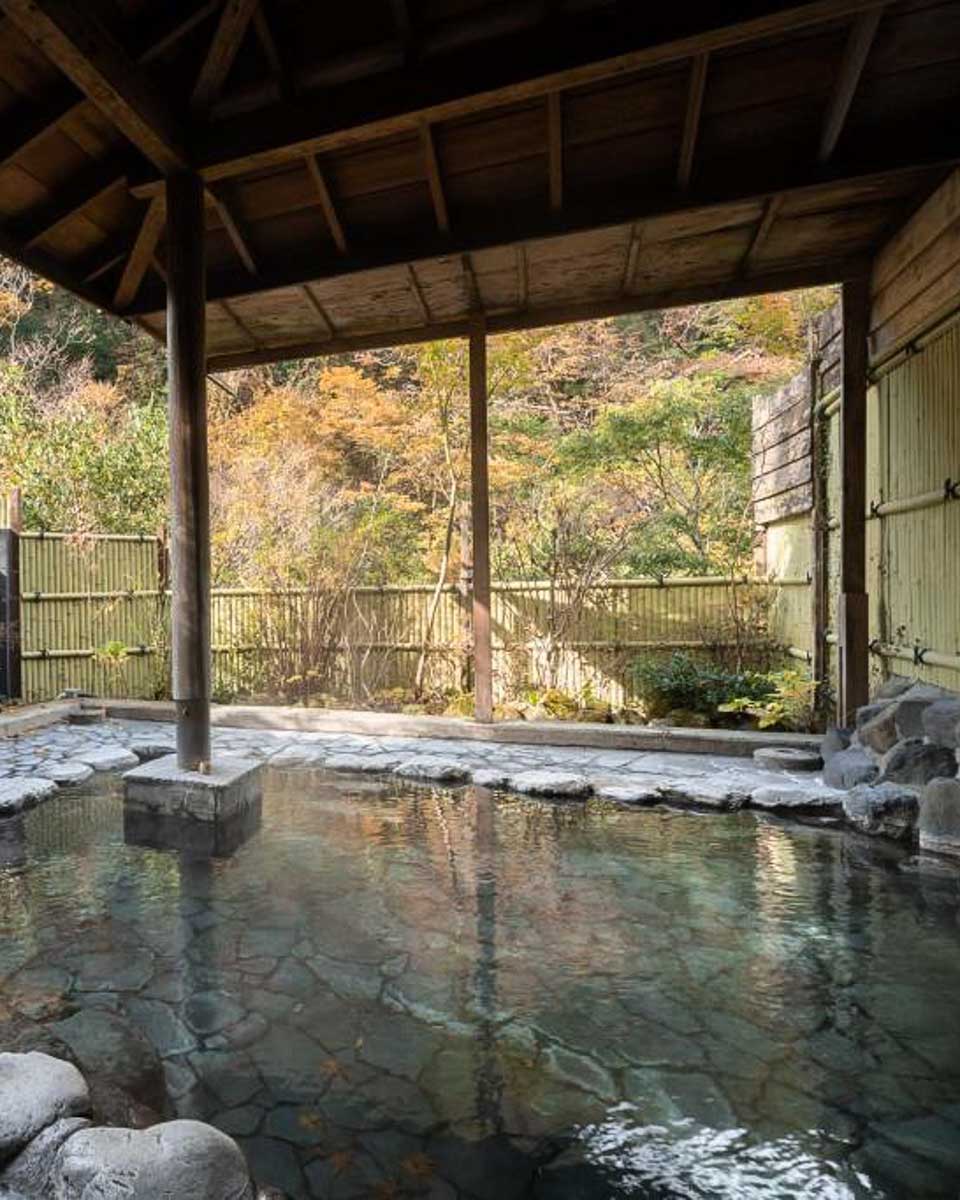
Onsen Guest House Tsutaya is friendly, affordable, and full of charm. It’s a cozy stay with all of the essentials, and it’s easy on the wallet, too! There are dorm-style options for guests looking to save money, although private rooms are also available if you prefer.
Guests can unwind in the natural hot spring baths, including an open-air bath with mountain views! There’s also a shared kitchen for those who like to cook their own meals, which can be another good money saver.
Plus, the hotel’s location puts top sights like the Hakone Open-Air Museum, Okada Museum of Art, and Chisuji Falls within easy reach. Miyanoshita Station is also just a short walk away, so getting around is super easy! Dorm beds start around 6,000 JPY per night ($40 USD), or private rooms start from about 21,000 JPY ($140 USD).
K’s House Hostels – $
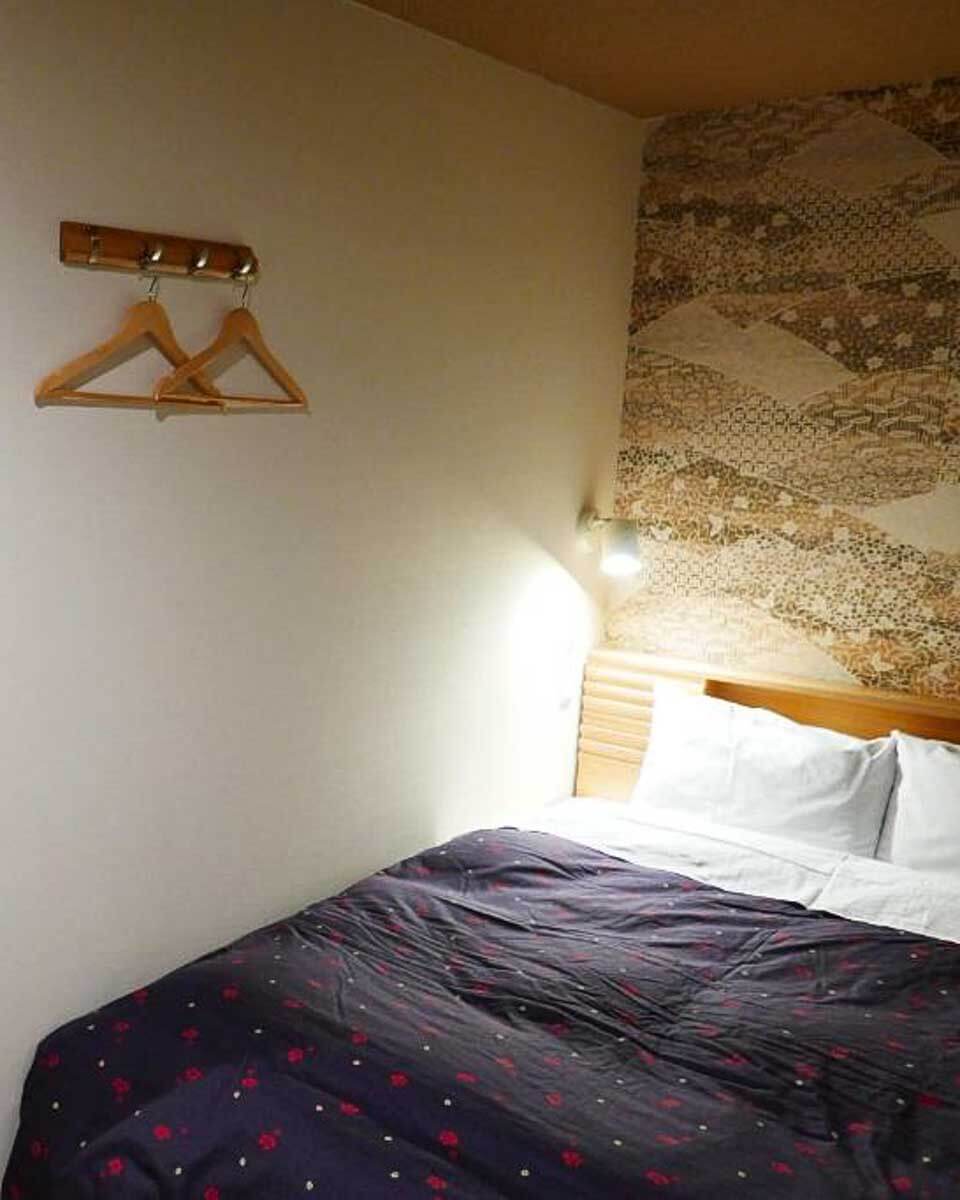
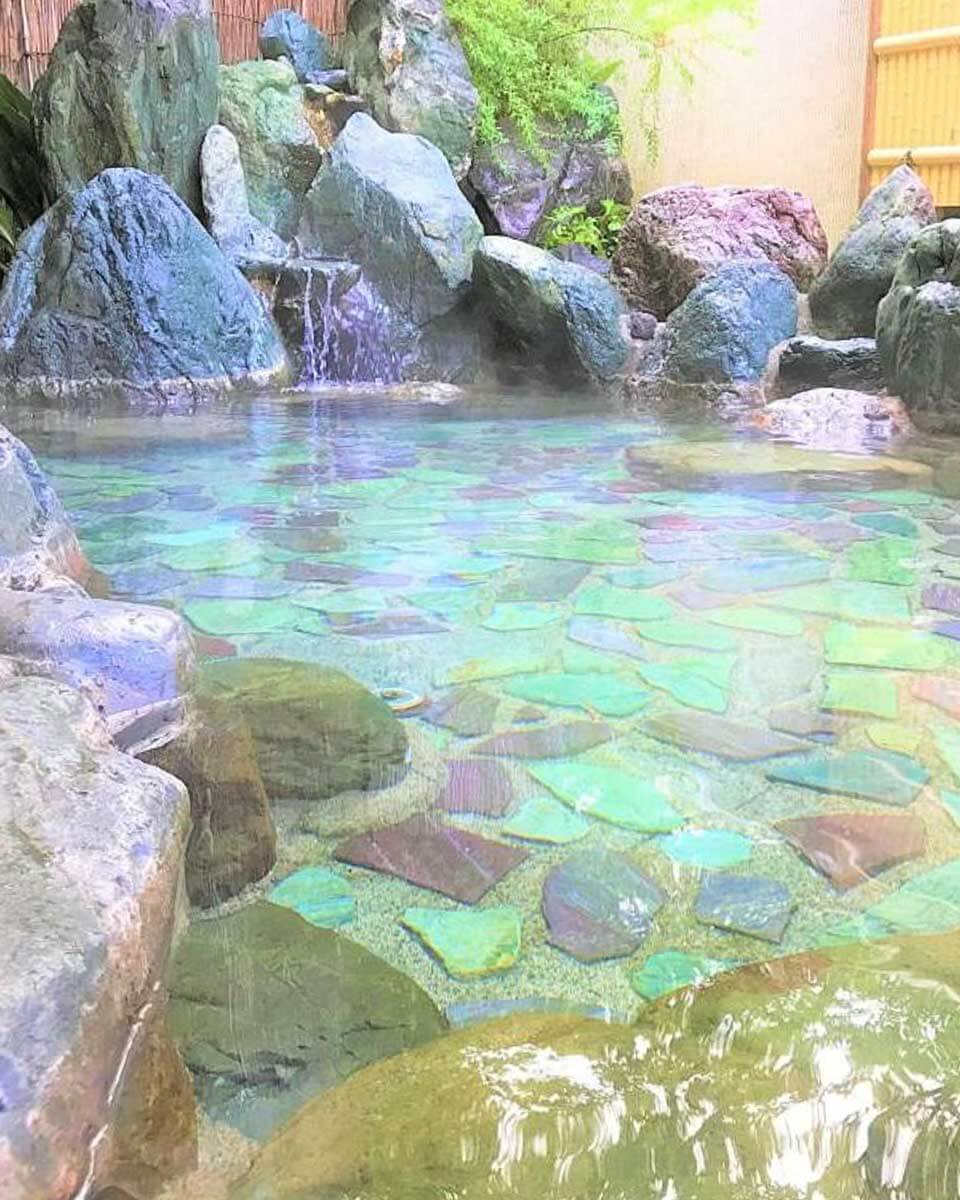
K’s House Hostels is a great budget-friendly option in Hakone-Yumoto that still lets you enjoy the onsen experience. While it’s technically a hostel, it’s clean, comfortable, and far more relaxed than you might expect, so it’s a popular choice with travelers who want value without sacrificing atmosphere.
One of the big perks here is access to onsen-style baths, which are pretty rare at this price point in Hakone. After a day of exploring, you can soak and unwind just like you would at a more traditional ryokan.
The communal spaces also make it easy to meet other travelers, and the overall vibe is friendly and laid-back. Prices usually start from around 8,000 JPY ($55 USD) per night, making it one of the most affordable places to stay in the area.
Hakone Miyanoshita Myojokan – $
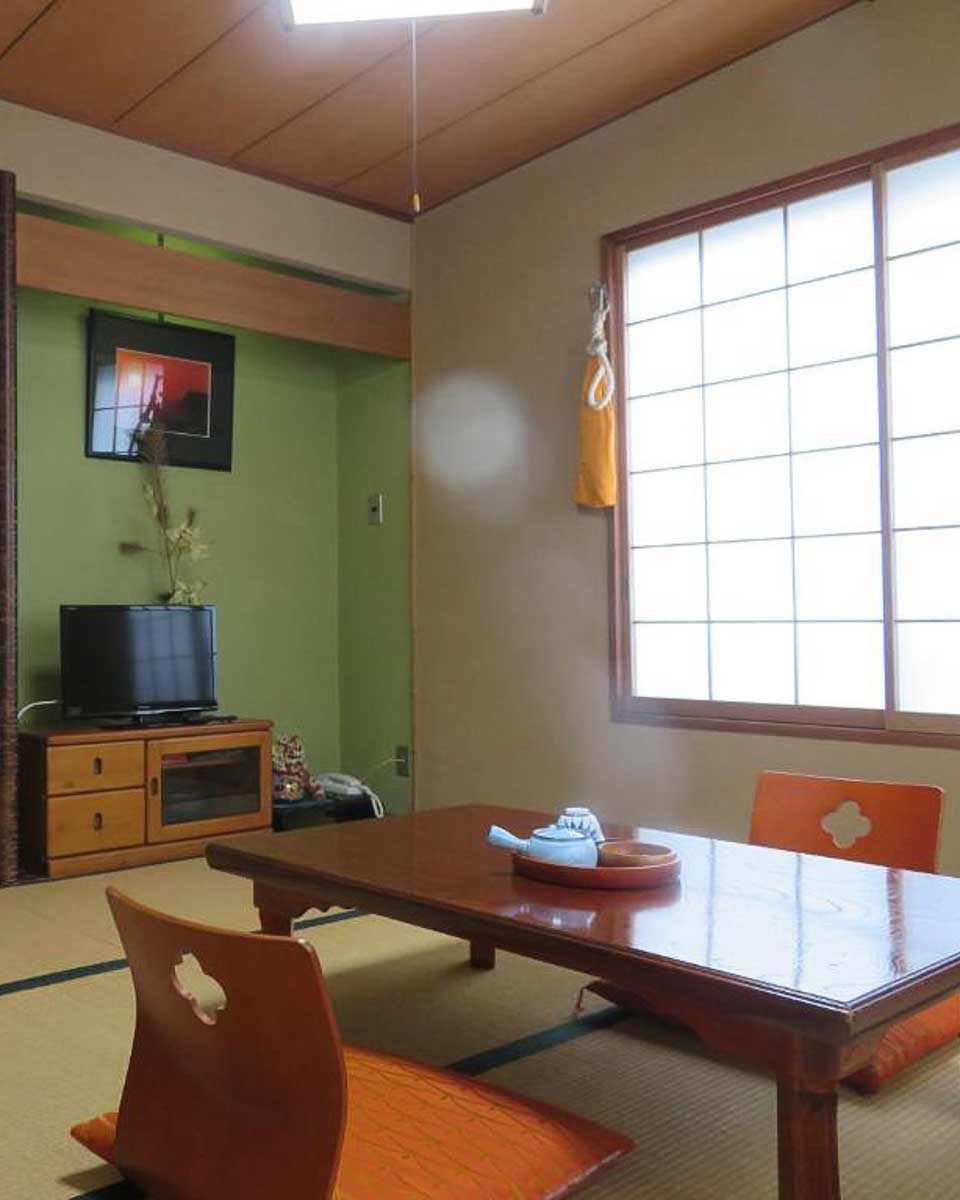
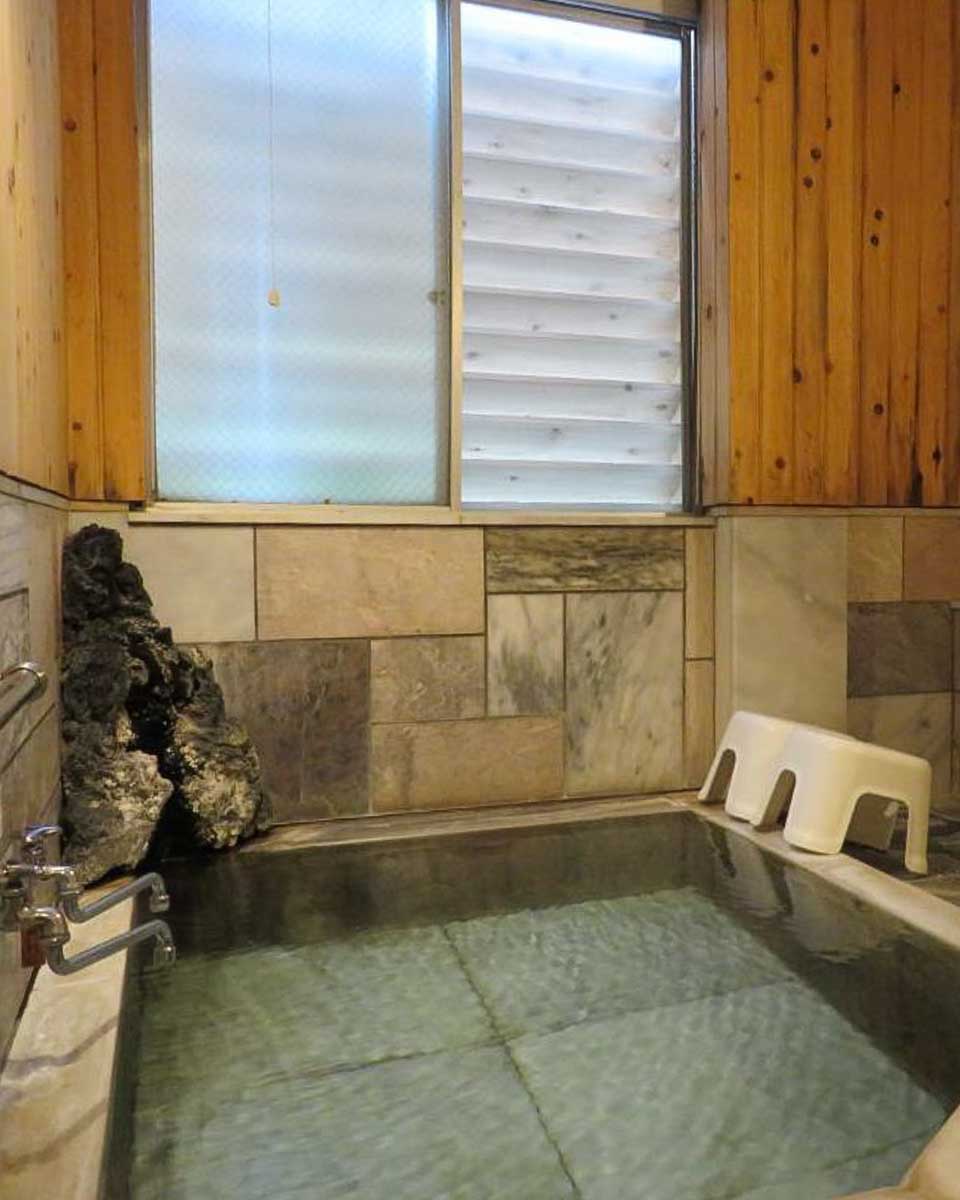
Hakone Miyanoshita Myojokan is a simple, budget-friendly ryokan that still gives you access to Hakone’s onsen culture without the high price tag. Set near Miyanoshita Station, it’s a low-key place that prioritises comfort and hot spring bathing over luxury, and we think it’s a solid option if you want to keep costs down.
The onsen baths are modest but well-maintained, and the rooms are traditionally styled with tatami flooring and futon bedding. While everything is fairly basic, it feels clean and welcoming, so it works well if you want a quiet base in Miyanoshita and don’t need lots of extras.
Prices usually start from around 15,000 JPY ($100 USD) per night, making it one of the more affordable onsen stays in this part of Hakone.
Related Read: We love staying in Hakone! If you want even more options, see our list of the BEST ryokans in Hakone here for a traditional and relaxing getaway.
Nagano
BEST FOR TRADITIONAL ONSEN TOWNS & MOUNTAIN SCENERY
Pros
- Home to some of Japan’s most historic onsen towns
- Beautiful alpine scenery year-round, especially in winter
- Less crowded and more traditional than many onsen areas near Tokyo
Cons
- Takes longer to reach than Hakone
- Public transportation between onsen towns can be limited
- Fewer major “must-see” sights are clustered in one place
Nagano is one of Japan’s most classic onsen regions, known for its mountain landscapes, historic bathhouses, and deep-rooted hot spring culture. Located in the Japanese Alps, it offers a quieter, more traditional onsen experience compared to destinations closer to Tokyo. While it requires a bit more travel time, the payoff is a slower pace and a stronger sense of place.
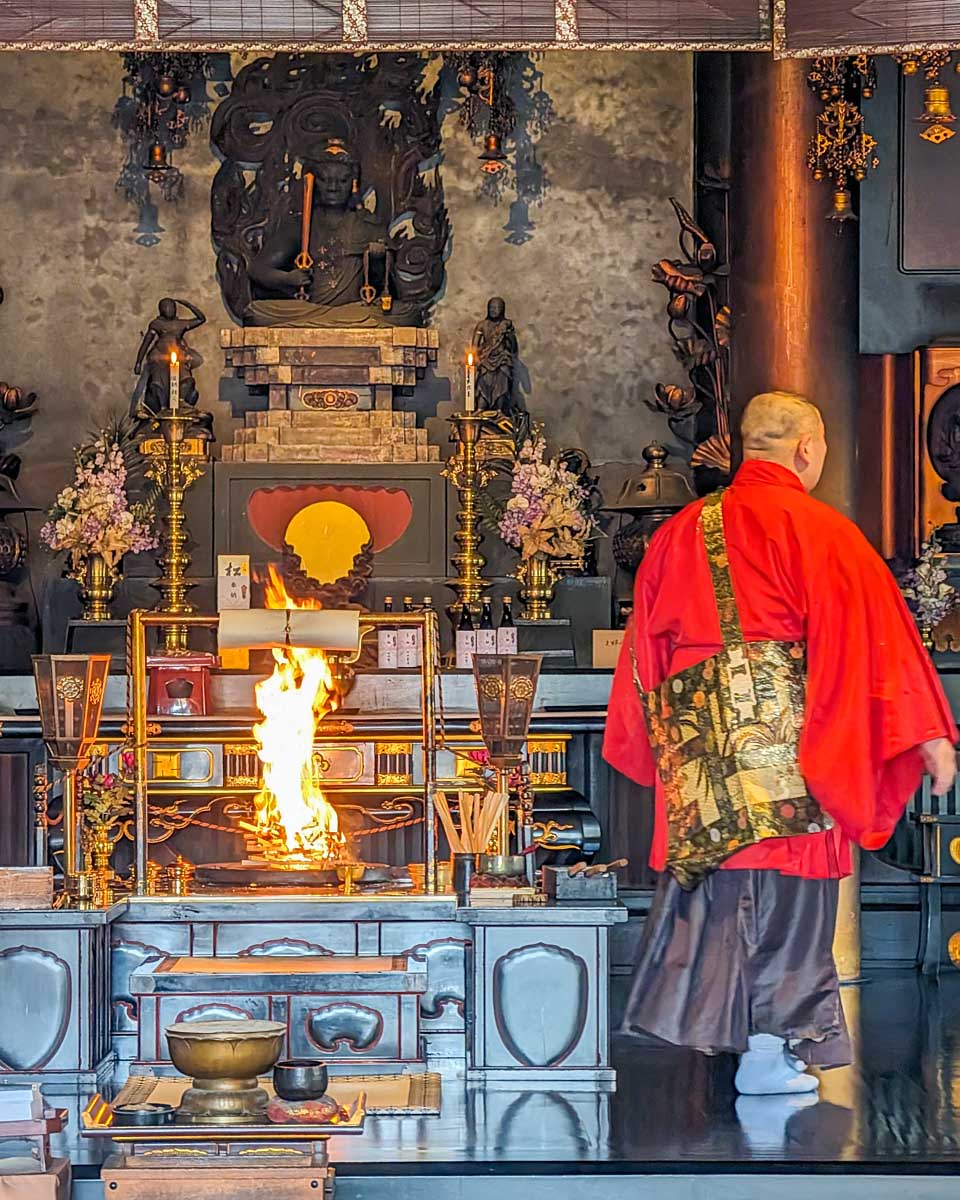
The region is home to famous onsen towns like Shibu Onsen, Yudanaka Onsen, Nozawa Onsen, and Bessho Onsen, each with its own personality. Some are known for wooden bathhouses and narrow streets, while others combine hot springs with ski resorts or rural village life. Many ryokans here still follow long-standing traditions, including tatami rooms, kaiseki-style meals, and indoor–outdoor baths fed directly by natural hot springs.
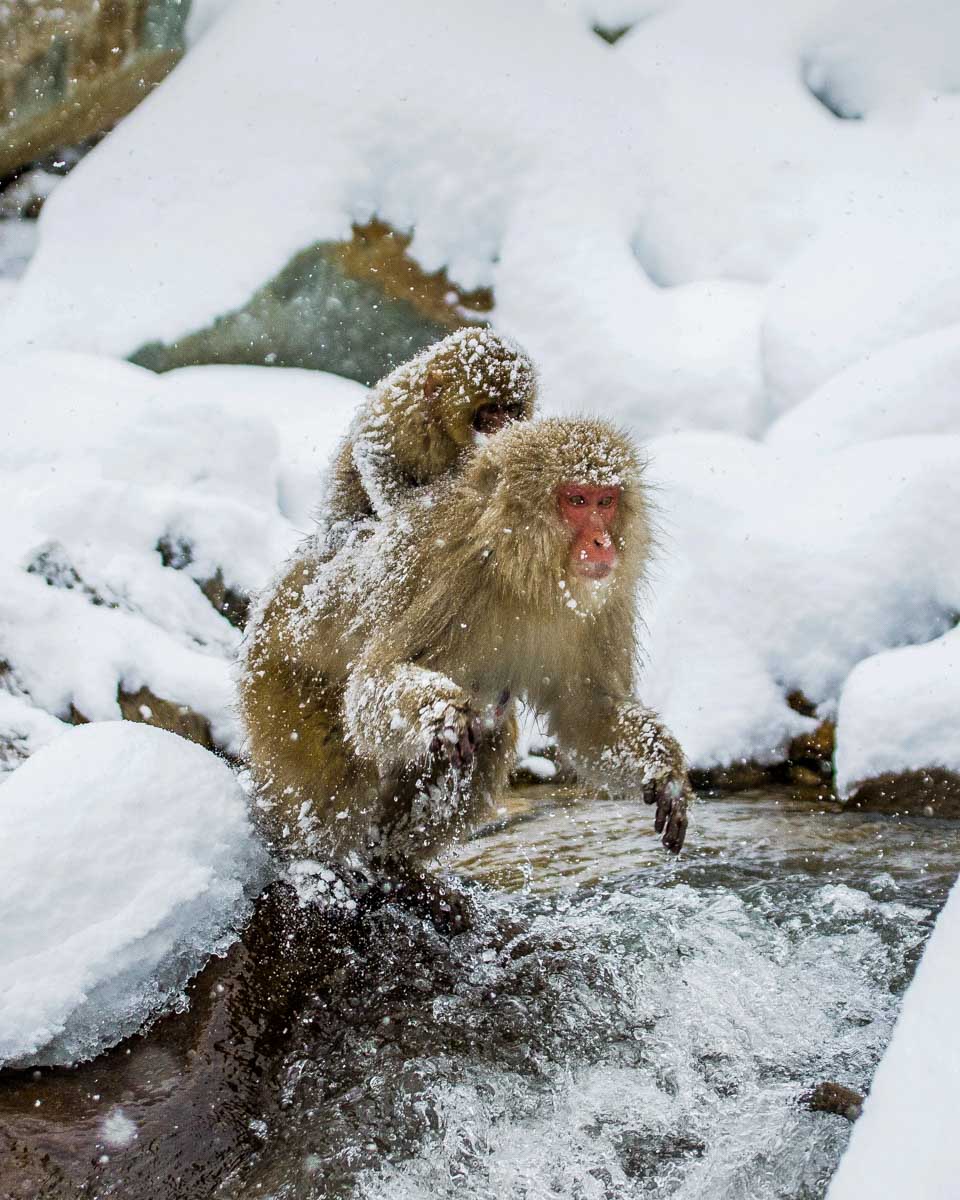
Nagano also offers standout sightseeing beyond onsens. Top attractions include Jigokudani Monkey Park, where snow monkeys soak in hot springs; Zenko-ji Temple in Nagano City; and extensive hiking and skiing throughout the Alps.
Nagano is best suited for travelers seeking a more authentic onsen atmosphere, scenic mountain settings, and a slower, less tourist-heavy experience. It’s the kind of place where an onsen hotel isn’t just a place to sleep, but a central part of the experience.
Sakaeya – $$$
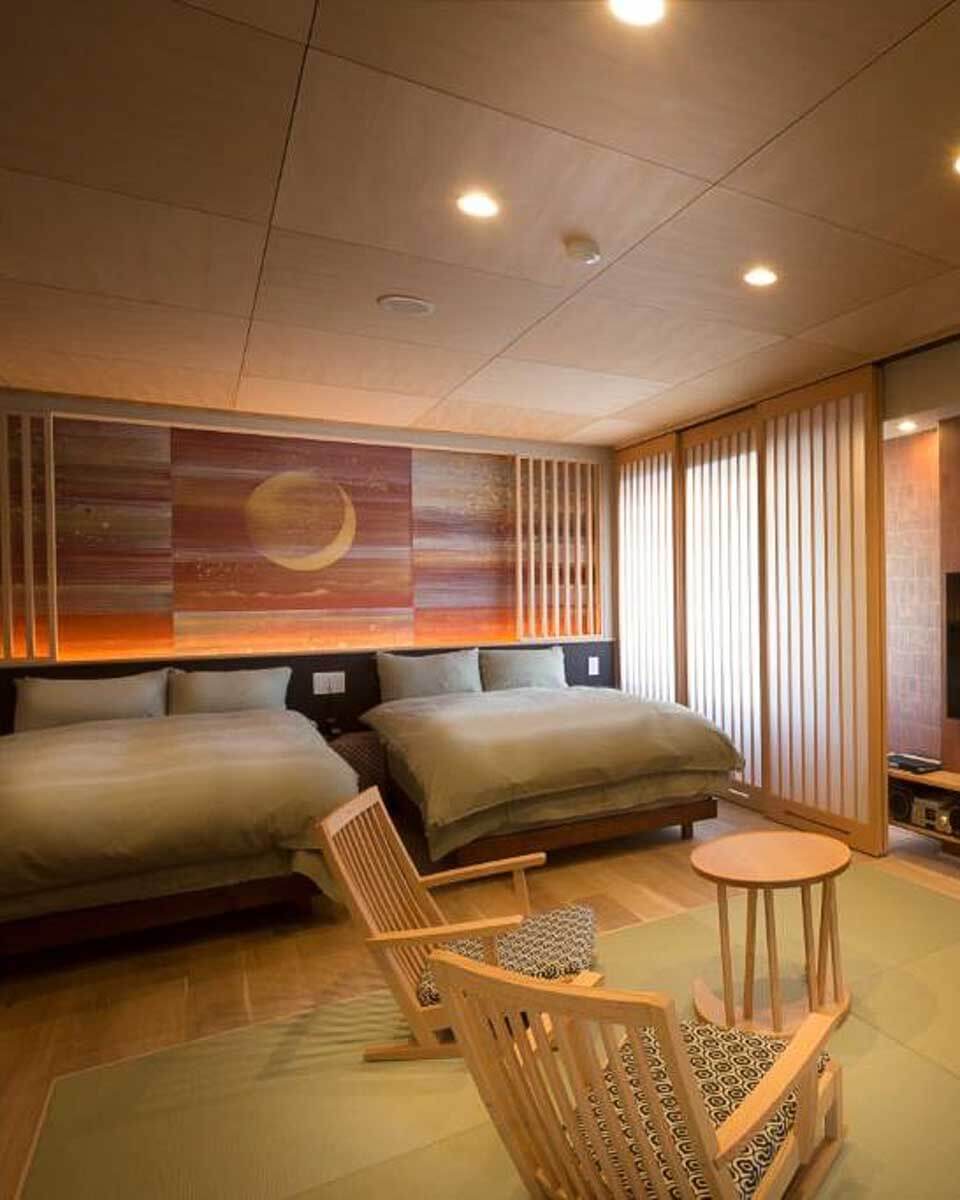
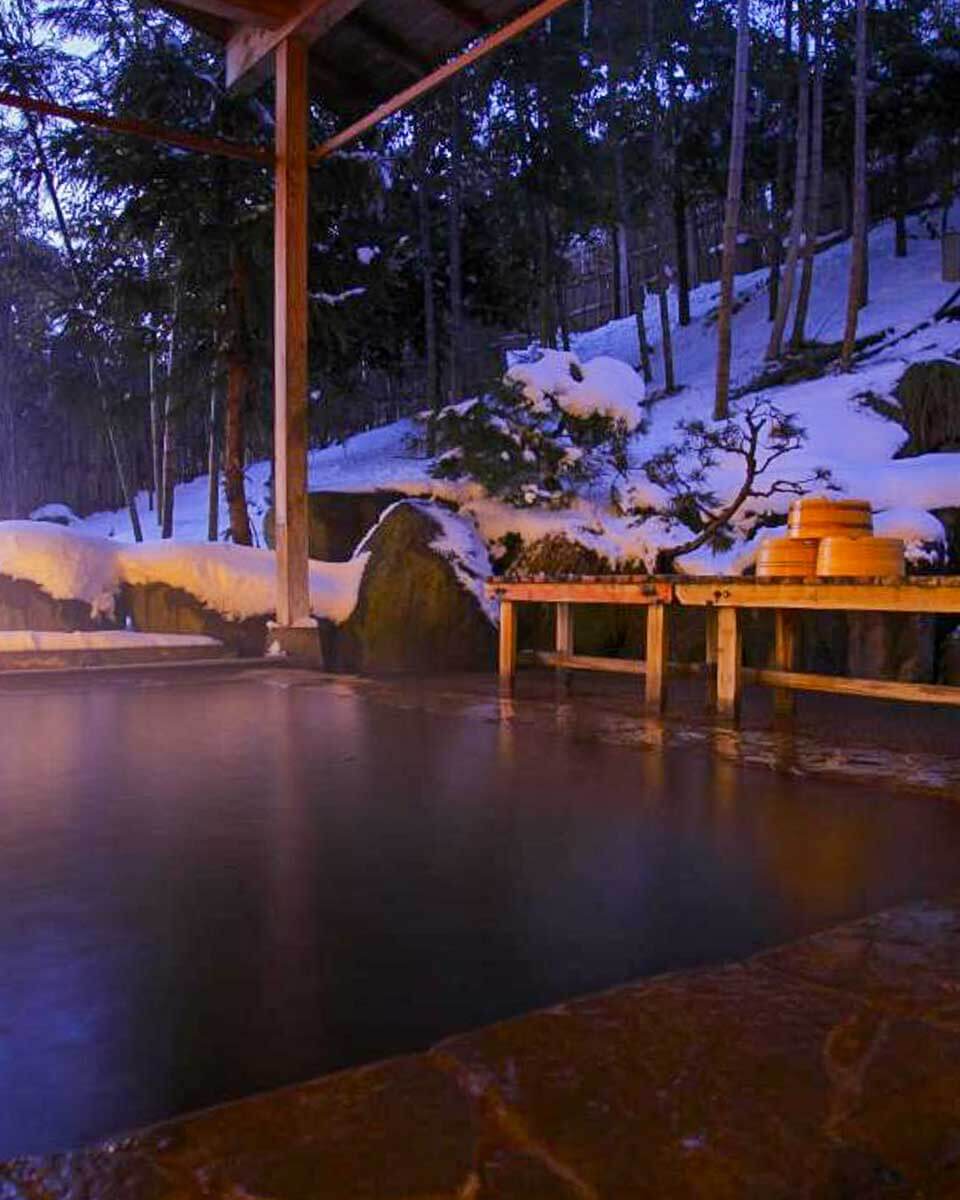
Right in the middle of Shibu Onsen’s steamy, lantern-lit streets, Sakaeya makes it easy to lean into the classic onsen-town routine. Located just a short hop from Yudanaka Station, the Snow Monkey Park is close enough for an easy half-day trip.
Our favorite part about staying in this area is taking an evening yukata stroll through town, especially when you can try the nine public bathhouses as you go. Back at this luxury ryokan, you’ve got indoor and open-air hot spring baths on site, so you can soak whenever you’re ready to call it a night.
There are also private bath options available, which is a great bonus if you want a quieter soak or you’re traveling as a couple or family. Rooms typically range from about ¥55,000 to ¥110,000 ($350 to $700 USD) per night.
Aburaya Tousen – $$$
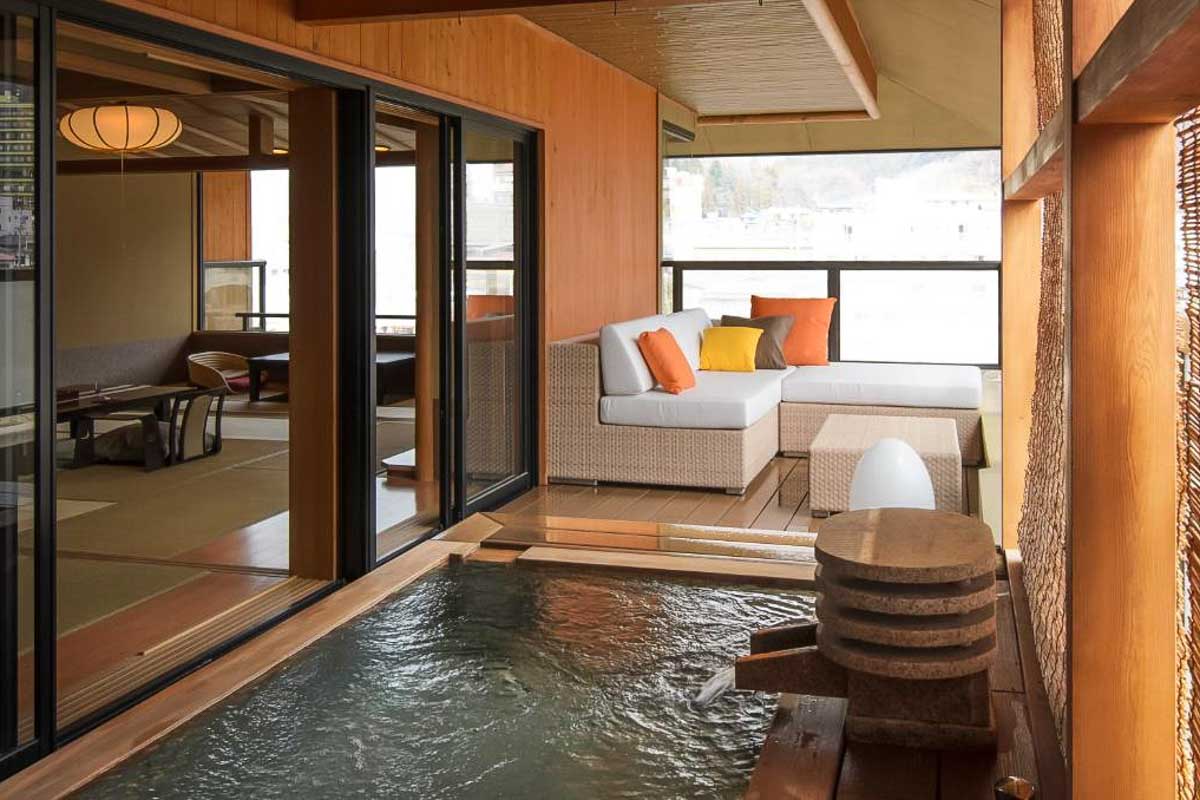
Aburaya Tosen feels like the “treat yourself” upgrade, with a sleek, contemporary take on a classic onsen stay just a short walk from Yudanaka Station. What we really like is how much variety you get without it feeling overwhelming. Dinner is part of the fun here, especially at Nanohanakoji, where you can dine in one of the hotel’s private rooms, which keeps the whole evening calm and unrushed.
On the bathing front, this place goes big. The property is known for offering 11 types of hot spring baths, including spacious public baths and open-air baths with mountain views, plus a private open-air bath you can reserve.
Rooms typically range from about ¥37,500 to ¥90,000 ($250 to $600 USD) per night, depending on the room type and meal plan (especially if you book a room with a private open-air onsen).
Shimaya – $$
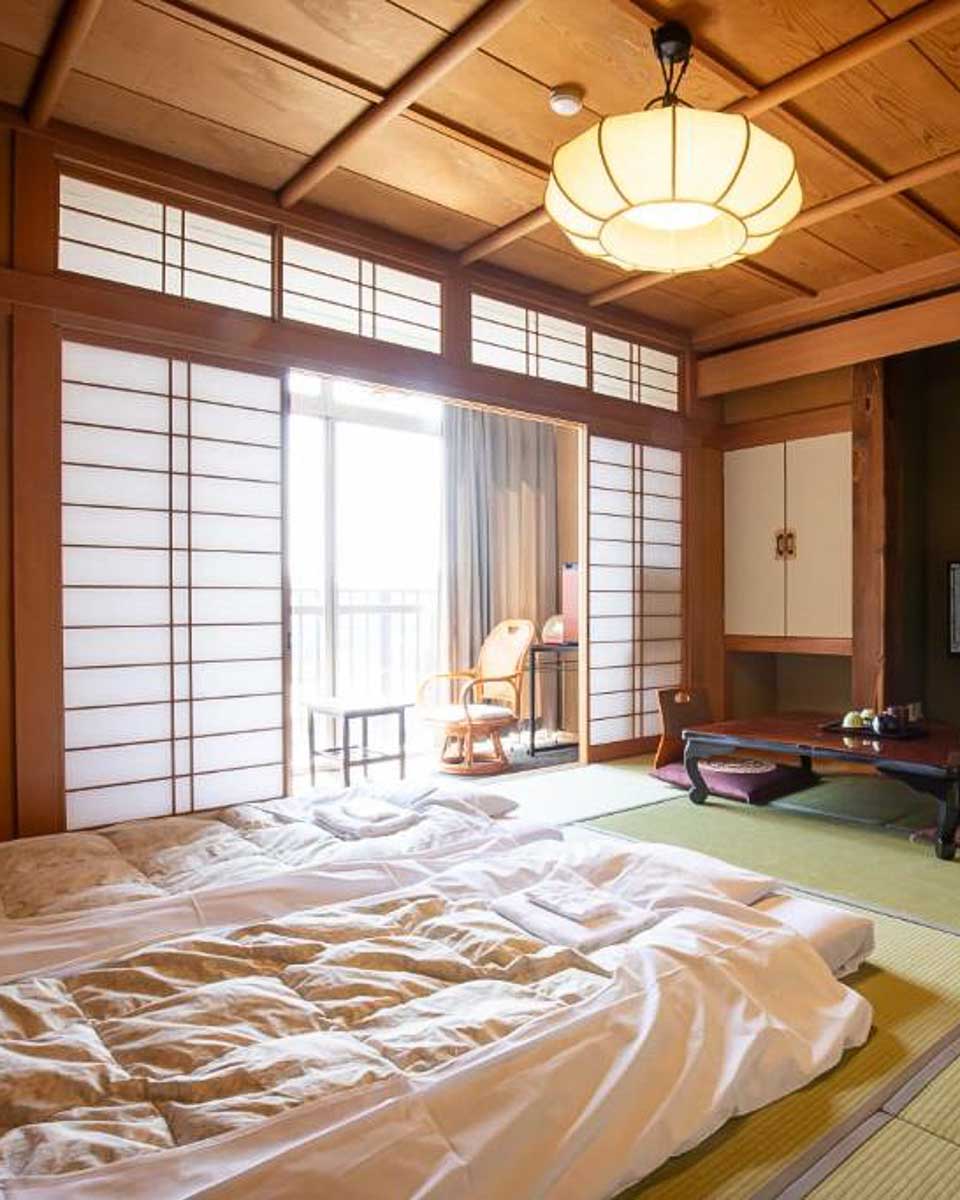
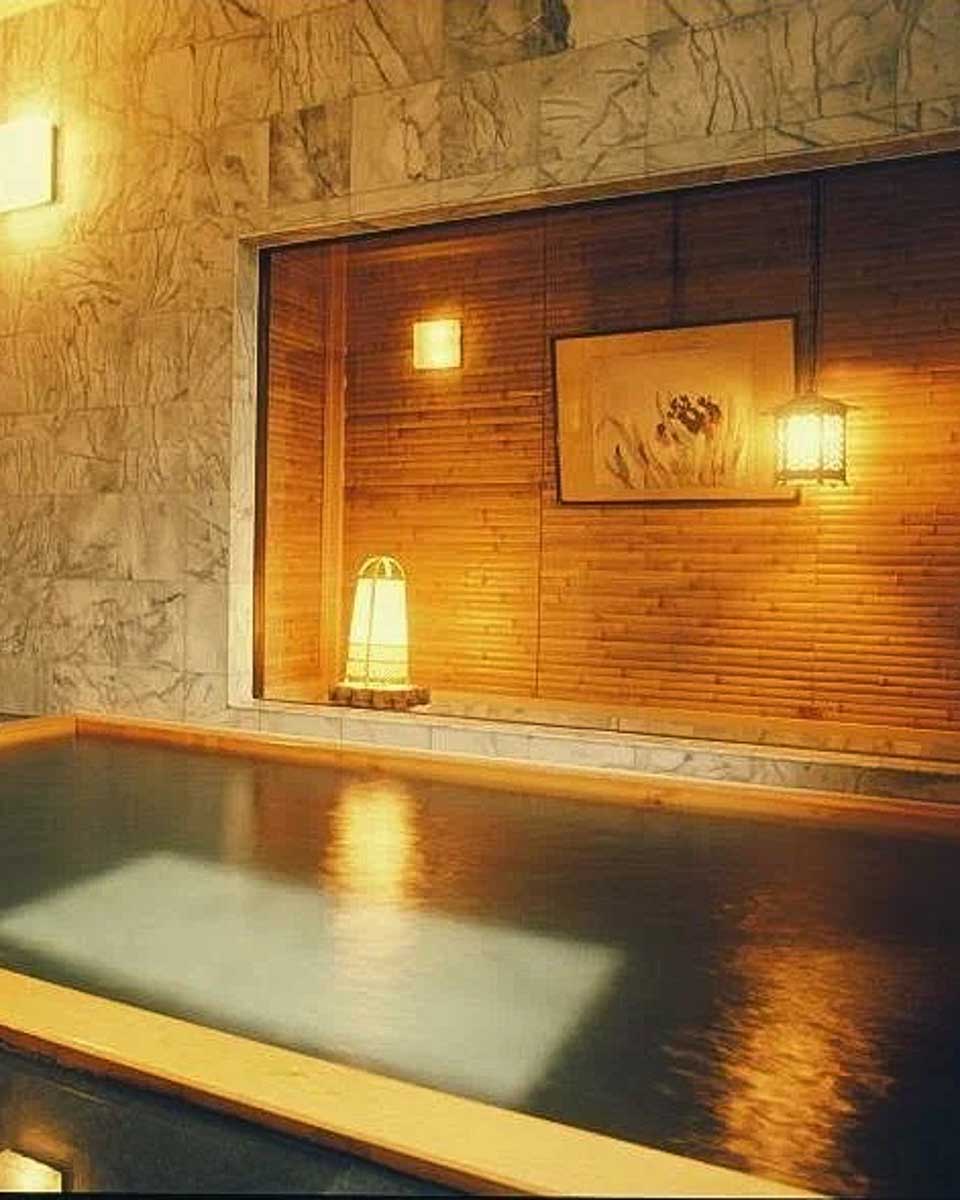
For an easy, classic onsen-town stay, Shimaya nails the essentials with traditional rooms, warm service, and a genuinely relaxing pace. Located within walking distance of Yudanaka Station, it also offers a free shuttle to the Snow Monkey Park and nearby attractions.
It’s a great-value pick that still feels properly traditional, especially when you end the night with dinner in your room and an early start the next morning. The onsen setup is also a big part of why people stay here.
There are separate indoor hot spring baths for men and women using natural onsen water, and there’s also a family bath that can be reserved for private use on certain days, which is great if you want a quieter soak. Rooms generally range from about ¥23,000 to ¥31,000 ($150 to $200 USD) per night.
Dormy Inn Nagano – $$
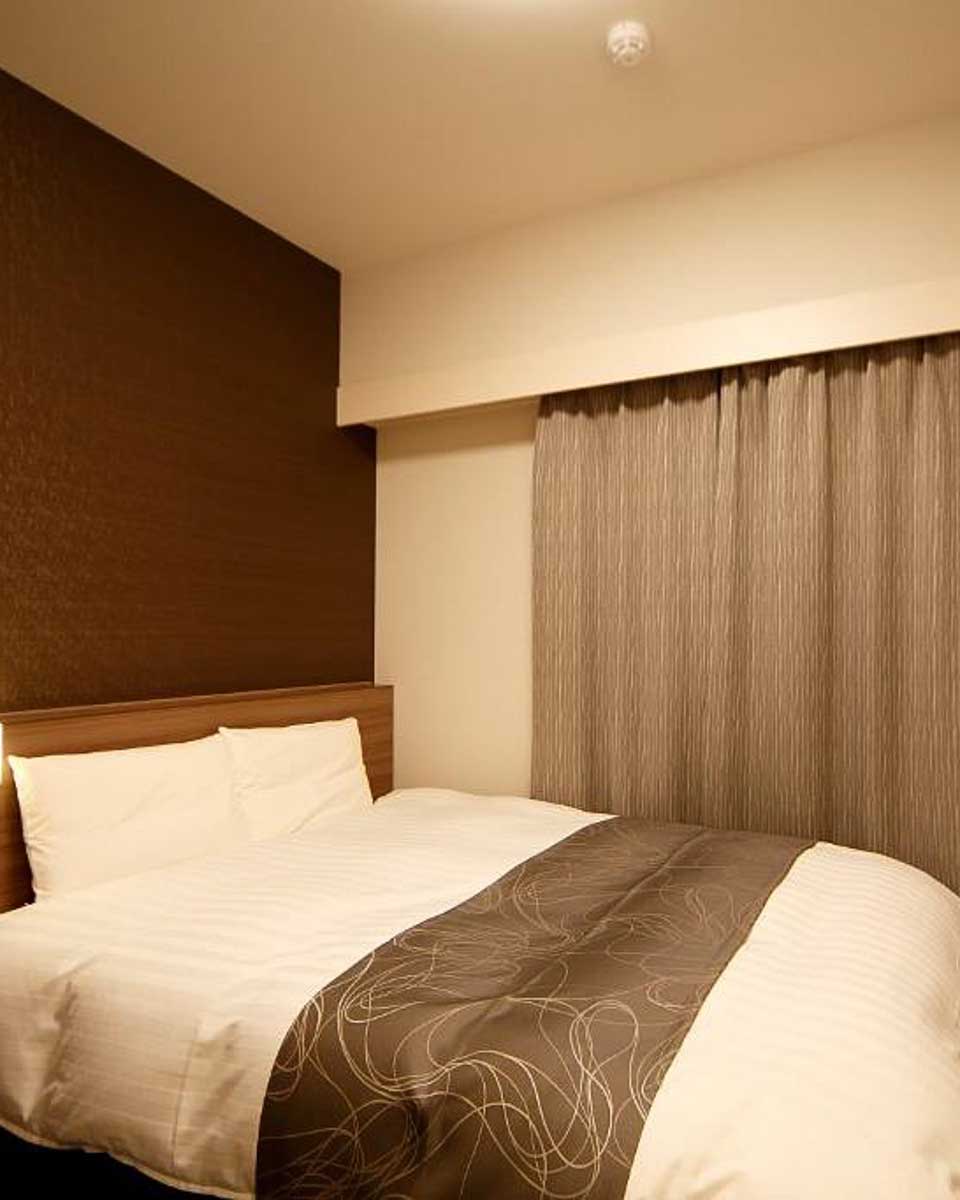
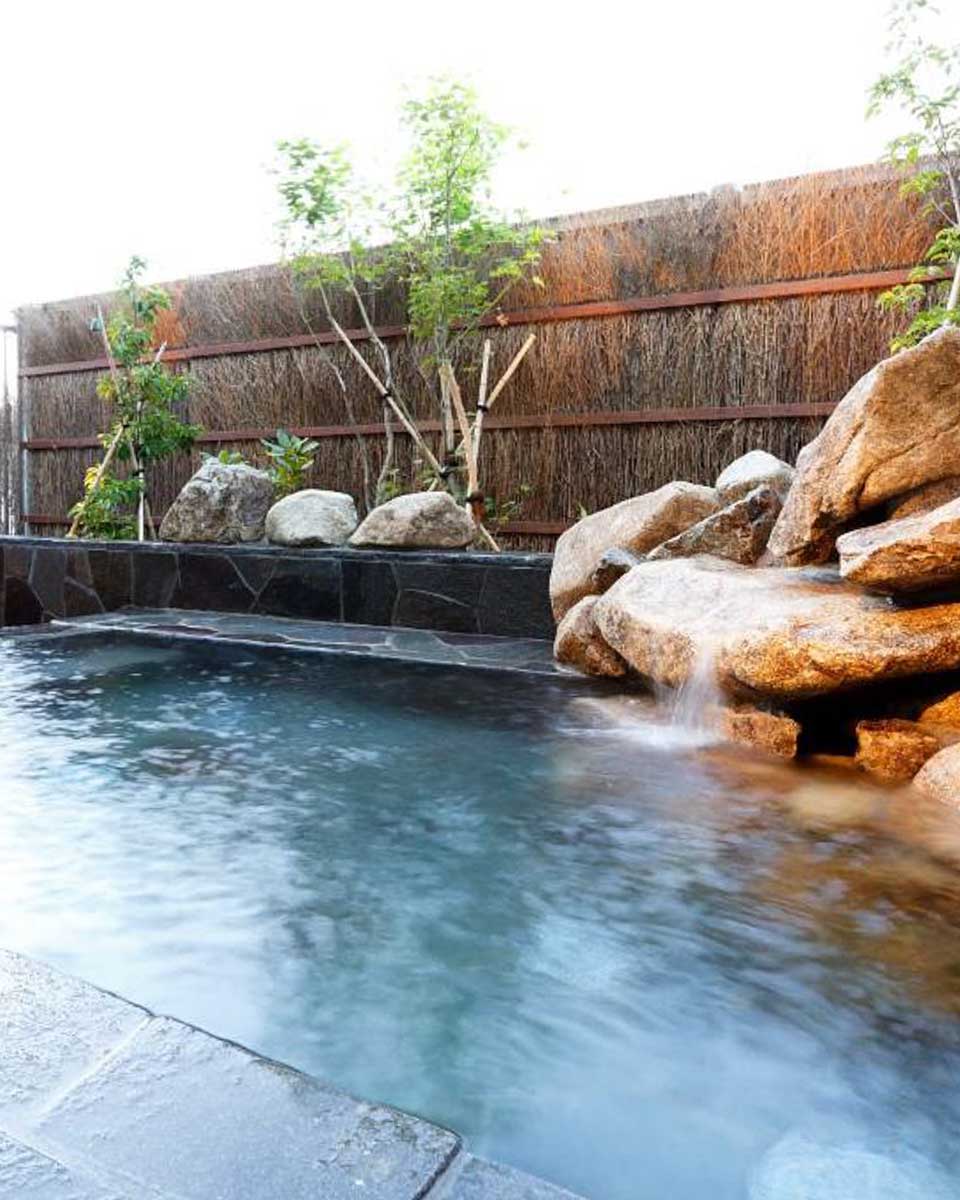
Dormy Inn Nagano makes sightseeing feel effortless, with JR Nagano Station just a short walk away, and rewards you with a proper soak at the end of the day. It’s a modern, practical hotel (rooms can be a little cozy), but it punches above its weight where it counts: comfort, convenience, and onsen time.
Head up to the top-floor natural hot spring bath, “Zenkou-no-Yu,” where you’ll find an indoor bath plus an open-air bath with big Nagano sky energy. There’s also a TV-equipped dry sauna and a chilled water bath, so you can do the full sauna-to-soak routine without leaving the building.
The little extras are part of the fun too, like after-bath ice cream, a morning probiotic drink, and the famously comforting free late-night “yonaki soba” ramen. Room rates average around ¥30,000–¥45,000 ($200–$300 USD) per night.
Hotel Omodaka – $
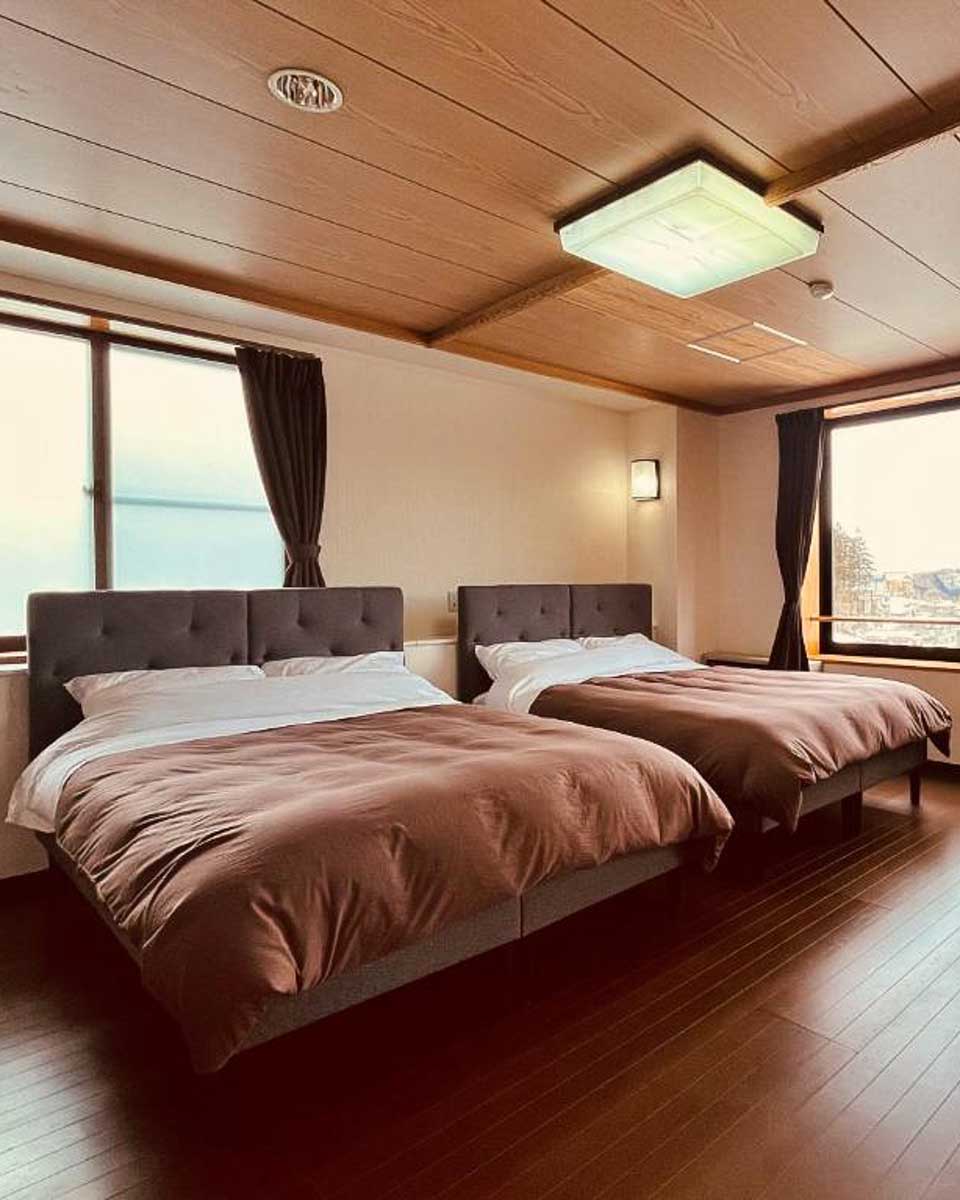
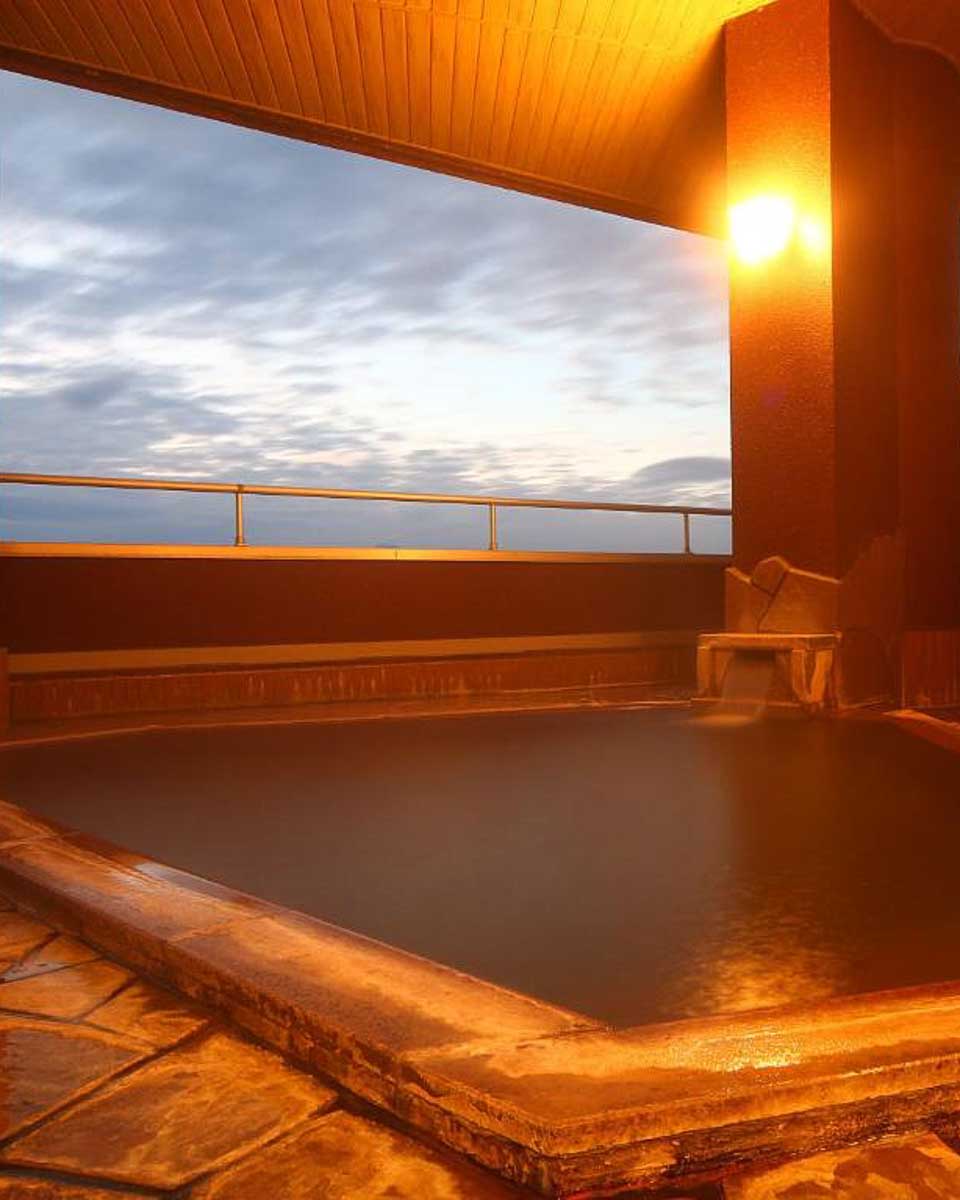
Hotel Omodaka is a great-value onsen stay in the Yudanaka area, close to Shibu Onsen and within easy reach of the Snow Monkey Park. What we like most is the setup for a “no-stress” trip: it’s easy to get here from the station, the rooms are simple and comfortable in a classic Japanese style, and you can spend your time soaking and exploring instead of juggling logistics.
After you’ve been out all day, the onsen facilities do the heavy lifting. Omodaka has both an indoor bathhouse and a scenic open-air hot spring bath (rotenburo), plus there’s a sauna too, which is a fun bonus in this area. Rooms typically range from about ¥15,000 to ¥27,000 ($100 to $180 USD) per night.
Pension Moomin Papa – $
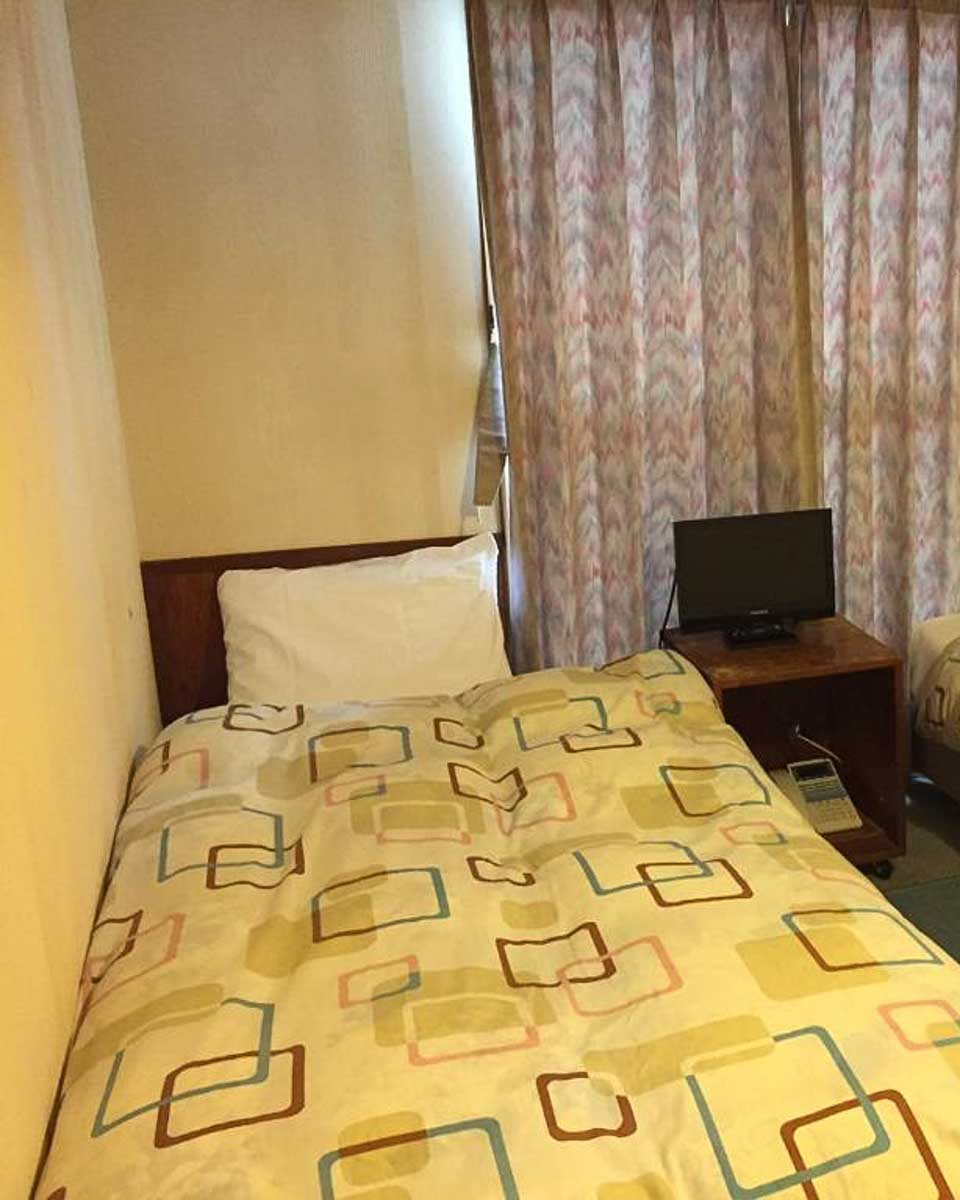
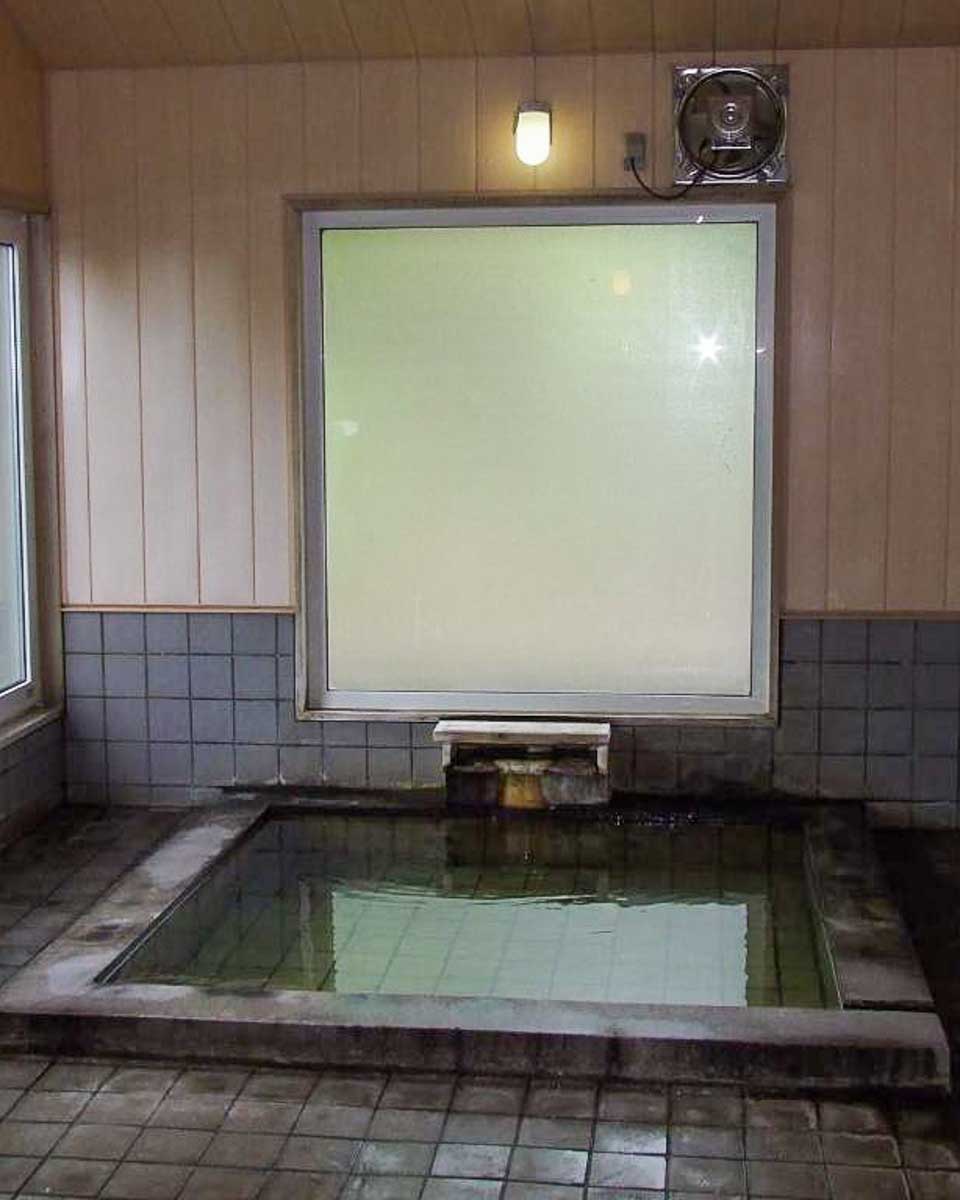
With its Moomin-themed, homey vibe, Pension Moomin Papa is a fun change of pace in Myoko (just north of Nagano city), especially if you’re traveling as a couple or family and want something a little more personal than a big resort. We love the cozy common areas here (it’s the sort of place where you actually hang out after dinner), and it’s also a handy base for getting out to the ski fields and mountain scenery around the area.
The onsen setup is simple but super satisfying. There’s a 100% natural hot spring bath (Ikuno-hei Onsen) with separate men’s and women’s indoor baths, and it’s available 24 hours, which is such a win if you like soaking late or heading in early before breakfast.
Just note there’s no outdoor bath listed, so this one is more about a warm, classic indoor soak. Rooms typically range from about ¥23,000 to ¥30,000 ($150 to $200 USD) per night.
Japan Rail Pass!
The Easiest Way to Travel Japan By Train
If you’re planning to explore Japan, the Japan Rail Pass (JR Pass) is hands down the easiest and most affordable way to get around. It’s a special 7, 14, or 21 day pass for foreign visitors that gives you unlimited rides on Japan’s famous JR trains, including the high-speed shinkansen (bullet trains)!
Why We Love the JR Pass
Pro Tip: If you’re only exploring one region of Japan, consider a Regional Pass instead (like the Kansai, Hokkaido, or Kyushu Pass). They’re cheaper and perfect for smaller trips!
Where to Get Your Pass
We personally recommend buying your pass online in advance through JRPass.com — they’re an official reseller with fast worldwide delivery and English support, making the whole process super simple. They even offer handy add-ons like pocket WIFI and meet & greet services! Still not sure if the JR Pass is right for you? Check out our Ultimate Guide to the Japan Rail Pass for a full breakdown of costs, inclusions, and when it’s worth it!
Sapporo

BEST FOR CITY STAYS WITH EASY ONSEN ACCESS
Pros
- Combines city attractions with onsen hotels and nearby hot spring areas
- Excellent food scene, nightlife, and shopping alongside onsens
- Easy access to famous onsen areas like Jozankei
Cons
- Fewer traditional onsen towns within the city itself
- Onsen hotels feel more modern than historic
- Best outdoor onsen experiences are usually outside the city center
Sapporo is an ideal base if you want to combine urban sightseeing with relaxing onsen hotel stays. As Hokkaido’s largest city, it offers a very different onsen experience compared to traditional hot spring towns. Instead of being tucked away in the mountains, Sapporo’s onsens are often found in city hotels or in nearby hot spring areas that are easy to reach by public transport. This makes it a great option for travelers who want comfort, convenience, and variety.
The city is best suited for first-time visitors to Hokkaido, food lovers, and travelers who want onsens without giving up nightlife, dining, and shopping. Many onsen hotels here feature large indoor baths and open-air onsens designed for colder climates, which feel especially rewarding during winter. Snow-covered surroundings and steamy outdoor baths are a big part of Sapporo’s appeal.
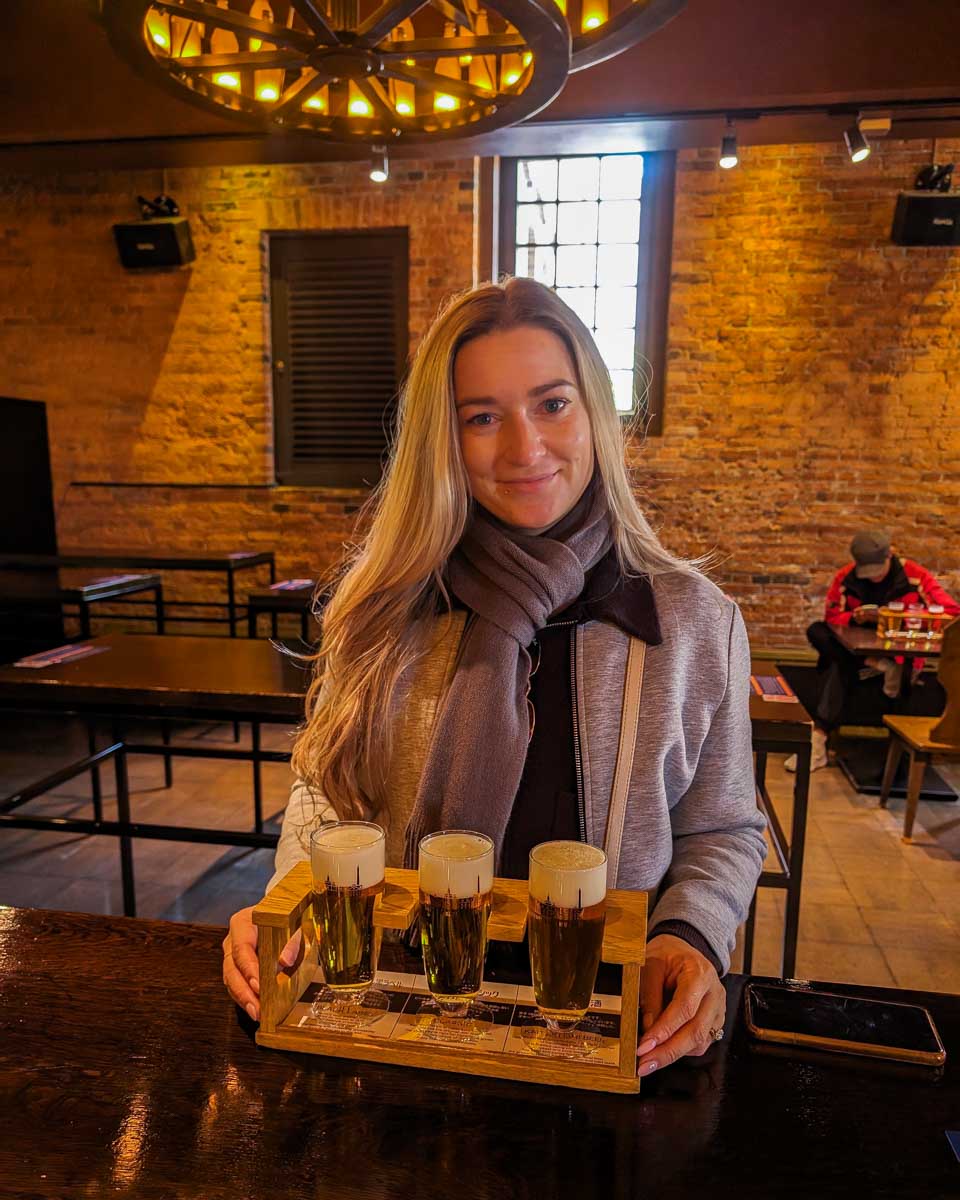
Top sights are close at hand, including Odori Park, Sapporo TV Tower, Susukino, and the Sapporo Beer Museum. Slightly outside the city, Jozankei Onsen is one of Hokkaido’s most famous hot spring areas and can be reached in under an hour. Historically, Sapporo developed rapidly during the Meiji era, and its modern layout makes it easy to explore.
For travelers wanting an approachable onsen hotel experience paired with city energy, Sapporo strikes a great balance.
JR Tower Hotel Nikko Sapporo – $$$
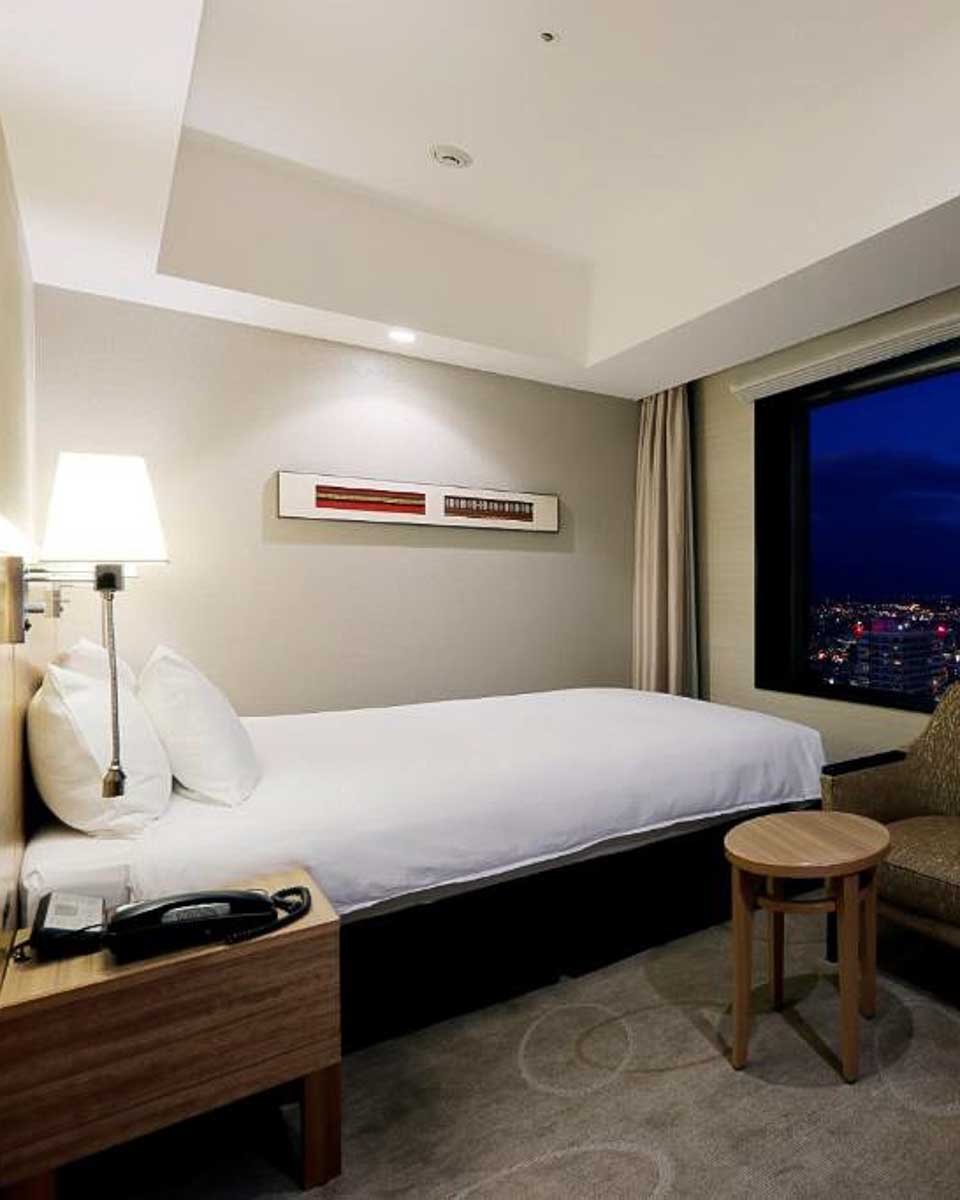
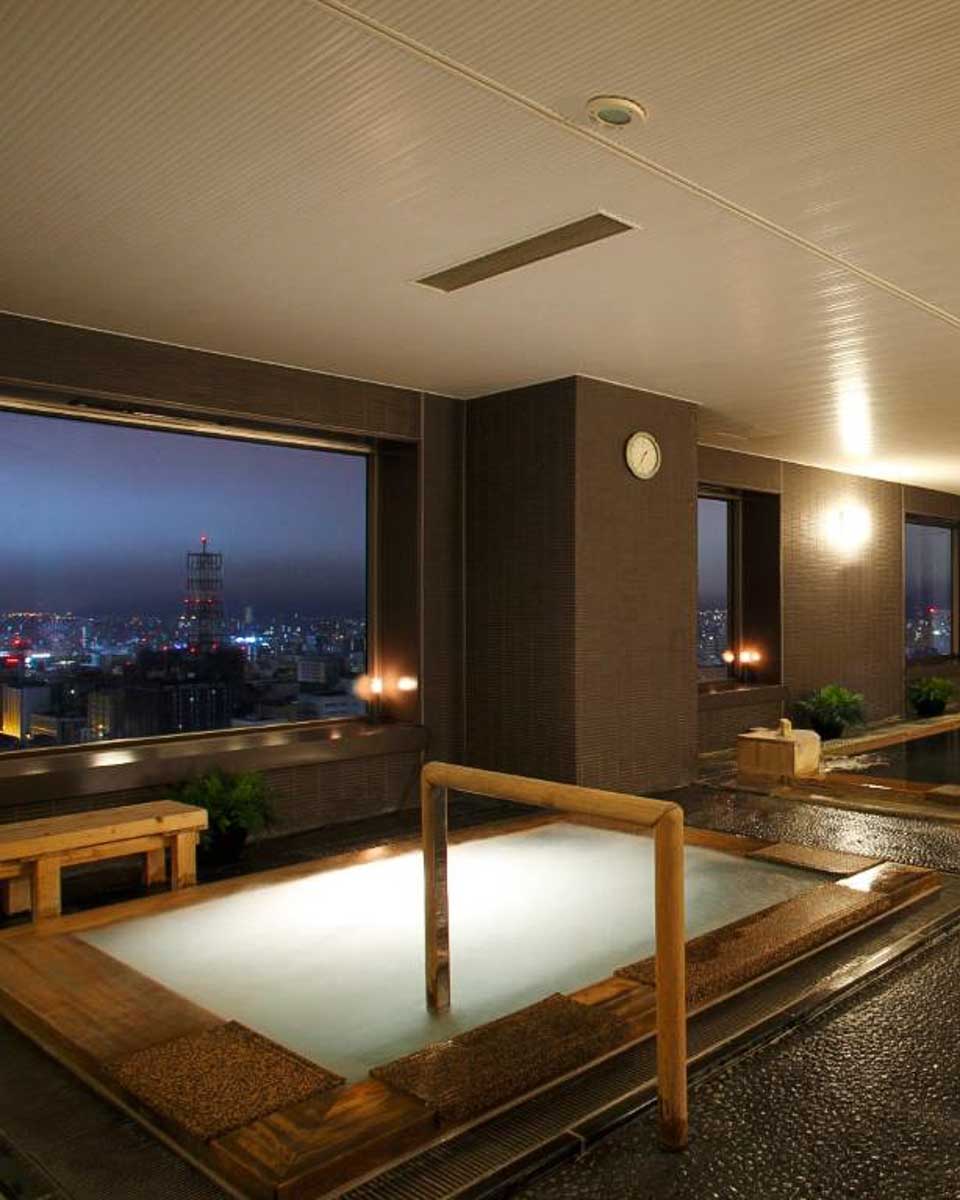
JR Tower Hotel Nikko Sapporo is one of the most convenient luxury hotels in the city. In fact, it sits directly above Sapporo Station! So if easy transport, comfort, and views are high on your list, you can’t beat a stay here! We love the fact that you can arrive by train, drop your bags, and be soaking in an onsen in a matter of minutes.
The hotel’s onsen facilities are located high above the city, offering impressive skyline views while you relax. The rooms are modern and well-sized, with a more international hotel feel rather than a traditional ryokan atmosphere.
This hotel is best suited to travellers who want premium comfort and unbeatable location, especially during winter when staying connected to the station is a big plus. Prices usually start from around 30,000 JPY ($190 USD) per night.
Jozankei Tsuruga Resort Spa Mori no Uta – $$$
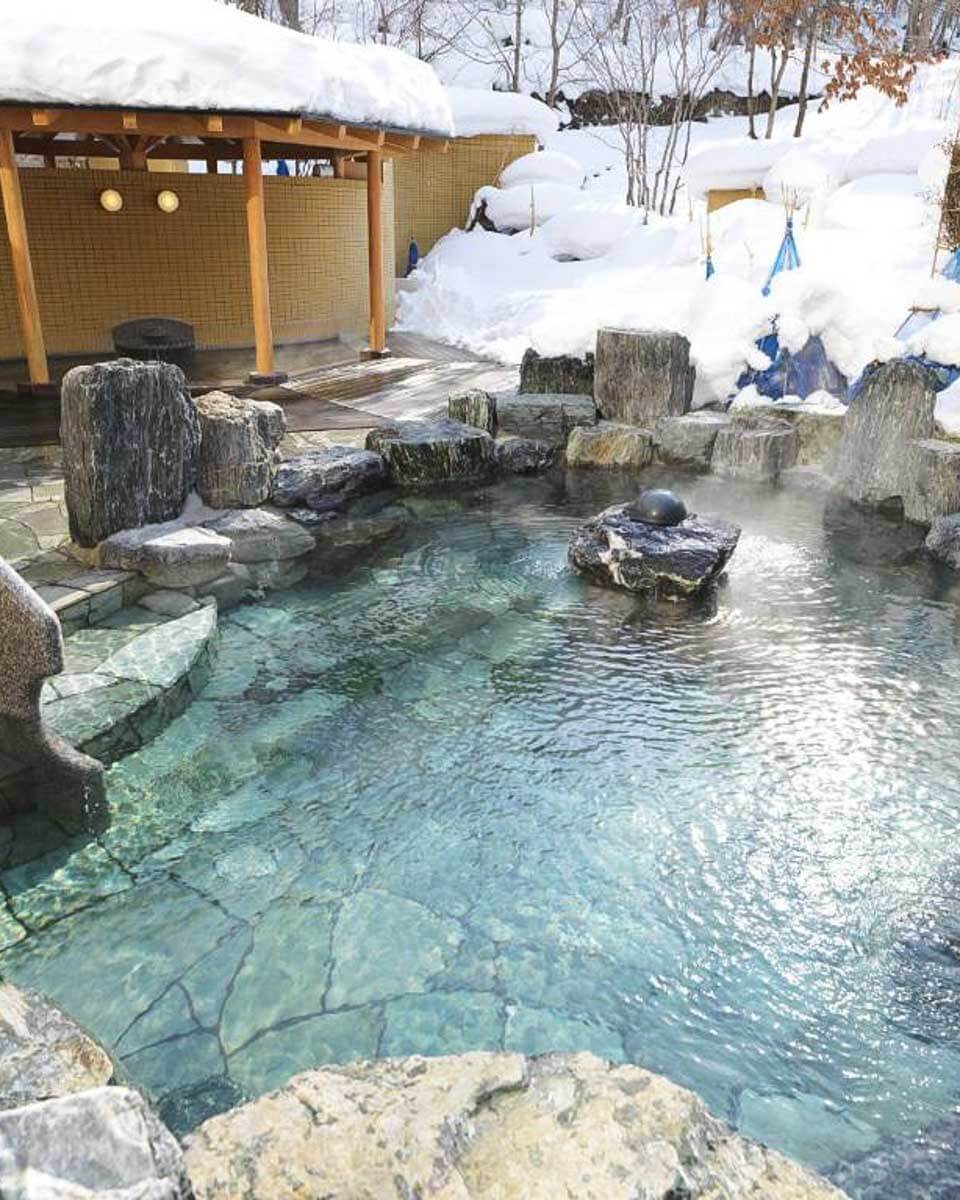
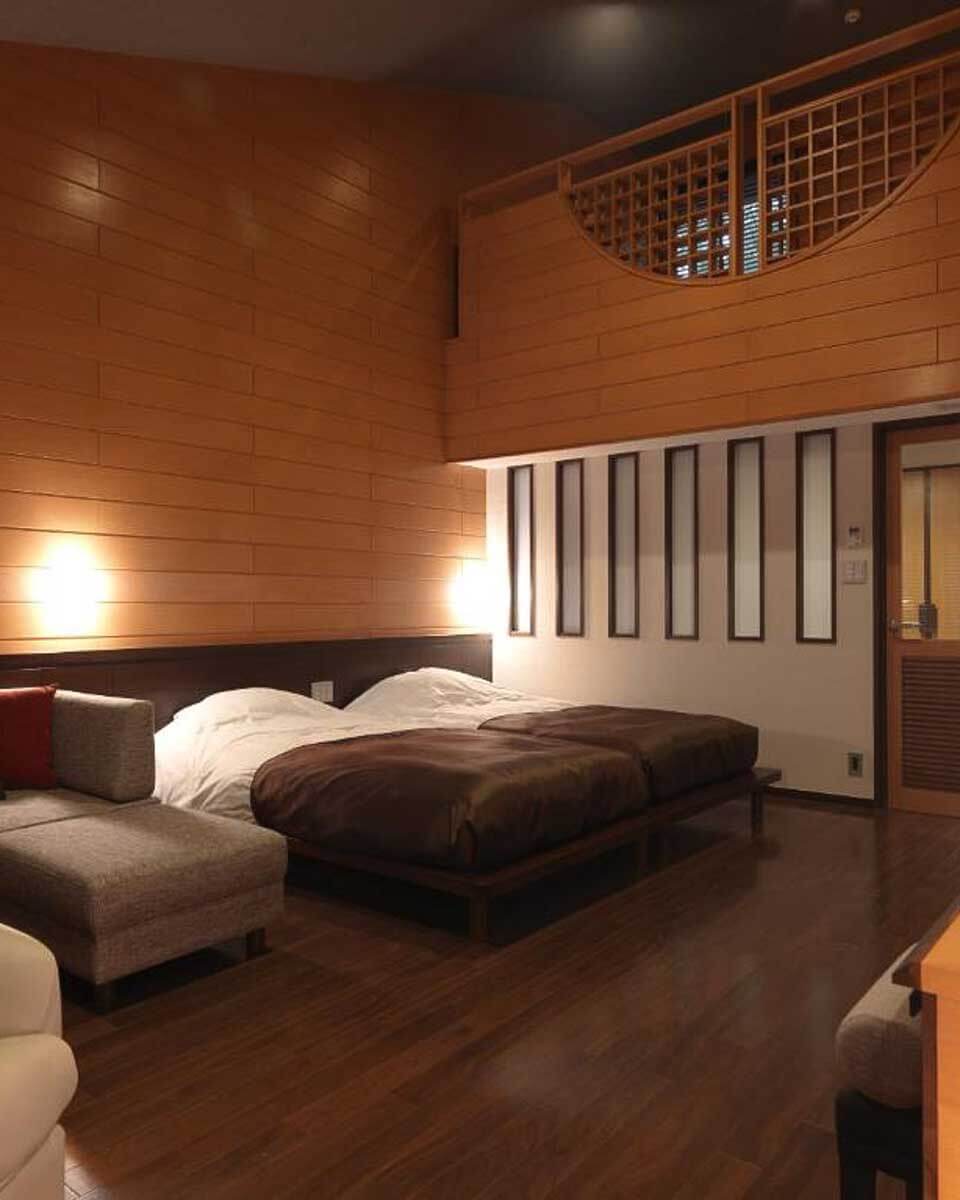
Jozankei Tsuruga Resort Spa Mori no Uta is one of the most stylish and refined onsen resorts in Jozankei. Surrounded by forest, it has a calm atmosphere and a big focus on nature. It’s a 5-star property through and through, with excellent onsen facilities and a strong emphasis on wellness and quiet luxury.
The rooms are elegant and comfortable, and the overall experience feels very polished. We think it would be a great pick for a romantic trip or any trip where the focus is rest and relaxation! It’s the ideal spot to charge your batteries.
Prices usually start from around 40,000 JPY ($255 USD) per night, including breakfast and dinner.
Hotel Monterey Edelhof Sapporo – $$
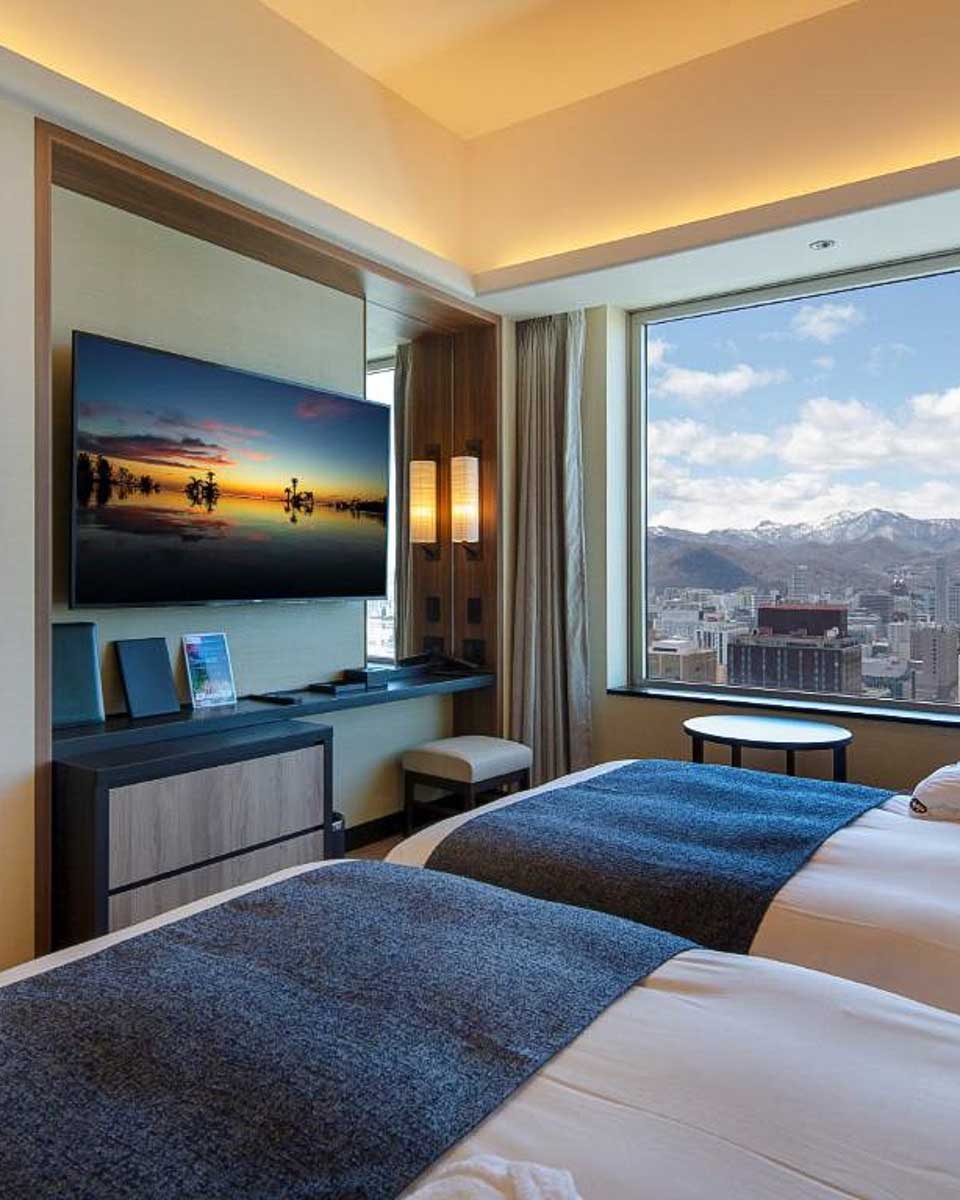
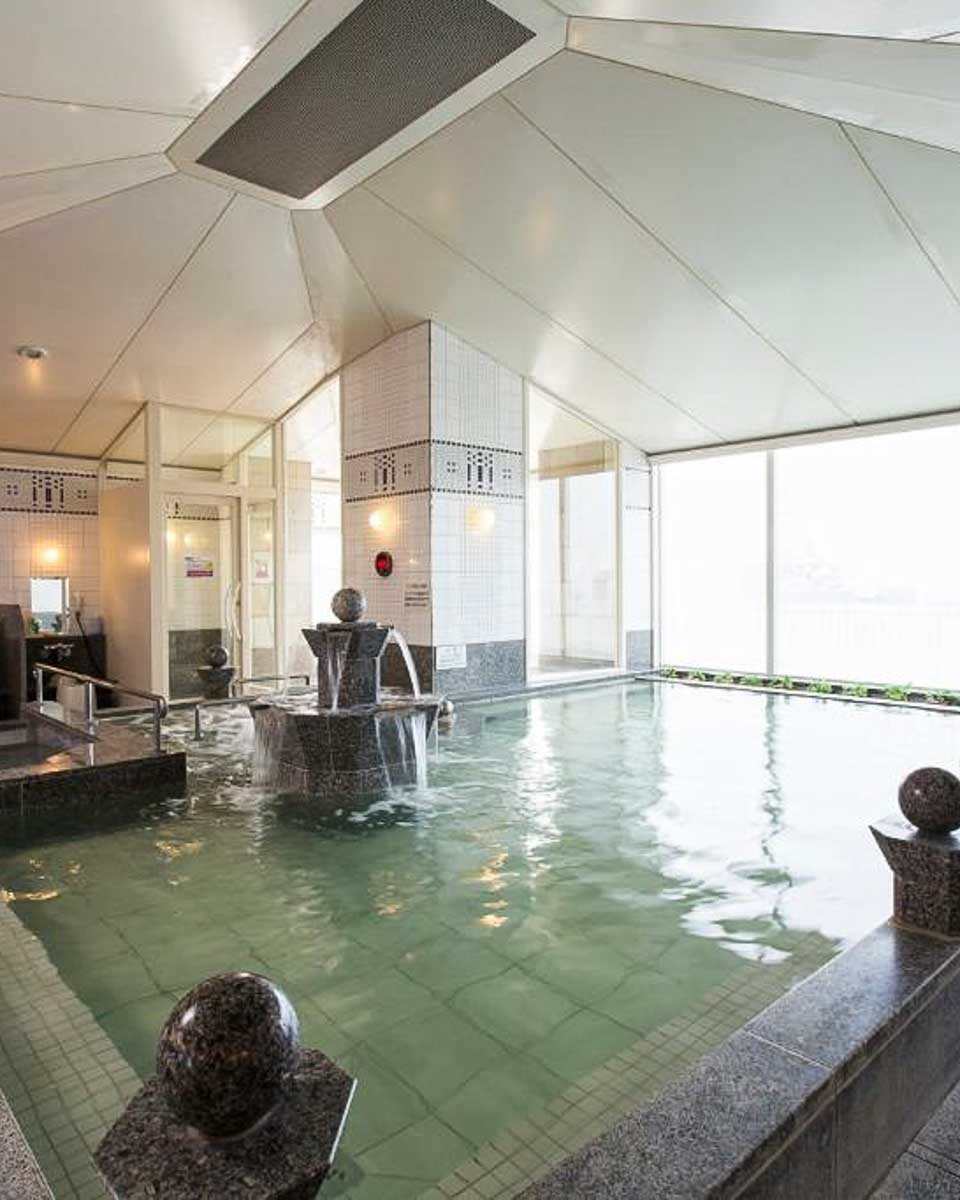
Hotel Monterey Edelhof Sapporo is a refined stay just north of Odori Park, about a 7-minute walk from Sapporo Station and close to the Clock Tower and TV Tower. The style leans European-classic, with spacious rooms, plush beds, and thoughtful touches like air purifiers, slippers, and luxe toiletries.
One of the standout features is the 14th-floor spa, which includes a sauna and onsen-style baths—perfect for relaxing after a day of sightseeing. There’s also a Japanese restaurant on-site and a buffet breakfast with both Western and local dishes.
Rooms start as low as ¥13,500 per night ($90 USD) and range from compact doubles to premium suites. It’s a great option if you’re after a more serene, upscale vibe without sacrificing location.
HanaMOMIJI – $$
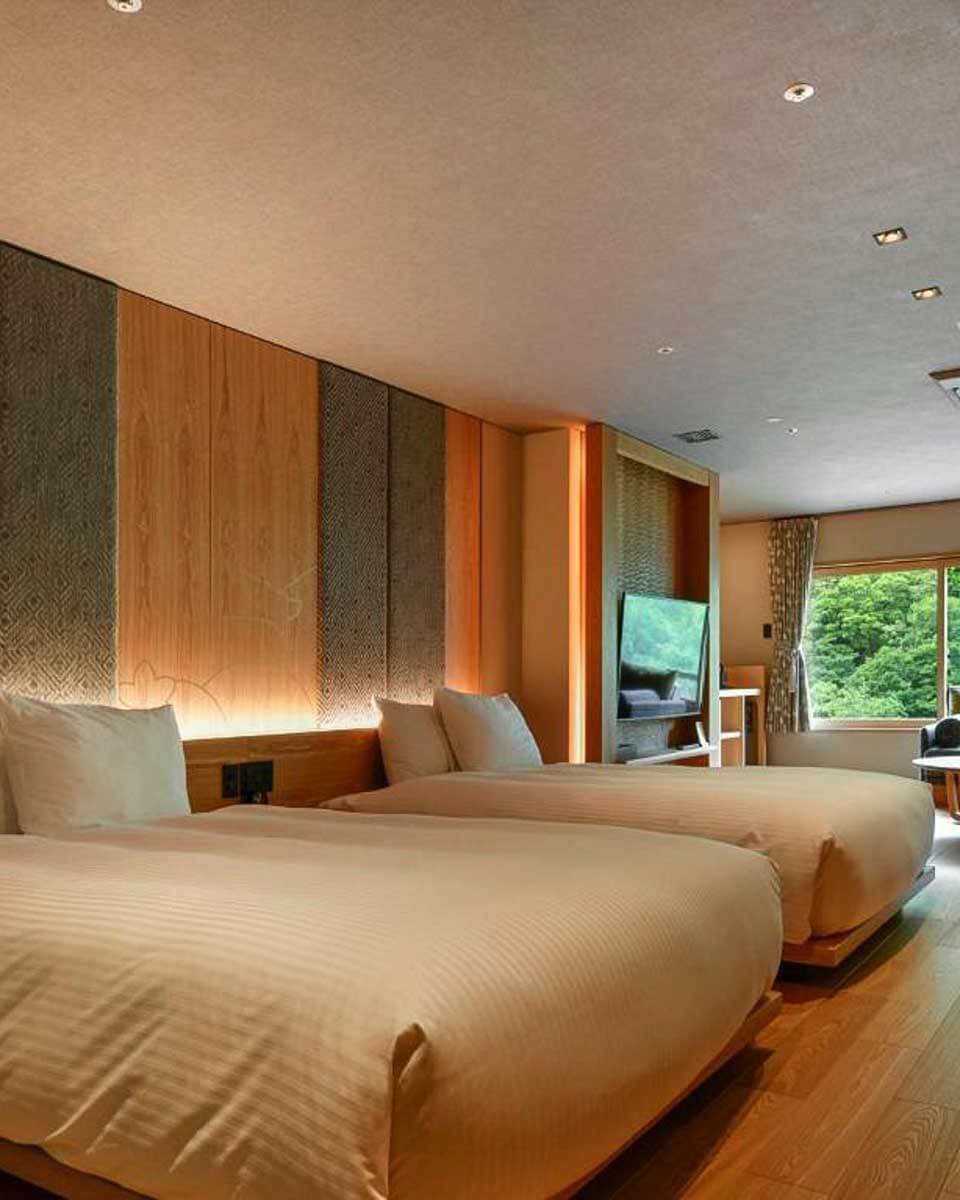
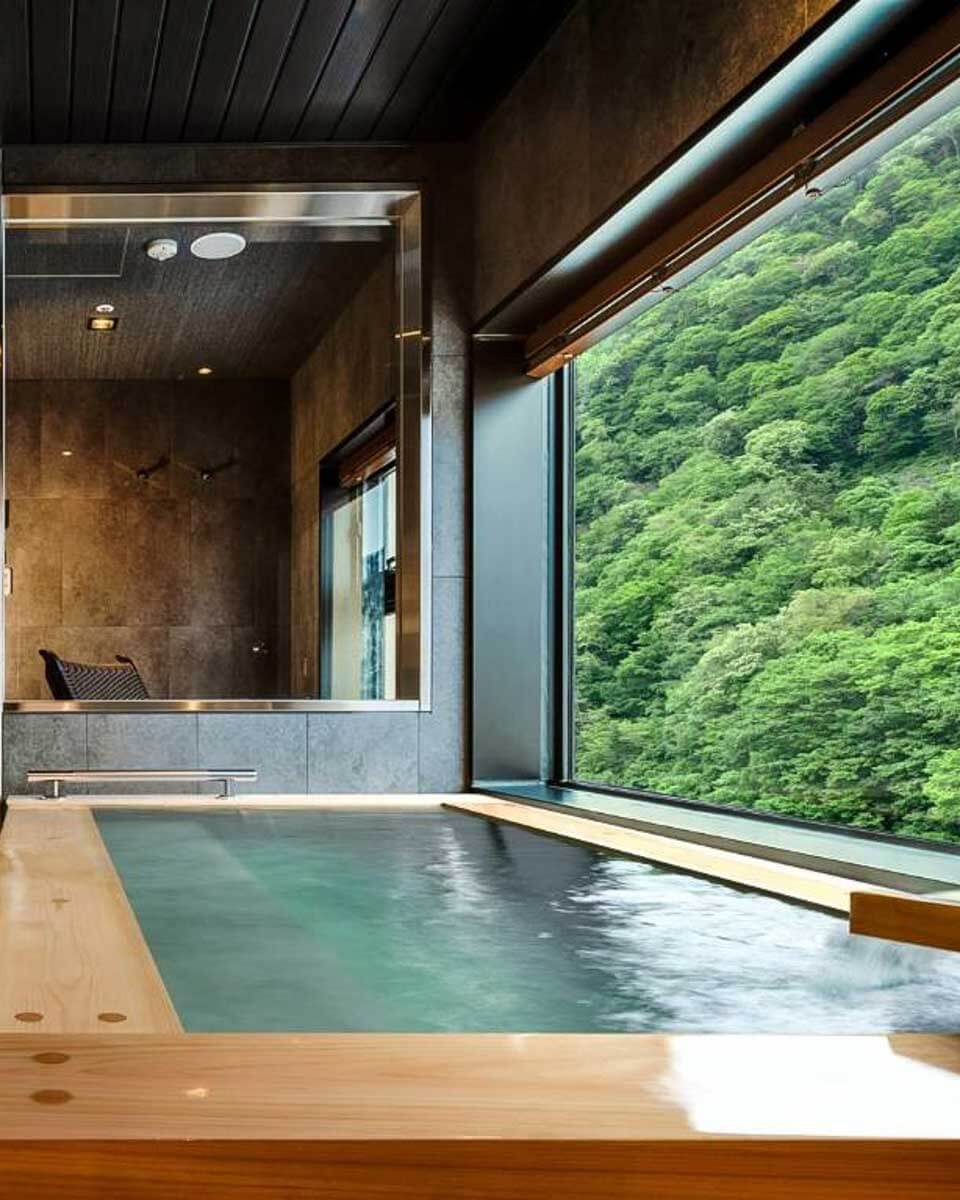
HanaMOMIJI is a popular onsen hotel that offers excellent value without sacrificing atmosphere. It sits along the river and is especially well known for its seasonal views, particularly during autumn when the surrounding foliage turns vibrant shades of red and orange!
The onsen facilities are spacious and relaxing, and the hotel strikes a good balance between traditional and modern. This is a solid choice for travellers who want a full onsen town experience at a more accessible price point. Prices usually start from around 30,000 JPY ($200 USD) per night.
Premier Hotel Cabin Sapporo – $
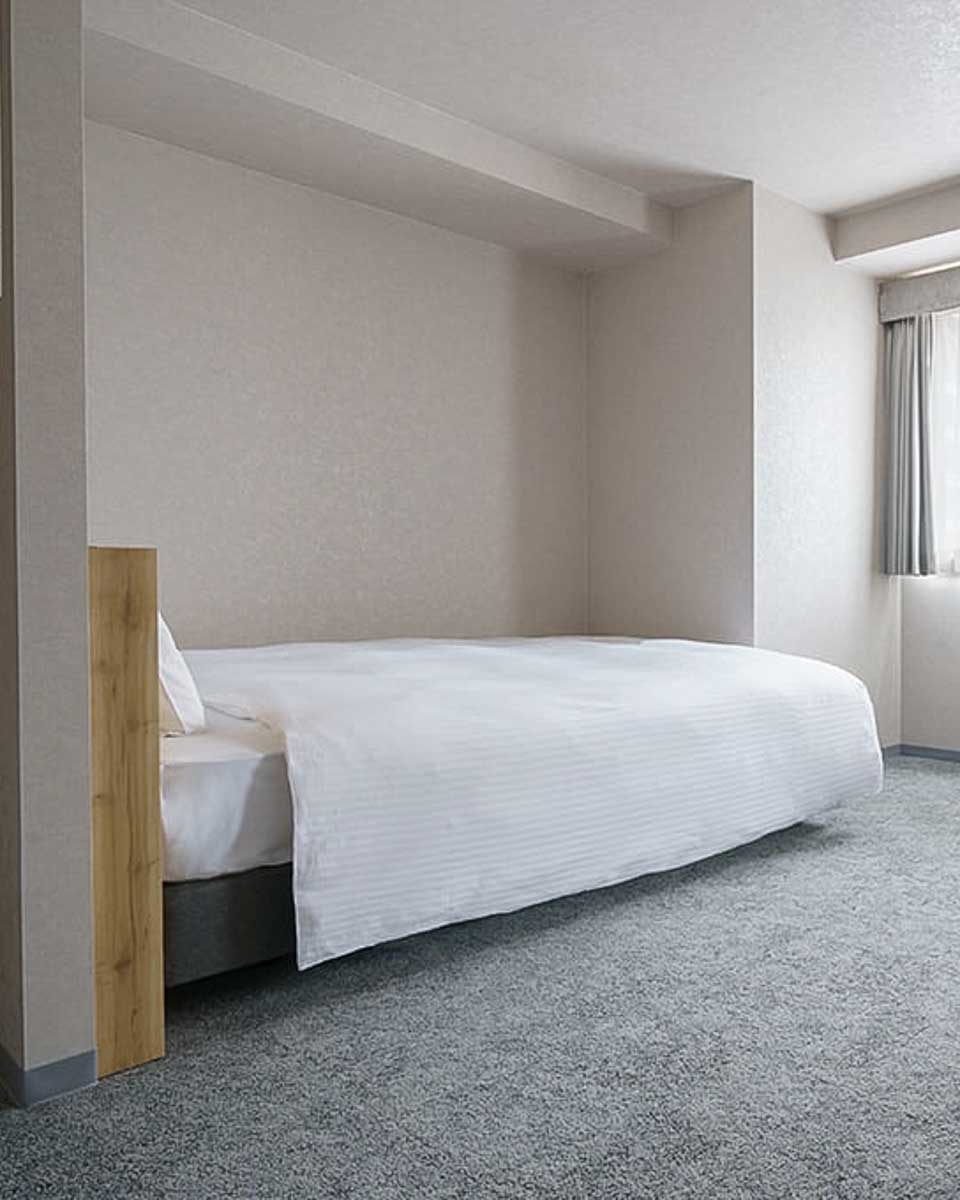
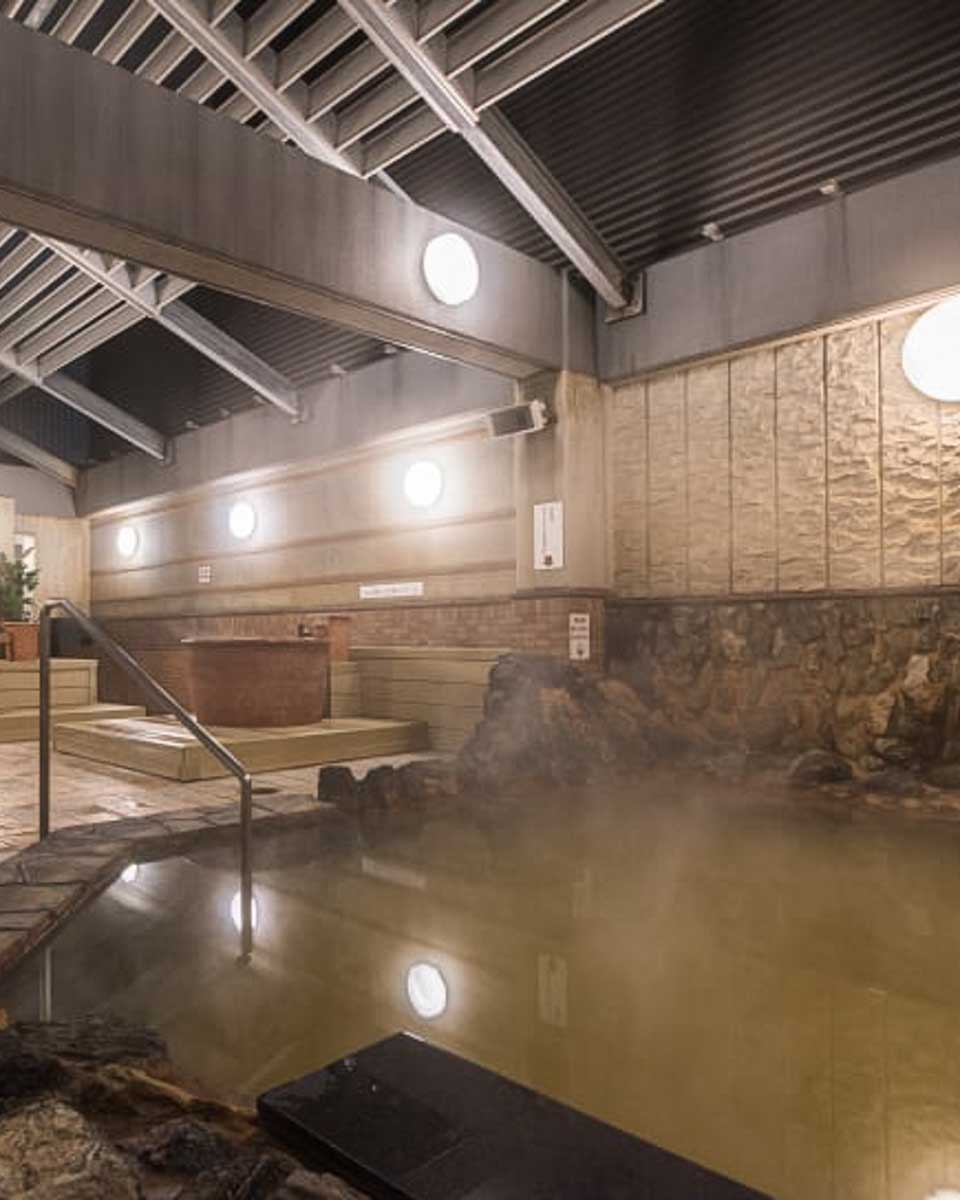
Premier Hotel Cabin Sapporo is one of the best-value hotels in Susukino with onsen-style baths. It’s a practical, budget-friendly option that still delivers, especially if you want to soak after a long day out. The rooms are simple and compact, but clean and comfortable.
The onsen facilities are the real highlight here and are well-maintained for a hotel at this price point. This is a great choice for solo travellers or budget-conscious visitors who want to stay central, enjoy Sapporo’s nightlife, and still have access to a relaxing bath at the end of the day. Prices usually start from around 15,000 JPY ($100 USD) per night.
Jozankei View Hotel – $
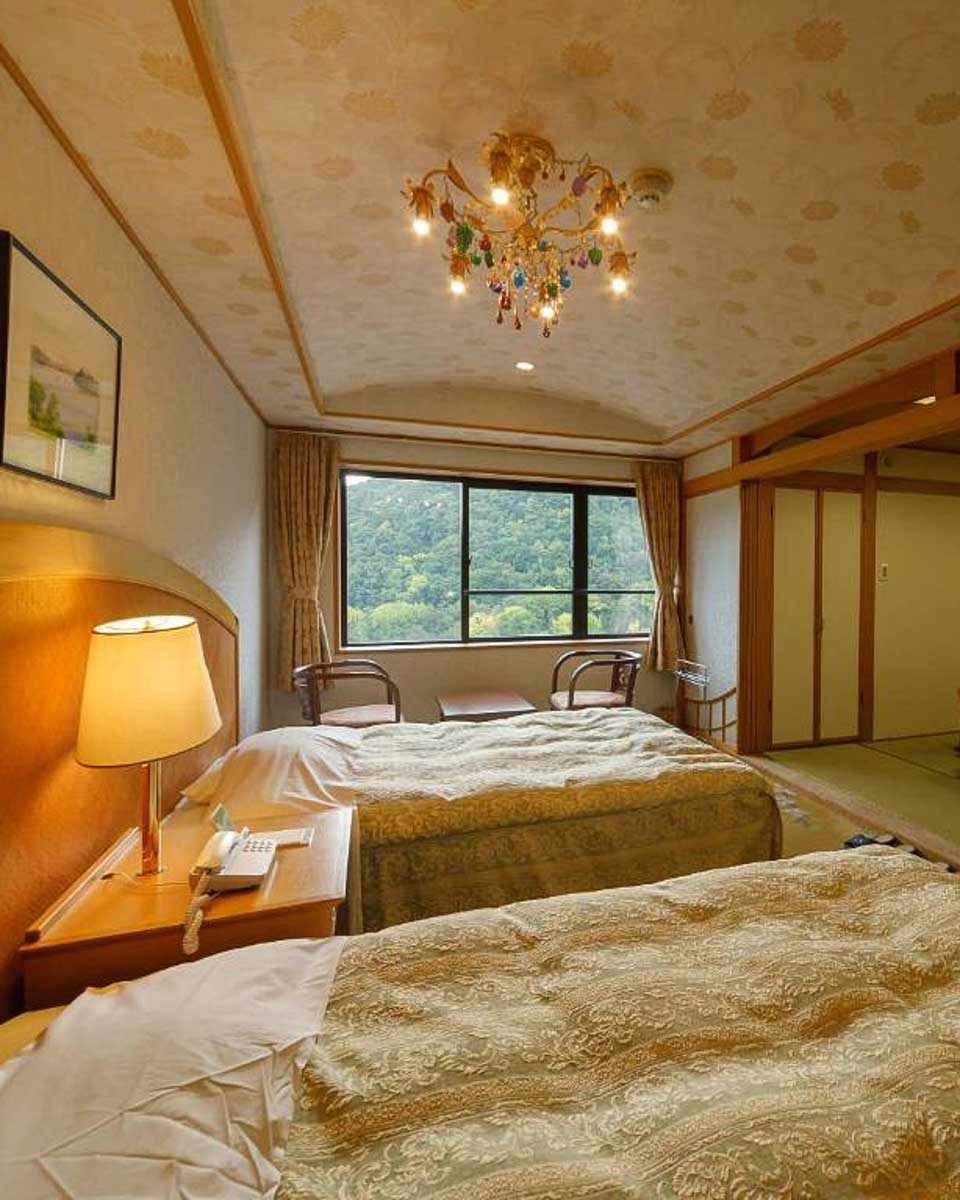
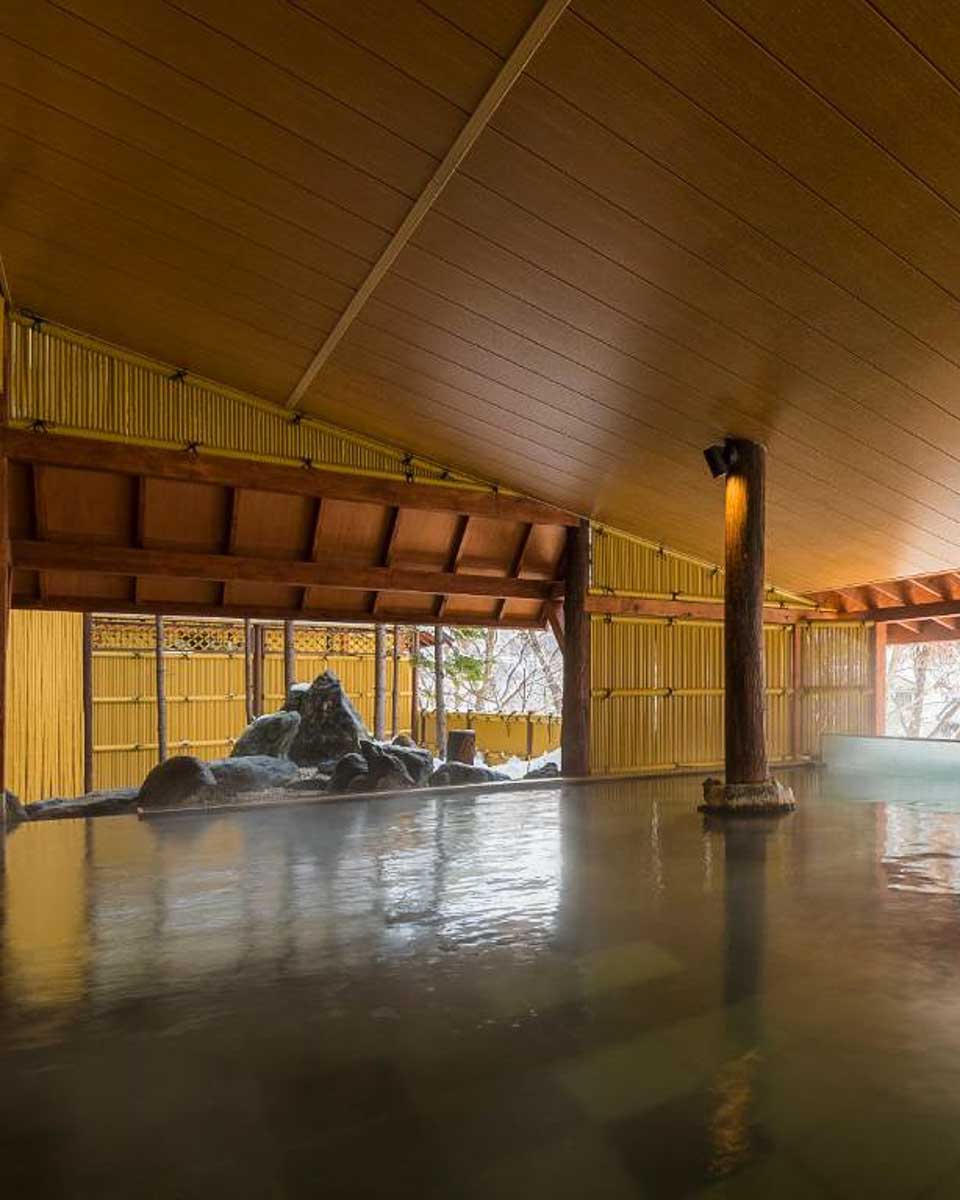
Jozankei View Hotel is one of the most budget-friendly options in Jozankei and a practical choice for travellers who want access to hot springs without a high price tag. It’s a large but no-frills property that focuses on value rather than luxury.
Oh, and true to its name, it offers some really great views of the river and lush green hills! The onsen facilities are extensive, and while the hotel itself feels a bit dated in places, it remains popular for its affordability and scenic location.
This hotel suits budget-conscious travellers or families who prioritise onsen access over atmosphere or design. Prices usually start from around 22,000 JPY ($140 USD) per night.
Kyoto

BEST FOR CULTURE & TRADITIONAL ONSEN STAYS
Pros
- Unmatched concentration of historic temples, shrines, and traditional neighborhoods
- Several onsen hotel areas within easy reach of major sights
- Deep cultural atmosphere and strong connection to traditional ryokan stays
Cons
- Onsens are less central than in dedicated hot spring towns
- Popular areas can feel extremely crowded, especially during peak seasons
- Onsen hotels tend to be more expensive
Kyoto is best known for its temples, shrines, and historic streets, but it also offers a refined onsen hotel experience that pairs beautifully with cultural sightseeing. Rather than being a single onsen town, Kyoto’s onsens are spread across the city and surrounding areas, often tucked into traditional neighborhoods or set slightly outside the city center. This makes it an appealing choice if you want onsens as part of a broader cultural trip.
This area is ideal for travelers visiting Japan for history, culture, and classic scenery, as well as couples looking for a more atmospheric stay. Many onsen hotels here lean toward elegant, traditional ryokan-style properties, with tatami rooms, kaiseki dining, and serene baths designed to complement Kyoto’s refined aesthetic.
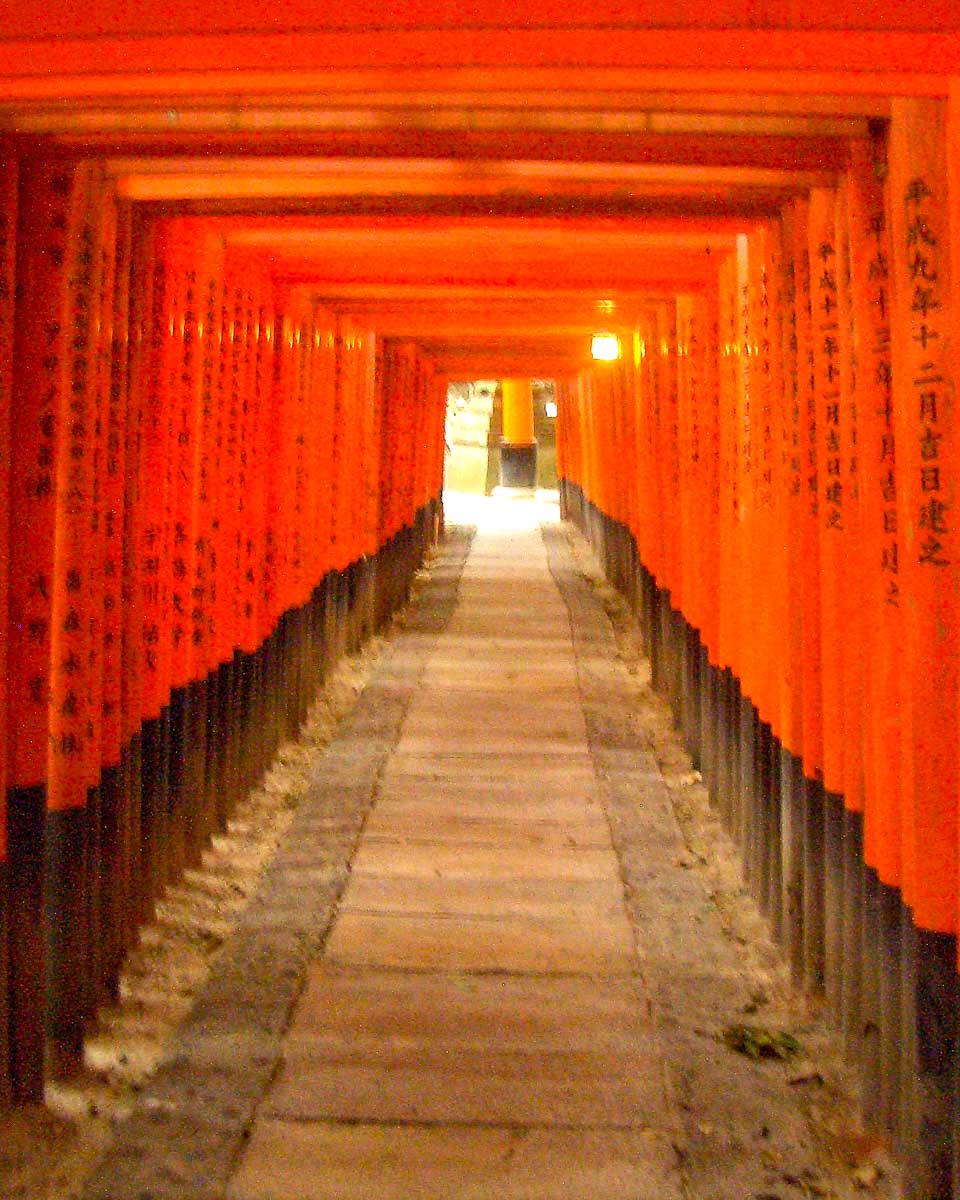
Top sights are everywhere, including Fushimi Inari Taisha, Kinkaku-ji (Golden Pavilion), Gion, Arashiyama Bamboo Grove, and Kiyomizu-dera. Historically Japan’s capital for over 1,000 years, Kyoto remains deeply tied to traditional arts and customs. While it’s not the most onsen-focused destination, Kyoto is perfect for travelers who want cultural immersion with the added luxury of a relaxing onsen hotel stay.
Hot Spring Hatoya Zuihokaku Hotel – $$$
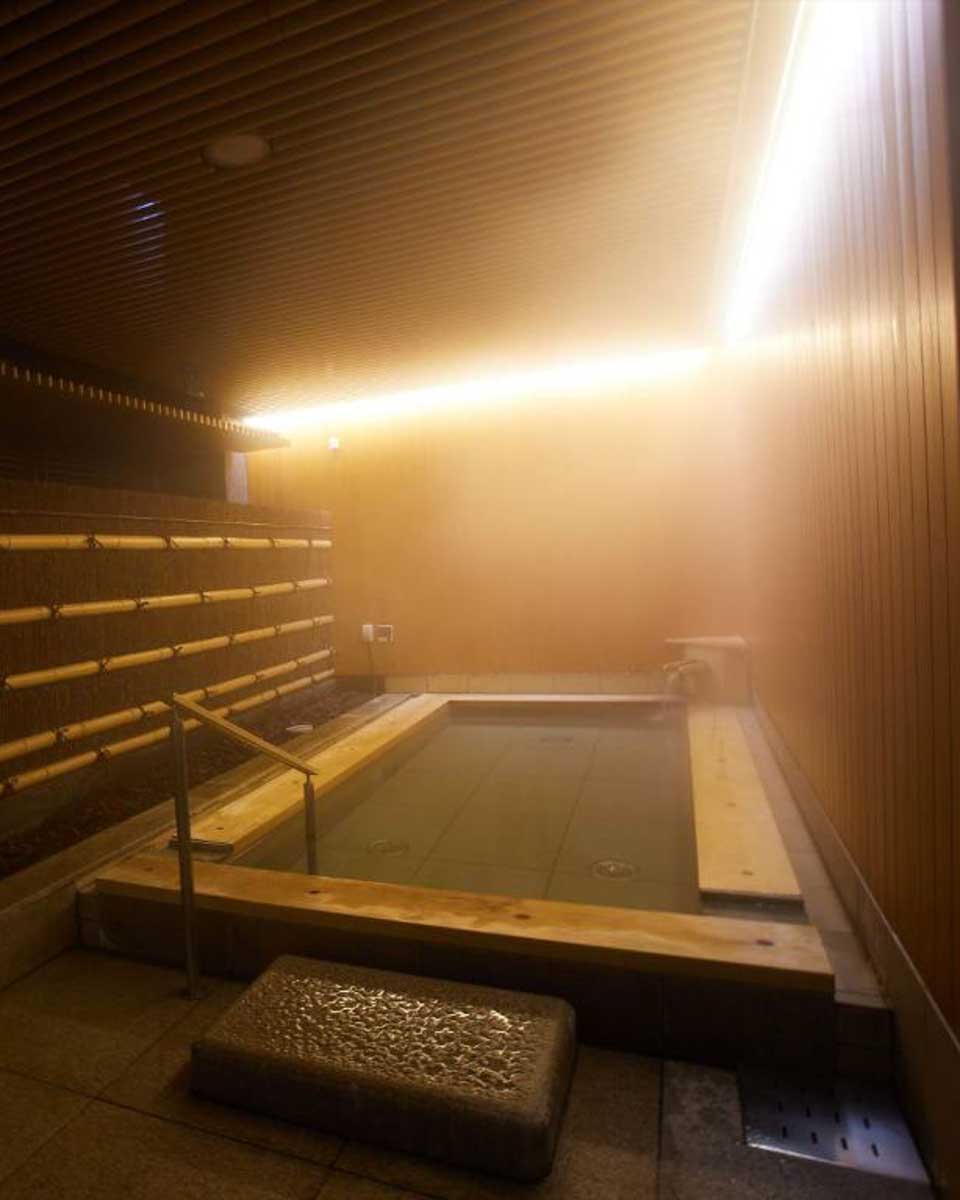
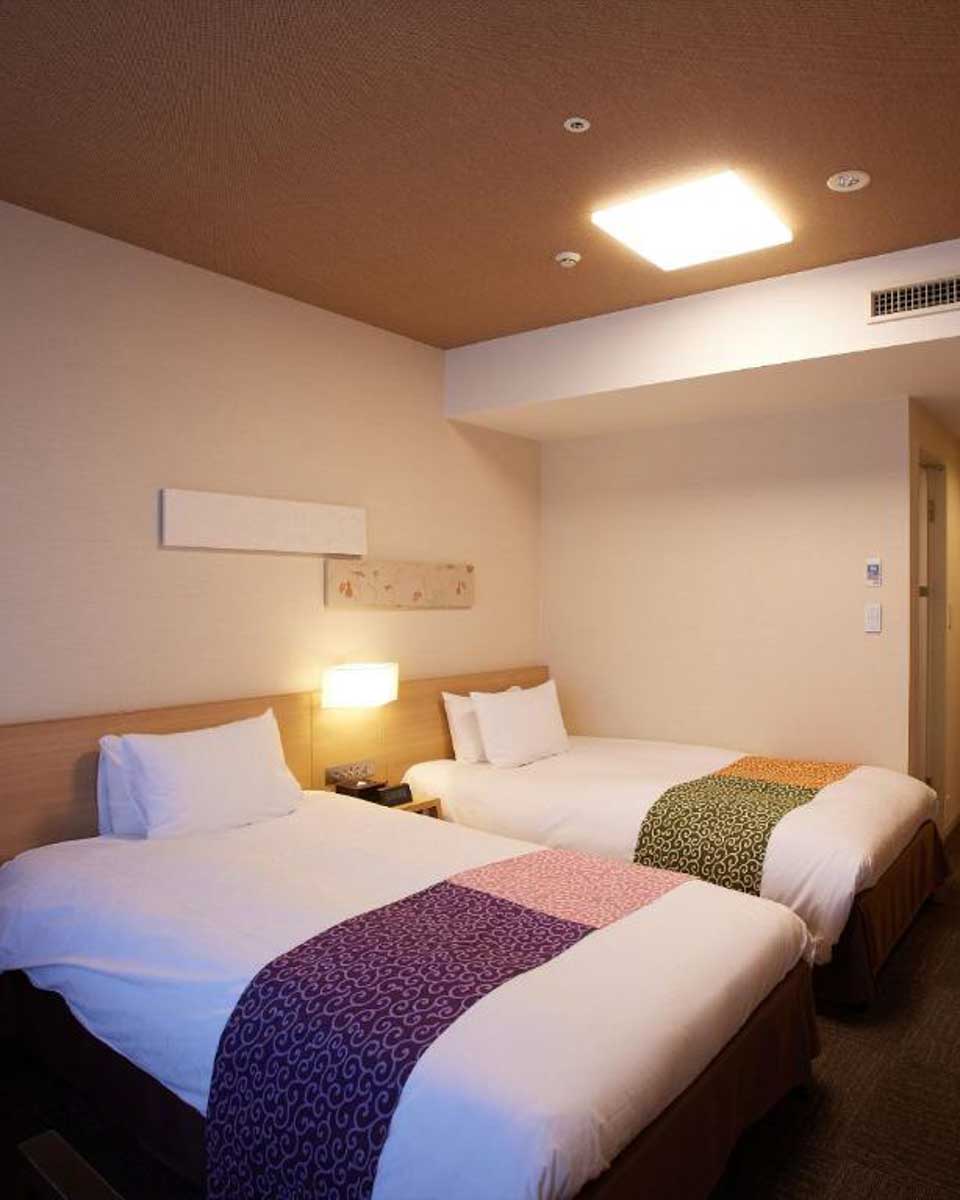
Hot Spring Hatoya Zuihokaku Hotel is a fantastic choice if you want a traditional onsen hotel stay right in the heart of Kyoto. Just a five-minute walk from Kyoto Station, this hotel makes sightseeing incredibly easy while still offering a relaxing onsen experience at the end of the day.
The highlight here is the top-floor public indoor and outdoor hot spring baths, which are perfect for unwinding after hours of temple hopping. Rooms lean toward a classic Japanese style, with tatami floors, futon bedding, and a calm, minimalist feel. Despite the traditional setup, modern comforts like air conditioning, Wi-Fi, and private bathrooms are all included.
Couples especially love the location, thanks to the unbeatable access to Kyoto Tower, public transport, and major sights like Kiyomizu-dera. Rooms typically start around ¥22,000–¥55,000 ($150–$360 USD) per night.
IZUYASU Traditional Kyoto Inn – $$$
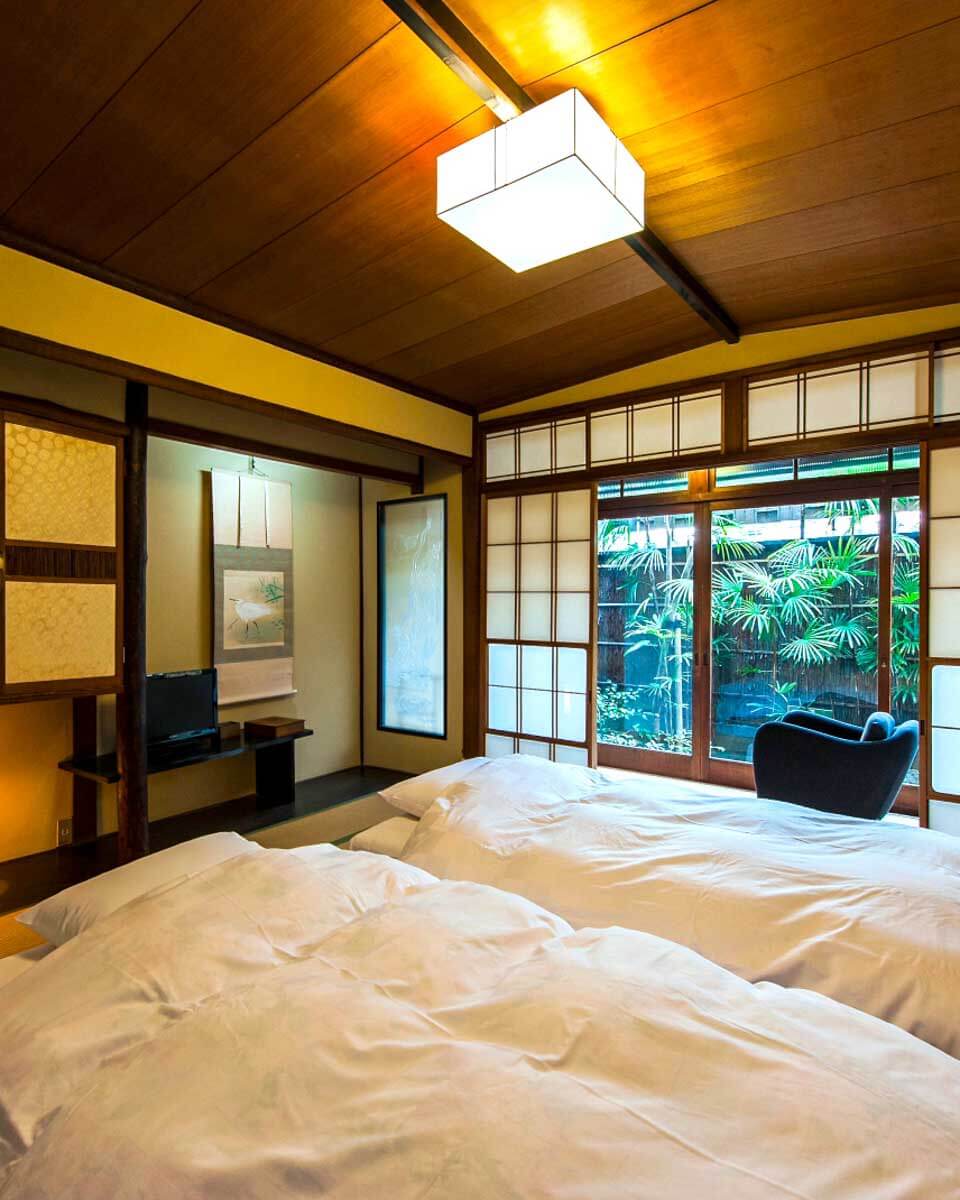
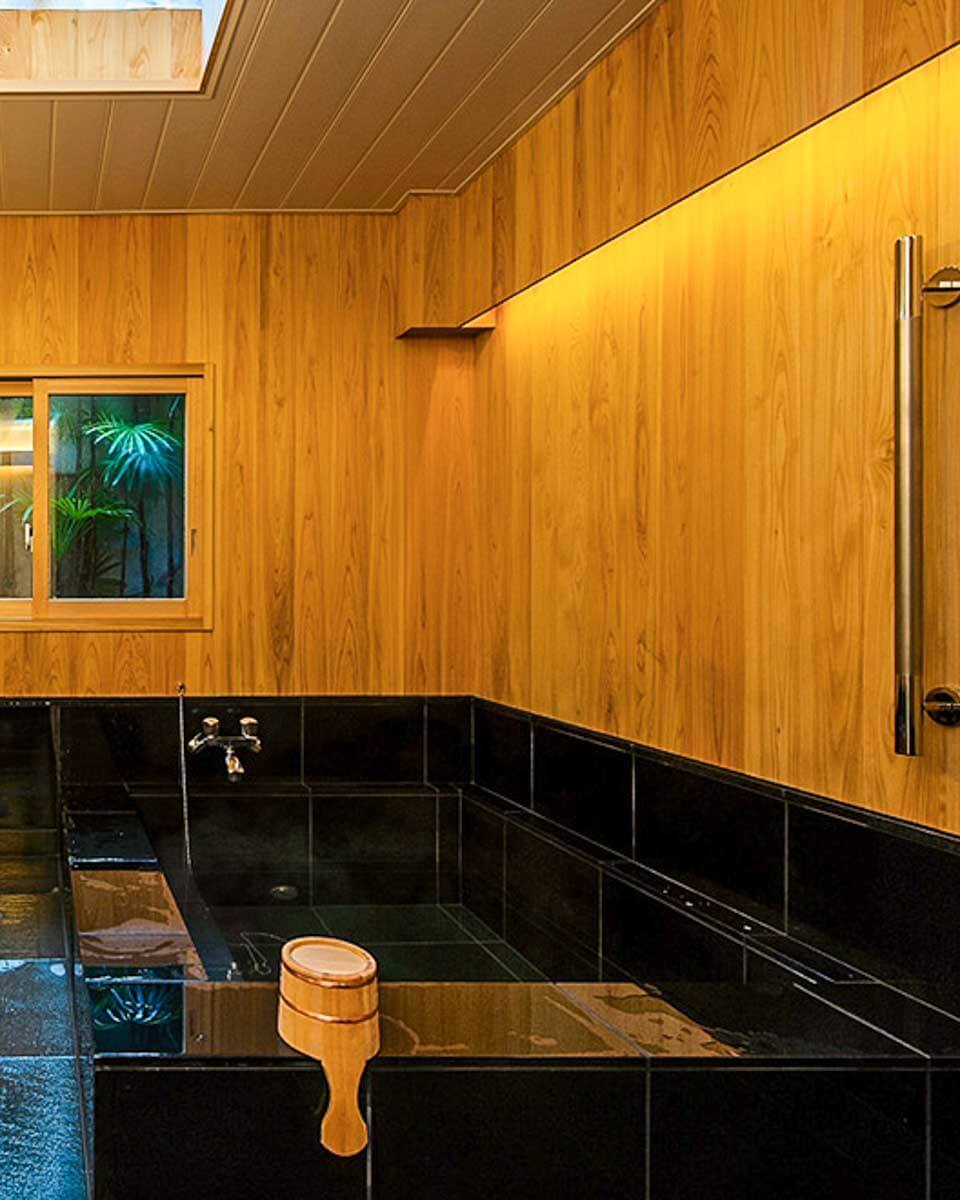
Stepping inside IZUYASU Traditional Kyoto Inn feels like slipping into old Kyoto, even though you are just a short walk from Kyoto Station and right near Higashi Honganji. Built in 1839 and beautifully renovated in 2013, it keeps that historic charm front and center with tatami floors, shoji screens, and calm courtyard views.
The onsen-style highlight here is the bath setup: rooms do not have their own tubs, but the inn has three private family baths you can lock and use solo, which makes the whole soak feel wonderfully personal. Time slots are arranged at check-in on a first-come basis, and the baths are available until 11:00 pm.
Expect roughly ¥50,000 to ¥110,000 JPY (about $330 to $740 USD), depending on the season, per night with breakfast and dinner included.
ALA HOTEL KYOTO – $$
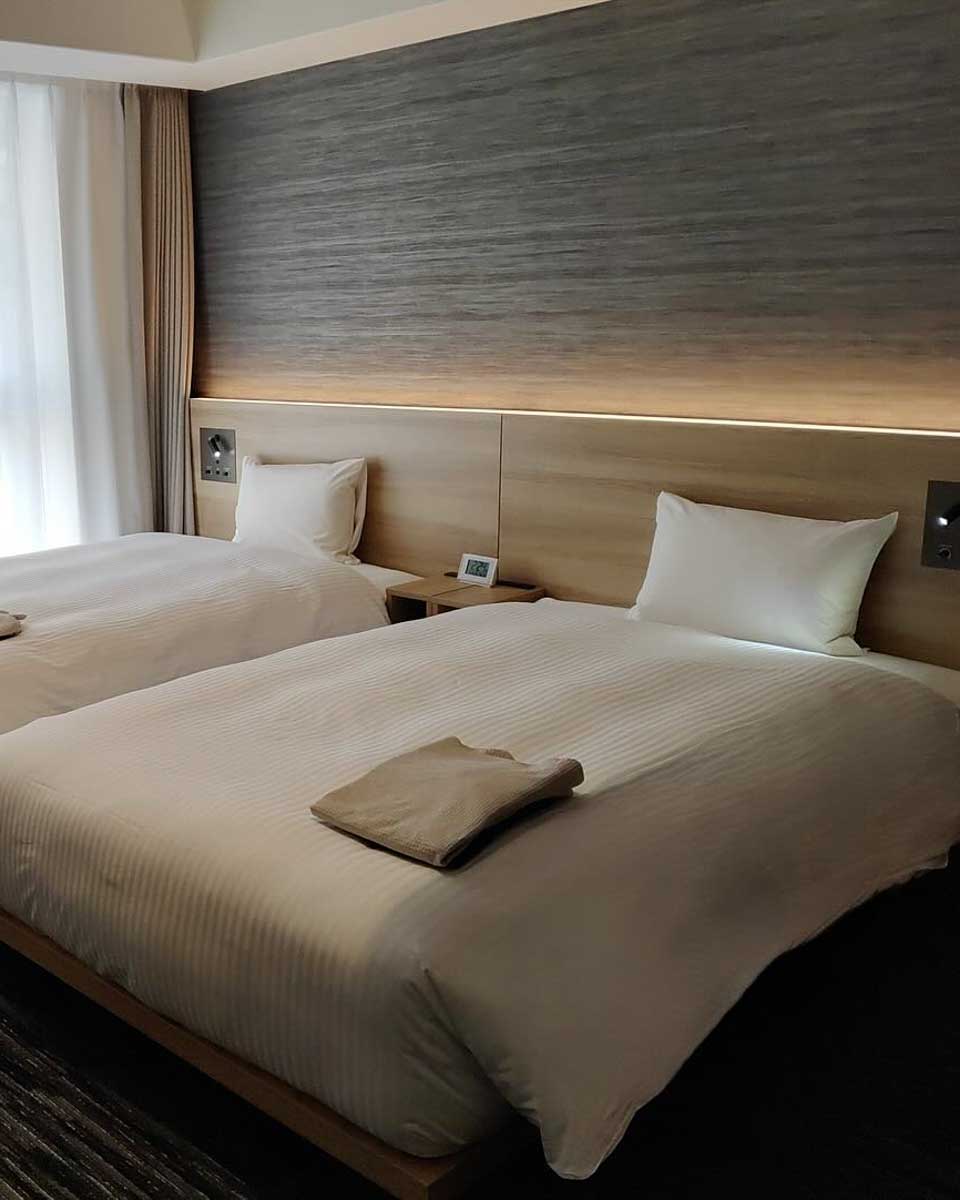
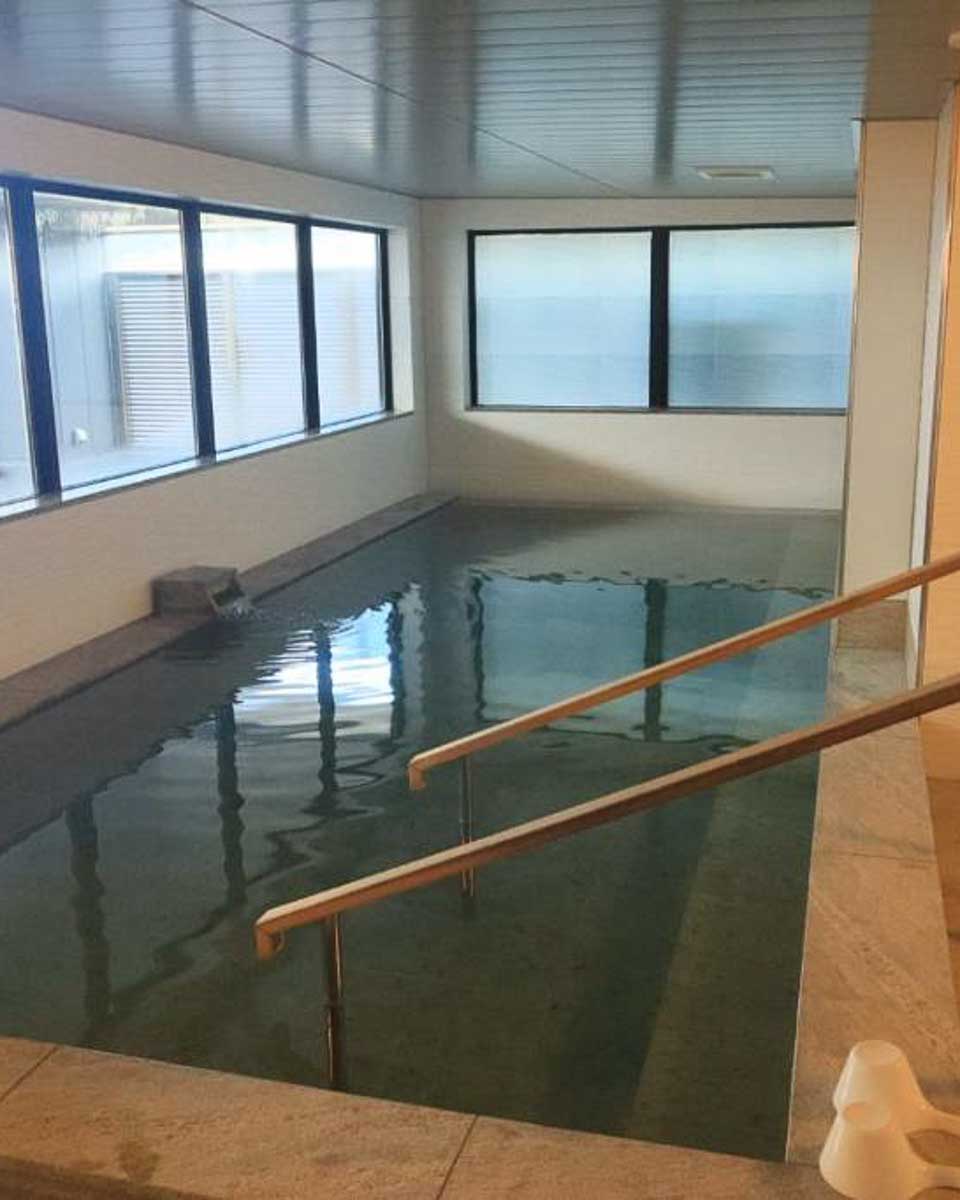
ALA HOTEL KYOTO is a great pick if you want a modern onsen hotel with excellent value and an ultra-convenient location. Just a short walk from Kyoto Station, this hotel makes it easy to explore the city while still enjoying a full onsen and spa experience on-site. Guests have access to a large public hot spring bath, open-air bath, sauna, and even a fitness center, which is a nice bonus for longer stays.
Rooms here are contemporary and comfortable, with air conditioning, private bathrooms, and plenty of space by Kyoto standards. The atmosphere leans more modern than traditional, making this a solid option for travelers who want onsens without committing to a full ryokan experience. Couples especially appreciate the location and comfort.
Rooms typically start around ¥13,000–¥45,000 ($90–$300 USD) per night, with breakfast available. With prices like these near Kyoto Station, availability goes quickly, so it’s worth locking in your spot early.
Yuno Yado Shoei – $$
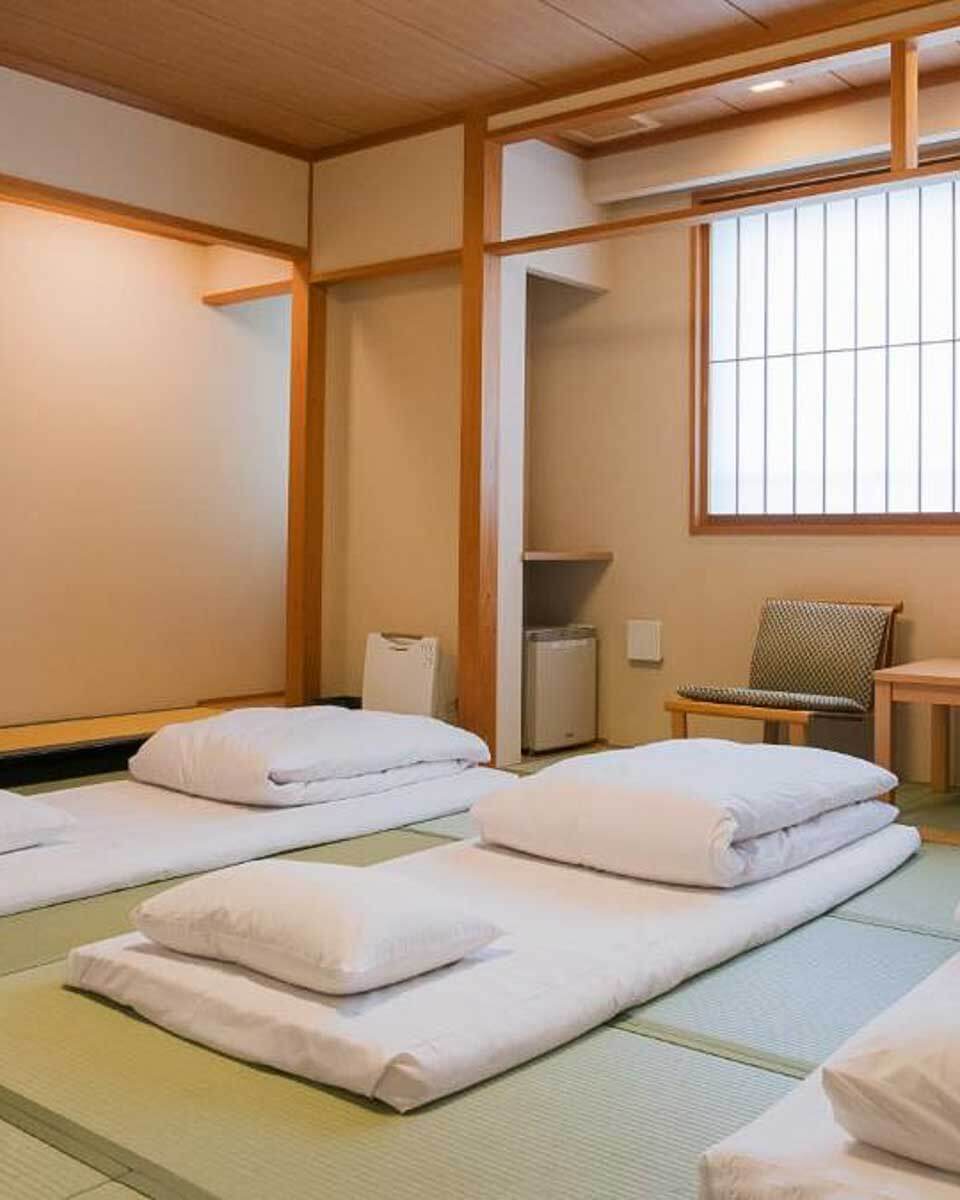
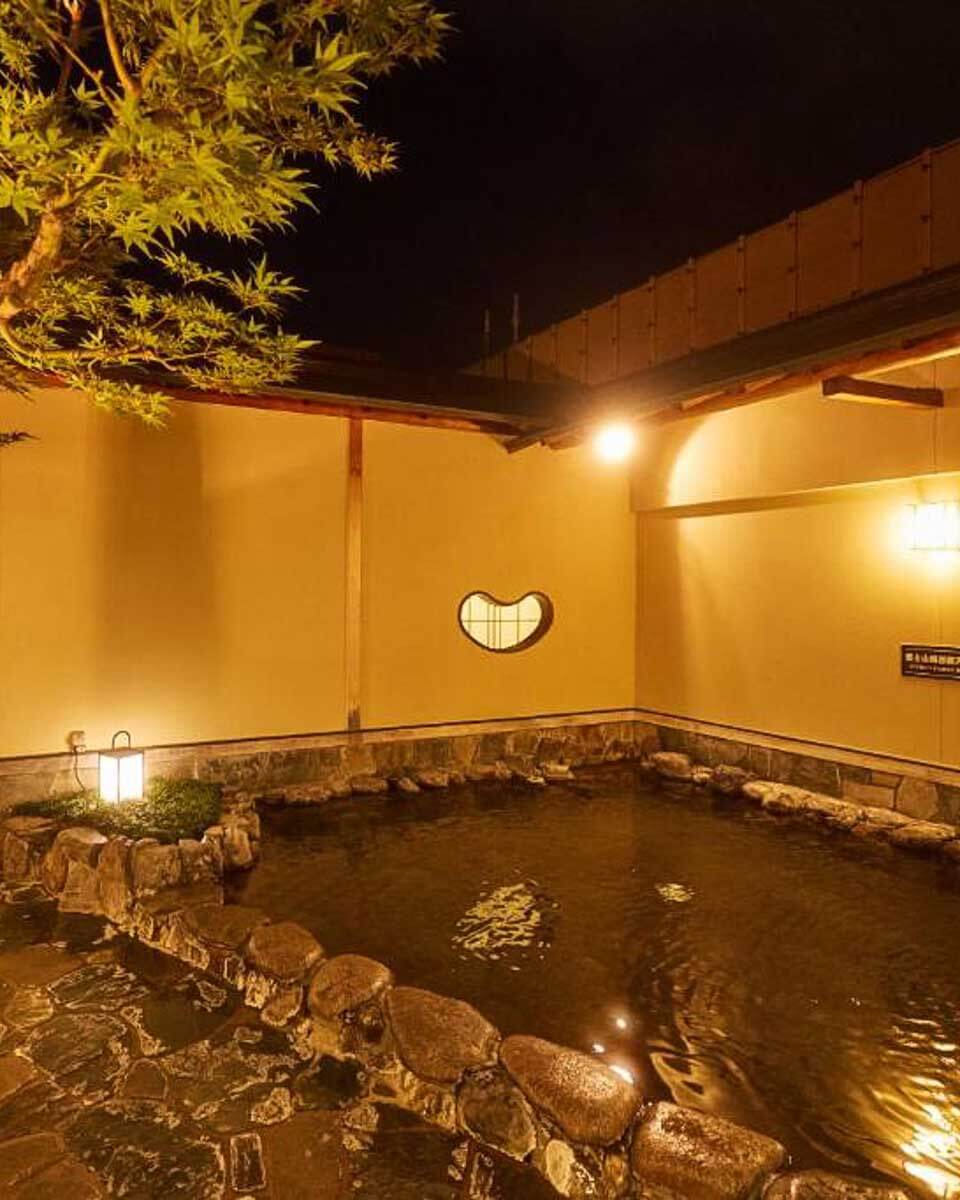
Yuno Yado Shoei feels like a genuine Kyoto reset button. It’s set in a quieter neighborhood near JR Tambaguchi Station, so getting around is easy, but you’re not dealing with the constant bustle right outside the door. Umekoji Park is close for a relaxed stroll, and Kyoto Station is only a short ride away, which makes this a really convenient base for sightseeing days.
When it comes to soaking, you’re well covered here with multiple public hot spring baths, an open-air bath, and even a sauna for a proper wind-down. The bathing hours also run late, which is perfect after a full day on your feet.
Rooms typically range from ¥23,000 to ¥47,000 JPY (about $150 to $300 USD) per night.
Kyomachiya Ryokan Sakura Urushitei – $
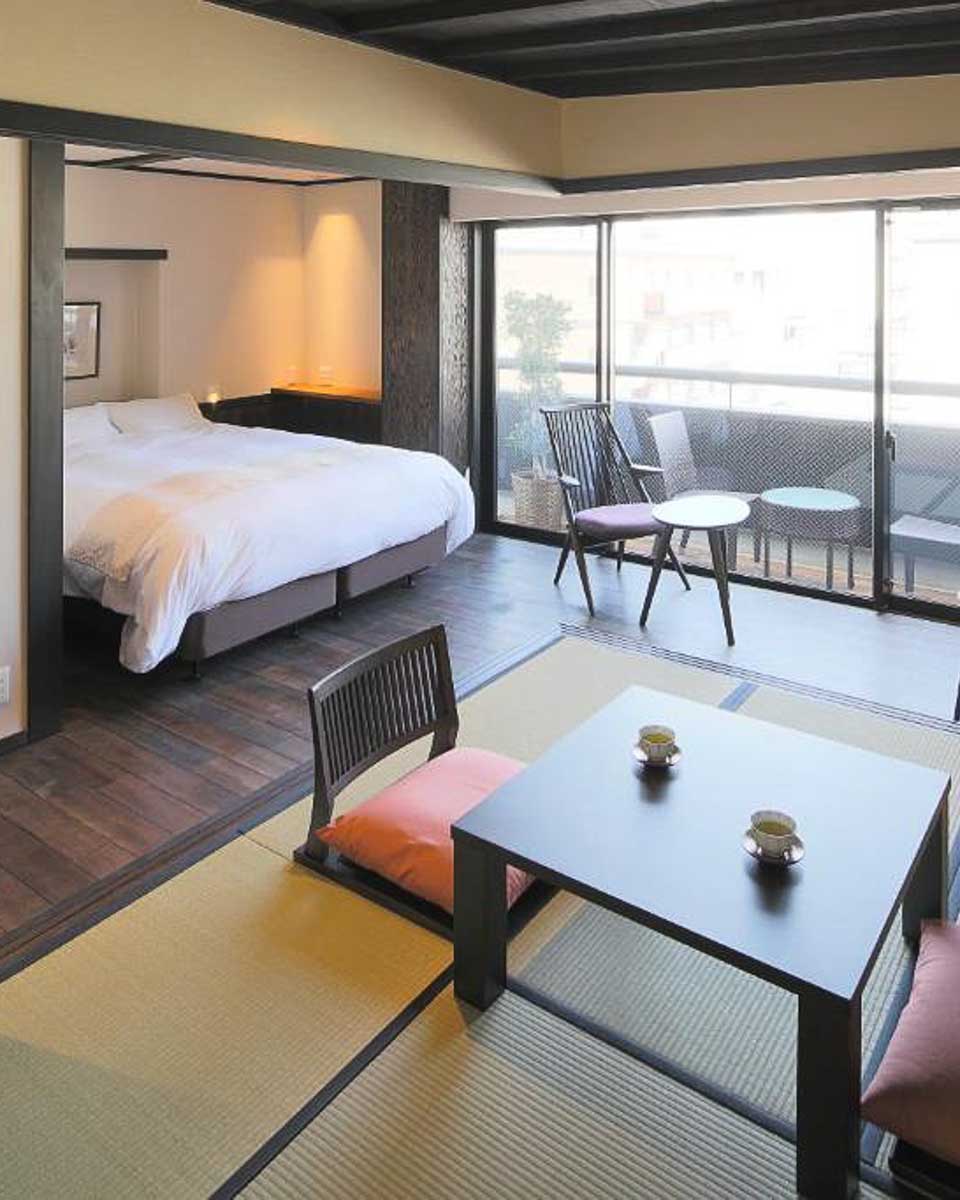
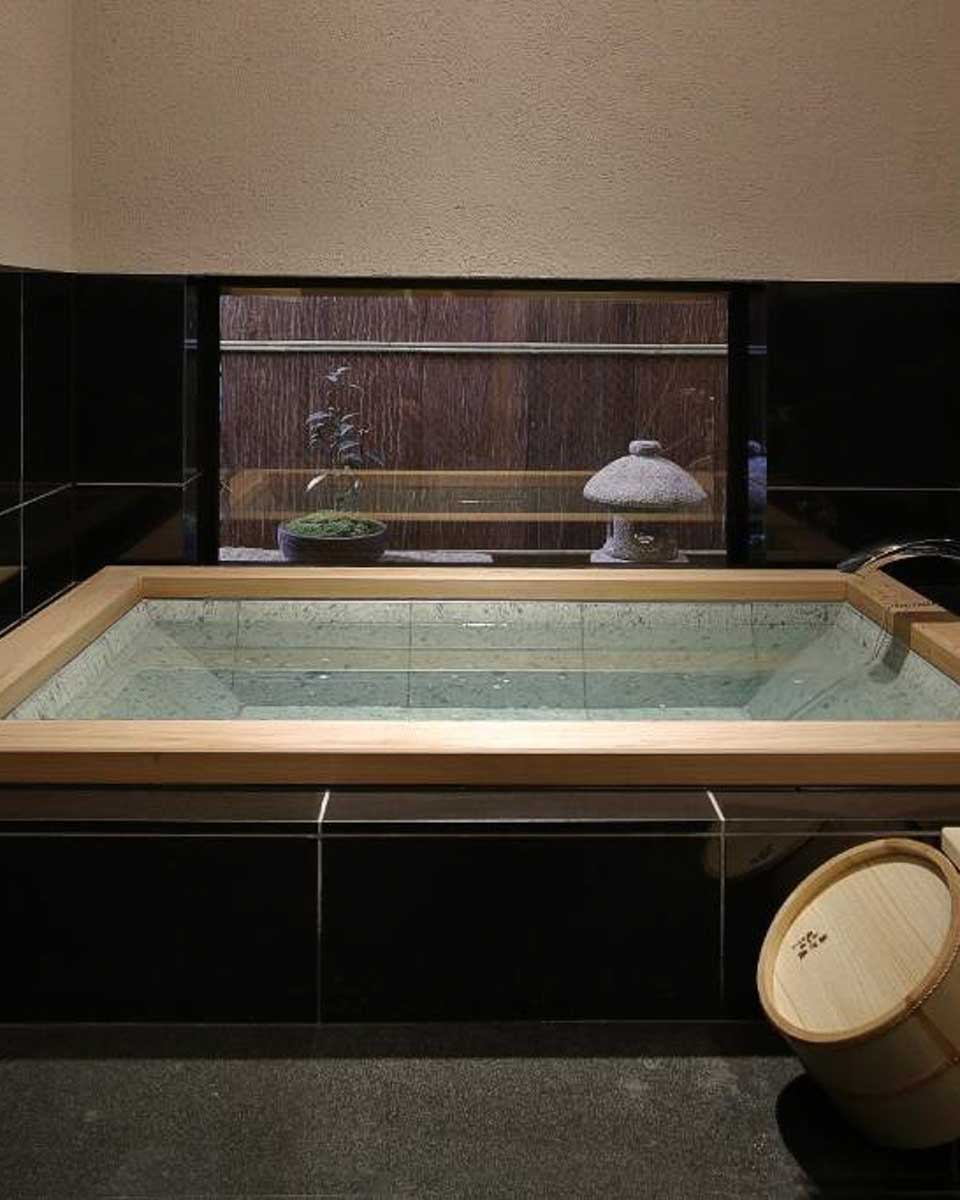
Kyomachiya Ryokan Sakura Urushitei is a really fun mix of “Kyoto traditional” and “easy modern comfort,” right near Kawaramachi, Shijo, and all the central shopping and food streets. The whole place is inspired by Kyoto craftsmanship, and it even sits on the former site of a long-running lacquerware workshop, which is a cool little bit of local history to have under your feet.
When it’s time to wind down, there’s no large public bath, but you can book a private rental bath for 1 to 2 people (it’s a short, timed slot, and there’s a small fee). It’s not a natural hot spring onsen, but it does give you that onsen-style reset after a big day out in the city.
Rooms typically range from ¥14,000 to ¥28,000 JPY (about $90 to $180 USD) per night.
Matsumoto Ryokan – $
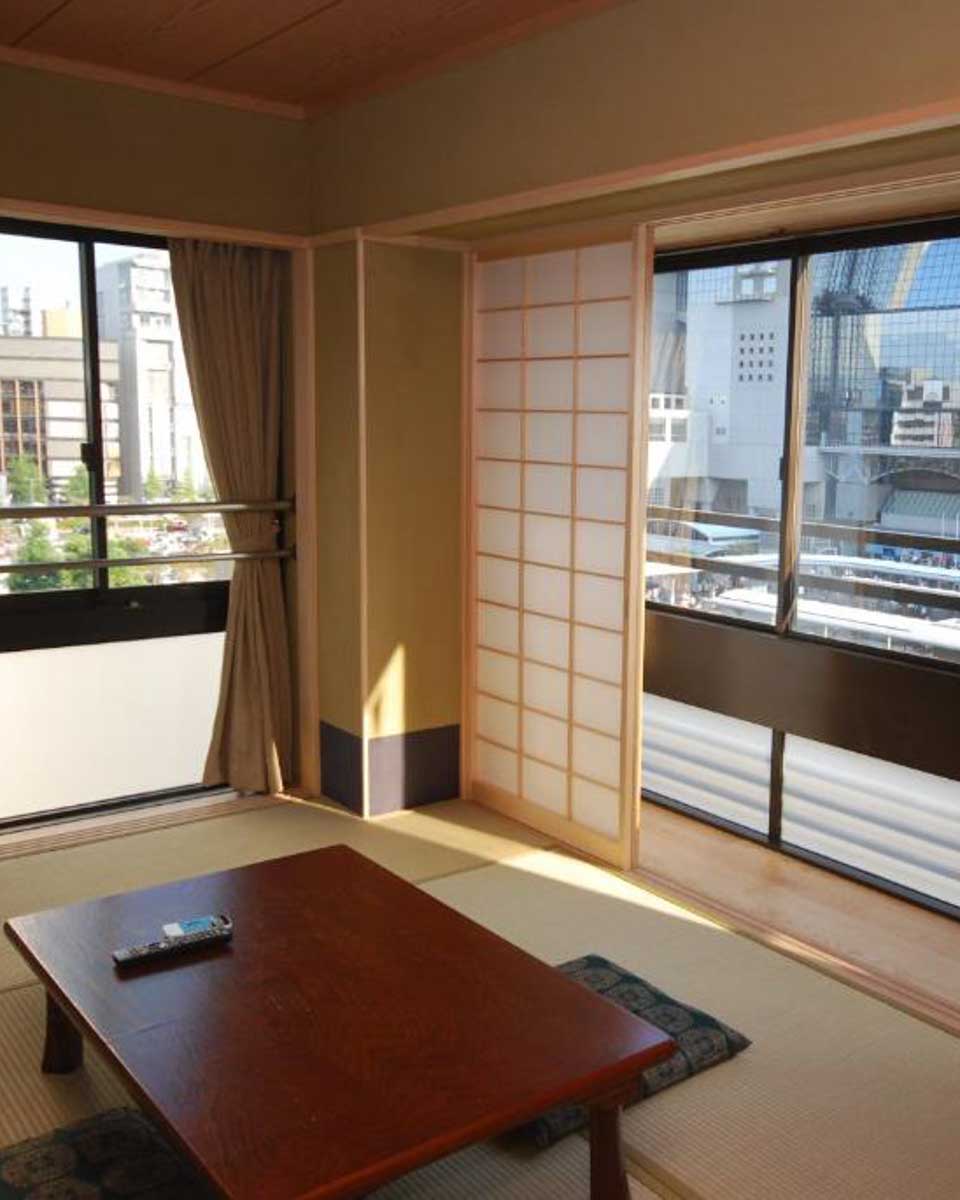
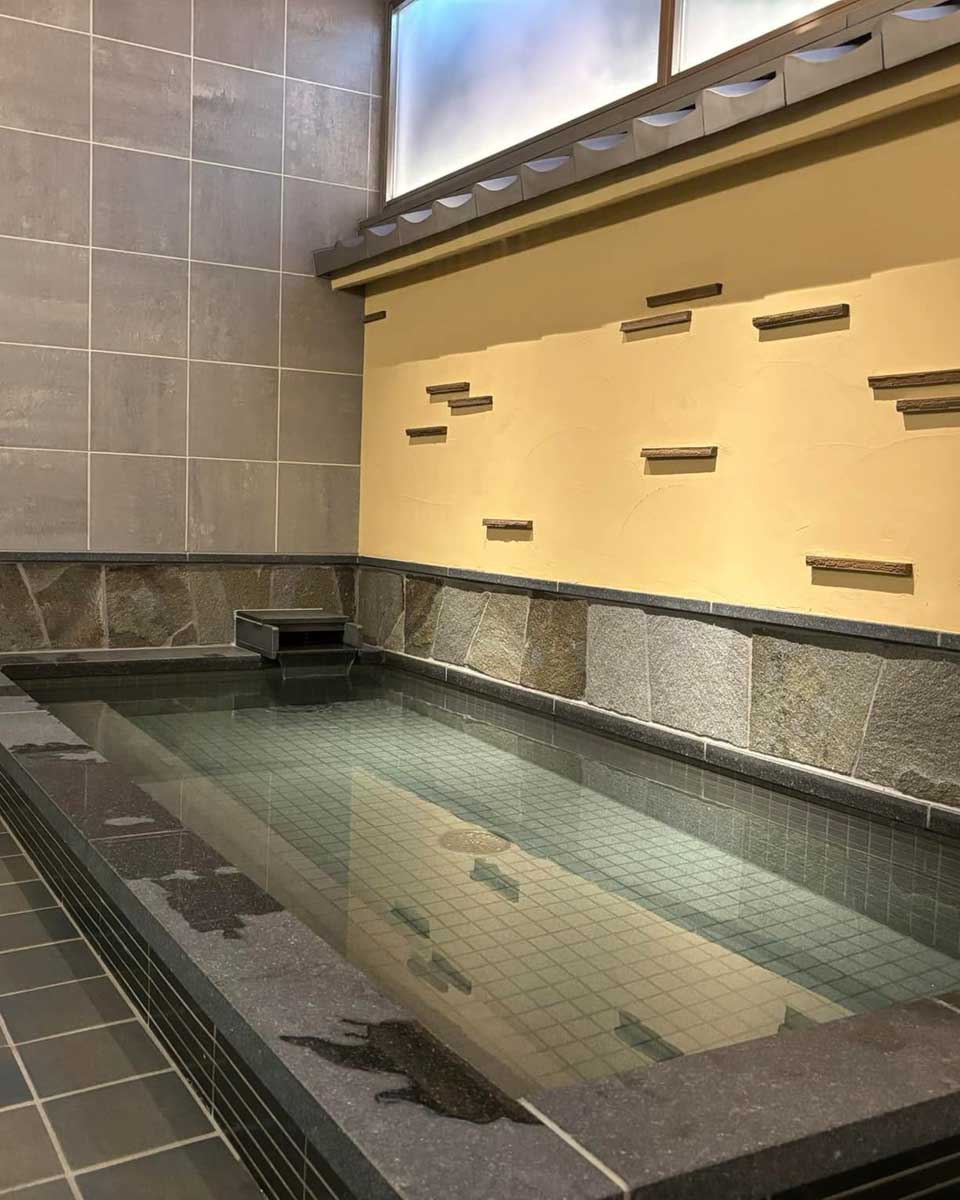
Right across from Kyoto Station’s Central Exit, Matsumoto Ryokan is all about its location and simple, old-school Kyoto charm. You can choose between Western-style rooms or classic tatami setups with futons and yukata, which makes it a great “first ryokan” option if you want tradition without anything too complicated.
When it’s time to unwind, the ryokan has a large communal bath plus an open-air bath, so you can end the day with a proper hot soak before bed. It isn’t a natural hot spring onsen, but it still delivers that soothing post-sightseeing reset.
Rates usually start around ¥11,000 to ¥38,000 JPY (roughly $70 to $250 USD) per night.
Tokyo
EST FOR MODERN CITY ONSEN STAYS
Pros
- Unmatched access to sightseeing, dining, shopping, and nightlife
- Growing number of modern onsen hotels and spa-style bathhouses
- Excellent public transportation and easy arrival for first-time visitors
Cons
- Fewer traditional onsen towns within the city
- Onsen experiences feel more modern than historic
- Private baths and luxury onsen hotels can be expensive
Tokyo may not be the first place that comes to mind for onsens, but it offers a surprisingly good onsen hotel experience for travelers who want convenience above all else. Instead of traditional hot spring towns, Tokyo’s onsens are found in sleek city hotels or large spa complexes, many of which use natural hot spring water brought in from outside the city. This makes it easy to enjoy a soak without leaving the capital.
Tokyo is best suited for first-time visitors to Japan, short stays, and travelers who want onsens alongside nonstop sightseeing. Many onsen hotels here emphasize comfort and accessibility, with indoor baths, open-air rooftop onsens, and private soaking options that work well for guests new to onsen culture.
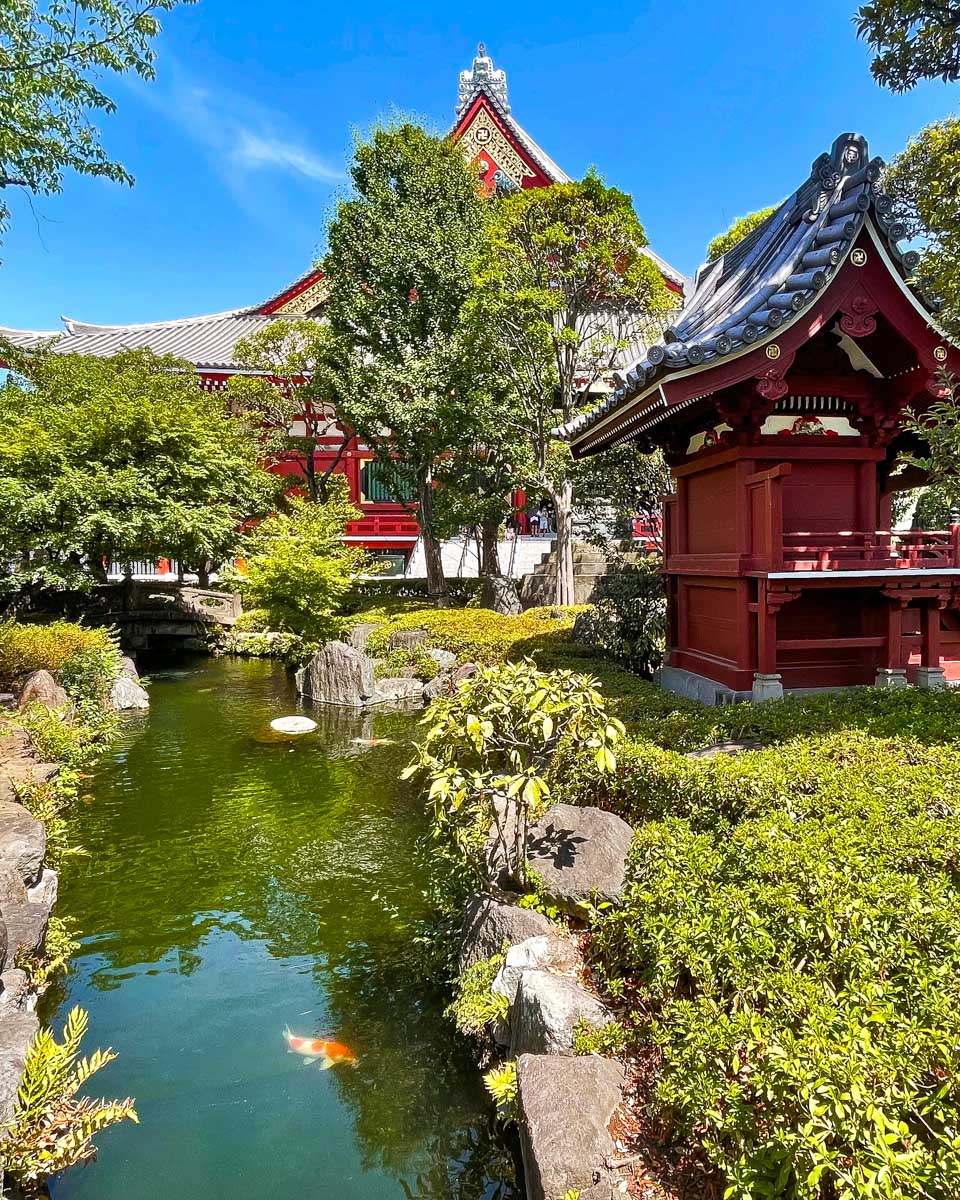
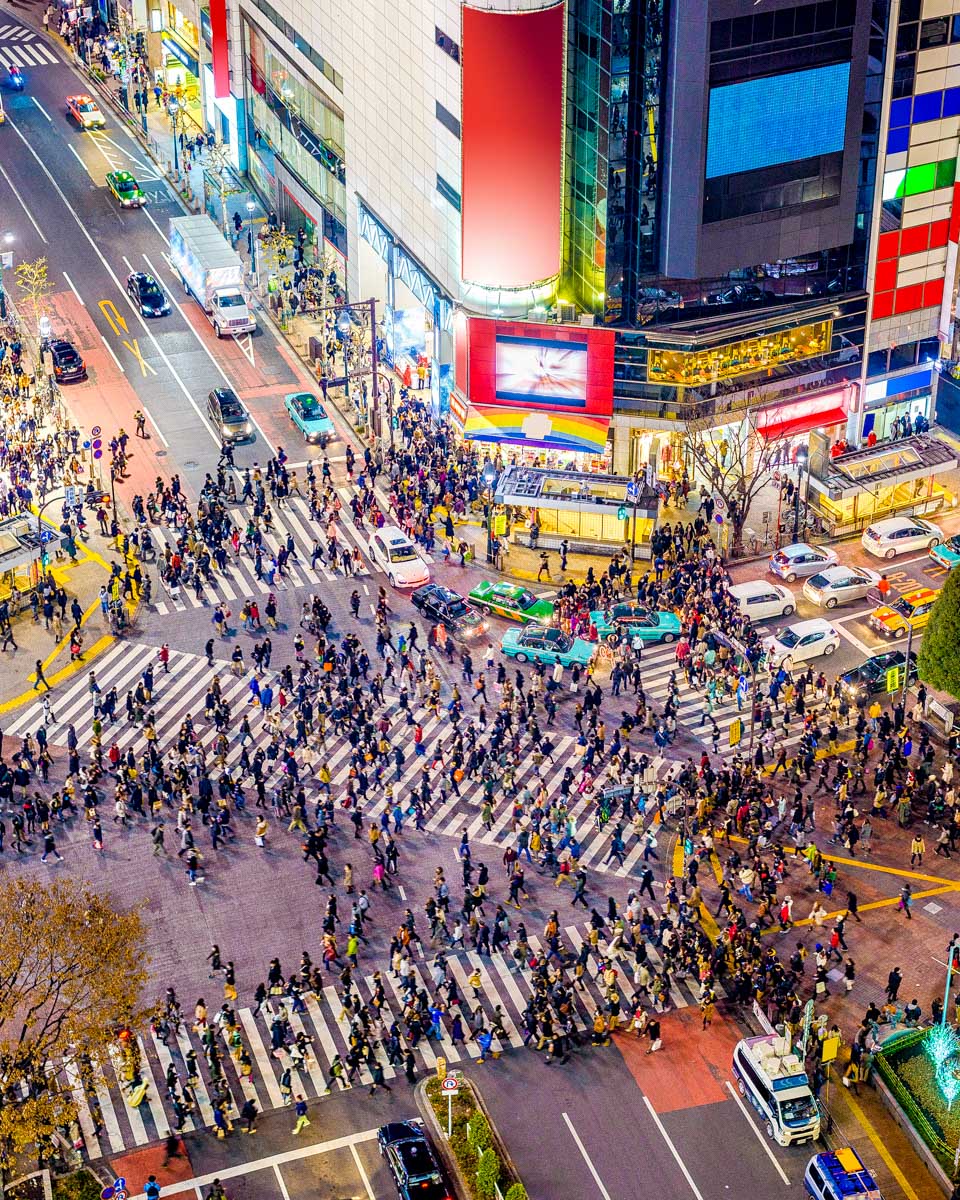
Top sights are spread across the city, including Shinjuku, Shibuya Crossing, Asakusa’s Senso-ji, Tokyo Skytree, and Ginza. Historically a fishing village known as Edo, Tokyo became Japan’s capital in the 19th century and grew into one of the world’s largest cities. While it lacks the atmosphere of rural onsen towns, Tokyo is ideal if you want modern onsen hotels paired with endless things to do.
Onyado Nono Asakusa Natural Hot Spring – $$$


Onyado Nono Asakusa Natural Hot Spring is one of the best true onsen hotels in Tokyo, and a great choice if you want a traditional feel without leaving the city. The hotel uses natural hot spring water and has a strong ryokan-inspired design, with tatami-style flooring throughout and a calm atmosphere.
The onsen facilities are spacious and well looked after, so they’re absolutely ideal for relaxing after a full day of sightseeing! Plus, it’s located just a short walk from Senso-ji Temple, the Sumida River, and plenty of local restaurants and shops. It’s especially lovely in the evenings, when the area quiets down after the big tour groups leave.
If you’re looking for an authentic onsen stay with easy access to central Tokyo, we think that this hotel is hard to beat! Prices here typically start from around 35,000 JPY ($225 USD) per night.
The Prince Park Tower Tokyo – $$$
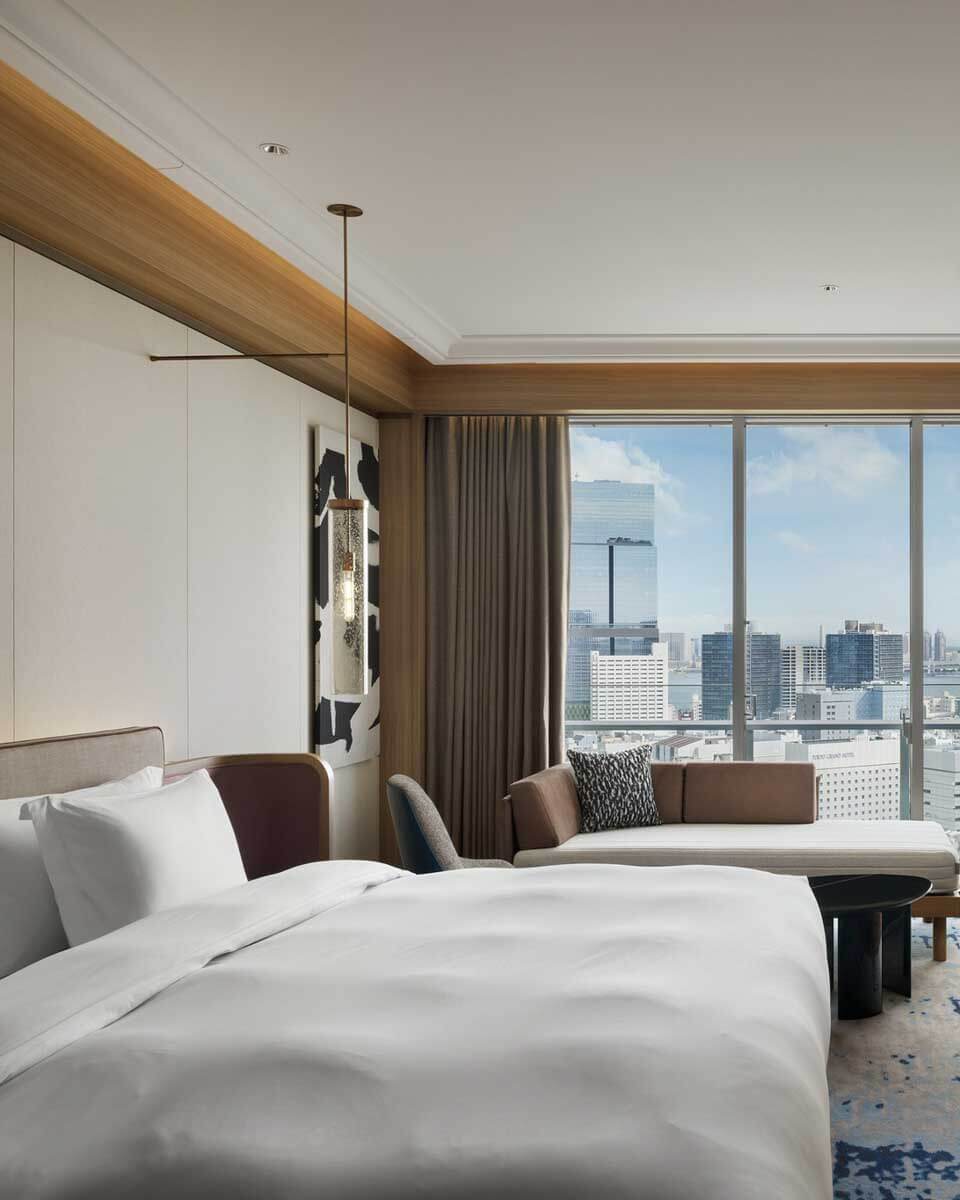
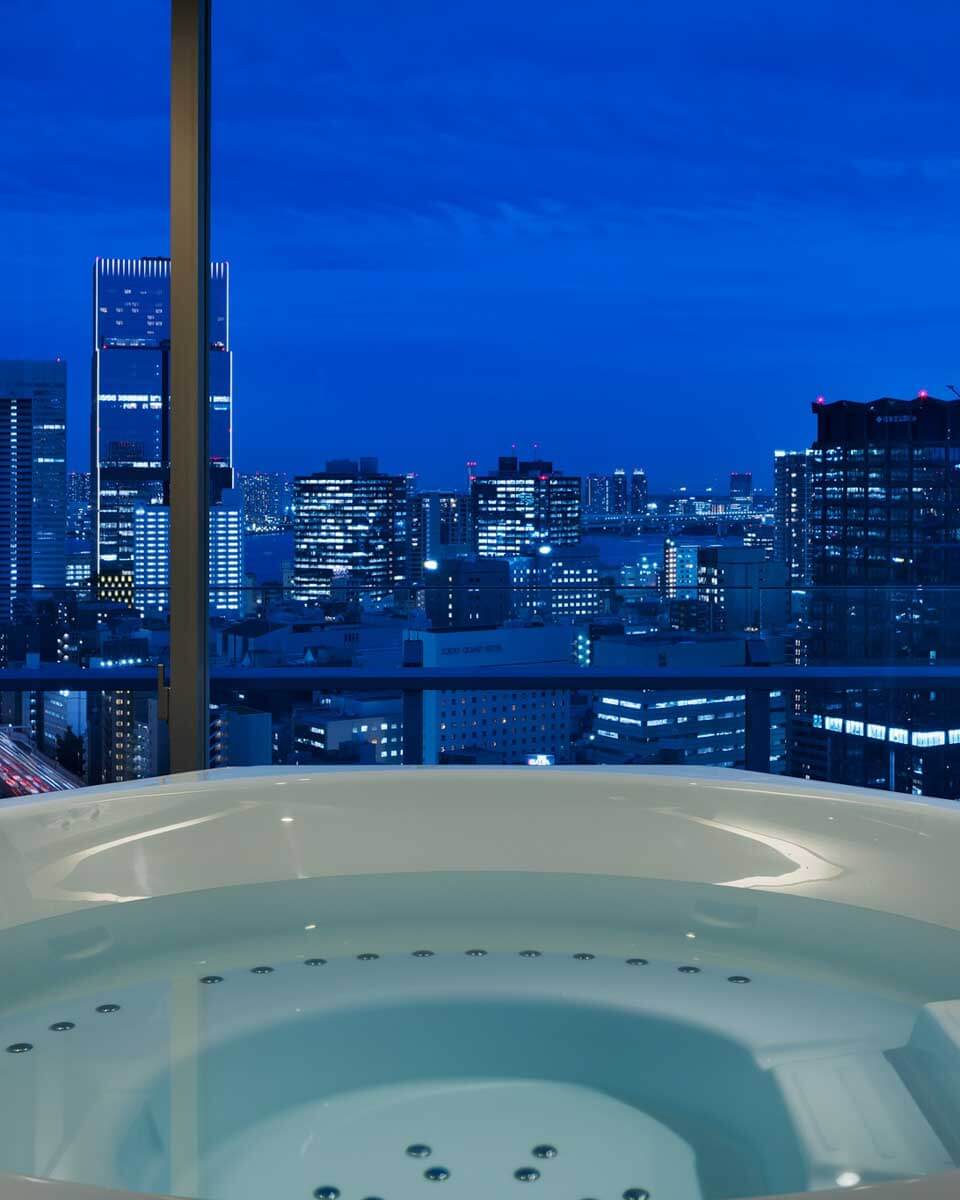
The Prince Park Tower Tokyo has more of a classic hotel feel, but it still boasts a traditional onsen that draws its water from Shiba Park, about 1.6 kilometers (1 mile) below the hotel. There’s also an infrared sauna and heated indoor swimming pool for guests to use.
The hotel offers an excellent location, right beside Shiba Park and Tokyo Tower. It’s in the Minato area, which we think is a great base if you want something a little more refined and less hectic than areas like Shinjuku or Shibuya, while still being well connected by public transport.
You can get to both areas in 15-25 minutes via the bus or subway, then retreat to a calmer base for an onsen soak in the evenings – perfect! Rooms here start at around 40,000 JPY ($250 USD) per night.
Villa Fontaine Grand Tokyo Ariake – $$$
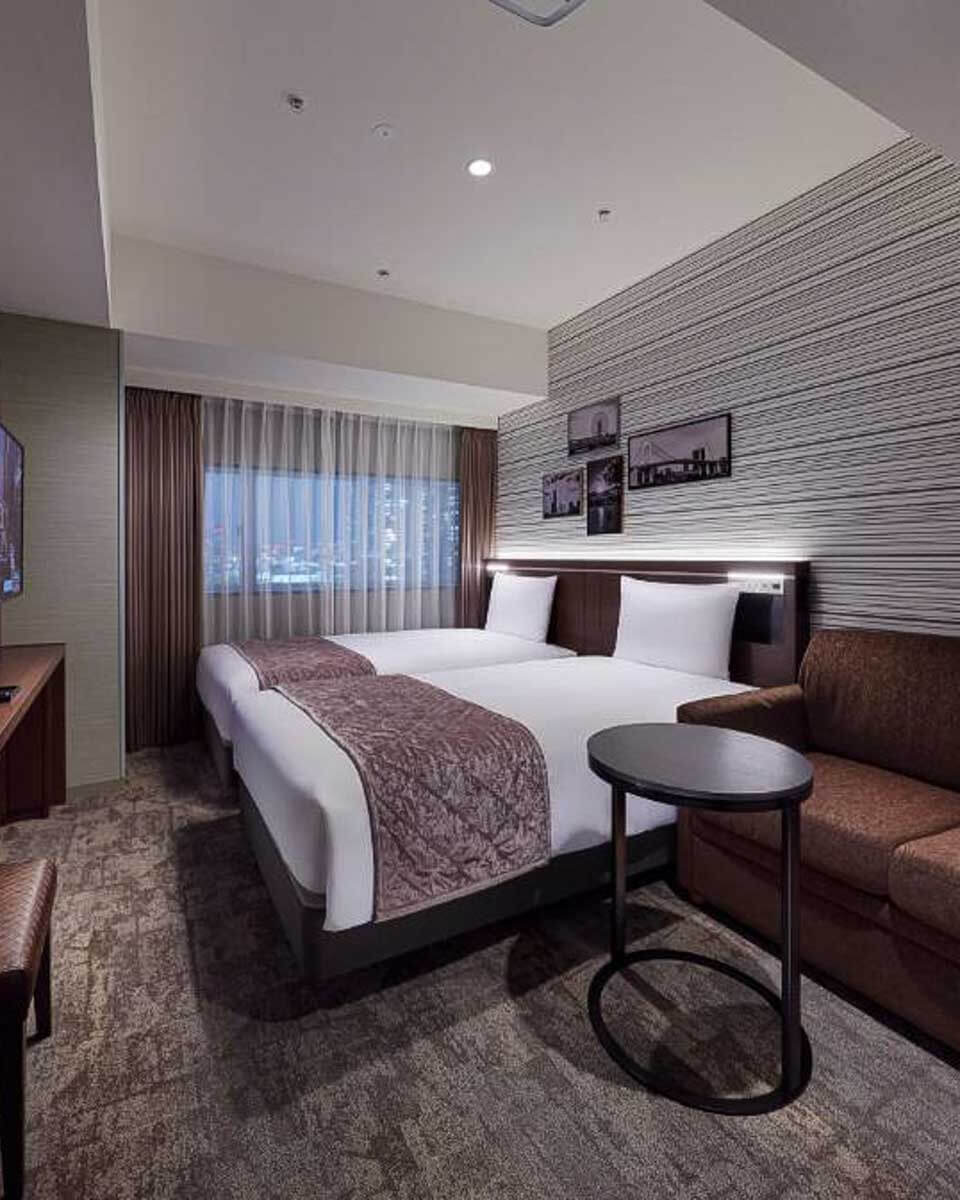
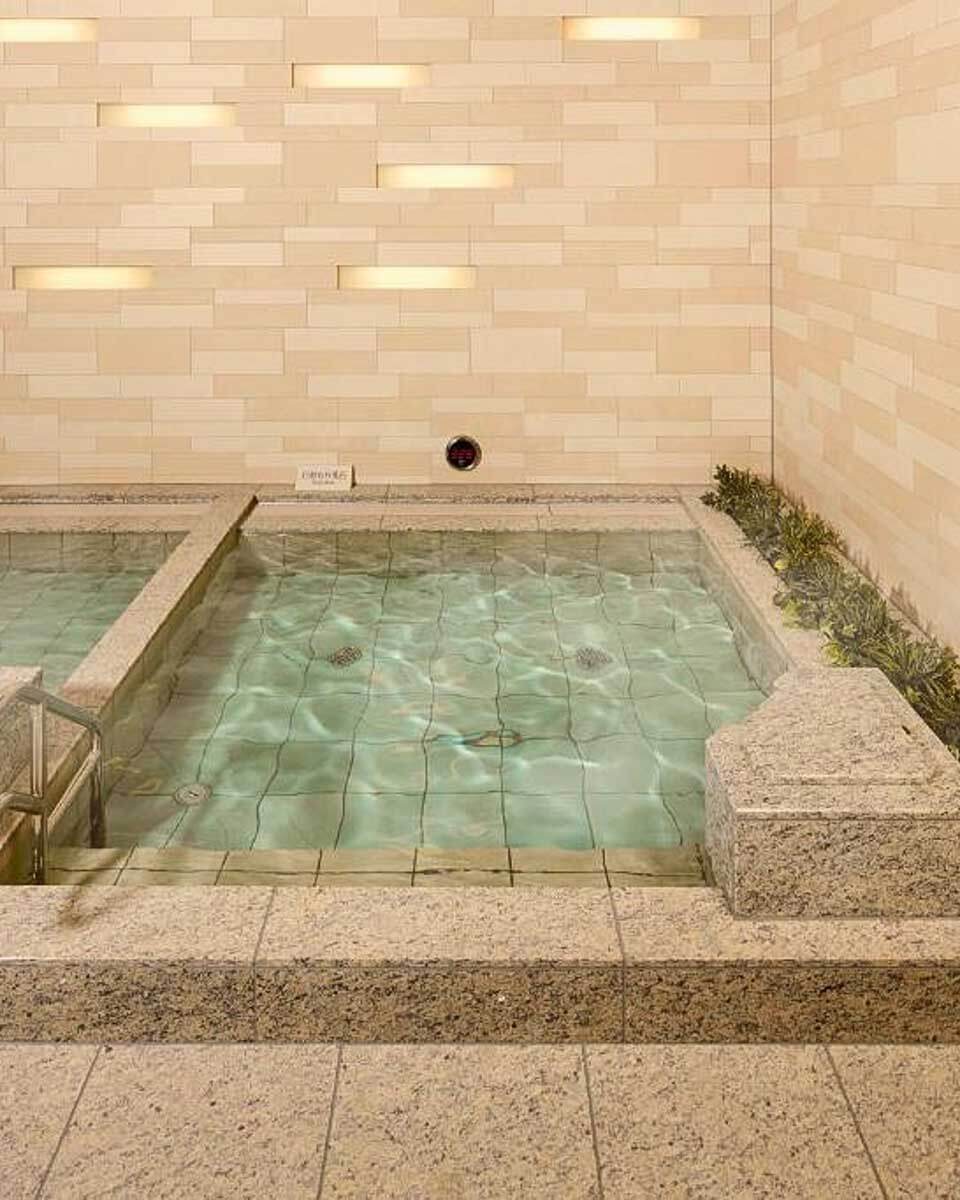
Villa Fontaine Grand Tokyo Ariake is a large, modern hotel that feels like a resort. It’s also directly connected to one of the city’s biggest spa complexes, which includes expansive onsen-style baths and relaxation areas where you could spend a whole day unwinding!
The scale of the facilities really sets this place apart, especially if you’re looking for something beyond a quick soak. It’s located in Ariake, in Koto City, a newer waterfront area of Tokyo known for wide streets, shopping malls, and event spaces.
While it’s not in the middle of the action, transport links make it easy to get into central Tokyo, and many travelers enjoy the quieter atmosphere. Non-smoking double rooms here typically cost around 50,000 JPY ($320 USD) per night, but in the off-season, you can snag rooms for a lot less.
Onsen Ryokan Yuen Shinjuku – $$
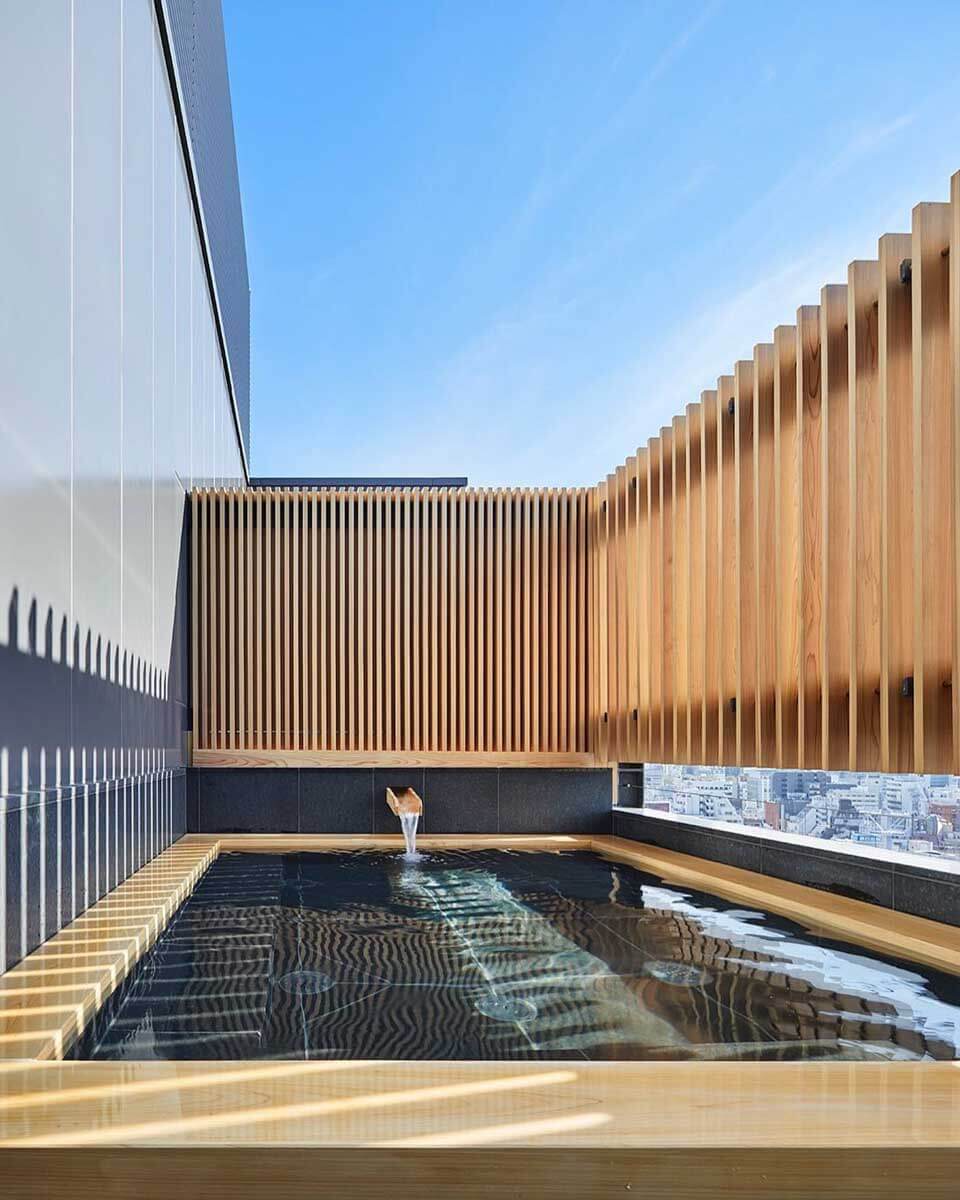
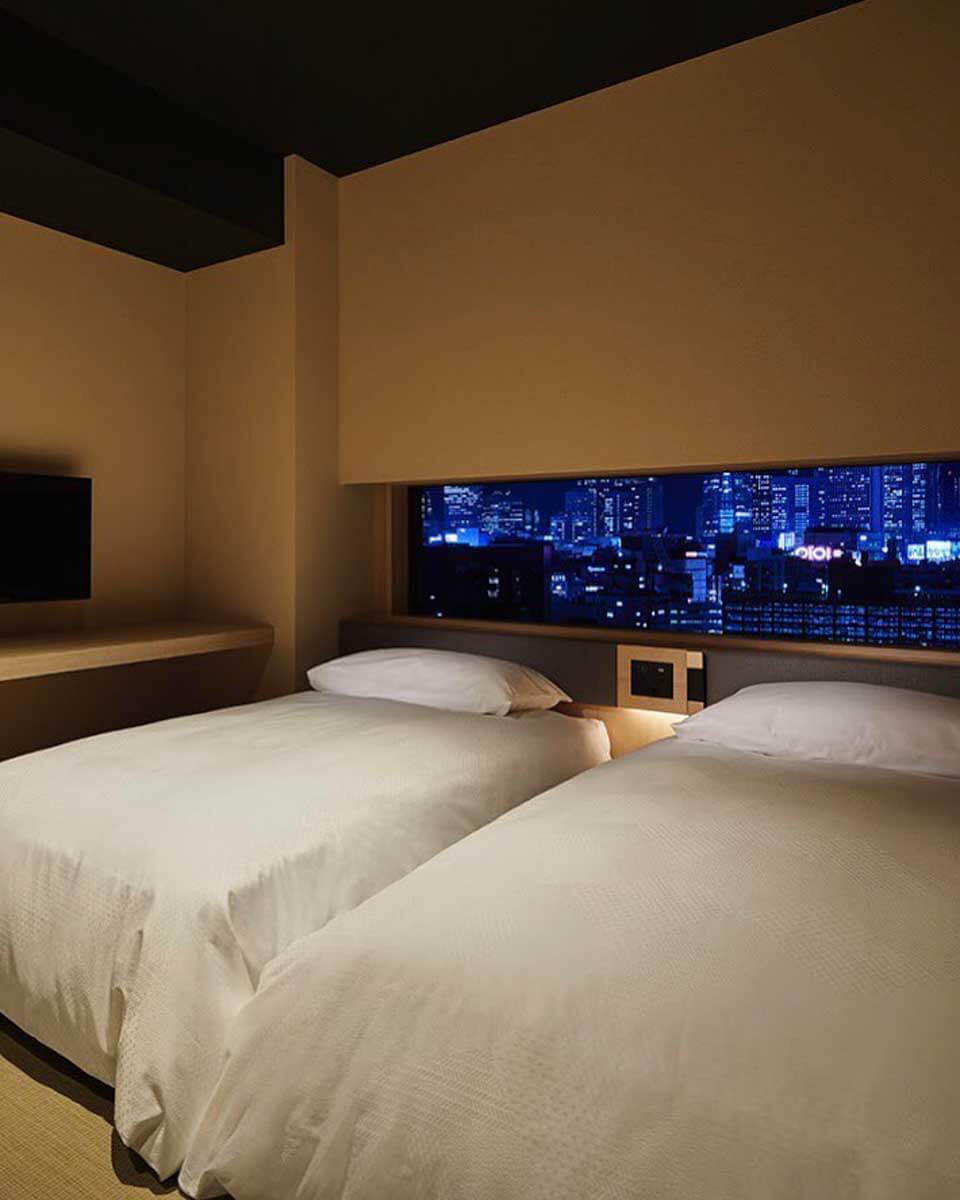
Onsen Ryokan Yuen Shinjuku is one of the best places in Tokyo to experience a ryokan-style stay right in the middle of the city. The hotel blends traditional Japanese design with a clean, modern feel, but the rooftop onsen is the real highlight!
It uses natural hot spring water brought in from Hakone, offering a genuine onsen experience without leaving Tokyo. Plus, it offers epic skyline views – what more could you ask for?
Located in Shinjuku, you’re within walking distance of Shinjuku Station, Golden Gai, and countless restaurants and bars, making it an excellent base for first-time visitors. However, despite being located in one of the city’s busiest areas, the hotel feels very calm once you step inside. Rates begin at 40,000 JPY ($195 USD) per night.
Super Hotel Premier Ginza – $$
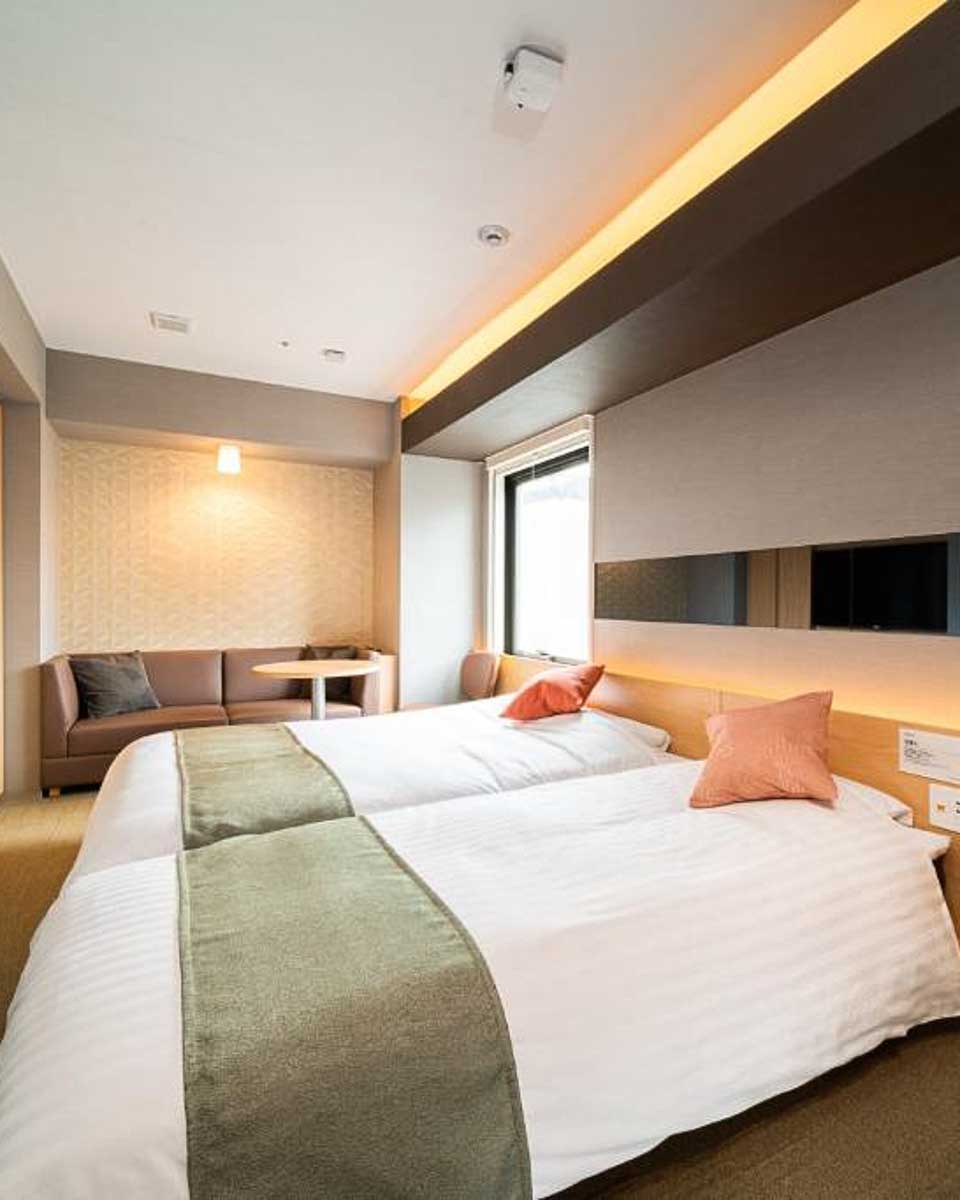
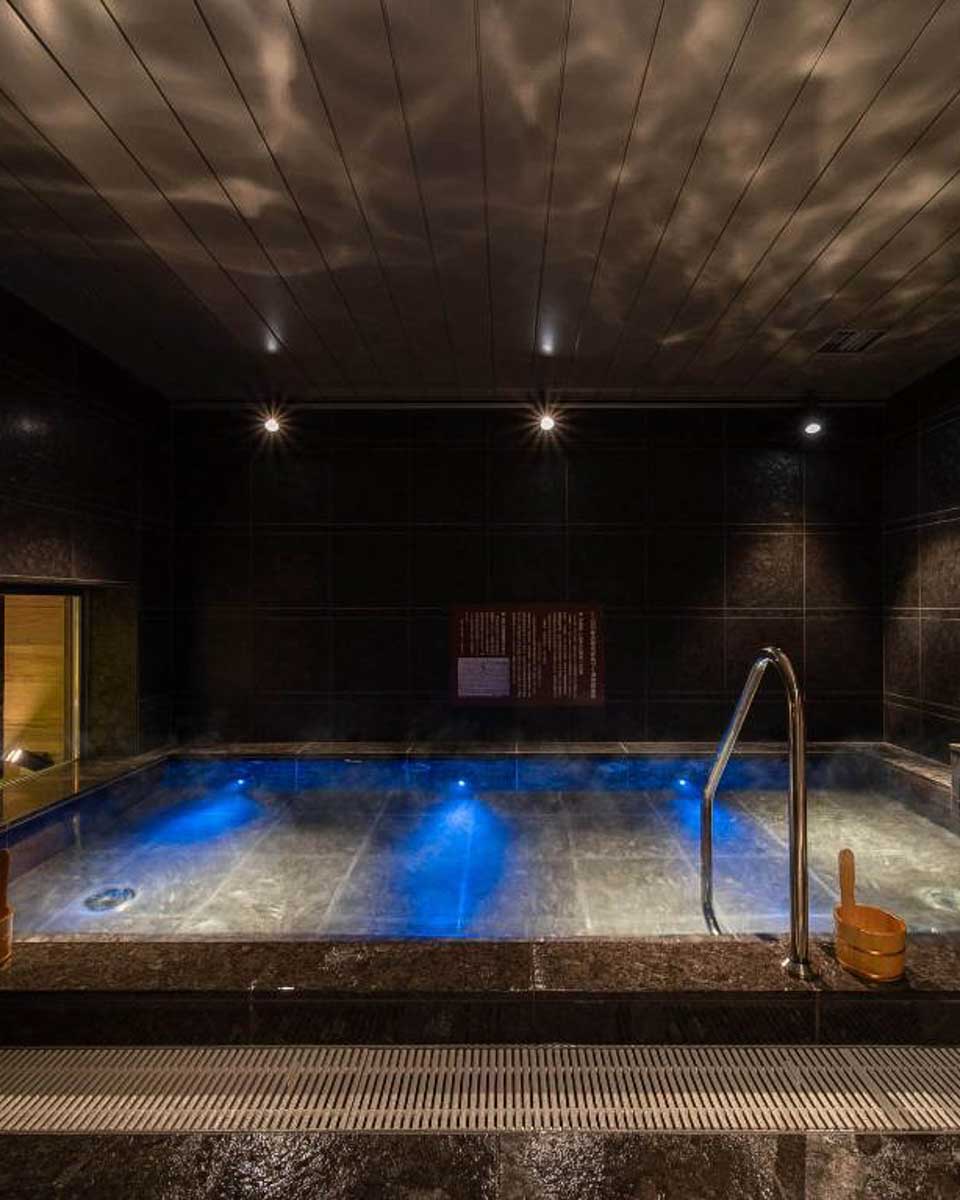
We think that Super Hotel Premier Ginza is a great mid-range option if you want to stay in one of Tokyo’s glitziest neighborhoods while still having access to a traditional onsen bath. The bathing area is simple but well-maintained, and the spa area is really relaxing.
The location in Ginza is a big draw. You’re surrounded by shopping, restaurants, and easy transport links, with Tokyo Station, Tsukiji, and Nihonbashi all close by.
Despite the busy surroundings, the hotel itself feels sleek and efficient, so we think it’s a solid choice if you want comfort, convenience, and onsen access without splurging on a luxury stay. Expect to pay around 40,000 JPY ($195 USD) per night for a double room here.
Tokyo Toyosu Manyo Club – $$
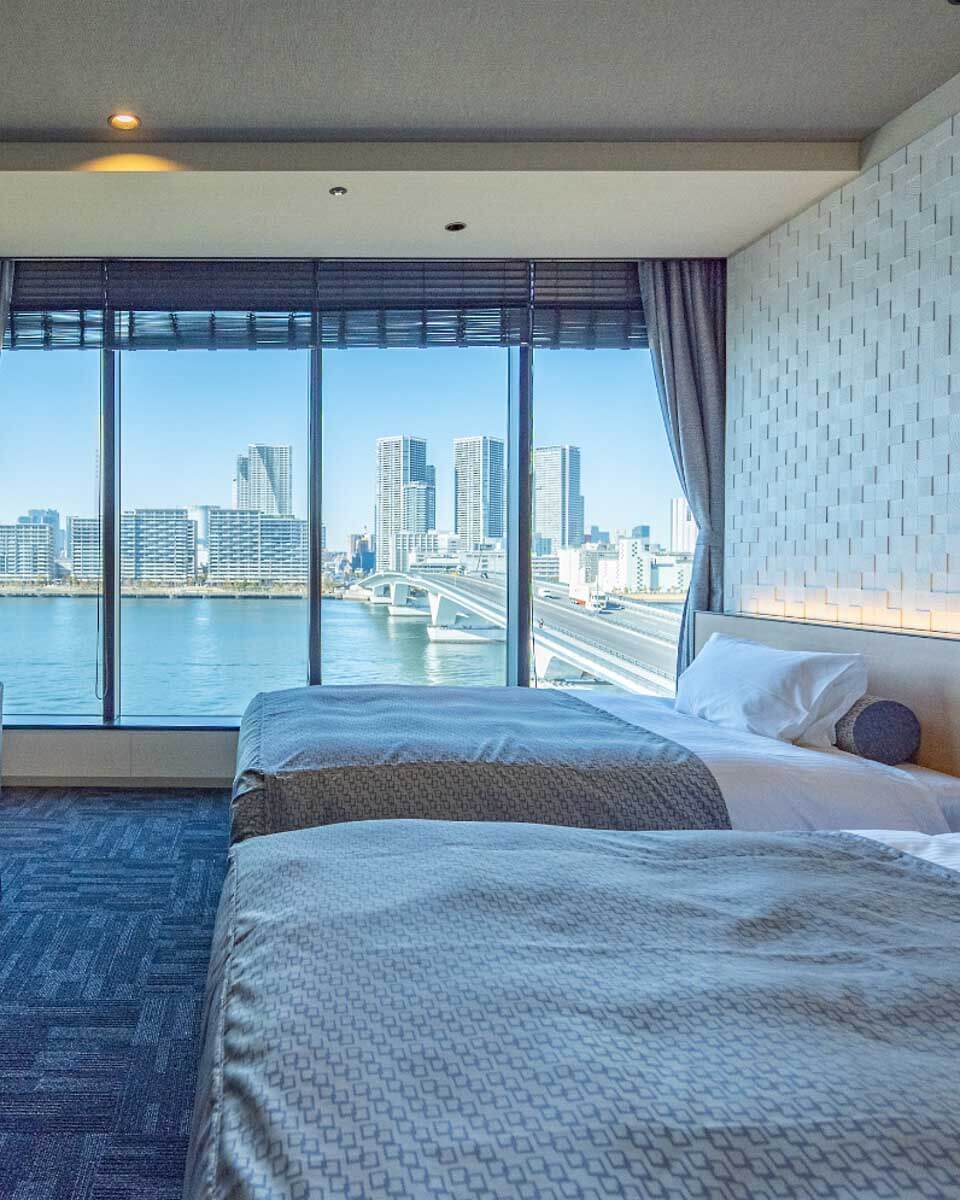
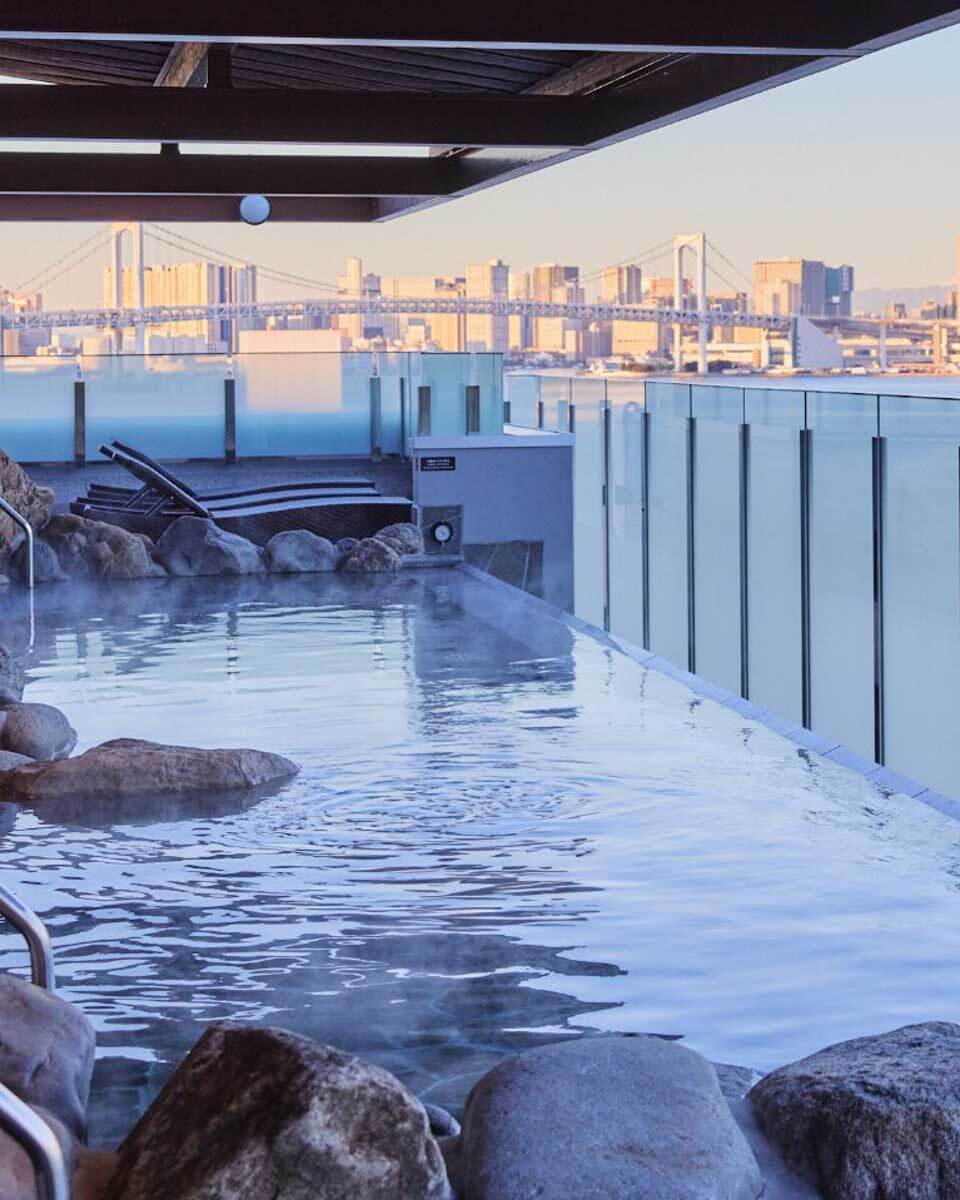
Tokyo Toyosu Manyo Club is truly unmatched in terms of value for money! This place features large onsen facilities that use natural hot spring water and offer epic skyline views. There are multiple indoor and outdoor baths, as well as plenty of spa treatments available.
There’s also a sleek rooftop area that offers fantastic views of the river and the Tokyo skyline, and a big soft play area for kids. The hotel is located in the Toyosu area, close to the waterfront and the famous Toyosu Market. While it’s not as central as areas like Shinjuku or Ginza, the train connections are straightforward, and the quieter vibe is perfect if soaking in hot springs is your top priority anyway.
Sea view rooms here start at 33,000 JPY ($210 USD) per night, including breakfast. This place tends to fill up fast, so we recommend booking ahead so you don’t miss out!
Kusatsu Onsen
BEST FOR CLASSIC ONSEN TOWNS
Pros
- One of Japan’s most famous and historic onsen towns
- Exceptionally high-quality natural hot spring water
- A walkable town centered around traditional bathhouses
Cons
- Further from Tokyo
- Limited nightlife and evening activities
- Strongly sulfuric water may not appeal to everyone
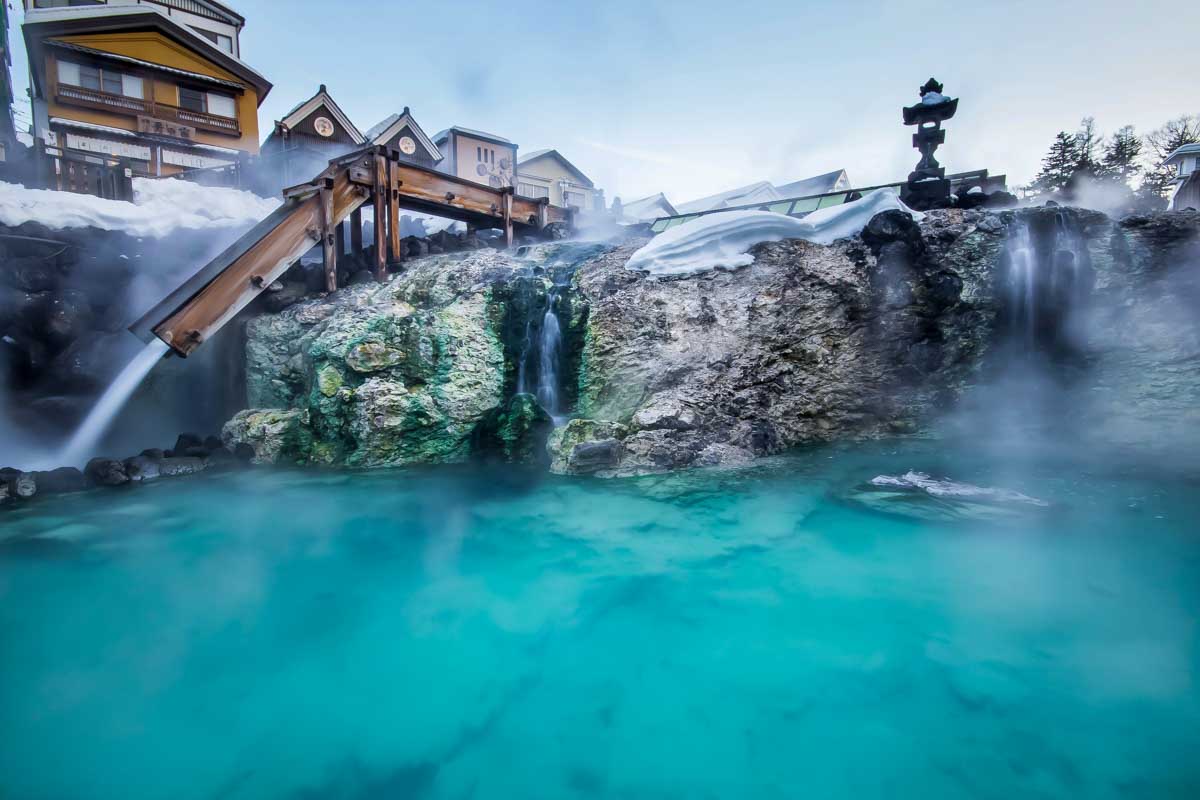
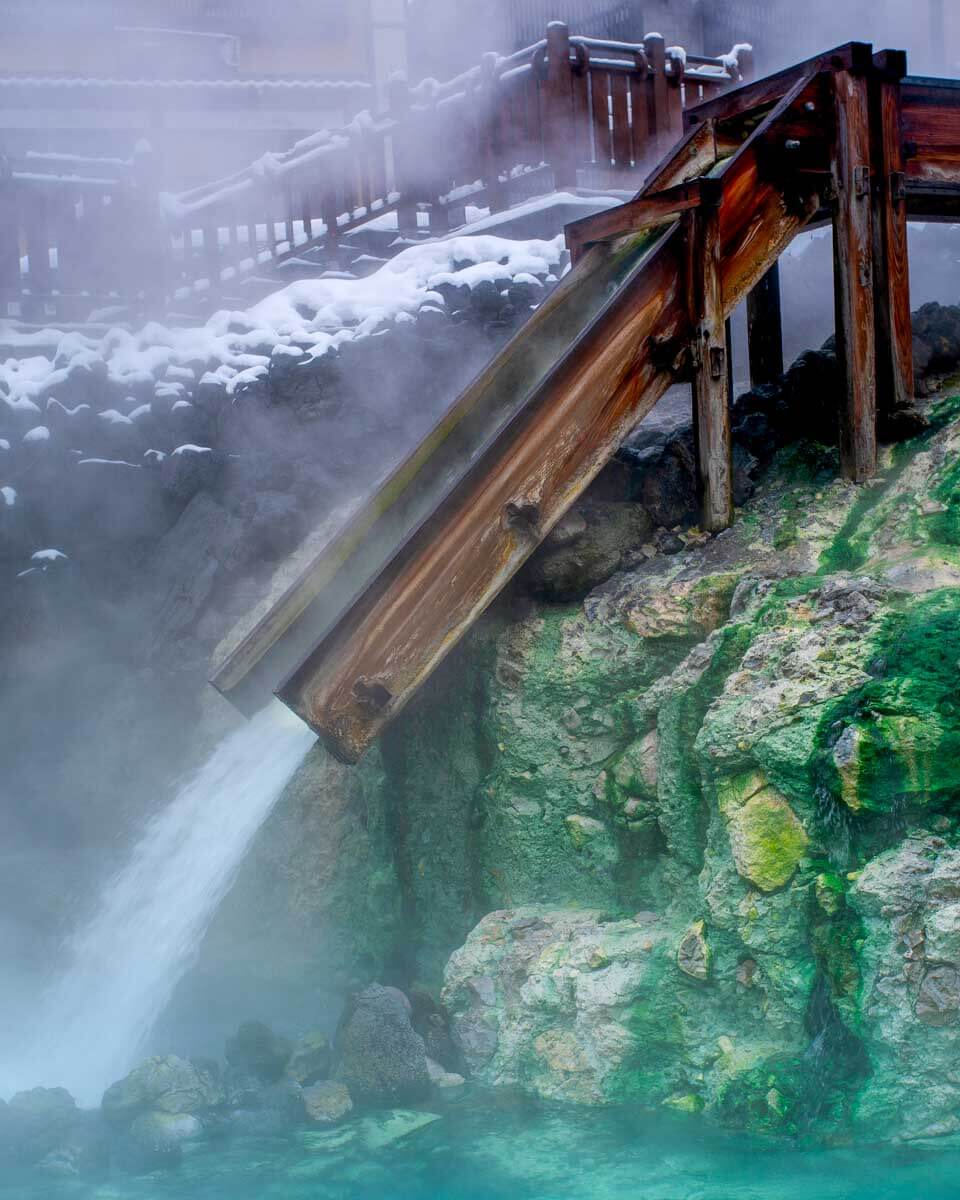
Kusatsu Onsen is one of Japan’s most iconic hot spring towns, renowned for its powerful, mineral-rich waters and long history as a healing destination. Located in Gunma Prefecture, this mountain town has been welcoming onsen travelers for centuries, and its hot spring culture remains deeply woven into everyday life. Unlike city-based onsen stays, Kusatsu offers a fully immersive onsen-town experience.
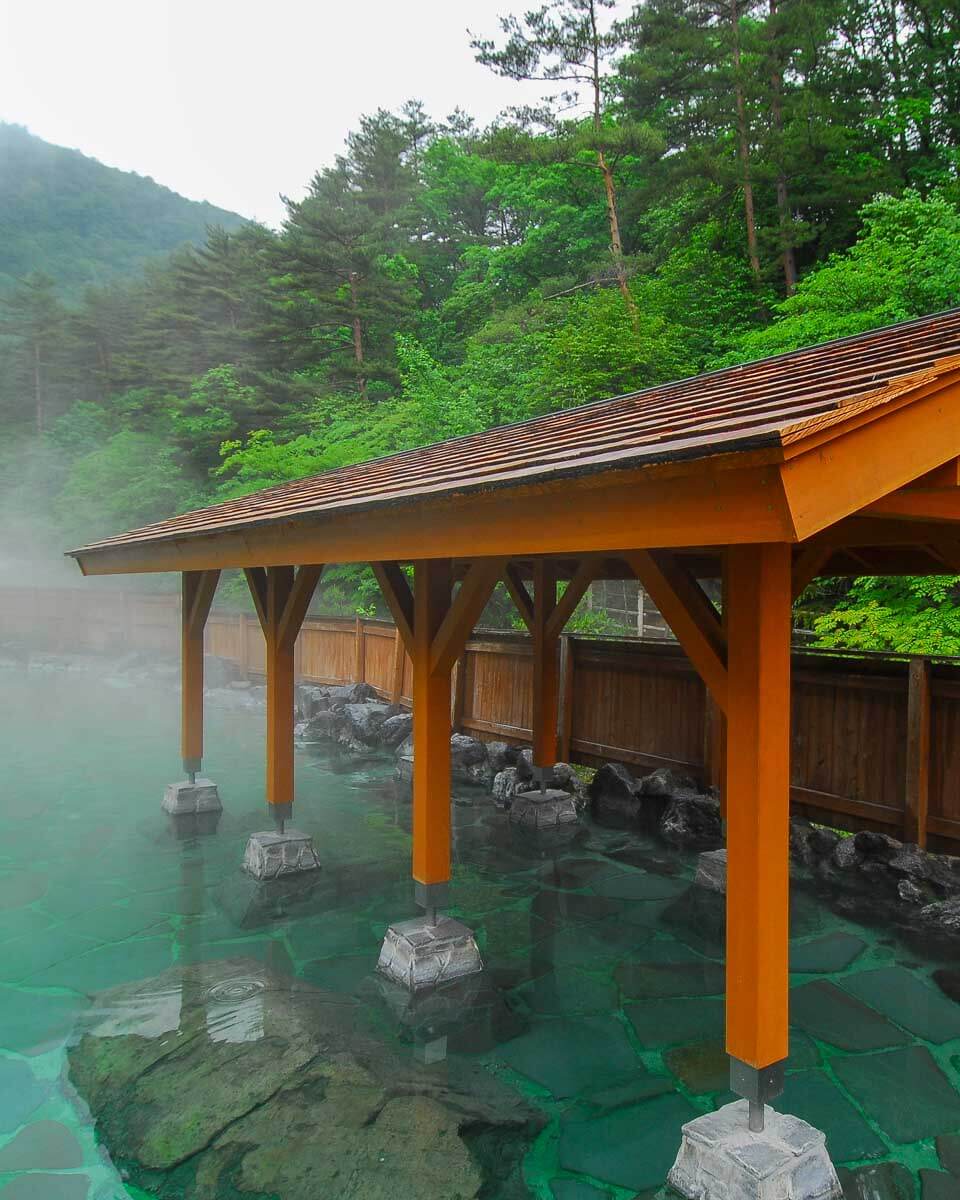
The town is compact and highly walkable, with most onsen hotels and ryokans clustered around Yubatake, the dramatic hot water field at the heart of Kusatsu. This area is especially atmospheric in the evenings, when steam rises from the flowing water and wooden bathhouses glow with lantern light. Many onsen hotels here feature multiple baths, including open-air onsens fed directly by Kusatsu’s famously hot springs.
Top sights include Yubatake, Netsu-no-Yu, where traditional water-cooling performances are held, and Sai-no-Kawara Park, home to large outdoor baths surrounded by nature. Kusatsu is best suited for travelers who want a traditional onsen town, minimal distractions, and a stay where soaking is the main event. If your goal is to experience one of Japan’s most authentic and celebrated onsen destinations, Kusatsu delivers exactly that.
Tokinoniwa – $$$
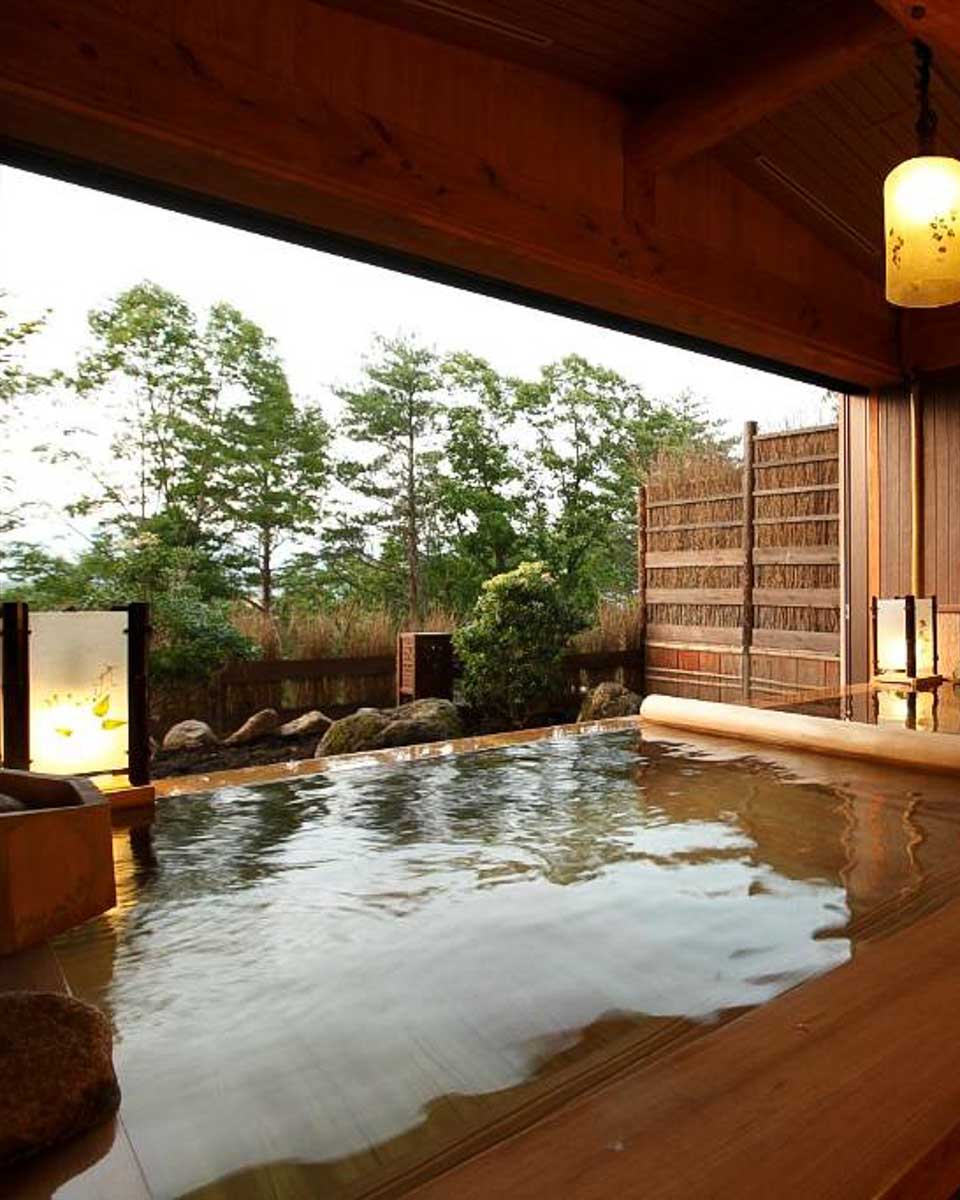
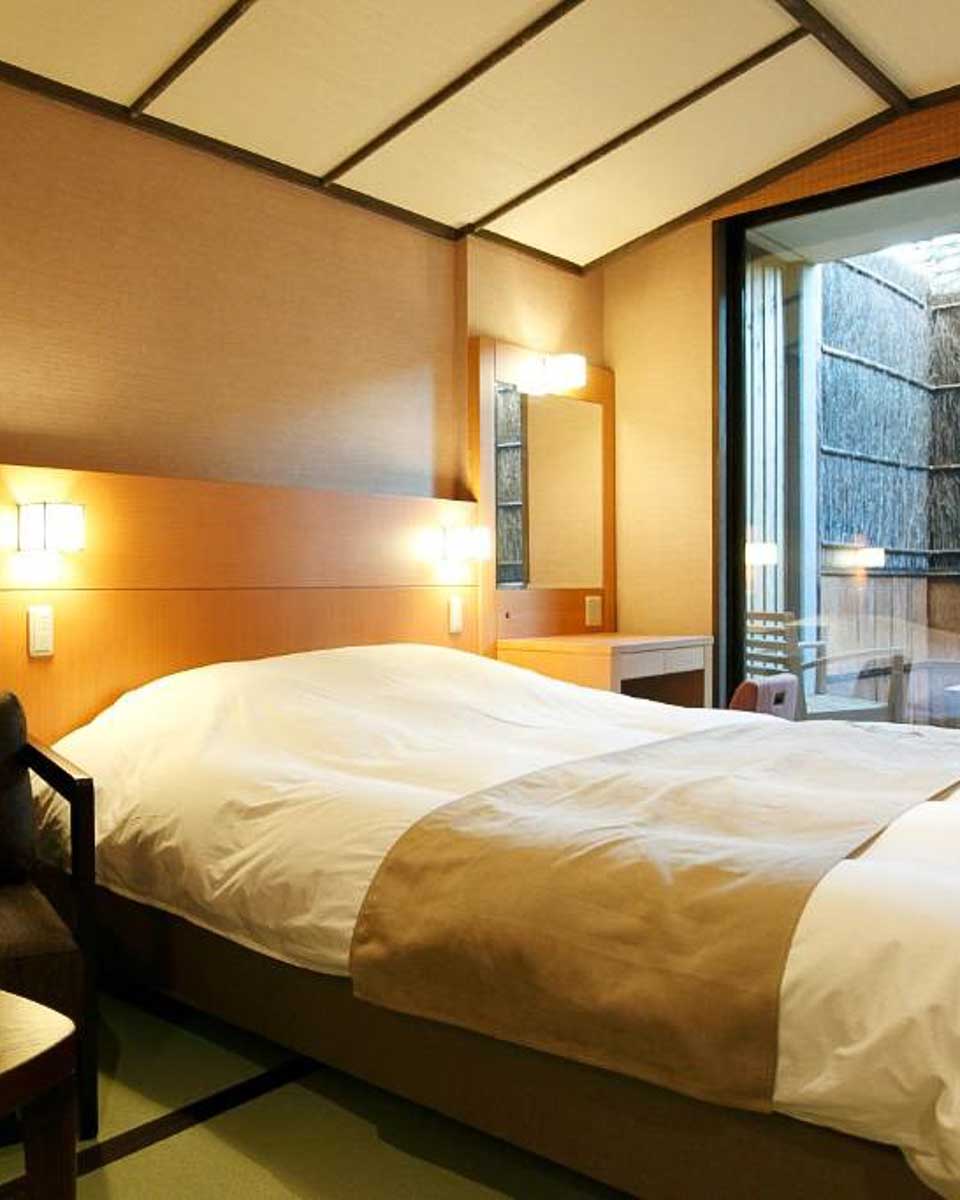
Tokinoniwa is an excellent choice if you want a luxurious onsen ryokan stay that fully embraces Kusatsu’s famous hot spring culture. Located just outside the central Yubatake area, this elegant property offers spacious tatami-style rooms, many with their own private open-air baths, allowing you to soak in Kusatsu’s mineral-rich waters in complete privacy.
It’s a great option if the onsen experience itself is your top priority. Beyond the private baths, guests also have access to beautifully maintained public indoor and outdoor onsens, along with a sauna and steam room.
The atmosphere here feels calm and refined, making it especially well-suited for couples or travelers celebrating a special occasion. Traditional Japanese dinners are available on-site, adding to the classic ryokan experience. Rooms typically cost around ¥56,000–¥85,000 ($380–$570 USD) per night, depending on inclusions.
Kusatsu Onsen Eidaya – $$
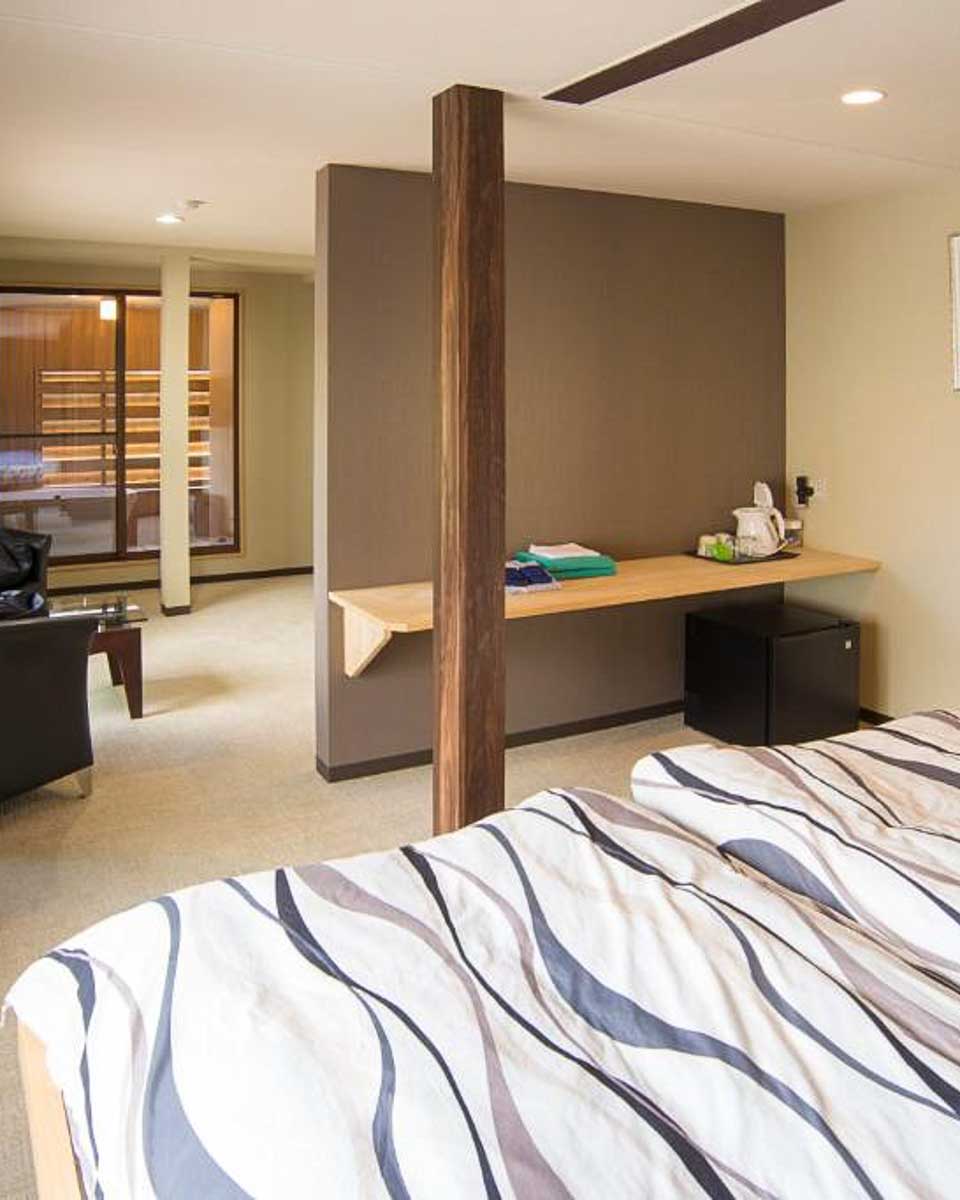
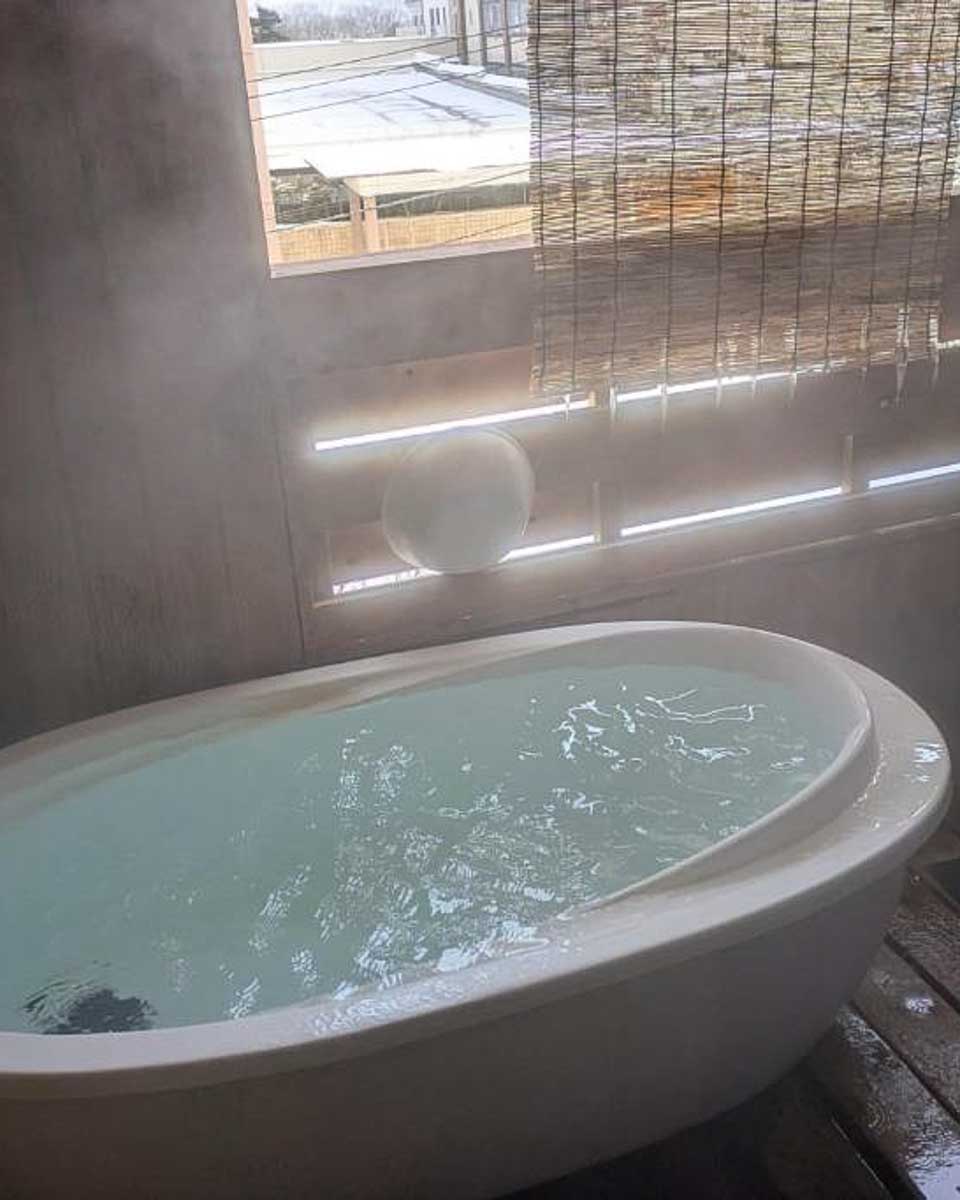
If you want a relaxed, approachable onsen stay within easy walking distance of Kusatsu’s main sights, Kusatsu Onsen Eidaya is a great option. Located about a 10-minute walk from Yubatake and the Kusatsu Onsen Bus Terminal, this ryokan offers a quieter setting while still keeping you close to the heart of town.
One of the biggest draws here is the availability of private hot spring baths, along with select rooms that feature in-room onsens. Rooms range from compact Japanese-style accommodations to larger villa-style units with kitchens, making this a flexible choice for couples, families, or small groups.
The overall vibe is relaxed and homey, with shared common areas designed for unwinding after a day out, along with convenient access to winter activities like skiing. Rooms generally go for around ¥19,000–¥53,000 ($130–$350 USD) per night.
Kusatsu Onsen Kusatsu Hotel1913 – $$
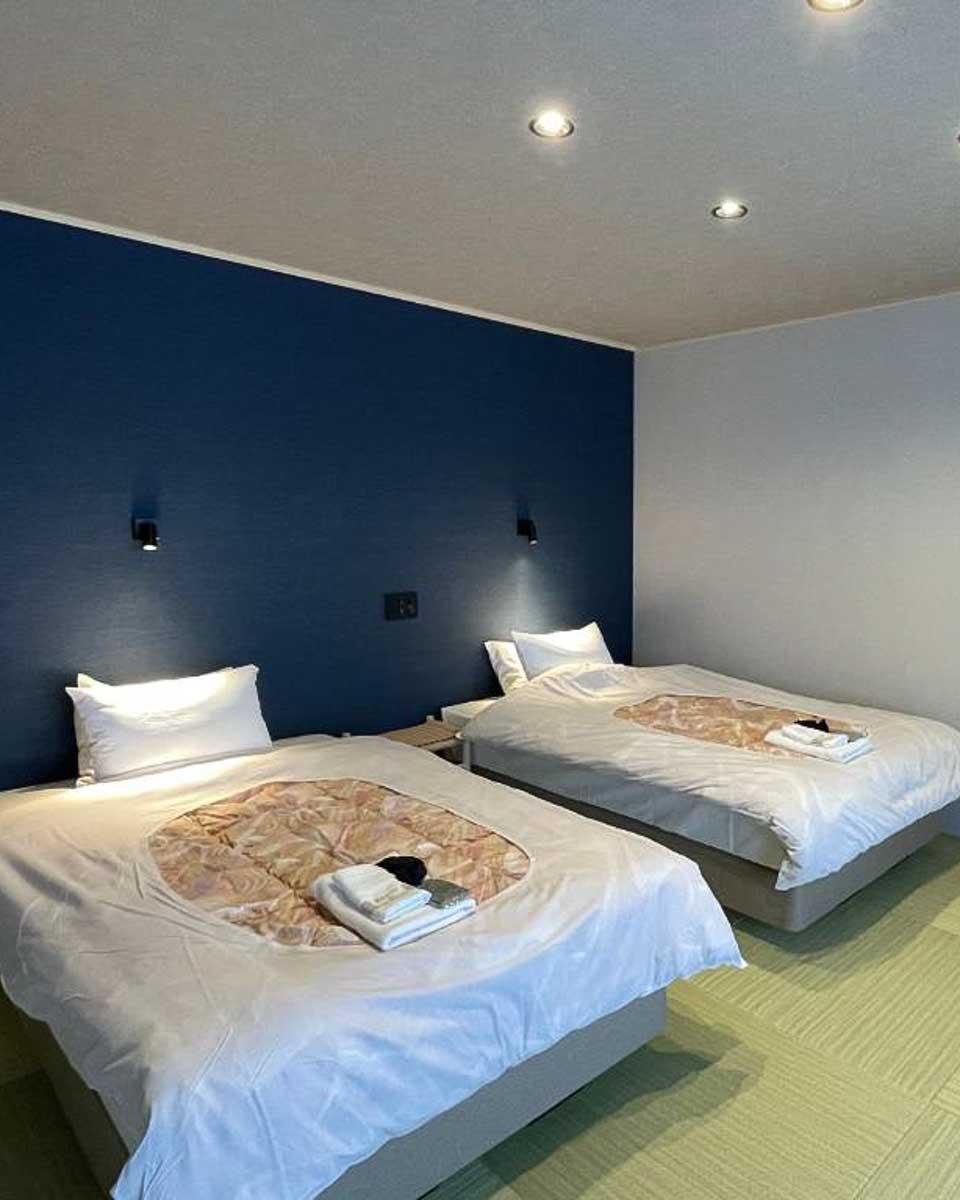
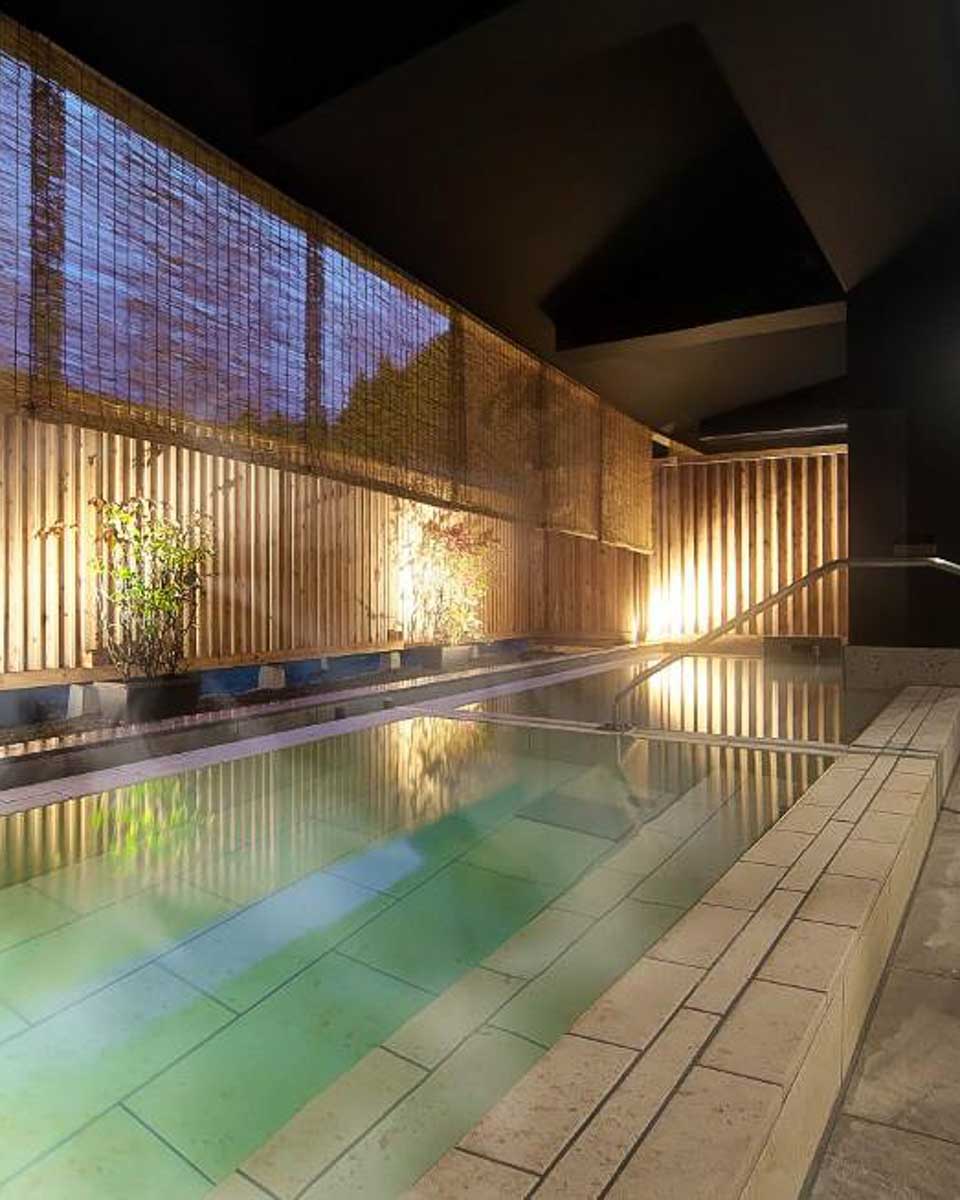
Kusatsu Onsen Kusatsu Hotel1913 is a wonderful choice if you’re drawn to history and want to stay somewhere that feels deeply connected to Kusatsu’s onsen heritage. Built in 1913, this Taisho-era ryokan blends classic architecture with modern comfort, offering a stay that feels both authentic and well cared for.
The hotel is just a few minutes’ walk from Yubatake and Sai-no-Kawara Park, putting Kusatsu’s most iconic sights right at your doorstep. Guests can soak in indoor and outdoor public hot spring baths, reserve a private onsen, or relax in the traditional footbath on-site.
Rooms range from simple tatami-style accommodations to larger rooms with private hot spring baths, making it a versatile option for couples or travelers who want a classic experience without sacrificing comfort. Rooms generally run around ¥25,000–¥58,000 ($170–$390 USD) per night, depending on room type and meal inclusions.
Hotel Spax Kusatsu – $
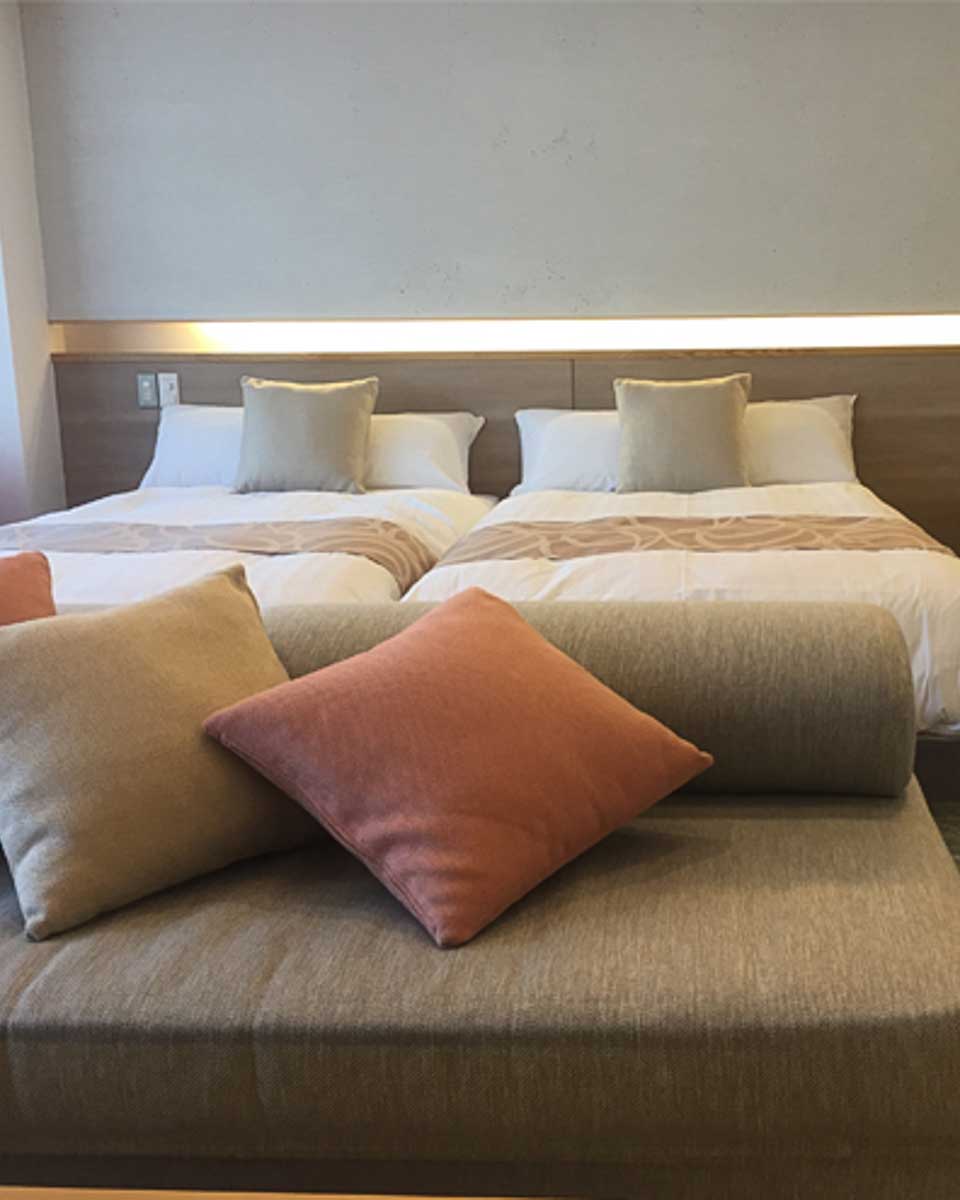
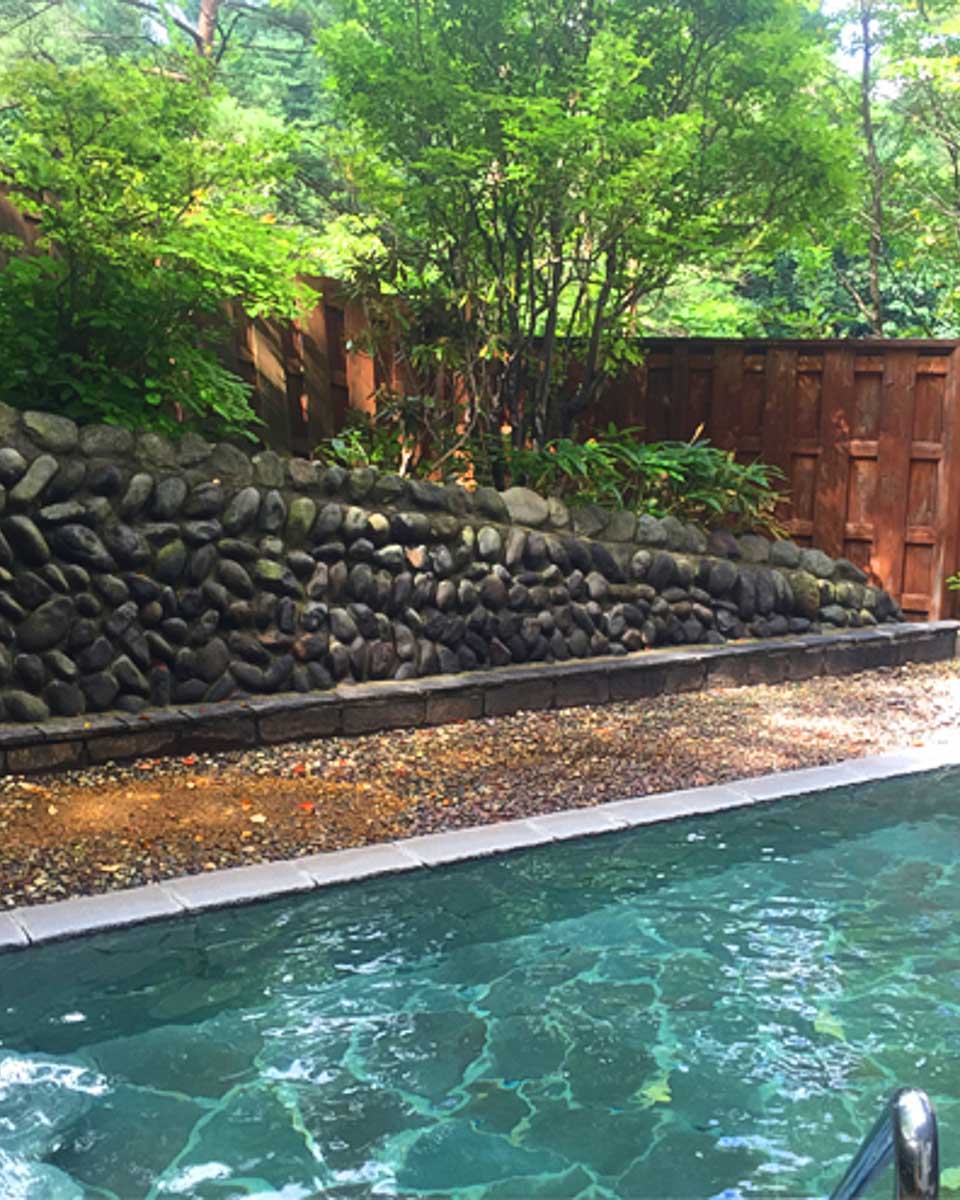
For a comfortable, well-equipped onsen hotel with extra amenities beyond traditional bathing, Hotel Spax Kusatsu is a solid choice. Located on the outskirts of Kusatsu, it offers a quieter setting while still providing easy access to the town’s main sights by car or bus. This hotel is especially appealing for travelers who want more space and facilities in one place.
In addition to indoor and open-air hot spring baths, guests can enjoy a sauna and an indoor swimming pool, which is a rare bonus in Kusatsu. Rooms are spacious and modern by onsen-town standards, with private bathrooms, balconies, and family-friendly layouts.
On-site dining is another highlight, with Japanese breakfasts and dinners consistently well reviewed. Rooms with meals included cost around ¥22,000–¥41,000 ($150–$280 USD) per night.
Beppu Onsen
BEST FOR UNIQUE ONSEN STAYS
Pros
- One of Japan’s most active and diverse onsen regions
- Huge range of onsen hotels, from traditional ryokans to large resorts
- Easy access by train and excellent public bath culture
Cons
- More spread out than compact onsen towns
- Some areas feel more functional than atmospheric
- Popular spots can be busy during peak travel seasons
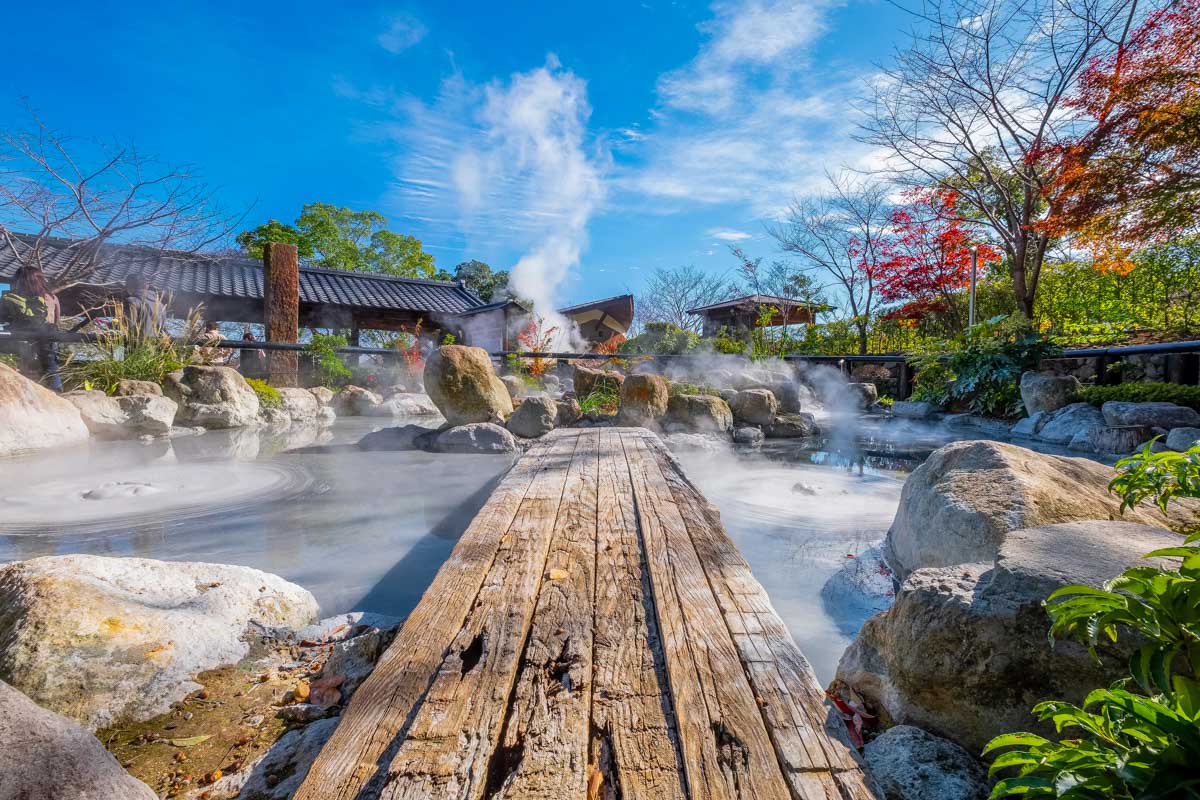
Beppu Onsen is one of Japan’s most famous hot spring destinations, known for producing more hot spring water than anywhere else in the country. Located in Kyushu on the island’s east coast, Beppu has long been celebrated for both the volume and variety of its onsens. Steam rises from streets, rooftops, and hillside neighborhoods, making it clear that hot springs are at the heart of daily life here.
The region is made up of eight distinct hot spring areas, collectively known as the “Beppu Hattō.” Each has its own character, ranging from seaside onsen hotels to hillside ryokans with sweeping views. Many onsen hotels here offer more than just soaking, including sand baths, mud baths, and steam baths, making Beppu ideal for travelers who want to try something different.
Top attractions include the Beppu Hells (Jigoku Meguri), a series of dramatic hot springs meant for viewing, and Takegawara Onsen, one of the city’s most historic bathhouses. Beppu is best suited for travelers who want variety, easy access, and an energetic onsen atmosphere where bathing is central to the experience. Few places in Japan offer such a hands-on, immersive introduction to onsen culture.
AMANE resort SEIKAI – $$$
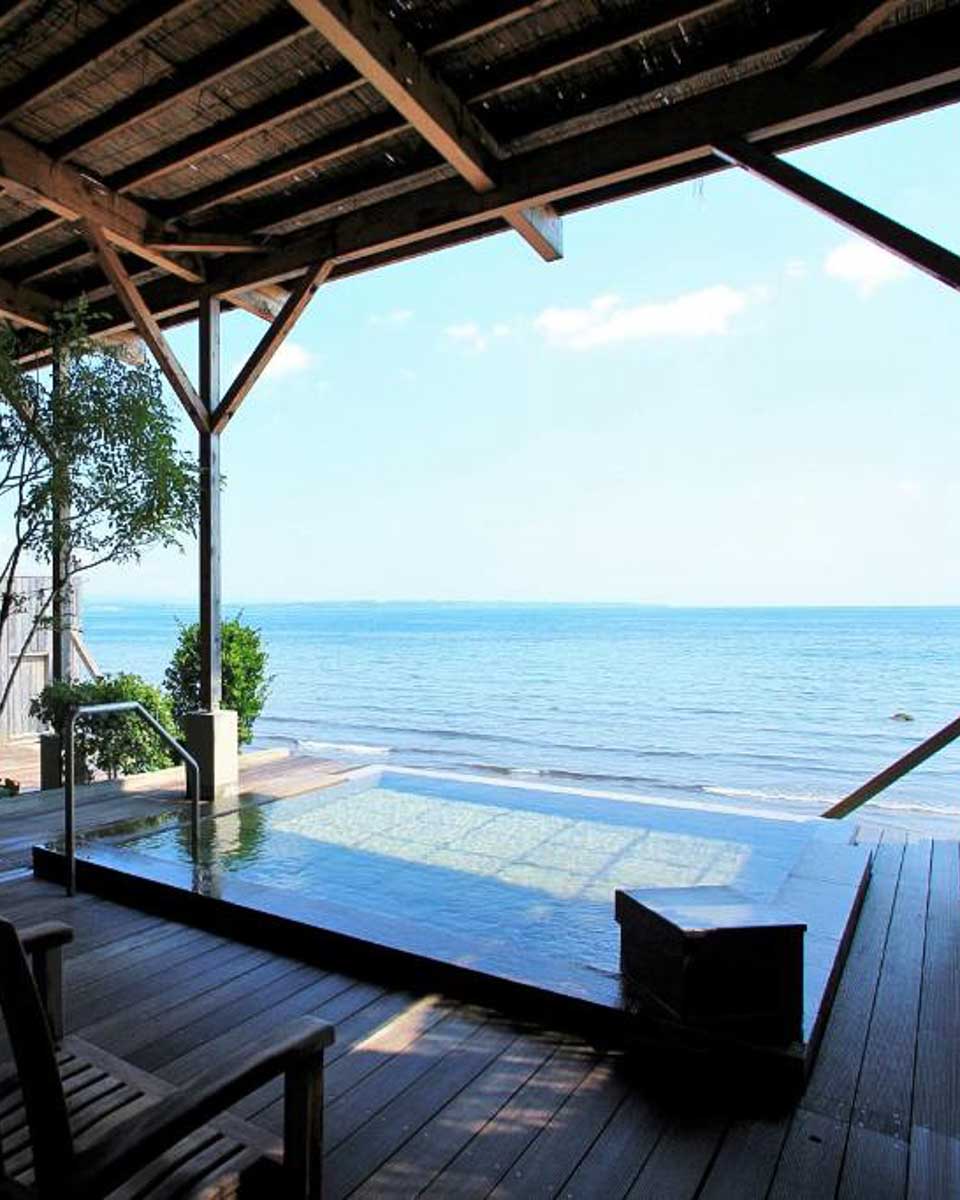
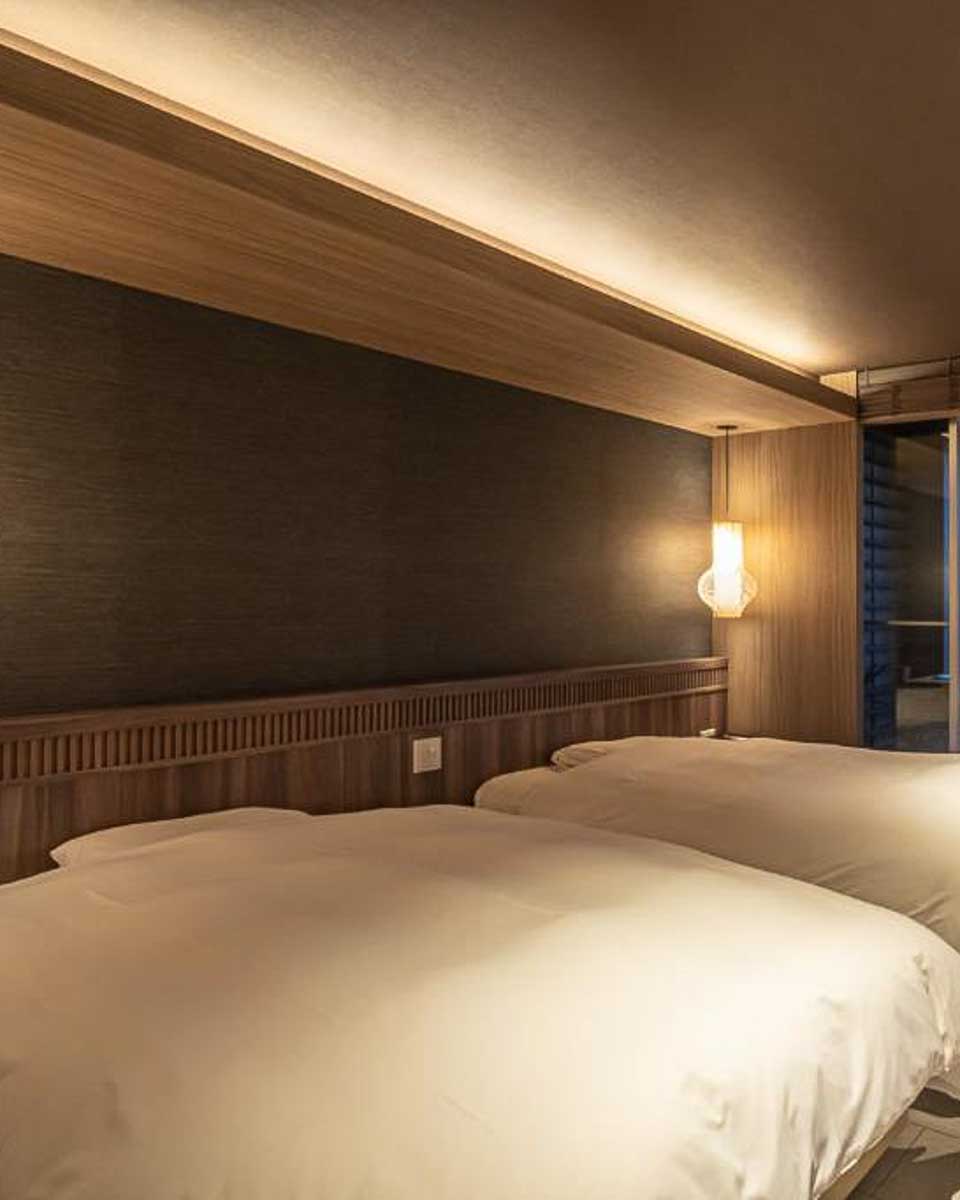
AMANE resort SEIKAI is one of Beppu’s most impressive onsen hotels, especially if ocean views are high on your wish list. Located along the coastline near JR Beppu Daigaku Station, this resort pairs Beppu’s famous hot spring culture with a serene seaside setting. Many rooms feature private open-air onsen baths overlooking the sea, making sunset soaks a real highlight of the stay.
In addition to private baths, guests have access to large public onsens on both the ground floor and top floor, along with a full-service spa offering massages and treatments. The atmosphere here feels polished and relaxing, ideal for couples or travelers looking for a more refined onsen experience.
Dining is another standout, with multiple on-site restaurants serving fresh seafood and seasonal Japanese cuisine. Rooms generally start around ¥35,000–¥150,000 ($230–$1,000 USD) per night.
AMANEK Beppu YULA-RE – $$
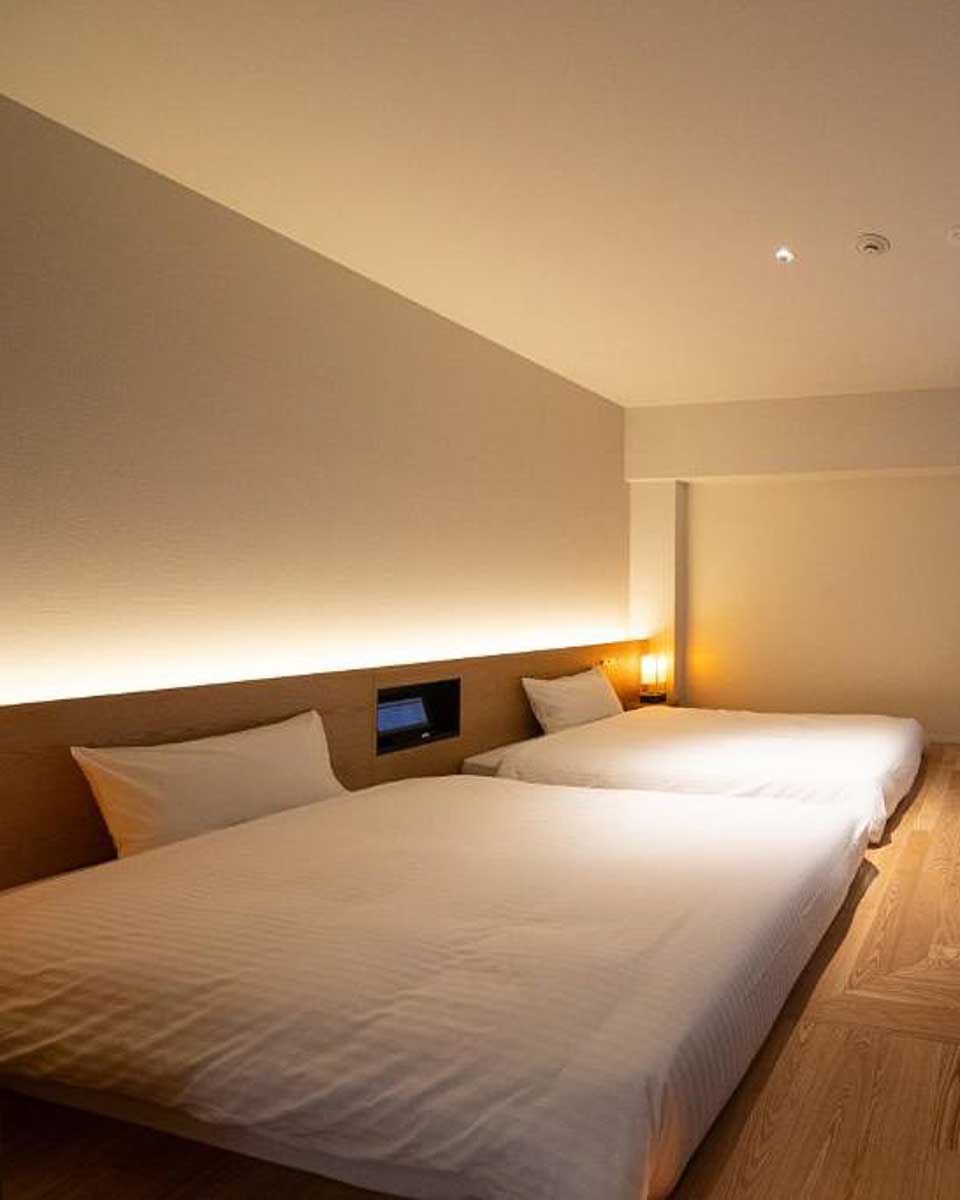
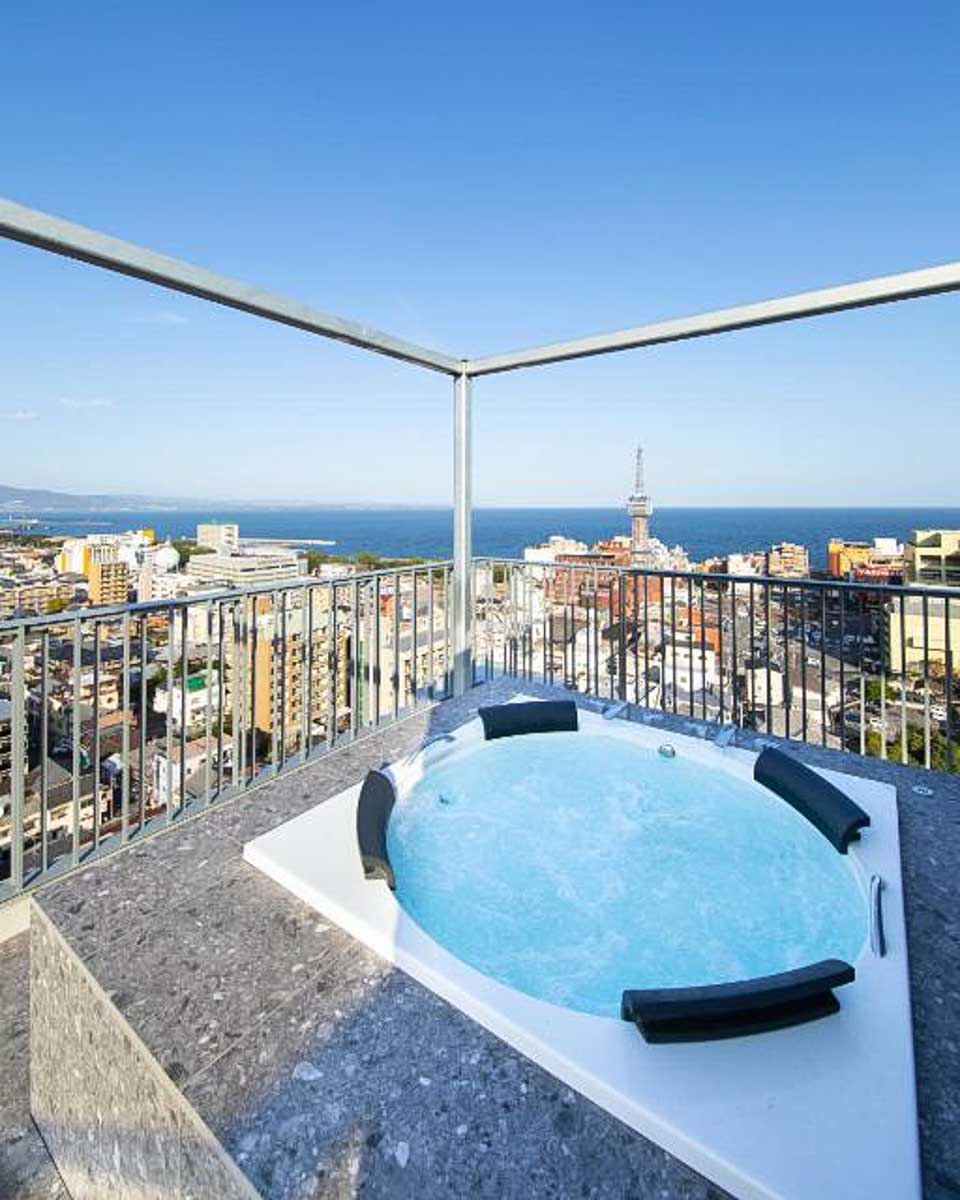
AMANEK Beppu YULA-RE is a standout option if you want a modern onsen hotel right in the heart of Beppu. Just a five-minute walk from Beppu Station, this stylish property combines city convenience with elevated onsen facilities, making it ideal for travelers who want to explore Beppu on foot. The highlight here is the rooftop onsen and swimming pool, which offer sweeping views over the city and create a relaxing escape above the bustle below.
Beyond the baths, the hotel features a sauna, fitness center, spa services, and contemporary communal spaces that feel more resort-like than traditional. Rooms are sleek, comfortable, and well equipped, appealing to couples, solo travelers, and anyone who prefers a modern aesthetic over a classic ryokan vibe.
With Beppu Tower, the waterfront, and restaurants nearby, it’s an easy base for sightseeing. Rooms generally start around ¥30,000–¥60,000 ($200–$400 USD) per night.
Umino Hotel Hajime – $$
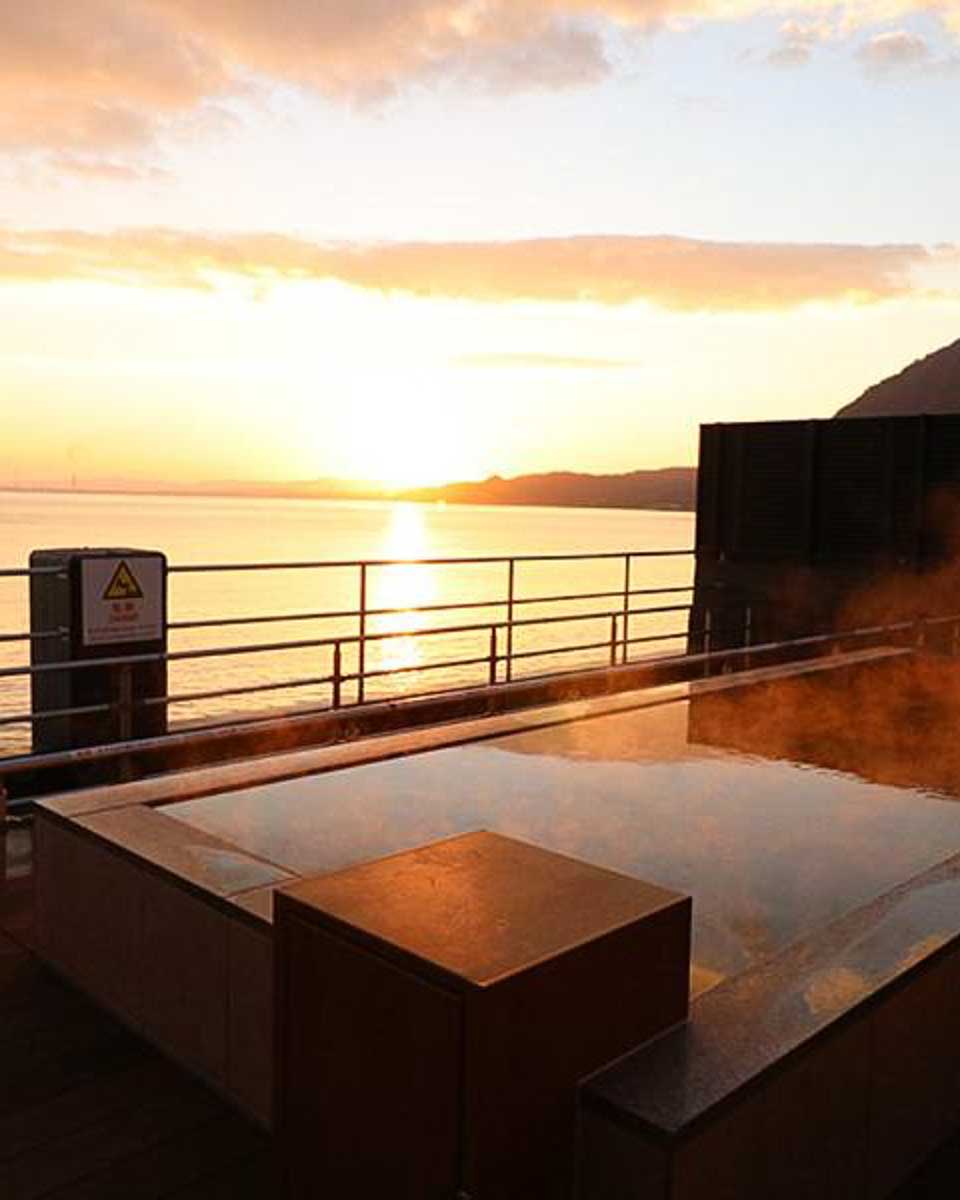
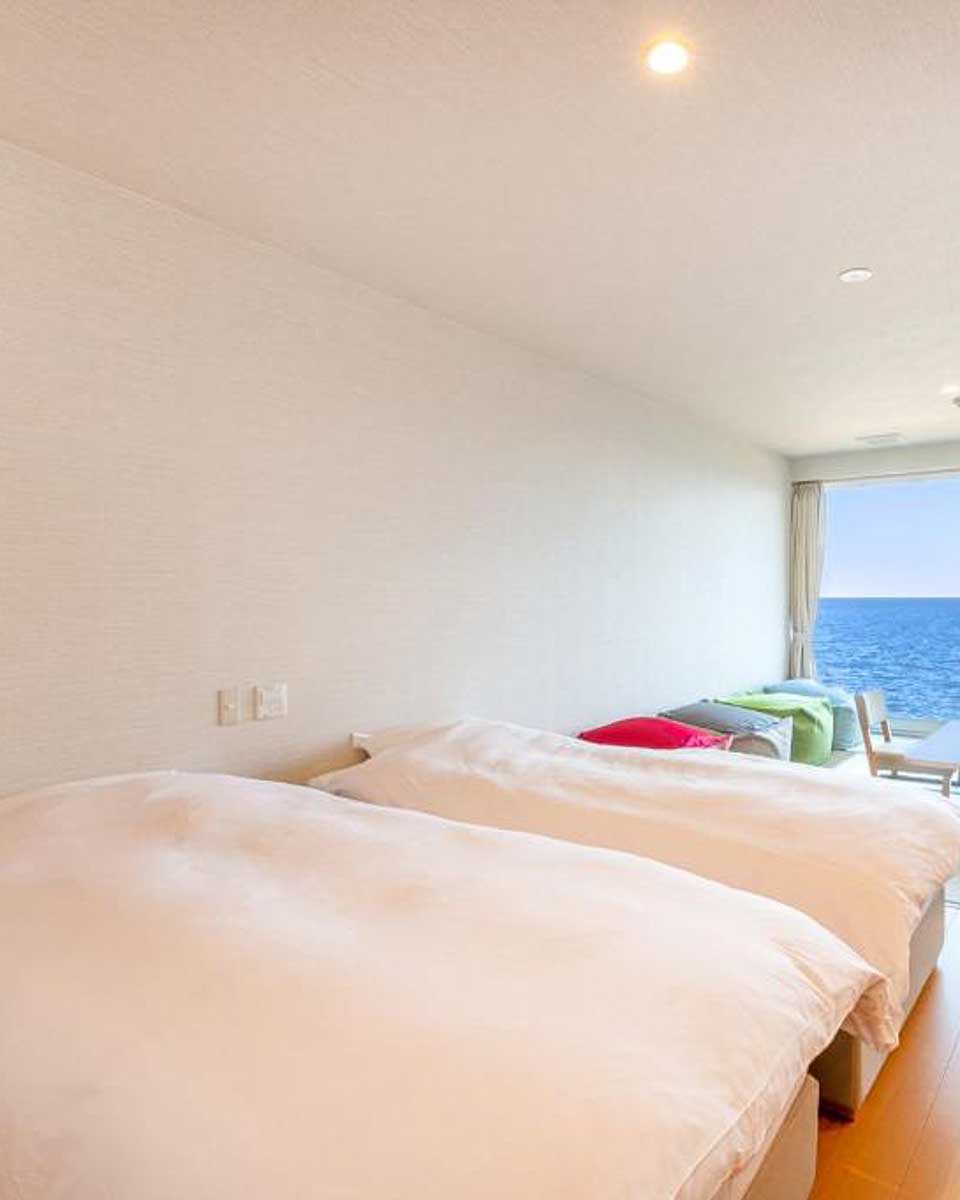
Umino Hotel Hajime is a great pick if you want an oceanfront onsen stay with a traditional feel and excellent value. Located right by Beppu Bay and about a 10-minute walk from Beppu Station, this hotel puts you close to both the waterfront and some of the city’s most famous bathhouses. Takegawara Onsen, known for its sand baths, is just a short walk away.
Rooms feature classic Japanese-style decor with tatami floors and futon bedding, and all include private bathrooms fed with natural hot spring water. Guests can soak in indoor and outdoor public baths with sea views, relax in the sauna, or reserve a private onsen bath for a quieter experience.
The atmosphere is relaxed and welcoming, making it especially popular with couples. Rooms generally range from ¥13,000–¥45,000 ($90–$300 USD) per night, depending on view and meal inclusions.
Kinosaki Onsen
BEST FOR ALL-INCLUSIVE ONSEN TOWN EXPERIENCES
Pros
- One of Japan’s most famous and well-preserved onsen towns
- Unique bathhouse-hopping culture with seven public onsens
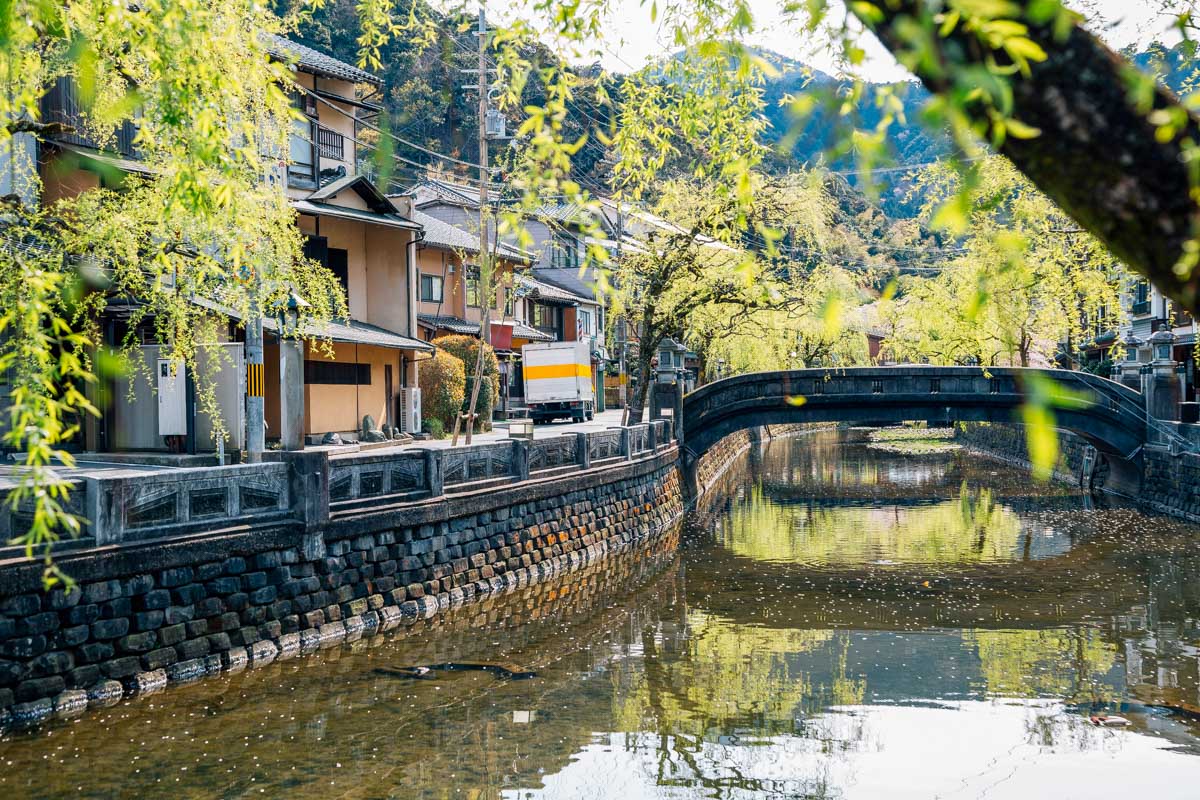
- Walkable streets lined with ryokans and willow trees
Cons
- Primarily focused on onsens, with limited sightseeing beyond town
- Can feel busy in the evenings and during peak seasons
- Takes time to reach compared to destinations near major cities
Kinosaki Onsen is one of Japan’s most beloved onsen towns and a destination people visit specifically for hot spring getaways. Like Beppu and Kusatsu, the entire town revolves around onsen culture, making it an ideal choice if soaking is the main purpose of your trip. Located in Hyogo Prefecture near the Sea of Japan, Kinosaki has preserved its traditional atmosphere while remaining easy to explore.
The town is compact and designed for walking, with most onsen hotels and ryokans clustered along a picturesque canal. Staying overnight here is part of the experience, as guests change into yukata and wooden geta and stroll between seven public bathhouses, each with its own style and mineral-rich waters. Many onsen hotels include passes to all bathhouses, encouraging guests to explore the town at a relaxed pace.
Top sights within town include Ichino-yu, the oldest bathhouse, and Kinosaki Ropeway, which offers views over the surrounding countryside. Kinosaki is best suited for travelers seeking a traditional, all-in onsen town experience where days revolve around soaking, strolling, and unwinding. If you want a destination built entirely around onsens, Kinosaki delivers exactly that.
Ginka – $$$
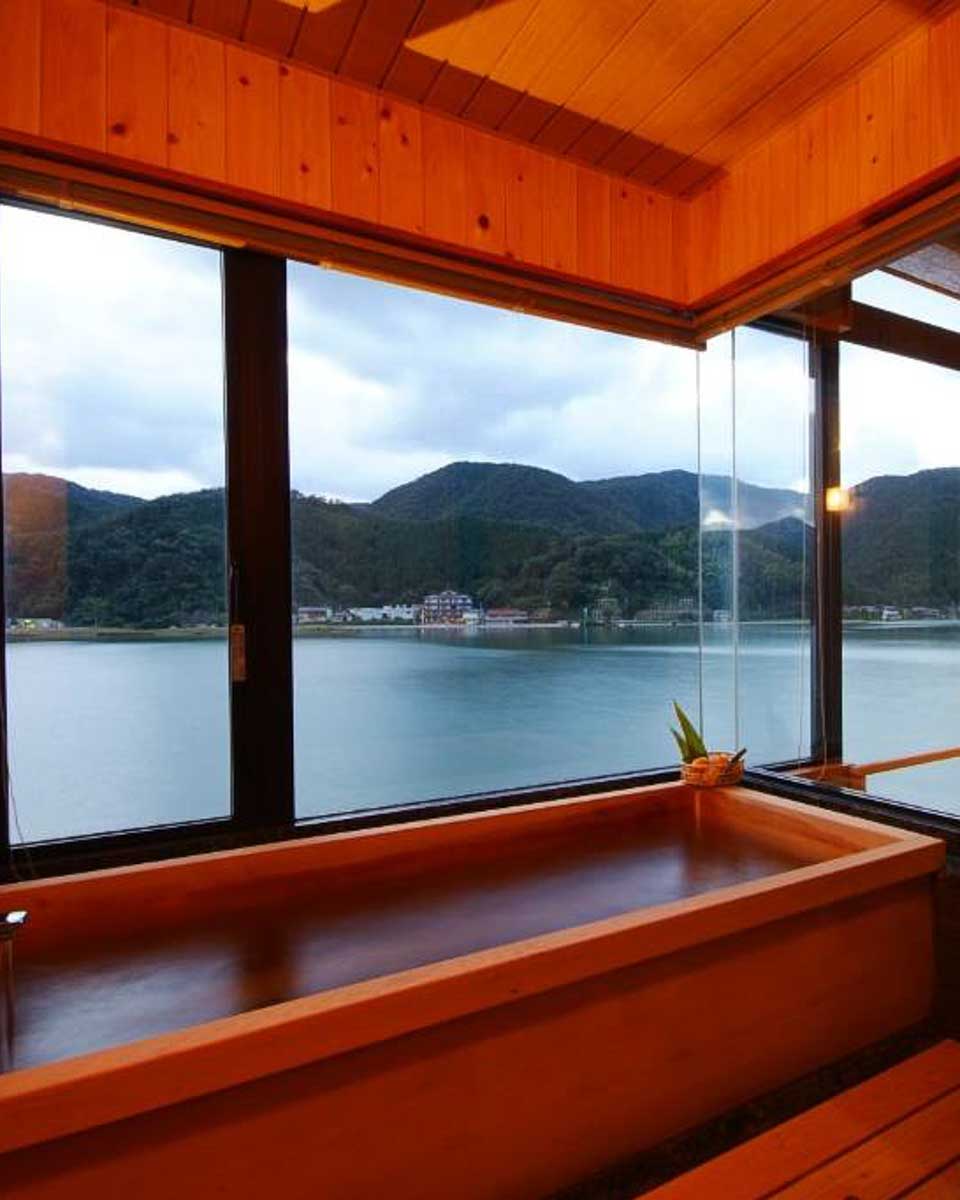
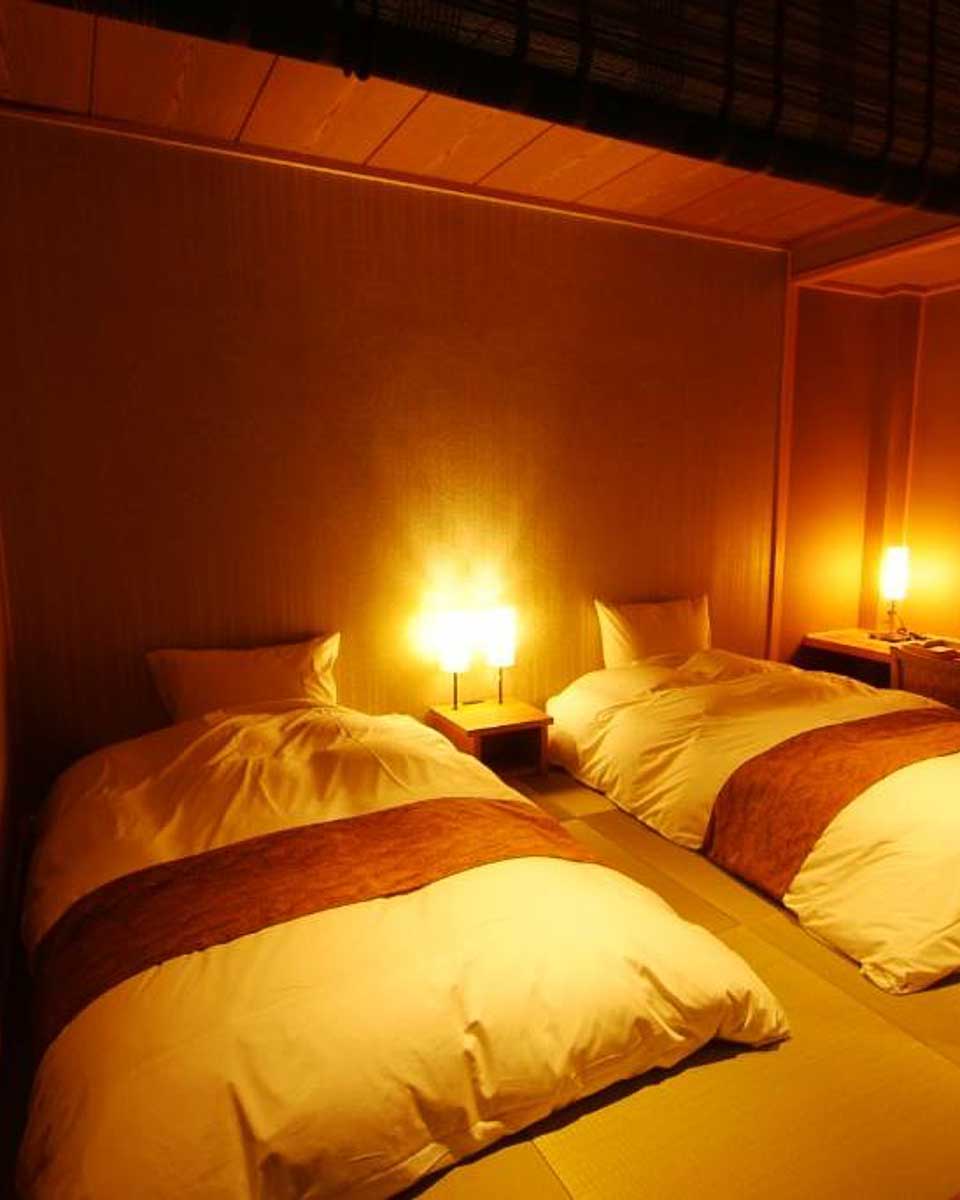
If you want a quieter, more scenic onsen stay just outside Kinosaki’s busiest streets, Ginka is a refined choice. Set along the Maruyama River, about a 10-minute drive from Kinosaki Onsen Station, this spacious ryokan offers a peaceful retreat while still keeping the town’s famous bathhouses within easy reach.
River views are a major highlight here, especially from the outdoor onsen baths. The property features several types of natural hot springs, including a Japanese cypress bath and open-air baths overlooking the river. Guest rooms are traditionally styled with tatami flooring and futon bedding, creating a calm, minimalist atmosphere that suits slow, restorative stays.
Dining is another standout, with seasonal kaiseki meals made using local ingredients served on-site. Rooms generally go for around ¥45,000–¥150,000+ ($300–$1,000+ USD) per night, including meals.
Onishiya Suishoen – $$
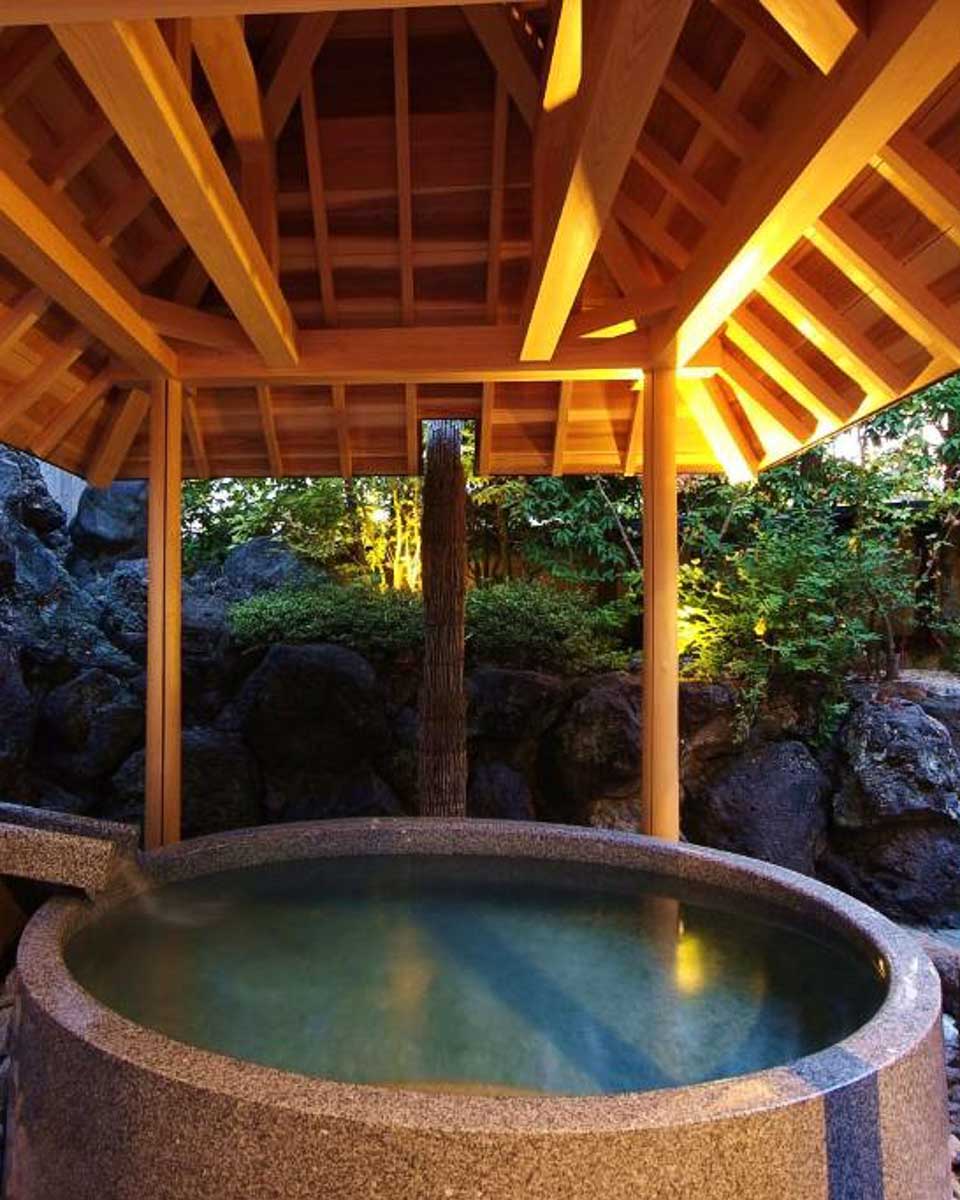
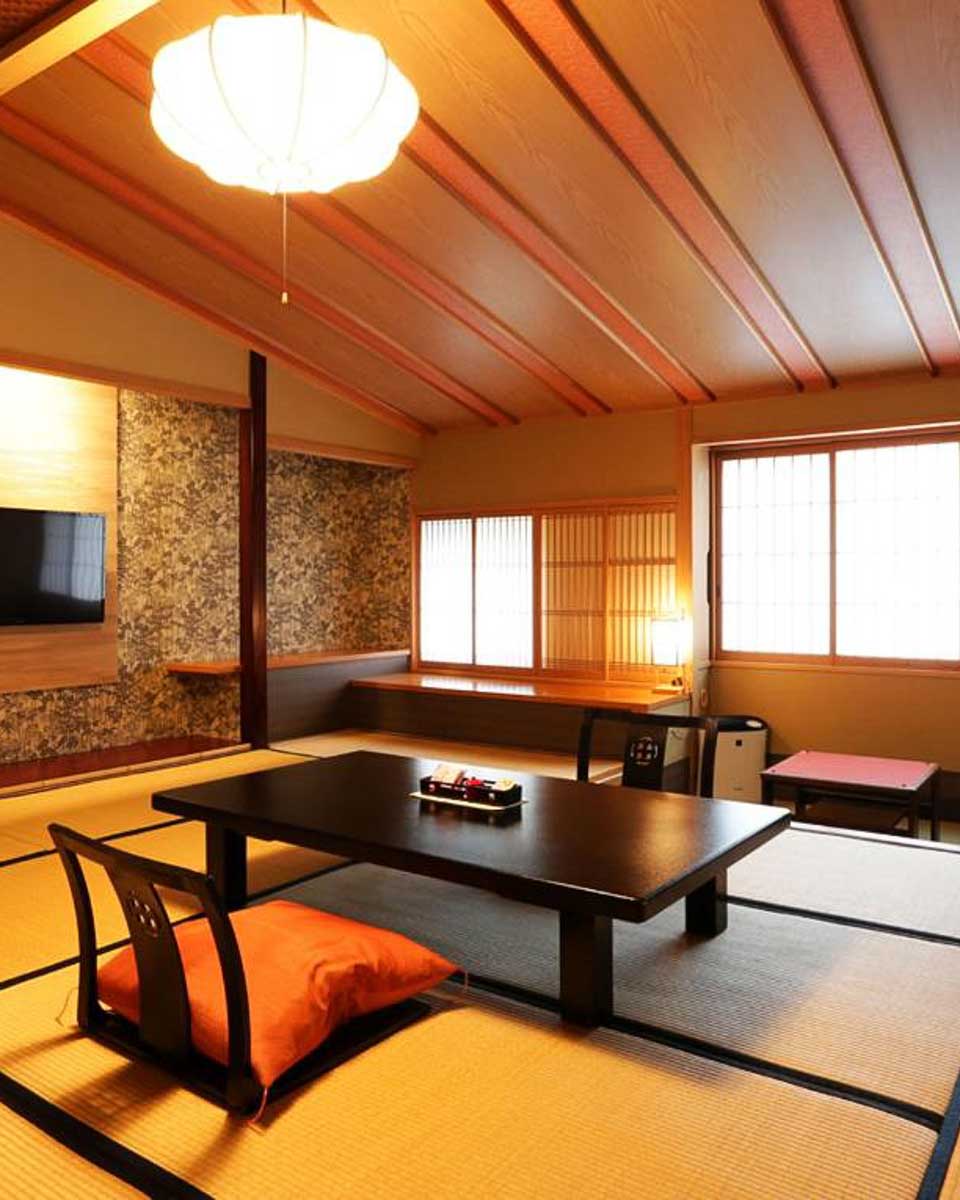
Onishiya Suishoen is a classic choice if you want a traditional Kinosaki onsen experience with a peaceful riverside setting. Right on the Maruyama River and about a 10-minute walk from Kinosaki’s public bathhouses, this ryokan offers a calm retreat while still keeping you close to the heart of town. A free shuttle from Kinosaki Onsen Station makes arrival easy.
Guests can unwind in indoor and outdoor hot spring baths, relax in the sauna, or stroll through the Japanese garden overlooking the river. Rooms are traditionally styled with tatami floors and futon bedding, creating a comfortable, authentic atmosphere that suits slow evenings after bathhouse hopping. Meal-inclusive stays feature Japanese breakfasts and dinners served on-site.
Rooms generally range from ¥28,000–¥65,000 ($190–$440 USD) per night, depending on room type and inclusions. This ryokan is especially popular during peak seasons, so it tends to book up quickly, and securing your stay early is highly recommended.
Sinonomesou Kinosaki Onsen – $$
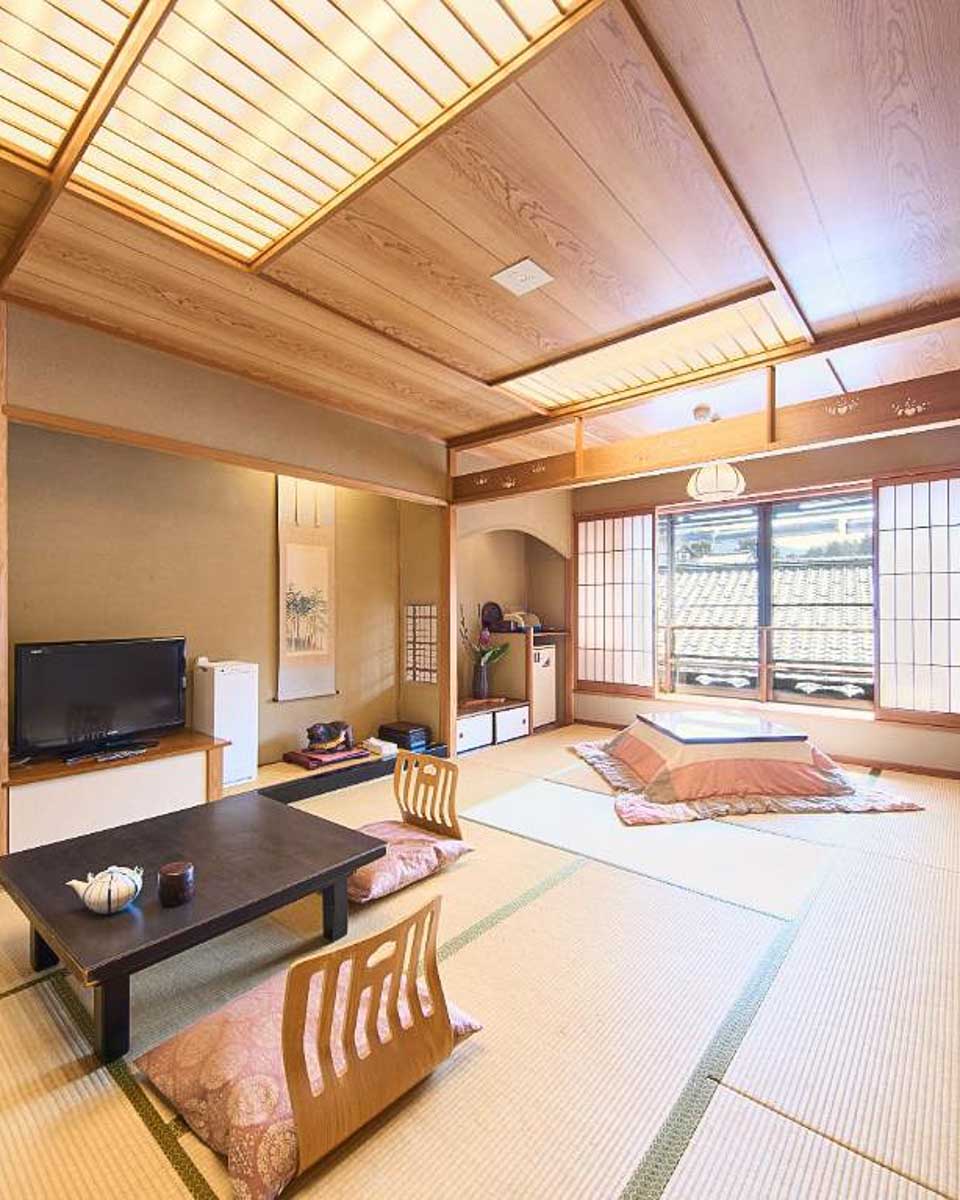
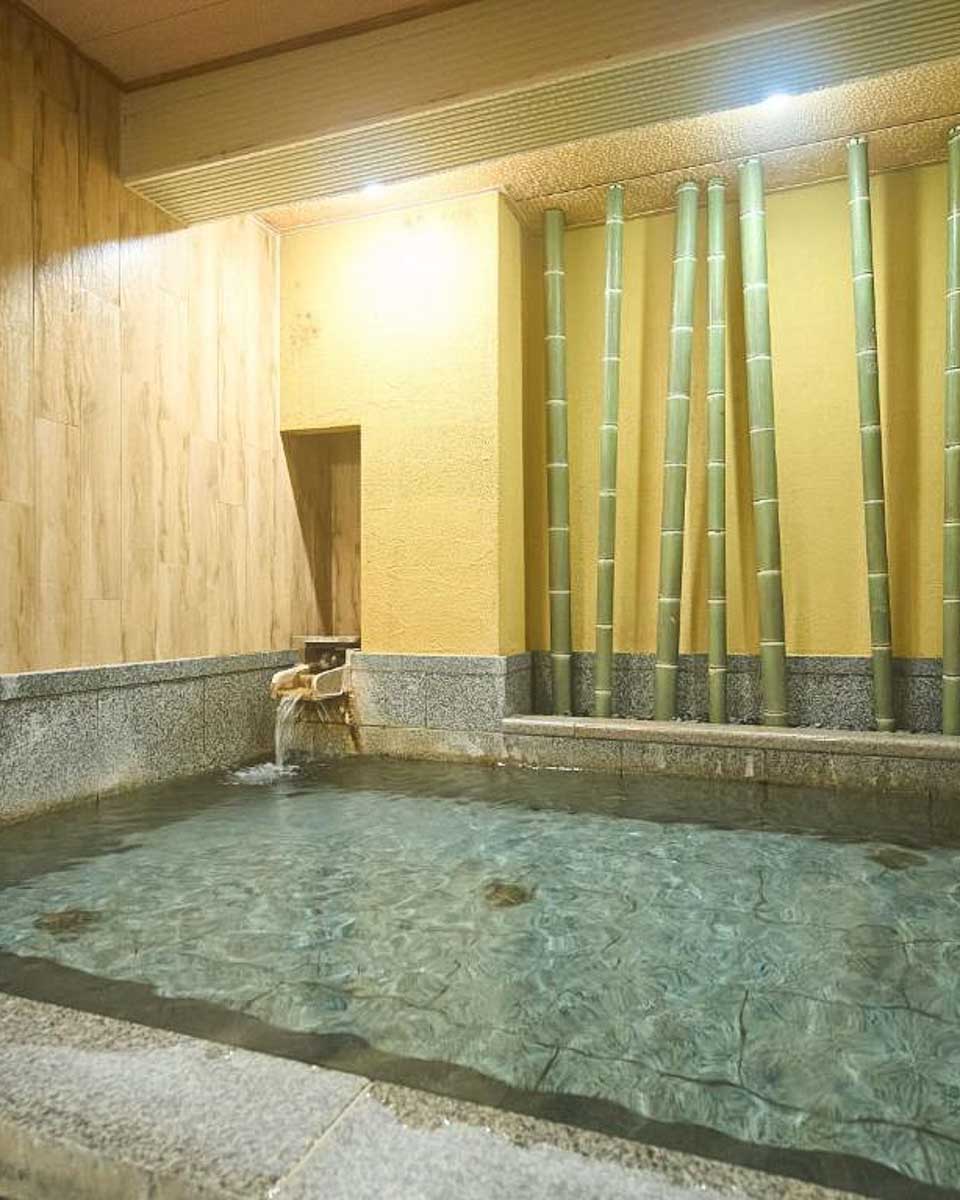
Sinonomesou Kinosaki Onsen is a great choice if you want a classic ryokan stay at a more approachable price point. About a 5–7 minute walk from Kinosaki Onsen Station, this property keeps you close to the heart of town while offering a slightly quieter base. It’s an easy walk to the ropeway and several of Kinosaki’s famous public bathhouses.
Rooms are traditional and simple, with tatami floors, futon bedding, and a relaxed, old-school ryokan feel. While bathing facilities are shared, guests can reserve a hot spring bath for private use for an additional fee, which is a nice option for couples or first-time onsen visitors.
One standout feature here is the food—breakfasts and dinners use vegetables grown on the ryokan’s own organic farm! Rooms generally range from ¥18,000–¥53,000 ($120–$350 USD) per night, depending on meals and room type.
Top Activities to do in Japan
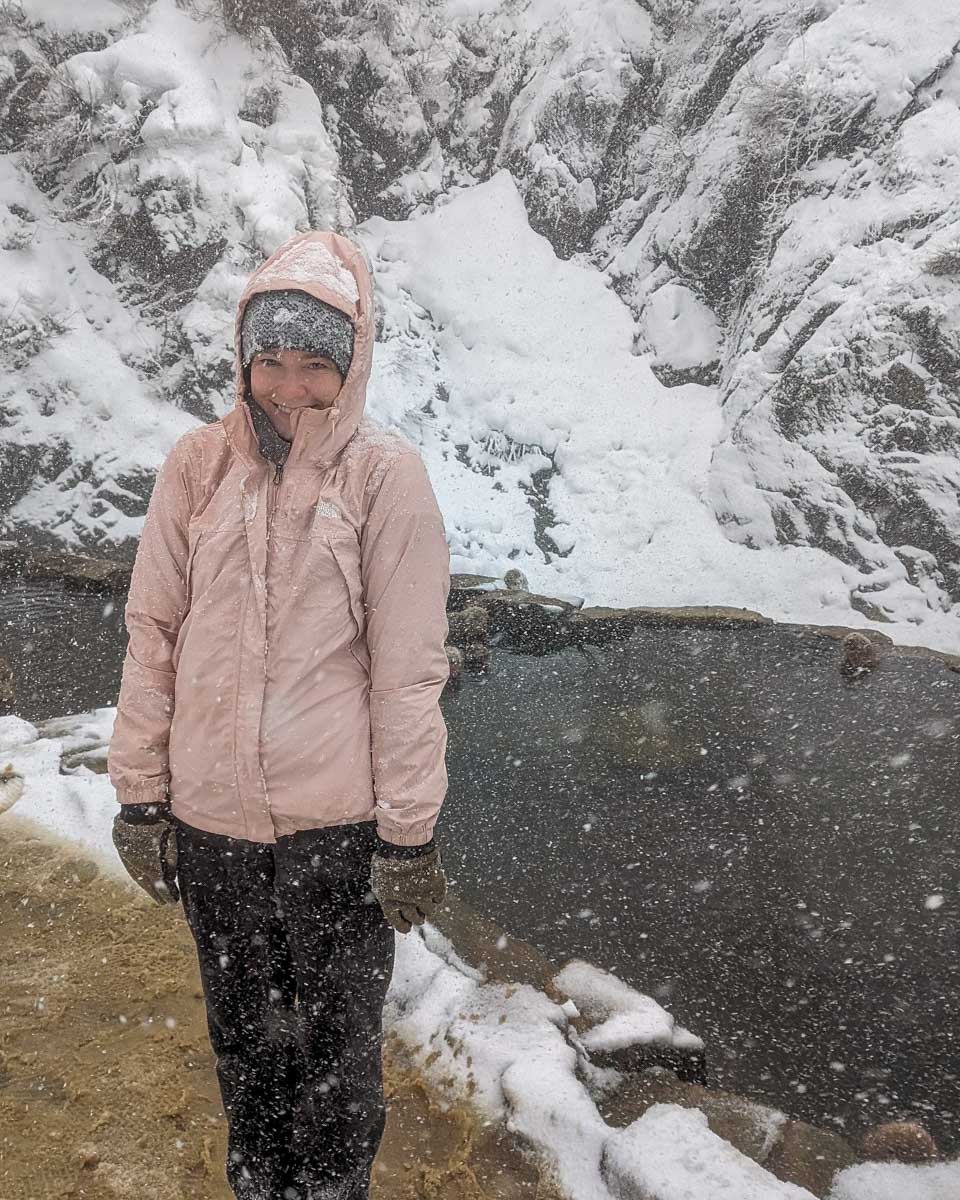

If you need help narrowing down your options for things to do in Japan, here are our top five activities we did!
- See the snow monkeys in Nagano – If you’re visiting during the winter, seeing Nagano’s snow monkeys can’t be missed! This tour made it easy to visit, as we didn’t have to worry about winter driving, and it included other sightseeing during our day.
- Learn how to make ramen – Love Japanese food? We do too, so we added this Kyoto cooking class to our itinerary and had the best time learning how to make our favorite dish! Our teacher was amazing, and now we have a piece of Japan we can enjoy at home!
- See a sumo show – This sumo show was such a fun cultural experience in Tokyo! It’s more like a production than a sumo match, but that was more fun because we learned the history, and there was some cheeky comedy thrown in, too. Oh, and lunch!
- Walk the Bamboo Forest in Arashiyama – The iconic bamboo forest in Kyoto is a must-visit for first-time travelers, and this morning tour makes it easy. We got to see other highlights like Tenryuji Temple and the Iwatayama Monkey Park, all in one easy, organized experience!
- See Mt Fuji – If you don’t have time to stay in the Mt Fuji or Hakone area, this day trip from Tokyo can’t be missed. It’s actually one of the highest-rated tours in Japan because they pack so much into one day, and after going for ourselves, we can vouch that it’s an amazing experience!
Related Read: Looking for more memorable experiences? See our Ultimate Japan Bucket List so you can tick off as many activities as possible!
Renting a Car in Japan

Japan’s trains are great, but if you want to explore rural areas, scenic routes, or off-the-beaten path hidden gems, renting a car offers unmatched flexibility. Driving in Japan is generally safe, with well-maintained roads and clear signage, though there are some unique rules and customs to be aware of.
We always book with Discover Cars and can’t recommend them enough. It’s super easy to compare multiple provider prices, check company ratings, filter for the type of vehicle you want, and add affordable full coverage insurance. If you want a full breakdown, check out our Discover Cars review here.
Tips for Renting a Car in Japan
What You Need to Rent a Car in Japan
Ready to hit the road? Discover the freedom of exploring the Japan on your own terms!
Airalo e-sim
Up To 15% Off With Code “DTRAVEL10”
What’s an eSIM?
An eSIM is a digital version of a SIM card. Instead of buying a little plastic chip and swapping it into your phone, you just download it. It connects your phone to a local network in whatever country you’re visiting — no stores, no waiting, and no fiddling with tiny cards.
In simple terms, it’s the easiest way to get data and stay connected while traveling.
We’ve tested a bunch of eSIMs in North America, and after a few frustrating experiences, we’ve found our favorite — Airalo. It’s fast, reliable, and incredibly easy to use. You can set it up in minutes (even my mom managed it solo on her first try!), and the prices are some of the best out there.
Bonus: We’ve got an exclusive 15% discount for our readers. Use the codes:
Thanks for reading!
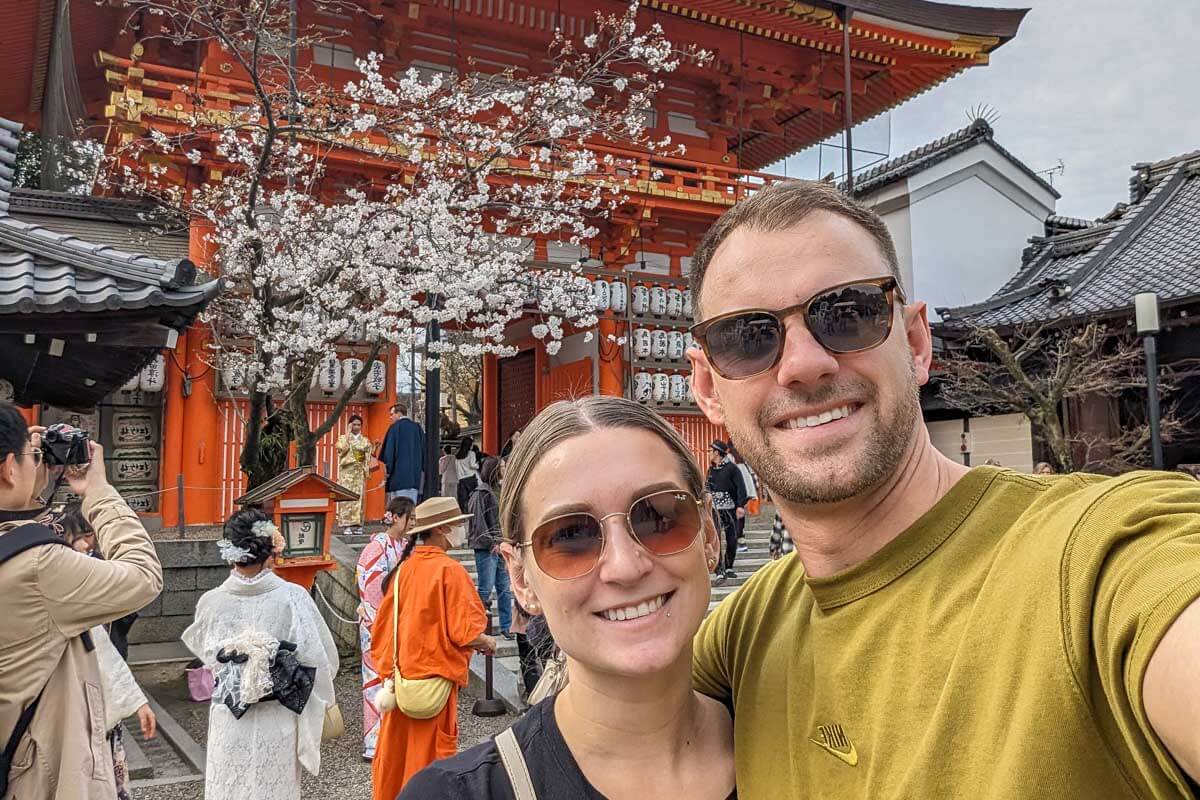
Staying at an onsen hotel will take your Japan trip to the next level. There’s nothing better than soaking in natural hot springs at the end of a day full of exploring! And luckily, with this list, you’ll be able to find an excellent onsen hotel no matter where your trip takes you.
Before you go, check out the rest of our Japan travel blogs. We have explored this country extensively and love sharing our favorite places, experiences, and sights with fellow travelers. Here are a few related blogs to inspire your next destination – cheers!
The 20 Best Hotels in Kyoto with Onsens
How to Spend ONE or TWO Days in Nikko: 1- or 2-Day Itinerary
The Services We Recommend
From hotels to guided tours, we only recommend services we know and trust. Here are our recommended partners so you can explore Japan with confidence.