6 Best Things to do in Takayama
Planning a trip to Takayama? You’ve come to the right place!
Takayama sits in Japan’s mountainous Hida region, and it’s the perfect base for exploring traditional villages and scenic landscapes. The city itself has a lot to offer, too, and its old town is actually one of the best-preserved in Japan, and there are plenty of ways to soak up traditional culture here.
When we first visited Takayama, we were a bit overwhelmed trying to decide what to do, but we had a great time exploring in the end. So now, we’ve rounded up the top things to do here to help you make the most of your time.
Don’t miss out!
Our Top Choice
The tour we loved the most and suggest booking ASAP is this one!
Our personal FAVORITE thing we did was this full-day tour to Takayama and Shirakawa-go! We loved exploring Takayama’s historic streets, sampling local treats, and seeing Shirakawa-go’s thatched houses—all without worrying about logistics!
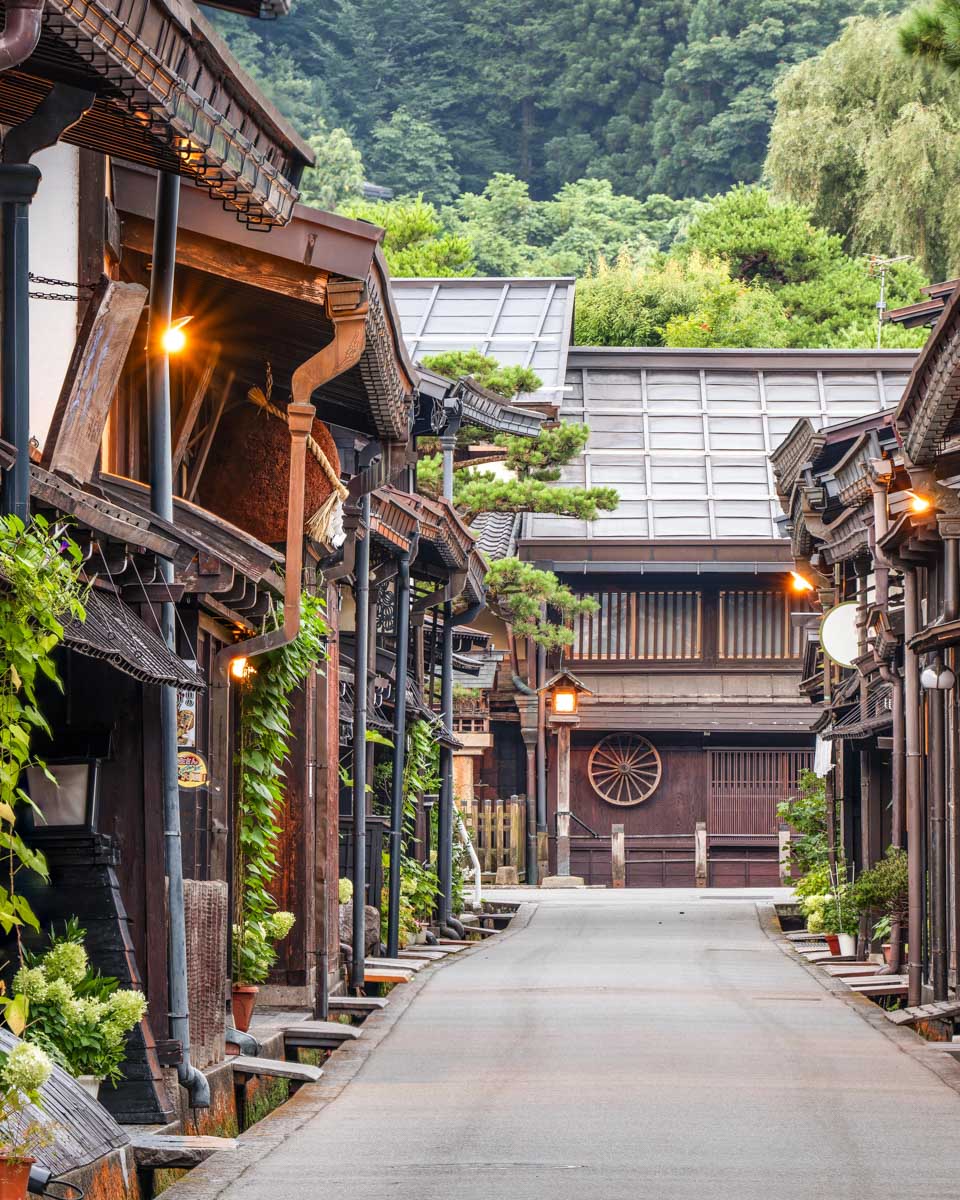
The historic Sanmachi Suji
Things to do in Takayama
1. Visit the historic thatched villages of Shirakawago and Gokayama
Tour Details
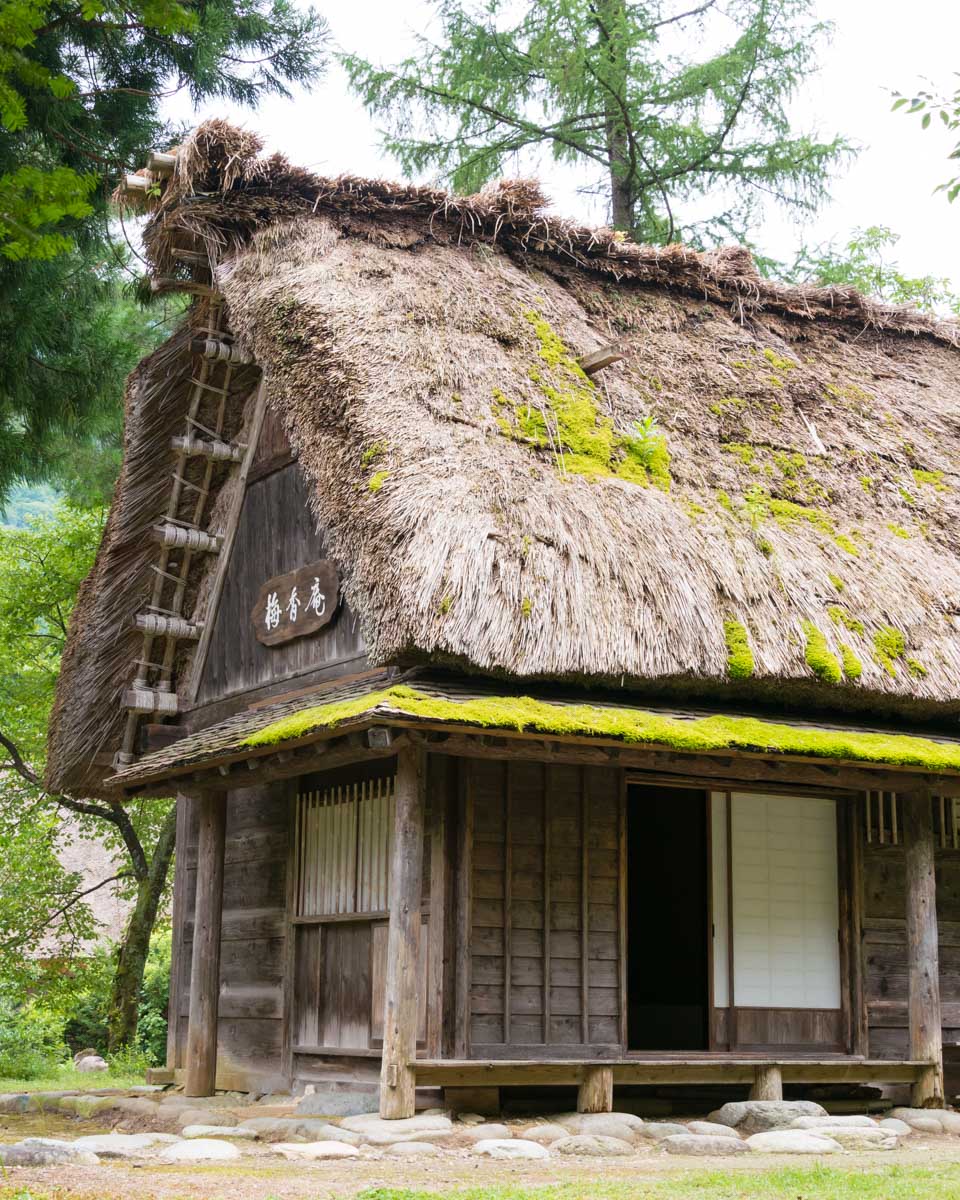
If you’re hoping to explore Japan’s iconic thatched villages without the stress of navigating rural roads, this full-day sightseeing bus tour from Takayama is the perfect choice! The tour takes you through the World Heritage-listed villages of Gokayama, Ainokura, and Shirakawa-go. These are both remote areas that are pretty difficult to get to by yourself, but the tour makes it super easy to explore.
The day kicks off with a visit to Ainokura Gassho Community in Gokayama. Here, you can wander among 20 traditional gassho-zukuri houses, which are famous for their steep, triangular roofs that are designed to withstand heavy snow. Many of these homes are actually still inhabited by local families!
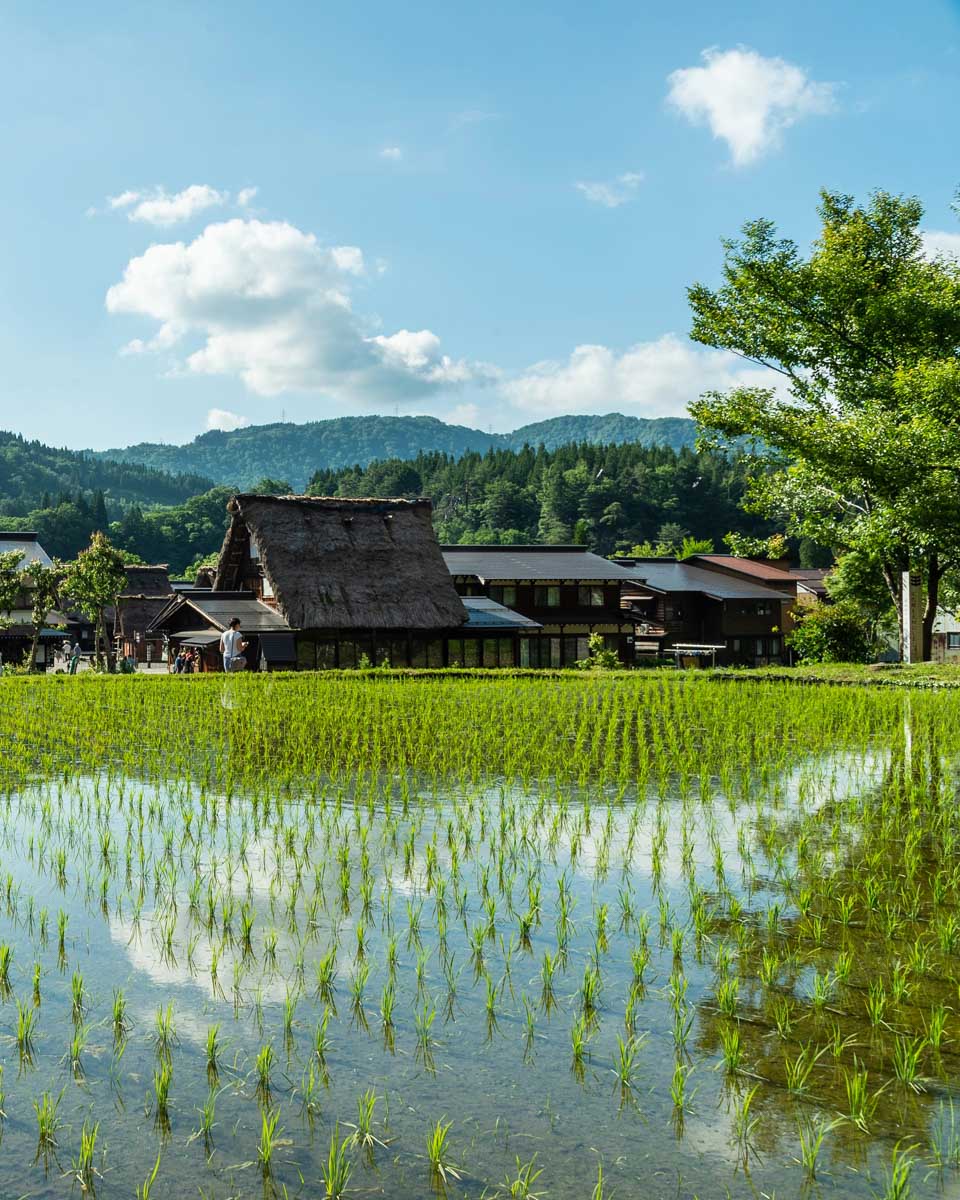
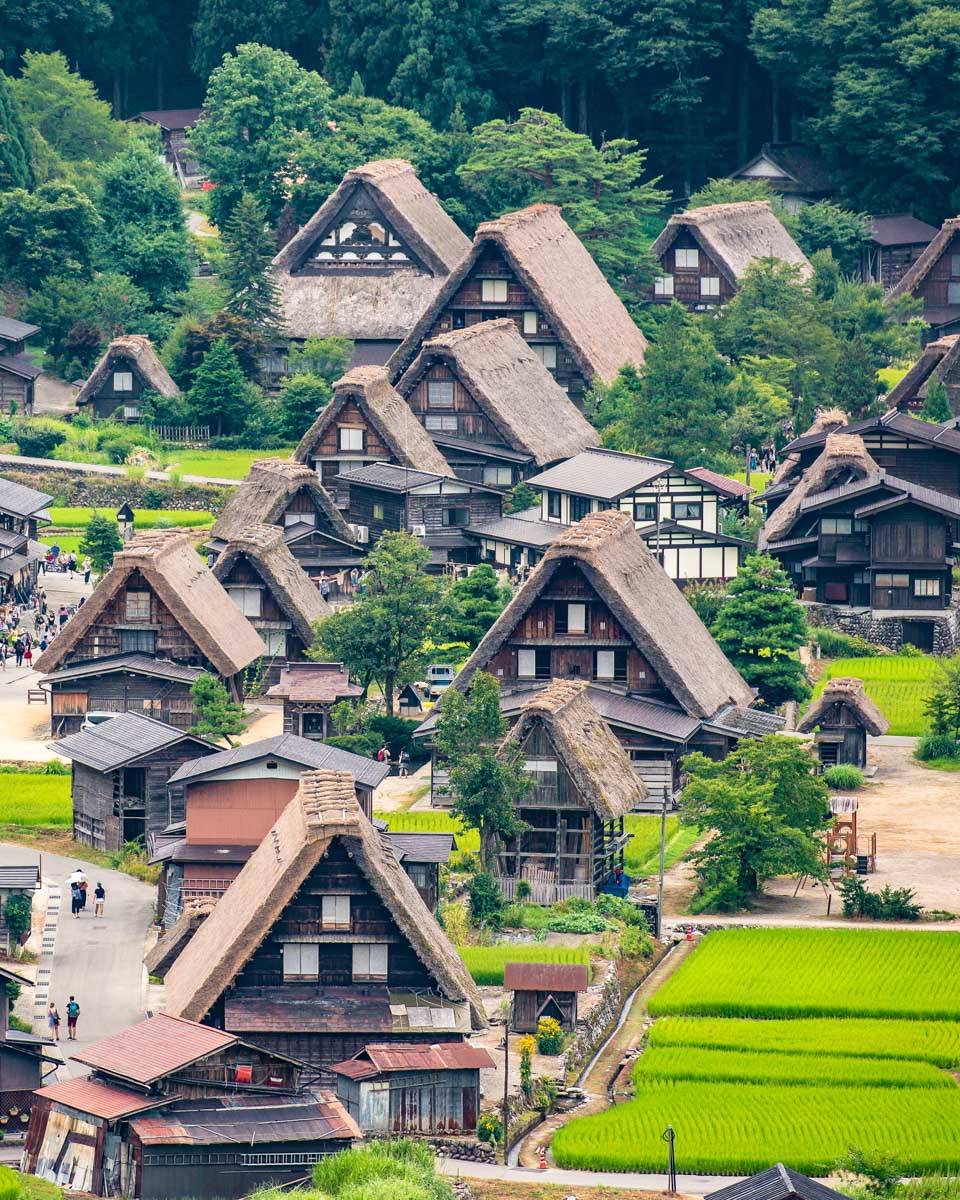
Next, you’ll head to Shirakawa-go, where over 100 gassho-zukuri houses still retain the nostalgic scenery of old Japan. You’ll have plenty of time to stroll the streets and explore the Gassho-zukuri Minkaen, a folk museum showcasing traditional interiors and lifestyles.
Finally, the day will wrap up with amazing views from the Tenshukaku Observatory! Seeing Shirakawa-go framed by mountains and forests is the perfect note to end on.
All in all, this tour is perfect for travelers who want a hassle-free day visiting Japan’s most famous thatched villages. And you don’t just have to take our word for it—read all of the 5-star reviews here!
2. Spend a full day exploring Takayama and Shirakawago
Tour Details
Exploring Takayama and Shirakawa-go on this full-day guided tour means you get to experience two of Japan’s most iconic destinations in a single day, so we highly recommend it! The itinerary is perfectly paced, and having transport included means you don’t have to worry about navigating rural roads or finding parking.
Our day started in Takayama with a visit to Takayama Jinya, which is a beautifully preserved government outpost from the Edo period. As we explored its rooms and halls, we got a real sense of how officials lived and worked. Our guide, Yoshi, also taught us a lot about Takayama’s role in regional history, which was super interesting.
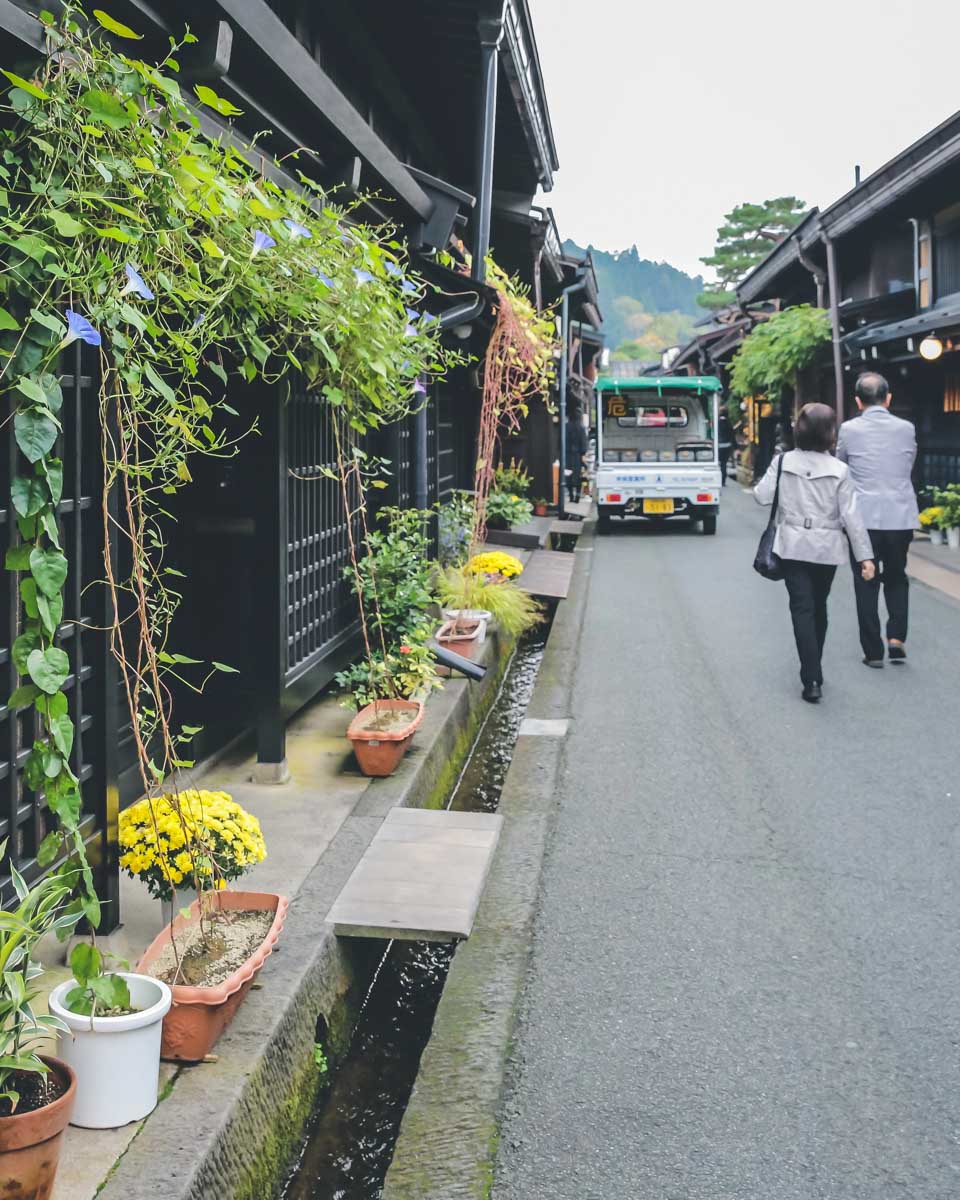
Next, we visited the Sanmachi Suji district to check out the traditional wooden houses and artisan shops. We popped into a few different shops to admire the woodwork, and Yoshi gave us more insight into local craftsmanship.
Afterwards, we visited the Hida-Takayama Miyagawa Morning Market. This was my favorite part of the tour because we got to try fresh produce and local delicacies! Then it was off to Shirakawa-go, a UNESCO World Heritage village, where we saw the famous gassho-zukuri houses. We had some free time to explore the area on our own, and Yoshi’s tips helped us find the best viewpoints and photo spots.
This tour is a true deep dive into the Hida region. We definitely left with a greater appreciation of the area’s cultural richness, and we loved not having to worry about directions or logistics.
Japan Rail Pass!
The Easiest Way to Travel Japan By Train
If you’re planning to explore Japan, the Japan Rail Pass (JR Pass) is hands down the easiest and most affordable way to get around. It’s a special 7, 14, or 21 day pass for foreign visitors that gives you unlimited rides on Japan’s famous JR trains, including the high-speed shinkansen (bullet trains)!
Why We Love the JR Pass
Pro Tip: If you’re only exploring one region of Japan, consider a Regional Pass instead (like the Kansai, Hokkaido, or Kyushu Pass). They’re cheaper and perfect for smaller trips!
Where to Get Your Pass
We personally recommend buying your pass online in advance through JRPass.com — they’re an official reseller with fast worldwide delivery and English support, making the whole process super simple. They even offer handy add-ons like pocket WIFI and meet & greet services! Still not sure if the JR Pass is right for you? Check out our Ultimate Guide to the Japan Rail Pass for a full breakdown of costs, inclusions, and when it’s worth it!
3. Ride the Shinhotaka Ropeway
Tour Details
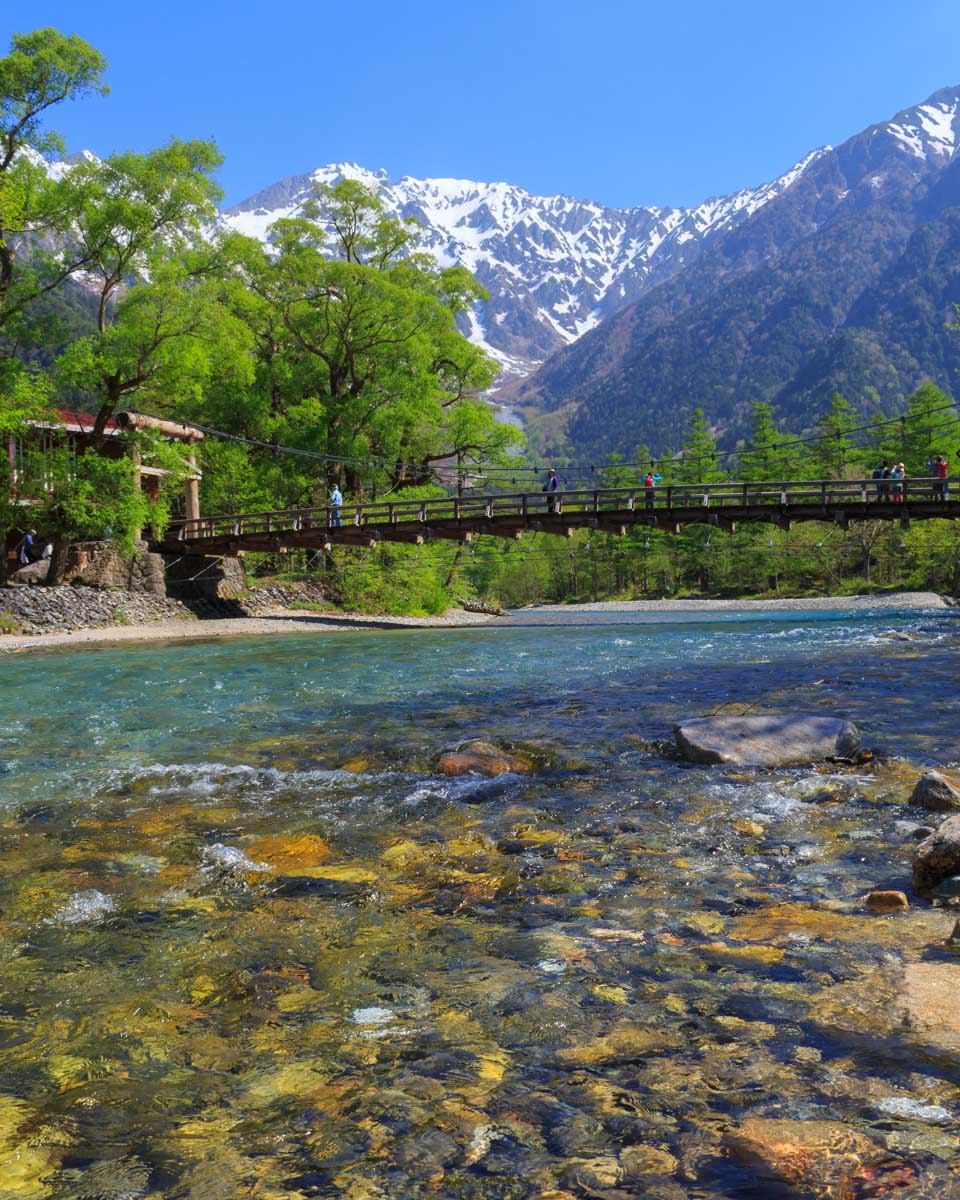
We had the BEST time exploring Japan’s Northern Alps on this full-day guided tour. It does an incredible job of showcasing Japan’s most pristine natural landscapes, and having everything organized for us made it so easy to explore.
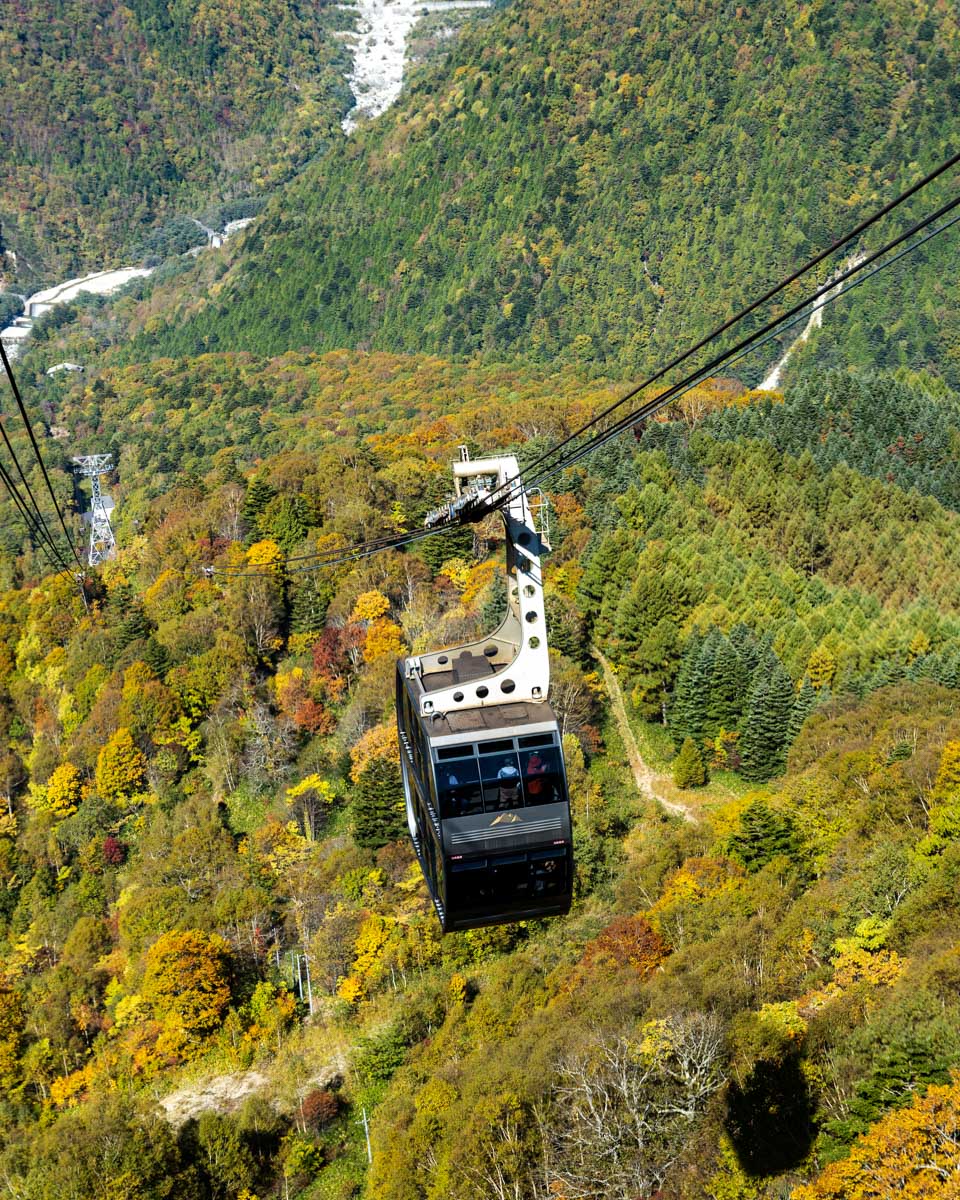
The day started with a scenic drive out to the Shinhotaka Ropeway, which is a two-stage ropeway ride. The views were breathtaking, and only got better the higher we ascended, and then we visited the observation deck at the top for unobstructed panoramas!
After the ropeway, we headed to Kamikochi, which offered a stark contrast to the snowy peaks! We enjoyed a guided walk along the Azusa River, which is startlingly clear and surrounded by lush green hillside. After the walk, we had some time to explore Kamikochi on our own, which we used to visit Myojin Pond, which reflects the surrounding greenery in its still waters.
Exploring Japan’s Northern Alps on your own can be challenging. The region is huge and varied, and none of the signs are in English, but joining a tour takes away all the stress of navigation and planning. On this guided trip, everything is taken care of, from transport to ropeway tickets, which leaves you free to focus on the scenery and experiences. It also ensures you don’t waste time getting lost or missing out on hidden gems.
4. Taste your way through Takayama
Tour Details
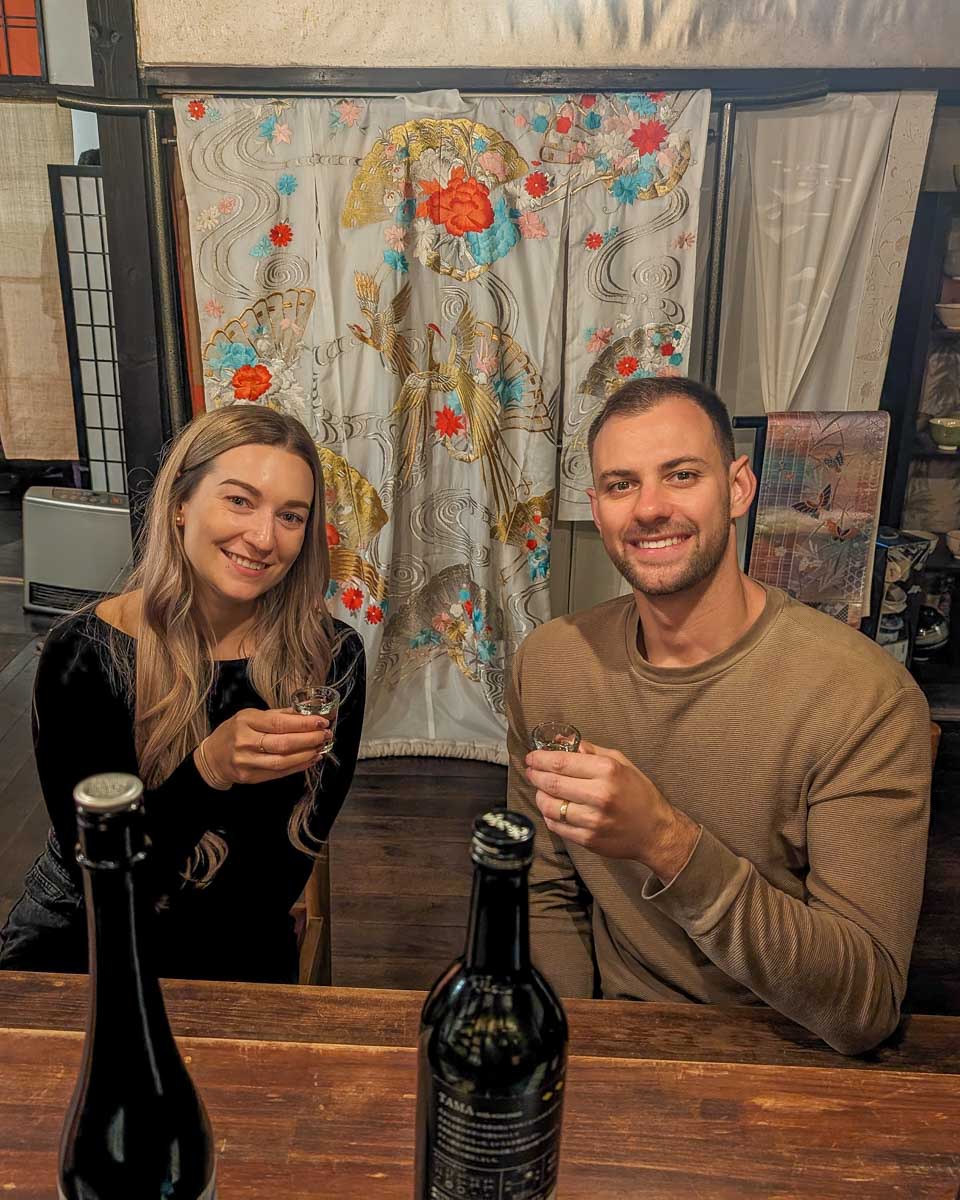
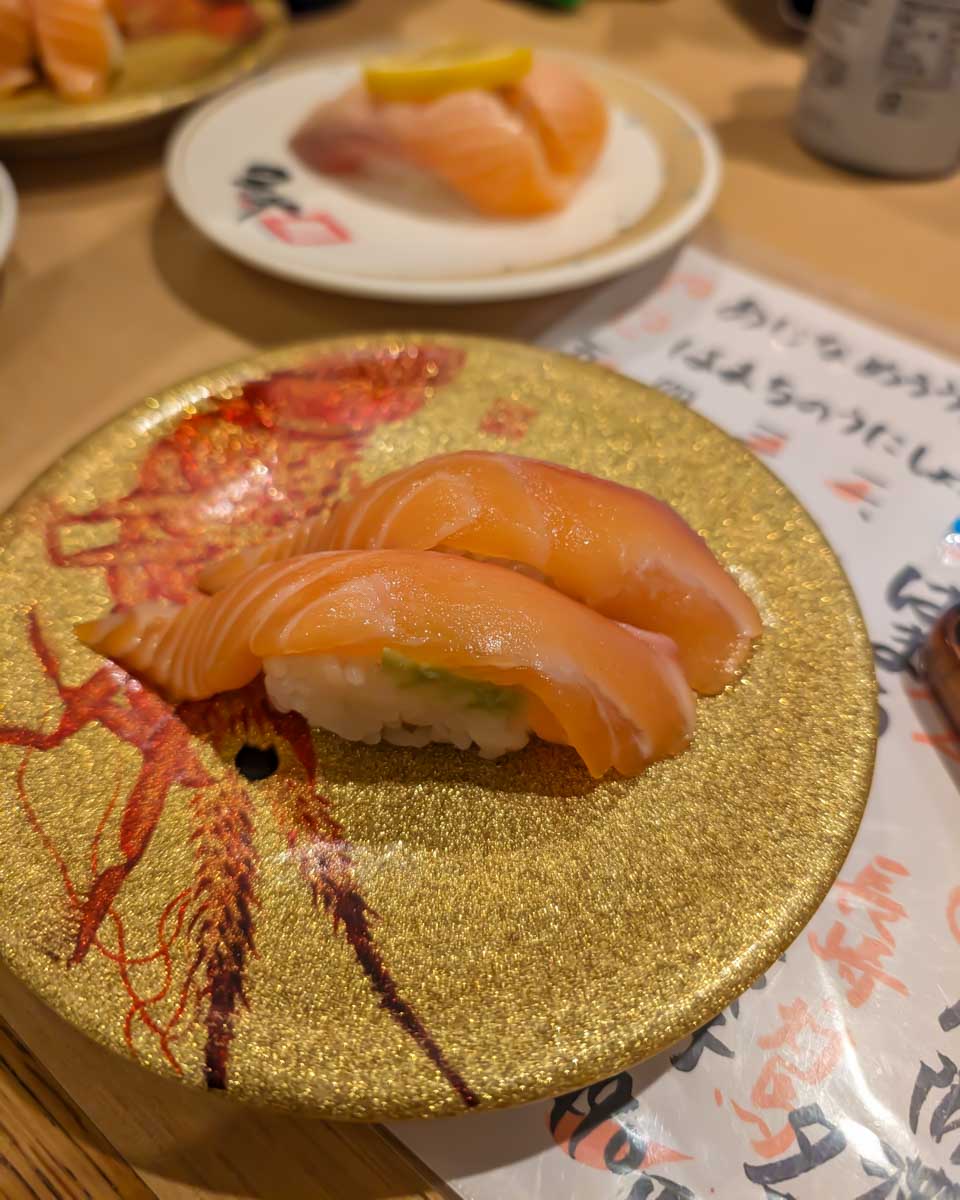
Exploring Takayama on this local cuisine and cultural tour is a standout way to explore the city’s rich culinary heritage. It’s led by a nationally licensed guide, which means you’ll not only get to taste local specialties, but also gain deep insight into the history and traditions that shape Takayama!
This tour itinerary is great because it includes visits to historic sites like Takayama Jinya and the charming streets of the Sanmachi Suji district. Along the way, you’ll also check out the Hida-Takayama Miyagawa Morning Market and the smaller Jinya-Mae Market to sample fresh produce and local snacks—yum!
A big highlight is visiting some of Takayama’s traditional breweries. And I’m not just talking about sake breweries (although you’ll hit two of those), because you’ll also get to visit a miso and soy brewery, which is over 250 years old. Then, at the sake breweries, you’ll get to try regional snacks that have been baked with sake, like sake-steamed manju buns.
What sets this tour apart is the balance between food and culture. The guide explains the local ingredients and cooking techniques, but also talks about the cultural context behind each experience. You’ll leave with a full stomach, as well as a real appreciation for the city’s cuisine. And since it’s a private tour, you can customize it to your liking, and you’ll have your guide’s undivided attention!
Why We Book Tours with Viator
Viator is a trusted online booking system for tours around the world! We almost always book our tours using Viator for a couple of reasons:
5. Join a Takayama family to cook classic Japanese dishes

Tour Details
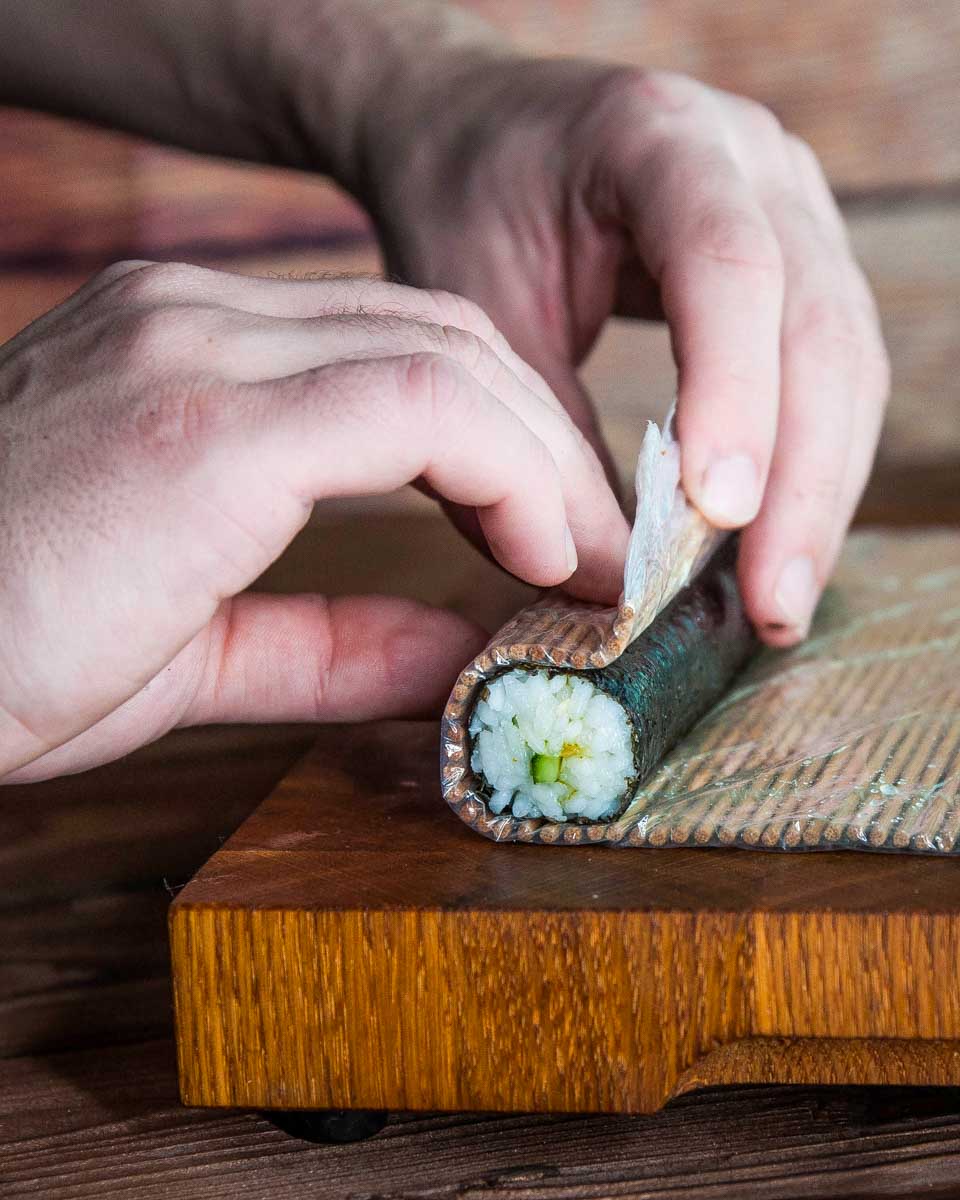
This Japanese cooking class in Takayama’s Old Town offers an intimate and authentic experience in a 200-year-old family townhouse that has been carefully preserved over generations. Unlike larger, impersonal classes, this tour provides a personal connection with your hosts, who are deeply rooted in the local culture but also fluent in English.
The class begins with a traditional welcome of Japanese tea and wagashi, which are traditional plant-based sweets. From there, you’ll step into the semi-outdoor kitchen where you’ll learn to make a variety of dishes. The menu changes according to what’s in season, but dishes you might prepare include Hoba sushi wrapped in magnolia leaves, rolled omelettes, miso soup, and tempura. And since this is a private tour, the menu can be adapted to accommodate your dietary restrictions and preferences.
As you cook, your hosts share insights into life in Takayama and the traditions of Japanese home cooking. This is something I always appreciate in a cooking class because it adds a lot of depth and context to the dishes you’re preparing.
This is a beginner-friendly experience, so you don’t have to be a practiced chef to participate! I think it’s a must for anyone interested in Japanese cuisine. It’s no surprise this experience only has five-star reviews—check them out here to see why travelers love it just as much as we did!
6. Take part in a Japanese tea ceremony in a machiya
Tour Details
If you’re looking for something wholesome to do in Takayama, I think that this Japanese tea ceremony takes the cake—or rather, the wagashi!
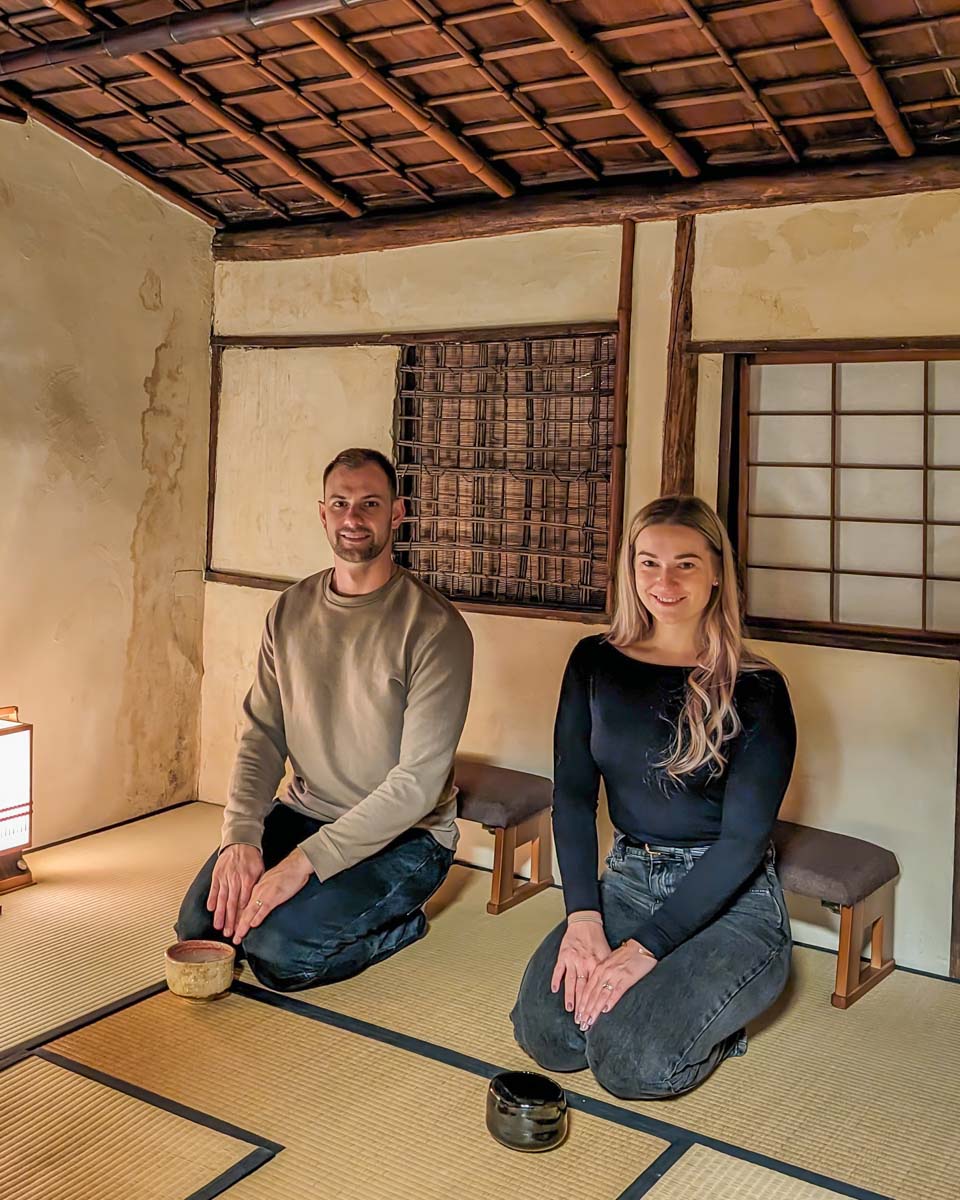
This experience is held in a beautifully preserved Machiya townhouse, which is a rare example of traditional Edo-period architecture. In fact, it’s over 200 years old! Unlike many other Machiya that have lost their original form, this house retains both its historical charm and structural integrity, so it offers an authentic glimpse into life in old Takayama. It has functioned as both a family home and an obstetrics clinic, so it has a pretty unique history, too!
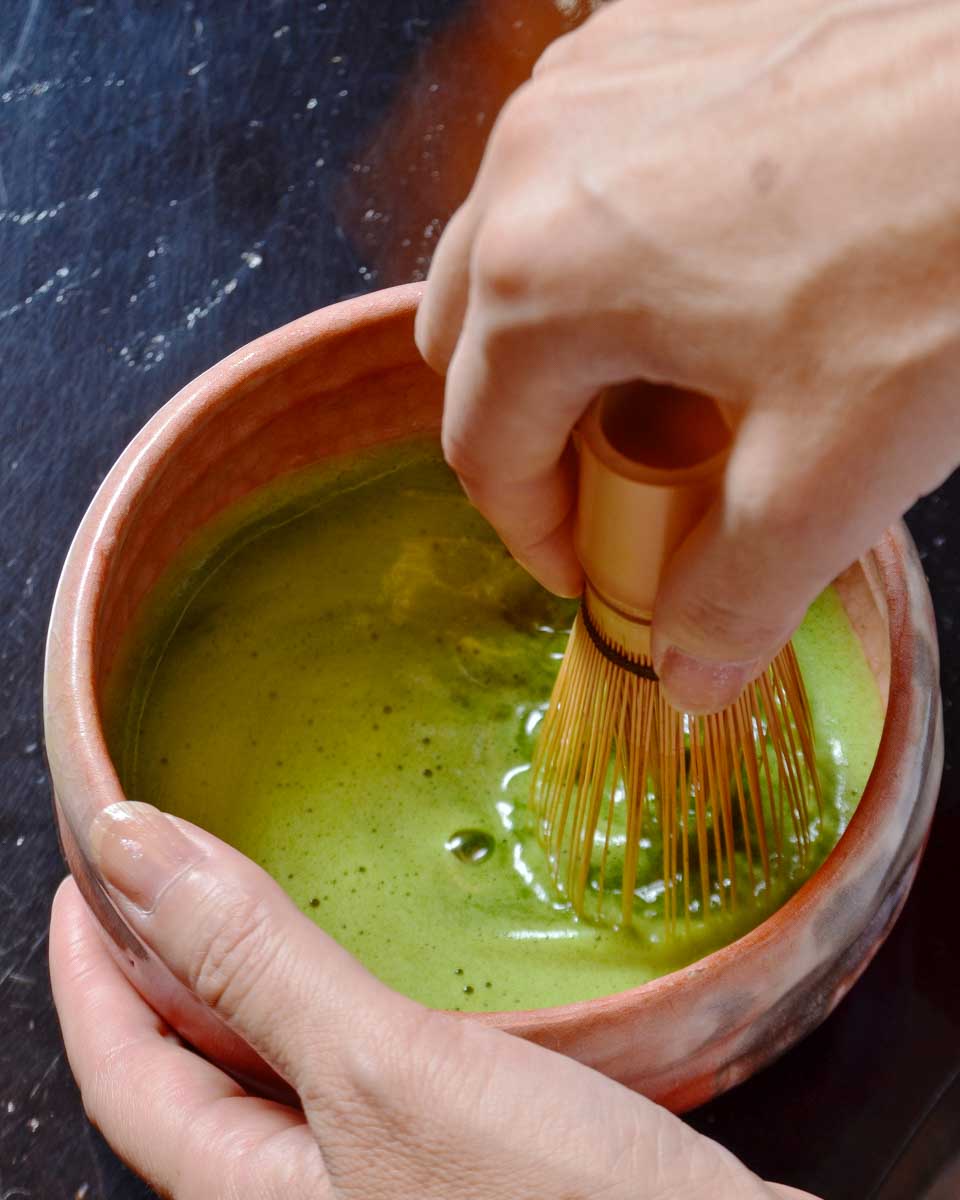
Before the tea ceremony begins, Bob-san will give you a tour of his home and share a little about the principles of Machiya design. Then, when the ceremony itself begins, you’ll be served high-quality Japanese green tea. It’s prepared with care and precision, along with seasonal fruits and delicate wagashi sweets.
But a Japanese tea ceremony is about more than just the food. It’s a very deliberate combination of precise movements and careful preparation, and every step has a deeper meaning behind it! We just love that it takes place in a local home, too, because it offers a rare glimpse into everyday life in Takayama while still honoring centuries-old traditions.
Honestly, you really have to experience a tea ceremony for yourself in order to understand the art of Japanese hospitality, so don’t miss this elegant and educational experience in Takayama.
Where to Stay in Takayama
Now that you know what to do in Takayama, it’s time to think about where to stay! The best area is Hida-Takayama Old Town, right in the heart of the city. This is where you’ll find Takayama’s famously well-preserved old buildings, and staying here puts you within easy reach of the best markets, attractions, and restaurants.
And since it’s a popular area for visitors, Hida-Takayama Old Town offers a wide range of accommodations to suit every budget, from cozy guesthouses to boutique ryokans. To help you plan your trip, we’ve rounded up our top picks below.
Honjin Hiranoya Kachoan – $$$
Staying in a ryokan is a must-do experience while in Japan, and Honjin Hiranoya Kachoan is a truly exceptional choice. It offers an authentic Japanese stay right in the heart of Takayama Old Town, just steps from the morning markets and historic streets. We love the way that this property blends classic Japanese style with modern luxury.
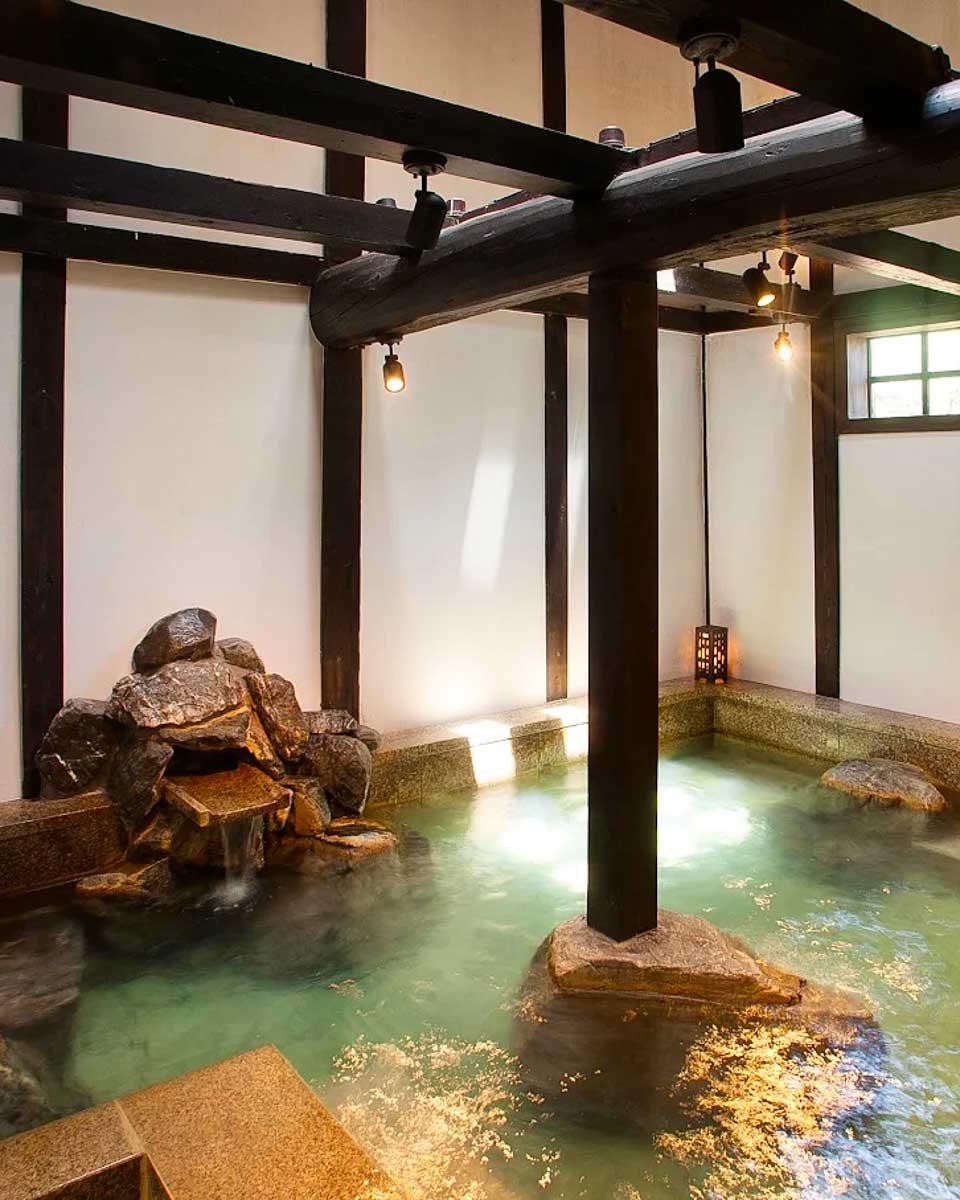
One of our favorite things about staying in a ryokan is enjoying a traditional kaiseki dinner, and this place really does it right, with plenty of local Hida beef on the menu. There’s also an indoor onsen, and the staff truly could not be nicer. This place encapsulates everything that’s great about Japanese hospitality!
Rooms and suites typically cost between ¥67,500 and ¥135,000 per night ($450–$900 USD). Check availability and book your stay here!
Hotel Wood Takayama – $$
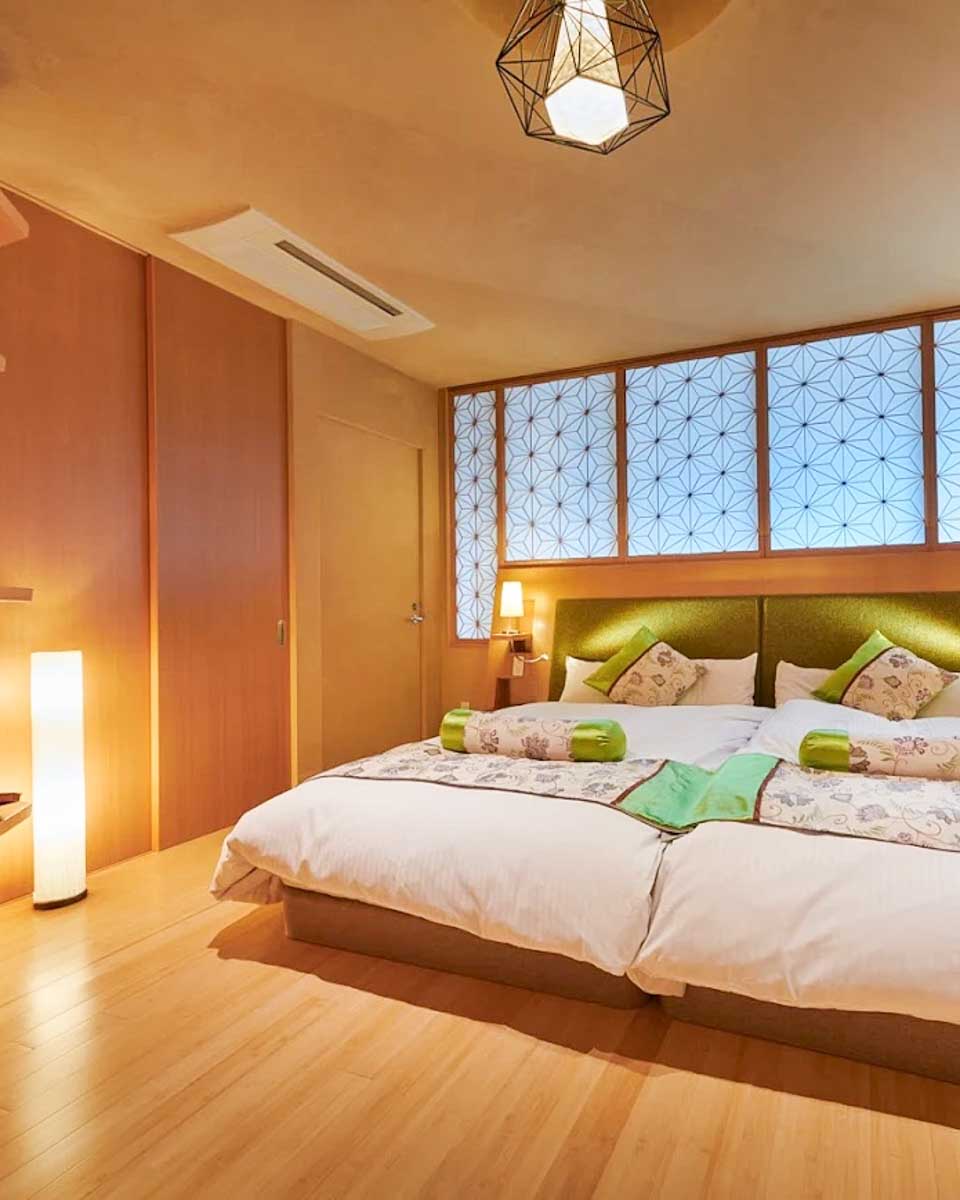
Hotel Wood Takayama is a modern hotel, but it still has lots of traditional Japanese design elements. We think it offers fantastic value for money, and it’s also a great choice for families as there are spacious family rooms available, or you can add a crib for free to a double or twin room.
The property is in a fantastic location, close to attractions such as the Fuji Folk Museum and the Yoshijima Heritage House, while Takayama Station is also just a short walk away. You’ve also got an onsen on site, as well as a spa, a bar, and a spacious lounge where you can kick back between excursions.
Rooms here cost between ¥20,250 and ¥52,500 per night ($135–$350 USD), depending on your dates and room category. Read the glowing reviews and book your stay here!
Chisun Grand Takayama – $
Chisun Grand Takayama is a budget-friendly hotel that still offers comfort and a convenient central location. It’s just a two-minute walk from Takayama Station, and it’s close to attractions like the Fuji Folk Museum and Takayama Festival Float Exhibition Hall, so it’s super easy to explore the city here.
The hotel also has a spa and wellness center and sauna. Guests can also enjoy free bicycle rentals, which make it easy to explore the area at your own pace and cover a lot of ground in a short space of time.
Expect to pay between ¥11,250 and ¥45,000 per night ($75–$300 USD). Secure the best prices by booking your stay here!
Still searching for the right place to stay? Browse all the top hotels in Takayama here.
Related Read: Need more info before booking a room? See our complete Where to Stay in Takayama guide to discover the different areas and hotel options at a range of budgets!
Renting a Car in Japan

Japan’s trains are great, but if you want to explore rural areas, scenic routes, or off-the-beaten path hidden gems, renting a car offers unmatched flexibility. Driving in Japan is generally safe, with well-maintained roads and clear signage, though there are some unique rules and customs to be aware of.
We always book with Discover Cars and can’t recommend them enough. It’s super easy to compare multiple provider prices, check company ratings, filter for the type of vehicle you want, and add affordable full coverage insurance. If you want a full breakdown, check out our Discover Cars review here.
Tips for Renting a Car in Japan
What You Need to Rent a Car in Japan
Ready to hit the road? Discover the freedom of exploring the Japan on your own terms!
Airalo e-sim
Up To 15% Off With Code “DTRAVEL10”
What’s an eSIM?
An eSIM is a digital version of a SIM card. Instead of buying a little plastic chip and swapping it into your phone, you just download it. It connects your phone to a local network in whatever country you’re visiting — no stores, no waiting, and no fiddling with tiny cards.
In simple terms, it’s the easiest way to get data and stay connected while traveling.
We’ve tested a bunch of eSIMs in North America, and after a few frustrating experiences, we’ve found our favorite — Airalo. It’s fast, reliable, and incredibly easy to use. You can set it up in minutes (even my mom managed it solo on her first try!), and the prices are some of the best out there.
Bonus: We’ve got an exclusive 15% discount for our readers. Use the codes:

Takayama truly captures the charm of old Japan—from its beautifully preserved streets and morning markets to the nearby mountain villages that feel frozen in time. Whether you’re here for the food, history, or traditional crafts, we hope this guide helps you plan the perfect trip to Takayama!
Don’t forget to check out our other Japan blogs here for more travel inspiration, including detailed itineraries, food experiences, and where to stay guides. Or check out some of our most popular guides below to get started!
How to Spend ONE or TWO DAYS in Nagano, Japan: 1 or 2-Day Itinerary
10 Best Things to do in Tokyo, Japan
The Services We Recommend
From hotels to guided tours, we only recommend services we know and trust. Here are our recommended partners so you can explore Japan with confidence.